

The DOI matches its Crossref record; 92 of the 92 references it cites were found in a registry or an index.
Defining blood-induced microglia functions in neurodegeneration through multiomic profiling
Open accessAbstract
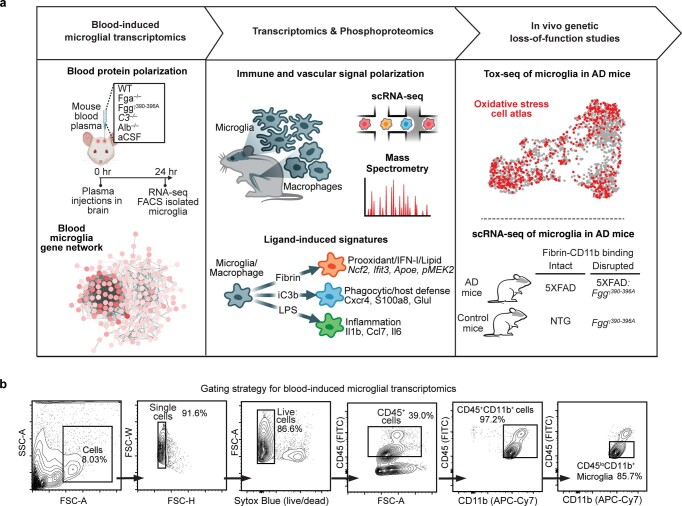
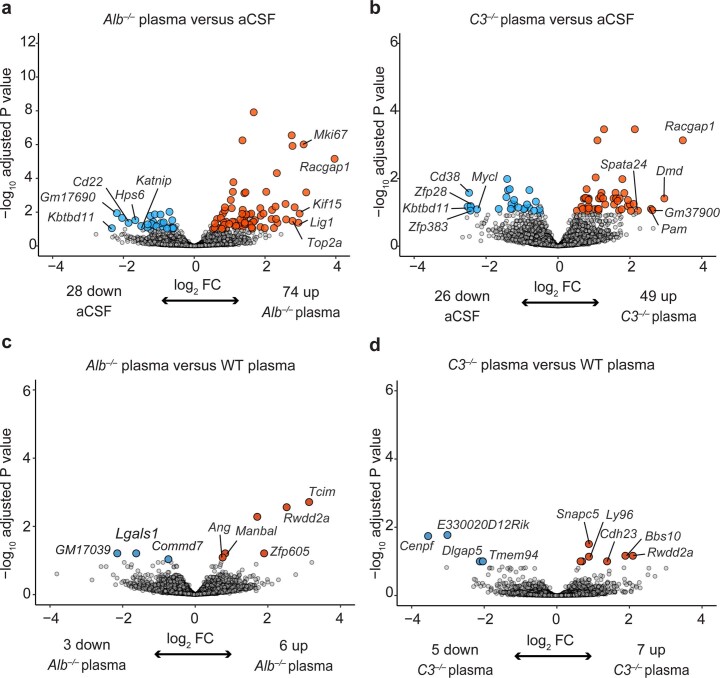
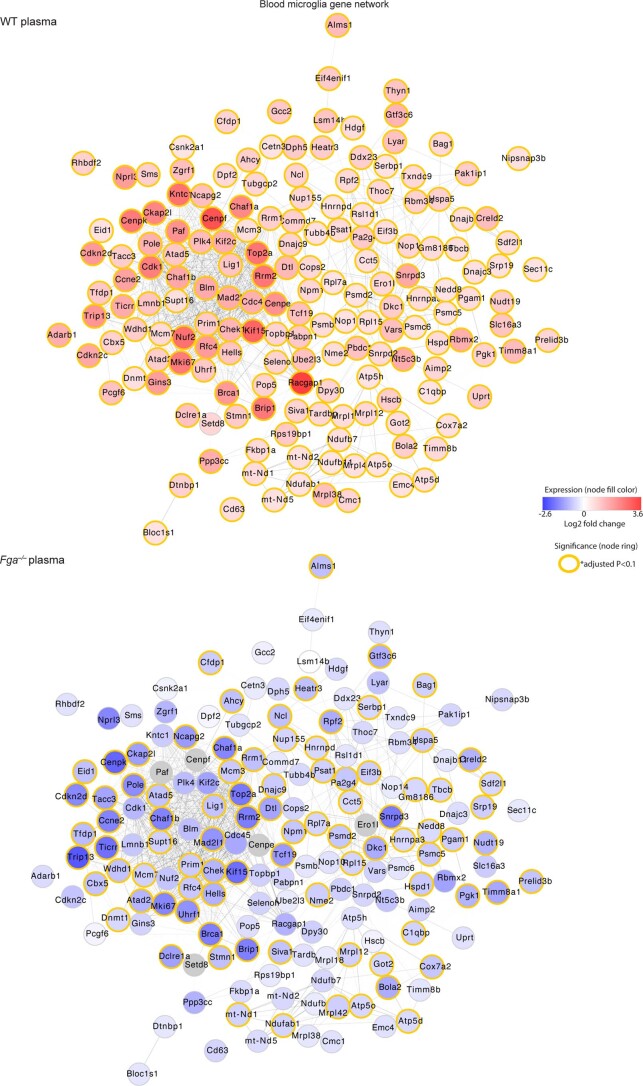
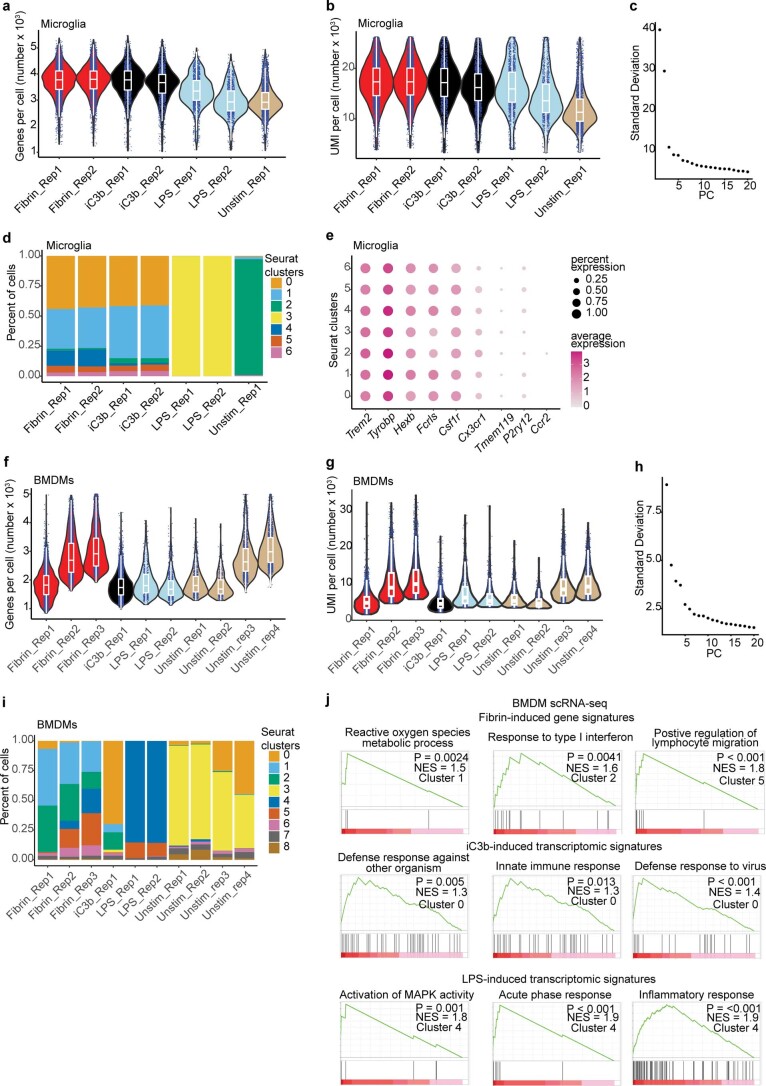
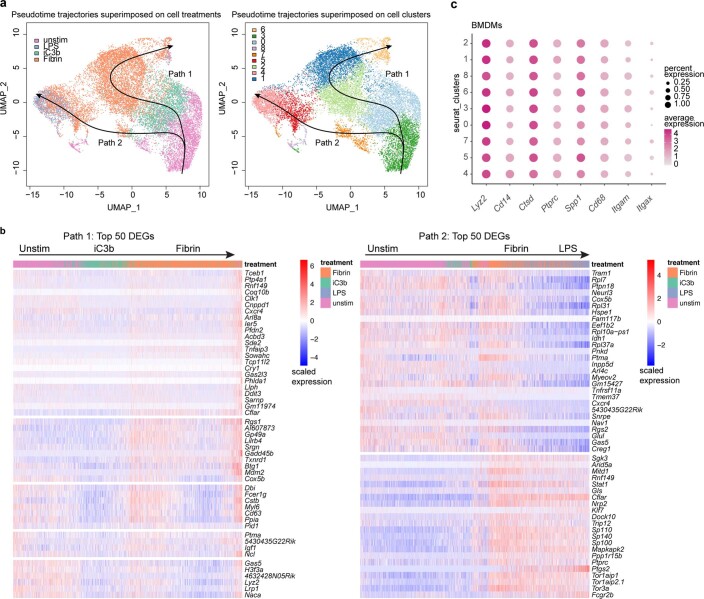
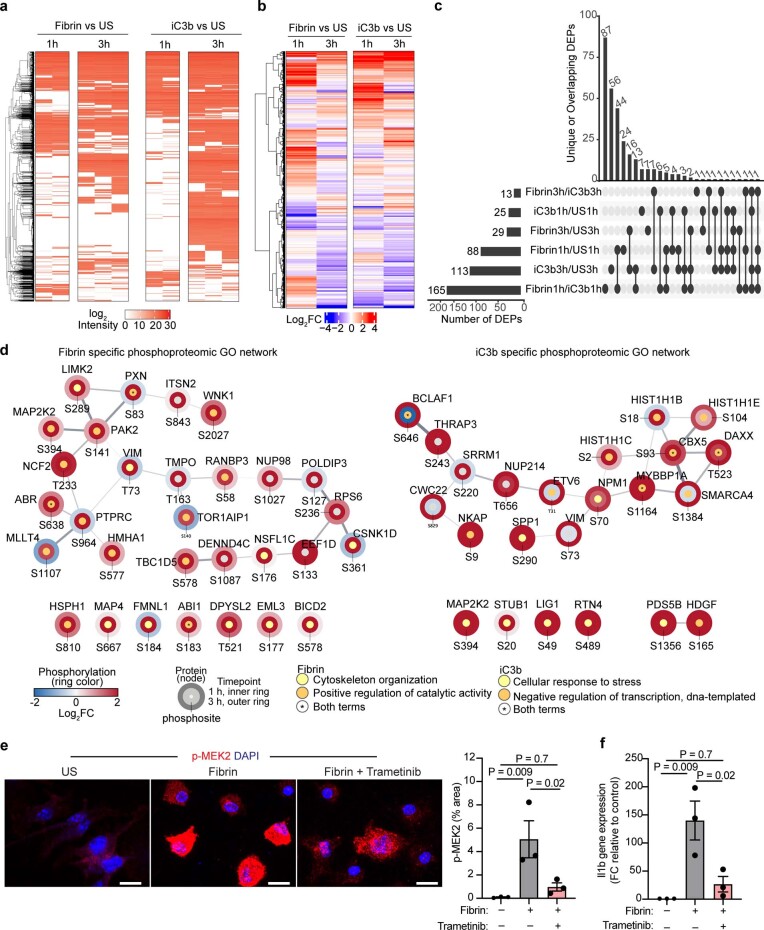
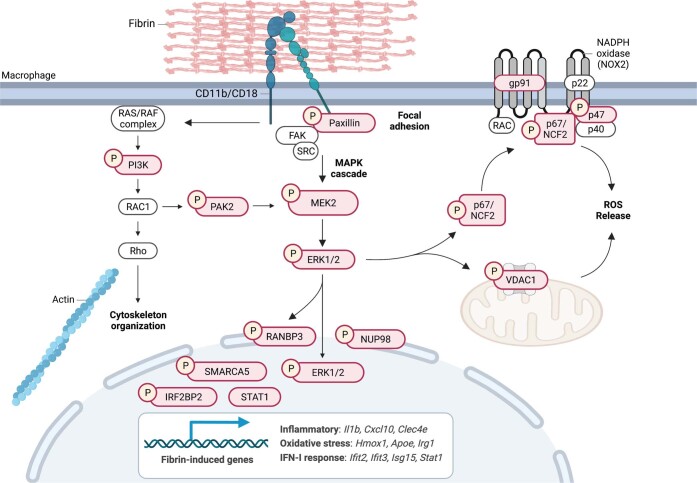
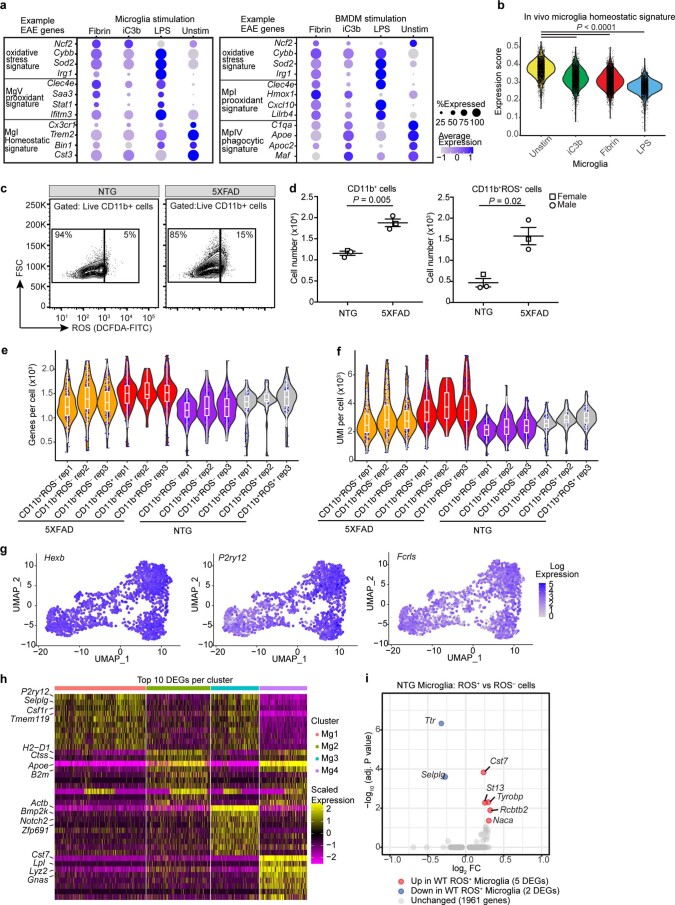
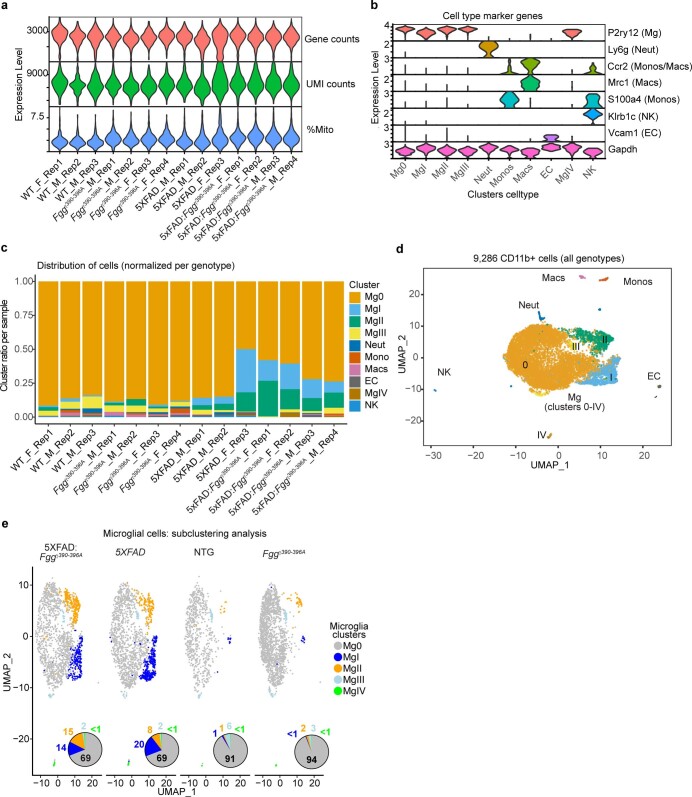
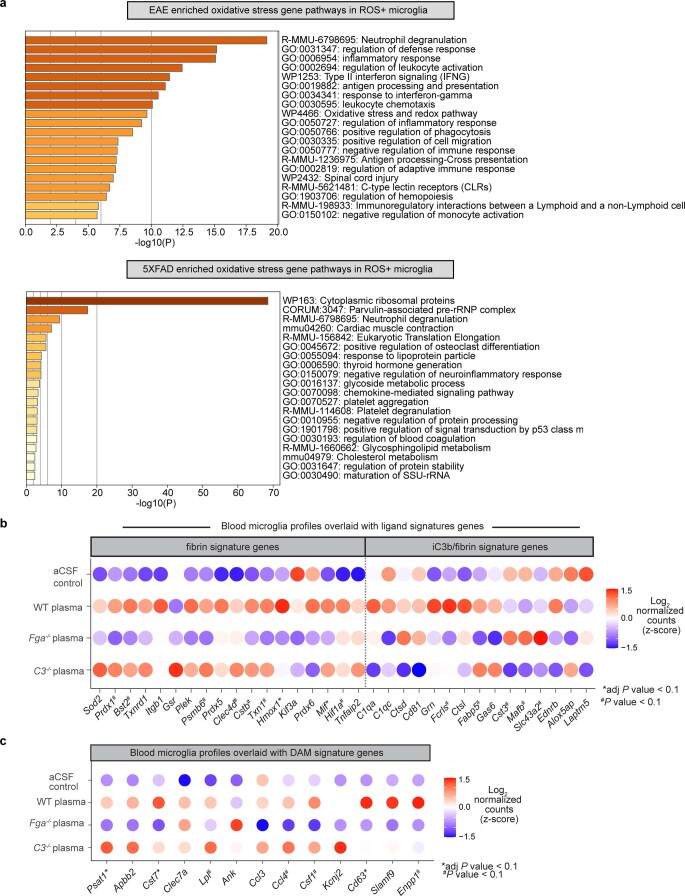
Blood protein extravasation through a disrupted blood–brain barrier and innate immune activation are hallmarks of neurological diseases and emerging therapeutic targets. However, how blood proteins polarize innate immune cells remains largely unknown. Here, we established an unbiased blood-innate immunity multiomic and genetic loss-of-function pipeline to define the transcriptome and global phosphoproteome of blood-induced innate immune polarization and its role in microglia neurotoxicity. Blood induced widespread microglial transcriptional changes, including changes involving oxidative stress and neurodegenerative genes. Comparative functional multiomics showed that blood proteins induce distinct receptor-mediated transcriptional programs in microglia and macrophages, such as redox, type I interferon and lymphocyte recruitment. Deletion of the blood coagulation factor fibrinogen largely reversed blood-induced microglia neurodegenerative signatures. Genetic elimination of the fibrinogen-binding motif to CD11b in Alzheimer’s disease mice reduced microglial lipid metabolism and neurodegenerative signatures that were shared with autoimmune-driven neuroinflammation in multiple sclerosis mice. Our data provide an interactive resource for investigation of the immunology of blood proteins that could support therapeutic targeting of microglia activation by immune and vascular signals.
Overview
The claims and statistics of this paper haven’t been checked yet.
Run the check — free, no account needed. It reads the open-access text and checks the sources it cites.
Integrity signals
Registry
Cites
Statistics
Figures
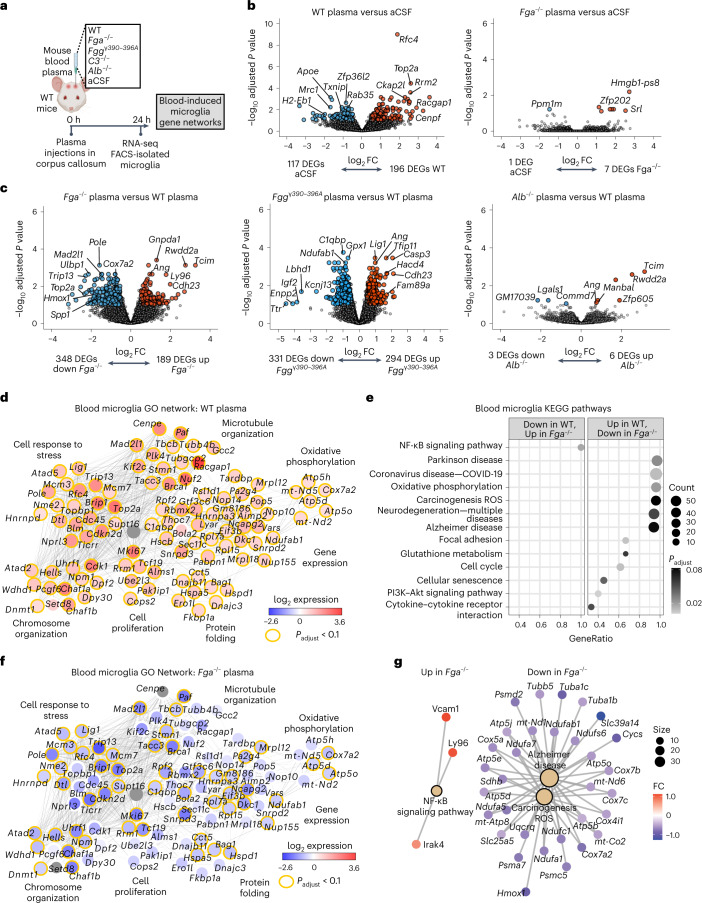
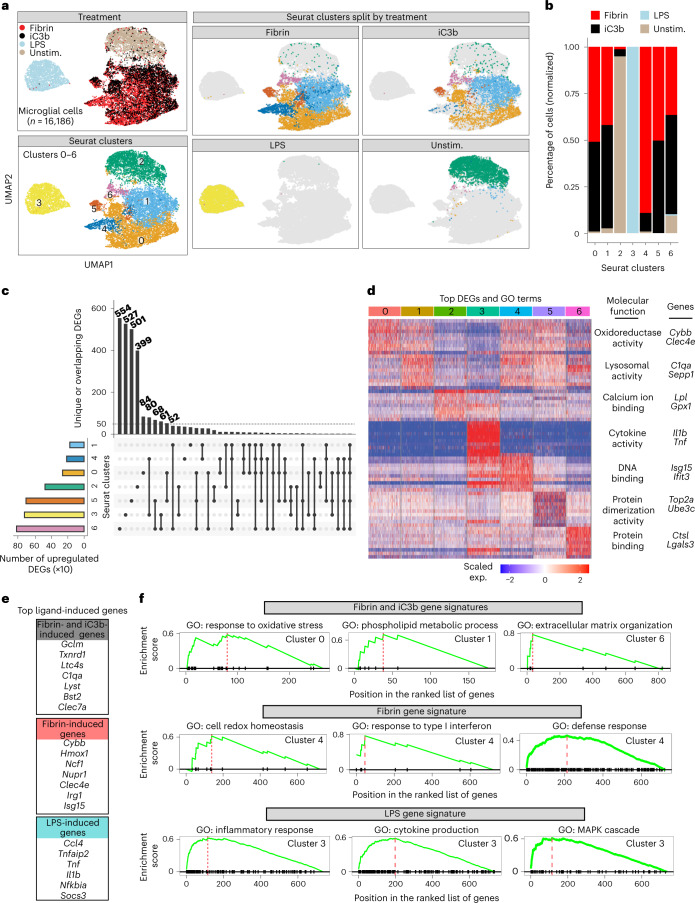
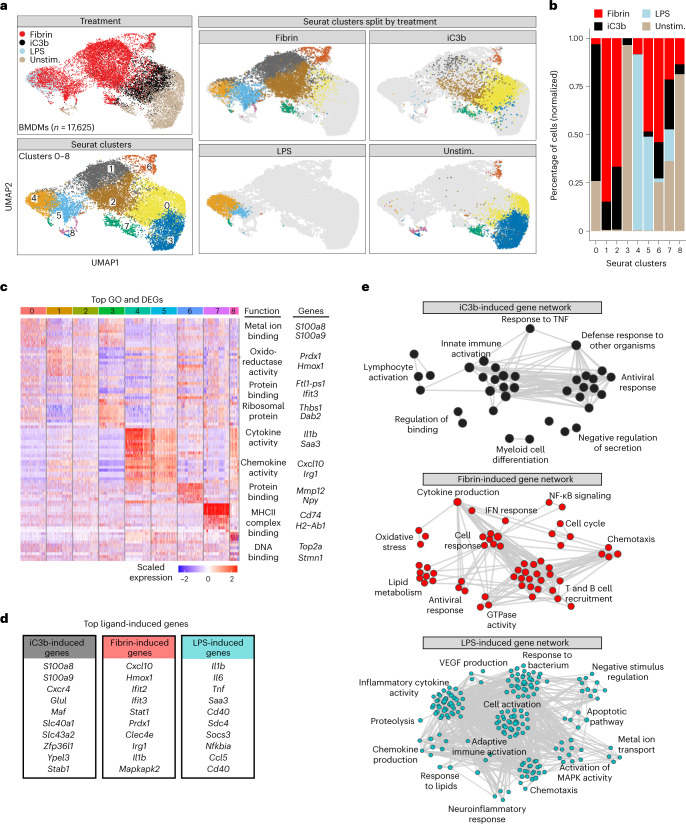
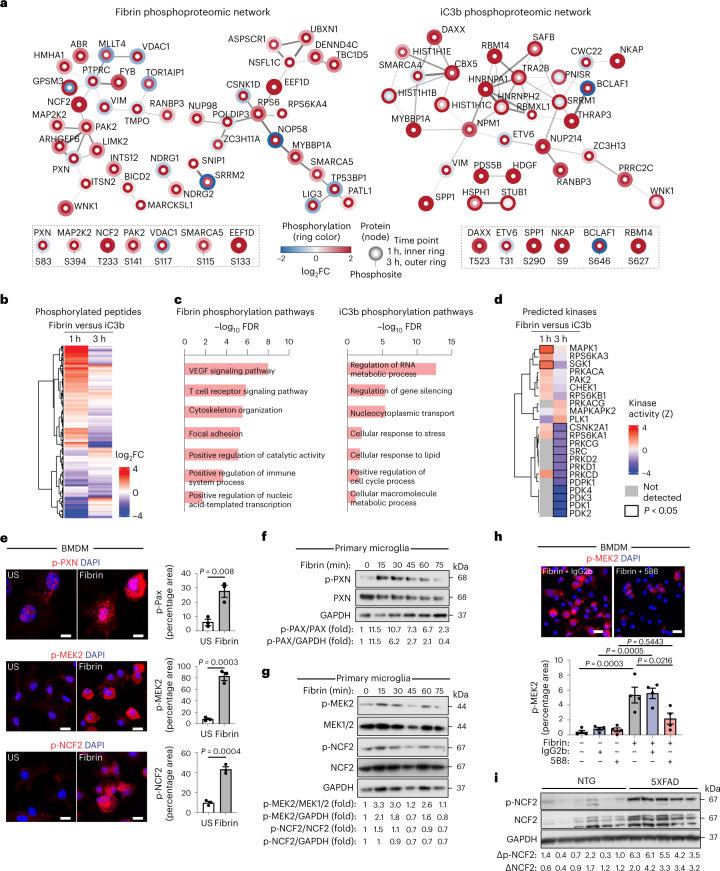
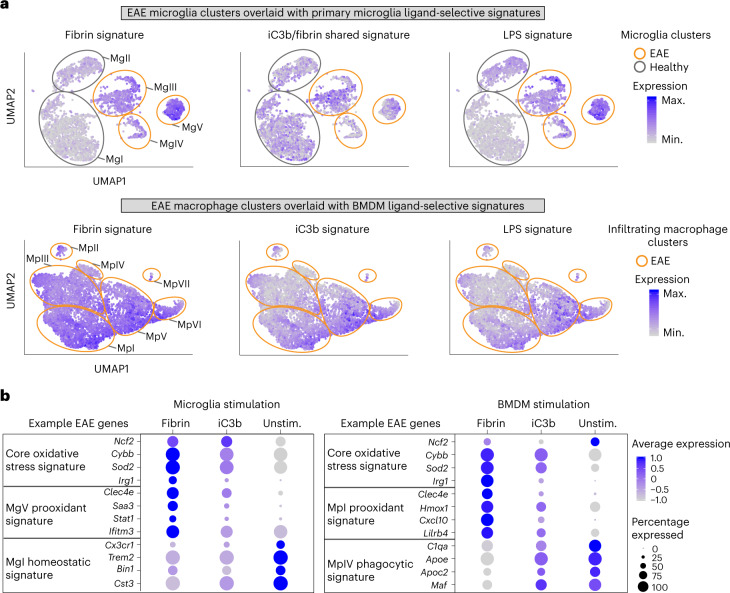
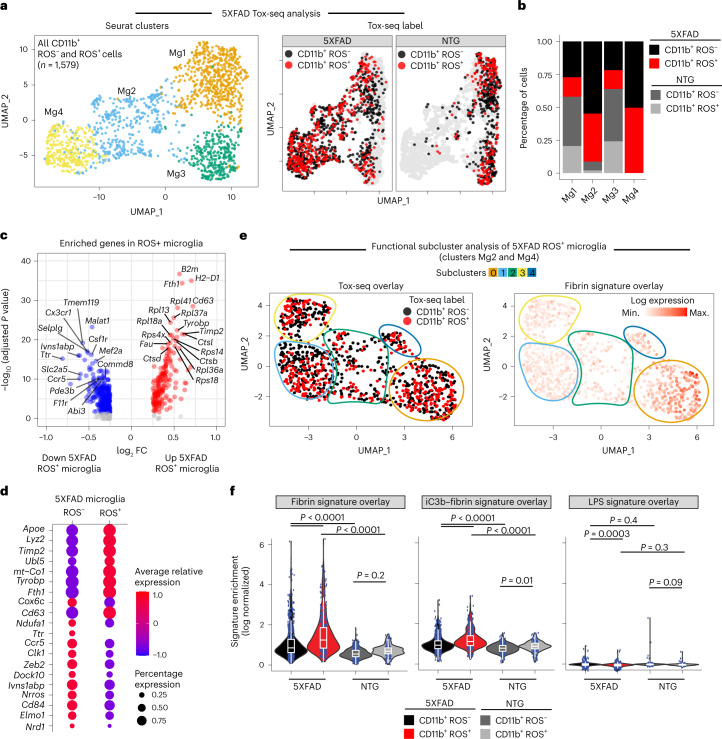
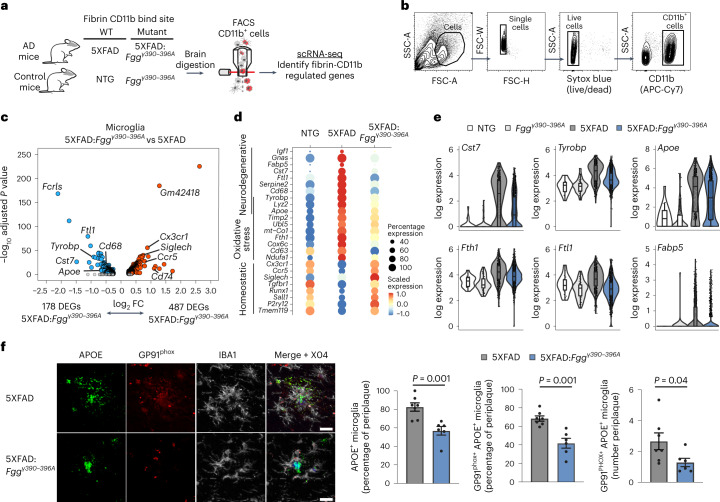
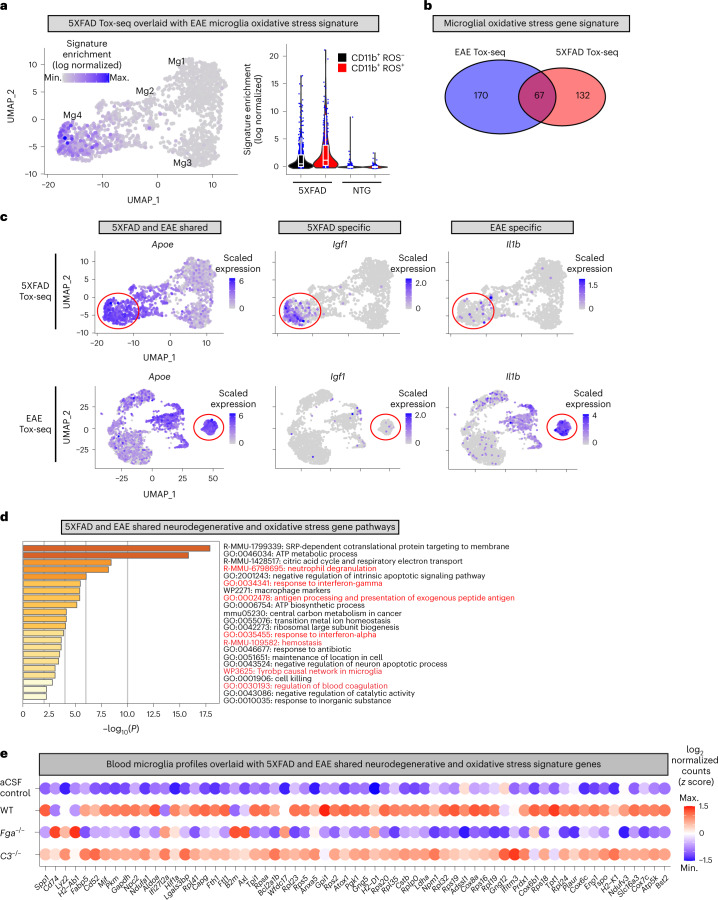
Verification
Claims the paper makes
The claims and statistics of this paper haven’t been checked yet.
Run the check — free, no account needed. It reads the open-access text and checks the sources it cites.
Claims other papers make about this one
Each is checked against this paper’s own text: does it say what the citing paper says it does?
The source backs part of the claim, not all of it — or backs it for a different population, condition or comparison.
In the citing paper
“Humanized App knockin (KI) and APP transgenic mouse models mimic certain aspects of AD pathogenesis, including progressive amyloidosis, gliosis, and neuroinflammation, as well as network hyperexcitability and cognitive impairment, albeit to different degrees of severity across models and paradigms.15-27”
From Machine learning reveals prominent spontaneous behavioral changes and treatment efficacy in humanized and transgenic Alzheimer's disease models (2024) · cites this paper as [22]
Experimental — accuracy not yet measuredThe source backs part of the claim, not all of it — or backs it for a different population, condition or comparison.
In the citing paper
“Fggγ390–396A reduces AD-related pathogenesis, including amyloid burden, dystrophic neurites, synaptic loss, microgliosis, and neuroinflammation in 5xFAD-Fggγ390–396A mice relative to 5xFAD mice.21,22,34”
From Machine learning reveals prominent spontaneous behavioral changes and treatment efficacy in humanized and transgenic Alzheimer's disease models (2024) · cites this paper as [22]
Experimental — accuracy not yet measuredThe source backs part of the claim, not all of it — or backs it for a different population, condition or comparison.
In the citing paper
“The blood coagulation factor fibrinogen is deposited in the brain of patients with AD and is a key mediator of neurotoxic microglia polarization and cognitive impairment in mouse models of AD.21,22,32,33”
From Machine learning reveals prominent spontaneous behavioral changes and treatment efficacy in humanized and transgenic Alzheimer's disease models (2024) · cites this paper as [22]
Experimental — accuracy not yet measuredThe source backs part of the claim, not all of it — or backs it for a different population, condition or comparison.
In the citing paper
“Third, and more importantly, spontaneous behavioral abnormalities in 5xFAD mice were prevented by an AD-related therapeutic intervention, Fggγ390–396A, that prevents CD11b receptor-mediated interactions with microglia22,33 and reduces AD-related pathogenesis, including amyloid burden, dystrophic neurites, synaptic loss, microgliosis, and neuroinflammation.21,22,34”
From Machine learning reveals prominent spontaneous behavioral changes and treatment efficacy in humanized and transgenic Alzheimer's disease models (2024) · cites this paper as [22]
Experimental — accuracy not yet measuredIn the citing paper
“The infiltration of blood-derived protein, fibrin, also induces microglial polarization to oxidative stress and neurodegenerative phenotypes in AD and multiple sclerosis mice.”
From Microbiota–gut–brain axis and its therapeutic applications in neurodegenerative diseases (2024) · cites this paper as [659]
Self-check
Percentages, sums and reported differences re-computed from the paper’s own numbers.
The self-check needs the paper’s full text.
Citations
Cites
Cytoscape: A software Environment for integrated models of biomolecular interaction networks
Shannon, P., Markiel, A., Ozier, O., Baliga, N. S., Wang, J. T., Ramage, D., Amin, N., Schwikowski, B., & Ideker, T. (2003) · Genome Research · doi:10.1101/gr.1239303 · Cited by 51,888
clusterProfiler: an R Package for Comparing Biological Themes Among Gene Clusters
Yu, G., Wang, L.-G., Han, Y., & He, Q.-Y. (2012) · OMICS: A Journal of Integrative Biology · doi:10.1089/omi.2011.0118 · Cited by 36,259
Comprehensive Integration of Single-Cell Data
Stuart, T., Butler, A., Hoffman, P., Hafemeister, C., Papalexi, E., Mauck, W. M., Hao, Y., Stoeckius, M., Smibert, P., & Satija, R. (2019) · Cell · doi:10.1016/j.cell.2019.05.031 · Cited by 15,453
Metascape provides a biologist-oriented resource for the analysis of systems-level datasets
Zhou, Y., Zhou, B., Pache, L., Chang, M., Khodabakhshi, A. H., Tanaseichuk, O., Benner, C., & Chanda, S. K. (2019) · Nature Communications · doi:10.1038/s41467-019-09234-6 · Cited by 14,611
Fast, sensitive and accurate integration of single-cell data with Harmony
Korsunsky, I., Millard, N., Fan, J., Slowikowski, K., Zhang, F., Wei, K., Baglaenko, Y., Brenner, M., Loh, P.-R., & Raychaudhuri, S. (2019) · Nature Methods · doi:10.1038/s41592-019-0619-0 · Cited by 10,488
Szklarczyk, D., Gable, A. L., Nastou, K. C., Lyon, D., Kirsch, R., Pyysalo, S., Doncheva, N. T., Legeay, M., Fang, T., Bork, P., et al. (2021) · Nucleic Acids Research · doi:10.1093/nar/gkaa1074 · Cited by 8,056
The nf-core framework for community-curated bioinformatics pipelines
Ewels, P., Peltzer, A., Fillinger, S., Patel, H., Alneberg, J., Wilm, A., Garcia, M., Tommaso, P. D., & Nahnsen, S. (2020) · Nature Biotechnology · doi:10.1038/s41587-020-0439-x · Cited by 4,265
Oakley, H., Cole, S. L., Logan, S., Maus, E., Shao, P., Craft, J., Guillozet-Bongaarts, A., Ohno, M., Disterhoft, J., Van Eldik, L., et al. (2006) · The Journal of Neuroscience · doi:10.1523/jneurosci.1202-06.2006 · Cited by 3,530
Slingshot: cell lineage and pseudotime inference for single-cell transcriptomics
Street, K., Risso, D., Fletcher, R. B., Das, D., Ngai, J., Yosef, N., Purdom, E., & Dudoit, S. (2018) · BMC Genomics · doi:10.1186/s12864-018-4772-0 · Cited by 3,159
Blood–brain barrier breakdown in Alzheimer disease and other neurodegenerative disorders
Sweeney, M. D., Sagare, A. P., & Zlokovic, B. V. (2018) · Nature Reviews Neurology · doi:10.1038/nrneurol.2017.188 · Cited by 3,076
Pathological inflammation in patients with COVID-19: a key role for monocytes and macrophages
Merad, M., & Martin, J. C. (2020) · Nature Reviews Immunology · doi:10.1038/s41577-020-0331-4 · Cited by 2,472
Cytoscape StringApp: Network Analysis and Visualization of Proteomics Data
Doncheva, N. T., Morris, J. H., Gorodkin, J., & Jensen, L. J. (2018) · Journal of Proteome Research · doi:10.1021/acs.jproteome.8b00702 · Cited by 2,316
Hammond, T. R., Dufort, C., Dissing-Olesen, L., Giera, S., Young, A., Wysoker, A., Walker, A. J., Segel, M., Nemesh, J., Saunders, A., et al. (2018) · doi:10.1101/406140 · Cited by 2,225
The Pathobiology of Vascular Dementia
Iadecola, C. (2013) · Neuron · doi:10.1016/j.neuron.2013.10.008 · Cited by 1,857
TREM2 Lipid Sensing Sustains the Microglial Response in an Alzheimer’s Disease Model
Wang, Y., Cella, M., Mallinson, K., Ulrich, J. D., Young, K. L., Robinette, M. L., Gilfillan, S., Krishnan, G. M., Sudhakar, S., Zinselmeyer, B. H., et al. (2015) · Cell · doi:10.1016/j.cell.2015.01.049 · Cited by 1,736
APOE4 leads to blood–brain barrier dysfunction predicting cognitive decline
Montagne, A., Nation, D. A., Sagare, A. P., Barisano, G., Sweeney, M. D., Chakhoyan, A., Pachicano, M., Joe, E., Nelson, A. R., D’Orazio, L. M., et al. (2020) · Nature · doi:10.1038/s41586-020-2247-3 · Cited by 1,281
TREM2 Maintains Microglial Metabolic Fitness in Alzheimer’s Disease
Ulland, T. K., Song, W. M., Huang, S. C.-C., Ulrich, J. D., Sergushichev, A., Beatty, W. L., Loboda, A. A., Zhou, Y., Cairns, N. J., Kambal, A., et al. (2017) · Cell · doi:10.1016/j.cell.2017.07.023 · Cited by 1,263
An environment-dependent transcriptional network specifies human microglia identity
Gosselin, D., Skola, D., Coufal, N. G., Holtman, I. R., Schlachetzki, J. C. M., Sajti, E., Jaeger, B. N., O’Connor, C., Fitzpatrick, C., Pasillas, M. P., et al. (2017) · Science · doi:10.1126/science.aal3222 · Cited by 1,220
Microglial signatures and their role in health and disease
Butovsky, O., & Weiner, H. L. (2018) · Nature Reviews Neuroscience · doi:10.1038/s41583-018-0057-5 · Cited by 1,046
Choi, M., Chang, C.-Y., Clough, T., Broudy, D., Killeen, T., MacLean, B., & Olga Vitek, A. (2014) · Bioinformatics · doi:10.1093/bioinformatics/btu305 · Cited by 1,041
Immunomodulatory functions of type I interferons
González-Navajas, J. M., Lee, J., David, M., & Raz, E. (2012) · Nature reviews. Immunology · doi:10.1038/nri3133 · Cited by 1,030
The Global Phosphorylation Landscape of SARS-CoV-2 Infection
Bouhaddou, M., Memon, D., Meyer, B., White, K. M., Rezelj, V. V., Marrero, M. C., Polacco, B. J., Melnyk, J. E., Ulferts, S., Kaake, R. M., et al. (2020) · Cell · doi:10.1016/j.cell.2020.06.034 · Cited by 1,018
Self-citationNADPH oxidases: An overview from structure to innate immunity-associated pathologies
Panday, A., Sahoo, M. K., Osorio, D., & Batra, S. (2015) · Cellular & Molecular Immunology · doi:10.1038/cmi.2014.89 · Cited by 944
Fibrinogen as a key regulator of inflammation in disease
Davalos, D., & Akassoglou, K. (2011) · Seminars in Immunopathology · doi:10.1007/s00281-011-0290-8 · Cited by 943
Self-citationTrajectory-based differential expression analysis for single-cell sequencing data
den Berge, K. V., de Bézieux, H. R., Street, K., Saelens, W., Cannoodt, R., Saeys, Y., Dudoit, S., & Clement, L. (2020) · Nature Communications · doi:10.1038/s41467-020-14766-3 · Cited by 851
A lymphocyte–microglia–astrocyte axis in chronic active multiple sclerosis
Absinta, M., Maric, D., Gharagozloo, M., Garton, T., Smith, M. D., Jin, J., Fitzgerald, K. C., Song, A., Liu, P., Lin, J.-P., et al. (2021) · Nature · doi:10.1038/s41586-021-03892-7 · Cited by 768
The spectrum of inflammatory responses
Medzhitov, R. (2021) · Science · doi:10.1126/science.abi5200 · Cited by 718
Control of Inducible Gene Expression by Signal-Dependent Transcriptional Elongation
Hargreaves, D. C., Horng, T., & Medzhitov, R. M. (2009) · Journal of End-to-End-testing · doi:10.1016/j.cell.2009.05.047 · Cited by 676
Complement and coagulation: strangers or partners in crime?
Markiewski, M., Nilsson, B., Ekdahl, K., Mollnes, T., & Lambris, J. D. (2007) · Trends in immunology · doi:10.1016/j.it.2007.02.006 · Cited by 664
Organization, dynamics and mechanoregulation of integrin-mediated cell–ECM adhesions
Kanchanawong, P., & Calderwood, D. (2022) · Nature Reviews Molecular Cell Biology · doi:10.1038/s41580-022-00531-5 · Cited by 630
Davalos, D., Kyu Ryu, J., Merlini, M., Baeten, K. M., Le Moan, N., Petersen, M. A., Deerinck, T. J., Smirnoff, D. S., Bedard, C., Hakozaki, H., et al. (2012) · Nature Communications · doi:10.1038/ncomms2230 · Cited by 568
Self-citationType I interferon response drives neuroinflammation and synapse loss in Alzheimer disease
Roy, E. R., Wang, B., Wan, Y.-W., Chiu, G., Cole, A., Yin, Z., Propson, N. E., Xu, Y., Jankowsky, J. L., Liu, Z., et al. (2020) · Journal of Clinical Investigation · doi:10.1172/jci133737 · Cited by 563
Molecular control of activation and priming in macrophages
Glass, C. K., & Natoli, G. (2015) · Nature Immunology · doi:10.1038/ni.3306 · Cited by 538
Fibrinogen in neurological diseases: mechanisms, imaging and therapeutics
Petersen, M. A., Ryu, J. K., & Akassoglou, K. (2018) · Nature reviews. Neuroscience · doi:10.1038/nrn.2018.13 · Cited by 527
Self-citationThe extracellular matrix and the immune system: A mutually dependent relationship
Sutherland, T. E., Dyer, D. P., & Allen, J. E. (2023) · Science · doi:10.1126/science.abp8964 · Cited by 519
Fischer, M. T., Sharma, R., Lim, J. L., Haider, L., Frischer, J. M., Drexhage, J., Mahad, D., Bradl, M., van Horssen, J., & Lassmann, H. (2012) · Brain · doi:10.1093/brain/aws012 · Cited by 507
Wessels, M. R., Butko, P., Ma, M., Warren, H. B., Lage, A. L., & Carroll, M. C. (1995) · Proceedings of the National Academy of Sciences · doi:10.1073/pnas.92.25.11490 · Cited by 503
Novel mechanisms and functions of complement
Hajishengallis, G., Reis, E. S., Mastellos, D. C., Ricklin, D., & Lambris, J. D. (2017) · Nature Immunology · doi:10.1038/ni.3858 · Cited by 500
Physiological blood–brain transport is impaired with age by a shift in transcytosis
Yang, A. C., Stevens, M. Y., Chen, M. B., Lee, D. P., Stähli, D., Gate, D., Contrepois, K., Chen, W., Iram, T., Zhang, L., et al. (2020) · Nature · doi:10.1038/s41586-020-2453-z · Cited by 477
Flick, M. J., Du, X., Witte, D. P., Jiroušková, M., Soloviev, D. A., Busuttil, S. J., Plow, E. F., & Degen, J. L. (2004) · Journal of Clinical Investigation · doi:10.1172/jci20741 · Cited by 450
Merlini, M., Rafalski, V. A., Rios Coronado, P. E., Gill, T. M., Ellisman, M., Muthukumar, G., Subramanian, K. S., Ryu, J. K., Syme, C. A., Davalos, D., et al. (2019) · Neuron · doi:10.1016/j.neuron.2019.01.014 · Cited by 431
Self-citationResolution of spontaneous bleeding events but failure of pregnancy in fibrinogen-deficient mice.Preprint
Suh, T. T., Holmbäck, K., Jensen, N. J., Daugherty, C. C., Small, K. M., Simon, D. I., Potter, S., & Degen, J. L. (1995) · Genes & Development · doi:10.1101/gad.9.16.2020 · Cited by 421
Extracellular matrix and matrix receptors in blood–brain barrier formation and stroke
Baeten, K. M., & Akassoglou, K. (2011) · Developmental Neurobiology · doi:10.1002/dneu.20954 · Cited by 397
Self-citationColonna, M. (2023) · Nature Reviews Immunology · doi:10.1038/s41577-023-00837-1 · Cited by 394
Immune complement and coagulation dysfunction in adverse outcomes of SARS-CoV-2 infection
Ramlall, V., Thangaraj, P., Meydan, C., Foox, J., Butler, D., Kim, J., May, B., Freitas, J. K. D., Glicksberg, B. S., Mason, C. E., et al. (2020) · Nature Medicine · doi:10.1038/s41591-020-1021-2 · Cited by 356
Immune Signaling in Neurodegeneration
Hammond, T. R., Marsh, S. E., & Stevens, B. (2019) · Immunity · doi:10.1016/j.immuni.2019.03.016 · Cited by 336
Adams, R. A., Bauer, J., Flick, M. J., Sikorski, S. L., Nuriel, T., Lassmann, H., Degen, J. L., & Akassoglou, K. (2007) · The Journal of Experimental Medicine · doi:10.1084/jem.20061931 · Cited by 335
Self-citationPark, L., Zhou, P., Pitstick, R., Capone, C., Anrather, J., Norris, E. H., Younkin, L., Younkin, S., Carlson, G., McEwen, B. S., et al. (2008) · Proceedings of the National Academy of Sciences · doi:10.1073/pnas.0711568105 · Cited by 332
Innate Immunity and Neurodegeneration
Labzin, L. I., Heneka, M. T., & Latz, E. (2018) · Annual Review of Medicine · doi:10.1146/annurev-med-050715-104343 · Cited by 319
Slingshot: Cell lineage and pseudotime inference for single-cell transcriptomicsPreprint
Street, K., Risso, D., Fletcher, R. B., Das, D., Ngai, J., Yosef, N., Purdom, E. A., & Dudoit, S. (2017) · bioRxiv (Cold Spring Harbor Laboratory) · doi:10.1101/128843 · Cited by 290
Ryu, J. K., Petersen, M. A., Murray, S. G., Baeten, K. M., Meyer-Franke, A., Chan, J. P., Vagena, E., Bedard, C., Machado, M. R., Coronado, P. E. R., et al. (2015) · Nature Communications · doi:10.1038/ncomms9164 · Cited by 271
Self-citationdittoSeq: universal user-friendly single-cell and bulk RNA sequencing visualization toolkit
Bunis, D. G., Andrews, J. M., Fragiadakis, G. K., Burt, T. D., & Sirota, M. (2020) · Bioinformatics · doi:10.1093/bioinformatics/btaa1011 · Cited by 232
Fibrin-targeting immunotherapy protects against neuroinflammation and neurodegeneration
Ryu, J. K., Rafalski, V. A., Meyer-Franke, A., Adams, R. A., Poda, S. B., Rios Coronado, P. E., Pedersen, L. Ø., Menon, V., Baeten, K. M., Sikorski, S. L., et al. (2018) · Nature Immunology · doi:10.1038/s41590-018-0232-x · Cited by 213
Self-citationPetersen, M. A., Ryu, J. K., Chang, K.-J., Etxeberría, A., Bardehle, S., Mendiola, A. S., Kamau-Devers, W., Fancy, S. P. J., Thor, A., Bushong, E. A., et al. (2017) · Neuron · doi:10.1016/j.neuron.2017.10.008 · Cited by 203
Self-citationTranscriptional profiling and therapeutic targeting of oxidative stress in neuroinflammation
Mendiola, A. S., Ryu, J. K., Bardehle, S., Meyer-Franke, A., Ang, K. K.-H., Wilson, C., Baeten, K. M., Hanspers, K., Merlini, M., Thomas, S., et al. (2020) · Nature Immunology · doi:10.1038/s41590-020-0654-0 · Cited by 199
Self-citationFibrin Inhibits Peripheral Nerve Remyelination by Regulating Schwann Cell Differentiation
Akassoglou, K., Yu, W.-M., Akpınar, P., & Strickland, S. (2002) · Neuron · doi:10.1016/s0896-6273(02)00617-7 · Cited by 198
Self-citationFibrin is a critical regulator of neutrophil effector function at the oral mucosal barrier
Silva, L. M., Doyle, A. D., Greenwell‐Wild, T., Dutzan, N., Tran, C. L., Abusleme, L., Juang, L. J., Leung, J., Chun, E. M., Lum, A. G., et al. (2021) · Science · doi:10.1126/science.abl5450 · Cited by 195
Dong, Y., D’Mello, C., Pinsky, W., Lozinski, B. M., Kaushik, D. K., Ghorbani, S., Moezzi, D., Brown, D., Melo, F. C., Zandee, S., et al. (2021) · Nature Neuroscience · doi:10.1038/s41593-021-00801-z · Cited by 181
Fast, sensitive, and accurate integration of single cell data with HarmonyPreprint
Korsunsky, I., Fan, J., Slowikowski, K., et al. (2018) · bioRxiv · doi:10.1101/461954 · Cited by 177
Novel targets, treatments, and advanced models for intracerebral haemorrhage
Zille, M., Farr, T. D., Keep, R. F., Römer, C., Xi, G., & Boltze, J. (2022) · EBioMedicine · doi:10.1016/j.ebiom.2022.103880 · Cited by 177
Crosstalk between the renin–angiotensin, complement and kallikrein–kinin systems in inflammation
Bekassy, Z., Lopatko Fagerström, I., Bader, M., & Karpman, D. (2022) · Nature reviews. Immunology · doi:10.1038/s41577-021-00634-8 · Cited by 167
Enhancement of macrophage phagocytosis upon iC3b deposition on apoptotic cells
Takizawa, F., Tsuji, S., & Nagasawa, S. (1996) · FEBS Letters · doi:10.1016/s0014-5793(96)01197-0 · Cited by 165
Flick, M. J., Jeunesse, C. M. L., Talmage, K. E., Witte, D. P., Palumbo, J. S., Pinkerton, M. D., Thornton, S., & Degen, J. L. (2007) · Journal of Clinical Investigation · doi:10.1172/jci30134 · Cited by 161
Steinbrecher, K. A., Horowitz, N. A., Blevins, E. A., Barney, K. A., Shaw, M. A., Harmel-Laws, E., Finkelman, F. D., Flick, M. J., Pinkerton, M. D., Talmage, K. E., et al. (2010) · Cancer Research · doi:10.1158/0008-5472.can-09-3465 · Cited by 160
The phosphoproteome of toll‐like receptor‐activated macrophages
Weintz, G., Olsen, J. V., Frühauf, K., Niedzielska, M., Amit, I., Jantsch, J., Mages, J., Frech, C., Dölken, L., Mann, M., et al. (2010) · Molecular Systems Biology · doi:10.1038/msb.2010.29 · Cited by 153
Microglial complement receptor 3 regulates brain Aβ levels through secreted proteolytic activity
Czirr, E., Castello, N. A., Mosher, K. I., Castellano, J. M., Hinkson, I. V., Lucin, K. M., Baeza-Raja, B., Ryu, J. K., Li, L., Farina, S. N., et al. (2017) · Journal of Experimental Medicine · doi:10.1084/jem.20162011 · Cited by 126
Self-citationThe efficacy of activated protein C in murine endotoxemia is dependent on integrin CD11b
Cao, C., Gao, Y., Li, Y., Antalis, T., Castellino, F., & Zhang, L. (2010) · Journal of Clinical Investigation · doi:10.1172/jci40380 · Cited by 123
Visualize omics data on networks with Omics Visualizer, a Cytoscape App
Legeay, M., Doncheva, N. T., Morris, J. H., & Jensen, L. J. (2020) · F1000Research · doi:10.12688/f1000research.22280.1 · Cited by 121
Mechanisms of neurodegeneration shared between multiple sclerosis and Alzheimer’s disease
Lassmann, H. (2011) · Journal of Neural Transmission · doi:10.1007/s00702-011-0607-8 · Cited by 112
Venkataraman, A. V., Mansur, A., Rizzo, G., Bishop, C., Lewis, Y., Kocagoncu, E., Lingford-Hughes, A., Huiban, M., Passchier, J., Rowe, J. B., et al. (2022) · Science Translational Medicine · doi:10.1126/scitranslmed.abk1051 · Cited by 101
Blood will out: vascular contributions to Alzheimer’s disease
Strickland, S. (2018) · Journal of Clinical Investigation · doi:10.1172/jci97509 · Cited by 97
Roopenian, D. C., Low, B. E., Christianson, G. J., Proetzel, G., Sproule, T. J., & Wiles, M. V. (2015) · mAbs · doi:10.1080/19420862.2015.1008345 · Cited by 85
Benchmarking substrate-based kinase activity inference using phosphoproteomic data
Hernández-Armenta, C. I., Ochoa, D., Gonçalves, E., Sáez-Rodríguez, J., & Beltrão, P. (2017) · Bioinformatics · doi:10.1093/bioinformatics/btx082 · Cited by 85
Trajectory-based differential expression analysis for single-cell sequencing dataPreprint
den Berge, K. V., de Bézieux, H. R., Street, K., et al. (2019) · bioRxiv (Cold Spring Harbor Laboratory) · doi:10.1101/623397 · Cited by 83
Visualize omics data on networks with Omics Visualizer, a Cytoscape App
Legeay, M., Doncheva, N. T., Morris, J. H., et al. (2020) · F1000Research · doi:10.12688/f1000research.22280.2 · Cited by 81
Magliozzi, R., Hametner, S., Facchiano, F., Marastoni, D., Rossi, S., Castellaro, M., Poli, A., Lattanzi, F., Visconti, A., Nicholas, R. S., et al. (2019) · Annals of Clinical and Translational Neurology · doi:10.1002/acn3.50893 · Cited by 74
Lamers, C., Plüss, C. J., & Ricklin, D. (2021) · Frontiers in Immunology · doi:10.3389/fimmu.2021.662164 · Cited by 74
Heurich, M., Föcking, M., Mongan, D., Cagney, G., & Cotter, D. (2021) · Molecular Psychiatry · doi:10.1038/s41380-021-01197-9 · Cited by 68
Multiple sclerosis is linked to MAPKERK overactivity in microglia
ten Bosch, G. J. A., Bolk, J., Hart, B. A. ‘., & Laman, J. D. (2021) · Journal of Molecular Medicine · doi:10.1007/s00109-021-02080-4 · Cited by 63
Malkov, A., Popova, I., Ivanov, A., Jang, S.-S., Yoon, S. Y., Osypov, A., Huang, Y., Zilberter, Y., & Zilberter, M. (2021) · Communications Biology · doi:10.1038/s42003-021-02551-x · Cited by 59
Chun, Y. S., Kim, M., Lee, S., Kim, M. J., Hong, T.-J., Jeon, J. K., Ganbat, D., Kim, H. T., Kim, S. S., Kam, T., et al. (2022) · Molecular Psychiatry · doi:10.1038/s41380-022-01713-5 · Cited by 56
Focal Adhesion Kinases in Platelet Function and Thrombosis
Guidetti, G. F., Torti, M., & Canobbio, I. (2019) · Arteriosclerosis Thrombosis and Vascular Biology · doi:10.1161/atvbaha.118.311787 · Cited by 54
The role of Nup98 in transcription regulation in healthy and diseased cells
Franks, T. M., & Hetzer, M. W. (2012) · Trends in Cell Biology · doi:10.1016/j.tcb.2012.10.013 · Cited by 51
Vidal, B., Ardite, E., Suelves, M., Ruiz‐Bonilla, V., Janué, A., Flick, M. J., Degen, J. L., Serrano, A. L., & Muñoz‐Cánoves, P. (2012) · Human Molecular Genetics · doi:10.1093/hmg/dds012 · Cited by 39
Network-driven plasma proteomics expose molecular changes in the Alzheimer’s brain
Jaeger, P. A., Lucin, K. M., Britschgi, M., Vardarajan, B. N., Huang, R.-P., Kirby, E. D., Abbey, R. J., Boeve, B. F., Boxer, A. L., Farrer, L. A., et al. (2016) · Molecular Neurodegeneration · doi:10.1186/s13024-016-0095-2 · Cited by 35
Johnson, J. R., Crosby, D. C., Hultquist, J. F., Kurland, A. P., Adhikary, P., Li, D., Marlett, J. M., Swann, J., Hüttenhain, R., Verschueren, E., et al. (2022) · Cell Reports · doi:10.1016/j.celrep.2022.110690 · Cited by 31
Self-citationPetersen, M. A., Tognatta, R., Meyer‐Franke, A., Bushong, E. A., Mendiola, A. S., Yan, Z., Muthusamy, A., Merlini, M., Meza-Acevedo, R., Cabriga, B., et al. (2021) · Brain · doi:10.1093/brain/awab106 · Cited by 29
Self-citationBachman, J. A., Sorger, P. K., & Gyori, B. M. (2019) · bioRxiv (Cold Spring Harbor Laboratory) · doi:10.1101/822668 · Cited by 23
Caltagarone, J., Hamilton, R. L., MURDOCH, G. H., Zheng, J., DeFranco, D. B., & Bowser, R. P. (2010) · Journal of Neuropathology & Experimental Neurology · doi:10.1097/nen.0b013e3181d53d98 · Cited by 21
The immunology of blood: connecting the dots at the neurovascular interface
Akassoglou, K. (2020) · Nature Immunology · doi:10.1038/s41590-020-0671-z · Cited by 18
Self-citationBlood Coagulation Factor Fibrinogen in Tumor Pathogenesis of Central Nervous System B-Cell Lymphoma
Chan, J. P., Merlini, M., Gao, H.-X., Mendiola, A. S., Akassoglou, K., Rubenstein, J. L., & Ryu, J. K. (2021) · American Journal Of Pathology · doi:10.1016/j.ajpath.2020.12.010 · Cited by 12
Self-citationJohnson, J. R., Crosby, D. C., Hultquist, J. F., et al. (2020) · bioRxiv (Cold Spring Harbor Laboratory) · doi:10.1101/2020.01.06.896365 · Cited by 4
Self-citation
Cited by
Sorted by citations
Microbiota–gut–brain axis and its therapeutic applications in neurodegenerative diseases
Loh, J. S., Mak, W. Q., Tan, L. K. S., Ng, C. X., Chan, H. H., Yeow, S. H., Foo, J. B., Ong, Y. S., How, C. W., & Khaw, K. Y. (2024) · Signal Transduction and Targeted Therapy · doi:10.1038/s41392-024-01743-1 · Cited by 1,193
Neuroinflammation in Alzheimer disease
Heneka, M. T., van der Flier, W. M., Jessen, F., Hoozemanns, J., Thal, D. R., Boche, D., Brosseron, F., Teunissen, C., Zetterberg, H., Jacobs, A. H., et al. (2025) · Nature Reviews Immunology · doi:10.1038/s41577-024-01104-7 · Cited by 638
Chen, T., Dai, Y., Hu, C., Lin, Z., Wang, S., Yang, J., Zeng, L., Li, S., & Li, W. (2024) · Fluids and Barriers of the CNS · doi:10.1186/s12987-024-00557-1 · Cited by 205
Glycocalyx dysregulation impairs blood–brain barrier in ageing and disease
Shi, S. M., Suh, R. J., Shon, D. J., García, F., Buff, J. K., Atkins, M., Li, L., Lu, N., Sun, B., Luo, J., et al. (2025) · Nature · doi:10.1038/s41586-025-08589-9 · Cited by 164
Laurindo, L. F., Dias, J. A., Araújo, A. C., Pomini, K. T., Galhardi, C. M., Detregiachi, C. R. P., Haber, L. S. D. A., Roque, D. D., Bechara, M. D., de Castro, M. V. M., et al. (2024) · Frontiers in Immunology · doi:10.3389/fimmu.2023.1305933 · Cited by 156
Metadata
- Authors
- Mendiola, A. S., Yan, Z., Dixit, K., Johnson, J. R., Bouhaddou, M., Meyer-Franke, A., Shin, M.-G., Yong, Y., Agrawal, A., MacDonald, E., Muthukumar, G., Pearce, C., Arun, N., Cabriga, B., Meza-Acevedo, R., Alzamora, M. D. P. S., Zamvil, S. S., Pico, A. R., Ryu, J. K., Krogan, N. J., & Akassoglou, K.
- Affiliations
- Gladstone Institutes (US)
- University of California, Los Angeles (US)
- University of California, San Francisco (US)
- Corresponding author
- Akassoglou, Katerina
- ORCID
- Venue
- Nature Immunology
- Published
- 2023-06-08
- Volume
- 24
- Issue
- 7
- Pages
- 1173-1187
- ISSN
- 1529-2908 (ISSN-L)
- 1529-2916
- PMC
- PMC10307624
- OpenAlex
- W4379879277
- Cited by
- 124
- References
- 87
- Citations by year
- 2026: 32 · 2025: 35 · 2024: 43 · 2023: 14
- FWCI
- 12.82
- Type
- journal article
- Language
- en
- Open access
- hybrid
- doi.org
- Locations
- Nature Immunology (publishedVersion, cc-by)
- PubMed Central (publishedVersion, cc-by)
- PubMed (publishedVersion)
- eScholarship (California Digital Library) (submittedVersion, cc-by)
- Funders
- U.S. Department of Health & Human Services | NIH | National Institute of Neurological Disorders and Stroke (R35 NS097976, K99 NS126707)
- U.S. Department of Health & Human Services | NIH | National Institute on Aging (RF1 AG064926)
- BrightFocus Foundation (82021019F)
- U.S. Department of Health & Human Services | NIH | National Institute of Allergy and Infectious Diseases (K99 AI163868)
- Topics
- Life Sciences › Neuroscience › Neurology › Neuroinflammation and Neurodegeneration Mechanisms
- Health Sciences › Medicine › Clinical Neurology › Multiple Sclerosis Research Studies
- Life Sciences › Neuroscience › Neurology › Barrier Structure and Function Studies
- Keywords
- plasma proteins, microglia, neurodegeneration, blood-brain barrier disruption, fibrinogen, CD11b, Alzheimer's disease, multiple sclerosis, type I interferon, oxidative stress, neuroinflammation, macrophages, phosphoproteome, transcriptome
- MeSH terms
- Multiomics, Alzheimer Disease, Animals, Blood-Brain Barrier, Fibrinogen, Microglia, Mice
About these checks
Registry, retraction, Cites and statistics results are computed, not judged, with one exception: a printed reference that no index lists is read once by a model before it counts as a citation error. Claims are extracted by a model and kept only when their quote appears verbatim in the text; each cited source is then checked, with a model’s help, for whether it says what the claim relies on. Those verdicts can be wrong — read the claim’s quote and the cited source before relying on one.
Statistics and arithmetic are recomputed, not judged.
Confidence bands are shown only for fields calibrated on our annotated test set. None is calibrated yet, so no band is shown.
What counts as a claim ›How we measure confidence ›How we check this ›
Are you an author, or do you see a problem with this page? Request a review
