

The DOI matches its Crossref record; 81 of the 81 references it cites were found in a registry or an index.
Integrative molecular and clinical modeling of clinical outcomes to PD1 blockade in patients with metastatic melanoma
Open accessAbstract
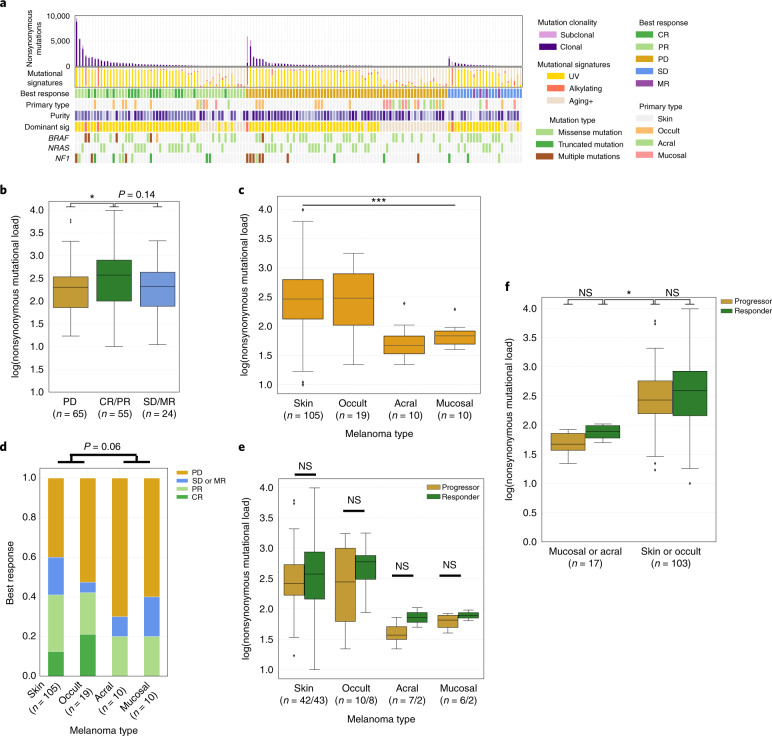
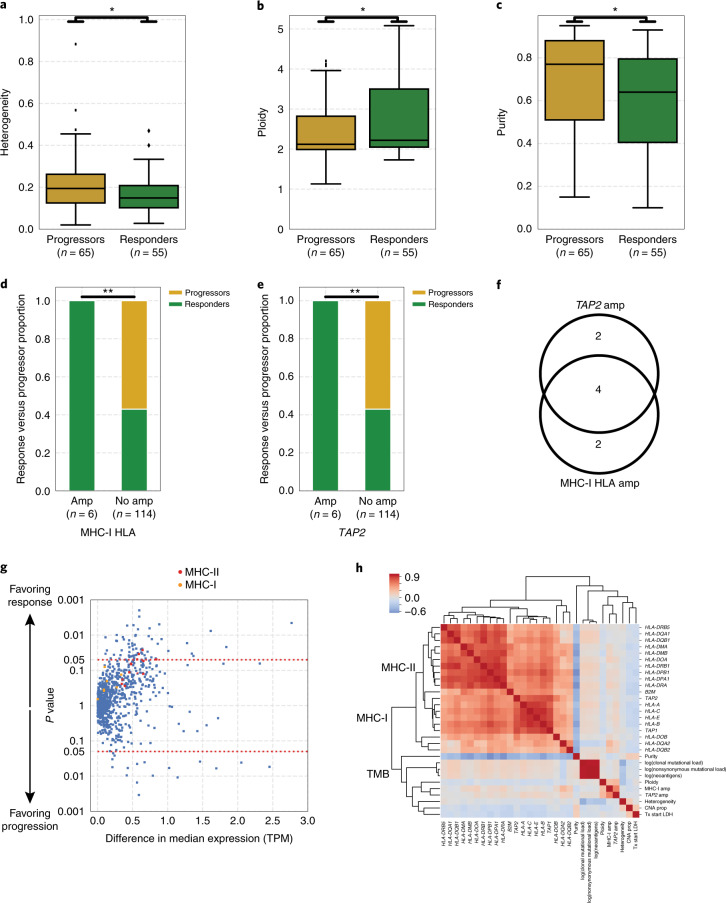
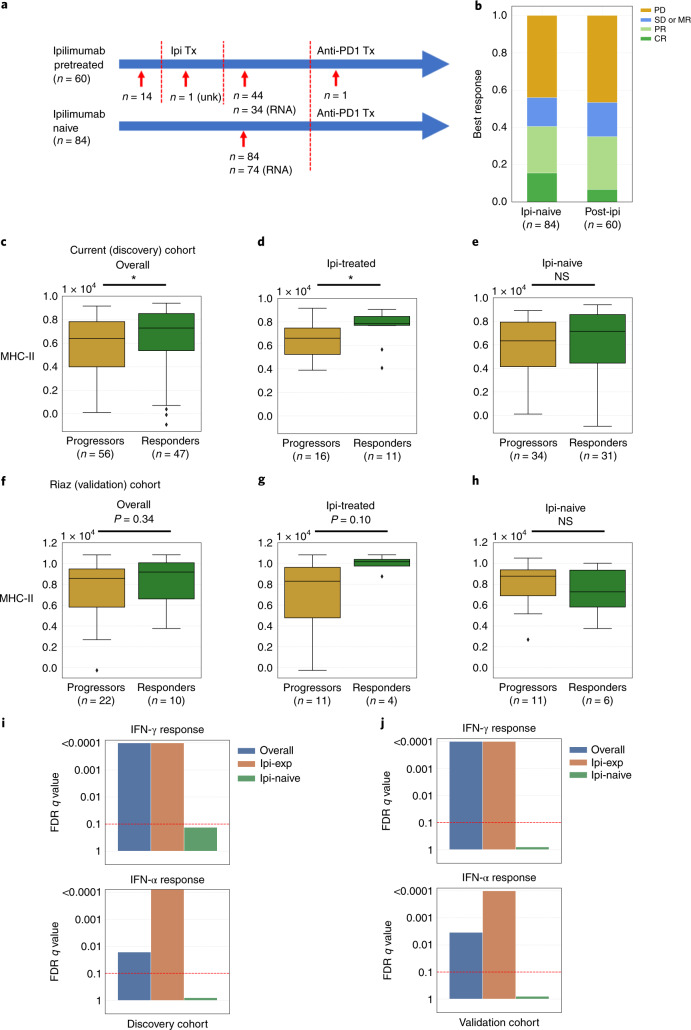
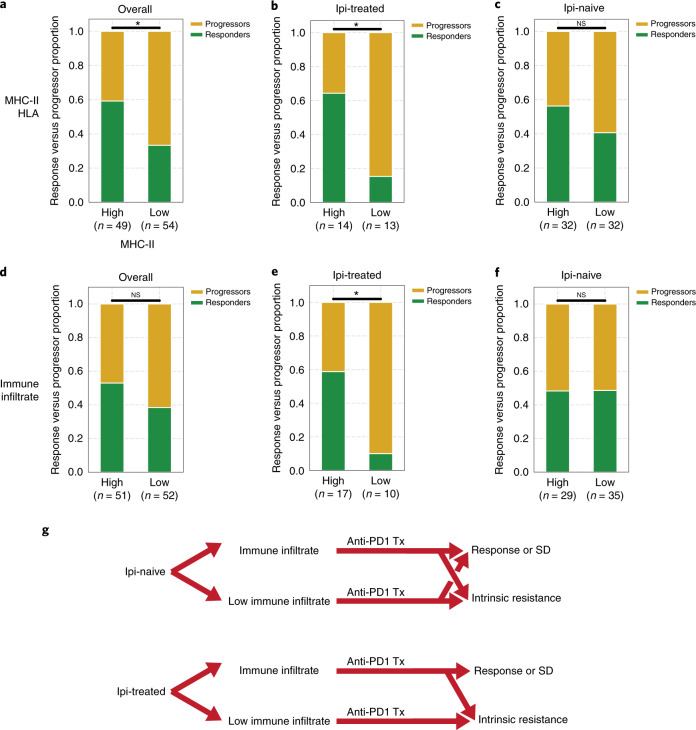
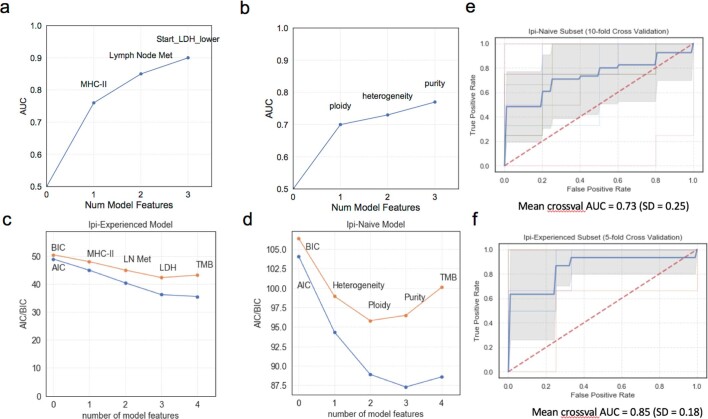
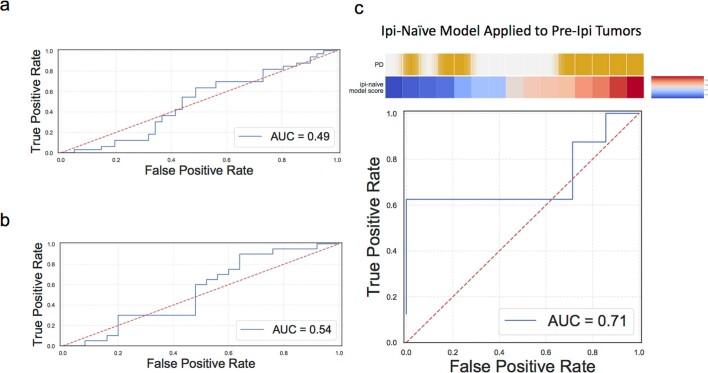
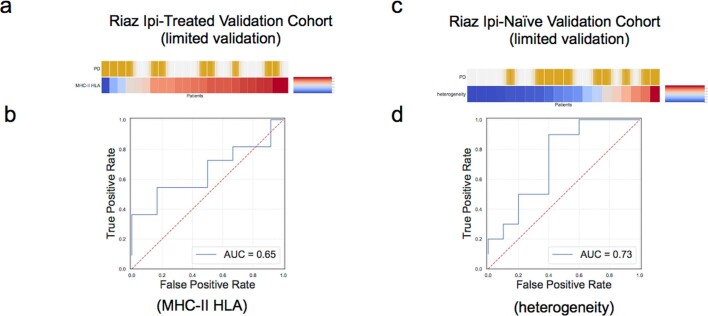
Immune-checkpoint blockade (ICB) has demonstrated efficacy in many tumor types, but predictors of responsiveness to anti-PD1 ICB are incompletely characterized. In this study, we analyzed a clinically annotated cohort of patients with melanoma (n = 144) treated with anti-PD1 ICB, with whole-exome and whole-transcriptome sequencing of pre-treatment tumors. We found that tumor mutational burden as a predictor of response was confounded by melanoma subtype, whereas multiple novel genomic and transcriptomic features predicted selective response, including features associated with MHC-I and MHC-II antigen presentation. Furthermore, previous anti-CTLA4 ICB exposure was associated with different predictors of response compared to tumors that were naive to ICB, suggesting selective immune effects of previous exposure to anti-CTLA4 ICB. Finally, we developed parsimonious models integrating clinical, genomic and transcriptomic features to predict intrinsic resistance to anti-PD1 ICB in individual tumors, with validation in smaller independent cohorts limited by the availability of comprehensive data. Broadly, we present a framework to discover predictive features and build models of ICB therapeutic response.
Overview
The claims and statistics of this paper haven’t been checked yet.
Run the check — free, no account needed. It reads the open-access text and checks the sources it cites.
Integrity signals
Registry
Cites
Statistics
Figures
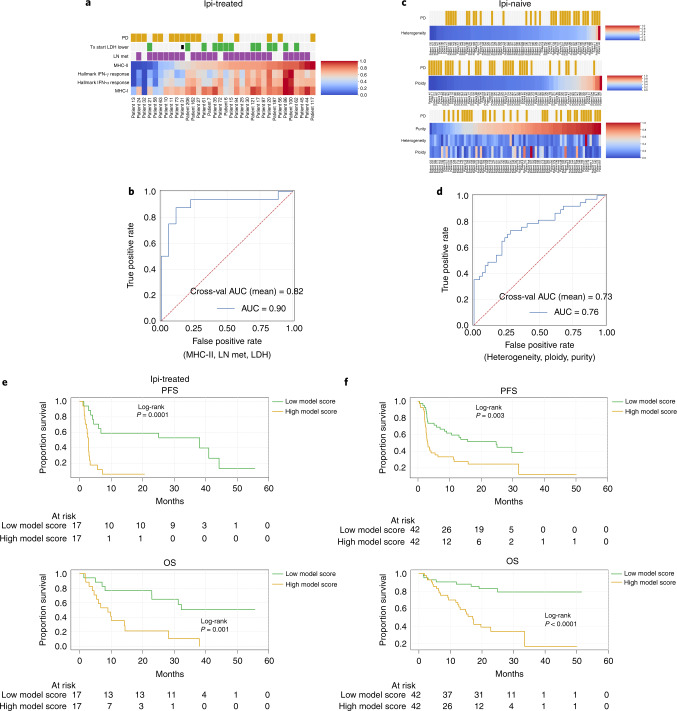
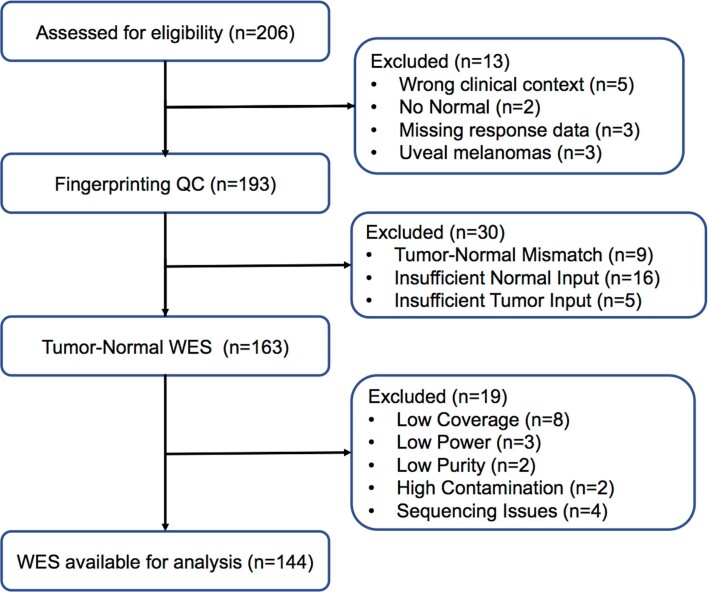
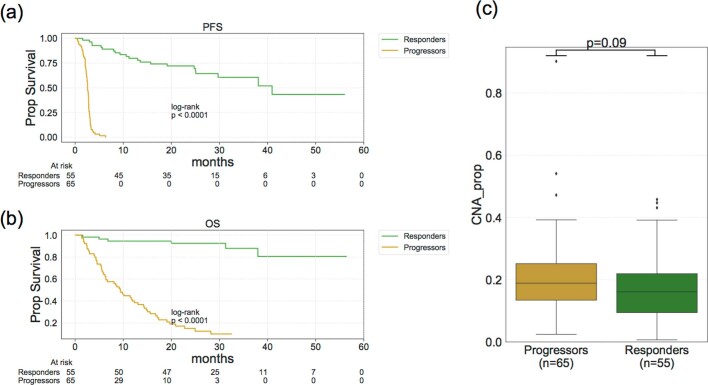
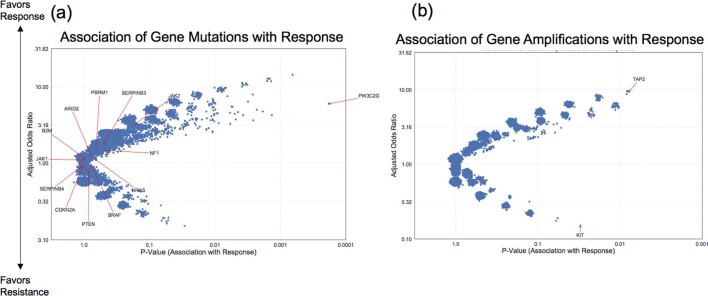
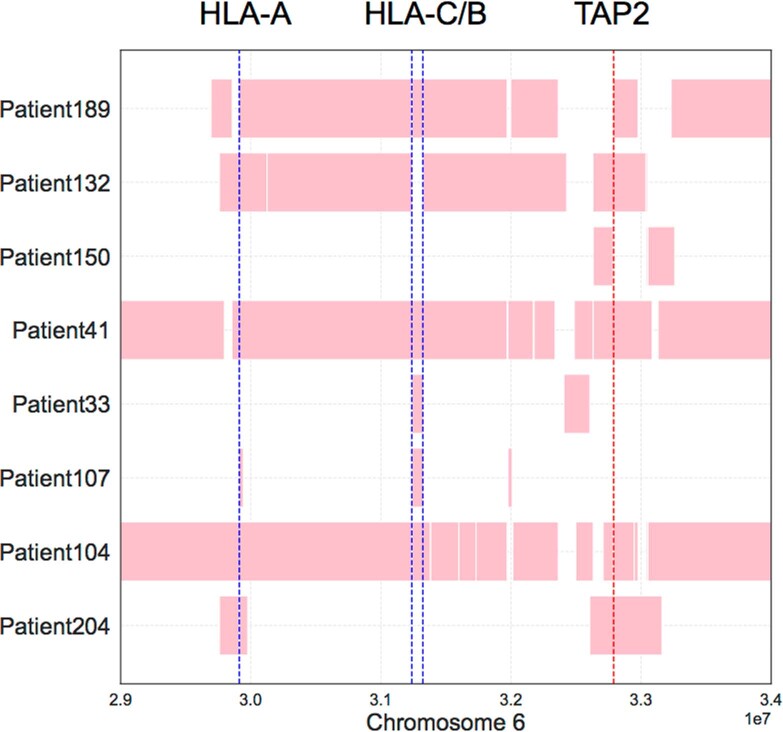
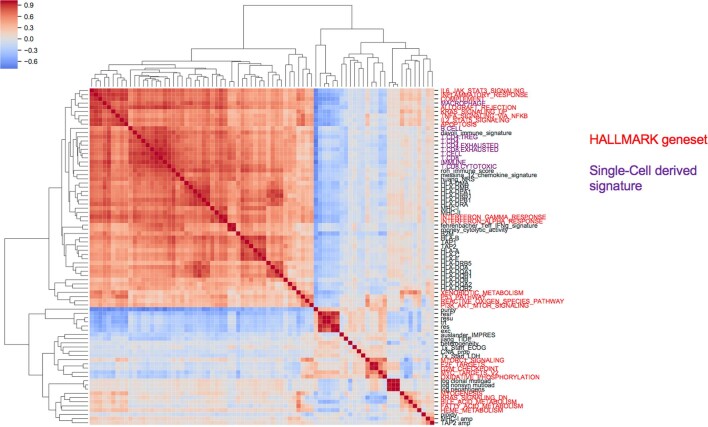
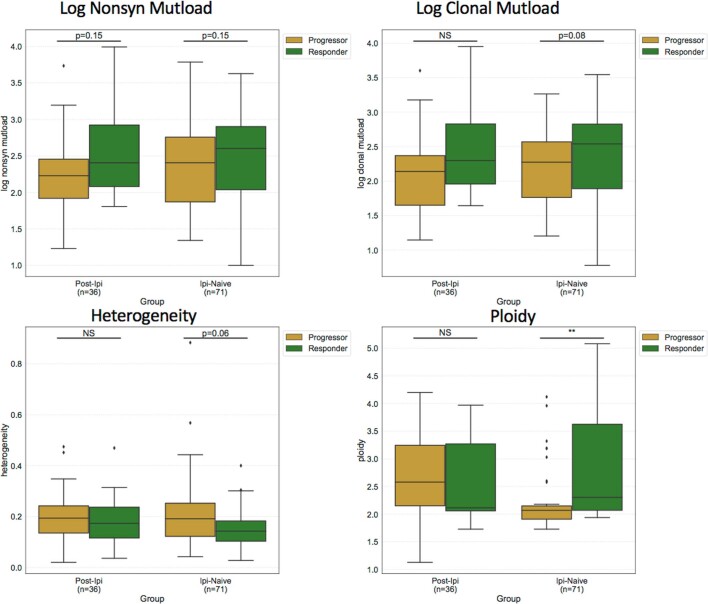
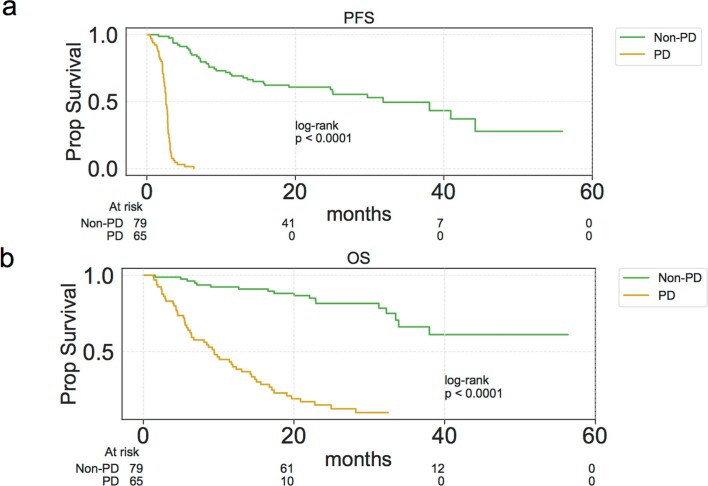
Verification
Claims the paper makes
The claims and statistics of this paper haven’t been checked yet.
Run the check — free, no account needed. It reads the open-access text and checks the sources it cites.
Claims other papers make about this one
Each is checked against this paper’s own text: does it say what the citing paper says it does?
The source backs part of the claim, not all of it — or backs it for a different population, condition or comparison.
In the citing paper
“Our analysis identified distinct pathway signatures differentiating responders from nonresponders, with 78 pathways showing significant dysregulation (two-sided t test, P < 0.05; Fig. 6A, Supplementary Text, and fig. S4, A to E).”
From PathTIGR: A pathway topology-informed graph representation learning framework for immunotherapy response prediction (2026) · cites this paper as [34]
Experimental — accuracy not yet measuredThe source backs part of the claim, not all of it — or backs it for a different population, condition or comparison.
In the citing paper
“Analysis demonstrated statistically significant improvements in both overall survival (OS) and progression-free survival (PFS) among model-predicted responders compared to nonresponders (log-rank test, P < 0.0001; Fig. 2, E and F).”
From PathTIGR: A pathway topology-informed graph representation learning framework for immunotherapy response prediction (2026) · cites this paper as [34]
Experimental — accuracy not yet measuredThe source backs part of the claim, not all of it — or backs it for a different population, condition or comparison.
In the citing paper
“univariate Cox proportional hazard regression analysis further revealed that bone metastasis, brain metastasis, and the PathTIGR model were significantly associated with patient outcomes, with PathTIGR showing the lowest hazard ratio (HR = 0.189, P < 0.001; Fig. 2H)”
From PathTIGR: A pathway topology-informed graph representation learning framework for immunotherapy response prediction (2026) · cites this paper as [34]
Experimental — accuracy not yet measuredThe source backs part of the claim, not all of it — or backs it for a different population, condition or comparison.
In the citing paper
“Analysis demonstrated statistically significant improvements in both overall survival (OS) and progression-free survival (PFS) among model-predicted responders compared to nonresponders (log-rank test, P < 0.0001; Fig. 2, E and F).”
From PathTIGR: A pathway topology-informed graph representation learning framework for immunotherapy response prediction (2026) · cites this paper as [34]
Experimental — accuracy not yet measuredThe source backs part of the claim, not all of it — or backs it for a different population, condition or comparison.
In the citing paper
“Receiver operating characteristic (ROC) curve analysis demonstrated exceptional discriminatory performance for immune checkpoint inhibitor (ICI) response prediction, yielding an area under the ROC curve (AUC) of 0.975 [95% confidence interval (CI): 0.962 to 0.997; Fig. 2A].”
From PathTIGR: A pathway topology-informed graph representation learning framework for immunotherapy response prediction (2026) · cites this paper as [34]
Experimental — accuracy not yet measured
The cited source says what the claim attributes to it.
In the citing paper
“The clinical validation of PathTIGR predictions was established through the comparative analysis of objective response rates (ORRs) between PathTIGR-stratified responder and nonresponder subgroups, revealing significantly elevated response rates among predicted responders relative to nonresponders (Fisher’s exact test, P < 0.0001; Fig. 2D)”
From PathTIGR: A pathway topology-informed graph representation learning framework for immunotherapy response prediction (2026) · cites this paper as [34]
The check wasn’t confident either way, so it gives no verdict — never disputed.
In the citing paper
“precision-recall curve analysis was used, revealing an area under the precision-recall curve (AUPRC) of 0.969 (Fig. 2B).”
From PathTIGR: A pathway topology-informed graph representation learning framework for immunotherapy response prediction (2026) · cites this paper as [34]
Experimental — accuracy not yet measuredThe check wasn’t confident either way, so it gives no verdict — never disputed.
In the citing paper
“with PathTIGR achieving an AUC of 0.85 for 4-year survival prognostication (Fig. 2G)”
From PathTIGR: A pathway topology-informed graph representation learning framework for immunotherapy response prediction (2026) · cites this paper as [34]
Experimental — accuracy not yet measuredThe check wasn’t confident either way, so it gives no verdict — never disputed.
In the citing paper
“multivariate Cox regression analysis confirmed that PathTIGR remained an independent prognostic factor in training cohort (HR = 0.141, P < 0.001; Fig. 2H and Table 1)”
From PathTIGR: A pathway topology-informed graph representation learning framework for immunotherapy response prediction (2026) · cites this paper as [34]
Experimental — accuracy not yet measuredThe check wasn’t confident either way, so it gives no verdict — never disputed.
In the citing paper
“maintaining AUC values consistently exceeding 0.8 at 2-year and 3-year intervals”
From PathTIGR: A pathway topology-informed graph representation learning framework for immunotherapy response prediction (2026) · cites this paper as [34]
Experimental — accuracy not yet measuredThe check wasn’t confident either way, so it gives no verdict — never disputed.
In the citing paper
“The PathTIGR model consistently outperformed all these individual clinical variables in predicting patient prognosis (fig. S1).”
From PathTIGR: A pathway topology-informed graph representation learning framework for immunotherapy response prediction (2026) · cites this paper as [34]
Experimental — accuracy not yet measuredIn the citing paper
“We observed similar results in a larger validation cohort of advanced melanoma patients treated with ICB (Liu et al., 2019) (Figures 6C, S6E, and S6F).”
From Microbiota triggers STING-type I IFN-dependent monocyte reprogramming of the tumor microenvironment (2021) · cites this paper as Liu et al., 2019
Self-check
Percentages, sums and reported differences re-computed from the paper’s own numbers.
The self-check needs the paper’s full text.
Citations
Cites
Subramanian, A., Tamayo, P., Mootha, V. K., Mukherjee, S., Ebert, B. L., Gillette, M. A., Paulovich, A., Pomeroy, S. L., Golub, T. R., Lander, E. S., et al. (2005) · Proceedings of the National Academy of Sciences · doi:10.1073/pnas.0506580102 · Cited by 53,625
STAR: ultrafast universal RNA-seq aligner
Dobin, A., Davis, C. A., Schlesinger, F., Drenkow, J., Zaleski, C., Jha, S., Batut, P., Chaisson, M., & Gingeras, T. R. (2013) · Bioinformatics · doi:10.1093/bioinformatics/bts635 · Cited by 51,709
PD-1 and PD-L1 Immune Checkpoint Blockade to Treat Breast Cancer
Hartkopf, A. D., Taran, F., Wallwiener, M., Walter, C. B., Krämer, B., Grischke, E., & Brucker, S. Y. (2016) · Breast Care · doi:10.1159/000453569 · Cited by 30,989
RSEM: accurate transcript quantification from RNA-Seq data with or without a reference genome
Li, B., & Dewey, C. N. (2011) · BMC Bioinformatics · doi:10.1186/1471-2105-12-323 · Cited by 22,179
Improved Survival with Ipilimumab in Patients with Metastatic Melanoma
Hodi, F. S., O'Day, S. J., McDermott, D. F., Weber, R. W., Sosman, J. A., Haanen, J. B., Gonzalez, R., Robert, C., Schadendorf, D., Hassel, J. C., et al. (2010) · New England Journal of Medicine · doi:10.1056/nejmoa1003466 · Cited by 15,155
Self-citationLearning the parts of objects by non-negative matrix factorization
Lee, D. D., & Seung, H. S. (1999) · Nature · doi:10.1038/44565 · Cited by 14,193
The Molecular Signatures Database Hallmark Gene Set Collection
Liberzon, A., Birger, C., Thorvaldsdóttir, H., Ghandi, M., Mesirov, J. P., & Tamayo, P. (2015) · Cell Systems · doi:10.1016/j.cels.2015.12.004 · Cited by 13,807
Robust enumeration of cell subsets from tissue expression profiles
Newman, A. M., Liu, C. L., Green, M. R., Gentles, A. J., Feng, W., Xu, Y., Hoang, C. D., Diehn, M., & Alizadeh, A. A. (2015) · Nature Methods · doi:10.1038/nmeth.3337 · Cited by 13,224
Pembrolizumab versus Chemotherapy for PD-L1-Positive Non-Small-Cell Lung Cancer
Reck, M., Rodríguez-Abreu, D., Robinson, A. G., Hui, R., Csőszi, T., Fülöp, A., Gottfried, M., Peled, N., Tafreshi, A., Cuffe, S., et al. (2016) · New England Journal of Medicine · doi:10.1056/nejmoa1606774 · Cited by 10,089
Signatures of mutational processes in human cancer
Initiative, A. P. C. G., Alexandrov, L. B., ICGC Breast Cancer Consortium, ICGC MMML-Seq Consortium, PedBrain, I., Nik-Zainal, S., Wedge, D. C., Aparicio, S. A. J. R., Behjati, S., Biankin, A. V., et al. (2013) · Nature · doi:10.1038/nature12477 · Cited by 9,660
Mutational landscape determines sensitivity to PD-1 blockade in non–small cell lung cancer
Rizvi, N. A., Hellmann, M. D., Snyder, A., Kvistborg, P., Makarov, V., Havel, J. J., Lee, W., Yuan, J., Wong, P., Ho, T. S., et al. (2015) · Science · doi:10.1126/science.aaa1348 · Cited by 7,802
PD-1 blockade induces responses by inhibiting adaptive immune resistance
Tumeh, P. C., Harview, C. L., Yearley, J. H., Shintaku, I. P., Taylor, E. J. M., Robert, L., Chmielowski, B., Spasic, M., Henry, G., Ciobanu, V., et al. (2014) · Nature · doi:10.1038/nature13954 · Cited by 6,609 · cited 3×
“…to ICB in melanoma have been proposed, including tumor mutation and neoantigen burden (TMB) 8-11 , immunohistological detection of PD-L1/CD8 12 , and genetic alterations affecting antigen presentation 13,14 , interferon-gamma signalling pathways 15 , alternative survival and proliferation…”
Pembrolizumab versus Ipilimumab in Advanced Melanoma
Robert, C., Schachter, J., Long, G. V., Arance, A., Grob, J. J., Mortier, L., Daud, A., Carlino, M. S., McNeil, C., Lotem, M., et al. (2015) · New England Journal of Medicine · doi:10.1056/nejmoa1503093 · Cited by 5,887
Self-citationThe Immune Landscape of Cancer
Thorsson, V., Gibbs, D. L., Brown, S. D., Wolf, D., Bortone, D. S., Ou Yang, T.-H., Porta-Pardo, E., Gao, G. F., Plaisier, C. L., Eddy, J. A., et al. (2018) · Immunity · doi:10.1016/j.immuni.2018.03.023 · Cited by 5,870
Nivolumab versus Everolimus in Advanced Renal-Cell Carcinoma
Motzer, R. J., Escudier, B., McDermott, D. F., George, S., Hammers, H. J., Srinivas, S., Tykodi, S. S., Sosman, J. A., Procopio, G., Plimack, E. R., et al. (2015) · New England Journal of Medicine · doi:10.1056/nejmoa1510665 · Cited by 5,807
Overall Survival with Combined Nivolumab and Ipilimumab in Advanced Melanoma
Wolchok, J. D., Chiarion-Sileni, V., Gonzalez, R., Rutkowski, P., Grob, J.-J., Cowey, C. L., Lao, C. D., Wagstaff, J., Schadendorf, D., Ferrucci, P. F., et al. (2017) · New England Journal of Medicine · doi:10.1056/nejmoa1709684 · Cited by 5,357
Self-citationSignatures of T cell dysfunction and exclusion predict cancer immunotherapy response
Jiang, P., Gu, S., Pan, D., Fu, J., Sahu, A., Hu, X., Li, Z., Traugh, N., Bu, X., Li, B., et al. (2018) · Nature Medicine · doi:10.1038/s41591-018-0136-1 · Cited by 5,179
Sensitive detection of somatic point mutations in impure and heterogeneous cancer samples
Cibulskis, K., Lawrence, M. S., Carter, S. L., Sivachenko, A., Jaffe, D. B., Sougnez, C. L., Gabriel, S., Meyerson, M. M., Lander, E. S., & Getz, G. A. (2013) · Nature Biotechnology · doi:10.1038/nbt.2514 · Cited by 4,965
Genetic Basis for Clinical Response to CTLA-4 Blockade in Melanoma
Snyder, A., Makarov, V., Merghoub, T., Yuan, J., Zaretsky, J. M., Desrichard, A., Walsh, L. A., Postow, M. A., Wong, P., Ho, T. S., et al. (2014) · New England Journal of Medicine · doi:10.1056/nejmoa1406498 · Cited by 4,286
Systematic RNA interference reveals that oncogenic KRAS-driven cancers require TBK1
Barbie, D. A., Tamayo, P., Boehm, J. S., Kim, S. Y., Moody, S. E., Dunn, I. F., Schinzel, A. C., Sandy, P., Meylan, E., Scholl, C., et al. (2009) · Nature · doi:10.1038/nature08460 · Cited by 3,922
Molecular and genetic properties of tumors associated with local immune cytolytic activity
Rooney, M. S., Shukla, S. A., Wu, C. J., Getz, G., & Hacohen, N. (2015) · Cell · doi:10.1016/j.cell.2014.12.033 · Cited by 3,825
IFN-γ–related mRNA profile predicts clinical response to PD-1 blockade
Ayers, M., Lunceford, J., Nebozhyn, M., Murphy, E., Loboda, A., Kaufman, D. R., Albright, A., Cheng, J. D., Kang, S. P., Shankaran, V., et al. (2017) · Journal of Clinical Investigation · doi:10.1172/jci91190 · Cited by 3,788
Rosenberg, J. E., Hoffman-Censits, J., Powles, T., van der Heijden, M. S., Balar, A. V., Necchi, A., Dawson, N., O'Donnell, P. H., Balmanoukian, A., Loriot, Y., et al. (2016) · The Lancet · doi:10.1016/s0140-6736(16)00561-4 · Cited by 3,669
Genomic and Transcriptomic Features of Response to Anti-PD-1 Therapy in Metastatic Melanoma
Hugo, W., Zaretsky, J. M., Sun, L., Song, C., Moreno, B. H., Hu-Lieskovan, S., Berent-Maoz, B., Pang, J., Chmielowski, B., Cherry, G., et al. (2016) · Cell · doi:10.1016/j.cell.2016.02.065 · Cited by 3,448
Mutations Associated with Acquired Resistance to PD-1 Blockade in Melanoma
Zaretsky, J. M., Garcia-Diaz, A., Shin, D. S., Escuin-Ordinas, H., Hugo, W., Hu-Lieskovan, S., Torrejon, D. Y., Abril-Rodriguez, G., Sandoval, S., Barthly, L., et al. (2016) · New England Journal of Medicine · doi:10.1056/nejmoa1604958 · Cited by 3,237
Clonal neoantigens elicit T cell immunoreactivity and sensitivity to immune checkpoint blockade
McGranahan, N., Furness, A. J. S., Rosenthal, R., Ramskov, S., Lyngaa, R., Saini, S. K., Jamal-Hanjani, M., Wilson, G. A., Birkbak, N. J., Hiley, C. T., et al. (2016) · Science · doi:10.1126/science.aaf1490 · Cited by 3,065
Self-citationGenomic correlates of response to CTLA-4 blockade in metastatic melanoma
Van Allen, E. M., Miao, D., Schilling, B., Shukla, S. A., Blank, C., Zimmer, L., Sucker, A., Hillen, U., Geukes Foppen, M. H., Goldinger, S. M., et al. (2015) · Science · doi:10.1126/science.aad0095 · Cited by 2,839
Self-citationFehrenbacher, L., Spira, A., Ballinger, M., Kowanetz, M., Vansteenkiste, J., Mazieres, J., Park, K., Smith, D., Artal-Cortes, A., Lewanski, C., et al. (2016) · The Lancet · doi:10.1016/s0140-6736(16)00587-0 · Cited by 2,756
Tumor and Microenvironment Evolution during Immunotherapy with Nivolumab
Riaz, N., Havel, J. J., Makarov, V., Desrichard, A., Urba, W. J., Sims, J. S., Hodi, F. S., Martín-Algarra, S., Mandal, R., Sharfman, W. H., et al. (2017) · Cell · doi:10.1016/j.cell.2017.09.028 · Cited by 2,401
BioMart and Bioconductor: a powerful link between biological databases and microarray data analysis
Durinck, S., Moreau, Y., Kasprzyk, A., Davis, S. R., Moor, B. D., Brāzma, A., & Huber, W. K. (2005) · Computer applications in the biosciences · doi:10.1093/bioinformatics/bti525 · Cited by 2,327
Circular binary segmentation for the analysis of array-based DNA copy number data
Olshen, A. B., Venkatraman, E. S., Lucito, R., & Wigler, M. H. (2004) · Biostatistics · doi:10.1093/biostatistics/kxh008 · Cited by 2,304
Pan-tumor genomic biomarkers for PD-1 checkpoint blockade–based immunotherapy
Cristescu, R., Mogg, R., Ayers, M., Albright, A., Murphy, E., Yearley, J., Sher, X., Liu, X. Q., Lu, H., Nebozhyn, M., et al. (2018) · Science · doi:10.1126/science.aar3593 · Cited by 2,301
COSMIC: exploring the world's knowledge of somatic mutations in human cancer
Forbes, S. A., Beare, D. M., Gunasekaran, P., Leung, K., Bindal, N., Boutselakis, H., Ding, M., Bamford, S., Cole, C. G., Ward, S. A., et al. (2014) · Nucleic Acids Research · doi:10.1093/nar/gku1075 · Cited by 2,294
Metagenes and molecular pattern discovery using matrix factorization
Brunet, J.-P., Tamayo, P., Golub, T. R., & Mesirov, J. P. (2004) · Proceedings of the National Academy of Sciences · doi:10.1073/pnas.0308531101 · Cited by 2,183
Absolute quantification of somatic DNA alterations in human cancer
Carter, S. L., Cibulskis, K., Helman, E., McKenna, A., Shen, H., Zack, T. I., Laird, P. W., Onofrio, R. C., Winckler, W., Weir, B. A., et al. (2012) · Nature Biotechnology · doi:10.1038/nbt.2203 · Cited by 2,031
Seiwert, T. Y., Burtness, B., Mehra, R., Weiss, J., Berger, R., Eder, J. P., Heath, K., McClanahan, T., Lunceford, J., Gause, C., et al. (2016) · The Lancet Oncology · doi:10.1016/s1470-2045(16)30066-3 · Cited by 1,745 · cited 1×
“While ICB has resulted in durable clinical response in multiple tumor types 1-7 only a subset of patients respond, and predictors of response are not fully characterized.”
Strelka: accurate somatic small-variant calling from sequenced tumor–normal sample pairs
Saunders, C. T., Wong, W. S. W., Swamy, S., Becq, J., Murray, L. J., & Cheetham, R. K. (2012) · Bioinformatics · doi:10.1093/bioinformatics/bts271 · Cited by 1,589
Loss of PTEN Promotes Resistance to T Cell–Mediated Immunotherapy
Peng, W., Chen, J. Q., Liu, C., Malu, S., Creasy, C., Tetzlaff, M. T., Xu, C., McKenzie, J. A., Zhang, C., Liang, X., et al. (2016) · Cancer Discovery · doi:10.1158/2159-8290.cd-15-0283 · Cited by 1,539
A flexible R package for nonnegative matrix factorization
Gaujoux, R., & Seoighe, C. (2010) · BMC Bioinformatics · doi:10.1186/1471-2105-11-367 · Cited by 1,516
Whole-genome landscapes of major melanoma subtypes
Hayward, N. K., Wilmott, J. S., Waddell, N., Johansson, P. A., Field, M. A., Nones, K., Patch, A., Kakavand, H., Alexandrov, L. B., Burke, H., et al. (2017) · Nature · doi:10.1038/nature22071 · Cited by 1,495
Gnirke, A., Melnikov, A., Maguire, J., Rogov, P., LeProust, E. M., Brockman, W., Fennell, T., Giannoukos, G., Fisher, S., Russ, C., et al. (2009) · Nature Biotechnology · doi:10.1038/nbt.1523 · Cited by 1,433 · cited 1×
“The Illumina exome uses Illumina’s in-solution DNA probe based hybrid selection method that uses similar principles as the Broad Institute-Agilent Technologies developed in-solution RNA probe based hybrid selection method 57,58 to generate Illumina exome sequencing libraries.”
A Cancer Cell Program Promotes T Cell Exclusion and Resistance to Checkpoint Blockade
Jerby-Arnon, L., Shah, P., Cuoco, M. S., Rodman, C., Su, M.-J., Melms, J. C., Leeson, R., Kanodia, A., Mei, S., Lin, J.-R., et al. (2018) · Cell · doi:10.1016/j.cell.2018.09.006 · Cited by 1,429
Self-citationDavoli, T., Uno, H., Wooten, E. C., & Elledge, S. J. (2017) · Science · doi:10.1126/science.aaf8399 · Cited by 1,347
Primary Resistance to PD-1 Blockade Mediated by JAK1/2 Mutations
Shin, D. S., Zaretsky, J. M., Escuin-Ordinas, H., Garcia-Diaz, A., Hu-Lieskovan, S., Kalbasi, A., Grasso, C. S., Hugo, W., Sandoval, S., Torrejon, D. Y., et al. (2017) · Cancer Discovery · doi:10.1158/2159-8290.cd-16-1223 · Cited by 1,337
Loss of IFN-γ pathway genes in tumor cells as a mechanism of resistance to anti-CTLA-4 therapy
Gao, J., Shi, L. Z., Zhao, H., Chen, J., Xiong, L., He, Q., Chen, T., Roszik, J., Bernatchez, C., Woodman, S. E., et al. (2016) · Cell · doi:10.1016/j.cell.2016.08.069 · Cited by 1,300
Allele-Specific HLA Loss and Immune Escape in Lung Cancer Evolution
McGranahan, N., Rosenthal, R., Hiley, C. T., Rowan, A. J., Watkins, T. B. K., Wilson, G. A., Birkbak, N. J., Veeriah, S., Van Loo, P., Herrero, J., et al. (2017) · Cell · doi:10.1016/j.cell.2017.10.001 · Cited by 1,298
Waskom, M., Botvinnik, O. B., O'Kane, D., Hobson, P., Ostblom, J., Lukauskas, S., Gemperline, D. C., Augspurger, T., Halchenko, Y., Cole, J. B., et al. (2014) · Zenodo (CERN European Organization for Nuclear Research) · doi:10.5281/zenodo.592845 · Cited by 1,119
Brastianos, P. K., Carter, S. L., Santagata, S., Cahill, D. P., Taylor-Weiner, A. N., Jones, R. T., Allen, E. M. V., Lawrence, M. S., Horowitz, P. M., Cibulskis, K., et al. (2015) · Cancer Discovery · doi:10.1158/2159-8290.cd-15-0369 · Cited by 1,090
Self-citationResistance to checkpoint blockade therapy through inactivation of antigen presentation
Sade-Feldman, M., Jiao, Y. J., Chen, J. H., Rooney, M. S., Barzily-Rokni, M., Eliane, J.-P., Bjorgaard, S. L., Hammond, M. R., Vitzthum, H., Blackmon, S. M., et al. (2017) · Nature Communications · doi:10.1038/s41467-017-01062-w · Cited by 1,005
Self-citationNeoadjuvant versus adjuvant ipilimumab plus nivolumab in macroscopic stage III melanoma
Blank, C. U., Rozeman, E. A., Fanchi, L. F., Sikorska, K., van de Wiel, B., Kvistborg, P., Krijgsman, O., van den Braber, M., Philips, D., Broeks, A., et al. (2018) · Nature Medicine · doi:10.1038/s41591-018-0198-0 · Cited by 880
Self-citationRoh, W., Chen, P.-L., Reuben, A., Spencer, C. N., Prieto, P. A., Miller, J. P., Gopalakrishnan, V., Wang, F., Cooper, Z. A., Reddy, S. M., et al. (2017) · Science Translational Medicine · doi:10.1126/scitranslmed.aah3560 · Cited by 859
Neoadjuvant immune checkpoint blockade in high-risk resectable melanoma
Amaria, R. N., Reddy, S. M., Tawbi, H. A., Davies, M. A., Ross, M. I., Glitza, I. C., Cormier, J. N., Lewis, C., Hwu, W.-J., Hanna, E., et al. (2018) · Nature Medicine · doi:10.1038/s41591-018-0197-1 · Cited by 835
Robust prediction of response to immune checkpoint blockade therapy in metastatic melanoma
Auslander, N., Zhang, G., Lee, J. S., Frederick, D. T., Miao, B., Moll, T. O. C., Tian, T., Wei, Z., Madan, S., Sullivan, R. J., et al. (2018) · Nature Medicine · doi:10.1038/s41591-018-0157-9 · Cited by 756
Self-citationNielsen, M., Lundegaard, C., Blicher, T. H., Lamberth, K., Harndahl, M. N., Justesen, S. F. L., Røder, G., Peters, B., Sette, A., Lund, O., et al. (2007) · PLoS ONE · doi:10.1371/journal.pone.0000796 · Cited by 719
A single dose of neoadjuvant PD-1 blockade predicts clinical outcomes in resectable melanoma
Huang, A. C. C., Orlowski, R. J., Xu, X., Mick, R., George, S. M., Yan, P., Manne, S., Kraya, A., Wubbenhorst, B. S., Dorfman, L. M., et al. (2019) · Nature Medicine · doi:10.1038/s41591-019-0357-y · Cited by 696
Fisher, S., Barry, A. J., Abreu, J., Minie, B., Nolan, J., Delorey, T. M., Young, G., Fennell, T. J., Allen, A., Ambrogio, L., et al. (2011) · Genome biology · doi:10.1186/gb-2011-12-1-r1 · Cited by 676
Comprehensive analysis of cancer-associated somatic mutations in class I HLA genes
Shukla, S. A., Rooney, M. S., Rajasagi, M., Tiao, G., Dixon, P. M., Lawrence, M. S., Stevens, J. D., Lane, W. J., DellaGatta, J. L., Steelman, S., et al. (2015) · Nature Biotechnology · doi:10.1038/nbt.3344 · Cited by 663
Genomic correlates of response to immune checkpoint blockade in microsatellite-stable solid tumors
Miao, D., Margolis, C. A., Vokes, N. I., Liu, D., Taylor-Weiner, A., Wankowicz, S. M., Adeegbe, D., Keliher, D., Schilling, B., Tracy, A., et al. (2018) · Nature Genetics · doi:10.1038/s41588-018-0200-2 · Cited by 620
Self-citationBaseline Biomarkers for Outcome of Melanoma Patients Treated with Pembrolizumab
Weide, B., Martens, A., Hassel, J. C., Berking, C., Postow, M. A., Bisschop, K., Simeone, E., Mangana, J., Schilling, B., Di Giacomo, A. M., et al. (2016) · Clinical Cancer Research · doi:10.1158/1078-0432.ccr-16-0127 · Cited by 589
Self-citationJohnson, D. B., Estrada, M. V., Salgado, R., Sanchez, V. M., Doxie, D. B., Opalenik, S. R., Vilgelm, A. E., Feld, E., Johnson, A. S., Greenplate, A. R., et al. (2016) · Nature Communications · doi:10.1038/ncomms10582 · Cited by 581
Rodig, S. J., Gusenleitner, D., Jackson, D. G., Gjini, E., Giobbie-Hurder, A., Jin, C., Chang, H., Lovitch, S. B., Horak, C., Weber, J. S., et al. (2018) · Science Translational Medicine · doi:10.1126/scitranslmed.aar3342 · Cited by 579
Allen, E. M. V., Wagle, N., Stojanov, P., Perrin, D., Cibulskis, K., Marlow, S., Jané‐Valbuena, J., Friedrich, D. C., Kryukov, G. V., Carter, S. L., et al. (2014) · Nature Medicine · doi:10.1038/nm.3559 · Cited by 533
Self-citationCostello, M., Pugh, T. J., Fennell, T. J., Stewart, C., Lichtenstein, L., Meldrim, J. C., Fostel, J., Friedrich, D. C., Perrin, D., Dionne, D. A., et al. (2013) · Nucleic Acids Research · doi:10.1093/nar/gks1443 · Cited by 520
Oncotator: Cancer Variant Annotation Tool
Ramos, A. H., Lichtenstein, L., Gupta, M., Lawrence, M. S., Pugh, T. J., Saksena, G., Meyerson, M. M., & Getz, G. A. (2015) · Human Mutation · doi:10.1002/humu.22771 · Cited by 495
George, S., Miao, D., Demetri, G. D., Adeegbe, D. O., Rodig, S. J., Shukla, S. A., Lipschitz, M., Amin‐Mansour, A., Raut, C. P., Carter, S. L., et al. (2017) · Immunity · doi:10.1016/j.immuni.2017.02.001 · Cited by 481
Self-citationDewhurst, S. M., McGranahan, N., Burrell, R. A., Rowan, A., Gronroos, E. C., Endesfelder, D., Joshi, T., Mouradov, D., Gibbs, P., Ward, R. L., et al. (2014) · Cancer Discovery · doi:10.1158/2159-8290.cd-13-0285 · Cited by 455
Tumor-draining lymph nodes are pivotal in PD-1/PD-L1 checkpoint therapy
Fransen, M. F., Schoonderwoerd, M. J. A., Knopf, P., Camps, M. G. M., Hawinkels, L. J. A. C., Kneilling, M., van Hall, T., & OSSENDORP, F. A. (2018) · JCI Insight · doi:10.1172/jci.insight.124507 · Cited by 436
Messina, J. L., Fenstermacher, D. A., Eschrich, S., Qu, X., Berglund, A. E., Lloyd, M. C., Schell, M. J., Sondak, V. K., Weber, J. S., & Mulé, J. J. (2012) · Scientific Reports · doi:10.1038/srep00765 · Cited by 426
mwaskom/seaborn: v0.8.1 (September 2017)
Waskom, M., Botvinnik, O. B., O'Kane, D., et al. (2017) · Zenodo (CERN European Organization for Nuclear Research) · doi:10.5281/zenodo.883859 · Cited by 423
Weber, J. S., Gibney, G., Sullivan, R. J., Sosman, J. A., Slingluff, C. L., Lawrence, D. P., Logan, T. F., Schuchter, L. M., Nair, S., Fecher, L. A., et al. (2016) · The Lancet Oncology · doi:10.1016/s1470-2045(16)30126-7 · Cited by 341
Pan-cancer analysis of intratumor heterogeneity as a prognostic determinant of survival
Morris, L. G. T., Riaz, N., Desrichard, A., Şenbabaoğlu, Y., Hakimi, A. A., Makarov, V., Reis-Filho, J. S., & Chan, T. A.-T. (2016) · Oncotarget · doi:10.18632/oncotarget.7067 · Cited by 307
SomaticSignatures: inferring mutational signatures from single-nucleotide variants
Gehring, J. S., Fischer, B., Lawrence, M. F., & Huber, W. K. (2015) · Bioinformatics · doi:10.1093/bioinformatics/btv408 · Cited by 297
ContEst: estimating cross-contamination of human samples in next-generation sequencing data
Cibulskis, K., McKenna, A., Fennell, T. J., Banks, E., DePristo, M. A., & Getz, G. A. (2011) · Bioinformatics · doi:10.1093/bioinformatics/btr446 · Cited by 290
Sucker, A., Zhao, F., Pieper, N., Heeke, C., Maltaner, R., Stadtler, N., Real, B., Bielefeld, N., Howe, S., Weide, B., et al. (2017) · Nature Communications · doi:10.1038/ncomms15440 · Cited by 260
Self-citationCamDavidsonPilon/lifelines: 0.10.1
Davidson-Pilon, C., Kalderstam, J., Kuhn, B., Fiore-Gartland, A., Moneda, L., Parij, A., Stark, K., Anton, S., Besson, L., Jona, et al. (2017) · Zenodo (CERN European Organization for Nuclear Research) · doi:10.5281/zenodo.805993 · Cited by 176
nCounter® PanCancer Immune Profiling Panel (NanoString Technologies, Inc., Seattle, WA)
Cesano, A. (2015) · Journal for ImmunoTherapy of Cancer · doi:10.1186/s40425-015-0088-7 · Cited by 156
Recurrent SERPINB3 and SERPINB4 mutations in patients who respond to anti-CTLA4 immunotherapy
Riaz, N., Havel, J. J., Kendall, S. M., Makarov, V., Walsh, L. A., Desrichard, A., Weinhold, N., & Chan, T. A.-T. (2016) · Nature Genetics · doi:10.1038/ng.3677 · Cited by 151
Mutational patterns in chemotherapy resistant muscle-invasive bladder cancer
Liu, D., Abbosh, P. H., Keliher, D., Reardon, B. M., Miao, D., Mouw, K. W., Taylor-Weiner, A. N., Wankowicz, S. A. M., Han, G. C., Teo, M. Y., et al. (2017) · Nature Communications · doi:10.1038/s41467-017-02320-7 · Cited by 149
Self-citationGenomic landscape associated with potential response to anti-CTLA-4 treatment in cancers
Ock, C.-Y., Hwang, J., Keam, B., Kim, S.-B., Shim, J., Jang, H.-J., Park, S., Sohn, B. H., Cha, M., Ajani, J. A., et al. (2017) · Nature Communications · doi:10.1038/s41467-017-01018-0 · Cited by 136
Patterns of genomic evolution in advanced melanoma
Birkeland, E. E., Zhang, S., Poduval, D. B., Geisler, J., Nakken, S., Vodák, D., Meza‐Zepeda, L. A., Hovig, E. J., Myklebost, O., Knappskog, S., et al. (2018) · Nature Communications · doi:10.1038/s41467-018-05063-1 · Cited by 62
Weber, J. S., Horak, C. E., Hodi, F. S., Chang, H., Woods, D. M., Sanders, C. M., Robins, H. S., & Yusko, E. C. (2016) · Annals of Oncology · doi:10.1093/annonc/mdw378.01 · Cited by 13
Cited by
Sorted by citations
Immunotherapies for hepatocellular carcinoma
Llovet, J. M., Castet, F., Heikenwalder, M., Maini, M. K., Mazzaferro, V., Pinato, D. J., Pikarsky, E., Zhu, A. X., & Finn, R. S. (2022) · Nature Reviews Clinical Oncology · doi:10.1038/s41571-021-00573-2 · Cited by 1,843
Saxena, M., van der Burg, S. H., Melief, C. J. M., & Bhardwaj, N. (2021) · Nature reviews. Cancer · doi:10.1038/s41568-021-00346-0 · Cited by 1,581
Conserved pan-cancer microenvironment subtypes predict response to immunotherapy
Bagaev, A., Kotlov, N., Nomie, K., Svekolkin, V., Gafurov, A., Isaeva, O., Osokin, N., Kozlov, I., Frenkel, F., Gancharova, O., et al. (2021) · Cancer Cell · doi:10.1016/j.ccell.2021.04.014 · Cited by 1,302
Immune checkpoint inhibitors in melanoma
Carlino, M. S., Larkin, J., & Long, G. V. (2021) · The Lancet · doi:10.1016/s0140-6736(21)01206-x · Cited by 1,235
Melief, C. J. M., van Hall, T., Arens, R., OSSENDORP, F. A., & van der Burg, S. H. (2015) · Journal of Clinical Investigation · doi:10.1172/jci80009 · Cited by 1,192
Metadata
- Authors
- Liu, D., Schilling, B., Liu, D., Sucker, A., Livingstone, E., Jerby-Arnon, L., Zimmer, L., Gutzmer, R., Satzger, I., Loquai, C., Grabbe, S., Vokes, N., Margolis, C. A., Conway, J., He, M. X., Elmarakeby, H., Dietlein, F., Miao, D., Tracy, A., Gogas, H., Goldinger, S. M., Utikal, J., Blank, C. U., Rauschenberg, R., von Bubnoff, D., Krackhardt, A., Weide, B., Haferkamp, S., Kiecker, F., Izar, B., Garraway, L., Regev, A., Flaherty, K., Paschen, A., Van Allen, E. M., & Schadendorf, D.
- Affiliations
- Broad Institute (US)
- German Cancer Research Center (DE)
- Medizinische Hochschule Hannover (DE)
- University Medical Center of the Johannes Gutenberg University Mainz (DE)
- National and Kapodistrian University of Athens (GR)
- University Hospital Zurich (CH)
- The Netherlands Cancer Institute (NL)
- Universitätsklinikum Tübingen (DE)
- University Hospital Regensburg (DE)
- Charité – Universitätsmedizin Berlin (DE)
- Eli Lilly (United States) (US)
- Massachusetts General Hospital (US)
- Corresponding author
- Schadendorf, Dirk
- ORCID
- Liu, David
- Schilling, Bastian
- Liu, Derek
- Sucker, Antje
- Livingstone, Elisabeth
- Zimmer, Lisa
- Gutzmer, Ralf
- Satzger, Imke
- Loquai, Carmen
- Grabbe, Stephan
- Vokes, Natalie
- Margolis, Claire A.
- Conway, Jake
- He, Meng Xiao
- Elmarakeby, Haitham
- Dietlein, Felix
- Miao, Diana
- Tracy, Adam
- Gogas, Helen
- Goldinger, Simone M.
- Utikal, Jochen
- Blank, Christian U.
- Rauschenberg, Ricarda
- Krackhardt, Angela
- Weide, Benjamin
- Haferkamp, Sebastian
- Garraway, Levi
- Regev, Aviv
- Flaherty, Keith
- Paschen, Annette
- Van Allen, Eliezer M.
- Schadendorf, Dirk
- Venue
- Nature Medicine
- Published
- 2019-12
- Volume
- 25
- Issue
- 12
- Pages
- 1916-1927
- ISSN
- 1078-8956 (ISSN-L)
- 1546-170X
- PMC
- PMC6898788
- OpenAlex
- W2991341799
- Cited by
- 1,039
- References
- 80
- Citations by year
- 2026: 118 · 2025: 156 · 2024: 203 · 2023: 210 · 2022: 157 · 2021: 129 · 2020: 64
- FWCI
- 37.04
- Type
- journal article
- Language
- en
- Update notices
- correction (2020-06-19)
- Open access
- hybrid
- doi.org
- Locations
- Nature Medicine (publishedVersion, cc-by)
- PubMed Central (publishedVersion, cc-by)
- PubMed (publishedVersion)
- DSpace@MIT (Massachusetts Institute of Technology) (submittedVersion, cc-by)
- University of Regensburg Publication Server (University of Regensburg) (submittedVersion)
- mediaTUM – the media and publications repository of the Technical University Munich (Technical University Munich) (submittedVersion, other-oa)
- mediaTUM – the media and publications repository of the Technical University Munich (Technical University Munich) (submittedVersion)
- Nature
- Funders
- National Science Foundation (1144152)
- Conquer Cancer Foundation (T32 GM008313)
- Damon Runyon Cancer Research Foundation
- Dr. Miriam and Sheldon G. Adelson Medical Research Foundation
- Deutsche Forschungsgemeinschaft (SCHA422/17-1, SCHA 422/17, PA 2376/1‐, HO 6389/2-1, KFO337, 2376/1-1, 6389/2-1, PA 2376/1‐1)
- Universität des Saarlandes
- Nationales Centrum für Tumorerkrankungen Heidelberg
- National Institutes of Health (DGE1144152)
- National Human Genome Research Institute (T32HG002295)
- National Cancer Institute (R01CA227388, K08CA222663, K08CA234458, U01CA233100)
- National Institute of General Medical Sciences (T32GM008313)
- Topics
- Health Sciences › Medicine › Oncology › Cancer Immunotherapy and Biomarkers
- Health Sciences › Medicine › Oncology › Cutaneous Melanoma Detection and Management
- Life Sciences › Immunology and Microbiology › Immunology › Immunotherapy and Immune Responses
- Keywords
- metastatic melanoma, predictive biomarkers, tumor mutational burden, MHC class I antigen presentation, MHC class II antigen presentation, immune checkpoint inhibitor resistance, transcriptomic features, clinical outcome prediction
- MeSH terms
- Exome Sequencing, Nivolumab, Female, Humans, Male, Melanoma, Mutation, Neoplasm Metastasis, Antigen Presentation, Drug Resistance, Neoplasm, Transcriptome, CTLA-4 Antigen, Programmed Cell Death 1 Receptor, Antibodies, Monoclonal, Humanized
About these checks
Registry, retraction, Cites and statistics results are computed, not judged, with one exception: a printed reference that no index lists is read once by a model before it counts as a citation error. Claims are extracted by a model and kept only when their quote appears verbatim in the text; each cited source is then checked, with a model’s help, for whether it says what the claim relies on. Those verdicts can be wrong — read the claim’s quote and the cited source before relying on one.
Statistics and arithmetic are recomputed, not judged.
Confidence bands are shown only for fields calibrated on our annotated test set. None is calibrated yet, so no band is shown.
What counts as a claim ›How we measure confidence ›How we check this ›
Are you an author, or do you see a problem with this page? Request a review
