

The DOI matches its Crossref record; 77 of the 79 references it cites were found in a registry or an index; none of the 54 sources its claims cite is checked for support yet.
Clonal selection of hematopoietic stem cells after gene therapy for sickle cell disease
Open accessAbstract
Gene therapy (GT) provides a potentially curative treatment option for patients with sickle cell disease (SCD); however, the occurrence of myeloid malignancies in GT clinical trials has prompted concern, with several postulated mechanisms. Here, we used whole-genome sequencing to track hematopoietic stem cells (HSCs) from six patients with SCD at pre- and post-GT time points to map the somatic mutation and clonal landscape of gene-modified and unmodified HSCs. Pre-GT, phylogenetic trees were highly polyclonal and mutation burdens per cell were elevated in some, but not all, patients. Post-GT, no clonal expansions were identified among gene-modified or unmodified cells; however, an increased frequency of potential driver mutations associated with myeloid neoplasms or clonal hematopoiesis ( DNMT3A - and EZH2 -mutated clones in particular) was observed in both genetically modified and unmodified cells, suggesting positive selection of mutant clones during GT. This work sheds light on HSC clonal dynamics and the mutational landscape after GT in SCD, highlighting the enhanced fitness of some HSCs harboring pre-existing driver mutations. Future studies should define the long-term fate of mutant clones, including any contribution to expansions associated with myeloid neoplasms.
Overview
CoChat Summary
Written by AI from the paper’s full text.
TL;DR
Whole-genome sequencing of single HSPC-derived colonies from six patients with sickle cell disease before and after gene therapy showed no large clonal expansions, but did show selection of pre-existing driver-mutant clones after therapy. The findings suggest gene therapy itself adds few mutations, while the procedure may favor HSCs carrying mutations such as DNMT3A and EZH2.
Key findings
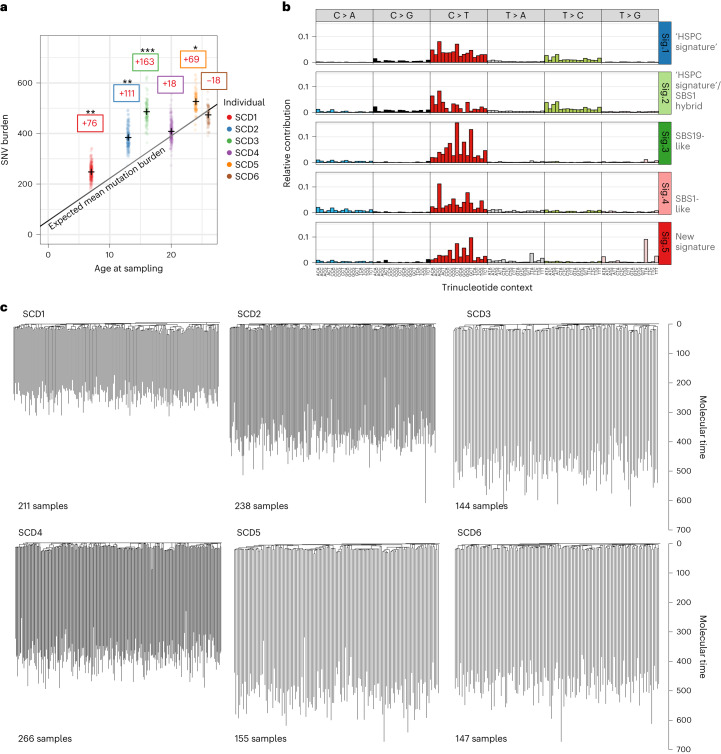
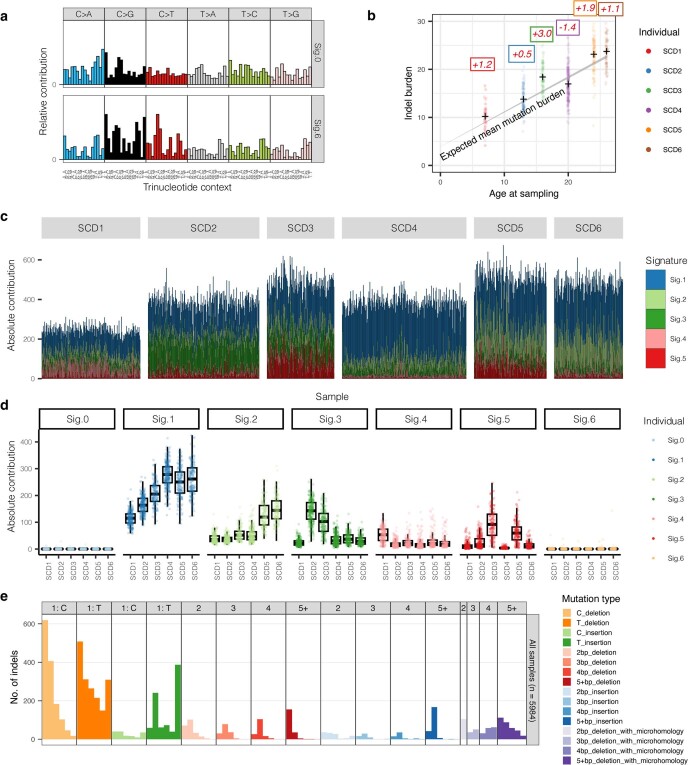
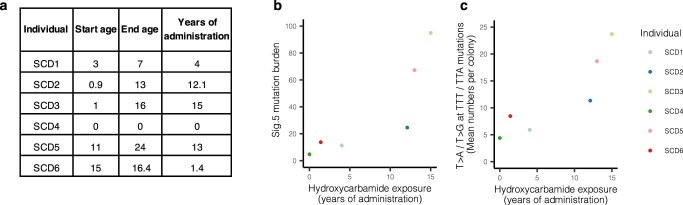
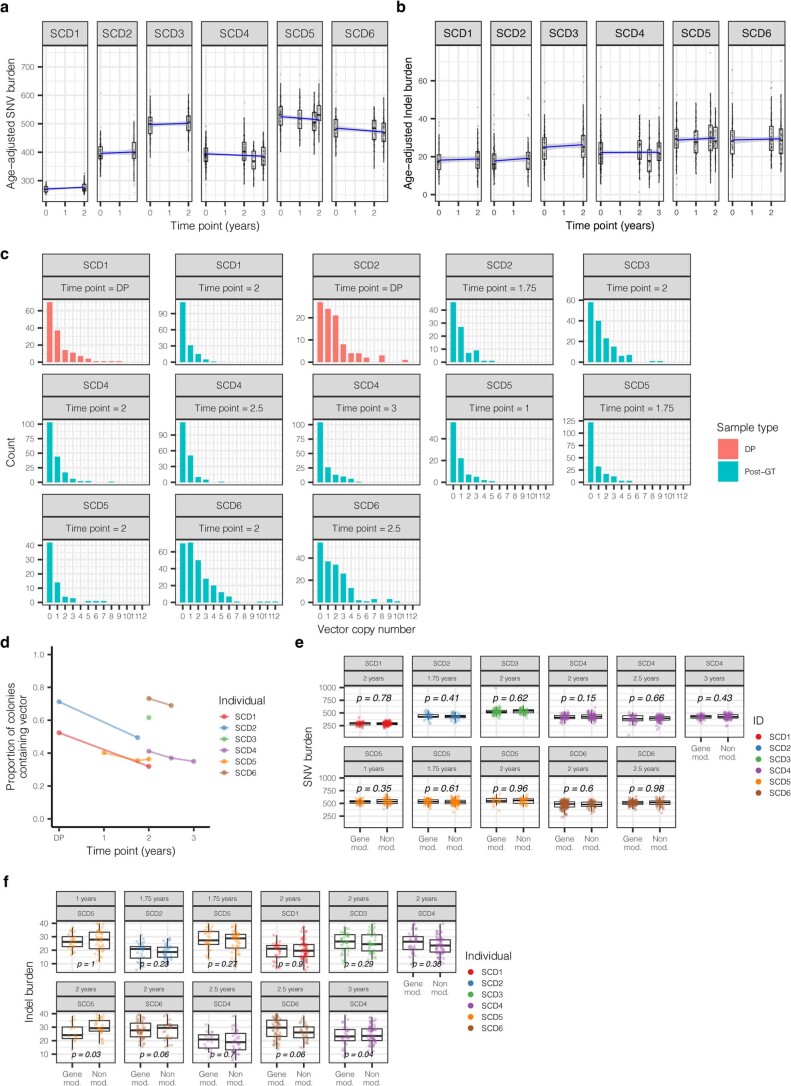
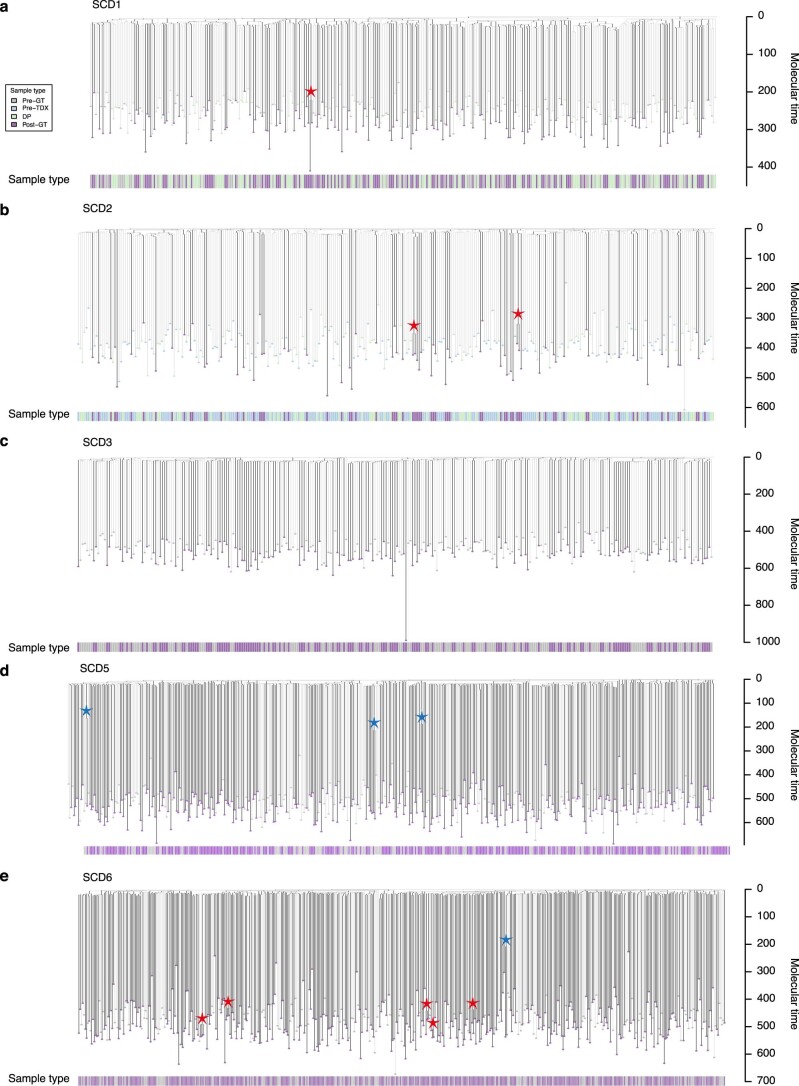
- Pre-gene-therapy hematopoiesis was highly polyclonal, with no clonal expansions >1%; mutation burden was significantly elevated in 4 of 6 patients compared with age-matched healthy reference data, and a new mutational signature (Sig.5) was associated with hydroxycarbamide exposure (P = 0.02).
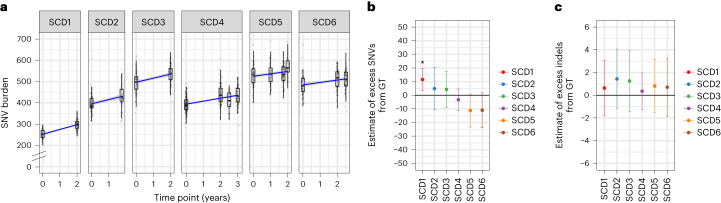
- Post-gene-therapy mutation burden was not significantly increased except in SCD1, who had an excess of 14 SNVs (7–21, 95% CI), equivalent to about 1 year of aging; no additional indels were detected. About 48% of post-therapy colonies were gene modified (range 29–72%).
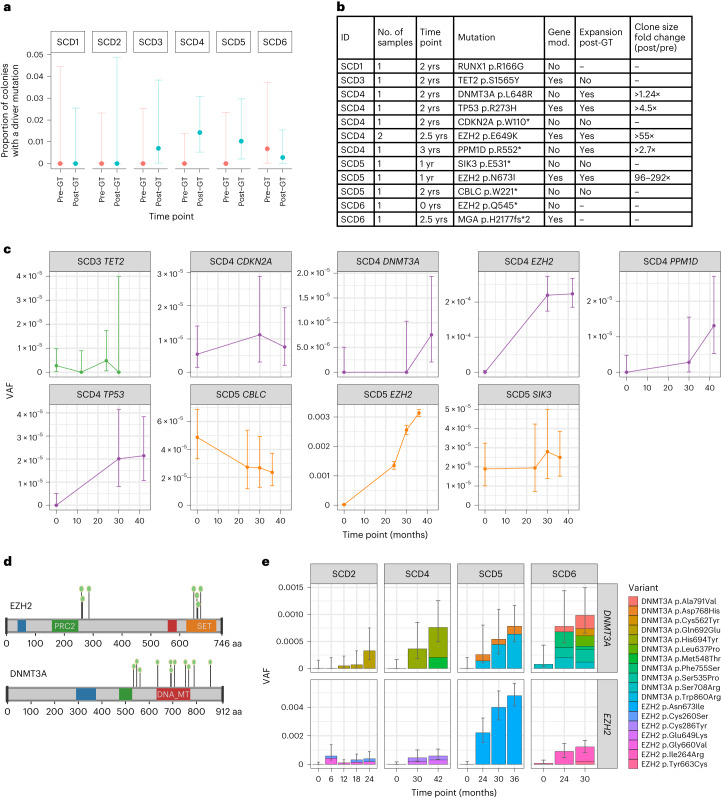
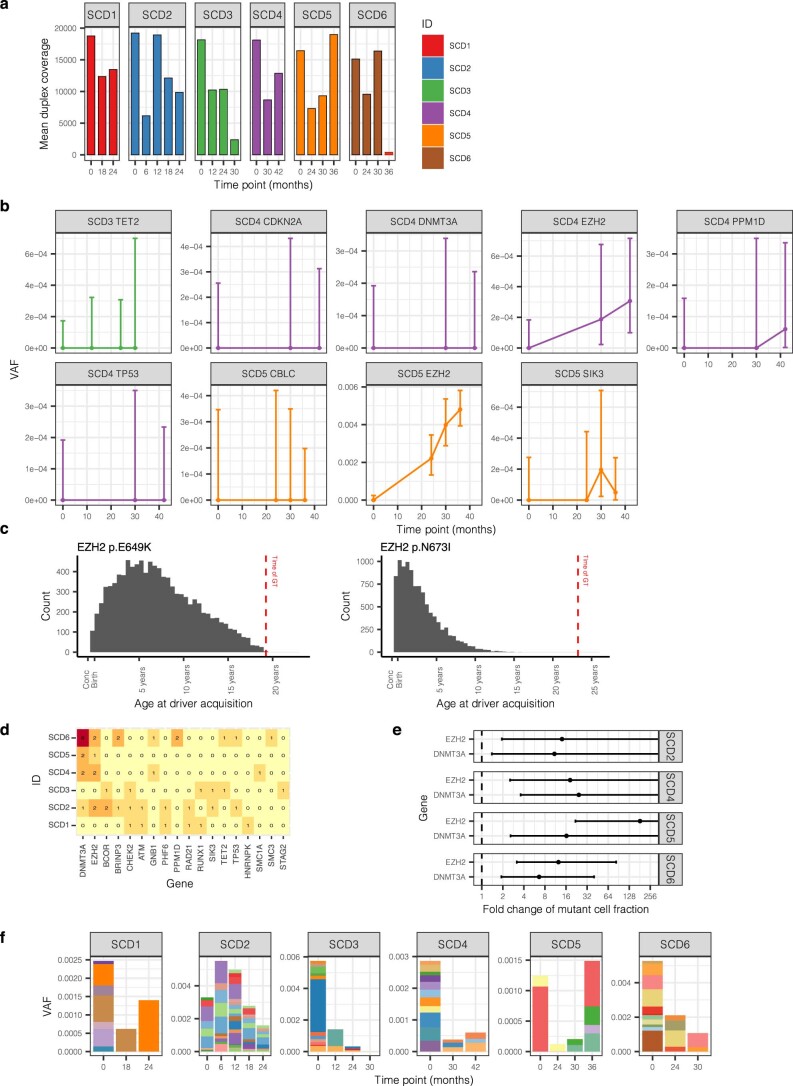
- Potential driver mutations increased from 1 in 1,161 colonies (0.1%) pre-therapy to 12 in 1,431 (0.8%) post-therapy (P = 0.016, Fisher’s exact test), including mutations in RUNX1, TP53, CDKN2A, DNMT3A, SIK3, EZH2, TET2, CBLC, MGA and PPM1D.
- Five of nine driver-containing clones significantly increased post-therapy; two EZH2 mutant clones showed 55- and 95-fold minimum increases, and DNMT3A/EZH2 mutant burden rose in 4 of 6 patients from undetectable pre-therapy to ~0.1% combined VAF post-therapy (about 1 in 500 cells; 6- to 180-fold increase).
Methods
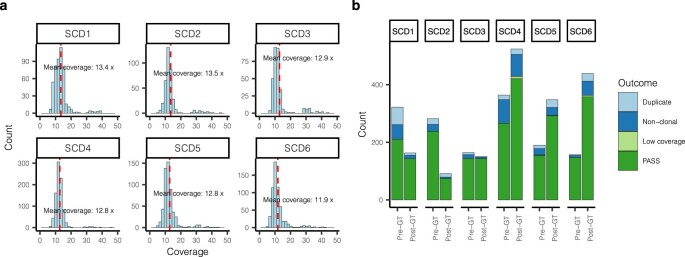
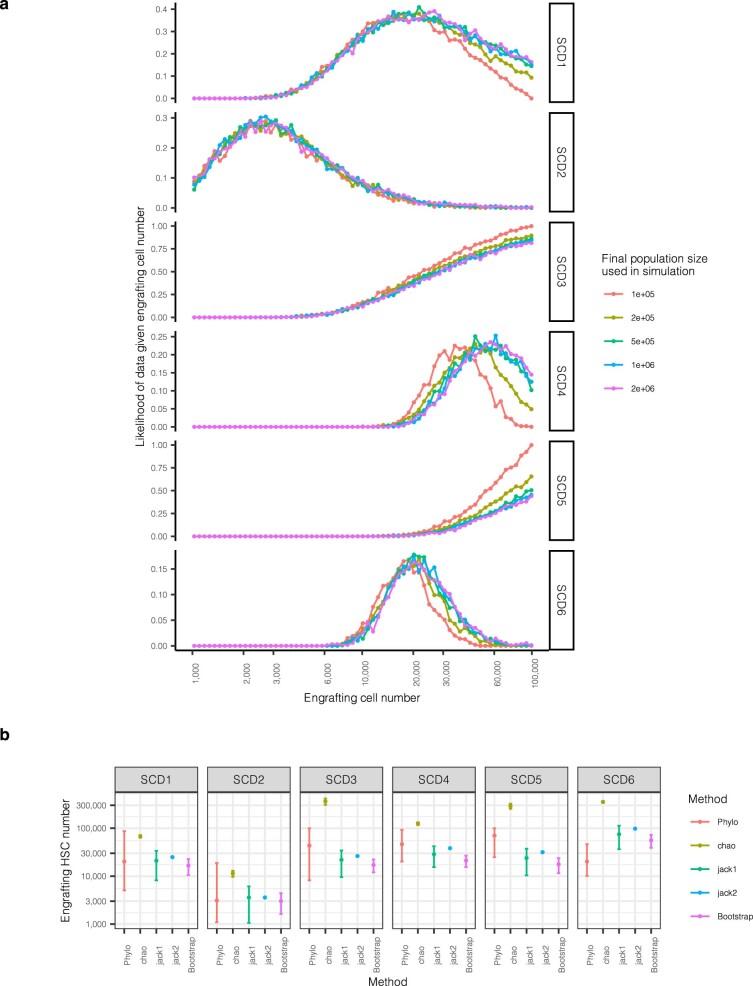
- The study used whole-genome sequencing of 2,592 single-cell-derived HSPC colonies from six patients with severe SCD in clinical trial NCT03282656, sampled pre- and post-gene therapy, at an average sequencing depth of 12.7×; 843,305 SNVs and 20,228 indels were identified.
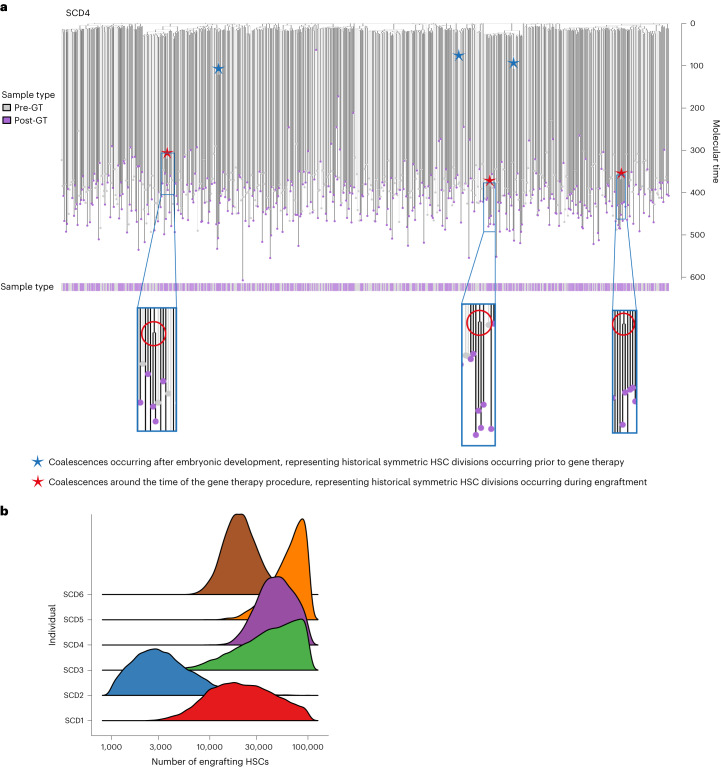
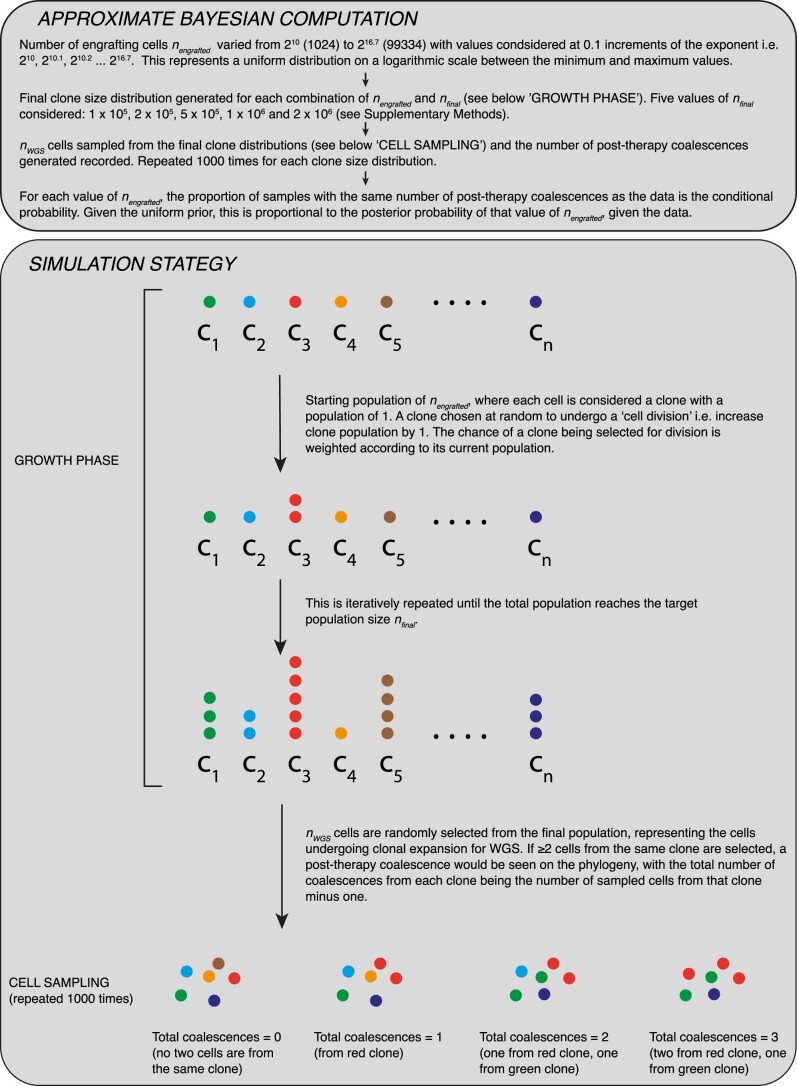
- Somatic mutations were used as molecular barcodes to build phylogenetic trees and assess clonal relatedness, mutation burden, mutational signatures, vector integration and engrafting HSC numbers via approximate Bayesian computation.
- Targeted high-depth duplex sequencing was performed on bulk myeloid cells for nine putative driver mutations plus 40 branch-specific mutations per clone (mean duplex depth 12,392×), and de novo mutation calling was done across myeloid cancer-associated genes.
Limitations
- Stated: the healthy control data were not ancestry-matched, so germline factors influencing mutation burden cannot be excluded; conditioning-exposed cells may be less able to form colonies and thus under-represented; the clinical relevance of low-VAF driver clones is unknown; follow-up was at most 3 years; some pre-therapy driver clones may have been undetectable due to assay sensitivity.
- Evident: the cohort is small (six patients), the study is observational, and the colony-forming assay may introduce biases in which HSPCs are sampled.
Model-written summary. Check it against the paper before relying on it.
Integrity signals
Registry
Cites
Statistics
Figures
Verification
Claims the paper makes
57 Own result · 34 Own interpretation · 20 Own method · 16 Check pending · 6 Not checked yet · 3 No basis given · 1 No full text of the sources
None of the sources cited for this claim have been checked yet.
In the paper
“As reported in other GT trials, the proportion of modified HSPCs was higher in the drug product than in follow-up samples isolated from 12–36 months post-infusion (Extended Data Fig. 5d).”
§ Clonal selection of hematopoietic stem cells after gene therapy for sickle cell disease > Results > Mutation burden in post-gene therapy HSCs
plainstates an association- Asserted: passes — The authors put it forward as true.
- Checkable: passes — It can be checked against evidence.
- Load-bearing: unclear — It is unclear whether the paper’s conclusions depend on it.
- Based: passes — The paper gives a reason why it holds.
A result the paper reports from its own data — it cites no other source for it, so there is none to check. The quote shows it is in the paper.
In the paper
“In pre-GT samples, we observed a significant elevation in mutation burden in four of six patients compared to what would be expected for individuals matching these patients’ ages (Fig. 1a and Extended Data Fig. 2).”
§ Clonal selection of hematopoietic stem cells after gene therapy for sickle cell disease > Results > Somatic mutations in patients with SCD
plainn = 4- Asserted: passes — The authors put it forward as true.
- Checkable: passes — It can be checked against evidence.
- Load-bearing: unclear — It is unclear whether the paper’s conclusions depend on it.
- Based: passes — The paper gives a reason why it holds.
A result the paper reports from its own data — it cites no other source for it, so there is none to check. The quote shows it is in the paper.
In the paper
“Post-GT, no clonal expansions were identified among gene-modified or unmodified cells; however, an increased frequency of potential driver mutations associated with myeloid neoplasms or clonal hematopoiesis (DNMT3A- and EZH2-mutated clones in particular) was observed in both genetically modified and unmodified cells, suggesting positive selection of mutant clones during GT.”
§ Clonal selection of hematopoietic stem cells after gene therapy for sickle cell disease > Abstract
hedgedstates a causen = 6- Asserted: passes — The authors put it forward as true.
- Checkable: passes — It can be checked against evidence.
- Load-bearing: passes — The paper’s conclusions depend on it.
- Based: passes — The paper gives a reason why it holds.
A result the paper reports from its own data — it cites no other source for it, so there is none to check. The quote shows it is in the paper.
In the paper
“Post-GT, no clonal expansions were identified among gene-modified or unmodified cells; however, an increased frequency of potential driver mutations associated with myeloid neoplasms or clonal hematopoiesis (DNMT3A- and EZH2-mutated clones in particular) was observed in both genetically modified and unmodified cells, suggesting positive selection of mutant clones during GT.”
§ Clonal selection of hematopoietic stem cells after gene therapy for sickle cell disease > Abstract
plainstates an associationn = 6- Asserted: passes — The authors put it forward as true.
- Checkable: passes — It can be checked against evidence.
- Load-bearing: passes — The paper’s conclusions depend on it.
- Based: passes — The paper gives a reason why it holds.
A result the paper reports from its own data — it cites no other source for it, so there is none to check. The quote shows it is in the paper.
In the paper
“however, when adjusted for normal aging, we observed no significant difference between pre- and post-GT time points for any patients except SCD1, who had an excess of 14 mutations above that expected for their age (7–21, 95% CI), equivalent to approximately 1 year of aging in an otherwise healthy individual (Fig. 2b and Extended Data Fig. 5a).”
§ Clonal selection of hematopoietic stem cells after gene therapy for sickle cell disease > Results > Mutation burden in post-gene therapy HSCs
plainSingle case- Asserted: passes — The authors put it forward as true.
- Checkable: passes — It can be checked against evidence.
- Load-bearing: unclear — It is unclear whether the paper’s conclusions depend on it.
- Based: passes — The paper gives a reason why it holds.
- It may state two separate claims as one. 27
- Probably not a substantial claim. 26
Create a free account to see these claims.
Create a free account to see these assumptions.
86 more claims
Create a free account to see all 137 claims and to verify the 40 references still open.
Self-check
Percentages, sums and reported differences re-computed from the paper’s own numbers.
Each contradiction between two passages listed here was confirmed by an independent check.
Rated minor: it would not touch a result — a value no result rests on, a p-value that stays on the same side of the significance level, or a conflict that is clerical, resolved elsewhere in the paper, or outside its own findings.
In the paper
§ Clonal selection of hematopoietic stem cells after gene therapy for sickle cell disease > Methods > Duplex sequencing
“nine additional genes were targeted”
§ Clonal selection of hematopoietic stem cells after gene therapy for sickle cell disease > Methods > Duplex sequencing
“(SF3B1, SRSF2 and JAK2) or the full coding sequences (PPM1D, BRCC3, CTCF, GNB1, CHEK2, ATM and BCOR)”
Rated minor: it would not touch a result — a value no result rests on, a p-value that stays on the same side of the significance level, or a conflict that is clerical, resolved elsewhere in the paper, or outside its own findings.
In the paper
§ Clonal selection of hematopoietic stem cells after gene therapy for sickle cell disease > Results
“WGS was performed at an average sequencing depth of 12.7× on 315–888 colonies per individual”
§ Clonal selection of hematopoietic stem cells after gene therapy for sickle cell disease > Results
“| SCD3 | 16, female | βS/β0 | 100% | 8.26 | 13.0× | 287 | | SCD4 | 20, male | βS/βS | 95.8% | 5.07 | 12.9× | 687 |”
Rated minor: it would not touch a result — a value no result rests on, a p-value that stays on the same side of the significance level, or a conflict that is clerical, resolved elsewhere in the paper, or outside its own findings.
In the paper
§ Clonal selection of hematopoietic stem cells after gene therapy for sickle cell disease > Methods > WGS and identification of somatic mutations
“A total of 2,030 colonies underwent WGS. Of these, 10 were excluded due to low sequencing coverage (<4×), 291 were excluded as being non-clonal and 149 were excluded as being duplicates from the same colony, leaving a total of 1,580 included in the final analysis”
§ Clonal selection of hematopoietic stem cells after gene therapy for sickle cell disease > Results
“Across the 2,592 whole genomes, we identified 843,305 independently acquired single-nucleotide variants (SNVs) and 20,228 insertions and deletions (indels).”
Rated minor: it would not touch a result — a value no result rests on, a p-value that stays on the same side of the significance level, or a conflict that is clerical, resolved elsewhere in the paper, or outside its own findings.
In the paper
§ Clonal selection of hematopoietic stem cells after gene therapy for sickle cell disease > Methods > Mutational signature extraction
“This produced six signatures, labeled Sig. 1–6”
§ Clonal selection of hematopoietic stem cells after gene therapy for sickle cell disease > Methods > Correction for in vitro-acquired mutations
“This included the seven mutational signatures extracted by HDP: the five putative in vivo signatures (Fig. 1b) and two putative in vitro signatures (Extended Data Fig. 2a)”
Citations
Cites
Age-related clonal hematopoiesis associated with adverse outcomes
Jaiswal, S., Fontanillas, P., Flannick, J., Manning, A., Grauman, P. V., Mar, B. G., Lindsley, R. C., Mermel, C. H., Burtt, N., Chavez, A., et al. (2014) · New England Journal of Medicine · doi:10.1056/nejmoa1408617 · Cited by 4,841
Genomic classification and prognosis in acute myeloid leukemia
Papaemmanuil, E., Gerstung, M., Bullinger, L., Gaidzik, V. I., Paschka, P., Roberts, N. D., Potter, N. E., Heuser, M., Thol, F., Bolli, N., et al. (2016) · New England Journal of Medicine · doi:10.1056/nejmoa1516192 · Cited by 4,350
Self-citationThe repertoire of mutational signatures in human cancer
Alexandrov, L. B., Kim, J., Haradhvala, N. J., Huang, M. N., Tian Ng, A. W., Wu, Y., Boot, A., Covington, K. R., Gordenin, D. A., Bergstrom, E. N., et al. (2020) · Nature · doi:10.1038/s41586-020-1943-3 · Cited by 3,496
Age-related mutations associated with clonal hematopoietic expansion and malignancies
Xie, M., Lu, C., Wang, J., McLellan, M. D., Johnson, K. J., Wendl, M. C., McMichael, J. F., Schmidt, H. K., Yellapantula, V., Miller, C. A., et al. (2014) · Nature Medicine · doi:10.1038/nm.3733 · Cited by 1,874
A serious adverse event after successful gene therapy for X-linked severe combined immunodeficiency
Hacein-Bey-Abina, S., von Kalle, C., Schmidt, M., Le Deist, F., Wulffraat, N., McIntyre, E., Radford, I., Villeval, J.-L., Fraser, C. C., Cavazzana-Calvo, M., et al. (2003) · New England Journal of Medicine · doi:10.1056/nejm200301163480314 · Cited by 1,867
Insertional oncogenesis in 4 patients after retrovirus-mediated gene therapy of SCID-X1
Hacein-Bey-Abina, S., Garrigue, A., Wang, G. P., Soulier, J., Lim, A., Morillon, E., Clappier, E., Caccavelli, L., Delabesse, E., Beldjord, K., et al. (2008) · Journal of Clinical Investigation · doi:10.1172/jci35700 · Cited by 1,854
The origin and evolution of mutations in acute myeloid leukemia
Welch, J. S., Ley, T. J., Link, D. C., Miller, C. A., Larson, D. E., Koboldt, D. C., Wartman, L. D., Lamprecht, T. L., Liu, F., Xia, J., et al. (2012) · Cell · doi:10.1016/j.cell.2012.06.023 · Cited by 1,575
T Lymphocyte-Directed Gene Therapy for ADA − SCID: Initial Trial Results After 4 Years
Blaese, R. M., Culver, K. W., Miller, A. D., Carter, C. S., Fleisher, T. A., Clerici, M., Shearer, G. M., Chang, L., Chiang, Y. L., Tolstoshev, P., et al. (1995) · Science · doi:10.1126/science.270.5235.475 · Cited by 1,546
Howe, S. J., Mansour, M. R., Schwarzwaelder, K., Bartholomae, C., Hubank, M., Kempski, H., Brugman, M. H., Pike-Overzet, K., Chatters, S. J., de Ridder, D., et al. (2008) · Journal of Clinical Investigation · doi:10.1172/jci35798 · Cited by 1,286
Allele-specific copy number analysis of tumors
Loo, P. V., Nord, S., Lingjærde, O. C., Russnes, H. G., Rye, I. H., Sun, W., Weigman, V., Marynen, P., Zetterberg, A., Naume, B., et al. (2010) · Proceedings of the National Academy of Sciences · doi:10.1073/pnas.1009843107 · Cited by 1,192
Research works printed but not linked: 1
- Mitchell, E. et al. Clonal dynamics of haematopoiesis across the human lifespan. Nature 606, 343–350 (2022). · DOI · Paper page
Cited by
Unanswered questions following reports of secondary malignancies after CAR-T cell therapy
Levine, B. L., Pasquini, M. C., Connolly, J. E., Porter, D. L., Gustafson, M. P., Boelens, J. J., Horwitz, E. M., Grupp, S. A., Maus, M. V., Locke, F. L., et al. (2024) · Nature Medicine · doi:10.1038/s41591-023-02767-w · Cited by 214
Long-term lineage commitment in haematopoietic stem cell gene therapy
Calabria, A., Spinozzi, G., Cesana, D., Buscaroli, E., Benedicenti, F., Pais, G., Gazzo, F., Scala, S., Lidonnici, M. R., Scaramuzza, S., et al. (2024) · Nature · doi:10.1038/s41586-024-08250-x · Cited by 59
Wang, J., Wu, X., Chen, J., Gao, T., Zhang, Y., & Yu, N. (2024) · Biomedicine & Pharmacotherapy · doi:10.1016/j.biopha.2024.116330 · Cited by 54
Ottaviano, G., & Qasim, W. (2025) · Leukemia · doi:10.1038/s41375-025-02585-8 · Cited by 46
Frati, G., Brusson, M., Sartre, G., Mlayah, B., Félix, T., Chalumeau, A., Antoniou, P., Hardouin, G., Concordet, J., Romano, O., et al. (2024) · Molecular Therapy · doi:10.1016/j.ymthe.2024.07.015 · Cited by 33
How Psychedelics Modulate Multiple Memory Mechanisms in Posttraumatic Stress Disorder
Doss, M. K., DeMarco, A., Dunsmoor, J. E., Cisler, J. M., Fonzo, G. A., & Nemeroff, C. B. (2024) · Drugs · doi:10.1007/s40265-024-02106-4 · Cited by 25
Grimley, M. S., Davies, S. M., Shrestha, A., Shova, A., Asnani, M., Kent, M. W., Sayani, F. A., Quinn, C. T., Niss, O., Lutzko, C., et al. (2025) · Nature Medicine · doi:10.1038/s41591-025-03662-2 · Cited by 25
Recent advancements in gene therapy for sickle cell disease and β-thalassemia
Li, L., & Mandal, P. K. (2024) · Frontiers in Hematology · doi:10.3389/frhem.2024.1468952 · Cited by 23
Sobrino, S., Joseph, L., Magrin, E., Chalumeau, A., Hebert, N., Corsia, A., Denis, A., Roudaut, C., Aussel, C., Leblanc, O., et al. (2025) · Nature Communications · doi:10.1038/s41467-025-58321-4 · Cited by 23
Oved, J. H., Russell, A. L., Dezern, A. E., Prockop, S. E., Bonfim, C., Sharma, A., Purtill, D., Lakkaraja, M. M., Bidgoli, A., Bhoopalan, S. V., et al. (2024) · Cytotherapy · doi:10.1016/j.jcyt.2024.09.001 · Cited by 17
Kwiatkowski, J. L., Thompson, A. A., Schneiderman, J., Thuret, I., Kulozik, A. E., Yannaki, E., Cavazzana, M., Hongeng, S., Olson, T. S., Sauer, M. G., et al. (2026) · Blood · doi:10.1182/blood.2025029196 · Cited by 15
An update review of new therapies in sickle cell disease: the prospects for drug combinations
Lugthart, S., Ginete, C., Kuona, P., Brito, M., & Inusa, B. P. D. (2024) · Expert Opinion on Pharmacotherapy · doi:10.1080/14656566.2024.2317336 · Cited by 15
Treating Sickle Cell Disease: Gene Therapy Approaches
Cavazzana, M., Corsia, A., Brusson, M., Miccio, A., & Semeraro, M. (2024) · The Annual Review of Pharmacology and Toxicology · doi:10.1146/annurev-pharmtox-022124-022000 · Cited by 15
Ueda, M., Higgins, J. E., Jenkins, I., Randolph, T. W., Smith, T. H., Valentine, C. C., Salk, J. J., Yeung, C. C. S., Beppu, L. W., Campbell, J., et al. (2024) · Science Translational Medicine · doi:10.1126/scitranslmed.ado5108 · Cited by 15
Treating genetic blood disorders in the era of CRISPR-mediated genome editing
Almotiri, A., Abogosh, A., Abdelfattah, A., Alowaisy, D., & Rodrigues, N. P. (2025) · Molecular Therapy · doi:10.1016/j.ymthe.2025.01.031 · Cited by 14
Artifacts in single-cell mitochondrial DNA mutation analyses misinform phylogenetic inference
Lareau, C. A., Chapman, M. S., Penter, L., Nawy, T., Pe’er, D., & Ludwig, L. S. (2024) · doi:10.1101/2024.07.28.605517 · Cited by 12
Butt, H., Sathish, S., London, E., Johnson, T. L., Essawi, K., Leonard, A. K., Tisdale, J. F., & Demirci, S. (2025) · Molecular Therapy · doi:10.1016/j.ymthe.2025.03.047 · Cited by 12
Puig-Serra, P., Hinckley-Boned, A., Tristán‐Manzano, M., Río, P., Torres-Ruiz, R., Rodríguez, S., & Martín, F. (2025) · Human Gene Therapy · doi:10.1177/10430342251372474 · Cited by 11
Cull, A. H., Kent, D. G., & Warren, A. J. (2024) · Blood · doi:10.1182/blood.2023019986 · Cited by 10
Self-citationEZH2 in non-cancerous diseases: expanding horizons
Jin, R., Zhang, J., Wang, Y., Chen, Z., He, X., Zhang, X., Tan, Z., Kleer, C. G., Li, Y., Wang, D., et al. (2025) · Protein & Cell · doi:10.1093/procel/pwaf032 · Cited by 9
THERAPEUTIC GENE EDITING FOR HEMOGLOBINOPATHIES
Testa, U., Leone, G., & Cappellini, M. D. (2024) · Mediterranean Journal of Hematology and Infectious Diseases · doi:10.4084/mjhid.2024.068 · Cited by 9
Liu, B., Klatt, D., Zhou, Y., Manis, J. P., Sauvageau, G., Pellin, D., Brendel, C., & Williams, D. A. (2024) · Blood Advances · doi:10.1182/bloodadvances.2024013932 · Cited by 8
Self-citationThe Evolution of Polyclonal Competition in Aging Hematopoiesis
Père, N. V. M., Terenzi, F., & Werner, B. (2026) · Cancer Discovery · doi:10.1158/2159-8290.cd-25-0990 · Cited by 8
Polycomb repressive complexes as therapeutic targets in hematologic malignancies
Yamagishi, M., Iwama, A., & Kitabayashi, I. (2025) · Experimental Hematology · doi:10.1016/j.exphem.2025.105339 · Cited by 6
In situ gene editing of hematopoietic stem cells via AAV-delivered CRISPR guide RNAs
Karimzadeh, A., Kim, R., Garcia, V., Florea, M., Peacker, B. L., Kobayashi, S., Watkins, D., Messemer, K. A., Zeng, J., Bauer, D. E., et al. (2025) · Blood Advances · doi:10.1182/bloodadvances.2025016775 · Cited by 6
Barve, A., Dabas, P., Cornwell, A., Sriram, P., Kopyov, O. V., Zhai, M., Kooienga, E., Kelley, Z., Johnson, J., Myers, J., et al. (2026) · Science Translational Medicine · doi:10.1126/scitranslmed.adv0628 · Cited by 6
Sharma, A., & John, T. D. (2025) · Blood Advances · doi:10.1182/bloodadvances.2024015413 · Cited by 5
CRISPR–Cas9 Therapeutics in Early Clinical Development: Delivery and Molecular Diagnostics
Rutkowska, A., Strózik, T., Wasiak, T., Ciunowicz, D., Kapelan, N., Szczepaniak, N., Sosnowski, J., Goślińska, W., Bartkowiak, J., Budny-Lewandowska, A., et al. (2026) · Cells · doi:10.3390/cells15070644 · Cited by 5
Clonal tracing of blood stem cells across mouse and human lifespans
Rodriguez-Fraticelli, A. (2025) · Blood · doi:10.1182/blood.2024028195 · Cited by 4
Hosuru, R. V., Yang, J., Zhou, Y.-F., Gin, A. L., Hayal, T. B., Hong, S. G., Dunbar, C. E., & Wu, C. (2024) · British Journal of Haematology · doi:10.1111/bjh.19889 · Cited by 4
Gene Therapy for Sickle Cell Anemia in India - Current Status and Challenges
Goel, A., Dalal, V., Dhawan, R., Maiti, S., & Chakraborty, D. (2025) · Indian Journal of Hematology and Blood Transfusion · doi:10.1007/s12288-025-02105-9 · Cited by 4
Quezada‐Ramírez, M. A., Loncar, S., Campbell, M. A., Parsi, K. M., Gifford, R. J., & Kotin, R. M. (2025) · iScience · doi:10.1016/j.isci.2025.113910 · Cited by 4
Considerations for applying emerging technologies in paediatric laboratory medicine
Lang, T., Geaghan, S., Loh, T. P., Mak, C. M., Papassotiriou, I., & Kyriakopoulou, L. G. (2024) · Clinical Chemistry and Laboratory Medicine (CCLM) · doi:10.1515/cclm-2023-1408 · Cited by 4
Aprile, A., Lidonnici, M. R., & Ferrari, G. (2025) · Cell Reports Medicine · doi:10.1016/j.xcrm.2025.102419 · Cited by 3
Vu, B. L., Roeder, T. J., Kanaujiya, J. K., Kimble, A. L., Tsang, E., & Oguro, H. (2026) · Haematologica · doi:10.3324/haematol.2025.300298 · Cited by 3
Genomic Evolution of Myeloproliferative Neoplasms and Therapy-Associated Mutagenesis
Leongamornlert, D. A., Lee, J., Kamizela, A. E., To, K., Myers, D., Williams, N., Nyamondo, K., Wang, X., Guo, J., DİSSANAYAKE, R. K., et al. (2026) · Cancer Discovery · doi:10.1158/2159-8290.cd-26-0410 · Cited by 3
Self-citationEsrick, E. B., Lehmann, L., Federico, A., Vincon, H., Liu, B., Daley, H., Dansereau, C., Oliveira, S. D., Everett, J. K., Kao, P., et al. (2026) · Blood · doi:10.1182/blood.2026033871 · Cited by 3
Self-citationKlatt, D., Mucci, A., Liu, B., Peschers, M., Schiroli, G., Schambach, A., Manis, J. P., Armant, M. A., Scadden, D. T., Verhoeyen, E., et al. (2026) · Cell stem cell · doi:10.1016/j.stem.2026.09.001 · Cited by 3
Self-citationMolecular Testing in Sickle Cell Disease: From Newborn Screening to Transfusion Care
Pincez, T., & Pastore, Y. D. (2025) · International Journal of Laboratory Hematology · doi:10.1111/ijlh.14513 · Cited by 3
Single-cell cloning and its approaches
Ammar, A. E. S. (2025) · Frontiers in Cell and Developmental Biology · doi:10.3389/fcell.2025.1678157 · Cited by 2
Gene Therapy of Beta Hemoglobinopathies
Testa, U., Pelosi, E., & Castelli, G. (2025) · Biomedicines · doi:10.3390/biomedicines13123093 · Cited by 2
Gene therapies on the horizon for sickle cell disease: a clinician’s perspective
Butt, H., & Tisdale, J. F. (2024) · Expert Review of Hematology · doi:10.1080/17474086.2024.2386366 · Cited by 2
Kaufmann, M. M., Hackenberg, M., Pargeter, W. J., Backofen, R., Binder, H., & Cathomen, T. (2026) · Human Gene Therapy · doi:10.1177/10430342261466407 · Cited by 2
Cellular therapies for sickle cell disease: Should we be calling them a cure?
Okoibhole, L. O., Dasaolu, F., Garba-Sani, Z., & Hibbs, S. P. (2025) · HemaSphere · doi:10.1002/hem3.70283 · Cited by 2
Battle of the sexes: Understanding donor:recipient sex differences in transplantation biology
Kent, D. G. (2024) · HemaSphere · doi:10.1002/hem3.70000 · Cited by 1
Self-citationLineage tracing of stem cells decades after blood and bone-marrow transplantation
(2025) · Nature · doi:10.1038/d41586-025-00345-3 · Cited by 1
When Blood Disorders Meet Cancer: Uncovering the Oncogenic Landscape of Sickle Cell Disease
Casadessus, E., Saby, M., Forté, S., Pastore, Y. D., Lavallée, V., & Pincez, T. (2025) · Journal of Clinical Medicine · doi:10.3390/jcm14238509 · Cited by 1
The Molecular Pathology of Non-Malignant Haematological Disease
Blann, A. D., & Dunn, R. G. (2026) · British Journal of Biomedical Science · doi:10.3389/bjbs.2026.14743 · Cited by 1
Clonal hematopoiesis in the setting of sickle cell disease and its relevance to curative therapies
Weeks, L. D. (2026) · Seminars in Hematology · doi:10.1053/j.seminhematol.2026.05.008 · Cited by 1
Shaik, M. Y., & Divers, S. (2026) · European Journal Of Haematology · doi:10.1111/ejh.70260 · Cited by 1
Weeks, L. D., Neuberg, D. S., Limerick, E. M., Hsieh, M. M., Xu, X., Kabore, M. D., Lawal, R. A., Leonard, A. K., Wang, Y., Phang, O. A., et al. (2026) · Blood · doi:10.1182/blood.2026033476 · Cited by 1
Unlocking the curative potential of gene transfer and editing for hematopoietic disorders
Shiroshita, K., Stolz, A., Malouf, C., Tran, V. L., Li, J., Weiss, M. J., & Naldini, L. (2026) · Experimental Hematology · doi:10.1016/j.exphem.2026.105493 · Cited by 1
Preclinical therapeutics for sickle cell disease: modern developments and future considerations
Okpala, I. E., Nonyelu, C. E., Muoghalu, E., Anigbogu, I. O., Onodugo, C., Ilechukwu, G. U., Fidelis-Ewa, U., Duru, A. N., & Okoye, H. C. (2025) · Expert Opinion on Investigational Drugs · doi:10.1080/13543784.2025.2500289 · Cited by 1
Sandhu, J. K., Thakur, K., Cai, D., Péladeau, C. L., Hewitt, M., & Ghadban, W. (2025) · Elsevier eBooks · doi:10.1016/b978-0-443-22300-6.00055-3 · Cited by 1
Cull, A. H., & Kent, D. G. (2025) · Blood · doi:10.1182/blood.2025028660 · Cited by 1
Self-citationSegregating DNA lesions point to high selective advantage of tumor initiating cellsPreprint
Seplyarskiy, V. B., Shady, M., Andrianova, M. A., Chapman, M. S., Allen, E. M. V., & Sunyaev, S. R. (2025) · bioRxiv (Cold Spring Harbor Laboratory) · doi:10.1101/2025.10.02.680094 · Cited by 1
Disease background influences fate of transplanted stem cells
Gao, T., & Sankaran, V. G. (2024) · Nature · doi:10.1038/d41586-024-03112-y
Prevalence of Different Types of Anemia in Third Trimester
Al-Darwish, A. G. A.-D., Hamed, W. M., & Youssof, E. G. (2025) · Al-Azhar International Medical Journal /Al-Azhar International Medical Journal · doi:10.58675/2682-339x.2839
Siddiq, A., Wadan, A. S., Ali, A., Shrestha, S., & Khan, E. A. (2025) · Wiley eBooks · doi:10.1002/9781394313785.ch16
Derks, L. L. M., Müskens, K. F., van Roosmalen, M. J., de Graaf, A. O., Epskamp, N., Trabut, L., Hagelaar, R., Jansen, J. H., Lindemans, C. A., van Bergen, M. G. J. M., et al. (2025) · HemaSphere · doi:10.1002/hem3.70262
Should Sickle Cell Disease Be Considered a Cancer Predisposition Syndrome?
Casadessus, E., Pastore, Y. D., & Pincez, T. (2026) · Children · doi:10.3390/children13050683
Paiva, A. E. S., Rabelo, I. S., Bertotto, J., Cunha, C. F. D. S. B., da Rosa, C. C., Bergamo, F. M. D. A., Rossetti, M. F. D. O., Vieira, M. F., Santos, E. B., & Alves, S. M. A. (2026) · RECIMA21 - Revista Científica Multidisciplinar · doi:10.47820/recima21.v7i8.8660
Hammoud, M. S., & Hanna, R. (2026) · JCO Oncology Practice · doi:10.1200/op-26-00479
Sato, Y., Matsushima, S. K., Shimada, Y., & Kobayashi, H. (2026) · Molecular Therapy Advances · doi:10.1016/j.omta.2026.201836
Following the Genetic Breadcrumbs of MPNs
Agarwal, G., & Sankaran, V. G. (2026) · Cancer Discovery · doi:10.1158/2159-8290.cd-26-1265
Kapoor, U., & Bhatia, M. (2026) · Seminars in Hematology · doi:10.1053/j.seminhematol.2026.09.004
Sickle cell disease-specific barriers to in vivo hematopoietic stem cell gene therapy
Choi, R., & Sheehan, V. (2026) · Seminars in Hematology · doi:10.1053/j.seminhematol.2026.09.003
Metadata
- Authors
- Spencer Chapman, M., Cull, A. H., Ciuculescu, M. F., Esrick, E. B., Mitchell, E., Jung, H., O’Neill, L., Roberts, K., Fabre, M. A., Williams, N., Nangalia, J., Quinton, J., Fox, J. M., Pellin, D., Makani, J., Armant, M., Williams, D. A., Campbell, P. J., & Kent, D. G.
- Affiliations
- University of York (GB)
- Boston Children's Hospital (US)
- Wellcome/MRC Cambridge Stem Cell Institute (GB)
- Wellcome Sanger Institute (GB)
- AstraZeneca (United Kingdom) (GB)
- Harvard University (US)
- Muhimbili University of Health and Allied Sciences (TZ)
- Corresponding author
- Williams, David A.
- Campbell, Peter J.
- Kent, David G.
- ORCID
- Venue
- Nature Medicine
- Published
- 2023-11-16
- Volume
- 29
- Issue
- 12
- Pages
- 3175-3183
- ISSN
- 1078-8956 (ISSN-L)
- 1546-170X
- PMC
- PMC10719109
- OpenAlex
- W4388728612
- Cited by
- 67
- References
- 79
- Citations by year
- 2026: 21 · 2025: 27 · 2024: 19
- FWCI
- 8.02
- Type
- journal article
- Language
- en
- Open access
- hybrid
- doi.org
- Locations
- Nature Medicine (publishedVersion, cc-by)
- PubMed Central (publishedVersion, cc-by)
- PubMed (publishedVersion)
- White Rose Research Online (University of Leeds, The University of Sheffield, University of York) (acceptedVersion, cc-by)
- Queen Mary Research Online (Queen Mary University of London) (submittedVersion, cc-by)
- Apollo (University of Cambridge) (submittedVersion, cc-by)
- Funders
- Bill and Melinda Gates Foundation (206194, INV-038816, INV-002189)
- Wellcome Trust (108413, 108413 /A/15/D, 206194)
- Cancer Research UK (DCRPGF∖100008, RCCASF-May22\100002)
- National Institutes of Health (R01HL)
- Medical Research Council (MC_PC_17230)
- National Heart, Lung, and Blood Institute (R01HL137848, R01 HL, OT2HL154815, U24HL135881)
- H2020 European Research Council (715371)
- Topics
- Life Sciences › Biochemistry, Genetics and Molecular Biology › Genetics › Virus-based gene therapy research
- Health Sciences › Medicine › Hematology › Hematopoietic Stem Cell Transplantation
- Health Sciences › Medicine › Genetics (clinical) › Hemoglobinopathies and Related Disorders
- Keywords
- sickle cell disease, gene therapy, hematopoietic stem cells, clonal selection, clonal hematopoiesis, somatic mutations, myeloid neoplasms, DNMT3A mutation, EZH2 mutation, clonal expansion, driver mutations, mutational landscape
- MeSH terms
- Anemia, Sickle Cell, Clone Cells, Hematopoiesis, Hematopoietic Stem Cells, Humans, Mutation, Neoplasms, Phylogeny, Genetic Therapy
About these checks
Registry, retraction, Cites and statistics results are computed, not judged, with one exception: a printed reference that no index lists is read once by a model before it counts as a citation error. Claims are extracted by a model and kept only when their quote appears verbatim in the text; each cited source is then checked, with a model’s help, for whether it says what the claim relies on. Those verdicts can be wrong — read the claim’s quote and the cited source before relying on one.
A language model drew the claims from the paper on 2026-11-12, under version 3 of the claim definition (model deepseek-v4.1-flash, prompt extract-v3).
A second model labelled each claim on 2026-11-12 (model jev-1.13-20260917, definition revision gold-guideline-v0.2).
Statistics and arithmetic are recomputed, not judged.
Confidence bands are shown only for fields calibrated on our annotated test set. None is calibrated yet, so no band is shown.
What counts as a claim ›How we measure confidence ›How we check this ›
Are you an author, or do you see a problem with this page? Request a review
