

Connectivity-guided intermittent theta burst versus repetitive transcranial magnetic stimulation for treatment-resistant depression: a randomized controlled trial
Open accessThe DOI matches its Crossref record; 66 of the 66 references it cites were found in a registry or an index.
Abstract
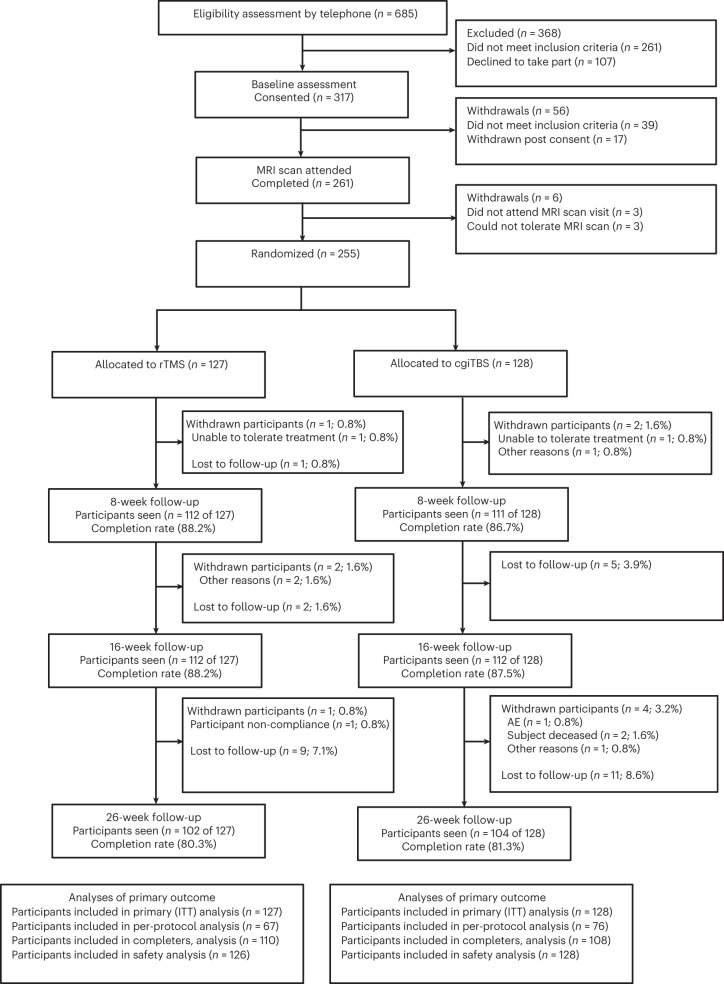
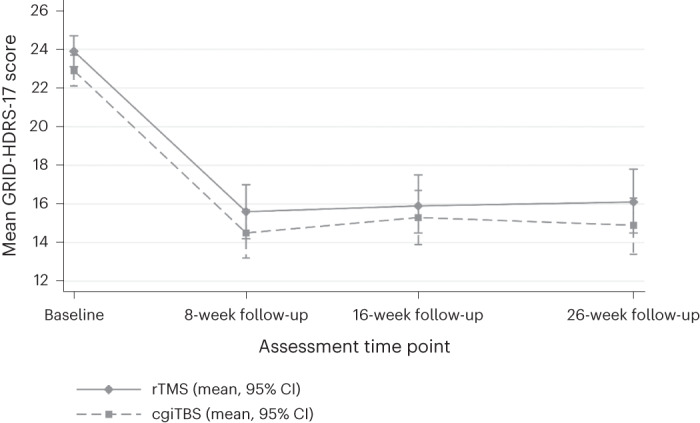
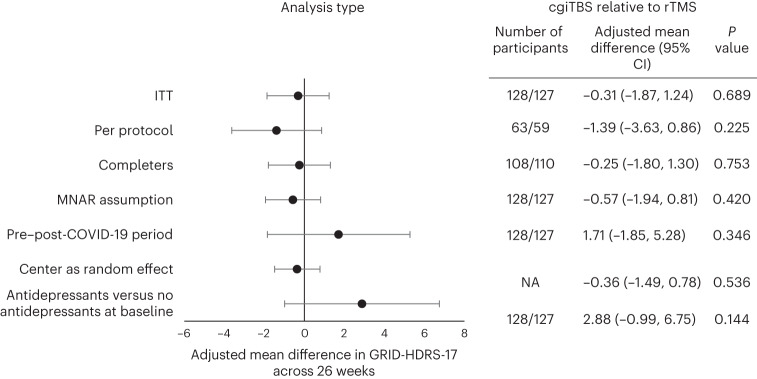
Disruption in reciprocal connectivity between the right anterior insula and the left dorsolateral prefrontal cortex is associated with depression and may be a target for neuromodulation. In a five-center, parallel, double-blind, randomized controlled trial we personalized resting-state functional magnetic resonance imaging neuronavigated connectivity-guided intermittent theta burst stimulation (cgiTBS) at a site based on effective connectivity from the right anterior insula to the left dorsolateral prefrontal cortex. We tested its efficacy in reducing the primary outcome depression symptoms measured by the GRID Hamilton Depression Rating Scale 17-item over 8, 16 and 26 weeks, compared with structural magnetic resonance imaging (MRI) neuronavigated repetitive transcranial magnetic stimulation (rTMS) delivered at the standard stimulation site (F3) in patients with ‘treatment-resistant depression’. Participants were randomly assigned to 20 sessions over 4–6 weeks of either cgiTBS ( n = 128) or rTMS ( n = 127) with resting-state functional MRI at baseline and 16 weeks. Persistent decreases in depressive symptoms were seen over 26 weeks, with no differences between arms on the primary outcome GRID Hamilton Depression Rating Scale 17-item score (intention-to-treat adjusted mean, −0.31, 95% confidence interval (CI) −1.87, 1.24, P = 0.689). Two serious adverse events were possibly related to TMS (mania and psychosis). MRI-neuronavigated cgiTBS and rTMS were equally effective in patients with treatment-resistant depression over 26 weeks (trial registration no. ISRCTN19674644).
Overview
The claims and statistics of this paper haven’t been checked yet.
Free: it reads the open-access text and checks the first 5 claims that cite a source we can check. Create a free account to check every claim.
Integrity signals
Registry
Cites
Statistics
Figures
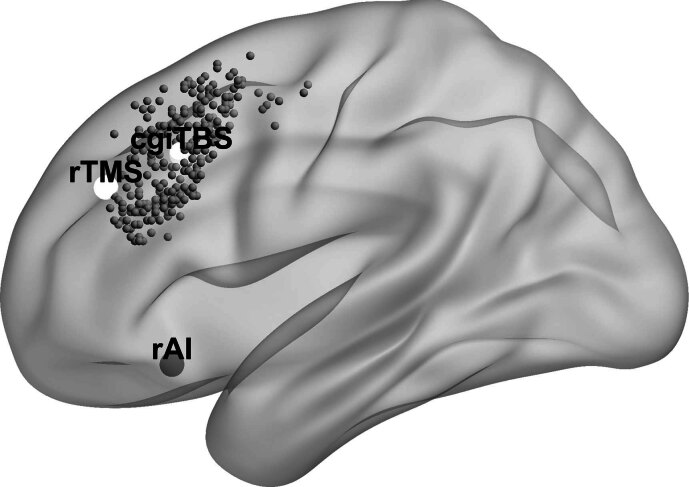
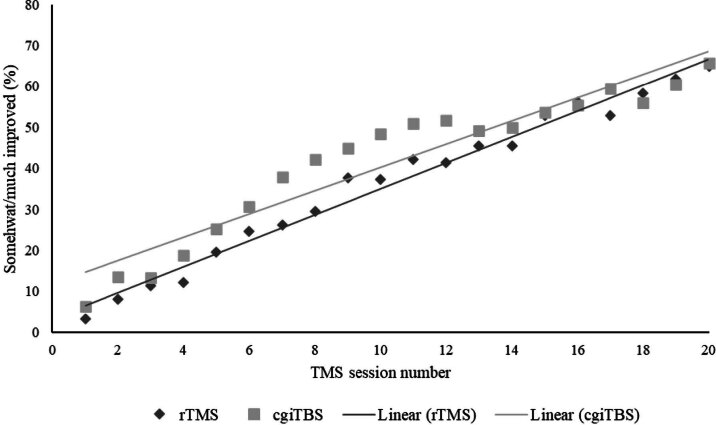
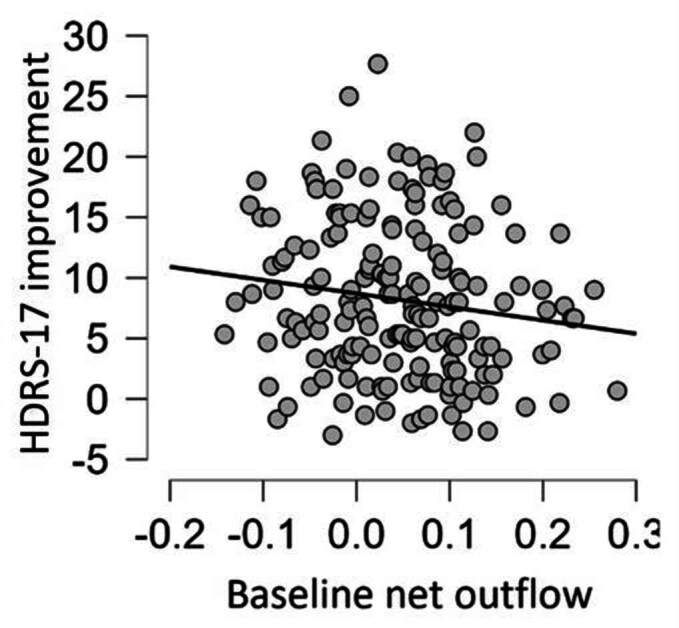
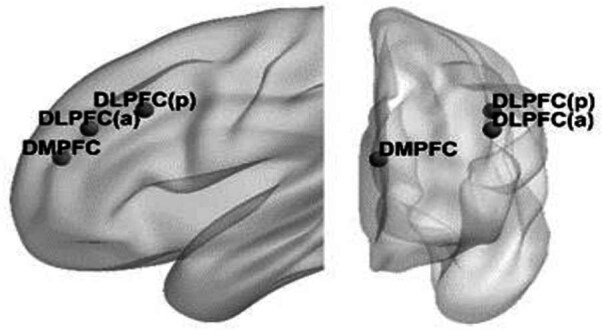
Verification
Claims the paper makes
The claims and statistics of this paper haven’t been checked yet.
Free: it reads the open-access text and checks the first 5 claims that cite a source we can check. Create a free account to check every claim.
Self-check
Percentages, sums and reported differences re-computed from the paper’s own numbers.
The self-check needs the paper’s full text.
Citations
Cites
Diagnostic and Statistical Manual of Mental Disorders
American Psychiatric Association (2013) · doi:10.1176/appi.books.9780890425596 · Cited by 116,369
The PHQ-9: Validity of a brief depression severity measure
Kroenke, K., Spitzer, R. L., & Williams, J. B. W. (2001) · Journal of General Internal Medicine · doi:10.1046/j.1525-1497.2001.016009606.x · Cited by 44,910
A Brief Measure for Assessing Generalized Anxiety Disorder: The GAD-7
Spitzer, R. L., Kroenke, K., Williams, J. B. W., & Löwe, B. (2006) · Archives of Internal Medicine · doi:10.1001/archinte.166.10.1092 · Cited by 31,765
Beck, A. T., Steer, R. A., & Brown, G. (2011) · PsycTESTS Dataset · doi:10.1037/t00742-000 · Cited by 7,535
Development and validation of a brief screening version of the Childhood Trauma Questionnaire
Bernstein, D. P., Stein, J. A., Newcomb, M. D., Walker, E., Pogge, D., Ahluvalia, T., Stokes, J., Handelsman, L., Medrano, M., Desmond, D., et al. (2003) · Child Abuse & Neglect · doi:10.1016/s0145-2134(02)00541-0 · Cited by 6,419
Rush, A. J., Trivedi, M. H., Wisniewski, S. R., Nierenberg, A. A., Stewart, J. W., Warden, D., Niederehe, G., Thase, M. E., Lavori, P. W., Lebowitz, B. D., et al. (2006) · American Journal of Psychiatry · doi:10.1176/ajp.2006.163.11.1905 · Cited by 5,643
BrainNet Viewer: A Network Visualization Tool for Human Brain Connectomics
Xia, M., Wang, J., & He, Y. (2013) · PLoS ONE · doi:10.1371/journal.pone.0068910 · Cited by 4,106
The National Institute for Clinical Excellence
(2001) · Nursing Management · doi:10.7748/nm.8.2.39.s15 · Cited by 3,876
Rush, A. J., Trivedi, M. H., Ibrahim, H. M., Carmody, T. J., Arnow, B., Klein, D. N., Markowitz, J. C., Ninan, P. T., Kornstein, S., Manber, R., et al. (2003) · Biological Psychiatry · doi:10.1016/s0006-3223(02)01866-8 · Cited by 3,829 · cited 1×
“Participants recruited later in the study completed the Quick Inventory of Depressive Symp-tomatology Self-Rated version 67 at baseline and 8, 16 and 26 weeks for the purposes of a substudy on cognition and fMRI (Supplementary Information 48 ).”
The Work and Social Adjustment Scale: a simple measure of impairment in functioning
Mundt, J. C., Marks, I. M., Shear, M. K., & Greist, J. M. (2002) · British Journal of Psychiatry · doi:10.1192/bjp.180.5.461 · Cited by 2,515 · cited 1×
“…greater than minimum clinically important improvements in Generalized Anxiety Disorder Assessment (GAD-7) 31 (≥3.3 points 32 ), Work and Social Adjustment Scale (WSAS 33 , >3.7 points 34 ) and the Euroqol-5D-5L visual analog scale of overall perceived health (EQ-5D-5L VAS 35 , ≥8.0 points 36 ).”
Influential
Research works printed but not linked: 1
- National Institute for Health and Care Excellence. Depression in Adults: Treatment and Management. NICE Guidelines(NG222) (NICE, 2022). 35977056
Cited by
Trapp, N. T., Purgianto, A., Taylor, J. J., Singh, M. K., Oberman, L. M., Mickey, B. J., Youssef, N. A., Solzbacher, D., Zebley, B., Cabrera, L. Y., et al. (2025) · Clinical Neurophysiology · doi:10.1016/j.clinph.2024.12.015 · Cited by 89
Accelerated Theta-Burst Stimulation for Treatment-Resistant Depression: A Randomized Clinical Trial
Ramos, M. R. F., Goerigk, S. A., da Silva, V. A., Cavendish, B. A., Pinto, B. S., Papa, C. H. G., de Resende, J. C. F., Klein, I., Carneiro, A. M., de Sousa, J. P., et al. (2025) · JAMA Psychiatry · doi:10.1001/jamapsychiatry.2025.0013 · Cited by 53
Ren, J., Su, W., Zhou, Y. C., Han, K., Pan, R., Duan, X., Liu, J., Lu, H., Zhang, P., Zhang, W., et al. (2025) · Brain stimulation · doi:10.1016/j.brs.2025.02.009 · Cited by 29
Soleimani, G., Nitsche, M. A., Hanlon, C. A., Lim, K. O., Opitz, A., & Ekhtiari, H. (2025) · Neuropsychopharmacology · doi:10.1038/s41386-025-02094-3 · Cited by 32
Briley, P. M., Webster, L., Lankappa, S. T., Pszczółkowski, S., McAllister-Williams, H., Liddle, P. F., Auer, D. P., & Morriss, R. K. (2024) · npj Mental Health Research · doi:10.1038/s44184-024-00077-8 · Cited by 29
“To determine whether there are baseline clinical or demographic fac-torsthatpredictresponsetrajectory,wecomparedtrajectoryclassesonthose variablesthatwereexaminedasmoderatorsoftheprimaryoutcomeinthe mainBRIGhTMINDreport 12 .”
BackgroundSelf-citationGao, Q., Chen, X., Castellanos, F. X., Lu, B., & Yan, C. (2025) · Psychoradiology · doi:10.1093/psyrad/kkaf024 · Cited by 25
The future of psychiatry: clinical practice, diagnosis, and treatment
Turner, S., Yadav, P., Morrin, H., & Bhat, A. (2025) · International Review of Psychiatry · doi:10.1080/09540261.2025.2594523 · Cited by 23
d’Errico, P., Früholz, I., Meyer‐Luehmann, M., & Vlachos, A. (2025) · Brain stimulation · doi:10.1016/j.brs.2025.03.012 · Cited by 21
Geoly, A. D., Stimpson, K. H., Espil, F. M., Bentzley, B. S., & Williams, N. (2025) · Brain stimulation · doi:10.1016/j.brs.2025.04.006 · Cited by 19
“…rates in all participants, acute re-mitters, and acute responders. necessary to compare the durability of SNT to conventional rTMS. Similarly, the recently published outcomes from the connectivity-guided iTBS (cgiTBS) arm of the BRIGhTMIND trial [34] serve as another important comparison to SNT.”
Tang, Q., Li, D., Chen, J., Liu, M., Yuan, Q., Jia, J., Song, M., Yu, L., Wang, X., Sang, Y., et al. (2025) · Advanced Materials · doi:10.1002/adma.202420447 · Cited by 25
Li, X., Liu, S., Mo, J., Yang, C., Li, G., Zhou, M., Ryu, J., Morales, M., Fang, H., & Ouyang, W. (2026) · Nature Biomedical Engineering · doi:10.1038/s41551-025-01609-z · Cited by 26
Liu, B., Hu, C., & Bao, P. (2025) · Frontiers in Human Neuroscience · doi:10.3389/fnhum.2025.1682852 · Cited by 20
Taylor, J. J., Kare, M. R., Haj-Darwish, D., Jones, E., Sanderson, L. L., Khosravani, S., Leach, J., Bomer, L., Hall, N., Chiulli, N., et al. (2026) · JAMA Psychiatry · doi:10.1001/jamapsychiatry.2026.1100 · Cited by 19
Briley, P. M., Webster, L., Boutry, C., Oh, H., Auer, D. P., Liddle, P. F., & Morriss, R. K. (2024) · Psychiatry Research Neuroimaging · doi:10.1016/j.pscychresns.2024.111846 · Cited by 17
Self-citationLiquid Biopsy-Based Detection and Response Prediction for Depression
Kim, S., Kang, Y., Shin, H., Lee, E. B., Ham, B., & Choi, Y. (2024) · ACS Nano · doi:10.1021/acsnano.4c08233 · Cited by 15
Terao, I., & Kodama, W. (2025) · Journal of Affective Disorders · doi:10.1016/j.jad.2025.04.028 · Cited by 16
Oathes, D. J., Figueroa‐González, A., Grier, J., Blaine, C., Garcia, S. D., & Linn, K. A. (2024) · medRxiv · doi:10.1101/2024.07.29.24311191 · Cited by 14
“1,2 One might assume the superiority of image-guided rTMS for treating depression given unprecedented clinical outcomes following the recently FDA approved protocol.”
BackgroundHodkinson, D. J., Drabek, M. M., Horvath, S., Pszczółkowski, S., Tench, C. R., Tănăsescu, R., Lankappa, S. T., Walsh, D. A., Morriss, R. K., & Auer, D. P. (2025) · Clinical Neurophysiology · doi:10.1016/j.clinph.2025.02.267 · Cited by 13
Self-citationTao, X., Jing, Z. W., Yuan, W. K., Yun, G. H., Fang, X. J., & Sheng, L. M. (2025) · Frontiers in Psychiatry · doi:10.3389/fpsyt.2024.1504727 · Cited by 14
Gong, L., Yang, X., He, Y., Li, H., Zhou, W., Liu, D., Zhang, B., & Xi, C. (2025) · NeuroImage Clinical · doi:10.1016/j.nicl.2025.103815 · Cited by 16
Chang, K.-Y., Tik, M., Mizutani-Tiebel, Y., Taylor, P. C. J., van Hattem, T., Falkai, P., Padberg, F., Bulubas, L., & Keeser, D. (2024) · Biological Psychiatry Cognitive Neuroscience and Neuroimaging · doi:10.1016/j.bpsc.2024.08.009 · Cited by 19
Huang, Z., Wang, Y., Yan, Y., Liu, Y., Chen, J., Liu, H., Li, J., Gao, Z., & Che, X. (2024) · Neurotherapeutics · doi:10.1016/j.neurot.2024.e00496 · Cited by 15
“[55]).”
Pan, J., Ren, K., Yao, J., Chen, J., Fang, Q., Pan, J. G., Ge, Q., Chen, W., & Shen, Y. (2024) · Journal of Psychiatric Research · doi:10.1016/j.jpsychires.2024.10.012 · Cited by 9
Zhao, Y.-J., Xiang, S., Chen, R., Ding, Q., Geng, R., Wang, Y., Li, Y., Li, H., Wang, Y., Cui, H., et al. (2025) · Cell Reports Medicine · doi:10.1016/j.xcrm.2025.102402 · Cited by 10
Hananeia, N., Ebner, C., Galanis, C., Cuntz, H., Opitz, A., Vlachos, A., & Jedlička, P. (2025) · PLoS Computational Biology · doi:10.1371/journal.pcbi.1012295 · Cited by 9
“We compared the LTP/LTD distance profiles of all four cases - electrically induced TBS with and without inhibition, and rMS TBS with and without inhibition (Fig 6).”
Balderston, N. L., Duprat, R., Long, H., Scully, M., Deluisi, J. A., Figueroa-Gonzalez, A., Teferi, M., Sheline, Y. I., & Oathes, D. J. (2024) · Clinical Neurophysiology · doi:10.1016/j.clinph.2024.06.007 · Cited by 8
Ma, M., Zhang, Y., Liu, Z., Lv, S., Tao, K., & Lu, Z. (2026) · Brain Research Bulletin · doi:10.1016/j.brainresbull.2026.111784 · Cited by 7
Response prediction for repetitive transcranial magnetic stimulation treatment
Csukly, G., Orbán-Szigeti, B., & Réthelyi, J. (2025) · Current Opinion in Psychiatry · doi:10.1097/yco.0000000000001026 · Cited by 6
Gregory, E., Siddiqi, S., Fox, M., Blumberger, D. M., Downar, J. H., Daskalakis, Z. J., Dunlop, K., & Vila‐Rodriguez, F. (2026) · Brain stimulation · doi:10.1016/j.brs.2026.103173 · Cited by 6
Treiber, M., Tsapakis, E.-M., & Fountoulakis, K. Ν. (2024) · Journal of Addiction Medicine · doi:10.1097/adm.0000000000001416 · Cited by 8
Network-targeted transcranial magnetic stimulation (TMS) for mild cognitive impairment (MCI)
Taylor, J. L., Priyanka, B., Hernandez, B., Iv, M., Adamson, M. M., Heath, A. M., Yesavage, J. A., & McNerney, M. W. (2025) · NeuroImage Clinical · doi:10.1016/j.nicl.2025.103819 · Cited by 8
nTMS in spinal cord injury: Current evidence, challenges and a future direction
Jung, J., Patel, S., Khan, A., Díaz-Baamonde, A., Mirallave-Pescador, A., Chowdhury, Y. A., Bell, D., Malik, I., Thomas, N., Grahovac, G., et al. (2025) · Brain and Spine · doi:10.1016/j.bas.2025.104234 · Cited by 6
Wilkening, J., Jungeblut, H. M., Adamovic, I., Belov, V., Dechent, P., Eicke, L., Hansen, N., Kozyrev, V., Marten, L. E., Muschke, Y., et al. (2025) · Brain medicine : · doi:10.61373/bm025a.0113 · Cited by 7
Novel NIBS in psychiatry: Unveiling TUS and TI for research and treatment
Sharif, F., Harmer, C. J., Klein-Flügge, M. C., & Tan, H. (2025) · Brain and Neuroscience Advances · doi:10.1177/23982128251322241 · Cited by 5
“Notably, a large-scale randomised controlled trial (RCT) demonstrated sustained efficacy of rTMS targeting the dlPFC, with significant improvements in depressive symptoms persisting over a 26-week period (Morriss et al., 2024).”
Che, X., Zhao, H., Ye, X., Ye, S., Zhen, Z., Huang, Z., Li, Y., Zhang, S., Xu, P., Chen, X., et al. (2025) · Cell Reports Medicine · doi:10.1016/j.xcrm.2025.102470 · Cited by 15
Weng, R., Lin, W., Sun, Q., Ma, C.-T., Zhang, F., Jia, S.-M., Hu, S., Li, Y. H., Zhang, C.-H., Yu, Y.-J., et al. (2026) · Gut · doi:10.1136/gutjnl-2025-337612 · Cited by 8
“58 59 Since the present study is a single-centre study with a relatively modest sample size, it therefore warrants validation in larger, multicentre, randomised controlled trials.”
Webster, L., Boutry, C., Thomson, L., Abdelghani, M., Barber, S. R., Briley, P. M., Kurkar, M., Lankappa, S. T., McAllister-Williams, H., Paola, A. S. D., et al. (2024) · Comprehensive Psychiatry · doi:10.1016/j.comppsych.2024.152544 · Cited by 5
Self-citationZamfirache, F., Dumitru, C., Trandafir, D. M., Bratu, A. T., & Radu, B. M. (2025) · Applied Sciences · doi:10.3390/app15074020 · Cited by 5
“While this therapy is more widespread in North America, in other regions, such as Europe, its uptake is slower and uneven, influenced by factors such as resource availability and national clinical guidelines [63].”
Atkinson-Clément, C., Junor, A., & Kaiser, M. (2024) · medRxiv · doi:10.1101/2024.01.10.24301043 · Cited by 5
Cui, H., Wang, J., & Li, C. (2025) · Neuroscience Bulletin · doi:10.1007/s12264-025-01432-1 · Cited by 4
“In recent years, with the rapid development of neuroimaging and TMS techniques, neuro-navigated techniques based on magnetic resonance imaging and deep TMS have emerged, allowing for high-quality, non-invasive neural modulation of deep brain regions such as the insula [75, 76].”
Moleón-Ruiz, Á., de Toledo, P. Á., Fernandez, L. G., Pérez-Aquino, I., Narbona-Antúnez, J., Jiménez‐Fernández, S., Gutiérrez-Rojas, L., García, M. M.-B., & Rodríguez–Jiménez, R. (2025) · ALPHA PSYCHIATRY · doi:10.31083/ap45254 · Cited by 4
“[32] suggests that fcMRI targeting may not offer clear clinical advantages over standard structural neuronavigation.”
Causal connectivity maps derived from single-pulse interleaved TMS/fMRI
Bossus, L., Dickson, J., Blaine, C., Khalilkhani, H., Khan, A., & Oathes, D. J. (2026) · Scientific Reports · doi:10.1038/s41598-025-23684-7 · Cited by 5
“It is not the case that personalized image-guided TMS will always yield stronger behavioral or clinical effects compared with less personalized scalp-based targets 12,35 .”
Chaves, A. R. D. A., Cuda, J., Shim, S., Drodge, J., Nasr, Y., Brender, R., Antochi, R. M., McMurray, L., Pilutti, L. A., & Tremblay, S. (2024) · Journal of Affective Disorders · doi:10.1016/j.jad.2024.09.024 · Cited by 4
Zhen, Z., Guo, R., Tan, B., Wang, Y., Shi, S., Ye, Y., & Che, X. (2025) · Clinical Neurophysiology · doi:10.1016/j.clinph.2025.03.020 · Cited by 4
Sanal‐Hayes, N. E. M., Slade, K., Mclaughlin, M., Metcalfe, C., Berry, E. C. J., Thornton, E. J., & Hayes, L. D. (2025) · Fatigue Biomedicine Health & Behavior · doi:10.1080/21641846.2025.2513807 · Cited by 4
“Multiple sessions of repetitive protocols have been investigated for the treatment of psychiatric and neurological disorders, due to potential long-lasting e ff ects on neural plasticity [5,6].”
Chen, M., Björklund, J., Chang, K.-Y., Burkhardt, G., Bulubas, L., Weller, S., Hagenah, K., Keeser, D., Brunoni, A. R., Padberg, F., et al. (2025) · European Archives of Psychiatry and Clinical Neuroscience · doi:10.1007/s00406-025-02067-z · Cited by 6
Yuan, L., Chen, D., Dong, W., Yang, C., Zhang, H.-F., Wang, Y., Tang, J.-S., Che, X., Cash, R. F. H., Zang, Y.-F., et al. (2025) · Brain stimulation · doi:10.1016/j.brs.2025.03.010 · Cited by 3
Boutry, C., Webster, L., Thomson, L., Harding, D., Reid, I., Bates, P., Gledhill, J., McNaughton, R., Eastham, J., Ooi, J. L. S., et al. (2025) · BMC Psychiatry · doi:10.1186/s12888-025-06893-2 · Cited by 3
“…showing that the study was adequately powered with no difference between either treatment arm but a clinically substantial treatment effect of more than seven points with both forms of TMS on the primary outcome measure, the 17-item Hamilton Depression Rating Scale at 8, 16 and 26 weeks [21].”
Self-citationLefaucheur, J., Mussigmann, T., Bapst, B., & Bardel, B. (2025) · Clinical Neurophysiology · doi:10.1016/j.clinph.2025.2110773 · Cited by 4
Dormegny-Jeanjean, L. C., de Billy, C. D. C., Pierrat, C., Mainberger, O., Schorr, B., Obrecht, A., Arcay, H., Moreau, A., Humbert, I., Scarlatti, F., et al. (2025) · European Archives of Psychiatry and Clinical Neuroscience · doi:10.1007/s00406-025-02027-7 · Cited by 3
Cox, E. M., Ma, J., Roadevin, C., Morriss, R. K., & James, M. (2026) · BMJ Mental Health · doi:10.1136/bmjment-2025-302237 · Cited by 3
“For iTBS and rTMS, transition matrices were derived using multistate models from BRIGHTMIND HDRS data at baseline, 8, 16 and 26 weeks (online supplemental tables S26–S8).”
Self-citationZhao, X., Zhou, H., Zhang, X., Tang, R., Gan, Y., Zhuang, T., Zhu, Y., Qin, Z., Chen, Y., Fu, Y., et al. (2026) · BMC Medicine · doi:10.1186/s12916-026-04766-3 · Cited by 2
Peng, Y., Webster, L., Lankappa, S. T., Morriss, R. K., & Briley, P. M. (2026) · Journal of Affective Disorders Reports · doi:10.1016/j.jadr.2026.101058 · Cited by 3
Self-citationMittelman, L. E., Kazmi, J. S., Syed, S. A., Vargas, L. O., Duehr, J. E., Jerliu, G., Bassett, J. B., Cater, E., & D’Amico, R. S. (2026) · Clinical Neurology and Neurosurgery · doi:10.1016/j.clineuro.2026.109435 · Cited by 3
Li, M., Wu, Z., Lu, X., Zalesky, A., Cheng, X., Zhang, Y., Cash, R. F. H., Jin, F., Jia, S., Xiao, Y., et al. (2026) · American Journal of Psychiatry · doi:10.1176/appi.ajp.20251084 · Cited by 3
Transcranial Magnetic Stimulation
Liu, Y., & Hu, S. (2025) · Springer eBooks · doi:10.1007/978-981-96-8504-2_1 · Cited by 2
Wang, X.-Y., Zhang, Y.-B., Mu, R.-X., Cui, L., & Wang, H. (2024) · World Journal of Psychiatry · doi:10.5498/wjp.v14.i11.1618 · Cited by 2
Palantzas, A., & Anagnostouli, M. (2026) · Sensors · doi:10.3390/s26051738 · Cited by 1
“…[100,101,119,126], post-traumatic stress disorder (PTSD), Parkinson’s disease, obesity [101,127–129], OCD, postpartum depression, post-stroke hemi-https paresis, addictions, Alzheimer’s disease and mild cognitive impairment [119,129]; however, further research is required to confirm these findings.”
When, How, and Where: Combining Psychotherapy and Neuromodulation for Obsessive-Compulsive Disorder
Smith, S. A., & Dunlop, K. (2025) · Biological Psychiatry · doi:10.1016/j.biopsych.2025.01.018 · Cited by 1
Yu, L., Han, J., Chen, X., Hu, L., Wang, M., Zhu, M., Cheng, J., Liu, P., Fang, L., Li, Y., et al. (2025) · npj Parkinson s Disease · doi:10.1038/s41531-025-01065-1 · Cited by 1
Long, J., Liao, X., Han, K., Chen, J., Li, H., Liu, Y., Tang, Z., & Zhang, H. (2025) · Clinical Case Reports · doi:10.1002/ccr3.70731 · Cited by 1
Towards precision medicine in non-invasive brain stimulation for chronic pain
Mantovani, E., Ranieri, F., & Tamburin, S. (2025) · Clinical Neurophysiology · doi:10.1016/j.clinph.2025.2111435 · Cited by 1
Research Advances in Repetitive Transcranial Magnetic Stimulation for Neurological Disorders
陈, 飞. (2025) · Journal of Clinical Personalized Medicine · doi:10.12677/jcpm.2025.46473 · Cited by 1
Saienko, O., Svitailo, V., Chemych, O. M., Klymenko, N., Seemann, O., Kadyrov, M., Kraemer, B., & Chemych, M. D. (2025) · Eastern Ukrainian Medical Journal · doi:10.21272/eumj.2025;13(4);1015-1023 · Cited by 1
Tadayon, P., MacKenzie, A., Gregory, E., Pichardo, S., Görges, M., & Vila‐Rodriguez, F. (2026) · Neuromodulation Technology at the Neural Interface · doi:10.1016/j.neurom.2026.01.014 · Cited by 2
Wang, A., Ye, J., Li, J., Chen, X., Wang, Q., & Wu, K. Y. (2026) · Frontiers in Pharmacology · doi:10.3389/fphar.2026.1791688 · Cited by 1
“…and intracranial recordings, researchers can identify specific neural signatures of pathology—such as distinctive functional connectivity patterns between prefrontal and limbic regions in treatment-resistant depression (Rengasamy et al., 2024; Lui et al., 2011; Morriss et al., 2024).”
Zhang, Z., Xie, C., Dong, L., Zeng, L., Sun, M., Fu, Q., Ouyang, X., Yan, Q., Wang, T., Zhang, Q., et al. (2026) · The Journal of Headache and Pain · doi:10.1186/s10194-026-02320-3 · Cited by 1
Valiengo, L. D. C. L., Pinto, B. S., Luethi, M. S., Santos, L. A., Benatti, R. G., Lessa, M. P. M., Loureiro, J. C., Silva, J., Martins, L., Oliveira, P. S., et al. (2026) · American Journal of Psychiatry · doi:10.1176/appi.ajp.20250537 · Cited by 1
Zhou, H., Bao, Y., Xu, J., Wang, D., Geng, F., Guo, W., & Hu, Y. (2026) · Neurotherapeutics · doi:10.1016/j.neurot.2026.e00884 · Cited by 1
Kang, Y., Han, K., Ham, B., Auer, D. P., Kaiser, M., & Jung, J. (2026) · Journal of Affective Disorders · doi:10.1016/j.jad.2026.121621 · Cited by 1
Self-citationGregory, D. F., Sun, I., Teferi, M., Gura, H., Patel, M., Casalvera, A., Chandrashekar, S., Lynch, K. G., Schultz, D. H., Jeyapratap, A., et al. (2026) · Imaging Neuroscience · doi:10.1162/imag.a.1314 · Cited by 1
“Clinical trials, including THREE-D, showed non-inferiority of iTBS versus conventional 10 Hz stimulation using standard targeting, while individualized connectivity-guided protocols show advantages in treatment-resistant samples ( Blumberger et al., 2018; Morriss et al., 2024).”
Li, X., Liu, S., Mo, J., Cheng, Y., Morales, M., & Ouyang, W. (2024) · bioRxiv (Cold Spring Harbor Laboratory) · doi:10.1101/2024.07.16.603523 · Cited by 1
Sanal‐Hayes, N. E. M., Slade, K., Mclaughlin, M., Berry, E. C. J., Swift, E., & Hayes, L. D. (2025) · medRxiv · doi:10.1101/2025.06.05.25329096 · Cited by 1
Zhao, Y., Zhao, Y.-J., Cui, H., Bethlehem, R. A. I., & Voon, V. (2024) · bioRxiv (Cold Spring Harbor Laboratory) · doi:10.1101/2024.04.16.589734
Davani, A. J., Richardson, A. J. W., Vodovozov, W., & Sanghani, S. N. (2024) · Advances in Psychiatry and Behavioral Health · doi:10.1016/j.ypsc.2024.05.013
de Andrade, D. C. (2024) · VBN Forskningsportal (Aalborg Universitet) · doi:10.54337/aau771649055
Imagerie cérébrale et premiers succès de la psychiatrie de précision
Laidi, C., Bouaziz, N., Haffen, É., Domenech, P., Duchesnay, É., Favre, P., Fakra, É., Houenou, J., Iftimovici, A., Lefrere, A., et al. (2025) · médecine/sciences · doi:10.1051/medsci/2025061
Li, M., Yue, W., Yu, C., Wang, K., Wang, M., Li, Z., Zhang, P., Zhang, L., Kuang, W., Hu, Y., et al. (2025) · BMJ Open · doi:10.1136/bmjopen-2024-098155 · Cited by 1
“16 The present multi-centre RCT targets the FPN circuit, a core network associated with mood disorders.”
Sanal‐Hayes, N. E. M., Slade, K., Mclaughlin, M., Berry, E. C. J., Swift, E., & Hayes, L. D. (2025) · COVID · doi:10.3390/covid5120196
“Repeated sessions have been explored as treatments for various psychiatric and neurological disorders, owing to their potential to induce long-lasting changes in neural plasticity [23,24].”
Postma, T. S., Fitzsimmons, S., & van den Heuvel, O. A. (2025) · Handbook of behavioral neuroscience · doi:10.1016/b978-0-443-26602-7.00022-1
Flores, C., & Villalba, P. D. R. G. (2025) · Revista Multidisciplinar de Estudios Generales · doi:10.70577/reg.v4i4.425
Briley, P. M. (2024) · Nottingham ePrints (University of Nottingham) · doi:10.17639/nott.7477 · Cited by 1
Self-citationGriffiths, C., Banazadeh, A., & Mu, M. (2025) · Open Journal of Depression · doi:10.4236/ojd.2026.151001
Abualait, T., Khan, H., Ahmed, A., Khan, B., Kiyani, M. M., Mir, A., Al-Baradie, R., Baig, M. O., Al-Hussain, F., Ali, E. N., et al. (2025) · Journal of Disability Research · doi:10.57197/jdr-2025-0707
Estimulação magnética transcraniana no tratamento da depressão refratária
Rossi, N. R., Cardoso, K. D. M., & Caetano, G. A. P. B. V. (2026) · Tudo é Ciência. · doi:10.47385/tudoeciencia.2364.2025
A watershed algorithm GUI for personalized fMRI-guided rTMS target
Feng, Z.-J., Wei, Z., Hong, L., Fang, H., Han, Y., Yang, P., Lv, D., & Zang, Y.-F. (2026) · NeuroImage · doi:10.1016/j.neuroimage.2026.121743
A Real-Time Functional Localization Method Based on Dynamic Connectivity for Coupled Brain RegionsPreprint
Heukamp, N. J., Moliadze, V., & Nees, F. (2026) · bioRxiv (Cold Spring Harbor Laboratory) · doi:10.64898/2026.02.02.703208
Chen, Y., Chen, Y., Hu, Z., Jin, Y., Cai, Q., Tan, B., Wang, Y., Gao, Z., 王静华, & Che, X. (2026) · Clinical Neurophysiology · doi:10.1016/j.clinph.2026.2111699
Tully, J., & Hind, E. (2026) · Aggression and Violent Behavior · doi:10.1016/j.avb.2026.102144
Resting-state fMRI in women with functional constipation with or without stress urinary incontinence
Xie, Y., Dang, W., Li, X., Ai, K., Zhang, H., Hu, M., Zhao, R., He, F., & Zhu, R. (2026) · Frontiers in Neurology · doi:10.3389/fneur.2026.1744318
“Collectively, these results suggest that the right SMA may serve as a potential target for central neuromodulation therapies, such as transcranial magnetic stimulation (TMS) (31, 32), in individuals with FCon-SUI.”
Zang, B.-H., Chen, X., Wang, Y.-B., Zhao, N., Yang, C., Zheng, X.-Y., Jiang, T.-Y., Liu, X.-L., & Yuan, L. (2026) · Journal of Neuroscience Methods · doi:10.1016/j.jneumeth.2026.110771
Wang, X., Dong, Y., & Yang, M. (2026) · Biological Rhythm Research · doi:10.1080/09291016.2026.2660307
“…targeting improves response rates relative to conventional approaches, underscoring the feasibility and likely utility of the same strategy in insomnia when the aim is to modulate DMN, salience, or fronto-thalamic circuits linked to sleep maintenance (Elbau et al. 2023; Morriss et al. 2024).”
Advances in the Mechanisms and Interventions of Somatization in Depression
杨, 芯. (2026) · Advances in Clinical Medicine · doi:10.12677/acm.2026.1641647
Zhou, J., Zhu, K., Wang, Y., Wang, X., Shen, H., Ren, L., & Zhang, Q. (2026) · Journal of Affective Disorders · doi:10.1016/j.jad.2026.121841
Guan, H., Wang, L., Dong, F., Hu, W., Zhang, Z., Wu, J., Lu, Y., Ding, W., & Jiang, J. (2026) · Depression and Anxiety · doi:10.1155/da/1705507
Advances in the Clinical Application of Neurostimulation in Major Depression
Göke, K., Kaster, T. S., & Blumberger, D. M. (2026) · Advances in experimental medicine and biology · doi:10.1007/978-981-95-6872-7_28
Bennett, M. (2026) · Springer eBooks · doi:10.1007/978-981-95-9594-5_14
Sanal‐Hayes, N. E. M., Slade, K., Mclaughlin, M., Berry, E. C. J., Swift, E., Humphreys, G., Hasshim, N., Royle, W. S., & Hayes, L. D. (2026) · COVID · doi:10.3390/covid6060090
“Repeated sessions of rTMS have been investigated as treatments for a range of neurological and psychiatric conditions, due to their capacity to induce sustained neuroplastic changes [23,24].”
Fitzsimmons, S., Coomans, C., Breedt, L. C., Batelaan, N. M., van der Werf, Y. D., van den Heuvel, O. A., Douw, L., & Vriend, C. (2026) · NeuroImage Clinical · doi:10.1016/j.nicl.2026.104012
Tan, S. F., Shickle, J., Webster, L., Butler, D., Goddard, D., Gerrard, L., Katshu, M. Z. U. H., Lankappa, S. T., Atkinson-Clément, C., Kaiser, M., et al. (2026) · Research Square · doi:10.21203/rs.3.rs-9814760/v1
Self-citation
Metadata
- Authors
- Morriss, R., Briley, P. M., Webster, L., Abdelghani, M., Barber, S., Bates, P., Brookes, C., Hall, B., Ingram, L., Kurkar, M., Lankappa, S., Liddle, P. F., McAllister-Williams, R. H., O’Neil-Kerr, A., Pszczolkowski, S., Suazo Di Paola, A., Walters, Y., & Auer, D. P.
- Affiliations
- University of Nottingham (GB)
- Nottinghamshire Healthcare NHS Foundation Trust (GB)
- Camden and Islington NHS Foundation Trust (GB)
- University of Leicester (GB)
- Cumbria Northumberland Tyne and Wear NHS Foundation Trust (GB)
- Pennine Care NHS Foundation Trust (GB)
- Corresponding author
- Morriss, Richard
- ORCID
- Venue
- Nature Medicine
- Published
- 2024-01-16
- Volume
- 30
- Issue
- 2
- Pages
- 403-413
- ISSN
- 1078-8956 (ISSN-L)
- 1546-170X
- PMC
- PMC10878976
- OpenAlex
- W4390912825
- Semantic Scholar
- cdd0789adcb97c30b2aedbf242e5a4c8917f4b15
- Cited by
- 122
- References
- 65
- Citations by year
- 2026: 56 · 2025: 48 · 2024: 18
- FWCI
- 18.92
- Type
- journal article
- Language
- en
- Open access
- hybrid
- doi.org
- Licence
- cc-by
- creativecommons.org/licenses/by/4.0 (tdm)
- creativecommons.org/licenses/by/4.0 (vor)
- Locations
- Nature Medicine (publishedVersion, cc-by)
- PubMed Central (publishedVersion, cc-by)
- PubMed (publishedVersion)
- Repository@Nottingham (University of Nottingham) (publishedVersion, other-oa)
- Figshare (submittedVersion, cc-by)
- Newcastle University ePrints (Newcastle Univesity) (cc-by)
- Funders
- DH | National Institute for Health Research (16/44/22)
- Topics
- Life Sciences › Neuroscience › Neurology › Transcranial Magnetic Stimulation Studies
- Health Sciences › Medicine › Pharmacology (medical) › Treatment of Major Depression
- Health Sciences › Medicine › Psychiatry and Mental health › Electroconvulsive Therapy Studies
- Keywords
- treatment-resistant depression, intermittent theta burst stimulation, repetitive transcranial magnetic stimulation, anterior insula, dorsolateral prefrontal cortex, effective connectivity, resting-state functional connectivity, neuronavigation, personalized neuromodulation, Hamilton Depression Rating Scale, adverse events, mania, psychosis
- MeSH terms
- Double-Blind Method, Humans, Magnetic Resonance Imaging, Treatment Outcome, Prefrontal Cortex, Transcranial Magnetic Stimulation, Depressive Disorder, Treatment-Resistant
About these checks
Registry, retraction, Cites and statistics results are computed, not judged, with one exception: a printed reference that no index lists is read once by a model before it counts as a citation error. Claims are extracted by a model and kept only when their quote appears verbatim in the text; each cited source is then checked, with a model’s help, for whether it says what the claim relies on. Those verdicts can be wrong — read the claim’s quote and the cited source before relying on one.
Statistics and arithmetic are recomputed, not judged.
Confidence bands are shown only for fields calibrated on our annotated test set. None is calibrated yet, so no band is shown.
What counts as a claim ›How we measure confidence ›How we check this ›
Are you an author, or do you see a problem with this page? Request a review
Data sources
Bibliographic data: Semantic Scholar, OpenAlex, Crossref.
Contains information from the Semantic Scholar Academic Graph Datasets, made available under the ODC Attribution License (ODC-BY 1.0).
Semantic Scholar’s data is described in: Kinney, R., et al. (2023). The Semantic Scholar Open Data Platform. arXiv:2301.10140.
