

A generative AI-discovered TNIK inhibitor for idiopathic pulmonary fibrosis: a randomized phase 2a trial
Open accessThe DOI matches its Crossref record; 73 of the 81 references it cites were found in a registry or an index; 30 of the 67 sources its claims cite were checked for support.
Abstract
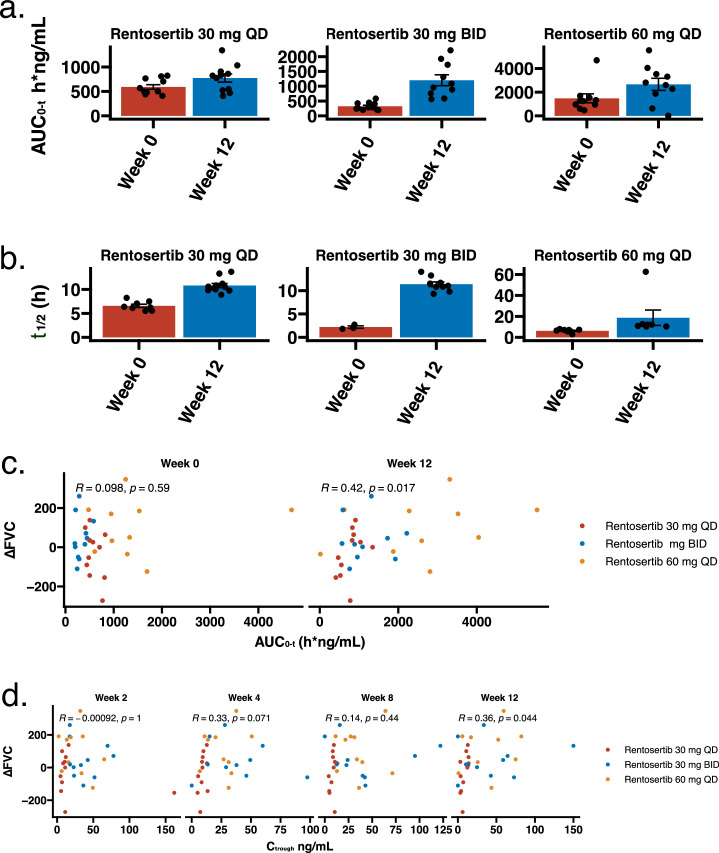
Phase 2a multicenter, double-blind, randomized, placebo-controlled trial of rentosertib (formerly ISM001-055), a first-in-class AI-generated small-molecule inhibitor of TNIK for idiopathic pulmonary fibrosis. Safety was similar across arms; highest-dose group showed mean FVC increase versus decline with placebo over 12 weeks.
Overview
CoChat Summary
## TL;DR
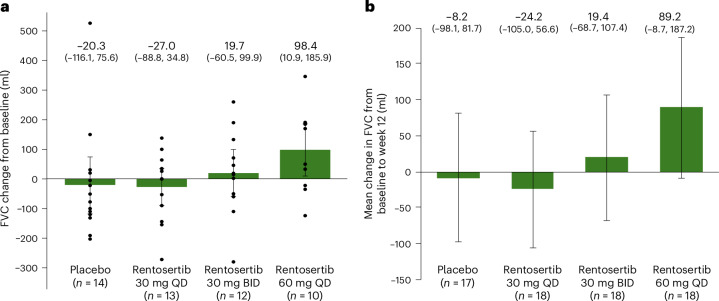
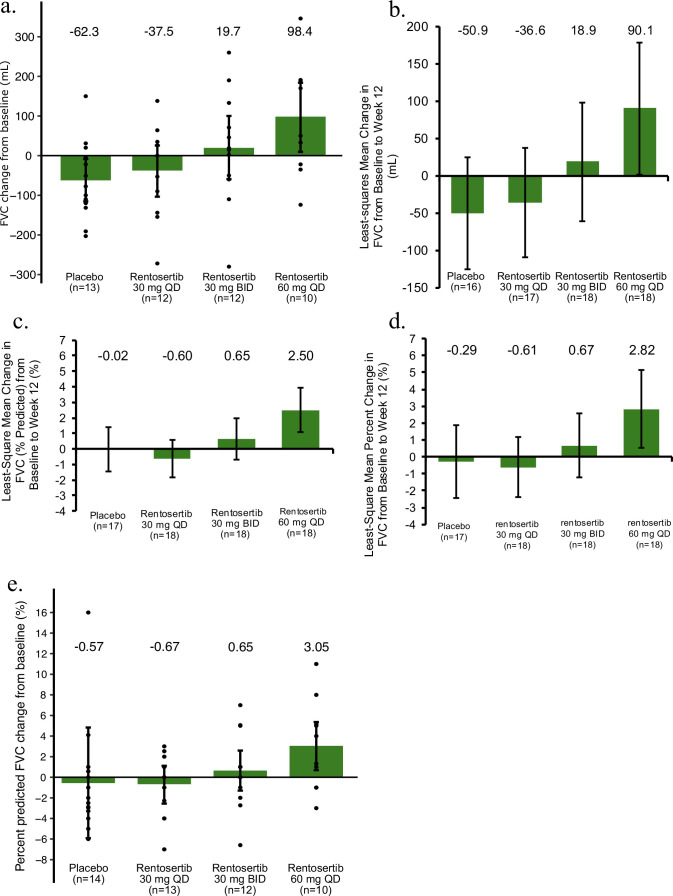
This phase 2a randomized, double-blind, placebo-controlled trial found that the AI-discovered TNIK inhibitor rentosertib was generally safe and well tolerated in idiopathic pulmonary fibrosis (IPF) over 12 weeks. The highest dose tested, 60 mg once daily, showed the most favorable lung-function signal, including a mean FVC change of +98.4 ml versus −20.3 ml with placebo.
## Key findings
- Among 71 randomized patients, treatment-emergent adverse events were common but similar across groups: 72.2% (13/18) with 30 mg QD, 83.3% (15/18) with 30 mg BID, 83.3% (15/18) with 60 mg QD, and 70.6% (12/17) with placebo.
- Treatment-related serious adverse events were uncommon: 0 in placebo, 1/18 (5.6%) in 30 mg QD, and 2/18 (11.1%) in each of the 30 mg BID and 60 mg QD groups.
- After 12 weeks, mean FVC change was −20.3 ml with placebo, −27.0 ml with 30 mg QD, +19.7 ml with 30 mg BID, and +98.4 ml with 60 mg QD (95% CI 10.9 to 185.9).
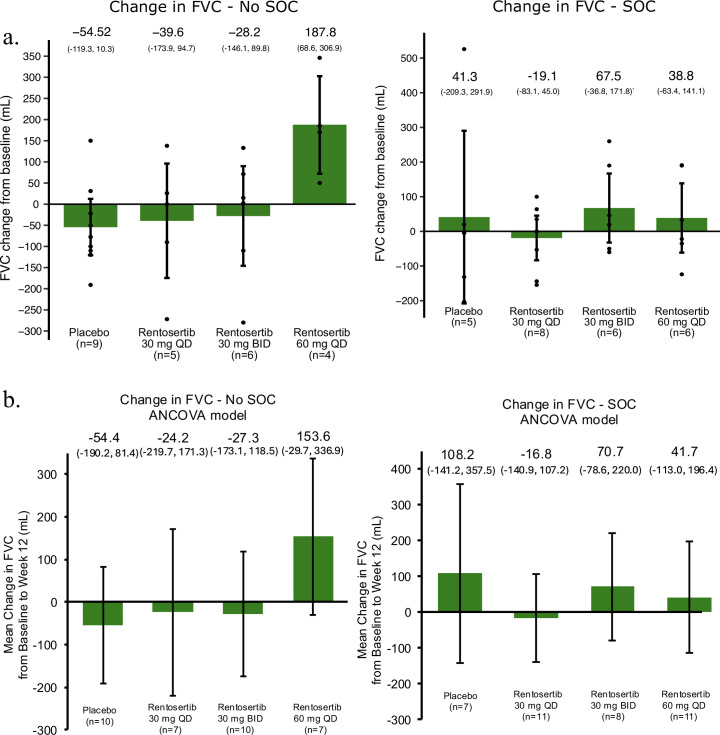
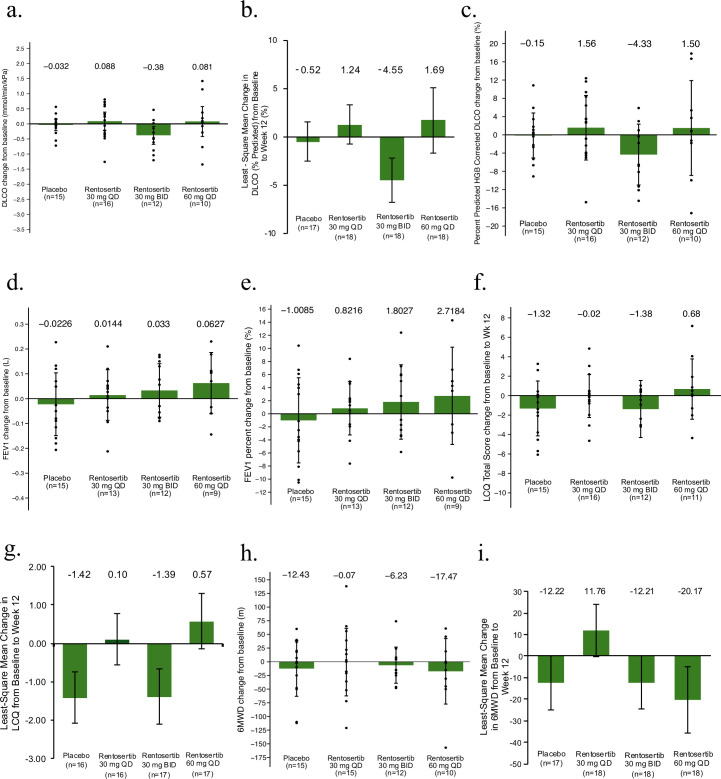
- In the 60 mg QD group without concurrent standard-of-care antifibrotic therapy, FVC improved by +187.8 ml (95% CI 68.6 to 306.9 ml); the paper also reports a significant LCQ improvement at 60 mg QD versus placebo (two-sided P = 0.0495).
## Methods
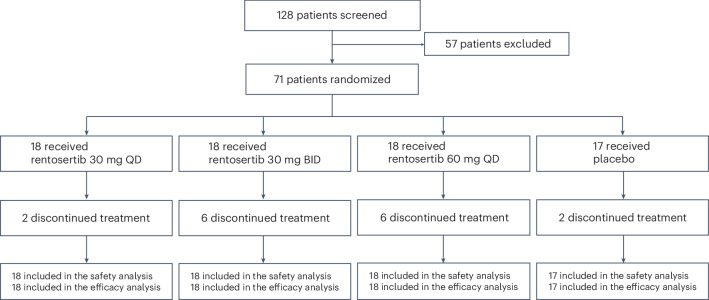
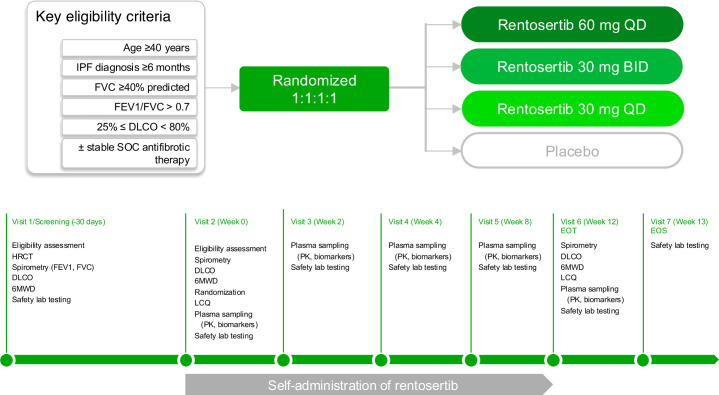
- Phase 2a, multicenter, double-blind, randomized, placebo-controlled, multidose trial at 21 sites in China; adults with IPF were assigned 1:1:1:1 to placebo or rentosertib 30 mg QD, 30 mg BID, or 60 mg QD for 12 weeks.
- 128 patients were screened and 71 enrolled; the intention-to-treat population included all 71 randomized patients, and all were included in safety and efficacy analyses.
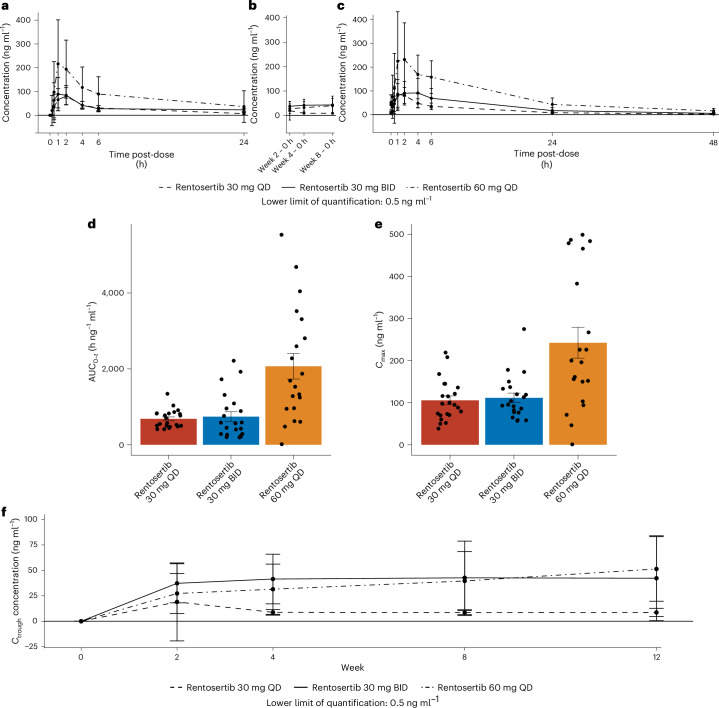
- Primary endpoint was the proportion with at least one treatment-emergent adverse event; secondary analyses included FVC and other lung-function measures, LCQ, 6MWD, pharmacokinetics, and exploratory serum proteomics, using ANCOVA for FVC, mixed models for LCQ, multiple imputation for missing week-12 values, and generalized linear/mixed models for proteomics.
## Limitations
- The paper states that limitations include the small cohort size in each arm, the geographical and demographic homogeneity of participants (all residents of China of similar race), and the short follow-up period, which limit assessment of long-term safety and efficacy.
- The text makes evident that 22/71 patients were missing week-12 measurements and 16/71 (22.5%) discontinued treatment before study end, which may affect precision and completeness of efficacy estimates.
- The 12-week duration is also explicitly noted as relatively short for capturing longer-term events such as acute exacerbations of IPF.
Model-written summary. Check it against the paper before relying on it.
Integrity signals
Registry
Cites
Statistics
Figures
Verification
Claims the paper makes
22 Valid · 2 Not valid · 11 Not checked · 70 Own results and interpretations
The cited sources that could be checked couldn’t confirm or dispute this claim.
In the paper
“Despite substantial progress in artificial intelligence (AI) for generative chemistry, few novel AI-discovered or AI-designed drugs have reached human clinical trials.”
- Also stated in: § Main · plain
“Despite these advancements, few AI-discovered or AI-designed drugs have reached clinical trials.”
§ A generative AI-discovered TNIK inhibitor for idiopathic pulmonary fibrosis: a randomized phase 2a trial > Abstract Despite substantial progress in artificial intelligence (AI) for generative chemistry, few novel AI-discovered or AI-designed drugs have reached human clinical trials. Here we present the results of the first phase 2a multicenter, double-blind, randomized, placebo-controlled trial testing the safety and efficacy of rentosertib (formerly ISM001-055), a first-in-class AI-generated small-molecule inhibitor of TNIK, a first-in-class target in idiopathic pulmonary fibrosis (IPF) discovered using generative AI. IPF is an age-related progressive lung condition with no current therapies available that reverse the degenerative course of disease. Patients were randomized to 12 weeks of treatment with 30 mg rentosertib once daily (QD, n = 18), 30 mg rentosertib twice daily (BID, n = 18), 60 mg rentosertib QD (n = 18) or placebo (n = 17). The primary endpoint was the percentage of patients who have at least one treatment-emergent adverse event, which was similar across all treatment arms (72.2% in patients receiving 30 mg rentosertib QD (n = 13/18), 83.3% for 30 mg rentosertib BID (n = 15/18), 83.3% for 60 mg rentosertib QD (n = 15/18) and 70.6% for placebo (n = 12/17)). Treatment-related serious adverse event rates were low and comparable across treatment groups, with the most common events leading to treatment discontinuation related to liver toxicity or diarrhea. Secondary endpoints included pharmacokinetic dynamics (Cmax, Ctrough, tmax, AUC0–t/τ/∞ and t1/2), changes in lung function as measured by forced vital capacity, diffusion capacity of the lung for carbon monoxide, forced expiry in 1 s and change in the Leicester Cough Questionnaire score, change in 6-min walk distance and the number and hospitalization duration of acute exacerbations of IPF. We observed increased forced vital capacity at the highest dosage with a mean change of +98.4 ml (95% confidence interval 10.9 to 185.9) for patients in the 60 mg rentosertib QD group, compared with −20.3 ml (95% confidence interval −116.1 to 75.6) for the placebo group. These results suggest that targeting TNIK with rentosertib is safe and well tolerated and warrants further investigation in larger-scale clinical trials of longer duration. ClinicalTrials.gov registration number: NCT05938920.
What the sources say
- Could not verifycites [20] Wong, C. H., Siah, K. W. & Lo, A. W. Estimation of clinical trial success rates and related parameters. Biostatistics 20, 273–286 (2019). 29394327 PMC6409418 sourceExperimental — accuracy not yet measured
The Introduction describes a dataset of clinical trials involving more than 21,000 compounds, but does not identify which, if any, were AI-discovered or AI-designed. Searches for AI-designed drugs and generative chemistry found no passage addressing how many such drugs reached human trials. (LLM, conf=0.76)
- Not checked — no full text of the sourcecites [21] KP Jayatunga, M., Ayers, M., Bruens, L., Jayanth, D. & Meier, C. How successful are AI-discovered drugs in clinical trials? A first analysis and emerging lessons. Drug Discov. Today 29, 104009 (2024). 38692505 source
plain- Asserted: passes — The authors put it forward as true.
- Checkable: passes — It can be checked against evidence.
- Load-bearing: passes — The paper’s conclusions depend on it.
- Based: passes — The paper gives a reason why it holds.
- Also stated in: § Main · plain
Every source the paper cites for this claim was checked and supports it.
In the paper
“however, a 12-week study is a relatively short time frame to capture such long-term disease events or trajectory44.”
§ A generative AI-discovered TNIK inhibitor for idiopathic pulmonary fibrosis: a randomized phase 2a trial > Discussion
What the sources say
- Supportedcites [44] Richeldi, L. et al. Trial of a preferential phosphodiesterase 4B inhibitor for idiopathic pulmonary fibrosis. N. Engl. J. Med. 386, 2178–2187 (2022). 35569036 source
The Discussion identifies the 12-week duration as a limitation. It says the trial was long enough to assess changes in FVC but too short, given its size, to meaningfully collect data on clinically important events such as acute exacerbations or death. This supports the claim about longer-term events or disease trajectory. (LLM, conf=0.94)
plain- Asserted: passes — The authors put it forward as true.
- Checkable: passes — It can be checked against evidence.
- Load-bearing: passes — The paper’s conclusions depend on it.
- Based: passes — The paper gives a reason why it holds.
- Supported
The cited sources support only part of this claim — read each source’s verdict below.
In the paper
“The incongruity of increased FVC with stable DLCO may be attributed to low numbers of patients in each treatment arm and the inherent variability of DLCO measurement41.”
§ A generative AI-discovered TNIK inhibitor for idiopathic pulmonary fibrosis: a randomized phase 2a trial > Discussion
What the sources say
- Partly supportedcites [41] McCormack, M. C. Facing the noise: addressing the endemic variability in DLCO testing. Respir. Care 57, 17–25 (2012). 22222122 sourceExperimental — accuracy not yet measured
Our copy of McCormack's 'Facing the Noise' strongly supports only the measurement-variability half of the sentence: the Abstract states 'The variability in the measurement limits the utility of the test. Variability is attributable to differences in equipment, testing conditions, patient factors, and reference equations,' and the Indications section repeats that 'High variability, both within and between laboratories, has been a limitation of DLCO testing' (Testing Procedures, p. ~4, adds instrument accuracy data). However, the paper nowhere addresses the specific 'incongruity of increased FVC with stable DLCO' or the attribution to 'low numbers of patients in each treatment arm' — the only FVC/DLCO pairing is a Discussion remark (Pichurko) that DLCO measured serially alongside FVC after one year's treatment has prognostic value, which does not comment on discordant changes or on small treatment arms. (LLM, conf=0.72)
hedgedstates a possible cause- Asserted: passes — The authors put it forward as true.
- Checkable: passes — It can be checked against evidence.
- Load-bearing: unclear — It is unclear whether the paper’s conclusions depend on it.
- Based: passes — The paper gives a reason why it holds.
- Partly supported
The cited sources support only part of this claim — read each source’s verdict below.
In the paper
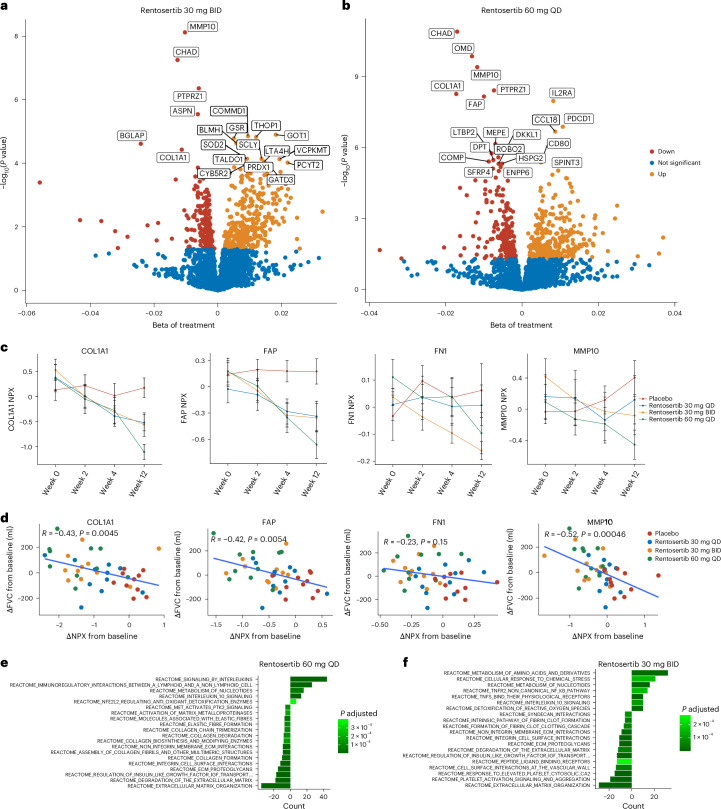
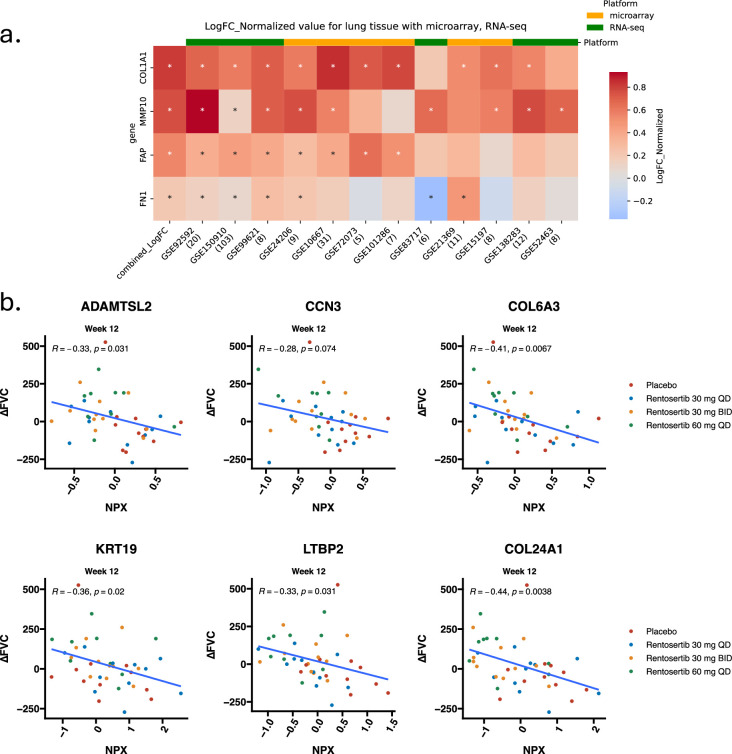
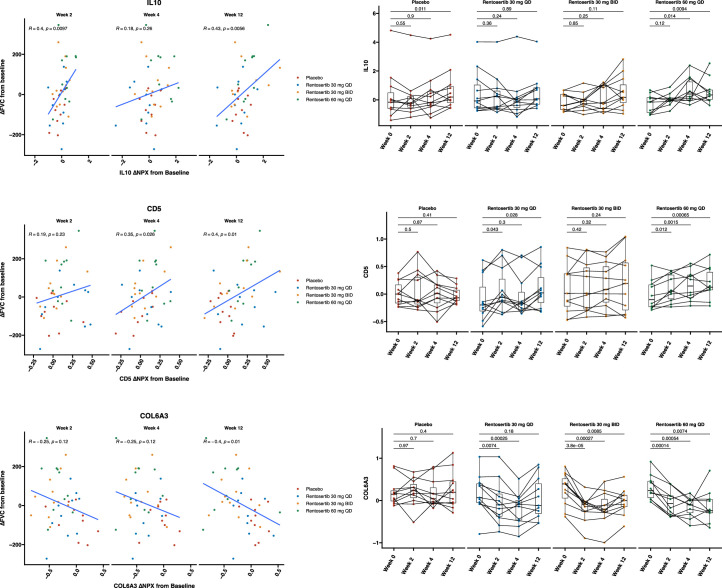
“We further found that the abundance at week 12 of proteins previously reported to be associated with lung function38 and transplant-free survival39 in patients with IPF, such as ADAMTSL2, COL6A3, CCN3, COL24A1, KRT19 and LTBP2, were associated change in FVC”
§ A generative AI-discovered TNIK inhibitor for idiopathic pulmonary fibrosis: a randomized phase 2a trial > Results > Post-hoc exploratory analyses
What the sources say
- Could not verifycites [38] Su, C.-Y. et al. Multi-ancestry proteome-phenome-wide Mendelian randomization offers a comprehensive protein-disease atlas and potential therapeutic targets. Preprint at medRxiv10.1101/2024.10.17.24315553 (2024). sourceExperimental — accuracy not yet measured
Our copy of Su et al. (2024, medRxiv preprint 10.1101/2024.10.17.24315553) is a multi-ancestry proteome-phenome-wide MR atlas whose reported findings concern cardiometabolic and inflammatory-bowel phenotypes, with IL1RL1 in IBD/CD/UC as the illustrative follow-up (Abstract; Sections 4, 8.1, 12.2-12.5). No passage mentions idiopathic pulmonary fibrosis, transplant-free survival, forced vital capacity (FVC), week-12 protein abundance, or any of the named proteins ADAMTSL2, COL6A3, CCN3, COL24A1, KRT19, LTBP2; searches for 'IPF transplant-free survival lung function FVC', 'ADAMTSL2 COL6A3 CCN3 COL24A1 KRT19 LTBP2', and 'pulmonary fibrosis forced vital capacity' returned only unrelated pQTL/UK Biobank Cox-regression material. Notably, reference 38 in this paper is Finan et al.'s druggable-genome list (Section 15.5), not a lung-function study, so the citation cannot be an identification of the source cited here. The claim is therefore neither supported nor contradicted by our copy. (LLM, conf=0.72)
- Partly supportedcites [39] Oldham, J. M. et al. Proteomic biomarkers of survival in idiopathic pulmonary fibrosis. Am. J. Respir. Crit. Care Med. 209, 1111–1120 (2024). 37847691 PMC11092951 sourceExperimental — accuracy not yet measured
Our copy of Oldham et al. (2024) explicitly supports the transplant-free survival (TFS) attribution for three of the six proteins named in the citing sentence: the Abstract and Results (Top-20 table, Table 2) report LTBP2 (HR 2.43), COL24A1/collagen alpha-1(XXIV) chain (HR 2.11) and KRT19 (HR 1.60) as the validated proteins with the strongest TFS association, and the Discussion singles out KRT19 as among the top TFS-associated proteins. The other three proteins attributed to this source — ADAMTSL2, COL6A3 and CCN3 — appear nowhere in our copy; searches for them returned only the paper's validated ADAMTS13 (a different protein) and unrelated passages. Because the complete list of the 140 validated TFS proteins lives in online-only Tables E1–E3, which our copy does not contain, that portion of the list can be neither confirmed nor contradicted here. The citing sentence's own week-12/change-in-FVC result is the citing authors' finding, not something judged against this source. (LLM, conf=0.72)
plainstates an association- Asserted: passes — The authors put it forward as true.
- Checkable: passes — It can be checked against evidence.
- Load-bearing: unclear — It is unclear whether the paper’s conclusions depend on it.
- Based: passes — The paper gives a reason why it holds.
- Could not verify
A result the paper reports from its own data — it cites no other source for it, so there is none to check. The quote shows it is in the paper.
In the paper
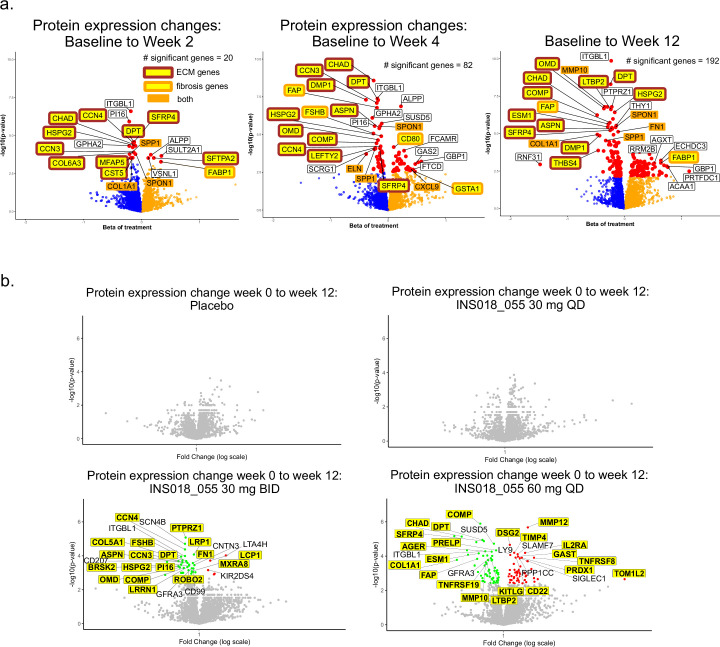
“Pathway enrichment analysis identified extracellular matrix organization as the most downregulated Reactome pathway gene set in both treatment groups,”
- Also stated in: § Post-hoc exploratory analyses · plain
“Pathway enrichment analysis identified extracellular matrix organization as the most downregulated Reactome pathway gene set in both treatment groups”
§ A generative AI-discovered TNIK inhibitor for idiopathic pulmonary fibrosis: a randomized phase 2a trial > Results > Post-hoc exploratory analyses
plain- Asserted: passes — The authors put it forward as true.
- Checkable: passes — It can be checked against evidence.
- Load-bearing: unclear — It is unclear whether the paper’s conclusions depend on it.
- Based: passes — The paper gives a reason why it holds.
- Also stated in: § Post-hoc exploratory analyses · plain
33 more claims
Create a free account to see all 105 claims and to verify the 10 references still open.
- It may state two separate claims as one. 42
- Probably not a substantial claim. 36
Claims other papers make about this one
Each is checked against this paper’s own text: does it say what the citing paper says it does?
The cited source says what the claim attributes to it.
In the citing paper
“AI has also facilitated the identification of new targets, including the kinase TNIK, and the design of senomorphic molecules capable of suppressing the SASP129,130.”
From Emerging strategies in senotherapeutics: from broad-spectrum senolysis to precision reprogramming (2026) · cites this paper as [129]
Citations
Cites
Efficacy and Safety of Nintedanib in Idiopathic Pulmonary Fibrosis
Richeldi, L., du Bois, R. M., Raghu, G., Azuma, A., Brown, K. K., Costabel, U., Cottin, V., Flaherty, K. R., Hansell, D. M., Inoue, Y., et al. (2014) · New England Journal of Medicine · doi:10.1056/nejmoa1402584 · Cited by 4,654
Graham, B. L., Steenbruggen, I., Miller, M. R., Barjaktarevic, I. Z., Cooper, B. G., Hall, G. L., Hallstrand, T. S., Kaminsky, D. A., McCarthy, K., McCormack, M. C., et al. (2019) · American Journal of Respiratory and Critical Care Medicine · doi:10.1164/rccm.201908-1590st · Cited by 4,305 · cited 2×
“%) had FVC and FEV1 measured at baseline/randomization with centrally sourced Spiro-Sphere devices (Clario) provided by the sponsor with study-specific training and proficiency tests to the operating staff to meet the 2019 ATS/ERS guideline criteria 63 with central overread.”
Diagnosis of Idiopathic Pulmonary Fibrosis. An Official ATS/ERS/JRS/ALAT Clinical Practice Guideline
Raghu, G., Remy-Jardin, M., Myers, J. L., Richeldi, L., Ryerson, C. J., Lederer, D. J., Behr, J., Cottin, V., Danoff, S. K., Morell, F., et al. (2018) · American Journal of Respiratory and Critical Care Medicine · doi:10.1164/rccm.201807-1255st · Cited by 4,103 · cited 1×
“…of interstitial lung disease (for example, environmental exposures, connective tissue disease, hypersensitivity pneumonitis or drug toxicities) 24 and marked by interstitial pneumonia, dyspnea and cough 25 , histologically characterized by fibroblast proliferation and extracellular matrix…”
A phase 3 trial of pirfenidone in patients with idiopathic pulmonary fibrosis.
King, T. E., Bradford, W. Z., Castro-Bernardini, S., Fagan, E. A., Glaspole, I., Glassberg, M. K., Gorina, E., Hopkins, P. M., Kardatzke, D., Lancaster, L., et al. (2014) · New England Journal of Medicine · doi:10.1056/nejmoa1402582 · Cited by 3,975
Standardization of Spirometry — 1987 Update
Buist, A. S. (1987) · American Review of Respiratory Disease · doi:10.1164/ajrccm/136.5.1073 · Cited by 3,266
Raghu, G., Remy-Jardin, M., Richeldi, L., Thomson, C. C., Inoue, Y., Johkoh, T., Kreuter, M., Lynch, D. A., Maher, T. M., Martinez, F. J., et al. (2022) · American Journal of Respiratory and Critical Care Medicine · doi:10.1164/rccm.202202-0399st · Cited by 2,957 · cited 1×
“Eligible patients were 40 years of age or older with an IPF diagnosis as defined by the American Thoracic Society, European Respiratory Society, Japanese Respiratory Society and Latin American Thoracic Association guidelines 62 .”
Pirfenidone in patients with idiopathic pulmonary fibrosis (CAPACITY): two randomised trials
Noble, P. W., Albera, C., Bradford, W. Z., Costabel, U., Glassberg, M. K., Kardatzke, D., King, T. E., Lancaster, L., Sahn, S. A., Szwarcberg, J., et al. (2011) · The Lancet · doi:10.1016/s0140-6736(11)60405-4 · Cited by 2,154 · cited 2×
“Clinical trials investigating these two drugs in patients with IPF have demonstrated only a slowing of disease progression 33,34 , as measured by forced vital capacity (FVC) and self-reported quality of life (QOL) metrics, and unclear benefit to survival 26 , making the development of therapies…”
Lederer, D. J., & Martinez, F. J. (2018) · New England Journal of Medicine · doi:10.1056/nejmra1705751 · Cited by 2,056
Richeldi, L., Collard, H. R., & Jones, M. G. (2017) · The Lancet · doi:10.1016/s0140-6736(17)30866-8 · Cited by 2,020
Diagnosing the decline in pharmaceutical R&D efficiency
Scannell, J. W., Blanckley, A., Boldon, H., & Warrington, B. (2012) · Nature Reviews Drug Discovery · doi:10.1038/nrd3681 · Cited by 1,981 · cited 1×
“The process of developing novel therapeutics is increasingly slow and costly 1 , with an average of US$2–3 billion spent over the course of 10–15 years to bring a new drug to market 2 .”
Cited by
Items 101–165 of 165
Balancing optimism versus potential risks of AI-driven drug discovery
Hirst, J. D. (2026) · Expert Opinion on Drug Discovery · doi:10.1080/17460441.2026.2691836
“The development of the TNIK inhibitor INS018_055 (Rentosertib), currently in Phase 2a clinical trials for idiopathic pulmonary fibrosis, was driven by Insilico’s AI platform, which identified both the target and compound de novo , compressing two usually distinct phases of drug discovery [9].”
Zemnou, C. T., Ngakam, R., Tepap, S. S. D., Simo, F. B. N., Zanchi, F. B., Seukep, A. J., Kouam, A. F., & Huy, N. T. (2026) · Computers in Biology and Medicine · doi:10.1016/j.compbiomed.2026.111832 · Cited by 2
Clarke, R., Palazzo, G., Ruzicka, J., Ferla, S., & Bassetto, M. (2026) · Frontiers in Pharmacology · doi:10.3389/fphar.2026.1866562 · Cited by 1
“Foundation models trained on large molecular, protein or multimodal biological datasets further enable transfer learning across related drug-discovery tasks, reducing the need for extensive target-specific training data (Huang et al., 2024a; Xu et al., 2025).”
Zhang, W., Jin, X., Yang, L., Feng, Z., & Gao, Z. (2026) · Separation and Purification Technology · doi:10.1016/j.seppur.2026.139086 · Cited by 1
Roos, G. (2026) · Advances in computational intelligence and robotics book series · doi:10.4018/979-8-3373-5816-1.ch010
林岑珊, Wu, M., Zhang, Z., Zheng, M., Li, H., 王余芳, Du, Z., Wu, L., Dai, J., Yu, Y. P., et al. (2026) · Frontiers in Immunology · doi:10.3389/fimmu.2026.1832940 · Cited by 2
Self-citationFrom Executor to Orchestrator: The Pharmacology Scientist in the Age of Agentic AI
McCoy, M., & McCoy, M. (2026) · Clinical Pharmacology & Therapeutics · doi:10.1002/cpt.70380
“35 This represents the first AI-designed molecule with an AI-identified target to demonstrate clinical efficacy in a randomized trial, though whether the outcome reflects the AI-assisted process or biological features of the TNIK target cannot be determined from a single program, and the compressed…”
AI agents in drug discovery: A review of evolution, applications, and future directions
Das, S., Ferdaus, M. M., & Dam, T. (2026) · Computer Methods and Programs in Biomedicine · doi:10.1016/j.cmpb.2026.109539 · Cited by 2
Song, X., Chen, Z., An, Y. F., & Zhang, J. (2026) · British Journal of Pharmacology · doi:10.1111/bph.70592 · Cited by 1
Artificial Intelligence for Chemistry
He, X. D., Wei, G., & Merz, K. M. (2026) · Journal of Chemical Information and Modeling · doi:10.1021/acs.jcim.6c02047 · Cited by 2
Understanding AI and Its Role in Chemistry
(2026) · Royal Society of Chemistry eBooks · doi:10.1039/9781837072163-00001
Conclusion: Embracing the AI-driven Future of Chemistry
(2026) · Royal Society of Chemistry eBooks · doi:10.1039/9781837072163-00103
Moral‐Morales, A. D., Díaz-Dionisio, E. D., & Medina‐Franco, J. L. (2026) · Expert Opinion on Drug Discovery · doi:10.1080/17460441.2026.2727574
“…of TNIK (a serine/threonine kinase) as a therapeutic target for idiopathic pulmonary fibrosis with the chemoinformatic de novo design of a lead compound, reducing the development process to roughly 18 months and advancing to phase 2a clinical trials with a favorable safety profile [106,107].”
(2026) · Royal Society of Chemistry eBooks · doi:10.1039/9781837072163-00085
Papadourakis, M., Amaxopoulou, E. E., & Matsoukas, M. (2026) · Expert Opinion on Drug Discovery · doi:10.1080/17460441.2026.2712551
“The resulting drug, rentosertib, showed improved lung function in Phase IIa trials, marking a major milestone in AI-driven drug discovery and demonstrating reduced timelines and experimental burden [149].”
Lavecchia, A. (2026) · Medicinal Research Reviews · doi:10.1002/med.70098 · Cited by 6
From affinity to kinetics: SPR as the analytical backbone of AI-driven drug discovery
Hwang, Y., Kim, J., Ko, J. B., Han, Y., Kim, Y., Lee, K. H., & Jang, S. (2026) · TrAC Trends in Analytical Chemistry · doi:10.1016/j.trac.2026.119089
New paradigm of q-CAR drug development targeting disease-specific protein conformations
Ye, L. (2026) · npj Drug Discovery. · doi:10.1038/s44386-026-00057-2 · Cited by 1
Systematic Benchmarking of AI-Based Molecular Generation Models for Structure-Based Drug DesignPreprint
Kumar, H., Yang, Z., Yu, Y., Wen, J., Kim, P., & Zhou, X. (2026) · bioRxiv (Cold Spring Harbor Laboratory) · doi:10.64898/2026.08.14.744939
Artificial intelligence agents and agentic artificial intelligence applied to precision medicine
Costa, F. F. (2026) · Drug Discovery Today · doi:10.1016/j.drudis.2026.104781
The Evolution of Generative Chemistry in Medicinal Chemistry
Koshty, R. E., Shehata, M. A., Allah, A. M. G., Zaki, M. B., & Elshaier, Y. A. M. M. (2026) · ChemistrySelect · doi:10.1002/slct.74240
Tuan, A., Pham, Q. L., Phung, H. T. T., & Quân, P. M. (2026) · Pharmaceuticals · doi:10.3390/ph19081320
“More recently, AI-assisted approaches have expanded the scope of CADD by enabling high-accuracy prediction of biomolecular interactions and generative design of drug candidates, with AI-derived molecules now progressing into clinical evaluation [11,12].”
AI-Driven Drug–Target Interaction Prediction: From Data Representation to Model Design
Hu, J., Wu, L., He, S., Bo, X., & Lu, J. (2026) · Journal of Chemical Information and Modeling · doi:10.1021/acs.jcim.6c01920
Grycan, M., Zyśk, R., Grycan, G., Jakiel, G., Dudek, A., & Gromadzka, G. (2026) · International Journal of Molecular Sciences · doi:10.3390/ijms27177521
“Conducting clinical studies aimed at evaluating delay of multimorbidity requires long follow-up, large cohorts, and significant budgets [185,186].”
InfluentialAI-based strategies for diagnosis and therapeutic discovery in pulmonary fibrosis
Lin, Y., Liu, Q., Lei, X., Cao, H., Feng, P., Wang, Y., Sun, D., Xin, G., Zhang, S., & Chen, W. (2026) · Chinese Herbal Medicines · doi:10.1016/j.chmed.2026.08.005
AI-powered medicinal chemistry and translational drug development
Kaicheng, U., Zhang, S. M., Yu, Z., Zhang, Z., Zhang, J., He, C., Liu, A., Chen, R., Wang, S., Yan, L., et al. (2026) · Chemical Society Reviews · doi:10.1039/d5cs01469g · Cited by 1
Self-citationBiotech commercialization should be treated as an engineering discipline
Shah, S. N. (2026) · Journal of Diabetes Science and Technology · doi:10.1177/19322968261480134
Joo, K. S., Kwon, I. A., Park, J.-Y., & Khang, D. (2026) · Materials Today Nano · doi:10.1016/j.mtnano.2026.100941
Artificial Intelligence For Drug DiscoveryPreprint
Zervas, M. (2026) · doi:10.14293/pr2199.004365.v1
KLF4/MLL3 complex axis drives NRBP2 transcription to eliminate acute myeloid leukemia cells
Yang, M., Lu, T., He, Y., Chen, C., Wang, Y., Sun, G., Zheng, Y., Qin, J., Ye, J., Xie, X., et al. (2026) · Leukemia · doi:10.1038/s41375-026-03117-8
Sharma, P., Tiwari, S., Park, N., & Szeleszczuk, Ł. (2026) · International Journal of Molecular Sciences · doi:10.3390/ijms27177864
“The previous results subsequently confirmed a mean FVC change of +98.4 mL in the 60 mg once-daily group compared with − 20.3 mL in the placebo group [53].”
InfluentialRaj, A., Hasan, M., & Shahadat, S. B. (2026) · Journal of Pharmaceutical Analysis · doi:10.1016/j.jpha.2026.101783 · Cited by 1
Simonetti, S. O., Moroni, A. B., Zanardi, M. M., Kozielski, F., Wells, G., & Porta, E. O. J. (2026) · Drug Discovery Today · doi:10.1016/j.drudis.2026.104794 · Cited by 1
Lu, N. (2026) · Drug Discovery Today · doi:10.1016/j.drudis.2026.104795
The shelved pipeline: AI can find strategically abandoned medicines and bring them to patients
Arowojolu, O. (2026) · Drug Discovery Today · doi:10.1016/j.drudis.2026.104798
Thaldar, D. W., & Pillay, S. (2026) · Elsevier eBooks · doi:10.1016/b978-0-443-15715-8.00058-3
Amiri, S. (2026) · Springer eBooks · doi:10.1007/978-3-032-31497-0_12
Progress in the interdisciplinary field of artificial intelligence and chemistry
Zhao, S., Ma, Y., & Wang, J. (2026) · Science China Chemistry · doi:10.1007/s11426-026-3454-4
Decision-grade evidence for AI-enabled small-molecule discovery
Zhang, S., Shi, B., Wu, J., Fang, J., Yin, L., Chen, J., & Yang, J. (2026) · SLAS DISCOVERY · doi:10.1016/j.slasd.2026.100335
Raynaud, M., Trayanova, N. A., Mannon, R. B., André, F., Doraiswamy, P. M., & Loupy, A. (2026) · Nature Reviews Bioengineering · doi:10.1038/s44222-026-00487-7 · Cited by 2
Transmembrane Protein PTCHD4 Is a Novel Regulator of Cellular Senescence and Age‐Related Pathologies
Wang, M., Yang, Z., Wang, Q., Li, Z., Huang, Z., Wang, L., Sun, X., Yu, D., Yu, W., Bao, X., et al. (2026) · Aging Cell · doi:10.1111/acel.70711
Badar, M. S., Shamim, T., Kurikkal, M. A., Nehal, A., Rao, N., Hashim, F. R., Mustafa, M., Sattar, A., Khan, K., & Ingah, Z. (2026) · Elsevier eBooks · doi:10.1016/b978-0-443-44915-4.00005-8
Is AI Capable of Real-World Drug Discovery?
McGaughey, G. B. (2026) · Journal of Chemical Information and Modeling · doi:10.1021/acs.jcim.6c01513
da Silva, P. C. R. (2026) · Nexus Science Review · doi:10.66104/337xw232
“Larger confirmatory trials and a clearly reported denominator of all comparable programs are required before making comparative productivity claims (Xu et al., 2025).”
An AI-Based Drug Screening Model Integrating Bioactivity Prediction and ADMET Evaluation
Zhao, S. (2026) · doi:10.1145/3833450.3833475
“In recent years, AI-driven drug development has progressed from theoretical modeling to clinical application, as shown by AI-assisted or AI-designed drug candidates entering clinical research, including rentosertib in Phase IIa trials[2].”
How to apply artificial intelligence (AI) to facilitate and enhance MASH trials
Lim, D. Y. Z., Leow, W. Q., Allende, D. S., Seto, W., Yip, T. C., & Goh, G. B. (2026) · Hepatology International · doi:10.1007/s12072-026-11150-z
Fibrosis: Bridging fundamental mechanisms to precision medicine via advanced therapeutics
An, L., Lin, P., Chen, K., Chen, Y., Feng, Y., Liu, Z., & Wang, C. (2026) · Advanced Drug Delivery Reviews · doi:10.1016/j.addr.2026.115973 · Cited by 1
Mohamed, F. A. A. A., & El-sagheir, A. M. K. (2026) · Medicinal Chemistry Research · doi:10.1007/s00044-026-03616-4 · Cited by 1
Protein structural biology in precision medicine and clinical translation
Khan, M., Richi, M., & Othman, S. (2026) · Elsevier eBooks · doi:10.1016/b978-0-443-44988-8.00005-8
Incentivizing challenging drug discovery: from reducing failure to quantifying uncertainty
Moro, S. (2026) · Expert Opinion on Drug Discovery · doi:10.1080/17460441.2026.2733199
“…IIa trial in idiopathic pulmonary fibrosis (71 patients, 12 weeks, single-country) then reported acceptable safety and a dose-dependent signal in forced vital capacity — +98.4 mL at 60 mg once daily versus −20.3 mL on placebo – published in 2025 [21], with a Phase III trial initiated in 2026 [8].”
InfluentialIn silico biomedicine in the era of artificial intelligence: opportunities and challenges
Mustaffa, F.-E., Sajid, T., Ali, M., & Ashraf, N. M. (2026) · In Silico Research in Biomedicine · doi:10.1016/j.insi.2026.100629
Ftayh, R. F., & Khattab, H. Y. (2026) · Communications in computer and information science · doi:10.1007/978-3-032-39720-1_18
Li, J., Huang, T., Sun, Y., & Yu, L. (2026) · Journal of Pharmaceutical Policy and Practice · doi:10.1080/20523211.2026.2701914
“This end-to-end process, from target discovery to preclinical candidate nomination, was completed in just 18 months (Xu et al., 2025), this provides a potential new pathway to break through the dilemma of traditional long R&D cycles and high costs.”
Luthert, P. J., Faes, L., Foss, A. J. E., Fu, D. J., Hill, L. J., Huang, R., Kiel, C., Lee, W. H., Matei, Mirams, G. R., et al. (2026) · Progress in Retinal and Eye Research · doi:10.1016/j.preteyeres.2026.101529
Data Privacy and Responsible Artificial Intelligence Use in Applied Biotechnology
Muchayi, S., Maluphaso, S., Sibanda, S., Machokoto, K., & Ndudzo, A. (2026) · CABI eBooks · doi:10.1079/9781836994930.0013
Artificial Intelligence in the Process of Drug Discovery and Development
Rotino, G. (2026) · Law for professionals · doi:10.1007/978-3-032-38537-6_3
From Artificial Intelligence to Algoraceutics: An Evolutionary Overview
Rotino, G. (2026) · Law for professionals · doi:10.1007/978-3-032-38537-6_2
Rotino, G. (2026) · Law for professionals · doi:10.1007/978-3-032-38537-6_1
Vikas, B., Sweety, V. K., Edison, L. K., & Anil, S. (2026) · IntechOpen eBooks · doi:10.5772/intechopen.1018053
Rezaee, E. (2026) · Jundishapur Journal of Natural Pharmaceutical Products · doi:10.5812/jjnpp-175058
Korutla, R., Garg, T., Pol, S. S., Shivandi, V., Gnanam, S., Padari, K. S., & Amal, S. (2026) · Artificial Intelligence in the Life Sciences · doi:10.1016/j.ailsci.2026.100183 · Cited by 1
Agboola, O. E., Agboola, S. S., Adedeji, O. S., Aribigbola, T. C., Ilesanmi, O. S., & Aiyeku, B. (2026) · Journal of Computer-Aided Molecular Design · doi:10.1007/s10822-026-00955-7
Stańczak, M., & Niazi, S. K. (2026) · Pharmaceuticals · doi:10.3390/ph19101578
Redefining drug discovery: AI-driven strategies for efficient cancer therapeutics
De, D., Chakraborty, S., & Banerjee, S. (2026) · Frontiers in Oncology · doi:10.3389/fonc.2026.1907591
Panayotova, G. G., & Hachmeriyan, A. (2026) · Scripta Scientifica Medica · doi:10.14748/x3zs0267
“For example, the AI-generated TNIK inhibitor INS018_055 has progressed to a randomized phase 2a trial in idiopathic pulmonary fibrosis, where it demonstrated acceptable safety, tolerability, and pharmacodynamic target engagement [75].”
Metadata
- Authors
- Xu, Z., Ren, F., Wang, P., Cao, J., Tan, C., Ma, D., Zhao, L., Dai, J., Ding, Y., Fang, H., Li, H., Liu, H., Luo, F., Meng, Y., Pan, P., Xiang, P., Xiao, Z., Rao, S., Satler, C., Liu, S., Lv, Y., Zhao, H., Chen, S., Cui, H., Korzinkin, M., Gennert, D., & Zhavoronkov, A.
- Affiliations
- Peking Union Medical College Hospital (CN)
- Tianjin Medical University General Hospital (CN)
- Capital Medical University (CN)
- Qilu Hospital of Shandong University (CN)
- Sheng Jing Hospital (CN)
- Nanjing Drum Tower Hospital (CN)
- Hainan General Hospital (CN)
- Tongji University (CN)
- First Affiliated Hospital of Zhengzhou University (CN)
- Sichuan University (CN)
- Nanfang Hospital (CN)
- Central South University (CN)
- Peking University Shougang Hospital (CN)
- Jiangxi Provincial People's Hospital (CN)
- Insilico Medicine (United States) (US)
- Corresponding author
- Xu, Zuojun
- Zhavoronkov, Alex
- ORCID
- Venue
- Nature Medicine
- Published
- 2025-06-03
- Volume
- 31
- Issue
- 8
- Pages
- 2602-2610
- ISSN
- 1078-8956 (ISSN-L)
- 1546-170X
- PMC
- PMC12353801
- OpenAlex
- W4410974018
- Semantic Scholar
- 3a6931210bdb236ad48f646017a88d6faaeb4988
- Cited by
- 180
- References
- 81
- Citations by year
- 2026: 142 · 2025: 38
- FWCI
- 117.24
- Type
- journal article
- Language
- en
- Open access
- hybrid
- doi.org
- Licence
- cc-by-nc-nd
- creativecommons.org/licenses/by-nc-nd/4.0 (tdm)
- creativecommons.org/licenses/by-nc-nd/4.0 (vor)
- Locations
- Nature Medicine (publishedVersion, cc-by-nc-nd)
- PubMed Central (publishedVersion, cc-by-nc-nd)
- PubMed (publishedVersion)
- Topics
- Health Sciences › Medicine › Pulmonary and Respiratory Medicine › Interstitial Lung Diseases and Idiopathic Pulmonary Fibrosis
- Life Sciences › Pharmacology, Toxicology and Pharmaceutics › Drug Discovery › Computational Drug Discovery Methods
- Health Sciences › Medicine › Pulmonary and Respiratory Medicine › Chronic Obstructive Pulmonary Disease (COPD) Research
- Keywords
- idiopathic pulmonary fibrosis, small molecule inhibitors, lung function, forced vital capacity, pharmacokinetics, safety and tolerability, acute exacerbation, Leicester Cough Questionnaire, 6-minute walk distance, hepatotoxicity, diarrhea, dose comparison
- MeSH terms
- Aged, Artificial Intelligence, Double-Blind Method, Female, Humans, Male, Middle Aged, Treatment Outcome, Idiopathic Pulmonary Fibrosis
About these checks
Registry, retraction, Cites and statistics results are computed, not judged, with one exception: a printed reference that no index lists is read once by a model before it counts as a citation error. Claims are extracted by a model and kept only when their quote appears verbatim in the text; each cited source is then checked, with a model’s help, for whether it says what the claim relies on. Those verdicts can be wrong — read the claim’s quote and the cited source before relying on one.
The claim verdicts this report counts are experimental: their accuracy is not yet measured.
A language model drew the claims from the paper on 2026-10-10, under version 3 of the claim definition (model deepseek-v4.1-flash, prompt extract-v3).
A second model labelled each claim on 2026-10-10 (model jev-1.13-20260917, definition revision gold-guideline-v0.2).
Cited sources are checked with a language model’s help (gpt-6-sol and qwen3.8-omni-flash).
Statistics and arithmetic are recomputed, not judged.
Confidence bands are shown only for fields calibrated on our annotated test set. None is calibrated yet, so no band is shown.
What counts as a claim ›How we measure confidence ›How we check this ›
Are you an author, or do you see a problem with this page? Request a review
Data sources
Bibliographic data: Semantic Scholar, OpenAlex, Crossref.
Contains information from the Semantic Scholar Academic Graph Datasets, made available under the ODC Attribution License (ODC-BY 1.0).
Semantic Scholar’s data is described in: Kinney, R., et al. (2023). The Semantic Scholar Open Data Platform. arXiv:2301.10140.
