

Reduced neural feedback signaling despite robust neuron and gamma auditory responses during human sleep
Open accessPublished version of a preprint
The DOI matches its Crossref record; 93 of the 93 references it cites were found in a registry or an index.
Abstract
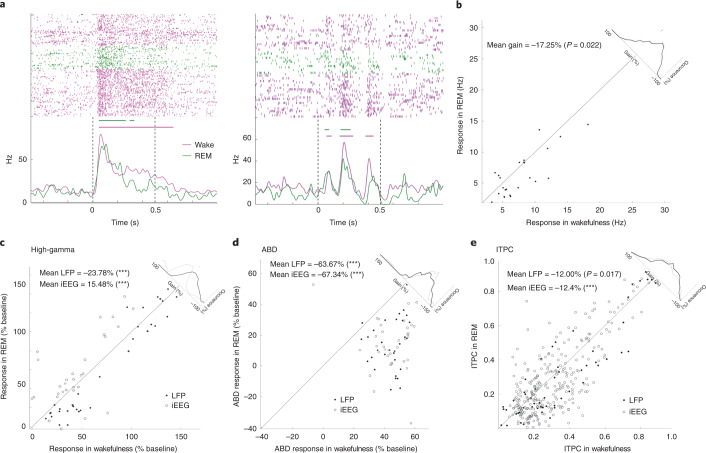
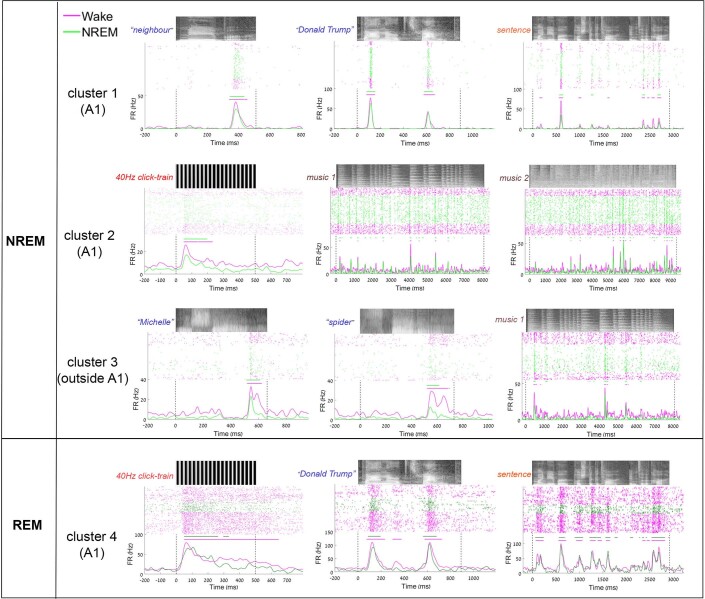
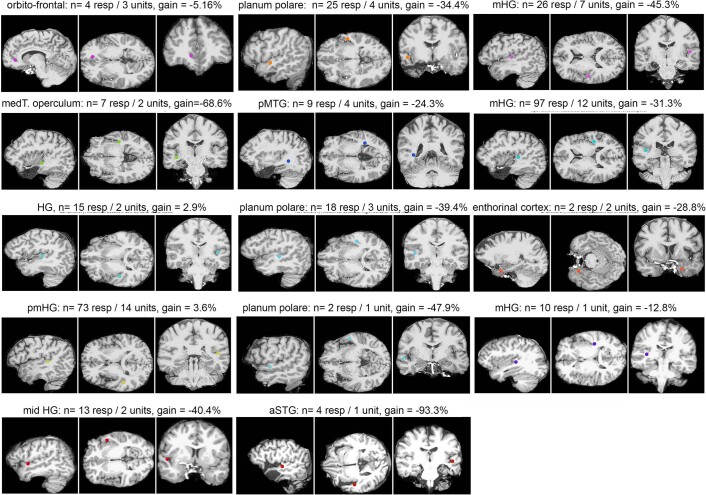
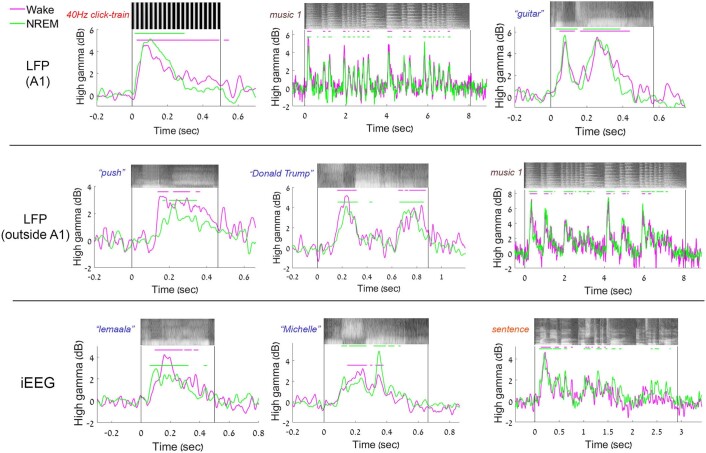
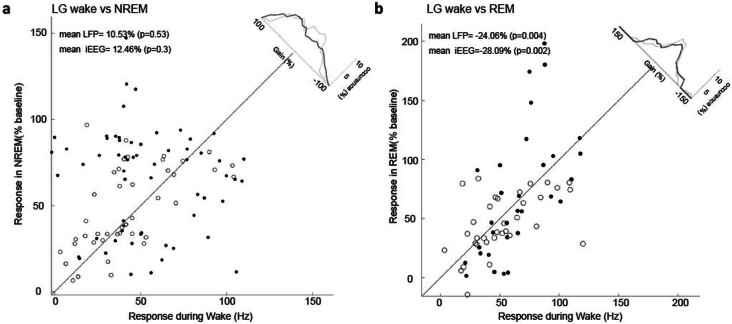
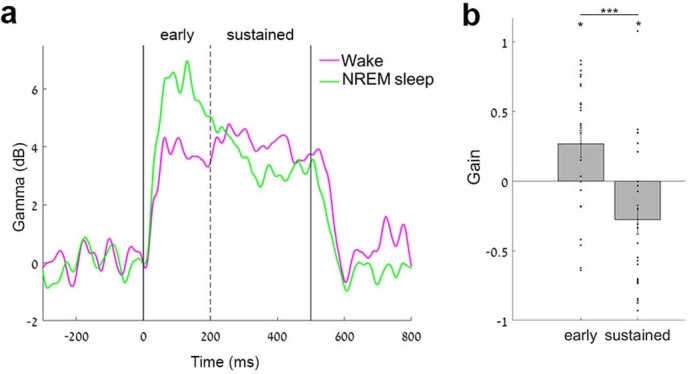
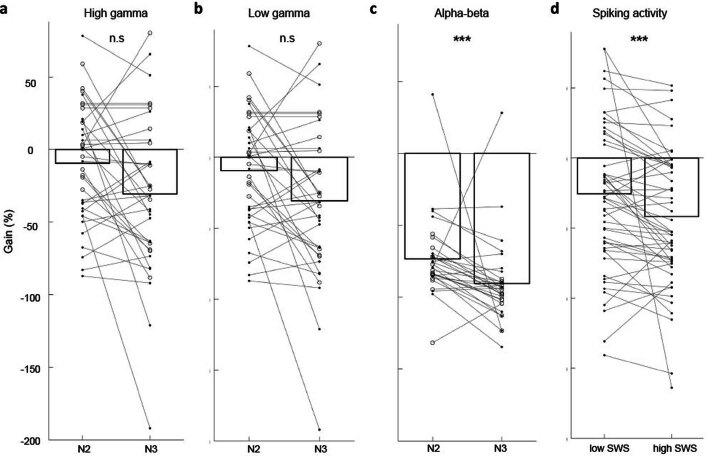
During sleep, sensory stimuli rarely trigger a behavioral response or conscious perception. However, it remains unclear whether sleep inhibits specific aspects of sensory processing, such as feedforward or feedback signaling. Here, we presented auditory stimuli (for example, click-trains, words, music) during wakefulness and sleep in patients with epilepsy, while recording neuronal spiking, microwire local field potentials, intracranial electroencephalogram and polysomnography. Auditory stimuli induced robust and selective spiking and high-gamma (80–200 Hz) power responses across the lateral temporal lobe during both non-rapid eye movement (NREM) and rapid eye movement (REM) sleep. Sleep only moderately attenuated response magnitudes, mainly affecting late responses beyond early auditory cortex and entrainment to rapid click-trains in NREM sleep. By contrast, auditory-induced alpha–beta (10–30 Hz) desynchronization (that is, decreased power), prevalent in wakefulness, was strongly reduced in sleep. Thus, extensive auditory responses persist during sleep whereas alpha–beta power decrease, likely reflecting neural feedback processes, is deficient. More broadly, our findings suggest that feedback signaling is key to conscious sensory processing.
Overview
The claims and statistics of this paper haven’t been checked yet.
Free: it reads the open-access text and checks the first 5 claims that cite a source we can check. Create a free account to check every claim.
Integrity signals
Registry
Cites
Statistics
Figures
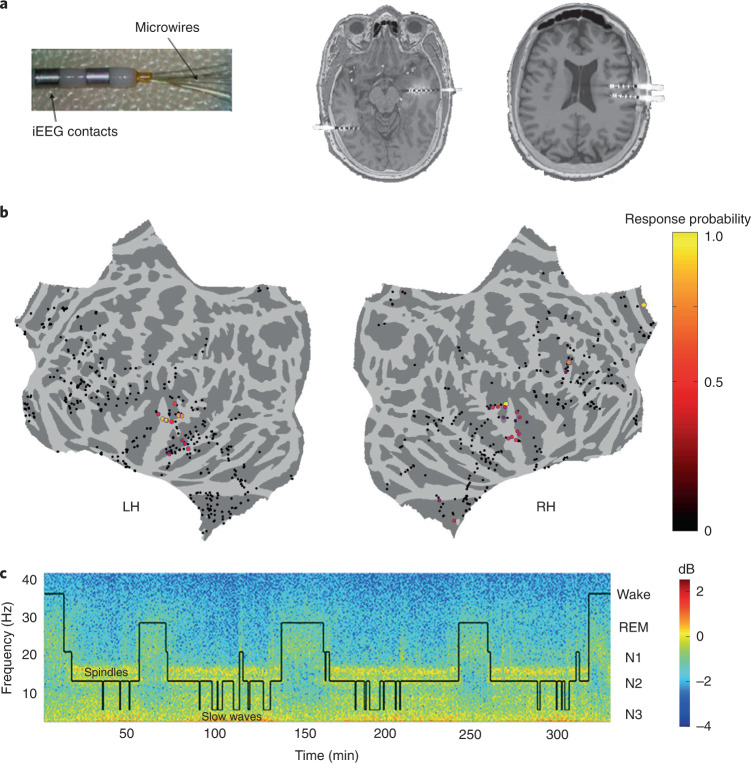
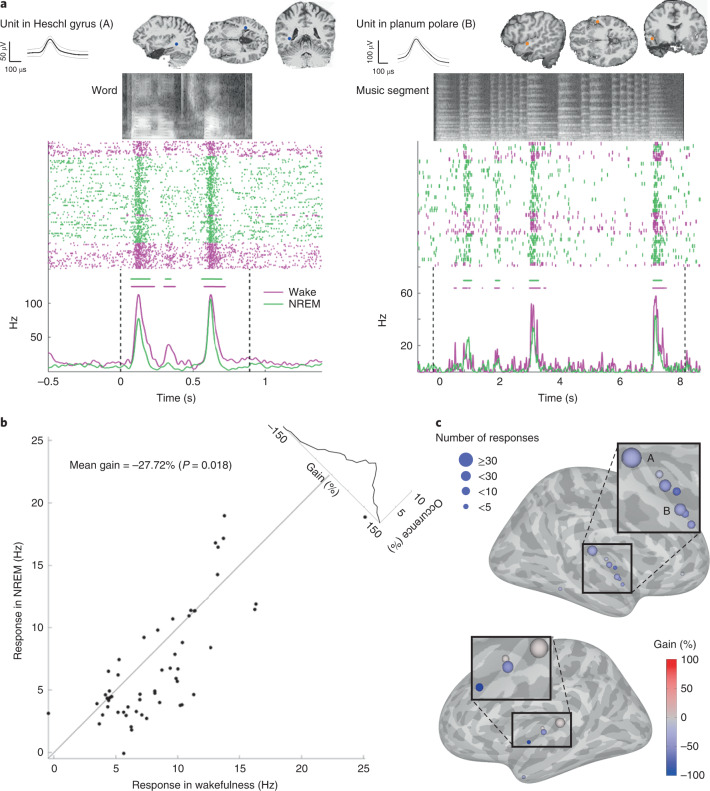
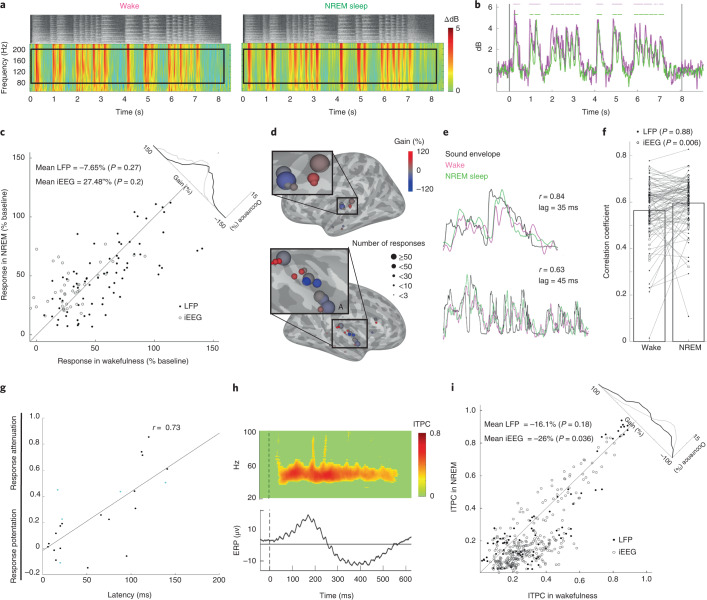
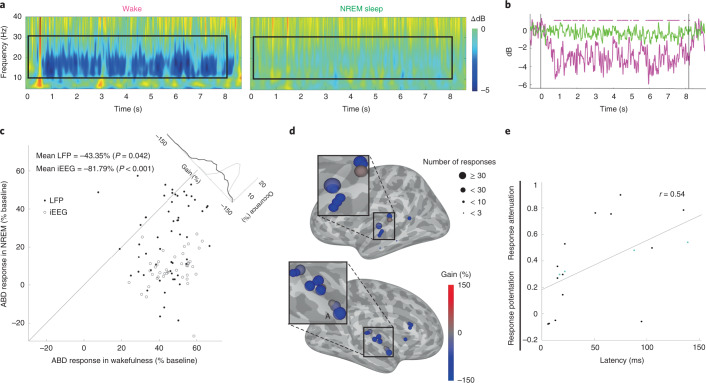
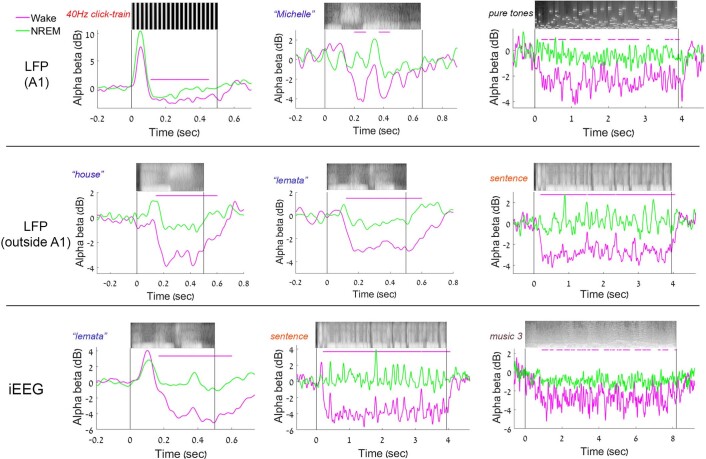
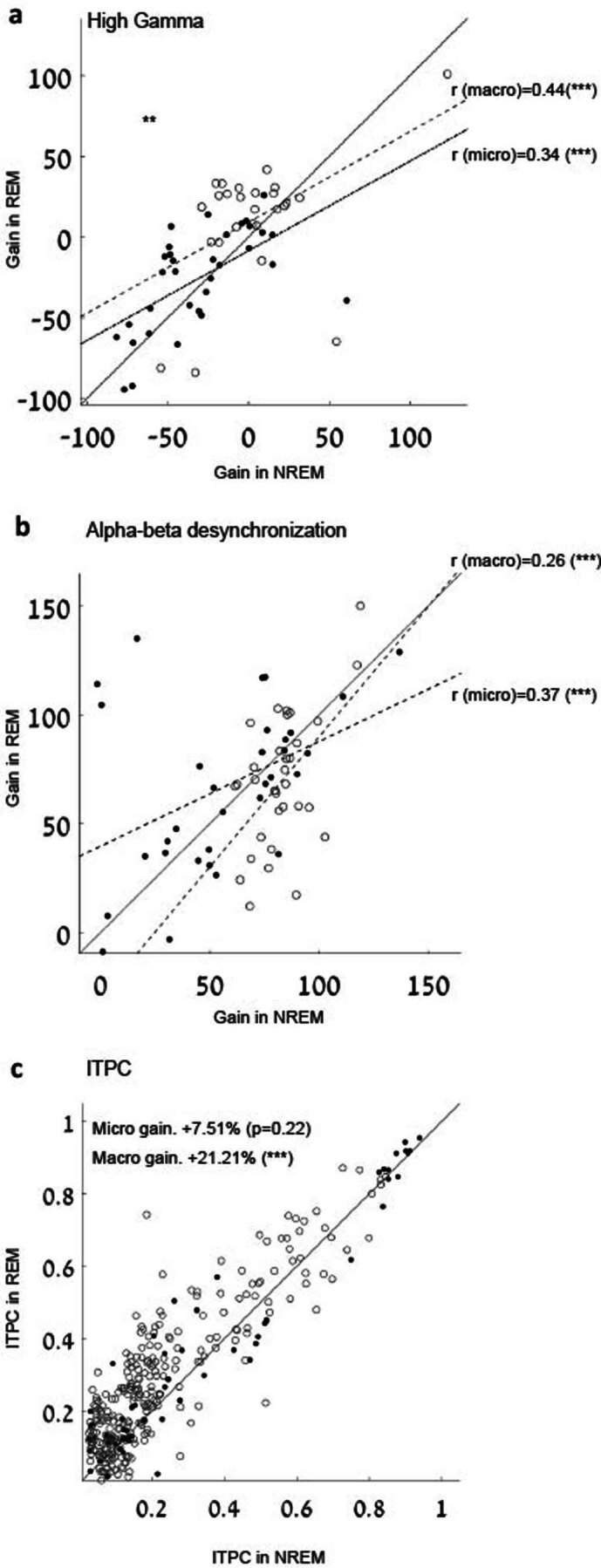
Verification
Claims the paper makes
The claims and statistics of this paper haven’t been checked yet.
Free: it reads the open-access text and checks the first 5 claims that cite a source we can check. Create a free account to check every claim.
Claims other papers make about this one
Each is checked against this paper’s own text: does it say what the citing paper says it does?
The check wasn’t confident either way, so it gives no verdict — never disputed.
In the citing paper
“Lucid dreamers are also able to partially connect with the environment189, responding to prearranged stimuli with prearranged motor responses (typically movements of the eyes, which are not paralyzed190) and they can remember what they experienced.”
From Consciousness and sleep (2024) · cites this paper as [189]
Experimental — accuracy not yet measured
Self-check
Percentages, sums and reported differences re-computed from the paper’s own numbers.
The self-check needs the paper’s full text.
Citations
Cites
Fitting Linear Mixed-Effects Models Using lme4
Bates, D., Mächler, M., Bolker, B., & Walker, S. (2015) · Journal of Statistical Software · doi:10.18637/jss.v067.i01 · Cited by 86,835
lmerTest Package: Tests in Linear Mixed Effects Models
Kuznetsova, A., Brockhoff, P. B., & Christensen, R. H. B. (2017) · Journal of Statistical Software · doi:10.18637/jss.v082.i13 · Cited by 24,346
Jenkinson, M., Bannister, P., Brady, M., & Smith, S. (2002) · NeuroImage · doi:10.1006/nimg.2002.1132 · Cited by 11,888
The control of the false discovery rate in multiple testing under dependency
Benjamini, Y., & Yekutieli, D. (2001) · The Annals of Statistics · doi:10.1214/aos/1013699998 · Cited by 10,490
Random effects structure for confirmatory hypothesis testing: Keep it maximal
Barr, D. J., Levy, R., Scheepers, C., & Tily, H. J. (2013) · Journal of Memory and Language · doi:10.1016/j.jml.2012.11.001 · Cited by 10,328
Fischl, B. (2012) · NeuroImage · doi:10.1016/j.neuroimage.2012.01.021 · Cited by 9,526
Distributed hierarchical processing in the primate cerebral cortex
Felleman, D. J., & Van Essen, D. C. (1991) · Cerebral Cortex · doi:10.1093/cercor/1.1.1 · Cited by 7,783
Preface: Cerebral Cortex Has Come of Age
Goldman-Rakic, P. S., & Rakic, P. (1991) · Cerebral Cortex · doi:10.1093/cercor/1.1.1-a · Cited by 3,393
The distinct modes of vision offered by feedforward and recurrent processing
Lamme, V. A. F., & Roelfsema, P. R. (2000) · Trends in Neurosciences · doi:10.1016/s0166-2236(00)01657-x · Cited by 2,338
Neural correlates of consciousness: progress and problems
Koch, C., Massimini, M., Boly, M., & Tononi, G. (2016) · Nature Reviews Neuroscience · doi:10.1038/nrn.2016.22 · Cited by 1,600
Research works printed but not linked: 3
- Berry, R. B. et al. The AASM Manual for the Scoring of Sleep and Associated Events. Am. Acad. Sleep. Med. 53, 1689–1699 (2013).
- Edwards, E. et al. Comparison of time–frequency responses and the event-related potential to auditory speech stimuli in human cortex. J. Neurophysiol. 102, 377–386 (2009). 19439673 PMC2712274 · DOI · Paper page
- Nir, Y. et al. Regional slow waves and spindles in human sleep. Neuron 70, 153–169 (2011). 21482364 PMC3108825 · DOI · Paper page
Cited by
Advances in human intracranial electroencephalography research, guidelines and good practices
Mercier, M. R., Dubarry, A.-S., Tadel, F., Avanzini, P., Axmacher, N., Cellier, D., Vecchio, M. D., Hamilton, L. S., Hermes, D., Kahana, M. J., et al. (2022) · NeuroImage · doi:10.1016/j.neuroimage.2022.119438 · Cited by 229
Improving the study of brain-behavior relationships by revisiting basic assumptions
Westlin, C., Theriault, J. E., Katsumi, Y., Nieto-Castanon, A., Kucyi, A., Ruf, S. F., Brown, S. M., Pavel, M., Erdogmus, D., Brooks, D. H., et al. (2023) · Trends in Cognitive Sciences · doi:10.1016/j.tics.2022.12.015 · Cited by 164
“, the brain and/or the body were in different starting states during each instance [80]).”
BackgroundThe feasibility of artificial consciousness through the lens of neuroscience
Aru, J., Larkum, M. E., & Shine, J. M. (2023) · Trends in Neurosciences · doi:10.1016/j.tins.2023.09.009 · Cited by 98
Sleep-like cortical dynamics during wakefulness and their network effects following brain injury
Massimini, M., Corbetta, M., Sanchez-Vives, M. V., Andrillon, T., Deco, G., Rosanova, M., & Sarasso, S. (2024) · Nature Communications · doi:10.1038/s41467-024-51586-1 · Cited by 82
Tononi, G., Boly, M., & Cirelli, C. (2024) · Neuron · doi:10.1016/j.neuron.2024.04.011 · Cited by 70
What is sleep exactly? Global and local modulations of sleep oscillations all around the clock
Andrillon, T., & Oudiette, D. (2023) · Neuroscience & Biobehavioral Reviews · doi:10.1016/j.neubiorev.2023.105465 · Cited by 57
“For example, maintaining vigilance in the middle of the circadian night is more difficult than during the circadian day, even when equating time spent awake (Lee et al., 2009).”
BackgroundCircuit mechanism for suppression of frontal cortical ignition during NREM sleep
Li, B., Ma, C., Huang, Y., Ding, X., Silverman, D., Chen, C., Darmohray, D. M., Lu, L., Liu, S., Montaldo, G., et al. (2023) · Cell · doi:10.1016/j.cell.2023.11.012 · Cited by 47
“8,9 This suggests that sleep preferentially suppresses sensory activation of higher cortical areas.”
BackgroundA beautiful loop: An active inference theory of consciousness.
Laukkonen, R., Friston, K., & Chandaria, S. (2025) · Neuroscience & Biobehavioral Reviews · doi:10.1016/j.neubiorev.2025.106296 · Cited by 45
Plasticity and language in the anaesthetized human hippocampus
Katlowitz, K. A., Cole, E. R., Mickiewicz, E. A., Shah, S., Franch, M. C., Adkinson, J. A., Belanger, J. L., Mathura, R. K., Meszéna, D., McGinley, M. J., et al. (2026) · Nature · doi:10.1038/s41586-026-10448-0 · Cited by 34
Tauber, J., Brincat, S. L., Stephen, E. P., Donoghue, J., Kozachkov, L., Brown, E. N., & Miller, E. K. (2024) · Journal of Cognitive Neuroscience · doi:10.1162/jocn_a_02081 · Cited by 26
“As in our study, stimulus responses have shown to be pre-served in auditory cortex during sleep in rodents (Sela, Vyazovskiy, Cirelli, Tononi, & Nir, 2016), NHPs (Issa & Wang, 2011), and humans (Hayat et al., 2022).”
BackgroundItem-specific neural representations during human sleep support long-term memory
Liu, J., Xia, T., Chen, D., Yao, Z., Zhu, M., Antony, J. W., Lee, T. M. C., & Hu, X. (2023) · PLoS Biology · doi:10.1371/journal.pbio.3002399 · Cited by 25
Bressler, S., Neely, R., Yost, R. M., & Wang, D. (2024) · Scientific Reports · doi:10.1038/s41598-024-63385-1 · Cited by 22
“The average age was 34 ± 6.1 years with a range of [22, 44] years.”
BackgroundInfluentialMao, R., Cavelli, M., Findlay, G., Driessen, K., Peterson, M. J., Marshall, W., Tononi, G., & Cirelli, C. (2024) · iScience · doi:10.1016/j.isci.2024.109919 · Cited by 20
“Because the CaMKII a promoter is broadly expressed in cortical glutamatergic neurons across areas and layers, the stimulation was expected to broadly excite the target area in both mPFC and PtA.”
Banks, M. I., Krause, B. M., Berger, D. G., Campbell, D. I., Boes, A. D., Bruss, J., Kovach, C. K., Kawasaki, H., Steinschneider, M., & Nourski, K. V. (2023) · PLoS Biology · doi:10.1371/journal.pbio.3002239 · Cited by 20
“gamma band power envelope correlations because of its established role in feedforward 170 information exchange in the auditory system[16-19], and use gamma band as a reference in 171 presentation of data from other bands.”
Behavioral, experiential, and physiological signatures of mind blanking
Musat, E. M., Coz, A. L., Corcoran, A. W., Belloli, L. M. L., Naccache, L., & Andrillon, T. (2025) · Proceedings of the National Academy of Sciences · doi:10.1073/pnas.2510262122 · Cited by 19
Das, A., & Menon, V. (2023) · Journal of Neuroscience · doi:10.1523/jneurosci.1728-22.2023 · Cited by 18
“Additionally, MEG and iEEG studies in humans have shown a prominent role of beta for feedback signaling (Michalareas et al., 2016; Hayat et al., 2022).”
BackgroundSleep-like changes in neural processing emerge during sleep deprivation in early auditory cortex
Marmelshtein, A., Eckerling, A., Hadad, B., Ben‐Eliyahu, S., & Nir, Y. (2023) · Current Biology · doi:10.1016/j.cub.2023.06.022 · Cited by 16
Self-citationThe Many Unknowns of Partial Sensory Disconnection during Sleep: A Review of the Literature
Cirelli, C., & Tononi, G. (2024) · Clinical and Translational Neuroscience · doi:10.3390/ctn8010009 · Cited by 15
“A moderate decrease in evoked firing was also present in REM sleep [18].”
BackgroundInfluentialScream’s roughness grants privileged access to the brain during sleep
Legendre, G., Moyne, M., Domínguez‐Borràs, J., Kumar, S. S., Sterpenich, V., Schwartz, S., & Arnal, L. H. (2025) · Scientific Reports · doi:10.1038/s41598-025-01560-8 · Cited by 15
“A large body of experimental evidence supports the idea that the brain maintains some level of responsiveness to auditory stimuli during sleep 1–9, 28, 29 .”
A wearable EEG system for closed-loop neuromodulation of sleep-related oscillations
Bressler, S., Neely, R., Yost, R. M., Wang, D., & Read, H. L. (2023) · Journal of Neural Engineering · doi:10.1088/1741-2552/acfb3b · Cited by 15
Xu, X., Li, S., Yang, Y., & Lian, Z. (2023) · Energy and Buildings · doi:10.1016/j.enbuild.2023.113748 · Cited by 15
Tankus, A., Stern, E., Klein, G., Kaptzon, N., Nash, L., Marziano, T., Shamia, O., Gurevitch, G., Bergman, L., Goldstein, L., et al. (2024) · Neurosurgery · doi:10.1227/neu.0000000000003068 · Cited by 13
“17,20 Based exclusively on clinical criteria, the patient was implanted with 6 electrodes, each terminating with 9 microwires (8 channels and 1 reference 17,20 ), in the left and right orbitofrontal cortices, in the left rostral and dorsal anterior cingulate cortex (LrAC and LdAC), and in the left…”
Self-citationA role for the thalamus in danger evoked awakening during sleep
Boccalaro, I. L., Aime, M., Aellen, F. M., Rusterholz, T., Borsa, M., Bozic, I., Sattin, A., Fellin, T., Herrera, C. G., Tzovara, A., et al. (2025) · Nature Communications · doi:10.1038/s41467-025-62265-0 · Cited by 12
Guillaumin, M. C. C., Harding, C. D., Krone, L. B., Yamagata, T., Kahn, M. C., Blanco‐Duque, C., Banks, G. T., Achermann, P., Behn, C. D., Nolan, P. M., et al. (2025) · Current Biology · doi:10.1016/j.cub.2025.02.053 · Cited by 10
Near-death experience during cardiac arrest and consciousness beyond the brain: a narrative review
Faez, B. A., Greyson, B., & van Lommel, P. (2025) · International Review of Psychiatry · doi:10.1080/09540261.2025.2503729 · Cited by 9
“Decrease of alpha and beta power and increase of gamma power have been found during deep sleep with no dream recall (Hayat et al., 2022; Murphy et al., 2011), and in anesthetic-induced deep uncon-sciousness, with no response to commands and no subsequent recollection of a specific period (Murphy et…”
Ahveninen, J., Lee, H.-J., Yu, H., Lee, C., Chou, C., Ahlfors, S. P., Kuo, W., Jääskeläinen, I. P., Lin, F., & Statement, S. (2023) · Journal of Neuroscience · doi:10.1523/jneurosci.0890-23.2023 · Cited by 8
Abrupt and Gradual Changes in Neuronal Processing upon Falling Asleep and Awakening
Marmelshtein, A., Lavy, B., Hadad, B., & Nir, Y. (2025) · Journal of Neuroscience · doi:10.1523/jneurosci.1288-24.2025 · Cited by 6
Self-citationStockart, F., Robin, A., Blumenfeld, H., Brázdil, M., Kahane, P., Mudrik, L., Thum, J. A., Pereira, M., & Faivre, N. (2026) · eLife · doi:10.7554/elife.109604.4 · Cited by 5
Bertoni, T., Ricci, G., Jöhr, J., Donno, B., Cataldi, J., Fellrath, J., Stephan, A., Foglia, C., Lecci, S., Dauvin, F., et al. (2026) · Cell Reports Medicine · doi:10.1016/j.xcrm.2026.102705 · Cited by 5
“73 This suggests that the combination of feedforward gamma and feed-back beta signaling, which characterizes conscious perception, is disrupted during unconscious states.”
Sleep State Influences Early Sound Encoding at Cortical But Not Subcortical Levels
Jourde, H. R., & Coffey, E. B. J. (2025) · Journal of Neuroscience · doi:10.1523/jneurosci.0368-25.2025 · Cited by 5
Tailoring Human Sleep: selective alteration through Brainstem Arousal Circuit StimulationPreprint
Deli, A., He, S., Duchet, B., Huang, Y., Martin, S., Sanrangmat, N., Denison, T., Tan, H., Vyazovskiy, V. V., & Green, A. L. (2023) · medRxiv · doi:10.1101/2023.01.18.23284688 · Cited by 5
Nourski, K. V., Steinschneider, M., Rhone, A. E., Mueller, R. N., & Banks, M. I. (2025) · European Journal of Neuroscience · doi:10.1111/ejn.70181 · Cited by 4
Exposure to sounds during sleep impairs hippocampal sharp wave ripples and memory consolidationPreprint
Salgado-Puga, K., & Rothschild, G. (2023) · bioRxiv (Cold Spring Harbor Laboratory) · doi:10.1101/2023.11.22.568283 · Cited by 4
“The auditory system continuously processes sounds during sleep (Edeline et al., 2001; Hayat et al., 2022; Issa & Wang, 2008; Nir et al., 2015; Pena et al., 1999; Sela et al., 2020) and communicates sound information to the medial temporal lobe via cortical and subcortical pathways (Budinger &…”
A beautiful loop: An active inference theory of consciousnessPreprint
Laukkonen, R., Friston, K. J., & Chandaria, S. (2025) · PsyArXiv (OSF Preprints) · doi:10.31234/osf.io/daf5n_v3 · Cited by 4
Selective preservation of prediction-related signals in human sleep
Topalidis, P. I., Demarchi, G., Reisinger, L., Schubert, J., Ameen, M. S., Weisz, N., & Schabus, M. (2025) · Current Biology · doi:10.1016/j.cub.2025.03.064 · Cited by 3
“However, we observe that the absence of such top-down patterns co-occurs with activation of these rule-based patterns in the post-stimulus interval when the prediction of a tone-frequency transition is violated.”
Consciousness: a neurosurgical perspective
Andelman‐Gur, M. M., & Fried, I. (2023) · Acta Neurochirurgica · doi:10.1007/s00701-023-05738-9 · Cited by 3
Self-citationAssociation of Bidirectional Network Cores in the Brain with Perceptual Awareness and Cognition
Taguchi, T., Kitazono, J., Sasai, S., & Oizumi, M. (2025) · Journal of Neuroscience · doi:10.1523/jneurosci.0802-24.2025 · Cited by 3
“…2012; Koivisto et al., 2014; Tang et al., 2014, somatosensation Cauller and Kulics, 1991; Auksztulewicz et al., 2012; Sachidhanandam et al., 2013; Manita et al., 2015, and audition Gutschalk et al., 2008; Dykstra et al., 2016; Eklund and Wiens, 2019; Schlossmacher et al., 2021; Hayat et al., 2022).”
State-dependent brain responsiveness, from local circuits to the whole brainPreprint
Destexhe, A., Goldman, J. S., Tort‐Colet, N., Roques, A., Fousek, J., Petkoski, S., Jirsa, V., David, O., Jedynak, M., Capone, C., et al. (2025) · RWTH Publications (RWTH Aachen) · doi:10.48550/arxiv.2510.07956 · Cited by 3
“(Hayat et al., 2022).”
InfluentialMcGill, S. H., Xin, Q., Yadav, T., Zhao, C. W., Paszkowski, P., Darby, F., Guha, M., Nguyen, T., Jin, D. S., Nir, Y., et al. (2025) · PLoS ONE · doi:10.1371/journal.pone.0334293 · Cited by 2
“…are significantly smaller in sleep and under anesthesia, whereas early activity in primary auditory cortex is relatively spared in these states, leading to the proposal that the alpha/beta ERD represents higher order feedback necessary for conscious perception of sensory stimuli [16,17].”
Self-citationVaz, P. N., Antunes, F., Mendes, E. M. A. M., & Félix, L. B. (2023) · Computer Methods in Biomechanics & Biomedical Engineering · doi:10.1080/10255842.2023.2232071 · Cited by 2
“(Korczak et al. 2012, Franc¸ois et al. 2012, Hayat et al. 2022).”
State-dependent brain responsiveness, from local circuits to the whole brainPreprint
Destexhe, A., Goldman, J. S., Tort‐Colet, N., Roques, A., Fousek, J., Petkoski, S., Jirsa, V., David, O., Jedynak, M., Capone, C., et al. (2025) · eLife · doi:10.7554/elife.108768.1 · Cited by 2
The Biology of Us: The Living World All Around and In Us
Howard, G. C. (2024) · doi:10.1093/oso/9780197664797.001.0001 · Cited by 1
Reducing Tinnitus via Inhibitory Influence of the Sensorimotor System on Auditory Cortical Activity
Sabados, A., Kim, C., Rampp, S., Bergherr, E., Buchfelder, M., Schnell, O., & Müller, N. (2025) · Journal of Neuroscience · doi:10.1523/jneurosci.0581-24.2025 · Cited by 1
Echoes in the night: How sleep quality influences auditory health
Zhang, P., An, X., Yang, R., Qi, M., Gao, Z., Zhang, X., Wu, Z., Zheng, Z., Dong, X., Wang, W., et al. (2025) · Neuroscience · doi:10.1016/j.neuroscience.2025.04.039 · Cited by 2
Auditory responses in the temporal lobe are modulated by slow waves of sleep
Alnes, S. L., van Maren, E., Mignardot, C. G., Boccalaro, I. L., Waldleben, T., Ledergerber, D., Stieglitz, L. H., Schmidt, M., Adamantidis, A., Imbach, L., et al. (2025) · Progress in Neurobiology · doi:10.1016/j.pneurobio.2025.102843 · Cited by 1
Pazienti, A., Müller, M., Bosman, C. A., Olcese, U., & Mattia, M. (2025) · iScience · doi:10.1016/j.isci.2025.113954 · Cited by 1
“21,22 However, the mechanistic underpinnings of natural as well as externally-imposed alternations between conscious and uncon-scious states (e.g., the sleep/wake cycle and the induction of anesthesia, respectively) are still widely unknown.”
The Geometry of Layer 2/3 Cortical Sound Processing in Slow Wave Sleep
Muller, A., Filipchuk, A., Bagur, S., & Bathellier, B. (2025) · Advanced Science · doi:10.1002/advs.202509707 · Cited by 1
Neural mechanisms of awareness of action
Jin, D. S., Agdali, O., Yadav, T., Kronemer, S. I., Kunkler, S., Majumder, S., Khurana, M. S., McCusker, M. C., Fu, I., Siff, E. J., et al. (2026) · PNAS Nexus · doi:10.1093/pnasnexus/pgag220 · Cited by 1
Vyazovskiy, V. V., & Andrillon, T. (2025) · Oxford University Press eBooks · doi:10.1093/oxfordhb/9780197602751.013.39 · Cited by 1
A week in the life of the human brain reveals stable states punctuated by chaotic-like transitions
Wang, M. B., G’Sell, M., Castellano, J. F., Richardson, R. M., & Ghuman, A. S. (2026) · Nature Communications · doi:10.1038/s41467-026-73347-y · Cited by 1
“It is not surprising that neural activity during wake and sleep is separable 43 , nor thatattractorscanbe found when applying dynamicalmodelsto datasets.”
Guillaumin, M. C. C., Harding, C. D., Krone, L. B., Yamagata, T., Kahn, M. C., Blanco‐Duque, C., Banks, G. T., Nolan, P. M., Peirson, S. N., & Vyazovskiy, V. V. (2023) · bioRxiv (Cold Spring Harbor Laboratory) · doi:10.1101/2023.05.11.540034 · Cited by 1
“At the end of this 18-h recovery period, all mice had reached their baseline daily levels of NREMS and REMS (Figures 3b,c).”
InfluentialStockart, F., Robin, A., Blumenfeld, H., Brázdil, M., Kahane, P., Mudrik, L., Thum, J., Pereira, M., & Faivre, N. (2026) · eLife · doi:10.7554/elife.109604 · Cited by 1
“Stimulus-evoked event-related desynchronization was also strongly reduced during sleep ( Hayat et al., 2022 ), indicative of disrupted feedback connections ( van Kerkoerle et al., 2014 ).”
State-dependent brain responsiveness, from local circuits to the whole brainPreprint
Destexhe, A., Goldman, J. S., Tort‐Colet, N., Roques, A., Fousek, J., Petkoski, S., Jirsa, V., David, O., Jedynak, M., Capone, C., et al. (2026) · eLife · doi:10.7554/elife.108768.2 · Cited by 1
Activated Neuron Group Based Extract-Remember Model for Humanlike Object RecognitionPreprint
Duan, T., & Yi, P. (2022) · Research Square · doi:10.21203/rs.3.rs-1987907/v1
Item-specific memory reactivation during sleep supports memory consolidation in humansPreprint
Liu, J., Xia, T., Chen, D., Yao, Z., Zhu, M., Antony, J. W., Lee, T. M. C., & Hu, X. (2023) · bioRxiv (Cold Spring Harbor Laboratory) · doi:10.1101/2023.01.25.525599
“responses are well preserved during sleep, with little modulation by different vigilance or 394 consciousness states (24, 44, 45).”
Howard, G. C. (2024) · Oxford University Press eBooks · doi:10.1093/oso/9780197664797.002.0004
Howard, G. C. (2024) · Oxford University Press eBooks · doi:10.1093/oso/9780197664797.003.0001
Howard, G. C. (2024) · Oxford University Press eBooks · doi:10.1093/oso/9780197664797.003.0014
Whitehouse, A. (2024) · Oxford University Press eBooks · doi:10.1093/oso/9780197664797.002.0006
Howard, G. C. (2024) · Oxford University Press eBooks · doi:10.1093/oso/9780197664797.003.0013
Howard, G. C. (2024) · Oxford University Press eBooks · doi:10.1093/oso/9780197664797.003.0015
Howard, G. C. (2024) · Oxford University Press eBooks · doi:10.1093/oso/9780197664797.002.0008
Howard, G. C. (2024) · Oxford University Press eBooks · doi:10.1093/oso/9780197664797.002.0007
Howard, G. C. (2024) · Oxford University Press eBooks · doi:10.1093/oso/9780197664797.003.0006
Howard, G. C. (2024) · Oxford University Press eBooks · doi:10.1093/oso/9780197664797.003.0011
Howard, G. C. (2024) · Oxford University Press eBooks · doi:10.1093/oso/9780197664797.003.0007
Howard, G. C. (2024) · Oxford University Press eBooks · doi:10.1093/oso/9780197664797.003.0002
Howard, G. C. (2024) · Oxford University Press eBooks · doi:10.1093/oso/9780197664797.003.0003
Howard, G. C. (2024) · Oxford University Press eBooks · doi:10.1093/oso/9780197664797.003.0008
Howard, G. C. (2024) · Oxford University Press eBooks · doi:10.1093/oso/9780197664797.003.0012
Howard, G. C. (2024) · Oxford University Press eBooks · doi:10.1093/oso/9780197664797.003.0009
Howard, G. C. (2024) · Oxford University Press eBooks · doi:10.1093/oso/9780197664797.003.0010
Howard, G. C. (2024) · Oxford University Press eBooks · doi:10.1093/oso/9780197664797.003.0004
Howard, G. C. (2024) · Oxford University Press eBooks · doi:10.1093/oso/9780197664797.003.0005
Howard, G. C. (2024) · Oxford University Press eBooks · doi:10.1093/oso/9780197664797.002.0003
Sensory-Motor Processing during Sleep
Fraigne, J. J., Nir, Y., & Peever, J. H. (2025) · Oxford University Press eBooks · doi:10.1093/med/9780197756782.003.0007
Self-citationHeterogeneous synaptic homeostasis: A novel mechanism boosting information propagation in the cortex
Razi, F., & Sancristóbal, B. (2025) · PLoS Computational Biology · doi:10.1371/journal.pcbi.1013398
Auditory network persistence of stimulus representation in awake and naturally sleeping mice
Hadad, B., Regev, N., Kimchy, U., Rechnitz, O., Abramson, S., Finkelstein, A., Derdikman, D., & Nir, Y. (2026) · Communications Biology · doi:10.1038/s42003-026-10704-z
Self-citationState-dependent brain responsiveness, from local circuits to the whole brainPreprint
Destexhe, A., Goldman, J. S., Tort‐Colet, N., Roques, A., Fousek, J., Petkoski, S., Jirsa, V., David, O., Jedynak, M., Capone, C., et al. (2026) · eLife · doi:10.7554/elife.108768
Biophysics of Consciousness, or Can My Brain Explain My Pain?
Segev, I. (2025) · The MIT Press eBooks · doi:10.7551/mitpress/14600.003.0021
Perception of musical rhythm during sleep
Ortega, R. S., & Peigneux, P. (2026) · Elsevier eBooks · doi:10.1016/b978-0-443-33651-5.00021-5
George, M., & Andrillon, T. (2026) · Elsevier eBooks · doi:10.1016/b978-0-443-33651-5.00024-0
Auditory perception during sleep
Sánchez‐Corzo, A., & Schreiner, T. (2026) · Elsevier eBooks · doi:10.1016/b978-0-443-33651-5.00011-2
HIPNOS, MORFEU E O OUVIDO HUMANO: UMA LEITURA INTERDISCIPLINAR DO SONO E DA AUDIÇÃO
Panerari, Â. C. D., Osatchuk, B. C. M., de Mello, R. L., Filho, L. A. F., de Almeida, P. R. C., & Fávero, G. M. (2026) · Revista Ibero-Americana de Humanidades, Ciências e Educação · doi:10.51891/rease.v12i6.26165
Salgado-Puga, K., Kaya, U., & Rothschild, G. (2026) · Current Biology · doi:10.1016/j.cub.2026.06.039 · Cited by 1
Ortega, R. S., & Strauss, M. (2026) · Journal of Sleep Research · doi:10.1111/jsr.70404
Stockart, F., Robin, A., Blumenfeld, H., Brázdil, M., Kahane, P., Mudrik, L., Thum, J., Pereira, M., & Faivre, N. (2026) · eLife · doi:10.7554/elife.109604.4.sa4
Biologische Kommunikation versus Watzlawick
Bochdansky, T. (2026) · Springer eBooks · doi:10.1007/978-3-662-71737-0_3
Sound asleep, yet still listening: auditory processing during human sleep
Oudiette, D., & Andrillon, T. (2026) · Trends in Cognitive Sciences · doi:10.1016/j.tics.2026.09.009
Far, R., Theivendirarajah, K., Kim, K., Flaten, E., Satkunendrarajah, K., Milosevic, L., Melloni, L., Jacoby, N., & Valiante, T. A. (2026) · Neuroscience & Biobehavioral Reviews · doi:10.1016/j.neubiorev.2026.106997
Zhu, H., Yao, C., Han, Z., Wenfang, Z., Wang, Y., Li, S., Wong, P. C., Tian, X., & Teng, X. (2026) · bioRxiv (Cold Spring Harbor Laboratory) · doi:10.64898/2026.10.23.761298
“Most channels with detectable power responses under anesthesia also responded during wakefulness (17/24, 70.8%; S2 Table), indicating that residual tracking largely involved sites responsive in both states.”
Influential
Metadata
- Authors
- Hayat, H., Marmelshtein, A., Krom, A. J., Sela, Y., Tankus, A., Strauss, I., Fahoum, F., Fried, I., & Nir, Y.
- Affiliations
- Tel Aviv University (IL)
- University of California, Los Angeles (US)
- Corresponding author
- Fried, Itzhak
- Nir, Yuval
- ORCID
- Venue
- Nature Neuroscience
- Published
- 2022-07
- Volume
- 25
- Issue
- 7
- Pages
- 935-943
- ISSN
- 1097-6256 (ISSN-L)
- 1546-1726
- PMC
- PMC9276533
- OpenAlex
- W4285006447
- Semantic Scholar
- 5639d9a8075911d58c7ddf97ac3c44c038fae548
- Cited by
- 91
- References
- 92
- Citations by year
- 2026: 15 · 2025: 23 · 2024: 30 · 2023: 19 · 2022: 4
- FWCI
- 9.79
- Type
- journal article
- Language
- en
- Update notices
- correction (2022-07-19)
- Open access
- hybrid
- doi.org
- Licence
- cc-by
- creativecommons.org/licenses/by/4.0 (tdm)
- creativecommons.org/licenses/by/4.0 (vor, 10 d)
- Locations
- Nature Neuroscience (publishedVersion, cc-by)
- bioRxiv (Cold Spring Harbor Laboratory) (acceptedVersion, cc-by-nc-nd)
- PubMed Central (publishedVersion, cc-by)
- PubMed (publishedVersion)
- eScholarship (California Digital Library) (submittedVersion, cc-by)
- Funders
- National Science Foundation (1756473)
- Israel Science Foundation (1326/15, 762/16, 51/11)
- Azrieli Foundation
- National Institutes of Health (1756473)
- Israeli Centers for Research Excellence (#51/11)
- National Institute of Neurological Disorders and Stroke (U01NS108930, R01NS084017)
- H2020 European Research Council (864353)
- Topics
- Life Sciences › Neuroscience › Cognitive Neuroscience › Sleep and Wakefulness Research
- Life Sciences › Neuroscience › Cognitive Neuroscience › Neural dynamics and brain function
- Life Sciences › Neuroscience › Cognitive Neuroscience › Neuroscience and Music Perception
- Keywords
- sleep, auditory processing, high-gamma power, NREM sleep, REM sleep, epilepsy, lateral temporal lobe, intracranial recordings
- MeSH terms
- Acoustic Stimulation, Auditory Cortex, Electroencephalography, Feedback, Humans, Neurons, Sleep, Wakefulness
About these checks
Registry, retraction, Cites and statistics results are computed, not judged, with one exception: a printed reference that no index lists is read once by a model before it counts as a citation error. Claims are extracted by a model and kept only when their quote appears verbatim in the text; each cited source is then checked, with a model’s help, for whether it says what the claim relies on. Those verdicts can be wrong — read the claim’s quote and the cited source before relying on one.
Statistics and arithmetic are recomputed, not judged.
Confidence bands are shown only for fields calibrated on our annotated test set. None is calibrated yet, so no band is shown.
What counts as a claim ›How we measure confidence ›How we check this ›
Are you an author, or do you see a problem with this page? Request a review
Data sources
Bibliographic data: Semantic Scholar, OpenAlex, Crossref.
Contains information from the Semantic Scholar Academic Graph Datasets, made available under the ODC Attribution License (ODC-BY 1.0).
Semantic Scholar’s data is described in: Kinney, R., et al. (2023). The Semantic Scholar Open Data Platform. arXiv:2301.10140.
