

Spatial transcriptomics reveals the distinct organization of mouse prefrontal cortex and neuronal subtypes regulating chronic pain
Open accessThe DOI matches its Crossref record; 89 of the 89 references it cites were found in a registry or an index.
Abstract
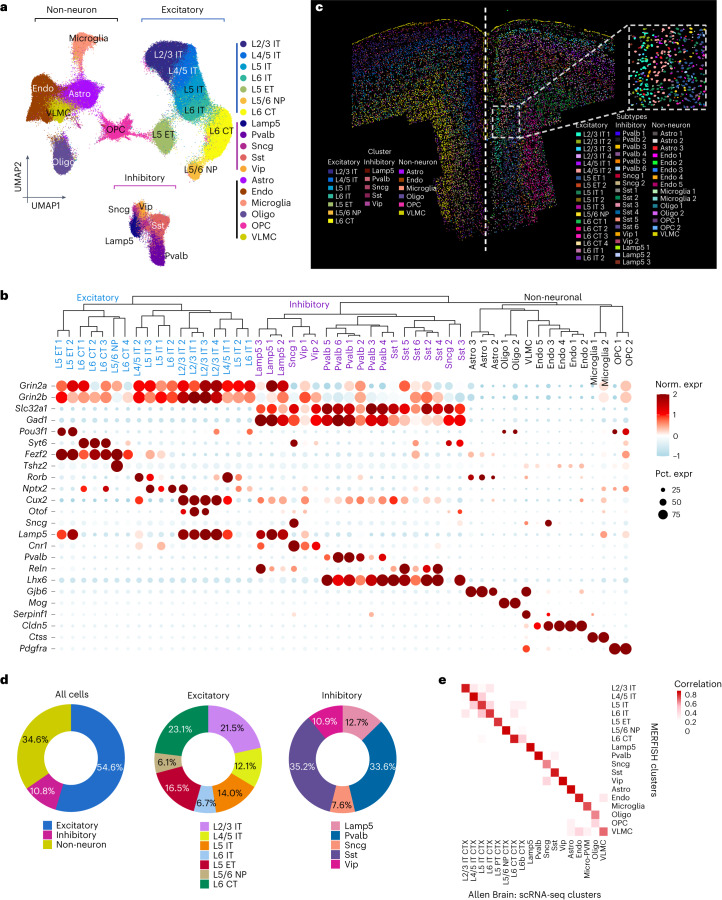
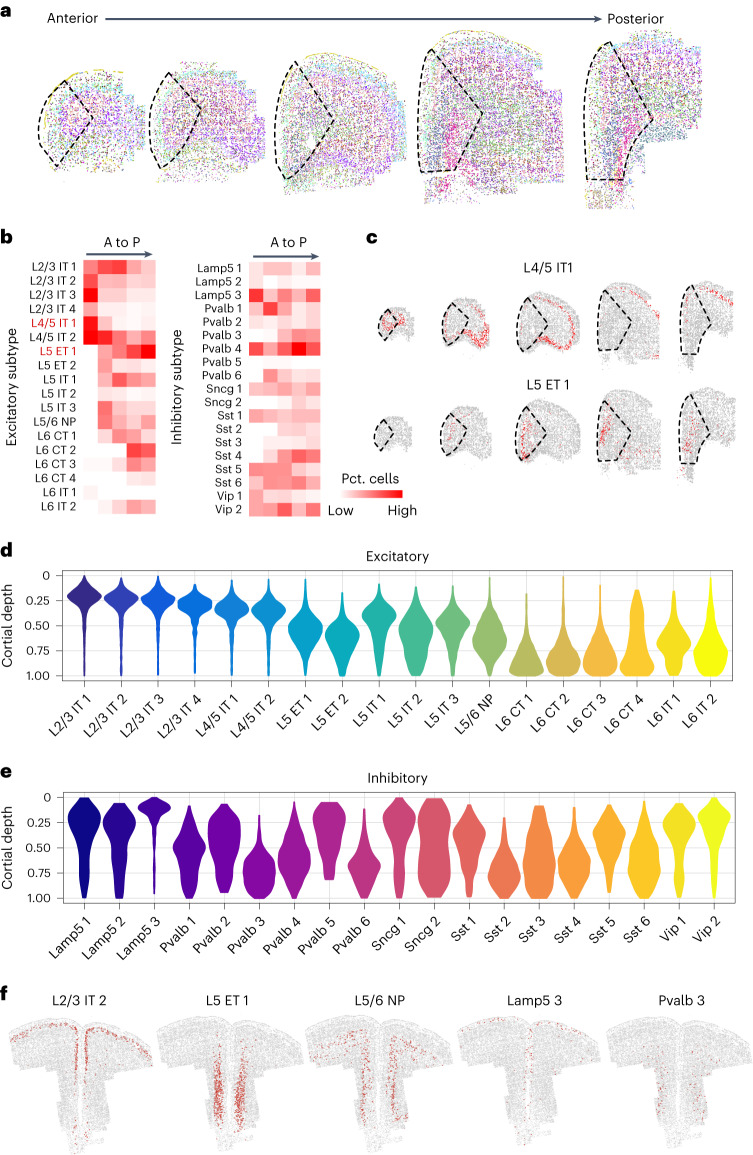
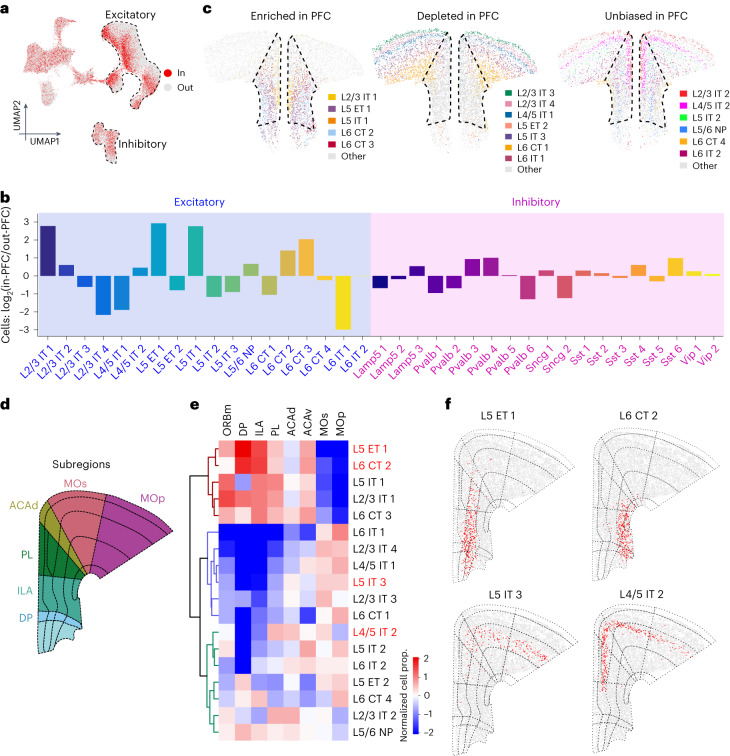
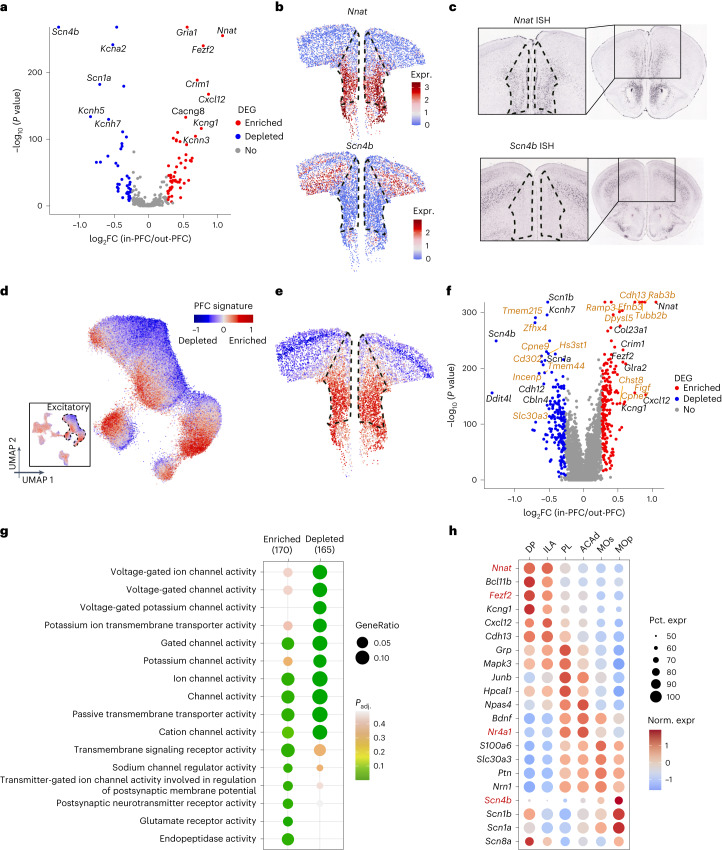
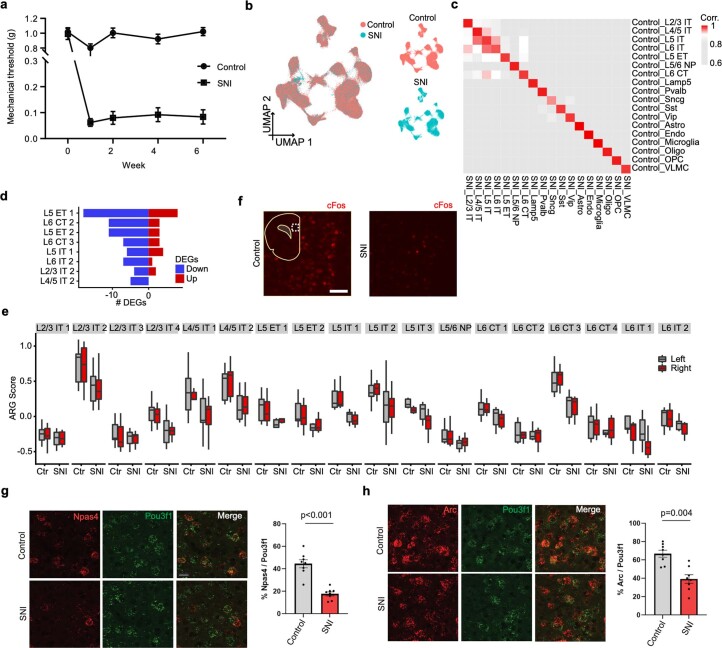
The prefrontal cortex (PFC) is a complex brain region that regulates diverse functions ranging from cognition, emotion and executive action to even pain processing. To decode the cellular and circuit organization of such diverse functions, we employed spatially resolved single-cell transcriptome profiling of the adult mouse PFC. Results revealed that PFC has distinct cell-type composition and gene-expression patterns relative to neighboring cortical areas—with neuronal excitability-regulating genes differently expressed. These cellular and molecular features are further segregated within PFC subregions, alluding to the subregion-specificity of several PFC functions. PFC projects to major subcortical targets through combinations of neuronal subtypes, which emerge in a target-intrinsic fashion. Finally, based on these features, we identified distinct cell types and circuits in PFC underlying chronic pain, an escalating healthcare challenge with limited molecular understanding. Collectively, this comprehensive map will facilitate decoding of discrete molecular, cellular and circuit mechanisms underlying specific PFC functions in health and disease.
Overview
The claims and statistics of this paper haven’t been checked yet.
Free: it reads the open-access text and checks the first 5 claims that cite a source we can check. Create a free account to check every claim.
Integrity signals
Registry
Cites
Statistics
Figures
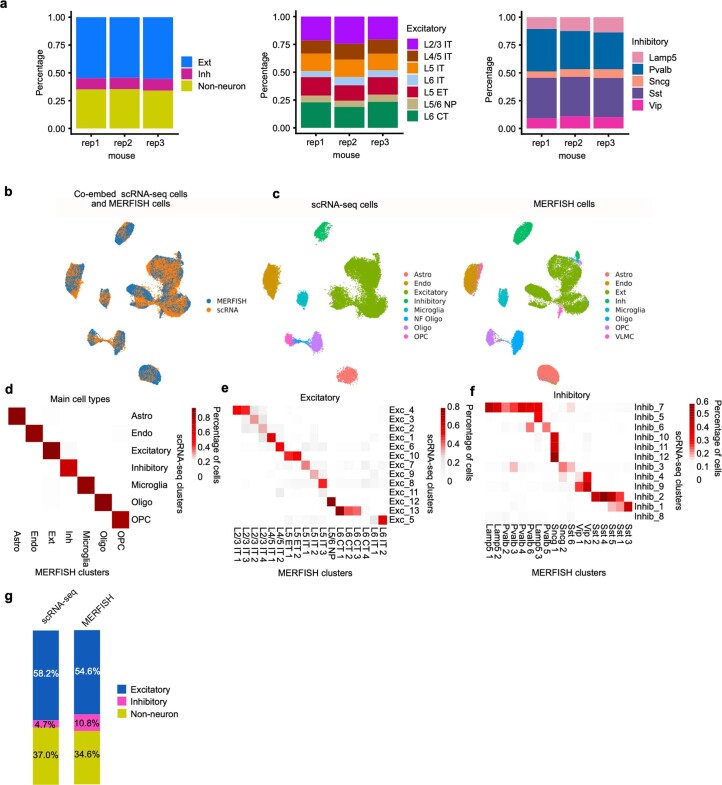
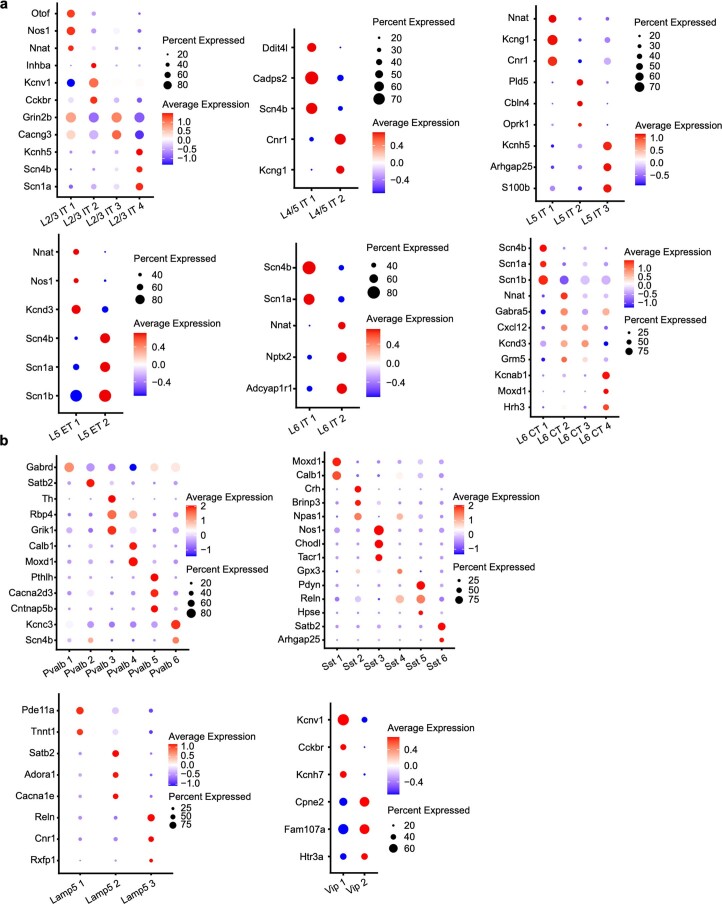
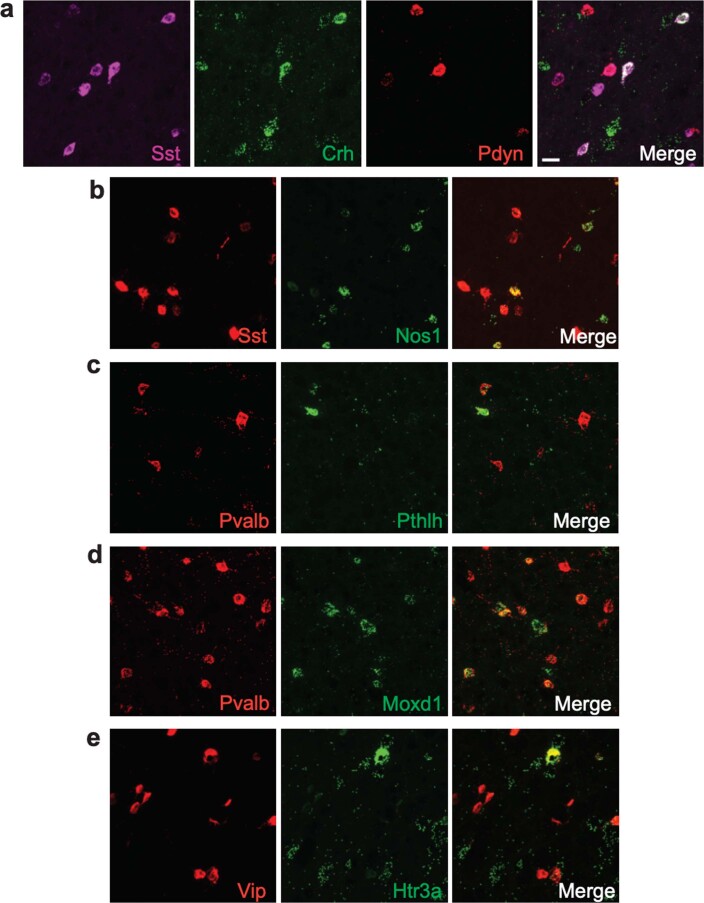
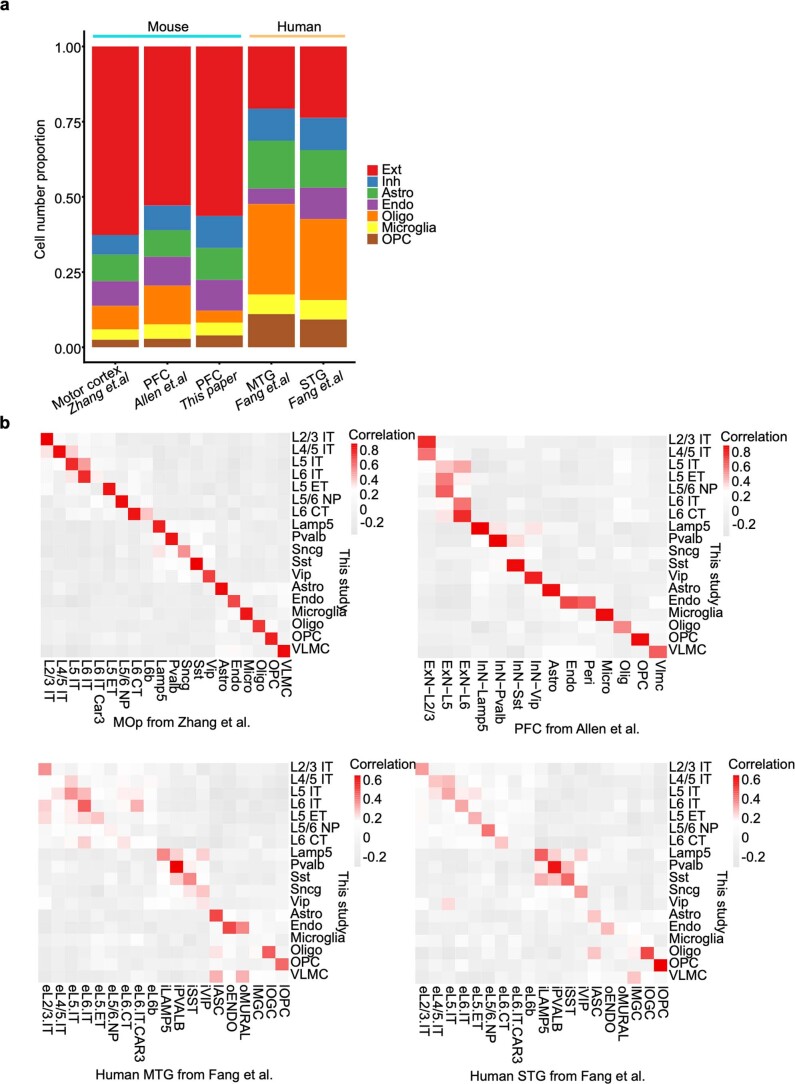
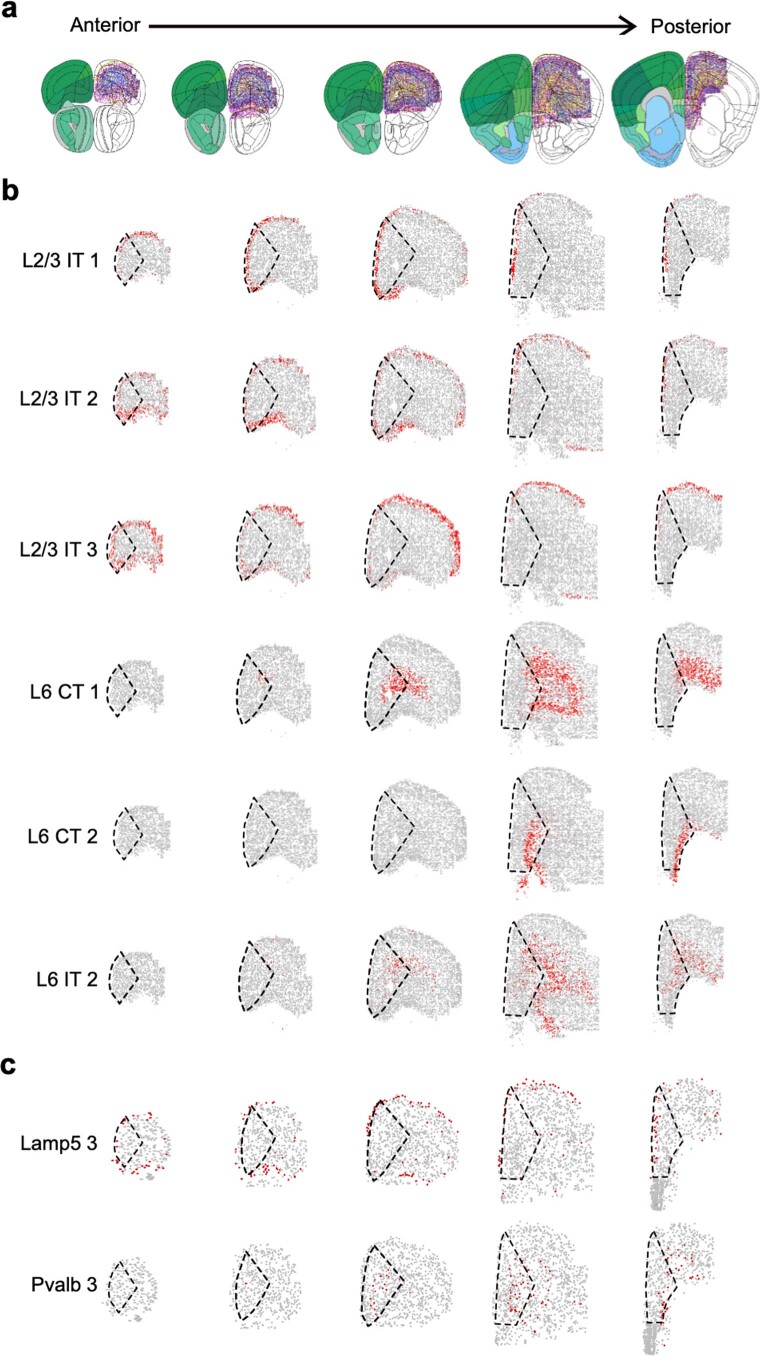
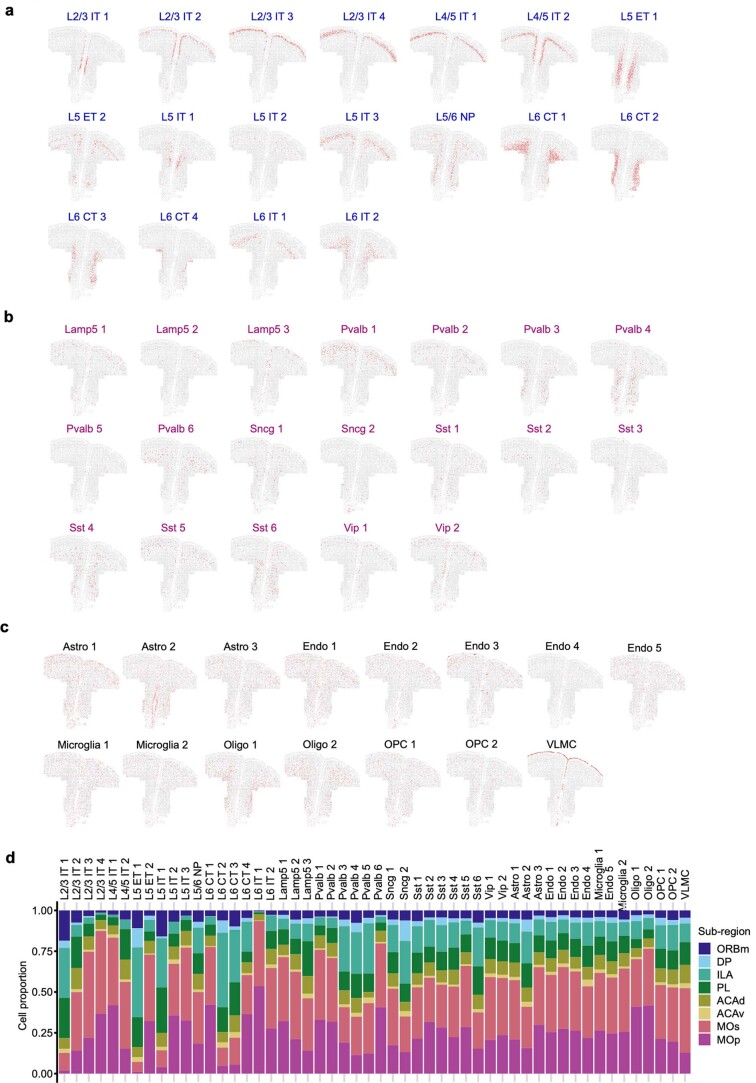
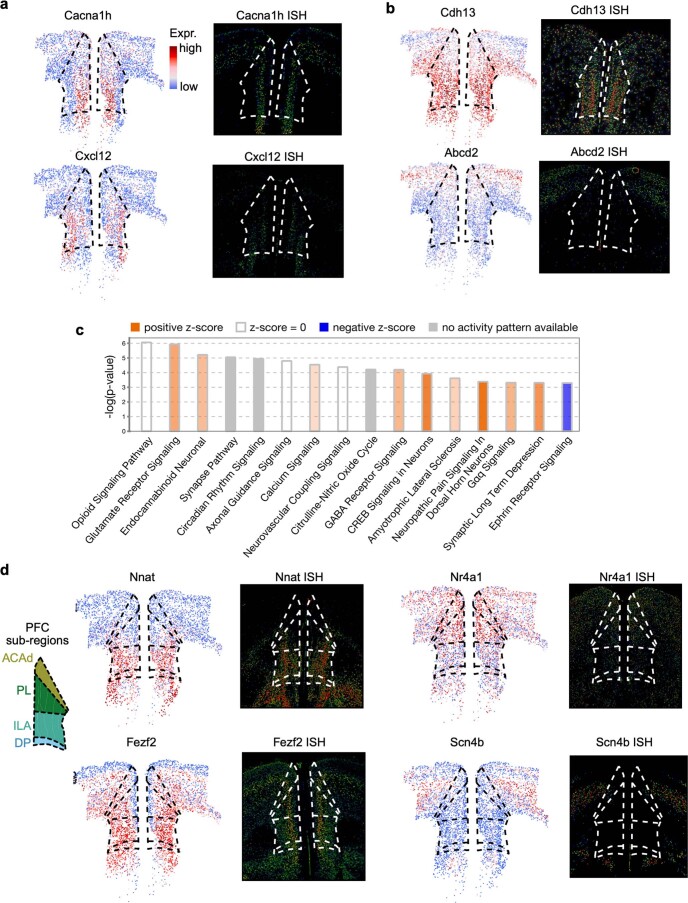
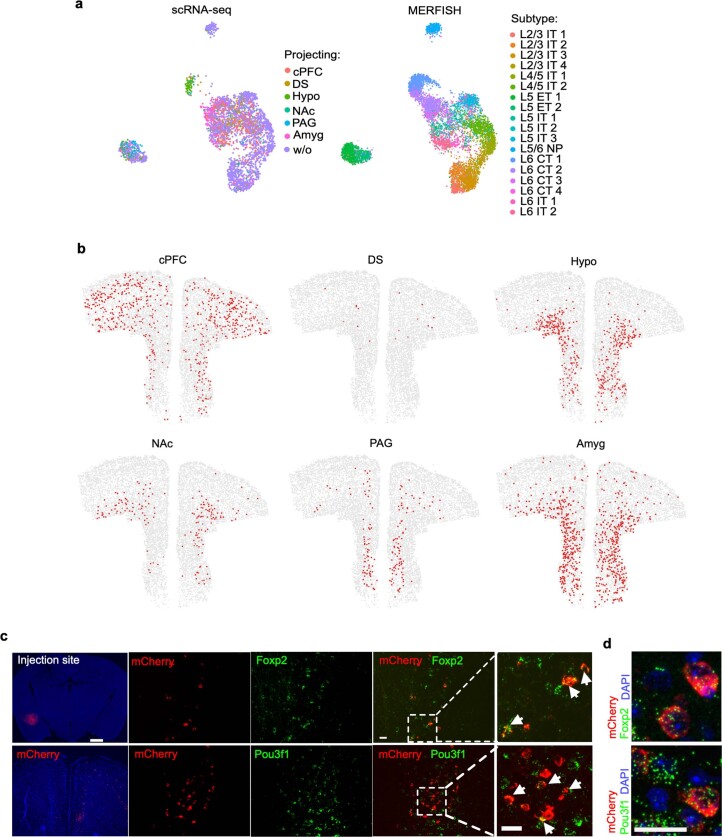
Verification
Claims the paper makes
The claims and statistics of this paper haven’t been checked yet.
Free: it reads the open-access text and checks the first 5 claims that cite a source we can check. Create a free account to check every claim.
Self-check
Percentages, sums and reported differences re-computed from the paper’s own numbers.
The self-check needs the paper’s full text.
Citations
Cites
clusterProfiler: an R Package for Comparing Biological Themes Among Gene Clusters
Yu, G., Wang, L.-G., Han, Y., & He, Q.-Y. (2012) · OMICS: A Journal of Integrative Biology · doi:10.1089/omi.2011.0118 · Cited by 36,259 · cited 1×
“The compareCluster function from clusterProfiler (version 4.0.2) 73 was used for gene ontology enrichment analysis.”
MethodInfluentialIntegrated analysis of multimodal single-cell data
Hao, Y., Hao, S., Andersen-Nissen, E., Mauck, W. M., Zheng, S., Butler, A., Lee, M. J., Wilk, A. J., Darby, C., Zagar, M., et al. (2020) · doi:10.1101/2020.10.12.335331 · Cited by 15,508
pROC: an open-source package for R and S+ to analyze and compare ROC curves
Robin, X., Turck, N., Hainard, A., Tiberti, N., Lisacek, F., Sanchez, J.-C., & Müller, M. (2011) · BMC Bioinformatics · doi:10.1186/1471-2105-12-77 · Cited by 13,697
An Integrative Theory of Prefrontal Cortex Function
Miller, E. K., & Cohen, J. D. (2001) · Annual Review of Neuroscience · doi:10.1146/annurev.neuro.24.1.167 · Cited by 12,803
Fast, sensitive and accurate integration of single-cell data with Harmony
Korsunsky, I., Millard, N., Fan, J., Slowikowski, K., Zhang, F., Wei, K., Baglaenko, Y., Brenner, M., Loh, P.-R., & Raychaudhuri, S. (2019) · Nature Methods · doi:10.1038/s41592-019-0619-0 · Cited by 10,488 · cited 1×
“Harmony 71 was then used to remove the apparent batch effect among different MERFISH samples.”
MethodQuantitative assessment of tactile allodynia in the rat paw
Chaplan, S. R., Bach, F. W., Pogrel, J. W., Chung, J. M., & Yaksh, T. L. (1994) · Journal of Neuroscience Methods · doi:10.1016/0165-0270(94)90144-9 · Cited by 7,697
Causal analysis approaches in Ingenuity Pathway Analysis
Krämer, A., Green, J., Pollard, J., & Tugendreich, S. (2014) · Bioinformatics · doi:10.1093/bioinformatics/btt703 · Cited by 5,724 · cited 1×
“IPA software (version Spring Release, April 2022) 74 was used for IPA.”
MethodFrom Louvain to Leiden: guaranteeing well-connected communities
Traag, V. A., Waltman, L., & van Eck, N. J. (2019) · Scientific Reports · doi:10.1038/s41598-019-41695-z · Cited by 5,635
Spatially resolved, highly multiplexed RNA profiling in single cells
Chen, K. H., Boettiger, A. N., Moffitt, J. R., Wang, S., & Zhuang, X. (2015) · Science · doi:10.1126/science.aaa6090 · Cited by 2,969
Self-citationScrublet: computational identification of cell doublets in single-cell transcriptomic data
Wolock, S. L., Lopez, R., & Klein, A. M. (2019) · Cell Systems · doi:10.1016/j.cels.2018.11.005 · Cited by 2,758
Cited by
Spatiotemporal omics for biology and medicine
Liu, L., Chen, A., Li, Y., Mulder, J., Heyn, H., & Xu, X. (2024) · Cell · doi:10.1016/j.cell.2024.07.040 · Cited by 230
Pathology of pain and its implications for therapeutic interventions
Cao, B., Xu, Q., Shi, Y., Zhao, R., Li, H., Zheng, J., Liu, F., Wan, Y., & Wei, B. (2024) · Signal Transduction and Targeted Therapy · doi:10.1038/s41392-024-01845-w · Cited by 195
Xu, P., Peng, J., Yuan, T., Chen, Z., He, H., Wu, Z., Li, T., Li, X., Wang, L., Gao, L., et al. (2024) · eLife · doi:10.7554/elife.85419 · Cited by 24
“To evaluate whether the transcriptional cell types we recovered and annotated correlated with cell types from spatial transcriptomics of PFC or other scRNA-seq datasets of PFC, we used a previously reported comparison analysis method ( Bhattacherjee et al., 2023 ).”
BackgroundMethodInfluentialTargeting Prefrontal Cortex Dysfunction in Pain
Kummer, K. K., & Sheets, P. L. (2024) · Journal of Pharmacology and Experimental Therapeutics · doi:10.1124/jpet.123.002046 · Cited by 22
Miralles, R. M., Boscia, A. R., Kittur, S., Hanflink, J. C., Panchal, P. S., Yorek, M. S., Deutsch, T. C. J., Reever, C. M., Vundela, S. R., Wengert, E. R., et al. (2024) · JCI Insight · doi:10.1172/jci.insight.181005 · Cited by 20
Pain Perception and Modulation: Fundamental Neurobiology and Recent Advances
van Strien, W. W. J., & Hollmann, M. W. (2025) · European Journal of Neuroscience · doi:10.1111/ejn.70275 · Cited by 70
“Building on this, a recent study identified PFC neurons that exclusively project to the PAG and change in chronic pain, with reduced activity leading to increased pain due to impaired descending inhibition (Bhattacherjee et al. 2023).”
Unique Spatial Transcriptomic Profiling of the Murine Femoral Fracture Callus: A Preliminary Report
Jiang, W. M., Caruana, D. L., Back, J., & Lee, F. Y. (2024) · Cells · doi:10.3390/cells13060522 · Cited by 17
“Fibronectin 1 ( Fn1 ) was down-regulated in the one-week sample compared to the two-week sample, reflective of hematoma resolution [48].”
BackgroundRecent developments in omics studies and artificial intelligence in depression and suicide
Wang, Q., & Dwivedi, Y. (2025) · Translational Psychiatry · doi:10.1038/s41398-025-03497-y · Cited by 18
“…remain scarce [127], spatial RNA sequencing has captured the cellular diversity of the hippocampus [128] and the six prefrontal cortical layers in humans [129] and mice [130 – 132], providing novel tools to study the detailed anatomy of these processes in the brains of MDD and suicidal individuals.”
Ma, L., Yue, L., Liu, S., Xu, S., Tong, J., Sun, X., Su, L., Cui, S., Liu, F., Wan, Y., et al. (2024) · Nature Communications · doi:10.1038/s41467-024-52243-3 · Cited by 16
“Notably, excitatory pyramidalneuronsin thedeeplayersof PL exhibit intrinsic excitability 24 and transcriptional changes 25 and emergeaskey players inchronic pain 26,27 .”
An emerging multi-omic understanding of the genetics of opioid addiction
Johnson, E. O., Fisher, H. S., Sullivan, K. A., Corradin, O., Sanchez‐Roige, S., Gaddis, N., Sami, Y. N., Townsend, A., Prates, E. T., Pavicic, M., et al. (2024) · Journal of Clinical Investigation · doi:10.1172/jci172886 · Cited by 15
“…enable a multidimensional networked approach that integrates neural transcriptomics, including single-cell (67, 68) and spatial transcriptomics (69), to identify distinct cell-type-specific signaling pathways within well-anno-tated genomic backgrounds during various opioid exposure conditions.”
BackgroundArtificial Intelligence Revolution in Transcriptomics: From Single Cells to Spatial Atlases
Li, S., Xiao, T., Lan, Y., Wu, C., Li, Z., Liu, R., Fang, Q., & Zhang, C. (2025) · Advanced Science · doi:10.1002/advs.202518949 · Cited by 15
Self-citationA molecularly defined mPFC-BLA circuit specifically regulates social novelty preference
Liu, Y., Wang, Y., Xie, G., Yang, Q., Bhattacherjee, A., Zhang, C., & Zhang, Y. (2025) · Science Advances · doi:10.1126/sciadv.adt9008 · Cited by 17
“To this end, we integrated the transcriptomes of mPFC neuron subtypes ( 26 , 27 ) with the genome-wide association study (GWAS) datasets of various psychiatric diseases and identified an mPFC layer 5 (L5) neuron subtype that expresses interleukin-1 receptor accessory protein-like 2 ( Il1rapl2 ),…”
Self-citationA prefrontal cortex map based on single-neuron activity
Merre, P. L., Heining, K., Slashcheva, M., Jung, F., Moysiadou, E., Guyon, N., Yahya, R., Park, H., Wernstål, F., & Carlén, M. (2026) · Nature Neuroscience · doi:10.1038/s41593-025-02190-z · Cited by 22
“While mapping of gene expression 3–5 , cytoarchitecture 6–8 and connectivity 9–13 provides insights into the PFC’s infrastructure, a functional description of the PFC remains elusive 14 .”
SMART: spatial transcriptomics deconvolution using marker-gene-assisted topic model
Yang, C. X., Sin, D. D., & Ng, R. (2024) · Genome biology · doi:10.1186/s13059-024-03441-1 · Cited by 19
Zhu, H., Yan, T., Wang, S., Zhu, X., Lin, K., Zheng, N., Chen, L. M., Xu, F., & Wu, R. (2024) · NeuroImage · doi:10.1016/j.neuroimage.2024.120549 · Cited by 13
Giménez‐Gómez, P., Le, T., Zinter, M., M'angale, P. G., Durán‐Laforet, V., Freels, T. G., Pavchinskiy, R. G., Molas, S., Schafer, D. P., Tapper, A. R., et al. (2025) · Nature Neuroscience · doi:10.1038/s41593-025-01970-x · Cited by 14
Chen, X., Kim, Y., & Kawaguchi, D. (2025) · Frontiers in Neural Circuits · doi:10.3389/fncir.2025.1568610 · Cited by 12
Lançon, K., Tian, J., Bach, H., Drapeau, P., Poulin, J.-F., & Séguéla, P. (2025) · Proceedings of the National Academy of Sciences · doi:10.1073/pnas.2502558122 · Cited by 8
“This is in line with recent transcriptomic studies that suggest that the ACC contains multiple subtypes of PV interneurons ( 28 ).”
Spatial transcriptomics: integrating platforms and computational approaches for clinical insights
Song, W., Wang, D., Li, J., & Zhang, R. (2025) · Biotechnology Advances · doi:10.1016/j.biotechadv.2025.108791 · Cited by 14
Cognitive rejuvenation through partial reprogramming of engram cells
Berdugo‐Vega, G., Sierra, C., Astori, S., Calati, V., Orsat, J., Scoglio, M. J., Sandi, C., & Gräff, J. (2026) · Neuron · doi:10.1016/j.neuron.2025.11.028 · Cited by 12
Spatial Omics and Gene Circuits
Biradar, S., Korrapati, C., Krishna, R. J., & Nanjundeshwara, N. (2024) · Advances in medical diagnosis, treatment, and care (AMDTC) book series · doi:10.4018/979-8-3693-7728-4.ch014 · Cited by 7
Wu, C., Zhang, W., Liu, W., Tang, Z., Peng, S., Fu, L., & Ni, X. (2025) · Redox Report · doi:10.1080/13510002.2025.2531650 · Cited by 8
“Given that transcriptional profiling has been extensively applied in investigating the pathogenesis of various diseases [11,12], we investigate regulatory mechanisms in CLDs using transcriptome analysis of human and animal models from the GEO database.”
Feng, H.-N., Zhong, L.-Q.-Y., Xu, C., Wang, T., Wu, H., Wang, L., Traub, R. J., Chen, X., & Cao, D. (2024) · European Journal of Pharmacology · doi:10.1016/j.ejphar.2024.176933 · Cited by 7
Bridging complexity through integrative systems neuroscience
Chang, E. H. (2024) · Frontiers in Systems Biology · doi:10.3389/fsysb.2024.1487298 · Cited by 6
El-Adl, S. M., Mattar, A. A., El‐Abassy, O. M., & Sebaiy, M. M. (2025) · BMC Chemistry · doi:10.1186/s13065-025-01429-x · Cited by 10
“The United States incurs an estimated added cost of $261-$300 billion in health care expenditure associated with chronic pain [2, 3].”
Unbalanced chromatin binding of Polycomb complexes drives neurodevelopmental disorders
Borges, R. L., González-Blanco, G., Harikumar, A., Huang, Y., Caeiro, L. D., Fattakhov, N. S., Lepore, S., Garcia-Martinez, L., Maurice, M., Mehta, P. D., et al. (2026) · Molecular Cell · doi:10.1016/j.molcel.2026.01.023 · Cited by 6
Ma, M., Zhang, Y., Liu, Z., Lv, S., Tao, K., & Lu, Z. (2026) · Brain Research Bulletin · doi:10.1016/j.brainresbull.2026.111784 · Cited by 7
Self-citationSingle-cell and spatial omics: exploring hypothalamic heterogeneity
Junaid, M., Lee, E. J., & Lim, S. B. (2024) · Neural Regeneration Research · doi:10.4103/nrr.nrr-d-24-00231 · Cited by 6
“Furthermore, it highlights activity-dependent gene studies in line with the identification of local neural complexity of brain regions by implementing a nearest-neighbor analysis of the surrounding cell population (Zhang et al., 2023; Bahl et al., 2024).”
Zhao, L.-Y., Zhang, G.-F., Yang, J., Diao, Y.-G., & Hashimoto, K. (2024) · Brain Research Bulletin · doi:10.1016/j.brainresbull.2024.111175 · Cited by 4
Shah, K., Totty, M. S., Bach, S. V., Valentine, M. R., Chandra, A., AlGrain, H. A., Divecha, H. R., Miller, R. A., Siewe, F. R. M., Kwon, S. H., et al. (2026) · Cell Reports · doi:10.1016/j.celrep.2026.117500 · Cited by 6
“While deep layer neurons are well positioned to influence subcortical systems involved in sensory processing, affect and motor control, 71,72 the strong enrichment in WM and oligodendrocyte lineage cells and astrocytes highlights a central role for neuroglial interactions and WM-associated…”
Protocol optimization improves the performance of multiplexed RNA imaging
Luce, J. J., Reardon-Lochbaum, C. A., Cadinu, P., Xu, R. J., Aceves-Salvador, J., Semizoglou, E., Wong, B., Lopez, I., Cantor, A. B., Renthal, W. R., et al. (2025) · Scientific Reports · doi:10.1038/s41598-025-17477-1 · Cited by 6
Self-citationChen, Z., Song, L., Chen, W., & Wang, C. (2025) · Communications Biology · doi:10.1038/s42003-025-08683-8 · Cited by 4
“We further identi fi ed seven cortical excitatory neuron subtypes based on established neuron subtype markers 5,18,19 .”
Transcriptomic and spatial organization of mouse spinal cord projection neurons
Lin, J.-K., Liu, Y., Deng, J., Wang, L.-H., Li, Q., Chen, L., Ding, W.-Q., Tang, A., Dou, Y., & Sun, Y.-G. (2025) · Cell Reports · doi:10.1016/j.celrep.2025.116717 · Cited by 6
Journée, S. H., Mathis, V., Waegaert, R., Ozkan, S., Langlois, E., Ortiz-Teba, P., Ayazgök, B., Becker, L. J., Gaikwad, M., Barrot, M., et al. (2026) · Neuropsychopharmacology · doi:10.1038/s41386-026-02346-w · Cited by 4
“Whole-cell recordings con fi rmed that 520 nm continuous light evoked stable outward currents in ACC ArchT-GFP+ neurons (Fig.5c), leading to a sustained reduction in spontaneous fi ring without rebound activity (Fig.5d, S9).”
Xie, G., Liu, Y., Qi, X., Bhattacherjee, A., Zhang, C., & Zhang, Y. (2026) · Nature Communications · doi:10.1038/s41467-026-69001-2 · Cited by 6
“…our understanding of cortical circuitry has predominantly emerged from sensory cortices 19,49 , recent studies have revealed some https://doi.org/10.1038/s41467-026-69001-2 Nature Communications| (2026) 17:2134 distinct features of cellular organization and connections of the mPFC 19,35,36,50 .”
InfluentialSelf-citationProjection-TAGs enable multiplex projection tracing and multi-modal profiling of projection neurons
Yang, L., Liu, F., Hahm, H., Okuda, T., Li, X., Zhang, Y., Kalyanaraman, V., Heitmeier, M. R., & Samineni, V. K. (2025) · Nature Communications · doi:10.1038/s41467-025-60360-w · Cited by 4
“The criteria for screening fluorescent proteins should be stated in the main text.”
Self-citationDivergent subregional information processing in mouse prefrontal cortex during working memory
Sonneborn, A., Bartlett, L., Olson, R. J., Milton, R., & Abbas, A. I. (2024) · Communications Biology · doi:10.1038/s42003-024-06926-8 · Cited by 6
“Extensive con-nectomic and genomic mapping has established that mouse PFC can be divided into subregions based on local and long-range projection patterns 11,12 and cytoarchitecture 13,14 .”
Schuler, H., Zhou, D., Savignac, C., Cvetkovska, V., Tse, Y.-C., Meccia, J., Lopez, J., Harutyunyan, A. S., Ragoussis, J., Bzdok, D., et al. (2025) · bioRxiv (Cold Spring Harbor Laboratory) · doi:10.1101/2025.01.08.631940 · Cited by 5
“Technical dropouts in scRNA-seq data make zero values difficult to interpret, so to accurately define co-expression patterns, we used a published spatial transcriptomic dataset 44 .”
InfluentialDiverse activity in prefrontal projections promotes temporal control of actionPreprint
Ding, X., Weber, M. A., Butler, T. C., Bova, A. S., Guerrero, S., Hunter, C., Cole, R. C., Stutt, H. R., McMurrin, M. S., Spicer, M. M., et al. (2025) · bioRxiv (Cold Spring Harbor Laboratory) · doi:10.1101/2025.05.12.653607 · Cited by 3
Uncovering the signatures of aging and senescence in the human dorsolateral prefrontal cortex
Sloan, N. X., Mares, J., Daly, A. C., Grier, S., Haq, I., Jackson, C. A., Barretto, N., Casel, O., Kang, K., Khiste, S., et al. (2026) · Cell Genomics · doi:10.1016/j.xgen.2025.101127 · Cited by 2
Shared and unique genes and pathways between neuropathic and inflammatory pain assays
Wang, S., Zhou, L., Pu, W., Dai, J., & Cao, S. (2025) · Brain Research · doi:10.1016/j.brainres.2025.149614 · Cited by 4
Comparative analysis of functional network dynamics in high and low alcohol preference mice
Wang, Z., Zhao, Y., Wang, Z., Sun, N., Yu, W., Feng, Q., Kim, H. Y., Ge, F., Yang, X., & Guan, X. (2025) · Experimental Neurology · doi:10.1016/j.expneurol.2025.115238 · Cited by 2
Morrissey, Z. D., Kumar, P., Phan, T., Maienschein‐Cline, M., Leow, A., & Lazarov, O. (2025) · Frontiers in Dementia · doi:10.3389/frdem.2025.1546433 · Cited by 3
Dong, X., Zhang, H., Chen, M., Zhong, W., & Wang, B. (2025) · Journal of Affective Disorders · doi:10.1016/j.jad.2025.119458 · Cited by 3
An orbitocortical-thalamic circuit suppresses binge alcohol-drinkingPreprint
Giménez‐Gómez, P., Le, T., Zinter, M., M'angale, P. G., Durán‐Laforet, V., Freels, T. G., Pavchinskiy, R. G., Molas, S., Schafer, D. P., Tapper, A. R., et al. (2024) · bioRxiv (Cold Spring Harbor Laboratory) · doi:10.1101/2024.07.03.601895 · Cited by 2
Hsiao, Y., Fonseca, M. A., Tiemroth, A. S., Vasquez, E. J., & Gomez, A. M. (2025) · bioRxiv (Cold Spring Harbor Laboratory) · doi:10.1101/2025.01.16.633439 · Cited by 7
Yoo, Y.-E., Mandal, P., Tang, Z., Zhang, Z., Zhang, J., Chen, X., Robinson, M., Eaton, M., Deming, B., Halurkar, M., et al. (2025) · doi:10.1101/2025.09.16.676420 · Cited by 1
“A diverse array of neuronal subtypes in the mPFC integrates inputs from multiple brain regions and projects to subcortical structures, forming circuits that support a wide range of executive functions [20 – 23].”
RACK7 Interacts with PRC2 Complex to Regulate Astrocyte Development
Jiao, F., Tang, T., Wang, B., He, S., Zhang, Y., Dong, L., Xu, B., Liu, Y., Zhu, P., & Guo, R. (2025) · Advanced Science · doi:10.1002/advs.202416350 · Cited by 2
Self-citationHsiao, I.-H., Hsu, H., Liao, H.-Y., Huang, H., & Lin, Y.-W. (2025) · Journal of Functional Foods · doi:10.1016/j.jff.2025.106976 · Cited by 1
Molecularly defined cellular atlas of the entire mouse brain with isotropic single-cell resolution
Zhao, M., Zhou, J., Jiang, T., Ren, M., Dou, C., Cai, L., Bao, S., Jia, X., Meng, Z., Tang, F., et al. (2025) · Nature Communications · doi:10.1038/s41467-025-65238-5 · Cited by 4
Prelimbic cortex-basolateral amygdala glutamatergic circuit drives cancer-induced bone pain in mice
Feng, Q.-Y., Wei, J., Song, M., Deng, Z., Li, Y. H., Hu, S., Zhang, F., Zhang, H.-L., Xu, G., & Jiang, G.-Q. (2026) · iScience · doi:10.1016/j.isci.2026.114753 · Cited by 1
Distinct activity in prefrontal projections promotes temporal control of action
Ding, X., Weber, M. A., Butler, T. C., Bova, A. S., Guerrero, S. G., Hunter, C. M., Cole, R. C., Stutt, H. R., McMurrin, M. S., Spicer, M. M., et al. (2026) · Proceedings of the National Academy of Sciences · doi:10.1073/pnas.2538059123 · Cited by 4
Ali, L. M., Yim, A. K., Gerbi, E., Nguyen, T., Tu, N., Ikede, F., Sampaleanu, R., Grigore, D., Waligorski, J. E., Kremitzki, C. L., et al. (2024) · bioRxiv (Cold Spring Harbor Laboratory) · doi:10.1101/2024.08.02.605366
Single Cell Data Enables Dissecting Cell Types Present in Bulk Transcriptome Data
Wruck, W., & Adjaye, J. (2024) · Stem Cells and Development · doi:10.1089/scd.2024.0152 · Cited by 1
Chang, B., Mei, J., Xiong, C., Jiang, M., & Niu, C. (2025) · Brain stimulation · doi:10.1016/j.brs.2025.05.001
“This finding aligns with studies demonstrating SFG activation during placebo analgesia and cognitive-behavioral interventions, implicating its role in endogenous pain control [8].”
Integrative Spatial Modelling of Cellular Plasticity using Graph Neural Networks and GeostatisticsPreprint
Withnell, E., Celik, C., & Secrier, M. (2025) · bioRxiv (Cold Spring Harbor Laboratory) · doi:10.1101/2025.09.24.678189
“VIP and Lamp5 neurons, enriched in superficial layers (1-3), also exhibited an expected spatial association 50 .”
Ali, L. M., Yim, A. K., Gerbi, E., Nguyen, T., Tu, N., Ikede, F., Sampaleanu, R., Grigore, D., Waligorski, J. E., Kremitzki, C. L., et al. (2025) · npj Systems Biology and Applications · doi:10.1038/s41540-025-00627-6
Zheng, H., Yan, K., Gou, X., Wang, Z., Yang, L., Huang, Y., Liu, H., Dai, J., Sun, L., & Cao, G. (2026) · PLoS Biology · doi:10.1371/journal.pbio.3003594
“Then, the clusters were annotated based on previously reported markers of PFC cell types [23].”
InfluentialSun, L., Zheng, H., Huang, Y., Huang, X., Yan, K., Wang, Z., Yang, L., Yue, Y., Gou, X., Du, G., et al. (2026) · National Science Review · doi:10.1093/nsr/nwag004 · Cited by 3
Davis, C. N., Toikumo, S., Hatoum, A. S., Khan, Y., Pham, B. K., Pakala, S. R., Feuer, K. L., Gelernter, J. E., Sanchez‐Roige, S., Kember, R. L., et al. (2026) · Complex Psychiatry · doi:10.1159/000551114 · Cited by 3
Liu, K., Liao, S., Li, X., Song, L., Poo, M.-M., Zhao, J., Zhou, W., Cai, R., Wang, M., Ma, X., et al. (2026) · Cell Research · doi:10.1038/s41422-026-01246-4
Self-citationLi, Z., Sun, Y., Huo, X., Ren, X., Ding, N., Qian, X., Li, A., & Sun, T. (2026) · Neural Plasticity · doi:10.1155/np/4005949
Zhuang, X., Huang, L., Nan, F., Chen, S., Wang, J., 莫云长, & Zhang, A. (2026) · Neural Plasticity · doi:10.1155/np/9427819
“It is consistently activated in both acute and chronic pain conditions, with pyramidal neurons demonstrating increased excitability and synaptic potentiation following peripheral injury [4 – 6].”
Wang, X., Lu, Z., Mao, T., Yang, Y., Zhu, R., Li, W., Zeng, S., Wang, Y., Zhang, L., Xu, Y., et al. (2026) · The Journal of Headache and Pain · doi:10.1186/s10194-026-02439-3
“Dis-ruptions in cortical E/I balance may underlie the different abnormalities observed in psychotic disorders [15, 16].”
Kibret, B. G., Onaivi, E. S., & Sharma, V. (2026) · Advances in Drug and Alcohol Research · doi:10.3389/adar.2026.16646
“Extensive evidence supports the involvement of both the prefrontal cortex and cerebellum in pain modulation, in addition to their roles in other behavioral processes [38–42].”
Han, L., Xiong, X., Lu, J., Zhang, K., Ke, J., & Zhao, H. (2026) · Brain Imaging and Behavior · doi:10.1007/s11682-026-01185-z
“…key areas with the ability to perform highly complex behavioral functions, playing an important role in cognition, emotion, information integration, decision-making and pain regulation, including superior, middle, and inferior frontal gyrus (Bhattacherjee et al., 2023, Dieterich and Brandt, Fig.”
Yao, Y.-Q., Guo, B., Zhi-yi, X., Wang, C., Hong, H., Chen, Z.-G., & Tang, S. (2026) · Schizophrenia Bulletin · doi:10.1093/schbul/sbag090
Xie, L., Yin, Z., Shao, L., Ma, J., Cheng, H., Shi, L., Yu, G., Cao, S., Su, W., & Shi, B. (2026) · Pain Research and Management · doi:10.1155/prm/6688692
Tan, Y., Li, R., Kong, Z., Yue, Y., & Yuan, Z. (2026) · Neuroscience Bulletin · doi:10.1007/s12264-026-01713-3
Deep brain stimulation mechanisms in comorbid pain and emotional dysregulation from animal models
Si, T., Han, H., Zhang, Y., Zhou, Z. N., Li, Z., Cao, J., & Zang, W. D. (2026) · iScience · doi:10.1016/j.isci.2026.117569
Self-citation
Metadata
- Authors
- Bhattacherjee, A., Zhang, C., Watson, B. R., Djekidel, M. N., Moffitt, J. R., & Zhang, Y.
- Affiliations
- Boston Children's Hospital (US)
- Corresponding author
- Moffitt, Jeffrey R.
- Zhang, Yi
- Venue
- Nature Neuroscience
- Published
- 2023-10-16
- Volume
- 26
- Issue
- 11
- Pages
- 1880-1893
- ISSN
- 1097-6256 (ISSN-L)
- 1546-1726
- PMC
- PMC10620082
- OpenAlex
- W4387666908
- Semantic Scholar
- c0096764b341c253f0c889c7315b7fbfa587ceb3
- Cited by
- 71
- References
- 80
- Citations by year
- 2026: 24 · 2025: 28 · 2024: 19
- FWCI
- 6.31
- Type
- journal article
- Language
- en
- Update notices
- correction (2025-09-16)
- Open access
- hybrid
- doi.org
- Licence
- cc-by
- creativecommons.org/licenses/by/4.0 (tdm)
- creativecommons.org/licenses/by/4.0 (vor)
- Locations
- Nature Neuroscience (publishedVersion, cc-by)
- PubMed Central (publishedVersion, cc-by)
- PubMed (publishedVersion)
- Funders
- Howard Hughes Medical Institute
- Boston Children's Hospital
- Open Philanthropy Project
- National Institutes of Health
- National Institute on Drug Abuse (R01DA042283, R01DA050589)
- Topics
- Life Sciences › Biochemistry, Genetics and Molecular Biology › Molecular Biology › Single-cell and spatial transcriptomics
- Life Sciences › Neuroscience › Cellular and Molecular Neuroscience › Neuroscience and Neuropharmacology Research
- Health Sciences › Medicine › Physiology (medical) › Pain Mechanisms and Treatments
- Keywords
- prefrontal cortex, chronic pain, neuronal cell types, spatial transcriptomics, single-cell transcriptomics, neuronal excitability, subcortical projections, pain circuits, mouse brain
- MeSH terms
- Animals, Cognition, Prefrontal Cortex, Gene Expression Profiling, Mice, Chronic Pain, Transcriptome
About these checks
Registry, retraction, Cites and statistics results are computed, not judged, with one exception: a printed reference that no index lists is read once by a model before it counts as a citation error. Claims are extracted by a model and kept only when their quote appears verbatim in the text; each cited source is then checked, with a model’s help, for whether it says what the claim relies on. Those verdicts can be wrong — read the claim’s quote and the cited source before relying on one.
Statistics and arithmetic are recomputed, not judged.
Confidence bands are shown only for fields calibrated on our annotated test set. None is calibrated yet, so no band is shown.
What counts as a claim ›How we measure confidence ›How we check this ›
Are you an author, or do you see a problem with this page? Request a review
Data sources
Bibliographic data: Semantic Scholar, OpenAlex, Crossref.
Contains information from the Semantic Scholar Academic Graph Datasets, made available under the ODC Attribution License (ODC-BY 1.0).
Semantic Scholar’s data is described in: Kinney, R., et al. (2023). The Semantic Scholar Open Data Platform. arXiv:2301.10140.
