

CellChat for systematic analysis of cell–cell communication from single-cell transcriptomics
Open accessPublished version of a preprint
The DOI matches its Crossref record; 64 of the 64 references it cites were found in a registry or an index; 2 of the 41 sources its claims cite were checked for support.
Abstract
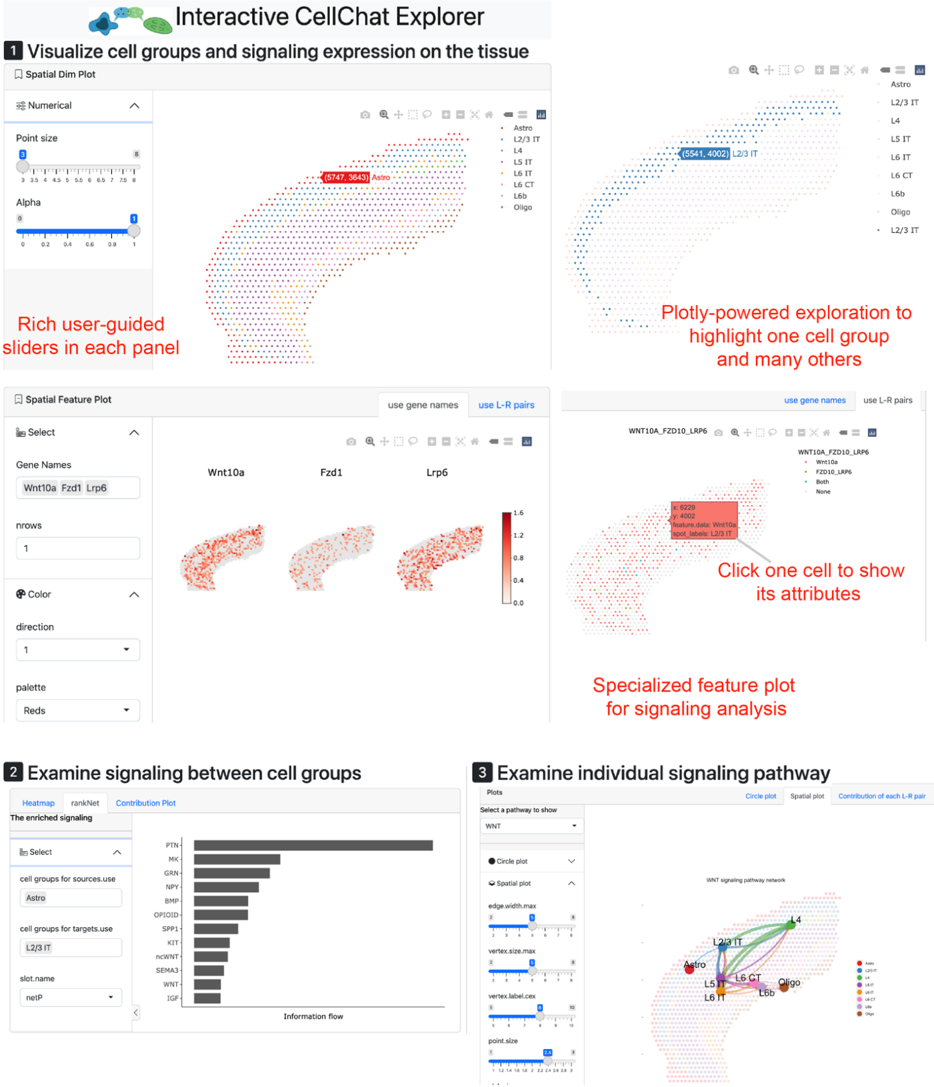
Recent advances in single-cell sequencing technologies offer an opportunity to explore cell-cell communication in tissues systematically and with reduced bias. A key challenge is integrating known molecular interactions and measurements into a framework to identify and analyze complex cell-cell communication networks. Previously, we developed a computational tool, named CellChat, that infers and analyzes cell-cell communication networks from single-cell transcriptomic data within an easily interpretable framework. CellChat quantifies the signaling communication probability between two cell groups using a simplified mass-action-based model, which incorporates the core interaction between ligands and receptors with multisubunit structure along with modulation by cofactors. Importantly, CellChat performs a systematic and comparative analysis of cell-cell communication using a variety of quantitative metrics and machine-learning approaches. CellChat v2 is an updated version that includes additional comparison functionalities, an expanded database of ligand-receptor pairs along with rich functional annotations, and an Interactive CellChat Explorer. Here we provide a step-by-step protocol for using CellChat v2 on single-cell transcriptomic data, including inference and analysis of cell-cell communication from one dataset and identification of altered intercellular communication, signals and cell populations from different datasets across biological conditions. The R implementation of CellChat v2 toolkit and its tutorials together with the graphic outputs are available at https://github.com/jinworks/CellChat . This protocol typically takes ~5 min depending on dataset size and requires a basic understanding of R and single-cell data analysis but no specialized bioinformatics training for its implementation.
Overview
CoChat Summary
TL;DR
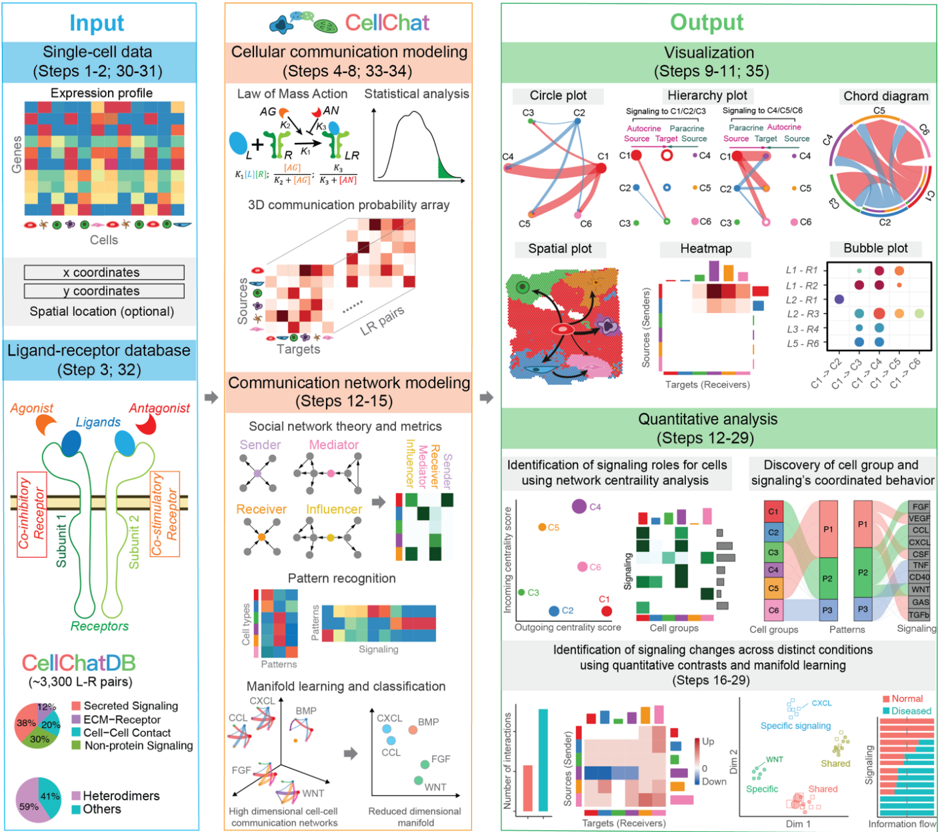
CellChat v2 is an R toolkit and step-by-step protocol for inferring, analyzing, and comparing cell–cell communication from scRNA-seq and spatially resolved transcriptomics. It extends the original CellChat with spatial proximity constraints, expanded ligand–receptor resources, comparison tools, and interactive exploration.
Key findings
- CellChat v2 infers communication probability using a simplified mass action-based model that incorporates multi-subunit ligand–receptor complexes and cofactors, with significance assessed by permutation tests.
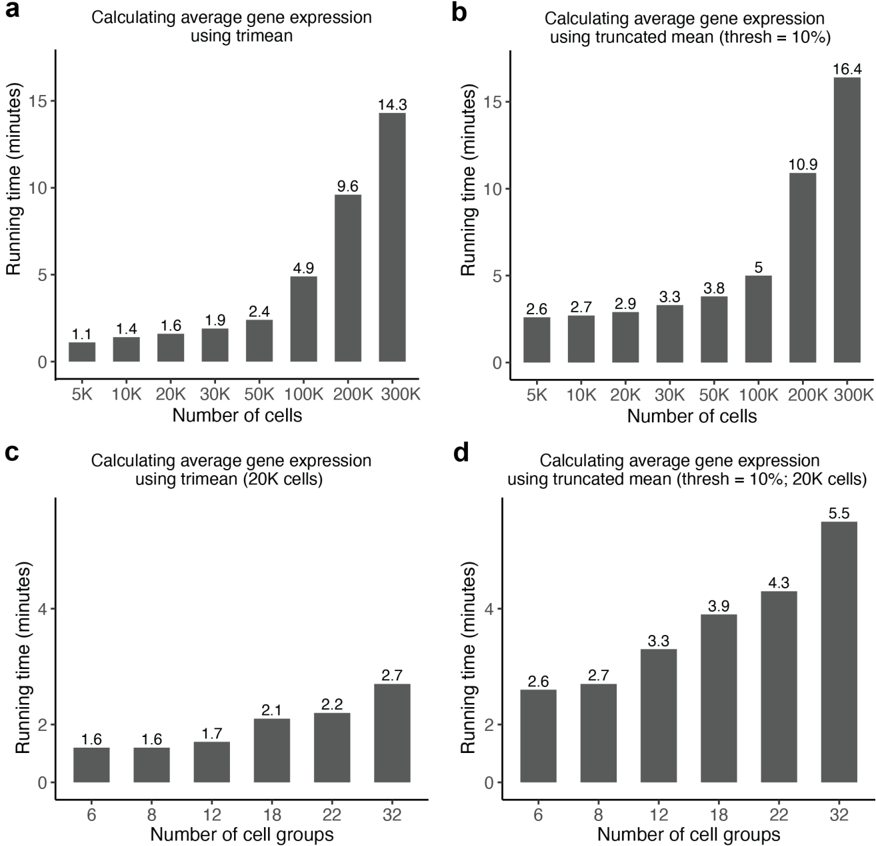
- The protocol typically takes around 20 minutes and requires no specialized prior bioinformatics training; CellChat ran in ~15 mins on an adult human skin atlas of ~300,000 cells.
- CellChatDB was expanded to include more than 1,000 protein and non-protein interactions, with a total of ~3,300 interactions for both mouse and human; spatial inference uses a default maximum diffusion range of 250 µm.
- In systematic evaluations of more than 15 cell–cell communication inference methods, CellChat was among the top-performing methods.
Methods
- Step-by-step protocol for using CellChat v2 on scRNA-seq and spatially resolved transcriptomic data, requiring normalized gene expression data, user-assigned cell labels, and, for spatial data, spatial locations plus scale factors/spot diameters.
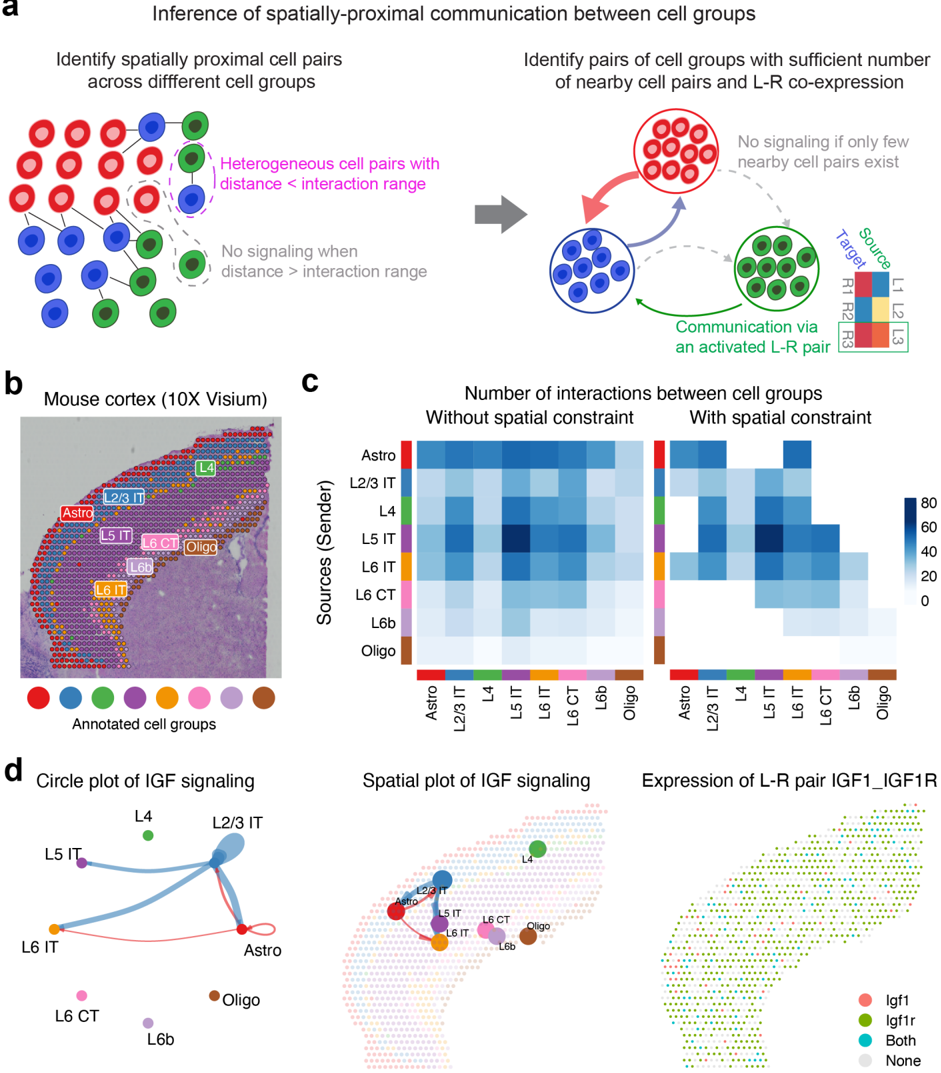
- Main analyses include ligand–receptor- and pathway-level communication inference, network centrality analysis, pattern recognition, manifold learning, differential expression, and cross-condition comparison; spatial inference first identifies physically proximal cell pairs within a maximum diffusion range and then cell-group pairs with sufficient nearby cell pairs.
- Example applications include human skin non-lesional vs lesional atopic dermatitis, embryonic mouse skin E13.5 vs E14.5, mouse brain 10X Visium, and human adult intestine 10X Visium data.
Limitations
- The paper states that CellChatDB may miss ligand–receptor interactions, though users can update it; CellChat infers interactions between defined cell groups without considering heterogeneity within those groups; and it is limited to hypothesis generation with heuristics and limited benchmarking.
- The paper also states that cross-condition analysis is largely restricted to pairwise comparisons, non-protein communication is estimated via key mediators or enzymes, and the simplified mass action model plus lack of downstream signaling events may limit inference accuracy.
- The text makes evident that output quality depends on dataset quality, including sufficient sequencing depth, simultaneous measurement of paired ligand and receptor genes in image-based spatial methods, batch effects, and the use of replicates and control datasets.
Model-written summary. Check it against the paper before relying on it.
Integrity signals
Registry
Cites
Statistics
Figures
Verification
Claims the paper makes
0 Valid · 15 Not valid · 26 Not checked · 99 Own results and interpretations
The cited sources that could be checked couldn’t confirm or dispute this claim.
In the paper
“Both CellChat v2 and CellPhoneDB v3 can eliminate some false positive communication links by utilizing spatial information.”
§ CellChat for systematic analysis of cell-cell communication from single-cell and spatially resolved transcriptomics > Running
What the sources say
- Could not verifycites [23] Yang, A.C. et al. Dysregulation of brain and choroid plexus cell types in severe COVID-19. Nature 595, 565-571 (2021). sourceExperimental — accuracy not yet measured
Our copy of Yang et al. (2021) applies only CellChat v.0.02 on snRNA-seq ligand–receptor expression (Methods, 'Cell–cell communication') and never mentions CellChat v2, CellPhoneDB (any version), or spatial-transcriptomic filtering of false-positive interactions. Searches for 'CellPhoneDB', 'spatial information / false positive communication links' and 'spatial transcriptomics' returned only the CellChat methods paragraph, the snRNA-seq QC/integration sections (which describe dissociated nuclei, no coordinates) and unrelated reference lists. The paper therefore makes no statement about the capabilities the claim attributes to it, so the claim can be neither supported nor contradicted from our copy. (LLM, conf=0.72)
plainstates a cause- Asserted: passes — The authors put it forward as true.
- Checkable: passes — It can be checked against evidence.
- Load-bearing: unclear — It is unclear whether the paper’s conclusions depend on it.
- Based: passes — The paper gives a reason why it holds.
- Rests on an assumption not shown here.
- Could not verify
None of the sources cited for this claim have been checked yet.
In the paper
“expanded the CellChatDB to include more than 1000 protein and non-protein interactions (e.g., metabolic and synaptic signaling) with rich annotations, based on the peer reviewed literature and existing databases such as CellPhoneDB 10 and NeuronChatDB 11”
§ CellChat for systematic analysis of cell-cell communication from single-cell and spatially resolved transcriptomics > Development of the protocol
What the sources say
- Could not verifycites [10] Dimitrov, D. et al. Comparison of methods and resources for cell-cell communication inference from single-cell RNA-Seq data. Nat Commun 13, 3224 (2022). sourceExperimental — accuracy not yet measured
Our copy of Dimitrov et al. (2022) treats CellChatDB only as one of the resources benchmarked: Table 1 lists 'CellChat#14 | CellChatDB' with its scoring system, and the Results section 'Resource uniqueness and overlap' (with Fig. 2 lineage and Fig. 3) reports that CellChatDB includes protein complexes and shares on average ~40-50% of the interactions present in other resources, with curated inputs from Guide to Pharmacology, CellPhoneDB, HMPR and Ramilowski commonly incorporated into later resources. No passage describes a CellChat v2 release, an expansion to more than 1000 protein and non-protein (metabolic, synaptic) interactions, or 'rich annotations', and NeuronChatDB is not mentioned anywhere; the CellChat work cited here is Jin et al. (2021), ref. 14/54. Searches for 'CellChat v2', 'non-protein interactions', 'NeuronChatDB', 'metabolic and synaptic signaling' and 'CellChatDB curation/number of interactions' returned nothing addressing the claim, so the attributed statement can be neither confirmed nor contradicted from our copy. (LLM, conf=0.72)
- Not checked yetcites [11] Liu, Z., Sun, D. & Wang, C. Evaluation of cell-cell interaction methods by integrating single-cell RNA sequencing data with spatial information. Genome Biol 23, 218 (2022). source
Checked before — its earlier verdict is held back until a new check runs.
plainstates a cause- Asserted: passes — The authors put it forward as true.
- Checkable: passes — It can be checked against evidence.
- Load-bearing: passes — The paper’s conclusions depend on it.
- Based: passes — The paper gives a reason why it holds.
- Could not verify
A result the paper reports from its own data — it cites no other source for it, so there is none to check. The quote shows it is in the paper.
In the paper
“CellChat computationally scales well with the number of cells and cell groups in the data, as reflected by the observed running time of ~15 mins on a single cell atlas of adult human skin with ~300,000 cells”
§ CellChat for systematic analysis of cell-cell communication from single-cell and spatially resolved transcriptomics > Development of the protocol
plainstates an associationSingle case- Asserted: passes — The authors put it forward as true.
- Checkable: passes — It can be checked against evidence.
- Load-bearing: unclear — It is unclear whether the paper’s conclusions depend on it.
- Based: passes — The paper gives a reason why it holds.
A result the paper reports from its own data — it cites no other source for it, so there is none to check. The quote shows it is in the paper.
In the paper
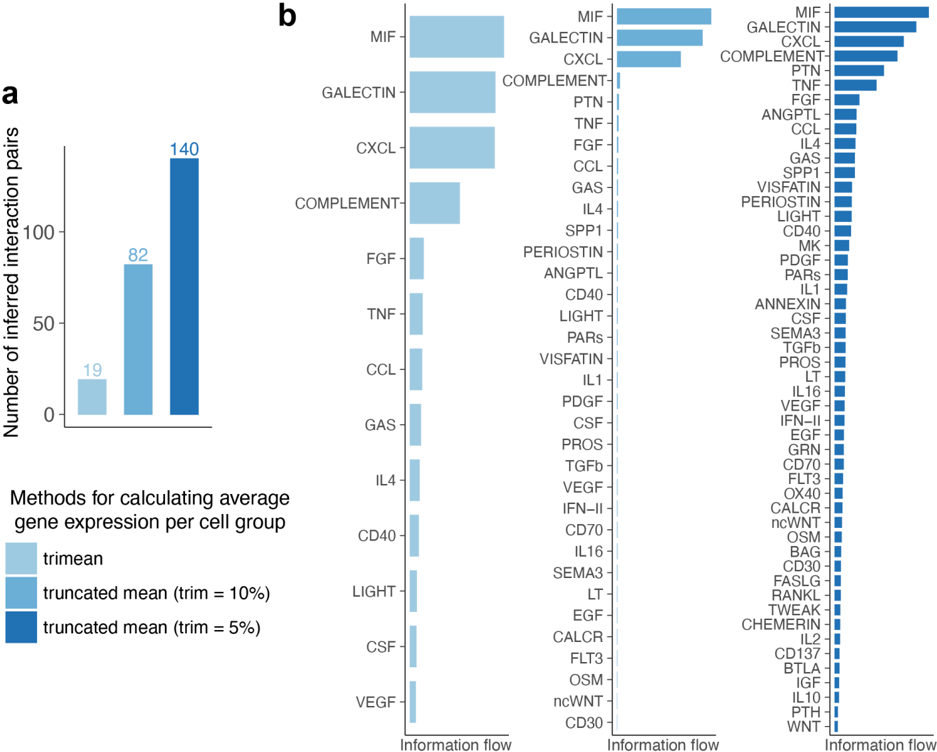
“The inferred cell-cell communications depend on the method for computing average expression per cell group.”
§ CellChat for systematic analysis of cell-cell communication from single-cell and spatially resolved transcriptomics > Troubleshooting
plainstates a cause- Asserted: passes — The authors put it forward as true.
- Checkable: passes — It can be checked against evidence.
- Load-bearing: unclear — It is unclear whether the paper’s conclusions depend on it.
- Based: passes — The paper gives a reason why it holds.
A result the paper states — it cites no source for it, so there is none to check. The quote shows it is in the paper.
In the paper
“CellChat can identify the signaling networks with larger (or smaller) difference based on their Euclidean distance in the shared two-dimensions space.”
§ CellChat for systematic analysis of cell-cell communication from single-cell and spatially resolved transcriptomics > Running
plainstates an association- Asserted: passes — The authors put it forward as true.
- Checkable: passes — It can be checked against evidence.
- Load-bearing: passes — The paper’s conclusions depend on it.
- Based: passes — The paper gives a reason why it holds.
38 more claims
Create a free account to see all 140 claims and to verify the 39 references still open.
- Probably not a substantial claim. 81
- It may state two separate claims as one. 36
- The quote only partly states this claim. 1
Claims other papers make about this one
Each is checked against this paper’s own text: does it say what the citing paper says it does?
In the citing paper
“The predicted total number of significant ligand–receptor interactions for each pair of cell types indicated that monocytes were the main drivers of cell-to-cell communication, increasing from NS as early as in SS and through advanced MASH, whereas lymphocyte interactions peaked in early MASH but decreased in advanced MASH (Fig. 8a).”
In the citing paper
“Pathway-level analysis of these clusters demonstrated increased inferred signaling through synaptic pathways, including Glutamate, NRXN, GABA-A, and GABA-B (Fig. 4C–D), based on coordinated ligand-receptor expression patterns [97].”
From Tau Ablation Rewires Brain Cell Programs in Health and Restores Function in Disease (2026) · cites this paper as [97]
Citations
Cites
Comprehensive Integration of Single-Cell Data
Stuart, T., Butler, A., Hoffman, P., Hafemeister, C., Papalexi, E., Mauck, W. M., Hao, Y., Stoeckius, M., Smibert, P., & Satija, R. (2019) · Cell · doi:10.1016/j.cell.2019.05.031 · Cited by 15,453
Inference and analysis of cell-cell communication using CellChat
Jin, S., Guerrero-Juarez, C. F., Zhang, L., Chang, I., Ramos, R., Kuan, C.-H., Myung, P., Plikus, M. V., & Nie, Q. (2021) · Nature Communications · doi:10.1038/s41467-021-21246-9 · Cited by 8,409
Self-citationEfremova, M., Vento-Tormo, M., Teichmann, S. A., & Vento-Tormo, R. (2020) · Nature Protocols · doi:10.1038/s41596-020-0292-x · Cited by 3,449
Single-cell reconstruction of the early maternal–fetal interface in humans
Vento-Tormo, R., Efremova, M., Botting, R. A., Turco, M. Y., Vento-Tormo, M., Meyer, K. B., Park, J.-E., Stephenson, E., Polański, K., Goncalves, A., et al. (2018) · Nature · doi:10.1038/s41586-018-0698-6 · Cited by 2,358 · cited 1×
“The Python tool CellPhoneDB 12,19 is a pioneering method that considers multiple subunits of ligands and receptors to accurately represent known heteromeric molecular complexes.”
NicheNet: Modeling intercellular communication by linking ligands to target genes
Browaeys, R., Saelens, W., & Saeys, Y. (2020) · Nature Methods · doi:10.1038/s41592-019-0667-5 · Cited by 2,192
Deciphering cell–cell interactions and communication from gene expression
Armingol, E., Officer, A., Harismendy, O., & Lewis, N. E. (2021) · Nature Reviews Genetics · doi:10.1038/s41576-020-00292-x · Cited by 1,267
Integrating single-cell and spatial transcriptomics to elucidate intercellular tissue dynamics
Longo, S. K., Guo, M. G., Ji, A. L., & Khavari, P. A. (2021) · Nature Reviews Genetics · doi:10.1038/s41576-021-00370-8 · Cited by 1,059
An atlas of healthy and injured cell states and niches in the human kidney
Lake, B. B., Menon, R., Winfree, S., Hu, Q., Melo Ferreira, R., Kalhor, K., Barwinska, D., Otto, E. A., Ferkowicz, M., Diep, D., et al. (2023) · Nature · doi:10.1038/s41586-023-05769-3 · Cited by 743 · cited 2×
“Recently, state-and niche-dependent signaling pathways for reparative states in proximal and distal tubules have been identified by mining healthy and injured human kidney single-cell atlases 26 .”
Dimitrov, D., Türei, D., Garrido-Rodriguez, M., Burmedi, P. L., Nagai, J. S., Boys, C., Ramirez Flores, R. O., Kim, H., Szalai, B., Costa, I. G., et al. (2022) · Nature Communications · doi:10.1038/s41467-022-30755-0 · Cited by 664 · cited 3×
“With limited benchmarking studies 10,11,18 , the question of how to better validate the inferred signaling networks and their downstream gene outputs remains to be answered.”
Mapping the temporal and spatial dynamics of the human endometrium in vivo and in vitro
Garcia-Alonso, L., Handfield, L.-F., Roberts, K., Nikolakopoulou, K., Fernando, R. C., Gardner, L., Woodhams, B., Arutyunyan, A., Polanski, K., Hoo, R., et al. (2021) · Nature Genetics · doi:10.1038/s41588-021-00972-2 · Cited by 662
Cited by
Items 1,501–1,600 of 1,770
Targeting cellular senescence alleviates bone marrow agingPreprint
Yan, B., Han, J., Yang, Y., Zhang, P., Brant, J. O., Chang, J., Kim, H., Almeida, M., Kaur, P., Yuan, Q., et al. (2026) · bioRxiv (Cold Spring Harbor Laboratory) · doi:10.64898/2026.07.16.736849
CD301b+ tissue-resident macrophages drive bone repair as an early-responding subpopulation
Zhou, X., Zeng, H., Qu, S., Li, J., Luo, X., Tan, K., Gu, B., Zhao, Q., & Wang, J. (2026) · International Immunopharmacology · doi:10.1016/j.intimp.2026.116987
Shi, H., Qiao, L., Su, Q., Gao, H., & Cao, Y. (2026) · Frontiers in Oncology · doi:10.3389/fonc.2026.1962237
Jin, Z., Zhang, D., & Chen, L. (2026) · Bioengineering · doi:10.3390/bioengineering13020187
Yuan, J., Weng, Z., Li, Z., Chen, R., Cheng, C., Yang, W., Xie, X., Luo, C., Wang, T., Zhang, S., et al. (2026) · Cancer Immunology Immunotherapy · doi:10.1007/s00262-026-04454-4
Rad, L. M., Saunders, M. N., Williams, L. A., Janczak, K. W., Dorsett, C. L., Griffin, K. V., Bealer, E. J., Ma, J. A., Tillery, S. A., Roy, J., et al. (2026) · JCI Insight · doi:10.1172/jci.insight.199988
Tan, H. L., Tan, Y., Ortiz, J. R., Paul, M., Han, Z., Kelly, L., Toci, A., Plucińska, K., Tajima, Y., Shiao, R., et al. (2026) · bioRxiv (Cold Spring Harbor Laboratory) · doi:10.64898/2026.11.04.764326
Dysregulated tissue-resident lymphocytes drive senile emphysema by impairing alveolar regenerationPreprint
Su, Y., Yang, X., Ren, Z., Guan, Y., Zhou, X., Chi, S., Huang, Y., Yan, T., Liang, J., Gao, F., et al. (2026) · bioRxiv (Cold Spring Harbor Laboratory) · doi:10.64898/2026.04.22.720146
Hankeová, S., Hayne, M., Verhagen, M. P., Farber, G., Dourado, M., Sangaraju, D., Lee, K., Krishnamoorthy, P., Peralta, R., Seidel, K., et al. (2026) · bioRxiv (Cold Spring Harbor Laboratory) · doi:10.64898/2026.07.29.740998
Mehta, P., Mawer, C. M., Beattie, G., Smith, D. J. F., Nikola, F., Selway‐Clarke, H., Zhao, A. Y., Adams, T. S., Kunzemann-Martinez, A., Stanel, S. C., et al. (2026) · bioRxiv (Cold Spring Harbor Laboratory) · doi:10.64898/2026.09.11.750491
A platform for deep topographic multiomic mapping of the bone marrow environment in multiple myelomaPreprint
Lu, J., Wang, C., Davis, S., Watson, E., Jiang, C., Baker, W., Calcutt, E., Gooding, S., Hester, J., Issa, F., et al. (2026) · bioRxiv (Cold Spring Harbor Laboratory) · doi:10.64898/2026.09.22.753531
Shen, Y., Liang, W., Li, Q., Madison, J. A., Jing, R., Kaza, N., Chong, E., Bogle, R., Yalavarthi, S., Sarosh, C., et al. (2026) · medRxiv · doi:10.64898/2026.10.29.26366773
Desantis, D., & Schunter, C. (2026) · bioRxiv (Cold Spring Harbor Laboratory) · doi:10.64898/2026.10.28.762664
Plcg2 Deficiency Leads to Sex‐Associated Divergent Effects on Glial Transcriptomes
Hartigan, K. A., Dabin, L. C., Kersey, H. N., Jury, N., Sharify, A. D., Kim, B.-W., Lamb, B. T., Bissel, S. J., Lasagna‐Reeves, C. A., & Kim, J. (2026) · Glia · doi:10.1002/glia.70252
Deshpande, S., Kim, G.-A., Wang, L.-C., & Srinivasan, M. (2026) · Methods in molecular biology · doi:10.1007/978-1-0716-5272-5_9
Unified cell segmentation for spatial transcriptomics via transcript reassignmentPreprint
Zhang, J., Cheng, X., Wang, J., Chen, W., & Chen, H. (2026) · bioRxiv (Cold Spring Harbor Laboratory) · doi:10.64898/2026.11.03.764126
A cerebellar cognitive rheostat bidirectionally controls attentionPreprint
Jiang, S., Dong, Z., Song, Z., Yang, G., Shen, Z., Yin, X., Li, H., Ma, X., Ding, T., Zhao, Z., et al. (2026) · bioRxiv (Cold Spring Harbor Laboratory) · doi:10.64898/2026.03.22.713532
Kang, S., Li, N., Gong, Y., Chen, B., Cui, Z., Zhang, M., Tang, J., & Fu, J. (2026) · Scientific Reports · doi:10.1038/s41598-026-60177-7
TXNRD1-driven enteric glial remodeling promotes neuronal dysfunction in Hirschsprung disease
Li, Y., Wang, Y., Jin, Z., Tang, C., Xia, X., Gong, Y., Du, Q., Huang, L., Li, Z., Liao, Y., et al. (2026) · iScience · doi:10.1016/j.isci.2026.117636
Lee, S. S., Xue, Y., Li, A., Haddad, N. R., Curvin-Aquilla, L., Johnson, A., Willis, A. A., Lee, J., Kim, J., Winnicki, E., et al. (2026) · Journal of Investigative Dermatology · doi:10.1016/j.jid.2026.10.040
Swahn, H., Sakamoto, T., Kenvisay, C., Olmer, M., Uchida, Y., Asahara, H., Miller, R. E., Malfait, A., Orange, D. E., Mehta, B., et al. (2026) · bioRxiv (Cold Spring Harbor Laboratory) · doi:10.64898/2026.10.29.762608
连渊娥, Zhang, Z., Xia, D., Weng, Z., Ye, J., Zhang, S., Huang, X., Li, L., Lin, J., 周松强, et al. (2026) · Journal of Translational Medicine · doi:10.1186/s12967-026-08686-x
Liu, J., Fajnorovà, I., Ren, Y., Poku, K., Yang, S. M., Fu, Y.-H., Young, C. A., Lopez, L., Rosa, R., Hong, H., et al. (2026) · bioRxiv (Cold Spring Harbor Laboratory) · doi:10.64898/2026.07.02.736191
Epithelial dysfunction as a driver of symptoms in gastrointestinal disordersPreprint
Denadai‐Souza, A., Denadai‐Souza, A., Modave, E., Wu, Y., Alar, C., Morlanes, J. E., Galicia, L. A., Akkaya, C., van Sligtenhorst, M., Abalo, X. M., et al. (2025) · Research Square · doi:10.21203/rs.3.rs-7535904/v1
Wang, H., Park, S., Xin, X., Xin, H., Sun, B., & Li, X. (2026) · Foods · doi:10.3390/foods15203733
Cytotoxic lymphocyte death drives monocyte activation and TNF/IFN-γ synergism in TBK1 deficiency
Han, X., Dai, J., Xiao, J., Tian, Y., Jiang, G., Jin, T., Zheng, W., Wu, H., Dong, W., Yang, H., et al. (2026) · Cell Death and Disease · doi:10.1038/s41419-026-09223-w
Lineage recording reveals hijacked hepatic progenitor states as a common origin of HCC and ICCPreprint
Fan, J., Pei, J., Xu, N., Wang, X., Wang, X., Mao, S., Zhang, Y., Yu, L., Sun, Y., Gong, Y., et al. (2026) · bioRxiv (Cold Spring Harbor Laboratory) · doi:10.64898/2026.07.13.738237
Perik-Zavodskaia, O., Perik-Zavodskii, R., Alrhmoun, S., & Sennikov, S. (2026) · STAR Protocols · doi:10.1016/j.xpro.2026.104947
Endothelial cell cycle inhibition enables blood vessel maturation to normalize the tumor vasculature
Cain, S. R., Genet, G., Genet, N., Aragon, J. W., Jackson, M. G., Milosek, V. M., Schwartz, M. R., Paila, U., Cwiek, A., Markowska, Z., et al. (2026) · JCI Insight · doi:10.1172/jci.insight.203732
Transcriptomic reconstruction of an interregional molecular connectome in schizophreniaPreprint
Kwon, O., Kim, U., Webster, M. J., Kim, S., & Lee, D. (2026) · bioRxiv (Cold Spring Harbor Laboratory) · doi:10.64898/2026.10.05.756648
Targeting MDA5 induces immunogenic cell death and promotes anti-tumor immunity
Niu, Z., Cheng, B., Jiang, Y., Weng, Y., Xiao, Q., Long, G., Wei, C., Liu, Q., Chen, J., 温小凤, et al. (2026) · Nature Communications · doi:10.1038/s41467-026-78587-6
Wei, N., Su, Y., Hou, Y., Zhang, X.-Y., Liu, Z.-W., & Yang, C. (2026) · Journal of Chemical Information and Modeling · doi:10.1021/acs.jcim.6c01090
Grandke, F., Diener, C., Becher, B., Becker, A., Ludwig, N., Walch‐Rückheim, B., Tänzer, T., Dillmann, K.-U., Hart, M., Unger, M., et al. (2026) · bioRxiv (Cold Spring Harbor Laboratory) · doi:10.64898/2026.08.13.744357
FLASH X-rays preserve neutrophil chromatin to boost antitumor immunityPreprint
Shi, X., Qiu, S., Yang, Y., Jiang, Y., Wang, J., Ding, X., He, Y., Lv, M., Li, H., Li, Q., et al. (2026) · bioRxiv (Cold Spring Harbor Laboratory) · doi:10.64898/2026.10.11.758276
Marella, S., Bogle, R., Zhang, H., Fox, J. P., Kirma, J., Xing, X., Klein, B., van Drongelen, V., Feister, Z., Zagairy, F., et al. (2026) · Science Translational Medicine · doi:10.1126/scitranslmed.aeb7924
Li, Y., Wei, Q., Li, G., Li, R., Li, Z., Wang, X., Zhang, L., Guo, Y., Sun, G., Li, W., et al. (2026) · Journal of Animal Science and Biotechnology/Journal of animal science and biotechnology · doi:10.1186/s40104-026-01526-4
A multi-center, single-arm, phase 2 trial of dasatinib in T follicular helper cell lymphomas
Suma, S., Sakata‐Yanagimoto, M., Suehara, Y., Ara, T., Goto, H., Usuki, K., Izutsu, K., Yamaguchi, M., Fukuhara, N., Sakaida, E., et al. (2026) · Nature Communications · doi:10.1038/s41467-026-78100-z
Lu, S., Zhang, W., Zhao, X., Feng, C., Chen, W., Shi, Y., & Fang, J. (2026) · International Journal of Biological Sciences · doi:10.7150/ijbs.137072
Gpnmb -positive lipid-associated macrophages contribute to lipid clearance during luteolysisPreprint
Liao, Y., Jain, K., & Ren, Y. A. (2026) · bioRxiv (Cold Spring Harbor Laboratory) · doi:10.64898/2026.08.31.748418
Hertzel, A. V., Ali, S. A., Bartolomucci, A., Wang, J., Niedernhofer, L. J., Bernlohr, D., Camell, C. D., & Robbins, P. D. (2026) · bioRxiv (Cold Spring Harbor Laboratory) · doi:10.64898/2026.10.26.761925
Draper, J., Reekie, I. R., Wickramasinghe, L. C., Sharma, S., Coles, M., Dick, A. D., Buckley, C., Kalirai, H., & Coupland, S. E. (2026) · iScience · doi:10.1016/j.isci.2026.117510
Zhou, Y., Yang, C., Gao, Y., Ye, S., Zhou, H., Lin, Z., Fu, Y., Ning, X., & Ke, C. (2026) · Translational Cancer Research · doi:10.21037/tcr-2025-2138
Luo, L., Dong, S., Yi, J., Xue, J. J., Zhao, Y., He, W., Yin, C., Jiang, C., & Xia, L. (2026) · International Journal of Biological Macromolecules · doi:10.1016/j.ijbiomac.2026.152331
Kalinchuk, A. V., Patskan, I. A., Grigoryeva, E. S., & Таширева, Л. А. (2026) · Exploration of Targeted Anti-tumor Therapy · doi:10.37349/etat.2026.1002388
EBF1 Regulates Cardiac Development Through Fibroblast to Myocyte Signaling
Kim, E. E., Gildea, M. A., Khodadadi‐Jamayran, A., Liu, F.-Y., Zhang, J., & Fishman, G. I. (2026) · Journal of Cardiovascular Development and Disease · doi:10.3390/jcdd13090451
Shao, R., Chi, P., Fan, Z., Bai, Y., Jiang, Z., Dai, F., Zhang, T., Qiu, G., Huang, F., Xu, N., et al. (2026) · Cell Reports · doi:10.1016/j.celrep.2026.118083
Immune Landscape and Intercellular Crosstalk in the Cornea of an Autoimmune-Mediated Dry Eye Disease
An, L., Robledo, M. A., Niknezhad, S. V., Ko, W., Zhang, B., Chen, Y. T., McNamara, N. A., & Knox, S. M. (2026) · Investigative Ophthalmology & Visual Science · doi:10.1167/iovs.67.12.32
Luo, S., Morisawa, N., Widjaja, A. A., Singh, B. K., Hausenloy, D. J., Yen, P. M., & Zhou, J. (2026) · Molecular Metabolism · doi:10.1016/j.molmet.2026.102417
Li, B., Kumamoto, S., Nakano, Y., & Johmura, Y. (2026) · Biological and Pharmaceutical Bulletin · doi:10.1248/bpb.b26-00440
Nguyen, T. M., Hao, K., Garry, D. J., & Zhang, J. (2026) · Biomolecules · doi:10.3390/biom16101477
Nakamura, S., Tsubouchi, K., Yamamoto, Y., Takano, T., Nakatsuru, K., Takenaka, T., Hashisako, M., Oda, Y., & Okamoto, I. (2026) · bioRxiv (Cold Spring Harbor Laboratory) · doi:10.64898/2026.06.15.732243
Qi, Z., Wu, C., Qian, Q., Zeng, Z., Xiao, J., & Zhao, D. (2026) · International Journal of Molecular Sciences · doi:10.3390/ijms27209382
Lin, Y. (2026) · VTechWorks (Virginia Tech)
Brauer, V. S., Takemura, K., Rosati, B., Neto, M. P. C., Dasilva, D., Singh, N., Normile, T. G., Vaccaro, G., Caso, G., Singh, H., et al. (2026) · Nature Communications · doi:10.1038/s41467-026-73516-z
MBNL depletion drives stem cell fusion and immature myonuclear states in myotonic dystrophy type 1
Todorow, V., Lornage, X., Hayashi, S., Grandi, F. C., Clerc, Z., Lainé, J., Ney, M., Lemaître, M., Rouxel, C., Kondili, M., et al. (2026) · Nature Communications · doi:10.1038/s41467-026-76476-6
MET inhibition exploits conserved regulatory dependencies in malignant rhabdoid tumorsPreprint
Sentís, I., Cebria‐Xart, A., Rovira, Q., Melón-Ardanaz, E., Hernandez, C. J. R., Morabito, S., Caballé, A., Ruano, I., Urpi, A., Caballero, M., et al. (2026) · bioRxiv (Cold Spring Harbor Laboratory) · doi:10.64898/2026.11.03.763704
Shan, N., Chen, S., Liu, Z., Wen, Z., Wang, J., Yu, Y., Liu, X., Ning, S., & Chen, H. (2026) · BMC Infectious Diseases · doi:10.1186/s12879-026-13514-0
RUNX1‐Mediated Hypoxic Signaling Impairs Myogenesis and Promotes Fibrosis in Myopathies
Liang, Z., Hou, T., Zhang, L., Gao, F., & Xing, T. (2026) · Advanced Science · doi:10.1002/advs.78533
Silva, I. D. D., Wuidar, V., Blacher, S., Nisolle, M., Métivier, R., & Péqueux, C. (2026) · iScience · doi:10.1016/j.isci.2026.118199
Choi, M. E., Choi, J. H., Shin, H., Won, C. H., Chang, S. E., Lee, M. W., & Lee, W. J. (2026) · Journal of Investigative Dermatology · doi:10.1016/j.jid.2026.07.023
Zhang, N., Wan, T., Zhang, S., Jiang, Y., Su, P., Liu, J., Chen, Z., Hao, J., Wang, H., Chen, B., et al. (2026) · Advanced Science · doi:10.1002/advs.77897
Exploring Interlayer Cellular Heterogeneity in Hypertensive Mice Aortas
Vu, K. N. D. (2025) · eScholarship (California Digital Library)
Spatialsnake: a flexible workflow for spatial transcriptomics analysis across platformsPreprint
Lin, Z., Zhang, Z., Huang, N., Lu, Z., & Xu, S. (2026) · bioRxiv (Cold Spring Harbor Laboratory) · doi:10.64898/2026.10.27.762082
Griffioen, M. K., Lombardi, A., Milstead, R. A., Borski, C., Zou, S., Stitzel, J. A., Ehringer, M. A., & Hoeffer, C. A. (2026) · bioRxiv (Cold Spring Harbor Laboratory) · doi:10.64898/2026.11.04.764395
Duong, A., Moshkelgosha, S., Wong, A., Burman, A., Bei, K. F., Ramendra, R., Ishiwata, T., Hinz, B., MacParland, S. A., Liu, M., et al. (2026) · bioRxiv (Cold Spring Harbor Laboratory) · doi:10.64898/2026.09.04.749490
Liu, Y., Zhang, Z., Tao, Y., Rahgav, L., Gray-Gaillard, S. L., Hussaini, Y., Pan, M., Shamber, J., Kwak, J., Park, S. L., et al. (2026) · bioRxiv (Cold Spring Harbor Laboratory) · doi:10.64898/2026.03.10.710574
Pei, Y., Li, P., Pu, Z., Xu, D., & Yang, W. (2026) · Frontiers in Oncology · doi:10.3389/fonc.2026.1989759
Yang, S., Li, Y., Sun, D., Shi, C., Li, Q., & Liu, S. (2026) · BMC Biology · doi:10.1186/s12915-026-02743-z
The molecular consequences of hypertension on the human prefrontal cortex
Han, H. (2025) · Oxford University Research Archive (ORA) (University of Oxford) · doi:10.5287/ora-yjv9o98op
Park, G. Y., Baek, B.-S., Kim, K.-H., Kim, S.-J., Eccles, J. D., Kim, M., You, S., & Ascoli, C. (2026) · Research Square · doi:10.21203/rs.3.rs-10682967/v1
Baek, B.-S., Kim, K.-H., Kim, S.-J., Eccles, J. D., Kim, M., You, S., Ascoli, C., & Park, G. Y. (2026) · bioRxiv (Cold Spring Harbor Laboratory) · doi:10.64898/2026.08.31.748358
Dalal, V., Zhou, Y., Deb, D. K., Thomson, B. R., Nelson, Ledogar, G., Misener, S., Maekawa, H., Chang, A., Chung, E., et al. (2026) · American Journal of Physiology-Renal Physiology · doi:10.1152/ajprenal.00490.2025
Shi, X., Cao, X., Guan, B., Wu¹, W., 朱海轸, Fu, Y., Guo, X., & Wang, T. (2026) · Neoplasia · doi:10.1016/j.neo.2026.101401
于金香, Feng, X., Zhang, H., Jia, L., Ma, P., Cao, L., Zhang, N., & Zhao, T. (2026) · Journal of Thoracic Disease · doi:10.21037/jtd-2026-0896
Loss of Lepr in Fibroblasts Drives Tumor Development by Promoting Macrophage Infiltration
Song, M., Yang, W., Qi, B., Hou, L., Yang, X., Xu, J., Tian, S., Jin, S., Yu, L., Yu, Z., et al. (2026) · Advanced Science · doi:10.1002/advs.78562
Self-citationSelective vulnerability and resilience of thalamic neuronal populations in Frontotemporal DementiaPreprint
Trujillo, A., Sohn, M., Macias, M., Grochowska, M., Joyce, J., Ber, I. L., Huh, D., Schulmann, A., McMahon, F. J., Keuren‐Jensen, K. R. V., et al. (2026) · Research Square · doi:10.21203/rs.3.rs-10670822/v1
Wang, X., Xiong, X., Xu, C., Han, H., Guan, A., Gao, Y., Yan, Q., Shen, K., & Li, J. (2026) · medRxiv · doi:10.64898/2026.03.28.26349317
Clonal evolution and stromal crosstalk drive an invasive epithelial program in bladder cancer
Luo, Y., Liu, X., Zhu, S., Lin, P., Li, J., You, J., Chen, Z. R., Kang, Z., & Zeng, J. (2026) · Frontiers in Cell and Developmental Biology · doi:10.3389/fcell.2026.1809774
Tsang, A. P., Elhossiny, A. M., di Magliano, M. P., & Rao, A. (2026) · Methods in molecular biology · doi:10.1007/978-1-0716-5027-1_8
Wu, J., Fan, J., Sha, T., & Li, H. (2026) · Scientific Reports · doi:10.1038/s41598-026-56434-4
Zhong, J., Tan, J., He, Y., Xu, Y., Chen, C., Luo, J., Zhang, C., & Xiong, D. (2026) · Journal of Translational Medicine · doi:10.1186/s12967-026-08064-7
Excess muscle plasma membrane leak disrupts ECM content and shifts macrophage-mediated muscle repair
Lee, G., Fitt, A. J., Long, A. M., Vaught, L. A., DeBiasse, D., Keeble, A. R., Kwon, J. M., Page, P., Daher, M., Hadhazy, M., et al. (2026) · JCI Insight · doi:10.1172/jci.insight.205137
Motevasseli, M., Eterafi, M., Alaei, H., Zandi, P., Shajari, N., Tabrizi, M. H., & Safarzadeh, E. (2026) · bioRxiv (Cold Spring Harbor Laboratory) · doi:10.64898/2026.08.29.747960
Mao, Y., Zhang, Y., Zhang, Y., Lin, D., Song, Y., Niu, X., Xv, P., Wang, Y., & Wei, Z. (2026) · Translational Oncology · doi:10.1016/j.tranon.2026.102949
D’Souza, C., Thio, N., Zhu, R., DeSilva, H., Mempin, M., Martelotto, L. G., Semple, T., Thompson, E. R., Lade, S., Magnusson, M., et al. (2026) · Leukemia · doi:10.1038/s41375-026-03049-3
Shi, W., Zhang, J. N., Sun, B., & Li, P. (2026) · Translational Cancer Research · doi:10.21037/tcr-2026-0553
Abedi, Z., Goharrizi, M. A. S. B., Zakeri, N. S. S., Abbasi, A., Susanabadi, A., & Jangi, H. (2026) · Network Modeling Analysis in Health Informatics and Bioinformatics · doi:10.1007/s13721-026-00888-z
Tracing cell communication programs across conditions at single cell resolution with CCC-RISEPreprint
Ramirez, A., Thomas, N., Calabrese, D. R., Greenland, J. R., & Meyer, A. S. (2026) · bioRxiv (Cold Spring Harbor Laboratory) · doi:10.64898/2026.04.14.718551
Martini‐Stoica, H., Rupp, B., Kunz, M., Livraghi-Butrico, A., Okuda, K., O'Neal, W., Randell, S., Dang, H., Murano, H., Furusho, M., et al. (2026) · International Forum of Allergy & Rhinology · doi:10.64898/2026.07.01.26356778
A unified framework for defining and analyzing spatial niches in spatial omics data analysis
Liu, P., & Li, J. J. (2026) · Nature Genetics · doi:10.1038/s41588-026-02813-6
Song, Y., Newton, J. D., Abedi, K., Toukan, S., Zhang, J., Lam, T., Yang, S., Yang, J., Salih, R., Kanagarajah, K. R., et al. (2026) · Communications Biology · doi:10.1038/s42003-026-11176-x
Klötergens, A., Inserte, C., de Faria, F. W., Verma, A., Schüftan, E., Roy, R., Banerjee, V., Albert, T., Lu, I., Kordes, U., et al. (2026) · Genome Medicine · doi:10.1186/s13073-026-01814-8
Hua, L., Fu, J., Gu, X., Zhou, S., & Feng, X. (2026) · Digestive Diseases and Sciences · doi:10.1007/s10620-026-09921-7
Juda, M., Sarver, D. C., Cheng, J., Hilser, J. R., Li, X. S., Yokota, T., Li, C., Pan, C., Zhou, Z., Arrieta, A., et al. (2026) · medRxiv · doi:10.64898/2026.05.05.26352474
van der Meulen, M., Pool, E. S., Perzolli, A., Koedijk, J. B., Argiro, E. M., Chen, L., de Jonge, W. J., Schweighart, E. K., Vermeulen, M. A., Nierkens, S., et al. (2026) · bioRxiv (Cold Spring Harbor Laboratory) · doi:10.64898/2026.08.07.743431
Babal, Y. K., Sarkkinen, J., Ahvenainen, E., Susi, A., Saarela, M., Kurdo, G., & Laakso, S. M. (2026) · medRxiv · doi:10.64898/2026.10.25.26366311
Zhou, B., Zhang, S., Shen, Z., Si, Y., Luo, T., Shen, H., Wei, W., Yang, Q., Duan, M., Wang, Z., et al. (2026) · Drug Resistance Updates · doi:10.1016/j.drup.2026.101417
Discovery-locked cross-platform evaluation of a cervical epithelial transcriptional state
Zheng, Y., Yi, H., Zhu, L., Huang, J., Liu, S., & Zheng, X. (2026) · Functional & Integrative Genomics · doi:10.1007/s10142-026-02088-4
Metadata
- Authors
- Jin, S., Plikus, M. V., & Nie, Q.
- Affiliations
- Wuhan University (CN)
- University of California, Irvine (US)
- Corresponding author
- Jin, Suoqin
- Nie, Qing
- Venue
- Nature Protocols
- Published
- 2024-09-16
- Volume
- 20
- Issue
- 1
- Pages
- 180-219
- ISSN
- 1750-2799 (ISSN-L)
- 1754-2189
- OpenAlex
- W4402604581
- Semantic Scholar
- 92038ff7c7f4449feeb0df9fa2b16d02169fdd86
- Cited by
- 1,448
- References
- 54
- Citations by year
- 2026: 821 · 2025: 542 · 2024: 82
- FWCI
- 196.85
- Type
- journal article
- Language
- en
- Open access
- green
- doi.org
- Licence
- cc-by-nc-nd
- www.springernature.com/gp/researchers/text-and-data-mining (tdm)
- www.springernature.com/gp/researchers/text-and-data-mining (vor)
- Locations
- Nature Protocols (publishedVersion)
- bioRxiv (Cold Spring Harbor Laboratory) (acceptedVersion, cc-by-nc-nd)
- PubMed (publishedVersion)
- Funders
- National Science Foundation (MCB2028424)
- Foundation for the National Institutes of Health (R01AR079150, R01DE030565)
- National Natural Science Foundation of China (92374108)
- Topics
- Life Sciences › Biochemistry, Genetics and Molecular Biology › Molecular Biology › Single-cell and spatial transcriptomics
- Life Sciences › Biochemistry, Genetics and Molecular Biology › Molecular Biology › Bioinformatics and Genomic Networks
- Life Sciences › Biochemistry, Genetics and Molecular Biology › Molecular Biology › Gene Regulatory Network Analysis
- Keywords
- intercellular communication, CellChat, single-cell transcriptomics, ligand-receptor interactions, mass action model, cofactors, interactive visualization
- MeSH terms
- Animals, Cell Communication, Humans, Software, Computational Biology, Gene Expression Profiling, Single-Cell Analysis, Transcriptome
About these checks
Registry, retraction, Cites and statistics results are computed, not judged, with one exception: a printed reference that no index lists is read once by a model before it counts as a citation error. Claims are extracted by a model and kept only when their quote appears verbatim in the text; each cited source is then checked, with a model’s help, for whether it says what the claim relies on. Those verdicts can be wrong — read the claim’s quote and the cited source before relying on one.
The claim verdicts this report counts are experimental: their accuracy is not yet measured.
A language model drew the claims from the paper on 2026-11-22, under version 3 of the claim definition (model deepseek-v4.1-flash, prompt extract-v3).
A second model labelled each claim on 2026-11-22 (model jev-1.13-20260917, definition revision gold-guideline-v0.2).
Cited sources are checked with a language model’s help (qwen3.8-omni-flash).
Statistics and arithmetic are recomputed, not judged.
Confidence bands are shown only for fields calibrated on our annotated test set. None is calibrated yet, so no band is shown.
What counts as a claim ›How we measure confidence ›How we check this ›
Are you an author, or do you see a problem with this page? Request a review
Data sources
Bibliographic data: Semantic Scholar, OpenAlex, Crossref.
Contains information from the Semantic Scholar Academic Graph Datasets, made available under the ODC Attribution License (ODC-BY 1.0).
Semantic Scholar’s data is described in: Kinney, R., et al. (2023). The Semantic Scholar Open Data Platform. arXiv:2301.10140.
