

CellChat for systematic analysis of cell–cell communication from single-cell transcriptomics
Open accessPublished version of a preprint
The DOI matches its Crossref record; 64 of the 64 references it cites were found in a registry or an index; 2 of the 41 sources its claims cite were checked for support.
Abstract
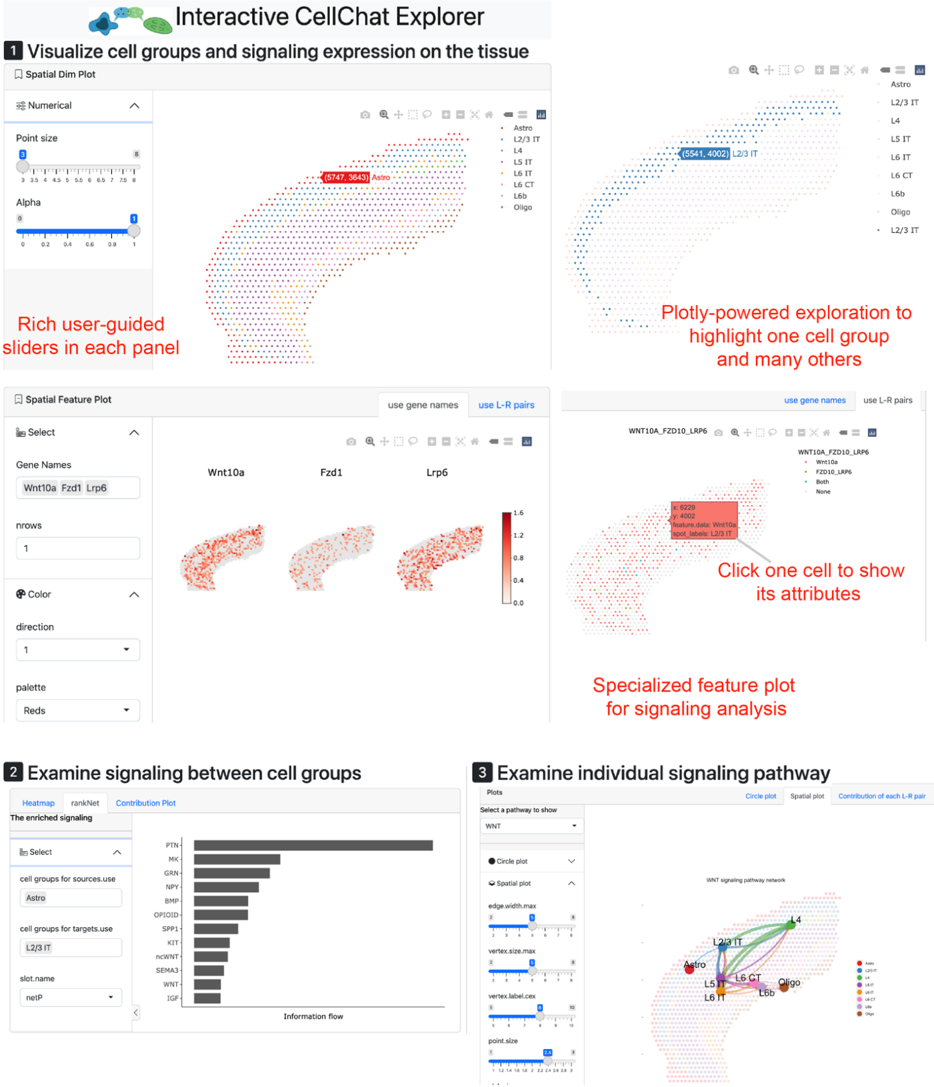
Recent advances in single-cell sequencing technologies offer an opportunity to explore cell-cell communication in tissues systematically and with reduced bias. A key challenge is integrating known molecular interactions and measurements into a framework to identify and analyze complex cell-cell communication networks. Previously, we developed a computational tool, named CellChat, that infers and analyzes cell-cell communication networks from single-cell transcriptomic data within an easily interpretable framework. CellChat quantifies the signaling communication probability between two cell groups using a simplified mass-action-based model, which incorporates the core interaction between ligands and receptors with multisubunit structure along with modulation by cofactors. Importantly, CellChat performs a systematic and comparative analysis of cell-cell communication using a variety of quantitative metrics and machine-learning approaches. CellChat v2 is an updated version that includes additional comparison functionalities, an expanded database of ligand-receptor pairs along with rich functional annotations, and an Interactive CellChat Explorer. Here we provide a step-by-step protocol for using CellChat v2 on single-cell transcriptomic data, including inference and analysis of cell-cell communication from one dataset and identification of altered intercellular communication, signals and cell populations from different datasets across biological conditions. The R implementation of CellChat v2 toolkit and its tutorials together with the graphic outputs are available at https://github.com/jinworks/CellChat . This protocol typically takes ~5 min depending on dataset size and requires a basic understanding of R and single-cell data analysis but no specialized bioinformatics training for its implementation.
Overview
CoChat Summary
TL;DR
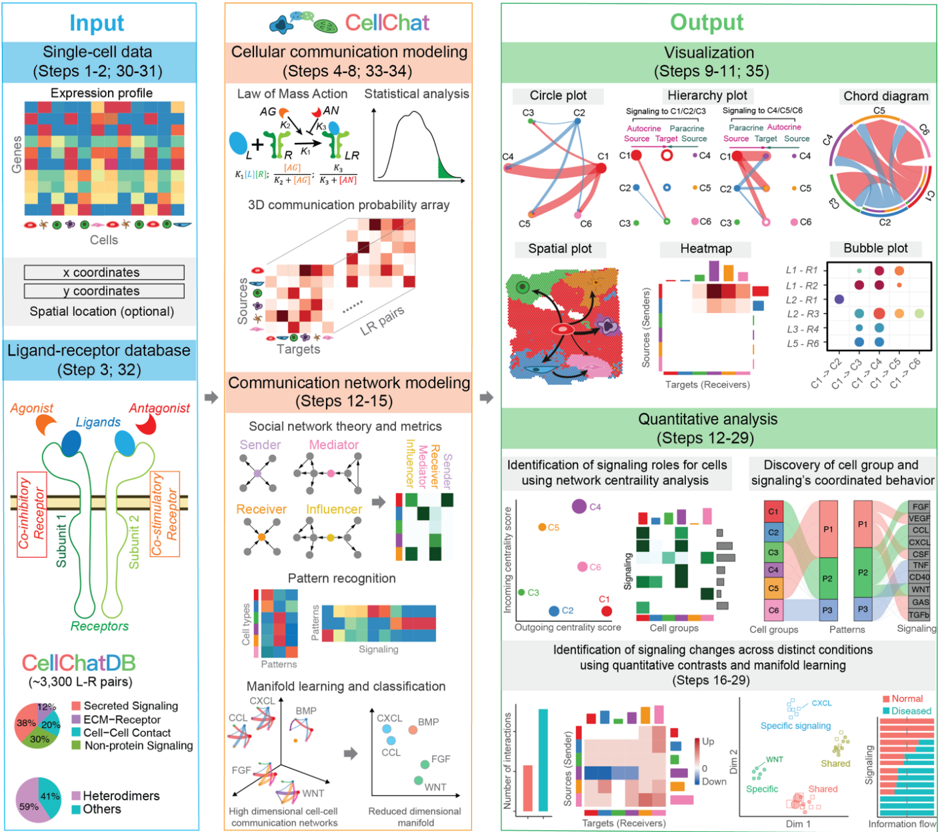
CellChat v2 is an R toolkit and step-by-step protocol for inferring, analyzing, and comparing cell–cell communication from scRNA-seq and spatially resolved transcriptomics. It extends the original CellChat with spatial proximity constraints, expanded ligand–receptor resources, comparison tools, and interactive exploration.
Key findings
- CellChat v2 infers communication probability using a simplified mass action-based model that incorporates multi-subunit ligand–receptor complexes and cofactors, with significance assessed by permutation tests.
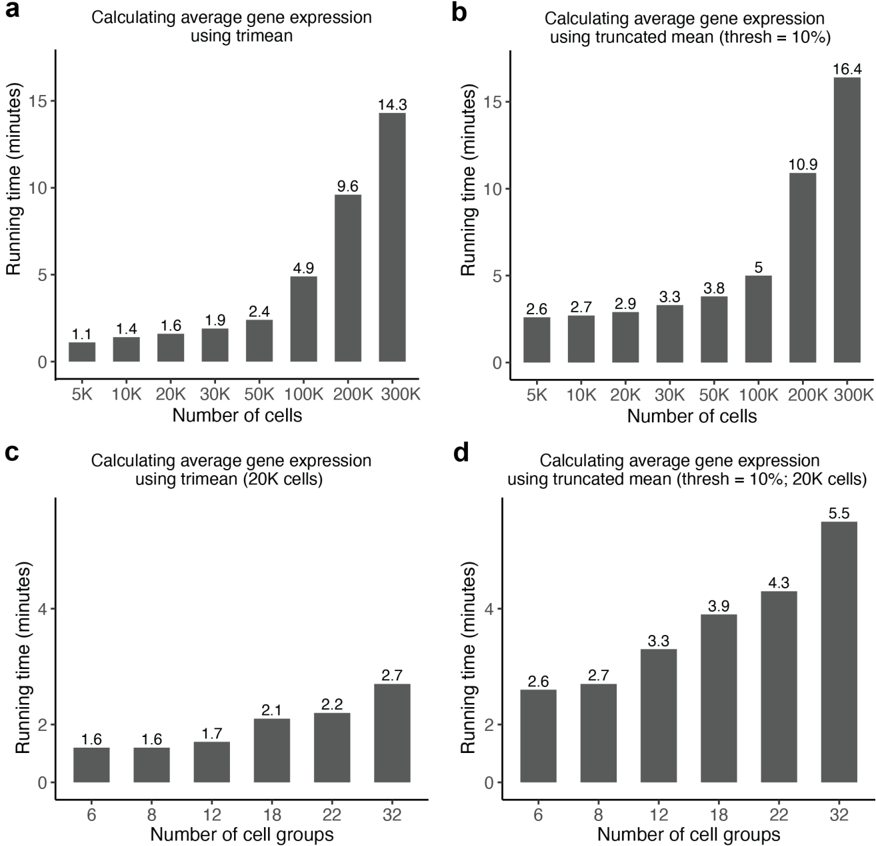
- The protocol typically takes around 20 minutes and requires no specialized prior bioinformatics training; CellChat ran in ~15 mins on an adult human skin atlas of ~300,000 cells.
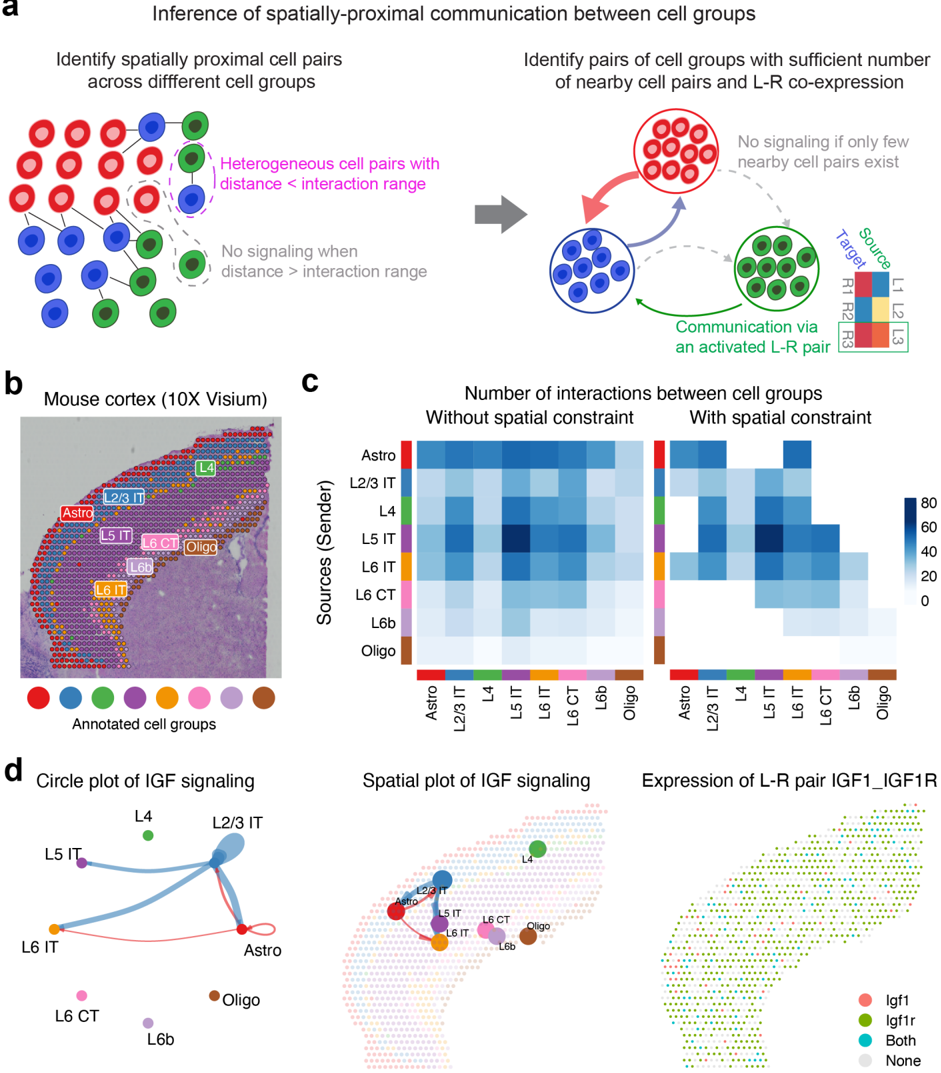
- CellChatDB was expanded to include more than 1,000 protein and non-protein interactions, with a total of ~3,300 interactions for both mouse and human; spatial inference uses a default maximum diffusion range of 250 µm.
- In systematic evaluations of more than 15 cell–cell communication inference methods, CellChat was among the top-performing methods.
Methods
- Step-by-step protocol for using CellChat v2 on scRNA-seq and spatially resolved transcriptomic data, requiring normalized gene expression data, user-assigned cell labels, and, for spatial data, spatial locations plus scale factors/spot diameters.
- Main analyses include ligand–receptor- and pathway-level communication inference, network centrality analysis, pattern recognition, manifold learning, differential expression, and cross-condition comparison; spatial inference first identifies physically proximal cell pairs within a maximum diffusion range and then cell-group pairs with sufficient nearby cell pairs.
- Example applications include human skin non-lesional vs lesional atopic dermatitis, embryonic mouse skin E13.5 vs E14.5, mouse brain 10X Visium, and human adult intestine 10X Visium data.
Limitations
- The paper states that CellChatDB may miss ligand–receptor interactions, though users can update it; CellChat infers interactions between defined cell groups without considering heterogeneity within those groups; and it is limited to hypothesis generation with heuristics and limited benchmarking.
- The paper also states that cross-condition analysis is largely restricted to pairwise comparisons, non-protein communication is estimated via key mediators or enzymes, and the simplified mass action model plus lack of downstream signaling events may limit inference accuracy.
- The text makes evident that output quality depends on dataset quality, including sufficient sequencing depth, simultaneous measurement of paired ligand and receptor genes in image-based spatial methods, batch effects, and the use of replicates and control datasets.
Model-written summary. Check it against the paper before relying on it.
Integrity signals
Registry
Cites
Statistics
Figures
Verification
Claims the paper makes
0 Valid · 15 Not valid · 26 Not checked · 99 Own results and interpretations
The cited sources that could be checked couldn’t confirm or dispute this claim.
In the paper
“Both CellChat v2 and CellPhoneDB v3 can eliminate some false positive communication links by utilizing spatial information.”
§ CellChat for systematic analysis of cell-cell communication from single-cell and spatially resolved transcriptomics > Running
What the sources say
- Could not verifycites [23] Yang, A.C. et al. Dysregulation of brain and choroid plexus cell types in severe COVID-19. Nature 595, 565-571 (2021). sourceExperimental — accuracy not yet measured
Our copy of Yang et al. (2021) applies only CellChat v.0.02 on snRNA-seq ligand–receptor expression (Methods, 'Cell–cell communication') and never mentions CellChat v2, CellPhoneDB (any version), or spatial-transcriptomic filtering of false-positive interactions. Searches for 'CellPhoneDB', 'spatial information / false positive communication links' and 'spatial transcriptomics' returned only the CellChat methods paragraph, the snRNA-seq QC/integration sections (which describe dissociated nuclei, no coordinates) and unrelated reference lists. The paper therefore makes no statement about the capabilities the claim attributes to it, so the claim can be neither supported nor contradicted from our copy. (LLM, conf=0.72)
plainstates a cause- Asserted: passes — The authors put it forward as true.
- Checkable: passes — It can be checked against evidence.
- Load-bearing: unclear — It is unclear whether the paper’s conclusions depend on it.
- Based: passes — The paper gives a reason why it holds.
- Rests on an assumption not shown here.
- Could not verify
None of the sources cited for this claim have been checked yet.
In the paper
“expanded the CellChatDB to include more than 1000 protein and non-protein interactions (e.g., metabolic and synaptic signaling) with rich annotations, based on the peer reviewed literature and existing databases such as CellPhoneDB 10 and NeuronChatDB 11”
§ CellChat for systematic analysis of cell-cell communication from single-cell and spatially resolved transcriptomics > Development of the protocol
What the sources say
- Could not verifycites [10] Dimitrov, D. et al. Comparison of methods and resources for cell-cell communication inference from single-cell RNA-Seq data. Nat Commun 13, 3224 (2022). sourceExperimental — accuracy not yet measured
Our copy of Dimitrov et al. (2022) treats CellChatDB only as one of the resources benchmarked: Table 1 lists 'CellChat#14 | CellChatDB' with its scoring system, and the Results section 'Resource uniqueness and overlap' (with Fig. 2 lineage and Fig. 3) reports that CellChatDB includes protein complexes and shares on average ~40-50% of the interactions present in other resources, with curated inputs from Guide to Pharmacology, CellPhoneDB, HMPR and Ramilowski commonly incorporated into later resources. No passage describes a CellChat v2 release, an expansion to more than 1000 protein and non-protein (metabolic, synaptic) interactions, or 'rich annotations', and NeuronChatDB is not mentioned anywhere; the CellChat work cited here is Jin et al. (2021), ref. 14/54. Searches for 'CellChat v2', 'non-protein interactions', 'NeuronChatDB', 'metabolic and synaptic signaling' and 'CellChatDB curation/number of interactions' returned nothing addressing the claim, so the attributed statement can be neither confirmed nor contradicted from our copy. (LLM, conf=0.72)
- Not checked yetcites [11] Liu, Z., Sun, D. & Wang, C. Evaluation of cell-cell interaction methods by integrating single-cell RNA sequencing data with spatial information. Genome Biol 23, 218 (2022). source
Checked before — its earlier verdict is held back until a new check runs.
plainstates a cause- Asserted: passes — The authors put it forward as true.
- Checkable: passes — It can be checked against evidence.
- Load-bearing: passes — The paper’s conclusions depend on it.
- Based: passes — The paper gives a reason why it holds.
- Could not verify
A result the paper reports from its own data — it cites no other source for it, so there is none to check. The quote shows it is in the paper.
In the paper
“CellChat computationally scales well with the number of cells and cell groups in the data, as reflected by the observed running time of ~15 mins on a single cell atlas of adult human skin with ~300,000 cells”
§ CellChat for systematic analysis of cell-cell communication from single-cell and spatially resolved transcriptomics > Development of the protocol
plainstates an associationSingle case- Asserted: passes — The authors put it forward as true.
- Checkable: passes — It can be checked against evidence.
- Load-bearing: unclear — It is unclear whether the paper’s conclusions depend on it.
- Based: passes — The paper gives a reason why it holds.
A result the paper reports from its own data — it cites no other source for it, so there is none to check. The quote shows it is in the paper.
In the paper
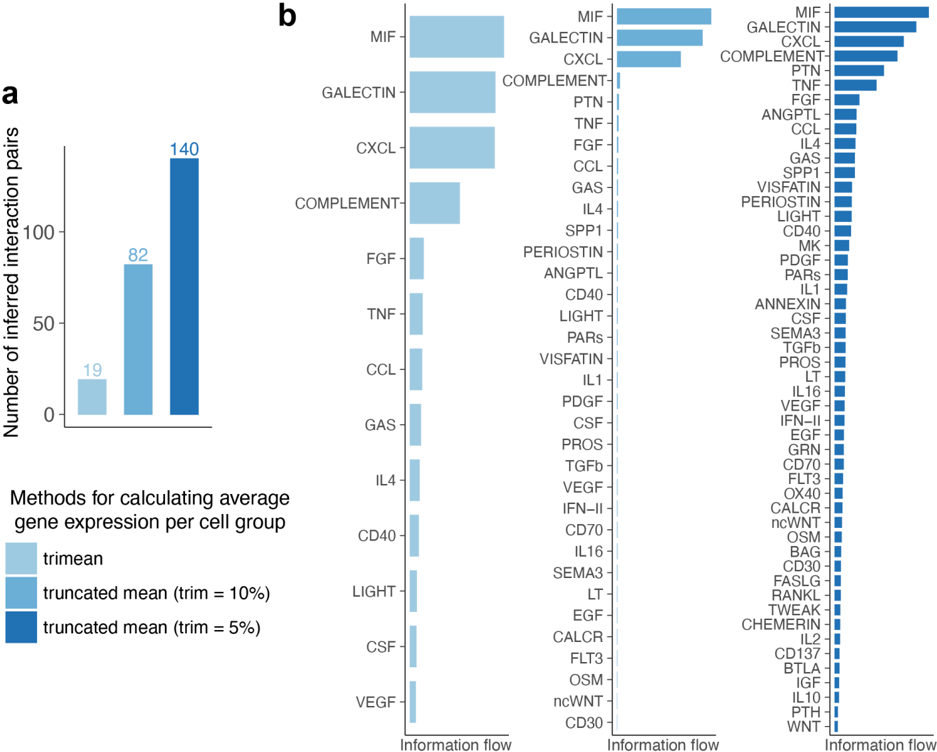
“The inferred cell-cell communications depend on the method for computing average expression per cell group.”
§ CellChat for systematic analysis of cell-cell communication from single-cell and spatially resolved transcriptomics > Troubleshooting
plainstates a cause- Asserted: passes — The authors put it forward as true.
- Checkable: passes — It can be checked against evidence.
- Load-bearing: unclear — It is unclear whether the paper’s conclusions depend on it.
- Based: passes — The paper gives a reason why it holds.
A result the paper states — it cites no source for it, so there is none to check. The quote shows it is in the paper.
In the paper
“CellChat can identify the signaling networks with larger (or smaller) difference based on their Euclidean distance in the shared two-dimensions space.”
§ CellChat for systematic analysis of cell-cell communication from single-cell and spatially resolved transcriptomics > Running
plainstates an association- Asserted: passes — The authors put it forward as true.
- Checkable: passes — It can be checked against evidence.
- Load-bearing: passes — The paper’s conclusions depend on it.
- Based: passes — The paper gives a reason why it holds.
38 more claims
Create a free account to see all 140 claims and to verify the 39 references still open.
- Probably not a substantial claim. 81
- It may state two separate claims as one. 36
- The quote only partly states this claim. 1
Claims other papers make about this one
Each is checked against this paper’s own text: does it say what the citing paper says it does?
In the citing paper
“The predicted total number of significant ligand–receptor interactions for each pair of cell types indicated that monocytes were the main drivers of cell-to-cell communication, increasing from NS as early as in SS and through advanced MASH, whereas lymphocyte interactions peaked in early MASH but decreased in advanced MASH (Fig. 8a).”
In the citing paper
“Pathway-level analysis of these clusters demonstrated increased inferred signaling through synaptic pathways, including Glutamate, NRXN, GABA-A, and GABA-B (Fig. 4C–D), based on coordinated ligand-receptor expression patterns [97].”
From Tau Ablation Rewires Brain Cell Programs in Health and Restores Function in Disease (2026) · cites this paper as [97]
Citations
Cites
Comprehensive Integration of Single-Cell Data
Stuart, T., Butler, A., Hoffman, P., Hafemeister, C., Papalexi, E., Mauck, W. M., Hao, Y., Stoeckius, M., Smibert, P., & Satija, R. (2019) · Cell · doi:10.1016/j.cell.2019.05.031 · Cited by 15,453
Inference and analysis of cell-cell communication using CellChat
Jin, S., Guerrero-Juarez, C. F., Zhang, L., Chang, I., Ramos, R., Kuan, C.-H., Myung, P., Plikus, M. V., & Nie, Q. (2021) · Nature Communications · doi:10.1038/s41467-021-21246-9 · Cited by 8,409
Self-citationEfremova, M., Vento-Tormo, M., Teichmann, S. A., & Vento-Tormo, R. (2020) · Nature Protocols · doi:10.1038/s41596-020-0292-x · Cited by 3,449
Single-cell reconstruction of the early maternal–fetal interface in humans
Vento-Tormo, R., Efremova, M., Botting, R. A., Turco, M. Y., Vento-Tormo, M., Meyer, K. B., Park, J.-E., Stephenson, E., Polański, K., Goncalves, A., et al. (2018) · Nature · doi:10.1038/s41586-018-0698-6 · Cited by 2,358 · cited 1×
“The Python tool CellPhoneDB 12,19 is a pioneering method that considers multiple subunits of ligands and receptors to accurately represent known heteromeric molecular complexes.”
NicheNet: Modeling intercellular communication by linking ligands to target genes
Browaeys, R., Saelens, W., & Saeys, Y. (2020) · Nature Methods · doi:10.1038/s41592-019-0667-5 · Cited by 2,192
Deciphering cell–cell interactions and communication from gene expression
Armingol, E., Officer, A., Harismendy, O., & Lewis, N. E. (2021) · Nature Reviews Genetics · doi:10.1038/s41576-020-00292-x · Cited by 1,267
Integrating single-cell and spatial transcriptomics to elucidate intercellular tissue dynamics
Longo, S. K., Guo, M. G., Ji, A. L., & Khavari, P. A. (2021) · Nature Reviews Genetics · doi:10.1038/s41576-021-00370-8 · Cited by 1,059
An atlas of healthy and injured cell states and niches in the human kidney
Lake, B. B., Menon, R., Winfree, S., Hu, Q., Melo Ferreira, R., Kalhor, K., Barwinska, D., Otto, E. A., Ferkowicz, M., Diep, D., et al. (2023) · Nature · doi:10.1038/s41586-023-05769-3 · Cited by 743 · cited 2×
“Recently, state-and niche-dependent signaling pathways for reparative states in proximal and distal tubules have been identified by mining healthy and injured human kidney single-cell atlases 26 .”
Dimitrov, D., Türei, D., Garrido-Rodriguez, M., Burmedi, P. L., Nagai, J. S., Boys, C., Ramirez Flores, R. O., Kim, H., Szalai, B., Costa, I. G., et al. (2022) · Nature Communications · doi:10.1038/s41467-022-30755-0 · Cited by 664 · cited 3×
“With limited benchmarking studies 10,11,18 , the question of how to better validate the inferred signaling networks and their downstream gene outputs remains to be answered.”
Mapping the temporal and spatial dynamics of the human endometrium in vivo and in vitro
Garcia-Alonso, L., Handfield, L.-F., Roberts, K., Nikolakopoulou, K., Fernando, R. C., Gardner, L., Woodhams, B., Arutyunyan, A., Polanski, K., Hoo, R., et al. (2021) · Nature Genetics · doi:10.1038/s41588-021-00972-2 · Cited by 662
Cited by
Items 1,101–1,200 of 1,770
Li, F., Chen, J., Wang, J., Zhu, Q., Chu, C., Zhang, Z., Deng, Y., Zhang, L. Z., Lu, X. J., Wang, W., et al. (2026) · Clinical and Translational Medicine · doi:10.1002/ctm2.70592
Semenov, D. V., Tatarnikova, I. S., Chesnokova, A. Y., Talyshev, V. A., Аркадьевна, З. М., & Logashenko, E. B. (2026) · Cells · doi:10.3390/cells15020115
“Cell–cell interactions were constructed with CellChat V2 [23,24].”
Medkour, H., Bocci, F., Schneider, N., Serrato-Pomar, I., Rey-Cadilhac, F., Liu, Y., Miot, E. F., Almet, A. A., Louarn, M., Aubourg, N., et al. (2026) · bioRxiv (Cold Spring Harbor Laboratory) · doi:10.64898/2026.01.08.698384 · Cited by 1
Self-citationLiu, Y., Lu, C., Hua, L., 蒿汉坤, ZHANG, Q., Zou, Z., Xiang, J., & Wang, Y. (2026) · Frontiers in Immunology · doi:10.3389/fimmu.2025.1728291
“In addition, mapping high-PTMRS expression patterns onto CellChat ligand – receptor networks revealed weakened communication between fi broblasts and immune cells, consistent with the immune-cold CRC TIME described in recent single-cell and spatial omics studies (19, 20).”
LI, Y., Zhang, X., Ghimire, K., Khatri, N., Wang, L., Liu, Q., Shiri, M., Shakoori, R., Upadhayaya, S., Li, B., et al. (2026) · bioRxiv (Cold Spring Harbor Laboratory) · doi:10.64898/2026.01.12.699153
Zhu, Z., Kanis, N. C., George, A. E., Albdewi, M. J., Li, Y., Mujeeb, A., McClellan, B. L., Singh, G., Liu, J., Al‐Holou, W. N., et al. (2026) · bioRxiv (Cold Spring Harbor Laboratory) · doi:10.64898/2026.01.13.699283
Berdasco, C., Cho, W.-H., Lee, J., Annu, A., Ledo, J. H., Jeong, Y. Y., Kim, Y.-S., An, S. S., Tanaka, Y., Ahn, J.-H., et al. (2026) · bioRxiv (Cold Spring Harbor Laboratory) · doi:10.64898/2026.01.14.699391
Neutrophil terminal programming in the ischemic heart drives fibrosis after myocardial infarctionPreprint
Piollet, M., Rizzo, G., Sakalli, E. T., El-Khabbaz, J., Gautier, M., Gendre, M., Timperi, L., Rizakou, A., Bandi, S. R., Krammer, T., et al. (2026) · bioRxiv (Cold Spring Harbor Laboratory) · doi:10.64898/2026.01.15.699253
“Probability of communication pathways and signaling pathway network were identified using CellChat (v.2.2.0) 24,25 .”
InfluentialGuo, X., Huang, Y., Sun, Y., Pu, W., Miao, P., Pan, Q., & Xie, N. (2026) · Clinical & Translational Oncology · doi:10.1007/s12094-025-04188-2
“To analyze the interactions between malignant cells and other cell populations in T4a-stage tumor tissues, we utilized the CellChat algorithm [23], a tool that employs a database of ligand–receptor connections to assess interactions between cells from scRNA-seq data (Fig.”
Gao, M., Luo, Y., & Guo, R. (2026) · Nano Research · doi:10.26599/nr.2026.94908440
Ma, J. A., Griffin, K. V., Kang, K., Diener, A., Schrack, I. A., Bealer, E. J., Rad, L. M., Pereles, R. S., Jeruss, J. S., & Shea, L. D. (2026) · Cell Biomaterials · doi:10.1016/j.celbio.2025.100343
“30 Investigating the major inflammation-related pathways present in the network, NP-treated moDCs increased transforming growth factor β (TGF-β ), CCL (Chemokine Ligand), interleukin (IL)-1, IL-12, and tumor necrosis factor (TNF) signaling, suggesting moDCs in the treated condition are more…”
Aldea, D., Guégan, S., Fakih, I., Moreno, M., de la Fouchardière, A., Pissaloux, D., Tirode, F., Puig‐Butillé, J. A., Villanueva‐Cañas, J. L., Torres, T., et al. (2026) · bioRxiv (Cold Spring Harbor Laboratory) · doi:10.64898/2026.01.20.700607
“CellChat infers the probability of intercellular communication by integrating gene expression profiles and spatial proximity with prior knowledge of ligand–receptor interactions (41).”
Ji, R., Geng, R., Zhang, Z., Gao, F., Zhang, P., Sun, Y., Liu, J., & Zhang, L. (2026) · Human Mutation · doi:10.1155/humu/8140041
“CellChat is another important method to help understand the interactions between cells [20].”
Zheng, Y., Lin, Y., Wang, Z., & Wu, F. (2026) · BMC Cancer · doi:10.1186/s12885-026-15602-5
“Intercellular communication networks were inferred using CellChat [31].”
Osmani, L., Shin, M. S., Lee, S. J., Cai, H. Q., Seong, W. J., Kim, H., Yoo, J., Kim, M. J., Bracamonte, W., Felix, M., et al. (2026) · bioRxiv (Cold Spring Harbor Laboratory) · doi:10.64898/2026.01.21.700902
Du, Z., Shi, W., Luo, N., Chu, C., Yang, Z., & Jiang, T. (2025) · International Conference on Bioinformatics and Biomedical Science (ICBBS) · doi:10.1145/3778067.3778074
Muxel, S. M., Fonseca, D. L. M., Bahia, I. A. F., da Silva, P., Gonçalves, L. M., de Sousa, E. S. A., Zanatta, J. M., Teixeira, C. A. D., Kato, K. T., Sales, M. O. R., et al. (2026) · bioRxiv (Cold Spring Harbor Laboratory) · doi:10.64898/2026.01.21.700363
Moos, P. J., Carey, A. F., Joseph, J., Kialo, S., Norrie, J., Moyareke, J. M., Amof, A., Nogua, H., Lim, A. L., & Barrows, L. R. (2026) · Virulence · doi:10.1080/21505594.2026.2624191
“CellChat quantifies the signaling communication probability between two cell groups using a simplified mass action-based model, which incorporates the core interaction between ligands and receptors with multi-subunit structure along with modulation by cofactors [34].”
Yang, C., Li, Z., Li, G., Mi, H., & Qin, Y. (2026) · PLoS ONE · doi:10.1371/journal.pone.0341270
“CellChat (v.1.6.1), an R-based computational platform, employs systematically curated ligand-receptor interaction databases to infer intercellular communication networks from single-cell transcriptomic data [37].”
InfluentialThe REFLEX system enables in vivo identification of perivascular angiogenic macrophages in the heartPreprint
Sato, T., Isagawa, T., Kawakami, T., Hosokawa, S., Ito, M., Sawaki, D., Sato, S., Nakagama, Y., Ono, K., Chuluun-Erdene, A., et al. (2026) · bioRxiv (Cold Spring Harbor Laboratory) · doi:10.64898/2026.01.27.702189
Ge, Z., Han, J., Takaesu, F., Brazhkina, O., Mishra, R., Sharma, S., Chen, L., Fu, X., Filipp, M. E., Wai, C. M., et al. (2026) · JACC Basic to Translational Science · doi:10.64898/2026.01.29.702616
“The R package, CellChat (v 2.0) 38 was utilized to infer global cell-cell communication patterns.”
InfluentialEsterly, A. T., Du, S., Lee, B., Johnson, E. E., Odell, A. V., Sefik, E., Yu, Q., Cui, Y., Ayyala, H. S., Haykal, S., et al. (2026) · mBio · doi:10.64898/2026.01.29.702514
“6.1) was used to determine possible receptor-ligand (R-L) interactions using the built in tools for visualization [46, 47].”
InfluentialEpithelial and stromal remodelling in murine Crohn’s disease-like ileitis
Letai, K. C., Islam, B. N., Menghini, P., Salvo, C. D., Khandekar, N. S., Armstrong, B. W., Tomar, A., Curry, K., Pizarro, T. T., Tesar, P. J., et al. (2026) · Gut Science · doi:10.1136/gutsci-2025-000008
“41 Based on the expression of ligands and receptors, this analysis predicted overall interaction strength between cell types.”
Activated Human Pancreatic Stellate Cells Signature Communication in Type 1 DiabetesPreprint
Yu, G., Petrilli, A. M., Glass, C. E., López, Y. O. N., Pratley, R. E., & Casu, A. (2026) · Research Square · doi:10.21203/rs.3.rs-8704281/v1
Predictive modeling of molecular activity underlying physical cell-cell interactions
Azad, T., Walker, S., Victora, G. D., & Pritykin, Y. (2026) · Cell Reports Methods · doi:10.1016/j.crmeth.2026.101301
“31 In a similar analysis as above, Gloss showed significant enrichment and better performance compared with other approaches”
Yamagchi, A., Ishikawa, K.-I., & Akamatsu, W. (2026) · bioRxiv (Cold Spring Harbor Laboratory) · doi:10.64898/2026.02.07.704302
Xie, J., Zhu, J., Zhou, C., & Yao, J. (2026) · bioRxiv (Cold Spring Harbor Laboratory) · doi:10.64898/2026.02.09.704987
Spatial immune hubs defined by conserved activated dendritic cells are remodeled by immunotherapyPreprint
Minowa, T., Keshari, S., He, S., Saha, A., Shavkunov, A. S., Pineda, J. E., Yeo, Y. Y., Zhu, B., Mohanty, V., Jindal, S., et al. (2026) · bioRxiv (Cold Spring Harbor Laboratory) · doi:10.64898/2026.02.10.703136
Crosstalk between Stromal Cells and Macrophages Shapes Host Immunity to MycobacteriaPreprint
Lößlein, A. K., Baasch, S., Wagner, L., Ritter, K., Lohrmann, F., Gräwe, K., Ghanem, N., Neuber, J., Hölscher, A., Markus, S., et al. (2026) · bioRxiv (Cold Spring Harbor Laboratory) · doi:10.64898/2026.02.05.704052
Xiao, C., Gao, F., Jiang, Y., Li, Q., Wang, X., Ma, Y., Ling, Z., Xu, Y., Zhang, C., Wu, H., et al. (2026) · Animals and zoonoses. · doi:10.1016/j.azn.2026.02.005
Cambraia, A., Schleh, M. W., Cartailler, J. P., Cutler, M., dos Santos, C., Many, G. M., Kim, H., Kim, Y., Nakayasu, E. S., Mogilenko, D. A., et al. (2026) · bioRxiv (Cold Spring Harbor Laboratory) · doi:10.64898/2026.02.15.705935
“Next, to determine the targets of cell-cell communication net-278 works involving Cd274/Pd-l1 signaling in AL and CR NOD islets, we applied the cell-cell com-279 munication inference algorithm CellChat ( 28 ) to analyze our islet snRNAseq data.”
Characterization of p16-positive stromal cells in age-related cardiac disorders
Morimura, T., Wang, T.-W., Kawakami, S., & Nakanishi, M. (2026) · The Journal of Biochemistry · doi:10.1093/jb/mvag013
Li, Y., Zhang, X., Li, S., Liu, X., Huang, Y., Wang, H.-Y., Liu, K., Wang, Q., Liu, Y., & Shao, C. (2026) · Fish & Shellfish Immunology · doi:10.1016/j.fsi.2026.111215
Immune landscape in NOD.H-2h4 mouse model thyroid revealed by single-cell RNA sequencing
Wang, B., He, L., Qiu, H., Zheng, L., He, W., Li, Z., Su, A., & Hu, Y. (2026) · Biochemical and Biophysical Research Communications · doi:10.1016/j.bbrc.2026.153484
Cao, X., Chen, Y., Li, T., & Wei, J. (2026) · Discover Oncology · doi:10.1007/s12672-025-03915-z
“0.2), which infers intercellular signaling networks based on known ligand–receptor interactions [26].”
InfluentialHayashi, S., Takeuchi, M., Nakano, T., Setoyama, D., Singh, S. A., Sonawane, A. R., Iwamoto, T., Kishimoto, H., Tsuchimoto, A., Yamada, S., et al. (2026) · bioRxiv (Cold Spring Harbor Laboratory) · doi:10.64898/2026.02.19.706727
Ma, Y., Zhang, X., Chen, X., & Zhang, D. (2026) · Phytomedicine · doi:10.1016/j.phymed.2026.157988
Petitprez, F., Graham, N., Webb, S., Morrison, G. M., Merotto, L., Webb, J., Xie, Y., Güney, E., Weiss, W. A., Finotello, F., et al. (2026) · bioRxiv (Cold Spring Harbor Laboratory) · doi:10.64898/2026.02.23.707276
A spatial transcriptomics comparison of the adult versus metamorphosed axolotl brain
Wang, S., Fu, S., Liu, X., Zeng, Y.-Y., Zhang, L., Zhang, N., Dai, X., Li, H., Gu, Y., Wei, X., et al. (2026) · Scientific Data · doi:10.1038/s41597-026-06917-w
“1.0) 19 .”
InfluentialWu, S., Wu, C., Yu, J., Li, Y., Lv, Y., Ding, L., Zhang, D., Zhou, Y., & Tang, J. (2026) · Clinical & Translational Oncology · doi:10.1007/s12094-026-04266-z
Emmerich, K., Suri, R., Yang, D., Liu, D., Huffstutler, R. D., Dmitrieva, N. I., Cudrici, C. D., Schwartzbeck, R., Ferrante, E. A., Hsu, I., et al. (2026) · bioRxiv (Cold Spring Harbor Laboratory) · doi:10.64898/2026.02.24.707845
Exercise Engages Coordinated Neuron–Glia Signaling to Shape Spinal Cord PlasticityPreprint
Mansingh, S., Dilbaz, S., Ritz, D., Santos, G., Steurer, S. A., & Handschin, C. (2026) · eLife · doi:10.7554/elife.110212.1
Exercise Engages Coordinated Neuron–Glia Signaling to Shape Spinal Cord PlasticityPreprint
Mansingh, S., Dilbaz, S., Ritz, D., Santos, G., Steurer, S. A., & Handschin, C. (2026) · eLife · doi:10.7554/elife.110212
Peng, W., Wu, X., & Sun, L. (2026) · Research Square · doi:10.21203/rs.3.rs-10351234/v1
Qiao, Q., Katsumata, Y., Lai, H.-Y., Lin, K. Z., Claas, S. A., Gabitto, M. I., Morganti, J. M., Nelson, P. T., Mukherjee, S., & Fardo, D. W. (2026) · Alzheimer s & Dementia · doi:10.1002/alz.71810
A Comprehensive Mathematical Model of Avidity in Cytokine SignalingPreprint
Douglass, E. F., Bastian, W. C., & Mochel, J. P. (2026) · bioRxiv (Cold Spring Harbor Laboratory) · doi:10.64898/2026.04.29.721617
Lei, S., Huang, Z. G., Wang, W., & Meng, Y. (2026) · Neuroprotection/Neuroprotection (Chichester, England. Print) · doi:10.1002/nep3.70037
Herrgott, G. A., Garofano, L., Morosini, N. S., Done, B., Powell, C., deCarvalho, A. C., Hasselbach, L. A., Transou, A. D., Lee, I. Y., Walbert, T., et al. (2026) · bioRxiv (Cold Spring Harbor Laboratory) · doi:10.64898/2026.06.05.730437
Heme orchestrates a tissue stress response to proteolytic damagePreprint
Agaronyan, K., Greaney, A. M., Yu, S., Chavan, A. R., El-Naccache, D. W., Manning, E. P., Sharma, L., Cruz, C. S. D., & Medzhitov, R. M. (2026) · bioRxiv (Cold Spring Harbor Laboratory) · doi:10.64898/2026.05.31.729126
Spatial remodeling of the thymic stroma with age disrupts niches for T cell selection and tolerancePreprint
Tarcevski, A., Dhalla, F., Moore, J. W., Žuklys, S., Kusch, A., Tchernev, L., Grier, J., Maio, S., Khan, A., Barthlott, T., et al. (2026) · bioRxiv (Cold Spring Harbor Laboratory) · doi:10.64898/2026.07.29.741472
Gao, F., Fung, A. A., Zhang, D., Lou, X., Nam, J., Yang, M., Tian, X., Farzad, N., Wang, D., Li, G., et al. (2026) · bioRxiv (Cold Spring Harbor Laboratory) · doi:10.64898/2026.06.18.732453
BDCD: a comprehensive Brain Disease Cell-cell communication Database
Liu, X., Citu, C., Qu, G., Liu, W., Enduru, N., Liu, A., Tung, C.-H., & Zhao, Z. (2026) · Database · doi:10.1093/database/baag017
Liu, X., Zhang, Y., Li, Y., Jin, Y., Qiao, Y., Li, C., Wang, S., Lam, S. M., Shui, G., Wong, C. C. L., et al. (2026) · bioRxiv (Cold Spring Harbor Laboratory) · doi:10.64898/2026.09.18.752516
Single-cell atlas reveals age-related cellular shifts underlying fibrosis in murine synoviumPreprint
Bortolotti, O., Marinèche, L., Abasi-Ali, B., Séverac, D., Leccia, F., Duperray, C., Brugioti, L., Colinge, J., Bertrand‐Gaday, C., Sebti, S., et al. (2026) · bioRxiv (Cold Spring Harbor Laboratory) · doi:10.64898/2026.04.17.719179
Qin, Y., Zhao, Z., Chen, Y., Zheng, Y., Ma, K., Lin, D., Liu, X., & Wang, Y. (2026) · Blood Science · doi:10.1097/bs9.0000000000000287
Cell type–resolved transcriptomic map of skeletal muscle in women with polycystic ovary syndromePreprint
Sparovec, T. G., Eriksson, G., Li, C., Schutten, R., Lu, H., Rosa, J., Torstensson, S., Dahmani, S., Ohlsson, C., Lindgren, E., et al. (2026) · bioRxiv (Cold Spring Harbor Laboratory) · doi:10.64898/2026.03.13.711523
Yang, J., Shyr, Y., & Liu, Q. (2026) · Briefings in Bioinformatics · doi:10.1093/bib/bbag446
Ma, W., Zhang, K., Wang, L., Wu, G., & Ren, S. (2026) · European journal of medical research · doi:10.1186/s40001-026-04487-6
Yang, Y. C., Yu, H., Lin, P., Li, H., & Lai, B. (2026) · Experimental Dermatology · doi:10.1111/exd.70322
Luo, H., Liu, B., Li, Y., Cui, P., Zhou, T., Ye, C., Wu, C., Wu, J., Wang, Y., & Zheng, W. (2026) · Frontiers in Immunology · doi:10.3389/fimmu.2026.1809194
Li, J., Garg, V., Martiartu, A., Tanzillo, A. F., Zhang, Y., & Petros, T. J. (2026) · bioRxiv (Cold Spring Harbor Laboratory) · doi:10.64898/2026.09.08.749487
Ren, Y., Shen, Y., Jin, L., Huang, Y. N., Deng, Y., Xiao, Y., & Wang, C. (2026) · bioRxiv (Cold Spring Harbor Laboratory) · doi:10.64898/2026.07.20.739409
Tumor-induced reprogramming of microglia to a DAM phenotype facilitates brain metastasis
Hu, Z., Zhang, Y., Zhang, J., Yang, G., Cui, H., Nian, J., & Zhang, G. (2026) · Advances in Cancer Biology - Metastasis · doi:10.1016/j.adcanc.2026.100193
Liu, H., Li, Z., Geng, R., Gu, L., & Bao, X. (2026) · Biology Direct · doi:10.1186/s13062-026-00912-2
Frozen in Place: Proximity Labeling Maps Glial Interactomes Across Cell States
Baltar, J., Abati, R., Florido, L., & Holt, M. G. (2026) · Glia · doi:10.1002/glia.70216
Chang, P.-C., Yan, Z.-C., Hong, Y.-C., Kai-ting, Y., Hu, T.-Y., Wu, P., Lin, C.-C., Ko, T., Yang, J., Yang, M., et al. (2026) · bioRxiv (Cold Spring Harbor Laboratory) · doi:10.64898/2026.05.06.723140
Zhao, B., Warheit-Niemi, H. I., Cook, K. C. S., Pitstick, L. B., Tóth, A., Elitz, A., McCormack, F. X., Zacharias, A. L., & Zacharias, W. J. (2026) · bioRxiv (Cold Spring Harbor Laboratory) · doi:10.64898/2026.03.11.711170
Wu, B., Dou, Z., Cai, M., Fei, S., Liu, S., & Mei, X. (2026) · Frontiers in Immunology · doi:10.3389/fimmu.2026.1882611
A Single-cell Spatiotemporal Atlas Encoding Age-dependent Evolution of the Ischemic PenumbraPreprint
Jin, C., Fan, L., Ye, Q., Pu, H., Zhang, W., He, G., Lyu, J., Wu, W.-C., Hu, X., Leak, R. K., et al. (2026) · bioRxiv (Cold Spring Harbor Laboratory) · doi:10.64898/2026.09.08.750251
Decoding adrenal cellular heterogeneity in primary aldosteronism by single-cell analysis
Aminuddin, A., Azizan, E. A. B. A., O’Toole, S. M., & Mj, B. (2026) · Endocrine Reviews · doi:10.1210/endrev/bnag034
Yevlashevskaya, O. S., Davies, J. Z., Choi, J., Yuan, S., Latif, A., Poologasundarampillai, G., Gendoo, D. M. A., & Wiench, M. (2026) · bioRxiv (Cold Spring Harbor Laboratory) · doi:10.64898/2026.03.10.710769
Wang, X., Wang, Y., Yuan, R., Smith, G. R., Ruf-Zamojski, F. M., Homma, S. T., Sealfon, S. C., & Zhou, L. (2026) · iScience · doi:10.1016/j.isci.2026.116933
Shi, X., Li, Y., Wang, M., Zong, X., Liang, M., Li, Q., Xiao, W., Sun, Z., & Wang, Y. (2026) · Communications Biology · doi:10.1038/s42003-026-09955-7
Decoding and steering spatially resolved cellular dynamics
Wu, J., & Jin, S. (2026) · Molecular Systems Biology · doi:10.1038/s44320-026-00216-7
Self-citationwang, H., Yang, X., Wang, S., Yang, Z., Yang, X., Yang, Y., Li, Z., Ren, Y., Zhang, Q., Zhao, B., et al. (2026) · iMeta · doi:10.1002/imt2.70146
Xie, S., Wang, H., Huang, S., He, Y., Zhang, Y., Yang, S., Huang, X., Ren, Y., Fan, X., Hu, Z., et al. (2026) · Pathogens · doi:10.3390/pathogens15050531
Guan, J., Kizil, B., Kalakoti, G., Kummerfeld, D.-M., Doroshenko, O., Pelcastre-Neri, V., Frigger, N. C., Cirri, E., Pömpner, N., Goyal, M., et al. (2026) · bioRxiv (Cold Spring Harbor Laboratory) · doi:10.64898/2026.05.25.727504
Longitudinal analysis reveals myeloid cell contributions to murine neuroPASC pathogenesis
Tan, L., Verma, A. K., Lowery, S. A., Thurman, A. L., Sariol, A., Fain, C. E., Liu, Z., Ginhoux, F., Harty, J. T., Meyerholz, D. K., et al. (2026) · Nature Communications · doi:10.1038/s41467-026-76156-5
Metabolic zonation and characterization of tissue slices with spatial transcriptomicsPreprint
Arrastoa, O. E., Pirona, A. C., Wagner, A., & Yosef, N. (2025) · bioRxiv (Cold Spring Harbor Laboratory) · doi:10.1101/2025.11.11.687271
Decoding Multicellular Communication Motifs from Spatial Transcriptomics with ALARMISTPreprint
Fan, J., Hood, J. C., Strong, J., Quinn, J. F., Dai, Y., Teamlab, D. S., Schein, A., Yu, K. K. H., & Tansey, W. (2026) · bioRxiv (Cold Spring Harbor Laboratory) · doi:10.64898/2026.05.21.726986
Planer, J. D., Morley, M. P., Cai, S., Peterson, A. R., Lu, M., Yang, Y., Hallquist, H., Schaefer, S. E., Carl, J., Zhou, S., et al. (2026) · bioRxiv (Cold Spring Harbor Laboratory) · doi:10.64898/2026.03.20.713166
Khantham, C., Rodriguez‐Martin, I., Kerick, M., Villanueva-Martín, G., Callejas, J. L., Ortego‐Centeno, N., del Castillo, A. G., Simeón‐Aznar, C. P., Ruíz‐Villaverde, R., Andrés‐León, E., et al. (2026) · bioRxiv (Cold Spring Harbor Laboratory) · doi:10.64898/2026.05.06.723148
Orsolini, L., Giulietti, M., Longo, G., Piva, F., & Volpe, U. (2026) · Research Square · doi:10.21203/rs.3.rs-10395576/v1
Ito, E., Watanabe, Y., Onogi, C., Horinouchi, A., Ogami, K., Yoshino, S., Sugimoto, Y., Komatsu, S., Tanaka, A., Furuhashi, K., et al. (2026) · iScience · doi:10.1016/j.isci.2026.117237
Cui, Y., Cui, Y., Wang, R., Zeng, X., Zhu, Z., Yi, D., Guo, R., Sakurai, T., Nakai, K., Ye, X., et al. (2026) · Advanced Intelligent Systems · doi:10.1002/aisy.70429
Li, M.-Y., Houser, A. E., Cheema, P. S., Zheng, X. Y., Restrepo, P., Flora, P., Zhou, Y., Segal-Dalal, G., Silberstein, E., Zhang, X., et al. (2026) · Nature Communications · doi:10.1038/s41467-026-75529-0
Li, Z., Yang, Y., Yin, X., Zheng, C., Zhang, M., Feng, L., Liu, C., Zhang, X., & Li, B. (2026) · Radiotherapy and Oncology · doi:10.1016/j.radonc.2026.111720
Spatial navigation through evolution: a single-cell atlas of the mammalian entorhinal cortexPreprint
Ralbovszki, D. M., Westfall, J. J., Mori, Y., Tahas, S. A., Bertelsen, M. F., Korshunova, I., Skov, J., Gorodkin, J., Hemberg, M., Seemann, E. S., et al. (2026) · bioRxiv (Cold Spring Harbor Laboratory) · doi:10.64898/2026.05.07.723541
A placental and fetal liver TGFβ signaling axis drives fetal immunosuppression in maternal obesity
Kou, Z., Chen, L.-W., Islam, S., Hossain, M. N., Li, X., Shin, C., Cui, Q., de Avila, J. A., Zhu, M.-J., & Du, . (2026) · iScience · doi:10.1016/j.isci.2026.117295
Sun, F., Cai, J., Zhao, S., Pan, Q., Yang, F., Wang, D., Tan, R., Dong, F., Wang, S., Liu, W., et al. (2026) · Biochemical and Biophysical Research Communications · doi:10.1016/j.bbrc.2026.154194
Xie, X., Liu, W., Chen, L., Chen, J., Jiang, Y., Liu, Q., & Chen, S. (2026) · Life Sciences · doi:10.1016/j.lfs.2026.124679
NAD + Metabolic Reprogramming Drives CD8 + T Cells Senescence and Exacerbates Ulcerative Colitis
Ye, M., Zhou, Q., Kong, M., Zhao, S., Lin, L., Chen, L., Yu, J., Luo, F., Liu, J., & Zhang, J. (2026) · Aging Cell · doi:10.1111/acel.70706
Li, Z., Zhang, J., Zhuang, H., Huang, C., Zhang, H., & Yan, F. (2026) · Frontiers in Immunology · doi:10.3389/fimmu.2026.1937134
Tong, Y. E., Triana, S., Russo, D. D., Reiné, J., Rylance, J., Jochems, S. P., Akeju, O., Sabeti, P. C., Shalek, A. K., Ferreira, D. M., et al. (2026) · medRxiv · doi:10.64898/2026.02.05.26345662
Deng, W., Shi, Y., & Tang, H. (2026) · Journal of Translational Medicine · doi:10.1186/s12967-026-08425-2
Chen, Q., Yuan, S., Wang, Y., Li, J., Chen, X., Zhang, Z., Shi, Z., Yuan, Y., Mao, L., Xu, Y., et al. (2026) · Stroke · doi:10.1161/strokeaha.126.056302
Circulating tumor cell–immune cell clusters: dynamic engines of metastasis
Tong, F., Liu, X., Fang, D., Robinson, P. A., Gradishar, W. J., Wang, R., & Liu, H. (2026) · Trends in cancer · doi:10.1016/j.trecan.2026.09.003
A single-cell atlas and Shiny-based framework for murine lung injury and remodeling
Wang, Q., Li, J., Moos, P. J., & Venosa, A. (2026) · Frontiers in Bioinformatics · doi:10.3389/fbinf.2026.1886929
Metadata
- Authors
- Jin, S., Plikus, M. V., & Nie, Q.
- Affiliations
- Wuhan University (CN)
- University of California, Irvine (US)
- Corresponding author
- Jin, Suoqin
- Nie, Qing
- Venue
- Nature Protocols
- Published
- 2024-09-16
- Volume
- 20
- Issue
- 1
- Pages
- 180-219
- ISSN
- 1750-2799 (ISSN-L)
- 1754-2189
- OpenAlex
- W4402604581
- Semantic Scholar
- 92038ff7c7f4449feeb0df9fa2b16d02169fdd86
- Cited by
- 1,448
- References
- 54
- Citations by year
- 2026: 821 · 2025: 542 · 2024: 82
- FWCI
- 196.85
- Type
- journal article
- Language
- en
- Open access
- green
- doi.org
- Licence
- cc-by-nc-nd
- www.springernature.com/gp/researchers/text-and-data-mining (tdm)
- www.springernature.com/gp/researchers/text-and-data-mining (vor)
- Locations
- Nature Protocols (publishedVersion)
- bioRxiv (Cold Spring Harbor Laboratory) (acceptedVersion, cc-by-nc-nd)
- PubMed (publishedVersion)
- Funders
- National Science Foundation (MCB2028424)
- Foundation for the National Institutes of Health (R01AR079150, R01DE030565)
- National Natural Science Foundation of China (92374108)
- Topics
- Life Sciences › Biochemistry, Genetics and Molecular Biology › Molecular Biology › Single-cell and spatial transcriptomics
- Life Sciences › Biochemistry, Genetics and Molecular Biology › Molecular Biology › Bioinformatics and Genomic Networks
- Life Sciences › Biochemistry, Genetics and Molecular Biology › Molecular Biology › Gene Regulatory Network Analysis
- Keywords
- intercellular communication, CellChat, single-cell transcriptomics, ligand-receptor interactions, mass action model, cofactors, interactive visualization
- MeSH terms
- Animals, Cell Communication, Humans, Software, Computational Biology, Gene Expression Profiling, Single-Cell Analysis, Transcriptome
About these checks
Registry, retraction, Cites and statistics results are computed, not judged, with one exception: a printed reference that no index lists is read once by a model before it counts as a citation error. Claims are extracted by a model and kept only when their quote appears verbatim in the text; each cited source is then checked, with a model’s help, for whether it says what the claim relies on. Those verdicts can be wrong — read the claim’s quote and the cited source before relying on one.
The claim verdicts this report counts are experimental: their accuracy is not yet measured.
A language model drew the claims from the paper on 2026-11-22, under version 3 of the claim definition (model deepseek-v4.1-flash, prompt extract-v3).
A second model labelled each claim on 2026-11-22 (model jev-1.13-20260917, definition revision gold-guideline-v0.2).
Cited sources are checked with a language model’s help (qwen3.8-omni-flash).
Statistics and arithmetic are recomputed, not judged.
Confidence bands are shown only for fields calibrated on our annotated test set. None is calibrated yet, so no band is shown.
What counts as a claim ›How we measure confidence ›How we check this ›
Are you an author, or do you see a problem with this page? Request a review
Data sources
Bibliographic data: Semantic Scholar, OpenAlex, Crossref.
Contains information from the Semantic Scholar Academic Graph Datasets, made available under the ODC Attribution License (ODC-BY 1.0).
Semantic Scholar’s data is described in: Kinney, R., et al. (2023). The Semantic Scholar Open Data Platform. arXiv:2301.10140.
