

Potential role of fecal microbiota from patients with slow transit constipation in the regulation of gastrointestinal motility
Open accessThe DOI matches its Crossref record; 61 of the 61 references it cites were found in a registry or an index.
Abstract
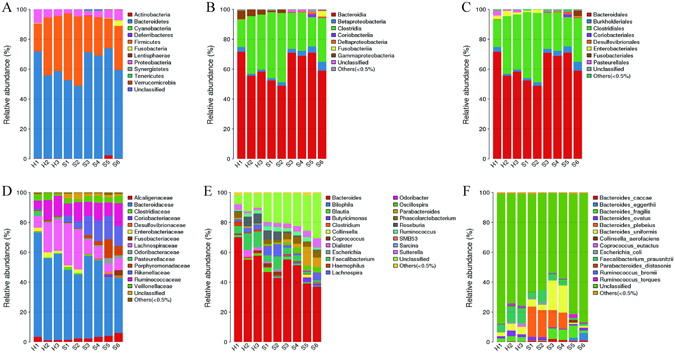
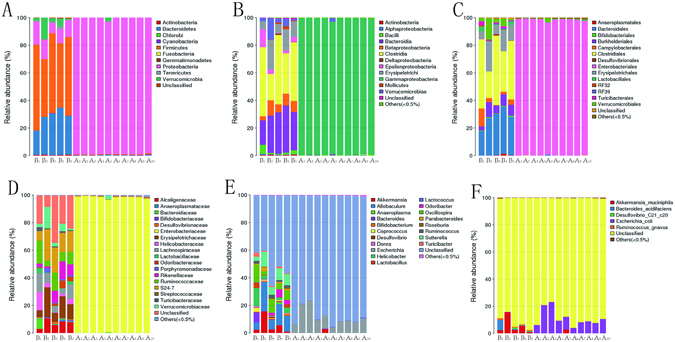
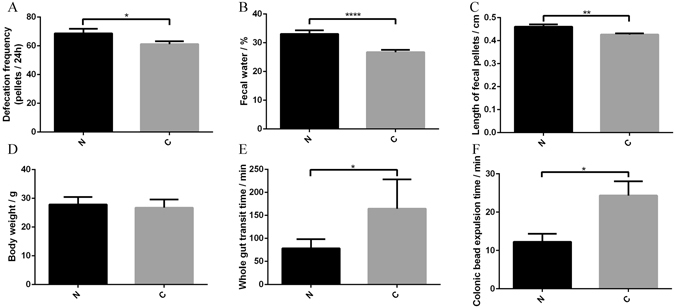
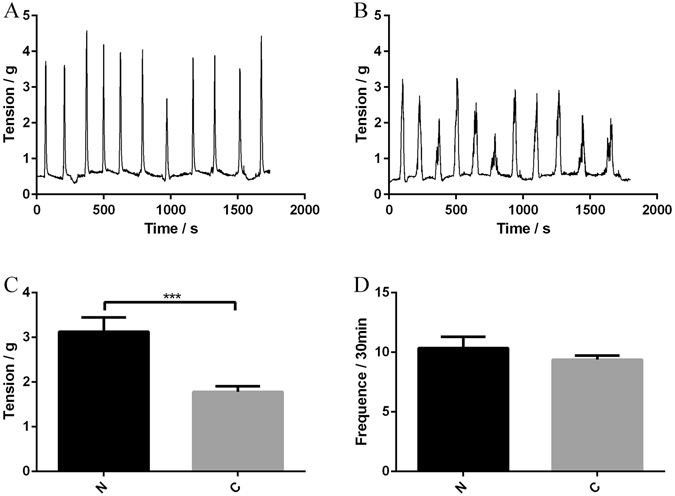
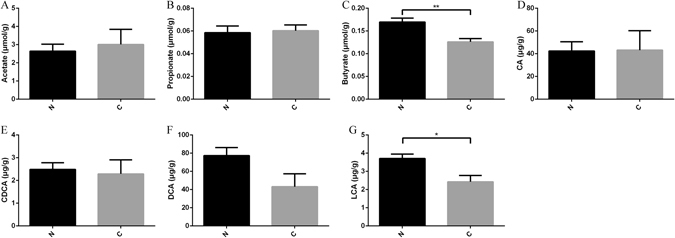
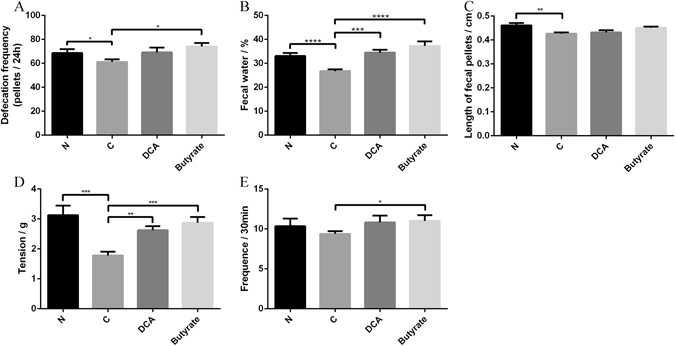
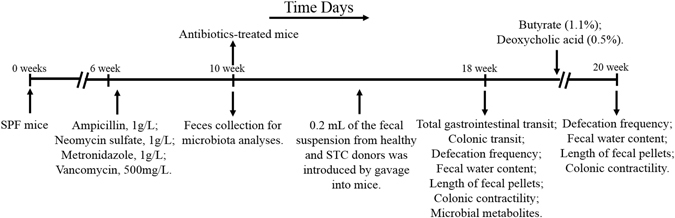
The gut microbiota is involved in various physiological functions, and disturbances in the host-microbiome have been proven to contribute to the dysfunction of gut; however, whether microbiota participates in the pathogenesis of constipation remains unclear. In this study, we extracted and analyzed microbiota in feces from constipated donors who had undergone effective therapy with fecal microbiota transplantation, transplanted microbiota into pseudo-germ-free mice, and measured gut motility. These mice presented with lower pellet frequency and water percentage, smaller pellet size, delayed gastrointestinal transit time, and weaker spontaneous contractions of colonic smooth muscle. To determine the mechanism underlying delayed gut motility, microbial metabolites were measured. Short chain fatty acids and secondary bile acids were decreased in mice receiving microbiota from constipated donors. Moreover, the compositional changes of gut microbiota in constipated patients were identified, including the operational taxonomic unit, and the species richness and α diversity were much greater than those in healthy volunteers. These findings suggest that alterations of the microbiome might affect gut motility via altered microbial-derived metabolites in the development of constipation, and the restoration of disturbed microbiota might improve the clinical phenotype. This study indicates that regulating the intestinal environment may be a novel therapy strategy for constipation.
Overview
The claims and statistics of this paper haven’t been checked yet.
Free: it reads the open-access text and checks the first 5 claims that cite a source we can check. Create a free account to check every claim.
Integrity signals
Registry
Cites
Statistics
Figures
Verification
Claims the paper makes
The claims and statistics of this paper haven’t been checked yet.
Free: it reads the open-access text and checks the first 5 claims that cite a source we can check. Create a free account to check every claim.
Claims other papers make about this one
Each is checked against this paper’s own text: does it say what the citing paper says it does?
In the citing paper
“The potential role of microbially-derived metabolites is further supported by findings of delayed GI transit and altered SCFA and bile acid profiles following transfer of fecal microbiota from patients with slow transit constipation to antibiotic-treated mice159.”
From The gut Microbiome in adult and pediatric functional gastrointestinal disorders (2019) · cites this paper as [159]
Self-check
Percentages, sums and reported differences re-computed from the paper’s own numbers.
The self-check needs the paper’s full text.
Citations
Cites
Enterotypes of the human gut microbiome
MetaHIT Consortium (additional members), Arumugam, M., Raes, J., Pelletier, E., Le Paslier, D., Yamada, T., Mende, D. R., Fernandes, G. R., Tap, J., Bruls, T., et al. (2011) · Nature · doi:10.1038/nature09944 · Cited by 7,548
From Dietary Fiber to Host Physiology: Short-Chain Fatty Acids as Key Bacterial Metabolites
Koh, A., De Vadder, F., Kovatcheva-Datchary, P., & Bäckhed, F. (2016) · Cell · doi:10.1016/j.cell.2016.05.041 · Cited by 7,070
Recognition of Commensal Microflora by Toll-Like Receptors Is Required for Intestinal Homeostasis
Rakoff-Nahoum, S., Paglino, J., Eslami-Varzaneh, F., Edberg, S., & Medzhitov, R. (2004) · Cell · doi:10.1016/j.cell.2004.07.002 · Cited by 4,251
Indigenous bacteria from the gut microbiota regulate host serotonin biosynthesis
Yano, J. M., Yu, K., Donaldson, G. P., Shastri, G. G., Ann, P., Ma, L., Nagler, C. R., Ismagilov, R. F., Mazmanian, S. K., & Hsiao, E. Y. (2015) · Cell · doi:10.1016/j.cell.2015.02.047 · Cited by 3,614
The Effect of Diet on the Human Gut Microbiome: A Metagenomic Analysis in Humanized Gnotobiotic Mice
Turnbaugh, P. J., Ridaura, V. K., Faith, J. J., Rey, F. E., Knight, R., & Gordon, J. I. (2009) · Science Translational Medicine · doi:10.1126/scitranslmed.3000322 · Cited by 3,058
Shekhar, C., Monaghan, P. J., Morris, J., Issa, B., Whorwell, P. J., Keevil, B. G., & Houghton, L. A. (2013) · Gastroenterology · doi:10.1053/j.gastro.2013.07.014 · Cited by 2,945
Lacy, B. E., Mearin, F., Chang, L., Chey, W. D., Lembo, A. J., Simren, M., & Spiller, R. (2016) · Gastroenterology · doi:10.1053/j.gastro.2016.02.031 · Cited by 2,866
Intestinal Crosstalk between Bile Acids and Microbiota and Its Impact on Host Metabolism
Wahlström, A., Sayin, S. I., Marschall, H.-U., & Bäckhed, F. (2016) · Cell Metabolism · doi:10.1016/j.cmet.2016.05.005 · Cited by 2,851
(2013) · Gastroenterology Research · doi:10.1053/j · Cited by 2,759
Sayin, S. I., Wahlström, A., Felin, J., Jäntti, S., Marschall, H.-U., Bamberg, K., Angelin, B., Hyötyläinen, T., Orešič, M., & Bäckhed, F. (2013) · Cell Metabolism · doi:10.1016/j.cmet.2013.01.003 · Cited by 2,331
Cited by
Items 101–200 of 242
Li, Y., Zhang, W., Sun, T., Liu, B., Manyande, A., Xu, W., & Xiang, H. (2021) · Frontiers in Medicine · doi:10.3389/fmed.2021.616489 · Cited by 19
“Pseudo-Germ-Free Mice Modeling and Fecal Transplantation The pseudo-germ-free mice modeling was prepared as previously reported (20, 21, 34).”
MethodLiu, J., Gu, L., Zhang, M., Zhang, S., Wang, M., Yu, L., & Zhang, X. (2021) · Frontiers in Cellular and Infection Microbiology · doi:10.3389/fcimb.2021.732474 · Cited by 17
“After supplementation with butyrate and deoxycholic acid, some symptoms in mice from STC donors were reversed (Ge et al., 2017).”
BackgroundMethodInfluentialKageyama, S., Inoue, R., Hosomi, K., Park, J., Yumioka, H., Suka, T., Kurohashi, Y., Teramoto, K., Syauki, A. Y., Doi, M., et al. (2021) · Nutrients · doi:10.3390/nu13124466 · Cited by 20
“[49] reported that gnotobiotic mice transplanted with feces from constipated patients had low levels of butyrate, and that administration of butyric acid to these mice improved fecal frequency and normalized intestinal peristalsis.”
BackgroundChen, X., Song, J., Hu, Q., Wang, H., Zhao, X., & Suo, H. (2017) · Applied Biological Chemistry · doi:10.1007/s13765-017-0327-3 · Cited by 18
Self-citationGut Frailty: Its Concept and Pathogenesis
Naito, Y. (2023) · Digestion · doi:10.1159/000534733 · Cited by 16
Kim, N.-Y., Kim, K., Yang, H.-J., Jeong, S.-J., Han, A., & Cha, Y. (2023) · Food & Function · doi:10.1039/d2fo04111a · Cited by 17
Xu, M. Y., Wang, W., Su, S., Li, W., Hu, X., & Zhang, J. (2023) · Ecotoxicology and Environmental Safety · doi:10.1016/j.ecoenv.2023.115423 · Cited by 16
Effects of natural products on functional constipation: analysis of active ingredient and mechanism
Zhou, P., Wang, X., Sun, M., & Yan, S. (2023) · Naunyn-Schmiedeberg s Archives of Pharmacology · doi:10.1007/s00210-023-02786-x · Cited by 17
“…surveys of constipation have found that the overall prevalence of constipation worldwide is 0.5–32.2%, with about 11–20% of adult patients and a significantly higher proportion of female (Yaqi et al., 2020), and the percentage of elderly patients can reach 36% (Schiller, 2019; Ge et al., 2017).”
InfluentialHu, L., Liu, Q., Ke, X., Zhao, P., Fang, W., & Ren, Y. X. (2025) · Frontiers in Microbiology · doi:10.3389/fmicb.2025.1591697 · Cited by 19
“There were significant differences in the flora structure in each group at the genus and species levels, consistent with previous findings (Ge et al., 2017; Li R. et al., 2023; Li Y. Q. et al., 2023; Wang et al., 2023).”
He, N., Sheng, K., Li, G., & Zhang, S. (2024) · BMC Gastroenterology · doi:10.1186/s12876-024-03306-8 · Cited by 15
Tanabe, A., Adachi, K., Yamaguchi, Y., Izawa, S., Yamamoto, S., Hijikata, Y., Ebi, M., Funaki, Y., Ogasawara, N., Goto, C., et al. (2019) · Digestion · doi:10.1159/000501961 · Cited by 15
Slow Transit Constipation: Pathophysiological Perspectives and Management Updates
Syllaios, A., Papadakos, S. P., Ioannou, A., Frountzas, M., Michelakis, D., Patsouras, D., Dritsas, S., Pramateftakis, M.-G., & Schizas, D. (2026) · Journal of Digestive Diseases · doi:10.1111/1751-2980.70030 · Cited by 14
“These findings demonstrate that STC-associated dysbiosis can causally impair gut motility [81].”
Tryptophan Metabolism in Postmenopausal Women with Functional Constipation
Błońska, A., Chojnacki, M., Macieja, A., Błasiak, J., Majsterek, I., Chojnacki, J., & Popławski, T. (2023) · International Journal of Molecular Sciences · doi:10.3390/ijms25010273 · Cited by 18
“Other studies also found changes in the composition of the intestinal microbiome and its metabolites in FC. Short-chain fatty acids (SCFA), secondary bile salts, and methane can affect gut motility and secretion in patients with FC [20,21].”
ResultL-fucose and fucoidan alleviate high-salt diet-promoted acute inflammation
Li, W., Wu, P., Jin, T., Jia, J., Chen, B., Liu, T., Liu, Y., Mei, J., Luo, B., & Zhang, Z. (2024) · Frontiers in Immunology · doi:10.3389/fimmu.2024.1333848 · Cited by 20
Wang, T., Hao, L. Y., Yang, K., Feng, W., Guo, Z., Liu, M., & Xiao, R. (2024) · Gut Microbes · doi:10.1080/19490976.2024.2395907 · Cited by 15
Yi, D., Li, T., Xiao, Y., Zhang, X., Hao, Q., Zhang, F., Qiu, T., Yang, G., Sun, X., Dong, Y., et al. (2024) · Bioengineering & Translational Medicine · doi:10.1002/btm2.10728 · Cited by 16
“38 In addition, FMT could enhance the efficacy of retrograde colonic enema, thereby improving the safety and effectiveness of the treatment of intractable childhood constipation.”
Gao, F., Su, J., Li, J., Gan, C., Jin, X., Zhou, H., Liu, X., Yu, J., Yan, M., Chen, S., et al. (2025) · Phytomedicine · doi:10.1016/j.phymed.2025.156977 · Cited by 16
Turpin, W., Kelly, O., Borowski, K., Boland, K., Tyler, A. D., Cohen, Z., Croitoru, K., & Silverberg, M. S. (2019) · Clinical and Translational Gastroenterology · doi:10.14309/ctg.0000000000000038 · Cited by 14
“Interestingly, it was shown that a fecal transplant from a patient with slow-transit constipation into germ-free mice subsequently reduced the stool frequency in host mice as compared to a fecal transplant from a healthy donor (34).”
BackgroundWu, L., Jin, X., Zheng, C., Ma, F., Zhang, X., Gao, P., Gao, J., & Zhang, L. (2023) · Foods · doi:10.3390/foods12040854 · Cited by 15
Xian, W., Yang, S., Deng, Y., Yang, Y., Tan, Z., Li, W., & Yang, R. (2022) · Journal of Agricultural and Food Chemistry · doi:10.1021/acs.jafc.2c02796 · Cited by 14
Wang, L., Xu, Y., Li, L., Bo, Y., Zhao, D., Ye, C., Lin, Z., Cui, J., Liu, Y., Zhu, W., et al. (2024) · mBio · doi:10.1128/mbio.02023-24 · Cited by 13
“Additionally, the levels of two main microbial metabolites, short-chain fatty acids and secondary bile acids, are significantly lower in the feces of patients with chronic constipation compared to healthy individuals (11–13).”
BackgroundSelf-citationYang, P., Qin, L.-L., Yu, M., & Zou, Z. (2025) · Journal of Ethnopharmacology · doi:10.1016/j.jep.2025.119884 · Cited by 12
Porphyromonas gingivalis induced UCHL3 to promote colon cancer progression.
Yang, L., Huang, R., Zhang, Y., Xiang, W., Zhang, X., Chen, F., An, L., Yuan, H., Wen, F., & Xu, Y. (2023) · PubMed Central · Cited by 12
Liu, Q., Ke, D., Chen, Y., Shen, A., Liu, L., Hu, L., Ren, Y., Fang, W., Zhao, P., Sferraf, T. J., et al. (2024) · Frontiers in Microbiology · doi:10.3389/fmicb.2024.1337078 · Cited by 18
Jiang, L., Zhang, R., Lin, X., Tuo, Y., Mu, G., & Jiang, S. (2024) · Food Bioscience · doi:10.1016/j.fbio.2024.104096 · Cited by 13
Yang, B. K., Tian, H., Ye, C., Lin, Z., Zhao, D., Ma, C., Zhao, J., Wu, S., Jiang, R., Li, N., et al. (2021) · Frontiers in Medicine · doi:10.3389/fmed.2021.746990 · Cited by 16
“In addition, it was demonstrated that the FMT could improve the clinical phenotype of constipation by affecting gastrointestinal motility (14).”
BackgroundResultSelf-citationWang, K., Gao, C., Zhu, L., Chen, M., Tong, Y. X., & Zhang, S. (2025) · Frontiers in Microbiology · doi:10.3389/fmicb.2025.1604571 · Cited by 15
“…rodent models transplanted with microbiota from constipated donors recapitulate delayed gut motility, while probiotic supplementation partially restores peristalsis, directly implicating microbial communities in disease pathogenesis (Ge et al., 2017; Peng et al., 2023; Roy and Dhaneshwar, 2023).”
Analysis of the biotransformation mechanism of soy isoflavones via equol-producing HMA mice model
Wu, X., Zhao, L., Ma, Y., Liang, W., Fang, X., Liao, Z., Zhong, Q., Wang, J., & Wang, L. (2022) · Journal of Functional Foods · doi:10.1016/j.jff.2022.105274 · Cited by 10
Araújo, M. M., Vogado, C. D. O., Mendes, M. M., Gonçalves, V. S. S., & Botelho, P. B. (2022) · Nutrition Reviews · doi:10.1093/nutrit/nuab109 · Cited by 10
Psychology and Pathophysiological Outcomes of Eating
Takada, A., & Himmerich, H. (2021) · IntechOpen eBooks · doi:10.5772/intechopen.92917 · Cited by 13
Chang, D., Wu, F., Yu, Y., Zhang, J., Ma, T., Guo, S., Zhao, H., & Cao, W. (2025) · Food Research International · doi:10.1016/j.foodres.2025.117006 · Cited by 9
Ferenczi, S., Mógor, F., Takacs, P., Kovács, T., Tóth, V. É., Varga, Z. V., Kovács, K., Lohinai, Z., Vass, K. C., Nagy, N., et al. (2023) · Scientific Reports · doi:10.1038/s41598-023-50059-7 · Cited by 9
Chojnacki, C. J., Mędrek-Socha, M., Błońska, A., Błasiak, J., Popławski, T., Chojnacki, J., & Gąsiorowska, A. (2024) · Nutrients · doi:10.3390/nu16071027 · Cited by 10
“Under their influence, many biological compounds are formed, including methane and short-chain fatty acids (SCFAs) [44,45].”
BackgroundBibliometric and visual analysis of fecal microbiota transplantation research from 2012 to 2021
Zhang, F., Yang, P., Chen, Y., Wang, R., Liu, B., Wang, J., Yuan, M., & Zhang, L. (2022) · Frontiers in Cellular and Infection Microbiology · doi:10.3389/fcimb.2022.1057492 · Cited by 9
“, 2020), also including constipation (Ge et al., 2017; Zhang et al., 2021), and diarrhea (Dai et al.”
BackgroundGuo, K., Tang, Y., Yang, T., & Yan, Y. (2025) · Frontiers in Cellular and Infection Microbiology · doi:10.3389/fcimb.2025.1556915 · Cited by 8
Yuan, Y., Lü, Y., Zhang, Z., Cheng, W., Yan, K., Zheng, Y., Jin, Y., & Liu, Z. (2023) · Microbial Pathogenesis · doi:10.1016/j.micpath.2023.106373 · Cited by 8
Hu, X., Feng, J., Lü, J., Pang, R., Zhang, A., Liu, J., Gou, X., Bai, X., Wang, J., Chang, C., et al. (2024) · Frontiers in Neuroscience · doi:10.3389/fnins.2024.1395671 · Cited by 8
Xu, M., Wang, L., Guo, Y., Zhang, W., Chen, Y., & Li, Y. (2021) · Evidence-based Complementary and Alternative Medicine · doi:10.1155/2021/6652017 · Cited by 13
“Pseudo-germ-free mice receiving fecal microbiota from STC patients develop the typical features of constipation and decreased colonic muscle contractility [34].”
BackgroundLiang, X., Wan, D., Cai, Y., Yue, W., Wang, X., Zhou, H., Zhou, R., Du, Q., Juan, X., & Zhang, S. (2023) · Evidence-based Complementary and Alternative Medicine · doi:10.1155/2023/6506244 · Cited by 8
“Additionally, constipation can aggravate the imbalance of intestinal microbes and even cause colon cancer, accelerate aging, and promote a variety of intestinal diseases [2, 3, 35].”
BackgroundKim, B. K., Choi, I. S., Kim, J., Han, S., Suh, H. J., & Hwang, J. K. (2017) · Europe PMC (PubMed Central) · doi:10.5851/kosfa.2017.37.6.906 · Cited by 8
“Probiotics, such as Lactobacillus acidophilus and Bifidobacterium bifidum, have been reported to release neuromessengers to promote intestinal motility (Ge et al., 2017).”
BackgroundFaecal Microbiota Microsphere Contributed to Relieving Gut Barrier Damage in Colitis
Zhen, S., Zhao, C., Zhao, X., Wu, J., & Li, J. (2020) · Macromolecular Research · doi:10.1007/s13233-020-8078-0 · Cited by 8
Wan, M., Liu, W., Liu, Y., Jiang, X., Jiang, S., & Duan, J. (2025) · Pathology - Research and Practice · doi:10.1016/j.prp.2025.156236 · Cited by 7
Shi, J., Li, X., Lam, Y. Y., Ning, Z., Liu, J., Li, Y., Zhou, Y., Zhai, L., Lin, C., Zhu, L., et al. (2024) · Journal of Analysis and Testing · doi:10.1007/s41664-024-00324-z · Cited by 9
“In addition, BAs can influence colon motor activity, as exemplified by the report that the decreased levels of secondary BAs can induce constipation via reducing the release of 5-hydroxytryptamine from enterochromaffin cells [49].”
Current Landscape and Overview of Gastrointestinal Health in Indonesian Children: A Scoping Review
Kadim, M., Karyana, I. P. G., Darma, A., Yosia, M., Basrowi, R. W., Dilantika, C., Sundjaya, T., & Wasito, E. (2024) · The Open Public Health Journal · doi:10.2174/0118749445339403240916105656 · Cited by 9
Microbiome and Gastroesophageal Disease: Pathogenesis and Implications for Therapy
D’Souza, S. M., Cundra, L. B., Yoo, B. S., Parekh Parth, J., & Johnson, D. A. (2020) · Annals of Clinical Gastroenterology and Hepatology · doi:10.29328/journal.acgh.1001018 · Cited by 8
“This SCFA mediated effect following change in colon Firmicutes:Bacteroidetes ratio has also been demonstrated in cases of decreased colonic motility leading to constipation [97].”
The effect of sodium carboxymethyl starch with high degree of substitution on defecation
Lu, W.-D., Wu, M., Zhang, J., Huang, T., Du, S., & Cao, Y.-X. (2021) · PLoS ONE · doi:10.1371/journal.pone.0257012 · Cited by 7
“In recent years, an increasing number of animal and human studies have shown that intestinal microbes can alleviate constipation symptoms by improving intestinal motility, which have shown promising results [17, 18].”
BackgroundBasson, A. R., Cominelli, F., & Rodriguez‐Palacios, A. (2021) · Journal of Personalized Medicine · doi:10.3390/jpm11030234 · Cited by 7
Fecal Microbiota Transplantation
Borody, T. J. (2019) · Elsevier eBooks · doi:10.1016/b978-0-323-54843-4.00018-0 · Cited by 7
Patterns of 'Analytical Irreproducibility' in Multimodal DiseasesPreprint
Basson, A. R., Cominelli, F., & Rodriguez‐Palacios, A. (2020) · Research Square · doi:10.1101/2020.03.22.002469 · Cited by 7
Lee, H., Hossain, M. K., Kim, S.-H., Jeong, P.-Y., Lee, G., Kim, D., Chung, M. J., & Chae, H. (2024) · Journal of Functional Foods · doi:10.1016/j.jff.2024.106444 · Cited by 6
Yasuda, R., Kamada, K., Murakami, T., Inoüe, R., Mizushima, K., Hirose, R., Inoue, K., Dohi, O., Yoshida, N., Katada, K., et al. (2022) · International Journal for Vitamin and Nutrition Research · doi:10.1024/0300-9831/a000756 · Cited by 8
Pathogenic or Therapeutic: The Mediating Role of Gut Microbiota in Non-Communicable Diseases
Bu, F., Yao, X., Lü, Z., Yuan, X., Chen, C., Li, L., Li, Y., Jiang, F., Zhu, L., Shi, G., et al. (2022) · Frontiers in Cellular and Infection Microbiology · doi:10.3389/fcimb.2022.906349 · Cited by 7
“The findings from another study also suggested that FMT can reproduce the clinical phenotype of patients with constipation in GF mice, the mechanism of which may be that FMT affects intestinal gastrointestinal motility by changing the metabolites derived from microorganisms (Ge et al., 2017).”
ResultChen, X., Liu, G., Zhao, L. X., Du, L., Xie, J., & Wei, D. (2022) · Food Bioengineering · doi:10.1002/fbe2.12029 · Cited by 6
Host-microbiota interactions regulate gut serotonergic signaling: implications for hypertension
Kumar, H. S., & Zubcevic, J. A. (2025) · American Journal of Physiology-Cell Physiology · doi:10.1152/ajpcell.00608.2025 · Cited by 5
Effects of Cirsium palustre Extracts and Their Main Flavonoids on Colon Motility—An Ex Vivo Study
Szadkowska, D., Chłopecka, M., Strawa, J. W., Jakimiuk, K., Augustynowicz, D., Tomczyk, M., & Mendel, M. (2023) · International Journal of Molecular Sciences · doi:10.3390/ijms242417283 · Cited by 5
“It is proven that gut microbiota play a significant role in modulating GI motility [55,56]; therefore, apigenin-and luteolin-rich extracts from C. palustre show promise as options for addressing DGBIs.”
BackgroundYerlett, N., Petrof, G., Holsgrove, K., & Martinez, A. E. (2021) · Skin Health and Disease · doi:10.1002/ski2.14 · Cited by 5
“Not only does frequent antibiotic use cause potential for gastrointestinal dysbiosis, slow transit time has also been shown to disrupt the gastrointestinal microbiome.(15) These factors causing high risk of dysbiosis may potentially reduce the number of gastrointestinal bacteria that produce vitamin K2.”
BackgroundLiu, L., Li, P., Chen, Y., Yang, G., Cheng, Y., Liu, S., Zhang, X., Wu, Y., Liu, Q., Zhao, P., et al. (2025) · Frontiers in Pharmacology · doi:10.3389/fphar.2025.1684442 · Cited by 4
“…diversity and an imbalance speci fi c bacterial species, with a decrease in bene fi cial bacteria, like lactobacillus and prevotella , and an increase in pathogenic bacteria, which may further weaken intestinal motility and exacerbate constipation (Malaguarnera et al., 2012; Ge et al., 2017).”
Yu, F., Ji, J., Wang, Y., Liu, Y., Lian, Y.-M., Wang, M., & Cai, Z.-X. (2025) · Brain Research Bulletin · doi:10.1016/j.brainresbull.2025.111401 · Cited by 4
“The preparation method for the transplant material is as follows [19] : Mice from the PTZ+TH group were placed in clean cages with sterilized filter paper, and fecal samples were collected in sterile tubes immediately after defecation.”
Xu, W., Xu, S., Feng, R., & Li, Z. (2023) · Cellular and Molecular Biology · doi:10.14715/cmb/2023.69.10.4 · Cited by 4
“Studies have shown that (27,28), Transplanting gut microbiota into small trees without gut microbiota resulted in significantly lower levels of butyrate in mice from STC donors compared to mice from healthy donors.”
BackgroundL. acidophilus/L. johnsonii ratio affects slow transit constipation in rats
Liao, Y., Wang, Y., Huang, W., Wang, J., Guo, M., Zhang, J., Zheng, H., Yan, Y., Lin, Z., Qiu, N., et al. (2024) · Scientific Reports · doi:10.1038/s41598-024-71945-8 · Cited by 4
“Due to STC rat yielded findings that closely corresponded to clinical symptoms of constipation 18 , the LOP-induced STC model was adopted to evaluate the potential interrelation between progression of STC and gut microbiota 19–21 .”
MethodAlpha-Cyclodextrin Functions as a Dietary Fiber
Chikamoto, K., & Terao, K. (2021) · Springer eBooks · doi:10.1007/978-3-030-80056-7_13 · Cited by 5
Microbiome and gastroesophageal disease: Pathogenesis and implications for therapy
D’Souza, S. M., Cundra, L. B., Yoo, B. S., Parekh, P. J., & Johnson, D. A. (2020) · Gastroenterology Hepatology and Endoscopy · doi:10.15761/ghe.1000199 · Cited by 4
Chi, Z., Bai, X., & Zhang, Z. (2023) · Frontiers in Medicine · doi:10.3389/fmed.2023.1177785 · Cited by 4
“could be ascribed to factors such as exercise proclivities, medication utilization, insufficient aqueous intake, malnutrition, acute and chronic ailments, stroke-related complications (41), alterations in the composition of gut microbiota (42), psychological factors (43), and other contributory variables.”
BackgroundThe Effects of Feeding Type on the Gut Microbiota of Neonates and Early Infants
Pan, K. (2022) · Journal of Infectious Diseases & Case Reports · doi:10.47363/jidscr/2022(3)159 · Cited by 3
Kiko, H., Asaoka, D., Nomura, O., Nomoto, Y., Sugano, K., Matsuno, K., Homma, Y., Nishizaki, Y., Yanagisawa, N., Takeda, T., et al. (2025) · Diagnostics · doi:10.3390/diagnostics15121537 · Cited by 3
“Among SCFAs, butyric acid is particularly associated with constipation [39].”
Ma, W., Lian, L., Guo, L., Wu, Y., & Huang, L. (2025) · Frontiers in Microbiology · doi:10.3389/fmicb.2025.1577799 · Cited by 7
“Elevated abundance of Verrucomicrobia in the defecation of patients with slow-transmission constipation (Ge et al., 2017), consistent with the results obtained in this experiment.”
Yin, F., Jiang, Z., Tong, Y., Wang, S., Zheng, K., Han, L., Ma, W., Li, R., Dou, X., Ping, Y., et al. (2025) · The Journal of Nutritional Biochemistry · doi:10.1016/j.jnutbio.2025.110110 · Cited by 8
Zhou, Y., & Tao, E. (2026) · Frontiers in Nutrition · doi:10.3389/fnut.2025.1694831 · Cited by 3
CFP/Yit: An Inbred Mouse Strain with Slow Gastrointestinal Transit
Wagai, G., Togao, M., Kurakawa, T., Nishizaki, H., Otsuka, J., Ohta‐Takada, Y., Kurita, A., Suzuki, T., & Kawakami, K. (2024) · Digestive Diseases and Sciences · doi:10.1007/s10620-024-08420-x · Cited by 3
“Additionally, delayed GITT can be induced by dietary changes [6, 7], microbiota transplantation [8], and oral administration of ice-cold saline [9]; it is also observed in mouse models of neurological disorders, such as in Parkinson’s disease [10].”
Urrutia-Piñones, J., Illanes-González, J., López-Aguilera, A., Julio‐Pieper, M., & Bravo, J. A. (2018) · Current Behavioral Neuroscience Reports · doi:10.1007/s40473-018-0161-x · Cited by 3
Ebisutani, N., Fukui, H., Nishimura, H., Nakanishi, T., Morimoto, K., Itou, S., Nakamura, A., Masutani, M., Hori, M., Tomita, T., et al. (2020) · Frontiers in Physiology · doi:10.3389/fphys.2020.599582 · Cited by 3
“On the other hand, accumulating evidences have suggested that not only psychological stress but also gut flora alteration has been closely involved in constipation (Ge et al., 2017).”
BackgroundZhang, Y., Zhou, Y., Zhou, M., & Guan, X. (2024) · Food Science and Human Wellness · doi:10.26599/fshw.2024.9250169 · Cited by 2
“…Pharmaceutical Bioengineering Co., Ltd. Antibiotics ( ampicillin 1g/L, neomycin sulfate 1g/L, metronidazole 1g/L, vancomycin 500mg/L ) [29, 30] were purchased from Shanghai Yuanye Biotechnology Co., Ltd. Triglyceride (TG) assay kit (specification: 96T), total cholesterol (TC) assay…”
Zhang, Y., Zhou, M., Zhou, Y., & Guan, X. (2024) · Food Science and Human Wellness · doi:10.26599/fshw.2024.9250379 · Cited by 2
Oladian, M., Razavi, Z., Esfahani, H., Soltanian, A. R., & Bazmamoun, H. (2025) · Innovative Journal of Pediatrics · doi:10.5812/ijpediatr-159810 · Cited by 2
Ji, Z., He, E., Guo, Z., Zhang, P., Cao, X., Zhao, L., Xu, X., Liu, Y., Romero‐Freire, A., & Qiu, H. (2026) · Environmental Science & Technology · doi:10.1021/acs.est.6c01747 · Cited by 2
Ciaușu-Sliwa, D., Capotă, R., Bostănaru, A.-C., Năstasă, V., & Mareș, M. (2026) · International Journal of Molecular Sciences · doi:10.3390/ijms27146246 · Cited by 3
“Clinically, dysmotility states illustrate these couplings: fecal transplants from patients with slow-transit constipation transfer delayed transit and reduced SCFAs/secondary bile acids to recipient mice, implicating metabolite deficits in hypomotility [70].”
Altered intestinal microbiota induced by high-fat diets affect cognition differently in mice
Hua, Y., Zhou, C. L., Fan, R., Benazzouz, S., Shen, J., Xiao, R., & Ma, W. (2024) · Nutrition Research · doi:10.1016/j.nutres.2024.09.019 · Cited by 2
Huang, Y., Tang, N., Xue, Y., Li, J., Liu, W., Zhu, S., Wang, L., Wang, G., Chen, W., & Zhao, J. (2024) · Food Frontiers · doi:10.1002/fft2.526 · Cited by 2
Zhang, Y., Wei, X., Jiang, S., Gao, W., Wang, K., Wang, H., Wang, H., Si, N., Zhou, Y., Luo, K., et al. (2025) · Chinese Medicine · doi:10.1186/s13020-024-01052-3 · Cited by 2
Self-citationSomatic disorders in autism as one of the factors of behavioral and social interaction disorders
Иванова, Д. В., Семина, И. И., & Зиганшин, А. У. (2019) · Kazan medical journal · doi:10.17816/kmj2019-689 · Cited by 4
“Изменение микробиоты кишечника и нарушение модуляции нейротрансмиттеров при аутизме играют немаловажную роль не только в поведенческих нарушениях, таких как тревожность [38] и депрессия [39], но и в нарушениях моторики кишечника [40] и висцеральной боли [41].”
Ghadimi, D., Frahm, S. O., Röcken, C., Ebsen, M., Schwiertz, A., Fölster‐Holst, R., Bockelmann, W., & Heller, K. J. (2021) · Endocrine Metabolic & Immune Disorders - Drug Targets · doi:10.2174/1871530321666210830150620 · Cited by 2
Shin, J. E. (2022) · Springer eBooks · doi:10.1007/978-981-19-0120-1_17 · Cited by 4
jafar, M. M., Butt, M. H. U., Zahra, T., Jaffar, A., Gull, M., & Farooq, M. (2025) · The Healer Journal of Physiotherapy and Rehabilitation Sciences · doi:10.55735/vg6b1940 · Cited by 1
Nguyen, N. T. K., Chang, Y.-H., Lin, L.-Y., Noirez, P., Panwar, R., Cross, T.-W., Vo, N.-P., & Lin, S. (2025) · International Dairy Journal · doi:10.1016/j.idairyj.2025.106393 · Cited by 2
Aidarova, A., Carels, M., Haegman, M., Driege, Y., Timmermans, S., Damme, E. V., Aguilera‐Lizarraga, J., Viola, M. F., Collaço, R. D. C., Manils, J., et al. (2025) · EMBO Molecular Medicine · doi:10.1038/s44321-025-00321-4 · Cited by 1
“…with previous reports demonstrating a key regulatory role of the microbiome in intestinal motility, both antibiotics or germ-free conditions themselves slow transit in wild-type mice (Kashyap et al, 2013; Ge et al, 2017a; Touw et al, 2017), complicating somewhat the interpretation of our results.”
Role of Gut Microbiota in Bile-Acid Metabolism
Naito, Y., Takagi, T., & Inoüe, R. (2021) · IntechOpen eBooks · doi:10.5772/intechopen.100440 · Cited by 2
“In a gnotobiotic experiment wherein feces of patients with chronic constipation, especially those with delayed intestinal transit time, were transplanted into germ-free mice, short chain fatty acids and secondary bile acids, which are metabolites of the gut microbiota, were identified to be factors that promote intest…”
BackgroundThe role of the gut microbiota in understanding functional gastrointestinal disorders
Zardzewiały, W., Bernacki, R., Bernacki, P., Zaremskyi, O., Dutka, M., SZAWICA, D., Kuźniar, A., Oleszko, M., & WĄSIEWICZ, E. (2023) · Journal of Education Health and Sport · doi:10.12775/jehs.2023.30.01.009 · Cited by 2
“Jedno z badań wykazało również, że u myszy skolonizowanych materiałem kałowym pochodzącym od pacjentów z zaparciami wolno przechodzącymi, opóźniona motoryka jelit została skorygowana przez leczenie maślanem [11].”
The effect of butyrate on the release of serotonin from the gastrointestinal tract
Schubert, S. (2019) · Helda - University of Helsinki Institutional Repository · Cited by 1
Prototypical pacemaker neurons are immunocompetent cellsPreprint
Klimovich, A. V., Giacomello, S., Björklund, Å. K., Faure, L., Kaucká, M., Giez, C., Murillo‐Rincón, A. P., Matt, A.-S., Crupi, G., de Anda, J., et al. (2019) · bioRxiv (Cold Spring Harbor Laboratory) · doi:10.1101/750026 · Cited by 1
Park, J., Kato, K., Murakami, H., Hosomi, K., Tanisawa, K., Nakagata, T., Ohno, H., Konishi, K., Kawashima, H., Chen, Y., et al. (2020) · Research Square · doi:10.21203/rs.3.rs-103500/v1 · Cited by 1
Brand, J. C., & Minich, D. M. (2018) · Alternative and Complementary Therapies · doi:10.1089/act.2018.29190.jcb
Ferreira, P. (2019) · Digital Library of Theses and Dissertations (Universidade de São Paulo) · doi:10.11606/d.17.2019.tde-27112018-160035
Treatment of Chronic Constipation (Constipation and Intestinal Flora)
Osaki, H., Jodai, Y., Kamano, T., Funasaka, K., Nagasaka, M., Nakagawa, Y., Shibata, T., & Ohmiya, N. (2019) · Nihon Daicho Komonbyo Gakkai Zasshi · doi:10.3862/jcoloproctology.72.609
The Microbiome, Surgical Stress, and Infection
Cohen, M. J. M. (2020) · Springer eBooks · doi:10.1007/978-3-030-39781-4_17
Nakamura, M., & Nagamine, T. (2019) · Research Square · doi:10.21203/rs.2.18286/v1
“Abbreviations CPeq: chlorpromazine equivalent; GLP-1: glucagon-like peptide-1; IL-10: Interleukin-10; IL-17: Interleukin-17; PPI: proton pump inhibitor; PPY: peptide YY; SCFAs: short-chain fatty acids; STC: slowtransit constipation; TNF-α: tumor necrosis factor-α; UC: ulcerative colitis; WGTT: whole gut transit time D…”
BackgroundInfluentialInnovations in noninvasive methods for measuring gastrointestinal motility in mice
Kishi, K., Kaji, N., & Hori, M. (2021) · Translational and Regulatory Sciences · doi:10.33611/trs.2021-004
Applications of Fecal Microbiota Transplantation: Emphasis on Clostridioides difficile Infections
Signorette, J. P., de Oliveira, R. T. D., Montiel, J. M., & Longo, P. L. (2021) · International Journal of Nutrology · doi:10.1055/s-0040-1718996
High-fat diet and constipation
Naito, Y., Takagi, T., & Handa, O. (2022) · Elsevier eBooks · doi:10.1016/b978-0-12-821232-5.00022-7 · Cited by 1
Yokoo, T., Takeda, M., Ishida, T., Koizumi, A., Kimura, K., Asami, Y., & Hatano, M. (2020) · Japanese Journal of Lactic Acid Bacteria · doi:10.4109/jslab.31.99
Emerging Role of Gut Microbiota in Functional Gastrointestinal Disorders
Augustine, P., Ghoshal, U. C., Rizwan Ahamed, Z., & Philips, C. A. (2022) · Springer eBooks · doi:10.1007/978-981-16-7672-7_3
Metadata
- Authors
- Ge, X., Zhao, W., Ding, C., Tian, H., Xu, L., Wang, H., Ni, L., Jiang, J., Gong, J., Zhu, W., Zhu, M., & Li, N.
- Affiliations
- Nanjing General Hospital of Nanjing Military Command (CN)
- Nanjing University (CN)
- First Affiliated Hospital Zhejiang University (CN)
- Tongji University (CN)
- Corresponding author
- Gong, Jianfeng
- Zhu, Weiming
- Li, Ning
- Venue
- Scientific Reports
- Published
- 2017-03-27
- Volume
- 7
- Issue
- 1
- Pages
- 441-441
- ISSN
- 2045-2322 (ISSN-L)
- PMC
- PMC5428802
- OpenAlex
- W2602278063
- Semantic Scholar
- 2f580554da81d54b49248a49633dbadd958236ac
- Cited by
- 232
- References
- 60
- Citations by year
- 2026: 12 · 2025: 22 · 2024: 26 · 2023: 46 · 2022: 18 · 2021: 32 · 2020: 30 · 2019: 31 · 2018: 10 · 2017: 5
- FWCI
- 22.05
- Type
- journal article
- Language
- en
- Open access
- gold
- doi.org
- Licence
- cc-by
- creativecommons.org/licenses/by/4.0 (tdm)
- creativecommons.org/licenses/by/4.0 (vor)
- Locations
- Scientific Reports (publishedVersion, cc-by)
- PubMed Central (publishedVersion, cc-by)
- PubMed (publishedVersion)
- DOAJ (DOAJ: Directory of Open Access Journals) (submittedVersion, cc-by-sa)
- Funders
- National Natural Science Foundation of China (81670493, 81270006, 2015BAI13B07)
- Topics
- Health Sciences › Medicine › Gastroenterology › Gastrointestinal motility and disorders
- Life Sciences › Biochemistry, Genetics and Molecular Biology › Molecular Biology › Gut microbiota and health
- Health Sciences › Medicine › Surgery › Congenital gastrointestinal and neural anomalies
- Keywords
- slow transit constipation, fecal microbiota, intestinal motility, fecal microbiota transplantation, microbial metabolites, short-chain fatty acids, secondary bile acids, colonic smooth muscle contraction, gut microbiota diversity
- MeSH terms
- Gastrointestinal Microbiome, Fecal Microbiota Transplantation, Animals, Constipation, Disease Models, Animal, Feces, Gastrointestinal Motility, Humans, Mice, Microbiota
About these checks
Registry, retraction, Cites and statistics results are computed, not judged, with one exception: a printed reference that no index lists is read once by a model before it counts as a citation error. Claims are extracted by a model and kept only when their quote appears verbatim in the text; each cited source is then checked, with a model’s help, for whether it says what the claim relies on. Those verdicts can be wrong — read the claim’s quote and the cited source before relying on one.
Statistics and arithmetic are recomputed, not judged.
Confidence bands are shown only for fields calibrated on our annotated test set. None is calibrated yet, so no band is shown.
What counts as a claim ›How we measure confidence ›How we check this ›
Are you an author, or do you see a problem with this page? Request a review
Data sources
Bibliographic data: Semantic Scholar, OpenAlex, Crossref.
Contains information from the Semantic Scholar Academic Graph Datasets, made available under the ODC Attribution License (ODC-BY 1.0).
Semantic Scholar’s data is described in: Kinney, R., et al. (2023). The Semantic Scholar Open Data Platform. arXiv:2301.10140.
