

Potential role of fecal microbiota from patients with slow transit constipation in the regulation of gastrointestinal motility
Open accessThe DOI matches its Crossref record; 61 of the 61 references it cites were found in a registry or an index.
Abstract
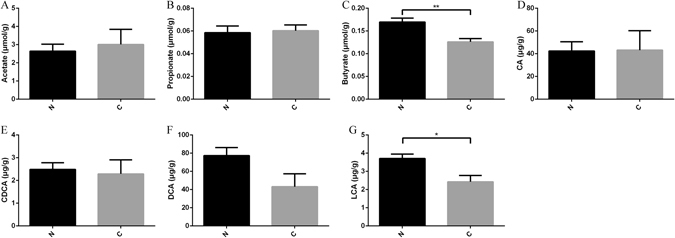
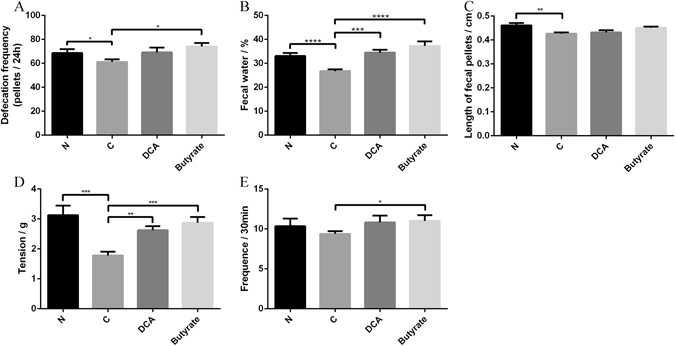
The gut microbiota is involved in various physiological functions, and disturbances in the host-microbiome have been proven to contribute to the dysfunction of gut; however, whether microbiota participates in the pathogenesis of constipation remains unclear. In this study, we extracted and analyzed microbiota in feces from constipated donors who had undergone effective therapy with fecal microbiota transplantation, transplanted microbiota into pseudo-germ-free mice, and measured gut motility. These mice presented with lower pellet frequency and water percentage, smaller pellet size, delayed gastrointestinal transit time, and weaker spontaneous contractions of colonic smooth muscle. To determine the mechanism underlying delayed gut motility, microbial metabolites were measured. Short chain fatty acids and secondary bile acids were decreased in mice receiving microbiota from constipated donors. Moreover, the compositional changes of gut microbiota in constipated patients were identified, including the operational taxonomic unit, and the species richness and α diversity were much greater than those in healthy volunteers. These findings suggest that alterations of the microbiome might affect gut motility via altered microbial-derived metabolites in the development of constipation, and the restoration of disturbed microbiota might improve the clinical phenotype. This study indicates that regulating the intestinal environment may be a novel therapy strategy for constipation.
Overview
The claims and statistics of this paper haven’t been checked yet.
Free: it reads the open-access text and checks the first 5 claims that cite a source we can check. Create a free account to check every claim.
Integrity signals
Registry
Cites
Statistics
Figures
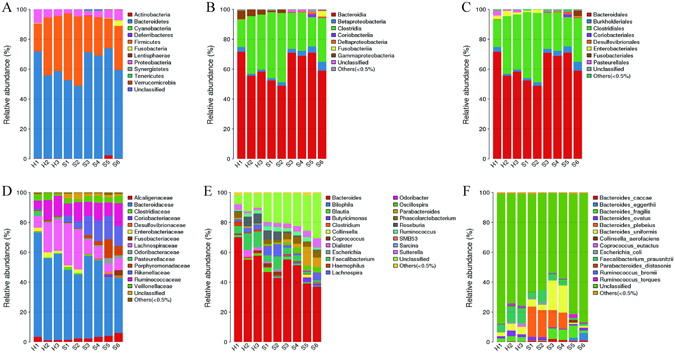
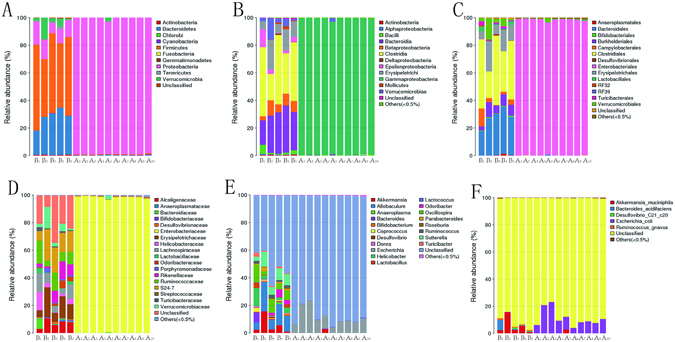
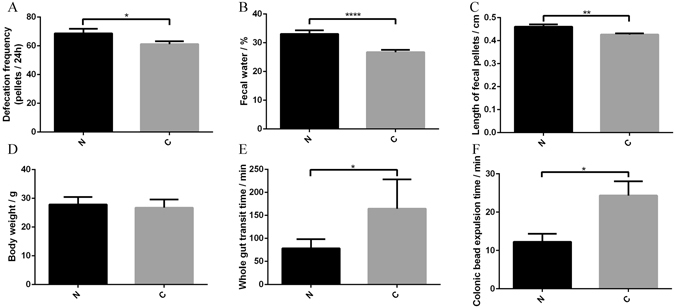
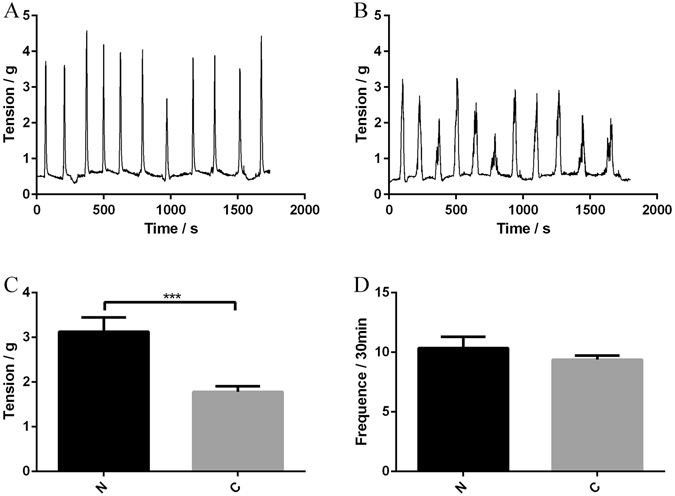
Verification
Claims the paper makes
The claims and statistics of this paper haven’t been checked yet.
Free: it reads the open-access text and checks the first 5 claims that cite a source we can check. Create a free account to check every claim.
Claims other papers make about this one
Each is checked against this paper’s own text: does it say what the citing paper says it does?
In the citing paper
“The potential role of microbially-derived metabolites is further supported by findings of delayed GI transit and altered SCFA and bile acid profiles following transfer of fecal microbiota from patients with slow transit constipation to antibiotic-treated mice159.”
From The gut Microbiome in adult and pediatric functional gastrointestinal disorders (2019) · cites this paper as [159]
Self-check
Percentages, sums and reported differences re-computed from the paper’s own numbers.
The self-check needs the paper’s full text.
Citations
Cites
Enterotypes of the human gut microbiome
MetaHIT Consortium (additional members), Arumugam, M., Raes, J., Pelletier, E., Le Paslier, D., Yamada, T., Mende, D. R., Fernandes, G. R., Tap, J., Bruls, T., et al. (2011) · Nature · doi:10.1038/nature09944 · Cited by 7,548
From Dietary Fiber to Host Physiology: Short-Chain Fatty Acids as Key Bacterial Metabolites
Koh, A., De Vadder, F., Kovatcheva-Datchary, P., & Bäckhed, F. (2016) · Cell · doi:10.1016/j.cell.2016.05.041 · Cited by 7,070
Recognition of Commensal Microflora by Toll-Like Receptors Is Required for Intestinal Homeostasis
Rakoff-Nahoum, S., Paglino, J., Eslami-Varzaneh, F., Edberg, S., & Medzhitov, R. (2004) · Cell · doi:10.1016/j.cell.2004.07.002 · Cited by 4,251
Indigenous bacteria from the gut microbiota regulate host serotonin biosynthesis
Yano, J. M., Yu, K., Donaldson, G. P., Shastri, G. G., Ann, P., Ma, L., Nagler, C. R., Ismagilov, R. F., Mazmanian, S. K., & Hsiao, E. Y. (2015) · Cell · doi:10.1016/j.cell.2015.02.047 · Cited by 3,614
The Effect of Diet on the Human Gut Microbiome: A Metagenomic Analysis in Humanized Gnotobiotic Mice
Turnbaugh, P. J., Ridaura, V. K., Faith, J. J., Rey, F. E., Knight, R., & Gordon, J. I. (2009) · Science Translational Medicine · doi:10.1126/scitranslmed.3000322 · Cited by 3,058
Shekhar, C., Monaghan, P. J., Morris, J., Issa, B., Whorwell, P. J., Keevil, B. G., & Houghton, L. A. (2013) · Gastroenterology · doi:10.1053/j.gastro.2013.07.014 · Cited by 2,945
Lacy, B. E., Mearin, F., Chang, L., Chey, W. D., Lembo, A. J., Simren, M., & Spiller, R. (2016) · Gastroenterology · doi:10.1053/j.gastro.2016.02.031 · Cited by 2,866
Intestinal Crosstalk between Bile Acids and Microbiota and Its Impact on Host Metabolism
Wahlström, A., Sayin, S. I., Marschall, H.-U., & Bäckhed, F. (2016) · Cell Metabolism · doi:10.1016/j.cmet.2016.05.005 · Cited by 2,851
(2013) · Gastroenterology Research · doi:10.1053/j · Cited by 2,759
Sayin, S. I., Wahlström, A., Felin, J., Jäntti, S., Marschall, H.-U., Bamberg, K., Angelin, B., Hyötyläinen, T., Orešič, M., & Bäckhed, F. (2013) · Cell Metabolism · doi:10.1016/j.cmet.2013.01.003 · Cited by 2,331
Cited by
Neurotransmitter modulation by the gut microbiota
Strandwitz, P. (2018) · Brain Research · doi:10.1016/j.brainres.2018.03.015 · Cited by 1,527
Mechanisms, evaluation, and management of chronic constipation
Bharucha, A. E., & Lacy, B. E. (2020) · Gastroenterology · doi:10.1053/j.gastro.2019.12.034 · Cited by 655
Walter, J., Armet, A. M., Finlay, B. B., & Shanahan, F. (2020) · Cell · doi:10.1016/j.cell.2019.12.025 · Cited by 596
Gut Microbiota and Chronic Constipation: A Review and Update
Ohkusa, T., Koido, S., Nishikawa, Y., & Sato, N. (2019) · Frontiers in Medicine · doi:10.3389/fmed.2019.00019 · Cited by 354
de Groot, P., Scheithauer, T., Bakker, G. J., Prodan, A., Levin, E., Khan, M. T., Herrema, H., Ackermans, M., Serlie, M. J. M., de Brauw, M., et al. (2020) · Gut · doi:10.1136/gutjnl-2019-318320 · Cited by 309
Cao, H., Liu, X., An, Y., Zhou, G., Liu, Y., Xu, M., Dong, W., Wang, S., Yan, F., Jiang, K., et al. (2017) · Scientific Reports · doi:10.1038/s41598-017-10835-8 · Cited by 253
Mancabelli, L., Milani, C., Lugli, G. A., Turroni, F., Mangifesta, M., Viappiani, A., Ticinesi, A., Nouvenne, A., Meschi, T., van Sinderen, D., et al. (2017) · Scientific Reports · doi:10.1038/s41598-017-10663-w · Cited by 182
Zhuang, M., Shang, W., Ma, Q., Strappe, P., & Zhou, Z. (2019) · Molecular Nutrition & Food Research · doi:10.1002/mnfr.201801187 · Cited by 174
Abnormal gut microbiota composition contributes to cognitive dysfunction in SAMP8 mice
Zhan, G., Yang, N., Li, S., Huang, N., Fang, X., Zhang, J., Zhu, B., Yang, L., Yang, C., & Luo, A. (2018) · Aging · doi:10.18632/aging.101464 · Cited by 176
“Based on a previous study with slight modification [36], broad-spectrum antibiotics (ampicillin 1 g/L, neomycin sulfate 1 g/L, metronidazole 1 g/L, Sigma-Aldrich Co.”
MethodThe gut Microbiome in adult and pediatric functional gastrointestinal disorders
Shin, A., Preidis, G. A., Shulman, R., & Kashyap, P. C. (2019) · Clinical Gastroenterology and Hepatology · doi:10.1016/j.cgh.2018.08.054 · Cited by 163
Do your gut microbes affect your brain dopamine?
González‐Arancibia, C., Urrutia-Piñones, J., Illanes-González, J., Martínez-Pinto, J., Sotomayor‐Zárate, R., Julio‐Pieper, M., & Bravo, J. A. (2019) · Psychopharmacology · doi:10.1007/s00213-019-05265-5 · Cited by 164
Chen, X., Chen, C., & Fu, X. (2023) · Journal of Agricultural and Food Chemistry · doi:10.1021/acs.jafc.3c02429 · Cited by 163
Gut Microbiota Dysbiosis Is Associated with Elevated Bile Acids in Parkinson’s Disease
Li, P., Killinger, B. A., Ensink, E., Beddows, I., Yilmaz, A., Lubben, N., Lamp, J., Schilthuis, M., Vega, I. E., Woltjer, R., et al. (2021) · Metabolites · doi:10.3390/metabo11010029 · Cited by 146
Saturated long-chain fatty acid-producing bacteria contribute to enhanced colonic motility in rats
Zhao, L., Huang, Y., Lu, L., Yang, W., Huang, T., Lin, Z., Lin, C., Kwan, H., Wong, H. L. X., Chen, Y., et al. (2018) · Microbiome · doi:10.1186/s40168-018-0492-6 · Cited by 144
“exhibit lower fecal frequency, delayed GI transit time, and weaker spontaneous contractions of colonic smooth muscle [15].”
BackgroundWeis, S., Schwiertz, A., Unger, M. M., Becker, A., Faßbender, K., Ratering, S., Kohl, M., Schnell, S., Schäfer, K.-H., & Egert, M. (2019) · npj Parkinson s Disease · doi:10.1038/s41531-019-0100-x · Cited by 145
Wei, L., Singh, R., Ro, S., & Ghoshal, U. C. (2021) · JGH Open · doi:10.1002/jgh3.12528 · Cited by 146
Direct and indirect mechanisms by which the gut microbiota influence host serotonin systems
Legan, T. B., Lavoie, B. A., & Mawe, G. M. (2022) · Neurogastroenterology & Motility · doi:10.1111/nmo.14346 · Cited by 132
Chen, X., Wu, J., Fu, X., Wang, P., & Chen, C. (2023) · International Journal of Biological Macromolecules · doi:10.1016/j.ijbiomac.2023.126038 · Cited by 125
Delivery routes for faecal microbiota transplants: Available, anticipated and aspired
Gulati, M., Singh, S. K., Corrie, L., Kaur, I. P., & Chandwani, L. (2020) · Pharmacological Research · doi:10.1016/j.phrs.2020.104954 · Cited by 122
Fan, Y., Han, W., Zhan, G., Li, S., Jiang, X., Wang, L., Xiang, S., Zhu, B., Yang, L., Luo, A., et al. (2019) · Aging · doi:10.18632/aging.102469 · Cited by 124
“Pseudo-germ-free mice induced by large doses of antibiotics were commonly used in fecal microbiota transplants in our previous studies and in other studies [35, 37, 42].”
MethodResultHuman Microbiome: Composition and Role in Inflammatory Skin Diseases
Balato, A., Cacciapuoti, S., Di Caprio, R., Marasca, C., Masarà, A., Raimondo, A., & Fabbrocini, G. (2019) · Archivum Immunologiae et Therapiae Experimentalis · doi:10.1007/s00005-018-0528-4 · Cited by 108
Hu, T., Wen, P., Fu, H.-Z., Guangyue, L., Liao, S., & Zou, Y. (2019) · Food & Function · doi:10.1039/c9fo00132h · Cited by 111
Ren, X., Liu, L., Gamallat, Y., Zhang, B., & Xin, Y. (2017) · Biomedicine & Pharmacotherapy · doi:10.1016/j.biopha.2017.11.119 · Cited by 110
Roles of Gut Microbiota and Metabolites in Pathogenesis of Functional Constipation
Wang, J.-K., & Yao, S.-K. (2021) · Evidence-Based Complementary and Alternative Medicine · doi:10.1155/2021/5560310 · Cited by 98
Wang, J., Liang, Q., Zhao, Q., Tang, Q., Ahmed, A. F., Zhang, Y., & Kang, W. (2021) · Food and Chemical Toxicology · doi:10.1016/j.fct.2021.112305 · Cited by 101
Role of gut microbiota-derived signals in the regulation of gastrointestinal motility
Zheng, Z., Tang, J., Hu, Y., & Zhang, W. (2022) · Frontiers in Medicine · doi:10.3389/fmed.2022.961703 · Cited by 103
“In contrast, FMT derived from constipated donors delays GI transit time in mice (47).”
BackgroundZhang, J., Bi, J., Guo, G., Yang, L., Zhu, B., Zhan, G., Li, S., Huang, N., Hashimoto, K., Yang, C., et al. (2019) · CNS Neuroscience & Therapeutics · doi:10.1111/cns.13103 · Cited by 95
Liu, H., Tian, R., Wang, H., Feng, S., Li, H., Xiao, Y., Luan, X., Zhang, Z., Shi, N., Niu, H., et al. (2020) · Journal of Translational Medicine · doi:10.1186/s12967-020-02539-x · Cited by 93
“The appropriate number of donors was determined on the basis of previous FMT experiments [10, 11].”
Self-citationLactobacillus reuteri in digestive system diseases: focus on clinical trials and mechanisms
Peng, Y., Ma, Y., Luo, Z., Jiang, Y.-F., Xu, Z., & Yu, R. (2023) · Frontiers in Cellular and Infection Microbiology · doi:10.3389/fcimb.2023.1254198 · Cited by 89
“The connection between the intestinal flora and the enteric neural systems involves the 5-HT pathways, which have advantages for irritating the local enteric nerve responses and promoting motility (Ge et al., 2017; Agus et al., 2018).”
BackgroundConstipation and Fecal Incontinence in the Elderly
Deb, B., Prichard, D. O., & Bharucha, A. E. (2020) · Current Gastroenterology Reports · doi:10.1007/s11894-020-00791-1 · Cited by 88
Lan, J., Wang, K., Chen, G., Cao, G., & Yang, C. (2020) · Food & Function · doi:10.1039/d0fo00865f · Cited by 79
Review article: the role of the autonomic nervous system in the pathogenesis and therapy of IBD
Mogilevski, T., Burgell, R., Aziz, Q., & Gibson, P. R. (2019) · Alimentary Pharmacology & Therapeutics · doi:10.1111/apt.15433 · Cited by 87
Wang, G., Yang, S., Sun, S., Si, Q., Wang, L., Zhang, Q., Wu, G., Zhao, J., Zhang, H., & Chen, W. (2020) · Frontiers in Cellular and Infection Microbiology · doi:10.3389/fcimb.2020.00423 · Cited by 80
“observed an elevated abundance of Verrucomicrobia in the feces of patients with slow-transit constipation, consistent with the findings from this study (Ge et al., 2017).”
ResultXu, Y., Shao, M., Fang, X., Tang, W., Zhou, C., Hu, X., Zhang, X., & Su, K. (2021) · Brain Behavior and Immunity · doi:10.1016/j.bbi.2021.09.014 · Cited by 76
Luk, B., Horvath, T. D., Engevik, K. A., Ruan, W. H., Haidacher, S. J., Hoch, K. M., Oezguen, N., Spinler, J. K., Haag, A. M., Versalovic, J. A., et al. (2021) · Biomolecules · doi:10.3390/biom11081091 · Cited by 72
Potential role of fecal microbiota in patients with constipation
Tian, Y., Zuo, L., Guo, Q., Li, J., Hu, Z., Zhao, K., Li, C., Li, X., Zhou, J., Zhou, Y., et al. (2020) · Therapeutic Advances in Gastroenterology · doi:10.1177/1756284820968423 · Cited by 68
Park, J., Kato, K., Murakami, H., Hosomi, K., Tanisawa, K., Nakagata, T., Ohno, H., Konishi, K., Kawashima, H., Chen, Y.-A., et al. (2021) · BMC Microbiology · doi:10.1186/s12866-021-02215-0 · Cited by 72
“The association between intestinal transit time and gut microbiota is complicated and interactive [27, 28], and therefore, studies involving the analysis of transit time as one of the investigating factors will help us to improve our understanding of the gut microbiome.”
BackgroundMa, T., Yang, N., Xie, Y., Li, Y., Xiao, Q., Li, Q., Jin, H., Zheng, L., Sun, Z., Zuo, K., et al. (2023) · Pharmacological Research · doi:10.1016/j.phrs.2023.106755 · Cited by 67
Yu, F., Han, W., Zhan, G., Li, S., Xiang, S., Zhu, B., Jiang, X., Yang, L., Luo, A., Hua, F., et al. (2019) · Aging · doi:10.18632/aging.101978 · Cited by 65
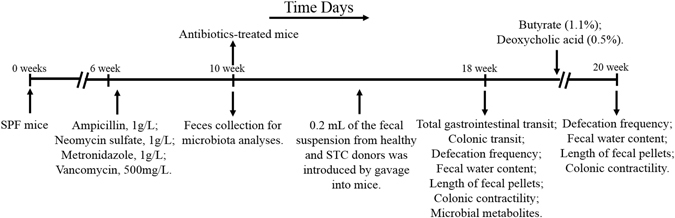
“2 mL of the suspension was administered by gavage to each recipient pseudo-germ-free mouse for 14 consecutive days [40].”
MethodAdhesive Bifidobacterium Induced Changes in Cecal Microbiome Alleviated Constipation in Mice
Wang, L., Chen, C., Cui, S., Lee, Y.-K., Wang, G., Zhao, J., Zhang, H., & Chen, W. (2019) · Frontiers in Microbiology · doi:10.3389/fmicb.2019.01721 · Cited by 62
“Constipation is related to the changes of gut microbiota, which may disturb cross-talk between the intestinal microflora, the intestinal endocrine system, the immune system and intestinal permeability (Caesar et al., 2015; Ge et al., 2017).”
BackgroundMicrobiome Influence in the Pathogenesis of Prion and Alzheimer’s Diseases
D’Argenio, V., & Sarnataro, D. (2019) · International Journal of Molecular Sciences · doi:10.3390/ijms20194704 · Cited by 61
Prototypical pacemaker neurons interact with the resident microbiota
Klimovich, A. V., Giacomello, S., Björklund, Å. K., Faure, L., Kaucká, M., Giez, C., Murillo‐Rincón, A. P., Matt, A.-S., Willoweit-Ohl, D., Crupi, G., et al. (2020) · Proceedings of the National Academy of Sciences · doi:10.1073/pnas.1920469117 · Cited by 69
“Similarly, disturbances of gut microbiota in humans (61 – 63) result in changes in pacemaker rhythmicity and abnormal peristalsis.”
Characterization of gut contractility and microbiota in patients with severe chronic constipation
Рашидовна, Я. Д., Ulfatovich, S. M., Андреевич, С. К., Arzamastseva, A. A., Shaidullov, I. F., Markelova, M., Grigoryeva, T. V., Karpukhin, O. Y., & Ситдикова, Г. Ф. (2020) · PLoS ONE · doi:10.1371/journal.pone.0235985 · Cited by 62
“Growing evidence indicates that intestinal microbiota may contribute to constipation and constipation-related symptoms [39].”
BackgroundChronic functional constipation is strongly linked to vitamin D deficiency
Panarese, A., Pesce, F., Porcelli, P., Riezzo, G., Iacovazzi, P. A., Leone, C. M., Carne, M. D., Rinaldi, C. M., & Shahini, E. (2019) · World Journal of Gastroenterology · doi:10.3748/wjg.v25.i14.1729 · Cited by 67
Gastrointestinal Motility Disorders in Obesity
Miron, I. C., & Dumitrascu, D. L. (2019) · Acta Endocrinologica (Bucharest) · doi:10.4183/aeb.2019.497 · Cited by 61
“Each theory analyses different aspects of dysmotility and metabolism, namely alteration of intestinal wall integrity, neuromuscular dysfunction, microbial metabolites, and intestinal hormones (72).”
BackgroundRevisiting the intestinal microbiome and its role in Diarrhea and constipation
Iancu, M. A., Profir, M., Roşu, O. A., Ionescu, R. F., Cretoiu, S. M., & Gaspar, B. S. (2023) · Microorganisms · doi:10.3390/microorganisms11092177 · Cited by 53
“A significant increase in defecation frequency and stool consistency was also demonstrated by Ge et al. in a case series that investigated FMT in six patients with slow-transit constipation [211].”
Acute Radiation Syndrome and the Microbiome: Impact and Review
Hollingsworth, B. A., Cassatt, D. R., DiCarlo, A. L., Rios, C. I., Satyamitra, M. M., Winters, T. A., & Taliaferro, L. P. (2021) · Frontiers in Pharmacology · doi:10.3389/fphar.2021.643283 · Cited by 54
Wilmes, L., Collins, J. M., O’Riordan, K. J., O’Mahony, S. M., Cryan, J. F., & Clarke, G. A. (2021) · Neurogastroenterology & Motility · doi:10.1111/nmo.14095 · Cited by 55
Okada, K., Matsushima, Y., Mizutani, K., & Yamanaka, K. (2020) · International Journal of Molecular Sciences · doi:10.3390/ijms21093303 · Cited by 57
“Louis MO, USA), 1 g/L neomycin sulfate, 1 g/L metronidazole, and 500 mg/L vancomycin (Funakoshi, Tokyo, Japan) was administered as previously described [13,41].”
The Constipation-Relieving Property of d-Tagatose by Modulating the Composition of Gut Microbiota
Liang, Y., Wen, P., Wang, Y., Ouyang, D., Da, W., Chen, Y.-Z., Song, Y., Deng, J., Sun, Y., & Wang, H. (2019) · International Journal of Molecular Sciences · doi:10.3390/ijms20225721 · Cited by 51
“Additionally, the enteric nervous system (ENS) plays a key role in the regulation of gastrointestinal motility, and the excitability of which is regulated by the levels of neurotransmitters [8].”
BackgroundSelf-citationCharron, C. S., Vinyard, B. T., Ross, S. A., Seifried, H. E., Jeffery, E. H., & Novotny, J. A. (2018) · British Journal Of Nutrition · doi:10.1017/s0007114518002921 · Cited by 51
“and individuals with chronic constipation to pseudo-germ-free mice, mice treated with microbiota from slow-transit constipation donors had delayed gastrointestinal transit time compared with healthy controls((52)).”
BackgroundLiang, W., Zhao, L., Zhang, J., Fang, X., Zhong, Q., Liao, Z., Wang, J., Guo, Y., Liang, H., & Wang, L. (2020) · Frontiers in Microbiology · doi:10.3389/fmicb.2020.01221 · Cited by 55
Microbial treatment: the potential application for Parkinson’s disease
Fang, X. (2018) · Neurological Sciences · doi:10.1007/s10072-018-3641-6 · Cited by 49
Ma, T., Xue, X., Tian, H., Zhou, X., Wang, J.-K., Zhao, Z., Wang, M., Song, J., Feng, R., Li, L., et al. (2023) · Journal of Translational Medicine · doi:10.1186/s12967-023-04215-2 · Cited by 45
“Bacteroides in the gut can stimulate intestinal peristalsis by increasing the expression of γ-aminobutyric acid, vesicle-associated protein, and intestinal γ-actin [13, 14].”
BackgroundSelf-citationLiu, S. H., Yang, X. F., Liang, L., Song, B. B., Song, X. M., Yang, Y., & Alhoot, M. A. (2025) · Frontiers in Microbiology · doi:10.3389/fmicb.2025.1689597 · Cited by 43
“Novel approaches, including encapsulated FMT preparations and rationally designed bacterial consortia targeting specific SCFA-production pathways, show promise for improving long-term outcomes (Ge et al., 2017).”
Lü, Y., Zhang, J., Zhang, Z., Liang, X., Liu, T., Yi, H., Gong, P., Wang, L., Yang, W., Zhang, X., et al. (2020) · Nutrition · doi:10.1016/j.nut.2020.111112 · Cited by 40
Hao, M., Song, J., Zhai, X., Cheng, N., Xu, C., Gui, S., & Chen, J. (2023) · Frontiers in Cellular and Infection Microbiology · doi:10.3389/fcimb.2023.1105272 · Cited by 40
“Recent clinical studies have reported that alterations in the gut microbial profile are linked to the symptoms of constipation (Ge et al., 2017).”
BackgroundObesity, Motility, Diet, and Intestinal Microbiota—Connecting the Dots
Fayfman, M., Flint, K. L., & Srinivasan, S. (2019) · Current Gastroenterology Reports · doi:10.1007/s11894-019-0680-y · Cited by 39
Keely, S. J., Urso, A., Ilyaskin, A. V., Korbmacher, C., Bunnett, N. W., Poole, D. P., & Carbone, S. (2021) · American Journal of Physiology-Gastrointestinal and Liver Physiology · doi:10.1152/ajpgi.00125.2021 · Cited by 41
Mazzone, A., Strege, P. R., Gibbons, S. J., Alcaino, C., Joshi, V., Haak, A. J., Tschumperlin, D. J., Bernard, C. E., Cima, R. R., Larson, D. W., et al. (2019) · Gut · doi:10.1136/gutjnl-2019-318747 · Cited by 40
Relationship among Parkinson’s disease, constipation, microbes, and microbiological therapy
Yuan, X.-Y., Chen, Y., & Liu, Z. (2024) · World Journal of Gastroenterology · doi:10.3748/wjg.v30.i3.225 · Cited by 36
“This method is based on the premise that alterations in the microbiome may affect gut motility through the production of different microbial-derived metabolites, and correcting these disruptions might improve the clinical symptoms[145].”
Xu, M., Guo, Y., Chen, Y., Zhang, W., Wang, L., & Li, Y. (2023) · Journal of Chinese Integrative Medicine · doi:10.1016/j.joim.2023.05.003 · Cited by 39
Effects of bread yeast cell wall beta-glucans on mice with loperamide-induced constipation
Chen, Z., Lin, S., Jiang, Y., Liu, L., Jiang, J., Chen, S., Tong, Y., & Wang, P. (2019) · Journal of Medicinal Food · doi:10.1089/jmf.2019.4407 · Cited by 34
“32 Otherwise, the neurotransmitter disorder in ENS is also one of the reasons for STC.”
Self-citationThe gut-brain axis and beyond: Microbiome control of spinal cord injury pain in humans and rodents
Bannerman, C. A., Douchant, K., Sheth, P. M., & Ghasemlou, N. (2020) · Neurobiology of Pain · doi:10.1016/j.ynpai.2020.100059 · Cited by 35
Wang, K., Qiu, H., Chen, F., Cai, P., & Qi, F. (2024) · BioScience Trends · doi:10.5582/bst.2024.01036 · Cited by 34
Acupuncture influences multiple diseases by regulating gut microbiota
Xu, H., Luo, Y., Li, Q., & Zhu, H. (2024) · Frontiers in Cellular and Infection Microbiology · doi:10.3389/fcimb.2024.1371543 · Cited by 34
Liang, S., He, Z., Liang, Z., Wang, K., Du, B., Guo, R., & Li, P. (2024) · Food Research International · doi:10.1016/j.foodres.2024.114761 · Cited by 33
Treatment of childhood constipation: a synthesis of systematic reviews and meta-analyses
Southwell, B. R. (2020) · Expert Review of Gastroenterology & Hepatology · doi:10.1080/17474124.2020.1733974 · Cited by 58
“profiles after transfer of fecal microbiota from patients with slowtransit constipation to antibiotic-treated mice [90].”
BackgroundKommers, M. J., Rodrigues, R. A. S., Miyajima, F., Zavala, A. A. Z., Ultramari, V. R. L. M., Fett, W. C. R., Balogun, S. O., de Oliveira, R. G., & Fett, C. A. (2019) · The Journal of Alternative and Complementary Medicine · doi:10.1089/acm.2019.0134 · Cited by 33
The Role of Gut Microbiome in Irritable Bowel Syndrome: Implications for Clinical Therapeutics
Zhao, Y., Zhu, S., Dong, Y., Xie, T., Chai, Z., Gao, X., Dai, Y., & Wang, X. (2024) · Biomolecules · doi:10.3390/biom14121643 · Cited by 41
“Constipation patients have been found to exhibit higher levels of Bacteroides in the colonic mucosal microbiota, and FMT from constipated donors has been shown to delay gastrointestinal transit time in mice [39].”
Roles of Chinese Medicine and Gut Microbiota in Chronic Constipation
Xu, Z., Liu, T., Zhou, Q., Chen, J., Yuan, J., & Yang, Z. (2019) · Evidence-based Complementary and Alternative Medicine · doi:10.1155/2019/9372563 · Cited by 36
“Notably, increasing evidences indicated that gut microbiota was associated with chronic constipation, so more studies had been conducted to treat chronic constipation from the perspective of regulating gut microbiota [6, 7].”
BackgroundSummers, S., & Quimby, J. M. (2024) · The Veterinary Journal · doi:10.1016/j.tvjl.2024.106181 · Cited by 52
Bile acids and FXR in functional gastrointestinal disorders
Mosińska, P., Szczepaniak, A., & Fichna, J. (2018) · Digestive and Liver Disease · doi:10.1016/j.dld.2018.05.016 · Cited by 33
Fan, Y., Jiang, R., Han, W., Zhan, G., Xu, X., Jiang, X., Wang, L., Xiang, S., Zhou, Q., Liu, C., et al. (2020) · Aging · doi:10.18632/aging.104101 · Cited by 28
“2 ml of the suspension was administered to pseudo germ-free mice by oral gavage for 14 consecutive days [54].”
MethodScreening of intestinal peristalsis-promoting probiotics based on a zebrafish model
Lü, Y., Zhang, J., Yi, H., Zhang, Z., & Zhang, L. (2019) · Food & Function · doi:10.1039/c8fo02523a · Cited by 29
Misawa, N., Higurashi, T., Takatsu, T., Iwaki, M., Kobayashi, T., Yoshihara, T., Ashikari, K., Kessoku, T., Fuyuki, A., Matsuura, T., et al. (2020) · Alimentary Pharmacology & Therapeutics · doi:10.1111/apt.15950 · Cited by 29
Mukherjee, A., Farsi, D. N., García-Gutiérrez, E., Akan, E., Salas-Millán, J. Á., Angelovski, L., Bintsis, Τ., Gérard, A., Güley, Z., Kabakcı, S. A., et al. (2025) · Frontiers in Nutrition · doi:10.3389/fnut.2025.1668889 · Cited by 27
“In this context, evidence suggests a depletion in Bifidobacterium spp. and Lactobacillus spp. in constipation, as well as a reduction in butyrate-producers Roseburia intestinalis and Faecalibacterium , with the latter correlating with impaired mucosal barrier function and reduced transit (90, 91).”
Hearn-Yeates, F., Horne, A. W., O’Mahony, S. M., & Saunders, P. T. K. (2024) · Reproduction and Fertility · doi:10.1530/raf-23-0085 · Cited by 31
Chen, Y., Zhang, R., Xu, J., & Ren, Q. (2022) · Frontiers in Nutrition · doi:10.3389/fnut.2022.965687 · Cited by 29
Altered Gut Microbic Flora and Haemorrhoids: Could They Have a Possible Relationship?
Palumbo, V. D., Tutino, R., Messina, M., Santarelli, M., Nigro, C., Secco, G. L., Piceni, C., Montanari, E., Barletta, G., Venturelli, P., et al. (2023) · Journal of Clinical Medicine · doi:10.3390/jcm12062198 · Cited by 30
“In one study, antibiotic-treated mice showed altered short-chain fatty acids (SCFA) and bile acid profiles after transfer of faecal microbiota from patients with slow-transit constipation [76].”
BackgroundWang, L., Yang, S., Mei, C., Tang, N., Wang, J., Yu, Q., Wang, G., Wu, G., Zhao, J., & Chen, W. (2023) · Foods · doi:10.3390/foods12224176 · Cited by 27
“Similarly, after transplanting the stool of a patient with constipation into GF mice, the contraction ability of the smooth muscle of the mouse colon was weakened, as was the intestinal transmission ability [5].”
BackgroundKamiński, M., Skonieczna‐Żydecka, K., Łoniewski, I., Koulaouzidis, A., & Marlicz, W. M. (2019) · Gastroenterology Review · doi:10.5114/pg.2019.86747 · Cited by 26
“In this rodent study a 4-week, broad-spectrum, antibiotic therapy was followed by faecal microbiome transplantation (FMT) from constipated or healthy donors [19].”
BackgroundWen, Y., Zhan, Y., Tang, S., Liu, F., Wu, R., Kong, P., Li, Q., & Tang, X. (2022) · Pharmaceutical Biology · doi:10.1080/13880209.2022.2157020 · Cited by 23
“In addition, germ-free mice developed constipation after receiving fecal microbiota from constipated patients (Ge et al. 2017).”
BackgroundZhou, X., Mao, B., Tang, X., Zhang, Q., Zhao, J., Zhang, H., & Cui, S. (2023) · International Journal of Molecular Sciences · doi:10.3390/ijms24076585 · Cited by 23
Effects of probiotics and its fermented milk on constipation: a systematic review
Yan, J., Wu, M., Zhao, W. K., Kwok, L. Y., & Zhang, W. (2023) · Food Science and Human Wellness · doi:10.1016/j.fshw.2023.03.024 · Cited by 24
Self-citationLi, H., Xiao, H.-Y., Yuan, L., Yan, B., Pan, Y., Tian, P.-P., & Zhang, W. (2023) · BMC Microbiology · doi:10.1186/s12866-023-02880-3 · Cited by 23
“Butyrate concentrations were decreased significantly in mice treated with fecal microbiota transplantation from constipated patients, and after supplementation with butyrate, some constipation-related symptoms were reversed [22].”
BackgroundHu, M., Fang, C., Liu, Y., Gao, M. Q., Zhang, D., Shi, G., Yin, Z., Zheng, R., & Zhang, J. (2021) · Food & Function · doi:10.1039/d1fo01237a · Cited by 22
Tanihiro, R., Yuki, M., Sasai, M., Haseda, A., Kagami‐Katsuyama, H., Hirota, T., Honma, N., & Nishihira, J. (2023) · Nutrients · doi:10.3390/nu16010141 · Cited by 21
“Subsequently, these gut hormones can affect gut sensation, secretion, and motility, primarily through stimulating specific receptors which are located on epithelial cells, enteric neurons, and smooth muscle cells [42,43].”
BackgroundGoya‐Jorge, E., Bondue, P., Gonza, I., Laforêt, F., Antoine, C., Boutaleb, S., Douny, C., Scippo, M., de Ribaucourt, J. C., Crahay, F., et al. (2023) · Food Research International · doi:10.1016/j.foodres.2023.113348 · Cited by 25
Huang, Y., Guo, Y., Li, X., Xiao, Y., Wang, Z., Song, L., & Ren, Z. (2023) · Nutrients · doi:10.3390/nu15173741 · Cited by 20
“rhamnosus CCFM1068 treatment reversed the alterations of Verrucomicrobia in the STC group toward the levels of the control group [14,38].”
BackgroundYuan, F., Tan, W., Ren, H., Yan, L., Wang, Y., & Luo, H. (2020) · Drug Design Development and Therapy · doi:10.2147/dddt.s246619 · Cited by 22
Effects of sEA on Slow Transit Constipation through the Microbiota‐Gut‐Brain Axis in Rats
Jin, X., Guan, Y., Bai, H., Liu, Y., & Lv, X. (2020) · Evidence-based Complementary and Alternative Medicine · doi:10.1155/2020/8828846 · Cited by 22
“ese systems could regulate gastroenteric physiological functions and STC pathological processes [5, 8, 10].”
BackgroundMeng, Y., Li, X., Wang, X., Zhang, L., & Guan, J. (2022) · Animal Models and Experimental Medicine · doi:10.1002/ame2.12226 · Cited by 22
Feng, X., Shi, Y., Zhou, Z., Ji, Z., Zhou, W., Chen, S., & Ma, D. (2022) · Journal of the Science of Food and Agriculture · doi:10.1002/jsfa.12181 · Cited by 20
Park, S., Lee, G., Hoang, T., Lee, H., Kang, I.-Y., Chung, M.-J., Jin, J., & Chae, H. (2021) · PLoS ONE · doi:10.1371/journal.pone.0250354 · Cited by 20
“Advancement of science has shed light on the relation between constipation and gut microbiota, suggesting that it may disturb crosstalk between the intestinal microbiota, the immune system, and intestinal permeability [1, 2].”
BackgroundAssociation between Dietary Intake of Live Microbes and Chronic Constipation in Adults
Yang, C., Hong, Q., Wu, T., Fan, Y., Shen, X., & Dong, X. (2023) · Journal of Nutrition · doi:10.1016/j.tjnut.2023.11.032 · Cited by 21
Liu, M., Song, S., Chen, Q., Sun, J., Chu, W., Zhang, Y., & Ji, F. (2021) · Aging · doi:10.18632/aging.203193 · Cited by 20
“Pseudo germ-free mice were established as described by previous studies [51, 70] with slight modification.”
MethodWang, Q., Wang, X., Lv, Y., Yang, C., Zhou, C., & Wang, L. (2022) · Frontiers in Microbiology · doi:10.3389/fmicb.2021.641084 · Cited by 19
“2 ml of the suspension was administered by gavage to each recipient pseudogerm-free rats for 14 consecutive days (Ge et al., 2017).”
MethodShi, H., Chen, M., Zheng, C., Yinglin, B., & Zhu, B. (2023) · Journal of Pain Research · doi:10.2147/jpr.s415642 · Cited by 19
Wang, R., Deng, Y., Deng, Q., Sun, D., Fang, Z., Sun, L., Wang, Y., & Gooneratne, R. (2020) · Frontiers in Microbiology · doi:10.3389/fmicb.2020.00073 · Cited by 21
Metadata
- Authors
- Ge, X., Zhao, W., Ding, C., Tian, H., Xu, L., Wang, H., Ni, L., Jiang, J., Gong, J., Zhu, W., Zhu, M., & Li, N.
- Affiliations
- Nanjing General Hospital of Nanjing Military Command (CN)
- Nanjing University (CN)
- First Affiliated Hospital Zhejiang University (CN)
- Tongji University (CN)
- Corresponding author
- Gong, Jianfeng
- Zhu, Weiming
- Li, Ning
- Venue
- Scientific Reports
- Published
- 2017-03-27
- Volume
- 7
- Issue
- 1
- Pages
- 441-441
- ISSN
- 2045-2322 (ISSN-L)
- PMC
- PMC5428802
- OpenAlex
- W2602278063
- Cited by
- 232
- References
- 60
- Citations by year
- 2026: 12 · 2025: 22 · 2024: 26 · 2023: 46 · 2022: 18 · 2021: 32 · 2020: 30 · 2019: 31 · 2018: 10 · 2017: 5
- FWCI
- 22.05
- Type
- journal article
- Language
- en
- Open access
- gold
- doi.org
- Licence
- cc-by
- creativecommons.org/licenses/by/4.0 (tdm)
- creativecommons.org/licenses/by/4.0 (vor)
- Locations
- Scientific Reports (publishedVersion, cc-by)
- PubMed Central (publishedVersion, cc-by)
- PubMed (publishedVersion)
- DOAJ (DOAJ: Directory of Open Access Journals) (submittedVersion, cc-by-sa)
- Funders
- National Natural Science Foundation of China (81670493, 81270006, 2015BAI13B07)
- Topics
- Health Sciences › Medicine › Gastroenterology › Gastrointestinal motility and disorders
- Life Sciences › Biochemistry, Genetics and Molecular Biology › Molecular Biology › Gut microbiota and health
- Health Sciences › Medicine › Surgery › Congenital gastrointestinal and neural anomalies
- Keywords
- slow transit constipation, fecal microbiota, intestinal motility, fecal microbiota transplantation, microbial metabolites, short-chain fatty acids, secondary bile acids, colonic smooth muscle contraction, gut microbiota diversity
- MeSH terms
- Gastrointestinal Microbiome, Fecal Microbiota Transplantation, Animals, Constipation, Disease Models, Animal, Feces, Gastrointestinal Motility, Humans, Mice, Microbiota
About these checks
Registry, retraction, Cites and statistics results are computed, not judged, with one exception: a printed reference that no index lists is read once by a model before it counts as a citation error. Claims are extracted by a model and kept only when their quote appears verbatim in the text; each cited source is then checked, with a model’s help, for whether it says what the claim relies on. Those verdicts can be wrong — read the claim’s quote and the cited source before relying on one.
Statistics and arithmetic are recomputed, not judged.
Confidence bands are shown only for fields calibrated on our annotated test set. None is calibrated yet, so no band is shown.
What counts as a claim ›How we measure confidence ›How we check this ›
Are you an author, or do you see a problem with this page? Request a review
Data sources
Bibliographic data: Semantic Scholar, OpenAlex, Crossref.
Contains information from the Semantic Scholar Academic Graph Datasets, made available under the ODC Attribution License (ODC-BY 1.0).
Semantic Scholar’s data is described in: Kinney, R., et al. (2023). The Semantic Scholar Open Data Platform. arXiv:2301.10140.
