

Volunteer Participation in the Health eHeart Study: A Comparison with the US Population
Open accessThe DOI matches its Crossref record; 16 of the 16 references it cites were found in a registry or an index.
Abstract
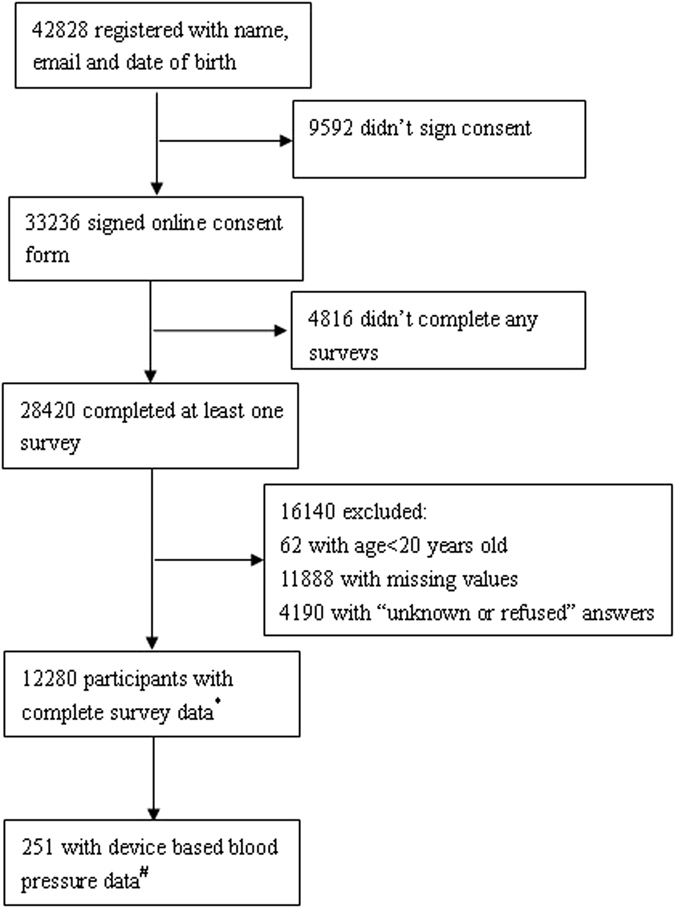
Direct volunteer “eCohort” recruitment can be an efficient way of recruiting large numbers of participants, but there is potential for volunteer bias. We compared self-selected participants in the Health eHeart Study to participants in the National Health And Nutrition Examination Survey (NHANES) 2013–14, a cross-sectional survey of the US population. Compared with the US population (represented by 5,769 NHANES participants), the 12,280 Health eHeart participants with complete survey data were more likely to be female (adjusted odds ratio (ORadj) = 3.1; 95% confidence interval (CI) 2.9–3.5); less likely to be Black, Hispanic, or Asian versus White/non-Hispanic (ORadj’s = 0.4–0.6, p < 0.01); more likely to be college-educated (ORadj = 15.8 (13–19) versus ≤high school); more likely to have cardiovascular diseases and risk factors (ORadj’s = 1.1–2.8, p < 0.05) except diabetes (ORadj = 0.8 (0.7–0.9); more likely to be in excellent general health (ORadj = 0.6 (0.5–0.8) for “Good” versus “Excellent”); and less likely to be current smokers (ORadj = 0.3 (0.3–0.4)). While most self-selection patterns held for Health eHeart users of Bluetooth blood pressure cuff technology, there were some striking differences; for example, the gender ratio was reversed (ORadj = 0.6 (0.4–0.7) for female gender). Volunteer participation in this cardiovascular health-focused eCohort was not uniform among US adults nor for different components of the study.
Overview
The claims and statistics of this paper haven’t been checked yet.
Free: it reads the open-access text and checks the first 5 claims that cite a source we can check. Create a free account to check every claim.
Integrity signals
Registry
Cites
Statistics
Figures
Verification
Claims the paper makes
The claims and statistics of this paper haven’t been checked yet.
Free: it reads the open-access text and checks the first 5 claims that cite a source we can check. Create a free account to check every claim.
Claims other papers make about this one
Each is checked against this paper’s own text: does it say what the citing paper says it does?
The cited source says what the claim attributes to it.
In the citing paper
“Our observation that women tended to volunteer at a higher rate than men is consistent with other studies [84,85,86,87,88,89].”
From Walking Green: Developing an Evidence Base for Nature Prescriptions (2019) · cites this paper as [85]
Self-check
Percentages, sums and reported differences re-computed from the paper’s own numbers.
The self-check needs the paper’s full text.
Citations
Cites
Statistical Analysis with Missing Data
Little, R. J. A., & Rubin, D. B. (2002) · Wiley Series in Probability and Statistics · doi:10.1002/9781119013563 · Cited by 8,473
Gosling, S. D., Vazire, S., Srivastava, S., & John, O. P. (2004) · American Psychologist · doi:10.1037/0003-066x.59.2.93 · Cited by 2,932
Participation Rates in Epidemiologic Studies
Galea, S., & Tracy, M. (2007) · Annals of Epidemiology · doi:10.1016/j.annepidem.2007.03.013 · Cited by 1,877
George, S., Duran, N., & Norris, K. (2014) · American Journal of Public Health · doi:10.2105/ajph.2013.301706 · Cited by 1,603
Web-based Questionnaires: The Future in Epidemiology?
van Gelder, M. M. H. J., Bretveld, R. W., & Roeleveld, N. (2010) · American Journal of Epidemiology · doi:10.1093/aje/kwq291 · Cited by 580
Berrens, R. P., Bohara, A. K., Jenkins-Smith, H., Silva, C., & Weimer, D. L. (2003) · Political Analysis · doi:10.1093/pan/11.1.1 · Cited by 364
Greenlaw, C., & Brown-Welty, S. (2009) · Evaluation Review · doi:10.1177/0193841x09340214 · Cited by 363
Wyatt, J. C. (2000) · Journal of the American Medical Informatics Association · doi:10.1136/jamia.2000.0070426 · Cited by 264
Andreeva, V. A., Salanave, B., Castetbon, K., Deschamps, V., Vernay, M., Kesse-Guyot, E., & Hercberg, S. (2015) · Journal of Epidemiology and Community Health · doi:10.1136/jech-2014-205263 · Cited by 203
A successful implementation of e-epidemiology: the Danish pregnancy planning study ‘Snart-Gravid’
Huybrechts, K. F., Mikkelsen, E. M., Christensen, T., Riis, A. H., Hatch, E. E., Wise, L. A., Sørensen, H. T., & Rothman, K. J. (2010) · European Journal of Epidemiology · doi:10.1007/s10654-010-9431-y · Cited by 90
Cited by
Cigarette and e-cigarette dual use and risk of cardiopulmonary symptoms in the Health eHeart Study
Wang, J. B., Olgin, J. E., Nah, G., Vittinghoff, E., Cataldo, J. K., Pletcher, M. J., & Marcus, G. M. (2018) · PLOS ONE · doi:10.1371/journal.pone.0198681 · Cited by 244
“The Health eHeart Study is an ongoing internet-based study aims to collect and analyze mobile and digital health data, with an enrollment goal of one million participants worldwide, to discover novel approaches to preventing and treating heart disease [23].”
BackgroundSelf-citationA Tale of Two Diverse Qualtrics Samples: Information for Online Survey Researchers
Miller, C. A., Guidry, J. P. D., Dahman, B., & Thomson, M. D. (2020) · Cancer Epidemiology, Biomarkers & Prevention · doi:10.1158/1055-9965.epi-19-0846 · Cited by 182
“population (11), growing evidence suggests samples recruited through online panels can be as representative of the population as traditional recruitment methods (12–14).”
BackgroundRosenblum, H. G., Gee, J., Liu, R., Marquez, P. L., Zhang, B., Strid, P., Abara, W. E., McNeil, M. M., Myers, T. R., Hause, A. M., et al. (2022) · The Lancet Infectious Diseases · doi:10.1016/s1473-3099(22)00054-8 · Cited by 182
Left ventricular mechanical dispersion predicts arrhythmic risk in mitral valve prolapse
Ermakov, S., Gulhar, R., Lim, L. J., Bibby, D., Fang, Q., Nah, G., Abraham, T. P., Schiller, N. B., & Delling, F. N. (2019) · Heart · doi:10.1136/heartjnl-2018-314269 · Cited by 115
Walking Green: Developing an Evidence Base for Nature Prescriptions
Koselka, E. P. D., Weidner, L. C., Minasov, A., Berman, M. G., Leonard, W. R., Santoso, M. V., de Brito, J. N., Pope, Z. C., Pereira, M. A., & Horton, T. H. (2019) · International Journal of Environmental Research and Public Health · doi:10.3390/ijerph16224338 · Cited by 89
Technology-Enabled Clinical Trials: Transforming Medical Evidence Generation
Marquis‐Gravel, G., Roe, M. T., Turakhia, M. P., Boden, W. E., Temple, R., Sharma, A., Hirshberg, B., Slater, P., Craft, N. A., Stockbridge, N., et al. (2019) · Circulation · doi:10.1161/circulationaha.119.040798 · Cited by 93
Dickinson, M. G., Allen, L. A., Albert, N. A., DiSalvo, T., Ewald, G. A., Vest, A. R., Whellan, D. J., Zile, M. R., & Givertz, M. M. (2018) · Journal of Cardiac Failure · doi:10.1016/j.cardfail.2018.08.011 · Cited by 86
The Impact of Workplace Harassment on Health in a Working Cohort
Gale, S. L., Mordukhovich, I., Newlan, S., & McNeely, E. (2019) · Frontiers in Psychology · doi:10.3389/fpsyg.2019.01181 · Cited by 85
“This strategy may contribute to selection bias, as volunteer participants may be self-selecting relative to those recruited using a randomized approach and may differ in terms of socioeconomic status, attitude toward research, and/or other factors related to health or ability to complete surveys, as discussed in a rec…”
BackgroundInfluentialUsing mobile technology to engage sexual and gender minorities in clinical research
Lunn, M. R., Capriotti, M. R., Flentje, A., Bibbins-Domingo, K. B., Pletcher, M. J., Triano, A. J., Sooksaman, C., Frazier, J., & Obedin‐Maliver, J. (2019) · PLoS ONE · doi:10.1371/journal.pone.0216282 · Cited by 80
“org) is a web-based longitudinal cohort study based at the University of California, San Francisco that has recruited over 180,000 consented participants [34].”
BackgroundSelf-citationWen, X., Wang, M., Xu, X., & Li, T. (2022) · Environmental Health Perspectives · doi:10.1289/ehp10393 · Cited by 79
RetractedVarma, N., Cygankiewicz, I., Turakhia, M. P., Heidbuchel, H., Hu, Y.-F., Chen, L. Y., Couderc, J.-P., Cronin, E. M., Estep, J. D., Grieten, L., et al. (2021) · Circulation: Arrhythmia and Electrophysiology · doi:10.1161/circep.120.009204 · Cited by 74
Employment profiles of autistic adults in Australia
Harvery, M., Froude, E. H., Foley, K., Trollor, J. N., & Arnold, S. R. C. (2021) · Autism Research · doi:10.1002/aur.2588 · Cited by 54
“Self-selection in online surveys can lead to a female gender bias (Guo et al., 2017; Sax et al., 2003), as also has been noted in other online autism research (Cage et al., 2018; Gilmour et al., 2012).”
BackgroundCohort profile: the Australian Longitudinal Study of Adults with Autism (ALSAA)
Arnold, S., Foley, K.-R., Hwang, Y. I. (., Richdale, A. L., Uljarevic, M., Lawson, L. P., Cai, R. Y., Falkmer, T., Falkmer, M., Lennox, N. G., et al. (2019) · BMJ Open · doi:10.1136/bmjopen-2019-030798 · Cited by 58
Allen, J. D., Abuelezam, N. N., Rose, R., & Fontenot, H. B. (2021) · Translational Behavioral Medicine · doi:10.1093/tbm/ibab014 · Cited by 55
“population, they are equivalently representative as traditional recruitment approaches [25].”
BackgroundMethodJohnson, R., Ding, Y., Venkateswaran, V., Bhattacharya, A., Boulier, K. M., Chiu, A. M., Knyazev, S., Schwarz, T., Freund, M. K., Zhan, L., et al. (2022) · Genome Medicine · doi:10.1186/s13073-022-01106-x · Cited by 55
Varma, N., Cygankiewicz, I., Turakhia, M. P., Heidbüchel, H., Hu, Y., Chen, L. Y., Couderc, J., Cronin, E. M., Estep, J. D., Grieten, L., et al. (2021) · Annals of Noninvasive Electrocardiology · doi:10.1111/anec.12795 · Cited by 54
Improving Heart Failure Therapeutics Development in the United States
O’Connor, C. M., Psotka, M. A., Fiuzat, M., Lindenfeld, J. M., Abraham, W. T., Bristow, M. R., Caños, D., Harrington, R. A., Hillebrenner, M., Jessup, M. L., et al. (2018) · Journal of the American College of Cardiology · doi:10.1016/j.jacc.2017.11.048 · Cited by 54
“The Eureka platform, powered by Amazon Web Services, has a currently accessible cohort of over 100,000 subjects, including more than 50% women, and its proportionally few minorities can be enriched in subgroups created for trial purposes (42).”
BackgroundDesign and Preliminary Findings From a New Electronic Cohort Embedded in the Framingham Heart Study
McManus, D. D., Trinquart, L., Benjamin, E. J., Manders, E. S., Fusco, K., Jung, L., Spartano, N. L., Kheterpal, V., Nowak, C., Sardana, M., et al. (2019) · Journal of Medical Internet Research · doi:10.2196/12143 · Cited by 49
“The Nokia-Withings BP device was selected because it is Food and Drug Administration–approved for home BP monitoring, has been validated (accuracy ±3 mmHg) [18], and has been used in other digital device studies [9].”
InfluentialCancer prevalence among flight attendants compared to the general population
McNeely, E., Mordukhovich, I., Staffa, S., Tideman, S., Gale, S., & Coull, B. (2018) · Environmental Health · doi:10.1186/s12940-018-0396-8 · Cited by 45
“However, the above analysis reported that, while selection bias was likely on a variety of factors, such as gender and marital status, it was much less likely to affect internal (rather than external) validity of exposure-outcome associations [37].”
BackgroundInfluentialReal-World Evidence: Promise and Peril For Medical Product Evaluation.
Dhruva, S. S., Ross, J. S., & Desai, N. R. (2018) · Europe PMC (PubMed Central) · Cited by 51
Varma, N., Cygankiewicz, I., Turakhia, M. P., Heidbüchel, H., Hu, Y., Chen, L. Y., Couderc, J., Cronin, E. M., Estep, J. D., Grieten, L., et al. (2021) · Journal of Arrhythmia · doi:10.1002/joa3.12461 · Cited by 41
Digital platforms for clinical trials: The Eureka experience
Peyser, N. D., Marcus, G. M., Beatty, A. L., Olgin, J. E., & Pletcher, M. J. (2022) · Contemporary Clinical Trials · doi:10.1016/j.cct.2022.106710 · Cited by 38
Self-citationFeasibility of Digital Memory Assessments in an Unsupervised and Remote Study Setting
Berron, D., Ziegler, G., Vieweg, P., Billette, O. V., Güsten, J., Grande, X., Heneka, M. T., Schneider, A., Teipel, S. J., Jessen, F., et al. (2022) · Frontiers in Digital Health · doi:10.3389/fdgth.2022.892997 · Cited by 38
The COVID-19 Citizen Science Study: Protocol for a Longitudinal Digital Health Cohort Study
Beatty, A. L., Peyser, N. D., Butcher, X., Carton, T. W., Olgin, J. E., Pletcher, M. J., & Marcus, G. M. (2021) · JMIR Research Protocols · doi:10.2196/28169 · Cited by 34
“In 2014, University of California, San Francisco (UCSF) researchers launched the Health eHeart Study [4], a ground-breaking cohort study conducted using web- and mobile-based recruitment, enrollment, consent, and participation [5-8].”
BackgroundSelf-citationRiffenburg, K. M., & Spartano, N. L. (2018) · Current Opinion in Endocrinology Diabetes and Obesity · doi:10.1097/med.0000000000000433 · Cited by 33
Big data, artificial intelligence, and cardiovascular precision medicine
Krittanawong, C., Johnson, K. W., Hershman, S. G., & Tang, W. H. W. (2018) · Expert Review of Precision Medicine and Drug Development · doi:10.1080/23808993.2018.1528871 · Cited by 33
“Studies like MyHeart Counts [19], Health eHeart [20], MyGene Rank [21], and the Apple Heart Study [22] have used the app store as a recruitment tool and iOS applications for data collection; using such an approach, it is not uncommon to recruit as many as ~10 5 participants.”
MethodPotential of Online Recruitment Among 15-25-Year Olds: Feasibility Randomized Controlled Trial
Hoffmann, S. H., Folker, A. P., Buskbjerg, M., Folker, M. P., Jezek, A. H., Svartá, D. L., Sølvhøj, I. N., & Thygesen, L. C. (2022) · JMIR Formative Research · doi:10.2196/35874 · Cited by 26
“Studies find that participants recruited online are younger, more highly educated, have poorer self-rated health, and are more likely to be White and female than representative samples [8,18,20,24-26].”
BackgroundWarner, J. J., Crook, H. L., Whelan, K., Bleser, W. K., Roiland, R. A., Lopez, M. H., Saunders, R. S., Wang, T. Y., Hernandez, A. F., McClellan, M., et al. (2020) · Circulation Cardiovascular Quality and Outcomes · doi:10.1161/circoutcomes.120.006606 · Cited by 22
Varma, N., Cygankiewicz, I., Turakhia, M. P., Heidbüchel, H., Hu, Y., Chen, L. Y., Couderc, J., Cronin, E. M., Estep, J. D., Grieten, L., et al. (2021) · European Heart Journal - Digital Health · doi:10.1093/ehjdh/ztab001 · Cited by 22
Email-Based Recruitment Into the Health eHeart Study: Cohort Analysis of Invited Eligible Patients
Ng, M. Y., Olgin, J. E., Marcus, G. M., Lyles, C. R., & Pletcher, M. J. (2023) · Journal of Medical Internet Research · doi:10.2196/51238 · Cited by 18
“In addition to being similarly vulnerable to selection biases (eg, altruistic volunteers) and participation attrition as traditional clinical research studies, they must also contend with additional biases and inequities arising from the digital environment [2,3,8].”
Self-citationFanaroff, A. C., Vora, A. N., Chen, A. Y., Mathews, R., Udell, J. A., Roe, M. T., Thomas, L. E., & Wang, T. Y. (2019) · American Heart Journal · doi:10.1016/j.ahj.2019.05.011 · Cited by 17
Adherence of Mobile App-Based Surveys and Comparison With Traditional Surveys: eCohort Study
Pathiravasan, C. H., Zhang, Y., Trinquart, L., Benjamin, E. J., Borrelli, B., McManus, D. D., Kheterpal, V., Lin, H., Sardana, M., Hammond, M. M., et al. (2021) · Journal of Medical Internet Research · doi:10.2196/24773 · Cited by 19
“However, eCohorts are challenged by low adherence [10,11] and may yield substantial volunteer bias [12], raising concerns about the generalizability of study findings.”
Wilson, N. J., Stevens, A., Srasuebkul, P., Kersten, M. L., Lin, Z., Trollor, J. N., & Arnold, S. R. C. (2021) · Journal of Transport & Health · doi:10.1016/j.jth.2021.101117 · Cited by 17
Gajda, M., Kowalska, M., & Zejda, J. E. (2021) · International Journal of Environmental Research and Public Health · doi:10.3390/ijerph18189928 · Cited by 17
“The lack of effective population-based recruitment strategies in large surveys affects the reliability of the results and significantly hampers the proper interpretation of the research findings [24,25].”
BackgroundVarma, N., Cygankiewicz, I., Turakhia, M. P., Heidbuchel, H., Hu, Y., Chen, L. Y., Couderc, J.-P., Cronin, E. M., Estep, J. D., Grieten, L., et al. (2021) · Cardiovascular Digital Health Journal · doi:10.1016/j.cvdhj.2020.11.004 · Cited by 20
Ding, E., Pathiravasan, C. H., Schramm, E., Borrelli, B., Liu, C., Trinquart, L., Kornej, J., Benjamin, E. J., Murabito, J. M., & McManus, D. D. (2021) · Cardiovascular Digital Health Journal · doi:10.1016/j.cvdhj.2021.04.001 · Cited by 16
Alcaraz, K. I., Vereen, R. N., & Burnham, D. (2020) · Journal of Medical Internet Research · doi:10.2196/16680 · Cited by 16
“However, a study comparing characteristics of 12,280 eCohort participants recruited on the web to the US population found that participants were more likely to have a college education, less likely to be from racial or ethnic minority groups, and more likely to be in excellent general health [19].”
BackgroundSpartano, N. L., Lin, H., Sun, F. X., Lunetta, K. L., Trinquart, L., Valentino, M., Manders, E. S., Pletcher, M. J., Marcus, G. M., McManus, D. D., et al. (2019) · JMIR mhealth and uhealth · doi:10.2196/13238 · Cited by 13
“The HeH Study (with >210,000 participants) reported that 86% of participants completed at least one survey, but 37% provided complete survey data [13].”
BackgroundMethodResultInfluentialSelf-citationPereira, N. L., Avram, R., So, D. Y. F., Iturriaga, E., Byrne, J., Lennon, R. J., Murthy, V., Geller, N. L., Goodman, S. G., Rihal, C. S., et al. (2020) · American Heart Journal · doi:10.1016/j.ahj.2020.10.069 · Cited by 13
Self-citationPletcher, M. J., Olgin, J. E., Peyser, N. D., Modrow, M. F., Lin, F., Martin, J. N., Carton, T. W., Beatty, A. L., Vittinghoff, E., & Marcus, G. M. (2021) · JAMA Network Open · doi:10.1001/jamanetworkopen.2021.8500 · Cited by 12
“14 Heart diseasec 20 (11) 10 (24) 165 (7) <.”
Self-citationSelf-efficacy for exercise in adults with lifetime depression and low physical activity
Gold, A. K., Rabideau, D. J., Katz, D., Peters, A. T., Bist, J., Albury, E. A., George, N., Hsu, I. R., Modrow, M. F., Pletcher, M. J., et al. (2024) · Psychiatry Research Communications · doi:10.1016/j.psycom.2024.100159 · Cited by 12
Self-citationRissanen, R. (2022) · Scandinavian Journal of Public Health · doi:10.1177/14034948211047776 · Cited by 11
“The sample, not only overrepresents younger people, females and those with a higher socio-economic status which is in line with previous studies that have included eCohorts [5], but the sample also overrepresent people with mental health issues, represented by a self-report of a diagnosis of depression by a medical do…”
BackgroundResultCastner, J., Gehrke, G. E., Shapiro, N., & Dannemiller, K. C. (2018) · Public Health Nursing · doi:10.1111/phn.12384 · Cited by 10
Allen, J. D., Matsunaga, M., Lim, E., Zimet, G. D., Nguyen, K. H., & Fontenot, H. B. (2023) · Vaccines · doi:10.3390/vaccines11020478 · Cited by 10
“population, they are equally as representative as traditional recruitment approaches [36].”
BackgroundThe Smartwatch Will See You Now
Giancaterino, S., & Hsu, J. C. (2018) · Journal of the American College of Cardiology · doi:10.1016/j.jacc.2018.05.078 · Cited by 9
Greene, H. M., Maguire‐Jack, K., Malthaner, L., Truelove, A. J., & Leonard, J. C. (2022) · Child Abuse & Neglect · doi:10.1016/j.chiabu.2022.105482 · Cited by 8
Eastman, J. A., Kaup, A. R., Bahorik, A. L., Butcher, X., Attarha, M., Marcus, G. M., Pletcher, M. J., Olgin, J. E., Barnes, D. E., & Yaffe, K. S. (2021) · JMIR Formative Research · doi:10.2196/30410 · Cited by 8
“(NHANES III) estimates that 60% of men and 50% of women have 1 to 2 CVRFs, and this increases with age [31,32].”
BackgroundSelf-citationVarma, N., Cygankiewicz, I., & Turakhia, M. P. (2021) · Russian Journal of Cardiology · doi:10.15829/1560-4071-2021-4420 · Cited by 7
Preferred Location for Human Papillomavirus Self-Sampling for Cervical Cancer Screening
Liebermann, E., Fontenot, H. B., Lim, E., Matsunaga, M., Zimet, G. D., & Allen, J. D. (2023) · Journal of Obstetric, Gynecologic & Neonatal Nursing · doi:10.1016/j.jogn.2023.05.114 · Cited by 7
Allen, J. D., Abuelezam, N. N., Rose, R., Isakoff, K., Zimet, G. D., & Fontenot, H. B. (2024) · BMC Public Health · doi:10.1186/s12889-024-18740-2 · Cited by 7
“However, recent research has found that while participants recruited from online panels are not necessarily representative of the U.S. population, they are equivalently representative as traditional recruitment approaches [23].”
BackgroundDevelopment of the Impact of Diagnosis Scale–Revised (IODS-R)
Arnold, S. R. C., Huang, Y., Lawson, L. P., Higgins, J. M., Hwang, Y. I., Richdale, A. L., & Trollor, J. N. (2023) · Assessment · doi:10.1177/10731911231196486 · Cited by 6
“Females are known to have higher rates of self-selection into online research (Guo et al., 2017), with numerous recent online autism studies having now recruited female majority samples (e.g., Arnold et al., 2019; Arnold, Higgins, et al., 2023; Gilmour et al., 2012; Howard & Sedgewick, 2021;…”
BackgroundScreening for Atrial Fibrillation and the Role of Digital Health Technologies
Richardson, E., Hall, A., & Mitchell, A. R. J. (2020) · IntechOpen eBooks · doi:10.5772/intechopen.88660 · Cited by 6
“Devices could also make it easier to target select groups and enrol them in further research [78, 79].”
BackgroundManthorpe, T., Arstall, M. A., Andraweera, P. H., & Aldridge, E. (2025) · Maternal and Child Health Journal · doi:10.1007/s10995-025-04047-0 · Cited by 5
“The Lyell McEwin Hos - pital services a low socioeconomic area with some of the highest rates of chronic disease and social disadvantage in the country (Guo et al., 2017 ).”
Rong, J., Pathiravasan, C. H., Zhang, Y., Faro, J. M., Wang, X., Schramm, E., Borrelli, B., Benjamin, E. J., Liu, C., & Murabito, J. M. (2024) · JMIR Aging · doi:10.2196/64636 · Cited by 5
“However, older adults have been underrepresented in electronic cohort (eCohort) [10-12] with few digital health studies including larger numbers of older adults [13].”
Inheritance of Imaging Parameters of Arrhythmic Risk in Mitral Valve Prolapse: A Pedigree Study
Cristin, L., Dixit, S., Bibby, D., Tang, J. J., Fang, Q., Tastet, L. L., Rich, A. H., Jhawar, R., Nagata, Y., Higuchi, S., et al. (2025) · Circulation Cardiovascular Imaging · doi:10.1161/circimaging.124.017051 · Cited by 5
Passmore, S. R., Casper, E. T., Olgin, J. E., Maguire, C., Marcus, G. M., Pletcher, M. J., & Thomas, S. B. (2019) · Contemporary Clinical Trials Communications · doi:10.1016/j.conctc.2019.100428 · Cited by 5
Self-citationTunis, R., West, E., Clifford, N., Horner, S. D., & Radhakrishnan, K. (2024) · Nursing Outlook · doi:10.1016/j.outlook.2024.102225 · Cited by 4
Lu, D., Beyer, A. T., Pursnani, S. K., Shaw, R. E., Fang, Q., Bibby, D., Rosenblatt, A., & Schiller, N. B. (2022) · Echocardiography · doi:10.1111/echo.15291 · Cited by 4
Hasselberg, M., & Rissanen, R. (2019) · BMJ Open · doi:10.1136/bmjopen-2019-031023 · Cited by 4
“Moreover, previous research on e-cohorts have shown that volunteers in these types of studies are more often female, have a higher educational level, are less likely to be current smokers and are more likely to be in excellent health compared with the general population.(31) 32 Hence, it is important to consider the r…”
BackgroundThe Limitations of Using Cognitive Cutoff Scores for Enrollment in Alzheimer Trials
Patrick, R. E., Hobbs, K., Mathias, L., Harper, D. G., & Forester, B. P. (2019) · American Journal of Geriatric Psychiatry · doi:10.1016/j.jagp.2019.02.014 · Cited by 4
Nikolovski, J., Návar, A. M., Steinhubl, S. R., Baca-Motes, K., Curtis, A. B., Peterson, E. D., Lakkireddy, D., Tarino, M., Juan, S., Damaraju, C. V., et al. (2025) · JACC Advances · doi:10.1016/j.jacadv.2025.102072 · Cited by 3
Moriarty, K. E., Wolf, S. M., Veach, P. M., LeRoy, B. S., MacFarlane, I. M., & Zierhut, H. A. (2020) · Personalized Medicine · doi:10.2217/pme-2019-0125 · Cited by 4
Duke, M. R., Sun, A. C., Fleisher, P., Gallegos-Castillo, A., LeSarre, M., Cheng, J. W., Young, K., Pletcher, M. J., Nguyen, T. T., & Jih, J. (2023) · Progress in community health partnerships · doi:10.1353/cpr.2023.a907978 · Cited by 3
Self-citationNg, M. Y., Halpern, J., Shane, O., Teng, T., Nguyễn, M., Alt, C. R., Leite, A. B., Moss-Pultz, S., Lyles, C. R., & Cheshire, C. (2025) · JMIR mhealth and uhealth · doi:10.2196/65747 · Cited by 3
COVID-19 exposure and mental wellbeing of European male employees
Mahmood, F., Ariza‐Montes, A., Saleem, M., & Han, H. (2022) · Journal of Men s Health · doi:10.31083/j.jomh1807145 · Cited by 4
Zheng, Y., Zhang, Y., Huang, H., Tison, G. H., Burke, L. E., Blecker, S., Dickson, V. V., Olgin, J. E., Marcus, G. M., & Pletcher, M. J. (2023) · Nursing Research · doi:10.1097/nnr.0000000000000654 · Cited by 2
“Geoffrey H. Tison, MD, MPH, University of California, San Francisco School of Medicine, California.”
MethodInfluentialSelf-citationMeadows, A. (2018) · University of Birmingham Institutional Research Archive (University of Birmingham) · Cited by 9
Paul, T. J., Sadaniantz, K. A., Soni, A., Asaker, J.-C., Pathiravasan, C. H., Mehawej, J., Filippaios, A., Zhang, Y., Wang, Z., Liu, C., et al. (2025) · PLoS ONE · doi:10.1371/journal.pone.0337284 · Cited by 1
“…pressure device was chosen given its Food and Drug Administration approval for HBPM, accuracy ±3 mmHg, deployment in other digital health studies, and validation via the international scientific organization, Stride BP, which provides lists of validated blood pressure measuring devices [33,34].”
Big Data in Cardiovascular Disease
Lima, F. V., Russell, R. R., & Druz, R. S. (2019) · Current Epidemiology Reports · doi:10.1007/s40471-019-00209-1 · Cited by 1
The Effect of Informed Consent in Communicating with PLHIV in Siaya, Kenya
Marimba, B. K., Mberia, H., & Kimalu, P. K. (2023) · International Journal of Communication and Public Relation · doi:10.47604/ijcpr.2064 · Cited by 1
The DCM Project Portal: A direct-to-participant platform of The DCM Research Project
Jordan, E. S., Grover, P. L., Lin, J., Starkey, C. A., Finley, E., Ni, H., & Hershberger, R. E. (2023) · American Heart Journal Plus Cardiology Research and Practice · doi:10.1016/j.ahjo.2023.100356 · Cited by 1
“Direct-to-participant digital recruitment and enrollment modalities are becoming increasingly used to conduct clinical research [16,18,21 – 23].”
The Relationship of Location and Educational Achievements to Vision Impairment in Asians
Trivedi, S. (2018) · ScholarWorks (Walden University)
Rissanen, R., Warnqvist, A., & Hasselberg, M. (2023) · Social Science & Medicine · doi:10.1016/j.socscimed.2023.115916
Determining the Effect of Voluntary Participation in Communicating with PLHIV in Siaya County, Kenya
Marimba, B. K., Mberia, H., & Kimalu, P. K. (2024) · International Journal of Communication and Public Relation · doi:10.47604/ijcpr.2247
Tunis, R., Baranowski, T., Rangel, A., Custer, J., Thomaz, E., Rathouz, P. J., Bartroff, J. L., Julien, C., Lee, G., O’Hair, M., et al. (2024) · Lecture notes of the Institute for Computer Sciences, Social Informatics and Telecommunications Engineering · doi:10.1007/978-3-031-59717-6_15
“A few notable exceptions are the MyHeart Counts study [22], which participants can join by downloading the app and going through an eConsent process, and Health eHeart [14], which recruits participants online.”
Fuemmeler, B. F., Miller, C. A., Barsell, D. J., Jain, P., Shokouhi, S., Montgomery, A. H., Wheeler, D. C., Kim, S. J., Dahman, B. A., & Winn, R. A. (2024) · Preventive Oncology & Epidemiology · doi:10.1080/28322134.2024.2367994
Koop, I., Öchsner, W., Schneider, A., Allgöwer, A., Hoffmann, T. K., Vahl, J. M., & Hahn, J. (2025) · Research Square · doi:10.21203/rs.3.rs-7308963/v1
Igata, S., Bibby, D., Fang, Q., Rasmussen, W., Abraham, T. P., Olgin, J. E., & Schiller, N. B. (2025) · American Heart Journal Plus Cardiology Research and Practice · doi:10.1016/j.ahjo.2025.100668
“Also, we included 83 normal subjects (41 ± 14 years old, 55 % men) without a history of cardio-vascular disease from The Health eHeart Study normal data base [15].”
Self-citationFlintham, L., Dack, C., Koumanov, F., Feil, E. J., & Ainsworth, B. (2025) · BMC Public Health · doi:10.1186/s12889-025-25375-4
“The recruitment strategy used may have been prone to volunteer bias, a particular issue in dietary research where those who already held a strong interest and positive behaviours in diet may have been more likely to volunteer for associated research [61].”
Allen, J. D., Abuelezam, N. N., Rose, R., Isakoff, K., Zimet, G. D., & Fontenot, H. B. (2024) · Figshare · doi:10.6084/m9.figshare.26525138
Johnson, R., Ding, Y., Venkateswaran, V., Bhattacharya, A., Boulier, K. M., Chiu, A., Knyazev, S., Schwarz, T., Freund, M. K., Zhan, L., et al. (2022) · Figshare · doi:10.6084/m9.figshare.21077301
do Carmo, A. S. C., Abreu, M., Pinto, J. F., den Uyl, T. E., Fred, A. L. N., & Silva, H. (2025) · Springer eBooks · doi:10.1007/978-3-032-03655-1_7
The OurHealth Study: A digital genomic cohort for cardiometabolic risk mechanisms in US South Asians
Ganesh, S., Bhattacharya, R., Bhatnagar, A., Madnani, R., Russo, C., Haidermota, S., Oruganty, B., Bhavsar, H., Shah, P., Pitafi, S., et al. (2026) · npj Digital Medicine · doi:10.1038/s41746-025-02335-1
Júnior, D. B. (2025) · Nottingham Trent University's Institutional Repository (Nottingham Trent Repository)
Klaming, L., Wischmann, H.-A., Gillies, M., & Nasreddine, Z. S. (2026) · The Journal of Prevention of Alzheimer s Disease · doi:10.1016/j.tjpad.2026.100546
“Additionally, it is known that self-enrolled study participants are generally more highly educated, healthier, and more interested in learning about their health [14].”
Mordukhovich, I., Staffa, S. J., Cowden, R. G., Węziak‐Białowolska, D., VanderWeele, T. J., Coull, B. A., & McNeely, E. (2026) · Social Psychiatry and Psychiatric Epidemiology · doi:10.1007/s00127-026-03084-6
Rationale, Design, and Performance of mHealth in the RURAL Cohort StudyPreprint
Soni, A. V., Hsu, J., Kheterpal, V., Schramm, E., Montenairo, M., Wang, Z., van den Heuvel, E. R., Ballard, S., Evans, M., Shah, B., et al. (2026) · Research Square · doi:10.21203/rs.3.rs-9837609/v1
Decentralized clinical trials in hematology: the promise and the peril
Petrone, G. E. M., Uy, G. L., & Bolton, K. L. (2026) · Blood · doi:10.1182/blood.2025031439
Rayner, D. G., Nakhla, M., Ologundudu, L., Šustrová, V., Garkaby, J., & Zhu, R. (2026) · Frontiers in Immunology · doi:10.3389/fimmu.2026.1876316
Berron, D., Ziegler, G., Vieweg, P., Billette, O., Güsten, J., Grande, X., Heneka, M. T., Schneider, A., Teipel, S., Jessen, F., et al. (2022) · doi:10.3389/fdgth.2022.892997.s001
Metadata
- Authors
- Guo, X., Vittinghoff, E., Olgin, J. E., Marcus, G. M., & Pletcher, M. J.
- Affiliations
- University of California, San Francisco (US)
- Corresponding author
- Guo, Xiaofan
- Venue
- Scientific Reports
- Published
- 2017-05-16
- Volume
- 7
- Issue
- 1
- Pages
- 1956-1956
- ISSN
- 2045-2322 (ISSN-L)
- PMC
- PMC5434039
- OpenAlex
- W2612716641
- Cited by
- 87
- References
- 16
- Citations by year
- 2026: 5 · 2025: 9 · 2024: 9 · 2023: 9 · 2022: 11 · 2021: 16 · 2020: 5 · 2019: 14 · 2018: 9
- FWCI
- 19.61
- Type
- journal article
- Language
- en
- Open access
- gold
- doi.org
- Licence
- cc-by
- creativecommons.org/licenses/by/4.0 (tdm)
- creativecommons.org/licenses/by/4.0 (vor)
- Locations
- Scientific Reports (publishedVersion, cc-by)
- Europe PMC (PubMed Central) (publishedVersion, cc-by)
- PubMed Central (publishedVersion, cc-by)
- PubMed (publishedVersion)
- DOAJ (DOAJ: Directory of Open Access Journals) (submittedVersion, cc-by-sa)
- eScholarship (California Digital Library) (submittedVersion)
- eScholarship (California Digital Library) (submittedVersion, cc-by)
- Funders
- Patient-Centered Outcomes Research Institute
- University of California, San Francisco
- Topics
- Social Sciences › Sociology and Political Science › Survey Methodology and Nonresponse
- Health Sciences › Medicine › Public Health, Environmental and Occupational Health › Ethics in Clinical Research
- Physical Sciences › Computer Science › Computer Science Applications › Mobile Crowdsensing and Crowdsourcing
- Keywords
- volunteer recruitment, self-selection bias, NHANES, cardiovascular health, study participant representativeness, cardiovascular risk factors, health status
- MeSH terms
- Adult, Aged, Aged, 80 and over, Cardiovascular Diseases, Female, Humans, Male, Middle Aged, Nutrition Surveys, Risk Factors, Socioeconomic Factors, United States, Volunteers, Comorbidity, Internet, Young Adult, Public Health Surveillance
About these checks
Registry, retraction, Cites and statistics results are computed, not judged, with one exception: a printed reference that no index lists is read once by a model before it counts as a citation error. Claims are extracted by a model and kept only when their quote appears verbatim in the text; each cited source is then checked, with a model’s help, for whether it says what the claim relies on. Those verdicts can be wrong — read the claim’s quote and the cited source before relying on one.
Statistics and arithmetic are recomputed, not judged.
Confidence bands are shown only for fields calibrated on our annotated test set. None is calibrated yet, so no band is shown.
What counts as a claim ›How we measure confidence ›How we check this ›
Are you an author, or do you see a problem with this page? Request a review
Data sources
Bibliographic data: Semantic Scholar, OpenAlex, Crossref.
Contains information from the Semantic Scholar Academic Graph Datasets, made available under the ODC Attribution License (ODC-BY 1.0).
Semantic Scholar’s data is described in: Kinney, R., et al. (2023). The Semantic Scholar Open Data Platform. arXiv:2301.10140.
