

A portable system for rapid bacterial composition analysis using a nanopore-based sequencer and laptop computer
Open accessPublished version of a preprint
The DOI matches its Crossref record; 17 of the 17 references it cites were found in a registry or an index.
Abstract
We developed a portable system for 16S rDNA analyses consisting of a nanopore technology-based sequencer, the MinION, and laptop computers, and assessed its potential ability to determine bacterial compositions rapidly. We tested our protocols using a mock bacterial community that contained equimolar 16S rDNA and a pleural effusion from a patient with empyema, for time effectiveness and accuracy. MinION sequencing targeting 16S rDNA detected all 20 of the bacterial species present in the mock bacterial community. Time course analysis indicated that the sequence data obtained during the first 5 minutes of sequencing (1,379 bacterial reads) were enough to detect all 20 bacteria in the mock sample and to determine species composition, consistent with results of those obtained from 4 hours of sequencing (24,202 reads). Additionally, using a clinical sample extracted from the empyema patient’s pleural effusion, we could identify major bacterial pathogens in that effusion using our rapid sequencing and analysis protocol. All results are comparable to conventional 16S rDNA sequencing results using an IonPGM sequencer. Our results suggest that rapid sequencing and bacterial composition determination are possible within 2 hours after obtaining a DNA sample.
Overview
The claims and statistics of this paper haven’t been checked yet.
Free: it reads the open-access text and checks the first 5 claims that cite a source we can check. Create a free account to check every claim.
Integrity signals
Registry
Cites
Statistics
Figures
Verification
Claims the paper makes
The claims and statistics of this paper haven’t been checked yet.
Free: it reads the open-access text and checks the first 5 claims that cite a source we can check. Create a free account to check every claim.
Claims other papers make about this one
Each is checked against this paper’s own text: does it say what the citing paper says it does?
In the citing paper
“Research studies have also demonstrated the clinical potential of nanopore sequencing in targeted universal 16S ribosomal RNA (rRNA) bacterial detection127, microbiome analyses128, whole-genome sequencing of bacteria129 and outbreak viruses44,45,47, RNA sequencing (RNA-seq) using standardized controls130 and diagnosis of prosthetic joint131 and lower respiratory infections99.”
From Clinical metagenomics (2019) · cites this paper as [127]
Self-check
Percentages, sums and reported differences re-computed from the paper’s own numbers.
The self-check needs the paper’s full text.
Citations
Cites
BLAST+: architecture and applications
Camacho, C., Coulouris, G., Avagyan, V., Ma, N., Papadopoulos, J., Bealer, K., & Madden, T. L. (2009) · BMC Bioinformatics · doi:10.1186/1471-2105-10-421 · Cited by 22,074
Klindworth, A., Pruesse, E., Schweer, T., Peplies, J., Quast, C., Horn, M., & Glöckner, F. O. (2013) · Nucleic Acids Research · doi:10.1093/nar/gks808 · Cited by 8,850
Interactive metagenomic visualization in a Web browser
Ondov, B. D., Bergman, N. H., & Phillippy, A. M. (2011) · BMC Bioinformatics · doi:10.1186/1471-2105-12-385 · Cited by 2,144
The Oxford Nanopore MinION: delivery of nanopore sequencing to the genomics community
Jain, M., Olsen, H. E., Paten, B., & Akeson, M. (2016) · Genome Biology · doi:10.1186/s13059-016-1103-0 · Cited by 1,588
Centrifuge: rapid and sensitive classification of metagenomic sequences
Kim, D., Song, L., Breitwieser, F. P., & Salzberg, S. L. (2016) · Genome Research · doi:10.1101/gr.210641.116 · Cited by 1,438 · cited 2×
“Centrifuge is a novel microbial classification software that enables rapid and accurate identification of species, and can even be run on laptop computers 4 .”
BackgroundMethodAdaptive seeds tame genomic sequence comparison
Kiełbasa, S. M., Wan, R., Sato, K., Horton, P., & Frith, M. C. (2011) · Genome Research · doi:10.1101/gr.113985.110 · Cited by 1,281
The Female Urinary Microbiome: a Comparison of Women with and without Urgency Urinary Incontinence
Pearce, M. M., Hilt, E. E., Rosenfeld, A. B., Zilliox, M. J., Thomas-White, K., Fok, C., Kliethermes, S., Schreckenberger, P. C., Brubaker, L., Gai, X., et al. (2014) · mBio · doi:10.1128/mbio.01283-14 · Cited by 725 · cited 1×
“The mock bacterial community contained bacterial genomic DNA at a ratio of equal 16S rDNA copy numbers for each species that we could obtain from the Biodefense and Emerging Infectious Research (BEI) Resources as a mixture 5 .”
MethodAssessing the performance of the Oxford Nanopore Technologies MinION
Laver, T., Harrison, J., O’Neill, P. A., Moore, K., Farbos, A., Paszkiewicz, K., & Studholme, D. J. (2015) · Biomolecular Detection and Quantification · doi:10.1016/j.bdq.2015.02.001 · Cited by 572
Poretools: a toolkit for analyzing nanopore sequence data
Loman, N. J., & Quinlan, A. R. (2014) · Bioinformatics · doi:10.1093/bioinformatics/btu555 · Cited by 383
Puskarich, M. A., Trzeciak, S., Shapiro, N. I., Arnold, R. C., Horton, J. M., Studnek, J. R., Kline, J. A., & Jones, A. E. (2011) · Critical Care Medicine · doi:10.1097/ccm.0b013e31821e87ab · Cited by 376
Cited by
Chiu, C. Y., & Miller, S. A. (2019) · Nature Reviews Genetics · doi:10.1038/s41576-019-0113-7 · Cited by 1,620
Matsuo, Y., Komiya, S., Yasumizu, Y., Yasuoka, Y., Mizushima, K., Takagi, T., Kryukov, K., Fukuda, A., Morimoto, Y., Naito, Y., et al. (2021) · BMC Microbiology · doi:10.1186/s12866-021-02094-5 · Cited by 351
Self-citationEmerging Technologies for Molecular Diagnosis of Sepsis
Sinha, M., Jupe, J., Mack, H., Coleman, T. P., Lawrence, S. M., & Fraley, S. I. (2018) · Clinical Microbiology Reviews · doi:10.1128/cmr.00089-17 · Cited by 331
Nanopore sequencing: Review of potential applications in functional genomics
Kono, N., & Arakawa, K. (2019) · Development, Growth & Differentiation · doi:10.1111/dgd.12608 · Cited by 313
Nanopore sequencing and its application to the study of microbial communities
Ciuffreda, L., Rodríguez-Pérez, H., & Flores, C. (2021) · Computational and Structural Biotechnology Journal · doi:10.1016/j.csbj.2021.02.020 · Cited by 196
Kai, S., Matsuo, Y., Nakagawa, S., Kryukov, K. A., Matsukawa, S., Tanaka, H., Iwai, T., Imanishi, T., & Hirota, K. (2019) · FEBS Open Bio · doi:10.1002/2211-5463.12590 · Cited by 187
“As previously reported, we developed a sequencing method and bioinformatics pipeline for 16S rRNA gene amplicon sequencing and analysis utilizing the nanopore sequen-cer MinION TM [15].”
MethodSelf-citationComputational methods for 16S metabarcoding studies using Nanopore sequencing data
Santos, A., van Aerle, R., Barrientos, L., & Martinez-Urtaza, J. (2020) · Computational and Structural Biotechnology Journal · doi:10.1016/j.csbj.2020.01.005 · Cited by 175
“Mit-suhashi Mit-suhashi et al. [57] analyzed a mock community of pleural effusion from a patient with empyema using Centrifuge [58] and BLAST for taxonomic analysis, successfully identifying all the species presents in the mock community applying Centrifuge [58].”
MethodReal-time analysis of nanopore-based metagenomic sequencing from infected orthopaedic devices
Sanderson, N. D., Street, T. L., Foster, D., Swann, J., Atkins, B. L., Brent, A., McNally, M., Oakley, S. J., Taylor, A. H., Peto, T., et al. (2018) · BMC Genomics · doi:10.1186/s12864-018-5094-y · Cited by 171
Comparison of Illumina versus Nanopore 16S rRNA Gene Sequencing of the Human Nasal Microbiota
Heikema, A. P., Horst-Kreft, D., Boers, S. A., Jansen, R., Hiltemann, S., de Koning, W., Kraaij, R., de Ridder, M. A. J., van Houten, C. B., Bont, L., et al. (2020) · Genes · doi:10.3390/genes11091105 · Cited by 146
“In a separate time course analysis, nanopore 16S rRNA gene sequencing resulted in the detection of all 20 of the bacterial species present in a mock bacterial community within minutes [14].”
BackgroundSevim, V., Lee, J., Egan, R., Clum, A., Hundley, H. N., Lee, J., Everroad, R. C., Detweiler, A. M., Bebout, B. M., Pett‐Ridge, J., et al. (2019) · Scientific Data · doi:10.1038/s41597-019-0287-z · Cited by 143
Recent and emerging technologies for the rapid diagnosis of infection and antimicrobial resistance
Trotter, A. J., Aydin, A., Strinden, M. J., & O’Grady, J. (2019) · Current Opinion in Microbiology · doi:10.1016/j.mib.2019.03.001 · Cited by 130
Cuscó, A., Catozzi, C., Viñes, J., Sánchez, A., & Francino, O. (2019) · F1000Research · doi:10.12688/f1000research.16817.2 · Cited by 115
Calus, S., Ijaz, U. Z., & Pinto, A. J. (2018) · GigaScience · doi:10.1093/gigascience/giy140 · Cited by 100
The Third-Generation Sequencing Challenge: Novel Insights for the Omic Sciences
Scarano, C., Veneruso, I., Simone, R. R. D., Bonito, G. D., Secondino, A., & D’Argenio, V. (2024) · Biomolecules · doi:10.3390/biom14050568 · Cited by 97
“…et al. used ONT to analyze a mock bacterial community that contained equimolar 16S rDNAs and a pleural effusion from a patient with empyema and were able not only to identify all 20 bacterial species present in the mock community but also to detect bacterial pathogens in the effusion [100].”
MethodMetagenomic arbovirus detection using MinION nanopore sequencing
Batovska, J., Lynch, S. E., Rodoni, B., Sawbridge, T., & Cogan, N. O. I. (2017) · Journal of Virological Methods · doi:10.1016/j.jviromet.2017.08.019 · Cited by 94
Deciphering Endodontic Microbial Communities by Next-generation Sequencing
Shin, J. M., Luo, T. L., Lee, K. H., Guerreiro, D., Botero, T. M., McDonald, N. J., & Rickard, A. H. (2018) · Journal of Endodontics · doi:10.1016/j.joen.2018.04.003 · Cited by 93
Forbes, J. D., Knox, N., Peterson, C.-L., & Reimer, A. R. (2018) · Computational and Structural Biotechnology Journal · doi:10.1016/j.csbj.2018.02.006 · Cited by 94
“Oxford Nanopore's MinION sequencing device for rapid detection of bacterial pathogens in a variety of biological specimens [85].”
Cuscó, A., Catozzi, C., Viñes, J., Sánchez, A., & Francino, O. (2018) · F1000Research · doi:10.12688/f1000research.16817.1 · Cited by 87
Is Oxford Nanopore sequencing ready for analyzing complex microbiomes?
Kerkhof, L. J. (2021) · FEMS Microbiology Ecology · doi:10.1093/femsec/fiab001 · Cited by 76
Rapid diagnosis of bacterial meningitis by nanopore 16S amplicon sequencing: A pilot study
Moon, J., Kim, N., Kim, T., Jun, J., Lee, H. S., Shin, H., Lee, S., Jung, K., Park, K., Jung, K., et al. (2019) · International Journal of Medical Microbiology · doi:10.1016/j.ijmm.2019.151338 · Cited by 68
Bainomugisa, A., Duarte, T., Lavu, E., Pandey, S. K., Coulter, C., Marais, B. J., & Coin, L. (2018) · Microbial Genomics · doi:10.1099/mgen.0.000188 · Cited by 66
“This aspect was not explored in the current study but other studies have demonstrated the duration needed for speciation and identification of resistance-conferring genes [20, 65].”
Fujiyoshi, S., Muto-Fujita, A., & Maruyama, F. (2020) · Scientific Reports · doi:10.1038/s41598-020-69450-9 · Cited by 67
Bertolo, A., Valido, E. M., & Stoyanov, J. V. (2024) · BMC Microbiology · doi:10.1186/s12866-024-03208-5 · Cited by 64
“The utilisation of ONT nanopore sequencing has provided the opportunity to conduct real-time sequencing and data analysis at a cost-effective rate [34] to diagnose bacterial infections [35, 36].”
BackgroundNanoGalaxy: Nanopore long-read sequencing data analysis in Galaxy
de Koning, W., Miladi, M., Hiltemann, S., Heikema, A. P., Hays, J. P., Flemming, S., van den Beek, M., Mustafa, D. A. M., Backofen, R., Grüning, B. A., et al. (2020) · GigaScience · doi:10.1093/gigascience/giaa105 · Cited by 62
Fenn, D. W., Abdel‐Aziz, M. I., van Oort, P. M. P., Brinkman, P., Ahmed, W., Felton, T., Artigas, A., Póvoa, P. M. S. R., Martín‐Loeches, I., Schultz, M. J., et al. (2022) · Critical Care · doi:10.1186/s13054-022-04068-z · Cited by 62
“More recently, the advent of rapid full-length 16s rRNA gene nanopore sequencing using the MinION sequencer (Nanopore Technologies, Oxford) has shown that genus identification using 16s rRNA is possible within as little as 2 h [54].”
MethodAshikawa, S., Tarumoto, N., Imai, K., Sakai, J., Kodana, M., Kawamura, T., Ikebuchi, K., Murakami, T., Mitsutake, K., Maesaki, S., et al. (2018) · Journal of Medical Microbiology · doi:10.1099/jmm.0.000855 · Cited by 56
“showed that contamination by human genes of input bacterial genes reduces the coverage of bacterial sequences obtained with MinION, which can complicate accurate identification of bacterial species from positive blood culture bottles [27, 28, 30].”
BackgroundA review of the potential of the MinION™ single‐molecule sequencing system for forensic applications
Plesivkova, D., Richards, R., & Harbison, S. (2018) · Wiley Interdisciplinary Reviews Forensic Science · doi:10.1002/wfs2.1323 · Cited by 56
Enhancing identification accuracy for powdery mildews using previously underexploited DNA loci
Ellingham, O., David, J. C., & Culham, A. (2019) · Mycologia · doi:10.1080/00275514.2019.1643644 · Cited by 55
Portable sequencer in the fight against infectious disease
Mongan, A. E., Tuda, J. S. B., & Runtuwene, L. R. (2019) · Journal of Human Genetics · doi:10.1038/s10038-019-0675-4 · Cited by 51
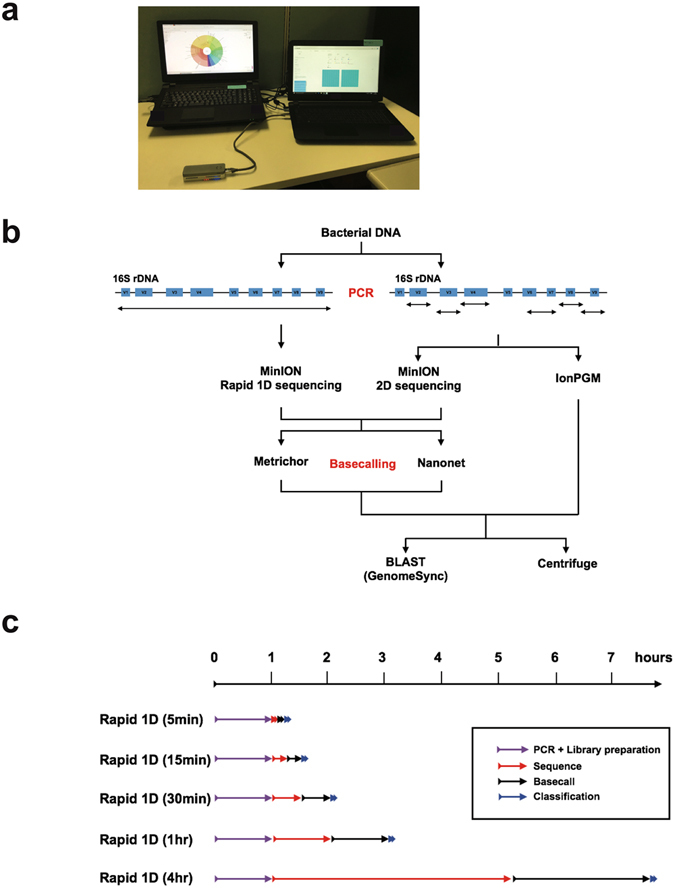
“1 The portable sequencer, MinION, is being handled prior to sequencing composition from empyema patient's pleural effusion could be understood within 2 hours after obtaining the DNA sample [29] .”
MethodPathogen Detection and Microbiome Analysis of Infected Wheat Using a Portable DNA Sequencer
Hu, Y., Green, G. S., Milgate, A., Stone, E. A., Rathjen, J. P., & Schwessinger, B. (2019) · Phytobiomes Journal · doi:10.1094/pbiomes-01-19-0004-r · Cited by 48
Yang, M., Cousineau, A., Liu, X., Luo, Y., Sun, D. W., Li, S., Gu, T., Sun, L., Dillow, H., Lepine, J., et al. (2020) · Frontiers in Microbiology · doi:10.3389/fmicb.2020.00514 · Cited by 49
MinION rapid sequencing: Review of potential applications in neurosurgery
Preul, M., Patel, A., Belykh, E. G., Miller, E. J., George, L. L., Martirosyan, N. L., & Byvaltsev, V. A. (2018) · Surgical Neurology International · doi:10.4103/sni.sni_55_18 · Cited by 44
“Multiple studies have utilized the MinION to identify and characterize specific pathogen species within known microbiological communities and clinical samples.[23,31,32,47,52] Significantly, MinION technology was used by Quick et al.”
MethodWatanabe, N., Kryukov, K. A., Nakagawa, S., Takeuchi, J. S., Takeshita, M., Kirimura, Y., Mitsuhashi, S., Ishihara, T., Aoki, H., Inokuchi, S., et al. (2018) · PLoS ONE · doi:10.1371/journal.pone.0202049 · Cited by 43
“As a result, it remains unclear what methodology is most suitable and reliable for the identification of pathogens in blood samples [7,8].”
Self-citationLeveraging the power of long reads for targeted sequencing
Iyer, S. V., Goodwin, S., & McCombie, W. R. (2024) · Genome Research · doi:10.1101/gr.279168.124 · Cited by 40
The challenges and promises of genetic approaches for ballast water management
Rey, A., Basurko, O. C., & Rodríguez‐Ezpeleta, N. (2017) · Journal of Sea Research · doi:10.1016/j.seares.2017.06.001 · Cited by 39
Rapid sequencing‐based diagnosis of infectious bacterial species from meningitis patients in Zambia
Nakagawa, S., Inoue, S., Kryukov, K. A., Yamagishi, J., Ohno, A., Hayashida, K., Nakazwe, R., Kalumbi, M., Mwenya, D., Asami, N., et al. (2019) · Clinical & Translational Immunology · doi:10.1002/cti2.1087 · Cited by 39
Self-citationZhang, Y., Lu, X., Tang, L. V., Xia, L., & Hu, Y. (2023) · mBio · doi:10.1128/mbio.03055-22 · Cited by 39
“Therefore, it seems pertinent and practical to set up systems for rapid microbiological detection to facilitate appropriate initial antibiotic treatment (12).”
BackgroundA Round Trip to the Desert: In situ Nanopore Sequencing Informs Targeted Bioprospecting
Latorre‐Pérez, A., Gimeno-Valero, H., Tanner, K., Pascual, J., Vilanova, C., & Porcar, M. (2021) · Frontiers in Microbiology · doi:10.3389/fmicb.2021.768240 · Cited by 38
Moon, J., Kim, N., Lee, H. S., Lee, S., Jung, K., Park, K., Lee, S. K., Lee, D., Lee, D. Y., & Chu, K. (2021) · Diabetes · doi:10.2337/db20-0907 · Cited by 36
A lab in the field: applications of real-time, in situ metagenomic sequencing
Latorre‐Pérez, A., Pascual, J., Porcar, M., & Vilanova, C. (2020) · Biology Methods and Protocols · doi:10.1093/biomethods/bpaa016 · Cited by 35
“Particular examples of this are the metagenomic analysis in empyema patient’s with pleural effusion [83] and the metagenomic analysis of patients with acute respiratory distress syndrome [84], both studies reporting the obtention of the first results in only 2h after the collection of samples.”
BackgroundCharacterizing algal microbiomes using long-read nanopore sequencing
van der Loos, L. M., D’hondt, S., Willems, A., & Clerck, O. D. (2021) · Algal Research · doi:10.1016/j.algal.2021.102456 · Cited by 35
Quan, L., Dong, R., Yang, W., Chen, L., Lang, J., Liu, J., Song, Y., Ma, S., Yang, J., Wang, W., et al. (2019) · Scientific Reports · doi:10.1038/s41598-019-55843-y · Cited by 34
Sakai, J., Tarumoto, N., Kodana, M., Ashikawa, S., Imai, K., Kawamura, T., Ikebuchi, K., Murakami, T., Mitsutake, K., Maeda, T., et al. (2019) · Journal of Medical Microbiology · doi:10.1099/jmm.0.001024 · Cited by 33
Human short tandem repeat identification using a nanopore-based DNA sequencer: a pilot study
Asogawa, M., Ohno, A., Nakagawa, S., Ochiai, E., Katahira, Y., Sudo, M., Osawa, M., Sugisawa, M., & Imanishi, T. (2019) · Journal of Human Genetics · doi:10.1038/s10038-019-0688-z · Cited by 32
Self-citationHoriba, K., Torii, Y., Aizawa, Y., Yamaguchi, M., Haruta, K., Okumura, T., Suzuki, T., Kawano, Y., Kawada, J., Hara, S., et al. (2022) · Open Forum Infectious Diseases · doi:10.1093/ofid/ofac504 · Cited by 31
“More importantly, Nanopore sequencing has the potential to identify pathogens in several hours, as has been shown in previous studies [19, 49].”
ResultVaginal microbiome as a tool for prediction of chorioamnionitis in preterm labor: a pilot study
Urushiyama, D., Ohnishi, E., Suda, W., Kurakazu, M., Kiyoshima, C., Hirakawa, T., Miyata, K., Yotsumoto, F., Nabeshima, K., Setoue, T., et al. (2021) · Scientific Reports · doi:10.1038/s41598-021-98587-4 · Cited by 28
The Future of Livestock Management: A Review of Real-Time Portable Sequencing Applied to Livestock
Lamb, H. J., Hayes, B. J., Nguyen, L. T., & Ross, E. M. (2020) · Genes · doi:10.3390/genes11121478 · Cited by 28
Goelz, H., Wetzel, S., Mehrbarzin, N., Utzolino, S., Häcker, G. A., & Badr, M. T. (2021) · Cells · doi:10.3390/cells10113226 · Cited by 28
Vrieze, J. D., Heyer, R., Props, R., Meulebroek, L. V., Gille, K., Vanhaecke, L., Benndorf, D., & Boon, N. (2021) · Water Research · doi:10.1016/j.watres.2021.117422 · Cited by 26
Komiya, S., Matsuo, Y., Nakagawa, S., Morimoto, Y., Kryukov, K. A., Okada, H., & Hirota, K. (2022) · BMC Medical Genomics · doi:10.1186/s12920-022-01218-8 · Cited by 26
“Bioinformatic analysis workflow We performed the bioinformatic analysis using a pipeline of multiple programs built in accordance with our previous reports [14, 15].”
Self-citationBouchiat, C., Ginévra, C., Benito, Y., Gaillard, T., Salord, H., Dauwalder, O., Laurent, F. J., & Vandenesch, F. (2022) · Frontiers in Microbiology · doi:10.3389/fmicb.2022.943441 · Cited by 26
“Multiple studies have evaluated the gain in the information of both the 16S rRNA targeted and non-targeted metagenomic approaches, specifically in high pathogen load samples, such as respiratory infections, and its concordance with culture-positive samples (Mitsuhashi et al., 2017; Moon et al., 2017; Ashikawa et al.,…”
BackgroundDiagnosis of pleural empyema/parapneumonic effusion by next-generation sequencing
Shiraishi, Y., Kryukov, K. A., Tomomatsu, K., Sakamaki, F., Inoue, S., Nakagawa, S., Imanishi, T., & Asano, K. (2021) · Scandinavian Journal of Infectious Diseases · doi:10.1080/23744235.2021.1892178 · Cited by 26
Self-citationTan, S., Dvorak, C. M. T., Estrada, A. A., Gebhart, C. J., Marthaler, D., & Murtaugh, M. P. (2019) · Journal of Microbiological Methods · doi:10.1016/j.mimet.2019.105817 · Cited by 23
Cuscó, A., Viñes, J., D’Andreano, S., Riva, F. T., Casellas, J., Sánchez, A., & Francino, O. (2017) · bioRxiv (Cold Spring Harbor Laboratory) · doi:10.1101/167015 · Cited by 23
Tanaka, H., Matsuo, Y., Nakagawa, S., Nishi, K., Okamoto, A., Kai, S., Iwai, T., Tabata, Y., Tajima, T., Komatsu, Y., et al. (2019) · JA Clinical Reports · doi:10.1186/s40981-019-0244-z · Cited by 20
Self-citationTaylor, W. S., Pearson, J. F., Miller, A. L., Schmeier, S., Frizelle, F., & Purcell, R. V. (2020) · PLoS ONE · doi:10.1371/journal.pone.0233170 · Cited by 20
“Specific to microbiome analysis, the utility of the MinION platform has been demonstrated in rRNA amplicon-based sequencing [40-42] and in metagenomics for outbreak analysis of bacteria [43] and viruses [44].”
MethodEnhanced mixture interpretation with macrohaplotypes based on long-read DNA sequencing
Ge, J., King, J. L., Mandape, S. N., & Budowle, B. (2021) · International Journal of Legal Medicine · doi:10.1007/s00414-021-02679-9 · Cited by 19
Rodríguez‐Pérez, H., Ciuffreda, L., & Flores, C. (2022) · Computational and Structural Biotechnology Journal · doi:10.1016/j.csbj.2022.09.024 · Cited by 19
“The introduction of third-generation sequencing technologies, such as Oxford Nanopore Technologies (ONT), has enabled the sequencing of long reads (>1 kbp) while providing a portable platform, which confers the ability to sequence samples even in a nonspecialized environment [7,8].”
BackgroundLim, F. S., González‐Cabrera, J., Keilwagen, J., Kleespies, R., Jehle, J. A., & Wennmann, J. T. (2024) · Scientific Reports · doi:10.1038/s41598-024-58768-3 · Cited by 19
16S rRNA nanopore sequencing for rapid diagnosis of causative bacteria in bovine mastitis
Usui, M., Akiyoshi, M., Fukuda, A., Iwano, H., & Kato, T. (2023) · Research in Veterinary Science · doi:10.1016/j.rvsc.2023.06.006 · Cited by 18
16S rRNA nanopore sequencing for the diagnosis of ocular infection: a feasibility study
Omi, M., Matsuo, Y., Araki‐Sasaki, K., Oba, S., Yamada, H., Hirota, K., & Takahashi, K. A. (2022) · BMJ Open Ophthalmology · doi:10.1136/bmjophth-2021-000910 · Cited by 18
Hovhannisyan, H., & Gabaldón, T. (2018) · Current topics in microbiology and immunology · doi:10.1007/82_2018_122 · Cited by 18
Campodónico, V. L., Ruelle, J., Fitzgerald, A., Bergman, Y., Osborne, B., Bourdas, D., Lu, J., Carroll, K. C., & Simner, P. J. (2025) · Journal of Clinical Microbiology · doi:10.1128/jcm.01670-24 · Cited by 16
“Several other studies have shown that 2 h of 16S ONT sequencing and 500 reads is enough for reliable identification even when analyzing mixed bacterial populations or clinical specimens (7, 29–32).”
Xu, R., Adam, L. R., Chapados, J. T., Soliman, A., Daayf, F., & Tambong, J. T. (2021) · PLoS ONE · doi:10.1371/journal.pone.0245333 · Cited by 15
“Of all the studies that used the Nanopore technology for microbial identification, the majority have been in medical clinical samples [26, 27].”
BackgroundRapid DNA Sequencing Technology Based on the Sanger Method for Bacterial Identification
Furutani, S., Furutani, N., Kawai, Y., Nakayama, A., & Nagai, H. (2022) · Sensors · doi:10.3390/s22062130 · Cited by 15
Matsuo, Y. (2023) · Methods in molecular biology · doi:10.1007/978-1-0716-2996-3_14 · Cited by 13
Examination of the microbiota of normal cow milk using MinIONTM nanopore sequencing
Shinozuka, Y., Kawai, K., Kurumisawa, T., Shimizu, Y., Imanishi, T., Ohno, A., TAKAHASHI, M., Kaneko, S., & Suzuki, N. (2021) · Journal of Veterinary Medical Science · doi:10.1292/jvms.21-0353 · Cited by 15
Self-citationGupton, M., & Burns, J. D. (2023) · EFORT Open Reviews · doi:10.1530/eor-22-0136 · Cited by 12
Techniques: culture, identification and 16S rRNA gene sequencing
Einarsson, G. G., & Boutin, S. (2019) · European Respiratory Society eBooks · doi:10.1183/2312508x.10000819 · Cited by 12
Gupta, A., Cooper, V. S., & Zemke, A. C. (2025) · mSphere · doi:10.1128/msphere.00388-25 · Cited by 11
“Researchers have presented preliminary evidence for the application of ONT-based 16S sequencing for the rapid detection of pathogens in less than 2 hours (43, 44).”
Nanopore Sequencing Data Analysis of 16S rRNA Genes Using the GenomeSync-GSTK System
Kryukov, K. A., Imanishi, T., & Nakagawa, S. (2023) · Methods in molecular biology · doi:10.1007/978-1-0716-2996-3_15 · Cited by 10
Self-citationNext generation sequencing and beyond: a review of genomic sequencing methods
Hajieghrari, B., & Nejati-Jahromi, S. (2025) · Functional & Integrative Genomics · doi:10.1007/s10142-025-01724-9 · Cited by 9
From Genomics to Metagenomics in the Era of Recent Sequencing Technologies
Benz, S., & Mitra, S. (2023) · Methods in molecular biology · doi:10.1007/978-1-0716-3072-3_1 · Cited by 9
Root exudates, a key factor in the plant-bacteria interaction mechanisms
González‐López, Ó., & Ruano-Rosa, D. (2020) · Elsevier eBooks · doi:10.1016/b978-0-12-818469-1.00009-2 · Cited by 9
Conocimiento fonológico y lenguaje escrito
González, M. D. R. O., & Jiménez, J. E. (1993) · Cultura y Educación · Cited by 9
Balzani, P., Masoni, A., Venturi, S., Frizzi, F., Bambi, M., Fani, R., Nisi, B., Tassi, F., Vaselli, O., Zaccaroni, M., et al. (2021) · Soil Biology and Biochemistry · doi:10.1016/j.soilbio.2021.108536 · Cited by 8
Okuda, K.-I., Yoshii, Y., Yamada, S., Chiba, A., Hironaka, I., Hori, S., Yanaga, K. K., & Mizunoe, Y. (2018) · Annals of Clinical Microbiology and Antimicrobials · doi:10.1186/s12941-018-0297-2 · Cited by 8
“Combination of our method with a recently reported new technique, which can determine bacterial composition at the species level by sequencing nearly full-length 16S rDNA using a nanopore sequencer within 2 h [33], may enable more rapid and high-resolution identification of causative bacteria from catheter tip samples.”
MethodKawai, Y., Ozawa, N., Fukuda, T., Suzuki, N., & Mikata, K. (2022) · PLoS ONE · doi:10.1371/journal.pone.0262912 · Cited by 8
“Although their error rates are higher than those of the NGS [13], Nanopore sequencers have been used for rapid detection of pathogenic bacteria [14], microbial community analysis at high resolution based on its long-read capability [15,16], and analysis of soil and water bacterial community [17,18].”
BackgroundQuantitative metagenomics using a portable protocol
Bian, K., Busch, A. E., Norton, J., Bott, C. B., González, R., Curtis, K., Tolofari, D. L., Khunjar, W., Graham, K. E., & Pinto, A. J. (2026) · Applied and Environmental Microbiology · doi:10.1128/aem.02179-25 · Cited by 7
Nayak, N., Satyamoorthy, K., & Murali, T. S. (2023) · Journal of Wound Care · doi:10.12968/jowc.2023.32.sup6a.xcvii · Cited by 6
Rapid profiling of drug-resistant bacteria using DNA-binding dyes and a nanopore-based DNA sequencer
Ohno, A., Umezawa, K., Asai, S., Kryukov, K. A., Nakagawa, S., Miyachi, H., & Imanishi, T. (2021) · Scientific Reports · doi:10.1038/s41598-021-82903-z · Cited by 6
“be done in about 1 hour from a given DNA sample (11), and another 1 hour is required to 138 determine bacterial species computationally for each of 5000 reads using reference genomes of 139 5850 bacterial species (12).”
BackgroundSelf-citationCharacterization of Permittivity and Conductivity for ESKAPE Pathogens Detection
Rahim, M. K. A., Buyong, M. R., Jamaludin, N. M. A., Hamzah, A. A., Siow, K. S., & Majlis, B. Y. (2018) · IEEE International Conference on Semiconductor Electronics · doi:10.1109/smelec.2018.8481278 · Cited by 4
Seminar Lessons: Infectious Diseases Associated with and Causing Disaster
Hattori, T., Yasutan, H. C., Koga, S., Yanagihara, Y., & Tanaka, I. (2022) · Reports — Medical Cases Images and Videos · doi:10.3390/reports5010007 · Cited by 4
“We also discussed biomarkers for these diseases that reflect disease severity [9], and a point-of-care test (POCT) to detect pathogens, including loop-mediated thermal amplification (LAMP) in tuberculosis [10], single-tag hybridization chromatographic-printed array (STH-PAS) [11], and a nanopore technology-based seque…”
BackgroundFujiyoshi, S., Nishiuchi, Y., & Maruyama, F. (2021) · bioRxiv (Cold Spring Harbor Laboratory) · doi:10.1101/2021.07.14.452346 · Cited by 4
Tarquini, G., Maestri, S., Ermacora, P., & Martini, M. (2023) · Methods in molecular biology · doi:10.1007/978-1-0716-3515-5_16 · Cited by 3
Kim, I. E., Fola, A. A., Puig, E., Maina, T. K., Hui, S. T., Ma, H., Zuckerman, K., Agwati, E. O., Leonetti, A., Crudale, R., et al. (2025) · Scientific Reports · doi:10.1038/s41598-025-94737-0 · Cited by 3
Sakaguchi, S., Suzuki, Y., Emi, A., Wu, H. Y., & Nakano, T. (2020) · Biochemical and Biophysical Research Communications · doi:10.1016/j.bbrc.2020.07.036 · Cited by 2
RUMEN METAGENOME SEQUENCING TECHNOLOGY
Pacheco‐Arjona, R., & Sandoval-Castro, C. A. (2018) · Tropical and Subtropical Agroecosystems · doi:10.56369/tsaes.2780 · Cited by 2
WATER BUFFALO MICROBIOTA AND IMMUNITY DURING INFECTIOUS DISEASES
Catozzi, C. (2020) · LA Referencia (Red Federada de Repositorios Institucionales de Publicaciones Científicas) · doi:10.13130/catozzi-carlotta_phd2020-02-06 · Cited by 2
Rezaei, A., Taheri, M., Mahani, A. K., & Magierowski, S. (2023) · arXiv (Cornell University) · doi:10.48550/arxiv.2303.08915 · Cited by 2
“For example, authors in [24] identify bacterial composition in only 2 hours, or authors in [25] demonstrated the need for only half a day to genotype the Salmonella outbreak in a hospital.”
BackgroundUnveiling Origins and Dynamics of Fecal Indicator Bacteria in an Urban Creek
Alvi, D. (2024) · VTechWorks (Virginia Tech) · Cited by 2
Unraveling microbial ecosystems: Advances in metagenomics for biotechnology applications
Nandal, K., Rathee, J., Dahiya, P., & Kaur, M. (2025) · Journal of Advances in Microbiology Research · doi:10.22271/micro.2025.v6.i1d.221 · Cited by 1
Séquençage par nanopores: Perspectives d’applications en santé humaine
Audebert, C., Hot, D., & Caboche, S. (2018) · médecine/sciences · doi:10.1051/medsci/20183404012 · Cited by 1
“L’ADNr 16S quasi complet d’une communauté artificielle contenant 20 espèces en proportion équimolaire a été séquencé avec ce protocole rapide [9].”
Rapid detection of difficult-to-culture bacterial pathogens using real-time nanopore sequencing
Gündoğdu, A., Ulu-Kılıç, A., Kılıç, H., & Nalbantoğlu, Ö. U. (2019) · Infectious Diseases and Clinical Microbiology · doi:10.36519/idcm.2019.19015 · Cited by 1
A Novel Infield Metagenomic Approach to Evaluating Surface Water Quality in Lake Warner
Stebbins, B. (2019) · Scholarworks (University of Massachusetts Amherst) · doi:10.7275/15059027 · Cited by 1
Advances in the Detection of Pathogens in Sepsis Diagnostics
Sandetskaya, N. (2019) · Springer eBooks · doi:10.1007/978-3-030-17148-3_21
Comparative transcriptomics of host-pathogen interactions and hybridization in Candida pathogens
Hovhannisyan, H. (2020) · Tesis Doctorals en Xarxa (Consorci de Serveis Universitaris de Catalunya)
The forgotten world of mycobiome in the skin of dogs
D’Andreano, S. (2020) · LA Referencia (Red Federada de Repositorios Institucionales de Publicaciones Científicas)
Prevalence of Culture Negative Asitic Fluid Infection among Chronic Liver Disease Patients
Ikram, F., Khan, M. I., Rahim, H., Shah, M. I., Bilal, M., & Imran, M. A. (2021) · Pakistan Journal of Medical and Health Sciences · doi:10.53350/pjmhs2115123733
“The prevalence of SBP was 48.6 percent in their study, and CNNA was 51.4% [20].”
Influential
Metadata
- Authors
- Mitsuhashi, S., Kryukov, K., Nakagawa, S., Takeuchi, J. S., Shiraishi, Y., Asano, K., & Imanishi, T.
- Affiliations
- Tokai University (JP)
- Corresponding author
- Imanishi, Tadashi
- ORCID
- Venue
- Scientific Reports
- Published
- 2017-07-18
- Volume
- 7
- Issue
- 1
- Pages
- 5657-5657
- ISSN
- 2045-2322 (ISSN-L)
- PMC
- PMC5516037
- OpenAlex
- W2735295550
- Semantic Scholar
- b0b5bdfd8adf0c202d99839b6b9449eaa2d1c4c9
- Cited by
- 97
- References
- 17
- Citations by year
- 2026: 1 · 2025: 4 · 2024: 5 · 2023: 7 · 2022: 11 · 2021: 20 · 2020: 10 · 2019: 19 · 2018: 16 · 2017: 3
- FWCI
- 10.91
- Type
- journal article
- Language
- en
- Open access
- gold
- doi.org
- Licence
- cc-by
- creativecommons.org/licenses/by/4.0 (tdm)
- creativecommons.org/licenses/by/4.0 (vor)
- Locations
- Scientific Reports (publishedVersion, cc-by)
- bioRxiv (Cold Spring Harbor Laboratory) (acceptedVersion)
- PubMed Central (publishedVersion, cc-by)
- PubMed (publishedVersion)
- DOAJ (DOAJ: Directory of Open Access Journals) (submittedVersion, cc-by-sa)
- Funders
- Japan Agency for Medical Research and Development
- National Institutes of Health (HM-782D)
- Japan Society for the Promotion of Science (17H07123, 17K15708, 16J40232)
- National Institute of Allergy and Infectious Diseases
- Topics
- Health Sciences › Medicine › Microbiology (medical) › Bacterial Identification and Susceptibility Testing
- Life Sciences › Biochemistry, Genetics and Molecular Biology › Molecular Biology › Genomics and Phylogenetic Studies
- Physical Sciences › Environmental Science › Ecology › Microbial Community Ecology and Physiology
- Keywords
- nanopore sequencing, Oxford Nanopore MinION, 16S rRNA gene, bacterial community composition, rapid sequencing, pleural effusion, empyema, pathogenic bacteria
- MeSH terms
- Aged, Bacteria, DNA, Bacterial, DNA, Ribosomal, Humans, Male, RNA, Ribosomal, 16S, Time Factors, Empyema, Pleural, Sequence Analysis, DNA, Computers, Molecular, Nanopores, High-Throughput Nucleotide Sequencing
About these checks
Registry, retraction, Cites and statistics results are computed, not judged, with one exception: a printed reference that no index lists is read once by a model before it counts as a citation error. Claims are extracted by a model and kept only when their quote appears verbatim in the text; each cited source is then checked, with a model’s help, for whether it says what the claim relies on. Those verdicts can be wrong — read the claim’s quote and the cited source before relying on one.
Statistics and arithmetic are recomputed, not judged.
Confidence bands are shown only for fields calibrated on our annotated test set. None is calibrated yet, so no band is shown.
What counts as a claim ›How we measure confidence ›How we check this ›
Are you an author, or do you see a problem with this page? Request a review
Data sources
Bibliographic data: Semantic Scholar, OpenAlex, Crossref.
Contains information from the Semantic Scholar Academic Graph Datasets, made available under the ODC Attribution License (ODC-BY 1.0).
Semantic Scholar’s data is described in: Kinney, R., et al. (2023). The Semantic Scholar Open Data Platform. arXiv:2301.10140.
