

An application of machine learning to haematological diagnosis
Open accessThe DOI matches its Crossref record; 42 of the 42 references it cites were found in a registry or an index.
Abstract
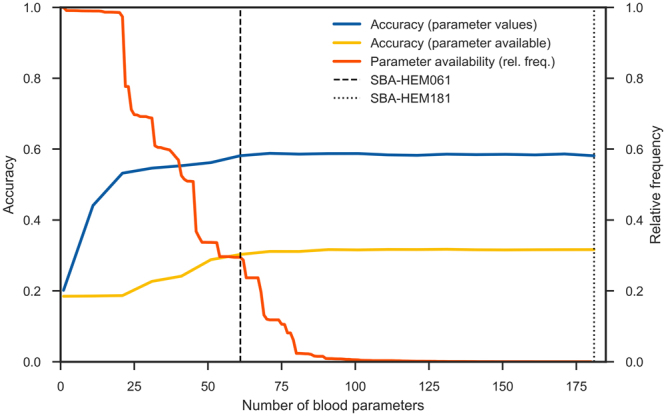
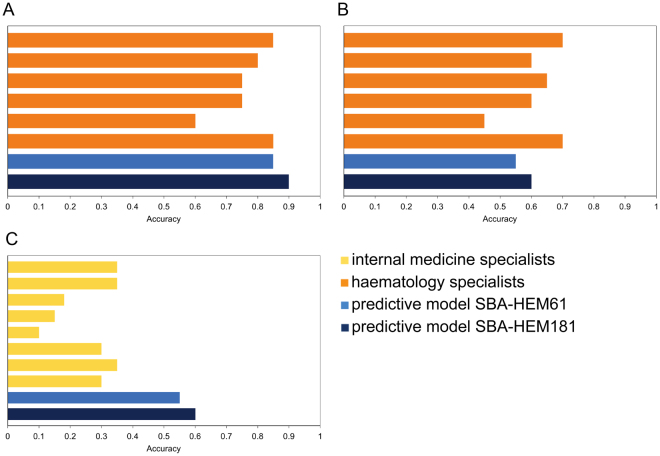
Quick and accurate medical diagnoses are crucial for the successful treatment of diseases. Using machine learning algorithms and based on laboratory blood test results, we have built two models to predict a haematologic disease. One predictive model used all the available blood test parameters and the other used only a reduced set that is usually measured upon patient admittance. Both models produced good results, obtaining prediction accuracies of 0.88 and 0.86 when considering the list of five most likely diseases and 0.59 and 0.57 when considering only the most likely disease. The models did not differ significantly, which indicates that a reduced set of parameters can represent a relevant “fingerprint” of a disease. This knowledge expands the model’s utility for use by general practitioners and indicates that blood test results contain more information than physicians generally recognize. A clinical test showed that the accuracy of our predictive models was on par with that of haematology specialists. Our study is the first to show that a machine learning predictive model based on blood tests alone can be successfully applied to predict haematologic diseases. This result and could open up unprecedented possibilities for medical diagnosis.
Overview
The claims and statistics of this paper haven’t been checked yet.
Free: it reads the open-access text and checks the first 5 claims that cite a source we can check. Create a free account to check every claim.
Integrity signals
Registry
Cites
Statistics
Figures
Verification
Claims the paper makes
The claims and statistics of this paper haven’t been checked yet.
Free: it reads the open-access text and checks the first 5 claims that cite a source we can check. Create a free account to check every claim.
Claims other papers make about this one
Each is checked against this paper’s own text: does it say what the citing paper says it does?
The cited source says what the claim attributes to it.
In the citing paper
“Hematology and serology can benefit from microscope-integrated AIs 42 that diagnose common conditions 43 or count blood cells of various types 44 -repetitive tasks that are easy to augment with CNNs.”
From Deep learning-enabled medical computer vision (2021) · cites this paper as [43]
Self-check
Percentages, sums and reported differences re-computed from the paper’s own numbers.
The self-check needs the paper’s full text.
Citations
Cites
Breiman, L. (2001) · Machine Learning · doi:10.1023/a:1010933404324 · Cited by 133,538
LIBSVM: A library for support vector machines
Chang, C.-C., & Lin, C.-J. (2011) · ACM Transactions on Intelligent Systems and Technology · doi:10.1145/1961189.1961199 · Cited by 40,918
The Nature of Statistical Learning Theory
Vapnik, V. N. (1995) · doi:10.1007/978-1-4757-2440-0 · Cited by 39,138
SMOTE synthetic minority over-sampling technique
Chawla, N. V., Bowyer, K. W., Hall, L. O., & Kegelmeyer, W. P. (2002) · Journal of Artificial Intelligence Research · doi:10.1613/jair.953 · Cited by 32,865
UCI Machine Learning Repository
Asuncion, A. (2007) · Medical Entomology and Zoology · Cited by 25,416
An introduction to ROC analysis
Fawcett, T. (2006) · Pattern Recognition Letters · doi:10.1016/j.patrec.2005.10.010 · Cited by 21,879 · cited 1×
“For two-class problems and scoring classifiers (i.e., a classifier that produces a score for each possible class and predicts the class with the maximum score), ROC curves are produced in a straightforward manner by ordering the maximum scores and varying the decision threshold 25 .”
BackgroundDermatologist-level classification of skin cancer with deep neural networks
Esteva, A., Kuprel, B., Novoa, R. A., Ko, J., Swetter, S. M., Blau, H. M., & Thrun, S. (2017) · Nature · doi:10.1038/nature21056 · Cited by 14,362 · cited 1×
“Recently, a model capable of classifying skin cancers based on images of the skin was presented that achieves a level of competence comparable to that of a dermatologist 7 .”
BackgroundMachine learning: Trends, perspectives, and prospects
Jordan, M. I., & Mitchell, T. M. (2015) · Science · doi:10.1126/science.aaa8415 · Cited by 9,955 · cited 1×
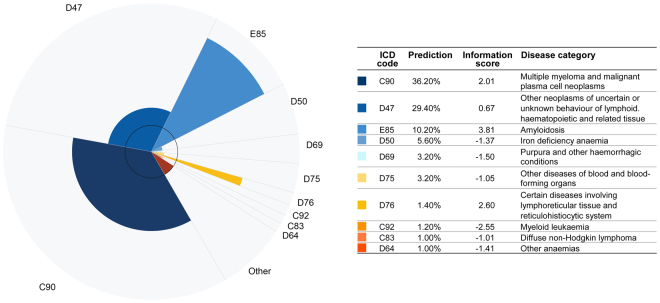
“In these two equations (1, 2), r is the radius (information score) and ø the angle (predicted probability) of disease x.”
BackgroundEnsemble methods in machine learning
Dietterich, T. G. (2000) · Lecture Notes in Computer Science · doi:10.1007/3-540-45014-9_1 · Cited by 8,408
A systematic analysis of performance measures for classification tasks
Sokolova, M., & Lapalme, G. (2009) · Information Processing & Management · doi:10.1016/j.ipm.2009.03.002 · Cited by 7,515 · cited 1×
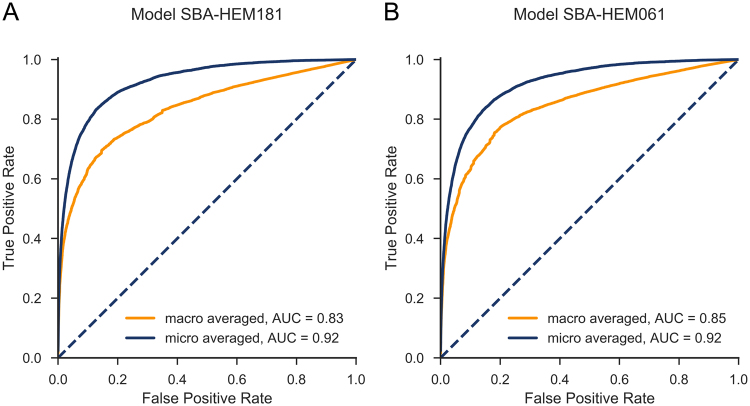
“We applied two approaches suitable for observing overall classifier performance in multi-class problems: macro-averaging and micro-averaging 26 .”
Method
Research works printed but not linked: 2
- Kononenko, I. In Proc. 4th European Working Session on Learning. 91–98 (1989).
- Conover, W. Statistics of the Kolmogorov-Smirnov type in Practical nonparametric statistics, 428–473 (John Wiley & Sons, 1999).
Cited by
Items 101–200 of 246
Research on Disease Prediction Method Based on R-Lookahead-LSTM
Chen, H., Du, M., Zhang, Y., & Yang, C. (2022) · Computational Intelligence and Neuroscience · doi:10.1155/2022/8431912 · Cited by 14
“Reference [16] established two models to predict a blood disease.”
MethodHonnef, G., Auinger, D., Eichinger, M., Eichlseder, M., Metnitz, P., Rief, M., Zajic, P., Zoidl, P., & Bornemann-Cimenti, H. (2022) · Scientific Reports · doi:10.1038/s41598-022-13285-z · Cited by 11
Artificial Intelligence in Hematology
Luchinin, A. S. (2022) · Clinical oncohematology · doi:10.21320/2500-2139-2022-15-1-16-27 · Cited by 12
Role of artificial intelligence and machine learning in haematology
Manimaran, M., Arora, A., Lovejoy, C. A., Gao, W., & Maruthappu, M. (2022) · Journal of Clinical Pathology · doi:10.1136/jclinpath-2021-208127 · Cited by 11
Effect of data preprocessing on ensemble learning for classification in disease diagnosis
Özkan, Y., Demirarslan, M., & Süner, A. (2022) · Communications in Statistics - Simulation and Computation · doi:10.1080/03610918.2022.2053717 · Cited by 14
“:3) car et al. 2018).”
MethodArtificial Intelligence for Computer-Aided Drug Discovery
Kate, A., Seth, E., Singh, A., Chakole, C. M., Chauhan, M. K., Singh, R. K., Maddalwar, S. R., & Mishra, M. S. (2023) · Drug Research · doi:10.1055/a-2076-3359 · Cited by 11
“Under subgroup categorization, supervised ML's output includes disease diagnosis; under subgroup regression, it includes pharmacological efficacy and ADMET pre - diction [21].”
Kirby, J., Kim, K., Zivkovic, M., Wang, S., Garg, V., Danavar, A., Li, C., Chen, N., & Garg, A. (2024) · Frontiers in Medical Technology · doi:10.3389/fmedt.2024.1200400 · Cited by 10
Evidence-Based Diagnosis: An Introduction to Clinical Epidemiology
Newman, T. B., & Kohn, M. A. (2020) · Cited by 10
Wang, B., Jie, J., Huang, X., Hua, C., Qin, Q., Jia, Y. H., Wang, Z., Jiang, L., Gao, B., Wu, L., et al. (2022) · Advanced Intelligent Systems · doi:10.1002/aisy.202100204 · Cited by 12
Nilashi, M., Abumalloh, R. A., Ahmadi, H., Samad, S., AlYami, S. S., Alghamdi, A., Alrizq, M., & Yusuf, S. Y. M. (2024) · International Journal of Fuzzy Systems · doi:10.1007/s40815-023-01665-0 · Cited by 11
Drought Forecasting of Seyhan and Ceyhan Basins Using Machine Learning Methods
Alkan, A., & Tombul, M. (2024) · Water Resources · doi:10.1134/s0097807823600973 · Cited by 10
Applications of Machine Learning in Disease Pre-screening
Kumar, U. (2018) · Advances in medical diagnosis, treatment, and care (AMDTC) book series · doi:10.4018/978-1-5225-7131-5.ch010 · Cited by 10
Mpalo, M., Basupi, L. V., & Tsidu, G. M. (2024) · Land · doi:10.3390/land13050690 · Cited by 9
Ge, Y., Smith, O. M., Chen, W., Liu, P., Yuan, Q., Kang, C., Wang, T., Sun, J., Yan, B., Liu, X., et al. (2022) · PeerJ · doi:10.7717/peerj.12888 · Cited by 9
Machine Learning-Based Prediction of COVID-19 Prognosis Using Clinical and Hematologic Data
Kamel, F. O., Magadmi, R. M., Qutub, S., Badawi, M. A., Badawi, M., Madani, T. A., Alhothali, A., Abozinadah, E., Bakhshwin, D., Jamal, M., et al. (2023) · Cureus · doi:10.7759/cureus.50212 · Cited by 9
“However, machine learning can be used to predict the prognosis of many diseases based on clinical and hematological data [7,8].”
BackgroundRetractedMajhi, V., Choudhury, B., Saha, G. K., & Paul, S. (2023) · International Journal of Ayurvedic Medicine · doi:10.47552/ijam.v14i1.3228 · Cited by 13
Use of Artificial Intelligence in Drug Discovery and its Application in Drug Development
Shaikh, H. S. (2023) · Asian Journal of Research in Chemistry · doi:10.52711/0974-4150.2023.00014 · Cited by 10
Qasrawi, R., & Al-Halawa, D. A. (2022) · Frontiers in Nutrition · doi:10.3389/fnut.2022.838937 · Cited by 10
Applications of Machine Learning in Disease Pre-screening
Kumar, U. (2020) · IGI Global eBooks · doi:10.4018/978-1-7998-7705-9.ch049 · Cited by 9
Hellmann, A., Emmons, A., Prime, M. S., Paranjape, K., & Heaney, D. L. (2023) · Clinics in Laboratory Medicine · doi:10.1016/j.cll.2022.09.006 · Cited by 10
Yu, C. C., Peng, Y.-Y., Liu, L., Wang, X., & Xiao, Q. (2022) · Journal of Healthcare Engineering · doi:10.1155/2022/8641194 · Cited by 9
“In contrast, ML algorithms can easily handle hundreds of attributes (parameters), and they are capable of detecting and utilizing the interactions among these numerous attributes, which makes this feld of medicine particularly interesting for ML applications [12].”
BackgroundLiu, J., Gou, Y., Yang, W., Wang, H., Zhang, J., Wu, S., Liu, S., Tao, T., Tang, Y., Yang, C., et al. (2025) · Frontiers in Medicine · doi:10.3389/fmed.2025.1605868 · Cited by 7
Hu, X., Li, X.-K., Wen, S., Li, X., Zeng, T., Zhang, J., Wang, W., Bi, Y., Zhang, Q., Tian, S., et al. (2022) · Heliyon · doi:10.1016/j.heliyon.2022.e12343 · Cited by 7
RetractedNisar, K. S., Anjum, M. W., Raja, M. A. Z., & Shoaib, M. (2024) · PLoS ONE · doi:10.1371/journal.pone.0298451 · Cited by 8
A Review on Blood Disease Detection using Artificial Intelligence Techniques
Gaikwad, D. K., Mahale, V. H., & Gaikwad, A. T. (2024) · International Conference Big Data and Machine Learning · doi:10.1109/icbdml60909.2024.10577320 · Cited by 7
Rösler, W., Roiss, M., & Widmer, C. (2024) · healthbook TIMES Oncology Hematology · doi:10.36000/hbt.oh.2024.20.146 · Cited by 7
Rapid protocols to support COVID-19 clinical diagnosis based on hematological parameters
Gomes, J. C., Barbosa, V. A. D. F., de Santana, M. A., de Lima, C. L., Calado, R. B., Júnior, C. R. B., Albuquerque, J. E. D. A., de Souza, R. G., de Araújo, R. J. E., Moreno, G. M. M., et al. (2023) · Research on Biomedical Engineering · doi:10.1007/s42600-023-00286-8 · Cited by 7
Emerging use of machine learning and advanced technologies to assess red cell quality
Sebastian, J. A., Kolios, M. C., & Acker, J. P. (2020) · Transfusion and Apheresis Science · doi:10.1016/j.transci.2020.103020 · Cited by 7
Teke, M., Etem, T., & Karhan, M. (2025) · The European Physical Journal Special Topics · doi:10.1140/epjs/s11734-025-01838-y · Cited by 7
“Additionally, up to 17% of hospital problems and about 10% of patient deaths can be attributed to diagnostic errors [9–11].”
Artificial Intelligence for Healthcare: Roles, Challenges, and Applications
Kafhali, S. E., & Lazaar, M. (2021) · Advances in intelligent systems and computing · doi:10.1007/978-3-030-72588-4_10 · Cited by 7
Detection of factors affecting kidney function using machine learning methods
Haratian, A., Maleki, Z., Shayegh, F., & Safaeian, A. (2022) · Scientific Reports · doi:10.1038/s41598-022-26160-8 · Cited by 7
Xu, H., Guan, H., Zhang, Y., Zhang, H., Chen, R., Zhao, H., Du, K., Li, M., Yu, D., Dong, K., et al. (2025) · Scientific Reports · doi:10.1038/s41598-025-24045-0 · Cited by 5
Sia, S., Lagrada, M., Olorosa, A., Limas, M., Jamoralin, M., Jr., Macaranas, P. K., Espiritu, H. G., Gayeta, J., Masim, M. A., Ablola, F. B., et al. (2020) · Philippine Journal of Pathology · doi:10.21141/pjp.2020.03 · Cited by 5
Chadaga, K., Prabhu, S., Sampathila, N., Chadaga, R., & Umakanth, S. (2024) · IEEE Access · doi:10.1109/access.2024.3405071 · Cited by 5
“In this study, the median was preferred since they deal better with outliers [24].”
MethodTakeishi, N., Nishiyama, T., Nagaishi, K., Nashima, T., & Sugihara-Seki, M. (2024) · Journal of rheology · doi:10.1122/8.0000877 · Cited by 5
“For instance, Toepfner et al. 19 analyzed the size and stiffness of human blood cells without any labeling or separation at rates of 1000 cells/sec.”
BackgroundShanbehzadeh, M., Kazemi-Arpanahi, H., Orooji, A., Mobarak, S., & Jelvay, S. (2021) · Journal of Education and Health Promotion · doi:10.4103/jehp.jehp_1424_20 · Cited by 6
“Medical diagnosis is intrinsic and intricate task that demands principally being accomplished precisely and proficiently.[21,22] In context of COVID‐19, Owing to its unfamiliar many aspects of and the similarity of its primary symptoms to other respiratory infectious diseases, this makes it challenging for early diffe…”
BackgroundDynamic decision making simulation with limited data via causal inference
Sun, J., Wang, Y., Zhang, H., & Zhu, M. (2025) · Scientific Reports · doi:10.1038/s41598-025-28623-0 · Cited by 4
A comparative analysis of haemoglobin variants using machine learning algorithms
Okandeji, A. A., Odeyinka, O. F., Sogbesan, A. A., & Ogunye, N. O. (2022) · Nigerian Journal of Technology · doi:10.4314/njt.v41i4.16 · Cited by 4
“[3] describe medical diagnosis as the method of deciding which disease better describes the symptoms and signs of an individual.”
BackgroundMethodReal-time decision support systems in chemical and process engineering
Hameed, S., Karagöz, S., Ozdemir, A., Khosravi, A., Fatima, R., Zulqarnain, & Aitkaliyeva, G. (2025) · Elsevier eBooks · doi:10.1016/b978-0-443-34076-5.00021-3 · Cited by 4
General Strategies for Rational Design and Discovery of Multitarget Drugs
Wang, Z., & Yang, B. (2022) · Springer eBooks · doi:10.1007/978-3-031-04998-9_18 · Cited by 6
Morabito, M., Usta, M., Cheng, X., Zhang, X. H., Öztekin, A., & Webb, E. B. (2019) · Scientific Reports · doi:10.1038/s41598-019-44044-2 · Cited by 4
Artificial intelligence on the doorstep of the laboratory
Evgina, S. A., Gusev, A. V., Shamanskiy, M. B., & Godkov, M. A. (2022) · Laboratory Service · doi:10.17116/labs20221102118 · Cited by 5
Forecasting of the Dental Workforce with Machine Learning Models
Atalan, A., & Şahin, H. (2024) · Mühendislik Bilimleri ve Araştırmaları Dergisi · doi:10.46387/bjesr.1455345 · Cited by 4
A Survey on Using Immunopathogenesis to Predict Nipah Virus using Machine Learning Techniques
Kannan, M. R., & Priya, C. (2020) · International Conference on Computer Science, Engineering and Applications (ICCSEA) · doi:10.1109/iccsea49143.2020.9132939 · Cited by 4
Sidonio, R. F., Lu, A., Hale, S. A., Caicedo, J., Bullano, M., & Xing, S. (2024) · Expert Review of Hematology · doi:10.1080/17474086.2024.2354925 · Cited by 3
“Identifying highly predictive characteristics of a disease can represent a unique profile or disease ‘finger-print,’ and screening of suspected patients for these characteristics may facilitate a quick and accurate diagnosis [24].”
BackgroundAnemia Classification with Clinical Feature Engineering and SHAP Interpretation
Amalia, I., & Rumini, R. (2025) · Journal of Applied Informatics and Computing · doi:10.30871/jaic.v9i5.10912 · Cited by 3
Borja, E. R., Díaz-Gimenez, M., Calvo, A. C., Vinyals-Bellido, I., Corchon–Peyrallo, A., Hervas-Romero, A., & Giráldez, A. P. (2021) · Biochemia Medica · doi:10.11613/bm.2021.020702 · Cited by 3
“recently built two models to predict a haematological disease using machine learning algorithms based on laboratory results (21).”
MethodAlgorithms predicting gestational stage from the maternal steroid metabolome of mares
Shorten, P. R., Legacki, E. L., Chavatte‐Palmer, P., & Conley, A. J. (2021) · Journal of Endocrinology · doi:10.1530/joe-21-0249 · Cited by 3
Visual Analytics for Predicting Disease Outcomes Using Laboratory Test Results
Rostamzadeh, N., Abdullah, S. S., Sedig, K., Garg, A. X., & McArthur, E. (2022) · Informatics · doi:10.3390/informatics9010017 · Cited by 4
Pattern recognition of hematological profiles of tumors of the digestive tract: an exploratory study
Santos-Silva, M. A., Sousa, N., Majar, M., Machado, M., Reis, J. S., & Sousa, J. C. (2023) · Frontiers in Medicine · doi:10.3389/fmed.2023.1208022 · Cited by 3
“In blood data, there is a vast amount of non-appraised clinical information that cannot be 100% perceived by clinicians, endorsing the use of PR in processing, patterning, and flagging if necessary (19).”
BackgroundCardiovascular disease classification based on a multi-classification integrated model
Zhang, A., Wang, G.-X., Zhang, W., & Zhang, J. (2023) · Networks and Heterogeneous Media · doi:10.3934/nhm.2023071 · Cited by 3
A machine learning tool for the diagnosis of SARS‐CoV ‐2 infection from hemogram parameters
Gómez‐Rojas, S., Segura, G. P., Ollé, J., Gómez‐Tarragona, G. C., Medina, J. G., Aguado, J. M., Guerrero, E. V., Santaella, M. P., & Martínez‐López, J. (2023) · Journal of Cellular and Molecular Medicine · doi:10.1111/jcmm.17864 · Cited by 3
Smart medical report: efficient detection of common and rare diseases on common blood tests
Németh, Á., Tóth, G., Fülöp, P., Paragh, G., Nádró, B., Karányi, Z., Paragh, G., Horváth, Z., Csernák, Z., Pintér, E., et al. (2024) · Frontiers in Digital Health · doi:10.3389/fdgth.2024.1505483 · Cited by 3
Hasan, M. N., Prodhan, M. E., Alam, A., Sultana, S., Rahman, M., & Parvin, H. (2024) · IEEE International Conference on Biomedical Engineering, Computer and Information Technology for Health (BECITHCON) · doi:10.1109/becithcon64160.2024.10962602 · Cited by 3
“G. Gunčar et al. [22] showed that an ML predictive model using only blood tests accurately predicts hematological diseases.”
Graph-Based Natural Language Processing for the Pharmaceutical Industry
Dumitriu, A., Molony, C. M., & Daluwatte, C. (2020) · Advanced information and knowledge processing · doi:10.1007/978-3-030-67681-0_6 · Cited by 5
Cuevas, J. R. T., Méndez, A. C., Caicedo, D. M., Mutis, J. D. D., Mensa, L. F. S., & Osório, L. (2022) · Epidemiologic Methods · doi:10.1515/em-2021-0020 · Cited by 2
Fault Diagnosis Method for EMU Traction Motor Based on Machine Learning
Kong, H., Cheng, X., Niu, B., & Peng, C. (2024) · Global Reliability and Prognostics and Health Management Conference (PHM) · doi:10.1109/phm-beijing63284.2024.10874454 · Cited by 2
“Machine learning technology involves many disciplines, such as probability theory, statistics, approximation theory, convex analysis and algorithm complexity theory, and has been effectively applied in the Internet of Things and other fields [3-6].”
Lifestyle-Informed Personalized Blood Biomarker Prediction via Novel Representation Learning
Heydari, A. A., Rezaei, N., Prieto, J. L., Patel, S., & Metwally, A. A. (2024) · IEEE-EMBS International Conference on Biomedical and Health Informatics (BHI ...) · doi:10.1109/bhi62660.2024.10913871 · Cited by 2
“As a result, the field has shifted towards utilizing machine learning (ML) methods to model health and patient outcomes [2], [14].”
BackgroundMpalo, M., Basupi, L. V., & Tsidu, G. M. (2026) · Environmental Monitoring and Assessment · doi:10.1007/s10661-026-15005-w · Cited by 2
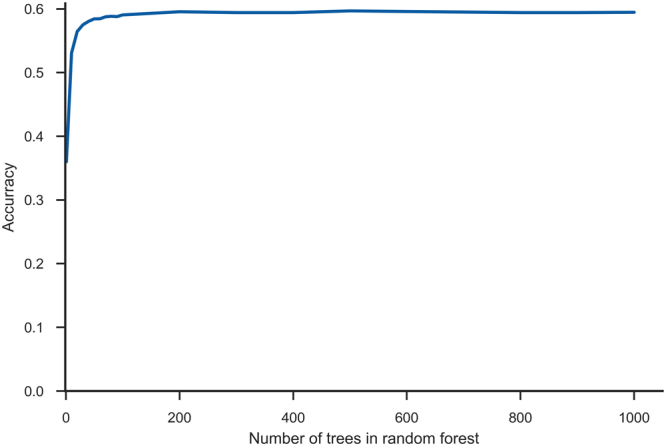
“We then used 300 forest trees in the classifier to achieve optimal accuracy (Gunčar et al., 2018).”
Diagnostic Accuracy of Different Machine Learning Algorithms for Obstructive Sleep Apnea
Kim, H.-W., Park, E., Kim, D. J., Mun, S. J., Kim, J., Lee, G.-H., & Cho, J. W. (2020) · Journal of Sleep Medicine · doi:10.13078/jsm.200022 · Cited by 2
Lamanna, C. (2021) · PubMed Central · doi:10.11604/pamj.2021.38.387.20557 · Cited by 2
“There is good reason to believe that similar tools will soon be able to interpret laboratory findings with greater accuracy than general physicians [30], and interpret significant ECG abnormalities at a level comparable to a cardiologist [31].”
Background(2019) · Clinical Chemistry and Laboratory Medicine (CCLM) · doi:10.1515/cclm-2019-1100 · Cited by 2
Walczak, S. (2019) · IGI Global eBooks · doi:10.4018/978-1-7998-1754-3.ch008 · Cited by 2
Huang, B., Chang, X., Yan, H., & Yu, Z. (2023) · Critical Reviews in Immunology · doi:10.1615/critrevimmunol.2023051250 · Cited by 2
Yang, W., Liu, J., Gou, Y., Huang, X., Chen, M., Huang, D., Wu, S., Zhang, J., Zhang, C., Liu, S., et al. (2025) · BMJ Open · doi:10.1136/bmjopen-2024-097526 · Cited by 2
Machine Learning: An Ethical, Social & Political Perspective
Mageswaran, G., Nagappan, S. D., Hamzah, N., & Brohi, S. N. (2018) · International Conference on Advances in Computing, Communication & Automation (ICACCA) · doi:10.1109/icaccaf.2018.8776702 · Cited by 2
“Research [10] shown that the use of machine learning has resulted in higher accuracy in interpretation of blood parameters to detect most likely haematological diseases which then leads to the necessary change in the diagnosis and expected results.”
BackgroundIshii, T., Akaishi, T., Fujimori, K., Abe, M., Ohara, M., Shoji, M., Takayama, S., Sato, C., Nakayama, M., Tsuji, I., et al. (2019) · The Tohoku Journal of Experimental Medicine · doi:10.1620/tjem.249.113 · Cited by 2
“1A, one of the expected uses of computer technology in the diagnostic and therapeutic processes at the patient level is informative suggestion or prediction based on accumulated data about the symptoms and findings in previously performed examinations (Jiang et al. 2017; Guncar et al. 2018; Makino et al. 2019).”
BackgroundPrediction of Care for Patients in a COVID-19 Pandemic Situation Based on Hematological Parameters
Torcate, A. S., Fonseca, F. S., Lima, A. R. T., Santos, F. P., Oliveira, T. D. M. S., de Santana, M. A., Gomes, J. C., de Lima, C. L., Barbosa, V. A. D. F., de Souza, R. E., et al. (2021) · Springer eBooks · doi:10.1007/978-3-030-79753-9_11 · Cited by 2
Retracted: Application of Machine Learning In Hematological Diagnosis
Chandra, A., Chauhan, A., Bansal, N., & Rajpoot, A. K. (2021) · International Conference on Technological Advancements and Innovations (ICTAI) · doi:10.1109/ictai53825.2021.9673289 · Cited by 2
RetractedThe future of AI for livestock veterinary practice
Hyde, R., & Carslake, C. (2023) · Livestock · doi:10.12968/live.2023.28.6.254 · Cited by 2
Introduction to Deep Learning for Disease Prediction
Thakur, A., & Kumar, A. (2025) · Springer eBooks · doi:10.1007/978-981-96-4241-0_3 · Cited by 1
Machine Learning‐Based Detection of HbS and HbC Carriers in the UK General Population
Christensen, F., Kılıç, D. K., Fuglkjær, A. D., Petersen, J., El‐Galaly, T. C., Glenthøj, A. B., Helby, J., & Nielsen, I. E. (2025) · eJHaem · doi:10.1002/jha2.70170 · Cited by 1
Integrating Deep Learning Concepts with Blood Diagnosis
Jain, D., Jain, D., & Gupta, S. (2025) · doi:10.1109/cises66934.2025.11265644 · Cited by 1
Nirkhi, S., Sonavane, R., Joshi, V. K., Guda, S. P., Motghare, M., & Patil, S. (2025) · International Conference on Sustainability, Innovation & Technology (ICSIT) · doi:10.1109/icsit65336.2025.11293917 · Cited by 1
Predicting the severity of COVID-19 using machine learning methods
Ezati, M., Masroor, B., Kahramfar, Z., Najafi‐Vosough, R., & Amiri, F. (2026) · BMC Medical Informatics and Decision Making · doi:10.1186/s12911-026-03411-6 · Cited by 1
“Previous studies have demonstrated that ML methods can outperform clinicians in analyzing blood indices such as red blood cell (RBC) count, hemoglobin (Hb), mean corpuscular hemoglobin (MCH), hematocrit (HCT), Plt, and white blood cell (WBC) count [14].”
SympCare: A Web-Driven Diagnostic Framework for CBC-Based Disease Prediction Using Machine Learning
Mahale, V. V., Wagh, S., Sable, R., Pardeshi, P., & Bhalerao, T. (2025) · International Conference on Advancement in Futuristic Technologies (ICAFT) · doi:10.1109/icaft66710.2025.11452972 · Cited by 1
“This study[46], applied machine learning to hematological diagnosis using Complete Blood Count (CBC) and related lab data.”
Udsen, F. W., & Hejlesen, O. K. (2018) · VBN Forskningsportal (Aalborg Universitet) · Cited by 3
Nabil, R. H., & Hasan, K. T. (2020) · International Conference on Computing Advancements (ICCA) · doi:10.1145/3377049.3377059 · Cited by 1
“Different blood tests data have been used in many types of research till now to predict diseases such as hematological disease and other blood diseases using various machine learning approaches [6].”
MethodDesai, M., & Patel, A. K. (2020) · Acta Scientific Medical Sciences · doi:10.31080/asms.2020.04.0780 · Cited by 1
Practical Applications of Artificial Intelligence for Disease Prognosis and Management
Chaurasia, A., Vats, S., Sengupta, A., Bansal, A., & Narad, P. (2021) · Springer eBooks · doi:10.1007/978-981-16-0811-7_1 · Cited by 1
Diagnosing Hematological Disorders Using Deep Learning Method
Yıldız, T. K., Yurtay, N., & Öneç, B. (2021) · Sakarya University Journal of Computer and Information Sciences · doi:10.35377/saucis.04.02.836375 · Cited by 2
“They declared that the random forest algorithm gave the most effective result [26].”
BackgroundİLHAN, R., & Güdar, B. (2021) · European Journal of Science and Technology · doi:10.31590/ejosat.1010484 · Cited by 1
“Ancak Destek Vektör Makinesi, Karar Ağaçları, Naive Bayes Algoritmasına kıyasla daha yüksek tahmin doğruluğu elde edilmektedir (Gunčar et al., 2018).”
Salama, A. A., Darwish, S. H., Abdelmageed, M. I., Meshref, R. A., & Mohamed, E. I. (2021) · The University of Louisville Journal of Respiratory Infections · doi:10.18297/jri/vol5/iss1/34 · Cited by 4
“Methods: We created a single database, containing 781 source CXR images for COVID-19 (n=240), other viral pneumonias (n=274), and normal controls (n=267) from four different international sub-databases: the Società Italiana di Radiologia Medica e Interventistica (SIRM), the GitHub Database, the Radiology Society of N…”
MethodInfluentialLidströmer, N., Davids, J., Sood, H. S., & Ashrafian, H. (2022) · Springer eBooks · doi:10.1007/978-3-030-64573-1_340 · Cited by 3
Sharif, M. M., Mohammed, H. A., & Hussein, E. M. (2022) · Omdurman Islamic University Journal · doi:10.52981/oiuj.v18i1.2038 · Cited by 1
“The researchers hypothesized that the “fingerprint” of a unique hematological disease found in the values of blood test results would be sufficient for a machine learning-based predictive model to propose a plausible diagnosis, presented that the machine was trained on an adequately large dataset of medical problems t…”
BackgroundWalczak, S. (2019) · IGI Global eBooks · doi:10.4018/978-1-7998-1204-3.ch021 · Cited by 3
Video Anomaly Classification Using DenseNet Feature Extractor
Hasija, S., Peddaputha, A., Hemanth, M. B., & Sharma, S. (2022) · Algorithms for intelligent systems · doi:10.1007/978-981-19-2126-1_28 · Cited by 1
Artificial Intelligence Applications in Clinical Neurosurgery
Sobhanian, P., Shafizad, M., Karami, S., Mozaffari, F., Arab, A., Razani, G., Shafiekhani, P., & Safari, S. (2022) · Precision Medicine and Clinical OMICS · doi:10.5812/pmco-133563 · Cited by 2
Artificial Intelligence (AI): An Armamentarium of Forensic Odontologist to Discern Child Abuse
Swarnaa, C., Singh, P., Umapathy, D., & Saurabh, S. (2023) · East African Scholars Journal of Medical Sciences · doi:10.36349/easms.2023.v06i08.001 · Cited by 1
“Gunčar G, Kukar M, et al., suggested a predictive model using available blood test parameters [19].”
MethodTowards the crux of sex-dependent variability in red cell concentrates
William, N., Osmani, R., & Acker, J. P. (2023) · Transfusion and Apheresis Science · doi:10.1016/j.transci.2023.103827 · Cited by 1
Walid, M. A. A., Shill, P. C., & Mahmud, S. T. (2023) · International Conference on Computing, Communication and Networking Technologies (ICCCNT) · doi:10.1109/icccnt56998.2023.10308065 · Cited by 1
“It involves the examination of various blood components, such as red blood cells, white blood cells, platelets, and other blood proteins [3].”
BackgroundBlood Disease Detection System Based on Haemogram Report Using Decision Tree Algorithm
Gaikwad, D. K., Gaikwad, A. K., & Gaikwad, A. T. (2024) · Lecture notes in networks and systems · doi:10.1007/978-981-97-3604-1_15 · Cited by 1
Friedecky, B. (2022) · Klinická biochemie a metabolismus · doi:10.61568/kbm.2022.018 · Cited by 1
Yaman, N., & Yavuz, U. (2026) · Black Sea Journal of Engineering and Science · doi:10.34248/bsengineering.1917276 · Cited by 1
Screening of MicroRNA Biomarkers Related to the Progression of Bladder Cancer
Ding, T., Yang, B., Yang, D., Zhang, P., Zhu, Y., & Zheng, J. (2021) · Cancer Biotherapy and Radiopharmaceuticals · doi:10.1089/cbr.2020.4217 · Cited by 1
“14,15 As the cost of next-generation sequencing (NGS) is becoming lower, thousands of samples are investigated by NGS. Researchers have identified many miRNAs as biomarkers for many types of cancer, such as miRNA-200c, 16 miRNA-let7, 17 and so on.”
Data Science in Healthcare- Current Challenges and OpportunitiesPreprint
Khurana, P., & Varshney, R. K. (2021) · Preprints.org · doi:10.20944/preprints202103.0425.v1 · Cited by 1
Cardozo, G., Andreis, G. R., Cossul, S., Lopes, A. C. W., Nassar, S. M., & Marques, J. L. B. (2020) · Research Square · doi:10.21203/rs.3.rs-38916/v1 · Cited by 1
“Similarly, Gunčar [9] found that machine learning models can be used to predict hematological diseases using blood tests only.”
BackgroundInfluentialListed, N. A. (2022) · SSRN Electronic Journal · doi:10.2139/ssrn.4054218 · Cited by 1
Hu, X. F., Li, X., Wen, S., & Chen, L. (2022) · SSRN Electronic Journal · doi:10.2139/ssrn.4054221 · Cited by 1
Visual Analytics for Performing Complex Tasks with Electronic Health Records
Rostamzadeh, N. (2021) · Scholarship@Western (Western University) · Cited by 2
Metadata
- Authors
- Gunčar, G., Kukar, M., Notar, M., Brvar, M., Černelč, P., Notar, M., & Notar, M.
- Affiliations
- Ljubljana University Medical Centre (SI)
- Venue
- Scientific Reports
- Published
- 2018-01-11
- Volume
- 8
- Issue
- 1
- Pages
- 411-411
- ISSN
- 2045-2322 (ISSN-L)
- PMC
- PMC5765139
- OpenAlex
- W2741016737
- Cited by
- 237
- References
- 41
- Citations by year
- 2026: 11 · 2025: 22 · 2024: 31 · 2023: 41 · 2022: 46 · 2021: 29 · 2020: 32 · 2019: 15 · 2018: 9
- FWCI
- 26.80
- Type
- journal article
- Language
- en
- Open access
- gold
- doi.org
- Licence
- cc-by
- creativecommons.org/licenses/by/4.0 (tdm)
- creativecommons.org/licenses/by/4.0 (vor)
- Locations
- Scientific Reports (publishedVersion, cc-by)
- PubMed Central (publishedVersion, cc-by)
- PubMed (publishedVersion)
- arXiv (Cornell University) (submittedVersion)
- DOAJ (DOAJ: Directory of Open Access Journals) (submittedVersion, cc-by-sa)
- arXiv (Cornell University)
- Topics
- Health Sciences › Health Professions › Health Information Management › Artificial Intelligence in Healthcare
- Physical Sciences › Computer Science › Computer Vision and Pattern Recognition › Digital Imaging for Blood Diseases
- Health Sciences › Medicine › Hematology › Hematological disorders and diagnostics
- Keywords
- laboratory diagnosis, disease classification, clinical decision support, general practitioners, diagnostic accuracy
- MeSH terms
- Machine Learning, Adult, Bayes Theorem, Hematologic Diseases, Humans, Models, Theoretical
About these checks
Registry, retraction, Cites and statistics results are computed, not judged, with one exception: a printed reference that no index lists is read once by a model before it counts as a citation error. Claims are extracted by a model and kept only when their quote appears verbatim in the text; each cited source is then checked, with a model’s help, for whether it says what the claim relies on. Those verdicts can be wrong — read the claim’s quote and the cited source before relying on one.
Statistics and arithmetic are recomputed, not judged.
Confidence bands are shown only for fields calibrated on our annotated test set. None is calibrated yet, so no band is shown.
What counts as a claim ›How we measure confidence ›How we check this ›
Are you an author, or do you see a problem with this page? Request a review
Data sources
Bibliographic data: Semantic Scholar, OpenAlex, Crossref.
Contains information from the Semantic Scholar Academic Graph Datasets, made available under the ODC Attribution License (ODC-BY 1.0).
Semantic Scholar’s data is described in: Kinney, R., et al. (2023). The Semantic Scholar Open Data Platform. arXiv:2301.10140.
