

Antimicrobial activity of apple cider vinegar against Escherichia coli, Staphylococcus aureus and Candida albicans; downregulating cytokine and microbial protein expression
Open accessThe DOI matches its Crossref record; 40 of the 40 references it cites were found in a registry or an index.
Abstract
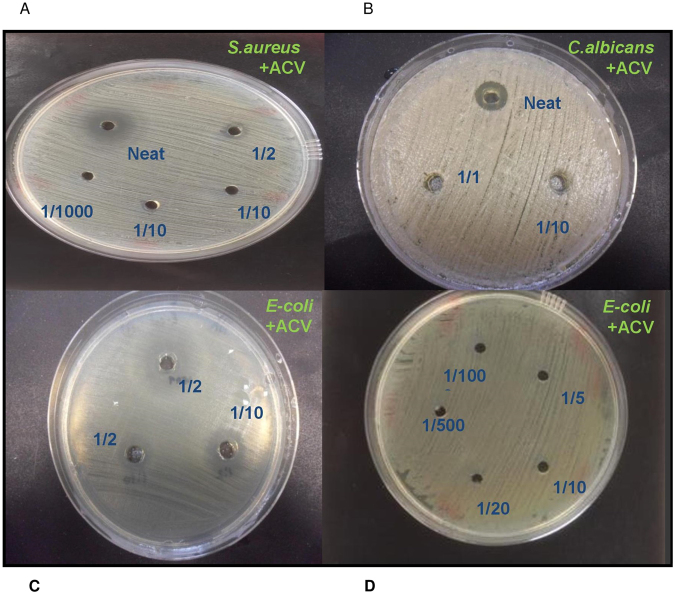
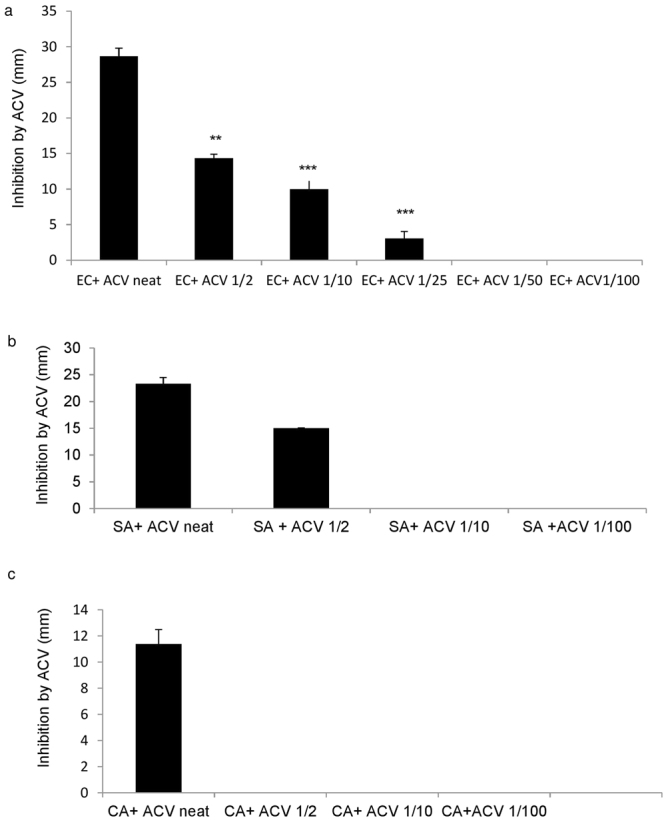
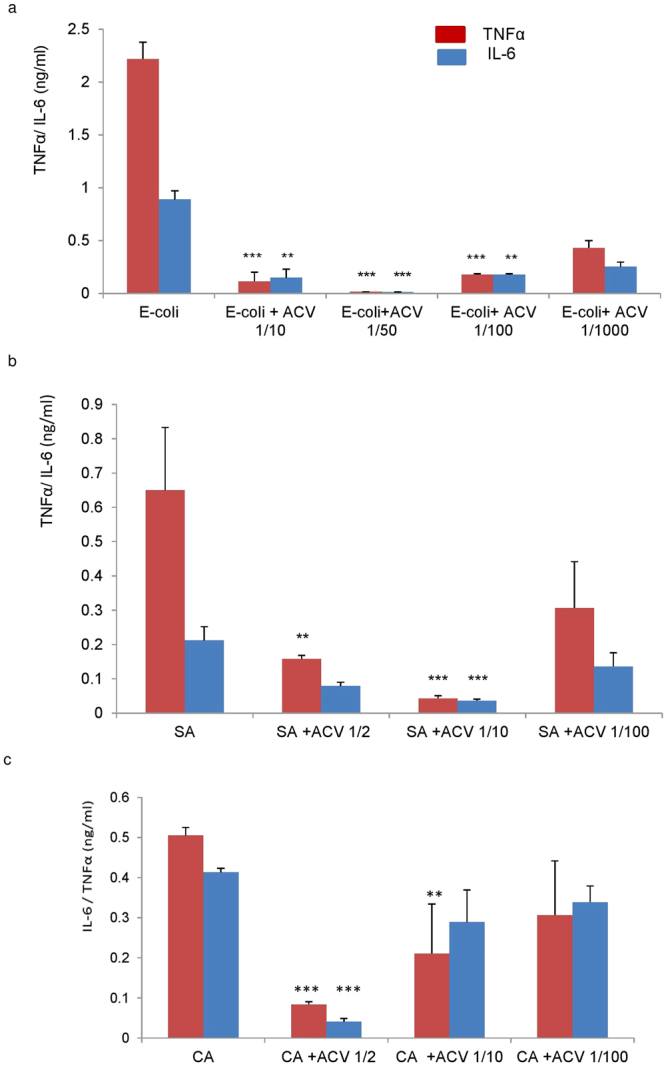
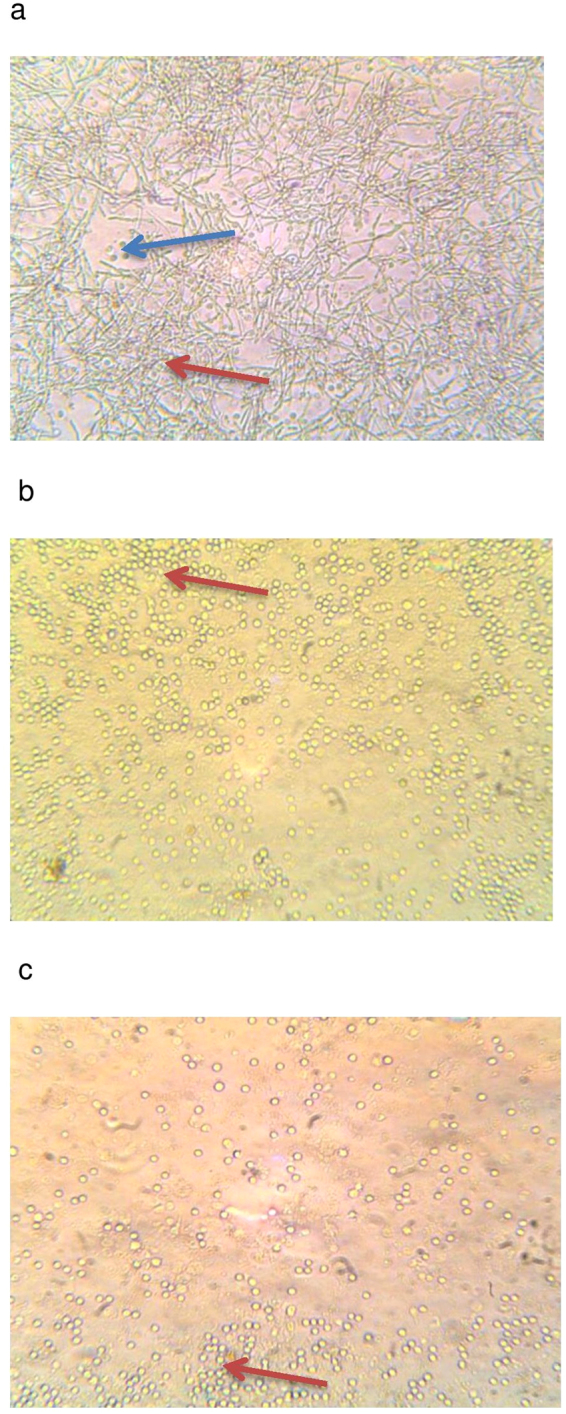
The global escalation in antibiotic resistance cases means alternative antimicrobials are essential. The aim of this study was to investigate the antimicrobial capacity of apple cider vinegar (ACV) against E. coli, S. aureus and C. albicans . The minimum dilution of ACV required for growth inhibition varied for each microbial species. For C. albicans , a 1/2 ACV had the strongest effect, S. aureus, a 1/25 dilution ACV was required, whereas for E-coli cultures, a 1/50 ACV dilution was required (p < 0.05). Monocyte co-culture with microbes alongside ACV resulted in dose dependent downregulation of inflammatory cytokines (TNFα, IL-6). Results are expressed as percentage decreases in cytokine secretion comparing ACV treated with non-ACV treated monocytes cultured with E-coli (TNFα, 99.2%; IL-6, 98%), S. aureus (TNFα, 90%; IL-6, 83%) and C. albicans (TNFα, 83.3%; IL-6, 90.1%) respectively. Proteomic analyses of microbes demonstrated that ACV impaired cell integrity, organelles and protein expression. ACV treatment resulted in an absence in expression of DNA starvation protein, citrate synthase, isocitrate and malate dehydrogenases in E-coli ; chaperone protein DNak and ftsz in S. aureus and pyruvate kinase, 6-phosphogluconate dehydrogenase, fructose bisphosphate were among the enzymes absent in C.albican cultures . The results demonstrate ACV has multiple antimicrobial potential with clinical therapeutic implications.
Overview
The claims and statistics of this paper haven’t been checked yet.
Free: it reads the open-access text and checks the first 5 claims that cite a source we can check. Create a free account to check every claim.
Integrity signals
Registry
Cites
Statistics
Figures
Verification
Claims the paper makes
The claims and statistics of this paper haven’t been checked yet.
Free: it reads the open-access text and checks the first 5 claims that cite a source we can check. Create a free account to check every claim.
Claims other papers make about this one
Each is checked against this paper’s own text: does it say what the citing paper says it does?
The source backs part of the claim, not all of it — or backs it for a different population, condition or comparison.
In the citing paper
“Vinegar has been shown to have potent antibacterial activity against resistant bacteria [28,85,97,98,99].”
From Fruits Vinegar: Quality Characteristics, Phytochemistry, and Functionality (2021) · cites this paper as [85]
Experimental — accuracy not yet measured
Self-check
Percentages, sums and reported differences re-computed from the paper’s own numbers.
The self-check needs the paper’s full text.
Citations
Cites
1 retracted
Apple Peel Polyphenols and Their Beneficial Actions on Oxidative Stress and Inflammation
Denis, M. C., Furtos, A., Dudonné, S., Montoudis, A., Garofalo, C., Desjardins, Y., Delvin, E., & Levy, E. (2013) · PLoS ONE · doi:10.1371/journal.pone.0053725 · Cited by 121
RetractedChen, Y., Wang, L., Kang, Q., Zhang, X., Yu, G., Wan, X., Wang, J., & Zhu, K. (2017) · Cellular Physiology and Biochemistry · doi:10.1159/000477308 · Cited by 10,679
Urinary tract infections: epidemiology, mechanisms of infection and treatment options
Flores-Mireles, A. L., Walker, J. N., Caparon, M., & Hultgren, S. J. (2015) · Nature Reviews Microbiology · doi:10.1038/nrmicro3432 · Cited by 4,213
Diet, gut microbiota and immune responses
Maslowski, K. M., & Mackay, C. R. (2011) · Nature Immunology · doi:10.1038/ni0111-5 · Cited by 1,261
Harmful molecular mechanisms in sepsis
Rittirsch, D., Flierl, M. A., & Ward, P. A. (2008) · Nature Reviews Immunology · doi:10.1038/nri2402 · Cited by 1,202
Martins, R. N., Harper, C. G., Stokes, G. B., & Masters, C. L. (1986) · Journal of Neurochemistry · doi:10.1111/j.1471-4159.1986.tb00615.x · Cited by 234
Čulić, O., Eraković, V., Čepelak, I., Barišić, K., Brajša, K., Ferenčić, Ž., Galović, R., Glojnarić, I., Manojlović, Z., Munić, V., et al. (2002) · European Journal of Pharmacology · doi:10.1016/s0014-2999(02)02042-3 · Cited by 234
Calhoun, L. N., & Kwon, Y. M. (2011) · Journal of Applied Microbiology · doi:10.1111/j.1365-2672.2010.04890.x · Cited by 221
Ostrosky, E. A., Mizumoto, M. K., Lima, M. E. L., Kaneko, T. M., Nishikawa, S. O., & Freitas, B. R. (2008) · Revista Brasileira de Farmacognosia · doi:10.1590/s0102-695x2008000200026 · Cited by 211
Hepatoprotective Effects of Apple Polyphenols on CCl4-Induced Acute Liver Damage in Mice
Yang, J., Li, Y., Wang, F., & Wu, C. (2010) · Journal of Agricultural and Food Chemistry · doi:10.1021/jf903070a · Cited by 182 · cited 1×
“Yang et al. (2010) reported on the cellular protective effects of apple polyphenols on induced liver damage whereby histopathological tissue destruction was limited and liver activity maintained in mice that received the polyphenols34.”
Background
Cited by
Natural Photosensitizers in Antimicrobial Photodynamic Therapy
Polat, E., & Kang, K. (2021) · Biomedicines · doi:10.3390/biomedicines9060584 · Cited by 235
Bacterial vaginosis: a review of approaches to treatment and prevention
Abbe, C., & Mitchell, C. M. (2023) · Frontiers in Reproductive Health · doi:10.3389/frph.2023.1100029 · Cited by 162
Fruits Vinegar: Quality Characteristics, Phytochemistry, and Functionality
Ousaaid, D., Mechchate, H., Laaroussi, H., Hano, C., Bakour, M., El Ghouizi, A., Conte, R., Lyoussi, B., & El Arabi, I. (2021) · Molecules · doi:10.3390/molecules27010222 · Cited by 81
Ahmadifar, E., Dawood, M. A. O., Moghadam, M. S., Sheikhzadeh, N., Hoseinifar, S. H., & Musthafa, M. S. (2019) · Aquaculture · doi:10.1016/j.aquaculture.2019.734412 · Cited by 85
Faour‐Klingbeil, D., Osaili, T. M. I., Al‐Nabulsi, A. A., Jemni, M., & Todd, E. C. D. (2021) · Food Control · doi:10.1016/j.foodcont.2021.107934 · Cited by 76
Pourmozaffar, S., Hajimoradloo, A., Paknejad, H., & Rameshi, H. (2018) · Fish & Shellfish Immunology · doi:10.1016/j.fsi.2018.12.019 · Cited by 60
Deveci, G., Çelik, E., Ağagündüz, D., Bartkienė, E., Rocha, J. M., & Özoğul, F. (2023) · Fermentation · doi:10.3390/fermentation9110923 · Cited by 59
Implications of chlorhexidine use in burn units for wound healing
Abdel-Sayed, P., Tornay, D., Hirt‐Burri, N., Roessingh, A. D. B., Raffoul, W., & Applegate, L. A. (2020) · Burns · doi:10.1016/j.burns.2019.12.008 · Cited by 43
“Also, in early medical practices, the anti-bacterial effects of honey, vinegar and wine were well known [14,15].”
BackgroundYagnik, D., Ward, M., & Shah, A. J. (2021) · Scientific Reports · doi:10.1038/s41598-020-78407-x · Cited by 42
Self-citationKara, M., Assouguem, A., fadili, M. E., Benmessaoud, S., Alshawwa, S. Z., Kamaly, O. M. A., Saghrouchni, H., Zerhouni, A. R., & Bahhou, J. (2022) · Molecules · doi:10.3390/molecules27030770 · Cited by 48
Healthy Diet and Lifestyle Improve the Gut Microbiota and Help Combat Fungal Infection
Jawhara, S. (2023) · Microorganisms · doi:10.3390/microorganisms11061556 · Cited by 51
Anti-Fatigue Effect of Prunus Mume Vinegar in High-Intensity Exercised Rats
Kim, J.-H., Cho, H.-D., Won, Y., Hong, S., Moon, K., & Seo, K. (2020) · Nutrients · doi:10.3390/nu12051205 · Cited by 37
Kara, M., Assouguem, A., Kamaly, O. M. A., Benmessaoud, S., Imtara, H., Mechchate, H., Hano, C., Zerhouni, A. R., & Bahhou, J. (2021) · Molecules · doi:10.3390/molecules26185437 · Cited by 50
Acetic acid and the skin: a review of vinegar in dermatology
Elhage, K. G., Claire, K. S., & Daveluy, S. D. (2021) · International Journal of Dermatology · doi:10.1111/ijd.15804 · Cited by 48
Song, J. M., Zhang, J., Su, Y., Zhang, X., Li, J., Tu, L., Yu, J., Zheng, Y., & Wang, M. (2020) · Journal of Functional Foods · doi:10.1016/j.jff.2020.104152 · Cited by 35
Tripathi, S., & Mazumder, P. M. (2020) · Indian Journal of Pharmaceutical Education and Research · doi:10.5530/ijper.54.2s.62 · Cited by 32
Özdemir, N., & Budak, N. H. (2022) · Food Bioscience · doi:10.1016/j.fbio.2022.102062 · Cited by 40
Ousaaid, D., Imtara, H., Laaroussi, H., Lyoussi, B., & Elarabi, I. (2021) · Journal of Food Quality · doi:10.1155/2021/6618444 · Cited by 29
Motlagh, H. A., Sarkheil, M., Safari, O., & Paolucci, M. (2019) · Aquaculture Research · doi:10.1111/are.14364 · Cited by 28
Mangosteen vinegar from Garcinia mangostana: quality improvement and antioxidant properties
Suksamran, N., Anantawat, V., Wattanaarsakit, P., Chen, W., Rahman, M. A., Majima, H. J., & Tangpong, J. (2022) · Heliyon · doi:10.1016/j.heliyon.2022.e11943 · Cited by 30
Rizg, W. Y., Hosny, K. M., Elgebaly, S. S., Alamoudi, A. J., Felimban, R. I., Tayeb, H. H., Alharbi, M., Bukhary, H. A., Abualsunun, W. A., Almehmady, A. M., et al. (2021) · Pharmaceutics · doi:10.3390/pharmaceutics13122150 · Cited by 26
“APCV works as a natural antifungal agent that may inhibit the growth of the dandruff-causing fungus, Malassezia furfur, therefore decreasing or diminishing dandruff [23].”
BackgroundComparison of Chemical Properties between Traditional and Commercial Vinegar
Cosmulescu, S. N., Stoenescu, A.-M., Trandafir, I., & Tuțulescu, F. (2022) · Horticulturae · doi:10.3390/horticulturae8030225 · Cited by 28
Nutritional, physical, microbiological, and sensory properties of marinated Irish sprat
Babikova, J., Hoeche, U., Boyd, J. W., & Noci, F. (2020) · International Journal of Gastronomy and Food Science · doi:10.1016/j.ijgfs.2020.100277 · Cited by 24
Bioactive components, antibacterial and antiradical properties of home-made apple and grape vinegar
KAHRAMAN, H. A., TUTUN, H., KEYVAN, E., & BALKAN, B. M. (2022) · Ankara Üniversitesi Veteriner Fakültesi Dergisi · doi:10.33988/auvfd.865309 · Cited by 24
Xia, K., Han, C., Xu, J. Q., & Liang, X. (2020) · Applied Microbiology and Biotechnology · doi:10.1007/s00253-020-10995-0 · Cited by 25
Xia, K., Han, C., Xu, J. Q., & Liang, X. (2021) · Applied Microbiology and Biotechnology · doi:10.1007/s00253-020-11078-w · Cited by 25
Choi, J., Kim, M.-K., Yeo, S., & Kim, S. (2020) · Scientific Reports · doi:10.1038/s41598-020-78166-9 · Cited by 23
Gong, H., He, L., Zhao, Z., Mao, X., & Zhang, C. (2020) · Biomedicine & Pharmacotherapy · doi:10.1016/j.biopha.2020.111149 · Cited by 21
Kalemba-Drożdż, M., Kwiecień, I., Szewczyk, A., Cierniak, A., & Grzywacz, A. (2020) · Antioxidants · doi:10.3390/antiox9111121 · Cited by 22
“Moreover, apple cider and balsamic vinegars reveal antibacterial properties [6,7] and they reduce the risk of hyperlipidemia and obesity and attenuate the oxidative stress [8–10].”
BackgroundChoi, J., Park, S., Yeo, S., & Kim, S. (2020) · Foods · doi:10.3390/foods9091232 · Cited by 19
Lactic Acid Bacteria in Vinegar Fermentation: Diversity, Functionality and Health Benefits
Hosseini, E., Tsegay, Z. T., Smaoui, S., & Varzakas, T. H. (2025) · Foods · doi:10.3390/foods14040698 · Cited by 25
“For instance, Yagnik et al. [160] reported an MIC for ACV equal to 250 µ g/mL against C. albicans .”
Melkis, K., & Jakubczyk, K. (2024) · Foods · doi:10.3390/foods13101488 · Cited by 17
Antoniewicz, J., Jakubczyk, K., Kwiatkowski, P. A., Maciejewska, D., Kochman, J., Rębacz‐Maron, E., & Janda, K. (2021) · Molecules · doi:10.3390/molecules26164727 · Cited by 22
“aureus showed that the type of micro-organism determined the dilution of vinegar at which their inhibited development was observed [53].”
BackgroundPopular Remedies for Esophageal Symptoms: a Critical Appraisal
Ahuja, A., & Ahuja, N. K. (2019) · Current Gastroenterology Reports · doi:10.1007/s11894-019-0707-4 · Cited by 15
Drying Kinetic of Jaboticaba Berries and Natural Fermentation for Anthocyanin-Rich Fruit Vinegar
Chua, L. S., & Wahab, N. S. A. (2022) · Foods · doi:10.3390/foods12010065 · Cited by 14
Exploring the Bioactive Compounds in Some Apple Vinegar Samples and Their Biological Activities
Abdali, Y. E., Saghrouchni, H., Kara, M., Mssillou, I., Allali, A., Jardan, Y. A. B., KAFKAS, N. E., El-Assri, E.-M., Nafidi, H., Bourhia, M., et al. (2023) · Plants · doi:10.3390/plants12223850 · Cited by 18
Soliman, A. M., Shaaban, M. T., Dawood, A. S., Shaheen, M. N., & Salama, H. S. (2024) · Microbial Pathogenesis · doi:10.1016/j.micpath.2024.107000 · Cited by 15
ANTIBACTERIAL ACTIVITY OF DOMESTIC APPLE CIDER VINEGAR
Kalaba, V. D., Marjanovic-Balaban, Z. R., & Kalaba, D. (2019) · AGROFOR · doi:10.7251/agreng1901024k · Cited by 19
“…work have confirmed that apple vinegar produced in a traditional way has good antibacterial potential and results are consistent with the results of other researchers who have shown that apple vinegar has multiple antibacterial potential with clinical therapeutic implications (Yagnik et al., 2018).”
BackgroundResultInfluentialImmunomodulation Effect of Nypa fruticans Palm Vinegar
Laklaeng, S.-N., & Klangbud, W. K. (2020) · Walailak Journal of Science and Technology (WJST) · doi:10.48048/wjst.2020.10719 · Cited by 12
Venkadakrishnan, J., Chatterjee, A., Saha, R., Chatterjee, K., Deb, P. K., Sarkar, B., & Mazumder, P. M. (2024) · Pharmacological Research - Modern Chinese Medicine · doi:10.1016/j.prmcm.2024.100364 · Cited by 12
Oleinikova, Y., Alybayeva, A., Daugaliyeva, S. T., Alimzhanova, M. B., Ashimuly, K., Yermekbay, Z., Khadzhibayeva, I., & Saubenova, M. (2023) · International Dairy Journal · doi:10.1016/j.idairyj.2023.105789 · Cited by 12
Natural irrigation solutions in endodontics
Tekin, B., & Demirkaya, K. (2020) · Gulhane Medical Journal · doi:10.4274/gulhane.galenos.2020.902 · Cited by 13
“(22) investigated the antimicrobial effects of apple cider vinegar on Candida albicans, S.”
BackgroundSirkenin Antimikrobiyel Etkisi
Gökırmaklı, Ç., Budak, N. H., & Güzel‐Seydim, Z. B. (2019) · Turkish Journal of Agriculture - Food Science and Technology · doi:10.24925/turjaf.v7i10.1635-1640.2708 · Cited by 11
Kahraman, H. A., Tutun, H., Muhammet Mükerrem, K. A. Y. A., Tutun, S., USLUER, M. S., Rugji, J., & Yurdakul, Ö. (2021) · Journal of Advances in VetBio Science and Techniques · doi:10.31797/vetbio.960155 · Cited by 16
Antibacterial efficiency of apple vinegar marination on beef-borne Salmonella
Elbarbary, N. K., Abdelmotilib, N. M., Salem-Bekhit, M. M., Salem, M. M., Singh, S., & Dandrawy, M. K. (2024) · Open Veterinary Journal · doi:10.5455/ovj.2024.v14.i1.24 · Cited by 11
Khalil, R. A., Andary, J., & El‐Hayek, E. (2024) · BMJ Nutrition Prevention & Health · doi:10.1136/bmjnph-2023-000823 · Cited by 14
RetractedToro, J. D., Branciari, R., Roila, R., Altissimi, S., Jiang, H., Zhou, K., Perucci, S., Codini, M., & Ranucci, D. (2019) · Polish Journal of Food and Nutrition Sciences · doi:10.31883/pjfns/112643 · Cited by 9
Monticelli, G., Bisesi, J. H., Magnuson, J. T., Schlenk, D., Zarza, C., Peggs, D., & Pampanin, D. M. (2023) · Aquaculture · doi:10.1016/j.aquaculture.2023.740310 · Cited by 9
Eroglu, M., Erisir, Z., Simsek, U. G., Mutlu, S. İ., Baykalir, Y., Güngören, A., Mutlu, M., Karakus, G. A., & Akarsu, S. (2025) · The Journal of Animal and Plant Sciences · doi:10.36899/japs.2025.2.0029 · Cited by 8
“The study conducted by Yagnik et al. (2018) concluded that commercial apple cider vinegar has an antimicrobial effect on E. coli, S. aureus , and C. albicans .”
Novel vinegar solution for denture-cleansing agent
Kaypetch, R., Anuwongnukroh, N., Dechkunakorn, S., Wichai, W., Tua-Ngam, P., Tantivitayakul, P., & Shrestha, B. (2023) · Journal of Oral Science · doi:10.2334/josnusd.22-0385 · Cited by 11
Gaber, S. N., Bassyouni, R. H., Masoud, M., & Ahmed, F. A. (2020) · Alexandria Journal of Medicine · doi:10.1080/20905068.2020.1769391 · Cited by 11
Bartkienė, E., Zokaitytė, E., Zavistanavičiūtė, P., Mockus, E., Černauskas, D., Ružauskas, M., Tolpežnikaitė, E., & Guiné, R. P. F. (2021) · Foods · doi:10.3390/foods10102329 · Cited by 9
“coli, Staphylococcus aureus, and Candida albicans strains [37].”
BackgroundHarikrishnan, R., Devi, G., Doan, H. V., Arockiaraj, J., Jawahar, S., Balasundaram, C., Balamurugan, P., Soltani, M., & Jaturasitha, S. (2021) · Fish & Shellfish Immunology · doi:10.1016/j.fsi.2021.10.026 · Cited by 8
BIOETHANOL PRODUCTION FROM AGRICULTURAL WASTES BY ZYMOMONAS MOBILIS AND USED IN VINEGAR PRODUCTION
Nassir, T. H., & Al‐Sahlany, S. T. G. (2021) · Journal of Microbiology Biotechnology and Food Sciences · doi:10.15414/jmbfs.3709 · Cited by 9
“The acetic acid bacteria have the advantage of tolerating acidity and will not be killed by the acidity they are working on producing (Yagnik et al., 2018).”
BackgroundZamudio-Sosa, V. E., Cabanillas-Bojórquez, L. Á., García‐Armenta, E., Criollo-Mendoza, M. S., Medrano‐Félix, J. A., Astorga-Gaxiola, A. H., Heredia, J. B., Contreras‐Angulo, L. A., & Gutiérrez‐Grijalva, E. P. (2026) · Applied Microbiology · doi:10.3390/applmicrobiol6010017 · Cited by 10
Sousa, M., Oliveira, I. M., Correia, L., Gomes, I. B., Sousa, C. A., Braga, D. F. O., & Simões, M. V. (2024) · The Science of The Total Environment · doi:10.1016/j.scitotenv.2024.170352 · Cited by 11
Lekjing, S., & Venkatachalam, K. (2021) · Italian Journal of Food Science · doi:10.15586/ijfs.v33i2.2049 · Cited by 6
Özdemir, O. (2024) · Food Science & Nutrition · doi:10.1002/fsn3.4459 · Cited by 5
Mokhtar, S. I., & Zaman, K. A. K. P. (2020) · IOP Conference Series Earth and Environmental Science · doi:10.1088/1755-1315/596/1/012090 · Cited by 5
Singh, K. S., Nayak, S., Lalnunmawii, E., Devi, M. B., Shagolsem, B. S., & Gouda, S. (2024) · Journal of Analytical and Applied Pyrolysis · doi:10.1016/j.jaap.2024.106528 · Cited by 4
Danduga, R. C. S. R., Kurapati, A. S., Shaik, R. A., Kola, P. K., Konidala, S. K., & Varada, H. B. (2024) · Reproductive Sciences · doi:10.1007/s43032-024-01545-4 · Cited by 6
“In earlier investigations, ACV was found to downregulate the inflammatory cytokines in monocyte cultures with various bacterial species [39].”
Abdel-Raheem, S. M., Abouelhassan, E. M., Mandour, M. A., El‐Ghareeb, W. R., Shawky, M., & El-Tarabili, R. M. (2024) · Microbial Pathogenesis · doi:10.1016/j.micpath.2024.107150 · Cited by 4
Ninsuwan, K., Nimnuan, J., Watcharakitti, J., Siriwong, C., Amornsakchai, T., & Smith, S. M. (2023) · Polymers · doi:10.3390/polym15071735 · Cited by 7
Chabalala, O., Bhebhe, E., & Fushai, F. (2023) · Translational Animal Science · doi:10.1093/tas/txad109 · Cited by 4
Yılmaz, K., Hajiyev, T. O., Altınsoy, G. Ö., & Özarslan, M. M. (2025) · Polymers · doi:10.3390/polym17182552 · Cited by 3
“Apple cider vinegar (ACV), containing 4–8% acetic acid, has been reported to possess antimicrobial effects and to dissolve dental plaque, and has been proposed as a potential mouthwash ingredient [12,13].”
Sustainable biosecurity: harnessing natural sanitisers for hatching egg sanitation
El‐Sabrout, K., Elahi, U., Ahmad, S., Vallone, L., & Buonaiuto, G. (2026) · World s Poultry Science Journal · doi:10.1080/00439339.2026.2628865 · Cited by 3
“2011; Yagnik et al .”
Elsheikh, H., Abdelkafy, H., Al-Sherbiny, I. M., Marzouk, R. M., & Hallool, S. I. (2022) · Al-Azhar Journal of Dental Science · doi:10.21608/ajdsm.2022.142331.1338 · Cited by 3
Asaad, N., & Laflouf, M. (2022) · Cureus · doi:10.7759/cureus.26874 · Cited by 3
Roila, R., Altissimi, C., Branciari, R., Primavilla, S., Valiani, A., Cambiotti, F., Cardinali, L., Cioffi, A., & Ranucci, D. (2022) · Applied Sciences · doi:10.3390/app122010419 · Cited by 5
Akgün, S. E., Arslan, İ., Aydınoğlu, S., Günaçar, D. N., Karaoğlu, Ş. A., Yurteri, E., & Suyabatmaz, Ş. (2022) · Pediatric Dental Journal · doi:10.1016/j.pdj.2022.09.001 · Cited by 3
Mahyuddin, A., Chandraseharan, P., Sockalingam, S. N. M. P., Shafiei, Z., Zakaria, A. S. I., & Rahman, M. A. (2023) · The Journal of Contemporary Dental Practice · doi:10.5005/jp-journals-10024-3581 · Cited by 6
“35 The ACV was diluted with distilled water in the present study because distilled water will not harm the test bacteria compared with normal saline, which has been shown to have antibacterial activity.”
Kaur, S., Kishan, K. V., & Shah, N. (2022) · Endodontology · doi:10.4103/endo.endo_93_22 · Cited by 3
Rahmani, Z., Sadeghi, S., Mirzakhani, R., Zamaniyan, M., Abastabar, M., Akbari, J., Kermani, F., Khademlo, M., & Shokohi, T. (2020) · DOAJ (DOAJ: Directory of Open Access Journals) · Cited by 3
Characterization and Control of Erwinia spp. and Pluralibacter sp. in Tuna Salad Preparations
Björnsdóttir-Butler, K., McCarthy, S. A., & Benner, R. (2019) · Journal of Food Protection · doi:10.4315/0362-028x.jfp-18-506 · Cited by 3
Contemporary pursuits of vinegar from scullery to dermatology
Bansal, M., Budhiraja, U., & Bansal, H. (2020) · International Journal of Research in Dermatology · doi:10.18203/issn.2455-4529.intjresdermatol20203539 · Cited by 2
“1% acetic acid.(8) Another study by Halstead et al revealed good activity of acetic acid against the majority of the organisms were Proteus vulgaris, P.”
BackgroundDetermination of Quality in Homemade Vinegars by Spectroscopy and Rheology Methods
Öztürk, M. (2021) · Düzce Üniversitesi Bilim ve Teknoloji Dergisi · doi:10.29130/dubited.882634 · Cited by 3
Ding, Q., Xue, D., Ren, Y., Xue, Y., Shi, J., Xu, Z., & Geng, Y. (2025) · Nutrients · doi:10.3390/nu17132157 · Cited by 5
“These findings are consistent with reports that dietary polyphenols selectively promote beneficial taxa while inhibiting pro-inflammatory species and mitigating “leaky gut” syndrome [31–33].”
Choudhary, R., Verma, P., Kumar, A., Kaushik, R., & Wang, T. (2025) · Journal of Culinary Science & Technology · doi:10.1080/15428052.2025.2599863 · Cited by 5
“FsV has been used as an antibacterial and antifungal agent to cure persistent cough, ear infections, and wounds as well as to remove head lice, insect bites, and warts, and to treat nail fungus (Petsiou et al., 2014; Yagnik et al., 2018).”
Effect of Vinegars on Aggregatibacter actinomycetemcomitans and Prevotella İntermedia In vitro
Yavuz, M. C., Dağlıoğlu, Y., & Özdal, M. (2021) · Kocaeli Üniversitesi Sağlık Bilimleri Dergisi · doi:10.30934/kusbed.637099 · Cited by 2
Hameed, S. J. (2024) · Al-Kitab Journal for Pure Sciences · doi:10.32441/kjps.08.01.p4 · Cited by 2
Herbal formulations for the treatment of fungal infection
Patel, M., Patel, K., Bera, K., & Prajapati, B. G. (2024) · Elsevier eBooks · doi:10.1016/b978-0-443-15383-9.00030-5 · Cited by 3
Zailani, S., Shuiabu, Y. U., Adamu, M. B., Qossim, M., Zakari, N. D., Lawal, A. S., & Muhammad, L. (2024) · European Journal of Medicinal Plants · doi:10.9734/ejmp/2024/v35i41197 · Cited by 3
Solami, L. A., & Satheesh, S. (2023) · International Journal of Environmental Science and Technology · doi:10.1007/s13762-023-05311-y · Cited by 2
“Though the antimicrobial activity of ACV is well documented in the literature (e.g., Yagnik et al. 2018; Gabar et al. 2020; Kara et al. 2021), its antifouling activity studies are lacking.”
Fletcher, J., Yuen, K. Y., Stewart, A. J., Young, A. C., Gibson, J. S., James, O., Medina‐Torres, C. E., Forde, B. M., & Sole‐Guitart, A. (2021) · Australian Veterinary Journal · doi:10.1111/avj.13136 · Cited by 2
Younis, W. O., Berekaa, M. M., Ellbban, M. A., Gadallah, A. –., Almarashi, J. Q. M., & Mohamed, A. H. (2024) · Karbala International Journal of Modern Science · doi:10.33640/2405-609x.3352 · Cited by 1
“Therefore, it is an essential element of demand to fi nd an innovative method to overcome this problem [26,27].”
MethodRani, S., Goyal, A., Vaja, M. D., Salooria, S., Bali, M., Pawan, & Kaur, M. (2026) · Phytochemistry Reviews · doi:10.1007/s11101-026-10276-0 · Cited by 1
“Crucially, the majority of cells, including fibroblasts and epithelial cells, do not seem to respond strongly to these cytotoxic drugs, which could be beneficial when using these drugs as therapies (Yagnik et al. 2018; Li et al. 2019).”
Chandukishore, T., Patel, S. V., & Aishwarya, P. M. (2021) · INTERNATIONAL JOURNAL OF SCIENTIFIC RESEARCH · doi:10.36106/ijar/5620535 · Cited by 1
Apple cider vinegar: Effective adjuvant treatment for aerobic vaginitis
Patole, V., Mahore, J., Nandgude, T. D., & Gutte, A. (2022) · Novel Research in Microbiology Journal · doi:10.21608/nrmj.2022.253697 · Cited by 1
Yangılar, F., Gülhan, B., & Kılıçgün, H. (2022) · Uludağ Üniversitesi Ziraat Fakültesi dergisi/Bursa uludağ üniversitesi ziraat fakültesi dergisi · doi:10.20479/bursauludagziraat.1122279 · Cited by 2
Treatment of Surgical-Site Infections
Blacklock, K. B., Glenn, O. J., & Verwilghen, D. (2023) · CABI eBooks · doi:10.1079/9781789244977.0010 · Cited by 1
Prevalence and Disinfection of Bacteria Associated with Various Types of Wristbands
Mendonca, J., Wertheimer, B., Dixon, D., Stone, B., Dawkins, K., Christian, M., & Esiobu, N. (2023) · Advances in Infectious Diseases · doi:10.4236/aid.2023.132018 · Cited by 2
Al-Maseimi, O. D., Abbas, M. M., Elsahoryi, N. A., & Qutob, M. S. (2024) · International Journal of One Health · doi:10.14202/ijoh.2024.114-124 · Cited by 1
“For example, vinegar is well-known for its antimicrobial activity against bacterial pathogens that may be present in fresh fruits and vegetables [53]; however, it is not effective against coronavirus [54].”
BackgroundNatural Product-Based Treatment for Gastritis
Uthansingh, K., Sidoine, K., Patnaik, S. K., Pati, G. K., & Padhy, R. N. (2024) · Springer eBooks · doi:10.1007/978-981-97-9634-2_8 · Cited by 2
Rice vinegar removes Candida albicans from denture acrylic resins
Garach, T., Shangase, S. L., Molaudzi, M., & Molepo, J. (2021) · South African Dental Journal · doi:10.17159/2519-0105/2021/v76no7a3 · Cited by 1
Ngwu, G. I., Opara, B. A., Ngwu, M. I., Atuogba, N. C., Ugwuoke, W. I., Ossai, N. I., Ihedioha, J. I., Njoku, S. C., & Nwani, C. D. (2021) · Comparative Clinical Pathology · doi:10.1007/s00580-021-03294-1 · Cited by 1
“It, as well, had been reported to possesses antimicrobial property and is used variously for the treatment of bacterial and fungal infections (Yagnik et al. 2018).”
BackgroundMahmoud, W. M., Kamel, W., & Abdelkafy, H. (2021) · Al-Azhar Dental Journal for Girls · doi:10.21608/adjg.2021.76140.1377 · Cited by 1
“It has a high biocompatibility because it contains a significant amount of malic acid, which is responsible for the majority of its therapeutic actions, including antiinflammatory, antibacterial, antioxidant, antifungal, and anticarcinogenic properties (12-15).”
BackgroundCytotoxicity test of apple cider vinegar as a root canal irrigant against fibroblast cells
Lesmana, S. B., Djuanda, R., & Sugiaman, V. K. (2022) · ODONTO Dental Journal · doi:10.30659/odj.9.2.158-167 · Cited by 1
“acetic acid, polyphenols, amino acids, vitamins, and minerals.(8)”
Al-Hadidy, Y. I., Oleiwi, S. D., Khalaf, A. A., & Saleh, H. M. (2023) · Kirkuk University Journal For Agricultural Sciences · doi:10.58928/ku23.14110 · Cited by 2
Alçay, A. Ü. (2021) · Türk Mikrobiyoloji Cemiyeti Dergisi · doi:10.5222/tmcd.2021.06332
Fruit Enzyme Activity of Molasses Combination Against Control of S. Aureus and E. Coli Bacteria
Adrianto, A., Khalish, F., & Pratiwi, D. C. (2022) · Journal of Sustainable Materials Processing and Management · doi:10.30880/jsmpm.2022.02.02.012
Metadata
- Authors
- Yagnik, D., Serafin, V., & J. Shah, A.
- Affiliations
- Middlesex University London (GB)
- Corresponding author
- Yagnik, Darshna
- ORCID
- Yagnik, Darshna
- Venue
- Scientific Reports
- Published
- 2018-01-29
- Volume
- 8
- Issue
- 1
- Pages
- 1732-1732
- ISSN
- 2045-2322 (ISSN-L)
- PMC
- PMC5788933
- OpenAlex
- W2786645813
- Cited by
- 117
- References
- 40
- Citations by year
- 2026: 9 · 2025: 11 · 2024: 18 · 2023: 17 · 2022: 14 · 2021: 24 · 2020: 16 · 2019: 7 · 2018: 1
- FWCI
- 11.26
- Type
- journal article
- Language
- en
- Open access
- gold
- doi.org
- Licence
- cc-by
- creativecommons.org/licenses/by/4.0 (tdm)
- creativecommons.org/licenses/by/4.0 (vor)
- Locations
- Scientific Reports (publishedVersion, cc-by)
- PubMed Central (publishedVersion, cc-by)
- PubMed (publishedVersion)
- Middlesex University Research Repository (Middlesex University Of London) (acceptedVersion)
- DOAJ (DOAJ: Directory of Open Access Journals) (submittedVersion)
- Topics
- Life Sciences › Agricultural and Biological Sciences › Food Science › Essential Oils and Antimicrobial Activity
- Life Sciences › Immunology and Microbiology › Applied Microbiology and Biotechnology › Antimicrobial agents and applications
- Life Sciences › Agricultural and Biological Sciences › Food Science › Probiotics and Fermented Foods
- Keywords
- apple cider vinegar, antimicrobial activity, Escherichia coli, Staphylococcus aureus, Candida albicans, antibiotic alternatives, cytokine downregulation, TNF-α, interleukin-6, microbial proteomics, prokaryotic expression, antibiotic resistance
- MeSH terms
- Anti-Infective Agents, Bacteria, Candida albicans, Immunologic Factors, Microbial Sensitivity Tests, Monocytes, Cytokines, Acetic Acid, Proteome, Malus
About these checks
Registry, retraction, Cites and statistics results are computed, not judged, with one exception: a printed reference that no index lists is read once by a model before it counts as a citation error. Claims are extracted by a model and kept only when their quote appears verbatim in the text; each cited source is then checked, with a model’s help, for whether it says what the claim relies on. Those verdicts can be wrong — read the claim’s quote and the cited source before relying on one.
Statistics and arithmetic are recomputed, not judged.
Confidence bands are shown only for fields calibrated on our annotated test set. None is calibrated yet, so no band is shown.
What counts as a claim ›How we measure confidence ›How we check this ›
Are you an author, or do you see a problem with this page? Request a review
Data sources
Bibliographic data: Semantic Scholar, OpenAlex, Crossref.
Contains information from the Semantic Scholar Academic Graph Datasets, made available under the ODC Attribution License (ODC-BY 1.0).
Semantic Scholar’s data is described in: Kinney, R., et al. (2023). The Semantic Scholar Open Data Platform. arXiv:2301.10140.
