

Chiloscyphenol A derived from Chinese liverworts exerts fungicidal action by eliciting both mitochondrial dysfunction and plasma membrane destruction
Open accessThe DOI matches its Crossref record; 52 of the 52 references it cites were found in a registry or an index; none of the 35 sources its claims cite is checked for support yet.
Abstract
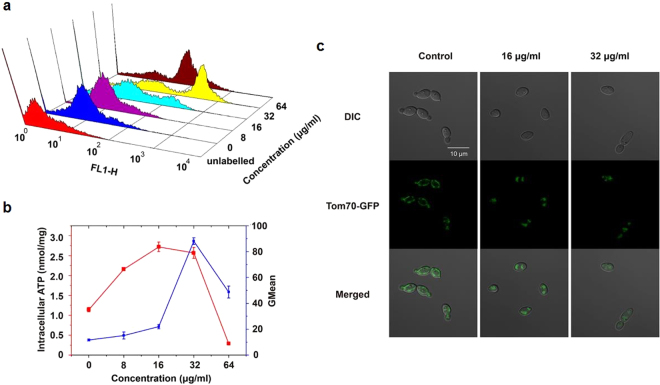
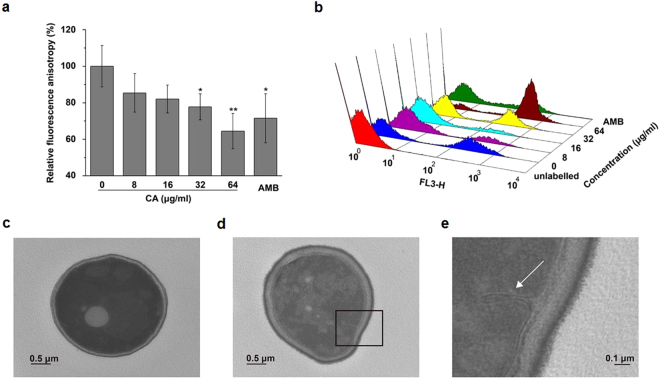
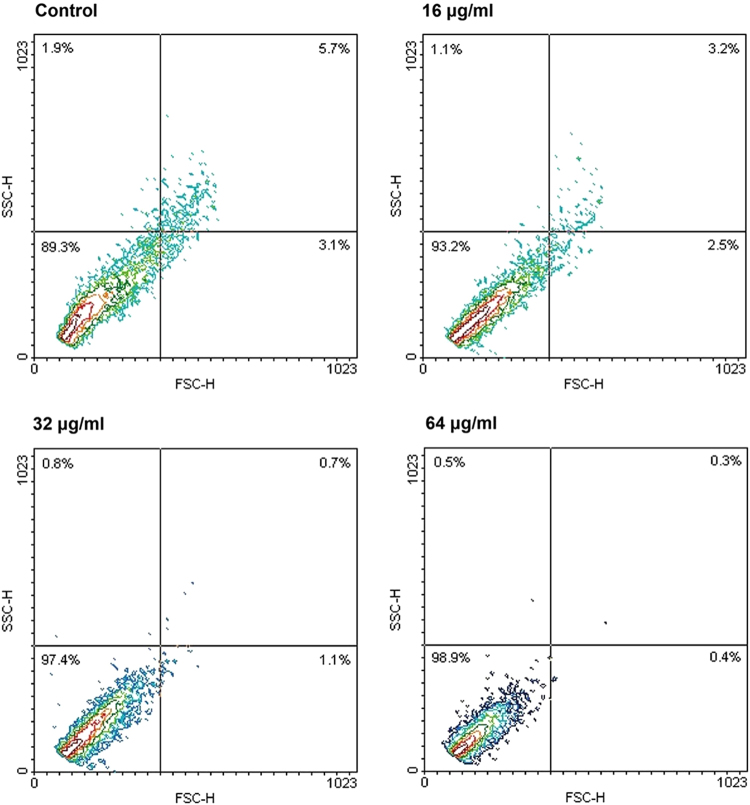
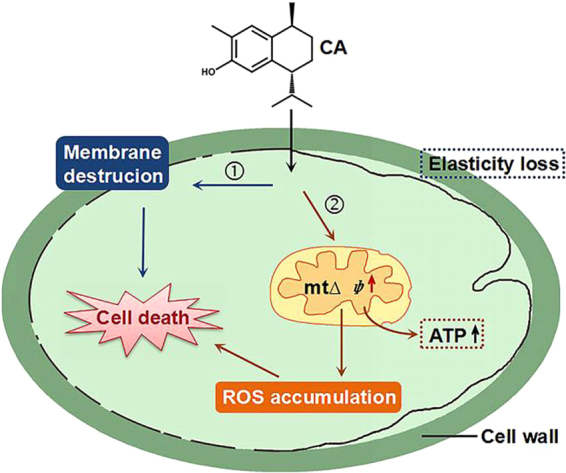
This study aimed to characterize the antifungal effects of chiloscyphenol A (CA), a natural small molecule isolated from Chinese liverworts, and investigate its mode of action. CA was effective against five tested Candida species with a minimal inhibitory concentration (MIC) of 8–32 μg/ml and exhibited fungicidal activity against Candida albicans in both the planktonic state and mature biofilms. The in vivo study using Caenorhabditis elegans showed that CA prolonged the survival of C. albicans infected worms. Further investigations revealed that CA resulted in mitochondrial dysfunction as indicated by mtΔψ hyperpolarization, increased ATP production and intracellular ROS accumulation, and aggregated distribution of Tom70. In addition, CA caused perturbation of the cell membrane and increased membrane permeability, as demonstrated by specific staining and confocal microscopic and transmission electron microscopy (TEM) observations and by calcein-leakage measurements. This conclusion was further confirmed by the decreased cell size of CA-treated cells via three-dimensional contour-plot analysis using flow cytometry. Taken together, these results suggest that CA exerts fungicidal activity by eliciting both mitochondrial dysfunction and plasma membrane destruction in C. albicans. The elucidated mechanism supports the potential application of CA against clinical fungal infections.
Overview
CoChat Summary
TL;DR
Chiloscyphenol A (CA), a liverwort-derived sesquiterpenoid, is fungicidal against Candida species and mature biofilms, including fluconazole-resistant isolates. Its action in Candida albicans involves mitochondrial dysfunction with ROS accumulation plus plasma membrane disruption.
Key findings
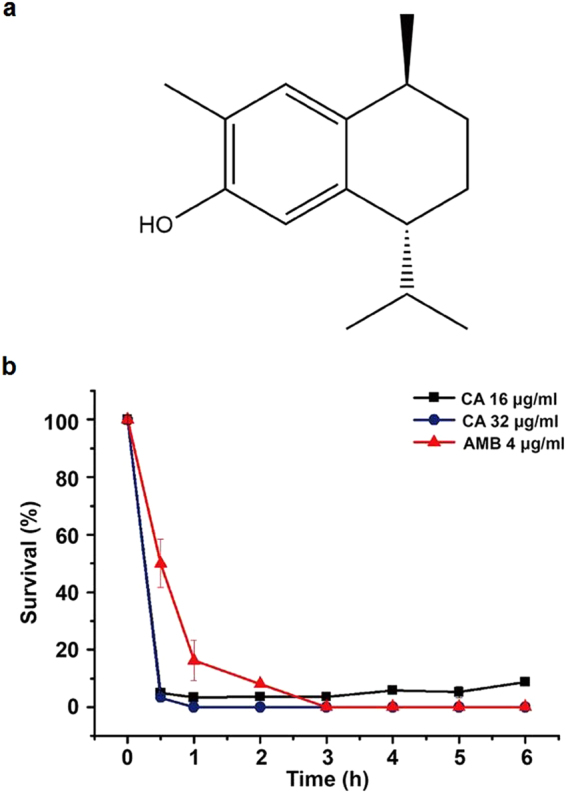
- CA inhibited five tested Candida species with MICs of 8–32 μg/ml; 16 μg/ml or greater eliminated 90% of planktonic C. albicans within 1 h, comparable to 4 μg/ml amphotericin B after 3 h.
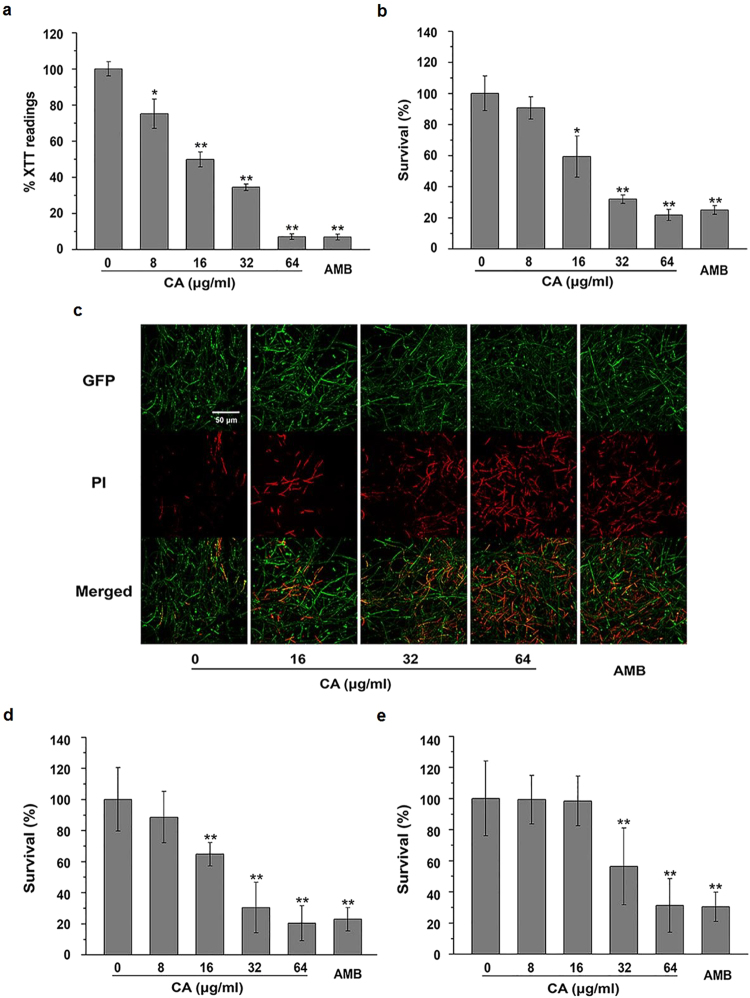
- CA inhibited C. albicans biofilm formation by 50.11% ± 4.10% at 16 μg/ml and >90% at 64 μg/ml; against preformed mature biofilms, 16 μg/ml caused ~40% cell death and 32 or 64 μg/ml caused >60% killing.
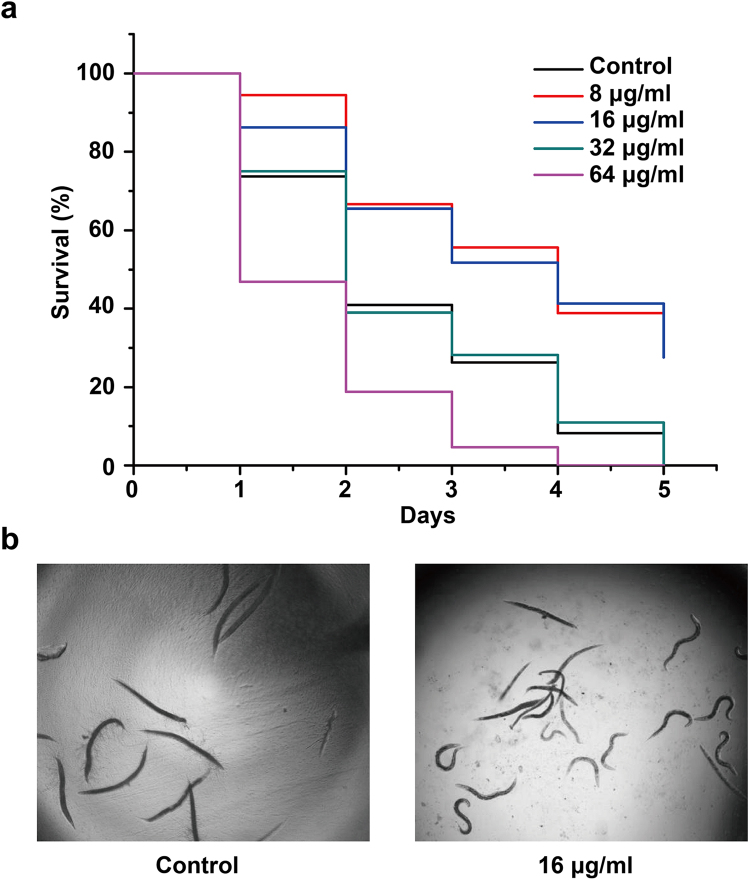
- In C. elegans infected with C. albicans, CA at 8 or 16 μg/ml prolonged worm survival (P < 0.001 vs vehicle), while 32 µg/ml or above was toxic to nematodes.
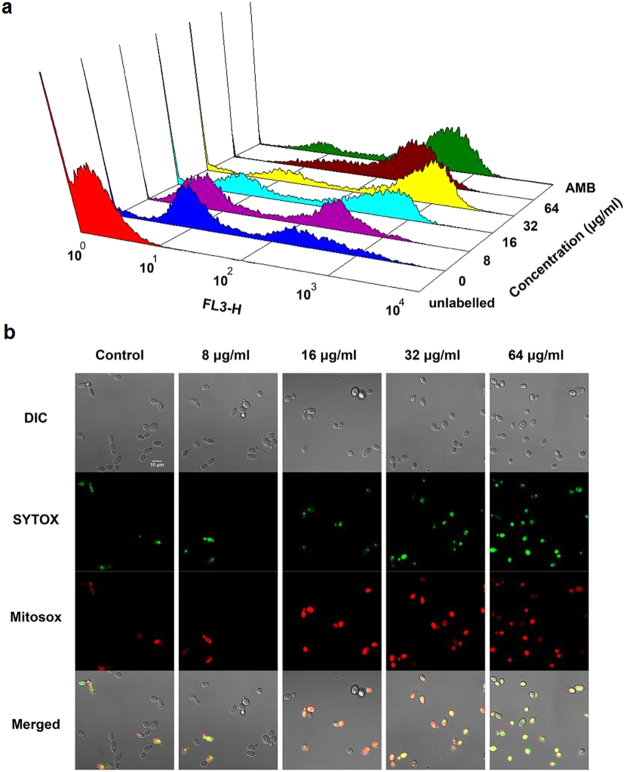
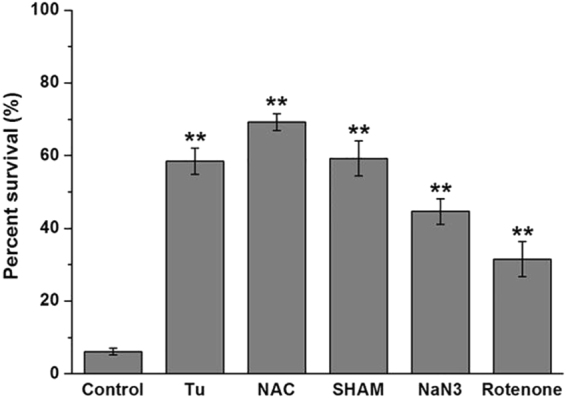
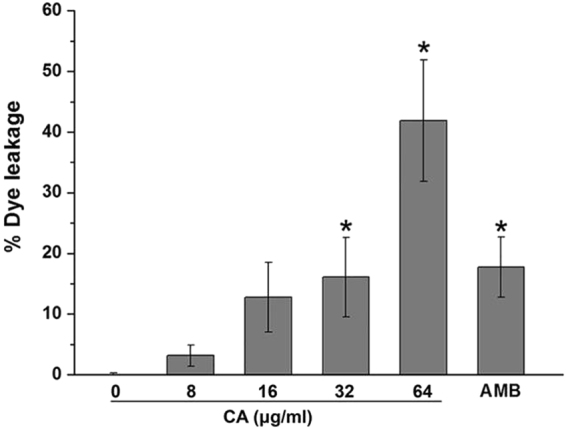
- CA caused dose-dependent intracellular ROS accumulation; the antioxidants thiourea and N-acetyl-L-cysteine increased survival from 6.08% ± 0.93% (control) to 58.46% ± 3.531% and 69.23% ± 2.31%, respectively. CA also increased mtΔψ and ATP at 8–32 μg/ml, decreased them at 64 μg/ml, aggregated Tom70, increased membrane permeability, disrupted membrane ultrastructure, and caused calcein leakage from artificial membranes.
Methods
- In vitro susceptibility testing used CLSI M27-A3 broth microdilution against C. albicans SC5314, nine clinical C. albicans isolates, and clinical isolates of C. krusei, C. glabrata, C. tropicalis, and C. parapsilosis; time-kill, XTT biofilm, and mature-biofilm viable-count assays were also performed.
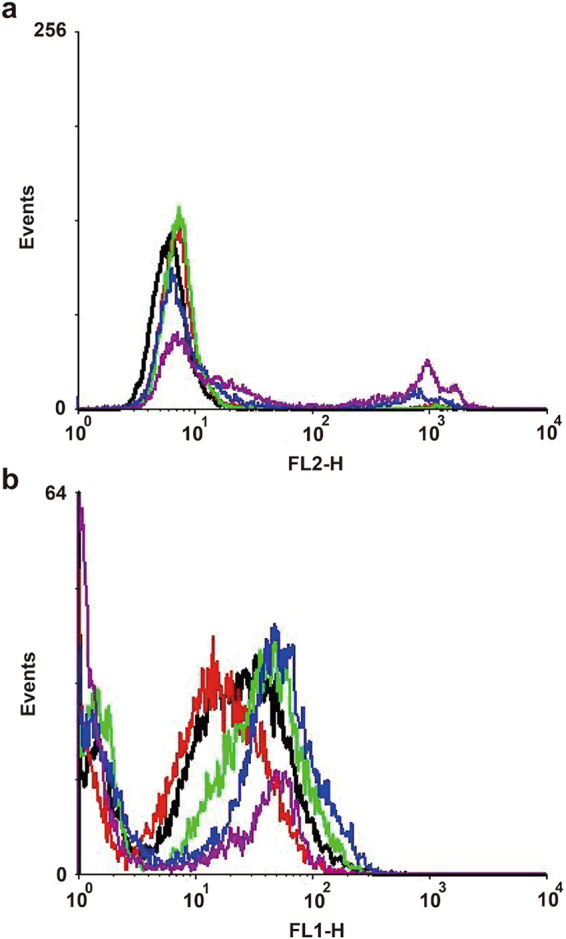
- Mechanistic assays in C. albicans included MitoSOX ROS measurement, Rhodamine 123 mtΔψ analysis, ATP quantification, Tom70-GFP localization, DPH/PI membrane assays, TEM, flow cytometry morphology, and calcein leakage from large unilamellar vesicles.
- In vivo efficacy used a C. elegans–C. albicans infection model; cytotoxicity was tested in normal human bronchial epithelium (HBE) and HeLa cells by MTT and flow cytometry. Data are reported as means ± SD, with Student’s t-test and Kaplan-Meier analysis for nematode survival.
Limitations
- The paper states that CA’s low therapeutic index restricts its development as a clinical antifungal drug, and that its cytotoxicity is not particularly restricted to Candida pathogens.
- Evident from the text: in vivo efficacy was tested only in a C. elegans infection model, not in a mammalian infection model, so translation to clinical infection is uncertain.
- Evident from the text: the proposed mechanism is based on C. albicans and artificial-membrane experiments; the authors note that the toxicity against human cells and nematodes is probably related to the same ROS and membrane-disruption effects.
Model-written summary. Check it against the paper before relying on it.
Integrity signals
Registry
Cites
Statistics
Figures
Verification
Claims the paper makes
0 Valid · 0 Not valid · 21 Not checked · 58 Own results and interpretations
A result the paper reports from its own data — it cites no other source for it, so there is none to check. The quote shows it is in the paper.
In the paper
“CA was effective against five tested Candida species with a minimal inhibitory concentration (MIC) of 8–32 μg/ml”
- Also stated in: § The antifungal effects of CA on Candida species · plain
“As shown in Table 1, CA exhibited potent antifungal activity against these five tested Candida species, with MICs ranging from 8 to 32 μg/ml.”
- Also stated in: § Discussion · plain
“In this study, CA derived from Chinese liverworts was found to display potent activity against both FLC-susceptible and FLC-resistant Candida isolates (Table 1).”
§ Chiloscyphenol A derived from Chinese liverworts exerts fungicidal action by eliciting both mitochondrial dysfunction and plasma membrane destruction > Abstract
plainstates a cause- Asserted: passes — The authors put it forward as true.
- Checkable: passes — It can be checked against evidence.
- Load-bearing: passes — The paper’s conclusions depend on it.
- Based: passes — The paper gives a reason why it holds.
- Also stated in: § The antifungal effects of CA on Candida species · plain
A result the paper reports from its own data — it cites no other source for it, so there is none to check. The quote shows it is in the paper.
In the paper
“exhibited fungicidal activity against Candida albicans in both the planktonic state and mature biofilms.”
§ Chiloscyphenol A derived from Chinese liverworts exerts fungicidal action by eliciting both mitochondrial dysfunction and plasma membrane destruction > Abstract
plainstates a cause- Asserted: passes — The authors put it forward as true.
- Checkable: passes — It can be checked against evidence.
- Load-bearing: passes — The paper’s conclusions depend on it.
- Based: passes — The paper gives a reason why it holds.
A result the paper reports from its own data — it cites no other source for it, so there is none to check. The quote shows it is in the paper.
In the paper
“The in vivo study using Caenorhabditis elegans showed that CA prolonged the survival of C. albicans infected worms.”
§ Chiloscyphenol A derived from Chinese liverworts exerts fungicidal action by eliciting both mitochondrial dysfunction and plasma membrane destruction > Abstract
plainstates a cause- Asserted: passes — The authors put it forward as true.
- Checkable: passes — It can be checked against evidence.
- Load-bearing: passes — The paper’s conclusions depend on it.
- Based: passes — The paper gives a reason why it holds.
A result the paper reports from its own data — it cites no other source for it, so there is none to check. The quote shows it is in the paper.
In the paper
“This conclusion was further confirmed by the decreased cell size of CA-treated cells via three-dimensional contour-plot analysis using flow cytometry.”
§ Chiloscyphenol A derived from Chinese liverworts exerts fungicidal action by eliciting both mitochondrial dysfunction and plasma membrane destruction > Abstract
boostedstates a cause- Asserted: passes — The authors put it forward as true.
- Checkable: passes — It can be checked against evidence.
- Load-bearing: unclear — It is unclear whether the paper’s conclusions depend on it.
- Based: passes — The paper gives a reason why it holds.
A result the paper reports from its own data — it cites no other source for it, so there is none to check. The quote shows it is in the paper.
In the paper
“exhibited fungicidal activity against Candida albicans in both the planktonic state and mature biofilms.”
§ Chiloscyphenol A derived from Chinese liverworts exerts fungicidal action by eliciting both mitochondrial dysfunction and plasma membrane destruction > Abstract
plainstates a cause- Asserted: passes — The authors put it forward as true.
- Checkable: passes — It can be checked against evidence.
- Load-bearing: passes — The paper’s conclusions depend on it.
- Based: passes — The paper gives a reason why it holds.
30 more claims
Create a free account to see all 79 claims and to verify the 35 references still open.
- It may state two separate claims as one. 26
- Probably not a substantial claim. 25
Claims other papers make about this one
Each is checked against this paper’s own text: does it say what the citing paper says it does?
The source backs part of the claim, not all of it — or backs it for a different population, condition or comparison.
In the citing paper
“CA is an inhibitor of mitochondrial function by inducing MMP hyperpolarization, increasing ATP and intracellular ROS production, and aggregating Tom70 distribution (67).”
From Recent Progress in Research on Mitochondrion-Targeted Antifungal Drugs: a Review (2023) · cites this paper as [67]
Experimental — accuracy not yet measuredThe cited source says what the claim attributes to it.
In the citing paper
“CA can also destroy the fungal cell membrane.”
From Recent Progress in Research on Mitochondrion-Targeted Antifungal Drugs: a Review (2023) · cites this paper as [67]
The cited source says what the claim attributes to it.
In the citing paper
“It is effective against Candida species, with a MIC range of 8 to 32 μg/mL; an in vivo study verified the antifungal effects of CA in a Caenorhabditis elegans model (67).”
From Recent Progress in Research on Mitochondrion-Targeted Antifungal Drugs: a Review (2023) · cites this paper as [67]
The cited source says what the claim attributes to it.
In the citing paper
“Chiloscyphenol A (CA) is a small-molecule natural product isolated from Chinese liverworts (67).”
From Recent Progress in Research on Mitochondrion-Targeted Antifungal Drugs: a Review (2023) · cites this paper as [67]
The cited source says what the claim attributes to it.
In the citing paper
“It is effective against Candida species, with a MIC range of 8 to 32 μg/mL; an in vivo study verified the antifungal effects of CA in a Caenorhabditis elegans model (67).”
From Recent Progress in Research on Mitochondrion-Targeted Antifungal Drugs: a Review (2023) · cites this paper as [67]
Self-check
Percentages, sums and reported differences re-computed from the paper’s own numbers.
Each contradiction between two passages listed here was confirmed by an independent check.
Rated minor: it would not touch a result — a value no result rests on, a p-value that stays on the same side of the significance level, or a conflict that is clerical, resolved elsewhere in the paper, or outside its own findings.
In the paper
§ Chiloscyphenol A derived from Chinese liverworts exerts fungicidal action by eliciting both mitochondrial dysfunction and plasma membrane destruction > Abstract
“three-dimensional contour-plot analysis using flow cytometry”
§ Chiloscyphenol A derived from Chinese liverworts exerts fungicidal action by eliciting both mitochondrial dysfunction and plasma membrane destruction > Materials and Methods > Analysis of cell morphology
“using FSC versus SSC two-dimensional contour plot to indicate changes in cell size and granularity, respectively50.”
Citations
Cites
Natural products as sources of new drugs from 1981 to 2014
Newman, D. J., & Cragg, G. M. (2016) · Journal of Natural Products · doi:10.1021/acs.jnatprod.5b01055 · Cited by 5,858
The mitochondrial permeability transition
Zoratti, M., & Szabò, I. (1995) · Biochimica et Biophysica Acta (BBA) - Reviews on Biomembranes · doi:10.1016/0304-4157(95)00003-a · Cited by 2,401
Smithers, D. W. (1956) · The Lancet · doi:10.1016/s0140-6736(56)91184-9 · Cited by 1,791
Chandra, J., Kuhn, D. M., Mukherjee, P. K., Hoyer, L. L., McCormick, T., & Ghannoum, M. A. (2001) · Journal of Bacteriology · doi:10.1128/jb.183.18.5385-5394.2001 · Cited by 1,578
Sardi, J. C. O., Scorzoni, L., Bernardi, T., Fusco-Almeida, A. M., & Mendes Giannini, M. J. S. (2013) · Journal of Medical Microbiology · doi:10.1099/jmm.0.045054-0 · Cited by 1,184
Candida biofilms and their role in infection
Douglas, L. J. (2003) · Trends in Microbiology · doi:10.1016/s0966-842x(02)00002-1 · Cited by 1,150
Tuning gene expression to changing environments: from rapid responses to evolutionary adaptation
López-Maury, L., Marguerat, S., & Bähler, J. (2008) · Nature Reviews Genetics · doi:10.1038/nrg2398 · Cited by 1,061
Pierce, C. G., Uppuluri, P., Tristan, A. R., Wormley, F. L., Mowat, E., Ramage, G., & Lopez-Ribot, J. L. (2008) · Nature Protocols · doi:10.1038/nprot.2008.141 · Cited by 1,041
Epidemiology of Invasive Mycoses in North America
Pfaller, M. A., & Diekema, D. J. (2010) · Critical Reviews in Microbiology · doi:10.3109/10408410903241444 · Cited by 901
Ramage, G., Rajendran, R., Sherry, L., & Williams, C. (2012) · International Journal of Microbiology · doi:10.1155/2012/528521 · Cited by 583
Candida biofilms on implanted biomaterials: a clinically significant problem
Ramage, G., MartÃnez, J. P., & López-Ribot, J. L. (2006) · FEMS Yeast Research · doi:10.1111/j.1567-1364.2006.00117.x · Cited by 575
Campoy, S., & Adrio, J. L. (2017) · Biochemical Pharmacology · doi:10.1016/j.bcp.2016.11.019 · Cited by 511
Prasad, R., De Wergifosse, P., Goffeau, A., & Balzi, E. (1995) · Current Genetics · doi:10.1007/bf00352101 · Cited by 486
Lack of PTEN expression in non-small cell lung cancer could be related to promoter methylation.
Soria, J., Lee, H., Lee, J. I., Luo, W., Issa, J. J., Kemp, B. L., Liu, D. D., Kurie, J. M., Mao, L., & Khuri, F. R. (2002) · PubMed · Cited by 460
Recent developments and future prospects of antimicrobial metabolites produced by endophytes
Yu, H., Zhang, L., Li, L., Zheng, C., Guo, L., Li, W., Sun, P., & Qin, L. (2010) · Microbiological Research · doi:10.1016/j.micres.2009.11.009 · Cited by 442
Natural products – antifungal agents derived from plants
Arif, T., Bhosale, J. D., Kumar, N., Mandal, T. K., Bendre, R. S., Lavekar, G. S., & Dabur, R. (2009) · Journal of Asian Natural Products Research · doi:10.1080/10286020902942350 · Cited by 406
Chemical Diversity and Defence Metabolism: How Plants Cope with Pathogens and Ozone Pollution
Iriti, M., & Faoro, F. (2009) · International Journal of Molecular Sciences · doi:10.3390/ijms10083371 · Cited by 294
Wisplinghoff, H., Ebbers, J., Geurtz, L., Stefanik, D., Major, Y., Edmond, M. B., Wenzel, R. P., & Seifert, H. (2014) · International Journal of Antimicrobial Agents · doi:10.1016/j.ijantimicag.2013.09.005 · Cited by 293
Helmerhorst, E. J., Troxler, R. F., & Oppenheim, F. G. (2001) · Proceedings of the National Academy of Sciences · doi:10.1073/pnas.141366998 · Cited by 251
Ahting, U., Thun, C., Hegerl, R., Typke, D., Nargang, F. E., Neupert, W., & Nussberger, S. (1999) · The Journal of Cell Biology · doi:10.1083/jcb.147.5.959 · Cited by 226
National Surveillance of Fungemia in Denmark (2004 to 2009)
Arendrup, M. C., Bruun, B., Christensen, J. J., Fuursted, K., Johansen, H. K., Kjældgaard, P., Knudsen, J. D., Kristensen, L., Møller, J., Nielsen, L., et al. (2011) · Journal of Clinical Microbiology · doi:10.1128/jcm.01811-10 · Cited by 223
Chew, Y. L., Ling Chan, E. W., Tan, P. L., Lim, Y. Y., Stanslas, J., & Goh, J. K. (2011) · BMC Complementary and Alternative Medicine · doi:10.1186/1472-6882-11-12 · Cited by 202
Recent Advances in Polyphenol Research
(2008) · Wiley eBooks · doi:10.1002/9781444302400 · Cited by 201
Probing Mitochondria in Living Cells with Rhodamine 123
Chen, L. B., Summerhayes, I. C., Johnson, L. V., Walsh, M. L., Bernal, S. D., & Lampidis, T. J. (1982) · Cold Spring Harbor Symposia on Quantitative Biology · doi:10.1101/sqb.1982.046.01.018 · Cited by 184
Plant Phenolics – Secondary Metabolites with Diverse Functions
Lattanzio, V., Kroon, P. A., Quideau, S., & Treutter, D. (2008) · Recent Advances in Polyphenol Research · doi:10.1002/9781444302400.ch1 · Cited by 183
Aerts, A. M., François, I. E. J. A., Meert, E. M. K., Li, Q.-T., Cammue, B. P. A., & Thevissen, K. (2007) · Microbial Physiology · doi:10.1159/000104753 · Cited by 175
Thymol inhibits Candida albicans biofilm formation and mature biofilm
Braga, P. C., Culici, M., Alfieri, M., & Dal Sasso, M. (2008) · International Journal of Antimicrobial Agents · doi:10.1016/j.ijantimicag.2007.12.013 · Cited by 169
Therapeutic Drug Monitoring of Antifungals: Pharmacokinetic and Pharmacodynamic Considerations
Smith, J., & Andes, D. (2008) · Therapeutic Drug Monitoring · doi:10.1097/ftd.0b013e318167d0e0 · Cited by 156
Antimicrobial activity of secondary metabolites and lectins from plants
Paiva, P. M. G., Gomes, F. S., Napoleão, T. H., Correia, M. T. D. S., & Coelho, L. C. B. B. (2010) · Cited by 151
do Canto, A. M. T. M., Robalo, J. R., Santos, P. D., Carvalho, A. J. P., Ramalho, J. P. P., & Loura, L. M. S. (2016) · Biochimica et Biophysica Acta (BBA) - Biomembranes · doi:10.1016/j.bbamem.2016.07.013 · Cited by 150
Wu, X., Chang, W., Cheng, A., Sun, L., & Lou, H. (2010) · Biochimica et Biophysica Acta (BBA) - General Subjects · doi:10.1016/j.bbagen.2010.01.001 · Cited by 135
Self-citationPharmacognosy: The oldest modern science
De Pasquale, A. (1984) · Journal of Ethnopharmacology · doi:10.1016/0378-8741(84)90092-8 · Cited by 134
Natural products as antifungal agents against clinically relevant pathogens
Di Santo, R. (2010) · Natural Product Reports · doi:10.1039/b914961a · Cited by 115
Hwang, J. H., Hwang, I., Liu, Q.-H., Woo, E., & Lee, D. G. (2012) · Biochimie · doi:10.1016/j.biochi.2012.04.010 · Cited by 112
Wu, X., Cheng, A., Sun, L., Sun, S., & Lou, H. (2009) · Biochimica et Biophysica Acta (BBA) - General Subjects · doi:10.1016/j.bbagen.2009.05.002 · Cited by 109
Self-citationChi, H.-W., Yang, Y.-S., Shang, S.-T., Chen, K.-H., Yeh, K.-M., Chang, F.-Y., & Lin, J.-C. (2011) · Journal of Microbiology, Immunology and Infection · doi:10.1016/j.jmii.2010.08.010 · Cited by 103
Current Epidemiology of Candida Infection
Lockhart, S. R. (2014) · Clinical Microbiology Newsletter · doi:10.1016/j.clinmicnews.2014.08.001 · Cited by 101
Liverworts-Potential Source of Medicinal Compounds
Asakawa, Y. (2008) · Current Pharmaceutical Design · doi:10.2174/138161208786404272 · Cited by 99
Moran, C., Grussemeyer, C. A., Spalding, J. R., Benjamin, D. K., & Reed, S. D. (2010) · American Journal of Infection Control · doi:10.1016/j.ajic.2009.06.014 · Cited by 91
Antifungal drug resistance in Candida species
Morace, G., Perdoni, F., & Borghi, E. (2014) · Journal of Global Antimicrobial Resistance · doi:10.1016/j.jgar.2014.09.002 · Cited by 80
Li, Y., Chang, W., Zhang, M., Li, X., Jiao, Y., & Lou, H. (2015) · PLOS ONE · doi:10.1371/journal.pone.0128693 · Cited by 79
Self-citationChang, W., Li, Y., Zhang, L., Cheng, A., & Lou, H. (2012) · PLoS ONE · doi:10.1371/journal.pone.0041624 · Cited by 54
Self-citationMilbemycins: More than Efflux Inhibitors for Fungal Pathogens
Silva, L. V., Sanguinetti, M., Vandeputte, P., Torelli, R., Rochat, B., & Sanglard, D. (2013) · Antimicrobial Agents and Chemotherapy · doi:10.1128/aac.02040-12 · Cited by 49
A presequence-binding groove in Tom70 supports import of Mdl1 into mitochondria
Melin, J., Kilisch, M., Neumann, P., Lytovchenko, O., Gomkale, R., Schendzielorz, A. B., Schmidt, B., Liepold, T., Ficner, R., Jahn, O., et al. (2015) · Biochimica et Biophysica Acta (BBA) - Molecular Cell Research · doi:10.1016/j.bbamcr.2015.04.021 · Cited by 46
Chang, W., Wu, X., Cheng, A., Zhang, L., Ji, M., & Lou, H. (2011) · Biochimica et Biophysica Acta (BBA) - General Subjects · doi:10.1016/j.bbagen.2011.02.001 · Cited by 42
Self-citationChoi, H., Cho, J., Jin, Q., Woo, E., & Lee, D. G. (2012) · Biochimica et Biophysica Acta (BBA) - Biomembranes · doi:10.1016/j.bbamem.2012.02.026 · Cited by 42
Coman, M. M., Verdenelli, M. C., Cecchini, C., Silvi, S., Orpianesi, C., Caspani, M., Mondello, F., & Cresci, A. (2015) · Journal of Applied Microbiology · doi:10.1111/jam.12947 · Cited by 31
Direct cell penetration of the antifungal peptide, MMGP1, in Candida albicans
Pushpanathan, M., Rajendhran, J., Jayashree, S., Sundarakrishnan, B., Jayachandran, S., & Gunasekaran, P. (2012) · Journal of Peptide Science · doi:10.1002/psc.2445 · Cited by 22
Rearranged Calamenene and Eudesmane Sesquiterpenoids from two Chinese Liverworts
Ma, B., Lu, Z., Guo, H., & Lou, H. (2007) · Helvetica Chimica Acta · doi:10.1002/hlca.200790020 · Cited by 19
Self-citationWang, Y., Wang, L., Hu, Z., Ji, Y., Lin, Z., Yuan, H., Ji, M., & Lou, H. (2012) · Cancer Letters · doi:10.1016/j.canlet.2012.10.042 · Cited by 17
Self-citationBioactive Sesquiterpenoids and Diterpenoids from the Liverwort Bazzania albifolia
Liu, N., Guo, D., Wang, S., Wang, Y., Zhang, L., Li, G., & Lou, H. (2012) · Chemistry & Biodiversity · doi:10.1002/cbdv.201100408 · Cited by 12
Self-citationFlow cytometry-based method to detect persisters in Candida albicans
Chang, W., Zhang, M., Li, Y., & Lou, H. (2015) · Antimicrobial Agents and Chemotherapy · doi:10.1128/aac.00255-15 · Cited by 7
Self-citation
Cited by
Emerging Antifungal Targets and Strategies
Ivanov, M., Ćirić, A., & Stojković, D. (2022) · International Journal of Molecular Sciences · doi:10.3390/ijms23052756 · Cited by 160
Oropharyngeal Candidosis in HIV-Infected Patients—An Update
Patil, S., Majumdar, B., Sarode, S. C., Sarode, G. S., & Awan, K. H. (2018) · Frontiers in Microbiology · doi:10.3389/fmicb.2018.00980 · Cited by 91
“Furthermore, this drug exhibited potent activity in preventing biofilm formation by C. albicans and targeting cells within mature biofilms, including strains resistant to fluconazole (Zheng et al., 2018).”
BackgroundGong, Y., Liu, W., Huang, X., Hao, L., Li, Y., & Sun, S. (2019) · Frontiers in Microbiology · doi:10.3389/fmicb.2019.01461 · Cited by 63
Recent Progress in Research on Mitochondrion-Targeted Antifungal Drugs: a Review
Qin, Y., Wang, J., Lv, Q., & Han, B. (2023) · Antimicrobial Agents and Chemotherapy · doi:10.1128/aac.00003-23 · Cited by 38
“It is effective against Candida species, with a MIC range of 8 to 32 m g/mL; an in vivo study veri fi ed the antifungal effects of CA in a Caenorhabditis elegans model (67).”
BackgroundShen, X.-T., Mo, X., Zhu, L., Tan, L., Du, F., Wang, Q., Zhou, Y., Yuan, X.-J., Qiao, B., & Yang, S. (2019) · Applied and Environmental Microbiology · doi:10.1128/aem.00293-19 · Cited by 35
“mongolicus (MIC80 of 128 g/ml), sesquiterpenoid chiloscyphenol A isolated from Chiloscyphus polyanthos (MIC80 of 16 g/ml), and triterpenoid -hederin obtained from Sapindus mukorossi (MIC80 of 16 g/ml) showed less anti-Candida activity than postrediene A (8, 49, 50).”
Background
Metadata
- Authors
- Zheng, S., Chang, W., Zhang, M., Shi, H., & Lou, H.
- Affiliations
- Shandong University (CN)
- Venue
- Scientific Reports
- Published
- 2018-01-10
- Volume
- 8
- Issue
- 1
- Pages
- 326-326
- ISSN
- 2045-2322 (ISSN-L)
- PMC
- PMC5762906
- OpenAlex
- W2782108116
- Semantic Scholar
- 3e61d2e6fc6d25b79566bbb4ccccf08a06c9269f
- Cited by
- 23
- References
- 52
- Citations by year
- 2025: 3 · 2024: 5 · 2023: 3 · 2022: 4 · 2021: 2 · 2020: 2 · 2019: 3 · 2018: 1
- FWCI
- 1.51
- Type
- journal article
- Language
- en
- Open access
- gold
- doi.org
- Licence
- cc-by
- creativecommons.org/licenses/by/4.0 (tdm)
- creativecommons.org/licenses/by/4.0 (vor)
- Locations
- Scientific Reports (publishedVersion, cc-by)
- PubMed Central (publishedVersion, cc-by)
- PubMed (publishedVersion)
- DOAJ (DOAJ: Directory of Open Access Journals) (submittedVersion)
- Funders
- Shandong University
- National Natural Science Foundation of China (81630093, 81273383, 81773786, 81402804)
- Topics
- Health Sciences › Medicine › Infectious Diseases › Antifungal resistance and susceptibility
- Life Sciences › Immunology and Microbiology › Applied Microbiology and Biotechnology › Microbial Natural Products and Biosynthesis
- Life Sciences › Agricultural and Biological Sciences › Food Science › Essential Oils and Antimicrobial Activity
- Keywords
- liverworts, antifungal natural products, Candida albicans, Candida biofilms, mitochondrial dysfunction, cell membrane damage, membrane permeability, reactive oxygen species, Tom70, Caenorhabditis elegans, fungal infection treatment
- MeSH terms
- Adenosine Triphosphate, Antifungal Agents, Candida albicans, Cell Membrane, Cells, Cultured, HeLa Cells, Humans, Mitochondria, Plant Extracts, Reactive Oxygen Species, Hepatophyta, Membrane Potential, Mitochondrial
About these checks
Registry, retraction, Cites and statistics results are computed, not judged, with one exception: a printed reference that no index lists is read once by a model before it counts as a citation error. Claims are extracted by a model and kept only when their quote appears verbatim in the text; each cited source is then checked, with a model’s help, for whether it says what the claim relies on. Those verdicts can be wrong — read the claim’s quote and the cited source before relying on one.
A language model drew the claims from the paper on 2026-10-08, under version 3 of the claim definition (model deepseek-v4.1-flash, prompt extract-v3).
A second model labelled each claim on 2026-10-08 (model jev-1.13-20260917, definition revision gold-guideline-v0.2).
Statistics and arithmetic are recomputed, not judged.
Confidence bands are shown only for fields calibrated on our annotated test set. None is calibrated yet, so no band is shown.
What counts as a claim ›How we measure confidence ›How we check this ›
Are you an author, or do you see a problem with this page? Request a review
Data sources
Bibliographic data: Semantic Scholar, OpenAlex, Crossref.
Contains information from the Semantic Scholar Academic Graph Datasets, made available under the ODC Attribution License (ODC-BY 1.0).
Semantic Scholar’s data is described in: Kinney, R., et al. (2023). The Semantic Scholar Open Data Platform. arXiv:2301.10140.
