

IL-1β, IL-6, TNF- α and CRP in Elderly Patients with Depression or Alzheimer’s disease: Systematic Review and Meta-Analysis
Open accessThe DOI matches its Crossref record; 103 of the 103 references it cites were found in a registry or an index.
Abstract
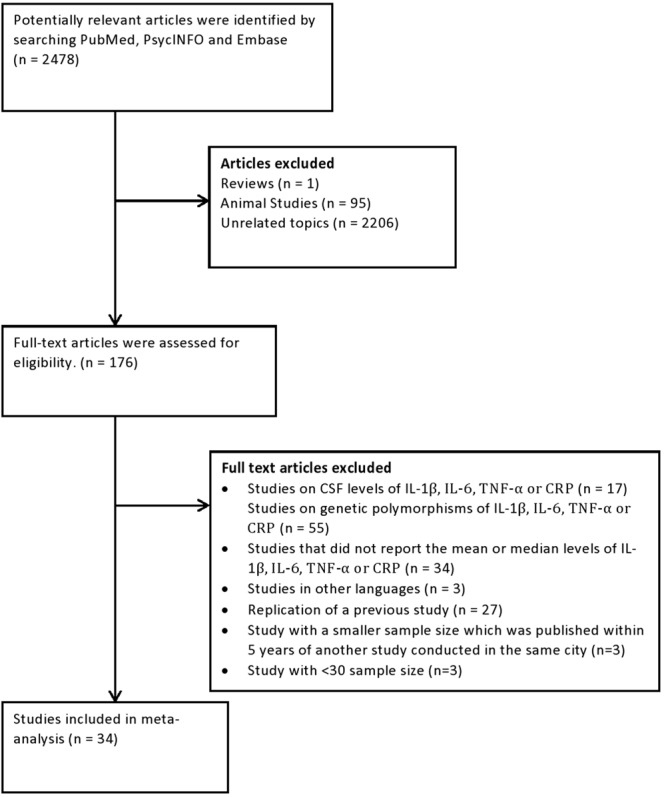
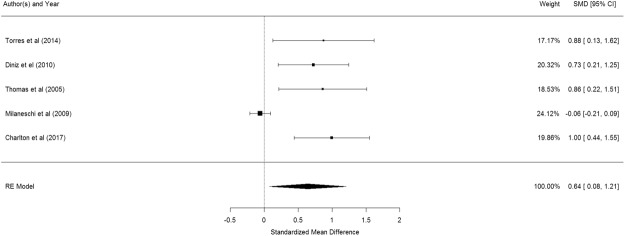
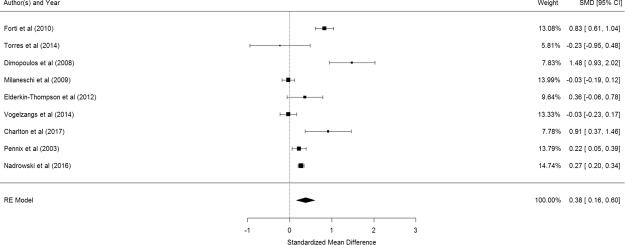
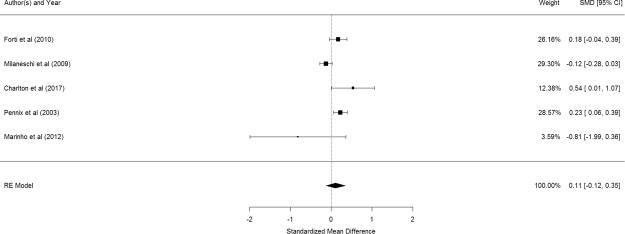
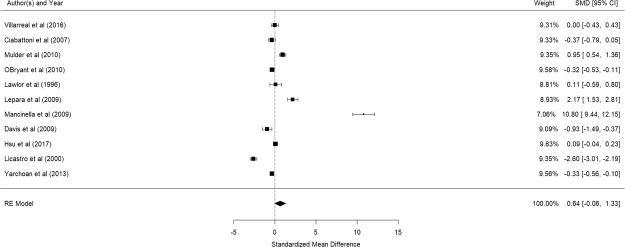
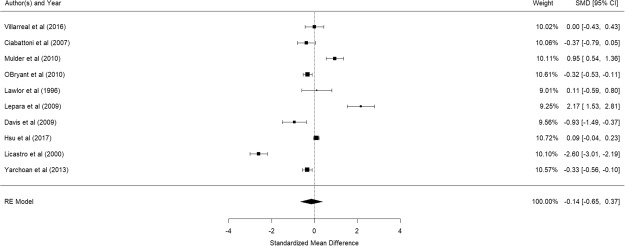
We carried out systematic review and meta-analysis to evaluate whether peripheral levels of pro-inflammatory markers including Interleukin-1 beta (IL-1β), Interleukin-6 (IL-6), Tumor Necrosis Factor-α (TNF- α) and C-Reactive Protein (CRP) are significantly higher in elderly with depression and Alzheimer’s disease. We searched Pubmed, PsycINFO and Embase, and thirty-four relevant studies (2609 with Depression, 1645 with Alzheimer’s disease and 14363 Controls) were included. Compared with controls, IL-1β (pooled standardized mean difference [SMD]: 0.642; 95% confidence interval [CI]: 0.078–1.206; significant heterogeneity: I 2 = 86.28%) and IL-6 (pooled SMD: 0.377; 95% CI: 0.156–0.598; significant heterogeneity: I 2 = 88.75%) were significantly elevated in depression. There was no difference in TNF-α (p = 0.351) and CRP (p = 0.05) between those with depression and controls. Compared with controls, IL-1β (pooled SMD: 1.37, 95% CI: 0.06–2.68, significant heterogeneity: I 2 = 96.01%) was significantly elevated in Alzheimer’s disease. There were no differences in IL-6 (p = 0.138), TNF-α (p = 0.451) and CRP (p = 0.07) between elderly with Alzheimer’s disease and controls. After Bonferroni adjustment, only IL-6 remained significantly higher in depression. Elderly with depression have higher IL-6 than controls, while those with Alzheimer’s disease did not have higher peripheral inflammatory markers.
Overview
The claims and statistics of this paper haven’t been checked yet.
Free: it reads the open-access text and checks the first 5 claims that cite a source we can check. Create a free account to check every claim.
Integrity signals
Registry
Cites
Statistics
Figures
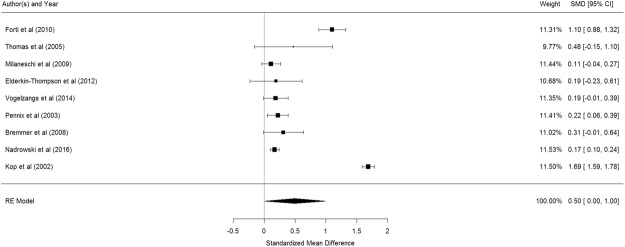
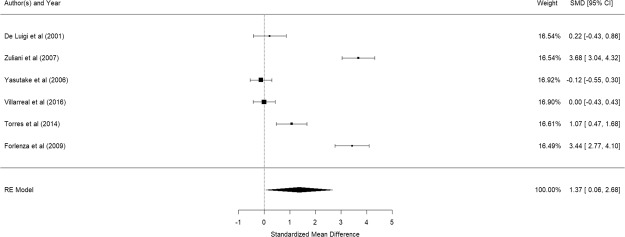
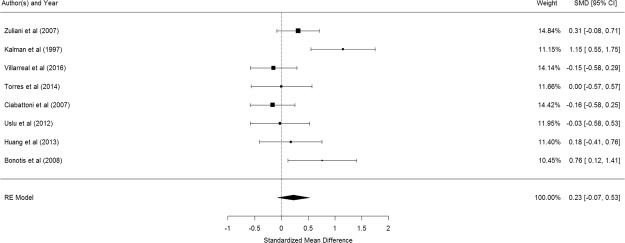
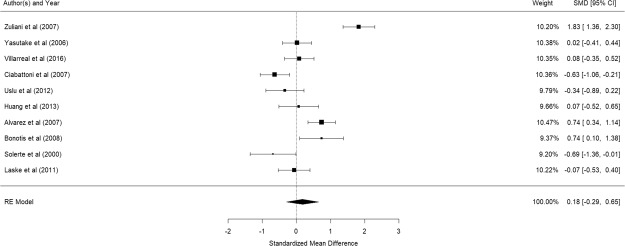
Verification
Claims the paper makes
The claims and statistics of this paper haven’t been checked yet.
Free: it reads the open-access text and checks the first 5 claims that cite a source we can check. Create a free account to check every claim.
Claims other papers make about this one
Each is checked against this paper’s own text: does it say what the citing paper says it does?
The source backs part of the claim, not all of it — or backs it for a different population, condition or comparison.
In the citing paper
“A meta-analysis concluded that IL-1β was significantly elevated in patients with depression and Alzheimer’s disease (AD), while IL-6 was elevated only in patients with depression [38].”
From Selected biomarkers of depression: what are the effects of cytokines and inflammation (2022) · cites this paper as [38]
Experimental — accuracy not yet measuredIn the citing paper
“A meta-analysis concluded that IL-1β was significantly elevated in patients with depression and Alzheimer’s disease (AD), while IL-6 was elevated only in patients with depression [38].”
From Selected biomarkers of depression: what are the effects of cytokines and inflammation (2022) · cites this paper as [38]
In the citing paper
“A meta-analysis concluded that IL-1β was significantly elevated in patients with depression and Alzheimer’s disease (AD), while IL-6 was elevated only in patients with depression [38].”
From Selected biomarkers of depression: what are the effects of cytokines and inflammation (2022) · cites this paper as [38]
In the citing paper
“IL-1β was found to be elevated in 38.5% and 75.6% of studies, respectively [38,39].”
From Selected biomarkers of depression: what are the effects of cytokines and inflammation (2022) · cites this paper as [38]
In the citing paper
“The primary conclusion was that there was no difference in the TNF levels between study groups and controls in either of the reviewed disease entities [38].”
From Selected biomarkers of depression: what are the effects of cytokines and inflammation (2022) · cites this paper as [38]
Self-check
Percentages, sums and reported differences re-computed from the paper’s own numbers.
The self-check needs the paper’s full text.
Citations
Cites
Preferred Reporting Items for Systematic Reviews and Meta-Analyses: the PRISMA statement
Moher, D., Liberati, A., Tetzlaff, J., Altman, D. G., & for the PRISMA Group (2009) · BMJ · doi:10.1136/bmj.b2535 · Cited by 83,823
Preferred reporting items for systematic reviews and meta-analyses: the PRISMA Statement.
(2009) · PubMed Central · Cited by 44,859
Preferred reporting items for systematic reviews and meta-analyses: The PRISMA statement
Moher, D., Liberati, A., Tetzlaff, J., Altman, D. G., & the PRISMA Group* (2009) · Annals of Internal Medicine · doi:10.7326/0003-4819-151-4-200908180-00135 · Cited by 37,554
Molecular Mechanisms of Depression: Perspectives on New Treatment Strategies
Lang, U. E., & Borgwardt, S. (2013) · Cellular Physiology and Biochemistry · doi:10.1159/000350094 · Cited by 8,475
Gene regulation and DNA damage in the ageing human brain
Lu, T., Pan, Y., Kao, S.-Y., Li, C., Kohane, I., Chan, J., & Yankner, B. A. (2004) · Nature · doi:10.1038/nature02661 · Cited by 1,874
Interleukin-1 stimulates the secretion of hypothalamic corticotropin-releasing factor
Sapolsky, R., Rivier, C., Yamamoto, G., Plotsky, P., & Vale, W. (1987) · Science · doi:10.1126/science.2821621 · Cited by 1,504
Gene-expression profile of the ageing brain in mice
Lee, C.-K., Weindruch, R., & Prolla, T. A. (2000) · Nature Genetics · doi:10.1038/77046 · Cited by 1,055
Liu, Y., Ho, R. C.-M., & Mak, A. (2012) · Journal of Affective Disorders · doi:10.1016/j.jad.2011.08.003 · Cited by 948
Self-citationGruver, A., Hudson, L., & Sempowski, G. (2007) · The Journal of Pathology · doi:10.1002/path.2104 · Cited by 834
Maes, M., Bosmans, E., De Jongh, R., Kenis, G., Vandoolaeghe, E., & Neels, H. (1997) · Cytokine · doi:10.1006/cyto.1997.0238 · Cited by 728
Research works printed but not linked: 1
- Puri, B., Hall, A. & Ho, R. Revision Notes in Psychiatry, Third Edition, Taylor & Francis (2013).
Cited by
Items 101–200 of 576
Liu, X., Chen, W., Wang, C., Liu, W., Hayashi, T., Mizuno, K., Hattori, S., Fujisaki, H., & Ikejima, T. (2021) · Physiology & Behavior · doi:10.1016/j.physbeh.2021.113593 · Cited by 49
Integrated Memristor Network for Physiological Signal Processing
Cai, L., Yu, L., Yue, W., Zhu, Y., Yang, Z., Li, Y., Tao, Y., & Yang, Y. (2023) · Advanced Electronic Materials · doi:10.1002/aelm.202300021 · Cited by 50
Fołta, J., Rzepka, Z., & Wrześniok, D. M. (2025) · International Journal of Molecular Sciences · doi:10.3390/ijms26115177 · Cited by 56
Buspirone alleviates anxiety, depression, and colitis; and modulates gut microbiota in mice
Kim, J.-K., Han, S., Joo, M.-K., & Kim, D. (2021) · Scientific Reports · doi:10.1038/s41598-021-85681-w · Cited by 52
Ma, L., Zhang, J., Fujita, Y., Shinno-Hashimoto, H., Shan, J., Wan, X., Qu, Y., Chang, L., Wang, X., & Hashimoto, K. (2022) · Journal of Affective Disorders · doi:10.1016/j.jad.2022.08.087 · Cited by 52
Ng, T. K. S., Coughlan, C. M., Heyn, P. C., Tagawa, A., Carollo, J. J., Kua, E. H., & Mahendran, R. (2021) · Aging · doi:10.18632/aging.203598 · Cited by 55
“These findings might shed light on the contradictory findings on hs-CRP in MDD [45, 57, 58], as co-morbidities were frequently present in previous studies.”
ResultMotoric Cognitive Risk Syndrome: Symptoms, Pathology, Diagnosis, and Recovery
Xiang, K., Liu, Y., & Sun, L. (2022) · Frontiers in Aging Neuroscience · doi:10.3389/fnagi.2021.728799 · Cited by 50
“An increased expression of the inflammatory markers during the aging bears a key link with aberrations in cytokine levels, particularly IL-6 and tumor necrosis factor alpha, as well as C-reactive proteins (Ng et al., 2018).”
BackgroundWu, X., Zheng, X., Tang, H., Zhao, L., He, C., Zou, Y., Song, X., Li, L., Yin, Z., & Ye, G. (2022) · Medicine · doi:10.1097/md.0000000000030194 · Cited by 60
“[48,49] The remaining core targets are all playing essential roles in AD.”
BackgroundInfluentialInnate Immunity and Cell Death in Alzheimer’s Disease
Lee, S., Cho, H.-J., & Ryu, J.-H. (2021) · ASN Neuro · doi:10.1177/17590914211051908 · Cited by 45
“Given that IL-1β and IL-18 are associated with the severity of AD in patients (Forlenza et al., 2009; King et al., 2018; Ng et al., 2018; Ojala et al., 2009), it will be interesting to reveal whether MxA inflammasome is required for AD exacerbation.”
BackgroundTang, Y., Gao, Y., Nie, K., Wang, H., Shen, C., Su, H., Huang, W., & Dong, H. (2024) · Journal of Ethnopharmacology · doi:10.1016/j.jep.2024.117829 · Cited by 54
Depression Negatively Impacts Survival of Patients with Metastatic Prostate Cancer
Lin, P., Liu, J., Hsu, R., Chuang, H.-C., Chang, S.-W., Pang, S., Chang, Y.-H., Chuang, C., & Lin, S. (2018) · International Journal of Environmental Research and Public Health · doi:10.3390/ijerph15102148 · Cited by 48
“Depression is associated with an increase in pro-inflammatory cytokines [23].”
BackgroundNg, T. K. S., Gan, D. R. Y., Mahendran, R., Kua, E. H., & Ho, R. (2021) · Social Science & Medicine · doi:10.1016/j.socscimed.2021.114191 · Cited by 50
Self-citationGupta, D. P., Lee, Y., Choe, Y., Kim, K.-T., Song, G. J., & Hwang, S. (2023) · Molecular Brain · doi:10.1186/s13041-022-00986-9 · Cited by 50
Ghosh, P., Singh, R., Ganeshpurkar, A., Pokle, A. V., Singh, R. B., Singh, S. K., & Kumar, A. (2021) · Neurochemistry International · doi:10.1016/j.neuint.2021.105212 · Cited by 43
Wang, S.-S., Li, X., Liu, P., Li, J., & Liu, L. (2022) · Frontiers in Aging Neuroscience · doi:10.3389/fnagi.2022.972982 · Cited by 50
“On the contrary, studies have shown that IL-1β released by microglia has a protective effect on AD (Ng et al., 2018).”
ResultCellular mechanisms in brain aging: Focus on physiological and pathological aging
Aguilar‐Hernández, L., Alejandre‐Aguilar, R., Morales‐Medina, J. C., Iannitti, T., & Flores, G. (2022) · Journal of Chemical Neuroanatomy · doi:10.1016/j.jchemneu.2022.102210 · Cited by 47
Discovering the Potential Mechanisms of Medicinal Mushrooms Antidepressant Activity: A Review
Lazur, J., Hnatyk, K., Kała, K., Sułkowska‐Ziaja, K., & Muszyńska, B. (2023) · Antioxidants · doi:10.3390/antiox12030623 · Cited by 46
“Patients with MDD have been observed to have higher levels of pro-inflammatory mediators such as IL–6, IL–12 and C–reactive protein compared to nondepressed individuals [93,94].”
BackgroundDietary fiber ameliorates sleep disturbance connected to the gut–brain axis
Tang, M., Song, X., Zhong, W., Xie, Y., Liu, Y., & Zhang, X. (2022) · Food & Function · doi:10.1039/d2fo01178f · Cited by 45
Alotayk, L. I., Aldubayan, M. A., Alenezi, S. K., Anwar, M. J., & Alhowail, A. H. (2023) · Biomedicine & Pharmacotherapy · doi:10.1016/j.biopha.2023.115245 · Cited by 43
Near‐Infrared Bodipy‐Based Molecular Rotors for β‐Amyloid Imaging In Vivo
Ma, L., Geng, Y., Zhang, G., Hu, Z., James, T. D., Wang, X., & Wang, Z. (2023) · Advanced Healthcare Materials · doi:10.1002/adhm.202300733 · Cited by 42
Neuroinflammaging: A Tight Line Between Normal Aging and Age-Related Neurodegenerative Disorders
Soraci, L., Corsonello, A., Paparazzo, E., Montesanto, A., Piacenza, F., Olivieri, F., Gambuzza, M. E., Savedra, E. V., Marino, S., Lattanzio, F., et al. (2024) · Aging and Disease · doi:10.14336/ad.2023.1001 · Cited by 81
“In this regard, serum concentrations of some inflammatory cytokines, such as IL-1β, TNF-α, and IL-6, increase with advancing age [112] and are highly expressed in patients with Alzheimer's disease (AD) or depression [113].”
BackgroundXiong, W., Zhao, X., Xu, Q., Wei, G., Zhang, L., Fan, Y., Wen, L., Liu, Y., Zhang, T., Zhang, L., et al. (2021) · Journal of Ethnopharmacology · doi:10.1016/j.jep.2021.114598 · Cited by 47
Crossing borders in Alzheimer’s disease: A T cell’s perspective
van Olst, L., Coenen, L., Nieuwland, J. M., Rodriguez-Mogeda, C., de Wit, N. M., Kamermans, A., Middeldorp, J., & de Vries, H. E. (2022) · Advanced Drug Delivery Reviews · doi:10.1016/j.addr.2022.114398 · Cited by 64
Chen, S., & Jia, J. (2020) · Journal of Alzheimer s Disease · doi:10.3233/jad-200077 · Cited by 42
Hydrogel dressings for diabetic foot ulcer: A systematic review and meta‐analysis
Zhao, H., Wu, Y., Xie, Y., Li, Y., Chen, C., Li, C., Yang, F., Zhang, D., Wang, Y., & Yuan, J. (2024) · Diabetes Obesity and Metabolism · doi:10.1111/dom.15544 · Cited by 52
Addressing Alzheimer’s Disease (AD) Neuropathology Using Anti-microRNA (AM) Strategies
Jaber, V. R., Zhao, Y., Sharfman, N. M., Li, W., & Lukiw, W. J. (2019) · Molecular Neurobiology · doi:10.1007/s12035-019-1632-0 · Cited by 43
Abdallah, M. S., Mosalam, E. M., Zidan, A. A., El-Attar, K. S., Zaki, S. A., Ramadan, A. N., & Ebeid, A. M. (2020) · Neurotherapeutics · doi:10.1007/s13311-020-00878-7 · Cited by 42
“Serum levels of TNF–α, IL-1β, IL-6, IGF-1, MDA, and CRP have been reported to be elevated in patients with MDD [8, 17, 52, 61].”
BackgroundRetractedDepression in type 2 diabetes: A systematic review and meta-analysis of blood inflammatory markers
Nguyen, M., Perlman, G., Kim, N., Wu, C., Daher, V., Zhou, A., Mathers, E. H., Anita, N. Z., Lanctôt, K. L., Herrmann, N., et al. (2021) · Psychoneuroendocrinology · doi:10.1016/j.psyneuen.2021.105448 · Cited by 48
Jiang, J. H., Liu, H., Wang, Z., Tian, H., Wang, S., Yang, J., & Ren, J. (2021) · PLoS ONE · doi:10.1371/journal.pone.0259530 · Cited by 44
“Besides, neuroinflammation factors, like IL-1β, IL-6 and TNF-α, could be observed not only in the brain but also in the serum of AD patients [46].”
BackgroundQiao, H., Zhao, W., Guo, M., Zhu, L., Chen, T., Wang, J., Xu, X., Zhang, Z., Wu, Y., & Chen, P. (2022) · International Journal of Molecular Sciences · doi:10.3390/ijms23115981 · Cited by 45
Alzheimer’s Disease: A Systems View Provides a Unifying Explanation of Its Development
Grobler, C., van Tongeren, M., Gettemans, J., Kell, D. B., & Pretorius, E. (2022) · Journal of Alzheimer s Disease · doi:10.3233/jad-220720 · Cited by 51
Inflammatory markers and imaging patterns of advanced brain aging in the general population
Janowitz, D., Habes, M., Toledo, J. B., Hannemann, A., Frenzel, S., Terock, J., Davatzikos, C. A., Hoffmann, W. U., & Grabe, H. J. (2019) · Brain Imaging and Behavior · doi:10.1007/s11682-019-00058-y · Cited by 39
“This is an acutephase protein which is elevated in any form of inflammatory condition and known to be associated with dementia, AD (Engelhart et al. 2004; Koyama et al. 2013; Ng et al. 2018) and impaired cognitive performance in longitudinal observations (Beydoun et al. 2018).”
Wang, K., Li, F., Cui, Y., Cui, C., Cao, Z., Xu, K., Han, S., Zhu, P., & Sun, Y. S. (2019) · Mediators of Inflammation · doi:10.1155/2019/2987901 · Cited by 43
“In neurodegenerative diseases, such as Alzheimer’s disease (AD), IL-1β is also actively responsible for the development of depressive symptoms [26].”
BackgroundAging, Social Distancing, and COVID-19 Risk: Who is more Vulnerable and Why?
Faraji, J., & Metz, G. A. S. (2021) · Aging and Disease · doi:10.14336/ad.2021.0319 · Cited by 47
SARS-CoV-2-Mediated Neuropathogenesis, Deterioration of Hippocampal Neurogenesis and Dementia
Radhakrishnan, R. K., & Kandasamy, M. (2022) · American Journal of Alzheimer s Disease & Other Dementias® · doi:10.1177/15333175221078418 · Cited by 40
Xiao, S., Liu, Y.-J., Wang, L., Sha, Z., Che, X., Yu, Z., & Lee, S. (2022) · Frontiers in Cellular Neuroscience · doi:10.3389/fncel.2022.875138 · Cited by 44
“…and antiinflammatory cytokines that mediate Aβ clearance by astrocytes are also the major ones that microglia secrete to promote Aβ aggregation (Decourt et al., 2017; Ng et al., 2018; Taipa et al., 2019), suggesting a reciprocal interaction between Aβ aggregation and microglia dominating clearance.”
BackgroundIslam, M. R., Sohan, M., Daria, S., Masud, A. A., Ahmed, M. U., Roy, A., & Shahriar, M. (2023) · International Journal of Immunopathology and Pharmacology · doi:10.1177/03946320231198828 · Cited by 43
Qin, C., Hu, S., Zhang, S., Zhao, D., Wang, Y., Li, H., Peng, Y., Shi, L., Xu, X., Wang, C., et al. (2020) · Molecular Nutrition & Food Research · doi:10.1002/mnfr.202000797 · Cited by 41
Sulforaphane: A nutraceutical against diabetes-related complications
Mthembu, S. X. H., Mazibuko-Mbeje, S. E., Moetlediwa, M. T., Muvhulawa, N., Silvestri, S., Orlando, P., Nkambule, B. B., Muller, C. J. F., Ndwandwe, D. E., Basson, A. K., et al. (2023) · Pharmacological Research · doi:10.1016/j.phrs.2023.106918 · Cited by 40
Althafar, Z. M. (2022) · Molecules · doi:10.3390/molecules27134124 · Cited by 35
Inhibition of IL-6 methylation by Saikosaponin C regulates neuroinflammation to alleviate depression
Bai, Z., Gao, T., Zhang, R., Lu, Y., Tian, J., Wang, T., Zhao, K., & Wang, H. (2023) · International Immunopharmacology · doi:10.1016/j.intimp.2023.110043 · Cited by 37
Kuring, J. K., Mathias, J. L., Ward, L., & Tachas, G. (2023) · Journal of Psychiatric Research · doi:10.1016/j.jpsychires.2023.10.009 · Cited by 45
Gadad, B. S., Vargas‐Medrano, J., Ramos, E., Najera, K., Fagan, M., Forero, A., & Thompson, P. M. (2021) · Translational Psychiatry · doi:10.1038/s41398-021-01452-1 · Cited by 38
Winder, Z., Sudduth, T. L., Anderson, S., Patel, E., Neltner, J. H., Martin, B. J., Snyder, K., Abner, E. L., Jicha, G. A., Nelson, P. T., et al. (2022) · Alzheimer s & Dementia · doi:10.1002/alz.12639 · Cited by 35
Cai, H.-Y., Qiao, J., Chen, S., Yang, J., Hölscher, C., Wang, Z., Qi, J., & Wu, M. (2022) · Acta Biochimica et Biophysica Sinica · doi:10.3724/abbs.2022138 · Cited by 37
Li, C., Huang, B., & Zhang, Y. (2021) · Pharmaceuticals · doi:10.3390/ph14010065 · Cited by 35
Vogrinc, D., Kramberger, M. G., Emeršič, A., Čučnik, S., Goričar, K., & Dolžan, V. (2023) · Antioxidants · doi:10.3390/antiox12020316 · Cited by 42
Zhang, M., Gong, W., Zhang, D., Ji, M. H., Chen, B., Chen, B., Li, X., Zhou, Y., Dong, C., Wen, G., et al. (2022) · Cell Death and Disease · doi:10.1038/s41419-022-04858-x · Cited by 37
“Neuronal loss in the prefrontal cortex (PFC) and hippocampus [39, 40], as well as an increased release of pro-inflammatory cytokines [41], link AD with mood disorders.”
Self-citationSoares, G. B., Mahmoud, O., Yosipovitch, G., & Mochizuki, H. (2024) · Journal of the European Academy of Dermatology and Venereology · doi:10.1111/jdv.19813 · Cited by 43
Vacínová, G., Vejražková, D., Rusina, R., Holmerová, I., Vaňková, H., Jarolímová, E., Včelák, J., Bendlová, B., & Vaňková, M. (2020) · Neural Regeneration Research · doi:10.4103/1673-5374.295340 · Cited by 37
“, 2016), it should be mentioned that a meta-analysis revealed no differences in peripheral levels of the proinflammatory markers IL-6, TNF-α and CRP between elderly AD patients and controls (Ng et al., 2018).”
BackgroundResultSohrabi, M., Pecoraro, H. L., & Combs, C. K. (2021) · Journal of Alzheimer s Disease · doi:10.3233/jad-201099 · Cited by 33
Huang, Y., Xiang, Z., & Qian, M. (2022) · Physical review. E · doi:10.1103/physreve.105.015308 · Cited by 39
Huang, B., Wu, Y., Li, C., Tang, Q., & Zhang, Y. (2023) · Chinese Herbal Medicines · doi:10.1016/j.chmed.2022.10.004 · Cited by 40
Tzekaki, E. E., Papaspyropoulos, A., Tsolaki, M., Lazarou, E., Kozori, M., & Pantazaki, Α. A. (2020) · Experimental Gerontology · doi:10.1016/j.exger.2020.111178 · Cited by 36
The Application of Artificial Intelligence in Alzheimer's Research
Zhao, Q., Xu, H., Li, J., Akhtar, F., & Qiao, L. (2023) · Tsinghua Science & Technology · doi:10.26599/tst.2023.9010037 · Cited by 42
Mu, L., Jiang, L., Chen, J., Xiao, M., Wang, W., Liu, P., & Wu, J. (2022) · Frontiers in Neurology · doi:10.3389/fneur.2021.786277 · Cited by 34
Wei, Z., Chen, L., Zhang, J., & Cheng, Y. (2020) · Addiction · doi:10.1111/add.15160 · Cited by 34
Inflammation in Alzheimer’s Disease: Do Sex and APOE Matter?
Duarte‐Guterman, P., Initiative, O. B. O. T. A. D. N., Albert, A., Inkster, A. M., Barha, C. K., & Galea, L. A. M. (2020) · Journal of Alzheimer s Disease · doi:10.3233/jad-200982 · Cited by 33
Strekalova, T. V., Pavlov, D., Трофимов, А. Н., Anthony, D. C., Svistunov, A. A., Proshin, A. T., Umriukhin, A., Lyundup, A. V., Lesch, K., & Cespuglio, R. (2022) · International Journal of Molecular Sciences · doi:10.3390/ijms23042061 · Cited by 32
“, high baseline levels of CRP have been linked to greater depressive symptom severity in general and specific symptoms, such as bad mood, little interest, little activity, suicidality, and poor cognitive performance [122].”
BackgroundYeung, S. S.-H., Ho, J. Y. S., & Chang, R. C. (2021) · Experimental & Molecular Medicine · doi:10.1038/s12276-021-00660-5 · Cited by 37
PM2.5 exposure associated with prenatal anxiety and depression in pregnant women
Zhao, W., Zhao, Y., Wang, P., Zhou, Y., Meng, X., Ma, W., Li, J., & Zhang, Y. (2022) · Ecotoxicology and Environmental Safety · doi:10.1016/j.ecoenv.2022.114284 · Cited by 34
Apweiler, M., Saliba, S. W., Sun, L., Streyczek, J., Normann, C., Hellwig, S., Bräse, S., & Fiebich, B. L. (2024) · Molecular Psychiatry · doi:10.1038/s41380-024-02614-5 · Cited by 36
Liu, Q., Fang, J., Chen, P., Die, Y., Wang, J., Liu, Z., & Liu, X. (2019) · Food & Function · doi:10.1039/c9fo01417a · Cited by 30
Co-Isolation of Cytokines and Exosomes: Implications for Immunomodulation Studies
Benjamin-Davalos, S., Koroleva, M., Allen, C. L., Ernstoff, M. S., & Shu, S. L. (2021) · Frontiers in Immunology · doi:10.3389/fimmu.2021.638111 · Cited by 31
Desta, N. T. (2021) · Journal of Oral Biosciences · doi:10.1016/j.job.2021.08.007 · Cited by 32
Ryan, K. M., & McLoughlin, D. M. (2022) · Psychiatry Research · doi:10.1016/j.psychres.2022.114725 · Cited by 38
Singh, R., Rai, S., Bharti, P. S., Zehra, S., Gorai, P. K., Modi, G. P., Rani, N., Dev, K., Inampudi, K. K., Y., V. V., et al. (2024) · BMC Medicine · doi:10.1186/s12916-024-03475-z · Cited by 28
“…elevated levels of these neuroinflammatory markers could be due to the activation of astrocytes and microglia and the subsequent increase in the secretion of PsEVs containing proinflammatory proteins, which suggests prominent neuroinflammatory conditions that may contribute to neuronal damage [57].”
BackgroundDistinguishing features of depression in dementia from primary psychiatric disease
Fisher, D. W., Dunn, J. T., & Dong, H. (2024) · Discover Mental Health · doi:10.1007/s44192-023-00057-y · Cited by 36
“In terms of LLD, only one meta-analysis has been performed, and it concluded only IL6 was elevated in LLD after Bonferroni correction, though studies were few [157].”
Mao, L., Ren, X., Wang, X., & Tian, F. (2022) · Journal of Immunology Research · doi:10.1155/2022/6724881 · Cited by 40
“So far, there are many studies on the expression of serum IL-6 of depressive disorder, but its integration into routine clinical care has not yet been fully elucidated [6, 21, 22].”
BackgroundTan, Y., Zhou, L., Huang, J., Chen, X., Wu, Y., Song, X., Wang, J., Hu, H., & Yang, Q. (2023) · Neuropsychiatric Disease and Treatment · doi:10.2147/ndt.s399378 · Cited by 30
Mekli, K., Lophatananon, A., Maharani, A., Nazroo, J. Y., & Muir, K. R. (2023) · PLoS ONE · doi:10.1371/journal.pone.0288045 · Cited by 32
History of the development of oral rehydration therapy.
Ferreira, R. M. C. D. C., & Cash, R. A. (1990) · PubMed · Cited by 31
Pilat, D., Paumier, J.-M., García-González, L., Louis, L., Stephan, D., Manrique, C., Khrestchatisky, M., Di Pasquale, E., Baranger, K., & Rivera, S. (2022) · Journal of Neuroinflammation · doi:10.1186/s12974-022-02407-z · Cited by 28
Wang, K., Yang, R., Li, J., Wang, H., Wan, L., & He, J. (2025) · Frontiers in Pharmacology · doi:10.3389/fphar.2025.1591438 · Cited by 27
Escobar, A. P., Bonansco, C., Cruz, G., Dagnino‐Subiabre, A., Fuenzalida, M., Negrón-Oyarzo, I., Sotomayor‐Zárate, R., Martínez-Pinto, J., & Jorquera, G. (2023) · International Journal of Molecular Sciences · doi:10.3390/ijms241210083 · Cited by 38
Tang, Y., Wang, H., Nie, K., Gao, Y., Su, H., Wang, Z., Lu, F., Huang, W., & Dong, H. (2022) · Biomedicine & Pharmacotherapy · doi:10.1016/j.biopha.2022.113284 · Cited by 30
Lu, X., Xue, Z.-Y., Yu, Q., Wei, S., Qiao, Y., Zhang, W., & Lü, H. (2022) · Frontiers in Cellular and Infection Microbiology · doi:10.3389/fcimb.2022.945851 · Cited by 31
The amplification of CNS damage in Alzheimer's disease due to SARS-CoV2 infection
Nuovo, G. J., Suster, D. I., Sawant, D. B., Mishra, A., Michaille, J., & Tili, E. (2022) · Annals of Diagnostic Pathology · doi:10.1016/j.anndiagpath.2022.152057 · Cited by 28
“It has been postulated that the pro-inflammatory state characteristic of each disease, including increased IL6 expression, may be one of the molecular links [44].”
BackgroundEngler-Chiurazzi, E. B., Russell, A. E., Povroznik, J. M., McDonald, K., Porter, K., Wang, D. S., Hammock, J., Billig, B. K., Felton, C. C., Yilmaz, A., et al. (2022) · Brain Behavior and Immunity · doi:10.1016/j.bbi.2022.12.013 · Cited by 29
He, H., Yang, Y., Wang, L., Guo, Z., Ye, L., Ou-Yang, W., & Yang, M. (2023) · Frontiers in Immunology · doi:10.3389/fimmu.2023.1182307 · Cited by 28
Dyer, A. H., McNulty, H., Caffrey, A., Gordon, S., Laird, E. J., Hoey, L., Hughes, C., Ward, M., Strain, J., O’Kane, M., et al. (2023) · Neurobiology of Aging · doi:10.1016/j.neurobiolaging.2023.11.008 · Cited by 30
Assessing Neural Compensation With Visuospatial Working Memory Load Using Near-Infrared Imaging
Ung, W. C., Yap, K. H., Ebenezer, E. G. M., Chin, P. S., Nordin, N., Chan, S. C., Yip, H. L., Lu, C., Kiguchi, M., & Tang, T. B. (2019) · IEEE Transactions on Neural Systems and Rehabilitation Engineering · doi:10.1109/tnsre.2019.2956459 · Cited by 27
“It is characterized by a chronic progressive nature of cognitive decline with brain atrophy, reduction in acetylcholine, and neuroinflammatory changes [5].”
BackgroundForbes, M., O'Neil, A. E., Lane, M. M., Agustini, B., Myles, N., & Berk, M. (2021) · Drugs & Aging · doi:10.1007/s40266-021-00858-2 · Cited by 28
MicroRNAs in type 2 diabetes mellitus: potential role of physical exercise
Caria, A. C. I., Sousa, R. A. L. D., Roever, L., Fernandes, T. M., de Oliveira, E. M., Aras, R., & Souza, B. S. D. F. (2022) · Reviews in Cardiovascular Medicine · doi:10.31083/j.rcm2301029 · Cited by 27
“A recent meta-analysis revealed that increasing IL6 levels in the blood might be associated with cognitive decline [66] an increase prevalence of dementia and Alzheimer’s disease [67].”
Inflammatory markers and depression in Parkinson’s disease: a systematic review
Ramanzini, L. G., Camargo, L. F. M., Silveira, J. O. F., & Bochi, G. V. (2022) · Neurological Sciences · doi:10.1007/s10072-022-06363-7 · Cited by 27
Farina, M. P., Kim, J. K., Hayward, M. D., & Crimmins, E. M. (2022) · Brain Behavior & Immunity - Health · doi:10.1016/j.bbih.2022.100559 · Cited by 27
Heterogeneity in major depressive disorder: The need for biomarker-based personalized treatments
Suseelan, S., & Pinna, G. (2022) · Advances in clinical chemistry · doi:10.1016/bs.acc.2022.09.001 · Cited by 33
Li, Q., Chen, X., Mao, P.-W., Jin, M., Wu, Q., & Zhou, X. (2021) · Food & Function · doi:10.1039/d1fo00178g · Cited by 28
Piera-Jiménez, J., Etzelmueller, A., Kolovos, S., Folkvord, F., & Lupiáñez‐Villanueva, F. (2021) · Journal of Medical Internet Research · doi:10.2196/27410 · Cited by 30
“Various factors may increase the risk of depression among older people, including physiological factors (eg, cardiovascular disease, diabetes, or immunological changes) and psychosocial factors (eg, low economic status, social isolation, or relocation) [12-14].”
Interleukin 22 and its association with neurodegenerative disease activity
Chen, W., Wang, J., Yang, H., Sun, Y., Chen, B., Liu, Y., Han, Y., Shan, M., & Zhan, J. (2022) · Frontiers in Pharmacology · doi:10.3389/fphar.2022.958022 · Cited by 34
“, 2007) and may contribute to disease development and progression (Paganelli et al., 2002; Ng et al., 2018).”
BackgroundLi, F., Eteleeb, A. M., Buchser, W., Sohn, C., Wang, G., Xiong, C., Payne, P., McDade, E., Karch, C. M. M., Harari, O., et al. (2022) · Frontiers in Aging Neuroscience · doi:10.3389/fnagi.2022.935279 · Cited by 33
Huang, A. A., & Huang, S. Y. (2023) · Current Developments in Nutrition · doi:10.1016/j.cdnut.2023.100038 · Cited by 27
Neuroprotective Effects of Phenolic Antioxidant Tert-butylhydroquinone (tBHQ) in Brain Diseases
Liu, X., Yang, L., Zhang, G., & Ling, J. (2023) · Molecular Neurobiology · doi:10.1007/s12035-023-03370-3 · Cited by 29
The involvement of neuroinflammation in an animal model of dementia and depression
Zabot, G. C., Medeiros, E. B., Macarini, B. M. N., Peruchi, B. B., Keller, G. S., Lídio, A. V., Boaventura, A. L., de Jesus, L. C., Silveira, G. D. B., Silveira, P. C. L., et al. (2024) · Progress in Neuro-Psychopharmacology and Biological Psychiatry · doi:10.1016/j.pnpbp.2024.110999 · Cited by 26
Zhao, J., Zuo, H., Ding, K., Zhang, X., Bi, Z., & Cheng, H. (2020) · PubMed · Cited by 24
Russo, C. A., Edwards, K. D., Margetts, G., Kleidonas, S., Zaibi, N. S., Clapham, J. C., & Zaibi, M. S. (2020) · Journal of Ethnopharmacology · doi:10.1016/j.jep.2020.113614 · Cited by 24
Anuradha, U., Kumar, A., & Singh, R. K. (2021) · Neurological Sciences · doi:10.1007/s10072-021-05343-7 · Cited by 24
“’s [46] meta-analysis results have also reported a significant increase in the level of TGF-β in AD patients when compared with controls [45].”
BackgroundResultZhang, L., Fang, J. S., Tang, Z., & Luo, Y. (2022) · International Journal of Medical Sciences · doi:10.7150/ijms.76660 · Cited by 27
Li, C., Stebbins, R. C., Noppert, G. A., Carney, C. X., Liu, C., Sapp, A. R. M., Watson, E. J., & Aiello, A. E. (2023) · Molecular Psychiatry · doi:10.1038/s41380-023-02355-x · Cited by 25
“[20, 50, 53, 54, 56, 68 – 71] We also classi fi ed the available evidence for other less-studied biomarkers.”
InfluentialAbbatecola, A. M., Giuliani, A., Biscetti, L., Scisciola, L., Battista, P., Barbieri, M., Sabbatinelli, J., & Olivieri, F. (2024) · Ageing Research Reviews · doi:10.1016/j.arr.2024.102257 · Cited by 23
Metadata
- Authors
- Ng, A., Tam, W. W., Zhang, M. W., Ho, C. S., Husain, S. F., McIntyre, R. S., & Ho, R. C.
- Affiliations
- National University Health System (SG)
- National University of Singapore (SG)
- University Health Network (CA)
- Corresponding author
- Ho, Cyrus S.
- Venue
- Scientific Reports
- Published
- 2018-08-13
- Volume
- 8
- Issue
- 1
- Pages
- 12050-12050
- ISSN
- 2045-2322 (ISSN-L)
- PMC
- PMC6089986
- OpenAlex
- W2886676544
- Cited by
- 572
- References
- 103
- Citations by year
- 2026: 42 · 2025: 90 · 2024: 80 · 2023: 84 · 2022: 119 · 2021: 73 · 2020: 53 · 2019: 25 · 2018: 3
- FWCI
- 3.36
- Type
- journal article
- Language
- en
- Open access
- gold
- doi.org
- Licence
- cc-by
- creativecommons.org/licenses/by/4.0 (tdm)
- creativecommons.org/licenses/by/4.0 (vor)
- Locations
- Scientific Reports (publishedVersion, cc-by)
- Europe PMC (PubMed Central) (publishedVersion, other-oa)
- PubMed Central (publishedVersion, cc-by)
- PubMed (publishedVersion)
- National University of Singapore (submittedVersion)
- DOAJ (DOAJ: Directory of Open Access Journals) (submittedVersion)
- Rare & Special e-Zone (The Hong Kong University of Science and Technology) (submittedVersion)
- Topics
- Life Sciences › Neuroscience › Biological Psychiatry › Tryptophan and brain disorders
- Life Sciences › Neuroscience › Behavioral Neuroscience › Stress Responses and Cortisol
- Life Sciences › Neuroscience › Neurology › Neuroinflammation and Neurodegeneration Mechanisms
- Keywords
- IL-1β, interleukin-6, TNF-α, C-reactive protein, depression, Alzheimer's disease, older adults, peripheral inflammatory markers, neuroinflammation
- MeSH terms
- Aged, Alzheimer Disease, C-Reactive Protein, Depression, Depressive Disorder, Humans, Inflammation, Middle Aged, Proteins, Interleukin-6, Adaptor Proteins, Signal Transducing, Interleukin-1beta
About these checks
Registry, retraction, Cites and statistics results are computed, not judged, with one exception: a printed reference that no index lists is read once by a model before it counts as a citation error. Claims are extracted by a model and kept only when their quote appears verbatim in the text; each cited source is then checked, with a model’s help, for whether it says what the claim relies on. Those verdicts can be wrong — read the claim’s quote and the cited source before relying on one.
Statistics and arithmetic are recomputed, not judged.
Confidence bands are shown only for fields calibrated on our annotated test set. None is calibrated yet, so no band is shown.
What counts as a claim ›How we measure confidence ›How we check this ›
Are you an author, or do you see a problem with this page? Request a review
Data sources
Bibliographic data: Semantic Scholar, OpenAlex, Crossref.
Contains information from the Semantic Scholar Academic Graph Datasets, made available under the ODC Attribution License (ODC-BY 1.0).
Semantic Scholar’s data is described in: Kinney, R., et al. (2023). The Semantic Scholar Open Data Platform. arXiv:2301.10140.
