

Detailed characterization of the Arthrospira type species separating commercially grown taxa into the new genus Limnospira (Cyanobacteria)
Open accessThe DOI matches its Crossref record; 35 of the 36 references it cites were found in a registry or an index.
Abstract
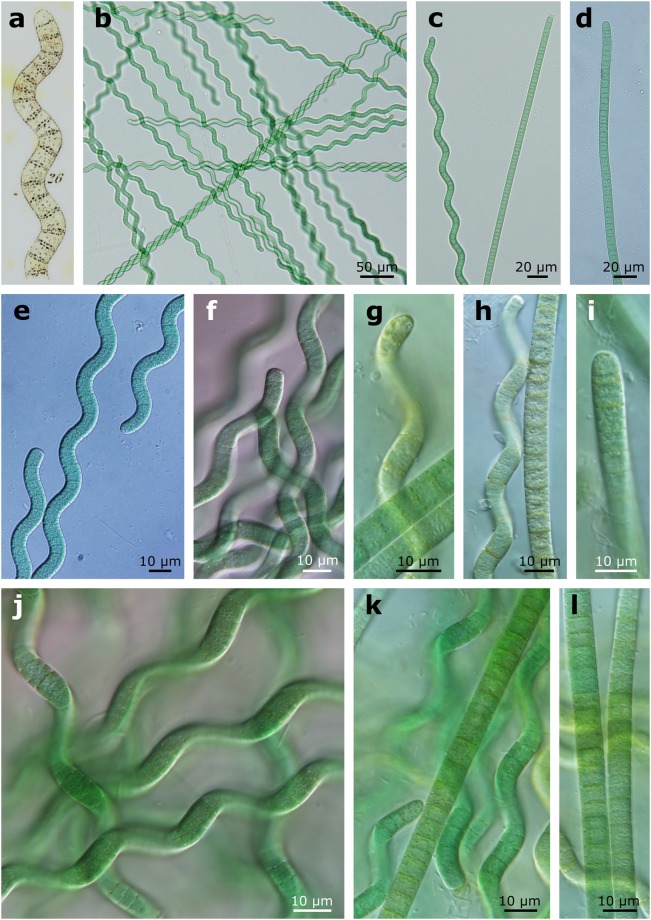
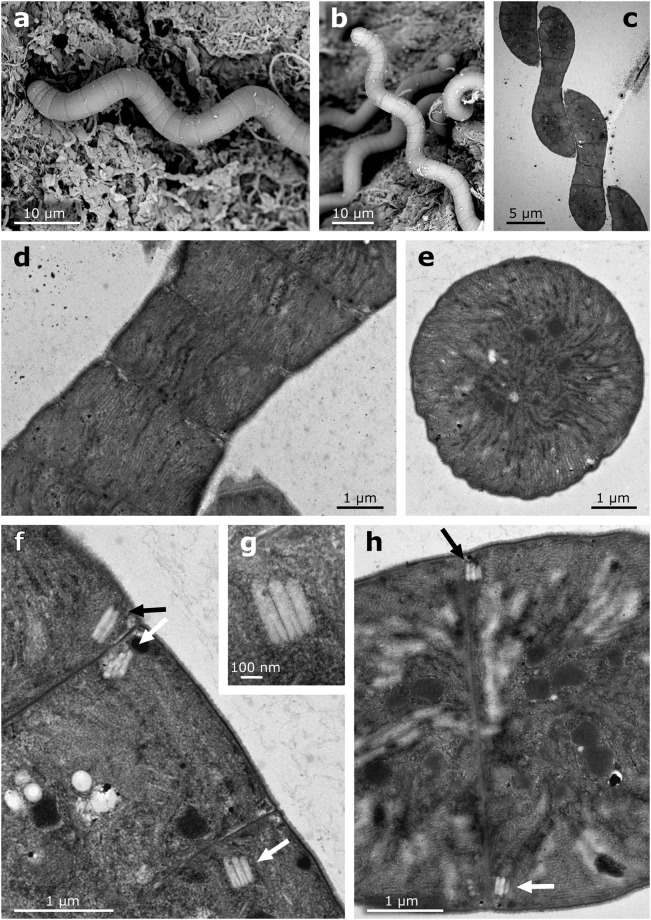
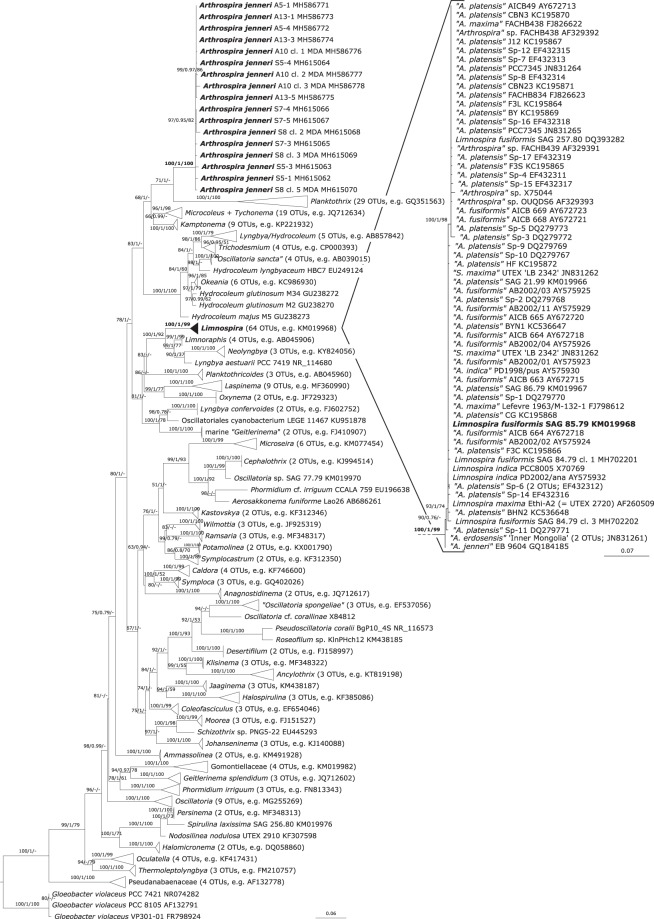
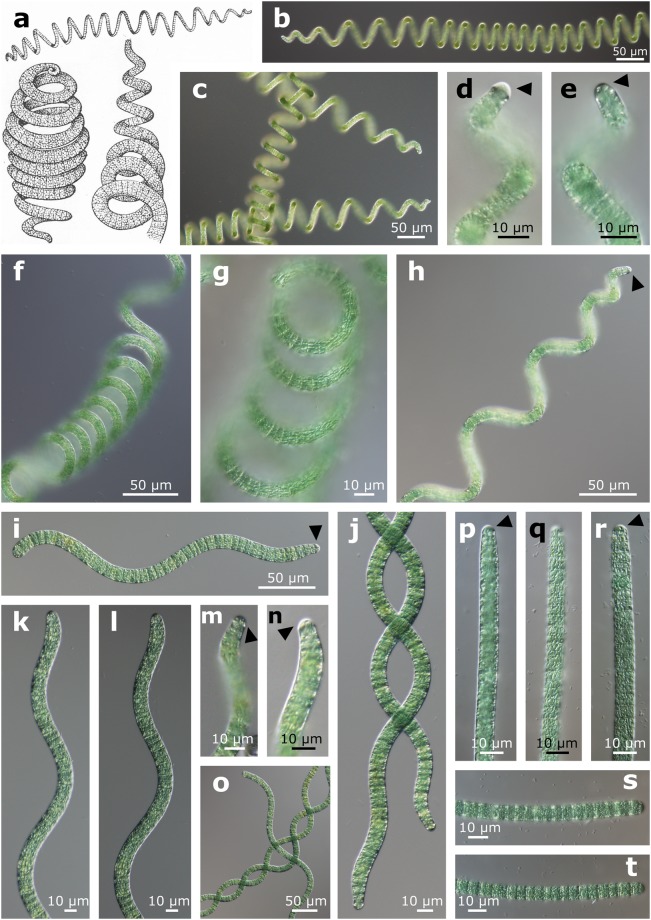
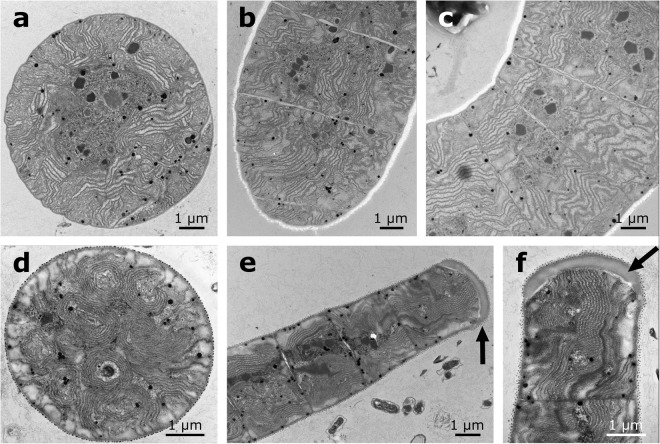
The genus Arthrospira has a long history of being used as a food source in different parts of the world. Its mass cultivation for production of food supplements and additives has contributed to a more detailed study of several species of this genus. In contrast, the type species of the genus ( A. jenneri ), has scarcely been studied. This work adopts a polyphasic approach to thoroughly investigate environmental samples of A. jenneri , whose persistent bloom was noticed in an urban reservoir in Poland, Central Europe. The obtained results were compared with strains designated as A. platensis, A. maxima , and A. fusiformis from several culture collections and other Arthrospira records from GenBank. The comparison has shown that A. jenneri differs from popular species that are massively utilized commercially with regard to its cell morphology, ultrastructure and ecology, as well as its 16S rRNA gene sequence. Based on our findings, we propose the establishment of a new genus, Limnospira , which currently encompasses three species including the massively produced L . ( A .) fusiformis and L . ( A .) maxima with the type species Limnospira fusiformis .
Overview
The claims and statistics of this paper haven’t been checked yet.
Free: it reads the open-access text and checks the first 5 claims that cite a source we can check. Create a free account to check every claim.
Integrity signals
Registry
Cites
Statistics
Figures
Verification
Claims the paper makes
The claims and statistics of this paper haven’t been checked yet.
Free: it reads the open-access text and checks the first 5 claims that cite a source we can check. Create a free account to check every claim.
Claims other papers make about this one
Each is checked against this paper’s own text: does it say what the citing paper says it does?
The source backs part of the claim, not all of it — or backs it for a different population, condition or comparison.
In the citing paper
“Further studies of Arthrospira species revealed severe differences between the type strain A. jenneri and commercially produced strains [26].”
From Spirulina/Arthrospira/Limnospira—Three Names of the Single Organism (2024) · cites this paper as [26]
Experimental — accuracy not yet measuredThe source backs part of the claim, not all of it — or backs it for a different population, condition or comparison.
In the citing paper
“Finally, at this moment, the name Limnospira is proposed for economically important species that include formally known A. maxima, A. fusiformis, and A. platensis [26].”
From Spirulina/Arthrospira/Limnospira—Three Names of the Single Organism (2024) · cites this paper as [26]
Experimental — accuracy not yet measuredThe source backs part of the claim, not all of it — or backs it for a different population, condition or comparison.
In the citing paper
“Summarizing the taxonomical pirouettes of spirulina, one can conclude that three groups of organisms are distinguished at present:Spirulina spp.—12 species with the type strain Spirulina subsalsa;Arthrospira spp.—about 35 species with the type strain Arthrospira jenneri;Limnospira spp.—4 species with the type strain Limnospira fusiformis (formerly Spirulina fusiformis), as well as Limnospira (”
From Spirulina/Arthrospira/Limnospira—Three Names of the Single Organism (2024) · cites this paper as [26]
Experimental — accuracy not yet measuredThe source backs part of the claim, not all of it — or backs it for a different population, condition or comparison.
In the citing paper
“Nowadays, spirulina species are classified into three genera: Spirulina, Arthrospira, and Limnospira.”
From Spirulina/Arthrospira/Limnospira—Three Names of the Single Organism (2024) · cites this paper as [26]
Experimental — accuracy not yet measuredThe cited source says what the claim attributes to it.
In the citing paper
“When Limnospira spp. was separated from Arthrospira in 2019, there was doubt about A. platensis; it was not definitely assigned to the Limnospira clade [26].”
From Spirulina/Arthrospira/Limnospira—Three Names of the Single Organism (2024) · cites this paper as [26]
1 more claim about this paper
Create a free account to see every claim other papers make about this one.
Self-check
Percentages, sums and reported differences re-computed from the paper’s own numbers.
The self-check needs the paper’s full text.
Citations
Cites
MEGA6: Molecular Evolutionary Genetics Analysis Version 6.0
Tamura, K., Stecher, G., Peterson, D., Filipski, A., & Kumar, S. (2013) · Molecular Biology and Evolution · doi:10.1093/molbev/mst197 · Cited by 47,205
MEGA7: Molecular Evolutionary Genetics Analysis Version 7.0 for Bigger Datasets
Kumar, S., Stecher, G., & Tamura, K. (2016) · Molecular Biology and Evolution · doi:10.1093/molbev/msw054 · Cited by 44,059
MrBayes 3.2: Efficient Bayesian Phylogenetic Inference and Model Choice Across a Large Model Space
Ronquist, F., Teslenko, M., van der Mark, P., Ayres, D. L., Darling, A., Höhna, S., Larget, B., Liu, L., Suchard, M. A., & Huelsenbeck, J. P. (2012) · Systematic Biology · doi:10.1093/sysbio/sys029 · Cited by 27,843
Kearse, M., Moir, R., Wilson, A., Stones-Havas, S., Cheung, M., Sturrock, S., Buxton, S., Cooper, A., Markowitz, S., Duran, C., et al. (2012) · Bioinformatics · doi:10.1093/bioinformatics/bts199 · Cited by 20,027
jModelTest 2: more models, new heuristics and parallel computing
Darriba, D., Taboada, G. L., Doallo, R., & Posada, D. (2012) · Nature Methods · doi:10.1038/nmeth.2109 · Cited by 16,785
16S ribosomal DNA amplification for phylogenetic study
Weisburg, W. G., Barns, S. M., Pelletier, D. A., & Lane, D. J. (1991) · Journal of Bacteriology · doi:10.1128/jb.173.2.697-703.1991 · Cited by 11,934
MAFFT online service: multiple sequence alignment, interactive sequence choice and visualization
Katoh, K., Rozewicki, J., & Yamada, K. D. (2019) · Briefings in Bioinformatics · doi:10.1093/bib/bbx108 · Cited by 8,909
W-IQ-TREE: a fast online phylogenetic tool for maximum likelihood analysis
Trifinopoulos, J., Nguyen, L.-T., von Haeseler, A., & Minh, B. Q. (2016) · Nucleic Acids Research · doi:10.1093/nar/gkw256 · Cited by 5,504
PCR primers to amplify 16S rRNA genes from cyanobacteria
Nübel, U., Garcia-Pichel, F., & Muyzer, G. (1997) · Applied and Environmental Microbiology · doi:10.1128/aem.63.8.3327-3332.1997 · Cited by 1,513
Spirulina, the edible microorganism.
Ciferri, O. (1983) · Microbiological Reviews · doi:10.1128/mmbr.47.4.551-578.1983 · Cited by 929
Research works printed but not linked: 12
- Iltis, A. Algues des eaux natroné du Kanem (Tchad). Cah. O.R.S.T.O.M., Hydrobiol. 7(1), 25–54 (In French, with English summary) (1973).
- Tefera G Hailu D Tsegaye Z Importance of Arthrospira Spirulina in Sustainable Development Int. J. Curr. Trend. Pharmacobiol. Med. Sci. 2016 1 2 60 68
- Gomont M Monographie des Oscillariées (Nostocacées Homocystées), Deuxième partie. - Lyngbyées Annls. Sci. Nat. Bot. 1892 7 16 91 264
- Komárek J Lund JWG What is “Spirulina platensis” in fact? Algol. Stud. 1990 58 1 13
- Komárek, J. & Anagnostidis, K. Cyanoprokaryota II, Oscillatoriales, (eds Büdel, B., Gärtner, G., Krienitz, L. & Schagerl M.) 1–757 (Elsevier GmbH, 2005).
- Stizenberger E Spirulina und Arthrospira (nov. gen.) Hedwigia 1854 1 7 32 34
- Voronichin NN K biologii mineralizovanych vodojemov Kulundinskoj stepi. Trudy Soveta Izucheniu Prirodnych Resursov, Ser Sibirsk. 1934 8 177 183
- Gardner NL New Pacific coast marine algae I Univ. Calif. Publ. Bot. 1917 6 377 416
- Desikachary, T. V. & Jeeji Bai, N. Studies in Spirulina. (eds Seshadri, C. V. & Jeeji Bai, N.) 12–21 (Spirulina. ETTA National Symposium MCRC, Madras, 1992).
- Hindák F Morphology of trichomes in Spirulina fusiformis Voronichin from Lake Bogoria, Kenya Arch. Hydrobiol. Suppl. 1985 71 201 218
- Kufferath H Contribution à l'étude de la flore algologique du Luxembourg meridionale. Chlorophycees (exclus. Desmidiacées), Flagellates et Cyanophycées Ann. Biol. Lac. 1914 2 231 271
- Zapomělová E Řeháková K Znachor P Komárková J Morphological diversity of coiled planktonic types of the genus Anabaena (cyanobacteria) in natural populations - taxonomic consequences Cryptogam. Algol. 2007 28 353 371
Cited by
Spínola, M. P., Mendes, A. R., & Prates, J. A. M. (2024) · Foods · doi:10.3390/foods13223656 · Cited by 146
Wu, J. Y., Tso, R., Teo, H. S., & Haldar, S. (2023) · Frontiers in Nutrition · doi:10.3389/fnut.2023.1277343 · Cited by 126
Chittapun, S., Jonjaroen, V., Khumrangsee, K., & Charoenrat, T. (2020) · Algal Research · doi:10.1016/j.algal.2020.101789 · Cited by 126
Spirulina for Skin Care: A Bright Blue Future
Ragusa, I., Nardone, G. N., Zanatta, S., Bertin, W., & Amadio, E. (2021) · Cosmetics · doi:10.3390/cosmetics8010007 · Cited by 104
“[3]), such as the most popular Spirulina platensis and Spirulina maxima.”
BackgroundCyanobacteria and microalgae in supporting human habitation on Mars
Mapstone, L. J., Leite, M. N., Purton, S., Crawford, I. A., & Dartnell, L. (2022) · Biotechnology Advances · doi:10.1016/j.biotechadv.2022.107946 · Cited by 92
Digestate as Sustainable Nutrient Source for Microalgae—Challenges and Prospects
Bauer, L., Ranglová, K., Masojídek, J., Drosg, B., & Meixner, K. (2021) · Applied Sciences · doi:10.3390/app11031056 · Cited by 74
“Worldwide, the most prominent microalgae that are cultivated commercially are Chlorella, Arthrospira (since 2018 also known as Limnospira [5] and earlier as Spirulina), Haematococcus, and Dunaliella [4,6].”
BackgroundUse of Photobioreactors in Regenerative Life Support Systems for Human Space Exploration
Fahrion, J., Mastroleo, F., Dussap, C.-G., & Leys, N. (2021) · Frontiers in Microbiology · doi:10.3389/fmicb.2021.699525 · Cited by 75
“PCC8005 ISS Cylindrical PBR with flat membrane liquid and gaseous phase 60 mL 35 and 45 µE m−2 s−1 Batches (14, 6, 8, 6 days) 5 weeks Generally successful, but some technical difficulties.”
Poughon, L., Laroche, C., Creuly, C., Dussap, C.-G., Paille, C., Lasseur, C., Monsieurs, P., Heylen, W., Coninx, I., Mastroleo, F., et al. (2020) · Life Sciences in Space Research · doi:10.1016/j.lssr.2020.03.002 · Cited by 60
Not so dangerous? PET microplastics toxicity on freshwater microalgae and cyanobacteria
Pěnčík, O., Molnárová, K., Durdakova, M., Koláčková, M., Klofáč, D., Kucsera, A., Cápal, P., Svec, P., Bytešníková, Z., Richtera, L., et al. (2023) · Environmental Pollution · doi:10.1016/j.envpol.2023.121628 · Cited by 66
Barone, G. D., Cernava, T., Ullmann, J., Liu, J., Lio, E., Germann, A. T., Nakielski, A., Russo, D. A., Chavkin, T., Knufmann, K., et al. (2023) · Heliyon · doi:10.1016/j.heliyon.2023.e14708 · Cited by 60
Guo, Z., Li, J., & Zhang, Z. (2024) · Water Research · doi:10.1016/j.watres.2024.121706 · Cited by 63
Spirulina/Arthrospira/Limnospira—Three Names of the Single Organism
Sinetova, M. A., Kupriyanova, E. V., & Los, D. A. (2024) · Foods · doi:10.3390/foods13172762 · Cited by 51
“When Limnospira spp. was separated from Arthrospira in 2019, there was doubt about A. platensis ; it was not definitely assigned to the Limnospira clade [26].”
BackgroundThe microalgal sector in Europe: Towards a sustainable bioeconomy
Gallego, I., Medić, N., Pedersen, J. S., Ramasamy, P. K., Robbens, J., Vereecke, E., & Romeis, J. (2025) · New Biotechnology · doi:10.1016/j.nbt.2025.01.002 · Cited by 61
Quo vadis, taxonomy of cyanobacteria (2019)
Komárek, J. (2020) · Fottea · doi:10.5507/fot.2019.020 · Cited by 45
Roussel, T., Halary, S., Duval, C., Piquet, B., Cadoret, J.-P., Vernès, L., Bernard, C., & Marie, B. (2023) · Journal of Applied Microbiology · doi:10.1093/jambio/lxad159 · Cited by 39
Wang, J., Qin, S., Lin, J. G., Wang, Q., Li, W., & Gao, Y. (2023) · Biotechnology for Biofuels and Bioproducts · doi:10.1186/s13068-023-02387-z · Cited by 45
““Spir‑ ulina” is the commercial name for “ Arthrospira” , and in scientific research, it is usually represented by “ Spirulina ( Arthrospira )” [13, 14].”
BackgroundAlemany, L., Peiro, E., Arnau, C., Garcia, D., Poughon, L., Cornet, J.-F., Dussap, C.-G., Gerbi, O., Lamaze, B., Lasseur, C., et al. (2019) · Biochemical Engineering Journal · doi:10.1016/j.bej.2019.107323 · Cited by 31
Chwil, M., Mihelič, R., Matraszek, R., Terlecka, P., Skoczylas, M. M., & Terlecki, K. (2024) · Pharmaceuticals · doi:10.3390/ph17101321 · Cited by 41
“In the current taxonomy, the genera Arthrospira and Spirulina are regarded to be related but distinct [16,17].”
BackgroundDevi, A. C., Tavanandi, H. A., Govindaraju, K., & Raghavarao, K. S. M. S. (2020) · Journal of Applied Phycology · doi:10.1007/s10811-019-02033-y · Cited by 30
“Recently, a new genus Limnospira was established which currently encompasses three species, namely Limnospira (Arthrospira) fusiformis and L. (A.) maxima (Nowicka-Krawczyk et al. 2019).”
BackgroundSpirulina in the 21st century: Five reasons for success in Europe
Vieira, V. V., Benemann, J. R., Vonshak, A., Belay, A., Ras, M., Unamunzaga, C., Cadoret, J., & Rizzo, A. (2025) · Journal of Applied Phycology · doi:10.1007/s10811-025-03536-7 · Cited by 39
Sobolewska, E., Borowski, S., Nowicka-Krawczyk, P. B., & Jurczak, T. (2023) · Scientific Reports · doi:10.1038/s41598-023-50173-6 · Cited by 33
Self-citationSpirulina as a Key Ingredient in the Evolution of Eco-Friendly Cosmetics
Ramos, S. D. P., Bürck, M., da Costa, S. F. F., Assis, M., & Braga, A. R. C. (2025) · BioTech · doi:10.3390/biotech14020041 · Cited by 30
“This reclassification has direct implications for the standardization of scientific nomenclature, regulatory frameworks for derived products, and the direction of future research [18–20].”
Pálmai, T., Szabó, B., Kotut, K., Krienitz, L., & Padisák, J. (2020) · Journal of Applied Phycology · doi:10.1007/s10811-020-02092-6 · Cited by 25
Dvořák, P., Hašler, P., Casamatta, D. A., & Poulíčková, A. (2021) · Fottea · doi:10.5507/fot.2021.009 · Cited by 27
Arthrospira platensis as a Feasible Feedstock for Bioethanol Production
Gonzalez Bautista, E., & Laroche, C. (2021) · Applied Sciences · doi:10.3390/app11156756 · Cited by 22
“In a recent publication from Nowicka-Krawczyk et al. [33], phylogenetic analyses based on the 16S rRNA gene have allowed for a new classification of most of the commercially and bank deposited strains, including creation of a new genus under the name Limnospira to be established.”
BackgroundZimba, P. V., Shalygin, S. S., Huang, I., Momčilović, M., & Abdulla, H. A. N. (2020) · Phycologia · doi:10.1080/00318884.2020.1808389 · Cited by 24
How to Verify Non-Presence—The Challenge of Axenic Algae Cultivation
Pokorny, L., Hausmann, B., Pjevac, P., & Schagerl, M. (2022) · Cells · doi:10.3390/cells11162594 · Cited by 25
Santos, K. R. D. S., Hentschke, G. S., Ferrari, G., Andreote, A. P. D., Fiore, M. F., Vasconcelos, V. M., & Sant’Anna, C. L. (2023) · Frontiers in Environmental Science · doi:10.3389/fenvs.2023.1204787 · Cited by 20
Tenebriella gen. nov. – The dark twin of Oscillatoria
Hauerová, R., Hauer, T., Kaštovský, J., Komárek, J., Lepšová-Skácelová, O., & Mareš, J. (2021) · Molecular Phylogenetics and Evolution · doi:10.1016/j.ympev.2021.107293 · Cited by 20
Self-citationMisztak, A. E., Waleron, M., Furmaniak, M., Waleron, M. M., Bazhenova, O., Daroch, M., & Waleron, K. F. (2021) · Cells · doi:10.3390/cells10123411 · Cited by 19
“Moreover, since there are no isolates of Arthrospira jenneri strains observed in an environmental sample by [2] or deposited in culture collections, further analyses of the biochemical properties”
BackgroundOmara, T., Nagawa, C. B., Kyarimpa, C. M., Böhmdorfer, S., Rosenau, T., Lugasi, S. O., Matovu, H., Odongo, S., & Ssebugere, P. (2023) · Phycology · doi:10.3390/phycology3010010 · Cited by 19
Laboratory System for Intensive Cultivation of Microalgae and Cyanobacteria
Gabrielyan, D. A., Sinetova, M. A., Gabrielyan, A. K., Bobrovnikova, L. A., Bedbenov, V. S., Starikov, A., Zorina, A. A., Gabel, B. V., & Los, D. A. (2023) · Russian Journal of Plant Physiology · doi:10.1134/s1021443722602737 · Cited by 21
“Studies on the Biochemical Composition of Microalgae and Cyanobacteria Strains at Different Stages of Growth and Selection of the Most Productive Strains Comparison of Strains of the Genus Limnospira We compared the growth characteristics and biochemical composition of three strains of filamentous cyanobacteria IPPAS…”
Pinchart, P.-E., Marter, P., Brinkmann, H., Quilichini, Y., Mysara, M., Petersen, J., Pasqualini, V., & Mastroleo, F. (2024) · iScience · doi:10.1016/j.isci.2024.110845 · Cited by 23
“2 In addition, three diagnostic nucleotide positions in the V3-V4 region of the 16S rRNA gene showed that L. maxima (Setchell and Gardner 1917) Nowicka-Krawczyk et al. 2019 (reference strain: UTEX LB 2720) also belongs to clade 1 (Figure 1), and a comparison of the complete 16S rRNA genes revealed…”
Lanza, M., Battelli, M., Gallo, L., Soglia, F., Bovera, F., Giunta, F., Primi, R., Biondi, L., Giannuzzi, D., Zampiga, M., et al. (2025) · Animals · doi:10.3390/ani15223245 · Cited by 22
“Over time, many species previously classified as Spirulina sp. have been reclassified under the Arthrospira sp. genus, but they continue to be marketed with the commercial name of Spirulina [93].”
Nicholson, G. M., & Clements, K. D. (2022) · Coral Reefs · doi:10.1007/s00338-022-02295-y · Cited by 21
“Black arrows indicate cyanobacteria taxa Ci: Long trichomes of Calothrix (Nostocales) with intercalary heterocysts, Cb: Short Calothrix (Nostocales) with only basal heterocysts, M: Mastigocoleus testarum (Nostocales) euendolith, showing lateral heterocyst and true-branching, H: Hyella patelloides (Pleurocapsales) an e…”
BackgroundInfluentialMuys, M., Cámara, S. J. G., Derese, S., Spiller, M., Verliefde, A. R. D., & Vlaeminck, S. E. (2022) · The Science of The Total Environment · doi:10.1016/j.scitotenv.2022.161172 · Cited by 17
Pinchart, P.-E., Leruste, A., Pasqualini, V., & Mastroleo, F. (2023) · Toxins · doi:10.3390/toxins15060354 · Cited by 19
Nicholson, G. M., & Clements, K. D. (2023) · Biological Journal of the Linnean Society · doi:10.1093/biolinnean/blad005 · Cited by 17
Development and implementation of a simulated microgravity setup for edible cyanobacteria
Ellena, G., Fahrion, J., Gupta, S., Dussap, C., Mazzoli, A., Leys, N., & Mastroleo, F. (2024) · npj Microgravity · doi:10.1038/s41526-024-00436-x · Cited by 21
“The natural occurrence of this cyanobacterium Limnospira , formerly known as Arthrospira 15,16 , is commonly observed in a multicellular form in regions with optimal environmental conditions for this fresh (lake) water organism, including…”
Williams, A., Payne, E., Harrison, S. T. L., & Fagan-Endres, M. A. (2025) · Journal of Applied Phycology · doi:10.1007/s10811-025-03443-x · Cited by 19
Yadav, A., Monsieurs, P., Misztak, A., Waleron, K., Leys, N., Cuypers, A., & Janssen, P. (2019) · European Journal of Phycology · doi:10.1080/09670262.2019.1675763 · Cited by 19
“Recently, mass-produced Arthrospira have been placed into a new genus, Limnospira, mainly based on 16S rRNA phylogenetic analysis but also taking into account morphological and ecological data (Nowicka-Krawczyk et al., 2019),”
BackgroundDeamici, K. M., de Morais, M. G., Santos, L. O., Gros, F., Costa, J. A. V., & Laroche, C. (2022) · Applied Sciences · doi:10.3390/app12031533 · Cited by 15
“In a recent publication [8], phylogenetic analyses based on the 16S rRNA gene has allowed for establishing a new classification of most of the commercially and bank‐deposited strains, including the creation of a new genus under the name Limnospira.”
BackgroundRotter, A., Giannakourou, A., García, J. E. A., Quero, G. M., Auregan, C., Triantaphyllidis, G., Venetsanopoulou, A., Carolis, R. D., Efstratiou, C., Aboal, M., et al. (2023) · Marine Drugs · doi:10.3390/md21070416 · Cited by 16
Huh, J., Zhang, J., Hauerová, R., Lee, J., Haider, S., Wang, M., Hauer, T., Khan, I. A., Chittiboyina, A. G., & Pugh, N. D. (2022) · Scientific Reports · doi:10.1038/s41598-022-19590-x · Cited by 14
Self-citationPaepe, J. D., Garcia-Gragera, D., Arnau, C., Rabaey, K., Vlaeminck, S. E., & Gòdia, F. (2023) · Journal of Environmental Management · doi:10.1016/j.jenvman.2023.118500 · Cited by 15
Muys, M., Cámara, S. J. G., Arnau, C., Garcia-Gragera, D., Peiro, E., Gòdia, F., Sui, Y., Vermeir, P., & Vlaeminck, S. E. (2024) · Algal Research · doi:10.1016/j.algal.2024.103443 · Cited by 17
Assessment of batch culture conditions for cyanobacterial propagation for a bioreactor in space
Fahrion, J., Dussap, C., & Leys, N. (2023) · Frontiers in Astronomy and Space Sciences · doi:10.3389/fspas.2023.1178332 · Cited by 16
“Limnospira indica PCC8005 was formerly classified as part of theArthrospira genus (Nowicka-Krawczyk et al., 2019).”
BackgroundEffect of light spectrum, salinity, and glucose levels on Spirulina morphology
Movafagh, A. N., Fereidouni, A. E., & Krujatz, F. (2023) · Journal of the World Aquaculture Society · doi:10.1111/jwas.13012 · Cited by 15
The mechanism of action of Spirulina as antidiabetic: a narrative review
El-Sakhawy, M. A.-M., Iqbal, M. Z., Gabr, G. A., Alqasem, A. A., Ateya, A. A. E.-S., Ahmed, F. A., El-Hashash, S. A., Ibrahim, H., & El-Ghiet, U. M. A. (2023) · Italian Journal of Medicine · doi:10.4081/itjm.2023.1639 · Cited by 14
Temporal phytoplankton dynamics and environmental variables in four Ethiopian soda lakes
Melese, H., & Debella, H. J. (2024) · ENVIRONMENTAL SYSTEMS RESEARCH · doi:10.1186/s40068-023-00329-0 · Cited by 13
“Kebede (2002)stated that Lake Arenguade is named Arenguade for the dense production of the filamentous blue-green alga Arthrospira fusiformis (currently described as Lim-nospira fusiformis by (Nowicka-Krawczyk et al. 2019).”
BackgroundPoughon, L., Creuly, C., Gòdia, F., Leys, N., & Dussap, C. (2021) · Frontiers in Astronomy and Space Sciences · doi:10.3389/fspas.2021.700277 · Cited by 16
Nickles, M. A., Lio, P., & Mervak, J. E. (2022) · Skin Appendage Disorders · doi:10.1159/000521703 · Cited by 14
Vignesh, K., Atchaya, R., Pavan Kumar Rao, G., Balan, S., Ali, B. M. J., Sales, E. A., Prasath, A. R., & Aranda, D. A. G. (2023) · Bioresource Technology Reports · doi:10.1016/j.biteb.2023.101510 · Cited by 15
Advances in Spirulina Cultivation: Techniques, Challenges, and Applications
Zrimec, M. B., Sforza, E., Pattaro, L., Carecci, D., Ficara, E., Idà, A., Ferrer-Ledo, N., Canziani, S., Mangini, S., Lazar, B., et al. (2024) · IntechOpen eBooks · doi:10.5772/intechopen.1005474 · Cited by 25
Spínola, M. P., Costa, M. M., & Prates, J. A. M. (2024) · Animals · doi:10.3390/ani14131964 · Cited by 17
“In this context, Spirulina ( Arthrospira platensis , more recently proposed as Limnospira platensis [1]), a protein-rich microalga, has garnered attention as a potent feed supplement in poultry diets.”
BackgroundMicroalgae/cyanobacteria: the potential green future of vitamin B 12 production
Durdakova, M., Koláčková, M., Janova, A., Kryštofová, O., Adam, V., & Húska, D. (2022) · Critical Reviews in Food Science and Nutrition · doi:10.1080/10408398.2022.2130156 · Cited by 15
“Arthrospira, also called Limnospira (Nowicka-Krawczyk, Mühlsteinová, and Hauer 2019), is blue–green cyanobacteria, commercially known as Spirulina .”
BackgroundA New and Profitable Protocol to DNA Extraction in Limnospira maxima
Pineda‐Rodríguez, Y. Y., Pompelli, M. F., Jarma‐Orozco, A., Rodríguez, N. V., & Rodríguéz-Páez, L. A. (2023) · Methods and Protocols · doi:10.3390/mps6040062 · Cited by 14
“Gardner, 1917) [2] is an autotrophic filamentous cyanobacterium, formerly incorrectly named blue-green algae.”
BackgroundDe-novo Assembly of Limnospira fusiformis Using Ultra-Long Reads
Hicks, M., Tran-Dao, T.-K., Mulroney, L., & Bernick, D. L. (2021) · Frontiers in Microbiology · doi:10.3389/fmicb.2021.657995 · Cited by 12
Sukhinov, D. V., Gotovtsev, P. M., & Sergeeva, Y. E. (2023) · Acta Astronautica · doi:10.1016/j.actaastro.2023.07.006 · Cited by 11
González‐Portela, R. E., Romero-Villegas, G. I., Kapoore, R. V., Alammari, Z. M., Malibari, R., Shaikhi, A. A., Hafedh, Y. A., Jahdali, A. A., Banjar, R. E., Mhedhbi, E., et al. (2024) · Bioresource Technology · doi:10.1016/j.biortech.2024.131089 · Cited by 14
Sharifpour, M. F., Sıkder, S., Wong, Y., Koifman, N., Thomas, T., Courtney, R. L., Seymour, J., & Loukas, A. C. (2024) · Journal of Extracellular Biology · doi:10.1002/jex2.70025 · Cited by 10
Thajuddin, F., Rasheed, A. S., Palanivel, P., Thajuddin, S. F., Nooruddin, T., & Dharumadurai, D. (2025) · Scientific Reports · doi:10.1038/s41598-025-04501-7 · Cited by 13
“Another report by Nowicka-Krawczyk et al., 7 provides a comprehensive review of morphological, molecular and ecological analysis has led to reclassification of Arthrospira into new genus Limnospira as L. fusiformis, L. maxima and L. indica .”
Hentschke, G. S., Ramos, V., Pinheiro, Â., Barreiro, A., Costa, M., Rego, A., Brûlé, S., Vasconcelos, V. M., & Leão, P. N. (2022) · INTERNATIONAL JOURNAL OF SYSTEMATIC AND EVOLUTIONARY MICROBIOLOGY · doi:10.1099/ijsem.0.005552 · Cited by 10
El‐Baky, N. A., Rezk, N. M. F., & Amara, A. A. A. F. (2023) · Journal of Marine Science and Engineering · doi:10.3390/jmse11030663 · Cited by 9
Wang, Y., Yu, H., Cao, X., Qi, W., Peng, J., Liu, H., & Qu, J. (2025) · Critical Reviews in Environmental Science and Technology · doi:10.1080/10643389.2025.2502372 · Cited by 12
“…as eukaryotic cells and possess a unique cell wall composed of multilayered peptidoglycans, making them less susceptible to oxidative damage (Nowicka-Krawczyk et al., 2019; Pencik et al., 2023); ( ⅱ ) the production of EPS and cyanotoxins alleviates stress from MPs (Ramanan et al., 2023;…”
Jiang, Y., Tang, J., Liu, X., & Daroch, M. (2023) · Frontiers in Microbiology · doi:10.3389/fmicb.2023.1176500 · Cited by 16
“This can lead to taxonomic revisions of a well-established cyanobacterial taxon based exclusively on single-gene sequencing and microscopic observations (Nowicka-Krawczyk et al., 2019).”
BackgroundLijassi, I., Arahou, F., Mansouri, Z., Wahby, A. S. M., Rhazi, L., & Wahby, I. (2024) · Current Microbiology · doi:10.1007/s00284-024-03684-y · Cited by 9
“They share similarities in their coiled trichomes but can be separated according to their trichome’s features, such as helix shape, visibility of transverse walls, and cell diameter [11].”
Trends in Cyanobacteria: a contribution to systematics and biodiversity studies
Hentschke, G. S., & Gama, W. A. (2022) · Elsevier eBooks · doi:10.1016/b978-0-12-821491-6.00001-6 · Cited by 15
D'Ascoli, M., Langellotti, A. L., Russo, G. L., Sorrentino, A., & Pierro, P. D. (2025) · Current Research in Food Science · doi:10.1016/j.crfs.2025.101141 · Cited by 12
Pelagatti, M., Mori, G., Falsini, S., Ballini, R., Lazzara, L., & Papini, A. (2023) · Microorganisms · doi:10.3390/microorganisms11051236 · Cited by 9
López-Rodríguez, A., Mayorga, J., Flaig, D., Fuentes, G., Hernández, V., & Gómez, P. I. (2023) · Algal Research · doi:10.1016/j.algal.2023.103164 · Cited by 9
Characterization of Limnospira platensis PCC 9108 R-M and CRISPR-Cas systems
Castillo, M., Guevara, G., Baldanta, S., Rodríguez, P. S., Agudo, L., Nogales, J., Carrasco, A. D., Arribas-Aguilar, F., Pérez-Pérez, J., García, J. L., et al. (2024) · Microbiological Research · doi:10.1016/j.micres.2023.127572 · Cited by 7
Usman, A., Bhatranand, A., Jiraraksopakun, Y., Muhammad, K. S., & Buranasiri, P. (2024) · Applied Optics · doi:10.1364/ao.511674 · Cited by 7
Spínola, M. P., Costa, Μ. M. R., Pestana, J. M., Ferreira, J. I., Fontes, A. M., Mendes, A. R., Mourato, M. P., Lordelo, M. M., & Prates, J. A. M. (2025) · LWT · doi:10.1016/j.lwt.2025.117317 · Cited by 7
Billy, J., Pruvost, J., Lépine, O., Drouin, D., & Gonçalves, O. (2023) · Journal of Applied Phycology · doi:10.1007/s10811-023-03011-1 · Cited by 7
“The most widespread and commonly-studied cyanobacteria species is Limnospira fusiformis (Nowicka-Krawczyk et al. 2019), also known as Spirulina (Seyidoglu et al.”
BackgroundFahrion, J., Renaud, C., Coninx, I., Heylen, W., Mastroleo, F., Gupta, S., Bayon-Vicente, G., Wattiez, R., Leys, N., & Dussap, C. (2024) · Acta Astronautica · doi:10.1016/j.actaastro.2024.11.010 · Cited by 7
Pilot-Scale Phycocyanin Extraction by the Green Two-Step Ultrasound-Based UltraBlu Process
Lauceri, R., Pignataro, M., Giorgi, A., Idà, A., & Kamburska, L. (2025) · Separations · doi:10.3390/separations12080194 · Cited by 6
“The principal source of commercial phycocyanin is Spirulina (cyanobacteria), term including various species of the genus Arthrospira and of the new proposed genus Lim-nospira [8,9] cultivated for commercial purposes (food, feed, production of bio-compounds, such as phycocyanin).”
Salahuddin, M., Abdel‐Wareth, A. A. A., Stamps, K. G., Carr, T. L., Gray, C. D., Aviña, A. M. W., & Lohakare, J. (2025) · Poultry Science · doi:10.1016/j.psj.2025.105800 · Cited by 9
Desalegn, W., Chowdhary, A. K., Sekine, M., Larry, W., Woldie, A. A., Kishi, M., & Toda, T. (2025) · Bioprocess and Biosystems Engineering · doi:10.1007/s00449-025-03237-y · Cited by 6
“Limnospira fusiformis , formerly classified as Arthrospira and commercially known as spirulina [24], exhibits complex morphological features, including variable coil length and helical structure [25].”
Spínola, M. P., Mendes, A. R., & Prates, J. A. M. (2024) · Fermentation · doi:10.3390/fermentation10120633 · Cited by 6
An efficient protein isolation process for use in Limnospira maxima: A biorefinery approach
Bai, R., Su, P. H., Guo, Z., Nguyễn, T. T., Diao, Y., Heimann, K., & Zhang, W. Y. (2021) · Journal of Food Composition and Analysis · doi:10.1016/j.jfca.2021.104173 · Cited by 9
Hassan, F. M., Mahdi, W. M., Al-Haideri, H. H., & KAMIL, D. W. (2022) · Biodiversitas Journal of Biological Diversity · doi:10.13057/biodiv/d231033 · Cited by 8
“Arthrospira was recorded in different aquatic systems (marine and freshwater), and is considered a cosmopolitan genus (Wan et al. 2021), and Linmospira is also mentioned correctly as Spirulina in many taxonomic studies (de Morais et al. 2015; Nowicka-Krawczyk et al. 2019).”
BackgroundZekri, M. A., Schagerl, M., Schweichhart, J. S., & Lang, I. (2021) · PROTOPLASMA · doi:10.1007/s00709-021-01656-8 · Cited by 6
Yadav, A., Maertens, L., Meese, T., Nieuwerburgh, F. V., Mysara, M., Leys, N., Cuypers, A., & Janssen, P. (2021) · Microorganisms · doi:10.3390/microorganisms9081626 · Cited by 7
kareem, H., & Alghanmi, H. A. (2023) · Malaysian Journal of Science · doi:10.22452/mjs.vol42no1.1 · Cited by 6
Woldie, A. A., Chowdhary, A. K., Sekine, M., Kishi, M., Zegeye, M. B., Kurosawa, N., & Toda, T. (2024) · Biocatalysis and Agricultural Biotechnology · doi:10.1016/j.bcab.2024.103336 · Cited by 6
Cyanobacteria for the Global Space Biology Program: Challenges and Opportunities
Ahmad, F., & Yin, D. (2024) · Springer eBooks · doi:10.1007/978-3-031-70698-1_12 · Cited by 12
Testing the Purity of Limnospira fusiformis Cultures After Axenicity Treatments
Schagerl, M., Kaptejna, A., Polz, F., Ali, S. S., Huo, S., Séneca, J., Pjevac, P., & Hechtl, V. (2025) · Cells · doi:10.3390/cells14020136 · Cited by 5
Szubert, K., Toruńska-Sitarz, A., Stoń‐Egiert, J., Wiglusz, M., & Mazur‐Marzec, H. (2021) · Algal Research · doi:10.1016/j.algal.2020.102170 · Cited by 5
Optimal Laboratory Cultivation Conditions of Limnospira maxima for Large-Scale Production
Pineda‐Rodríguez, Y. Y., Herazo-Cárdenas, D. S., Vallejo, A., Pompelli, M. F., Jarma‐Orozco, A., Jaraba-Navas, J. D. D., Cordero-Ocampo, J. D., Berrio, M. G., Arrieta, D. V., Pico-González, A. I., et al. (2023) · Biology · doi:10.3390/biology12121462 · Cited by 5
McDonnell, B., Parlindungan, E., Vasiliauskaite, E., Bottacini, F., Coughlan, K., Krishnaswami, L. P., Sassen, T., Lugli, G. A., Ventura, M., Mastroleo, F., et al. (2024) · Viruses · doi:10.3390/v16071039 · Cited by 7
“A 2019 article [28] shed some much-needed light on the subject of the taxonomic classification of those cyanobacteria that are prepared and sold as spirulina.”
BackgroundPapini, A. (2023) · Trends in Food Science & Technology · doi:10.1016/j.tifs.2023.03.008 · Cited by 5
Bertoldi, M. C., da Silva, M. E. T., Grigório, J. K. A., & Santana, H. C. (2025) · Algal Research · doi:10.1016/j.algal.2025.104029 · Cited by 4
Piro, A., Nisticò, D. M., Oliva, D., & Mazzuca, S. (2024) · Plant Biosystems - An International Journal Dealing with all Aspects of Plant Biology · doi:10.1080/11263504.2024.2357291 · Cited by 4
“We previously reported that, despite the negative effects of a sub-lethal dose of glyphosate on biomass and photosynthetic pigments of Limnospira maxima (Setchell & N.L. Gardner) Nowicka-Krawczyk, Mühlsteinová & Hauer (2019), one population survived the treatment; gene expression analysis through proteomic approach, r…”
Ryzhkov, N. V., Colson, N., Ahmed, E., Pobedinskas, P., Haenen, K., Braun, A., & Janssen, P. (2024) · ACS Omega · doi:10.1021/acsomega.4c03925 · Cited by 7
Management of zooplanktonic predations for efficient and sustainable production of Arthrospira
Wen, X., Lü, R., Zhu, J., Cao, D., Rong, J., Du, W., & Li, Y. (2024) · Algal Research · doi:10.1016/j.algal.2024.103704 · Cited by 4
Kazimierska, K., Kępińska-Pacelik, J., & Biel, W. (2023) · Folia Pomeranae Universitatis Technologiae Stetinensis Agricultura Alimentaria Piscaria et Zootechnica · doi:10.21005/aapz2023.67.3.2 · Cited by 6
Mishra, P., Mishra, R., Prasad, S. M., & Nath, G. (2022) · Biocatalysis and Agricultural Biotechnology · doi:10.1016/j.bcab.2022.102338 · Cited by 5
Schagerl, M. (2022) · Practice, progress, and proficiency in sustainability · doi:10.4018/978-1-6684-2438-4.ch001 · Cited by 4
Cämmerer, M., Mayer, T., Schott, C., Steingroewer, J., Petrich, R., & Borsdorf, H. (2023) · Engineering in Life Sciences · doi:10.1002/elsc.202200039 · Cited by 4
“platensis) [34] is influenced by the level of illumination [35].”
Background
Metadata
- Authors
- Nowicka-Krawczyk, P., Mühlsteinová, R., & Hauer, T.
- Affiliations
- University of Łódź (PL)
- University of South Bohemia in České Budějovice (CZ)
- Corresponding author
- Hauer, Tomáš
- Venue
- Scientific Reports
- Published
- 2019-01-24
- Volume
- 9
- Issue
- 1
- Pages
- 694-694
- ISSN
- 2045-2322 (ISSN-L)
- PMC
- PMC6345927
- OpenAlex
- W2913175331
- Cited by
- 185
- References
- 36
- Citations by year
- 2026: 32 · 2025: 28 · 2024: 41 · 2023: 37 · 2022: 16 · 2021: 17 · 2020: 12 · 2019: 2
- FWCI
- 5.12
- Type
- journal article
- Language
- en
- Open access
- gold
- doi.org
- Licence
- cc-by
- creativecommons.org/licenses/by/4.0 (tdm)
- creativecommons.org/licenses/by/4.0 (vor)
- Locations
- Scientific Reports (publishedVersion, cc-by)
- Europe PMC (PubMed Central) (publishedVersion, cc-by)
- PubMed Central (publishedVersion, cc-by)
- PubMed (publishedVersion)
- DOAJ (DOAJ: Directory of Open Access Journals) (submittedVersion)
- Funders
- Ministerstvo Školství, Mládeže a Tělovýchovy (LM2010005, LM2015062-CzechBioImaging, LM2015062)
- Topics
- Physical Sciences › Environmental Science › Environmental Chemistry › Aquatic Ecosystems and Phytoplankton Dynamics
- Life Sciences › Agricultural and Biological Sciences › Ecology, Evolution, Behavior and Systematics › Biocrusts and Microbial Ecology
- Life Sciences › Agricultural and Biological Sciences › Ecology, Evolution, Behavior and Systematics › Protist diversity and phylogeny
- Keywords
- Arthrospira, new genus, Arthrospira fusiformis, Arthrospira maxima, Spirulina platensis, polyphasic characterization, 16S rRNA gene, cell morphology, ultrastructure, cyanobacterial blooms, urban reservoirs
- MeSH terms
- Cyanobacteria, Phylogeny, Poland, RNA, Ribosomal, 16S, Spirulina
About these checks
Registry, retraction, Cites and statistics results are computed, not judged, with one exception: a printed reference that no index lists is read once by a model before it counts as a citation error. Claims are extracted by a model and kept only when their quote appears verbatim in the text; each cited source is then checked, with a model’s help, for whether it says what the claim relies on. Those verdicts can be wrong — read the claim’s quote and the cited source before relying on one.
Statistics and arithmetic are recomputed, not judged.
Confidence bands are shown only for fields calibrated on our annotated test set. None is calibrated yet, so no band is shown.
What counts as a claim ›How we measure confidence ›How we check this ›
Are you an author, or do you see a problem with this page? Request a review
Data sources
Bibliographic data: Semantic Scholar, OpenAlex, Crossref.
Contains information from the Semantic Scholar Academic Graph Datasets, made available under the ODC Attribution License (ODC-BY 1.0).
Semantic Scholar’s data is described in: Kinney, R., et al. (2023). The Semantic Scholar Open Data Platform. arXiv:2301.10140.
