

The DOI matches its Crossref record; 64 of the 66 references it cites were found in a registry or an index.
Machine learning for comprehensive forecasting of Alzheimer’s Disease progression
Open accessAbstract
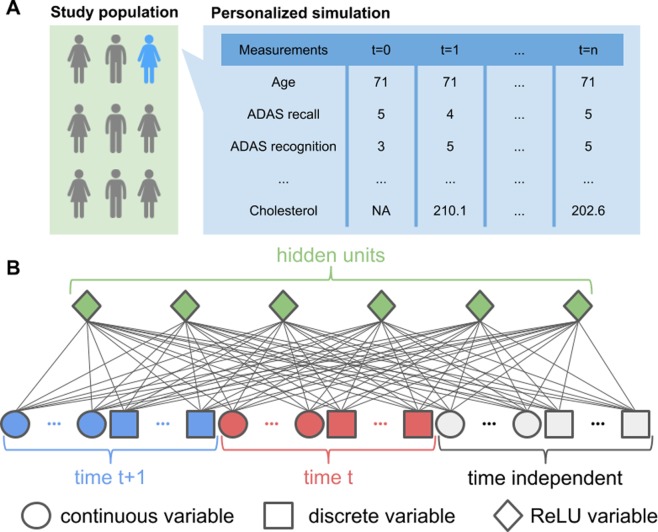
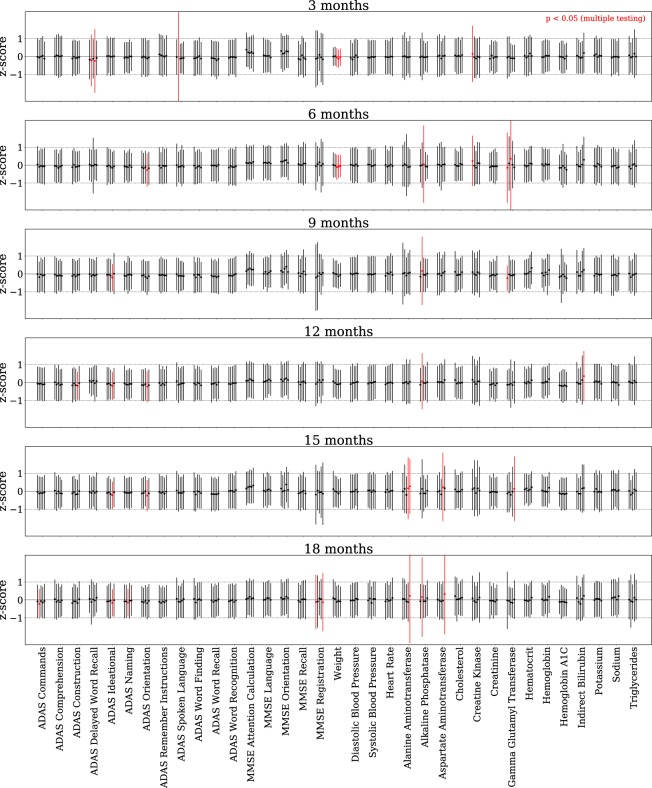
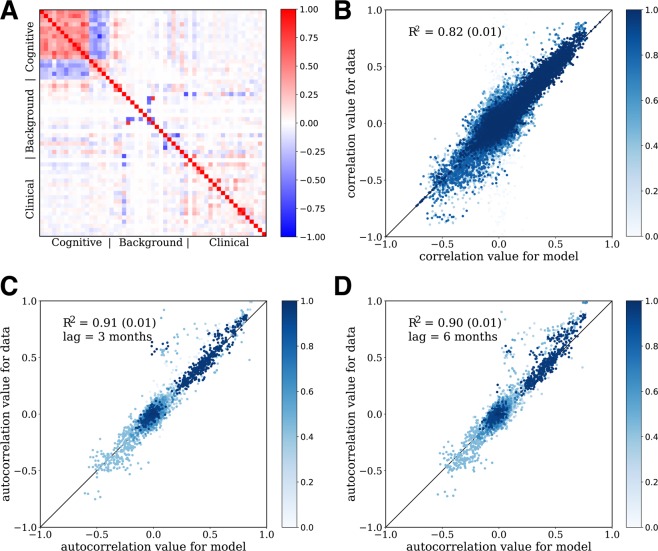
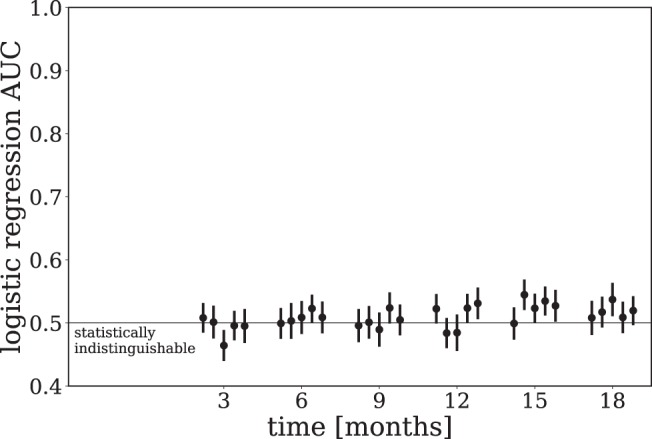
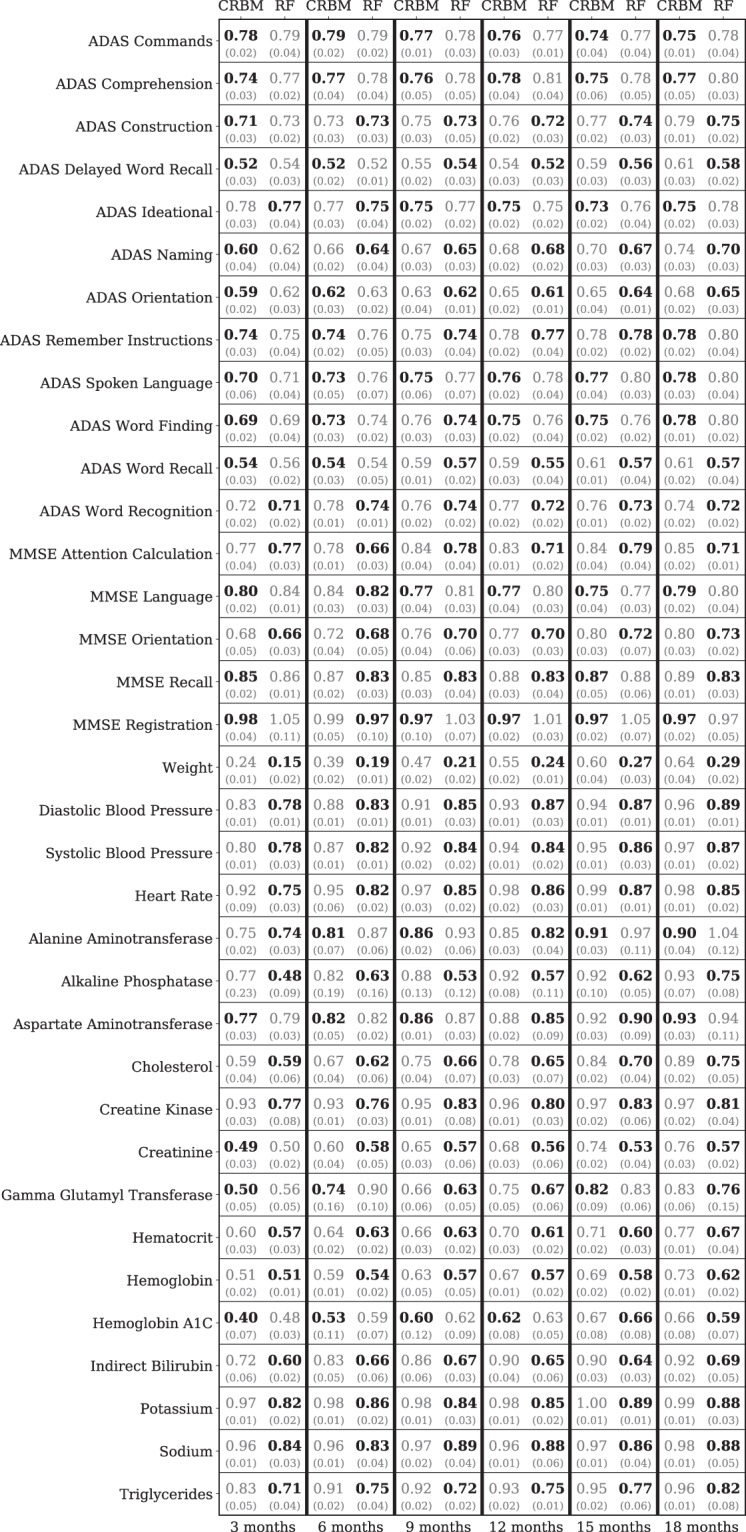
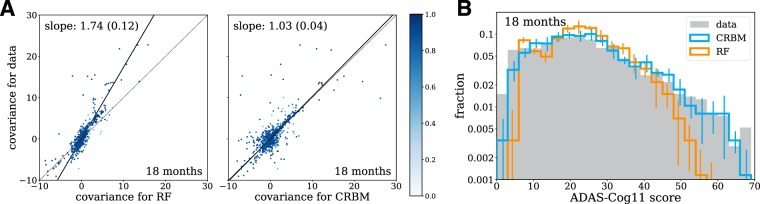
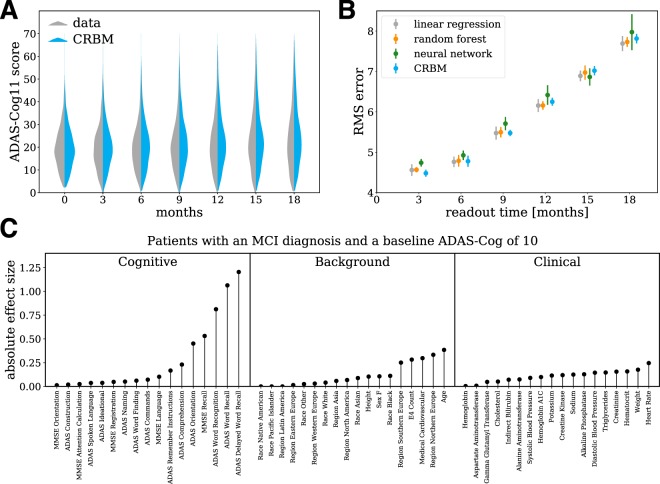
Most approaches to machine learning from electronic health data can only predict a single endpoint. The ability to simultaneously simulate dozens of patient characteristics is a crucial step towards personalized medicine for Alzheimer’s Disease. Here, we use an unsupervised machine learning model called a Conditional Restricted Boltzmann Machine (CRBM) to simulate detailed patient trajectories. We use data comprising 18-month trajectories of 44 clinical variables from 1909 patients with Mild Cognitive Impairment or Alzheimer’s Disease to train a model for personalized forecasting of disease progression. We simulate synthetic patient data including the evolution of each sub-component of cognitive exams, laboratory tests, and their associations with baseline clinical characteristics. Synthetic patient data generated by the CRBM accurately reflect the means, standard deviations, and correlations of each variable over time to the extent that synthetic data cannot be distinguished from actual data by a logistic regression. Moreover, our unsupervised model predicts changes in total ADAS-Cog scores with the same accuracy as specifically trained supervised models, additionally capturing the correlation structure in the components of ADAS-Cog, and identifies sub-components associated with word recall as predictive of progression.
Overview
The claims and statistics of this paper haven’t been checked yet.
Run the check — free, no account needed. It reads the open-access text and checks the sources it cites.
Integrity signals
Registry
Cites
Statistics
Figures
Verification
Claims the paper makes
The claims and statistics of this paper haven’t been checked yet.
Run the check — free, no account needed. It reads the open-access text and checks the sources it cites.
Claims other papers make about this one
Each is checked against this paper’s own text: does it say what the citing paper says it does?
The source backs part of the claim, not all of it — or backs it for a different population, condition or comparison.
In the citing paper
“From a commercial point of view, Unlearn.AI has developed and tested digital twin models that leverage diverse sets of clinical data to enhance clinical trials for Alzheimer's disease and multiple sclerosis 70,71 .”
From Multimodal biomedical AI (2022) · cites this paper as [70]
Experimental — accuracy not yet measured
Self-check
Percentages, sums and reported differences re-computed from the paper’s own numbers.
The self-check needs the paper’s full text.
Citations
Cites
Statistical Power Analysis for the Behavioral Sciences
Muller, K. E., & Cohen, J. (1989) · Technometrics · doi:10.2307/1270020 · Cited by 99,603
Folstein, M. F., Folstein, S. E., & McHugh, P. R. (1975) · Journal of Psychiatric Research · doi:10.1016/0022-3956(75)90026-6 · Cited by 88,282
Statistical power analysis for the behavioral sciences
Cohen, J. (1990) · Computers Environment and Urban Systems · doi:10.1016/0198-9715(90)90050-4 · Cited by 65,417
Hirono, N., Mori, E., Ikejiri, Y., Imamura, T., Shimomura, T., Hashimoto, M., Yamashita, H., & Ikeda, M. (1997) · PubMed · Cited by 21,012
Kok, J. S., Berg, I. J., & Scherder, E. J. A. (2013) · Dementia and Geriatric Cognitive Disorders Extra · doi:10.1159/000353441 · Cited by 20,589
Older Adults' Reasons for Using Technology while Aging in Place
Peek, S. T. M., Luijkx, K. G., Rijnaard, M. D., Nieboer, M. E., van der Voort, C. S., Aarts, S., van Hoof, J., Vrijhoef, H. J., & Wouters, E. (2015) · Gerontology · doi:10.1159/000430949 · Cited by 19,852
Sensitivity and False Alarm Rate of a Fall Sensor in Long-Term Fall Detection in the Elderly
Kangas, M., Korpelainen, R., Vikman, I., Nyberg, L., & Jämsä, T. J. (2014) · Gerontology · doi:10.1159/000362720 · Cited by 19,007
Advances in Neural Information Processing Systems 19
(2007) · The MIT Press eBooks · doi:10.52202/085713 · Cited by 16,043
Proceedings of the 24th international conference on Machine learning
(2007) · doi:10.1145/1273496 · Cited by 11,869
A New Initiative on Precision Medicine
Collins, F. S., & Varmus, H. (2015) · New England Journal of Medicine · doi:10.1056/nejmp1500523 · Cited by 5,202
Research works printed but not linked: 2
- th International Symposium on, 1015-1018 (IEEE, 2014).
- Dankar, F. K. & El Emam, K. Practicing differential privacy in health care: A review. Transactions on Data Priv. 6, 35–67 (2013).
Cited by
Sorted by citations
Acosta, J. N., Falcone, G. J., Rajpurkar, P., & Topol, E. J. (2022) · Nature Medicine · doi:10.1038/s41591-022-01981-2 · Cited by 1,365
Bobadilla, A. V. P., Schmitt, V., Maier, C. S., Mensing, S., & Stodtmann, S. (2024) · Clinical and Translational Science · doi:10.1111/cts.70056 · Cited by 980
Digital twins for health: a scoping review
Katsoulakis, E., Wang, Q., Wu, H., Shahriyari, L., Fletcher, R., Liu, J., Achenie, L. E. K., Liu, H., Jackson, P., Xiao, Y., et al. (2024) · npj Digital Medicine · doi:10.1038/s41746-024-01073-0 · Cited by 848
Applications of Digital Twin across Industries: A Review
Singh, M., Srivastava, R., Fuenmayor, E. A., Kuts, V., Qiao, Y., Murray, N., & Devine, D. M. (2022) · Applied Sciences · doi:10.3390/app12115727 · Cited by 376
El-Sappagh, S., Alonso, J. M., Islam, S. M. R., Sultan, A. M., & Kwak, K. S. (2021) · Scientific Reports · doi:10.1038/s41598-021-82098-3 · Cited by 363
Chen, J., Yi, C., Okegbile, S. D., Cai, J., & Shen, X. (2023) · IEEE Communications Surveys & Tutorials · doi:10.1109/comst.2023.3308717 · Cited by 284
Deep learning for Alzheimer's disease diagnosis: A survey
Khojaste-Sarakhsi, M., Haghighi, S. S., Ghomi, S. M. T. F., & Marchiori, E. (2022) · Artificial Intelligence in Medicine · doi:10.1016/j.artmed.2022.102332 · Cited by 194
Cardiovascular care with digital twin technology in the era of generative artificial intelligence
Thangaraj, P., Benson, S., Oikonomou, E. K., Asselbergs, F. W., & Khera, R. (2024) · European Heart Journal · doi:10.1093/eurheartj/ehae619 · Cited by 196
Roy, S. S., Meena, T., & Lim, S. (2022) · Diagnostics · doi:10.3390/diagnostics12102549 · Cited by 176
Diagnosing of disease using machine learning
Singh, P., Singh, N., Singh, K. K., & Singh, A. (2021) · Elsevier eBooks · doi:10.1016/b978-0-12-821229-5.00003-3 · Cited by 192
Concepts and applications of digital twins in healthcare and medicine
Zhang, K., Zhou, H.-Y., Baptista‐Hon, D. T., Gao, Y., Liu, X., Oermann, E. K., Xu, S. H., Jin, S., Zhang, J., Sun, Z., et al. (2024) · Patterns · doi:10.1016/j.patter.2024.101028 · Cited by 185
Mahendran, N., & Vincent, P. M. D. R. (2021) · Computers in Biology and Medicine · doi:10.1016/j.compbiomed.2021.105056 · Cited by 147
Kumar, S., Oh, I. Y., Schindler, S. E., Lai, A. M., Payne, P., & Gupta, A. (2021) · JAMIA Open · doi:10.1093/jamiaopen/ooab052 · Cited by 125
Ranson, J. M., Rittman, T., Hayat, S. A., Brayne, C., Jessen, F., Blennow, K., van Duijn, C. M., Barkhof, F., Tang, E. Y. H., Mummery, C. J., et al. (2021) · Alzheimer s Research & Therapy · doi:10.1186/s13195-021-00895-4 · Cited by 123
Self-citationHealth Digital Twins in Life Science and Health Care Innovation
Venkatesh, K. P., Brito, G., & Boulos, M. N. K. (2023) · The Annual Review of Pharmacology and Toxicology · doi:10.1146/annurev-pharmtox-022123-022046 · Cited by 109
Dixit, A., Yohannan, J., & Boland, M. V. (2020) · Ophthalmology · doi:10.1016/j.ophtha.2020.12.020 · Cited by 106
Javed, A. R., Saadia, A., Mughal, H., Gadekallu, T. R., Rizwan, M., Maddikunta, P. K. R., Mahmud, M., Liyanage, M., & Hussain, A. (2023) · Cognitive Computation · doi:10.1007/s12559-023-10153-4 · Cited by 99
Foo, J. B., Looi, Q. H., How, C. W., Lee, S. H., Al-Masawa, M. E., Chong, P. P., & Law, J. X. (2021) · Pharmaceuticals · doi:10.3390/ph14111093 · Cited by 90
Cavedoni, S., Chirico, A., Pedroli, E., Cipresso, P., & Riva, G. (2020) · Frontiers in Human Neuroscience · doi:10.3389/fnhum.2020.00245 · Cited by 93
Terranova, N., Renard, D., Shahin, M. H., Menon, S., Cao, Y., Hop, C. E. C. A., Hayes, S., Madrasi, K., Stodtmann, S., Tensfeldt, T., et al. (2024) · Clinical Pharmacology & Therapeutics · doi:10.1002/cpt.3053 · Cited by 78
Big data: Historic advances and emerging trends in biomedical research
Cremin, C. J., Dash, S., & Huang, X. (2022) · Current Research in Biotechnology · doi:10.1016/j.crbiot.2022.02.004 · Cited by 91
Terranova, N., & Venkatakrishnan, K. (2023) · Clinical Pharmacology & Therapeutics · doi:10.1002/cpt.3153 · Cited by 77
An interpretable machine learning model for diagnosis of Alzheimer's disease
Das, D., Ito, J., Kadowaki, T., & Tsuda, K. (2019) · PeerJ · doi:10.7717/peerj.6543 · Cited by 74
A Digital Twins Machine Learning Model for Forecasting Disease Progression in Stroke Patients
Allen, A. O., Siefkas, A. C., Pellegrini, E., Burdick, H., Barnes, G., Calvert, J. S., Mao, Q., & Das, R. (2021) · Applied Sciences · doi:10.3390/app11125576 · Cited by 78
Urmán, J., Herranz, J. M., Uriarte, I., Rullán, M., Oyón, D., González, B., Fernández-Urién, I., Carrascosa, J., Bolado, F., Zabalza, L., et al. (2020) · Cancers · doi:10.3390/cancers12061644 · Cited by 71
Artificial intelligence for dementia—Applied models and digital health
Lyall, D. M., Kormilitzin, A., Lancaster, C. L., Sousa, J., Petermann-Rocha, F. E., Buckley, C., Harshfield, E. L., Iveson, M. H., Madan, C. R., Ardle, R. M., et al. (2023) · Alzheimer s & Dementia · doi:10.1002/alz.13391 · Cited by 74
In-depth insights into Alzheimer’s disease by using explainable machine learning approach
Bogdanovic, B., Eftimov, T., & Simjanoska, M. (2022) · Scientific Reports · doi:10.1038/s41598-022-10202-2 · Cited by 77
Applied machine learning in Alzheimer's disease research: omics, imaging, and clinical data
Li, Z., Jiang, X., Wang, Y., & Kim, Y. (2021) · Emerging Topics in Life Sciences · doi:10.1042/etls20210249 · Cited by 70
Birkenbihl, C., Emon, M. A., Vrooman, H. A., Westwood, S., Lovestone, S., Hofmann‐Apitius, M., Fröhlich, H., & Initiative, A. D. N. (2020) · The EPMA Journal · doi:10.1007/s13167-020-00216-z · Cited by 67
Artificial and Internet of Healthcare Things Based Alzheimer Care During COVID 19
Jesmin, S., Kaiser, M., & Mahmud, M. (2020) · BI · doi:10.1007/978-3-030-59277-6_24 · Cited by 36
Increasing acceptance of AI ‐generated digital twins through clinical trial applications
Vidovszky, A. A., Fisher, C. K., Loukianov, A. D., Smith, A. M., Tramel, E. W., Walsh, J. R., & Ross, J. L. (2024) · Clinical and Translational Science · doi:10.1111/cts.13897 · Cited by 68
Self-citationDigital biomarker‐based individualized prognosis for people at risk of dementia
Buegler, M., Harms, R., Balasa, M., Meier, I. B., Exarchos, T. P., Rai, L. A., Boyle, R. T., Tort‐Merino, A., Kozori, M., Lazarou, E., et al. (2020) · Alzheimer s & Dementia Diagnosis Assessment & Disease Monitoring · doi:10.1002/dad2.12073 · Cited by 62
A Novel AI-Based System for Detection and Severity Prediction of Dementia Using MRI
Jain, V., Nankar, O., Jerrish, D. J., Gite, S., Patil, S., & Kotecha, K. V. (2021) · IEEE Access · doi:10.1109/access.2021.3127394 · Cited by 62
Role of Machine Learning Algorithms in Forest Fire Management: A Literature Review
Muhammad, A., Alghamdi, K., Sahel Salma, A., Alosaimi Samar, O., Alsahaft Mashael, E., Alharthi Maram, A., & Maryam, A. (2021) · Journal of Robotics and Automation · doi:10.36959/673/372 · Cited by 65
Maarif, M. R., Saleh, A. R., Habibi, M., Fitriyani, N. L., & Syafrudin, M. (2023) · Information · doi:10.3390/info14050265 · Cited by 58
Shanmugavadivel, K., Easwaramoorthy, S. V., Cho, J., & Subramanian, M. (2023) · Ageing Research Reviews · doi:10.1016/j.arr.2023.102072 · Cited by 57
The Road to Personalized Medicine in Alzheimer’s Disease: The Use of Artificial Intelligence
Silva‐Spínola, A., Baldeiras, I., Arrais, J. P., & Santana, I. J. (2022) · Biomedicines · doi:10.3390/biomedicines10020315 · Cited by 58
A Survey of Deep Learning for Alzheimer’s Disease
Zhou, Q., Wang, J., Yu, X., Wang, S., & Zhang, Y. (2023) · Machine Learning and Knowledge Extraction · doi:10.3390/make5020035 · Cited by 58
Artificial intelligence technology in Alzheimer's disease research
Zhang, W., Li, Y., Ren, W., & Liu, B. (2023) · Intractable & Rare Diseases Research · doi:10.5582/irdr.2023.01091 · Cited by 51
Karki, H. P., Jang, Y., Jung, J., & Oh, J. (2021) · Journal of Nanobiotechnology · doi:10.1186/s12951-021-00814-7 · Cited by 51
Elgammal, Y. M., Zahran, M. A., & Abdelsalam, M. M. (2022) · Scientific Reports · doi:10.1038/s41598-022-26958-6 · Cited by 50
Increasing the efficiency of randomized trial estimates via linear adjustment for a prognostic score
Schuler, A., Walsh, D. M. A., Hall, D., Walsh, J., & Fisher, C. K. (2021) · The International Journal of Biostatistics · doi:10.1515/ijb-2021-0072 · Cited by 60
Self-citationWang, Y., Liu, S., Spiteri, A. G., Huynh, A. L. H., Chu, C., Masters, C. L., Goudey, B., Pan, Y., & Jin, L. (2024) · Alzheimer s Research & Therapy · doi:10.1186/s13195-024-01540-6 · Cited by 48
Baucum, M., Khojandi, A., & Vasudevan, R. K. (2020) · IEEE Journal of Biomedical and Health Informatics · doi:10.1109/jbhi.2020.3027443 · Cited by 46
A method for generating synthetic longitudinal health data
Mosquera, L., Emam, K. E., Ding, L., Sharma, V., Zhang, X. H., Kababji, S. E., Carvalho, C., Hamilton, B., Palfrey, D., Kong, L., et al. (2023) · BMC Medical Research Methodology · doi:10.1186/s12874-023-01869-w · Cited by 45
Utilization of precision medicine digital twins for drug discovery in Alzheimer's disease
Ren, Y., Pieper, A. A., & Cheng, F. (2025) · Neurotherapeutics · doi:10.1016/j.neurot.2025.e00553 · Cited by 48
García‐Gutiérrez, F., Álvarez, J. D., Matías‐Guiu, J. A., Pytel, V., Matías‐Guiu, J., Cabrera‐Martín, M. N., & Ayala, J. L. (2022) · Medical & Biological Engineering & Computing · doi:10.1007/s11517-022-02630-z · Cited by 44
The Beginning of a New Era: Artificial Intelligence in Healthcare
Kumar, A., Gadag, S., & Nayak, U. Y. (2020) · Advanced Pharmaceutical Bulletin · doi:10.34172/apb.2021.049 · Cited by 39
Kim, J.-W., Lee, J., Lee, J., Rhee, S. Y., Shin, J. I., Lee, S. W., Cho, W., Min, C., Kwon, R., Kim, J. G., et al. (2023) · Alzheimer s Research & Therapy · doi:10.1186/s13195-023-01268-9 · Cited by 36
Martí‐Juan, G., Lorenzi, M., & Piella, G. (2023) · NeuroImage · doi:10.1016/j.neuroimage.2023.119892 · Cited by 41
Chowdhury, M., Cervantes, E. G., Chan, W.-Y., & Seitz, D. P. (2021) · Frontiers in Psychiatry · doi:10.3389/fpsyt.2021.738466 · Cited by 39
Laigle, L., Chadli, L., & Moingeon, P. E. (2023) · Expert Review of Clinical Immunology · doi:10.1080/1744666x.2023.2172404 · Cited by 34
Suganthe, R. C., Latha, R. S., Geetha, M. K., & Sreekanth, G. R. (2020) · Advances in Electrical and Computer Engineering · doi:10.4316/aece.2020.03007 · Cited by 33
Synthetic Data in Healthcare and Drug Development: Definitions, Regulatory Frameworks, Issues
Pasculli, G., Virgolin, M., Myles, P. R., Vidovszky, A. A., Fisher, C. K., Biasin, E., Mourby, M. J., Pappalardo, F., D’Amico, S., Torchia, M., et al. (2025) · CPT Pharmacometrics & Systems Pharmacology · doi:10.1002/psp4.70021 · Cited by 35
Self-citationAbate, G., Vezzoli, M., Polito, L., Guaita, A., Albani, D., Marizzoni, M., Garrafa, E., Marengoni, A., Forloni, G., Frisoni, G. B., et al. (2020) · Journal of Personalized Medicine · doi:10.3390/jpm11010014 · Cited by 31
Deep learning for brain disorders: from data processing to disease treatment
Burgos, N., Bottani, S., Faouzi, J., Thibeau–Sutre, E., & Olivier Colliot, A. (2020) · Briefings in Bioinformatics · doi:10.1093/bib/bbaa310 · Cited by 38
Artificial Intelligence Techniques for the effective diagnosis of Alzheimer’s Disease: A Review
Shastry, K. A., & Sanjay, H. A. (2023) · Multimedia Tools and Applications · doi:10.1007/s11042-023-16928-z · Cited by 32
Data science in neurodegenerative disease: its capabilities, limitations, and perspectives
Khatami, S. G., Mubeen, S., & Hofmann‐Apitius, M. (2020) · Current Opinion in Neurology · doi:10.1097/wco.0000000000000795 · Cited by 28
Privacy-by-Design with Federated Learning will drive future Rare Disease Research
Süwer, S., Ullah, M. S., Probul, N., Maier, A., & Baumbach, J. (2024) · Journal of Neuromuscular Diseases · doi:10.1177/22143602241296276 · Cited by 30
Wilczok, D. (2025) · Aging · doi:10.18632/aging.206190 · Cited by 32
Challenges of Integrative Disease Modeling in Alzheimer's Disease
Khatami, S. G., Robinson, C., Birkenbihl, C., Domingo‐Fernándéz, D., Hoyt, C. T., & Hofmann‐Apitius, M. (2020) · Frontiers in Molecular Biosciences · doi:10.3389/fmolb.2019.00158 · Cited by 28
Disease Progression of Hypertrophic Cardiomyopathy: Modeling Using Machine Learning
Pičulin, M., Smole, T., Žunkovič, B., Kokalj, E., Robnik‐Šikonja, M., Kukar, M., Fotiadis, D. I., Pezoulas, V. C., Tachos, N. S., Barlocco, F., et al. (2022) · JMIR Medical Informatics · doi:10.2196/30483 · Cited by 26
Adelson, R. P., Garikipati, A., Maharjan, J., Ciobanu, M., Barnes, G., Singh, N. P., Dinenno, F. A., Mao, Q., & Das, R. (2023) · Diagnostics · doi:10.3390/diagnostics14010013 · Cited by 24
Interpretable machine learning for high-dimensional trajectories of aging health
Farrell, S., Mitnitski, A., Rockwood, K., & Rutenberg, A. D. (2022) · PLOS Computational Biology · doi:10.1371/journal.pcbi.1009746 · Cited by 22
Digital twins elucidate critical role of Tscm in clinical persistence of TCR-engineered cell therapy
Joslyn, L. R., Huang, W., Miles, D., Hosseini, I., & Ramanujan, S. (2024) · npj Systems Biology and Applications · doi:10.1038/s41540-024-00335-7 · Cited by 24
Digital Twins Use in Plastic Surgery: A Systematic Review
Seth, I., Lim, B., Lu, P. Y. J., Xie, Y., Cuomo, R., Ng, S., Rozen, W. M., & Sofiadellis, F. (2024) · Journal of Clinical Medicine · doi:10.3390/jcm13247861 · Cited by 24
Silva, P. J., Dahlke, D. V., Smith, M. L., Charles, W., Gómez, J., Ory, M. G., & Ramos, K. S. (2022) · Journal of Personalized Medicine · doi:10.3390/jpm12050713 · Cited by 24
The potential for complex computational models of aging
Farrell, S., Stubbings, G., Rockwood, K. J., Mitnitski, A., & Rutenberg, A. D. (2020) · Mechanisms of Ageing and Development · doi:10.1016/j.mad.2020.111403 · Cited by 25
The Microfluidic Toolbox for Analyzing Exosome Biomarkers of Aging
DeCastro, J., Littig, J., Chou, P. P., Mack‐Onyeike, J., Srinivasan, A., Conboy, M. J., Conboy, I. M., & Aran, K. (2021) · Molecules · doi:10.3390/molecules26030535 · Cited by 21
Jeong, S., Kwak, J., & Lee, S. (2021) · Innovative Food Science & Emerging Technologies · doi:10.1016/j.ifset.2021.102796 · Cited by 20
Neurological update: neuroimaging in dementia
Rittman, T. (2020) · Journal of Neurology · doi:10.1007/s00415-020-10040-0 · Cited by 23
Saint‐Jalmes, M., Fedyashov, V., Beck, D., Baldwin, T., Faux, N. G., Bourgeat, P., Fripp, J., Masters, C. L., & Goudey, B. (2023) · NeuroImage · doi:10.1016/j.neuroimage.2023.120279 · Cited by 21
Attention-Guided Deep Graph Neural Network for Longitudinal Alzheimer’s Disease Analysis
Ma, J., Zhu, X., Yang, D., Chen, J., & Guorong Wu, A. (2020) · Lecture notes in computer science · doi:10.1007/978-3-030-59728-3_38 · Cited by 19
Dementia Prediction Applying Variational Quantum ClassifierPreprint
Sierra-Sosa, D., Arcila-Moreno, J. D., García-Zapirain, B., Castillo-Olea, C., & Elmaghraby, A. S. (2020) · arXiv (Cornell University) · doi:10.48550/arxiv.2007.08653 · Cited by 26
Making It Count: Extracting Real World Data from Compassionate Use and Expanded Access Programs
Rozenberg, O., & Greenbaum, D. S. (2020) · The American Journal of Bioethics · doi:10.1080/15265161.2020.1779857 · Cited by 18
A hybrid deep learning model for forecasting lymphocyte depletion during radiation therapy
Ebrahimi, S., Lim, G. J., Hobbs, B. P., Lin, S. H., Mohan, R., & Cao, W. (2022) · Medical Physics · doi:10.1002/mp.15584 · Cited by 18
Richter-Laskowska, M., Sobotnicka, E., & Bednorz, A. (2025) · Scientific Reports · doi:10.1038/s41598-025-90460-y · Cited by 16
Mild Behavioral Impairment: An Early Sign and Predictor of Alzheimer's Disease Dementia
Jiang, F., Cheng, C., Huang, J., Chen, Q., & Le, W. (2022) · Current Alzheimer Research · doi:10.2174/1567205019666220805114528 · Cited by 18
Amin, E., Elgammal, Y. M., Zahran, M. A., & Abdelsalam, M. M. (2023) · Scientific Reports · doi:10.1038/s41598-023-45972-w · Cited by 15
Application of artificial intelligence in Alzheimer’s disease: a bibliometric analysis
Song, S., Li, T., Lin, W., Liu, R., & Zhang, Y. (2025) · Frontiers in Neuroscience · doi:10.3389/fnins.2025.1511350 · Cited by 17
A Tensorized Multitask Deep Learning Network for Progression Prediction of Alzheimer’s Disease
Tabarestani, S., Eslami, M., Cabrerizo, M., Curiel, R. E., Barreto, A. B., Rishe, N. D., Vaillancourt, D. E., DeKosky, S. T., Loewenstein, D., Duara, R., et al. (2022) · Frontiers in Aging Neuroscience · doi:10.3389/fnagi.2022.810873 · Cited by 14
GANerAid: Realistic synthetic patient data for clinical trials
Krenmayr, L., Frank, R., Drobig, C., Braungart, M., Seidel, J., Schaudt, D., von Schwerin, R., & Stucke-Straub, K. (2022) · Informatics in Medicine Unlocked · doi:10.1016/j.imu.2022.101118 · Cited by 15
A Review of Artificial Intelligence Technologies for Early Prediction of Alzheimer's DiseasePreprint
Yang, K., & Mohammed, E. A. (2020) · arXiv (Cornell University) · doi:10.48550/arxiv.2101.01781 · Cited by 24
Artificial Intelligence for Cardiovascular Care in Action
Biswas, D., Thangaraj, P., Pedroso, A. F., Ogunniyi, M. O., Maddox, T. M., Ahmad, F. S., & Khera, R. (2025) · JACC Advances · doi:10.1016/j.jacadv.2025.102307 · Cited by 17
Use of AI as a Research Recruitment Tool: Ethical Elements, Considerations, and Recommendations
Rentzepis, P. J., Snyder, D. L., Baker, T. J., & Bierer, B. E. (2026) · The American Journal of Bioethics · doi:10.1080/15265161.2026.2649234 · Cited by 14
Predictive Models for Health Deterioration: Understanding Disease Pathways for Personalized Medicine
Eskofier, B. M., & Klucken, J. (2023) · Annual Review of Biomedical Engineering · doi:10.1146/annurev-bioeng-110220-030247 · Cited by 15
Rai, L. A., Boyle, R. T., Brosnan, L., Rice, H., Farina, F. R., Tarnanas, I., & Whelan, R. (2020) · Advances in experimental medicine and biology · doi:10.1007/978-3-030-32622-7_14 · Cited by 14
Georges-Filteau, J., & Cirillo, E. (2020) · doi:10.22541/au.158921777.79483839/v2 · Cited by 21
Pingi, S. T., Zhang, D., Bashar, M. A., & Nayak, R. (2023) · Data Science and Engineering · doi:10.1007/s41019-023-00232-9 · Cited by 13
Forecasting of the Prevalence of Dementia Using the LSTM Neural Network in Taiwan
Yang, S. F., Chen, H., Wu, C.-H., Wu, M.-N., & Yang, C.-H. (2021) · Mathematics · doi:10.3390/math9050488 · Cited by 15
Nemali, A., Vockert, N., Berron, D., Maaß, A., Bernal, J., Yakupov, R., Peters, O., Gref, D., Cosma, N. C., Preis, L., et al. (2023) · Medical Image Analysis · doi:10.1016/j.media.2023.102913 · Cited by 13
Whole Person Modeling: a transdisciplinary approach to mental health research
Felsky, D., Cannitelli, A., & Pipitone, J. (2023) · Discover Mental Health · doi:10.1007/s44192-023-00041-6 · Cited by 16
Generating synthetic aging trajectories with a weighted network model using cross-sectional data
Farrell, S., Mitnitski, A., Rockwood, K. J., & Rutenberg, A. D. (2020) · Scientific Reports · doi:10.1038/s41598-020-76827-3 · Cited by 15
Application of augmented reality-based digital twin approaches: a case study to industrial equipment
Pitzalis, R. F., Giordano, A., Spigno, A. D., Cowell, A., Niculita, O., & Berselli, G. (2025) · The International Journal of Advanced Manufacturing Technology · doi:10.1007/s00170-025-15755-w · Cited by 15
Analyzing subcortical structures in Alzheimer's disease using ensemble learning
Shukla, A., Tiwari, R., & Tiwari, S. (2023) · Biomedical Signal Processing and Control · doi:10.1016/j.bspc.2023.105407 · Cited by 12
Methods for Generating and Evaluating Synthetic Longitudinal Patient Data: A Systematic Review
Perkonoja, K., Auranen, K. J., & Virta, J. (2025) · Journal of Healthcare Informatics Research · doi:10.1007/s41666-025-00223-7 · Cited by 16
Kuhn, T. P., Becerra, S. A., Duncan, J., Spivak, N. M., Dang, B. H., Habelhah, B., Mahdavi, K. D., Mamoun, M. S., Whitney, M., Pereles, F. S., et al. (2021) · Quantitative Imaging in Medicine and Surgery · doi:10.21037/qims-20-1355 · Cited by 12
Gu, Z., Ge, B., Wang, Y., Gong, Y., & Qi, M. (2025) · Frontiers in Aging Neuroscience · doi:10.3389/fnagi.2025.1609063 · Cited by 12
Alzheimer’s Disease Classification Using Genetic Data
Khanal, S., Chen, J., Jacobs, N., & Lin, A. (2021) · IEEE International Conference on Bioinformatics and Biomedicine (BIBM) · doi:10.1109/bibm52615.2021.9669730 · Cited by 10
A Comparative Study of Machine Learning Algorithms for Early Prediction of Alzheimer's Disease
Akilandeswari, A. (2025) · International Conference on Trends in Electronics and Informatics (ICOEI) · doi:10.1109/icoei65986.2025.11013500 · Cited by 10
Metadata
- Authors
- Fisher, C. K., Smith, A. M., Walsh, J. R., Diseases, C. A. M., Simon, A. J., Edgar, C., Jack, C. R., Holtzman, D., Russell, D., Hill, D., Grosset, D., Wood, F., Vanderstichele, H., Morris, J., Blennow, K., Marek, K., Shaw, L. M., Albert, M., Weiner, M., Fox, N., Aisen, P., Cole, P. E., Petersen, R., Sherer, T., Kubick, W., & Abbott, A. F. A. R.
- Affiliations
- Mayo Clinic (US)
- Washington University in St. Louis (US)
- Institute for Neurodegenerative Disorders (US)
- University of Glasgow (GB)
- Fujirebio (Belgium) (BE)
- Johns Hopkins University (US)
- University of California, San Francisco (US)
- University College London (GB)
- Michael J. Fox Foundation (US)
- Corresponding author
- Fisher, Charles K.
- ORCID
- Venue
- Scientific Reports
- Published
- 2019-09-20
- Volume
- 9
- Issue
- 1
- Pages
- 13622-13622
- ISSN
- 2045-2322 (ISSN-L)
- PMC
- PMC6754403
- OpenAlex
- W2974138729
- Cited by
- 223
- References
- 66
- Citations by year
- 2026: 22 · 2025: 37 · 2024: 30 · 2023: 39 · 2022: 33 · 2021: 27 · 2020: 32 · 2019: 3
- FWCI
- 18.92
- Type
- journal article
- Language
- en
- Open access
- gold
- doi.org
- Locations
- Scientific Reports (publishedVersion, cc-by)
- PubMed Central (publishedVersion, cc-by)
- PubMed (publishedVersion)
- arXiv (Cornell University) (submittedVersion)
- DOAJ (DOAJ: Directory of Open Access Journals) (submittedVersion)
- UCL Discovery (University College London) (submittedVersion)
- eScholarship (California Digital Library) (submittedVersion, cc-by)
- arXiv (Cornell University)
- Topics
- Health Sciences › Medicine › Psychiatry and Mental health › Dementia and Cognitive Impairment Research
- Physical Sciences › Computer Science › Artificial Intelligence › Machine Learning in Healthcare
- Health Sciences › Health Professions › Health Information Management › Artificial Intelligence in Healthcare
- Keywords
- Alzheimer's disease progression, mild cognitive impairment, conditional restricted Boltzmann machine, ADAS-Cog, word recall, cognitive decline prediction
- MeSH terms
- Machine Learning, Aged, Aged, 80 and over, Alzheimer Disease, Cognition, Female, Forecasting, Humans, Male, Middle Aged, Models, Theoretical, Neuropsychological Tests, Models, Statistical, Disease Progression, Cognitive Dysfunction
About these checks
Registry, retraction, Cites and statistics results are computed, not judged, with one exception: a printed reference that no index lists is read once by a model before it counts as a citation error. Claims are extracted by a model and kept only when their quote appears verbatim in the text; each cited source is then checked, with a model’s help, for whether it says what the claim relies on. Those verdicts can be wrong — read the claim’s quote and the cited source before relying on one.
Statistics and arithmetic are recomputed, not judged.
Confidence bands are shown only for fields calibrated on our annotated test set. None is calibrated yet, so no band is shown.
What counts as a claim ›How we measure confidence ›How we check this ›
Are you an author, or do you see a problem with this page? Request a review
