

Drug-encapsulated blend of PLGA-PEG microspheres: in vitro and in vivo study of the effects of localized/targeted drug delivery on the treatment of triple-negative breast cancer
Open accessThe DOI matches its Crossref record; 93 of the 93 references it cites were found in a registry or an index.
Abstract
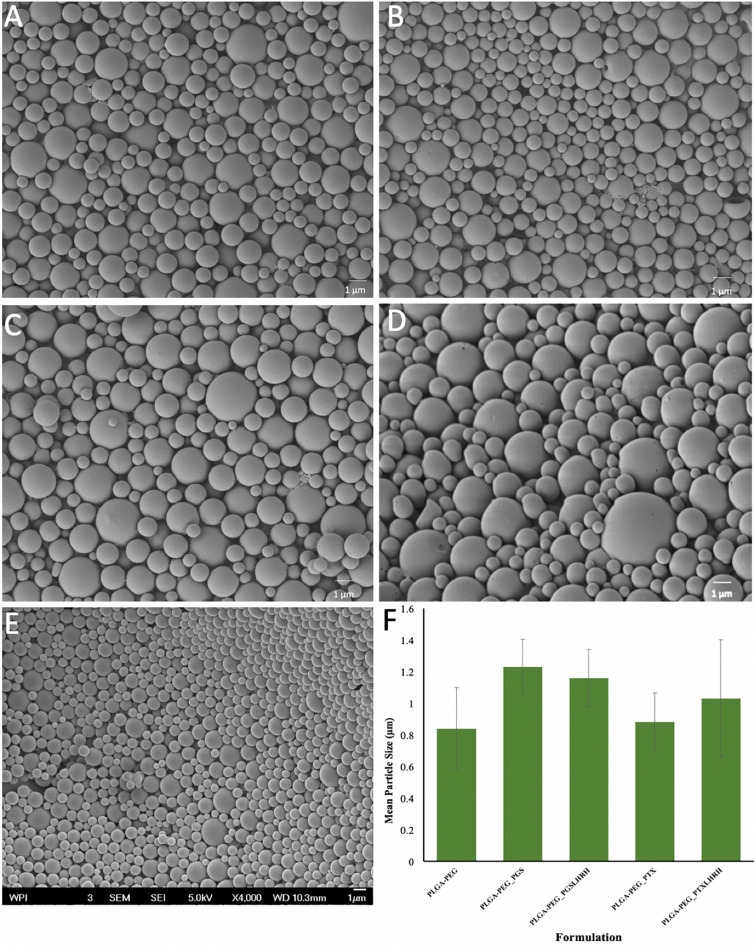
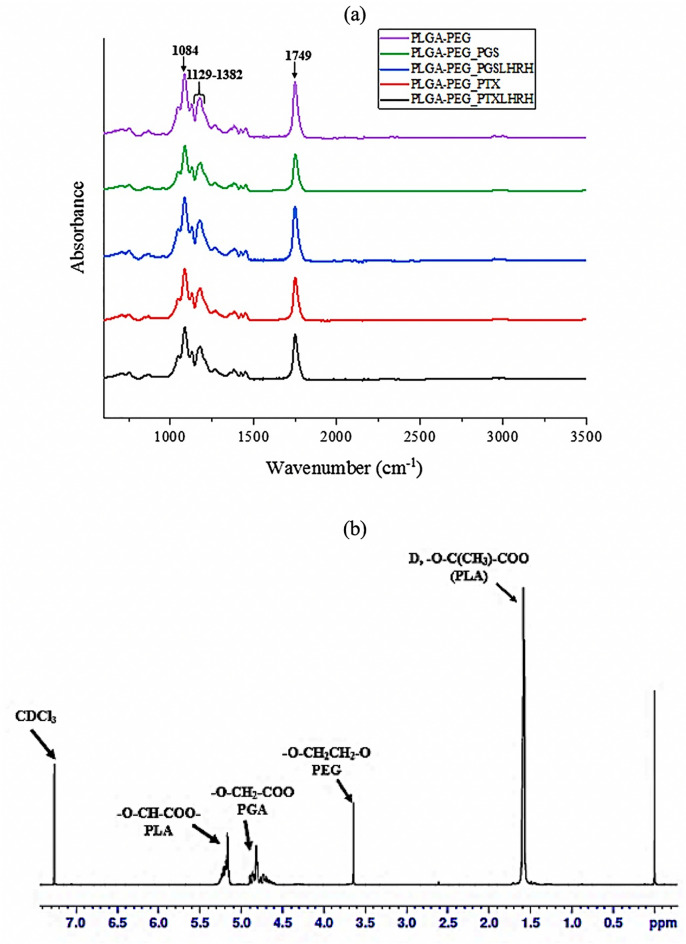
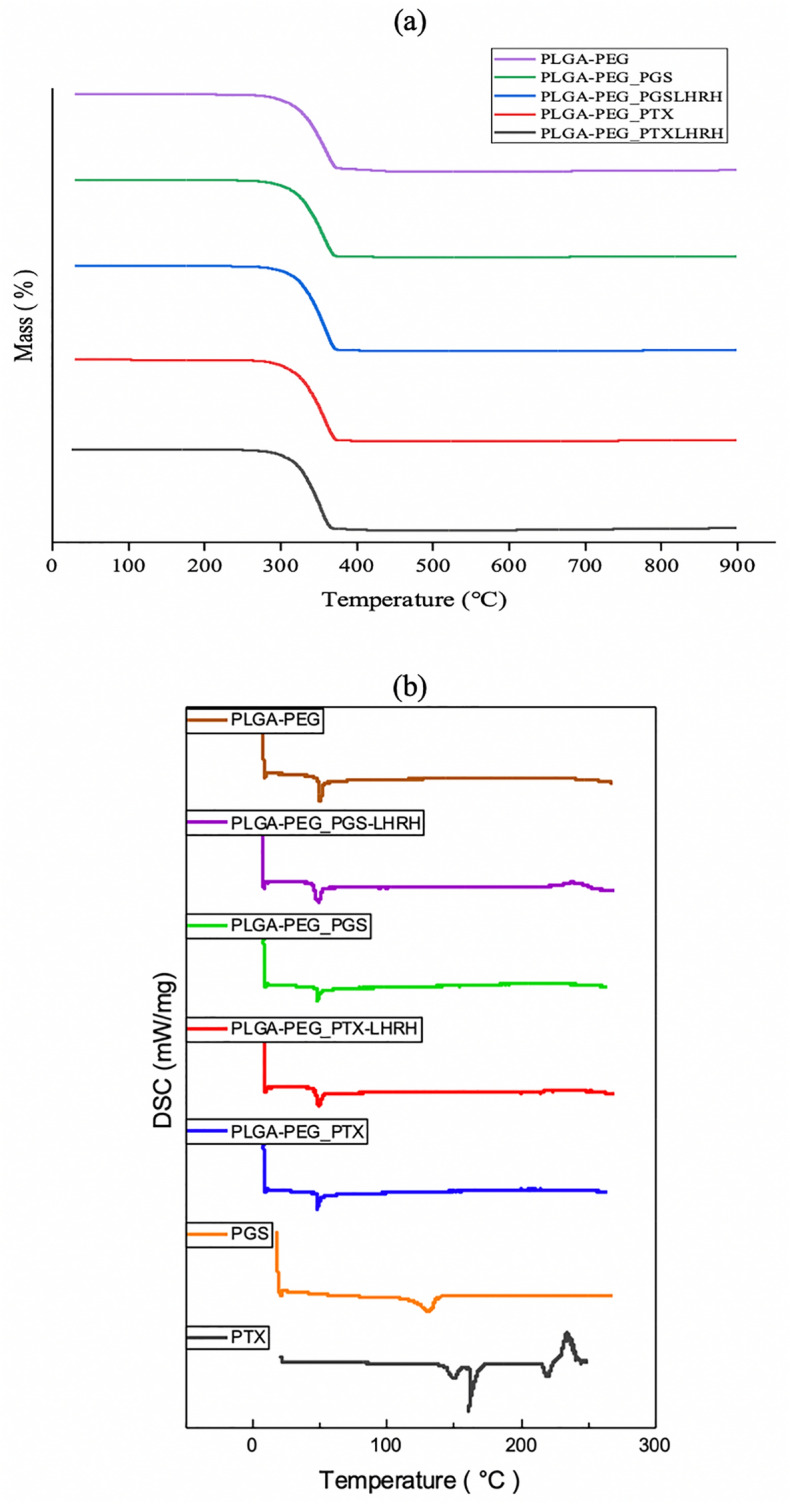
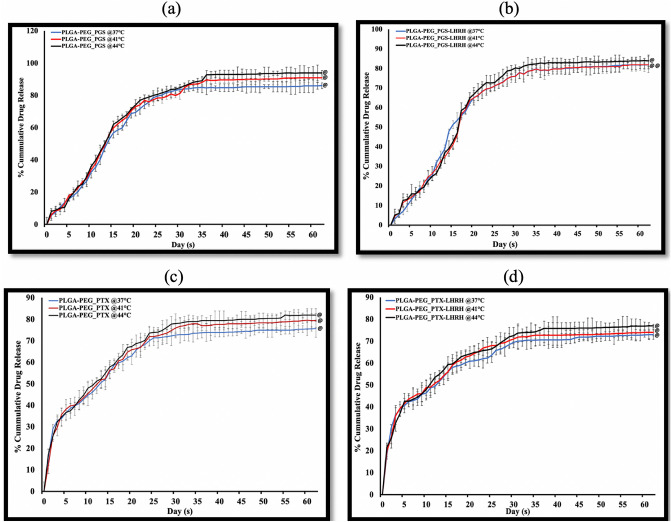
Triple-negative breast cancer (TNBC) is more aggressive and difficult to treat using conventional bulk chemotherapy that is often associated with increased toxicity and side effects. In this study, we encapsulated targeted drugs [A bacteria-synthesized anticancer drug (prodigiosin) and paclitaxel] using single solvent evaporation technique with a blend of FDA-approved poly lactic-co-glycolic acid-polyethylene glycol (PLGA_PEG) polymer microspheres. These drugs were functionalized with Luteinizing Hormone-Releasing hormone (LHRH) ligands whose receptors are shown to overexpressed on surfaces of TNBC. The physicochemical, structural, morphological and thermal properties of the drug-loaded microspheres were then characterized using Fourier Transform Infrared Spectroscopy (FTIR), Scanning Electron Microscopy (SEM), Dynamic Light Scattering (DLS), Nuclear Magnetic Resonance Spectroscopy (NMR), Thermogravimetric Analysis (TGA) and Differential Scanning Calorimetry (DSC). Results obtained from in vitro kinetics drug release at human body temperature (37 °C) and hyperthermic temperatures (41 and 44 °C) reveal a non-Fickian sustained drug release that is well-characterized by Korsmeyer-Peppas model with thermodynamically non-spontaneous release of drug. Clearly, the in vitro and in vivo drug release from conjugated drug-loaded microspheres (PLGA-PEG_PGS-LHRH, PLGA-PEG_PTX-LHRH) is shown to result in greater reductions of cell/tissue viability in the treatment of TNBC. The in vivo animal studies also showed that all the drug-loaded PLGA-PEG microspheres for the localized and targeted treatment of TNBC did not caused any noticeable toxicity and thus significantly extended the survival of the treated mice post tumor resection. The implications of this work are discussed for developing targeted drug systems to treat and prevent local recurred triple negative breast tumors after surgical resection.
Overview
The claims and statistics of this paper haven’t been checked yet.
Free: it reads the open-access text and checks the first 5 claims that cite a source we can check. Create a free account to check every claim.
Integrity signals
Registry
Cites
Statistics
Figures
Verification
Claims the paper makes
The claims and statistics of this paper haven’t been checked yet.
Free: it reads the open-access text and checks the first 5 claims that cite a source we can check. Create a free account to check every claim.
Claims other papers make about this one
Each is checked against this paper’s own text: does it say what the citing paper says it does?
The source backs part of the claim, not all of it — or backs it for a different population, condition or comparison.
In the citing paper
“These results confirm the controlled release of TrH from PAGalginate microspheres.34,75”
From A bioinspired, pH-responsive microsphere matrix of cold-water extracted Colocasia esculenta mucilage and alginate: a new approach for sustained oral delivery of tramadol (2026) · cites this paper as [75]
Experimental — accuracy not yet measured
Self-check
Percentages, sums and reported differences re-computed from the paper’s own numbers.
The self-check needs the paper’s full text.
Citations
Cites
Bray, F., Ferlay, J., Soerjomataram, I., Siegel, R. L., Torre, L. A., & Jemal, A. (2018) · CA: A Cancer Journal for Clinicians · doi:10.3322/caac.21492 · Cited by 84,109
Siegel, R. L., Miller, K. D., & Jemal, A. (2016) · CA: A Cancer Journal for Clinicians · doi:10.3322/caac.21332 · Cited by 16,003
Modeling and comparison of dissolution profiles
Costa, P., & Sousa Lobo, J. M. (2001) · European Journal of Pharmaceutical Sciences · doi:10.1016/s0928-0987(01)00095-1 · Cited by 5,509
Mechanisms of solute release from porous hydrophilic polymers
Korsmeyer, R. W., Gurny, R., Doelker, E., Buri, P., & Peppas, N. A. (1983) · International Journal of Pharmaceutics · doi:10.1016/0378-5173(83)90064-9 · Cited by 5,258
Introduction to chemical engineering thermodynamics
Smith, J. M. (1950) · Journal of Chemical Education · doi:10.1021/ed027p584.3 · Cited by 4,973
Higuchi, T. (1963) · Journal of Pharmaceutical Sciences · doi:10.1002/jps.2600521210 · Cited by 4,884
Poly Lactic-co-Glycolic Acid (PLGA) as Biodegradable Controlled Drug Delivery Carrier
Makadia, H. K., & Siegel, S. J. (2011) · Polymers · doi:10.3390/polym3031377 · Cited by 4,816
Biodegradable polymeric nanoparticles based drug delivery systems
Kumari, A., Yadav, S. K., & Yadav, S. C. (2010) · Colloids and Surfaces B: Biointerfaces · doi:10.1016/j.colsurfb.2009.09.001 · Cited by 3,724
Global Cancer Incidence and Mortality Rates and Trends—An Update
Torre, L. A., Siegel, R. L., Ward, E. M., & Jemal, A. (2016) · Cancer Epidemiology, Biomarkers & Prevention · doi:10.1158/1055-9965.epi-15-0578 · Cited by 3,692
Poly(ethylene glycol) in Drug Delivery: Pros and Cons as Well as Potential Alternatives
Knop, K., Hoogenboom, R., Fischer, D., & Schubert, U. S. (2010) · Angewandte Chemie International Edition · doi:10.1002/anie.200902672 · Cited by 3,533
Research works printed but not linked: 5
- 35. Bruck, S. D.) (CRC Press, Amster- dam, 2019).
- 50. Patil, P. B., Uphade, K. B. & Saudagar, R. B. A review: Osmotic drug delivery system. Pharma Sci. Monit. 9, 2 (2018).
- 66. Zhang, Z. G., Sun, A. P. & Long, L. X. Effect of physicochemical properties of drugs on morphology and release of microspheres. J. Med. Biol. Eng. https ://doi.org/10.5405/jmbe.1070 (2014). · doi:10.5405/jmbe.1070
- 67. Yang, R. et al. Cationic formulation of paclitaxel-loaded poly D, L-lactic-co-glycolic acid (PLGA) nanoparticles using an emulsion- solvent diffusion method. Asian J. Pharm. Sci. 4, 89 (2009).
- 82. Narasimhan, B., Mallapragada, S. K. & Peppas, N. A. Release kinetics, data interpretation. Encycl. Control. Drug Deliv. 2, 921-935 (1999).
Cited by
Triple Negative Breast Cancer Treatment Options and Limitations: Future Outlook
Obidiro, O., Battogtokh, G., & Akala, E. O. (2023) · Pharmaceutics · doi:10.3390/pharmaceutics15071796 · Cited by 511
“Cancer can affect any part of the body, occurring in all genders [2].”
BackgroundZhi, K., Raji, B., Nookala, A. R., Khan, M. M., Nguyen, X. H., Sakshi, S., Pourmotabbed, T., Yallapu, M. M., Kochat, H., Tadrous, E., et al. (2021) · Pharmaceutics · doi:10.3390/pharmaceutics13040500 · Cited by 140
Fabrication of polymeric microspheres for biomedical applications
Li, X., Li, L., Wang, D., Zhang, J., Yi, K., Su, Y., Luo, J., Deng, X., & Deng, F. (2024) · Materials Horizons · doi:10.1039/d3mh01641b · Cited by 108
Sterilization of Polymeric Implants: Challenges and Opportunities
Herczeg, C. K., & Song, J. (2022) · ACS Applied Bio Materials · doi:10.1021/acsabm.2c00793 · Cited by 87
Rise of the natural red pigment ‘prodigiosin’ as an immunomodulator in cancer
Anwar, M. M., Albanese, C., Hamdy, N. Μ., & Sultan, A. S. (2022) · Cancer Cell International · doi:10.1186/s12935-022-02815-4 · Cited by 85
Acharya, B., Behera, A., Behera, S., & Moharana, S. (2024) · ACS Applied Bio Materials · doi:10.1021/acsabm.3c01064 · Cited by 83
Jia, W., Wu, Y., Xie, Y., Yu, M., & Chen, Y. (2025) · Advanced Materials · doi:10.1002/adma.202413603 · Cited by 84
Lee, Y. J., & Kim, M. S. (2025) · Biomedicine & Pharmacotherapy · doi:10.1016/j.biopha.2025.118244 · Cited by 73
Sani, A., Pourmadadi, M., Shaghaghi, M., Eshaghi, M. M., Shahmollaghamsary, S., Arshad, R., Fathi‐karkan, S., Rahdar, A., Medina, D. I., & Pandey, S. (2023) · Journal of Drug Delivery Science and Technology · doi:10.1016/j.jddst.2023.104642 · Cited by 56
Boosting Glioblastoma Therapy with Targeted Pyroptosis Induction
Fang, X., Chen, Z., Zhou, W., Li, T., Wang, M., Gao, Y., Ma, S., Feng, Y. J., Du, S., Lan, P., et al. (2023) · Small · doi:10.1002/smll.202207604 · Cited by 55
Yang, M., Abdalkarim, S. Y. H., Yu, H., Asad, R. A. M., Ge, D., & Zhou, Y. (2022) · Carbohydrate Polymers · doi:10.1016/j.carbpol.2022.120350 · Cited by 54
Wang, Z., Zhang, X.-W., Ding, Y., Ren, Z.-W., & Wei, D. (2022) · Smart Materials in Medicine · doi:10.1016/j.smaim.2022.07.004 · Cited by 47
Increasing phagocytosis of microglia by targeting CD33 with liposomes displaying glycan ligands
Bhattacherjee, A., Daskhan, G. C., Bains, A., Watson, A. E. S., Eskandari‐Sedighi, G., Laurent, C. D. S., Voronova, A., & Macauley, M. S. (2021) · Journal of Controlled Release · doi:10.1016/j.jconrel.2021.09.010 · Cited by 45
Implantable physical sensors for in vivo organ monitoring
Li, X., Huang, X., Yang, L., Jung, S., Wang, J., & Zhao, H. (2025) · Med-X · doi:10.1007/s44258-024-00047-x · Cited by 41
“Additionally, materials such as TiO 2 , SiO 2 , Al 2 O 3 , PLGA, and PDMS have been validated as non-cytotoxic in a large number of studies [120, 186–189].”
Peptide loaded polymeric nanoparticles by non-aqueous nanoprecipitation
Zada, M. H., Rottenberg, Y., & Domb, A. J. (2022) · Journal of Colloid and Interface Science · doi:10.1016/j.jcis.2022.05.007 · Cited by 40
Zaman, M., Butt, M. H., Siddique, W., Iqbal, M. O., Nisar, N., Mumtaz, A., Nazeer, H. Y., Alshammari, A., & Rajoka, M. S. R. (2022) · Molecules · doi:10.3390/molecules27238401 · Cited by 39
“889, consistent with non-Fickian diffusion or the anomalous transport of drug release that involves two phenomena: drug diffusion as well as drug relaxation from the matrix [55,57].”
BackgroundMethodCaciandone, M., Niculescu, A.-G., Grumezescu, V., Bîrcă, A. C., Ghica, I. C., Vasile, B. Ş., Oprea, O., Nica, I. C., Stan, M. S., Holban, A. M., et al. (2022) · Antibiotics · doi:10.3390/antibiotics11050623 · Cited by 37
“Moreover, this suggests that the bioactive agent and its release could be optimized in magnetite-PLGA-CS microspheres, to ensure a required biocompatibility and bioavailability, depending on the intended application [54,55].”
BackgroundFighting type 2 diabetes: Formulation strategies for peptide-based therapeutics
Bendicho‐Lavilla, C., Seoane‐Viaño, I., Otero-Espinar, F. J., & Álvarez, A. L. (2021) · Acta Pharmaceutica Sinica B · doi:10.1016/j.apsb.2021.08.003 · Cited by 35
Next-Generation Wound Healing Materials: Role of Biopolymers and Their Composites
Park, J.-H., & De, R. (2025) · Polymers · doi:10.3390/polym17162244 · Cited by 35
“…another study, Jusu et al. loaded anticancer drugs into PLGA-PEG microspheres and applied them to triple-negative breast cancer, which resulted in increased cytotoxicity and inhibition of tumor recurrence with sustained release for about 62 days as well as improved survival in animal models [178].”
Overcoming Barriers: Clinical Translation of siRNA Nanomedicines
Tieu, T., Wei, Y., Cifuentes‐Rius, A., & Voelcker, N. H. (2021) · Advanced Therapeutics · doi:10.1002/adtp.202100108 · Cited by 33
Jamshidifar, E., Esfandyari‐Manesh, M., Motasadizadeh, H., Naderizadeh, S., Yourdkhani, A., Samadi, N., & Dinarvand, R. (2022) · Journal of Materials Science · doi:10.1007/s10853-022-07456-6 · Cited by 33
“Nanoparticles and microspheres can improve the drug efficacy in most cases due to the loading of drug molecules into polymeric structures, preventing the drug decomposition, improving the drug stability and controlling drug release [37]–[39].”
BackgroundYacoub, A. S., Ammar, H. O., Ibrahim, M. M., Mansour, S. M., & Hoffy, N. M. E. (2022) · Drug Delivery · doi:10.1080/10717544.2022.2069882 · Cited by 29
“Added to the increased amount of PDLG in the internal phase which supported the formation of particles.”
BackgroundInfluentialCalvino, M. M., Lisuzzo, L., Cavallaro, G. P., Lazzara, G., & Milioto, S. (2021) · Thermochimica Acta · doi:10.1016/j.tca.2021.178940 · Cited by 29
Nwazojie, C. C., Obayemi, J. D., Salifu, A. A., Borbor-Sawyer, S. M., Uzonwanne, V. O., Onyekanne, C. E., Akpan, U. M., Onwudiwe, K. C., Oparah, J. C., Odusanya, O. S., et al. (2023) · Journal of Materials Science Materials in Medicine · doi:10.1007/s10856-023-06738-y · Cited by 28
“In the later stage, the degradation of the drug-loaded microspheres is consistent with prior results of degradation-induced morphological changes of drug-loaded blends polymer microspheres from bulk erosion to surface erosion [64, 92].”
BackgroundMethodResultInfluentialSelf-citationOral Delivery of Gemcitabine-Loaded Glycocholic Acid-Modified Micelles for Cancer Therapy
Zang, W., Gao, D., Yu, M., Long, M., Zhang, Z., & Ji, T. (2023) · ACS Nano · doi:10.1021/acsnano.3c04793 · Cited by 28
Matrix mechanophysical factor: pore size governs the cell behavior in cancer
Rahman, M. S. U., Wu, J., Chen, H., Sun, C., Liu, Y., & Xu, S. (2022) · Advances in Physics X · doi:10.1080/23746149.2022.2153624 · Cited by 27
New drug delivery strategies targeting the GnRH receptor in breast and other cancers
Ghaly, H. S. A., & Varamini, P. (2021) · Endocrine Related Cancer · doi:10.1530/erc-20-0442 · Cited by 27
Gupta, A., Kulkarni, S., Soman, S., Saha, M., Kulkarni, J., Rana, K., Dhas, N. L., Farhana, S. A., Tiyyagura, P. K., Pandey, A. P., et al. (2024) · International Journal of Pharmaceutics · doi:10.1016/j.ijpharm.2024.124687 · Cited by 27
Comprehensive comparison of theranostic nanoparticles in breast cancer.
Nikdouz, A., Namarvari, N., Shayan, R. G., & Hosseini, A. (2022) · PubMed Central · Cited by 26
Jelonek, K., Zajdel, A., Wilczok, A., Kaczmarczyk, B., Musiał‐Kulik, M., Hercog, A., Foryś, A., Pastusiak, M., & Kasperczyk, J. (2021) · Pharmaceutics · doi:10.3390/pharmaceutics13111881 · Cited by 24
“In such cases, bulk chemotherapy, radiation therapy, and surgery (or their combination) are often used as treatment strategies [15].”
BackgroundRoles of cytoskeleton in metastasis: from its mechanism to therapeutic strategies
Lim, S., Woo, S., Lee, K. W., & Kim, K. D. (2026) · Experimental & Molecular Medicine · doi:10.1038/s12276-025-01608-9 · Cited by 23
“In addition, the delivery of paclitaxel using polymer nano-particles composed of poly lactic-co-glycolic acid-polyethylene glycol (PLGA – PEG) has been reported to inhibit cytoskeleton formation in preclinical studies 123 .”
Bazzazan, M. A., Fathollazadeh, P., Shahbaz, S. K., & Rezaei, N. (2024) · International Journal of Pharmaceutics · doi:10.1016/j.ijpharm.2024.124639 · Cited by 23
PEGylation of Metal Oxide Nanoparticles Modulates Neutrophil Extracellular Trap Formation
Snoderly, H. T., Freshwater, K. A., de la Torre, C. M., Panchal, D. M., Vito, J. N., & Bennewitz, M. F. (2022) · Biosensors · doi:10.3390/bios12020123 · Cited by 22
“4 ◦C) [91], MATLAB® was used to calculate the grafting density and subsequently the % PLGA-PEG for each NP sample using the Equation (1) listed below [92,93]:”
MethodSaha, S., Prajapati, D. G., Ratrey, P., & Mishra, A. (2022) · Journal of Drug Delivery Science and Technology · doi:10.1016/j.jddst.2022.103191 · Cited by 21
Review on the applications of nanoemulsions in cancer theranostics
Fernandes, D. A. (2022) · Journal of materials research/Pratt's guide to venture capital sources · doi:10.1557/s43578-022-00583-5 · Cited by 20
Fabrication of PEG-PLGA Microparticles with Tunable Sizes for Controlled Drug Release Application
Sagoe, P. N. K., Velázquez, E. J. M., Espiritusanto, Y. M., Gilbert, A., Orado, T. K., Wang, Q., & Jain, E. (2023) · Molecules · doi:10.3390/molecules28186679 · Cited by 20
“While this is true, the formation of more oil droplets due to increased polymer concentration also increases the tendency of particle coalescence that ultimately leads to an increase in particle size, as shown by our data (Figures 5 and 8D) and found in the literature [5,6].”
BackgroundResultInfluentialGalarda, A., & Gościańska, J. (2023) · Applied Sciences · doi:10.3390/app132312960 · Cited by 20
Eluu, S. C., Obayemi, J. D., Salifu, A. A., Yiporo, D., Oko, A. O., Aina, T., Oparah, J. C., Ezeala, C. C., Etinosa, P. O., Ugwu, C. M., et al. (2024) · Scientific Reports · doi:10.1038/s41598-023-50656-6 · Cited by 20
Self-citationQiu, S., Shi, Y., Zang, H., Sun, X., Wang, Q., Fu, X., Shen, H., Mo, F., Zhang, Y., Chen, X., et al. (2024) · npj Regenerative Medicine · doi:10.1038/s41536-024-00368-w · Cited by 20
“PLGApolymersarethemostextensively investigatedforcontrolledreleasetechnologies,partlyduetotheeaseof alteringdrugreleaseratesoverseveraldaystomonths 33,34 .”
Li, M., Dong, J., Cheng, F., Li, C., Wang, H., Sun, T., He, W. J., & Wang, Q. (2021) · Molecular Pharmaceutics · doi:10.1021/acs.molpharmaceut.0c01090 · Cited by 20
Lin, M.-J., Lu, M., Chan, Y.-C., Huang, Y., & Chang, H. (2021) · Pharmaceutics · doi:10.3390/pharmaceutics13091459 · Cited by 20
“This study employed FTIR to characterize the chemical bonds/functional groups on SF-film that were relevant to the physicochemical properties and drug-loading capabilities of the film [43].”
MethodPLGA – THE SMART POLYMER FOR DRUG DELIVERY
Surya, N., & Bhattacharyya, S. (2021) · Pharmacy & Pharmacology · doi:10.19163/2307-9266-2021-9-5-334-345 · Cited by 21
Zhu, H., Kong, L., Zhu, X., Ran, T., & Ji, X. (2022) · Pharmaceutics · doi:10.3390/pharmaceutics14030535 · Cited by 20
“NaHCO3-PLGA NPs shifted to 1663 cm−1 at 1645 cm−1 for the amide group, indicating that there was partial interaction between PTX and PEG [41].”
BackgroundInfluentialRomero‐Torrecilla, J. A., de Anleo, M. E.-G., Martínez-Ohárriz, M. C., Ripalda‐Cemboráin, P., López‐Martínez, T., Abizanda, G., Valdés‐Fernández, J., Prandota, J., Muiños-López, E., Garbayo, E., et al. (2025) · Acta Biomaterialia · doi:10.1016/j.actbio.2025.04.021 · Cited by 19
Akpan, U. M., Pellegrini, M., Salifu, A. A., Obayemi, J. D., Ezenwafor, T. C., Browe, D. P., Ani, C. J., Danyuo, Y., Dozie-Nwachukwu, S. O., Odusanya, O. S., et al. (2021) · Journal of Biomedical Materials Research Part B Applied Biomaterials · doi:10.1002/jbm.b.34852 · Cited by 19
Self-citationJusu, S. M., Obayemi, J. D., Salifu, A. A., Nwazojie, C. C., Uzonwanne, V. O., Odusanya, O. S., & Soboyejo, W. O. (2021) · Applied Sciences · doi:10.3390/app11157112 · Cited by 19
“In Vitro Cell Viability and Cytotoxicity Several studies have demonstrated in vitro and in vivo studies that PGS, or PTX, has anticancer activity against breast cancer [11,12,50,51].”
BackgroundMethodResultInfluentialSelf-citationZhang, Y., Li, L., Kong, J., Long, Y., Lu, X., Erb, C. J., Miao, Y., Kammula, S. V., Popov, J., Tinana, A. J., et al. (2025) · Journal of Controlled Release · doi:10.1016/j.jconrel.2025.02.043 · Cited by 18
Zhang, R., Zhang, M., Chen, L., Jiang, L., Zou, C., Li, N., Zhou, H., & Feng, S. (2024) · Frontiers in Bioengineering and Biotechnology · doi:10.3389/fbioe.2024.1501488 · Cited by 17
Preparation and in vitro release of mPEG-PLA microspheres of Panax notoginseng saponins
Zhang, P., Tang, R., Yang, S., Jiang, D., Yuan, M., Li, H., & Yuan, M. (2022) · International Journal of Biological Macromolecules · doi:10.1016/j.ijbiomac.2022.07.195 · Cited by 17
Biocompatible PLGA-PCL nanobeads for efficient delivery of curcumin to lung cancer
Sadeghi, S., Mohammadnejad, J., Eidi, A., & Jafary, H. (2024) · Cancer Nanotechnology · doi:10.1186/s12645-024-00272-4 · Cited by 16
“…was attained after 24 of treatment with 0.5 mg/ mL of P-PEG-PTX-LHRH, whereas it is about 40% after treatment with 200 nM concentration P-P-Cur in our research at the same conditions which present the better performance of our synthesized nanobeads in suppression of cancer cells (Jusu et al. 2020).”
MethodInfluentialSaha, S., & Mishra, A. (2022) · Food & Function · doi:10.1039/d1fo02644e · Cited by 16
Poly lactic‐co‐glycolic acid‐alginate nanocarrier for efficient drug delivery to liver cancer cells
Hoseinzadeh, M., Mokhtari, M. J., Kafilzadeh, F., Mohammadnejad, J., & Tahery, Y. (2023) · IET Nanobiotechnology · doi:10.1049/nbt2.12143 · Cited by 14
Cai, L., Ni, R., Ma, X., Huang, R., Tang, Z., Xu, J., Han, Y., Guo, Y., & Gu, Z. (2022) · Nano Research · doi:10.1007/s12274-022-4368-5 · Cited by 14
Wu, S., Zhang, Q., Zhao, Q., Jiang, Y., Qu, X., Zhou, Y.-F., Zhao, T., Ma, F. C., & Li, Y. (2023) · Biomaterials Advances · doi:10.1016/j.bioadv.2023.213593 · Cited by 14
Myung, N., & Kang, H. (2024) · Asian Journal of Pharmaceutical Sciences · doi:10.1016/j.ajps.2024.100884 · Cited by 13
“Various LDDSs for TNBC chemotherapy have been introduced, including injectable hydrogels [ 23 ,24 ], micro/nanoparticles [ 25 ,26 ], and implantable scaffolds manufactured via mold casting [ 27 ,28 ], electrospinning [ 29 ,30 ], or 3D printing [ 31 ,32 ].”
MethodEzzat, S. K., Anter, H. M., Habotta, O. A., Esmaeil, D. A. M., Farag, D. A., & Aman, R. M. (2025) · Scientific Reports · doi:10.1038/s41598-025-93112-3 · Cited by 12
“The same kinetic behavior was followed by other comparable drugs loaded in PLGA NPs 53,54 .”
Arvas, B., Uçar, B., Acar, T., Varlı, H. S., Arvas, M. B., Aydoğan, F., & Yolaçan, Ç. (2024) · Nanotechnology · doi:10.1088/1361-6528/ad403e · Cited by 12
“The same result is well described in the literature [ 58 ] .”
ResultChaturvedi, P., Soni, P. K., & PASWAN, S. K. (2023) · International Journal of Applied Pharmaceutics · doi:10.22159/ijap.2023v15i2.45399 · Cited by 10
Wang, M., Abdalkarim, S. Y. H., Gong, R., Ji, H., Chen, Z., Shen, Y., Zhou, Y., Shen, J., & Yu, H. (2023) · CrystEngComm · doi:10.1039/d3ce00440f · Cited by 10
Shen, S.-J., Chou, Y., Hsu, S., Lin, Y., Lu, C.-J., & Liu, S. (2022) · Polymers · doi:10.3390/polym14040702 · Cited by 9
Electrospun, Resorbable, Drug-Eluting, Nanofibrous Membranes Promote Healing of Allograft Tendons
Weng, C.-J., Wu, Y., Hsu, M., Chang, F., & Liu, S. (2022) · Membranes · doi:10.3390/membranes12050529 · Cited by 9
The Influence of Ionizing Radiation on Paclitaxel-Loaded Nanoparticles Based on PLGA
Domańska, I. M., Figat, R., Zalewska, A., Cieśla, K. A., Kowalczyk, S., Kędra-Królik, K., & Sobczak, M. (2023) · Applied Sciences · doi:10.3390/app131911052 · Cited by 9
“Moreover, the composition of the comonomers 2 An almost complete drug release was observed after 36 days of the study, independent of applied irradiation.”
BackgroundLysáková, K., Hlináková, K., Kutálková, K., Chaloupková, R., Žídek, J., Brtníková, J., & Vojtová, L. (2022) · eXPRESS Polymer Letters · doi:10.3144/expresspolymlett.2022.59 · Cited by 8
“A thermosensitive poly(lactic -co- glycolic acid) -b- poly(ethylene glycol) -b- poly(lactic -co- glycolic acid) (PLGA-PEG-PLGA) copolymer, where the individual segments (PLGA and PEG copolymers) are approved by the Food and Drug Administration (FDA), is suitable material for this application [8–13].”
Ganguly, S., Khurana, T., & Raj, K. (2025) · JCIS Open · doi:10.1016/j.jciso.2025.100167 · Cited by 7
Oral anticancer drug delivery: Strategies for improving bioavailability
Umutoni, S., Zhang, H., Guo, J., Yu, Z., Shao, H., Yi, X., Sun, C., Luo, L., & Yu, Y. (2026) · Chinese Chemical Letters · doi:10.1016/j.cclet.2026.112362 · Cited by 7
Mangia, L. H. R., Yamashita, F., Guindani, C., Ferraz, H. C., & Pinto, J. C. (2024) · ACS Applied Nano Materials · doi:10.1021/acsanm.3c06099 · Cited by 7
Ali, A. A. A., Zafar, S., Rasekh, M., Chohan, T. A., Pisapia, F., Singh, N., Qutachi, O., Arshad, M. S., & Ahmad, Z. (2024) · AAPS PharmSciTech · doi:10.1208/s12249-024-02971-y · Cited by 7
“In addition, a sharp peak at 1748–1775 cm −1 is ascribed to the PLGA molecule, highlighting the C = O bond which is characteristic of PLGA (for all electrosprayed formulations) [58].”
Jardim, K. V., Palomec-Garfias, A. F., Vinícius‐Araújo, M., Beltrán, C. M., Bakuzis, A. F., Moya, S. E., Parize, A. L., & Sousa, M. H. (2022) · Journal of Applied Polymer Science · doi:10.1002/app.52200 · Cited by 7
Development of Carmustine Loaded PLGA-PEG Conjugates for Nose to Brain Targeting
Potdar, M. B., Jain, N. K., Patil, K. D., & Goyal, Y. S. (2022) · Indian Journal of Pharmaceutical Education and Research · doi:10.5530/ijper.56.4.188 · Cited by 6
Aina, T., Salifu, A. A., Sonu, K. P., Danyuo, Y., Obayemi, J. D., Oparah, J. C., Ezenwafor, T. C., Onwudiwe, K. C., Ani, C. J., Biswas, S. S., et al. (2022) · Journal of Biomedical Materials Research Part B Applied Biomaterials · doi:10.1002/jbm.b.35185 · Cited by 6
Self-citationAtari, M., Labbaf, S., & Javanmard, S. H. (2023) · Journal of Polymers and the Environment · doi:10.1007/s10924-023-02957-0 · Cited by 6
“This finding has been reported in another study conducted by Jusu SM et al. [81].”
Peroxiporins in Triple-Negative Breast Cancer: Biomarker Potential and Therapeutic Perspectives
Bijelić, A., Silovski, T., Mlinarić, M., & Gašparović, A. Č. (2024) · International Journal of Molecular Sciences · doi:10.3390/ijms25126658 · Cited by 6
“The worldwide cancer mortality rate is 8.2 million people per year and it is expected that 13.1 million people will die of cancer by 2030, thereby overtaking cardiovascular disease as the leading cause of death in humans [10,11].”
BackgroundInfluentialCharge balanced aggregation: A universal approach to aqueous organic nanocrystals
Zhao, W., Li, Q., He, P. L., Li, C., Aryal, M., Fabiilli, M. L., & Xiao, H. (2024) · Journal of Controlled Release · doi:10.1016/j.jconrel.2024.09.017 · Cited by 6
Drug release evaluation of Paclitaxel/Poly-L-Lactic acid nanoparticles based on a microfluidic chip
Zhang, X., Guan, G., Wang, Z., Lv, L., Chávez-Madero, C., Chen, M., Yan, Z., Yan, S., Wang, L., & Li, Q. (2021) · Biomedical Microdevices · doi:10.1007/s10544-021-00596-7 · Cited by 6
Anomalous kinetic study of atenolol release from ATN@DNA a core-shell like structure
Hefny, M. M., Elmezayyen, A. S., & Tawfik, A. M. (2023) · Scientific Reports · doi:10.1038/s41598-023-29774-8 · Cited by 6
Mollazadeh, S., Yazdimamaghani, M., Yazdian‐Robati, R., & Pirhadi, S. (2021) · Computers in Biology and Medicine · doi:10.1016/j.compbiomed.2021.105158 · Cited by 6
Feizpour, R., Jabbari, A., Hadizadeh, F., Alibolandi, M., Ramezani, M., Saberi, M. R., Taghdisi, S. M., & Abnous, K. (2024) · International Journal of Pharmaceutics · doi:10.1016/j.ijpharm.2024.124387 · Cited by 5
Li, J., Du, S., Wang, Y., Sun, L., Fu, X., Shang, S., Liu, J., Li, L., Deng, G., & Zhang, Q. (2024) · Journal of Drug Delivery Science and Technology · doi:10.1016/j.jddst.2024.106031 · Cited by 5
Spray-dried cyclophosphamide-loaded polyhydroxyalkanoate microparticles: design and characterization
Lipaikin, S. Y., Dorokhin, A. S., Ryltseva, G. A., Oberenko, A. V., Kiselev, E. G., Shabanov, A. V., Volova, T. G., & Shishatskaya, E. I. (2024) · ADMET & DMPK · doi:10.5599/admet.2434 · Cited by 5
“A decrease in T deg of the polymer material was also noted in [68,69] after encapsulation of paclitaxel into the PLGA-PEG matrix and in [70] after encapsulation of metformin into PHBV-based microparticles.”
Mathematical Modeling and Numerical Simulations for Drug Release from PLGA Particles
Sun, Y., Li, Y., & Liu, J. (2023) · Lecture notes in computer science · doi:10.1007/978-3-031-36030-5_28 · Cited by 5
“Polymers have been used in the pharmaceutical industry for several decades due to their biocompatible, biodegradable, and nontoxic properties [1,3,5,7,9,19,22].”
Fu, L., Ren, H., Wang, C., Zhao, Y., Zou, B., & Zhang, X. (2025) · Polymers · doi:10.3390/polym17050574 · Cited by 4
“Polymer-based drug-controlled release systems offer greater efficacy and potency than conventional therapies, leading to fewer side effects [17,18].”
Sustainable antibiofilm self-assembled colloidal systems
Morán, D., Saweres-Argüelles, C., Marchianò, V., Bazsefidpar, S., Serrano‐Pertierra, E., Matos, M., Gutiérrez, G., & Blanco‐López, M. C. (2022) · Frontiers in Soft Matter · doi:10.3389/frsfm.2022.1041881 · Cited by 4
“…170 nm EtNBS/PLGA Cancer cells Hung et al. (2016) PLGA NPs Single solvent evaporation 0.84–1.23 μm Drug/PLGA Triple-negative breast cancer (TNBC) Jusu et al. (2020) PLGA NPs Emulsion solvent evaporation 114–128 nm Hydrophilic drugs/PLGA Enhancing encapsulation efficiency and controlling…”
BackgroundInfluentialAlnagar, A. N., Motawea, A., Zaghloul, R. A., Eldesoqui, M. B., & Hashim, I. I. A. (2025) · AAPS PharmSciTech · doi:10.1208/s12249-024-03022-2 · Cited by 4
“This behaviour may be attributed to the relaxation and degradation of PLGA chains [77].”
Biobased materials in drug delivery
Kaur, M., Sood, A., & Gupta, R. (2023) · Elsevier eBooks · doi:10.1016/b978-0-323-91677-6.00029-5 · Cited by 4
Rajablou, K., Attar, H., Sadjady, S. K., & Heydarinasab, A. (2022) · Chemistry and Physics of Lipids · doi:10.1016/j.chemphyslip.2022.105180 · Cited by 4
Lei, Z., Yao, L., Tan, Y., Lei, Z., & Sun, T. (2025) · International Journal of Biological Macromolecules · doi:10.1016/j.ijbiomac.2025.141709 · Cited by 3
Local retention efficacy of steroid-loaded PLGA microspheres in epidural injection
Jang, S., Cho, J., Lee, E., Kang, Y., Kang, M. J., Choi, Y. W., & Lee, J. W. (2022) · Scientific Reports · doi:10.1038/s41598-022-16359-0 · Cited by 3
Das, M., Habibullah, S., Das, T., Swain, R., & Mallick, S. (2025) · ADMET & DMPK · doi:10.5599/admet.2601 · Cited by 3
“Previous studies suggested an increased and sustained drug release in the presence of PEG [28,29].”
PLGA, a Hauler for Anticancer Drugs: Review
Garg, A., Komal, Gupta, P., Sachin, S., Sharma, S., Kumar, S., Kumar, S., Urvashi, Kaur, R., Kriplani, P., et al. (2024) · Current Cancer Therapy Reviews · doi:10.2174/0115733947284281240129065536 · Cited by 2
Lahan, M., Saikia, T., Baishya, R., Bharali, A., Baruah, S., Ghose, S., Biswas, N., Laloo, D., Medhi, S., & Sahu, B. P. (2025) · Pulmonary Pharmacology & Therapeutics · doi:10.1016/j.pupt.2025.102361 · Cited by 2
Nanotechnology in Triple-Negative Breast Cancer: Overcoming Drug Resistance and Tumor Aggressiveness
Bhattacharya, D., Kayal, P., Saha, S., Sugumaran, A., Ramar, M., & Jawahar, N. (2025) · doi:10.70593/978-93-7185-537-2_5 · Cited by 2
Xue, R., Chen, Y., Mei, J.-H., Zhang, P., Jin, W.-B., Cui, L.-L., Zhao, X., Zhang, H., Luo, L.-Q., & Ma, Y. (2025) · Current Drug Metabolism · doi:10.2174/0113892002413042251015104239 · Cited by 2
Dadheech, R., Manikumar, K., & Mandal, B. B. (2026) · ACS Biomaterials Science & Engineering · doi:10.1021/acsbiomaterials.6c00489 · Cited by 2
Electron beam irradiation-triggered strontium delivery from a bioresorbable fracture fixation device
Zhang, S., Liang, X., Clarke, S. A., & Buchanan, F. (2022) · Materialia · doi:10.1016/j.mtla.2022.101597 · Cited by 2
An Updated Insight into Phytomolecules and Novel Approaches used in the Management of Breast Cancer
Nooreen, Z., Tandon, S., Wal, A., & Rai, A. K. (2024) · Current Drug Targets · doi:10.2174/0113894501277556231221072938 · Cited by 2
Alshaikh, R. A., Chullipalliyalil, K., Waeber, C., & Ryan, K. B. (2024) · Biomaterials Science · doi:10.1039/d4bm00339j · Cited by 2
Recent Advances and Challenges in Targeted Drug Delivery Using Biofunctional Coatings
Bal, T., Anjrini, N., & Zeroual, M. (2024) · Royal Society of Chemistry eBooks · doi:10.1039/9781837675555-00041 · Cited by 2
Ferreira, C. L. (2022) · LA Referencia (Red Federada de Repositorios Institucionales de Publicaciones Científicas) · Cited by 2
Aykora, D., ŞAHİN, S., Aydeğer, C., Yülek, Ö., Alkan, S., ORAL, A., & JAJERE, M. U. (2025) · Namık Kemal Tıp Dergisi · doi:10.4274/nkmj.galenos.2025.58966 · Cited by 1
Natale, C. D., Lagreca, E., Crispino, R., D’Auria, R., Attanasio, A., Jamaledin, R., Vecchione, R., & Netti, P. A. (2025) · ChemistryOpen · doi:10.1002/open.202500364 · Cited by 1
Metadata
- Authors
- Jusu, S. M., Obayemi, J. D., Salifu, A. A., Nwazojie, C. C., Uzonwanne, V., Odusanya, O. S., & Soboyejo, W. O.
- Affiliations
- Worcester Polytechnic Institute (US)
- African Institute of Science and Technology (NG)
- Corresponding author
- Soboyejo, W. O.
- Venue
- Scientific Reports
- Published
- 2020-08-25
- Volume
- 10
- Issue
- 1
- Pages
- 14188-14188
- ISSN
- 2045-2322 (ISSN-L)
- PMC
- PMC7447811
- OpenAlex
- W3080177289
- Semantic Scholar
- c65429a42c54856e402f6bdbeb56da2789bd17a3
- Cited by
- 112
- References
- 91
- Citations by year
- 2026: 9 · 2025: 19 · 2024: 23 · 2023: 18 · 2022: 28 · 2021: 15
- FWCI
- 3.97
- Type
- journal article
- Language
- en
- Open access
- gold
- doi.org
- Licence
- cc-by
- creativecommons.org/licenses/by/4.0 (tdm)
- creativecommons.org/licenses/by/4.0 (vor)
- Locations
- Scientific Reports (publishedVersion, cc-by)
- PubMed Central (publishedVersion, cc-by)
- PubMed (publishedVersion)
- Funders
- African Center of Excellence (ACE) Program through the Pan-African Materials Institute (P126974)
- Topics
- Physical Sciences › Materials Science › Biomaterials › Nanoparticle-Based Drug Delivery
- Life Sciences › Pharmacology, Toxicology and Pharmaceutics › Pharmaceutical Science › Advanced Drug Delivery Systems
- Physical Sciences › Engineering › Biomedical Engineering › Ultrasound and Hyperthermia Applications
- Keywords
- triple-negative breast cancer, targeted drug delivery, prodigiosin, paclitaxel, sustained drug release, Korsmeyer-Peppas model, tumor recurrence prevention
- MeSH terms
- Animals, Antineoplastic Agents, Phytogenic, Calorimetry, Differential Scanning, Delayed-Action Preparations, Drug Carriers, Female, Humans, Gonadotropin-Releasing Hormone, Ligands, Lung Neoplasms, Mice, Nude, Microscopy, Electron, Scanning, Microspheres, Neoplasm Proteins, Polyesters, Polyethylene Glycols, Receptors, LHRH, Thermodynamics, Thermogravimetry, Drug Delivery Systems, Paclitaxel, Spectroscopy, Fourier Transform Infrared, Xenograft Model Antitumor Assays, Cell Line, Tumor, Mice, Triple Negative Breast Neoplasms, Drug Liberation
About these checks
Registry, retraction, Cites and statistics results are computed, not judged, with one exception: a printed reference that no index lists is read once by a model before it counts as a citation error. Claims are extracted by a model and kept only when their quote appears verbatim in the text; each cited source is then checked, with a model’s help, for whether it says what the claim relies on. Those verdicts can be wrong — read the claim’s quote and the cited source before relying on one.
Statistics and arithmetic are recomputed, not judged.
Confidence bands are shown only for fields calibrated on our annotated test set. None is calibrated yet, so no band is shown.
What counts as a claim ›How we measure confidence ›How we check this ›
Are you an author, or do you see a problem with this page? Request a review
Data sources
Bibliographic data: Semantic Scholar, OpenAlex, Crossref.
Contains information from the Semantic Scholar Academic Graph Datasets, made available under the ODC Attribution License (ODC-BY 1.0).
Semantic Scholar’s data is described in: Kinney, R., et al. (2023). The Semantic Scholar Open Data Platform. arXiv:2301.10140.
