

The DOI matches its Crossref record; 71 of the 71 references it cites were found in a registry or an index.
SkipGNN: predicting molecular interactions with skip-graph networks
Open accessAbstract
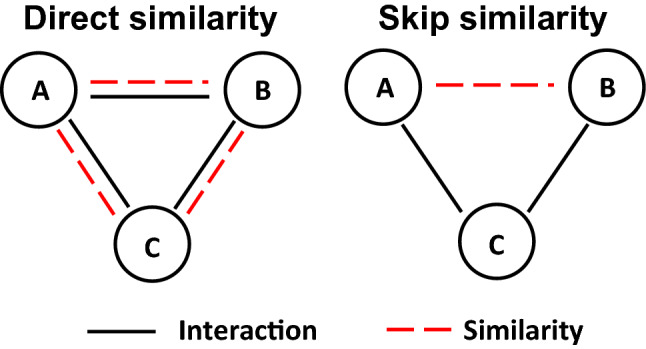
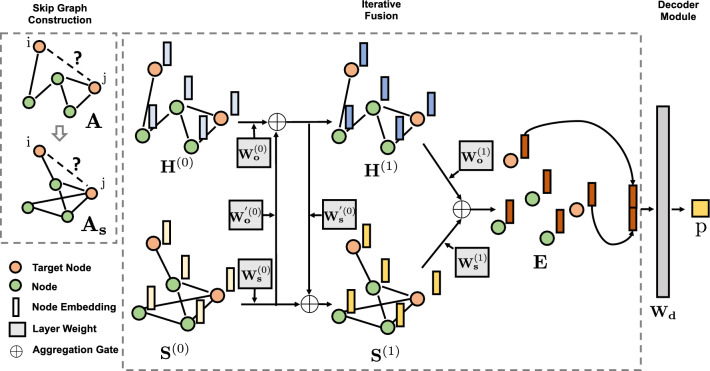
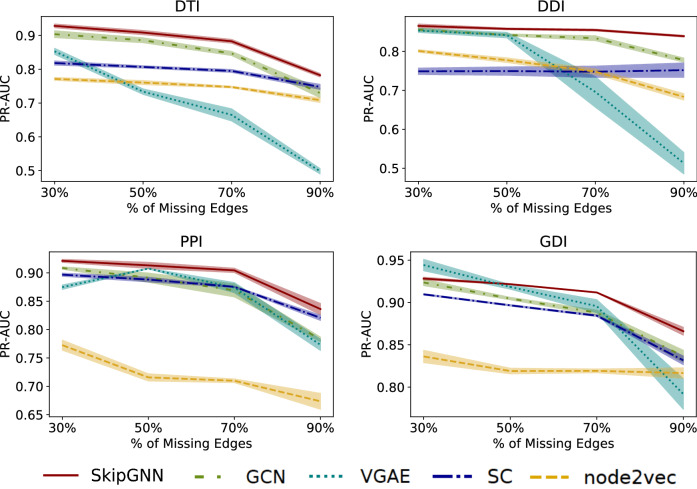
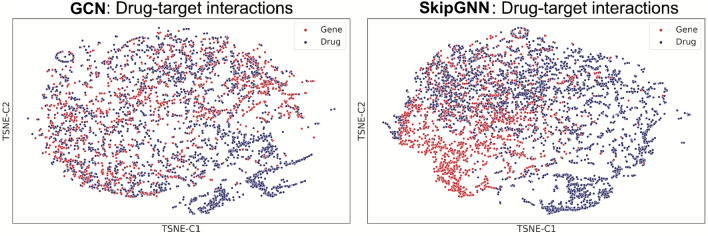
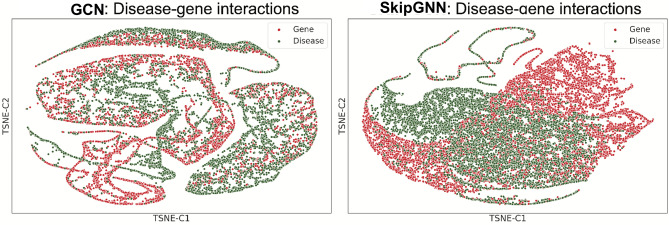
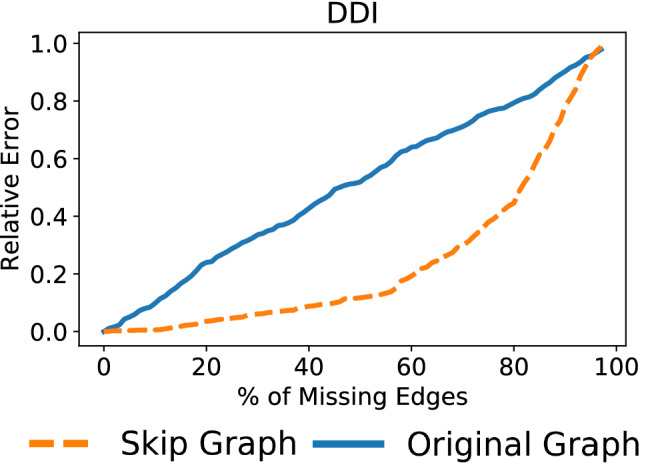
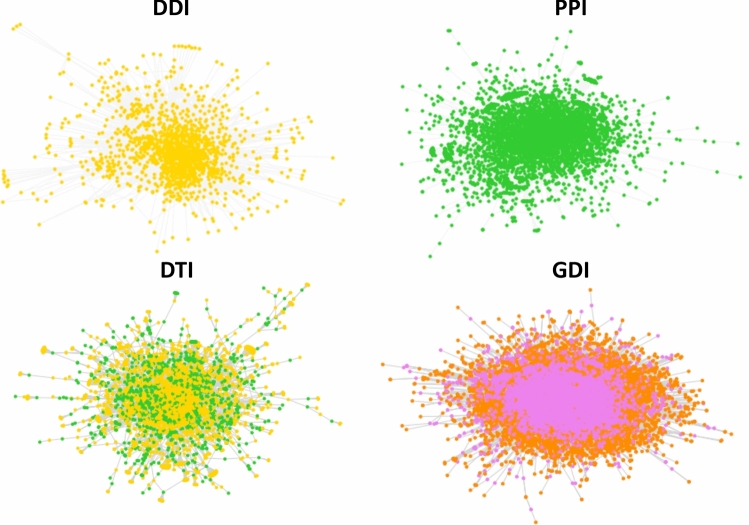
Molecular interaction networks are powerful resources for molecular discovery. They are increasingly used with machine learning methods to predict biologically meaningful interactions. While deep learning on graphs has dramatically advanced the prediction prowess, current graph neural network (GNN) methods are mainly optimized for prediction on the basis of direct similarity between interacting nodes. In biological networks, however, similarity between nodes that do not directly interact has proved incredibly useful in the last decade across a variety of interaction networks. Here, we present SkipGNN, a graph neural network approach for the prediction of molecular interactions. SkipGNN predicts molecular interactions by not only aggregating information from direct interactions but also from second-order interactions, which we call skip similarity. In contrast to existing GNNs, SkipGNN receives neural messages from two-hop neighbors as well as immediate neighbors in the interaction network and non-linearly transforms the messages to obtain useful information for prediction. To inject skip similarity into a GNN, we construct a modified version of the original network, called the skip graph. We then develop an iterative fusion scheme that optimizes a GNN using both the skip graph and the original graph. Experiments on four interaction networks, including drug–drug, drug–target, protein–protein, and gene–disease interactions, show that SkipGNN achieves superior and robust performance. Furthermore, we show that unlike popular GNNs, SkipGNN learns biologically meaningful embeddings and performs especially well on noisy, incomplete interaction networks.
Overview
The claims and statistics of this paper haven’t been checked yet.
Run the check — free, no account needed. It reads the open-access text and checks the sources it cites.
Integrity signals
Registry
Cites
Statistics
Figures
Verification
Claims the paper makes
The claims and statistics of this paper haven’t been checked yet.
Run the check — free, no account needed. It reads the open-access text and checks the sources it cites.
Claims other papers make about this one
Each is checked against this paper’s own text: does it say what the citing paper says it does?
In the citing paper
“Specifically, the inductive ability of graph convolution neural networks to generalize to data points unseen during model training (Section 2.2) and even generate new data points from scratch by decoding latent representation from the embedding space (Section 2.3) has enabled the discovery of new molecules, interactions, and functions [101, 108, 109].”
From Graph representation learning in biomedicine and healthcare (2022) · cites this paper as [101]
In the citing paper
“Unlike machine learning approaches designed to analyze data modalities like medical images and biological sequences, graph representation learning methods are uniquely able to leverage structural information in multimodal datasets [101].”
From Graph representation learning in biomedicine and healthcare (2022) · cites this paper as [101]
Self-check
Percentages, sums and reported differences re-computed from the paper’s own numbers.
The self-check needs the paper’s full text.
Citations
Cites
Adam: A Method for Stochastic Optimization
Kingma, D. P., & Ba, J. (2014) · arXiv · doi:10.48550/arxiv.1412.6980 · Cited by 98,946
Emergence of Scaling in Random Networks
Barabási, A.-L., & Albert, R. (1999) · Science · doi:10.1126/science.286.5439.509 · Cited by 36,135
(2008) · Journal of Machine Learning Research · Cited by 33,051
Semi-supervised classification with graph convolutional networks
Kipf, T. N., & Welling, M. (2016) · arXiv · doi:10.48550/arxiv.1609.02907 · Cited by 24,853
Graph Attention NetworksPreprint
Veličković, P., Casanova, A., Liò, P., Cucurull, G., Romero, A., & Bengio, Y. (2017) · arXiv (Cornell University) · doi:10.17863/cam.48429 · Cited by 19,745
Birds of a Feather: Homophily in Social Networks
McPherson, M., Smith-Lovin, L., & Cook, J. M. (2001) · Annual Review of Sociology · doi:10.1146/annurev.soc.27.1.415 · Cited by 18,567
Veličković, P., Cucurull, G., Casanova, A., Romero, A., Liò, P., & Bengio, Y. (2017) · arXiv · doi:10.48550/arxiv.1710.10903 · Cited by 12,107
A Comprehensive Survey on Graph Neural Networks
Wu, Z., Pan, S., Chen, F., Long, G., Zhang, C., & Yu, P. S. (2021) · IEEE Transactions on Neural Networks and Learning Systems · doi:10.1109/tnnls.2020.2978386 · Cited by 11,000
node2vec: Scalable Feature Learning for Networks
Grover, A., & Leskovec, J. (2016) · Proceedings of the 22nd ACM SIGKDD International Conference on Knowledge Discovery and Data Mining · doi:10.1145/2939672.2939754 · Cited by 10,926
Inductive Representation Learning on Large Graphs
Hamilton, W. L., Ying, R., & Leskovec, J. (2017) · arXiv · doi:10.48550/arxiv.1706.02216 · Cited by 10,639
Research works printed but not linked: 6
- Ribeiro, L. F., Saverese, P. H. & Figueiredo, D. R. struc2vec: Learning node representations from structural identity. In KDD 385–394 (2017).
- Xu, K., Hu, W., Leskovec, J. & Jegelka, S. How powerful are graph neural networks? In ICLR (2018).
- DuPont, P. Product Information. Coumadin (Warfarin). (DuPont Pharmaceuticals, Wilmington, 2000).
- Merck, C. I. Product Information. Belsomra (Suvorexant). (Merck & Company Inc., Whitehouse Station, 2014).
- Ligand, P. Product Information. Targretin (Bexarotene). (Ligand Pharmaceuticals, San Diego, 1999).
- Novartis, P. Product Information. Clozaril (Clozapine). (Novartis Pharmaceuticals, East Hanover, 1989).
Cited by
Sorted by citations
Graph representation learning in biomedicine and healthcare
Li, M. M., Huang, K., & Zitnik, M. (2022) · Nature Biomedical Engineering · doi:10.1038/s41551-022-00942-x · Cited by 294
Self-citationSumGNN: multi-typed drug interaction prediction via efficient knowledge graph summarization
Yu, Y., Huang, K., Zhang, C., Glass, L. M., Sun, J., & Xiao, C. (2021) · Bioinformatics · doi:10.1093/bioinformatics/btab207 · Cited by 207
Self-citationGraph neural network approaches for drug-target interactions
Zhang, Z., Chen, L., Zhong, F., Wang, D., Jiang, J., Zhang, S., Jiang, H., Zheng, M., & Li, X. (2022) · Current Opinion in Structural Biology · doi:10.1016/j.sbi.2021.102327 · Cited by 190
A geometric deep learning framework for drug repositioning over heterogeneous information networks
Zhao, B.-W., Su, X., Hu, P., Ma, Y.-P., Zhou, X., & Hu, L. (2022) · Briefings in Bioinformatics · doi:10.1093/bib/bbac384 · Cited by 164
Current and future directions in network biology
Žitnik, M., Li, M. M., Wells, A., Glass, K., Gysi, D. M., Krishnan, A., Murali, T. M., Predrag Radivojac, A., Roy, S., Baudot, A., et al. (2024) · Bioinformatics Advances · doi:10.1093/bioadv/vbae099 · Cited by 128
Comprehensive evaluation of deep and graph learning on drug–drug interactions prediction
Lin, X., Dai, L., Zhou, Y., Yu, Z., Zhang, W., Shi, J., Cao, D., Li, Z., Chen, H., Song, B., et al. (2023) · Briefings in Bioinformatics · doi:10.1093/bib/bbad235 · Cited by 124
Drug-drug interactions prediction based on deep learning and knowledge graph: A review
Luo, H., Yin, W., Wang, J., Zhang, G., Liang, W., Luo, J., & Yan, C. (2024) · iScience · doi:10.1016/j.isci.2024.109148 · Cited by 119
Graph Meta Learning via Local SubgraphsPreprint
Huang, K., & Žitnik, M. (2020) · arXiv (Cornell University) · doi:10.48550/arxiv.2006.07889 · Cited by 101
Self-citationGraph Neural Networks in Modern AI-Aided Drug Discovery
Zhang, O., Lin, H., Zhang, X., Wang, X., Wu, Z., Ye, Q., Zhao, W., Wang, J., Ying, K., Kang, Y., et al. (2025) · Chemical Reviews · doi:10.1021/acs.chemrev.5c00461 · Cited by 110
Topsy-Turvy: integrating a global view into sequence-based PPI prediction
Singh, R., Devkota, K., Sledzieski, S., Berger, B., & Cowen, L. (2022) · Bioinformatics · doi:10.1093/bioinformatics/btac258 · Cited by 83
Accurate and interpretable drug-drug interaction prediction enabled by knowledge subgraph learning
Wang, Y., Yang, Z., & Yao, Q. (2024) · Communications Medicine · doi:10.1038/s43856-024-00486-y · Cited by 95
Predicting drug–drug interactions by graph convolutional network with multi-kernel
Wang, F., Lei, X., Liao, B., & Wu, F. (2021) · Briefings in Bioinformatics · doi:10.1093/bib/bbab511 · Cited by 86
Baranwal, M., Magner, A., Saldinger, J. C., Emre, E. S. T., Elvati, P., Kozarekar, S. S., VanEpps, J. S., Kotov, N. A., Violi, A., & Hero, A. O. (2022) · BMC Bioinformatics · doi:10.1186/s12859-022-04910-9 · Cited by 86
Zhang, Y., Yao, Q., Yue, L., Wu, X., Zhang, Z., Lin, Z., & Zheng, Y. (2023) · Nature Computational Science · doi:10.1038/s43588-023-00558-4 · Cited by 82
Deep learning in target prediction and drug repositioning: Recent advances and challenges
Yu, J., Dai, Q.-Q., & Li, G. (2021) · Drug Discovery Today · doi:10.1016/j.drudis.2021.10.010 · Cited by 74
Towards a Unified Framework for Fair and Stable Graph Representation LearningPreprint
Agarwal, C., Lakkaraju, H., & Žitnik, M. (2021) · arXiv (Cornell University) · doi:10.48550/arxiv.2102.13186 · Cited by 91
LR-GNN: a graph neural network based on link representation for predicting molecular associations
Kang, C., Zhang, H., Liu, Z., Huang, S., & Yin, Y. (2021) · Briefings in Bioinformatics · doi:10.1093/bib/bbab513 · Cited by 74
Yin, Q., Cao, X., Fan, R., Liu, Q., Jiang, R., & Zeng, W. (2023) · Quantitative Biology · doi:10.15302/j-qb-022-0320 · Cited by 63
RANEDDI: Relation-aware network embedding for drug-drug interaction prediction
Yu, H., Dong, W., & Shi, J. (2021) · Information Sciences · doi:10.1016/j.ins.2021.09.008 · Cited by 55
STNN-DDI: a Substructure-aware Tensor Neural Network to predict Drug–Drug Interactions
Yu, H., Zhao, S., & Shi, J. (2022) · Briefings in Bioinformatics · doi:10.1093/bib/bbac209 · Cited by 54
HetDDI: a pre-trained heterogeneous graph neural network model for drug–drug interaction prediction
Li, Z., Tu, X., Chen, Y., & Lin, W. (2023) · Briefings in Bioinformatics · doi:10.1093/bib/bbad385 · Cited by 52
DeSIDE-DDI: interpretable prediction of drug-drug interactions using drug-induced gene expressions
Kim, E., & Nam, H. (2022) · Journal of Cheminformatics · doi:10.1186/s13321-022-00589-5 · Cited by 51
Bahri, M., Bahl, G., & Zafeiriou, S. P. (2021) · IEEE Computer Society Conference on Computer Vision and Pattern Recognition/Proceedings - IEEE Computer Society Conference on Computer Vision and Pattern Recognition/Proceedings · doi:10.1109/cvpr46437.2021.00937 · Cited by 47
Machine learning applications for therapeutic tasks with genomics data
Huang, K., Xiao, C., Glass, L. M., Critchlow, C. W., Gibson, G. C., & Sun, J. (2021) · Patterns · doi:10.1016/j.patter.2021.100328 · Cited by 46
Self-citationVision-and-Language Pretrained Models: A Survey
Long, S., Cao, F., Han, S. C., & Yang, H. (2022) · International Joint Conference on Artificial Intelligence · doi:10.24963/ijcai.2022/773 · Cited by 66
Assessment of community efforts to advance network-based prediction of protein–protein interactions
Wang, X., Madeddu, L., Spirohn, K., Martini, L., Fazzone, A., Becchetti, L., Wytock, T. P., Kovács, I. A., Balogh, O. M., Benczik, B., et al. (2023) · Nature Communications · doi:10.1038/s41467-023-37079-7 · Cited by 52
CSGNN: Contrastive Self-Supervised Graph Neural Network for Molecular Interaction Prediction
Zhao, C., Liu, S., Huang, F. F., Liu, S., & Zhang, W. (2021) · International Joint Conference on Artificial Intelligence · doi:10.24963/ijcai.2021/517 · Cited by 43
Artificial intelligence and machine learning applications for cultured meat
Todhunter, M. E., Jubair, S., Verma, R., Saqe, R., Shen, K., & Duffy, B. (2024) · Frontiers in Artificial Intelligence · doi:10.3389/frai.2024.1424012 · Cited by 51
AugLiChem: data augmentation library of chemical structures for machine learning
Magar, R., Wang, Y., Lorsung, C., Chen, L., Ramasubramanian, H., Li, P., & Farimani, A. B. (2022) · Machine Learning Science and Technology · doi:10.1088/2632-2153/ac9c84 · Cited by 49
EEG-GAT: Graph Attention Networks for Classification of Electroencephalogram (EEG) Signals
Demir, A., Koike–Akino, T., Wang, Y., & Deniz Erdogmus, B. (2022) · Annual International Conference of the IEEE Engineering in Medicine and Biology Society (EMBC) · doi:10.1109/embc48229.2022.9871984 · Cited by 41
Predicting Biomedical Interactions With Higher-Order Graph Convolutional Networks
Kishan, K. C., Li, R., Cui, F., & Haake, A. R. (2021) · IEEE Transactions on Computational Biology and Bioinformatics · doi:10.1109/tcbb.2021.3059415 · Cited by 46
Yao, J., Sun, W. X., Jian, Z., Wu, Q., & Wang, X. (2022) · Bioinformatics · doi:10.1093/bioinformatics/btac094 · Cited by 39
FraudGT: A Simple, Effective, and Efficient Graph Transformer for Financial Fraud Detection
Lin, J., Guo, X., Zhu, Y., Mitchell, S., Altman, E., & Shun, J. (2024) · ACM International Conference on AI in Finance (ICAIF) · doi:10.1145/3677052.3698648 · Cited by 36
ToxMPNN: A deep learning model for small molecule toxicity prediction
Zhou, Y., Ning, C., Tan, Y., Li, Y., Wang, J., Shu, Y., Liang, S., Liu, Z., & Wang, Y. (2024) · Journal of Applied Toxicology · doi:10.1002/jat.4591 · Cited by 37
Disentangled Modeling of Social Homophily and Influence for Social Recommendation
Li, N., Gao, C., Jin, D., & Liao, Q. (2022) · IEEE Transactions on Knowledge and Data Engineering · doi:10.1109/tkde.2022.3185388 · Cited by 37
Korlepara, D. B., Vasavi, C. S., Srivastava, R. K., Pal, P. K., Raza, S. H., Kumar, V., Pandit, S., Nair, A. G., Pandey, S., Sharma, S., et al. (2024) · Scientific Data · doi:10.1038/s41597-023-02872-y · Cited by 29
Jin, S., Hong, Y., Li, Z., Jiang, Y., Lin, Y., Wei, L., Yu, Z., Zeng, X., & Liu, X. (2023) · PLoS Computational Biology · doi:10.1371/journal.pcbi.1011597 · Cited by 31
DGANDDI: Double Generative Adversarial Networks for Drug-Drug Interaction Prediction
Yu, H., Li, K., & Shi, J. (2022) · IEEE Transactions on Computational Biology and Bioinformatics · doi:10.1109/tcbb.2022.3219883 · Cited by 26
Learning self-supervised molecular representations for drug–drug interaction prediction
Kpanou, R., Dallaire, P., Rousseau, E., & Corbeil, J. (2024) · BMC Bioinformatics · doi:10.1186/s12859-024-05643-7 · Cited by 26
Du, J., Jin, J., Zhuang, J., & Zhang, C. (2024) · Scientific Reports · doi:10.1038/s41598-024-54872-6 · Cited by 25
RAHG: A Role-Aware Hypergraph Neural Network for Node Classification in Graphs
Li, K., Huang, Z., & Jia, Z. (2023) · IEEE Transactions on Network Science and Engineering · doi:10.1109/tnse.2023.3243058 · Cited by 26
Attention-based cross domain graph neural network for prediction of drug–drug interactions
Yu, H., Li, K., Dong, W., Song, S., Gao, C., & Shi, J. (2023) · Briefings in Bioinformatics · doi:10.1093/bib/bbad155 · Cited by 25
Kang, L., Lin, K.-B., Lu, P., Yang, F., & Chen, J.-P. (2022) · PLoS ONE · doi:10.1371/journal.pone.0273764 · Cited by 24
Subgraph-Aware Graph Kernel Neural Network for Link Prediction in Biological Networks
Li, M., Wang, Z., Liu, L., Liu, X., & Zhang, W. (2024) · IEEE Journal of Biomedical and Health Informatics · doi:10.1109/jbhi.2024.3390092 · Cited by 23
TC-DTA: Predicting Drug-Target Binding Affinity With Transformer and Convolutional Neural Networks
Tang, X., Zhou, Y., Yang, M., & Li, W. (2024) · IEEE Transactions on NanoBioscience · doi:10.1109/tnb.2024.3441590 · Cited by 22
BioGNN: How Graph Neural Networks Can Solve Biological Problems
Bongini, P., Pancino, N., Scarselli, F., & Bianchini, M. (2022) · Intelligent systems reference library · doi:10.1007/978-3-031-11154-9_11 · Cited by 19
Zhao, W., Yuan, X., Shen, X., Jiang, X., Shi, C., He, T., & Hu, X. T. (2023) · Briefings in Bioinformatics · doi:10.1093/bib/bbad041 · Cited by 18
Curvature-enhanced graph convolutional network for biomolecular interaction prediction
Shen, C., Ding, P., Wee, J., Bi, J., Luo, J., & Xia, K. (2024) · Computational and Structural Biotechnology Journal · doi:10.1016/j.csbj.2024.02.006 · Cited by 18
Geometric Molecular Graph Representation Learning Model for Drug-Drug Interactions Prediction
Jiang, Z., Ding, P., Shen, C., & Dai, X. (2024) · IEEE Journal of Biomedical and Health Informatics · doi:10.1109/jbhi.2024.3453956 · Cited by 17
Jiang, M., Liu, G., Su, Y., Jin, W., & Zhao, B. (2025) · IEEE Transactions on Big Data · doi:10.1109/tbdata.2025.3536924 · Cited by 17
MASMDDI: multi-layer adaptive soft-mask graph neural network for drug-drug interaction prediction
Lin, J., Hong, B., Cai, Z., Lu, P., & Lin, K.-B. (2024) · Frontiers in Pharmacology · doi:10.3389/fphar.2024.1369403 · Cited by 17
Decoding the interactions and functions of non-coding RNA with artificial intelligence
Jung, V., Vincent-Cuaz, C., Tumescheit, C., Fournier, L. M., Darsinou, M., Xu, Z. M., Saadat, A., Wang, Y., Tsantoulis, P. K., Michielin, O. A., et al. (2025) · Nature Reviews Molecular Cell Biology · doi:10.1038/s41580-025-00857-w · Cited by 18
MOOMIN: Deep Molecular Omics Network for Anti-Cancer Drug Combination Therapy
Rózemberczki, B., Gogleva, A. A., Nilsson, S., Edwards, G., Nikolov, A., & Papa, E. (2022) · ACM International Conference on Information and Knowledge Management (CIKM) · doi:10.1145/3511808.3557146 · Cited by 16
Relational Learning Improves Prediction of Mortality in COVID-19 in the Intensive Care Unit
Wanyan, T., Vaid, A., Freitas, J. K. D., Somani, S. S., Miotto, R., Nadkarni, G. N., Azad, A., Ding, Y., & Glicksberg, B. S. (2020) · IEEE Transactions on Big Data · doi:10.1109/tbdata.2020.3048644 · Cited by 15
Zhong, W., He, C., Chen, X. D., Liu, Y., Qin, X., & Yu, Z. (2022) · BMC Bioinformatics · doi:10.1186/s12859-022-05062-6 · Cited by 15
MFDA: Multiview fusion based on dual-level attention for drug interaction prediction
Lin, K.-B., Kang, L., Yang, F., Lu, P., & Lu, J. (2022) · Frontiers in Pharmacology · doi:10.3389/fphar.2022.1021329 · Cited by 14
Knowledge-augmented Graph Machine Learning for Drug Discovery: A Survey
Zhong, Z., Barkova, A., & Mottin, D. (2025) · ACM Computing Surveys · doi:10.1145/3744237 · Cited by 20
Prediction of multiple types of drug interactions based on multi-scale fusion and dual-view fusion
Pan, D., Lu, P., Wu, Y., Kang, L., Huang, F., Lin, K.-B., & Yang, F. (2024) · Frontiers in Pharmacology · doi:10.3389/fphar.2024.1354540 · Cited by 13
DDI Prediction With Heterogeneous Information Network - Meta-Path Based Approach
Tanvir, F., Saifuddin, K. M., Islam, M. I. K., & Akbaş, E. (2024) · IEEE Transactions on Computational Biology and Bioinformatics · doi:10.1109/tcbb.2024.3417715 · Cited by 13
SiSGC: A Drug Repositioning Prediction Model Based on Heterogeneous Simplifying Graph Convolution
Ren, Z.-H., Yu, C.-Q., Li, L., You, Z., Li, Z., Zhang, S., Zeng, X., & Shang, Y. (2023) · Journal of Chemical Information and Modeling · doi:10.1021/acs.jcim.3c01665 · Cited by 11
Zhong, N., & Du, Z. (2025) · Briefings in Bioinformatics · doi:10.1093/bib/bbaf342 · Cited by 11
Asim, M. N., Asif, T., Hassan, F., & Dengel, A. (2025) · Database · doi:10.1093/database/baaf027 · Cited by 11
Ensemble Multi-Relational Graph Neural Networks
Wang, Y., Xu, H., Yu, Y., Zhang, M., Li, Z., Yang, Y., & Wu, W. (2022) · International Joint Conference on Artificial Intelligence · doi:10.24963/ijcai.2022/319 · Cited by 10
Beyond homophily in spatial–temporal traffic flow forecasting
Chen, Y., Huo, J., Lin, F., & Yan, H. (2024) · Neural Networks · doi:10.1016/j.neunet.2024.106950 · Cited by 9
Li, Y., Hou, L.-X., Yi, H.-C., You, Z., Chen, S., Jia, Z., Yang, Y., & Mi, C. (2025) · Journal of Chemical Information and Modeling · doi:10.1021/acs.jcim.5c00043 · Cited by 9
DrugTar improves druggability prediction by integrating large language models and gene ontologies
Borhani, N., Izadi, I., Motahharynia, A., Sheikholeslami, M., & Gheisari, Y. (2025) · Bioinformatics · doi:10.1093/bioinformatics/btaf360 · Cited by 14
Zhang, C., Gao, Q., Li, M., & Yu, T. (2023) · Computational Biology and Chemistry · doi:10.1016/j.compbiolchem.2023.107980 · Cited by 9
RCAN-DDI: Relation-aware cross adversarial network for drug-drug interaction prediction
Zhang, Y., Xu, X., Feng, B.-M., Zheng, H., Zhang, C., Xu, W., & Deng, Z. (2024) · Journal of Pharmaceutical Analysis · doi:10.1016/j.jpha.2024.101159 · Cited by 8
Adaptive Multi-Kernel Graph Neural Network for Drug-Drug Interaction Prediction
Zhao, L., Shang, J., Meng, X., He, X., Zhang, Y., & Liu, J. (2025) · Interdisciplinary Sciences Computational Life Sciences · doi:10.1007/s12539-024-00684-1 · Cited by 7
Predicting Drug–Drug Interaction via Dual-Drug Visual Representation
Xie, L., Ma, T., He, Y., Liu, Y., & Zeng, X. (2025) · Journal of Chemical Information and Modeling · doi:10.1021/acs.jcim.5c01467 · Cited by 6
TSGCN: A Framework for Hierarchical Graph Representation Learning
Cates, J., Hoover, R. C., Caudle, K. A., & Marchette, D. J. (2024) · IEEE Transactions on Network Science and Engineering · doi:10.1109/tnse.2024.3514171 · Cited by 6
Robust Stochastic Graph Generator for Counterfactual Explanations
Prado-Romero, M. A., Prenkaj, B., & Stilo, G. (2024) · Proceedings of the AAAI Conference on Artificial Intelligence · doi:10.1609/aaai.v38i19.30149 · Cited by 5
Le, N. Q. K., & Kha, Q. H. (2022) · IEEE Biomedical Circuits and Systems Conference (BioCAS) · doi:10.1109/biocas54905.2022.9948611 · Cited by 5
Shen, C., Liu, X., Luo, J., & Xia, K. (2025) · IEEE Transactions on Pattern Analysis and Machine Intelligence · doi:10.1109/tpami.2025.3528449 · Cited by 5
Can GNNs Learn Link Heuristics? a Concise Review and Evaluation of Link Prediction Methods
Liang, S., Ding, Y., Li, Z., Liang, B., Zhang, S., Wang, Y., & Chen, F. (2025) · IEEE Transactions on Big Data · doi:10.1109/tbdata.2025.3600031 · Cited by 4
Yuan, X., Zhao, W., Shen, X., Jiang, X., & He, T. (2022) · IEEE International Conference on Bioinformatics and Biomedicine (BIBM) · doi:10.1109/bibm55620.2022.9995380 · Cited by 4
Chen, K., Han, X., Li, X., Liang, Y., Xu, D., & Guan, R. (2024) · IEEE International Conference on Bioinformatics and Biomedicine (BIBM) · doi:10.1109/bibm62325.2024.10822475 · Cited by 3
UnifiedGT: Towards a Universal Framework of Transformers in Large-Scale Graph Learning
Lin, J., Guo, X., Zhang, S., Zhou, D., Zhu, Y., & Shun, J. (2024) · IEEE International Conference on Big Data (BigData) · doi:10.1109/bigdata62323.2024.10825327 · Cited by 4
Translational Informatics Driven Drug Repositioning for Neurodegenerative Disease
Zheng, X. M., Chen, J., Zhang, Y., Hu, S., Bi, C., Singla, R. K., Kamal, M. A., Horimoto, K., & Shen, B. (2025) · Current Neuropharmacology · doi:10.2174/011570159x327908241121062335 · Cited by 3
Biomedical Interaction Prediction with Adaptive Line Graph Contrastive Learning
Sun, S., Tian, H., Wang, R., & Zhang, Z. (2023) · Mathematics · doi:10.3390/math11030732 · Cited by 3
Zhang, Z., Deng, Z., Li, R., Zhang, W., Lou, Q., Choi, K., & Wang, S. (2024) · IEEE Transactions on Computational Biology and Bioinformatics · doi:10.1109/tcbb.2024.3434399 · Cited by 3
Li, Y., You, Z., Yang, Y., Mi, C., Huang, Y., Yi, H.-C., & Hou, L.-X. (2024) · Journal of Chemical Information and Modeling · doi:10.1021/acs.jcim.4c01647 · Cited by 4
Rethinking evaluation for multi-label drug-drug interaction prediction
Tian, S.-Y., Zhou, Z. G., Su, X., & Li, Y.-F. (2025) · Frontiers of Computer Science · doi:10.1007/s11704-024-41055-9 · Cited by 3
Deep attributed network representation learning via enhanced local attribute neighbor
Han, L., & Zhao, H. (2025) · Neurocomputing · doi:10.1016/j.neucom.2025.129763 · Cited by 3
Assessment of community efforts to advance computational prediction of protein-protein interactionsPreprint
Wang, X., Madeddu, L., Spirohn, K., Martini, L., Fazzone, A., Becchetti, L., Wytock, T. P., Kovács, I. A., Balogh, O. M., Benczik, B., et al. (2021) · bioRxiv (Cold Spring Harbor Laboratory) · doi:10.1101/2021.09.22.461292 · Cited by 3
An In-depth Summary of Recent Artificial Intelligence Applications in Drug DesignPreprint
Zhang, Y. (2021) · arXiv (Cornell University) · doi:10.48550/arxiv.2110.05478 · Cited by 9
LANTERN: Leveraging Large Language Models and Transformers for Enhanced Molecular InteractionsPreprint
Ha, C. N., Pham, P., & Hy, T. S. (2025) · bioRxiv (Cold Spring Harbor Laboratory) · doi:10.1101/2025.02.10.637522 · Cited by 3
Saxena, A., Nixon, B., Boyd, A., Evans, J., & Faraone, S. V. (2025) · American Journal of Medical Genetics Part B Neuropsychiatric Genetics · doi:10.1002/ajmg.b.33031 · Cited by 3
Learning Efficient Linear Graph Transformer via Graph-attention Distillation
Tao, H., Zhang, Z., Jiang, B., & Luo, B. (2025) · Machine Intelligence Research · doi:10.1007/s11633-025-1541-9 · Cited by 3
AI for plant protein–protein interactions prediction
Deng, R., Zhang, C., Fernie, A. R., & Zhang, Y. (2026) · The Plant Journal · doi:10.1111/tpj.70867 · Cited by 2
Graph neural networks for parameter estimation in micro-electro-mechanical system testing
Heringhaus, M. E., Buhmann, A., Müller, J., & Zimmermann, A. (2022) · Array · doi:10.1016/j.array.2022.100162 · Cited by 2
KDLGT: A Linear Graph Transformer Framework via Kernel Decomposition Approach
Wu, Y. J., Xu, Y., Zhu, W., Song, G., Lin, Z., Wang, L., & Liu, S. (2023) · International Joint Conference on Artificial Intelligence · doi:10.24963/ijcai.2023/263 · Cited by 2
Yuan, X., Zhao, W., Xu, X., Tu, X., Jiang, X., & He, T. (2023) · IEEE International Conference on Bioinformatics and Biomedicine (BIBM) · doi:10.1109/bibm58861.2023.10385255 · Cited by 2
SICGNN: structurally informed convolutional graph neural networks for protein classification
Lee, Y., Kim, E., Choi, J., & Lee, C.-H. (2024) · Machine Learning Science and Technology · doi:10.1088/2632-2153/ad979b · Cited by 2
Hypergraph-based Self-supervised Multi-channel Network for Drug-target Interaction Prediction
Zeng, X., Yu, L., Yang, P., Chen, W., & Lei, B. (2024) · IEEE International Conference on Bioinformatics and Biomedicine (BIBM) · doi:10.1109/bibm62325.2024.10821879 · Cited by 2
Applications of Machine Learning-Driven Molecular Models for Advancing Ophthalmic Precision Medicine
Kumar, R., Ong, J., Waisberg, E., Lee, R. S., Nguyen, T. A., Paladugu, P., Rivolta, M. C., Gowda, C., Janin, J. V., Saintyl, J., et al. (2025) · Bioengineering · doi:10.3390/bioengineering12020156 · Cited by 2
Lin, K.-B., Huang, F., Zhuo, S., Zhou, Q., Pan, D., Yu, S., & Yang, F. (2025) · Computational Biology and Chemistry · doi:10.1016/j.compbiolchem.2025.108491 · Cited by 2
Yang, S., Su, Y., Lin, Y.-C., Lin, Q., & Chen, Z. (2025) · Bioinformatics · doi:10.1093/bioinformatics/btaf473 · Cited by 2
Graph Representation Learning Based on Specific Subgraphs for Biomedical Interaction Prediction
Pang, H., Wei, S., Du, Z., Zhao, Y., Shengxing, C., & Zhao, Y. (2024) · IEEE Transactions on Computational Biology and Bioinformatics · doi:10.1109/tcbb.2024.3402741 · Cited by 1
Node Classification Method Based on Hierarchical Hypergraph Neural Network
Xu, F., Xiong, W., Fan, Z., & Sun, L. (2024) · Sensors · doi:10.3390/s24237655 · Cited by 1
Metadata
- Authors
- Huang, K., Xiao, C., Glass, L. M., Zitnik, M., & Sun, J.
- Affiliations
- Harvard University (US)
- IQVIA (United States) (US)
- University of Illinois Urbana-Champaign (US)
- Corresponding author
- Sun, Jimeng
- Venue
- Scientific Reports
- Published
- 2020-12-03
- Volume
- 10
- Issue
- 1
- Pages
- 21092-21092
- ISSN
- 2045-2322 (ISSN-L)
- PMC
- PMC7713130
- OpenAlex
- W3108458441
- Cited by
- 133
- References
- 65
- Citations by year
- 2026: 14 · 2025: 28 · 2024: 34 · 2023: 18 · 2022: 24 · 2021: 12 · 2020: 3
- FWCI
- 4.62
- Type
- journal article
- Language
- en
- Open access
- gold
- doi.org
- Locations
- Scientific Reports (publishedVersion, cc-by)
- arXiv (Cornell University) (publishedVersion)
- PubMed Central (publishedVersion, cc-by)
- PubMed (publishedVersion)
- arXiv (Cornell University) (cc-by)
- Topics
- Life Sciences › Biochemistry, Genetics and Molecular Biology › Molecular Biology › Bioinformatics and Genomic Networks
- Life Sciences › Pharmacology, Toxicology and Pharmaceutics › Drug Discovery › Computational Drug Discovery Methods
- Physical Sciences › Computer Science › Artificial Intelligence › Advanced Graph Neural Networks
- Keywords
- graph neural networks, molecular interaction prediction, second-order interactions, skip graphs, drug-drug interactions, drug-target interactions, protein-protein interaction, gene-disease interaction, node embeddings
About these checks
Registry, retraction, Cites and statistics results are computed, not judged, with one exception: a printed reference that no index lists is read once by a model before it counts as a citation error. Claims are extracted by a model and kept only when their quote appears verbatim in the text; each cited source is then checked, with a model’s help, for whether it says what the claim relies on. Those verdicts can be wrong — read the claim’s quote and the cited source before relying on one.
Statistics and arithmetic are recomputed, not judged.
Confidence bands are shown only for fields calibrated on our annotated test set. None is calibrated yet, so no band is shown.
What counts as a claim ›How we measure confidence ›How we check this ›
Are you an author, or do you see a problem with this page? Request a review
