

The DOI matches its Crossref record; 109 of the 109 references it cites were found in a registry or an index.
A multilayer multimodal detection and prediction model based on explainable artificial intelligence for Alzheimer’s disease
Open accessAbstract
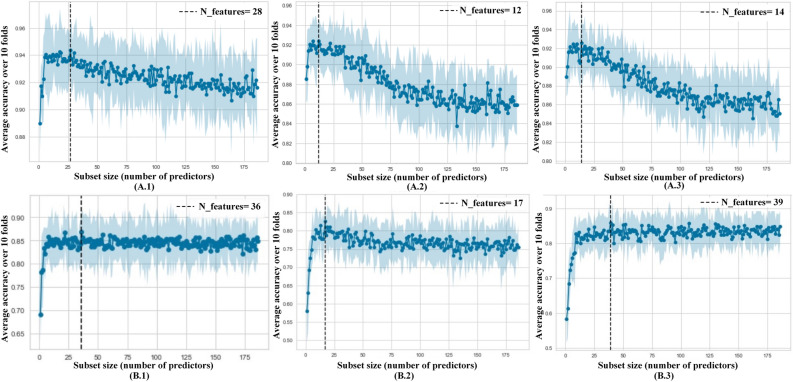
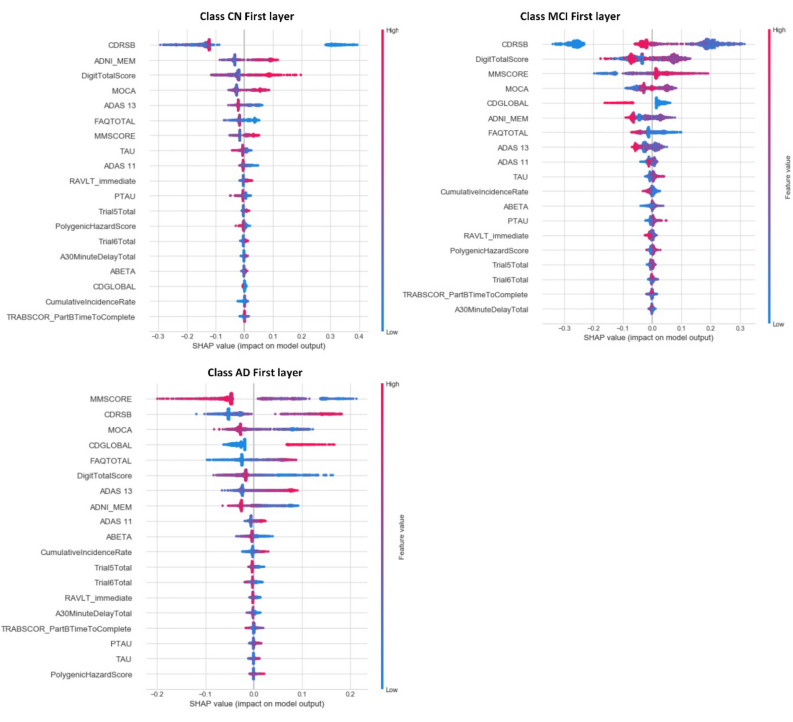
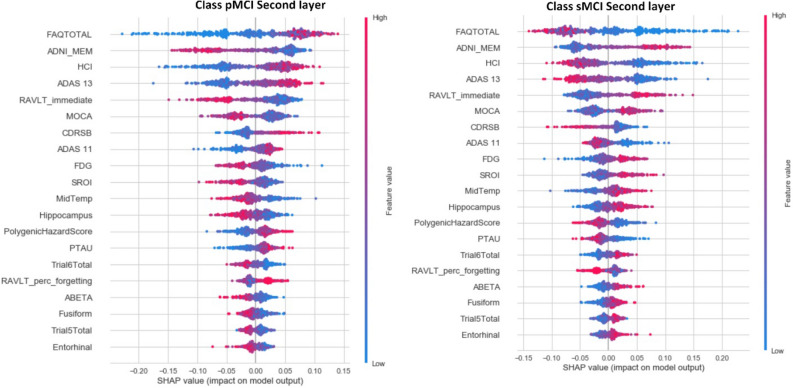
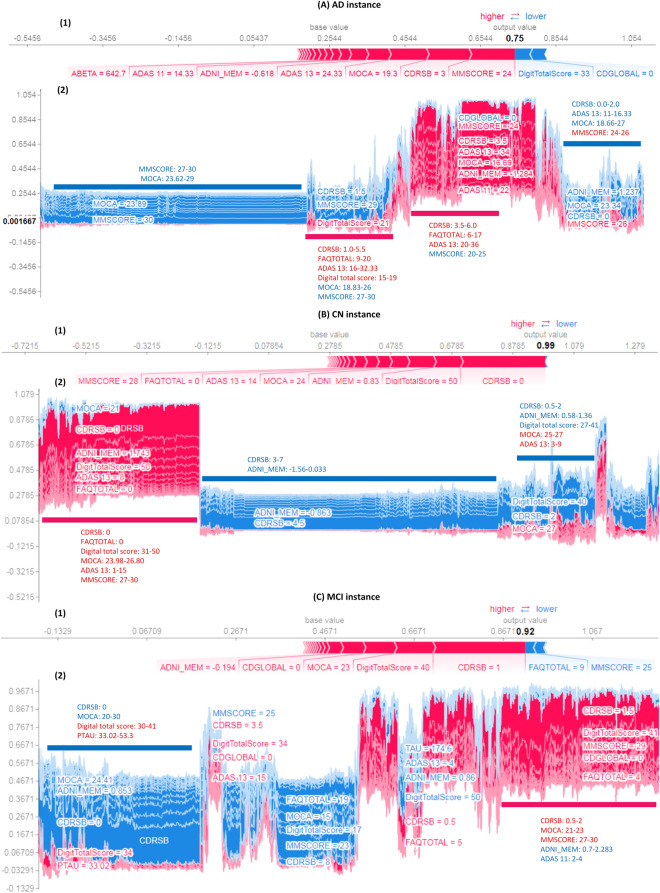
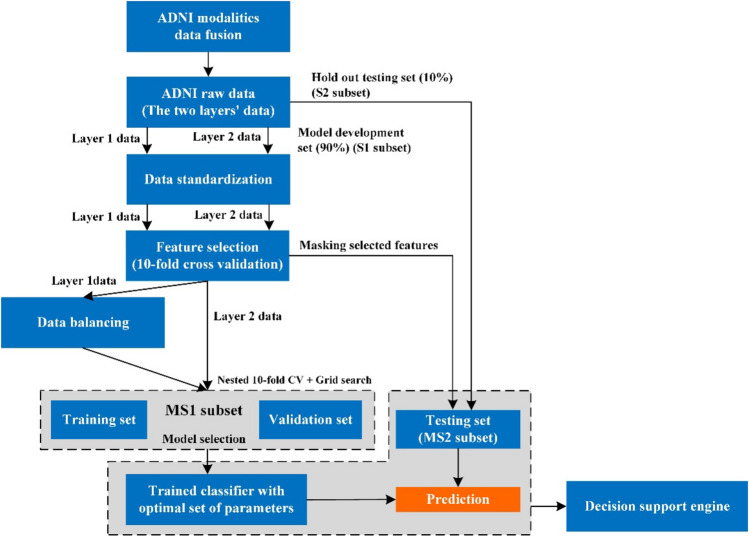
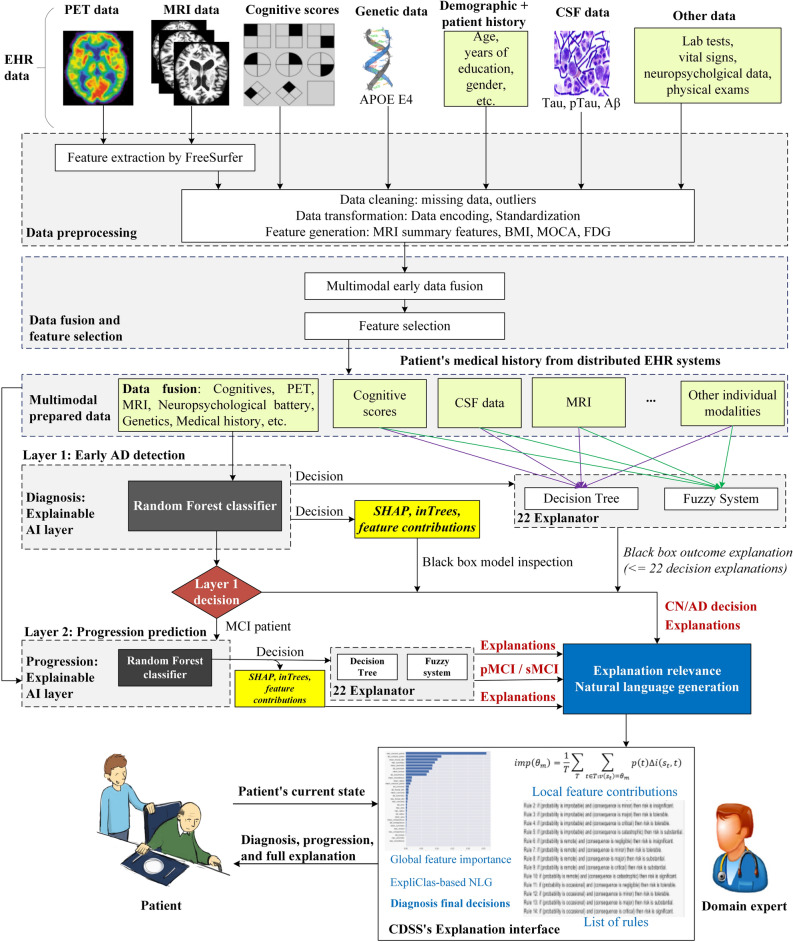
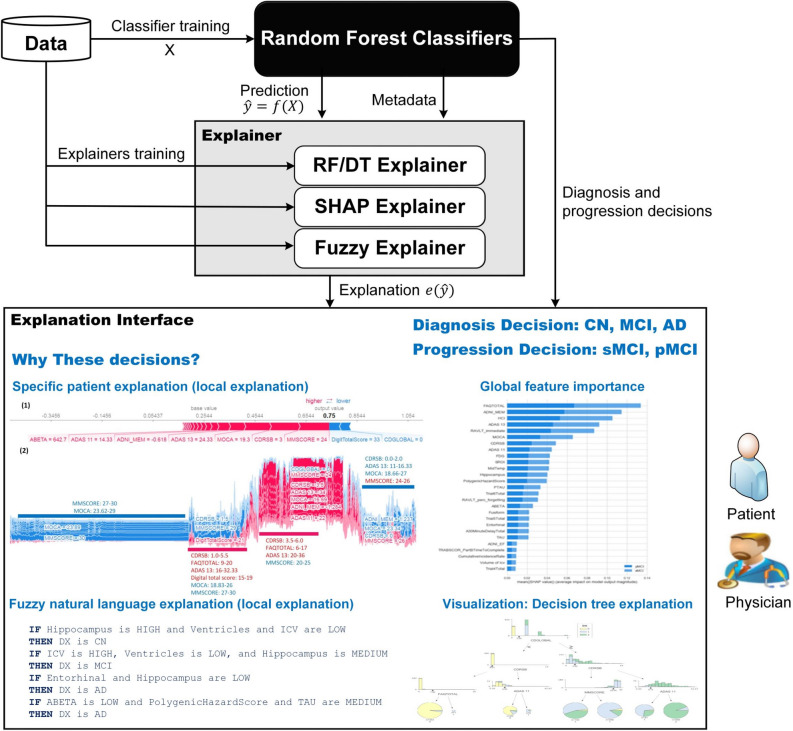
Alzheimer’s disease (AD) is the most common type of dementia. Its diagnosis and progression detection have been intensively studied. Nevertheless, research studies often have little effect on clinical practice mainly due to the following reasons: (1) Most studies depend mainly on a single modality, especially neuroimaging; (2) diagnosis and progression detection are usually studied separately as two independent problems; and (3) current studies concentrate mainly on optimizing the performance of complex machine learning models, while disregarding their explainability. As a result, physicians struggle to interpret these models, and feel it is hard to trust them. In this paper, we carefully develop an accurate and interpretable AD diagnosis and progression detection model. This model provides physicians with accurate decisions along with a set of explanations for every decision. Specifically, the model integrates 11 modalities of 1048 subjects from the Alzheimer’s Disease Neuroimaging Initiative (ADNI) real-world dataset: 294 cognitively normal, 254 stable mild cognitive impairment (MCI), 232 progressive MCI, and 268 AD. It is actually a two-layer model with random forest (RF) as classifier algorithm. In the first layer, the model carries out a multi-class classification for the early diagnosis of AD patients. In the second layer, the model applies binary classification to detect possible MCI-to-AD progression within three years from a baseline diagnosis. The performance of the model is optimized with key markers selected from a large set of biological and clinical measures. Regarding explainability, we provide, for each layer, global and instance-based explanations of the RF classifier by using the SHapley Additive exPlanations (SHAP) feature attribution framework. In addition, we implement 22 explainers based on decision trees and fuzzy rule-based systems to provide complementary justifications for every RF decision in each layer. Furthermore, these explanations are represented in natural language form to help physicians understand the predictions. The designed model achieves a cross-validation accuracy of 93.95% and an F1-score of 93.94% in the first layer, while it achieves a cross-validation accuracy of 87.08% and an F1-Score of 87.09% in the second layer. The resulting system is not only accurate, but also trustworthy, accountable, and medically applicable, thanks to the provided explanations which are broadly consistent with each other and with the AD medical literature. The proposed system can help to enhance the clinical understanding of AD diagnosis and progression processes by providing detailed insights into the effect of different modalities on the disease risk.
Overview
The claims and statistics of this paper haven’t been checked yet.
Run the check — free, no account needed. It reads the open-access text and checks the sources it cites.
Integrity signals
Registry
Cites
Statistics
Figures

Verification
Claims the paper makes
The claims and statistics of this paper haven’t been checked yet.
Run the check — free, no account needed. It reads the open-access text and checks the sources it cites.
Claims other papers make about this one
Each is checked against this paper’s own text: does it say what the citing paper says it does?
The source backs part of the claim, not all of it — or backs it for a different population, condition or comparison.
In the citing paper
“El-Sappagh et al. performed early and late fusion to create an interpretable Alzheimer’s diagnosis and progression detection model158. Their best performing model was one that implemented instance-based explanations of the random forest classifier by using the SHapley Additive exPlanations (SHAP) feature attribution. Despite using clinical, genomic, and imaging data, the most influential feature”
From Multimodal machine learning in precision health: A scoping review (2022) · cites this paper as [158]
Experimental — accuracy not yet measured
Self-check
Percentages, sums and reported differences re-computed from the paper’s own numbers.
The self-check needs the paper’s full text.
Citations
Cites
Breiman, L. (2001) · Machine Learning · doi:10.1023/a:1010933404324 · Cited by 133,538
SMOTE synthetic minority over-sampling technique
Chawla, N. V., Bowyer, K. W., Hall, L. O., & Kegelmeyer, W. P. (2002) · Journal of Artificial Intelligence Research · doi:10.1613/jair.953 · Cited by 32,865
McKhann, G., Drachman, D., Folstein, M., Katzman, R., Price, D., & Stadlan, E. M. (1984) · Neurology · doi:10.1212/wnl.34.7.939 · Cited by 27,915
A Unified Approach to Interpreting Model Predictions
Lundberg, S., & Lee, S.-I. (2017) · arXiv · doi:10.48550/arxiv.1705.07874 · Cited by 23,707 · cited 2×
“SHAP is based on the Shapely value concept from game theory 91,92 .”
Method(1992) · Cited by 23,431
Advances in neural information processing systems 7
Cios, K. J., & Shields, M. E. (1997) · Neurocomputing · doi:10.1016/s0925-2312(97)90018-7 · Cited by 22,093
"Why Should I Trust You?": Explaining the Predictions of Any Classifier
Ribeiro, M. T., Singh, S., & Guestrin, C. (2016) · Proceedings of the 22nd ACM SIGKDD International Conference on Knowledge Discovery and Data Mining · doi:10.1145/2939672.2939778 · Cited by 17,555 · cited 3×
“Fernandez-Delgado et al. 40 evaluated 179 classifiers using different UCI datasets, and concluded that RF outperforms other classifiers, including SVMs and neural networks.”
BackgroundMethodRor2 signaling regulates Golgi structure and transport through IFT20 for tumor invasiveness
Nishita, M., Park, S.-Y., Nishio, T., Kamizaki, K., Wang, Z., Tamada, K., Takumi, T., Hashimoto, R., Otani, H., Pazour, G. J., et al. (2017) · Scientific Reports · doi:10.1038/s41598-016-0028-x · Cited by 15,947
Desikan, R. S., Ségonne, F., Fischl, B., Quinn, B. T., Dickerson, B. C., Blacker, D., Buckner, R. L., Dale, A. M., Maguire, R. P., Hyman, B. T., et al. (2006) · NeuroImage · doi:10.1016/j.neuroimage.2006.01.021 · Cited by 13,324
A Study of Cross-Validation and Bootstrap for Accuracy Estimation and Model Selection
Kohavi, R. (1995) · Zenodo · doi:10.5281/zenodo.19712698 · Cited by 10,909
Santos, A. G., da Rocha, G. O., & de Andrade, J. B. (2019) · Scientific Reports · doi:10.1038/s41598-018-37186-2 · Cited by 8,495
Re-epithelialization and immune cell behaviour in an ex vivo human skin model
Rakita, A., Nikolić, N., Mildner, M., Matiasek, J., & Elbe‐Bürger, A. (2020) · Scientific Reports · doi:10.1038/s41598-019-56847-4 · Cited by 8,234
“Why Should I Trust You?”: Explaining the Predictions of Any Classifier
Ribeiro, M., Singh, S., & Guestrin, C. (2016) · Proceedings of the 2016 Conference of the North American Chapter of the Association for Computational Linguistics: Demonstrations · doi:10.18653/v1/n16-3020 · Cited by 6,682
Peeking Inside the Black-Box: A Survey on Explainable Artificial Intelligence (XAI)
Adadi, A., & Berrada, M. (2018) · IEEE Access · doi:10.1109/access.2018.2870052 · Cited by 6,294
Statistical Modeling: The Two Cultures (with comments and a rejoinder by the author)
Breiman, L. (2001) · Statistical Science · doi:10.1214/ss/1009213726 · Cited by 4,340
Cohen, W. W. (1995) · Elsevier eBooks · doi:10.1016/b978-1-55860-377-6.50023-2 · Cited by 3,890 · cited 1×
“FURIA is based on the Repeated Incremental Pruning to Produce Error Reduction (RIPPER) algorithm 77 .”
MethodAzevedo, R. S. S., de Sousa, J. R., Araujo, M. T. F., Martins Filho, A. J., de Alcantara, B. N., Araujo, F. M. C., Queiroz, M. G. L., Cruz, A. C. R., Vasconcelos, B. H. B., Chiang, J. O., et al. (2018) · Scientific Reports · doi:10.1038/s41598-017-17765-5 · Cited by 3,478
How the machine “thinks”: Understanding opacity in machine learning algorithms
Burrell, J. (2016) · Big Data & Society · doi:10.1177/2053951715622512 · Cited by 3,196 · cited 2×
“We find that when MMSE is in the interval [27, 30] and MOCA is in [23.”
BackgroundResultOpportunities and obstacles for deep learning in biology and medicine
Ching, T., Himmelstein, D. S., Beaulieu-Jones, B. K., Kalinin, A. A., Do, B. T., Way, G. P., Ferrero, E., Agapow, P.-M., Zietz, M., Hoffman, M. M., et al. (2018) · Journal of The Royal Society Interface · doi:10.1098/rsif.2017.0387 · Cited by 2,310 · cited 2×
“…previous challenges: (1) deep learning (DL) techniques which are able to automatically learn complex, non-linear data transformations that optimize performance metrics 21–23 ; and (2) regular machine learning (ML) techniques, especially support vector machine (SVM) and random forest (RF) 7,24–28 .”
BackgroundExplaining prediction models and individual predictions with feature contributions
Štrumbelj, E., & Kononenko, I. (2014) · Knowledge and Information Systems · doi:10.1007/s10115-013-0679-x · Cited by 2,286
Explainable machine-learning predictions for the prevention of hypoxaemia during surgery
Lundberg, S. M., Nair, B., Vavilala, M. S., Horibe, M., Eisses, M. J., Adams, T., Liston, D. E., Low, D. K.-W., Newman, S.-F., Kim, J., et al. (2018) · Nature Biomedical Engineering · doi:10.1038/s41551-018-0304-0 · Cited by 1,967
Graph-based approach for airborne light detection and ranging segmentation
Vilarino, D. L., Cabaleiro, J. C., Sánchez, J. M., Rivera, F. F., & Pena, T. F. (2017) · Journal of Applied Remote Sensing · doi:10.1117/1.jrs.11.015020 · Cited by 1,760
Alzheimer's Disease and the Amyloid-β Peptide
Murphy, M. P., & LeVine, H. (2010) · Journal of Alzheimer's Disease · doi:10.3233/jad-2010-1221 · Cited by 1,750
Menze, B. H., Kelm, B. M., Masuch, R., Himmelreich, U., Bachert, P., Petrich, W. H., & Hamprecht, F. A. (2009) · BMC Bioinformatics · doi:10.1186/1471-2105-10-213 · Cited by 1,315
Statistical modeling: The two cultures
Breiman, L. (2001) · Cited by 1,314
Feitosa, M. F., Kraja, A. T., Chasman, D. I., Sung, Y. J., Winkler, T. W., Ντάλλα, Ι., Guo, X., Franceschini, N., Cheng, C., Sim, X., et al. (2018) · PLoS ONE · doi:10.1371/journal.pone.0198166 · Cited by 1,169
Cross-validation pitfalls when selecting and assessing regression and classification models
Krstajic, D., Buturovic, L. J., Leahy, D. E., & Thomas, S. (2014) · Journal of Cheminformatics · doi:10.1186/1758-2946-6-10 · Cited by 1,090
The worldwide costs of dementia 2015 and comparisons with 2010
Wimo, A., Guerchet, M., Ali, G., Wu, Y., Prina, A. M., Winblad, B., Jönsson, L., Liu, Z., & Prince, M. (2017) · Alzheimer's & Dementia · doi:10.1016/j.jalz.2016.07.150 · Cited by 1,066
Biomarkers for Alzheimer's disease: current status and prospects for the future
Blennow, K., & Zetterberg, H. (2018) · Journal of Internal Medicine · doi:10.1111/joim.12816 · Cited by 1,000 · cited 2×
“This is in accordance with the fact that medically, Amyloid β, PTAU, and TAU are critical biomarkers to monitor the progression of AD 46–51 .”
MethodResultPhotonic crystal nanocavity assisted rejection ratio tunable notch microwave photonic filter
Long, Y., Xia, J., Zhang, Y., Dong, J., & Wang, J. (2017) · Scientific Reports · doi:10.1038/srep40223 · Cited by 842
Associations between cognitive, functional, and FDG-PET measures of decline in AD and MCI
Landau, S. M., Harvey, D., Madison, C. M., Koeppe, R. A., Reiman, E. M., Foster, N. L., Weiner, M. W., & Jagust, W. J. (2011) · Neurobiology of Aging · doi:10.1016/j.neurobiolaging.2009.07.002 · Cited by 750
Machine learning framework for early MRI-based Alzheimer's conversion prediction in MCI subjects
Moradi, E., Pepe, A., Gaser, C., Huttunen, H. J., & Tohka, J. (2014) · NeuroImage · doi:10.1016/j.neuroimage.2014.10.002 · Cited by 740
Zhang, D., & Shen, D. G. (2011) · NeuroImage · doi:10.1016/j.neuroimage.2011.09.069 · Cited by 689
Recursive feature elimination with random forest for PTR-MS analysis of agroindustrial products
Granitto, P. M., Furlanello, C., Franco Biasioli, A., & Gasperi, F. (2006) · Chemometrics and Intelligent Laboratory Systems · doi:10.1016/j.chemolab.2006.01.007 · Cited by 678
A Survey of Methods for Explaining Black Box Models
Guidotti, R., Monreale, A., Ruggieri, S., Turini, F., Giannotti, F., & Pedreschi, D. (2019) · ACM Computing Surveys · doi:10.1145/3236009 · Cited by 629 · cited 2×
“Many studies have tried to open the black box of complex models and provide an explanation of their decisions, either by understanding how the models work or by explaining their decisions 33 .”
BackgroundMethodAmyloid-Beta: A Crucial Factor in Alzheimer's Disease
Sadigh‐Eteghad, S., Sabermarouf, B., Majdi, A., Talebi, M., Farhoudi, M., & Mahmoudi, J. (2014) · Medical Principles and Practice · doi:10.1159/000369101 · Cited by 563
Whole Genome Phylogeny of Bacillus by Feature Frequency Profiles (FFP)
Wang, A., & Ash, G. J. (2015) · Scientific Reports · doi:10.1038/srep13644 · Cited by 519
How the Machine 'Thinks:' Understanding Opacity in Machine Learning AlgorithmsPreprint
Burrell, J. (2015) · SSRN Electronic Journal · doi:10.2139/ssrn.2660674 · Cited by 511
Random forest-based similarity measures for multi-modal classification of Alzheimer's disease
Gray, K. R., Aljabar, P., Heckemann, R. A., Hammers, A., & Rueckert, D. (2012) · NeuroImage · doi:10.1016/j.neuroimage.2012.09.065 · Cited by 469
Spasov, S., Passamonti, L., Duggento, A., Lió, P., & Toschi, N. (2019) · NeuroImage · doi:10.1016/j.neuroimage.2019.01.031 · Cited by 445
Huysmans, J., Dejaeger, K., Mues, C., Vanthienen, J., & Baesens, B. (2011) · Decision Support Systems · doi:10.1016/j.dss.2010.12.003 · Cited by 425
Multi-Modality Cascaded Convolutional Neural Networks for Alzheimer’s Disease Diagnosis
Initiative, T. A. D. N., Liu, M., Cheng, D., Wang, K., & Wang, Y. (2018) · Neuroinformatics · doi:10.1007/s12021-018-9370-4 · Cited by 420
Chris Hinrichs, A., Singh, V., Xu, G., & Johnson, S. C. (2010) · NeuroImage · doi:10.1016/j.neuroimage.2010.10.081 · Cited by 416
Predicting alzheimer’s disease progression using multi-modal deep learning approach
Lee, G., Nho, K., Kang, B., Sohn, K.-A., Kim, D., Initiative, F. A. D. N., Weiner, M. W., Aisen, P., Petersen, R., Jack, C. R., et al. (2019) · Scientific Reports · doi:10.1038/s41598-018-37769-z · Cited by 406 · cited 1×
“There is an emerging need for advanced AD detection and prediction models that can serve as a helping hand for medical practitioners to diagnose or detect the disease earlier and more accurately 5,19,20 .”
BackgroundLu, D., Popuri, K., Ding, G. W., Balachandar, R., Beg, M. F., Initiative, A. D. N., Weiner, M. W., Aisen, P., Petersen, R. C., Jack, C. R., et al. (2018) · Scientific Reports · doi:10.1038/s41598-018-22871-z · Cited by 390
Gomez, F. A., Lee, S., Hernandez, F. J., Chiaverano, L. M., Muller-Karger, F. E., Liu, Y., & Lamkin, J. T. (2019) · Scientific Reports · doi:10.1038/s41598-018-36655-y · Cited by 337
Feature selection for high-dimensional class-imbalanced data sets using Support Vector Machines
Maldonado, S., Weber, R. W., & Famili, F. A. (2014) · Information Sciences · doi:10.1016/j.ins.2014.07.015 · Cited by 325
Weiner, M. W., Veitch, D. P., Aisen, P. S. S., Beckett, L. A., Cairns, N. J., Green, R. C., Harvey, D. J., Jack, C. R., Jagust, W. J., Morris, J. C., et al. (2017) · Alzheimer s & Dementia · doi:10.1016/j.jalz.2016.11.007 · Cited by 325
Liu, M., Zhang, J., Adeli, E., & Shen, D. G. (2018) · IEEE Transactions on Biomedical Engineering · doi:10.1109/tbme.2018.2869989 · Cited by 313
Opportunities and obstacles for deep learning in biology and medicinePreprint
Ching, T. H., Himmelstein, D. S., Beaulieu‐Jones, B. K., et al. (2017) · bioRxiv (Cold Spring Harbor Laboratory) · doi:10.1101/142760 · Cited by 308
Lebedev, A. V., Westman, E., van Westen, G. J. P., Kramberger, M. G., Lundervold, A. J., Aarsland, D., Soininen, H. S., Kłoszewska, I., Mecocci, P., Tsolaki, M., et al. (2014) · NeuroImage Clinical · doi:10.1016/j.nicl.2014.08.023 · Cited by 305
The Alzheimer's Disease Neuroimaging Initiative 2 PET Core: 2015
Jagust, W. J., Landau, S. M., Koeppe, R. A., Reiman, E. M., Chen, K., Mathis, C. A., Price, J. C., Foster, N. L., & Wang, A. Y. (2015) · Alzheimer s & Dementia · doi:10.1016/j.jalz.2015.05.001 · Cited by 302
Chen, G., Ward, B. D., Xie, C., Li, W., Wu, Z., Jones, J. L., Franczak, M. B., Antuono, P., & Li, S.-J. (2011) · Radiology · doi:10.1148/radiol.10100734 · Cited by 281
Predicting cognitive decline with deep learning of brain metabolism and amyloid imaging
Choi, H., & Jin, K. H. (2018) · Behavioural Brain Research · doi:10.1016/j.bbr.2018.02.017 · Cited by 268
Liu, J.-L., Xu, F., Hui, Z., Wu, X., Shi, L.-X., Lu, R.-Q., Farcomeni, A., Venditti, M., Zhao, Y.-L., Luo, S.-Y., et al. (2018) · Scientific Reports · doi:10.1038/srep47005 · Cited by 265
Chong-yaw Wee, A., Yap, P., Shen, D. G., & Initiative, A. D. N. (2012) · Human Brain Mapping · doi:10.1002/hbm.22156 · Cited by 261
El–Sappagh, S., Abuhmed, T., Islam, S. M. R., & Kwak, K. S. (2020) · Neurocomputing · doi:10.1016/j.neucom.2020.05.087 · Cited by 244
Self-citationOn the early diagnosis of Alzheimer's Disease from multimodal signals: A survey
Alberdi, A., Aztiria, A., & Basarab, A. (2016) · Artificial Intelligence in Medicine · doi:10.1016/j.artmed.2016.06.003 · Cited by 231
Machine learning for comprehensive forecasting of Alzheimer’s Disease progression
Fisher, C. K., Smith, A. M., Walsh, J. R., Diseases, C. A. M., Simon, A. J., Edgar, C., Jack, C. R., Holtzman, D., Russell, D., Hill, D., et al. (2019) · Scientific Reports · doi:10.1038/s41598-019-49656-2 · Cited by 223
Modeling disease progression via multi-task learning
Zhou, J., Liu, J., Narayan, V. A., & Ye, J. (2013) · NeuroImage · doi:10.1016/j.neuroimage.2013.03.073 · Cited by 210
iForest: Interpreting Random Forests via Visual Analytics
Zhao, X., Wu, Y., Lee, D. L., & Cui, W. (2018) · IEEE Transactions on Visualization and Computer Graphics · doi:10.1109/tvcg.2018.2864475 · Cited by 204
Domain Transfer Learning for MCI Conversion Prediction
Cheng, B., Liu, M., Zhang, D., Munsell, B. C., & Shen, D. G. (2015) · IEEE Transactions on Biomedical Engineering · doi:10.1109/tbme.2015.2404809 · Cited by 192
Verdile, G. (2004) · Pharmacological Research · doi:10.1016/j.phrs.2003.12.028 · Cited by 181
Extracting symbolic rules from trained neural network ensembles
Zhou, Z., Jiang, Y. Y., & Chen, S. (2003) · doi:10.5555/859130.859132 · Cited by 169
Tong, T., Gao, Q., Guerrero, R., Ledig, C., Chen, L., Rueckert, D., & Initiative, A. D. N. (2016) · IEEE Transactions on Biomedical Engineering · doi:10.1109/tbme.2016.2549363 · Cited by 167
Characterizing Alzheimer's disease using a hypometabolic convergence index
Chen, K., Ayutyanont, N., Langbaum, J. B. S., Fleisher, A., Reschke, C., Lee, W., Liu, X., Bandy, D., Alexander, G. E., Thompson, P. M., et al. (2011) · NeuroImage · doi:10.1016/j.neuroimage.2011.01.049 · Cited by 165
Zhang, Y., Zhang, H., Chen, X., Lee, S., & Shen, D. G. (2017) · Scientific Reports · doi:10.1038/s41598-017-06509-0 · Cited by 154 · cited 1×
“Third , the network science approaches have been used to characterizing the brain activities for AD patients to extract interconnectivity patterns of brain regions based on neuroimaging techniques 64–67 .”
MethodWang, P., Zhou, B., Yao, H., Zhan, Y., Zhang, Z., Cui, Y. J., Xu, K., Ma, J., Wang, L., An, N., et al. (2015) · Scientific Reports · doi:10.1038/srep14824 · Cited by 148 · cited 1×
“Wang et al. 65 utilized a small dataset of 89 subjects to evaluate the impaired network functional connectivity with AD progression.”
BackgroundPredictive Modeling of the Progression of Alzheimer’s Disease with Recurrent Neural Networks
Wang, T., Qiu, R. G., & Yu, M. Y. (2018) · Scientific Reports · doi:10.1038/s41598-018-27337-w · Cited by 146
Masters, C. L., & Beyreuther, K. (2006) · Brain · doi:10.1093/brain/awl251 · Cited by 145
Interpretability of Fuzzy Systems: Current Research Trends and Prospects
Alonso, J. M., Castiello, C., & Mencar, C. (2015) · Springer eBooks · doi:10.1007/978-3-662-43505-2_14 · Cited by 126 · cited 1×
“Regular ML techniques involving linear models and rule-induction algorithms (e.g., a decision tree [DT] 34 or a fuzzy rule-based system [FRBS] 35,36 ) are usually preferred when the priority is to generate explainable models 18,37–39 .”
BackgroundSelf-citationRandom forest prediction of Alzheimer’s disease using pairwise selection from time series data
Moore, P. J., Lyons, T., Gallacher, J., & Initiative, A. D. N. (2019) · PLoS ONE · doi:10.1371/journal.pone.0211558 · Cited by 122 · cited 1×
“RF has been used intensively in the AD domain 26,57,58 .”
MethodWrapper Feature Subset Selection for Dimension Reduction Based on Ensemble Learning Algorithm
Panthong, R., & Srivihok, A. (2015) · Procedia Computer Science · doi:10.1016/j.procs.2015.12.117 · Cited by 116
Qiu, S., Chang, G. H., Panagia, M., Gopal, D. M., Au, R., & Kolachalama, V. B. (2018) · Alzheimer's & Dementia: Diagnosis, Assessment & Disease Monitoring · doi:10.1016/j.dadm.2018.08.013 · Cited by 110 · cited 4×
“Large values of ADAS 13 have a higher positive impact on the model for predicting the pMCI than ADNI_MEM.”
BackgroundMethodInfluentialBucholc, M., Ding, X., Wang, H., Glass, D. H., Wang, H., Prasad, G., Maguire, L., Bjourson, A. J., McClean, P. L., Todd, S., et al. (2019) · Expert Systems with Applications · doi:10.1016/j.eswa.2019.04.022 · Cited by 106
Imaging plus X: multimodal models of neurodegenerative disease
Oxtoby, N. P., & Alexander, D. C. (2017) · Current Opinion in Neurology · doi:10.1097/wco.0000000000000460 · Cited by 105
Efficient feature selection and classification for microarray data
Li, Z., Xie, W., & Liu, T. (2018) · PLoS ONE · doi:10.1371/journal.pone.0202167 · Cited by 105 · cited 1×
“Recursive feature elimination (RFE) is famous in the medical domain owing to its efficiency in reducing computational burden 85 .”
BackgroundNie, L., Zhang, L., Meng, L., Song, X., Chang, X., & Li, X. (2016) · IEEE Transactions on Neural Networks and Learning Systems · doi:10.1109/tnnls.2016.2520964 · Cited by 99
A Bibliometric Analysis of the Explainable Artificial Intelligence Research Field
Alonso, J. M., Castiello, C., & Mencar, C. (2018) · Communications in computer and information science · doi:10.1007/978-3-319-91473-2_1 · Cited by 93 · cited 3×
“Figure 6 shows a detailed description of our proposed XAI framework.”
BackgroundInfluentialSelf-citationA Disease State Fingerprint for Evaluation of Alzheimer's Disease
Mattila, J., Initiative, A. F. T. A. D. N., Koikkalainen, J. R., Virkki, A., Simonsen, A. H., van Gils, M., Waldemar, G., Soininen, H. S., & Lötjönen, J. M. P. (2011) · Journal of Alzheimer s Disease · doi:10.3233/jad-2011-110365 · Cited by 89
Imaging is superior to cognitive testing for early diagnosis of Alzheimer’s disease
ZAMRINI, E. Y., Santi, S. D., & Tolar, M. (2004) · Neurobiology of Aging · doi:10.1016/j.neurobiolaging.2004.02.009 · Cited by 88
El–Sappagh, S., Saleh, H., Sahal, R., Abuhmed, T., Islam, S. M. R., Ali, F., & Amer, E. (2020) · Future Generation Computer Systems · doi:10.1016/j.future.2020.10.005 · Cited by 86 · cited 1×
“Because AD is a chronic disease, a time-series data analysis would be of critical value 62,63 .”
BackgroundSelf-citationRamı́rez, J., Górriz, J. M., Ortíz, A., Martínez-Murcia, F. J., Segovia, F., Salas-Gonzalez, D., Castillo-Barnés, D., Illán, I. A., & Puntonet, C. G. (2017) · Journal of Neuroscience Methods · doi:10.1016/j.jneumeth.2017.12.005 · Cited by 83
An Ontology-Based Interpretable Fuzzy Decision Support System for Diabetes Diagnosis
El-Sappagh, S., Alonso, J. M., Ali, F., Ali, A., Jang, J.-H., & Kwak, K.-S. (2018) · IEEE Access · doi:10.1109/access.2018.2852004 · Cited by 79
An interpretable machine learning model for diagnosis of Alzheimer's disease
Das, D., Ito, J., Kadowaki, T., & Tsuda, K. (2019) · PeerJ · doi:10.7717/peerj.6543 · Cited by 74
Multi-task deep convolutional neural network for cancer diagnosis
Liao, Q., Ding, Y., Jiang, Z. L., Wang, X., Zhang, C., & Zhang, Q. (2018) · Neurocomputing · doi:10.1016/j.neucom.2018.06.084 · Cited by 72
Yang, Q., Zhou, X., Spengler, R. N., Zhao, K., Liu, J., Bao, Y., Jia, P. W., & Li, X. (2020) · Scientific Reports · doi:10.1038/s41598-020-70515-y · Cited by 70
Thung, K.-H., Yap, P.-T., & Shen, D. (2017) · Lecture Notes in Computer Science · doi:10.1007/978-3-319-67558-9_19 · Cited by 63
Ding, X., Bucholc, M., Wang, H., Glass, D. H., Wang, H., Clarke, D. H., Bjourson, A. J., Dowey, L. R. C., O’Kane, M., Prasad, G., et al. (2018) · Scientific Reports · doi:10.1038/s41598-018-27997-8 · Cited by 56
Willson, N.-L., Van, T. T. H., Bhattarai, S. P., Courtice, J. M., McIntyre, J. R., Prasai, T. P., Moore, R. J., Walsh, K. B., & Stanley, D. (2019) · PLoS ONE · doi:10.1371/journal.pone.0214471 · Cited by 50
ExpliClas: Automatic Generation of Explanations in Natural Language for Weka Classifiers
Alonso, J. M., & Bugarín, A. (2019) · Proceedings of ... IEEE International Conference on Fuzzy Systems · doi:10.1109/fuzz-ieee.2019.8859018 · Cited by 46 · cited 7×
“In practice, both the activated branch of the DT and the winner rule of FURIA are translated into sequences of meaningful words (i.e., each numerical interval in the DT or fuzzy set in FURIA is verbalized by the closest linguistic term in ExpliClas).”
MethodInfluentialSelf-citationRevision of the Cognitive Assessment for Dementia, iPad Version (CADi2)
Onoda, K., & Yamaguchi, S. (2014) · PLoS ONE · doi:10.1371/journal.pone.0109931 · Cited by 45 · cited 1×
“A CDSS can provide another solution, but current systems are mostly based on a single modality 52,53 , make use of binary models (e.g., CADi2) 61 , or are not explainable 8–15 .”
MethodLi, K., O'Brien, R., Lutz, M., Luo, S., & Initiative, T. A. D. N. (2018) · Alzheimer's & Dementia · doi:10.1016/j.jalz.2017.11.004 · Cited by 44
Lu, D., Popuri, K., Ding, W., et al. (2017) · arXiv (Cornell University) · doi:10.48550/arxiv.1710.04782 · Cited by 43
There Is Hope After All: Quantifying Opinion and Trustworthiness in Neural Networks
Cheng, M., Nazarian, S., & Bogdan, P. (2020) · Frontiers in Artificial Intelligence · doi:10.3389/frai.2020.00054 · Cited by 41 · cited 1×
“The quantification of trust for deep learning models has been discussed recently 59 .”
BackgroundAnalysis and visual summarization of molecular dynamics simulation
Devadoss, F. R., & Raj, V. P. (2014) · Journal of Cheminformatics · doi:10.1186/1758-2946-6-s1-o16 · Cited by 36
Controlling the Multifractal Generating Measures of Complex Networks
Yang, R., & Bogdan, P. (2020) · Scientific Reports · doi:10.1038/s41598-020-62380-6 · Cited by 35
On the Art and Science of Machine Learning ExplanationsPreprint
Hall, P. (2018) · arXiv (Cornell University) · doi:10.48550/arxiv.1810.02909 · Cited by 34 · cited 1×
“Because AD is a complex disease and RF is a complex model, in order to have a global comprehensive, consistent, and accurate picture about AD progression, several explanatory techniques are required 88 .”
BackgroundFuzzy Logic: An Introductory Course for Engineering Students
Trillas, E., & Eciolaza, L. (2015) · Studies in fuzziness and soft computing · doi:10.1007/978-3-319-14203-6 · Cited by 29 · cited 2×
“Regular ML techniques involving linear models and rule-induction algorithms (e.g., a decision tree [DT] 34 or a fuzzy rule-based system [FRBS] 35,36 ) are usually preferred when the priority is to generate explainable models 18,37–39 .”
BackgroundHeterogeneous multimodal biomarkers analysis for Alzheimer’s disease via Bayesian network
Initiative, T. A. D. N., Jin, Y., Su, Y., Zhou, X., & Huang, S. (2016) · EURASIP Journal on Bioinformatics and Systems Biology · doi:10.1186/s13637-016-0046-9 · Cited by 25
Modeling Interpretable Fuzzy Rule-Based Classifiers for Medical Decision Support
Alonso, J. M., Castiello, C., Lucarelli, M., & Mencar, C. (2012) · IGI Global eBooks · doi:10.4018/978-1-4666-2455-9.ch054 · Cited by 24
Self-citationAutomatic identification of angiogenesis in double stained images of liver tissue
Mete, M., Hennings, L. J., Spencer, H. J., & Topaloĝlu, Ü. (2009) · BMC Bioinformatics · doi:10.1186/1471-2105-10-s11-s13 · Cited by 23
Rodin, A. S., Litvinenko, A., Klos, K. L. E., Morrison, A. C., Woodage, T., Coresh, J., & Boerwinkle, E. (2009) · Journal of Computational Biology · doi:10.1089/cmb.2008.0037 · Cited by 22
Relationship between digital information and thermodynamic stability in bacterial genomes
Nigatu, D., Henkel, W., Sobetzko, P., & Muskhelishvili, G. (2016) · EURASIP Journal on Bioinformatics and Systems Biology · doi:10.1186/s13637-016-0037-x · Cited by 18
Multi Criteria Wrapper Improvements to Naive Bayes Learning
Cortizo, J. C., & Giráldez, I. (2006) · Lecture notes in computer science · doi:10.1007/11875581_51 · Cited by 12
The assessment of dementia in primary care
Dodd, E., Cheston, R., & Ivanecka, A. (2015) · Journal of Psychiatric and Mental Health Nursing · doi:10.1111/jpm.12250 · Cited by 12
Thaweepoksomboon, J., Senanarong, V., Poungvarin, N., Chakorn, T., Siwasariyanon, N., Washirutmangkur, L., & Udompunthuruk, S. (2011) · PubMed · Cited by 10
Hybrid Data-Expert Explainable Beer Style Classifier
Alonso, J. M., Ramos-Soto, A., Castiello, C., & Mencar, C. (2018) · CINECA IRIS Institutional Research Information System (University of Bari Aldo Moro) · Cited by 8
Self-citationTau protein abnormalities correlate with the severity of dementia in Alzheimer's disease
Matthews, K. (2006) · Nature Clinical Practice Neurology · doi:10.1038/ncpneuro0139 · Cited by 3
Research works printed but not linked: 2
- Fernandez-Delgado, M., Cernadas, E., Barro, S. & Amorim, D. Do we need hundreds of classifiers to solve real world classification problems. J. Mach. Learn. Res. 15, 3133–3181 (2014).
- Elisseeff, A. & Pontil, M. Leave-one-out error and stability of learning algorithms with applications. In NATO science series sub series iii computer and systems sciences 111–130 (ISO Press, 2003).
Cited by
Sorted by citations
Ali, S., Abuhmed, T., El-Sappagh, S., Muhammad, K., Alonso-Moral, J. M., Confalonieri, R., Guidotti, R., Del Ser, J., Díaz-Rodríguez, N., & Herrera, F. (2023) · Information Fusion · doi:10.1016/j.inffus.2023.101805 · Cited by 1,762
Self-citationLoh, H. W., Ooi, C. P., Seoni, S., Barua, P. D., Molinari, F., & Acharya, U. R. (2022) · Computer Methods and Programs in Biomedicine · doi:10.1016/j.cmpb.2022.107161 · Cited by 734
Albahri, A. S., Duhaim, A. M., Fadhel, M. A., Alnoor, A., Baqer, N. S., Alzubaidi, L., Albahri, O. S., Alamoodi, A. H., Bai, J., Salhi, A., et al. (2023) · Information Fusion · doi:10.1016/j.inffus.2023.03.008 · Cited by 716
A Review of Explainable Artificial Intelligence in Healthcare
Sadeghi, Z., Alizadehsani, R., CIFCI, M. A., Kausar, S., Rehman, R., Mahanta, P., Bora, P. K., Almasri, A., Alkhawaldeh, R. S., Hussain, S., et al. (2024) · Computers and Electrical Engineering · doi:10.1016/j.compeleceng.2024.109370 · Cited by 598
Multimodal machine learning in precision health: A scoping review
Kline, A., Wang, H., Li, Y., Dennis, S., Hutch, M., Xu, Z., Wang, F., Cheng, F., & Luo, Y. (2022) · npj Digital Medicine · doi:10.1038/s41746-022-00712-8 · Cited by 528
Metadata
- Authors
- El-Sappagh, S., Alonso, J. M., Islam, S. M. R., Sultan, A. M., & Kwak, K. S.
- Affiliations
- Sejong University (KR)
- Inha University (KR)
- Corresponding author
- Kwak, Kyung Sup
- Venue
- Scientific Reports
- Published
- 2021-01-29
- Volume
- 11
- Issue
- 1
- Pages
- 2660-2660
- ISSN
- 2045-2322 (ISSN-L)
- PMC
- PMC7846613
- OpenAlex
- W3125069671
- Cited by
- 363
- References
- 108
- Citations by year
- 2026: 62 · 2025: 96 · 2024: 80 · 2023: 58 · 2022: 56 · 2021: 11
- FWCI
- 36.77
- Type
- journal article
- Language
- en
- Open access
- gold
- doi.org
- Locations
- Scientific Reports (publishedVersion, cc-by)
- PubMed Central (publishedVersion, cc-by)
- PubMed (publishedVersion)
- Aberdeen University Research Archive (Aberdeen University) (submittedVersion)
- LA Referencia (Red Federada de Repositorios Institucionales de Publicaciones Científicas) (submittedVersion, cc-by)
- DOAJ (DOAJ: Directory of Open Access Journals) (submittedVersion, cc-by-sa)
- Hispana (submittedVersion, cc-by)
- Repositorio institucional da Universidade de Santiago de Compostela (University of Santiago de Compostela) (submittedVersion, other-oa)
- Greater South Information System
- Funders
- National Research Foundation of Korea-Grant funded by the Korean Government (NRF-2017R1A2B2012337)
- Topics
- Health Sciences › Medicine › Psychiatry and Mental health › Dementia and Cognitive Impairment Research
- Health Sciences › Health Professions › Health Information Management › Artificial Intelligence in Healthcare
- Physical Sciences › Computer Science › Artificial Intelligence › Explainable Artificial Intelligence (XAI)
- Keywords
- Alzheimer's disease, Alzheimer's disease diagnosis, multimodal fusion, explainable AI, SHAP feature attribution, random forest, fuzzy rule-based systems, natural language explanations, clinical decision support, Alzheimer's Disease Neuroimaging Initiative, biomarker selection, model interpretability
- MeSH terms
- Aged, Aged, 80 and over, Alzheimer Disease, Artificial Intelligence, Brain, Female, Follow-Up Studies, Humans, Magnetic Resonance Imaging, Male, Middle Aged, Models, Neurological, Databases, Factual, Neuroimaging
About these checks
Registry, retraction, Cites and statistics results are computed, not judged, with one exception: a printed reference that no index lists is read once by a model before it counts as a citation error. Claims are extracted by a model and kept only when their quote appears verbatim in the text; each cited source is then checked, with a model’s help, for whether it says what the claim relies on. Those verdicts can be wrong — read the claim’s quote and the cited source before relying on one.
Statistics and arithmetic are recomputed, not judged.
Confidence bands are shown only for fields calibrated on our annotated test set. None is calibrated yet, so no band is shown.
What counts as a claim ›How we measure confidence ›How we check this ›
Are you an author, or do you see a problem with this page? Request a review
