

The DOI matches its Crossref record.
Numerical investigation of nanoparticles slip mechanisms impact on the natural convection heat transfer characteristics of nanofluids in an enclosure
Open accessAbstract
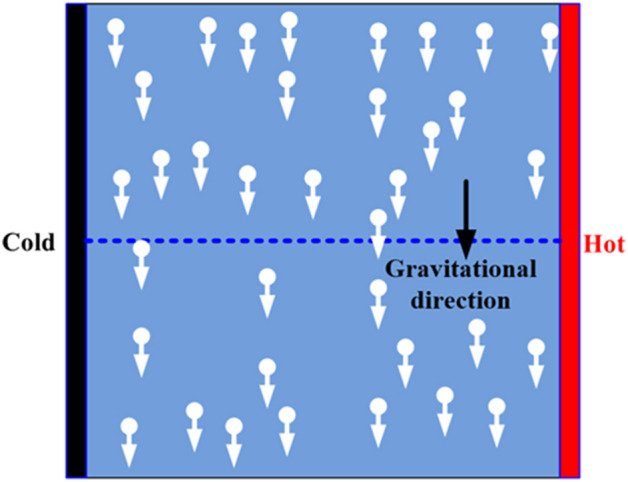
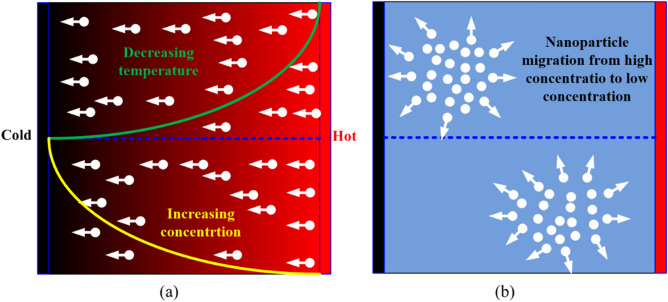
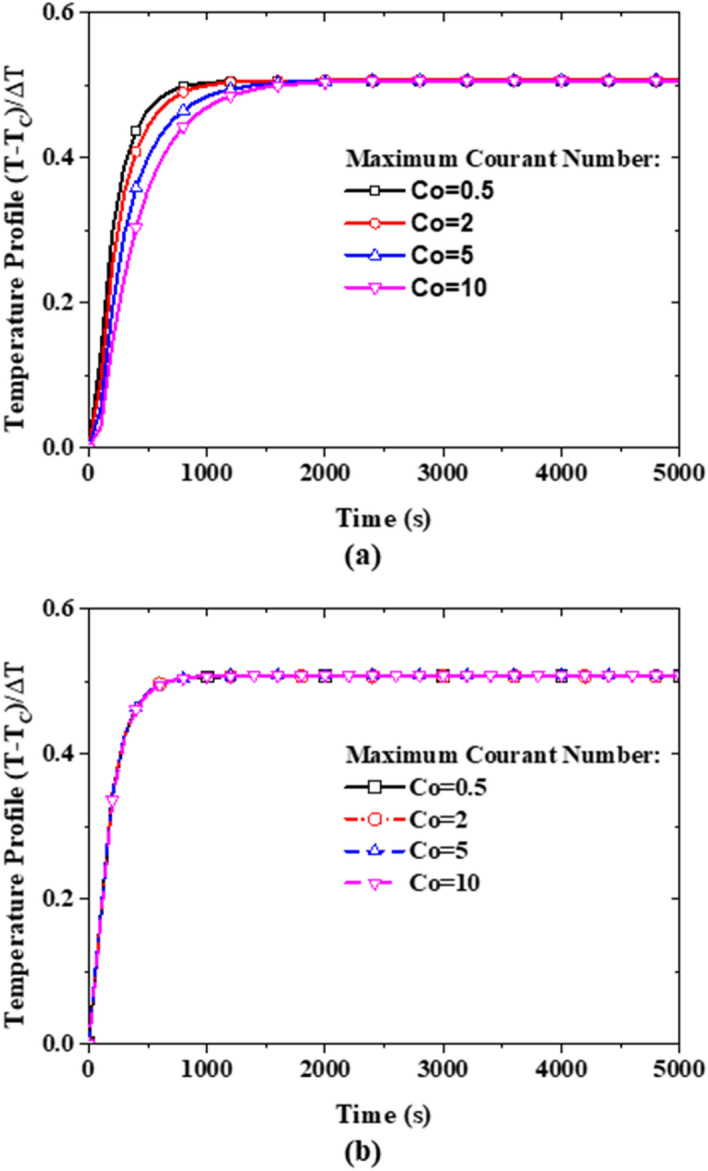
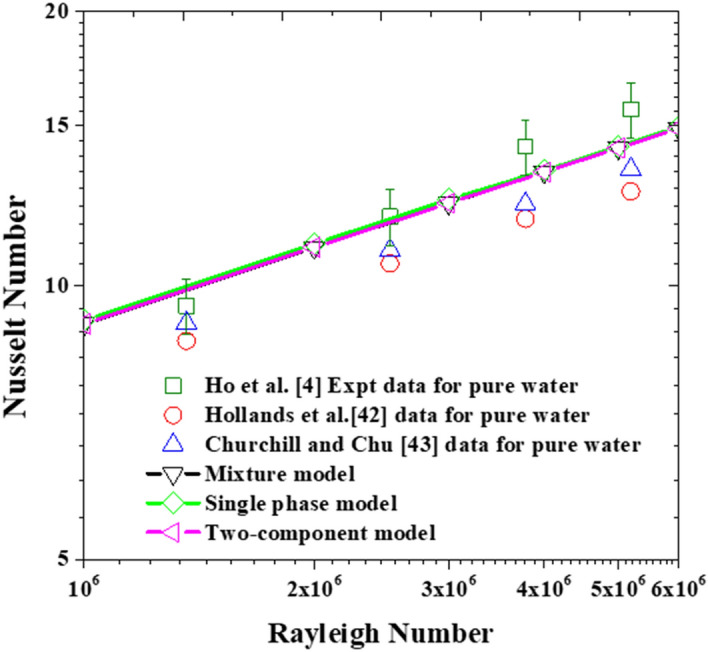
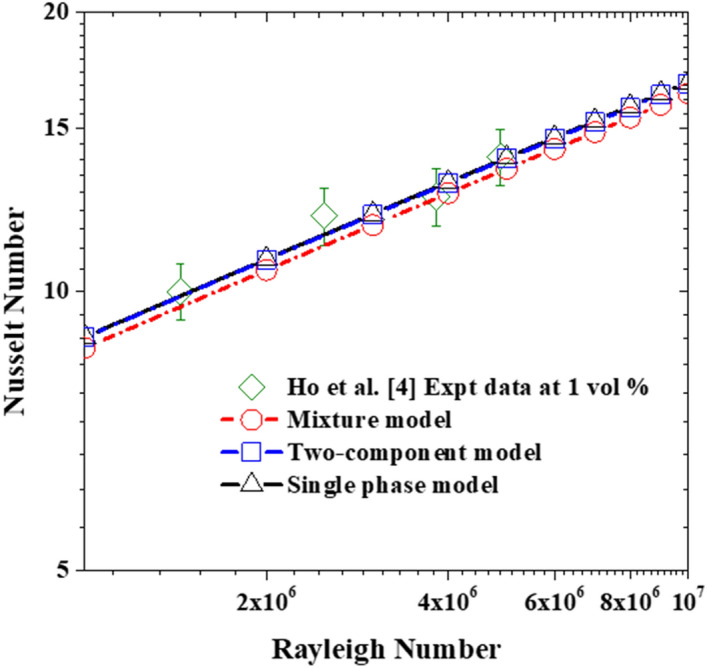
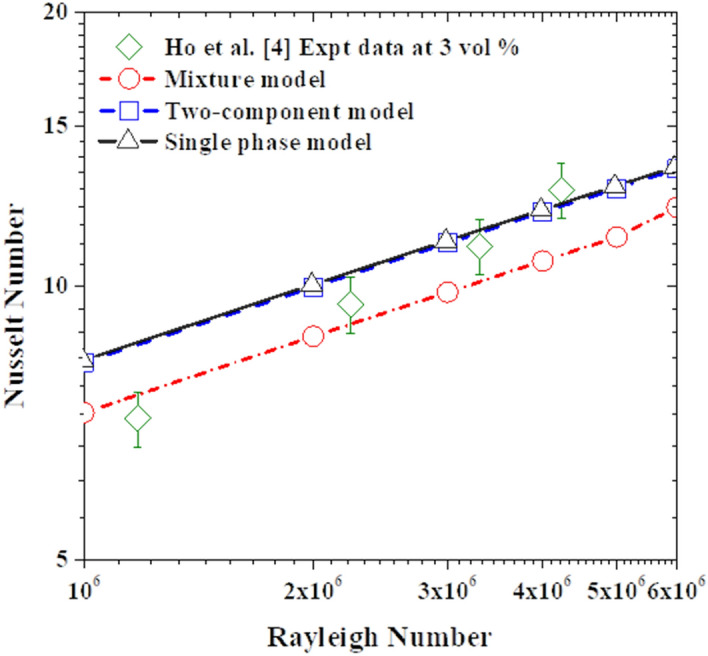
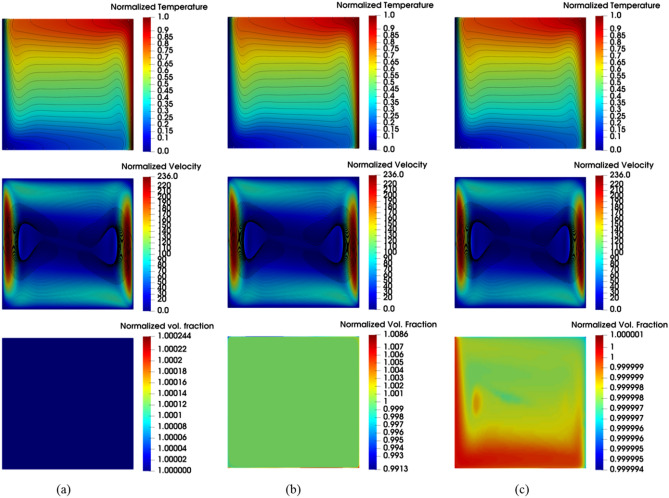
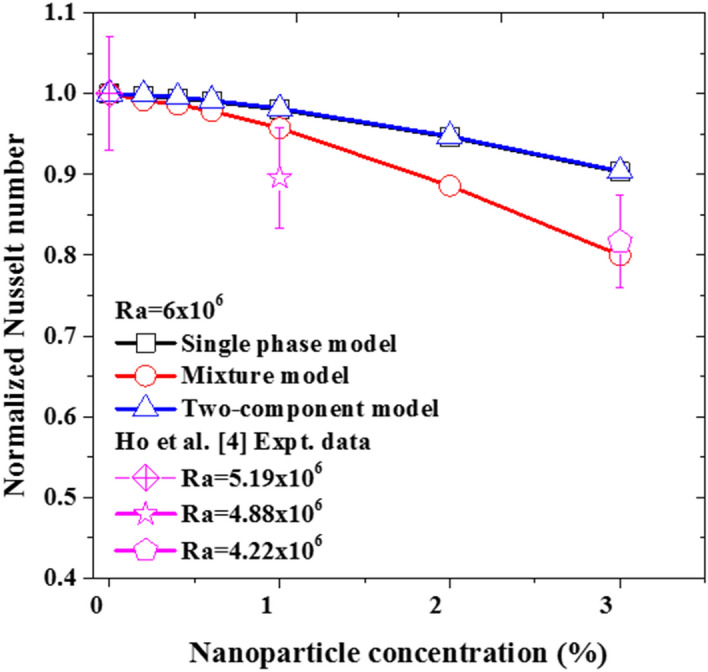
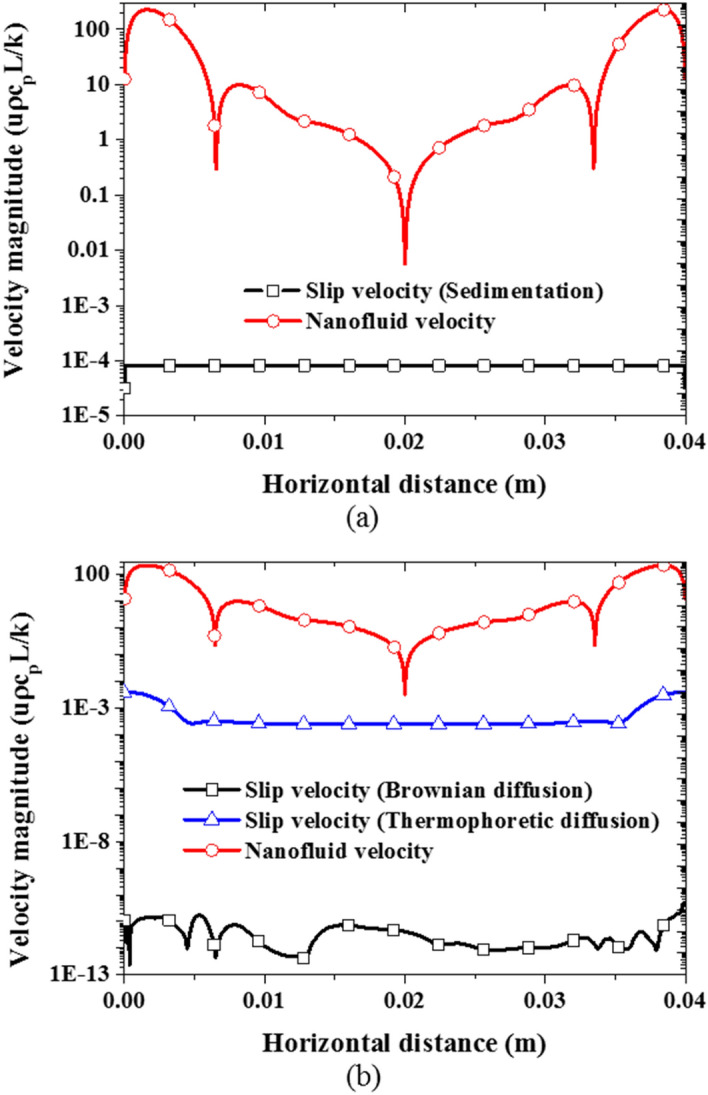
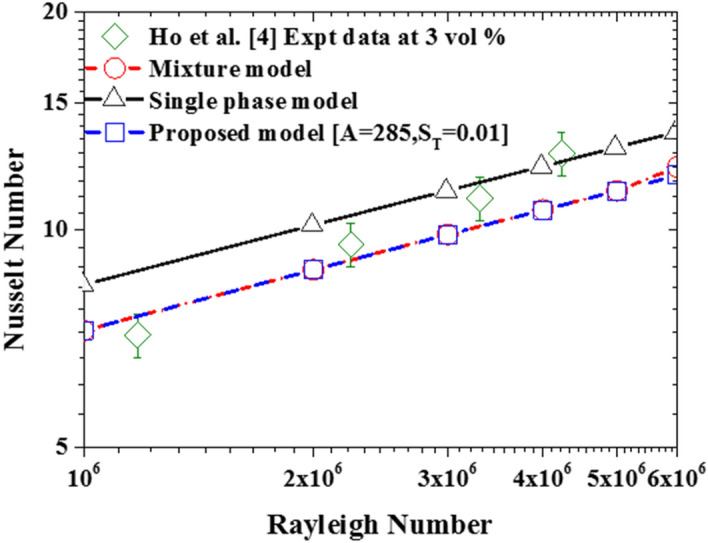
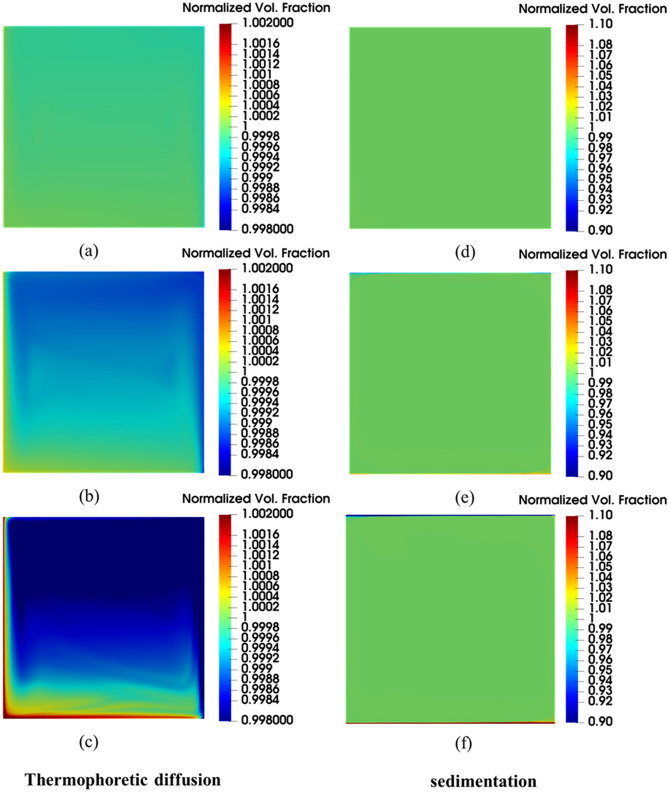
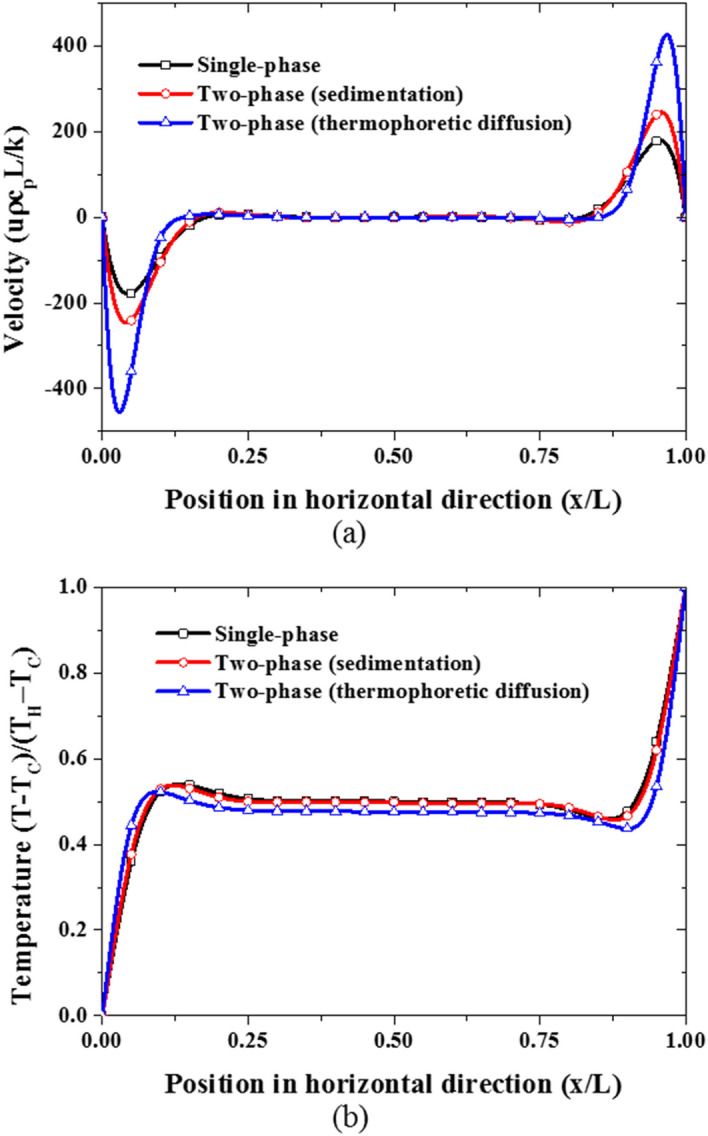
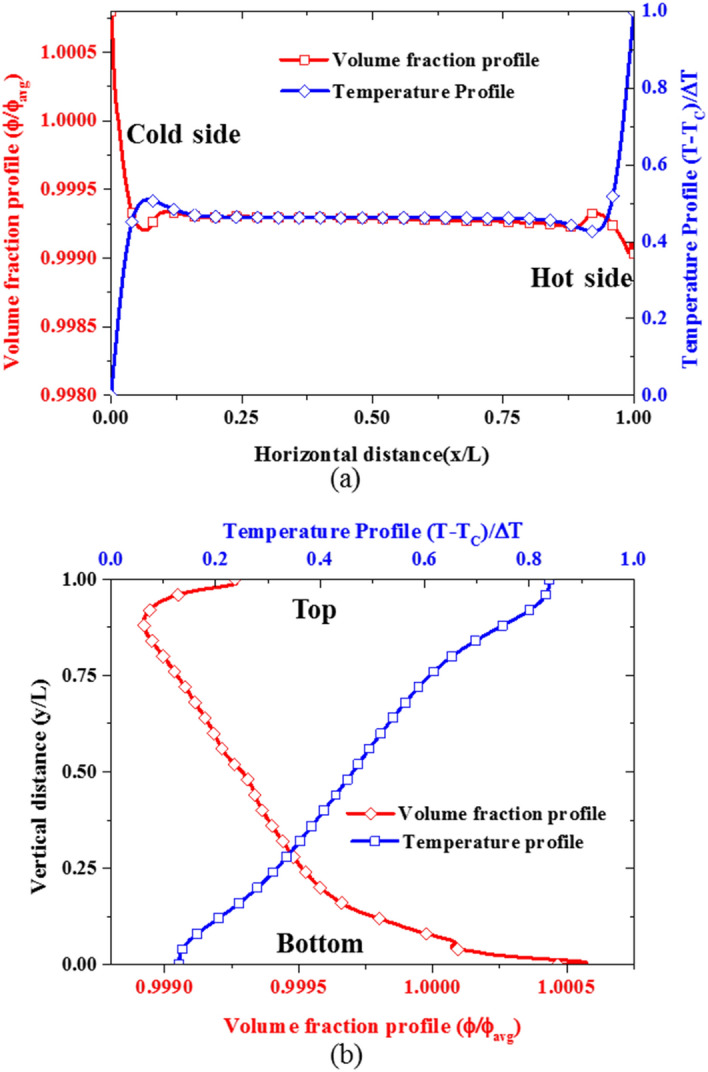
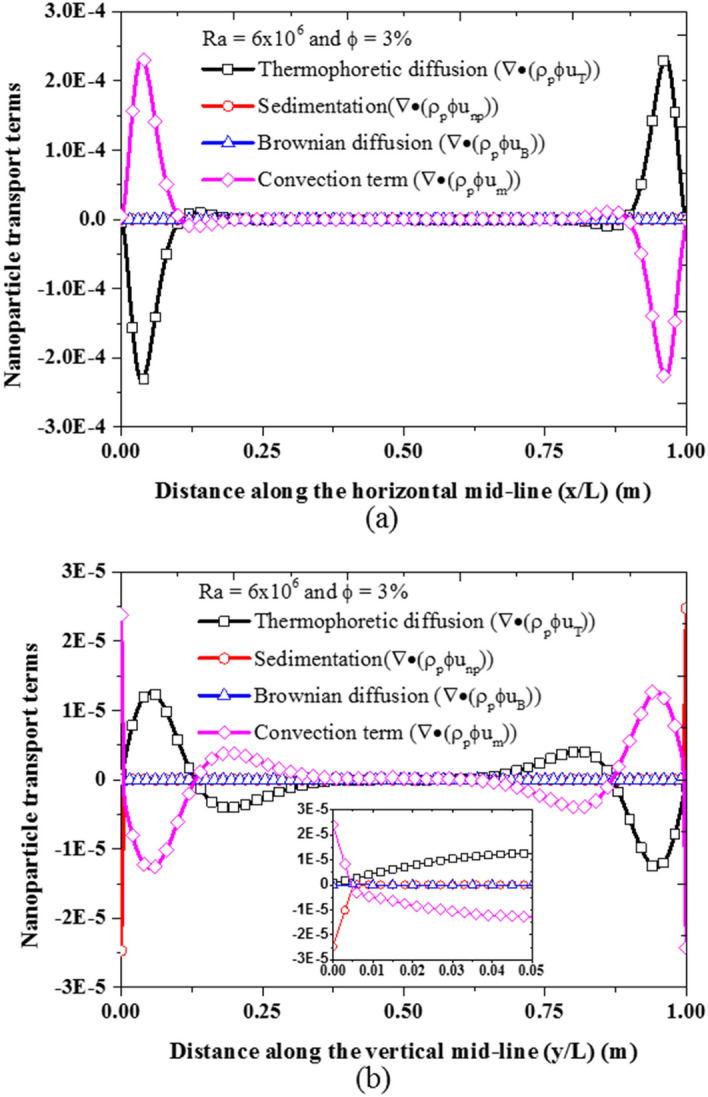
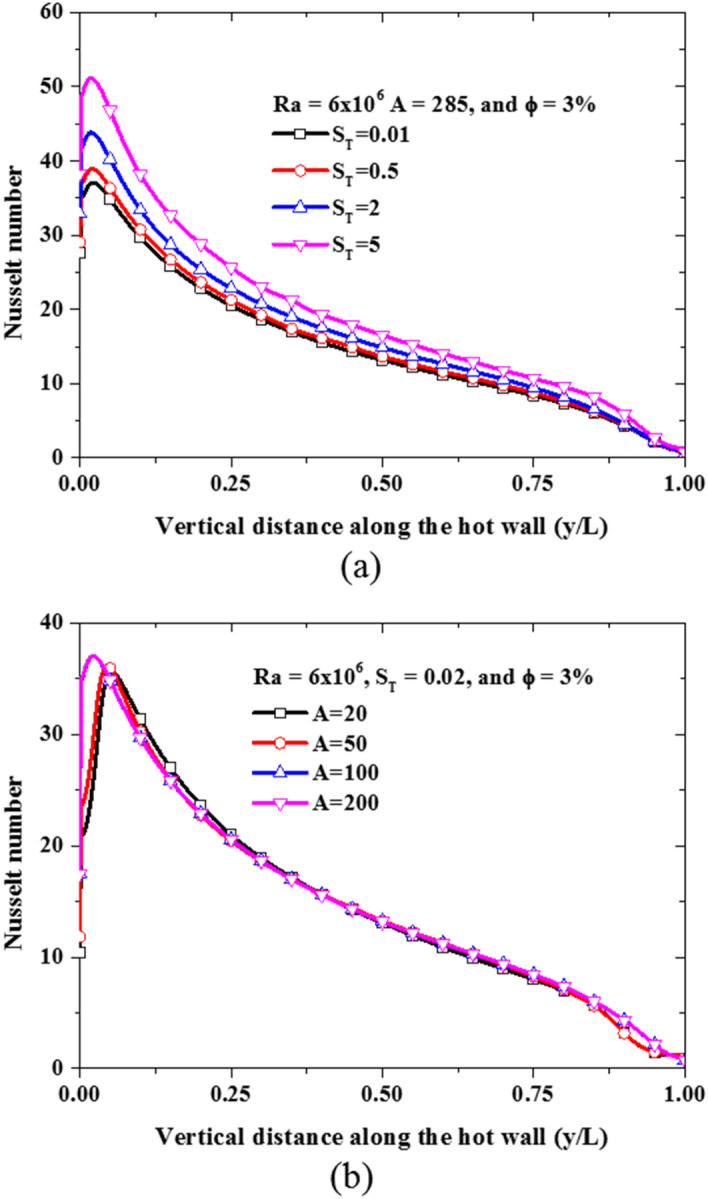
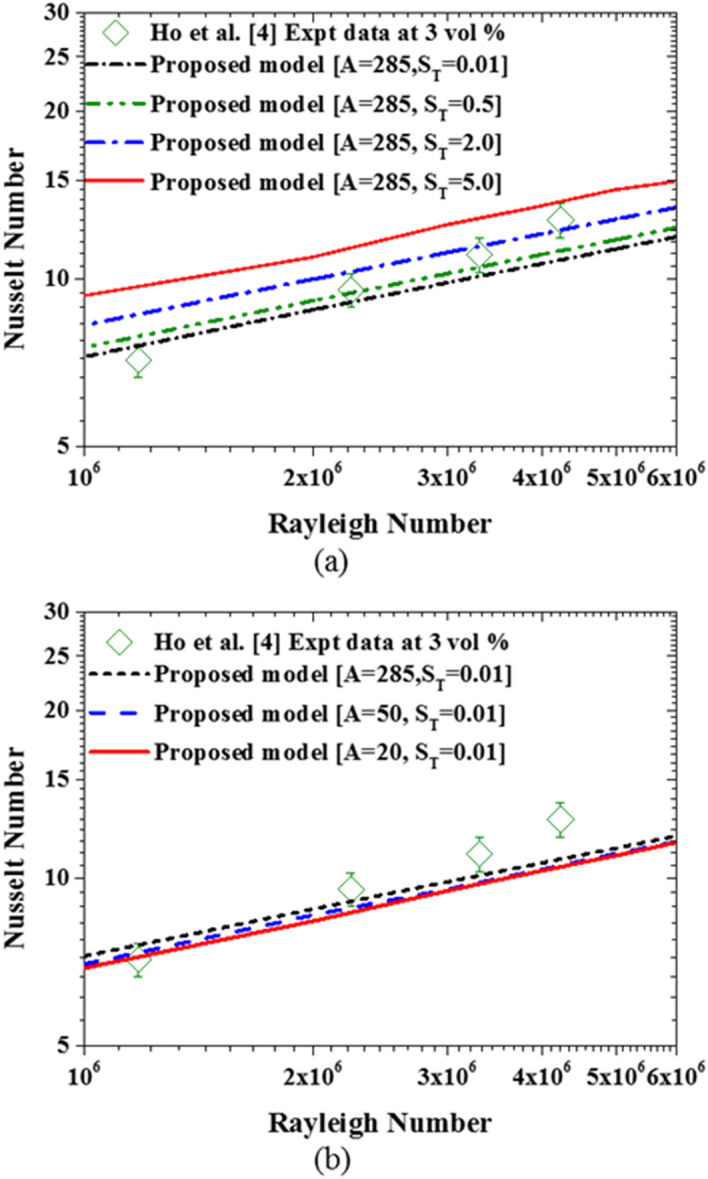
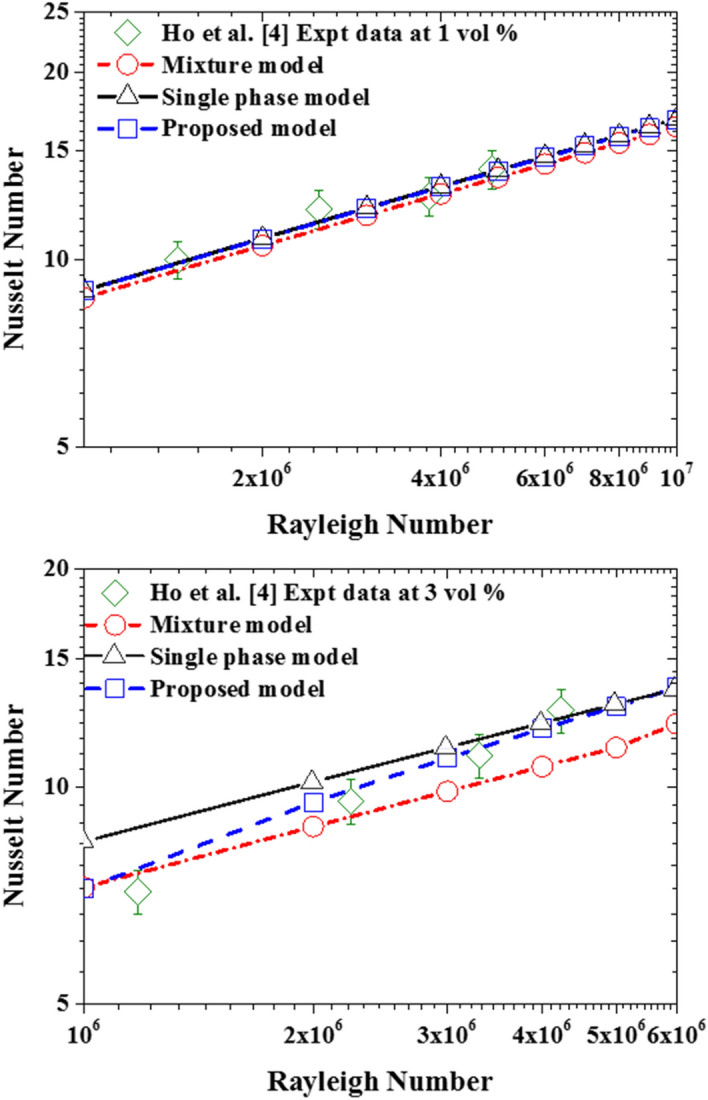
This study intends to give qualitative results toward the understanding of different slip mechanisms impact on the natural heat transfer performance of nanofluids. The slip mechanisms considered in this study are Brownian diffusion, thermophoretic diffusion, and sedimentation. This study compares three different Eulerian nanofluid models; Single-phase, two-phase, and a third model that consists of incorporating the three slip mechanisms in a two-phase drift-flux. These slip mechanisms are found to have different impacts depending on the nanoparticle concentration, where this effect ranges from negligible to dominant. It has been reported experimentally in the literature that, with high nanoparticle volume fraction the heat transfer deteriorates. Admittingly, classical nanofluid models are known to underpredict this impairment. To address this discrepancy, this study focuses on the effect of thermophoretic diffusion and sedimentation outcome as these two mechanisms turn out to be influencing players in the resulting heat transfer rate using the two-phase model. In particular, the necessity to account for the sedimentation contribution toward qualitative modeling of the heat transfer is highlighted. To this end, correlations relating the thermophoretic and sedimentation coefficients to the nanofluid concentration and Rayleigh number are proposed in this study. Numerical experiments are presented to show the effectiveness of the proposed two-phase model in approaching the experimental data, for the full range of Rayleigh number in the laminar flow regime and for nanoparticles concentration of (0% to 3%), with great satisfaction.
Overview
The claims and statistics of this paper haven’t been checked yet.
Run the check — free, no account needed. It reads the open-access text and checks the sources it cites.
Integrity signals
Registry
Cites
Statistics
Figures
Verification
Claims the paper makes
The claims and statistics of this paper haven’t been checked yet.
Run the check — free, no account needed. It reads the open-access text and checks the sources it cites.
Claims other papers make about this one
Each is checked against this paper’s own text: does it say what the citing paper says it does?
The source backs part of the claim, not all of it — or backs it for a different population, condition or comparison.
In the citing paper
“In fact, this model (single-phase model) has been demonstrated45–47 to lack the ability to predict the correct magnitude of the heat transfer enhancement, particularly, for nanoparticle concentrations higher than 1%.”
From A critical assessment of nanoparticles enhanced phase change materials (NePCMs) for latent heat energy storage applications (2023) · cites this paper as [47]
Experimental — accuracy not yet measuredThe source backs part of the claim, not all of it — or backs it for a different population, condition or comparison.
In the citing paper
“On the other hand, a more advanced two-phase model taking into account the Brownian diffusion and thermophoresis diffusion slip mechanisms as originally proposed by Buongiorno45, then further improved for numerical stability by Riahi et al.48, and upgraded by Amidu et al.47 to also include nanoparticles sedimentation effects, would be more suitable for such multi-cycle simulations.”
From A critical assessment of nanoparticles enhanced phase change materials (NePCMs) for latent heat energy storage applications (2023) · cites this paper as [47]
Experimental — accuracy not yet measured
Self-check
Percentages, sums and reported differences re-computed from the paper’s own numbers.
The self-check needs the paper’s full text.
Citations
Cites
No references could be resolved yet.
Research works printed but not linked: 45
- Putra, N., Roetzel, W. & Das, S. K. Natural convection of nano-fluids. Heat Mass Transf. 39, 775–784. https://doi.org/10.1007/s00231-002-0382-z (2003). · DOI · Paper page
- Nnanna, A. G. A. Experimental model of temperature-driven nanofluid. J. Heat Transf. 129, 697–704. https://doi.org/10.1115/1.2717239 (2007). · DOI
- Chang, B. H., Mills, A. F. & Hernandez, E. Natural convection of microparticle suspensions in thin enclosures. Int. J. Heat Mass Transf. 51, 1332–1341. https://doi.org/10.1016/j.ijheatmasstransfer.2007.11.030 (2008). · DOI
- Ho, C. J., Liu, W. K., Chang, Y. S. & Lin, C. C. Natural convection heat transfer of alumina-water nanofluid in vertical square enclosures: An experimental study. Int. J. Thermal Sci. 49, 1345–1353. https://doi.org/10.1016/j.ijthermalsci.2010.02.01 (2010). · DOI
- Hu, Y., He, Y., Wang, S. & Wang, Q. J. Heat transfer. Trans. ASME 136, 022502. https://doi.org/10.1115/1.4025499 (2014). · DOI
- Keblinski, P., Phillpot, S. R., Choi, S. U. S. & Eastman, J. A. Mechanisms of heat flow in suspensions of nano-sized particles (nanofluids). Int. J. Heat Mass Transf. 45, 855–863. https://doi.org/10.1016/S0017-9310(01)00175-2 (2002). · DOI
- Cui, W., Shen, Z., Yang, J. & Wu, S. Molecular dynamics simulation on the microstructure of absorption layer at the liquid–solid interface in nanofluids. Int. Commun. Heat Mass Transf. 71, 75–85. https://doi.org/10.1016/j.icheatmasstransfer.2015.12.023 (2016). · DOI
- Sheikholeslami, M., Gorji-Bandpy, M. & Ganji, D. D. Numerical investigation of MHD effects on Al2O3–water nanofluid flow and heat transfer in a semi-annulus enclosure using LBM. Energy 60, 501–510. https://doi.org/10.1016/j.energy.2013.07.070 (2013). · DOI
- Sharaf, O., Al-Khateeb, A., Kyritsis, D. & Abu-Nada, E. Numerical investigation of nanofluid particle migration and convective heat transfer in microchannels using an Eulerian-Lagrangian approach. J. Fluid Mech. 878, 62–97. https://doi.org/10.1017/jfm.2019.606 (2019). · DOI
- Khanafer, K., Vafai, K. & Lightstone, M. Buoyancy-driven heat transfer enhancement in a two-dimensional enclosure utilizing nanofluids. Int. J. Heat Mass Transf. 46, 3639–3653. https://doi.org/10.1016/S0017-9310(03)00156-X (2003). · DOI · Paper page
- Abu-Nada, E. & Oztop, H. F. Effects of inclination angle on natural convection in enclosures filled with Cu–water nanofluid. Int. J. Heat Fluid Flow 30, 669–678. https://doi.org/10.1016/j.ijheatfluidflow.2009.02.001 (2009). · DOI · Paper page
- Aminossadati, S. M. & Ghasemi, B. Natural convection cooling of a localized heat source at the bottom of a nanofluid-filled enclosure. Eur. J. Mech. B/Fluids 28, 630–640. https://doi.org/10.1016/j.euromechflu.2009.05.006 (2009). · DOI · Paper page
- Oztop, H. F. & Abu-Nada, E. Numerical study of natural convection in partially heated rectangular enclosures filled with nanofluids. Int. J. Heat Fluid Flow 29, 1326–1336. https://doi.org/10.1016/j.ijheatfluidflow.2008.04.009 (2008). · DOI
- Ibrahim, M. et al. Comprehensive study concerned graphene nano-sheets dispersed in ethylene glycol: Experimental study and theoretical prediction of thermal conductivity. Powder Technol. 386, 51–59. https://doi.org/10.1016/j.powtec.2021.03.028 (2021). · DOI
- Chen, Y.-J., Wang, P.-Y. & Liu, Z.-H. Numerical study of natural convection characteristics of nanofluids in an enclosure using multiphase model. Heat Mass Transf. 52, 2471–2484. https://doi.org/10.1007/s00231-016-1760-2 (2016). · DOI
- Aminfar, H. & Haghgoo, M. R. Brownian motion and thermophoresis effects on natural convection of alumina-water nanofluid. J. Mech. Eng. Sci. 227, 100–110. https://doi.org/10.1177/0954406212445683 (2012). · DOI
- Meng, X., Zhang, X. & Li, Q. Numerical investigation of nanofluid natural convection coupling with nanoparticles sedimentation. Appl. Therm. Eng. 95, 411–420. https://doi.org/10.1016/j.applthermaleng.2015.10.086 (2016). · DOI
- Buongiorno, J. Convective transport in nanofluids. J. Heat Transf. Trans. ASME 128, 240–250. https://doi.org/10.1115/1.2150834 (2006). · DOI · Paper page
- Haddad, Z., Abu-Nada, E., Oztop, H. F. & Mataoui, A. Natural convection in nanofluids: Are the thermophoresis and Brownian motion effects significant in nanofluid heat transfer enhancement?. Int. J. Therm. Sci. 57, 152–162. https://doi.org/10.1016/j.ijthermalsci.2012.01.016 (2012). · DOI · Paper page
- Corcione, M., Cianfrini, M. & Quintino, A. Enhanced natural convection heat transfer of nanofluids in enclosures with two adjacent walls heated and the two opposite walls cooled. Int. J. Heat Mass Transf. 88, 902–913. https://doi.org/10.1016/j.ijheatmasstransfer.2015.05.028 (2015). · DOI
- McNab, G. S. & Meisen, A. Thermophoresis in liquids. J. Colloid Interface Sci. 44, 339–346. https://doi.org/10.1016/0021-9797(73)90225-7 (1973). · DOI
- Giddings, J. C., Shinudu, P. M. & Semenov, S. N. Thermophoresis of metal particles in a liquid. J. Colloid Interface Sci. 176, 454–458. https://doi.org/10.1006/jcis.1995.9946 (1995). · DOI
- Rostami, S. et al. A review on the control parameters of natural convection in different shaped cavities with and without nanofluid. Processes 8(9), 1011. https://doi.org/10.3390/pr8091011 (2020). · DOI
- Das, S. K., Choi, S. U. S. & Patel, H. E. Heat transfer in nanofluids—A review. Heat Transf. Eng. 27, 3–19. https://doi.org/10.1080/01457630600904593 (2006). · DOI · Paper page
- Ghanbarpour, M., Khodabandeh, R. & Vafai, K. An investigation of thermal performance improvement of a cylindrical heat pipe using Al2O3 nanofluid. Heat Mass Transf. 53, 973–983. https://doi.org/10.1007/s00231-016-1871-9 (2017). · DOI
- Maxwell, J. C. A treatise on Electricity and Magnetism (Clarendon Press, 1881).
- Einstein, A. Eine neue bestimmung der molekuldimensionen. Ann. Phys. Leipzig 324, 289–306 (1906). · DOI · Paper page
- Albojamal, A. & Vafai, K. Analysis of single phase, discrete and mixture models, in predicting nanofluid transport. Int. J. Heat Mass Transf. 114, 225–237. https://doi.org/10.1016/j.ijheatmasstransfer.2017.06.030 (2017). · DOI
- Nguyen, C. T. et al. Temperature and particle-size dependent viscosity data for water-based nanofluids-hysteresis phenomenon. Int. J. Heat Fluid Flow 28, 1492–1506. https://doi.org/10.1016/j.ijheatfluidflow.2007.02.004 (2007). · DOI · Paper page
- Abu-Nada, E. Effects of variable viscosity and thermal conductivity of Al2O3-water nanofluid on heat transfer enhancement in natural convection. Int J. Heat Fluid Flow 30, 679–690. https://doi.org/10.1016/j.ijheatfluidflow.2009.02.003 (2009). · DOI
- Abu-Nada, E. & Chamkha, A. J. Effect of nanofluid variable properties on natural convection in enclosures filled with a CuO-EG-Water nanofluid. Int. J. Therm. Sci. 49, 2339–2352. https://doi.org/10.1016/j.ijthermalsci.2010.07.006 (2010). · DOI
- Khanafer, K. & Vafai, K. A critical synthesis of thermophysical characteristics of nanofluids. Int. J. Heat Mass Transf. 53, 1438–1445. https://doi.org/10.1016/j.ijheatmasstransfer.2011.04.048 (2011). · DOI · Paper page
- Bianco, V., Chiacchio, F., Manca, O. & Nardini, S. Numerical investigation of nanofluids forced convection in circular tubes. Appl. Therm. Eng. 29(2009), 3632–3642. https://doi.org/10.1016/j.applthermaleng.2009.06.019 (2009). · DOI
- Palm, S. J., Roy, G. & Nguyen, C. T. Heat transfer enhancement with the use of nanofluids in radial flow cooling systems considering temperature-dependent properties. Appl. Therm. Eng. 26, 2209–2218. https://doi.org/10.1016/j.applthermaleng.2006.03.014 (2006). · DOI
- Yoo, D. H., Hong, K. S., Hong, T. E., Eastman, J. A. & Yang, H. S. Thermal conductivity of Al2O3/water nanofluids. J. Korean Phys. Soc. 51, S84–S87 (2007). · DOI
- Das, P. K., Islam, N., Santra, A. K. & Ganguly, R. Experimental investigation of thermophysical properties of Al2O3–water nanofluid: Role of surfactants. J. Mol. Liq. 237, 304–312. https://doi.org/10.1016/j.molliq.2017.04.099 (2017). · DOI
- Vesilind, P. A. Design of prototype thickeners from batch settling tests. Water Sewage Works 115, 302–307 (1968).
- Michaelides, E. E. S. Heat and Mass Transfer in Particulate Suspensions 2013th edn. (Springer, 2013). · DOI
- Kleinstreuer, C. & Xu, Z. Mathematical modeling and computer simulations of nanofluid flow with applications to cooling and lubrication. Fluids 1(2), 1–33. https://doi.org/10.3390/fluids1020016 (2016). · DOI
- Issa, R. I. Solution of implicitly discretized fluid flow equations by operator-splitting. J. Comput. Phys. 62, 40–65. https://doi.org/10.1016/0021-9991(86)90099-9 (1985). · DOI
- Ferziger, J.H. & Peric, M. Computational Methods for Fluid Dynamics, 3rd rev. edn. (2002). · DOI
- Holland, K. G. T., Raithby, G. D. & Konicek, L. Correlation equations for free convection heat transfer in horizontal layers of air and water. Int. J. Heat Mass Transf. 18, 879–884. https://doi.org/10.1016/0017-9310(75)90179-9 (1974). · DOI
- Churchill, S. & Chu, H. Correlating equations for laminar and turbulent free convection from a vertical plate, Int. J. Heat Mass Transf. 18, 1323–1329. https://doi.org/10.1016/0017-9310(75)90243-4 (1975). · DOI · Paper page
- Esfandiary, M., Mehmandoust, B., Karimipour, A. & Pakravan, H. A. Natural convection of Al2O3-water nanofluid in an inclined enclosure with the effects of slip velocity mechanisms: Brownian motion and thermophoresis phenomenon. Int. J. Therm. Sci. 105, 137–158. https://doi.org/10.1016/j.ijthermalsci.2016.02.006 (2016). · DOI
- Pakravan, H. A. & Yaghoubi, M. Analysis of nanoparticles migration on natural convective heat transfer of nanofluids. Int. J. Therm. Sci. 68, 79–93. https://doi.org/10.1016/j.ijthermalsci.2012.12.012 (2013). · DOI
Cited by
Amidu, M. A., Ali, M., Alkaabi, A. K., & Addad, Y. (2023) · Scientific Reports · doi:10.1038/s41598-023-34907-0 · Cited by 101
Self-citationRiahi, M. K., Ali, M., Addad, Y., & Abu-Nada, E. (2022) · Journal of Engineering Mathematics · doi:10.1007/s10665-021-10205-4 · Cited by 20
Self-citation
Metadata
- Authors
- Amidu, M. A., Addad, Y., Riahi, M. K., & Abu-Nada, E.
- Affiliations
- Khalifa University of Science and Technology (AE)
- Corresponding author
- Addad, Yacine
- Venue
- Scientific Reports
- Published
- 2021-08-03
- Volume
- 11
- Issue
- 1
- Pages
- 15678-15678
- ISSN
- 2045-2322 (ISSN-L)
- PMC
- PMC8333057
- OpenAlex
- W3190379671
- Cited by
- 41
- References
- 0
- Citations by year
- 2026: 5 · 2025: 6 · 2024: 9 · 2023: 11 · 2022: 10
- FWCI
- 2.28
- Type
- journal article
- Language
- en
- Open access
- gold
- doi.org
- Licence
- cc-by
- creativecommons.org/licenses/by/4.0 (tdm)
- creativecommons.org/licenses/by/4.0 (vor)
- Locations
- Scientific Reports (publishedVersion, cc-by)
- PubMed Central (publishedVersion, cc-by)
- PubMed (publishedVersion)
- DOAJ (DOAJ: Directory of Open Access Journals) (submittedVersion, cc-by-sa)
- Funders
- Emirates Nuclear Technology Center (8434000360)
- Topics
- Physical Sciences › Chemical Engineering › Fluid Flow and Transfer Processes › Nanofluid Flow and Heat Transfer
- Physical Sciences › Engineering › Mechanical Engineering › Heat Transfer and Optimization
- Physical Sciences › Chemical Engineering › Fluid Flow and Transfer Processes › Particle Dynamics in Fluid Flows
- Keywords
- nanofluids, natural convection, Brownian diffusion, thermophoretic diffusion, sedimentation, nanoparticle volume fraction, laminar flow
About these checks
Registry, retraction, Cites and statistics results are computed, not judged, with one exception: a printed reference that no index lists is read once by a model before it counts as a citation error. Claims are extracted by a model and kept only when their quote appears verbatim in the text; each cited source is then checked, with a model’s help, for whether it says what the claim relies on. Those verdicts can be wrong — read the claim’s quote and the cited source before relying on one.
Statistics and arithmetic are recomputed, not judged.
Confidence bands are shown only for fields calibrated on our annotated test set. None is calibrated yet, so no band is shown.
What counts as a claim ›How we measure confidence ›How we check this ›
Are you an author, or do you see a problem with this page? Request a review
How to cite
Cite CoChat for the checks on this page, and the paper for its own findings.
- This page
- CoChat. (2026). Citation check: Numerical investigation of nanoparticles slip mechanisms impact on the natural convection heat transfer characteristics of nanofluids in an enclosure. https://app.cochat.ai/papers/10.1038/s41598-021-95269-z
- The paper
- Amidu, M. A., Addad, Y., Riahi, M. K., & Abu-Nada, E. (2021). Numerical investigation of nanoparticles slip mechanisms impact on the natural convection heat transfer characteristics of nanofluids in an enclosure. Scientific Reports. https://doi.org/10.1038/s41598-021-95269-z
Data sources
Bibliographic data: Semantic Scholar, OpenAlex, Crossref.
Contains information from the Semantic Scholar Academic Graph Datasets, made available under the ODC Attribution License (ODC-BY 1.0).
Semantic Scholar’s data is described in: Kinney, R., et al. (2023). The Semantic Scholar Open Data Platform. arXiv:2301.10140.
