

An explainable machine learning-based clinical decision support system for prediction of gestational diabetes mellitus
Open accessThe DOI matches its Crossref record; 44 of the 46 references it cites were found in a registry or an index, and 2 are not checked yet.
Abstract
Gestational Diabetes Mellitus (GDM), a common pregnancy complication associated with many maternal and neonatal consequences, is increased in mothers with overweight and obesity. Interventions initiated early in pregnancy can reduce the rate of GDM in these women, however, untargeted interventions can be costly and time-consuming. We have developed an explainable machine learning-based clinical decision support system (CDSS) to identify at-risk women in need of targeted pregnancy intervention. Maternal characteristics and blood biomarkers at baseline from the PEARS study were used. After appropriate data preparation, synthetic minority oversampling technique and feature selection, five machine learning algorithms were applied with five-fold cross-validated grid search optimising the balanced accuracy. Our models were explained with Shapley additive explanations to increase the trustworthiness and acceptability of the system. We developed multiple models for different use cases: theoretical (AUC-PR 0.485, AUC-ROC 0.792), GDM screening during a normal antenatal visit (AUC-PR 0.208, AUC-ROC 0.659), and remote GDM risk assessment (AUC-PR 0.199, AUC-ROC 0.656). Our models have been implemented as a web server that is publicly available for academic use. Our explainable CDSS demonstrates the potential to assist clinicians in screening at risk patients who may benefit from early pregnancy GDM prevention strategies.
Overview
The claims and statistics of this paper haven’t been checked yet.
Free: it reads the open-access text and checks the first 5 claims that cite a source we can check. Create a free account to check every claim.
Integrity signals
Registry
Cites
Statistics
Figures
Verification
Claims the paper makes
The claims and statistics of this paper haven’t been checked yet.
Free: it reads the open-access text and checks the first 5 claims that cite a source we can check. Create a free account to check every claim.
Self-check
Percentages, sums and reported differences re-computed from the paper’s own numbers.
The self-check needs the paper’s full text.
Citations
Cites
Scikit-learn: Machine Learning in Python
Pedregosa, F., Varoquaux, G., Gramfort, A., Michel, V., Thirion, B., Grisel, O., Blondel, M., Müller, A., Nothman, J., Louppe, G., et al. (2012) · arXiv · doi:10.48550/arxiv.1201.0490 · Cited by 71,016
XGBoost: A Scalable Tree Boosting System
Chen, T., & Guestrin, C. (2016) · Proceedings of the 22nd ACM SIGKDD International Conference on Knowledge Discovery and Data Mining · doi:10.1145/2939672.2939785 · Cited by 54,569
Ror2 signaling regulates Golgi structure and transport through IFT20 for tumor invasiveness
Nishita, M., Park, S.-Y., Nishio, T., Kamizaki, K., Wang, Z., Tamada, K., Takumi, T., Hashimoto, R., Otani, H., Pazour, G. J., et al. (2017) · Scientific Reports · doi:10.1038/s41598-016-0028-x · Cited by 15,947
Ng, M., Fleming, T., Robinson, M., Thomson, B., Graetz, N., Margono, C., Mullany, E. C., Biryukov, S., Abbafati, C., Abera, S. F., et al. (2014) · The Lancet · doi:10.1016/s0140-6736(14)60460-8 · Cited by 11,952
Harris hawks optimization: Algorithm and applications
Heidari, A. A., Mirjalili, S., Faris, H., Aljarah, I., Mafarja, M., & Chen, H. (2019) · Future Generation Computer Systems · doi:10.1016/j.future.2019.02.028 · Cited by 6,324 · cited 1×
“We recognise that the performance of our models may require further improvement for use in a clinical setting, for example, by using some intelligent optimization algorithms 40–44 .”
MethodInternational Association of Diabetes and Pregnancy Study Groups Consensus Panel (2010) · Diabetes Care · doi:10.2337/dc09-1848 · Cited by 5,390
Proceedings of the 21st International Conference on Neural Information Processing Systems
Koller, D., Schuurmans, D., Bengio, Y., & Bottou, L. (2008) · Cited by 4,461
Slime mould algorithm: A new method for stochastic optimization
Li, S., Chen, H., Wang, M., Heidari, A. A., & Mirjalili, S. (2020) · Future Generation Computer Systems · doi:10.1016/j.future.2020.03.055 · Cited by 3,036 · cited 1×
“Our models included a very small set of features (4 or 5) compared with published models (4-2355), which means our models would be easier and faster to use.”
MethodAdaptive Control Processes: A Guided Tour
Bellman, R. E. (1961) · doi:10.1515/9781400874668 · Cited by 2,802
Intelligible Models for HealthCare: Predicting Pneumonia Risk and Hospital 30-day Readmission
Caruana, R., Lou, Y., Gehrke, J., Koch, P., Sturm, M., & Elhadad, N. (2015) · Proceedings of the 21th ACM SIGKDD International Conference on Knowledge Discovery and Data Mining · doi:10.1145/2783258.2788613 · Cited by 1,685 · cited 1×
“Our models included a very small set of features (4 or 5) compared with published models (4-2355), which means our models would be easier and faster to use.”
Method
Research works printed but not linked: 2
- Bellman RE Adaptive Control Processes 2015 Princeton Princeton University Press
- Lemaître G Nogueira F Aridas CK Imbalanced-learn: A python toolbox to tackle the curse of imbalanced datasets in machine learning J. Mach. Learn. Res. 2017 18 1 5
Cited by
Loh, H. W., Ooi, C. P., Seoni, S., Barua, P. D., Molinari, F., & Acharya, U. R. (2022) · Computer Methods and Programs in Biomedicine · doi:10.1016/j.cmpb.2022.107161 · Cited by 734
Albahri, A. S., Duhaim, A. M., Fadhel, M. A., Alnoor, A., Baqer, N. S., Alzubaidi, L., Albahri, O. S., Alamoodi, A. H., Bai, J., Salhi, A., et al. (2023) · Information Fusion · doi:10.1016/j.inffus.2023.03.008 · Cited by 716
Survey of Explainable AI Techniques in Healthcare
Chaddad, A., Peng, J., Xu, J., & Bouridane, A. (2023) · Sensors · doi:10.3390/s23020634 · Cited by 591
Harnessing the Power of Clinical Decision Support Systems: Challenges and Opportunities
Chen, Z., Liang, N., Zhang, H., Li, H., Yang, Y., Zong, X., Chen, Y., Wang, Y., & Shi, N. (2023) · Open Heart · doi:10.1136/openhrt-2023-002432 · Cited by 244
Explainable Artificial Intelligence-Based Decision Support Systems: A Recent Review
Kostopoulos, G., Davrazos, G., & Kotsiantis, S. B. (2024) · Electronics · doi:10.3390/electronics13142842 · Cited by 281
“Three explainable ML-based CDSSs were developed in [52] for predicting gestational diabetes mellitus in mothers with overweight and obesity utilizing the SVMs classifier, while exploiting maternal characteristics and blood biomarkers.”
Rajashekar, N. C., Shin, Y. E., Pu, Y., Chung, S., You, K., Giuffre, M., Chan, C. E., Saarinen, T., Hsiao, A., Sekhon, J., et al. (2024) · Proceedings of the CHI Conference on Human Factors in Computing Systems · doi:10.1145/3613904.3642024 · Cited by 85
Hur, S., Lee, Y., Park, J., Jeon, Y. J., Cho, J. H., Cho, D., Lim, D., Hwang, W., Cha, W. C., & Yoo, J. (2025) · npj Digital Medicine · doi:10.1038/s41746-025-01958-8 · Cited by 125
“Moreover, there is no consensus on how explanation formats affect clinicians ’ acceptance to AI suggestions 13,20 .”
Alsalem, M. A., Alamoodi, A. H., Albahri, O. S., Albahri, A. S., Martínez, L. M., Yera, R., Duhaim, A. M., & Sharaf, I. M. (2024) · Expert Systems with Applications · doi:10.1016/j.eswa.2023.123066 · Cited by 95
Bernal, J., & Mazo, C. (2022) · Applied Sciences · doi:10.3390/app122010228 · Cited by 70
Alsabah, M. Q., Naser, M. A., Albahri, A. S., Albahri, A. S., Alamoodi, A. H., Abdulhussain, S. H., & Alzubaidi, L. (2025) · Artificial Intelligence Review · doi:10.1007/s10462-025-11342-3 · Cited by 116
Artificial Intelligence for Predicting and Diagnosing Complications of Diabetes
Huang, J. K., Yeung, A. M., Armstrong, D. G., Battarbee, A. N., Cuadros, J. A., Espinoza, J., Kleinberg, S., Mathioudakis, N. N., Swerdlow, M. A., & Klonoff, D. C. (2022) · Journal of Diabetes Science and Technology · doi:10.1177/19322968221124583 · Cited by 70
“18,20 Table 1.”
MethodMachine learning-based clinical decision support systems for pregnancy care: A systematic review
Du, Y., McNestry, C., Wei, L., Antoniadi, A. M., McAuliffe, F. M., & Mooney, C. (2023) · International Journal of Medical Informatics · doi:10.1016/j.ijmedinf.2023.105040 · Cited by 73
Self-citationUnveiling Explainable AI in Healthcare: Current Trends, Challenges, and Future Directions
Noor, A. A., Manzoor, A., Mazhar Qureshi, M. D., Qureshi, M. A., & Rashwan, W. (2025) · WIREs Data Mining and Knowledge Discovery · doi:10.1002/widm.70018 · Cited by 52
XML-GBM lung: An explainable machine learning-based application for the diagnosis of lung cancer
Rikta, S. T., Uddin, K. M. M., Biswas, N., Mostafiz, R., Sharmin, F., & Dey, S. K. (2023) · Journal of Pathology Informatics · doi:10.1016/j.jpi.2023.100307 · Cited by 56
Lin, X., Liang, C., Liu, J., Lyu, T., Ghumman, N., & Campbell, B. A. (2024) · Journal of Medical Internet Research · doi:10.2196/54737 · Cited by 78
“The majority of the CDSS studies in prenatal care are focused on assisting in the prediction of risks such as miscarriage [36], ectopic pregnancy [26,30], gestational diabetes [33,40], preterm birth [14,16,17], and severe maternal mortality and morbidity events during the prenatal episode [41].”
Du, Y., Antoniadi, A. M., McNestry, C., McAuliffe, F. M., & Mooney, C. (2022) · Applied Sciences · doi:10.3390/app122010323 · Cited by 47
Self-citationDalvi‐Esfahani, M., Mosharaf‐Dehkordi, M., Leong, L. W., Ramayah, T., & Kanaan-Jebna, A. M. J. (2023) · Technological Forecasting and Social Change · doi:10.1016/j.techfore.2023.122768 · Cited by 53
Khanna, V. V., Chadaga, K., Sampathila, N., Prabhu, S., Chadaga, R., Bhat, D., & Swathi, K. S. (2024) · Cogent Engineering · doi:10.1080/23311916.2024.2330266 · Cited by 47
“It can be observed that visceral fat is a variable highly correlated with the diagnosis of GDM.”
InfluentialA rapid review of machine learning approaches for telemedicine in the scope of COVID-19
Schünke, L. C., Mello, B., da Costa, C. A., Antunes, R. S., Rigo, S. J., Ramos, G. D. O., Righi, R. D. R., Scherer, J. N., & Donida, B. (2022) · Artificial Intelligence in Medicine · doi:10.1016/j.artmed.2022.102312 · Cited by 47
“…outcomes in medical error reduction [35], and assertiveness in the medical conduct [36], as well as using CDSS to help predict prognosis and assist clinicians in screening [37] become positive impacts to promptness response and resolve complex cases by consulting remotely specialized professionals.”
BackgroundHao, J., Luo, S., & Pan, L. (2022) · Scientific Reports · doi:10.1038/s41598-022-14143-8 · Cited by 35
An Innovative Ensemble Deep Learning Clinical Decision Support System for Diabetes Prediction
Reshan, M. S. A., Amin, S., Zeb, M. A., Sulaiman, A. A., Alshahrani, H. M., Shaikh, A., & Elmagzoub, M. A. (2024) · IEEE Access · doi:10.1109/access.2024.3436641 · Cited by 34
“For example, Du et al., [13] proposed an explainable ML-based Gestational DM prediction system.”
BackgroundThirunavukkarasu, U., Umapathy, S., Ravi, V., & Alahmadi, T. J. (2024) · Scientific Reports · doi:10.1038/s41598-024-64150-0 · Cited by 40
Unveiling Explainable AI in Healthcare: Current Trends, Challenges, and Future Directions
Aziz, N. A., Manzoor, A., Mazhar Qureshi, M. D., Qureshi, M. A., & Rashwan, W. (2024) · doi:10.1101/2024.08.10.24311735 · Cited by 30
“] Stacking (RF, DT, KNN, LR, NB, SVM) (1) [30] Stacking (AdaBoost, CatBoost, LGB, XGB) (1) [60] Voting ensemble (1) [75] SVM (3) Non-Linear SVM (3) [32], [53], [76] applied are random subsampling [22], [75], under-sampling [75] and ADASYN [57], [74] linear SVM, ensembles, and deep learning.”
BackgroundInfluentialArtificial Intelligence in Gestational Diabetes Care: A Systematic Review
AlSaad, R., Elhenidy, A. M., Tabassum, A., Odeh, N. B., AboArqoub, E., Odeh, A. E., AlTamimi, M., Abd-Alrazaq, A. A., Thomas, R. M., Bashir, M., et al. (2025) · Journal of Diabetes Science and Technology · doi:10.1177/19322968251355967 · Cited by 37
Deep-spindle: An automated sleep spindle detection system for analysis of infant sleep spindles
Wei, L., Ventura, S., Ryan, M. A., Mathieson, S., Boylan, G. B., Lowery, M. M., & Mooney, C. (2022) · Computers in Biology and Medicine · doi:10.1016/j.compbiomed.2022.106096 · Cited by 31
Self-citationKokori, E., Olatunji, G. D., Aderinto, N., Muogbo, I., Ogieuhi, I. J., Isarinade, D. T., Ukoaka, B. M., Akinmeji, A., Ajayi, I., Ezenwoba, C., et al. (2024) · Clinical Diabetes and Endocrinology · doi:10.1186/s40842-024-00176-7 · Cited by 34
“Yuhan et al. [28] conducted a Randomized Clinical Trial to apply machine learning techniques to develop a Clinical Decision Support System (CDSS).”
MethodResultFrom AI to the Era of Explainable AI in Healthcare 5.0: Current State and Future Outlook
Rahman, A., Kundu, D., Debnath, T., Rahman, M., Das, U. K., Miah, A. S. M., & Muhammad, G. (2025) · Expert Systems · doi:10.1111/exsy.70060 · Cited by 32
Smart Pregnancy: AI-Driven Approaches to Personalised Maternal and Foetal Health—A Scoping Review
Correia, V., Mascarenhas, T., & Mascarenhas, M. (2025) · Journal of Clinical Medicine · doi:10.3390/jcm14196974 · Cited by 36
Machine learning based model for the early detection of Gestational Diabetes Mellitus
Zaky, H., Fthenou, E., Srour, L., Farrell, T. J., Bashir, M., Hajj, N. E., & Alam, T. (2025) · BMC Medical Informatics and Decision Making · doi:10.1186/s12911-025-02947-3 · Cited by 34
Murcia, C. L., Romero, F. P., Serrano‐Guerrero, J., & Olivas, J. Á. (2023) · Mathematics · doi:10.3390/math11143088 · Cited by 24
A Clinical Decision Support System for the Prediction of Quality of Life in ALS
Antoniadi, A. M., Galvin, M., Heverin, M., Wei, L., Hardiman, O. M., & Mooney, C. (2022) · Journal of Personalized Medicine · doi:10.3390/jpm12030435 · Cited by 24
Self-citationExplainable artificial intelligence for investigating the effect of lifestyle factors on obesity
Khater, T., Tawfik, H., & Singh, B. B. (2024) · Intelligent Systems with Applications · doi:10.1016/j.iswa.2024.200427 · Cited by 39
van Eekhout, J. C. A., Becking, E. C., Scheffer, P. G., Koutsoliakos, I., Bax, C. J., Henneman, L., Bekker, M. N., & Schuit, E. (2024) · BJOG An International Journal of Obstetrics & Gynaecology · doi:10.1111/1471-0528.17983 · Cited by 30
Hendawi, R., Li, J., & Roy, S. (2023) · JMIR Formative Research · doi:10.2196/50328 · Cited by 29
“…Pintelas et al [12], Tasin et al [13], Davagdorj et al [14], Abdulsalam et al [15], Gao et al [16], Joseph et al [17], Ibrahim et al [18], Du et al [19], Nagaraj et al [20], Maillot and Thonnat [21], Icarte et al [22], Daniels et al [23], Zafar and Khan [24], Srinivasu et al [25], Gerlings et al…”
BackgroundSingh, S. S., Kumar, S., Ahuja, R., & Barua, J. (2025) · Information Fusion · doi:10.1016/j.inffus.2025.103217 · Cited by 25
Odyurt, U., Pimentel, A. D., & Alonso, I. G. (2022) · Journal of Systems Architecture · doi:10.1016/j.sysarc.2022.102716 · Cited by 21
“The use of DSS is prevalent in a wide range of contexts nowadays [1, 12, 42, 41].”
Lombardi, A., Arezzo, F., Sciascio, E. D., Ardito, C. A., Mongelli, M., Lillo, N. D., Fascilla, F. D., Silvestris, E., Kardhashi, A., Putino, C., et al. (2023) · Artificial Intelligence in Medicine · doi:10.1016/j.artmed.2023.102697 · Cited by 23
Kassem, K., Sperti, M., Cavallo, A., Vergani, A. M., Fassino, D., Moz, M., Liscio, A., Banali, R., Dahlweid, F.-M., Benetti, L., et al. (2024) · Artificial Intelligence in Medicine · doi:10.1016/j.artmed.2024.102841 · Cited by 18
Synthesizing Electronic Health Records for Predictive Models in Low-Middle-Income Countries (LMICs)
Ghosheh, G. O., Thwaites, L., & Zhu, T. (2023) · Biomedicines · doi:10.3390/biomedicines11061749 · Cited by 21
“Example challenges that are commonly discussed include integration in clinical workflows and medical staff adaption and decision-making process [40], security [41], and interoperability [42].”
BackgroundZhai, W., Yang, Y., Zhang, K., Sun, L., Luo, M., Han⊗, X., Wang, M., Wang, Z., & Gao, F. (2023) · Lipids in Health and Disease · doi:10.1186/s12944-023-01890-4 · Cited by 18
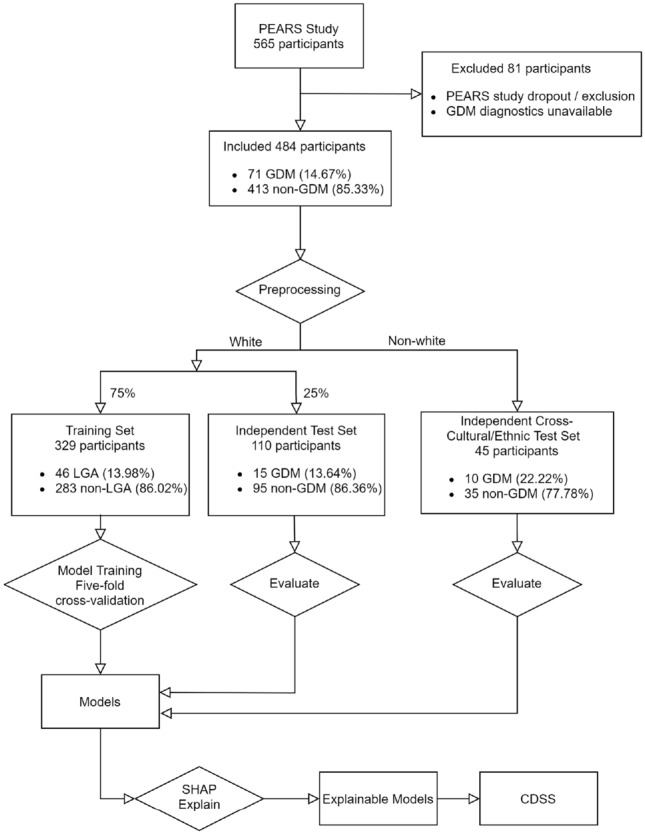
“To improve the accuracy of the models, we attempted a fivefold cross-validation grid search (GridSearchCV) [19] to exhaustively search specified parameter values for each estimator.”
MethodAn Open API Architecture to Discover the Trustworthy Explanation of Cloud AI Services
Wang, Z., Liu, Y., & Huang, J. (2024) · IEEE Transactions on Cloud Computing · doi:10.1109/tcc.2024.3398609 · Cited by 20
Artificial intelligence model for tumoral clinical decision support systems
Iglesias, G., Talavera, E., Troya, J., Díaz-Álvarez, A., & García-Remesal, M. (2024) · Computer Methods and Programs in Biomedicine · doi:10.1016/j.cmpb.2024.108228 · Cited by 20
“There are efforts to tackle the main problems of AI, such as the lack of explainability using Explainable AI with works such as [19].”
BackgroundUddin, K. M. M., Biswas, N., Rikta, S. T., Dey, S. K., & Qazi, A. (2023) · Engineering Reports · doi:10.1002/eng2.12666 · Cited by 24
Kim, M., Lee, S., Hur, J., & Shin, D. (2025) · Nutrition Journal · doi:10.1186/s12937-025-01189-3 · Cited by 13
“A fixed classification threshold of 0.5 was applied consistently across all models [38].”
Influentialvan der Pligt, P. F., Kuswara, K., McNaughton, S. A., Abbott, G., Islam, S. M. S., Huynh, K., Meikle, P. J., Mousa, A., & Ellery, S. J. (2023) · European Journal of Nutrition · doi:10.1007/s00394-023-03244-3 · Cited by 17
Brusini, L., Cruciani, F., Dallaglio, G., Zajac, T., Galazzo, I. B., Zucchelli, M., & Menegaz, G. (2024) · IEEE Journal of Translational Engineering in Health and Medicine · doi:10.1109/jtehm.2024.3430035 · Cited by 14
“SHAP has demonstrated its efficacy in the medical domain to explain clinical decision-making both from image [35], [36], [37] and non-image [38], [39], [40], [41] inputs.”
BackgroundIrie-Ota, A., Matsui, Y., Imai, K., Mase, Y., Konno, K., Sasaki, T., Chujo, S., Matsubara, H., Kawanaka, H., & Kondo, M. (2024) · PLoS ONE · doi:10.1371/journal.pone.0304281 · Cited by 12
Prediction of Diabetes using Machine Learning Algorithms and Correlation with Pregnancy
Shahane, S., Siri, T. C., Bhoomika, R., Kodipalli, A., Rao, T., & Rohini, B. R. (2023) · International Conference on Intelligent Technologies (CONIT) · doi:10.1109/conit59222.2023.10205558 · Cited by 12
Cuadrado, D., Valls, A., & Riaño, D. (2023) · Mathematics · doi:10.3390/math11234773 · Cited by 11
“Future work will also aim to enhance the capability of this hybrid prediction model to provide understandable insights into their decision-making processes, in order improve explainability in clinical scenarios, in line with other recent works [39–42].”
ResultArtificial intelligence in medical education: Typologies and ethical approaches
Pręgowska, A., & Perkins, M. D. (2024) · Ethics & bioethics · doi:10.2478/ebce-2024-0004 · Cited by 16
Pham, M.-K., Mai, T. T., Crane, M., Ebiele, M., Brennan, R., Ward, M. E., Geary, Ú., McDonald, N., & Bezbradica, M. (2024) · Diagnostics · doi:10.3390/diagnostics14212405 · Cited by 13
Zimmerman, R. M., Hernandez, E. J., Yandell, M. D., Tristani‐Firouzi, M., Silver, R. M., Grobman, W. A., Haas, D. M., Saade, G. A., Steller, J. G., & Blue, N. R. (2025) · BMC Pregnancy and Childbirth · doi:10.1186/s12884-024-07095-6 · Cited by 17
Early prediction of postpartum dyslipidemia in gestational diabetes using machine learning models
Jiang, Z., Chen, X., Lai, Y., Liu, J., Ye, X., Chen, P., & Zhang, Z. (2025) · Scientific Reports · doi:10.1038/s41598-025-92299-9 · Cited by 9
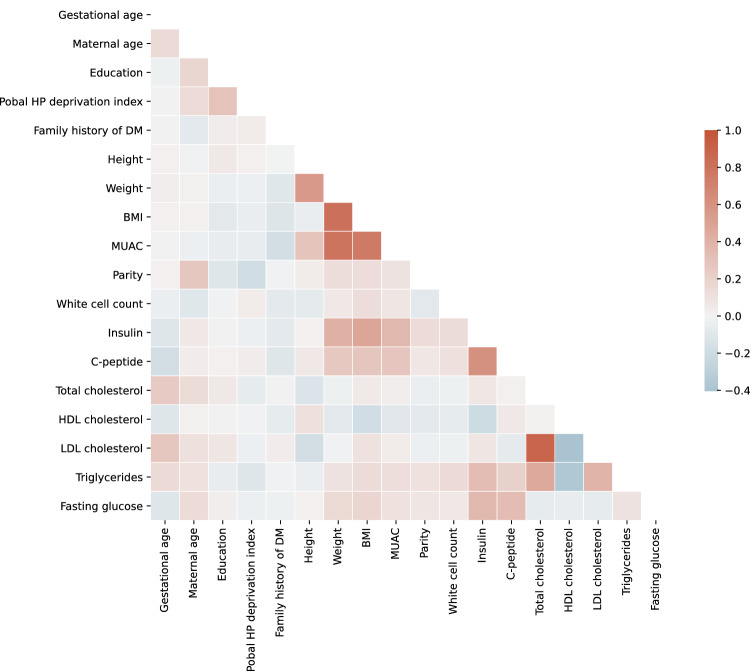
“Before analyzing individual variables, it is essential to explore and understand their interrelationships through correlation plots, thereby forming reasonable hypotheses about these connections 26 .”
Towards an explainable clinical decision support system for large-for-gestational-age births
Du, Y., Rafferty, A. R., McAuliffe, F. M., Mehegan, J., & Mooney, C. (2023) · PLoS ONE · doi:10.1371/journal.pone.0281821 · Cited by 11
Self-citationSankar, S., & Sathyalakshmi, S. (2024) · Computers, materials & continua/Computers, materials & continua (Print) · doi:10.32604/cmc.2024.048408 · Cited by 12
Shetty, N. P., Shetty, J., Hegde, V., Dharne, S. D., & Kv, M. (2024) · Journal of Ayurveda and Integrative Medicine · doi:10.1016/j.jaim.2024.101051 · Cited by 20
Germaine, M., O'Higgins, A. C., Egan, B., & Healy, G. F. (2025) · BMJ Digital Health & AI · doi:10.1136/bmjdhai-2025-000089 · Cited by 9
“…BMJ does not warrant the accuracy and reliability of the translations (including but not limited to local regulations, clinical guidelines, terminology, drug names and drug dosages), and is not responsible for any error and/or omissions arising from translation and adaptation or otherwise.”
Ayele, A. D., Gedefaw, G. A., Alemu, B. K., Wang, Y., & wang, C. C. (2025) · BMJ Evidence-Based Medicine · doi:10.1136/bmjebm-2025-114065 · Cited by 13
Calderón-Díaz, M., Serey-Castillo, L. J., Vallejos-Cuevas, E. A., Espinoza, A., Salas, R., & Macías-Jiménez, M. A. (2023) · Procedia Computer Science · doi:10.1016/j.procs.2023.03.135 · Cited by 10
Classifying XAI Methods to Resolve Conceptual Ambiguity
Dib, L., & Capus, L. (2025) · Technologies · doi:10.3390/technologies13090390 · Cited by 9
Liu, J., Wu, X., Xie, Y., Tang, Z., Xie, Y., & Gong, S. (2023) · Expert Systems with Applications · doi:10.1016/j.eswa.2023.121138 · Cited by 11
Applications of Artificial Intelligence for Health Informatics: A Systematic Review
Hasan, M. E., Islam, M. J., Islam, R., Chen, D., Sanín, C., & Xu, G. (2023) · Journal of Artificial Intelligence for Medical Sciences · doi:10.55578/joaims.230920.001 · Cited by 18
Recent advances in artificial intelligence-assisted endocrinology and diabetes
Oikonomakos, I. T., Anjana, R. M., Mohan, V., Steenblock, C., & Bornstein, S. R. (2024) · doi:10.37349/eemd.2023.00004 · Cited by 10
Flexible imputation toolkit for electronic health records
Sadr, A. V., Li, J., Hwang, W., Yeasin, M., Wang, M., Lehmann, H. P., Zand, R., & Abedi, V. (2025) · Scientific Reports · doi:10.1038/s41598-025-02276-5 · Cited by 13
“…methods, which include imputing missing values and updating the imputation algorithm in each iteration, have also been used in multiple studies 6,24,25 The overall goal of imputation is to help improve the data quality, sample size, and patient representation to further improve model…”
Explainable AI in Health Care: Trust and Transparency in AI-Powered Medical Diagnosis
Mohammed, Z. K. (2025) · Artificial intelligence · doi:10.5772/intechopen.1011279 · Cited by 17
Explainable AI in NLP: Interpretable Models for Transparent Decision Making
Shrivastava, G., Veeraiah, V., Praveenkumar, S., Pathak, P., Sharma, T., & Gupta, A. (2024) · International Conference on Computing, Communication and Networking Technologies (ICCCNT) · doi:10.1109/icccnt61001.2024.10726022 · Cited by 11
A Diabetes Prediction Model with Visualized Explainable Artificial Intelligence (XAI) Technology
Zhao, Y., Chaw, J. K., Ang, M. C., Daud, M. M., & Liu, L. (2023) · Lecture notes in computer science · doi:10.1007/978-981-99-7339-2_52 · Cited by 16
Ali, M., Elhabeeb, S. M. A., Elsheikh, N. E. A., Mohammed, F. S. A., Ali, S. H. M., Abdelhalim, A. A. I., & Altom, D. S. (2025) · Cureus · doi:10.7759/cureus.80514 · Cited by 10
“At the time of labor and delivery admission, CDSS has been used to estimate the risk of postpartum hemorrhage [16,17,29].”
Machine learning approaches to predict gestational diabetes in early pregnancy
Joshi, P. S., Rawat, S., Raj, A., & Jakhmola, V. (2024) · Elsevier eBooks · doi:10.1016/b978-0-443-21889-7.00011-7 · Cited by 4
Missing Value Imputation for Diabetes Prediction
Luo, F., Qian, H., Wang, D., Guo, X., Sun, Y., Lee, E. S., Teong, H. H., Lai, R., & Miao, C. (2022) · International Joint Conference on Neural Networks (IJCNN) · doi:10.1109/ijcnn55064.2022.9892398 · Cited by 10
“Other researchers’ prior studies show the feasibility to employ KNN and its extensions for diabetes prediction [24].”
BackgroundNazar, M., Unar, S., Ahmed, A., Su’ud, M. M., Alam, M., & Rahmat, A. (2026) · IEEE Access · doi:10.1109/access.2026.3664500 · Cited by 7
“Furthermore, digital health and machine learning leveraging the PEARS dataset and maternal biomarkers enabled interpretable early prediction of Gestational Diabetes Mellitus, offering clinicians digital health applications [22].”
XAI based feature selection for gestational diabetes Mellitus prediction
Maaloul, A., Jemel, M., & Azzouna, N. B. (2024) · International Conference on Control, Decision and Information Technologies (CoDIT) · doi:10.1109/codit62066.2024.10708408 · Cited by 3
“Some researchers [7]. in GDM prediction choose to work closely with clinical experts and gynecologists to manually select features and reduce the number of variables, while others use automated techniques for feature selection.”
BackgroundWei, L., & Mooney, C. (2023) · International Conference on Bioinformatics and Computational Biology (ICBCB) · doi:10.1109/icbcb57893.2023.10246719 · Cited by 3
“The limitation of the work is that as machine learning is a “black box” method, clinicians may have difficulty trusting machine learning-based methods [28].”
BackgroundSelf-citationComparative Study of Machine Learning Models for Early Gestational Diabetes Mellitus
Gupta, V., Gill, S., Sandhu, J. K., & Sahu, R. (2023) · International Conference on Circuit, Power and Computing Technologies · doi:10.1109/iccpct58313.2023.10244924 · Cited by 3
“Obesity and being overweight both raise the chance of getting GDM, whose frequency has significantly expanded worldwide over the previous few decades [2].”
Exploring Explainable AI in Healthcare: Challenges and Future Directions
Padma, A., Chithanuru, V., Uppamma, P., & Vishnukumar, R. (2024) · Advances in healthcare information systems and administration book series · doi:10.4018/979-8-3693-5468-1.ch011 · Cited by 5
Explainable Machine Learning Models for Clinical Decision Support Systems
Kumar, A., Veeraiah, V., Gongada, T. N., Ahamad, S., Khan, H. Q., & Gupta, A. (2024) · International Conference on Computing, Communication and Networking Technologies (ICCCNT) · doi:10.1109/icccnt61001.2024.10725028 · Cited by 11
Gray, N., Hl, P., Buchan, I. E., & Joyce, D. W. (2026) · ACM Transactions on Computing for Healthcare · doi:10.1145/3830235 · Cited by 5
“Six CDSSs present probabilities using natural frequencies, i.e. 10 out of 100 have X [5, 15, 30, 39, 58, 59].”
Gestational Diabetes Prediction Using ML Integrated with Web UI
Shrija, G., Sibi Prasad, D., & Hemalatha, S. (2025) · International Conference on Visual Analytics and Data Visualization (ICVADV) · doi:10.1109/icvadv63329.2025.10961695 · Cited by 2
“Yuhan Du et al (2022) [6] developed clinical decision-based support systems for women at risk to ensure timely intervention.”
An Explainable Machine Learning Approach for Early Prediction of Gestational Diabetes Mellitus (GDM)
Aatif, M., Islam, I. U., Iltaf, N., & Afzal, H. (2025) · Communications in computer and information science · doi:10.1007/978-3-031-89813-6_11 · Cited by 2
Advanced Predictive Modeling Techniques for Early Detection of Diabetes Mellitus
Baliyan, I., Nitika, & Monga, S. (2025) · International Conference on Cognitive Computing in Engineering, Communications, Sciences and Biomedical Health Informatics (IC3ECSBHI) · doi:10.1109/ic3ecsbhi63591.2025.10990986 · Cited by 3
“[19] Explainable ML-based CDSS for predicting GDM in pregnant women.”
Khokhar, P. B., Pentangelo, V., Palomba, F., & Gravino, C. (2025) · 2025 International Conference on Artificial Intelligence, Computer, Data Sciences and Applications (ACDSA) · doi:10.1109/acdsa65407.2025.11166460 · Cited by 2
“Different models have been utilized to further improve clinical decision support systems and highlight influencing predictors such as HbA1c and glucose levels with high accuracy across various models [14], [18], [19].”
Predictive model of sleep disorders in pregnant women using machine learning and SHAP analysis
Liu, C., Lin, Y., Wang, L., Li, H., Li, Y., Yang, D., Wang, C., Yu, Z., Wang, H., Du, Y., et al. (2025) · BMC Pregnancy and Childbirth · doi:10.1186/s12884-025-08026-9 · Cited by 2
“The inherent limitations of PSQI-based classification (sensitivity 74%, specificity 83% against polysomnography in pregnant populations according to a recent meta-analysis further establish an upper bound for prediction accuracy that aligns with our observed results [30, 31].”
Self-citationKuti-Kreszács, M., Diosan, L., & Bodó, Z. (2026) · Acta Universitatis Sapientiae Informatica · doi:10.1007/s44427-026-00022-x · Cited by 2
Taheri, Z., Tajdari, M., Ghadikolaei, Y. H., Eftekhari, H., Dodangeh, S., Jamshidi, P., Andarzbakhsh, K., & Rezazadeh, A. (2026) · Journal of Diabetes & Metabolic Disorders · doi:10.1007/s40200-025-01817-z · Cited by 3
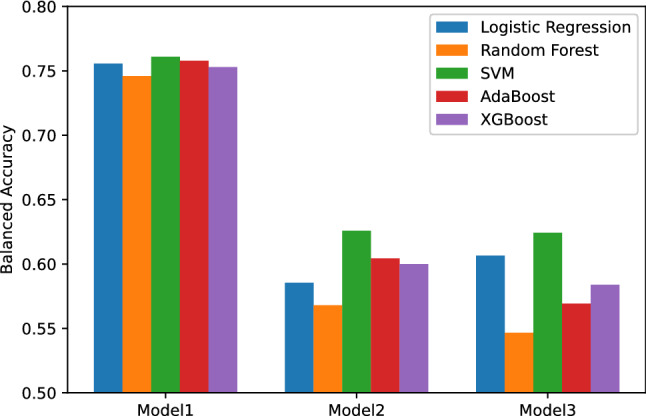
“These systems leverage a combination of maternal characteristics and blood biomarkers to predict GDM risk, with five-fold cross-validation ensur - ing optimal model accuracy [76].”
Comparative Analysis of High-Risk Pregnancy Prediction Using Machine Learning
Priyanka, Goyal, S., & Bhatia, R. (2023) · Lecture notes in networks and systems · doi:10.1007/978-981-99-2322-9_50 · Cited by 2
Li, H., Fan, Y., Zheng, K., Lewis, M., & Sycara, K. P. (2023) · Conference proceedings/Conference proceedings - IEEE International Conference on Systems, Man, and Cybernetics · doi:10.1109/smc53992.2023.10394414 · Cited by 2
“Existing DSS tend to be domain-specific, focusing on specific decisions (e.g. a particular disease as in [9]) or leveraging an existing knowledge base.”
Explainable AI: Methods, Frameworks, and Tools for Healthcare 5.0
Pulipeti, S., Chithaluru, P., Kumar, M., Narsimhulu, P., & Maheswari, U. (2024) · Computational intelligence methods and applications · doi:10.1007/978-981-97-3705-5_4 · Cited by 4
Chu, R., Wei, J., Lu, W., Dong, C., & Chen, Y. (2024) · Computers in Biology and Medicine · doi:10.1016/j.compbiomed.2024.108842 · Cited by 2
Объяснительный искусственный интеллект в моделях поддержки принятия решений для Здравоохранения 5.0
Averkin, A. N., & Yarushev, S. (2023) · Computer Tools in Education · doi:10.32603/2071-2340-2023-2-41-61 · Cited by 5
Transparency in Disease Diagnosis
Haq, I. U., Rather, A. H., Rufai, S. Z., Shah, A., Sheetal, S., & Khanday, A. M. U. D. (2025) · Wiley eBooks · doi:10.1002/9781394249312.ch6 · Cited by 3
Improving Gestational Diabetes Detection in Pregnancy through Machine Learning Models
Ishaq, G., Umar, H. G. A., Saleem, L., Fareed, M., & Aqdas, M. (2024) · Sir Syed University Research Journal of Engineering & Technology · doi:10.33317/ssurj.652
“Findings from the study suggest that laboratory data and maternal variables might be useful in predicting the likelihood of GDM. Theoretical GDM screening at prenatal visits and distant risk assessments are two of the many uses for the models created by researchers [22].”
Nur, A. A., Tjandra, S., Yumnanisha, D. A., Keane, A., & Bachtiar, A. (2025) · Narra J · doi:10.52225/narra.v5i1.2116 · Cited by 5
“Multi-center studies or those based on national databases tend to have lower bias [87], and future studies should prioritize diverse, high-quality training data and effective data handling to improve model accuracy and reliability [88].”
Binuya, M. A. E., Linn, S. C., Boekhout, A. H., Schmidt, M. K., & Engelhardt, E. G. (2025) · MDM Policy & Practice · doi:10.1177/23814683251328377 · Cited by 1
Unveiling the root causes of diabetes using explainable AI
Banu, P. K. N., Azar, A. T., & Kamal, N. A. (2025) · Elsevier eBooks · doi:10.1016/b978-0-443-23979-3.00015-4 · Cited by 1
A Sophisticated Onscreen Smart Framework for Predicting Diabetes in Remote Healthcare
Seerangan, K., Gunasekaran, P., Sivakumar, N. R., Nair, R. R., Nandagopal, M., Abi, N. E., & Manogaran, N. (2026) · Diagnostics · doi:10.3390/diagnostics16040532 · Cited by 1
“However, it has issues with a complex system, longer processing times, and imprecise disease identification [14,15].”
A Comparative Analysis of Machine Leaming-Based Classifiers for Predicting Diabetes
Aggarwal, N., Basha, C. B., Arya, A., & Gupta, N. (2023) · International Conference on Advanced Computing & Communication Technologies (ICACCTech) · doi:10.1109/icacctech61146.2023.00105 · Cited by 4
Machine Learning for Smart School Selection and Admissions
Praveenraj, D. D. W., Victor, M., & Subramani, K. (2023) · International Conference on Computation, Automation and Knowledge Management (ICCAKM) · doi:10.1109/iccakm58659.2023.10449592 · Cited by 1
“We started the process with substantial data collecting in order to support the machine learning-based smart school selection and admissions system[19].”
MethodShaik, F., Yelchuri, R., Gudur, N. A., & Dash, J. K. (2024) · Wiley eBooks · doi:10.1002/9781394214167.ch14 · Cited by 2
On Analyzing Complex Data Within Clinical Decision Support Systems
Kalina, J. (2022) · Advances in medical technologies and clinical practice book series · doi:10.4018/978-1-6684-5092-5.ch004 · Cited by 1
Gao, X., & Zheng, M. (2023) · Research Square · doi:10.21203/rs.3.rs-2762052/v1
Metadata
- Authors
- Du, Y., Rafferty, A. R., McAuliffe, F. M., Wei, L., & Mooney, C.
- Affiliations
- University College Dublin (IE)
- Corresponding author
- Mooney, Catherine
- Venue
- Scientific Reports
- Published
- 2022-01-21
- Volume
- 12
- Issue
- 1
- Pages
- 1170-1170
- ISSN
- 2045-2322 (ISSN-L)
- PMC
- PMC8782851
- OpenAlex
- W4206997722
- Cited by
- 128
- References
- 43
- Citations by year
- 2026: 20 · 2025: 32 · 2024: 33 · 2023: 32 · 2022: 11
- FWCI
- 20.24
- Type
- journal article
- Language
- en
- Open access
- gold
- doi.org
- Licence
- cc-by
- creativecommons.org/licenses/by/4.0 (tdm)
- creativecommons.org/licenses/by/4.0 (vor)
- Locations
- Scientific Reports (publishedVersion, cc-by)
- PubMed Central (publishedVersion, cc-by)
- PubMed (publishedVersion)
- DOAJ (DOAJ: Directory of Open Access Journals) (submittedVersion, cc-by-sa)
- Funders
- UCD School of Computer Science
- UCD School of Medicine
- Topics
- Health Sciences › Health Professions › Health Information Management › Artificial Intelligence in Healthcare
- Health Sciences › Medicine › Obstetrics and Gynecology › Gestational Diabetes Research and Management
- Physical Sciences › Computer Science › Artificial Intelligence › Machine Learning in Healthcare
- Keywords
- gestational diabetes mellitus, clinical decision support systems, explainable machine learning, SHAP, GDM risk prediction, GDM screening, prenatal care, blood biomarkers, maternal obesity, synthetic minority oversampling
- MeSH terms
- Smartphone, Machine Learning, Adult, Female, Humans, Maternal Age, Pregnancy, Risk Factors, ROC Curve, Models, Statistical, Randomized Controlled Trials as Topic, Diabetes, Gestational, Risk Assessment, Decision Support Systems, Clinical, Overweight, Mobile Applications
About these checks
Registry, retraction, Cites and statistics results are computed, not judged, with one exception: a printed reference that no index lists is read once by a model before it counts as a citation error. Claims are extracted by a model and kept only when their quote appears verbatim in the text; each cited source is then checked, with a model’s help, for whether it says what the claim relies on. Those verdicts can be wrong — read the claim’s quote and the cited source before relying on one.
Statistics and arithmetic are recomputed, not judged.
Confidence bands are shown only for fields calibrated on our annotated test set. None is calibrated yet, so no band is shown.
What counts as a claim ›How we measure confidence ›How we check this ›
Are you an author, or do you see a problem with this page? Request a review
Data sources
Bibliographic data: Semantic Scholar, OpenAlex, Crossref.
Contains information from the Semantic Scholar Academic Graph Datasets, made available under the ODC Attribution License (ODC-BY 1.0).
Semantic Scholar’s data is described in: Kinney, R., et al. (2023). The Semantic Scholar Open Data Platform. arXiv:2301.10140.
