

Silicon and iron nanoparticles protect rice against lead (Pb) stress by improving oxidative tolerance and minimizing Pb uptake
Open accessThe DOI matches its Crossref record; 74 of the 76 references it cites were found in a registry or an index; none of the 19 sources its claims cite is checked for support yet.
Abstract
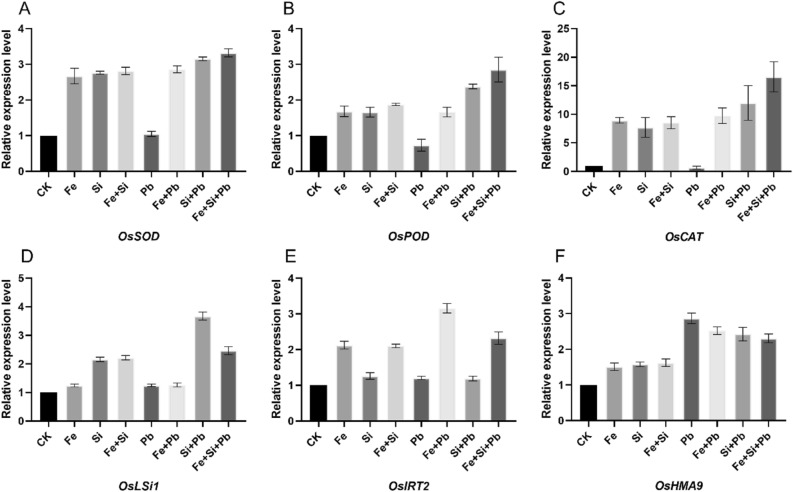
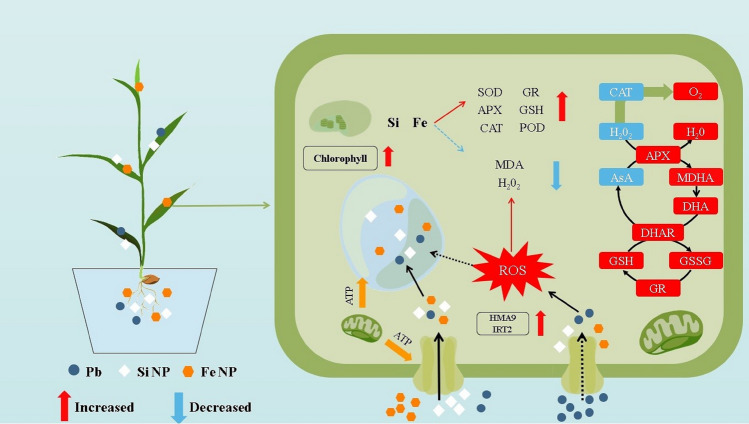
Lead (Pb) is toxic to the development and growth of rice plants. Nanoparticles (NPs) have been considered one of the efficient remediation techniques to mitigate Pb stress in plants. Therefore, a study was carried out to examine the underlying mechanism of iron (Fe) and silicon (Si) nanoparticle-induced Pb toxicity alleviation in rice seedlings. Si–NPs (2.5 mM) and Fe-NPs (25 mg L −1 ) were applied alone and in combination to rice plants grown without (control; no Pb stress) and with (100 µM) Pb concentration. Our results revealed that Pb toxicity severely affected all rice growth-related traits, such as inhibited root fresh weight (42%), shoot length (24%), and chlorophyll b contents (26%). Moreover, a substantial amount of Pb was translocated to the above-ground parts of plants, which caused a disturbance in the antioxidative enzyme activities. However, the synergetic use of Fe- and Si–NPs reduced the Pb contents in the upper part of plants by 27%. It reduced the lethal impact of Pb on roots and shoots growth parameters by increasing shoot length (40%), shoot fresh weight (48%), and roots fresh weight (31%). Both Si and Fe–NPs synergistic application significantly elevated superoxide dismutase (SOD), peroxidase (POD), catalase (CAT), and glutathione (GSH) concentrations by 114%, 186%, 135%, and 151%, respectively, compared to plants subjected to Pb stress alone. The toxicity of Pb resulted in several cellular abnormalities and altered the expression levels of metal transporters and antioxidant genes. We conclude that the synergistic application of Si and Fe-NPs can be deemed favorable, environmentally promising, and cost-effective for reducing Pb deadliness in rice crops and reclaiming Pb-polluted soils.
Overview
CoChat Summary
TL;DR
Synergistic application of silicon and iron nanoparticles mitigated lead stress in hydroponically grown rice seedlings by improving growth, antioxidant defense, and root cell integrity while reducing Pb uptake and translocation. The combined treatment was more effective than either nanoparticle alone.
Key findings
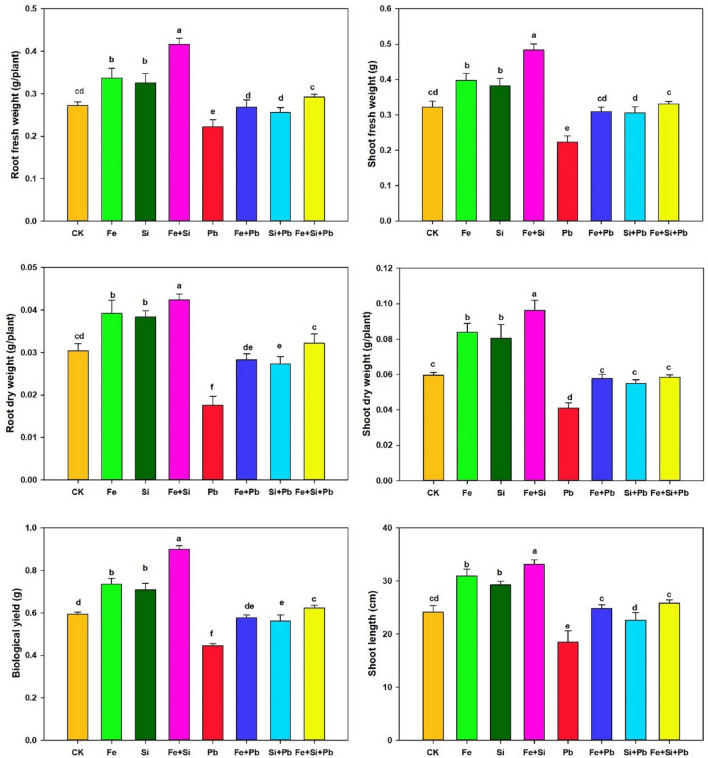
- Pb stress (100 µM) reduced rice growth traits, including root fresh weight by 42%, shoot length by 24%, and chlorophyll b by 26% (abstract); the results section reports shoot length decreased by 23.49% and root fresh weight by 18.21%.
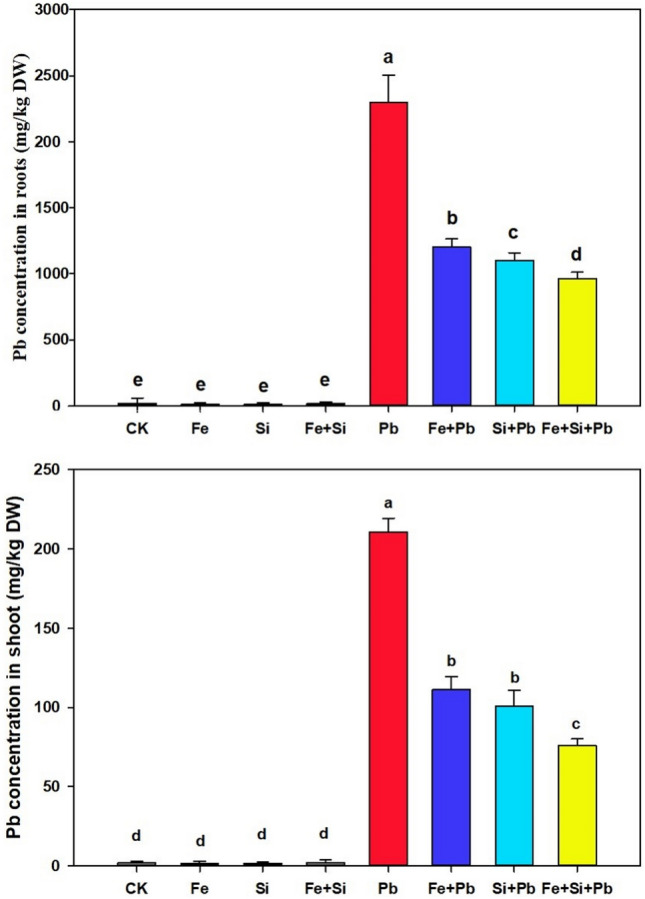
- Combined Si- and Fe-NPs reduced Pb in the upper plant parts by 27% (abstract); results report decreases of 56.43% in roots and 26.86% in shoots compared with Pb alone.
- Combined Si- and Fe-NPs increased shoot length by 40%, shoot fresh weight by 48%, and root fresh weight by 31% (abstract); results report 39.78%, 48.23%, and 31.26%, respectively, versus Pb alone.
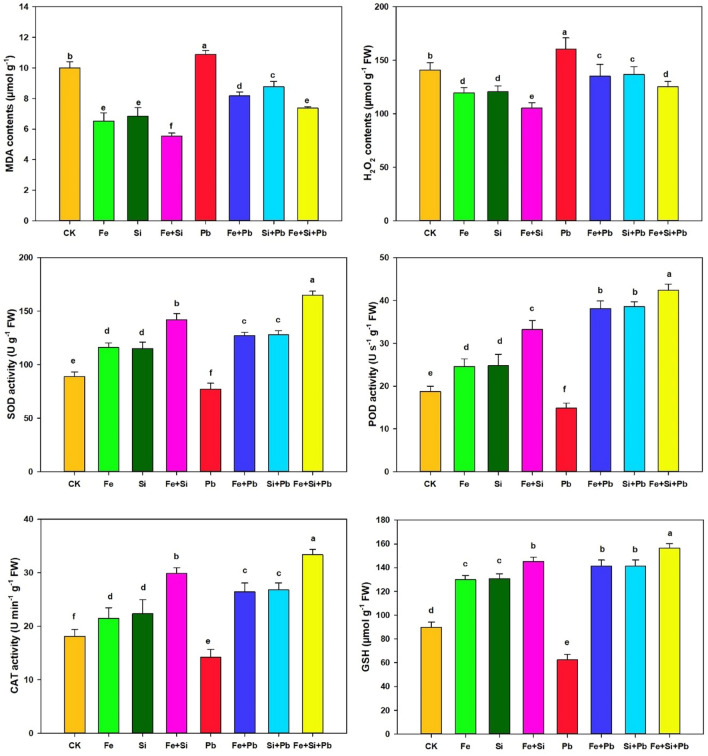
- Combined Si- and Fe-NPs elevated SOD, POD, CAT, and GSH by 114%, 186%, 135%, and 151% compared with Pb-stressed plants alone (abstract); results report 114.32%, 185.51%, 134.75%, and 150.49%.
Methods
- Hydroponic experiment with rice inbred line DW-4; 24-day-old seedlings treated with Pb(NO3)2 at 100 µM, Si-NPs at 2.5 mM, and Fe-NPs at 25 mg L⁻¹ alone and in combination, in a completely randomized design.
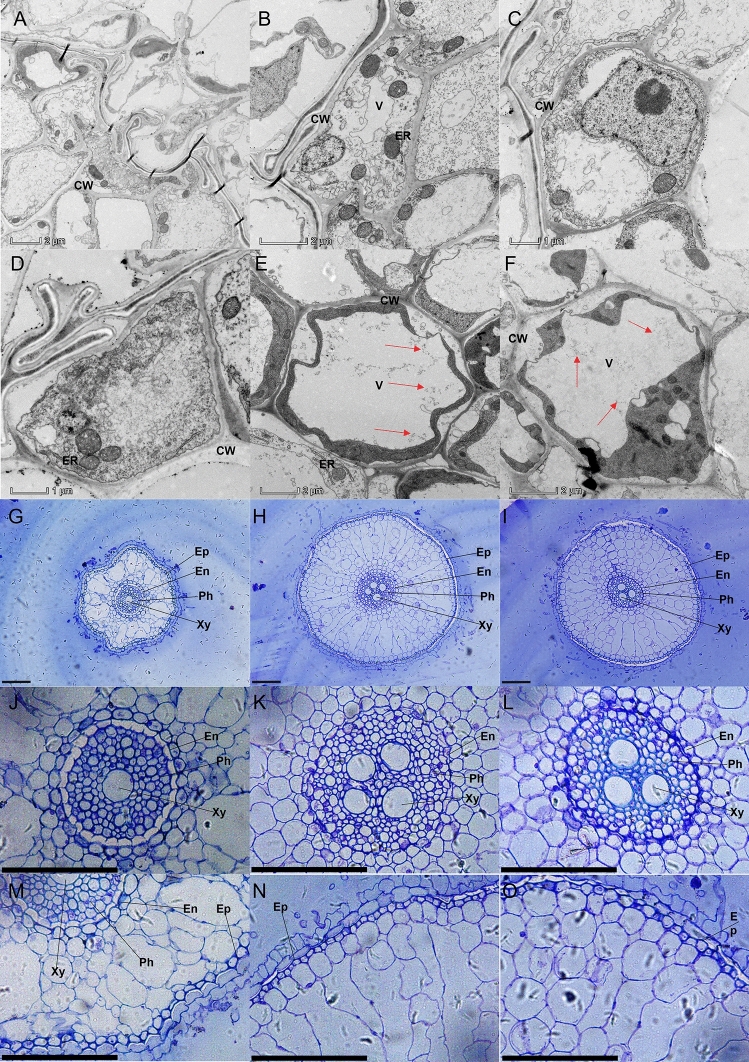
- Measurements included growth/biomass, chlorophyll and carotenoids, Pb and Fe/Si concentrations by ICP-MS, antioxidant/oxidant activities (SOD, POD, CAT, GSH, MDA, H2O2), root ultrastructure by TEM and semi-thin sections, and qRT-PCR for antioxidant and metal transporter genes.
- Data analyzed with one-way ANOVA, Tukey/LSD at p < 0.05, PCA, and Cohen’s effect sizes; text reports four pots per treatment combination and also three independent replications for statistical analysis.
Limitations
- Stated by the paper: the study focused on short-term effects; long-term efficacy and ecological impacts of NP application need further investigation.
- Stated by the paper: findings come from controlled laboratory conditions, and translation to real-world field scenarios, soil microbes, soil health, and ecosystem stability remains uncertain.
- Evident from the text: the experiment used a single rice genotype, a single Pb dose, and hydroponic culture, so soil-based Pb bioavailability, genotype variation, and field-relevant microbial interactions were not tested.
Model-written summary. Check it against the paper before relying on it.
Integrity signals
Registry
Cites
Statistics
Figures
Verification
Claims the paper makes
0 Valid · 0 Not valid · 14 Not checked · 121 Own results and interpretations
A result the paper reports from its own data — it cites no other source for it, so there is none to check. The quote shows it is in the paper.
In the paper
“The results indicated that Pb exposure decreased carotenoids and chlorophyll a, b contents by 19.19%, 20.50%, and 25.73% in comparison to the control treatment, respectively (Fig. S2).”
§ Silicon and iron nanoparticles protect rice against lead (Pb) stress by improving oxidative tolerance and minimizing Pb uptake > Results > Plants biomass and Chlorophyll
hedgedstates a cause- Asserted: passes — The authors put it forward as true.
- Checkable: passes — It can be checked against evidence.
- Load-bearing: passes — The paper’s conclusions depend on it.
- Based: passes — The paper gives a reason why it holds.
A result the paper reports from its own data — it cites no other source for it, so there is none to check. The quote shows it is in the paper.
In the paper
“and RFW, SFW, SDW, and RDW by 18.21%, 30.58%, 30.92%, and 42.10%, respectively.”
§ Silicon and iron nanoparticles protect rice against lead (Pb) stress by improving oxidative tolerance and minimizing Pb uptake > Results > Plants biomass and Chlorophyll
plainstates a cause- Asserted: passes — The authors put it forward as true.
- Checkable: passes — It can be checked against evidence.
- Load-bearing: passes — The paper’s conclusions depend on it.
- Based: passes — The paper gives a reason why it holds.
A result the paper reports from its own data — it cites no other source for it, so there is none to check. The quote shows it is in the paper.
In the paper
“However, the combined application of Fe- and Si-NPs to the Pb-stressed rice plants increased SL, SFW, RFW, SDW, and RDW by 39.78%, 48.23%, 31.26%, 42.33%, and 82.95% as compared to Pb alone, respectively.”
§ Silicon and iron nanoparticles protect rice against lead (Pb) stress by improving oxidative tolerance and minimizing Pb uptake > Results > Plants biomass and Chlorophyll
plainstates a cause- Asserted: passes — The authors put it forward as true.
- Checkable: passes — It can be checked against evidence.
- Load-bearing: passes — The paper’s conclusions depend on it.
- Based: passes — The paper gives a reason why it holds.
A result the paper reports from its own data — it cites no other source for it, so there is none to check. The quote shows it is in the paper.
In the paper
“and RFW, SFW, SDW, and RDW by 18.21%, 30.58%, 30.92%, and 42.10%, respectively.”
§ Silicon and iron nanoparticles protect rice against lead (Pb) stress by improving oxidative tolerance and minimizing Pb uptake > Results > Plants biomass and Chlorophyll
plainstates a cause- Asserted: passes — The authors put it forward as true.
- Checkable: passes — It can be checked against evidence.
- Load-bearing: passes — The paper’s conclusions depend on it.
- Based: passes — The paper gives a reason why it holds.
A result the paper reports from its own data — it cites no other source for it, so there is none to check. The quote shows it is in the paper.
In the paper
“and RFW, SFW, SDW, and RDW by 18.21%, 30.58%, 30.92%, and 42.10%, respectively.”
§ Silicon and iron nanoparticles protect rice against lead (Pb) stress by improving oxidative tolerance and minimizing Pb uptake > Results > Plants biomass and Chlorophyll
plainstates a cause- Asserted: passes — The authors put it forward as true.
- Checkable: passes — It can be checked against evidence.
- Load-bearing: passes — The paper’s conclusions depend on it.
- Based: passes — The paper gives a reason why it holds.
99 more claims
Create a free account to see all 135 claims and to verify the 18 references still open.
- The quote only partly states this claim. 2
- It may state two separate claims as one. 17
- Probably not a substantial claim. 14
Self-check
Percentages, sums and reported differences re-computed from the paper’s own numbers.
Each contradiction between two passages listed here was confirmed by an independent check.
Rated major: it would touch a result — a value a result rests on, reported and recomputed p-values on opposite sides of the significance level, two passages that conflict with no sign which is right, or a cited work retracted before this paper was published.
In the paper
§ Silicon and iron nanoparticles protect rice against lead (Pb) stress by improving oxidative tolerance and minimizing Pb uptake > Materials and methods > Statistical analyses
“The data, from three independent replications, underwent one-way ANOVA analysis”
§ Silicon and iron nanoparticles protect rice against lead (Pb) stress by improving oxidative tolerance and minimizing Pb uptake > Materials and methods > Statistical analyses
“Mean values and standard deviations (± SD) from four replications were used for representation.”
Rated minor: it would not touch a result — a value no result rests on, a p-value that stays on the same side of the significance level, or a conflict that is clerical, resolved elsewhere in the paper, or outside its own findings.
In the paper
§ Silicon and iron nanoparticles protect rice against lead (Pb) stress by improving oxidative tolerance and minimizing Pb uptake > Abstract
“inhibited root fresh weight (42%)”
§ Silicon and iron nanoparticles protect rice against lead (Pb) stress by improving oxidative tolerance and minimizing Pb uptake > Results > Plants biomass and Chlorophyll
“RFW, SFW, SDW, and RDW by 18.21%, 30.58%, 30.92%, and 42.10%, respectively.”
Rated minor: it would not touch a result — a value no result rests on, a p-value that stays on the same side of the significance level, or a conflict that is clerical, resolved elsewhere in the paper, or outside its own findings.
In the paper
§ Silicon and iron nanoparticles protect rice against lead (Pb) stress by improving oxidative tolerance and minimizing Pb uptake > Materials and methods > Plant materials and growth husbandry
“providing Fe2O3 NPs (99.9%, 20e30 nm)”
§ Silicon and iron nanoparticles protect rice against lead (Pb) stress by improving oxidative tolerance and minimizing Pb uptake > Materials and methods > Plant materials and growth husbandry
“Our samples' FTIR (Fourier-transform infrared spectroscopy) spectra revealed that the FeO was highly pure (Fig. S1B).”
Rated minor: it would not touch a result — a value no result rests on, a p-value that stays on the same side of the significance level, or a conflict that is clerical, resolved elsewhere in the paper, or outside its own findings.
In the paper
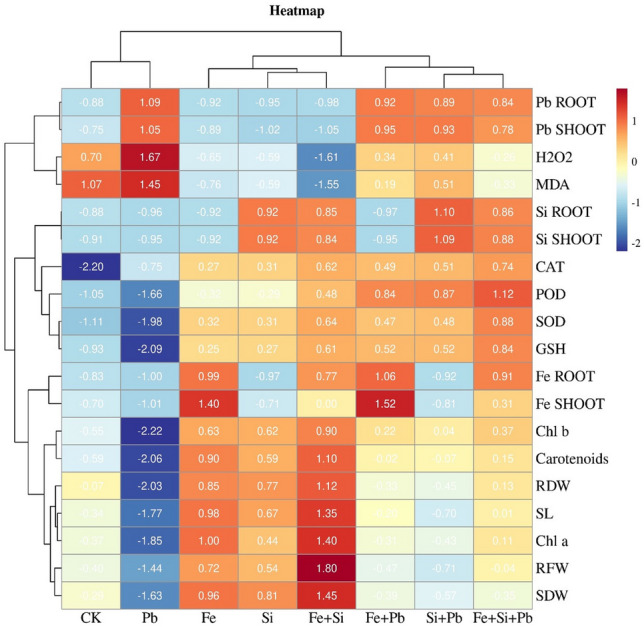
§ Silicon and iron nanoparticles protect rice against lead (Pb) stress by improving oxidative tolerance and minimizing Pb uptake > Results > Correlation, heatmap, homogeneity, and principal component analysis
“The larger the absolute value of Cohen's d, the larger the effect size (Table 2).”
§ Silicon and iron nanoparticles protect rice against lead (Pb) stress by improving oxidative tolerance and minimizing Pb uptake > Results > Correlation, heatmap, homogeneity, and principal component analysis
“| | Effect size (r) Fe | Effect size (r) Si | Effect size (r) Pb | Effect size (r) Fe × Si | Effect size (r) Fe × Pb | Effect size (r) Si × Pb | Effect size (r) Fe × Si × Pb |”
Rated minor: it would not touch a result — a value no result rests on, a p-value that stays on the same side of the significance level, or a conflict that is clerical, resolved elsewhere in the paper, or outside its own findings.
In the paper
§ Silicon and iron nanoparticles protect rice against lead (Pb) stress by improving oxidative tolerance and minimizing Pb uptake > Results > Correlation, heatmap, homogeneity, and principal component analysis
“However, these indicators increased slightly with Fe and Pb than Si and Pb.”
§ Silicon and iron nanoparticles protect rice against lead (Pb) stress by improving oxidative tolerance and minimizing Pb uptake > Results > Plants biomass and Chlorophyll
“the exclusive utilization of Si and Fe-NPs resulted in significant enhancements in the levels of chlorophyll a (27.03% and 24.67%), chlorophyll b (54.57% and 49.49%), and carotenoid (34.29% and 33.46%) under Pb-induced stress, respectively.”
Citations
Cites
Analysis of Relative Gene Expression Data Using Real-Time Quantitative PCR and the 2−ΔΔCT Method
Livak, K. J., & Schmittgen, T. D. (2001) · Methods · doi:10.1006/meth.2001.1262 · Cited by 180,860
[34] Chlorophylls and carotenoids: Pigments of photosynthetic biomembranes
Lichtenthaler, H. K. (1987) · Methods in Enzymology · doi:10.1016/0076-6879(87)48036-1 · Cited by 13,616
Mutation of the mouse klotho gene leads to a syndrome resembling ageing
Kuro-o, M., Matsumura, Y., Aizawa, H., Kawaguchi, H., Suga, T., Utsugi, T., Ohyama, Y., Kurabayashi, M., Kaname, T., Kume, E., et al. (1997) · Nature · doi:10.1038/36285 · Cited by 3,837
Ali, H., Khan, E., & Ilahi, I. (2019) · Journal of Chemistry · doi:10.1155/2019/6730305 · Cited by 3,238
Use of iron oxide nanomaterials in wastewater treatment: A review
Xu, P., Zeng, G. M., Huang, D. L., Feng, C. L., Hu, S., Zhao, M. H., Lai, C., Wei, Z., Huang, C., Xie, G. X., et al. (2012) · Science of The Total Environment · doi:10.1016/j.scitotenv.2012.02.023 · Cited by 1,929
Synthesis, characterization, applications, and challenges of iron oxide nanoparticles
Ali, A., Zafar, H., Zia, M., ul Haq, I., Phull, A. R., Ali, J. S., & Hussain, A. (2016) · Nanotechnology, Science and Applications · doi:10.2147/nsa.s99986 · Cited by 1,591
Zou, Y., Wang, X., Khan, A., Wang, P., Liu, Y., Alsaedi, A., Hayat, T., & Wang, X. (2016) · Environmental Science & Technology · doi:10.1021/acs.est.6b01897 · Cited by 1,369
Nanotechnology: A Revolution in Modern Industry
Malik, S., Muhammad, K., & Waheed, Y. (2023) · Molecules · doi:10.3390/molecules28020661 · Cited by 1,098
Leyser, O. (2018) · Plant Physiology · doi:10.1104/pp.17.00765 · Cited by 715
Rizwan, M., Ali, S., Qayyum, M. F., Ok, Y. S., Adrees, M., Ibrahim, M., Zia‐ur‐Rehman, M., Farid, M., & Abbas, F. (2016) · Journal of Hazardous Materials · doi:10.1016/j.jhazmat.2016.05.061 · Cited by 617
Self-citation
Cited by
Gupta, M., Dwivedi, V., Kumar, S., Patel, A., Niazi, P., & Yadav, V. K. (2024) · Plant Signaling & Behavior · doi:10.1080/15592324.2024.2365576 · Cited by 128
Rice and heavy metals: A review of cadmium impact and potential remediation techniques
Xia, W., Ghouri, F., Zhong, M., Bukhari, S. A. H., Ali, S., & Shahid, M. Q. (2024) · The Science of The Total Environment · doi:10.1016/j.scitotenv.2024.177403 · Cited by 64
Self-citationKhan, A. R., Salam, A., Li, G., Iqbal, B., Ulhassan, Z., Liu, Q., Azhar, W., Liaquat, F., Shah, I. H., Hassan, S. S. U., et al. (2024) · The Crop Journal · doi:10.1016/j.cj.2024.09.010 · Cited by 58
Faisal, M., Faizan, M., Soysal, S., & Alatar, A. A. (2024) · Frontiers in Plant Science · doi:10.3389/fpls.2024.1484600 · Cited by 49
Ashraf, H., Ghouri, F., Liang, J., Xia, W., Zheng, Z., Shahid, M. Q., & Fu, X. (2024) · Plants · doi:10.3390/plants13121715 · Cited by 43
Self-citationShahzad, R., Koerniati, S., Harlina, P. W., Hastilestari, B. R., Djalović, I. G., & Prasad, P. V. V. (2025) · BMC Plant Biology · doi:10.1186/s12870-025-06180-y · Cited by 36
Yousaf, N., Sardar, M. F., Ishfaq, M., Yu, B., Zhong, Y., Zaman, F., Zhang, F. S., & Zou, C. (2024) · Chemosphere · doi:10.1016/j.chemosphere.2024.142781 · Cited by 36
Foliar uptake and translocation of nanoparticles in the plants: a review
Bhati, V. S., Singh, P. K., Parmar, Y. J., & Rokins, P. G. (2025) · Journal of Plant Nutrition · doi:10.1080/01904167.2025.2538638 · Cited by 46
Naz, T., Iqbal, M. M., Raza, B., Mubeen, M. A., Nadeem, M., Al‐Ghamdi, A. A., Elshikh, M. S., Rizwan, M., & Iqbal, R. (2025) · Scientific Reports · doi:10.1038/s41598-025-88759-x · Cited by 32
Ashraf, H., Ghouri, F., Zhong, M., Cheema, S. A., Haider, F. U., Sun, L., Ali, S., Alshehri, M. A., Fu, X., & Shahid, M. Q. (2024) · Journal of Environmental Management · doi:10.1016/j.jenvman.2024.122239 · Cited by 30
Self-citationRahmatizadeh, R., Jamei, R., & Arvin, M. J. (2024) · Scientific Reports · doi:10.1038/s41598-024-72908-9 · Cited by 28
Ghouri, F., Shahid, M. J., Ali, S., Ashraf, H., Alomrani, S. O., Liu, J., Alshehri, M. A., Fahad, S., & Shahid, M. Q. (2024) · Environmental Science Nano · doi:10.1039/d4en00470a · Cited by 29
Self-citationWang, H., Hao, C., Chen, L., & Liu, D. (2025) · Journal of Hazardous Materials · doi:10.1016/j.jhazmat.2025.137931 · Cited by 28
Sen, B., Roy, D., Narayan, M., & Sarma, H. (2025) · Discover Plants. · doi:10.1007/s44372-025-00153-z · Cited by 24
Murtaza, G., Chen, Y., Qian, F., Zheng, G., Usman, M., Azam, M., Deng, G., Ahmed, Z., Chen, S., Iqbal, J., et al. (2025) · Industrial Crops and Products · doi:10.1016/j.indcrop.2025.121428 · Cited by 21
Sun, L., Ghouri, F., Jin, J., Zhong, M., Huang, W., Lu, Z., Wu, J., Liu, X., & Shahid, M. Q. (2025) · Rice · doi:10.1186/s12284-025-00776-6 · Cited by 20
Self-citationMitigating Pb-induced oxidative stress in rice plants by cerium oxide and iron oxide nanoparticles
Salmen, S. H., & Alharbi, S. A. (2024) · South African Journal of Botany · doi:10.1016/j.sajb.2024.07.039 · Cited by 20
Irshad, M. S., Ansari, J. R., Noman, A., Javed, W., Lee, J. C., Aqeel, M., Waseem, M., & Lee, S. S. (2024) · Ecotoxicology and Environmental Safety · doi:10.1016/j.ecoenv.2024.117195 · Cited by 22
Alam, T., Jalil, S., Jilani, G., Chaudhry, A. N., Haq, Z. U., Naz, I., Khan, A., Yang, X., Brestič, M., Skalický, M., et al. (2025) · Plant Stress · doi:10.1016/j.stress.2025.100905 · Cited by 19
Sobhanian, H., Song, W., Soltis, P. S., Soltis, D. E., & Chen, S. (2026) · Plant Communications · doi:10.1016/j.xplc.2026.101748 · Cited by 19
Liu, J., Ghouri, F., Sun, L., Lin, Z., Zhong, M., Farooq, M., & Shahid, M. Q. (2026) · Plant Cell Reports · doi:10.1007/s00299-026-03743-7 · Cited by 18
Self-citationAshraf, H., Ghouri, F., Ali, S., Bukhari, S. A. H., Haider, F. U., Zhong, M., Xia, W., Fu, X., & Shahid, M. Q. (2024) · Environmental Pollution · doi:10.1016/j.envpol.2024.125311 · Cited by 17
Self-citationLead-induced changes in plant cell ultrastructure: an overview
Khattabi, O. E., Lamwati, Y., Henkrar, F., Collin, B., Levard, C., Colin, F., Smouni, A., & Fahr, M. (2024) · BioMetals · doi:10.1007/s10534-024-00639-5 · Cited by 17
Electronic Nanomaterials for Plants: A Review on Current Advances and Future Prospects
Allarà, C., Ciccone, G., Ciocca, M., Vásquez, S., Ibba, P., Maver, M., Mimmo, T., Lugli, P., & Petti, L. (2025) · Advanced Electronic Materials · doi:10.1002/aelm.202500080 · Cited by 18
Rajput, P., Singh, A., Манджиева, С. С., Ghazaryan, K. A., Minkina, T., & Rajput, V. D. (2025) · Environmental Geochemistry and Health · doi:10.1007/s10653-025-02553-2 · Cited by 15
Emamverdian, A., Zhang, L., Pehlivan, N., Li, Y., & Zargar, M. (2026) · Industrial Crops and Products · doi:10.1016/j.indcrop.2026.122970 · Cited by 14
Chen, Z., Ma, Y., Ren, Y., Ma, L., Tang, X., Pan, S., Duan, M., Tian, H., & Mo, Z. (2024) · Plant Physiology and Biochemistry · doi:10.1016/j.plaphy.2024.108826 · Cited by 15
Azam, R., Malik, K., Sultana, T., Arooj, F., & Kazmi, A. (2025) · Physiological and Molecular Plant Pathology · doi:10.1016/j.pmpp.2025.102586 · Cited by 17
Upadhyay, S. K., Kumar, P., Rajput, V. D., Манджиева, С. С., & Minkina, T. (2025) · Plant Nano Biology · doi:10.1016/j.plana.2025.100186 · Cited by 14
Anuța, V., Blidaru, A., Dinu‐Pîrvu, C., Fierăscu, R. C., Fierăscu, I., (Sărdărescu), D.-I. T., Popa, L., Ghica, M. V., & Prisada, R. M. (2025) · Materials · doi:10.3390/ma18133142 · Cited by 14
Foliar application of silicon and selenium reduce the toxicity of cadmium to soybeans
Chen, J., Yang, D., Xu, M., Long, L., Li, Q., Jin, J., Chen, C., Wu, J., & Yang, G. (2024) · Chemosphere · doi:10.1016/j.chemosphere.2024.143390 · Cited by 13
Ashraf, H., Ghouri, F., Sun, L., Xia, W., Ashraf, S., Ashraf, M. Z., Fu, X., Ali, S., & Shahid, M. Q. (2024) · Journal of Hazardous Materials · doi:10.1016/j.jhazmat.2024.137009 · Cited by 11
Self-citationShaghaleh, H., Hamoud, Y. A., Saleem, M. H., Elansary, H. O., Mahmoud, E. A., & Sheteiwy, M. S. A. (2025) · Scientific Reports · doi:10.1038/s41598-025-11722-3 · Cited by 11
Nanoparticles as Potential Eustressors in Plants
Rodríguez-Jurado, S., Guevara-González, R. G., Aguirre-Becerra, H., Esquivel, K., & Feregrino‐Pérez, A. A. (2025) · Agronomy · doi:10.3390/agronomy15092186 · Cited by 11
Espinola, E. C., Cabreros, M. M. N., & Redillas, M. C. F. R. (2025) · Life · doi:10.3390/life15020189 · Cited by 11
Saha, K. K., Mandal, S., Barman, A., Chatterjee, S., & Mandal, N. C. (2025) · Journal of Hazardous Materials · doi:10.1016/j.jhazmat.2025.137587 · Cited by 10
Ghouri, F., Jin, J., Ali, S., Zhong, M., Liu, J., Xia, W., Jin, F., & Shahid, M. Q. (2025) · Journal of Environmental Management · doi:10.1016/j.jenvman.2025.125655 · Cited by 10
Self-citationRaza, H. Z., Shah, A. A., Usman, S., Noreen, Z., Javad, S., Kaleem, M., Shafique, S., & Gatasheh, M. K. (2025) · Scientific Reports · doi:10.1038/s41598-025-28941-3 · Cited by 11
Khan, T. A., Su, Q., Guoqin, H., Du, Z., Noor, M. A., Asseri, T. A. Y., & Hassan, M. U. (2025) · Frontiers in Plant Science · doi:10.3389/fpls.2025.1609825 · Cited by 9
Zeng, Y., Wen, M., Li, S., Wang, J., Liu, Z., Duan, N., Xie, E., Liu, W., & Zhao, X. Y. (2024) · Frontiers of Environmental Science & Engineering · doi:10.1007/s11783-025-1947-1 · Cited by 9
Silicon’s defensive role against biotic and abiotic stress: a review
Khursheed, S., Surma, S., Al-Tawaha, A. R., Shah, M. D., Padder, B. A., Afroza, B., Rashid, R., & Al‐Tawaha, A. R. (2025) · Phosphorus, sulfur, and silicon and the related elements · doi:10.1080/10426507.2025.2482090 · Cited by 11
Vasudhevan, P., Sridevi, G., Devanesan, S., Dixit, S., Singh, S., & Thangavel, P. (2025) · Environmental Geochemistry and Health · doi:10.1007/s10653-025-02447-3 · Cited by 9
Jin, J., Ghouri, F., Xia, W., Wang, J., & Shahid, M. Q. (2025) · Journal of Agricultural and Food Chemistry · doi:10.1021/acs.jafc.5c03920 · Cited by 11
Self-citationKumar, S., Suman, S., Muthukumar, M., Mishra, K., Bajpai, A., Tiwari, A. K., Srivastava, G. K., Bansal, S., Chaturvedi, K., Maurya, S. K., et al. (2025) · Frontiers in Nanotechnology · doi:10.3389/fnano.2025.1576582 · Cited by 9
Aborisade, M. A., Long, H., Rong, H., Zhang, F., Kumar, A., Efomah, A. N., Oba, B. T., Oladeji, O. A., Okimiji, O. P., Nkinahamira, F., et al. (2025) · Applied Soil Ecology · doi:10.1016/j.apsoil.2025.106533 · Cited by 8
Reducing lead toxicity with advanced nanotechnology methods
Toussi, A. G., Rafati, S. S., & Einafshar, E. (2025) · Naunyn-Schmiedeberg s Archives of Pharmacology · doi:10.1007/s00210-025-04170-3 · Cited by 8
Xia, W., Jin, J., Ali, S., Zheng, Z., Wang, J., Ghouri, F., & Shahid, M. Q. (2025) · International Journal of Biological Macromolecules · doi:10.1016/j.ijbiomac.2025.147190 · Cited by 11
Self-citationHarnessing polyploidy and nitric oxide for improved arsenic tolerance in Oryza sativa
Shahid, M. Q., Sun, L., Hashim, M., Haider, F. U., Sarwar, S., Zhong, M., Yang, H., Ali, S., Liu, X., & Ghouri, F. (2025) · BMC Plant Biology · doi:10.1186/s12870-025-07642-z · Cited by 7
Self-citationNanoparticle-mediated mitigation of heavy metal stress in plants: a comprehensive review
Shah, S. A., & Aslam, S. (2025) · Journal of Nanoparticle Research · doi:10.1007/s11051-025-06520-x · Cited by 7
Kasala, E. E., Wang, J., Majid, A., Nadege, M. N., & Nyakilla, E. E. (2025) · Energy & Fuels · doi:10.1021/acs.energyfuels.5c01249 · Cited by 7
Revitalizing soil–-biochar's battle against heavy metal menace in plants: A review
Mir, N. R., Mir, B. A., Mavi, M. S., & Kapoor, N. (2025) · Pedosphere · doi:10.1016/j.pedsph.2025.07.014 · Cited by 8
Shahzad, M. A., Younis, U., Ehsan, A., Alarfaj, A. A., Alharbi, S. A., & Ansari, M. J. (2024) · Scientific Reports · doi:10.1038/s41598-024-81072-z · Cited by 7
Boutafda, A., Kounbach, S., Zourif, A., Benhida, R., & Danouche, M. (2026) · Plants · doi:10.3390/plants15091320 · Cited by 7
Amooaghaie, R., Karimi-Baram, A., Ghorbanpour, M., & Ahadi, A. M. (2025) · The Science of The Total Environment · doi:10.1016/j.scitotenv.2025.179777 · Cited by 9
Effect of cerium oxide and silicon dioxide nanoparticles in combating heavy metal stress in plants
Manna, I., Nath, S., Mandal, P., & Paul, S. (2025) · The Nucleus · doi:10.1007/s13237-025-00582-x · Cited by 6
Naik, H. Y., Manoharadas, S., Bommayasamy, N., Thomas, J., Gobi, M., Thiruvengadam, M., & Amaresan, N. (2025) · Environmental Geochemistry and Health · doi:10.1007/s10653-025-02680-w · Cited by 6
Biswas, A., & Pal, S. (2025) · Silicon · doi:10.1007/s12633-025-03306-7 · Cited by 5
Zhang, S., Zhang, Z., Qin, X., & Zhang, Z. K. (2025) · Industrial Crops and Products · doi:10.1016/j.indcrop.2025.121343 · Cited by 8
Jin, L., Qiao, Q., Xiong, Y., Liu, Z., Wang, J., Ensen, G., Zhang, P., Chen, Z., Zhang, L., Hou, X., et al. (2025) · Plant Physiology and Biochemistry · doi:10.1016/j.plaphy.2025.110785 · Cited by 6
Mošenoka, A., Kokina, I., Plaksenkova, I., Jermaļonoka, M., Sļedevskis, Ē., & Krasovska, M. (2024) · Agronomy · doi:10.3390/agronomy14102324 · Cited by 5
Anand, V., & Pandey, A. (2024) · Environmental Science and Pollution Research · doi:10.1007/s11356-024-33531-3 · Cited by 5
Youliang, S., Muhammad, S., Ying, H., Lei, W., Zhimeng, H., Zhou, X., PengKe, Z., Fangzhen, L., Lu, X., & Aslam, A. (2026) · PeerJ · doi:10.7717/peerj.20599 · Cited by 4
Nanofertilizers: Revolutionizing Nutrient Delivery Systems at Molecular Scale
Ahmed, S., Shohael, A. M., Uzma, J., & Khan, A. A. H. (2026) · Smart nanomaterials technology · doi:10.1007/978-981-95-4709-8_13 · Cited by 4
de Almeida, J. H. V., Neto, M. E., Brignoli, F. M., Silva, M. T. R. E., Verginio, A. C. P. D. S., Zaia, D. A. M., Dias‐Arieira, C. R., Inoue, T. T., & Batista, M. A. (2024) · Archives of Agronomy and Soil Science · doi:10.1080/03650340.2024.2423649 · Cited by 4
Alizadeh, S., Pourakbar, L., & Moghaddam, S. S. (2025) · Ecotoxicology and Environmental Safety · doi:10.1016/j.ecoenv.2025.118951 · Cited by 3
Nazim, M., Hussain, A., Nawaz, A., Anjum, S., Ali, M., & Li, X. (2026) · Nanotechnology for Environmental Engineering · doi:10.1007/s41204-025-00500-1 · Cited by 3
Faruk, M. O., Haque, M. A., Jharna, D. E., & Hoque, M. F. (2026) · Discover Soil. · doi:10.1007/s44378-026-00248-3 · Cited by 3
Sachdev, S., Jalil, S. U., Ahmed, Z. F. R., & Ansari, M. I. (2026) · Frontiers in Plant Science · doi:10.3389/fpls.2026.1814785 · Cited by 3
Dong, W. (2025) · Plant Physiology and Biochemistry · doi:10.1016/j.plaphy.2025.109881 · Cited by 3
AL‐Huqail, A. A., Alatawi, A., Alghanem, S. M. S., Khan, K. A., & Abeed, A. H. A. (2025) · Journal of soil science and plant nutrition · doi:10.1007/s42729-025-02375-2 · Cited by 3
Shahid, M., Ansari, W. A., Zeyad, M. T., Ali, S., Almalki, M. A., & Alfredan, M. (2025) · Process Safety and Environmental Protection · doi:10.1016/j.psep.2025.107488 · Cited by 3
Self-citationMolkova, E. A., Sarimov, R. M., Matveeva, T. A., Simakin, A. V., Акопджанов, А. Г., Serov, D. A., Ребезов, М. Б., Astashev, M. E., Sergienko, K. V., Sevostyanov, M. A., et al. (2025) · Colloids and Interfaces · doi:10.3390/colloids9040045 · Cited by 3
Du, Z., Liang, M., Wang, X., Liu, Y., Du, S., Shi, D., Sun, Y., Ji, C., Zhang, C., Cui, H., et al. (2025) · Journal of Advanced Research · doi:10.1016/j.jare.2025.07.038 · Cited by 3
Chen, F., Xia, Y., Elansary, H. O., & Gómez‐Oliván, L. M. (2025) · Environmental Science Nano · doi:10.1039/d4en00992d · Cited by 3
Ansari, W. A., Shahid, M., Danish, M., Ali, S., Almalki, M. A., & Alfredan, M. (2025) · Frontiers in Plant Science · doi:10.3389/fpls.2025.1590148 · Cited by 3
Self-citationUncovering the phytotoxicity of typical perovskite nanomaterials in peanut plants
Li, Z., Liu, H., Xiao, Y., Min, K., Pan, Y., Li, Y., & Yan, W. (2025) · Environmental Chemistry and Ecotoxicology · doi:10.1016/j.enceco.2025.05.006 · Cited by 2
Khan, A., Shahzad, M., Kanwal, F., Maruza, T. M., Chen, M., & Zhang, G. (2025) · Environmental Science Nano · doi:10.1039/d5en00002e · Cited by 2
Shahbaz, Z., Rafique, M. T., Saifullah, D., Shahbaz, H., Hamid, Y., Sheteiwy, M. S. A., Shah, A. M., Kaleem, Z., Zhou, W., & Ulhassan, Z. (2025) · Elsevier eBooks · doi:10.1016/b978-0-443-14139-3.00003-8 · Cited by 5
Role of Si/SiO 2 NPs in Mitigation of Heavy Metal Stress
Kumar, N., Raman, P. V., & Singh, A. K. (2025) · Wiley eBooks · doi:10.1002/9781394261499.ch12 · Cited by 3
Yu, S., Wang, Z., Xiong, Y., Chen, Y., Zhang, Y., Fang, Y., Wang, G., Chi, R., & Xiao, C. (2026) · BioMetals · doi:10.1007/s10534-025-00782-7 · Cited by 2
Gautam, A., Kumar, V., & Guleria, P. (2026) · Bioscience Nanotechnology · doi:10.1186/s44331-026-00016-8 · Cited by 2
Singh, V., Jangir, P., & Soni, P. (2026) · Journal of Plant Biochemistry and Biotechnology · doi:10.1007/s13562-026-01087-7 · Cited by 2
Pasković, M. P., Bouhadi, M., Lahmaoui, S., & Pasković, I. (2026) · Plants · doi:10.3390/plants15162463 · Cited by 2
Nafees, M., Khan, I., Ullah, S., & Ahmed, I. (2025) · Folia Microbiologica · doi:10.1007/s12223-025-01365-2 · Cited by 2
Singh, A., Bol, R., Lovynska, V., Singh, S., Singh, R. K., Sousa, J. R., Elshikh, M. S., Khachatryan, H., & Ghazaryan, K. (2025) · Advances in agronomy · doi:10.1016/bs.agron.2025.08.001 · Cited by 1
Rubab, U. E., Hussain, S., Ashraf, A., Saeed, M., Raja, N. I., & Mashwani, Z. (2025) · BioNanoScience · doi:10.1007/s12668-025-02104-0 · Cited by 1
Biswas, A., & Pal, S. (2025) · Biocatalysis and Agricultural Biotechnology · doi:10.1016/j.bcab.2025.103805 · Cited by 1
Shaghaleh, H., Hamoud, Y. A., Saleem, M. H., Elansary, H. O., Mahmoud, E. A., & Sheteiwy, M. S. A. (2025) · BMC Plant Biology · doi:10.1186/s12870-025-07331-x · Cited by 1
Priya, E. M., Uma, E., Mitra, D., & Tamilselvi, K. S. (2025) · Cleaner Water · doi:10.1016/j.clwat.2025.100177 · Cited by 1
Wei, T., Hu, R., Wang, Y., Zhang, X., Bai, Y., & Zhang, C. (2025) · Acta Physiologiae Plantarum · doi:10.1007/s11738-025-03871-9 · Cited by 1
Nanomaterials Strategies for Enhancing Plant Adaptation in the Adverse Agroclimatic Variables
Naik, Y. D., Kale, A. N., Upadhayay, V. K., Sharma, A., & Singh, A. V. (2025) · Nanotechnology in the life sciences · doi:10.1007/978-3-031-90617-6_7 · Cited by 1
Kadri, O., Chaoui, A., & Karmous, I. (2025) · ACS Agricultural Science & Technology · doi:10.1021/acsagscitech.5c00698 · Cited by 1
Pal, P., Mondal, S., Ghosh, S. K., Pal, D., Chakraborty, A., Ghosh, P. K., Dey, N., Dam, B., & Maiti, T. K. (2025) · Journal of Hazardous Materials · doi:10.1016/j.jhazmat.2025.140962 · Cited by 1
Xu, C., Luo, Y., Dong, M., Xia, X., Zaman, Q. U., Sultan, K., Murtaza, G., Fahad, S., Wang, Z., & Deng, G. (2026) · Industrial Crops and Products · doi:10.1016/j.indcrop.2025.122577 · Cited by 1
Guo, Z., Nie, M., Li, T., Ding, C., Huang, G., Yue, Z., Wang, Y., Zhang, T., Huang, R., & Wang, X. (2026) · Journal of Hazardous Materials · doi:10.1016/j.jhazmat.2026.141714 · Cited by 1
Yousefi, A., Jahromi, B. B., Tavallali, V., & Niazmand, A. R. (2026) · BMC Plant Biology · doi:10.1186/s12870-026-08707-3 · Cited by 2
Keerthana, P., Harini Priya, A., Sathya, K., & Rao, K. J. (2026) · CLEAN - Soil Air Water · doi:10.1002/clen.70214 · Cited by 1
Lead contamination fixation through CO2-based biomineralization
Jahanmard, M. R., Deylaghian, S., Nikooee, E., Aghili, H., Ansari, M., Khodayari, E., & Niazi, A. (2026) · Scientific Reports · doi:10.1038/s41598-026-58559-y · Cited by 1
Silicon-mediated defense mechanisms in plants under heavy metal stress
Guleria, T., Bhardwaj, S., Kapoor, B., Sharma, M., Kapoor, D., & Kumar, V. (2026) · Journal of Trace Elements and Minerals · doi:10.1016/j.jtemin.2026.100317 · Cited by 1
Heavy Metal Stress: Recent Insights on Toxicity and Adaptive Strategies in Plants—A Review
Ahmed, K. B. M., Khanam, N., Siddiqui, H., & Ramjan, M. (2026) · International Journal of Environmental Research · doi:10.1007/s41742-026-01152-y · Cited by 1
Metadata
- Authors
- Ghouri, F., Sarwar, S., Sun, L., Riaz, M., Haider, F. U., Ashraf, H., Lai, M., Imran, M., Liu, J., Ali, S., Liu, X., & Shahid, M. Q.
- Affiliations
- South China Agricultural University (CN)
- Government College University, Faisalabad (PK)
- Chinese Academy of Sciences (CN)
- China Medical University (TW)
- Corresponding author
- Ali, Shafaqat
- Liu, Xiangdong
- Shahid, Muhammad Qasim
- ORCID
- Venue
- Scientific Reports
- Published
- 2024-03-12
- Volume
- 14
- Issue
- 1
- Pages
- 5986-5986
- ISSN
- 2045-2322 (ISSN-L)
- PMC
- PMC10933412
- OpenAlex
- W4392680492
- Cited by
- 139
- References
- 73
- Citations by year
- 2026: 50 · 2025: 65 · 2024: 24
- FWCI
- 28.53
- Type
- journal article
- Language
- en
- Open access
- gold
- doi.org
- Licence
- cc-by
- creativecommons.org/licenses/by/4.0 (tdm)
- creativecommons.org/licenses/by/4.0 (vor)
- Locations
- Scientific Reports (publishedVersion, cc-by)
- PubMed Central (publishedVersion, cc-by)
- PubMed (publishedVersion)
- DOAJ (DOAJ: Directory of Open Access Journals) (submittedVersion)
- Greater South Information System
- Funders
- Guangdong Base Bank for Lingnan Rice Germplasm Resources Project (2023)
- Laboratory of Lingnan Modern Agriculture Project (NT2021001)
- National Natural Science Foundation of China (32350610253)
- Topics
- Life Sciences › Agricultural and Biological Sciences › Plant Science › Silicon Effects in Agriculture
- Life Sciences › Agricultural and Biological Sciences › Plant Science › Plant Stress Responses and Tolerance
- Physical Sciences › Environmental Science › Pollution › Heavy metals in environment
- Keywords
- lead toxicity, rice, silicon nanoparticles, iron nanoparticles, oxidative stress, antioxidant enzymes, lead uptake, metal transporters, antioxidant gene expression, plant growth inhibition
- MeSH terms
- Antioxidants, Glutathione, Iron, Lead, Oryza, Silicon, Soil Pollutants, Superoxide Dismutase, Oxidative Stress, Nanoparticles
About these checks
Registry, retraction, Cites and statistics results are computed, not judged, with one exception: a printed reference that no index lists is read once by a model before it counts as a citation error. Claims are extracted by a model and kept only when their quote appears verbatim in the text; each cited source is then checked, with a model’s help, for whether it says what the claim relies on. Those verdicts can be wrong — read the claim’s quote and the cited source before relying on one.
A language model drew the claims from the paper on 2026-11-15, under version 3 of the claim definition (model deepseek-v4.1-flash, prompt extract-v3).
A second model labelled each claim on 2026-11-15 (model jev-1.13-20260917, definition revision gold-guideline-v0.2).
Statistics and arithmetic are recomputed, not judged.
Confidence bands are shown only for fields calibrated on our annotated test set. None is calibrated yet, so no band is shown.
What counts as a claim ›How we measure confidence ›How we check this ›
Are you an author, or do you see a problem with this page? Request a review
Data sources
Bibliographic data: Semantic Scholar, OpenAlex, Crossref.
Contains information from the Semantic Scholar Academic Graph Datasets, made available under the ODC Attribution License (ODC-BY 1.0).
Semantic Scholar’s data is described in: Kinney, R., et al. (2023). The Semantic Scholar Open Data Platform. arXiv:2301.10140.
