

Temporal and spatial trend analysis of all-cause depression burden based on Global Burden of Disease (GBD) 2019 study
Open accessThe DOI matches its Crossref record; 50 of the 52 references it cites were found in a registry or an index, and 2 are not checked yet; 8 of the 29 sources its claims cite were checked for support.
Abstract
Depression has been reported as one of the most prevalent psychiatric illnesses globally. This study aimed to obtain information on the global burden of depression and its associated spatiotemporal variation, by exploring the correlation between the global burden of depression and the social development index (SDI) and associated risk factors. Using data from the Global Burden of Disease study from 1990 to 2019, we described the prevalence and burden of disease in 204 countries across 21 regions, including sex and age differences and the relationship between the global disease burden and SDI. The age-standardized rate and estimated annual percentage change were used to assess the global burden of depression. Individuals with documented depression globally ranged from 182,183,358 in 1990 to 290,185,742 in 2019, representing an increase of 0.59%. More patients experienced major depressive disorder than dysthymia. The incidence and disability-adjusted life years of depression were the highest in the 60–64 age group and much higher in females than in males, with this trend occurring across all ages. The age-standardized incidence and adjusted life-years-disability rates varied with different SDI levels. Relevant risk factors for depression were identified. National governments must support research to improve prevention and treatment interventions.
Verified 2026-10-05 · 2 references not checked yet
Overview
CoChat Summary
TL;DR
This GBD 2019 analysis describes the global burden of depressive disorders from 1990 to 2019 across 204 countries and 21 regions, with attention to age, sex, SDI, HDI, and selected risk factors. It reports rising absolute case numbers and DALYs, higher burden in females, and substantial regional variation.
Key findings
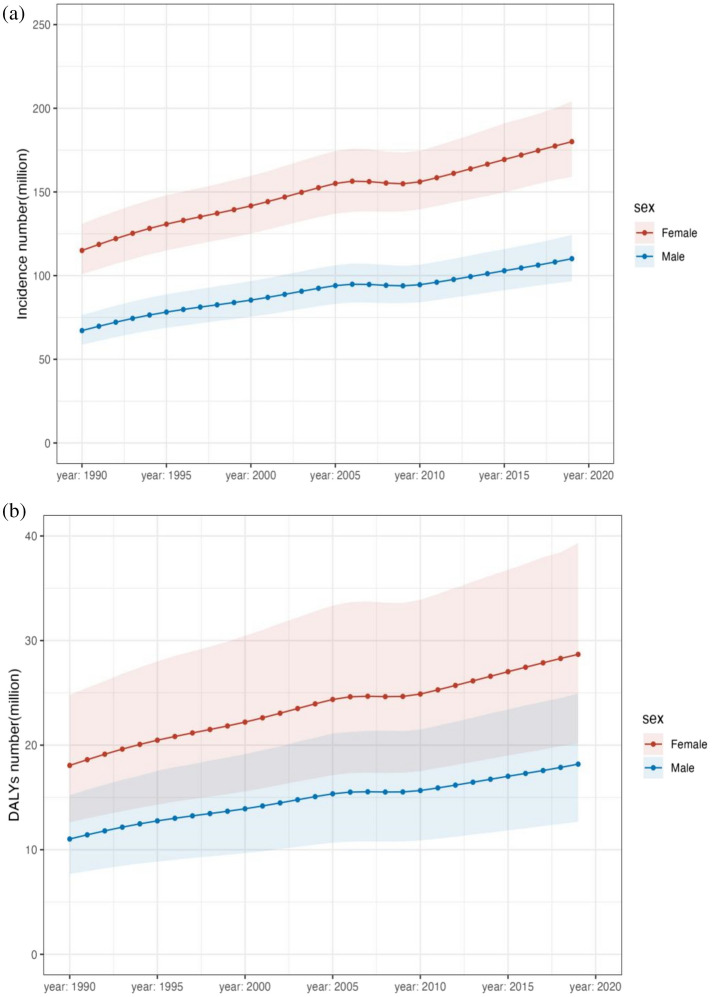
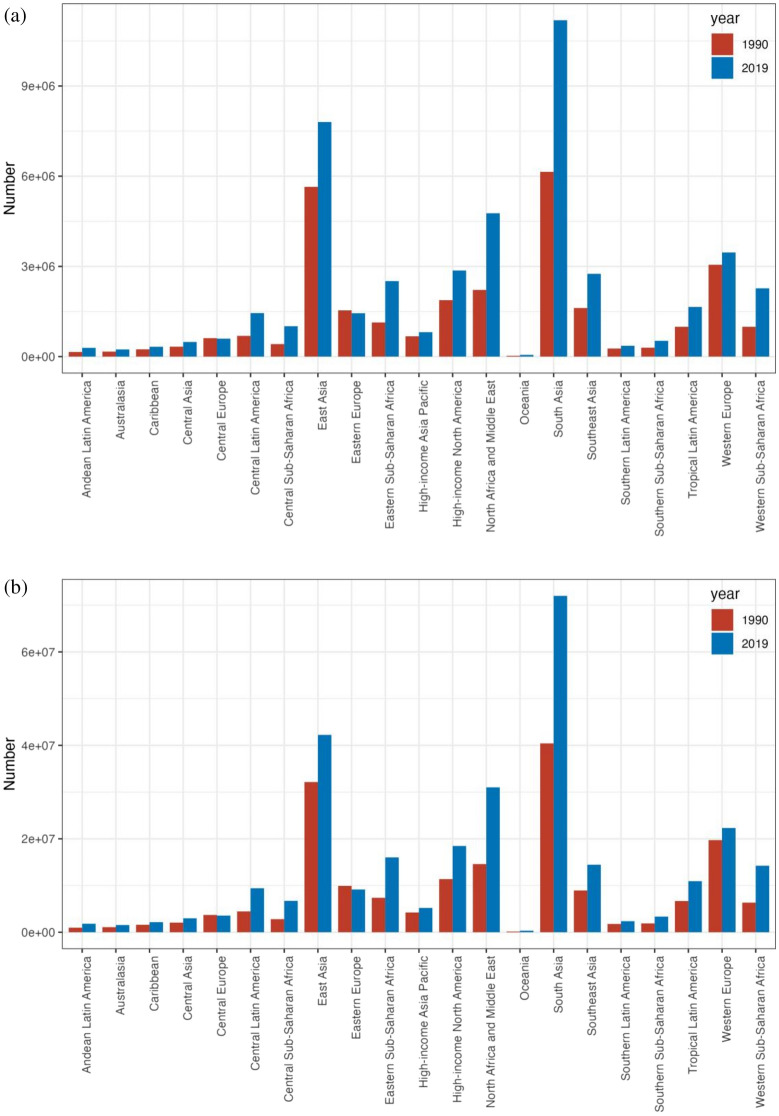
- Global depressive disorder cases rose from 182,183,358 in 1990 to 290,185,742 in 2019, an increase of 0.59%; DALYs reached 46,863,642 in 2019, a 0.61% increase since 1990.
- Major depressive disorder was far more common than dysthymia in 2019: incidence was 274,803,790 vs 15,381,951, and DALYs were 37,202,742 vs 9,660,901.
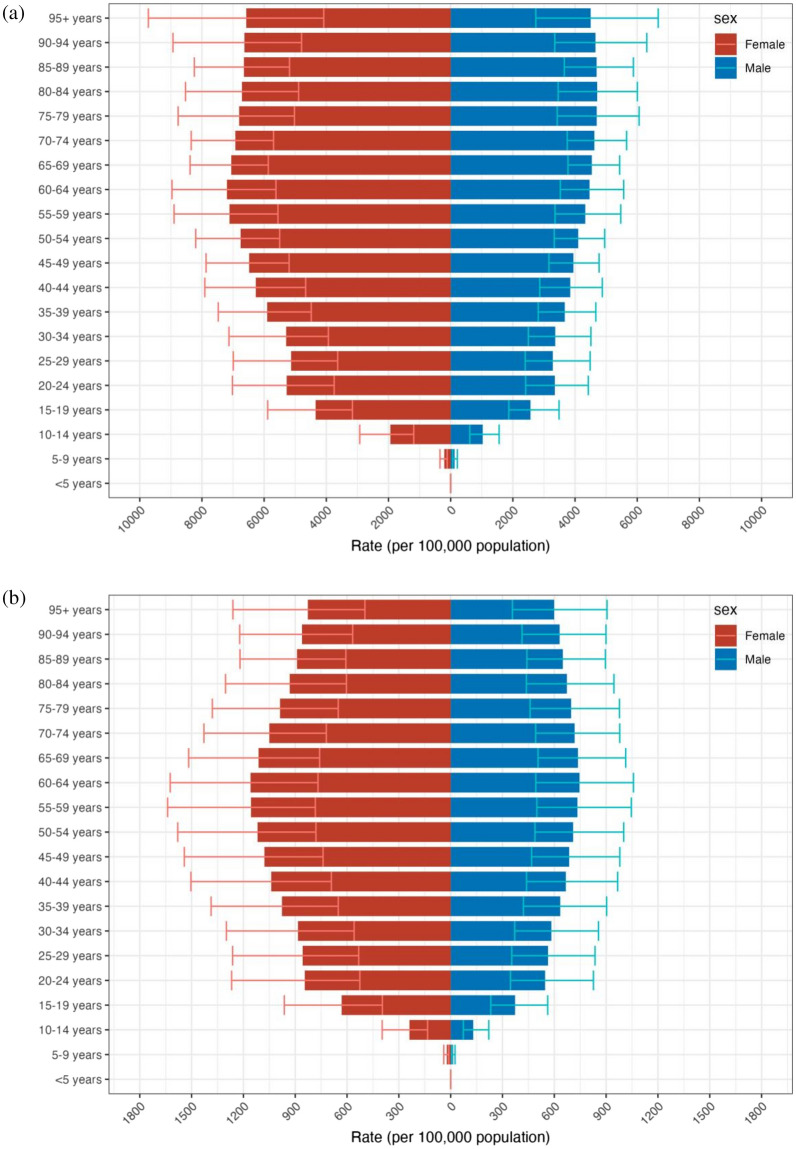
- Females had higher burden than males: 180,062,320 vs 110,123,422 incident cases and 28,680,540 vs 18,183,102 DALYs; ASDR was 702.08 in females vs 452.17 in males. ASIR peaked at ages 60–64 for females and 80–84 for males, while ASDR peaked at 55–59 for females and 60–64 for males.
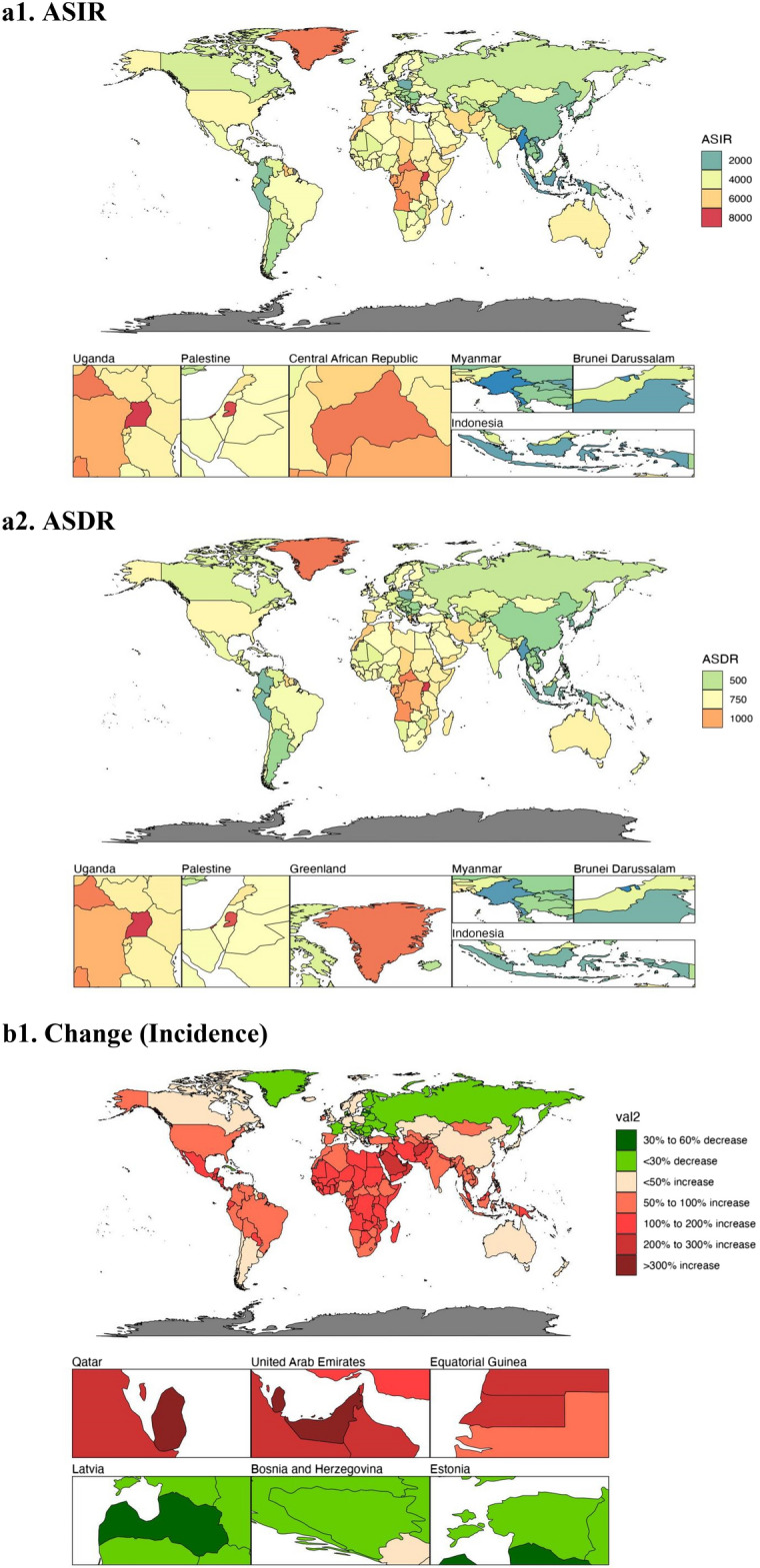
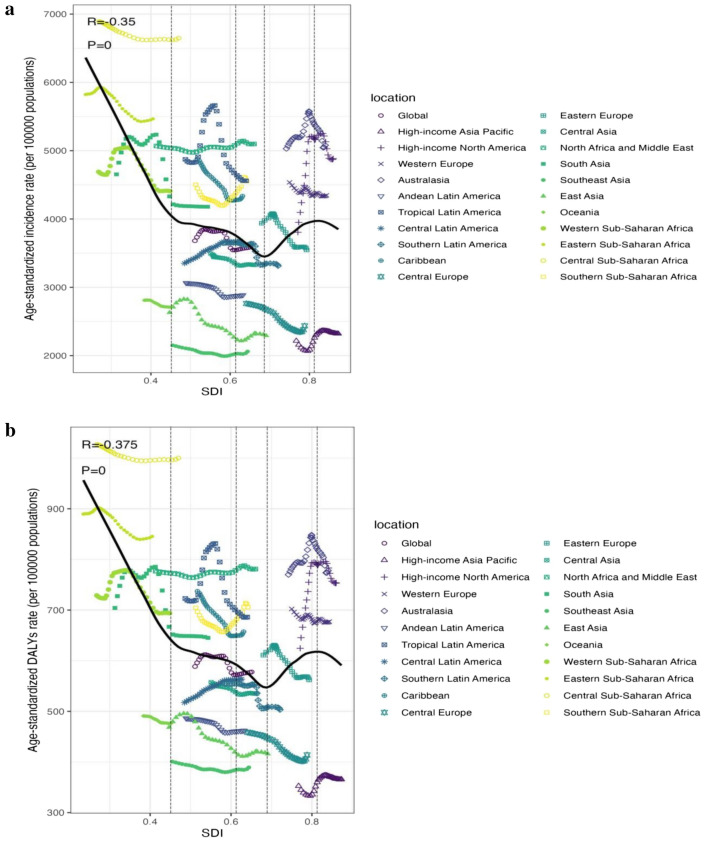
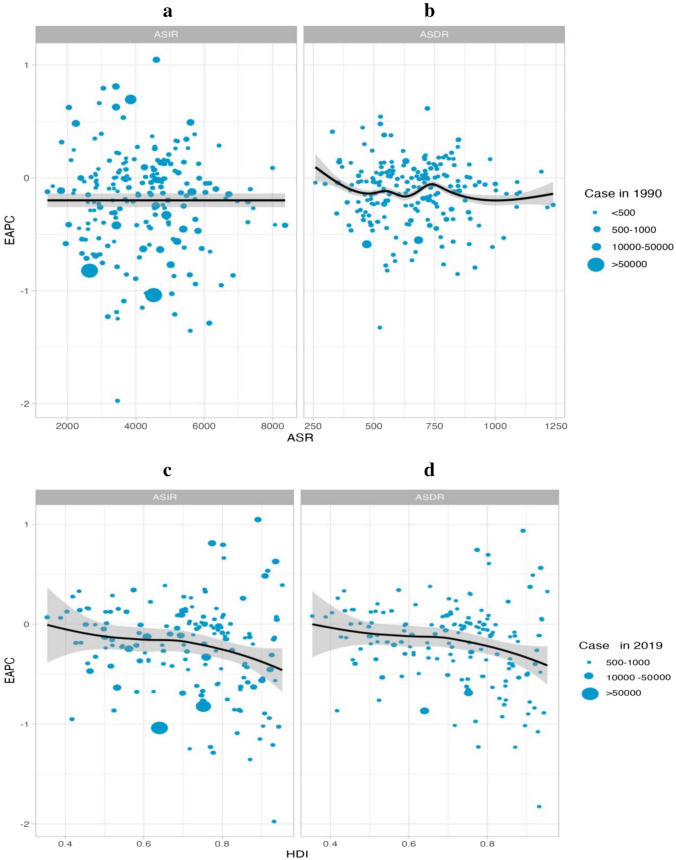
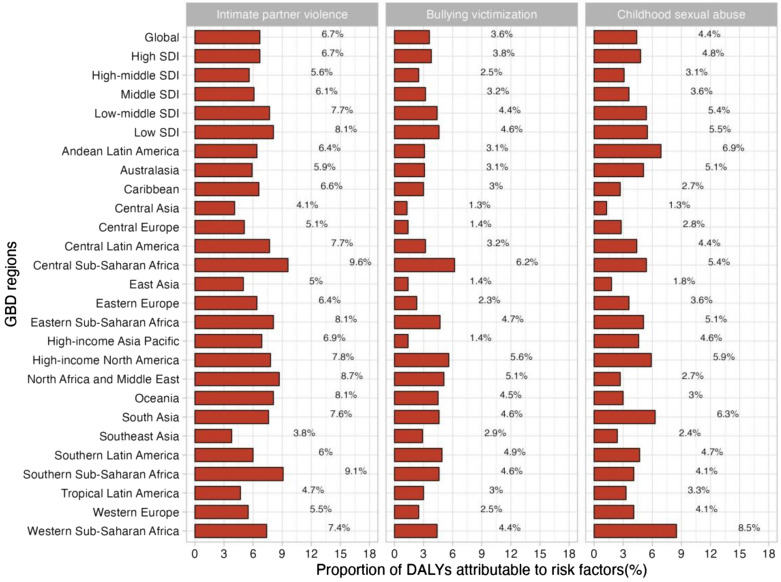
- ASIR decreased in high-middle, middle, low-middle, and low SDI regions but increased only in high SDI regions (EAPC = 0.31%, 95% UI 0.18–0.44). The highest 2019 ASIR was in Uganda (8062.76), Palestine (7864.2), and Central African Republic (7230.55); the lowest was in Myanmar (1393.92). Globally, 6.7% of DALYs were attributable to intimate partner violence, 3.6% to bullying victimization, and 4.4% to childhood sexual abuse.
Methods
- Used Global Burden of Disease 2019 data from 1990 to 2019 for 204 countries and territories across 21 regions, extracting incidence and DALYs for depressive disorders, including MDD and dysthymia, by age and sex.
- Calculated age-standardized rates (ASR) and estimated annual percentage change (EAPC) using a log-linear regression model: y = ln(ASR), EAPC = 100 × (exp(β) − 1), with 95% uncertainty intervals from GBD’s DisMod-MR 2.1; analyses used R version 4.2.3 and two-sided P < 0.05.
- Assessed burden by age, sex, country, region, SDI, HDI, and GBD-available risk factors: intimate partner violence, bullying victimization, and childhood sexual abuse.
Limitations
- The paper states that GBD data were integrated from many epidemiological surveys, and the lack of original data in many countries and regions may bias differences in disease burden; comorbidity of MDD and dysthymia was excluded.
- The paper also states that only three GBD risk factors for depressive disorders were available, and their attributable DALY fractions were small, requiring further study of key influences.
- Evident from the text: the analysis relies on modeled GBD estimates and uncertainty intervals, and the SDI/HDI analyses are ecological associations that cannot establish causality; the text also reports conflicting EAPC directions for ASDR/DALYs (e.g., text states ASDR increased with EAPC = 0.61%, while Table 1 reports DALYs EAPC = −0.24%).
Model-written summary. Check it against the paper before relying on it.
Integrity signals
Registry
Cites
Statistics
Figures
Verification
Claims the paper makes
3 Valid · 2 Not valid · 17 Not checked · 88 Own results and interpretations
The cited sources support only part of this claim — read each source’s verdict below.
In the paper
“At the country level during 2019, following a similar pattern to the association of morbidity and SDI, there was a marked adverse correlation between DALYs and SDI, with a few exceptions (R = − 0.375, p < 0.001) (see Fig. 5d)28.”
§ Temporal and spatial trend analysis of all-cause depression burden based on Global Burden of Disease (GBD) 2019 study > Results > The correlation of SDI with the global burden of depressive disorders
What the sources say
- Partly supportedcites [28] Yue T Zhang Q Li G Qin H Global burden of nutritional deficiencies among children under 5 years of age from 2010 to 2019 Nutrients 2022 14 2685 10.3390/nu14132685 35807863 PMC9268233 sourceExperimental — accuracy not yet measured
Section 3.3 (Correlation between SDI and Incidence or DALY Rate) supports the qualitative part of the claim: in 2019, at the national level, 'similar to the correlation between incidence and SDI, a significant negative association (ρ = −0.70, p < 0.001) was found between DALY rates and SDI ... with some exceptions (Figure 4d)'. However, the magnitude attributed is not the source's: our copy reports ρ = −0.70, not R = −0.375, and no passage in our copy contains −0.375 (searched '0.375 correlation coefficient DALY SDI national level'). Also, the source's own Figure 5d depicts DALY rate against HDI in 2019 with a positive correlation (ρ = 0.60, Section 3.4), not DALYs versus SDI, and the source analyses DALY rates rather than absolute DALYs. (LLM, conf=0.80)
plainstates an association- Asserted: passes — The authors put it forward as true.
- Checkable: passes — It can be checked against evidence.
- Load-bearing: unclear — It is unclear whether the paper’s conclusions depend on it.
- Based: passes — The paper gives a reason why it holds.
- Partly supported
The cited sources that could be checked couldn’t confirm or dispute this claim.
In the paper
“However, the GBD data show that the implication of these three risk factors on depression is small; that is, these three risk factors are not likely to be key risk factors for depression, indicating that this requires further investigation47.”
§ Temporal and spatial trend analysis of all-cause depression burden based on Global Burden of Disease (GBD) 2019 study > Discussion
What the sources say
- Could not verifycites [47] Perez MI Obsessive-compulsive disorder misdiagnosis among mental healthcare providers in Latin America J. Obsessive Compuls. Relat. Disord. 2022 32 100693 10.1016/j.jocrd.2021.100693 34840937 PMC8612600 sourceExperimental — accuracy not yet measured
Our copy of Perez et al. (2022) is entirely a vignette study of OCD misidentification among 83 Latin American mental healthcare providers (Abstract; Results, 'OCD misidentification by vignette type' and 'Factors associated with OCD identification'); it contains no Global Burden of Disease analysis and no examination of domestic violence, bullying victimisation, or childhood sexual abuse as risk factors for depression. Searched: 'GBD risk factors depression', 'depression risk factor prevalence', 'bullying victimization childhood sexual abuse domestic violence', 'Global Burden of Disease attributable burden' — the closest hits are only the depression case vignette used to test diagnostic specificity (MDD misidentification rate of 9%, Results) and reference-list entries. Nothing in our copy supports or contradicts the claim, so the attribution cannot be judged from this source. (LLM, conf=0.75)
hedged- Asserted: passes — The authors put it forward as true.
- Checkable: passes — It can be checked against evidence.
- Load-bearing: unclear — It is unclear whether the paper’s conclusions depend on it.
- Based: passes — The paper gives a reason why it holds.
- Could not verify
A result the paper reports from its own data — it cites no other source for it, so there is none to check. The quote shows it is in the paper.
In the paper
“During the period 1990–2019, the global depression ASIR has decreased significantly (EAPC = − 0.29%, 95% UI − 0.38 to − 0.21)”
§ Temporal and spatial trend analysis of all-cause depression burden based on Global Burden of Disease (GBD) 2019 study > Results
plainstates an association- Asserted: passes — The authors put it forward as true.
- Checkable: passes — It can be checked against evidence.
- Load-bearing: passes — The paper’s conclusions depend on it.
- Based: passes — The paper gives a reason why it holds.
- Rests on an assumption not shown here.
A result the paper reports from its own data — it cites no other source for it, so there is none to check. The quote shows it is in the paper.
In the paper
“and a marked drop in South Asia (EAPC = − 0.85, 95% UI − 1.1 to − 0.6)”
§ Temporal and spatial trend analysis of all-cause depression burden based on Global Burden of Disease (GBD) 2019 study > Results > Global burden and EAPC of depressive disorders by 21 GBD regions
plain- Asserted: passes — The authors put it forward as true.
- Checkable: passes — It can be checked against evidence.
- Load-bearing: unclear — It is unclear whether the paper’s conclusions depend on it.
- Based: passes — The paper gives a reason why it holds.
- Rests on an assumption not shown here.
A result the paper reports from its own data — it cites no other source for it, so there is none to check. The quote shows it is in the paper.
In the paper
“There was a marked rise in ASR in Central Sub-Saharan Africa (EAPC = 1.43, 95% UI 1.33–1.54)”
§ Temporal and spatial trend analysis of all-cause depression burden based on Global Burden of Disease (GBD) 2019 study > Results > Global burden and EAPC of depressive disorders by 21 GBD regions
plainstates a cause- Asserted: passes — The authors put it forward as true.
- Checkable: passes — It can be checked against evidence.
- Load-bearing: unclear — It is unclear whether the paper’s conclusions depend on it.
- Based: passes — The paper gives a reason why it holds.
- Rests on an assumption not shown here.
38 more claims
Create a free account to see all 110 claims and to verify the 21 references still open.
- Probably not a substantial claim. 30
- It may state two separate claims as one. 52
- The quote only partly states this claim. 4
Claims other papers make about this one
Each is checked against this paper’s own text: does it say what the citing paper says it does?
In the citing paper
“In general, depression was more prevalent in high-income and high-SDI regions, whereas the burden was notable in low-income and low-SDI regions [15].”
Self-check
Percentages, sums and reported differences re-computed from the paper’s own numbers.
Each contradiction between two passages listed here was confirmed by an independent check.
Rated major: it would touch a result — a value a result rests on, reported and recomputed p-values on opposite sides of the significance level, two passages that conflict with no sign which is right, or a cited work retracted before this paper was published.
In the paper
§ Temporal and spatial trend analysis of all-cause depression burden based on Global Burden of Disease (GBD) 2019 study > Results
“the ASDR has markedly increased (EAPC = 0.61%, 95% UI 0.57–0.65) (see Table 1).”
§ Temporal and spatial trend analysis of all-cause depression burden based on Global Burden of Disease (GBD) 2019 study > Results
“| Global | 290,185,742 (256,024,052–328,260,553) | 3588.25 (3152.71–4060.42) | − 0.29% (− 0.38 to − 0.21) | 46,863,642 (32,929,363–63,797,315) | 577.75 (405.79–788.88) | − 0.24% (− 0.31 to − 0.16) |”
Rated major: it would touch a result — a value a result rests on, reported and recomputed p-values on opposite sides of the significance level, two passages that conflict with no sign which is right, or a cited work retracted before this paper was published.
In the paper
§ Temporal and spatial trend analysis of all-cause depression burden based on Global Burden of Disease (GBD) 2019 study > Results > Global burden and EAPC of depressive disorders by 21 GBD regions
“There was a marked rise in ASR in Central Sub-Saharan Africa (EAPC = 1.43, 95% UI 1.33–1.54)”
§ Temporal and spatial trend analysis of all-cause depression burden based on Global Burden of Disease (GBD) 2019 study > Results
“| Central Sub-Saharan Africa | 6,714,339 (5,590,521–8,062,124) | 6646.94 (5680.5–7819.84) | − 0.17% (− 0.18 to − 0.15) | 1,010,267 (681,633–1,430,655) | 1000.16 (682.15–1397.69) | − 0.12% (− 0.14 to − 0.11) |”
Rated minor: it would not touch a result — a value no result rests on, a p-value that stays on the same side of the significance level, or a conflict that is clerical, resolved elsewhere in the paper, or outside its own findings.
In the paper
§ Temporal and spatial trend analysis of all-cause depression burden based on Global Burden of Disease (GBD) 2019 study > Results
“the incidence of MDD was much more prevalent than dysthymia at 2,784,803,790 (95% UI 241,280,545–312,774,423) and 15,381,951(95% UI 12,782,128–18,474,451) respectively in 2019.”
§ Temporal and spatial trend analysis of all-cause depression burden based on Global Burden of Disease (GBD) 2019 study > Results
“| Major depressive disorder | 274,803,790 (241,280,545–312,774,423) | 3397.48 (2978.66–3866.97)”
Citations
Cites
Vos, T., Lim, S. S., Abbafati, C., Abbas, K. M., Abbasi, M., Abbasifard, M., Abbasi-Kangevari, M., Abbastabar, H., Abd-Allah, F., Abdelalim, A., et al. (2020) · The Lancet · doi:10.1016/s0140-6736(20)30925-9 · Cited by 19,358
Murray, C. J. L., Aravkin, A. Y., Zheng, P., Abbafati, C., Abbas, K. M., Abbasi-Kangevari, M., Abd-Allah, F., Abdelalim, A., Abdollahi, M., Abdollahpour, I., et al. (2020) · The Lancet · doi:10.1016/s0140-6736(20)30752-2 · Cited by 9,854
Kessler, R. C., Berglund, P., Demler, O., Jin, R., Koretz, D., Merikangas, K. R., Rush, A. J., Walters, E. E., & Wang, P. S. (2003) · JAMA · doi:10.1001/jama.289.23.3095 · Cited by 7,988 · cited 1×
“MDD not only seriously affects the psychological condition and quality of life of patients, but also imposes tremendous mental and economic burdens to families and society 38 .”
BackgroundMalhi, G. S., & Mann, J. J. (2018) · The Lancet · doi:10.1016/s0140-6736(18)31948-2 · Cited by 4,099
Ferrari, A. J., Charlson, F. J., Norman, R. E., Patten, S. B., Freedman, G., Murray, C. J. L., Vos, T., & Whiteford, H. A. (2013) · PLoS Medicine · doi:10.1371/journal.pmed.1001547 · Cited by 3,115
Cross-national epidemiology of DSM-IV major depressive episode
Bromet, E., Andrade, L. H., Hwang, I., Sampson, N. A., Alonso, J., de Girolamo, G., de Graaf, R., Demyttenaere, K., Hu, C., Iwata, N., et al. (2011) · BMC Medicine · doi:10.1186/1741-7015-9-90 · Cited by 2,221
AGE STANDARDIZATION OF RATES: A NEW WHO STANDARD
Ahmad, O. B., Boschi-Pinto, C., López, A. D., Murray, C. J. L., Lozano, R., & Inoue, M. (2000) · Cited by 1,962
The global burden of mental disorders: An update from the WHO World Mental Health (WMH) surveys
Kessler, R. C., Aguilar-Gaxiola, S., Alonso, J., Chatterji, S., Lee, S., Ormel, J., Üstün, T. B., & Wang, P. S. (2009) · Epidemiologia e Psichiatria Sociale · doi:10.1017/s1121189x00001421 · Cited by 1,895
Wang, P. S., Aguilar-Gaxiola, S., Alonso, J., Angermeyer, M. C., Borges, G., Bromet, E. J., Bruffaerts, R., de Girolamo, G., de Graaf, R., Gureje, O., et al. (2007) · The Lancet · doi:10.1016/s0140-6736(07)61414-7 · Cited by 1,655
Research works printed but not linked: 3
- Piao J Alarming changes in the global burden of mental disorders in children and adolescents from 1990 to 2019: A systematic analysis for the Global Burden of Disease study Eur. Child Adolesc. Psychiatry 2022 31 1827 1845 10.1007/s00787-022-02040-4.[Epub2022July14] 35831670 · doi:10.1007/s00787-022-02040-4.[epub2022july14]
- Liu Q Changes in the global burden of depression from 1990 to 2017: Findings from the Global Burden of Disease study J. Psychiatr Res. 2019 126 134 140 10.1016/j.jpsychires.2019.08.002 31439359 · DOI · Paper page
- Hong C Liu Z Gao L Jin Y Shi J Liang R Maimaitiming M Ning X Luo Y Global trends and regional differences in the burden of anxiety disorders and major depressive disorder attributed to bullying victimisation in 204 countries and territories, 1999–2019: An analysis of the Global Burden of Disease Study Epidemiol. Psychiatr. Sci. 2022 28 31 e85 10.1017/S2045796022000683 PMC9714217 36440549 · DOI · Paper page
Cited by
Aaron, R. V., Ravyts, S. G., Carnahan, N. D., Bhattiprolu, K., Harte, N., McCaulley, C. C., Vitalicia, L., Rogers, A. B., Wegener, S. T., & Dudeney, J. (2025) · JAMA Network Open · doi:10.1001/jamanetworkopen.2025.0268 · Cited by 251
Chen, X.-D., Li, F., Zuo, H., & Zhu, F. (2025) · Depression and Anxiety · doi:10.1155/da/5553491 · Cited by 97
“For the calculation formula of the linear regression model, please refer to previous literature [15].”
InfluentialLiu, Z., & Kuai, M. (2025) · BMC Psychiatry · doi:10.1186/s12888-025-07201-8 · Cited by 73
Zhou, S., & Mohd, M. (2025) · IEEE Access · doi:10.1109/access.2025.3559170 · Cited by 66
Ткаченко, Г. М., Buyun, L., Kołodziejska, R., Kamiński, P., & Kurhaluk, N. (2025) · International Journal of Molecular Sciences · doi:10.3390/ijms26188907 · Cited by 55
Yang, E., Chen, F., Huang, X.-F., Zhang, Y., Zhang, Y., 林浩, Zhang, Y., Yang, Y., & Chu, M. (2024) · BMC Psychiatry · doi:10.1186/s12888-024-06419-2 · Cited by 44
Mao, Q., Guo, Y.-X., Tian, X., Zhao, H.-L., & Kong, Y. (2025) · World Journal of Psychiatry · doi:10.5498/wjp.v15.i8.106887 · Cited by 44
Zhu, F., Yang, Y. X., Yin, T., Pan, M., Xu, J., Chen, R., Zheng, W., & Gu, F. (2025) · Scientific Reports · doi:10.1038/s41598-024-84843-w · Cited by 38
Akinyemi, O. A., Ogundare, T., Fasokun, M., Ogunyankin, F., Ugochukwu, N., Ajisafe, W., Ikugbayigbe, S., Eze, O., Hughes, K., & Michael, M. B. (2025) · Frontiers in Psychiatry · doi:10.3389/fpsyt.2024.1528914 · Cited by 32
Le, Z., Lou, Y., Tao, Y., Wang, H., & Xu, N. (2025) · Frontiers in Public Health · doi:10.3389/fpubh.2025.1599602 · Cited by 28
Su, Y., Zhang, S., Duan, L., & Hu, X. (2025) · Journal of Nursing Scholarship · doi:10.1111/jnu.70037 · Cited by 26
Wessa, C., Janssens, J., Coppens, V., Abdellati, K. E., Vergaelen, E., van den Ameele, S., Baeken, C., Zeeuws, D., Milaneschi, Y., Lamers, F., et al. (2024) · Brain Behavior & Immunity - Health · doi:10.1016/j.bbih.2024.100871 · Cited by 26
Sun, Q., Wei, Y., Xie, H., Lyu, J., Zhou, J., Li, X., Peng, W., Zhao, R., Li, Z., Chen, Z., et al. (2025) · Archives of Gerontology and Geriatrics · doi:10.1016/j.archger.2025.105758 · Cited by 23
Accelerated global burden of depressive disorders during the COVID-19 pandemic from 2019 to 2021
Zhou, J., Zhang, Y., He, S., Xu, S., Sun, Q., Zhao, T., & Dai, Y. (2025) · Scientific Reports · doi:10.1038/s41598-025-93923-4 · Cited by 20
“This population is experiencing a significant shift from an outward focus on external matters to an inward focus on their own bodies, a transition marked by heightened loneliness and declining cognitive function, which contributes to emotional instability 13 .”
InfluentialYang, L., Li, Y., Zeng, T., Li, Y., Ding, L., Yue, H., & Jiang, D. (2025) · BMC Public Health · doi:10.1186/s12889-025-23742-9 · Cited by 20
Yu, Q., Xue, F., Wik, S. L., Gao, M., Adebisi, Y. A., Lucero‐Prisno, D. E., Zhong, C. C., Wong, M. C. S., Huang, J., & Global Health Focus Epidemiology Group (2025) · Psychotherapy and Psychosomatics · doi:10.1159/000547927 · Cited by 19
Wang, J., Guan, X., & Tao, N. (2025) · Frontiers in Public Health · doi:10.3389/fpubh.2025.1556981 · Cited by 18
“The SDI reflects the socioeconomic and demographic characteristics of a region, and has been shown to correlate with the burden of anxiety disorders, depression, and schizophrenia (3, 8, 10).”
Xiao, Y., Chen, T., Zhang, Z., Liu, L., & Du, N. (2025) · International Journal of Geriatric Psychiatry · doi:10.1002/gps.70069 · Cited by 15
Shangguan, T., Xu, J., Weng, X., & Lin, H. T. (2025) · Frontiers in Psychiatry · doi:10.3389/fpsyt.2025.1504123 · Cited by 14
The real-world safety profile of sertraline: Pharmacovigilance analysis of the FAERS database
Shu, Y., Wu, Y., Guo, J., Cheng, F., Zhang, J., & Zhu, X. (2025) · Journal of Affective Disorders · doi:10.1016/j.jad.2025.03.017 · Cited by 14
Spontaneous glutamate release activates mGluR signaling to drive rapid antidepressant responses
McCarthy, C. I., Ma, Z., Monteggia, L. M., & Kavalali, E. T. (2025) · Proceedings of the National Academy of Sciences · doi:10.1073/pnas.2510642122 · Cited by 13
Dobrea, C. M., Frum, A., Butucă, A., Morgovan, C., Stoicescu, L., Chiş, A. A., Arseniu, A. M., Rus, L. L., Gligor, F. G., & Vonica-Țincu, A. L. (2024) · Pharmaceuticals · doi:10.3390/ph17101278 · Cited by 13
Zhu, H., Tao, R., Yu, Q., Yu, M., Zhou, Y., & Fu, Q. (2025) · BMC Public Health · doi:10.1186/s12889-025-22880-4 · Cited by 13
Could not prescribing exercise for depression be psychiatric malpractice?
Fabiano, N., Puder, D., & Stubbs, B. (2025) · British Journal of Sports Medicine · doi:10.1136/bjsports-2025-110405 · Cited by 13
Sakopoulos, S., & Todman, M. (2025) · International Journal of Molecular Sciences · doi:10.3390/ijms26146673 · Cited by 12
Eticha, B. L., Yalew, E. S., Merawie, D. M., Chanie, S. T., Demissie, K. A., & Eticha, B. L. (2025) · Frontiers in Psychiatry · doi:10.3389/fpsyt.2025.1545807 · Cited by 11
Gökdemir, G. Ş., Şeker, U., Baksi, N., Baylan, M., Demirtaş, B., & Gökdemir, M. T. (2025) · Psychopharmacology · doi:10.1007/s00213-025-06844-5 · Cited by 11
Breathing barriers: bridging lung health, research, and awareness
Pott, H., Sykes, D. L., Charriot, J., Finney, L., Yang, F., Ramakrishnan, S., Abdo, M., & Couillard, S. (2025) · The Lancet Respiratory Medicine · doi:10.1016/s2213-2600(25)00215-2 · Cited by 11
Liang, J., Shen, J., Guo, Y., Rejiepu, M., Ling, X., Wang, X., Jian, Y., Zhang, X., Shao, S., Tang, B., et al. (2025) · Scientific Reports · doi:10.1038/s41598-025-88744-4 · Cited by 10
Creatine Supplementation: More Is Likely Better for Brain Bioenergetics, Health and Function
Fabiano, N., & Candow, D. (2025) · Journal of Psychiatry and Brain Science · doi:10.20900/jpbs.20250006 · Cited by 9
Association of weekend catch-up sleep with depression: A systematic review and meta-analysis
Zhou, Y., Sun, Y., Pan, Y., Yu, D., Xiao, Y., & Yu, Y. (2025) · Journal of Affective Disorders · doi:10.1016/j.jad.2025.02.080 · Cited by 9
Urban-rural differences in anxiety and depression in the UK, New Zealand, and Norway
Finnemann, A., Skjerdingstad, N., Speyer, L. G., Zavlis, O., Bartos̆, F., Wiers, R. W. H. J., van der Maas, H. L. J., Sibley, C. G., Johnson, S. U., Helmich, M. A., et al. (2025) · Journal of Affective Disorders · doi:10.1016/j.jad.2025.119601 · Cited by 8
Nicotine from a Different Angle: Biological Effects from a Psychoneuroimmunological Perspective
Sinkevicius, L. V., Sakalauskaitė, S., Bukovskis, M., Lõokene, M., Valvere, V., Gradauskienė, B., & Viigimaa, M. (2025) · International Journal of Molecular Sciences · doi:10.3390/ijms26136437 · Cited by 8
Lin, H.-W., Li, S.-P., Wen, J.-X., Zhang, J.-X., Zhang, B.-M., Wang, Y.-J., Cui, X.-J., & Yao, M. (2025) · Pharmacological Research · doi:10.1016/j.phrs.2025.108074 · Cited by 8
Rezaee, K. (2026) · Journal of Affective Disorders · doi:10.1016/j.jad.2025.121077 · Cited by 8
Oscoz-Irurozqui, M., Villani, L., Martinelli, S., Ricciardi, W., & Gualano, M. R. (2025) · Scientific Reports · doi:10.1038/s41598-025-96037-z · Cited by 8
Cho, C.-Y., Jeon, J. H., Kang, H., Kim, J., Jhon, M., Lee, J., Kim, S., Shin, I.-S., & Kim, J.-M. (2025) · European Neuropsychopharmacology · doi:10.1016/j.euroneuro.2025.03.004 · Cited by 8
Shu, Y., Wei, H., Liu, J., & Zhu, X. (2025) · Journal of Affective Disorders · doi:10.1016/j.jad.2025.119461 · Cited by 8
Self-citationLi, Y., Ng, S., Kong, K., Jin, M., Fan, W., Zhou, W., Zhai, Z., & Li, H. (2026) · Journal of Orthopaedic Translation · doi:10.1016/j.jot.2025.101044 · Cited by 7
Antidepressant drug use in Europe: past consumption, prescribing patterns and forecast until 2030
Bindel, L. J., & Seifert, R. (2026) · International Journal of Clinical Pharmacy · doi:10.1007/s11096-025-02078-9 · Cited by 7
Ishikawa, Y., Sugio, T., Shiga, K., Izumi, K., Minato, K., Kitazawa, M., Hanashiro, S., Takemura, R., Uchida, H., & Kishimoto, T. (2025) · Journal of Affective Disorders Reports · doi:10.1016/j.jadr.2025.100877 · Cited by 7
Gaebel, C., Jarczok, M. N., Aguilar‐Raab, C., Rittner, S., Warth, M., Stoffel, M., & Ditzen, B. (2025) · Stress and Health · doi:10.1002/smi.70026 · Cited by 7
Çalışkan, H., Cihan, K. H., Koçak, S., Karabulut, G., & Nalçacı, E. (2025) · Biology · doi:10.3390/biology14080931 · Cited by 7
Kreutzberg, A., Tsatsaronis, C., Grobe, T., Quentin, W., & Busse, R. (2025) · Research in Health Services & Regions · doi:10.1007/s43999-025-00068-y · Cited by 7
Yang, Y., Hu, Y., He, Y., Zhang, W., Jia, J., Xu, Y., Li, Y., & Wang, J. (2025) · Frontiers in Global Women s Health · doi:10.3389/fgwh.2025.1629747 · Cited by 7
Wang, Y., Zhu, J., & Zhou, J. (2025) · Frontiers in Public Health · doi:10.3389/fpubh.2025.1510091 · Cited by 6
Cheng, N., Yao, Z. J., Hui, Z., Li, S., & Chen, J. (2025) · Scandinavian Journal of Public Health · doi:10.1177/14034948251348324 · Cited by 6
Is the antidepressant efficacy of ketamine and esketamine mediated via opioid mechanisms?
Lu, A., Xu, H., Le, G. H., Dri, C. E., Wong, S., Ho, R., Cao, B., Lo, H. K. Y., Rhee, T. G., Yin, L., et al. (2026) · European Psychiatry · doi:10.1192/j.eurpsy.2026.10157 · Cited by 6
Sun, G., Xia, D., Xue, B., Jian, X., Peng, L., Wang, B., Wu, C., Gao, C., He, L., Xu, Y., et al. (2025) · General Psychiatry · doi:10.1136/gpsych-2024-101900 · Cited by 5
Parks, R., & Ferro, M. A. (2025) · Journal of Pediatric Psychology · doi:10.1093/jpepsy/jsaf097 · Cited by 5
Wang, S., Sun, S., Zhang, L., Sun, G., Du, M., Dong, Y., Gao, Y., Mi, W., & Cui, M. (2026) · Neuroscience · doi:10.1016/j.neuroscience.2026.02.003 · Cited by 5
Cognitive and motor disturbances in depression: insights from comprehensive behavioral assessments
Douka, I., Ruitenberg, M. F. L., Weischedel, K., Phouthavongsay, C. A., Weisenbach, S. L., van der Geest, J. N., Mickey, B. J., & Koppelmans, V. (2025) · Frontiers in Psychiatry · doi:10.3389/fpsyt.2025.1624776 · Cited by 4
Zhang, X., Huang, M., Wangyang, X., Leiming, D., Yu, Y., & Zeng, J. (2025) · Journal of Affective Disorders · doi:10.1016/j.jad.2025.120133 · Cited by 4
Xu, H., Zhang, G., Liu, Z., Xue, X., Hu, D., Yang, J., Jia, J., & Zhang, X. (2025) · Frontiers in Psychiatry · doi:10.3389/fpsyt.2025.1651630 · Cited by 4
Dahrendorff, J., Pages, K. P., Currier, G. W., Sarker, M. H., Graham, Z., Louis‐Jacques, A. F., Dagne, G. A., & Uddin, M. (2025) · BMC Medical Genomics · doi:10.1186/s12920-025-02240-2 · Cited by 4
Tracking neurological diseases: advances in fluorescent probes design and application
Quan, W., Yuan, X., Zhang, Q., & Lin, W. (2025) · Coordination Chemistry Reviews · doi:10.1016/j.ccr.2025.217362 · Cited by 4
Jung, K., Kim, J. H., Hyeon, D. E., Ji, J., Lee, M. Y., Choi, H., Lee, D. Y., Kim, M. W., Jang, Y. K., Hwang, S., et al. (2026) · British Journal of Clinical Pharmacology · doi:10.1002/bcp.70441 · Cited by 4
Recent developments in imaging transcriptomics for psychiatric disorders
Liu, J., Ma, X., Xu, W., Zhang, X., Liang, F., Li, J., & Dou, Y. (2026) · Psychoradiology · doi:10.1093/psyrad/kkag010 · Cited by 4
Self-citationA Systematic Review of Transformer-Based Models for Depression Detection
Zhou, S., Mohd, M., & Zakaria, L. Q. (2026) · Applied Sciences · doi:10.3390/app16105018 · Cited by 4
The Association Between Hearing Loss and Depression in a Large Electronic Health Record System
Weinstein, H. N. W., Tucker, L. H., Grewal, M. R., Denham, M. W., Brewster, K., & Golub, J. S. (2025) · Otolaryngology · doi:10.1002/ohn.1136 · Cited by 4
Ko, E. J., Hong, S. M., Hwang, H., Kwon, J., Kwon, H. C., & Kim, S. Y. (2025) · Biomolecules & Therapeutics · doi:10.4062/biomolther.2025.065 · Cited by 4
Trends and gender disparities in the burden of rheumatoid arthritis in Pakistan from 1990 to 2021
Cheng, H., Li, T., Li, C.-X., & Su, W. C. (2025) · Scientific Reports · doi:10.1038/s41598-025-05627-4 · Cited by 4
Chen, J., Shi, J., Gu, W., Li, W., Lyu, R., Wu, X., Wang, J., & Liu, C. (2025) · South African Journal of Botany · doi:10.1016/j.sajb.2025.07.033 · Cited by 4
Doren, N. V., Mulauzi, N., Tebbetts, S., Mkandawire, J., Neilands, T. B., Ssewamala, F. M., Satre, D. D., & Conroy, A. A. (2025) · Journal of Affective Disorders · doi:10.1016/j.jad.2025.120196 · Cited by 5
Psychosocial risks in metabolic dysfunction-associated steatotic liver disease
Åström, H., Lageborn, C. T., & Hagström, H. (2025) · Expert Review of Gastroenterology & Hepatology · doi:10.1080/17474124.2025.2468297 · Cited by 4
Hanney, W. J., Anderson, A. W., Kolber, M. J., Gibbs, V., & Hanney, W. J. (2025) · Sci · doi:10.3390/sci7010010 · Cited by 3
Hou, S., Xu, F., Zong, G., Zheng, Y., Shi, L., & Zhai, L. (2025) · Frontiers in Medicine · doi:10.3389/fmed.2025.1515435 · Cited by 3
Li, G., Ha, B., & Zhang, J. (2025) · Frontiers in Psychology · doi:10.3389/fpsyg.2025.1572052 · Cited by 3
Davey, C. G., & Badcock, P. B. (2025) · Entropy · doi:10.3390/e27090970 · Cited by 3
Liao, G., Wang, J., Yu, Q., Ma, H., Yan, H., He, Z., & Tang, J. (2025) · Frontiers in Psychiatry · doi:10.3389/fpsyt.2025.1630601 · Cited by 3
Xu, H., Yang, J.-R., Hu, D., Li, X., & Zhou, F. (2025) · JMIR Public Health and Surveillance · doi:10.2196/75061 · Cited by 3
Liu, Y., Li, G., Zhong, J., Wu, Y., Yuan, M., Zeng, X., Nie, L., Lu, J., & Yang, W. (2025) · Acta Psychologica · doi:10.1016/j.actpsy.2025.105985 · Cited by 3
Self-citationXu, Y.-X., Zuo, M., Zhou, Y., Wan, Y., Su, P. Y., Fang-biao, T., & Sun, Y. (2024) · The Science of The Total Environment · doi:10.1016/j.scitotenv.2024.177088 · Cited by 3
Ge, C.-J., Lei, L., Wang, S., & Hu, X. (2025) · American Journal of Translational Research · doi:10.62347/jakr2090 · Cited by 3
Phthalate metabolite mixtures and dose-response associations with depressive symptoms in U.S. adults
Li, P., Zhang, H., Han, Y., Xie, S., Li, W., Kong, L., & Zhang, Y. (2025) · Ecotoxicology and Environmental Safety · doi:10.1016/j.ecoenv.2025.118886 · Cited by 3
Zheng, B., Du, S., Wei, M., Xia, W., Jiang, Y., Zhou, J., & Zhang, J. (2025) · Journal of Affective Disorders · doi:10.1016/j.jad.2025.119955 · Cited by 3
Kim, D., Lee, Y. H., Kim, S., & Yu, S. (2025) · Behavioural Brain Research · doi:10.1016/j.bbr.2025.115724 · Cited by 2
Nonlinear Association Between Weekday Sleep Duration and COPD Risk: Evidence From NHANES 2017–2023
Tao, X., & Ye, X. (2025) · International Journal of COPD · doi:10.2147/copd.s522236 · Cited by 2
Features of depressive disorders and suicidal behavior in multiple sclerosis
Duboshinskii, R. I., Kicherova, O. A., Рейхерт, Л. И., & Doyan, Y. I. (2025) · S S Korsakov Journal of Neurology and Psychiatry · doi:10.17116/jnevro20251250917 · Cited by 2
Zhai, Y., Xu, J., Zhang, Z., Wu, Y., Wu, Q., Lei, M., Wang, H., An, Q., Cai, W., Li, S., et al. (2025) · Journal of Affective Disorders · doi:10.1016/j.jad.2025.120700 · Cited by 2
Wu, J., Wang, Z., Lu, Y., Zheng, X., Qian, S., Yang, Y., Hao, S., Xu, Z., Zhao, J., Otsen, B., et al. (2026) · BMC Public Health · doi:10.1186/s12889-026-26479-1 · Cited by 2
Li, H., Liu, X. H., Zhu, G., Qiu, X., Li, F., Zhong, Y., & Huang, X. (2026) · Journal of Affective Disorders · doi:10.1016/j.jad.2026.121485 · Cited by 2
Liu, Y., Cheng, J., Gao, H., Chen, Y., Chen, H., Xia, Q., Yan, J., Li, C., Ju, P., & Zhu, C. (2026) · Neuropsychiatric Disease and Treatment · doi:10.2147/ndt.s580711 · Cited by 2
Self-citationChen, Y., Wen, Y., Xu, D., Hao, L., Liu, Q., Kuang, J., Zhao, W., & Yang, Z. (2026) · Cell Death Discovery · doi:10.1038/s41420-026-03190-z · Cited by 2
Wang, X., Shen, L., Mo, Q., Wang, X., Wang, B., Chen, J., Teng, Y., & Zhang, Z. (2026) · International Journal of Nanomedicine · doi:10.2147/ijn.s617617 · Cited by 2
Xu, Y., & Abdullah, S. (2026) · Workshop on Computational Linguistics and Clinical Psychology (CLPsych) · doi:10.18653/v1/2026.clpsych-1.11 · Cited by 2
Nakimuli‐Mpungu, E., Zeng, C., Babirye, S., Huang, R., Kemigisha, B., Kwesiga, J. M., Wamala, K., Kasujja, R., Kalani, K., & Martinez, R. A. (2026) · Wellcome Open Research · doi:10.12688/wellcomeopenres.25753.2 · Cited by 2
Amani, O., Choolabi, R. H., & Peykani, S. (2025) · Current Psychology · doi:10.1007/s12144-025-07369-y · Cited by 2
Tinôco, H. G. B. D. M., de Sousa, G. M., Ribeiro, E. B. A., Maciel, J. E. D. M., Tavares, V. D. D. O., de Morais, M. L., Bezerra, R. C., Fernandes, L. A., Lira, R. A., de Lima-Araujo, G. L., et al. (2025) · Mental health and physical activity · doi:10.1016/j.mhpa.2025.100679 · Cited by 2
Irniger, C., Vetter, J., Weidt, S., Seifritz, E., Holtforth, M. G., & Krähenmann, R. (2025) · European Journal of Psychotraumatology · doi:10.1080/20008066.2025.2518625 · Cited by 2
Noormohammadi, M., Etesam, F., Amini, A., Khosravian, P., Mohammadzadeh, M., & Shidfar, F. (2025) · BioMetals · doi:10.1007/s10534-025-00750-1 · Cited by 3
Toward Holistic Psychiatry: Saffron, SSRIs, and the Future of Natural Mental Health Interventions
Widyarto, W. G., Haryadi, R., Heriansyah, M., Saputra, R., Septiana, N. Z., Machfud, M. S., Apriatama, D., & Aini, N. (2025) · Nutrition Reviews · doi:10.1093/nutrit/nuaf180 · Cited by 2
de Souza, L. N., de Araújo, S. M., Paiva, E. D. S., da Silva, A. E., Neto, J. F. D. C., de Assis, J. C. L., dos Santos, Í. K., Soares, T. C. M., Pinto, E. F., Júnior, R. R. D. S., et al. (2025) · PLoS ONE · doi:10.1371/journal.pone.0314846 · Cited by 1
Gayathri, K. C. (2024) · International Journal of Healthcare Education & Medical Informatics · doi:10.24321/2455.9199.202404 · Cited by 1
Marx, L., Şen, Z. D., Danyeli, L. V., Li, M., Brigadski, T., Leßmann, V., & Walter, M. (2025) · Frontiers in Psychiatry · doi:10.3389/fpsyt.2025.1662051 · Cited by 1
Chen, L., Cui, Y., Chen, C.-H., Kuo, P., & Flint, J. (2025) · Journal of the Formosan Medical Association · doi:10.1016/j.jfma.2025.11.009 · Cited by 1
Connolly, E., Moylett, S., Monroe, D. C., Scarlett, S., McCrory, C., Kenny, R. A., & Herring, M. P. (2025) · Journal of Affective Disorders · doi:10.1016/j.jad.2025.120822 · Cited by 1
Fei, Y., Yang, W., Liu, Y., Yu, Y., & Tan, T. (2025) · Journal of Affective Disorders Reports · doi:10.1016/j.jadr.2025.101010 · Cited by 1
Self-citationStubbs, B., Chen, T., Vancampfort, D., Wu, M., Werneck, A. O., Firth, J., Solmi, M., & Wu, C. (2025) · Journal of Affective Disorders · doi:10.1016/j.jad.2025.120854 · Cited by 1
(2025) · BULETIN SAINS KESIHATAN · doi:10.17576/bsk-2025-9(1)-06 · Cited by 1
Metadata
- Authors
- Liu, J., Liu, Y., Ma, W., Tong, Y., & Zheng, J.
- Affiliations
- Shanxi Medical University (CN)
- Nanchang University (CN)
- Corresponding author
- Tong, Yan
- Zheng, Jianzhong
- Venue
- Scientific Reports
- Published
- 2024-05-29
- Volume
- 14
- Issue
- 1
- Pages
- 12346-12346
- ISSN
- 2045-2322 (ISSN-L)
- PMC
- PMC11137143
- OpenAlex
- W4399140177
- Cited by
- 160
- References
- 52
- Citations by year
- 2026: 56 · 2025: 98 · 2024: 6
- FWCI
- 75.71
- Type
- journal article
- Language
- en
- Open access
- gold
- doi.org
- Licence
- cc-by
- creativecommons.org/licenses/by/4.0 (tdm)
- creativecommons.org/licenses/by/4.0 (vor)
- Locations
- Scientific Reports (publishedVersion, cc-by)
- PubMed Central (publishedVersion, cc-by)
- PubMed (publishedVersion)
- DOAJ (DOAJ: Directory of Open Access Journals) (submittedVersion)
- Topics
- Health Sciences › Medicine › Psychiatry and Mental health › Mental Health Treatment and Access
- Health Sciences › Medicine › Pharmacology (medical) › Treatment of Major Depression
- Health Sciences › Medicine › Public Health, Environmental and Occupational Health › Global Health and Epidemiology
- Keywords
- depression, global burden of disease, spatiotemporal trends, social development index, disability-adjusted life years, major depressive disorder, dysthymia, sex differences, age differences, risk factors, depression prevalence, depression incidence
- MeSH terms
- Global Burden of Disease, Disability-Adjusted Life Years, Adolescent, Adult, Aged, Child, Depression, Major Depressive Disorder, Female, Humans, Male, Middle Aged, Risk Factors, Global Health, Incidence, Prevalence, Cost of Illness, Young Adult, Spatio-Temporal Analysis
About these checks
Registry, retraction, Cites and statistics results are computed, not judged, with one exception: a printed reference that no index lists is read once by a model before it counts as a citation error. Claims are extracted by a model and kept only when their quote appears verbatim in the text; each cited source is then checked, with a model’s help, for whether it says what the claim relies on. Those verdicts can be wrong — read the claim’s quote and the cited source before relying on one.
The claim verdicts this report counts are experimental: their accuracy is not yet measured.
A language model drew the claims from the paper on 2026-10-05, under version 3 of the claim definition (model deepseek-v4.1-flash, prompt extract-v3).
A second model labelled each claim on 2026-10-05 (model jev-1.13-20260917, definition revision gold-guideline-v0.2).
Cited sources are checked with a language model’s help (qwen3.8-omni-flash).
Statistics and arithmetic are recomputed, not judged.
Confidence bands are shown only for fields calibrated on our annotated test set. None is calibrated yet, so no band is shown.
What counts as a claim ›How we measure confidence ›How we check this ›
Are you an author, or do you see a problem with this page? Request a review
Data sources
Bibliographic data: Semantic Scholar, OpenAlex, Crossref.
Contains information from the Semantic Scholar Academic Graph Datasets, made available under the ODC Attribution License (ODC-BY 1.0).
Semantic Scholar’s data is described in: Kinney, R., et al. (2023). The Semantic Scholar Open Data Platform. arXiv:2301.10140.
