

Efficient CO2 adsorption by deoiled flaxseed hydrochar
Open accessThe DOI matches its Crossref record; 76 of the 76 references it cites were found in a registry or an index; 1 of the 5 sources its claims cite were checked for support.
Abstract
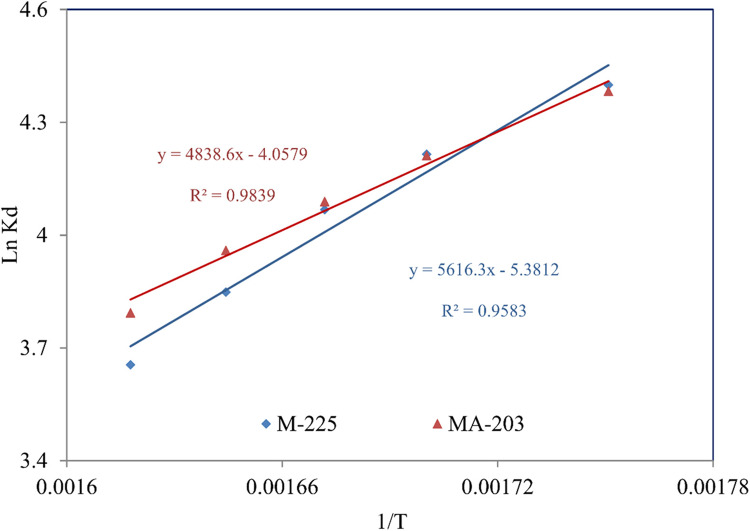
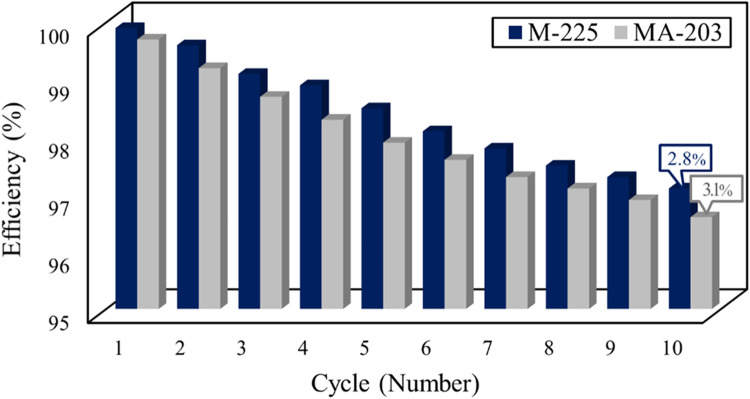
This study optimizes CO 2 adsorption using hydrochar from de-oiled flaxseed (FDOP), a waste byproduct of the oil extraction industry, through hydrothermal carbonization (HTC). The aim is to enhance CO 2 capture sustainably and cost-effectively. Using Response Surface Methodology (RSM), in optimal conditions achieved 1153.26 mg/g CO 2 adsorption capacity under 215.15 °C synthesis temperature, 3.05 h synthesis time, 0.99 M acid concentration, 8.997 bar pressure, and 25.07 °C adsorption temperature. Statistical analysis (F-value: 44.48, R²: 0.9705) confirmed strong model reliability. Kinetic analysis showed both physical and chemical adsorption, while thermodynamic analysis revealed exothermic behavior (ΔH° values: -46.697 kJ/mol for M-225, -40.230 kJ/mol for MA-203). After 10 regeneration cycles, the adsorption capacity was reduced by only 2.8% and 3.1%, indicating excellent recyclability. This study highlights FDOP-derived hydrochar as a highly efficient, low-cost adsorbent, offering industrial applications for carbon capture and waste management.
Overview
CoChat Summary
TL;DR
This paper reports the first use of deoiled flaxseed powder (FDOP) to make hydrochar for CO2 adsorption, optimized with response surface methodology. Under the best conditions, the hydrochar reached 1153.26 mg/g CO2 adsorption capacity and retained most of its performance after 10 reuse cycles.
Key findings
- The RSM model for CO2 uptake was statistically strong, with an F-value of 44.48 and R² = 0.9705.
- The optimum adsorption capacity was 1153.26 mg/g at 215.15 °C synthesis temperature, 3.05 h synthesis time, 0.99 M acid concentration, 8.997 bar pressure, and 25.07 °C adsorption temperature.
- Two hydrochars performed best: M-225 (water-based synthesis) and MA-203 (HCl-assisted synthesis). The paper reports CO2 uptake values of 1051.82 mg/g and 1152.83 mg/g at 25 °C and 9 bar for these hydrochars.
- Reusability was high: after 10 regeneration cycles, adsorption capacity dropped by only 2.8% for M-225 and 3.1% for MA-203.
Methods
- FDOP (flaxseed powder residue after oil extraction) was converted to hydrochar by hydrothermal carbonization in a Teflon-coated stainless autoclave, varying synthesis temperature (180, 200, 220 °C), time (3, 5, 7 h), and HCl concentration (0, 0.5, 1 mol/L).
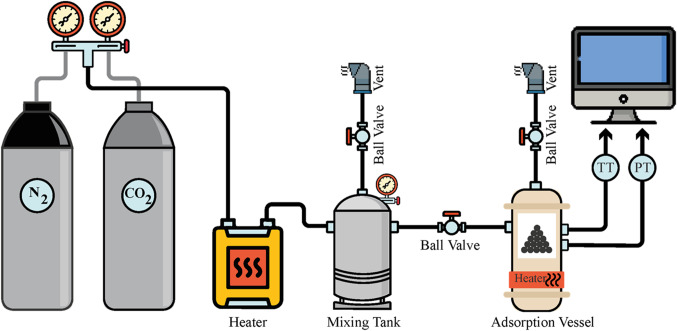
- CO2 adsorption tests used 0.5 g adsorbent, 99.99% CO2, 3600 s adsorption time, and conditions around 25 °C and 5–9 bar; the best-performing samples were then studied further.
- Optimization used Box-Behnken Design within RSM, with ANOVA, R², residual plots, isotherm modeling, kinetic modeling, and thermodynamic analysis.
Limitations
- The paper states a research gap but does not give a formal limitations section; specifics of scale-up, long-term durability beyond 10 cycles, and real-gas/impurity performance are not stated in the paper.
- The abstract and conclusion emphasize industrial promise, but the text provided does not report pilot-scale or techno-economic validation (evident from the text).
- The paper says the adsorption mechanism section is incomplete in the provided text (“The”), so some mechanistic details are not fully stated in the paper as provided (evident from the text).
Model-written summary. Check it against the paper before relying on it.
Integrity signals
Registry
Cites
Statistics
Figures
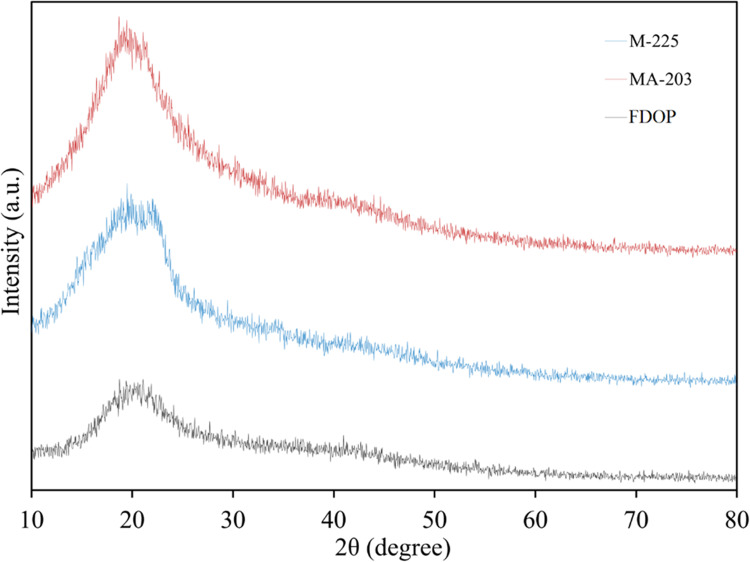
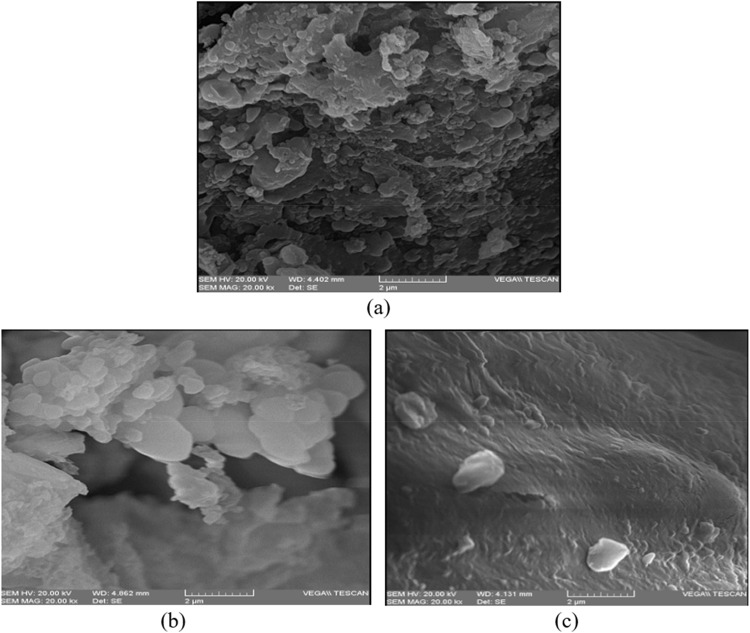
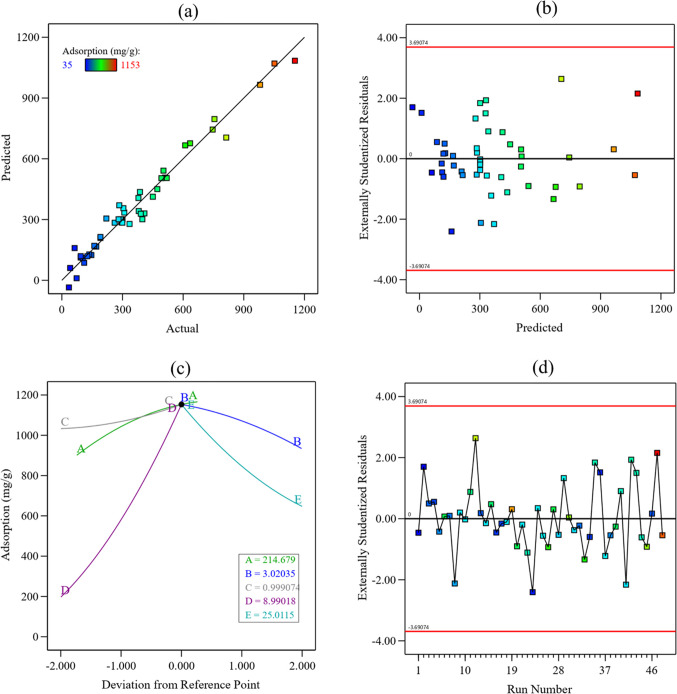
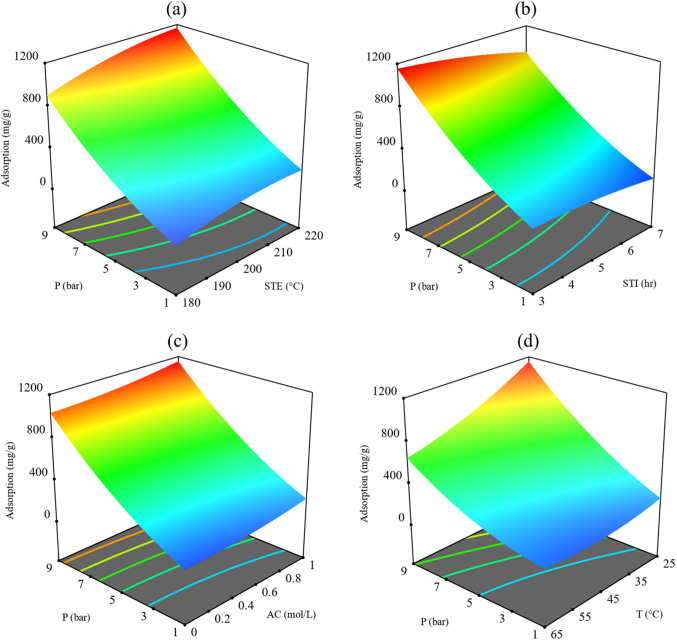
Verification
Claims the paper makes
1 Valid · 0 Not valid · 3 Not checked · 36 Own results and interpretations
A result the paper reports from its own data — it cites no other source for it, so there is none to check. The quote shows it is in the paper.
In the paper
“Using Response Surface Methodology (RSM), in optimal conditions achieved 1153.26 mg/g CO2 adsorption capacity under 215.15 °C synthesis temperature, 3.05 h synthesis time, 0.99 M acid concentration, 8.997 bar pressure, and 25.07 °C adsorption temperature.”
- Also stated in: § RSM results · plain
“The optimal point contains, STE = 215.15 °C, STI = 3.05 h, AC = 0.99 M, T = 25.07 °C, and P = 8.997 bar pressure for 1153.26 mg/g CO2 adsorption capacity.”
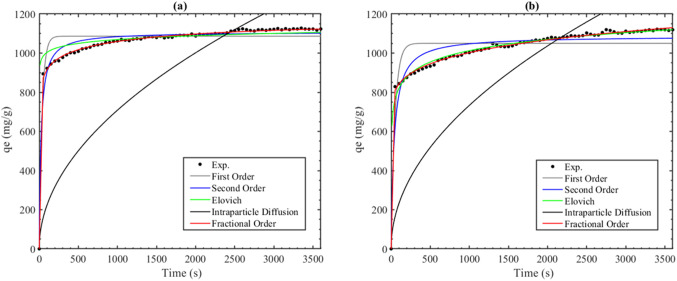
- Also stated in: § Conclusion Successful FDOP-derived Hydrochar synthesis and optimization of HTC parameters were conducted to enhance CO2 adsorption. Characterization employed various analytical techniques: SEM, XRD, FT-IR, BET, and CHNOS analysis. The study assessed the impact of enhancements on CO2 adsorption capacity and tested two optimized hydrochars under varying temperature and pressure conditions using RSM. The optimal adsorption capacity reached 1153.26 mg/g for hydrochars under the conditions of: STE = 215.15 °C, STI = 3.05 h, AC = 0.99 M, T = 25.07 °C, and P = 8.997 bar pressure. The CO2 adsorption rate observed in this study is one of the highest recorded, achieved at a pressure of 9 bar and a temperature of 25 °C. The high R2 value of 0.9705 attested to the strong agreement between experimental data and the utilized model. Recycling the adsorbents at 110 °C for 3 h resulted in a 2.8% decrease in M-225 adsorption potential and approximately 3.1% decrease in MA-203 adsorption potential in 10 cycles. The Sips isotherm model was most effective in predicting adsorption behavior (R2 = 0.9983 for M-225 and 0.9971 for MA-203). Kinetic and thermodynamic analyses revealed the influence of both physical and chemical adsorption mechanisms in hydrochars. Among various kinetic models, the Fractional Order adsorption model emerged as the most suitable. In conclusion, this study revealed the promising potential of hydrochars derived from FDOP as cost-effective, high-capacity CO2 adsorbents without the need for reagents. The proposed method holds promise for efficient hydrochar production across the diverse industrial applications. · plain
“The optimal adsorption capacity reached 1153.26 mg/g for hydrochars under the conditions of: STE = 215.15 °C, STI = 3.05 h, AC = 0.99 M, T = 25.07 °C, and P = 8.997 bar pressure.”
§ Efficient CO2 adsorption by deoiled flaxseed hydrochar > Abstract
plainstates a cause- Asserted: passes — The authors put it forward as true.
- Checkable: passes — It can be checked against evidence.
- Load-bearing: passes — The paper’s conclusions depend on it.
- Based: passes — The paper gives a reason why it holds.
- Also stated in: § RSM results · plain
In the paper
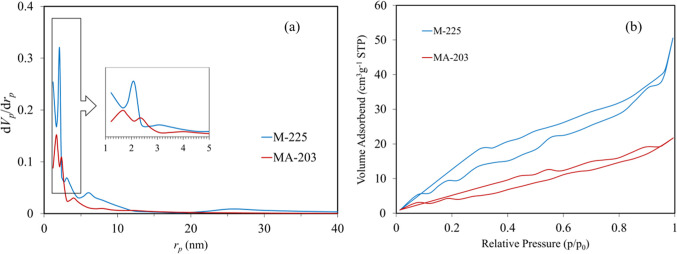
“The employment of HCl as a catalyst in the HTC process notably improves the physical characteristics, specifically enhancing the active surface area and porosity of MA-203, as observed in Table 2, in contrast to M-22519.”
§ Efficient CO2 adsorption by deoiled flaxseed hydrochar > Result and discussion > Characterization results
What the sources say
- Not checked — no full text of the sourcecites [19] Jain, A., Balasubramanian, R. & Srinivasan, M. P. Hydrothermal conversion of biomass waste to activated carbon with high porosity: a review. Chem. Eng. J. 283, 789–805. 10.1016/j.cej.2015.08.014 (2016). source
boostedstates a cause- Asserted: passes — The authors put it forward as true.
- Checkable: passes — It can be checked against evidence.
- Load-bearing: passes — The paper’s conclusions depend on it.
- Based: passes — The paper gives a reason why it holds.
A result the paper reports from its own data — it cites no other source for it, so there is none to check. The quote shows it is in the paper.
In the paper
“The HTC process resulted in decreased H/C ratios, reflecting carbonization.”
§ Efficient CO2 adsorption by deoiled flaxseed hydrochar > Result and discussion > Characterization results
plainstates a cause- Asserted: passes — The authors put it forward as true.
- Checkable: passes — It can be checked against evidence.
- Load-bearing: unclear — It is unclear whether the paper’s conclusions depend on it.
- Based: passes — The paper gives a reason why it holds.
A result the paper reports from its own data — it cites no other source for it, so there is none to check. The quote shows it is in the paper.
In the paper
“Among the parameters, pressure (D) exerts the most substantial influence on augmenting CO2 adsorption.”
§ Efficient CO2 adsorption by deoiled flaxseed hydrochar > Result and discussion > RSM results
plainstates a cause- Asserted: passes — The authors put it forward as true.
- Checkable: passes — It can be checked against evidence.
- Load-bearing: passes — The paper’s conclusions depend on it.
- Based: passes — The paper gives a reason why it holds.
A result the paper reports from its own data — it cites no other source for it, so there is none to check. The quote shows it is in the paper.
In the paper
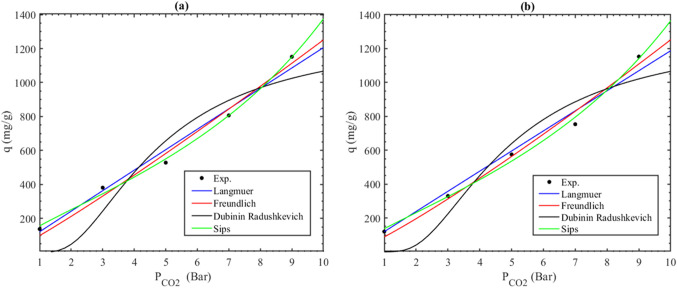
“The outcomes reveal that the Sips isotherm proves most effective, boasting R2 values of 0.9983 and 0.9971 for M-225 and MA-203, respectively.”
- Also stated in: § Conclusion Successful FDOP-derived Hydrochar synthesis and optimization of HTC parameters were conducted to enhance CO2 adsorption. Characterization employed various analytical techniques: SEM, XRD, FT-IR, BET, and CHNOS analysis. The study assessed the impact of enhancements on CO2 adsorption capacity and tested two optimized hydrochars under varying temperature and pressure conditions using RSM. The optimal adsorption capacity reached 1153.26 mg/g for hydrochars under the conditions of: STE = 215.15 °C, STI = 3.05 h, AC = 0.99 M, T = 25.07 °C, and P = 8.997 bar pressure. The CO2 adsorption rate observed in this study is one of the highest recorded, achieved at a pressure of 9 bar and a temperature of 25 °C. The high R2 value of 0.9705 attested to the strong agreement between experimental data and the utilized model. Recycling the adsorbents at 110 °C for 3 h resulted in a 2.8% decrease in M-225 adsorption potential and approximately 3.1% decrease in MA-203 adsorption potential in 10 cycles. The Sips isotherm model was most effective in predicting adsorption behavior (R2 = 0.9983 for M-225 and 0.9971 for MA-203). Kinetic and thermodynamic analyses revealed the influence of both physical and chemical adsorption mechanisms in hydrochars. Among various kinetic models, the Fractional Order adsorption model emerged as the most suitable. In conclusion, this study revealed the promising potential of hydrochars derived from FDOP as cost-effective, high-capacity CO2 adsorbents without the need for reagents. The proposed method holds promise for efficient hydrochar production across the diverse industrial applications. · plain
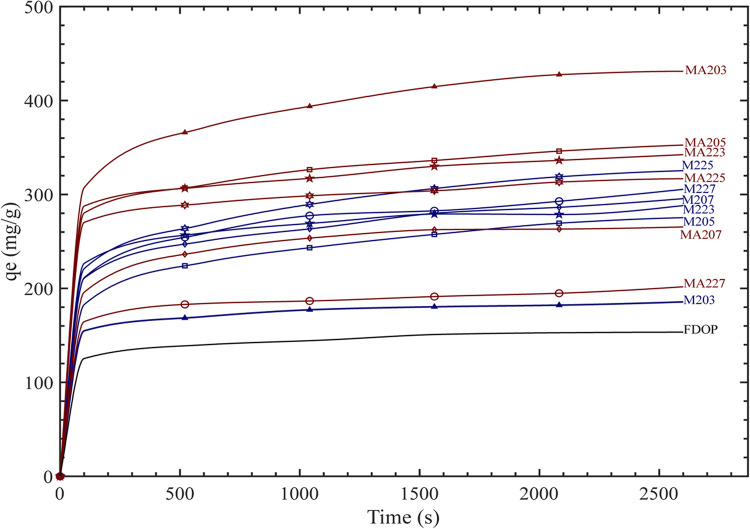
“The Sips isotherm model was most effective in predicting adsorption behavior (R2 = 0.9983 for M-225 and 0.9971 for MA-203).”
§ Efficient CO2 adsorption by deoiled flaxseed hydrochar > Result and discussion > Adsorption results
plainstates an association- Asserted: passes — The authors put it forward as true.
- Checkable: passes — It can be checked against evidence.
- Load-bearing: unclear — It is unclear whether the paper’s conclusions depend on it.
- Based: passes — The paper gives a reason why it holds.
- Also stated in: § Conclusion Successful FDOP-derived Hydrochar synthesis and optimization of HTC parameters were conducted to enhance CO2 adsorption. Characterization employed various analytical techniques: SEM, XRD, FT-IR, BET, and CHNOS analysis. The study assessed the impact of enhancements on CO2 adsorption capacity and tested two optimized hydrochars under varying temperature and pressure conditions using RSM. The optimal adsorption capacity reached 1153.26 mg/g for hydrochars under the conditions of: STE = 215.15 °C, STI = 3.05 h, AC = 0.99 M, T = 25.07 °C, and P = 8.997 bar pressure. The CO2 adsorption rate observed in this study is one of the highest recorded, achieved at a pressure of 9 bar and a temperature of 25 °C. The high R2 value of 0.9705 attested to the strong agreement between experimental data and the utilized model. Recycling the adsorbents at 110 °C for 3 h resulted in a 2.8% decrease in M-225 adsorption potential and approximately 3.1% decrease in MA-203 adsorption potential in 10 cycles. The Sips isotherm model was most effective in predicting adsorption behavior (R2 = 0.9983 for M-225 and 0.9971 for MA-203). Kinetic and thermodynamic analyses revealed the influence of both physical and chemical adsorption mechanisms in hydrochars. Among various kinetic models, the Fractional Order adsorption model emerged as the most suitable. In conclusion, this study revealed the promising potential of hydrochars derived from FDOP as cost-effective, high-capacity CO2 adsorbents without the need for reagents. The proposed method holds promise for efficient hydrochar production across the diverse industrial applications. · plain
12 more claims
Create a free account to see all 40 claims and every source verdict.
- It may state two separate claims as one. 22
- The quote only partly states this claim. 2
- Probably not a substantial claim. 2
Citations
Cites
On the Structure of a Catalyst Surface
Sips, R. (1948) · The Journal of Chemical Physics · doi:10.1063/1.1746922 · Cited by 3,650
Khuri, A. I., & Mukhopadhyay, S. (2010) · WIREs Computational Statistics · doi:10.1002/wics.73 · Cited by 2,113
Funke, A., & Ziegler, F. (2010) · Biofuels Bioproducts and Biorefining · doi:10.1002/bbb.198 · Cited by 2,001
Kambo, H. S., & Dutta, A. (2015) · Renewable and Sustainable Energy Reviews · doi:10.1016/j.rser.2015.01.050 · Cited by 1,746
Hydrothermal conversion of biomass waste to activated carbon with high porosity: A review
Jain, A., Balasubramanian, R., & Srinivasan, M. P. (2016) · Chemical Engineering Journal · doi:10.1016/j.cej.2015.08.014 · Cited by 1,199
Sustainable porous carbons with a superior performance for CO2 capture
Sevilla, M., & Fuertes, A. B. (2011) · Energy & Environmental Science · doi:10.1039/c0ee00784f · Cited by 1,088
Al-Wabel, M. I., Al-Omran, A., El-Naggar, A. H., Nadeem, M., & Usman, A. R. A. (2013) · Bioresource Technology · doi:10.1016/j.biortech.2012.12.165 · Cited by 1,026
Environmental application of biochar: Current status and perspectives
Oliveira, F. R., Patel, A. K., Jaisi, D. P., Adhikari, S., Lu, H., & Khanal, S. K. (2017) · Bioresource Technology · doi:10.1016/j.biortech.2017.08.122 · Cited by 802
Flax and flaxseed oil: an ancient medicine & modern functional food
Goyal, A., Sharma, V., Upadhyay, N., Gill, S., & Sihag, M. (2014) · Journal of Food Science and Technology · doi:10.1007/s13197-013-1247-9 · Cited by 742
Gupta, V. K., Srivastava, S. K., Mohan, D., & Sharma, S. (1998) · Waste Management · doi:10.1016/s0956-053x(97)10062-9 · Cited by 452
Sarker, T. R., Pattnaik, F., Nanda, S., Dalai, A. K., Meda, V., & Naik, S. (2021) · Chemosphere · doi:10.1016/j.chemosphere.2021.131372 · Cited by 365
Seow, Y. X., Tan, Y. H., Mubarak, N. M., Kansedo, J., Khalid, M., Ibrahim, M. L., & Ghasemi, M. (2022) · Journal of Environmental Chemical Engineering · doi:10.1016/j.jece.2021.107017 · Cited by 338
Highly porous activated carbon materials from carbonized biomass with high CO2 capturing capacity
Alabadi, A., Razzaque, S., Yang, Y., Chen, S., & Tan, B. (2015) · Chemical Engineering Journal · doi:10.1016/j.cej.2015.06.032 · Cited by 322
Mourabet, M., El Rhilassi, A., El Boujaady, H., Bennani-Ziatni, M., & Taitai, A. (2017) · Arabian Journal of Chemistry · doi:10.1016/j.arabjc.2013.12.028 · Cited by 311
An investigation of CO2 adsorption kinetics on porous magnesium oxide
Song, G., Zhu, X., Chen, R., Liao, Q., Ding, Y.-D., & Chen, L. (2016) · Chemical Engineering Journal · doi:10.1016/j.cej.2015.07.055 · Cited by 278
Application of isotherms models and error functions in activated carbon CO2 sorption processes
Serafin, J., & Dziejarski, B. (2023) · Microporous and Mesoporous Materials · doi:10.1016/j.micromeso.2023.112513 · Cited by 268
Hydrochars production, characterization and application for wastewater treatment: A review
Azzaz, A. A., Khiari, B., Jellali, S., Ghimbeu, C. M., & Jeguirim, M. (2020) · Renewable and Sustainable Energy Reviews · doi:10.1016/j.rser.2020.109882 · Cited by 236
Isotherms and thermodynamics of CO2 adsorption on a novel carbon-magnetite composite sorbent
Raganati, F., Alfe, M., Gargiulo, V., Chirone, R., & Ammendola, P. (2018) · Chemical Engineering Research and Design · doi:10.1016/j.cherd.2018.04.037 · Cited by 215
Zhou, C., & Wang, Y. (2020) · Science and Technology of Advanced Materials · doi:10.1080/14686996.2020.1848213 · Cited by 210
CO2 capture by adsorption on biomass-derived activated char: A review.
Goel, C., Mohan, S., & Dinesha, P. (2021) · Science of the Total Environment · doi:10.1016/j.scitotenv.2021.149296 · Cited by 206
Overview on the Response Surface Methodology (RSM) in Extraction Processes
Mohamad Said, K. A., & Mohamed Amin, M. A. (2016) · Journal of Applied Science & Process Engineering · doi:10.33736/jaspe.161.2015 · Cited by 205
Kılıç, M., Apaydın-Varol, E., & Pütün, A. E. (2012) · Applied Surface Science · doi:10.1016/j.apsusc.2012.07.155 · Cited by 187
Awad, O. I., Mamat, R., Ali, O. M., Azmi, W. H., Kadirgama, K., Yusri, I. M., Leman, A. M., & Yusaf, T. F. (2017) · Energy Conversion and Management · doi:10.1016/j.enconman.2017.07.047 · Cited by 177
Hjaila, K., Baccar, R., Sarrà, M., Gasol, C. M., & Blánquez, P. (2013) · Journal of Environmental Management · doi:10.1016/j.jenvman.2013.08.061 · Cited by 172
Khoshbouy, R., Takahashi, F., & Yoshikawa, K. (2019) · Environmental Research · doi:10.1016/j.envres.2019.04.002 · Cited by 167
A review on the utilization of industrial biowaste via hydrothermal carbonization
Zhuang, X., Liu, J., Zhang, Q., Wang, C., Zhan, H., & Ma, L. (2022) · Renewable and Sustainable Energy Reviews · doi:10.1016/j.rser.2021.111877 · Cited by 167
Sharma, H. B., & Dubey, B. K. (2020) · Waste Management · doi:10.1016/j.wasman.2020.09.009 · Cited by 162
Wu, S., Wang, Q., Fang, M., Wu, D., Cui, D., Pan, S., Bai, J., Xu, F., & Wang, Z. (2023) · Science of The Total Environment · doi:10.1016/j.scitotenv.2023.165327 · Cited by 155
Carbonaceous materials as adsorbents for CO2 capture: synthesis and modification
Gao, X., Yang, S., Hu, L., Cai, S., Wu, L., & Kawi, S. (2022) · Carbon Capture Science & Technology · doi:10.1016/j.ccst.2022.100039 · Cited by 151
Inyang, H. I., Onwawoma, A., & Bae, S. (2015) · Soil and Tillage Research · doi:10.1016/j.still.2015.07.013 · Cited by 149
Pashaei, H., Ghaemi, A., Nasiri, M., & Karami, B. (2020) · ACS Omega · doi:10.1021/acsomega.9b03363 · Cited by 144
Self-citationLiu, X., Sun, C., Liu, H., Tan, W. H., Wang, W., & Snape, C. (2019) · Chemical Engineering Journal · doi:10.1016/j.cej.2018.11.062 · Cited by 132
Shi, J., Cui, H., Xu, J., & Yan, N. (2022) · Separation and Purification Technology · doi:10.1016/j.seppur.2022.121193 · Cited by 112
Wang, T., Zhai, Y., Zhu, Y., Gan, X., Zheng, L., Peng, C., Wang, B., Li, C., & Zeng, G. (2018) · Bioresource Technology · doi:10.1016/j.biortech.2018.06.093 · Cited by 109
Fornes, F., Belda, R. M., & Lidón, A. (2015) · Journal of Cleaner Production · doi:10.1016/j.jclepro.2014.08.057 · Cited by 106
Polyethylenimine-Modified Zeolite 13X for CO2 Capture: Adsorption and Kinetic Studies
Karka, S., Kodukula, S., Nandury, S. V., & Pal, U. (2019) · ACS Omega · doi:10.1021/acsomega.9b02047 · Cited by 101
Guo, L., Zhang, Y., & Li, W. (2017) · Journal of Colloid and Interface Science · doi:10.1016/j.jcis.2017.01.003 · Cited by 97
Wang, Q., Wu, S., Cui, D., Pan, S., Xu, F., Xu, F., Wang, Z., & Li, G. (2022) · Journal of environmental chemical engineering · doi:10.1016/j.jece.2022.108716 · Cited by 88
Large-surface-area carbons derived from lotus stem waste for efficient CO2 capture
Wu, X., Zhang, C.-Y., Tian, Z., & Cai, J. (2018) · New Carbon Materials · doi:10.1016/s1872-5805(18)60338-5 · Cited by 79
Adelodun, A. A., Ngila, J. C., Kim, D.-G., & Jo, Y.-M. (2016) · Aerosol and Air Quality Research · doi:10.4209/aaqr.2016.01.0014 · Cited by 78
Zaferani, S. P. G., Emami, M. R. S., Amiri, M. K., & Binaeian, E. (2019) · International Journal of Biological Macromolecules · doi:10.1016/j.ijbiomac.2019.07.208 · Cited by 78
Synthesis of porous and activated carbon from lemon peel waste for CO2 adsorption
Weldekidan, H., Patel, H., Mohanty, A. K., & Misra, M. (2023) · Carbon Capture Science & Technology · doi:10.1016/j.ccst.2023.100149 · Cited by 77
Bahmanzadegan, F., Pordsari, M. A., & Ghaemi, A. (2023) · Scientific Reports · doi:10.1038/s41598-023-39859-z · Cited by 74
Self-citationMueed, A., Shibli, S., Jahangir, M., Jabbar, S., & Deng, Z. (2022) · Critical Reviews in Food Science and Nutrition · doi:10.1080/10408398.2022.2092718 · Cited by 73
Al-Absi, A. A., Domin, A., Mohamedali, M., Benneker, A. M., & Mahinpey, N. (2022) · Fuel · doi:10.1016/j.fuel.2022.126401 · Cited by 70
Zhang, W., Zhang, X., Lei, F., & Jiang, J. (2020) · Renewable Energy · doi:10.1016/j.renene.2020.10.034 · Cited by 69
Wang, J., Chen, S., Xu, J.-Y., Liu, L., Zhou, J., & Cai, J. (2021) · New Carbon Materials · doi:10.1016/s1872-5805(21)60074-4 · Cited by 68
Hydrochars based on cigarette butts as a recycled material for the adsorption of pollutants
de Lima, H. H. C., Maniezzo, R. D. S., Kupfer, V. L., Guilherme, M. R., Moisés, M. P., Arroyo, P. A., & Rinaldi, A. W. (2018) · Journal of environmental chemical engineering · doi:10.1016/j.jece.2018.11.012 · Cited by 66
Huang, G., Wu, X., Hou, Y., & Cai, J. (2019) · Biomass Conversion and Biorefinery · doi:10.1007/s13399-019-00412-6 · Cited by 66
Kohzadi, S., Marzban, N., Libra, J. A., Bundschuh, M., & Maleki, A. (2022) · Journal of Molecular Liquids · doi:10.1016/j.molliq.2022.120971 · Cited by 56
Hemmati, A., Ghaemi, A., & Asadollahzadeh, M. (2020) · Separation Science and Technology · doi:10.1080/01496395.2020.1842890 · Cited by 55
Self-citationSynthesis and CO2 adsorption kinetics of Aluminum Fumarate MOFs pellet with high recovery
Ding, Y., Ma, L., Zeng, F., et al. (2022) · Energy · doi:10.1016/j.energy.2022.125723 · Cited by 55
Modeling and optimization of CO2 mass transfer flux into Pz-KOH-CO2 system using RSM and ANN
Pashaei, H., Mashhadimoslem, H., & Ghaemi, A. (2023) · Scientific Reports · doi:10.1038/s41598-023-30856-w · Cited by 54
Self-citationAmine functionalized benzene based hypercrosslinked polymer as an adsorbent for CO2/N2 adsorption
Moradi, M. R., Torkashvand, A., Penchah, H. R., & Ghaemi, A. (2023) · Scientific Reports · doi:10.1038/s41598-023-36434-4 · Cited by 53
Self-citationDeepak, K. R., Mohan, S., Dinesha, P., & Balasubramanian, R. (2023) · Journal of Environmental Management · doi:10.1016/j.jenvman.2023.118350 · Cited by 53
Ghaemi, A., & Behroozi, A. H. (2020) · Greenhouse Gases Science and Technology · doi:10.1002/ghg.2015 · Cited by 47
Self-citationUpcycling simulated food wastes into superactivated hydrochar for remarkable hydrogen storage
Sultana, A. I., Saha, N., & Reza, M. T. (2021) · Journal of Analytical and Applied Pyrolysis · doi:10.1016/j.jaap.2021.105322 · Cited by 43
Gong, L., & Bao, A. (2022) · Journal of CO2 Utilization · doi:10.1016/j.jcou.2022.102374 · Cited by 42
Silva, R. V. S., Gonçalves, A. D., Vinhal, J. O., Cassella, R. J., dos Santos, R. C., Sasso, M. A. D., Peixoto, B. S., Borba-Santos, L. P., Rozental, S., Azevedo, D. A., et al. (2020) · Journal of environmental chemical engineering · doi:10.1016/j.jece.2020.104825 · Cited by 38
Parodi, E., Nasa, J. L., Ribechini, E., Petri, A., & Piccolo, O. (2021) · Biomass Conversion and Biorefinery · doi:10.1007/s13399-021-01379-z · Cited by 36
Chandrasekar, R., Deen, M. A., & Narayanasamy, S. (2023) · Bioresource Technology · doi:10.1016/j.biortech.2023.130018 · Cited by 31
Zhou, S., Anfu, H., Jiang, J., Jian, J., Zhou, G., Zhou, G., & Wang, S. (2023) · Biomass and Bioenergy · doi:10.1016/j.biombioe.2023.106938 · Cited by 29
Aghel, B., Gouran, A., Behaien, S., & Vaferi, B. (2022) · Environmental Technology & Innovation · doi:10.1016/j.eti.2022.102770 · Cited by 25
Sultana, A. I., Cheatham, R. W., & Reza, M. T. (2022) · Journal of CO2 Utilization · doi:10.1016/j.jcou.2022.102350 · Cited by 25
Amine grafting of carbazole-based hypercrosslinked polymer as an adsorbent to enhance CO2 capture
Torkashvand, A., Moradi, M. R., & Ghaemi, A. (2023) · Case Studies in Chemical and Environmental Engineering · doi:10.1016/j.cscee.2023.100472 · Cited by 22
Self-citationOil Cakes as Sustainable Agro‐Industrial Feedstock for Biocarbon Materials
Sankari, M. S., Vivekanandhan, S., Misra, M., & Mohanty, A. K. (2021) · ChemBioEng Reviews · doi:10.1002/cben.202100025 · Cited by 20
Sadeghi, N., Sharifnia, S., & Do, T. (2018) · Reaction Kinetics Mechanisms and Catalysis · doi:10.1007/s11144-018-1407-z · Cited by 19
Exergy analysis of a diesel engine fuelled with Aegle marmelos de‐oiled seed cake pyrolysis oil opus
Paramasivam, B. (2020) · Environmental Progress & Sustainable Energy · doi:10.1002/ep.13426 · Cited by 17
Sultana, A. I., Chambers, C., Ahmed, M. M. N., Pathirathna, P., & Reza, T. (2022) · Nanomaterials · doi:10.3390/nano12203575 · Cited by 17
Arefizadeh, M., Behvandi, D., Shahhosseini, S., & Ghaemi, A. (2024) · Results in Engineering · doi:10.1016/j.rineng.2024.102847 · Cited by 13
Self-citationOptimization of hydrochar production from cigarette filters for enhanced CO2 adsorption
Behvandi, D., Arefizadeh, M., Ghaemi, A., & Shahhosseini, S. (2024) · Results in Engineering · doi:10.1016/j.rineng.2024.102308 · Cited by 12
Self-citationBehvandi, D., Arefizadeh, M., Ghaemi, A., & Shahhosseini, S. (2024) · Case Studies in Chemical and Environmental Engineering · doi:10.1016/j.cscee.2024.100723 · Cited by 11
Self-citationIsmail, M., Bustam, M. A., & Yeong, Y. F. (2023) · Journal of Advanced Research in Fluid Mechanics and Thermal Sciences · doi:10.37934/arfmts.108.2.151163 · Cited by 8
Saeidi, M., Ghaemi, A., & Tahvildari, K. (2020) · doi:10.30492/ijcce.2019.35674 · Cited by 8
Self-citation(2022) · Wageningen Academic Publishers eBooks · doi:10.3920/978-90-8686-929-9 · Cited by 6
Sultana, A. I., Hossain, S., Saha, S., Kirtania, K., & Reza, M. T. (2023) · Biomass Conversion and Biorefinery · doi:10.1007/s13399-023-04959-3 · Cited by 2
Cited by
Engineering biomass-derived CO2 capture materials via hydrothermal processes
Nabhai, A., Plaza, N. Z., Bechle, N. J., Abubakr, S., Atihan, M., Springstead, J. R., Wu, Q., Li, K., & Li, J. (2025) · Progress in Natural Science Materials International · doi:10.1016/j.pnsc.2025.02.011 · Cited by 9
Bedru, T. K., Meshesha, B. T., Mohammed, S. A., Demesa, A. G., Vega, S. B. P., Kebede, W., & Jayakumar, M. (2025) · Bioresources and Bioprocessing · doi:10.1186/s40643-025-00975-5 · Cited by 3
“In parallel, detoxified seed meal underwent hydrothermally carbonized (HTC), yielding hydrochar as a functional material and energy source (Arefizadeh et al. 2024; Petrovič et al. 2024).”
Karimi, K., Bahmanzadegan, F., & Ghaemi, A. (2026) · Sustainable Chemistry for Climate Action · doi:10.1016/j.scca.2026.100190 · Cited by 2
Self-citation
Metadata
- Authors
- Arefizadeh, M., Behvandi, D., Shahhosseini, S., & Ghaemi, A.
- Affiliations
- Iran University of Science and Technology (IR)
- Corresponding author
- Shahhosseini, Shahrokh
- Venue
- Scientific Reports
- Published
- 2024-11-16
- Volume
- 14
- Issue
- 1
- Pages
- 28306-28306
- ISSN
- 2045-2322 (ISSN-L)
- PMC
- PMC11569157
- OpenAlex
- W4404432954
- Cited by
- 4
- References
- 74
- Citations by year
- 2026: 1 · 2025: 3
- FWCI
- 0.31
- Type
- journal article
- Language
- en
- Open access
- gold
- doi.org
- Licence
- cc-by-nc-nd
- creativecommons.org/licenses/by-nc-nd/4.0 (tdm)
- creativecommons.org/licenses/by-nc-nd/4.0 (vor)
- Locations
- Scientific Reports (publishedVersion, cc-by-nc-nd)
- PubMed Central (publishedVersion, cc-by-nc-nd)
- PubMed (publishedVersion)
- DOAJ (DOAJ: Directory of Open Access Journals) (submittedVersion, cc-by-sa)
- Topics
- Physical Sciences › Chemical Engineering › Filtration and Separation › Carbon Dioxide Capture Technologies
- Physical Sciences › Energy › Fuel Technology › Thermochemical Biomass Conversion Processes
- Physical Sciences › Environmental Science › Water Science and Technology › Adsorption and biosorption for pollutant removal
- Keywords
- CO2 adsorption, hydrochar, hydrothermal carbonization, CO2 capture, waste valorization, adsorption kinetics, adsorption thermodynamics, adsorbent regeneration
About these checks
Registry, retraction, Cites and statistics results are computed, not judged, with one exception: a printed reference that no index lists is read once by a model before it counts as a citation error. Claims are extracted by a model and kept only when their quote appears verbatim in the text; each cited source is then checked, with a model’s help, for whether it says what the claim relies on. Those verdicts can be wrong — read the claim’s quote and the cited source before relying on one.
The claim verdicts this report counts are experimental: their accuracy is not yet measured.
A language model drew the claims from the paper on 2026-10-11, under version 3 of the claim definition (model deepseek-v4.1-flash, prompt extract-v3).
A second model labelled each claim on 2026-10-11 (model jev-1.13-20260917, definition revision gold-guideline-v0.2).
Statistics and arithmetic are recomputed, not judged.
Confidence bands are shown only for fields calibrated on our annotated test set. None is calibrated yet, so no band is shown.
What counts as a claim ›How we measure confidence ›How we check this ›
Are you an author, or do you see a problem with this page? Request a review
Data sources
Bibliographic data: Semantic Scholar, OpenAlex, Crossref.
Contains information from the Semantic Scholar Academic Graph Datasets, made available under the ODC Attribution License (ODC-BY 1.0).
Semantic Scholar’s data is described in: Kinney, R., et al. (2023). The Semantic Scholar Open Data Platform. arXiv:2301.10140.
