

Interaction between Wnt/β-catenin and RAS-ERK pathways and an anti-cancer strategy via degradations of β-catenin and RAS by targeting the Wnt/β-catenin pathway
Open accessThe DOI matches its Crossref record; 61 of the 61 references it cites were found in a registry or an index.
Abstract
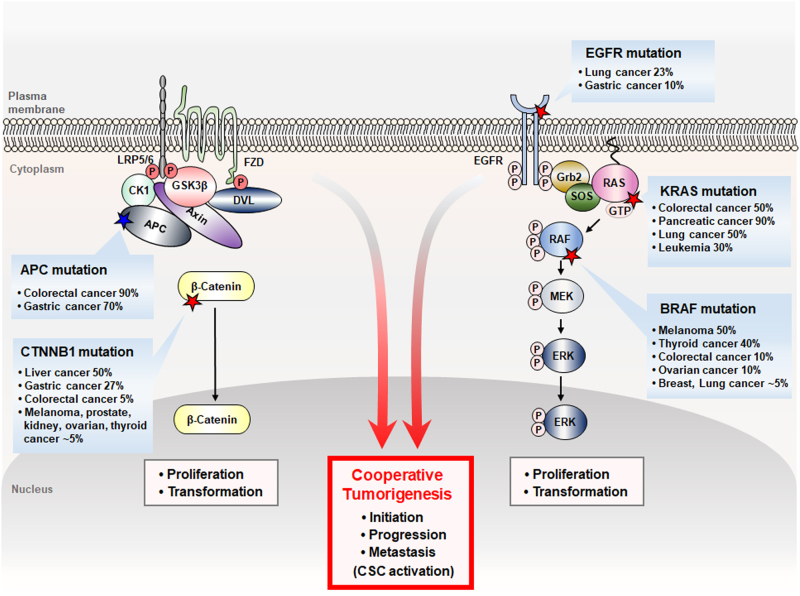
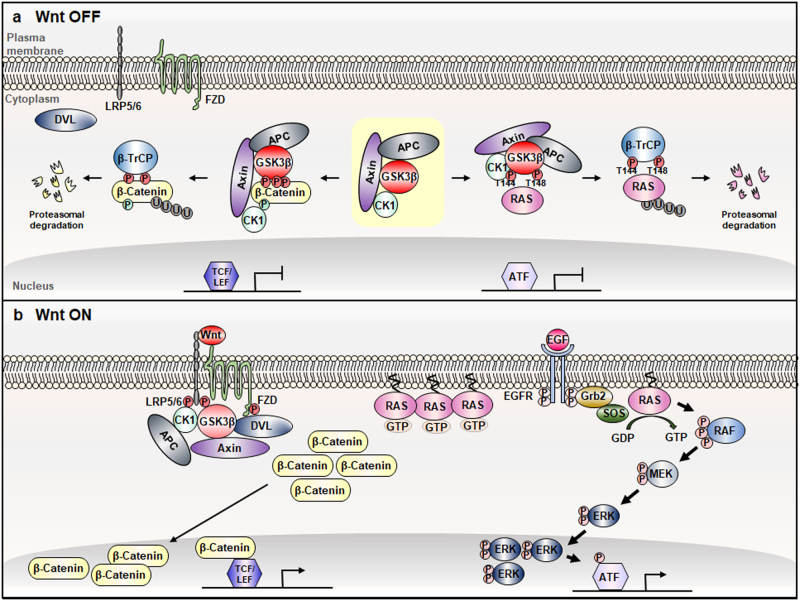
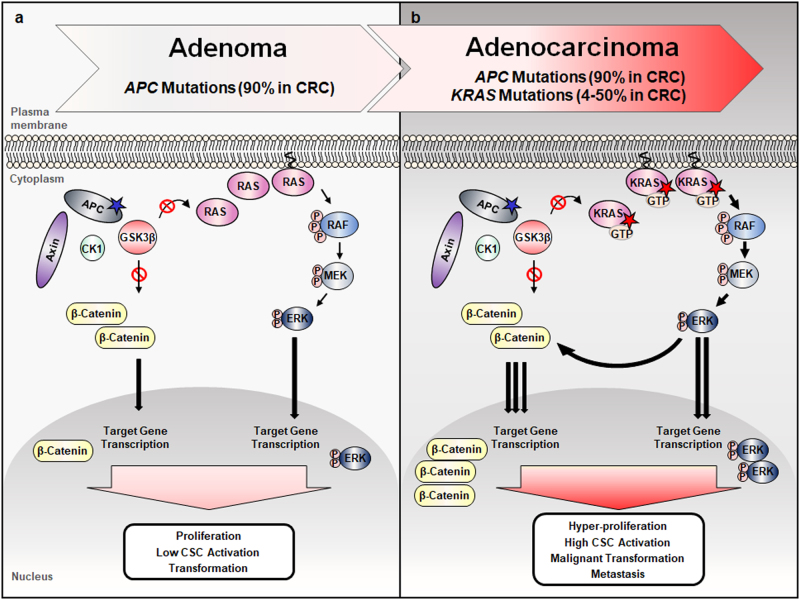
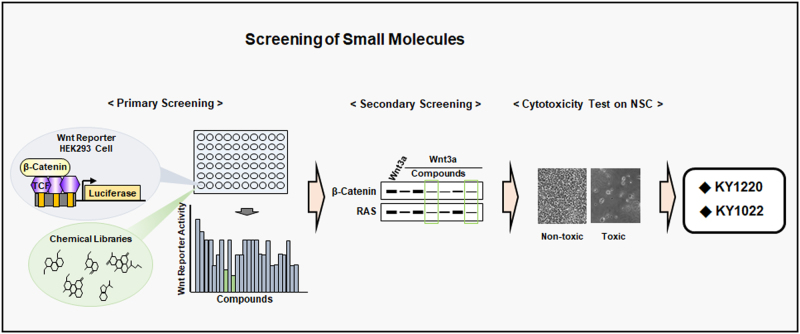
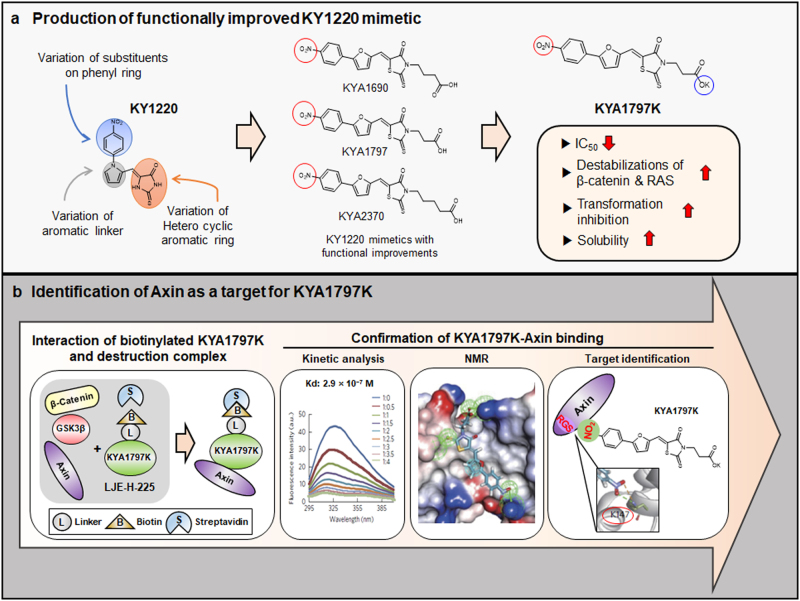
Aberrant activation of the Wnt/β-catenin and RAS-extracellular signal-regulated kinase (ERK) pathways play important roles in the tumorigenesis of many different types of cancer, most notably colorectal cancer (CRC). Genes for these two pathways, such as adenomatous polyposis coli ( APC ) and KRAS are frequently mutated in human CRC, and involved in the initiation and progression of the tumorigenesis, respectively. Moreover, recent studies revealed interaction of APC and KRAS mutations in the various stages of colorectal tumorigenesis and even in metastasis accompanying activation of the cancer stem cells (CSCs). A key event in the synergistic cooperation between Wnt/β-catenin and RAS-ERK pathways is a stabilization of both β-catenin and RAS especially mutant KRAS by APC loss, and pathological significance of this was indicated by correlation of increased β-catenin and RAS levels in human CRC where APC mutations occur as high as 90% of CRC patients. Together with the notion of the protein activity reduction by lowering its level, inhibition of both β-catenin and RAS especially by degradation could be a new ideal strategy for development of anti-cancer drugs for CRC. In this review, we will discuss interaction between the Wnt/β-catenin and RAS-ERK pathways in the colorectal tumorigenesis by providing the mechanism of RAS stabilization by aberrant activation of Wnt/β-catenin. We will also discuss our small molecular anti-cancer approach controlling CRC by induction of specific degradations of both β-catenin and RAS via targeting Wnt/β-catenin pathway especially for the KYA1797K, a small molecule specifically binding at the regulator of G-protein signaling (RGS)-domain of Axin.
Overview
The claims and statistics of this paper haven’t been checked yet.
Free: it reads the open-access text and checks the first 5 claims that cite a source we can check. Create a free account to check every claim.
Integrity signals
Registry
Cites
Statistics
Figures
Verification
Claims the paper makes
The claims and statistics of this paper haven’t been checked yet.
Free: it reads the open-access text and checks the first 5 claims that cite a source we can check. Create a free account to check every claim.
Claims other papers make about this one
Each is checked against this paper’s own text: does it say what the citing paper says it does?
The source backs part of the claim, not all of it — or backs it for a different population, condition or comparison.
In the citing paper
“The crosstalk between the ERK and Wnt/β-catenin pathways, while reported in other cancers, has not been previously described in ccRCC, particularly under the regulation of PPP1R18”
From PPP1R18-mediated activation of Wnt/β-catenin and EMT is dependent on ERK signaling in clear cell renal cell carcinoma (2026) · cites this paper as [41]
Experimental — accuracy not yet measured
Self-check
Percentages, sums and reported differences re-computed from the paper’s own numbers.
The self-check needs the paper’s full text.
Citations
Cites
A genetic model for colorectal tumorigenesis
Fearon, E. R., & Vogelstein, B. (1990) · Cell · doi:10.1016/0092-8674(90)90186-i · Cited by 12,132
Comprehensive molecular characterization of human colon and rectal cancer
The Cancer Genome Atlas Network (2012) · Nature · doi:10.1038/nature11252 · Cited by 8,499
Wnt/β-Catenin Signaling: Components, Mechanisms, and Diseases
MacDonald, B. T., Tamai, K., & He, X. (2009) · Developmental Cell · doi:10.1016/j.devcel.2009.06.016 · Cited by 5,583
Identification of c- MYC as a Target of the APC Pathway
He, T.-C., Sparks, A. B., Rago, C., Hermeking, H., Zawel, L., da Costa, L. T., Morin, P. J., Vogelstein, B., & Kinzler, K. W. (1998) · Science · doi:10.1126/science.281.5382.1509 · Cited by 4,566
Cancer genes and the pathways they control
Vogelstein, B., & Kinzler, K. W. (2004) · Nature Medicine · doi:10.1038/nm1087 · Cited by 4,249
β-Catenin regulates expression of cyclin D1 in colon carcinoma cells
Tetsu, O., & McCormick, F. (1999) · Nature · doi:10.1038/18884 · Cited by 3,601
Targeting RAS signalling pathways in cancer therapy
Downward, J. (2003) · Nature Reviews Cancer · doi:10.1038/nrc969 · Cited by 3,256
MAP kinase signalling pathways in cancer
Dhillon, A. S., Hagan, S., Rath, O., & Kolch, W. (2007) · Oncogene · doi:10.1038/sj.onc.1210421 · Cited by 2,995
Targeting the Raf-MEK-ERK mitogen-activated protein kinase cascade for the treatment of cancer
Roberts, P. J., & Der, C. J. (2007) · Oncogene · doi:10.1038/sj.onc.1210422 · Cited by 2,788
K-Ras(G12C) inhibitors allosterically control GTP affinity and effector interactions
Ostrem, J. M., Peters, U., Sos, M. L., Wells, J. A., & Shokat, K. M. (2013) · Nature · doi:10.1038/nature12796 · Cited by 2,557
Tankyrase inhibition stabilizes axin and antagonizes Wnt signalling
Huang, S.-M. A., Mishina, Y. M., Liu, S., Cheung, A., Stegmeier, F., Michaud, G. A., Charlat, O., Wiellette, E., Zhang, Y., Wiessner, S., et al. (2009) · Nature · doi:10.1038/nature08356 · Cited by 2,037
Drugging the undruggable RAS: Mission Possible?
Cox, A. D., Fesik, S. W., Kimmelman, A. C., Luo, J., & Der, C. J. (2014) · Nature Reviews Drug Discovery · doi:10.1038/nrd4389 · Cited by 1,997
WNT signalling pathways as therapeutic targets in cancer
Anastas, J. N., & Moon, R. T. (2013) · Nature Reviews Cancer · doi:10.1038/nrc3419 · Cited by 1,911
RAS oncogenes: weaving a tumorigenic web
Pylayeva-Gupta, Y., Grabocka, E., & Bar-Sagi, D. (2011) · Nature Reviews Cancer · doi:10.1038/nrc3106 · Cited by 1,789
Linking Colorectal Cancer to Wnt Signaling
Bienz, M., & Clevers, H. (2000) · Cell · doi:10.1016/s0092-8674(00)00122-7 · Cited by 1,515
The complex world of WNT receptor signalling
Niehrs, C. (2012) · Nature Reviews Molecular Cell Biology · doi:10.1038/nrm3470 · Cited by 1,492
Binding of GSK3β to the APC-β-Catenin Complex and Regulation of Complex Assembly
Rubinfeld, B., Albert, I., Porfiri, E., Fiol, C., Munemitsu, S., & Polakis, P. (1996) · Science · doi:10.1126/science.272.5264.1023 · Cited by 1,422
Small molecule–mediated disruption of Wnt-dependent signaling in tissue regeneration and cancer
Chen, B., Dodge, M. E., Tang, W., Lu, J., Ma, Z., Fan, C.-W., Wei, S., Hao, W., Kilgore, J., Williams, N. S., et al. (2009) · Nature Chemical Biology · doi:10.1038/nchembio.137 · Cited by 1,383
Towards an integrated view of Wnt signaling in development
van Amerongen, R., & Nusse, R. (2009) · Development · doi:10.1242/dev.033910 · Cited by 1,175
Lustig, B., Jerchow, B., Sachs, M., Weiler, S., Pietsch, T., Karsten, U., van de Wetering, M., Clevers, H., Schlag, P. M., Birchmeier, W., et al. (2002) · Molecular and Cellular Biology · doi:10.1128/mcb.22.4.1184-1193.2002 · Cited by 1,036
The Role of Phosphoinositide 3-Kinase Lipid Products in Cell Function
Rameh, L. E., & Cantley, L. C. (1999) · Journal of Biological Chemistry · doi:10.1074/jbc.274.13.8347 · Cited by 987
Wnt Induces LRP6 Signalosomes and Promotes Dishevelled-Dependent LRP6 Phosphorylation
Bilić, J., Huang, Y.-L., Davidson, G., Zimmermann, T., Cruciat, C.-M., Bienz, M., & Niehrs, C. (2007) · Science · doi:10.1126/science.1137065 · Cited by 934
Drugging the ‘undruggable’ cancer targets
Dang, C. V., Reddy, E. P., Shokat, K. M., & Soucek, L. (2017) · Nature Reviews Cancer · doi:10.1038/nrc.2017.36 · Cited by 927
Morrison, D. K. (2012) · Cold Spring Harbor Perspectives in Biology · doi:10.1101/cshperspect.a011254 · Cited by 831
Stephen, A. G., Esposito, D., Bagni, R. K., & McCormick, F. (2014) · Cancer Cell · doi:10.1016/j.ccr.2014.02.017 · Cited by 795 · cited 1×
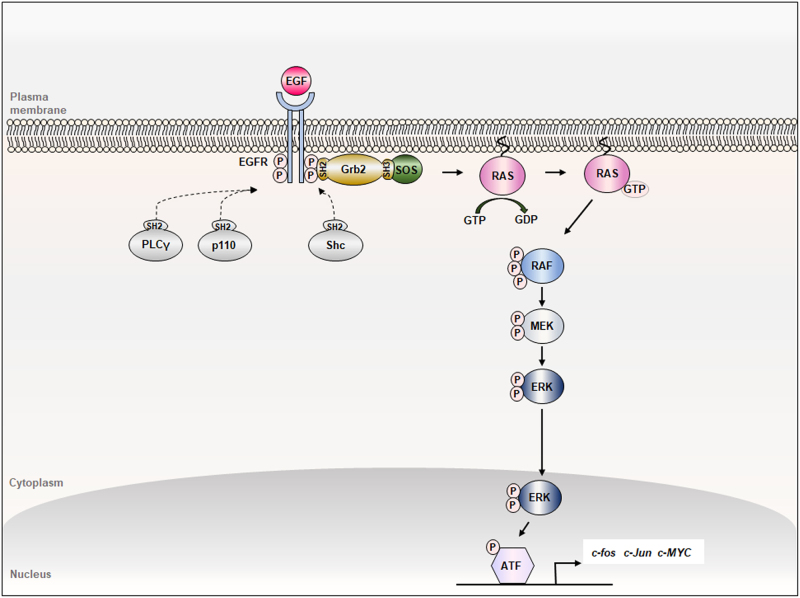
“The RAS-ERK pathway targeting drugs especially those targeting RAS have been intensively investigated several decades as major subjects of the anti-cancer drug development.(44,45) Despite the effort to develop drugs controlling RAS such as small molecules inactivating Ras by direct binding and by inhibiting farnesyltr…”
BackgroundBar-Sagi, D., & Hall, A. (2000) · Cell · doi:10.1016/s0092-8674(00)00115-x · Cited by 779
Selective inhibition of oncogenic KRAS output with small molecules targeting the inactive state
Patricelli, M. P., Janes, M. R., Li, L.-S., Hansen, R., Peters, U., Kessler, L. V., Chen, Y., Kucharski, J. M., Feng, J., Ely, T., et al. (2016) · Cancer Discovery · doi:10.1158/2159-8290.cd-15-1105 · Cited by 759
Allele-specific inhibitors inactivate mutant KRAS G12C by a trapping mechanism
Lito, P., Solomon, M., Li, L.-S., Hansen, R., & Rosen, N. (2016) · Science · doi:10.1126/science.aad6204 · Cited by 691
Zeng, X., Huang, H., Tamai, K., Zhang, X., Harada, Y., Yokota, C., Almeida, K., Wang, J., Doble, B., Woodgett, J., et al. (2008) · Development · doi:10.1242/dev.013540 · Cited by 492
A transcriptional response to Wnt protein in human embryonic carcinoma cells
Willert, J., Epping, M., Pollack, J. R., Brown, P. O., & Nusse, R. (2002) · BMC Developmental Biology · doi:10.1186/1471-213x-2-8 · Cited by 401
Yan, D., Wiesmann, M., Rohan, M., Chan, V., Jefferson, A. B., Guo, L., Sakamoto, D., Caothien, R. H., Fuller, J. H., Reinhard, C., et al. (2001) · Proceedings of the National Academy of Sciences · doi:10.1073/pnas.261574498 · Cited by 366
Targeting RAS Membrane Association: Back to the Future for Anti-RAS Drug Discovery?
Cox, A. D., Der, C. J., & Philips, M. R. (2015) · Clinical Cancer Research · doi:10.1158/1078-0432.ccr-14-3214 · Cited by 351
McCormick, F. (2015) · Clinical Cancer Research · doi:10.1158/1078-0432.ccr-14-2662 · Cited by 320
Tyrosine kinase receptor-activated signal transduction pathways which lead to oncogenesis
Porter, A. C., & Vaillancourt, R. R. (1998) · Oncogene · doi:10.1038/sj.onc.1202171 · Cited by 320
Reuter, C. W. M., Morgan, M. A., & Bergmann, L. (2000) · Blood · doi:10.1182/blood.v96.5.1655 · Cited by 300
Janssen, K., Alberici, P., Fsihi, H., Gaspar, C., Breukel, C., Franken, P., Rosty, C., Abal, M., El Marjou, F., Smits, R., et al. (2006) · Gastroenterology · doi:10.1053/j.gastro.2006.08.011 · Cited by 298
Wnt control of stem cells and differentiation in the intestinal epithelium
Pinto, D., & Clevers, H. (2005) · Experimental Cell Research · doi:10.1016/j.yexcr.2005.02.022 · Cited by 279
Both ERK and Wnt/β-catenin pathways are involved in Wnt3a-induced proliferation
Yun, M.-S., Kim, S.-E., Jeon, S. H., Lee, J.-S., & Choi, K.-Y. (2005) · Journal of Cell Science · doi:10.1242/jcs.01601 · Cited by 197
Self-citationHepatocarcinogenesis in Mice with β-Catenin and Ha-Ras Gene Mutations
Harada, N., Oshima, H., Katoh, M., Tamai, Y., Oshima, M., & Taketo, M. M. (2004) · Cancer Research · doi:10.1158/0008-5472.can-03-2123 · Cited by 194
Jeong, W.-J., Yoon, J., Park, J.-C., Lee, S.-H., Lee, S.-H., Kaduwal, S., Kim, H., Yoon, J.-B., & Choi, K.-Y. (2012) · Science Signaling · doi:10.1126/scisignal.2002242 · Cited by 188
Self-citationRole of Oncogenic K-Ras in Cancer Stem Cell Activation by Aberrant Wnt/β-Catenin Signaling
Moon, B.-S., Jeong, W.-J., Park, J., Kim, T. I., Min, D. S., & Choi, K.-Y. (2014) · JNCI: Journal of the National Cancer Institute · doi:10.1093/jnci/djt373 · Cited by 182
Self-citationRAS Synthetic Lethal Screens Revisited: Still Seeking the Elusive Prize?
Downward, J. (2015) · Clinical Cancer Research · doi:10.1158/1078-0432.ccr-14-2180 · Cited by 166
Grabocka, E., Pylayeva-Gupta, Y., Jones, M. J. K., Lubkov, V., Yemanaberhan, E., Taylor, L., Jeng, H. H., & Bar-Sagi, D. (2014) · Cancer Cell · doi:10.1016/j.ccr.2014.01.005 · Cited by 145
Ledford, H. K. (2015) · Nature · doi:10.1038/520278a · Cited by 133
Feng, Y., Bommer, G. T., Zhao, J., Green, M., Sands, E., Zhai, Y., Brown, K., Burberry, A., Cho, K. R., & Fearon, E. R. (2011) · Gastroenterology · doi:10.1053/j.gastro.2011.05.007 · Cited by 129
Metcalfe, C., Mendoza-Topaz, C., Mieszczanek, J., & Bienz, M. (2010) · Journal of Cell Science · doi:10.1242/jcs.067546 · Cited by 111
Synergy between Apc min and an Activated ras Mutation Is Sufficient To Induce Colon Carcinomas
D’Abaco, G. M., Whitehead, R. H., & Burgess, A. W. (1996) · Molecular and Cellular Biology · doi:10.1128/mcb.16.3.884 · Cited by 107
H-Ras is degraded by Wnt/β-catenin signaling via β-TrCP-mediated polyubiquitylation
Kim, S.-E., Yoon, J.-Y., Jeong, W.-J., Jeon, S.-H., Park, Y., Yoon, J.-B., Park, Y. N., Kim, H., & Choi, K.-Y. (2009) · Journal of Cell Science · doi:10.1242/jcs.040493 · Cited by 101
Self-citationSmall-molecule binding of the axin RGS domain promotes β-catenin and Ras degradation
Cha, P.-H., Cho, Y.-H., Lee, S.-K., Lee, J., Jeong, W.-J., Moon, B.-S., Yun, J.-H., Yang, J. S., Choi, S., Yoon, J., et al. (2016) · Nature Chemical Biology · doi:10.1038/nchembio.2103 · Cited by 101
Self-citationYoon, J., Koo, K.-H., & Choi, K.-Y. (2011) · Cancer Research · doi:10.1158/0008-5472.can-10-3058 · Cited by 92 · cited 1×
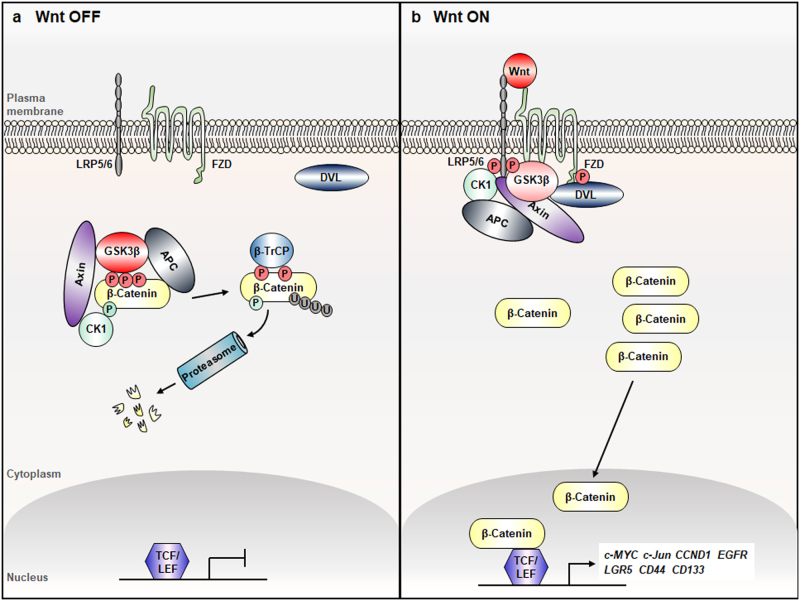
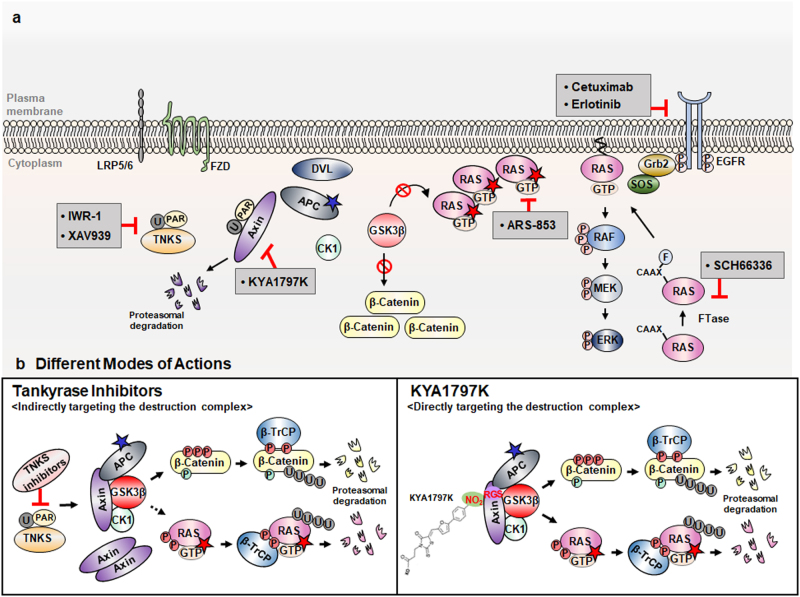
“8a).(57) Tankyrase (TNKS) inhibitors, such as IWR-1 and WAV939 are known to suppress Wnt/β-catenin signaling pathway through Axin stabilization via Fig.”
BackgroundSelf-citationAPC inhibits ERK pathway activation and cellular proliferation induced by RAS
Park, K.-S., Jeon, S. H., Kim, S.-E., Bahk, Y.-Y., Holmen, S. L., Williams, B. O., Chung, K.-C., Surh, Y.-J., & Choi, K.-Y. (2006) · Journal of Cell Science · doi:10.1242/jcs.02779 · Cited by 78
Self-citationBahrami, A., Hassanian, S. M., Shahidsales, S., Farjami, Z., Hasanzadeh, M., Anvari, K., Aledavood, A., Maftouh, M., Ferns, G. A., Khazaei, M., et al. (2017) · Journal of Cellular Physiology · doi:10.1002/jcp.25890 · Cited by 78
The RAS–Effector Interaction as a Drug Target
Keeton, A. B., Salter, E. A., & Piazza, G. A. (2017) · Cancer Research · doi:10.1158/0008-5472.can-16-0938 · Cited by 77
Direct Attack on RAS: Intramolecular Communication and Mutation-Specific Effects
Marcus, K., & Mattos, C. (2015) · Clinical Cancer Research · doi:10.1158/1078-0432.ccr-14-2148 · Cited by 75
Axin Inhibits Extracellular Signal-regulated Kinase Pathway by Ras Degradation via β-Catenin
Jeon, S. H., Yoon, J.-Y., Park, Y.-N., Jeong, W.-J., Kim, S., Jho, E.-H., Surh, Y.-J., & Choi, K.-Y. (2007) · Journal of Biological Chemistry · doi:10.1074/jbc.m611129200 · Cited by 72
Self-citationKim, S., & Choi, K. (2007) · Cellular Signalling · doi:10.1016/j.cellsig.2007.02.003 · Cited by 63
Self-citationAddressing the challenges of applying precision oncology
Shin, S. H., Bode, A. M., & Dong, Z. (2017) · npj Precision Oncology · doi:10.1038/s41698-017-0032-z · Cited by 62
Mechanisms of RAS/β-catenin interactions
Zeller, E., Hammer, K., Kirschnick, M., & Braeuning, A. (2013) · Archives of Toxicology · doi:10.1007/s00204-013-1035-3 · Cited by 48
Structure, signaling and the drug discovery of the Ras oncogene protein
Han, C. W., Jeong, M. S., & Jang, S. B. (2017) · BMB Reports · doi:10.5483/bmbrep.2017.50.7.062 · Cited by 47
Cho, Y., Cha, P.-H., Kaduwal, S., Park, J.-C., Lee, S. G., Yoon, J.-S., Shin, W., Kim, H., Ro, E. J., Koo, K.-H., et al. (2016) · Oncotarget · doi:10.18632/oncotarget.13172 · Cited by 35
Self-citationPark, J., Jeong, W.-J., Kim, M., Min, D., & Choi, K. (2016) · Journal of Cell Science · doi:10.1242/jcs.184366 · Cited by 24
Self-citation
Cited by
Signaling pathways involved in colorectal cancer progression
Koveitypour, Z., Panahi, F., Vakilian, M., Peymani, M., Seyed Forootan, F., Nasr Esfahani, M. H., & Ghaedi, K. (2019) · Cell & Bioscience · doi:10.1186/s13578-019-0361-4 · Cited by 393
The metabolic landscape of RAS-driven cancers from biology to therapy
Mukhopadhyay, S., Vander Heiden, M. G., & McCormick, F. (2021) · Nature Cancer · doi:10.1038/s43018-021-00184-x · Cited by 315
Protein-protein interaction modulators: advances, successes and remaining challenges
Mabonga, L., & Kappo, A. P. (2019) · Biophysical Reviews · doi:10.1007/s12551-019-00570-x · Cited by 193
Emerging trends in colorectal cancer: Dysregulated signaling pathways (Review)
Ahmad, R., Singh, J., Wunnava, A., Al‑Obeed, O., Abdulla, M., & Srivastava, S. (2021) · International Journal of Molecular Medicine · doi:10.3892/ijmm.2021.4847 · Cited by 189
Wnt/β-Catenin Signaling: The Culprit in Pancreatic Carcinogenesis and Therapeutic Resistance
Ram Makena, M., Gatla, H., Verlekar, D., Sukhavasi, S., K. Pandey, M., & C. Pramanik, K. (2019) · International Journal of Molecular Sciences · doi:10.3390/ijms20174242 · Cited by 178
“In the absence of the Wnt ligand, constitutively expressed β-catenin is phosphorylated by CK1 and the APC/Axin/GSK-3β-complex, leading to ubiquitylation and proteasomal degradation of β-catenin [10,14,15].”
Background
Metadata
- Authors
- Jeong, W.-J., Ro, E. J., & Choi, K.-Y.
- Affiliations
- Yonsei University (KR)
- Corresponding author
- Choi, Kang-Yell
- Venue
- npj Precision Oncology
- Published
- 2018-02-20
- Volume
- 2
- Issue
- 1
- Pages
- 5-5
- ISSN
- 2397-768X (ISSN-L)
- PMC
- PMC5871897
- OpenAlex
- W2807073218
- Cited by
- 220
- References
- 61
- Citations by year
- 2026: 21 · 2025: 25 · 2024: 32 · 2023: 19 · 2022: 33 · 2021: 43 · 2020: 23 · 2019: 21 · 2018: 3
- FWCI
- 2.21
- Type
- journal article
- Language
- en
- Open access
- gold
- doi.org
- Licence
- cc-by
- creativecommons.org/licenses/by/4.0 (tdm)
- creativecommons.org/licenses/by/4.0 (vor)
- Locations
- npj Precision Oncology (publishedVersion, cc-by)
- Europe PMC (PubMed Central) (publishedVersion, cc-by)
- PubMed Central (publishedVersion, cc-by)
- PubMed (publishedVersion)
- DOAJ (DOAJ: Directory of Open Access Journals) (submittedVersion)
- Funders
- National Research Foundation
- Ministry of Science, ICT and Future Planning (2015R1A2A1A05001873, 2016R1A5A1004694)
- National Research Foundation of Korea (2016R1A5A1004694, 2015R1A2A1A05001873)
- Topics
- Life Sciences › Biochemistry, Genetics and Molecular Biology › Molecular Biology › Wnt/β-catenin signaling in development and cancer
- Health Sciences › Medicine › Oncology › Colorectal Cancer Treatments and Studies
- Health Sciences › Medicine › Pathology and Forensic Medicine › Genetic factors in colorectal cancer
- Keywords
- Wnt/β-catenin signaling, Ras/ERK pathway, colorectal cancer, colorectal carcinogenesis, APC mutation, KRAS mutation, β-catenin stabilization, protein degradation, small molecule inhibitors, Axin, RGS domain, cancer stem cells, metastasis
About these checks
Registry, retraction, Cites and statistics results are computed, not judged, with one exception: a printed reference that no index lists is read once by a model before it counts as a citation error. Claims are extracted by a model and kept only when their quote appears verbatim in the text; each cited source is then checked, with a model’s help, for whether it says what the claim relies on. Those verdicts can be wrong — read the claim’s quote and the cited source before relying on one.
Statistics and arithmetic are recomputed, not judged.
Confidence bands are shown only for fields calibrated on our annotated test set. None is calibrated yet, so no band is shown.
What counts as a claim ›How we measure confidence ›How we check this ›
Are you an author, or do you see a problem with this page? Request a review
Data sources
Bibliographic data: Semantic Scholar, OpenAlex, Crossref.
Contains information from the Semantic Scholar Academic Graph Datasets, made available under the ODC Attribution License (ODC-BY 1.0).
Semantic Scholar’s data is described in: Kinney, R., et al. (2023). The Semantic Scholar Open Data Platform. arXiv:2301.10140.
