

Acetylation of ELF5 suppresses breast cancer progression by promoting its degradation and targeting CCND1
Open accessThe DOI matches its Crossref record; 71 of the 71 references it cites were found in a registry or an index.
Abstract
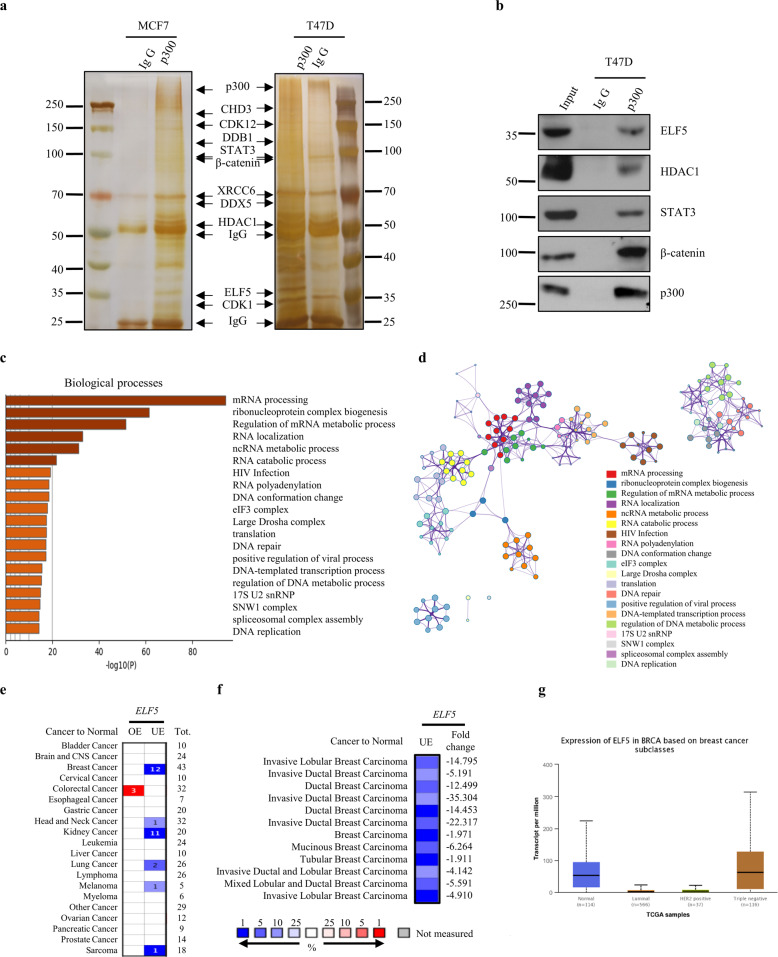
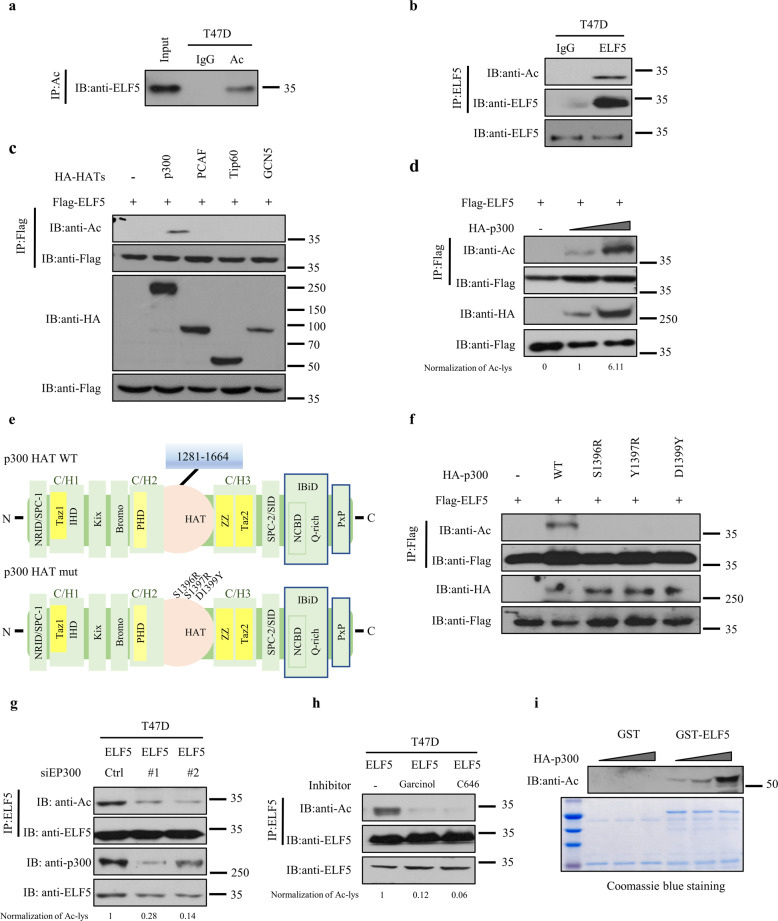
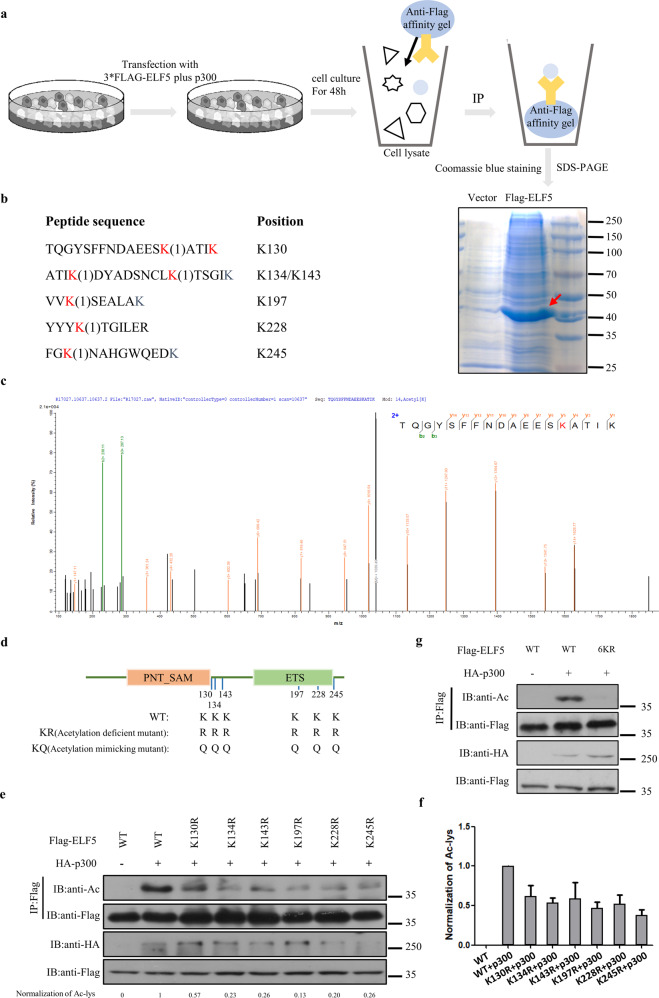
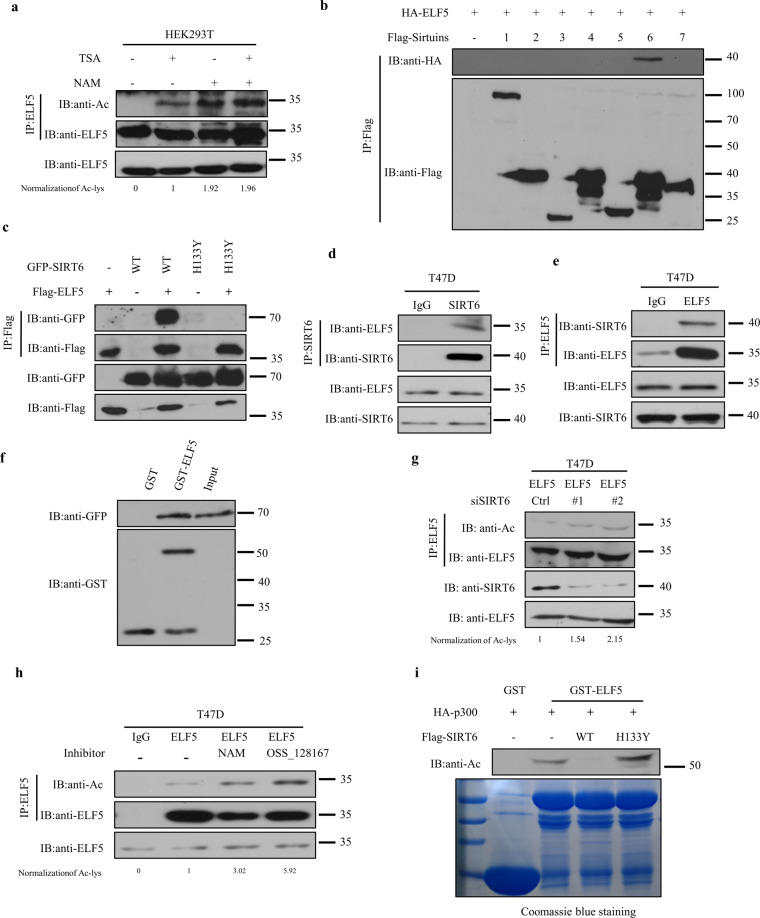
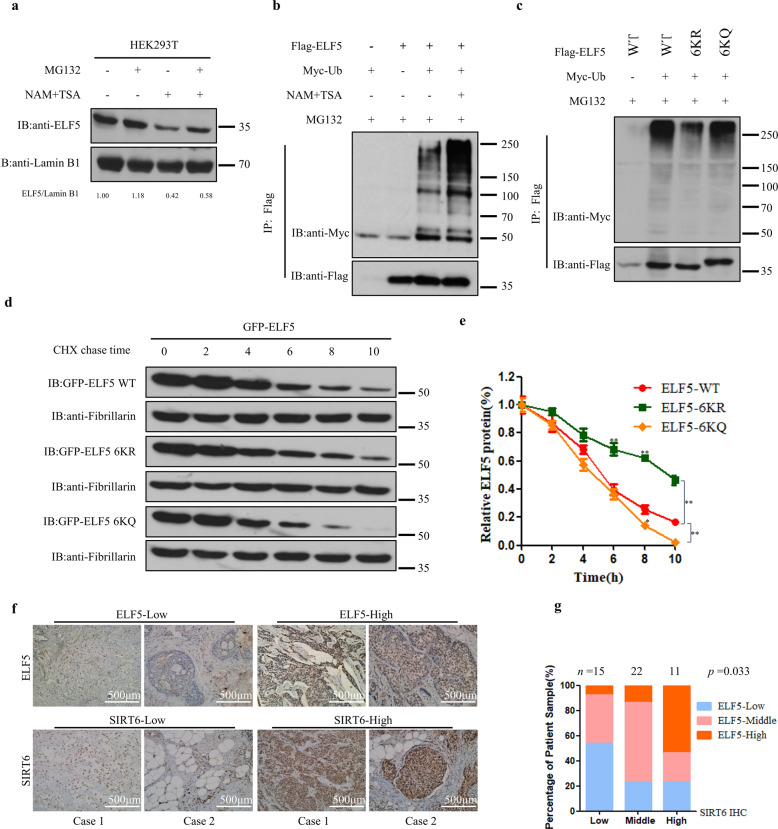
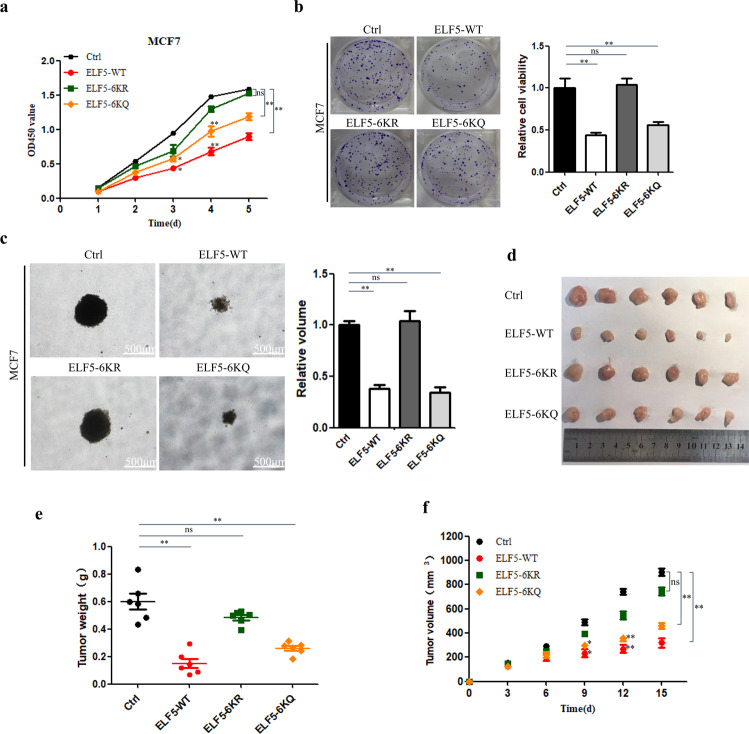
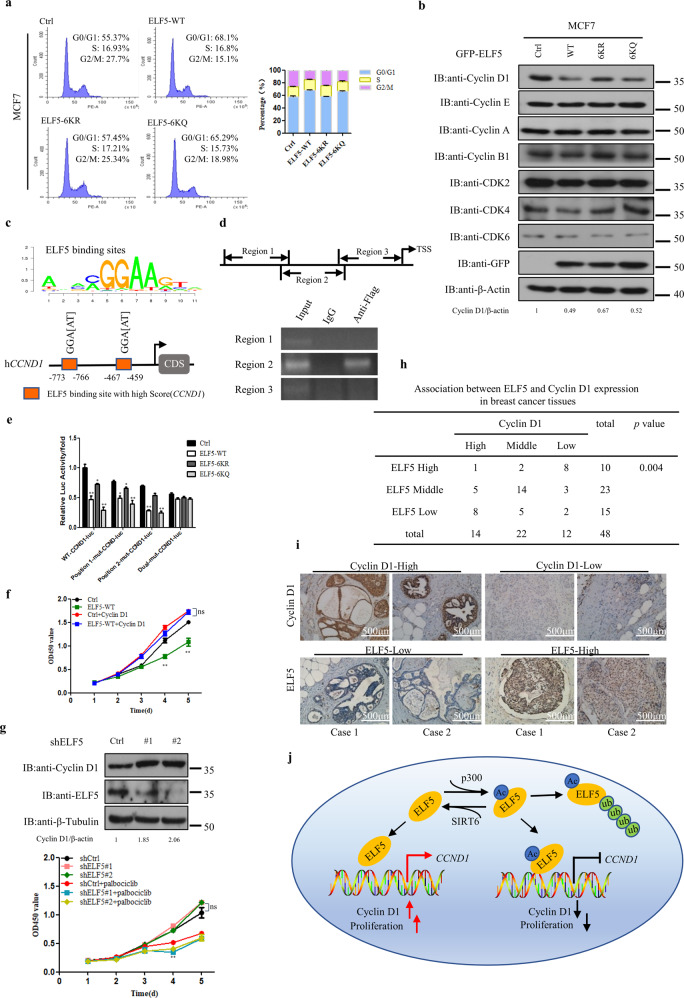
E74-like ETS transcription factor 5 (ELF5) is involved in a wide spectrum of biological processes, e.g., mammogenesis and tumor progression. We have identified a list of p300-interacting proteins in human breast cancer cells. Among these, ELF5 was found to interact with p300 via acetylation, and the potential acetylation sites were identified as K130, K134, K143, K197, K228, and K245. Furthermore, an ELF5-specific deacetylase, SIRT6, was also identified. Acetylation of ELF5 promoted its ubiquitination and degradation, but was also essential for its antiproliferative effect against breast cancer, as overexpression of wild-type ELF5 and sustained acetylation-mimicking ELF5 mutant could inhibit the expression of its target gene CCND1. Taken together, the results demonstrated a novel regulation of ELF5 as well as shedding light on its important role in modulation of breast cancer progression.
Overview
The claims and statistics of this paper haven’t been checked yet.
Free: it reads the open-access text and checks the first 5 claims that cite a source we can check. Create a free account to check every claim.
Integrity signals
Registry
Cites
Statistics
Figures
Verification
Claims the paper makes
The claims and statistics of this paper haven’t been checked yet.
Free: it reads the open-access text and checks the first 5 claims that cite a source we can check. Create a free account to check every claim.
Claims other papers make about this one
Each is checked against this paper’s own text: does it say what the citing paper says it does?
The source backs part of the claim, not all of it — or backs it for a different population, condition or comparison.
In the citing paper
“When expressed in breast cancer cells and mouse models, ELF56KR expression had little effect on cell proliferation while ELF56KQ and ELF5WT expression reduced cell proliferation due to a reduction of cyclin D1 and an increase in growth phase arrest [85].”
From Acetylation: a new target for protein degradation in cancer (2025) · cites this paper as [85]
Experimental — accuracy not yet measuredThe cited source says what the claim attributes to it.
In the citing paper
“When all of these residues were mutated to acetyl-lysine mimicking glutamine residues (6KQ), ELF5 displayed a significant decrease in stability which was reversed by mutation to non-acetylatable lysine mimic residues (6KR) (Figure 3D) [85].”
From Acetylation: a new target for protein degradation in cancer (2025) · cites this paper as [85]
The cited source says what the claim attributes to it.
In the citing paper
“In breast cancer ELF5 is acetylated by p300 at residues K130, K134, K143, K197, K228, and K245 (Figure 3D) [85].”
From Acetylation: a new target for protein degradation in cancer (2025) · cites this paper as [85]
Self-check
Percentages, sums and reported differences re-computed from the paper’s own numbers.
The self-check needs the paper’s full text.
Citations
Cites
Siegel, R. L., Miller, K. D., & Jemal, A. (2020) · CA: A Cancer Journal for Clinicians · doi:10.3322/caac.21590 · Cited by 20,444
Harbeck, N., & Gnant, M. (2017) · The Lancet · doi:10.1016/s0140-6736(16)31891-8 · Cited by 2,280
Functions and mechanisms of non-histone protein acetylation
Narita, T., Weinert, B. T., & Choudhary, C. (2019) · Nature Reviews Molecular Cell Biology · doi:10.1038/s41580-018-0081-3 · Cited by 1,232
Association of human cyclin E with a periodic G1-S phase protein kinase
Dulic, V, Lees, E., & Reed, S. (1992) · Science · doi:10.1126/science.1329201 · Cited by 881
(2006) · Cited by 879
Transforming p21 Mutants and c-Ets-2 Activate the Cyclin D1 Promoter through Distinguishable Regions
Albanese, C., Johnson, J., Watanabe, G., Eklund, N., Vu, D., Arnold, A., & Pestell, R. G. (1995) · Journal of Biological Chemistry · doi:10.1074/jbc.270.40.23589 · Cited by 803
Reid, G., Hübner, M. R., Métivier, R., Brand, H., Denger, S., Manu, D., Beaudouin, J., Ellenberg, J., & Gannon, F. (2003) · Molecular Cell · doi:10.1016/s1097-2765(03)00090-x · Cited by 732
Protein Lysine Acetylation by p300/CBP
Dancy, B. M., & Cole, P. A. (2015) · Chemical Reviews · doi:10.1021/cr500452k · Cited by 609
miR-16 family induces cell cycle arrest by regulating multiple cell cycle genes
Liu, Q., Fu, H., Sun, F., Zhang, H., Tie, Y., Zhu, J., Xing, R., Sun, Z., & Zheng, X. (2008) · Nucleic Acids Research · doi:10.1093/nar/gkn522 · Cited by 477
Skp2 Regulates Myc Protein Stability and Activity
Kim, S. Y., Herbst, A., Tworkowski, K. A., Salghetti, S. E., & Tansey, W. P. (2003) · Molecular Cell · doi:10.1016/s1097-2765(03)00173-4 · Cited by 440
Cited by
Sirtuin 6—A Key Regulator of Hepatic Lipid Metabolism and Liver Health
Dong, X. C. (2023) · Cells · doi:10.3390/cells12040663 · Cited by 63
“Substrate Protein Names Specific Residue(s) References Deacetylase Substrates ACSL5, acyl-CoA synthetase long-chain family member 5 K98, K361, K367 [16] BECN1, beclin 1 Not determined [17] CAV1, caveolin 1 Not determined [18] CDH1, cadherin 1 K135 [19] CHREBP/MLXIPL, carbohydrate response element binding protein K672…”
BackgroundETS transcription factors: Multifaceted players from cancer progression to tumor immunity
Wang, Y., Huang, Z., Sun, M., Huang, W., & Xia, L. (2023) · Biochimica et Biophysica Acta (BBA) - Reviews on Cancer · doi:10.1016/j.bbcan.2023.188872 · Cited by 56
The role of protein acetylation in carcinogenesis and targeted drug discovery
Yang, J., Song, C., & Zhan, X. (2022) · Frontiers in Endocrinology · doi:10.3389/fendo.2022.972312 · Cited by 42
Meng, X., Na, R., Peng, X., Li, H., Ouyang, W., Zhou, W., You, X., Li, Y., Pu, X., Zhang, K., et al. (2024) · Cell Communication and Signaling · doi:10.1186/s12964-024-01495-z · Cited by 31
“…a regulator of target gene expression [52], and P300, the key acetyl-transferase family member, has been confirmed to participate in the acetylation of various histones and nonhistone proteins [32, 53, 54], and P300 has also been identified to interact directly with HMGB1 to regulate the PTMs [55].”
BackgroundSelf-citationAcetylation: a new target for protein degradation in cancer
Crawford, C. E. W., & Burslem, G. M. (2025) · Trends in Cancer · doi:10.1016/j.trecan.2025.01.013 · Cited by 20
Li, Y., Li, S., Shi, X., Xin, Z., Yang, Y., Zhao, B., Li, Y., Lv, L., Ren, P., & Wu, H. (2023) · Cell Death and Disease · doi:10.1038/s41419-023-05824-x · Cited by 26
Self-citationCryptochrome 2 acetylation attenuates its antiproliferative effect in breast cancer
Xia, K., Li, S., Yang, Y., Shi, X., Zhao, B., Lv, L., Xin, Z., Kang, J., Ren, P., & Wu, H. (2023) · Cell Death and Disease · doi:10.1038/s41419-023-05762-8 · Cited by 19
“1E) [23, 24], and co-transfection with p300 increased Cry2 acetylation in a dosedependent manner (Fig.”
BackgroundMethodSelf-citationHub gene of disulfidptosis-related immune checkpoints in breast cancer
Wang, Y., Deng, Y., Xie, H., & Cao, S. (2023) · Medical Oncology · doi:10.1007/s12032-023-02073-y · Cited by 20
“The incidence of breast cancer ranks first in the incidence of malignant tumors in the world, and it is still increasing year by year [1].”
BackgroundReinhardt, L. S., Groen, K., Zhang, X., Morten, B. C., Wawruszak, A., & Avery‐Kiejda, K. A. (2023) · Cell Death and Disease · doi:10.1038/s41419-023-06031-4 · Cited by 14
“At the single-cell level, the expression of SOX2, OCT4, NANOG, ELF5 (inhibits the transcription of SNAI2 and represses EMT [28] and proliferation of breast cancer cells [29]), and ITGB1 (promotes cell motility and contributes to the EMT [30]) were significantly increased in Δ40p53 cells compared to LeGO cells (Fig.”
ResultELF5: A Molecular Clock for Breast Aging and Cancer Susceptibility
Miyano, M., & LaBarge, M. A. (2024) · Cancers · doi:10.3390/cancers16020431 · Cited by 9
“Consequently, the varied acetylation status of ELF5 may contribute to subtype-dependent outcomes in breast cancer proliferation influenced by ELF5 expression [57].”
BackgroundDong, N., Ma, H., Liu, X., Dong, L., Liu, L., Shi, Q., & Ju, X. (2024) · Cell Death and Disease · doi:10.1038/s41419-024-06599-5 · Cited by 9
“Moreover, several other differentially expressed genes, like KAT2B and MYC , were also predicted to cooperate with SIRT5 [57, 58].”
BackgroundXu, Z., Liu, S., Feng, C., Xu, F., Kong, D., Mi, J., Yang, C., Zhang, G., Wei, P., Orgil, B., et al. (2022) · Cell Death Discovery · doi:10.1038/s41420-022-01269-x · Cited by 7
“HA-PCAF, HATIP60, HA-GCN5, HA-p300 WT, S1396R, S1397R, and D1399R mutants were mentioned in our previous studies [45].”
BackgroundTF-Prioritizer: a Java pipeline to prioritize condition-specific transcription factors
Hoffmann, M., Trummer, N., Schwartz, L., Jankowski, J., Lee, H., Willruth, L.-L., Lazareva, O., Yuan, K. Z., Baumgarten, N., Schmidt, F., et al. (2022) · GigaScience · doi:10.1093/gigascience/giad026 · Cited by 6
The roles of immune cells and non-immune cells in pre-metastatic niche of breast cancer
Zheng, Q., Zhou, T., & Yao, D. (2025) · Critical Reviews in Oncology/Hematology · doi:10.1016/j.critrevonc.2025.104744 · Cited by 6
ELF5 modulates casein synthesis in goat mammary epithelial cells via JAK2/STAT5 signaling pathway
Guo, Y., Ma, C., Meng, T., Tu, T., Cui, S., Ling, Y., Zhang, Y., Liu, H., & Song, N. (2025) · Animal Bioscience · doi:10.5713/ab.25.0181 · Cited by 4
“In breast cancer cells, ELF5 binds to CD24 gene promoter region, thereby regulating CD24 expression to inhibit cell proliferation and invasion [21,22].”
Yang, Y., Li, S., Li, Y., Lv, L., Ye, D., Kang, J., Yu, T., Wang, Y., & Wu, H. (2023) · Cancer Gene Therapy · doi:10.1038/s41417-023-00665-4 · Cited by 4
“For Immuno fl uores-cence staining, Hela and MCF7 cells were transfected with plasmid using Lipofectamine 3000, and next steps were described in previously studies [23].”
InfluentialSelf-citationZhao, B., Ye, D., Li, S., Zhang, Y., Zheng, Y., Kang, J., Wang, L., Zhao, N., Ahmad, B., Sun, J., et al. (2024) · Journal of Cellular Physiology · doi:10.1002/jcp.31481 · Cited by 6
“WB and coIP were performed as previously described (Li et al. 2021).”
Self-citationZhao, L., Zhu, S.-M., Ye, W., & Chen, L. (2025) · Journal of Immunotherapy · doi:10.1097/cji.0000000000000554 · Cited by 4
“52,53 Antonello ’ s study suggested Palbociclib, in combination with vemurafenib, could also treat THCA.”
Cui, S., Yang, S., Zhao, P., Zang, S., Li, Z., Lin, P., Zhao, W., Zhang, Y., Wang, D., Que, Y., et al. (2025) · Plant Stress · doi:10.1016/j.stress.2025.100923 · Cited by 1
Hong, Y.-J., Liao, H.-X., Wen, J.-R., Cun, H.-Q., Shi, H.-M., Hu, Z.-F., Xu, F., Noiprasert, S., Apiwongsrichai, K., Liu, X.-Y., et al. (2026) · Journal of Fungi · doi:10.3390/jof12010071
“Their distribution patterns show striking similarity to those of plant HAT genes [40,43,44].”
Metadata
- Authors
- Li, X., Li, S., Li, B., Li, Y., Aman, S., Xia, K., Yang, Y., Ahmad, B., & Wu, H.
- Affiliations
- Dalian University of Technology (CN)
- Corresponding author
- Wu, Huijian
- Venue
- npj Precision Oncology
- Published
- 2021-03-19
- Volume
- 5
- Issue
- 1
- Pages
- 20-20
- ISSN
- 2397-768X (ISSN-L)
- PMC
- PMC7979705
- OpenAlex
- W3137425419
- Semantic Scholar
- 61b73764aa153a1ef40f1121e55a65c043122768
- Cited by
- 20
- References
- 71
- Citations by year
- 2026: 1 · 2025: 5 · 2024: 4 · 2023: 7 · 2022: 3
- FWCI
- 1.10
- Type
- journal article
- Language
- en
- Open access
- gold
- doi.org
- Licence
- cc-by
- creativecommons.org/licenses/by/4.0 (tdm)
- creativecommons.org/licenses/by/4.0 (vor)
- Locations
- npj Precision Oncology (publishedVersion, cc-by)
- PubMed Central (publishedVersion, cc-by)
- PubMed (publishedVersion)
- DOAJ (DOAJ: Directory of Open Access Journals) (submittedVersion, cc-by-sa)
- Funders
- National Natural Science Foundation of China (81872263, 81672793)
- Topics
- Life Sciences › Biochemistry, Genetics and Molecular Biology › Molecular Biology › Genomics and Chromatin Dynamics
- Life Sciences › Biochemistry, Genetics and Molecular Biology › Molecular Biology › Epigenetics and DNA Methylation
- Life Sciences › Biochemistry, Genetics and Molecular Biology › Endocrinology › Estrogen and related hormone effects
- Keywords
- ELF5, protein acetylation, breast cancer progression, P300, SIRT6, ubiquitination, protein degradation, CCND1, cyclin D1, ETS transcription factors, tumor suppressor, acetylation sites
About these checks
Registry, retraction, Cites and statistics results are computed, not judged, with one exception: a printed reference that no index lists is read once by a model before it counts as a citation error. Claims are extracted by a model and kept only when their quote appears verbatim in the text; each cited source is then checked, with a model’s help, for whether it says what the claim relies on. Those verdicts can be wrong — read the claim’s quote and the cited source before relying on one.
Statistics and arithmetic are recomputed, not judged.
Confidence bands are shown only for fields calibrated on our annotated test set. None is calibrated yet, so no band is shown.
What counts as a claim ›How we measure confidence ›How we check this ›
Are you an author, or do you see a problem with this page? Request a review
Data sources
Bibliographic data: Semantic Scholar, OpenAlex, Crossref.
Contains information from the Semantic Scholar Academic Graph Datasets, made available under the ODC Attribution License (ODC-BY 1.0).
Semantic Scholar’s data is described in: Kinney, R., et al. (2023). The Semantic Scholar Open Data Platform. arXiv:2301.10140.
