

Acetylation of ELF5 suppresses breast cancer progression by promoting its degradation and targeting CCND1
Open accessThe DOI matches its Crossref record; 71 of the 71 references it cites were found in a registry or an index.
Abstract
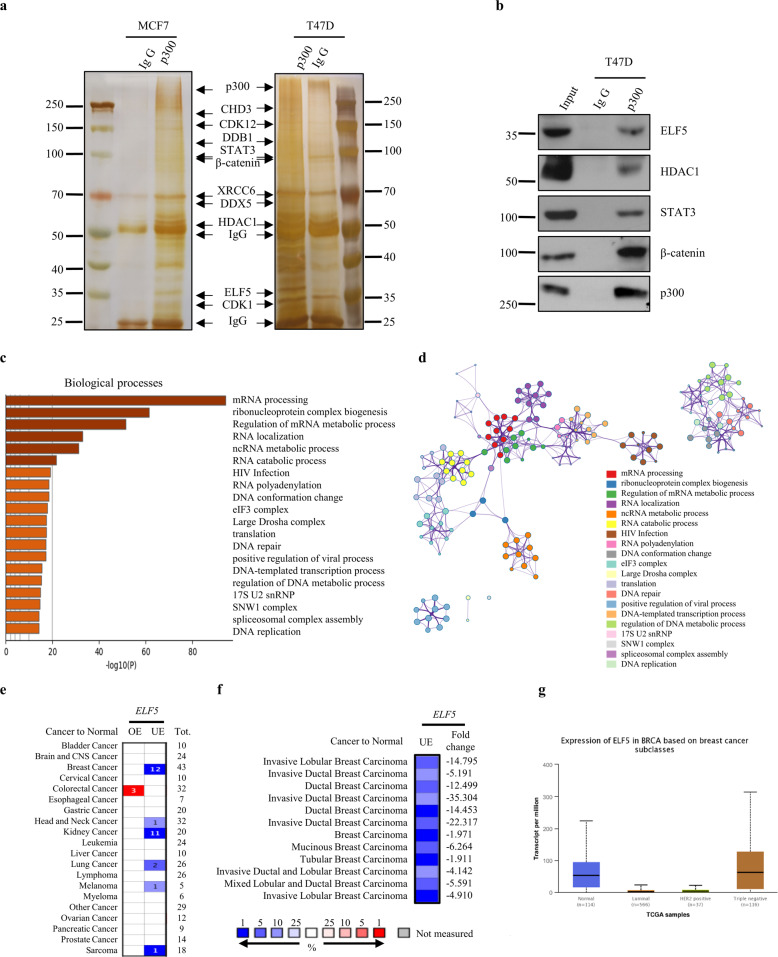
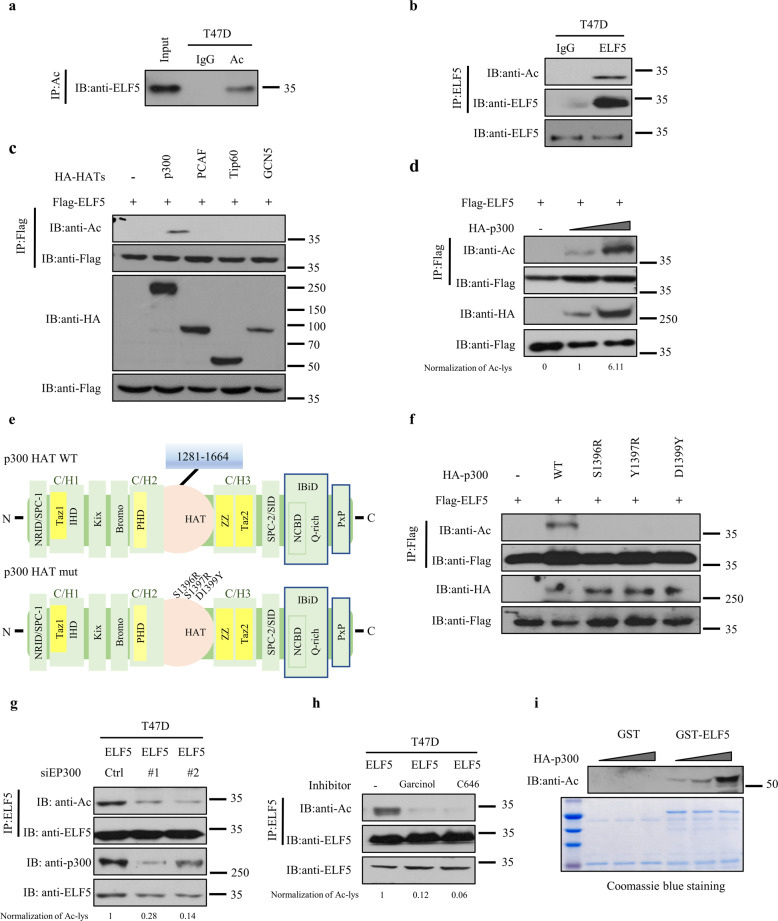
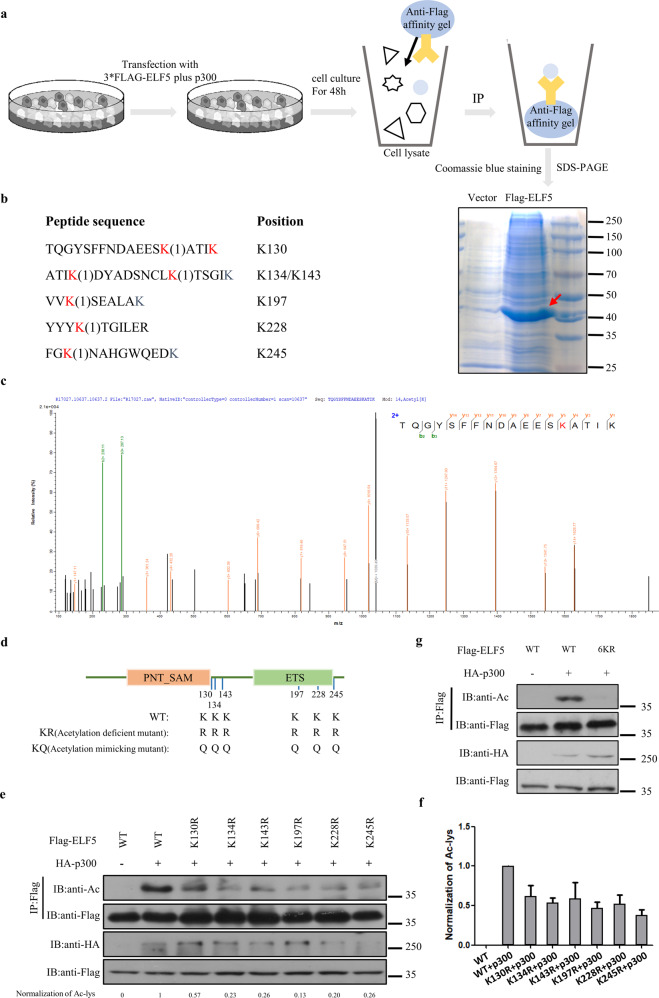
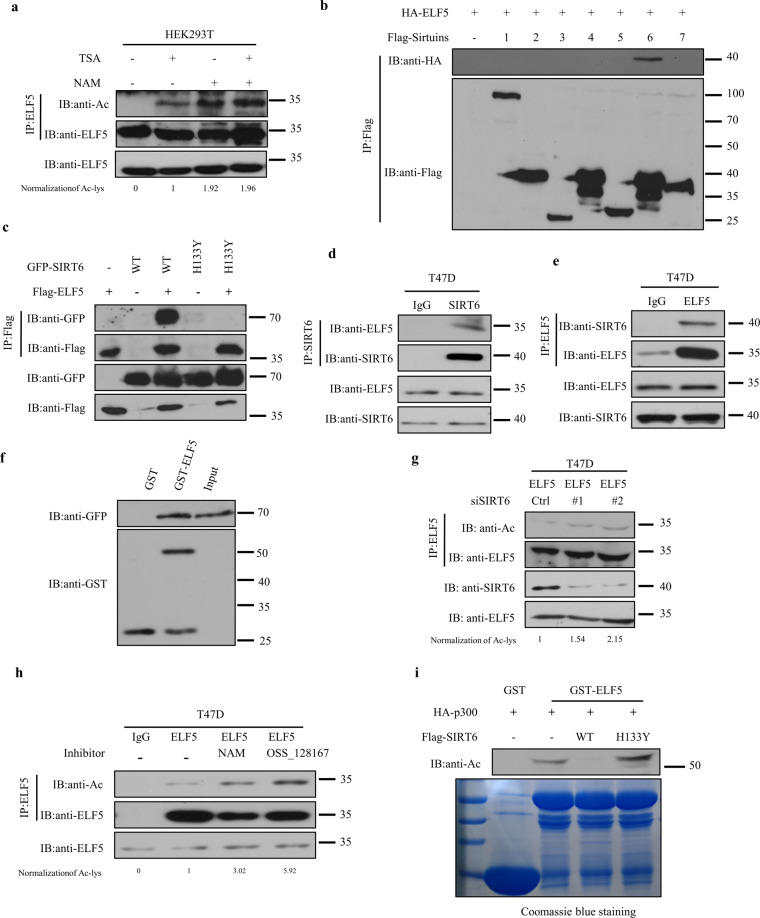
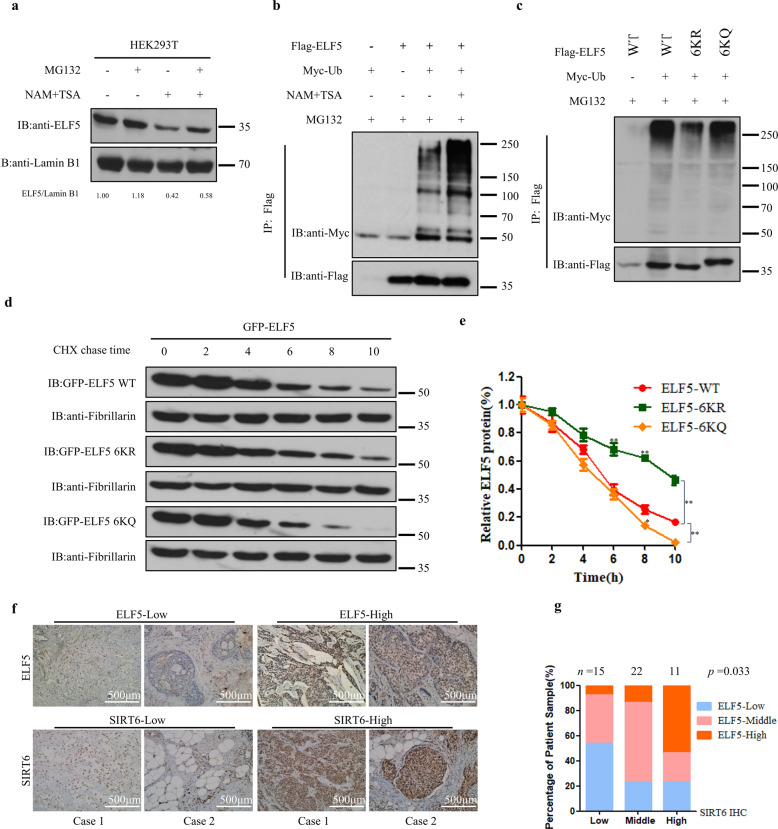
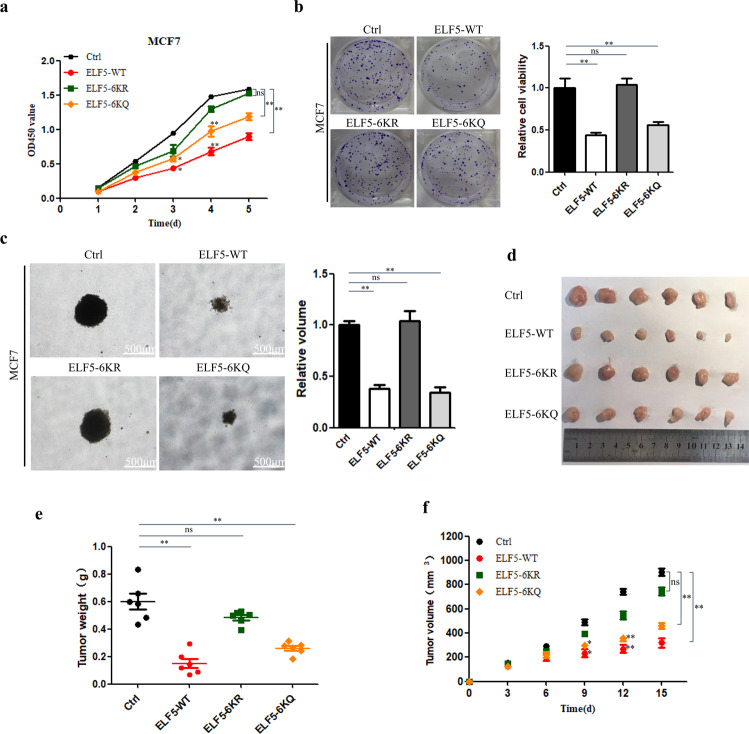
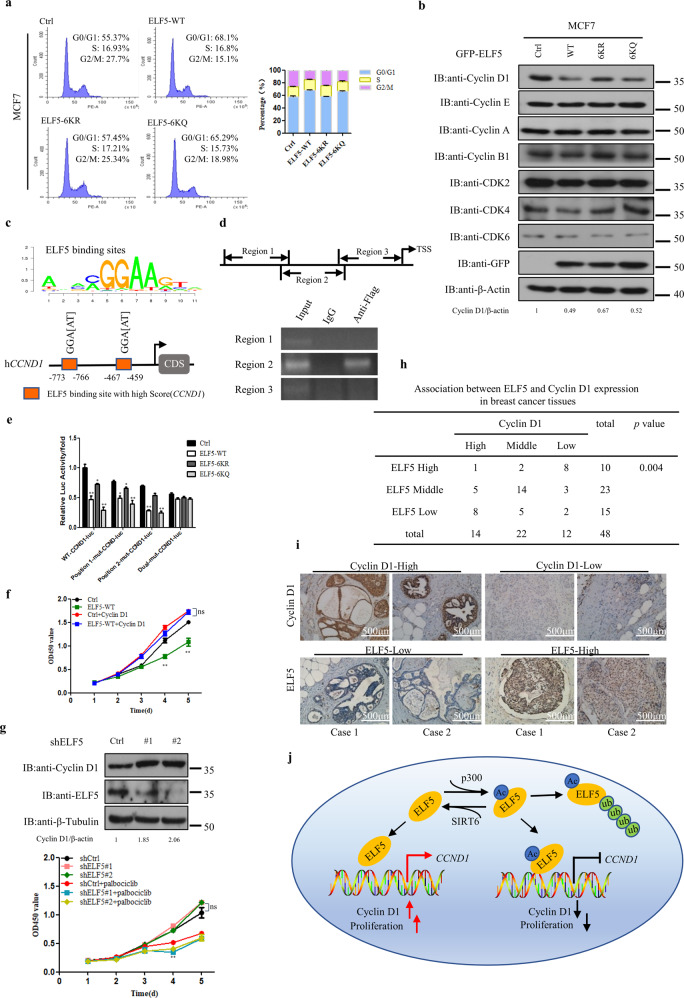
E74-like ETS transcription factor 5 (ELF5) is involved in a wide spectrum of biological processes, e.g., mammogenesis and tumor progression. We have identified a list of p300-interacting proteins in human breast cancer cells. Among these, ELF5 was found to interact with p300 via acetylation, and the potential acetylation sites were identified as K130, K134, K143, K197, K228, and K245. Furthermore, an ELF5-specific deacetylase, SIRT6, was also identified. Acetylation of ELF5 promoted its ubiquitination and degradation, but was also essential for its antiproliferative effect against breast cancer, as overexpression of wild-type ELF5 and sustained acetylation-mimicking ELF5 mutant could inhibit the expression of its target gene CCND1. Taken together, the results demonstrated a novel regulation of ELF5 as well as shedding light on its important role in modulation of breast cancer progression.
Overview
The claims and statistics of this paper haven’t been checked yet.
Free: it reads the open-access text and checks the first 5 claims that cite a source we can check. Create a free account to check every claim.
Integrity signals
Registry
Cites
Statistics
Figures
Verification
Claims the paper makes
The claims and statistics of this paper haven’t been checked yet.
Free: it reads the open-access text and checks the first 5 claims that cite a source we can check. Create a free account to check every claim.
Claims other papers make about this one
Each is checked against this paper’s own text: does it say what the citing paper says it does?
The source backs part of the claim, not all of it — or backs it for a different population, condition or comparison.
In the citing paper
“When expressed in breast cancer cells and mouse models, ELF56KR expression had little effect on cell proliferation while ELF56KQ and ELF5WT expression reduced cell proliferation due to a reduction of cyclin D1 and an increase in growth phase arrest [85].”
From Acetylation: a new target for protein degradation in cancer (2025) · cites this paper as [85]
Experimental — accuracy not yet measuredThe cited source says what the claim attributes to it.
In the citing paper
“When all of these residues were mutated to acetyl-lysine mimicking glutamine residues (6KQ), ELF5 displayed a significant decrease in stability which was reversed by mutation to non-acetylatable lysine mimic residues (6KR) (Figure 3D) [85].”
From Acetylation: a new target for protein degradation in cancer (2025) · cites this paper as [85]
The cited source says what the claim attributes to it.
In the citing paper
“In breast cancer ELF5 is acetylated by p300 at residues K130, K134, K143, K197, K228, and K245 (Figure 3D) [85].”
From Acetylation: a new target for protein degradation in cancer (2025) · cites this paper as [85]
Self-check
Percentages, sums and reported differences re-computed from the paper’s own numbers.
The self-check needs the paper’s full text.
Citations
Cites
Siegel, R. L., Miller, K. D., & Jemal, A. (2020) · CA: A Cancer Journal for Clinicians · doi:10.3322/caac.21590 · Cited by 20,444
Harbeck, N., & Gnant, M. (2017) · The Lancet · doi:10.1016/s0140-6736(16)31891-8 · Cited by 2,280
Functions and mechanisms of non-histone protein acetylation
Narita, T., Weinert, B. T., & Choudhary, C. (2019) · Nature Reviews Molecular Cell Biology · doi:10.1038/s41580-018-0081-3 · Cited by 1,232
Association of human cyclin E with a periodic G1-S phase protein kinase
Dulic, V, Lees, E., & Reed, S. (1992) · Science · doi:10.1126/science.1329201 · Cited by 881
(2006) · Cited by 879
Transforming p21 Mutants and c-Ets-2 Activate the Cyclin D1 Promoter through Distinguishable Regions
Albanese, C., Johnson, J., Watanabe, G., Eklund, N., Vu, D., Arnold, A., & Pestell, R. G. (1995) · Journal of Biological Chemistry · doi:10.1074/jbc.270.40.23589 · Cited by 803
Reid, G., Hübner, M. R., Métivier, R., Brand, H., Denger, S., Manu, D., Beaudouin, J., Ellenberg, J., & Gannon, F. (2003) · Molecular Cell · doi:10.1016/s1097-2765(03)00090-x · Cited by 732
Protein Lysine Acetylation by p300/CBP
Dancy, B. M., & Cole, P. A. (2015) · Chemical Reviews · doi:10.1021/cr500452k · Cited by 609
miR-16 family induces cell cycle arrest by regulating multiple cell cycle genes
Liu, Q., Fu, H., Sun, F., Zhang, H., Tie, Y., Zhu, J., Xing, R., Sun, Z., & Zheng, X. (2008) · Nucleic Acids Research · doi:10.1093/nar/gkn522 · Cited by 477
Skp2 Regulates Myc Protein Stability and Activity
Kim, S. Y., Herbst, A., Tworkowski, K. A., Salghetti, S. E., & Tansey, W. P. (2003) · Molecular Cell · doi:10.1016/s1097-2765(03)00173-4 · Cited by 440
Cyclin D1 serves as a cell cycle regulatory switch in actively proliferating cells
Stacey, D. W. (2003) · Current Opinion in Cell Biology · doi:10.1016/s0955-0674(03)00008-5 · Cited by 439
Jiang, W., Wang, S., Xiao, M., Lin, Y., Zhou, L., Lei, Q., Xiong, Y., Guan, K.-L., & Zhao, S. (2011) · Molecular Cell · doi:10.1016/j.molcel.2011.04.028 · Cited by 415
von der Lehr, N., Johansson, S., Wu, S., Bahram, F., Castell, A., Cetinkaya, C., Hydbring, P., Weidung, I., Nakayama, K., Nakayama, K. I., et al. (2003) · Molecular Cell · doi:10.1016/s1097-2765(03)00193-x · Cited by 408
Control of Smad7 Stability by Competition between Acetylation and Ubiquitination
Grönroos, E., Hellman, U., Heldin, C.-H., & Ericsson, J. (2002) · Molecular Cell · doi:10.1016/s1097-2765(02)00639-1 · Cited by 383
Lysine Acetylation Goes Global: From Epigenetics to Metabolism and Therapeutics
Ali, I., Conrad, R. J., Verdin, E., & Ott, M. (2018) · Chemical Reviews · doi:10.1021/acs.chemrev.7b00181 · Cited by 366
Structural Insights into the Mode of Action of a Pure Antiestrogen
Pike, A. C. W., Brzozowski, A. M., Walton, J., Hubbard, R. E., Thorsell, A.-G., Li, Y.-L., Gustafsson, J.-Å., & Carlquist, M. (2001) · Structure · doi:10.1016/s0969-2126(01)00568-8 · Cited by 347
Self-citationDu, Z., Song, J., Wang, Y., Zhao, Y., Guda, K., Yang, S., Kao, H.-Y., Xu, Y., Willis, J., Markowitz, S. D., et al. (2010) · Science Signaling · doi:10.1126/scisignal.2001462 · Cited by 338
The Dual Role of Sirtuins in Cancer
Bosch-Presegue, L., & Vaquero, A. (2011) · Genes & Cancer · doi:10.1177/1947601911417862 · Cited by 329
Chakrabarti, R., Hwang, J., Andres Blanco, M., Wei, Y., Lukačišin, M., Romano, R.-A., Smalley, K., Liu, S., Yang, Q., Ibrahim, T., et al. (2012) · Nature Cell Biology · doi:10.1038/ncb2607 · Cited by 285
Kim, M. Y., Woo, E. M., Chong, Y. T. E., Homenko, D. R., & Kraus, W. L. (2006) · Molecular Endocrinology · doi:10.1210/me.2005-0531 · Cited by 227
Zhang, P., Tu, B., Wang, H., Cao, Z., Tang, M., Zhang, C., Gu, B., Li, Z., Wang, L., Yang, Y., et al. (2014) · Proceedings of the National Academy of Sciences · doi:10.1073/pnas.1411026111 · Cited by 224
Self-citationAcetylation-Dependent Regulation of Skp2 Function
Inuzuka, H., Gao, D., Finley, L. W. S., Yang, W., Wan, L., Fukushima, H., Chin, Y. R., Zhai, B., Shaik, S., Lau, A. W., et al. (2012) · Cell · doi:10.1016/j.cell.2012.05.038 · Cited by 223
Acetylation-regulated interaction between p53 and SET reveals a widespread regulatory mode
Wang, D., Kon, N., Lasso, G., Jiang, L., Leng, W., Zhu, W.-G., Qin, J., Honig, B., & Gu, W. (2016) · Nature · doi:10.1038/nature19759 · Cited by 199
Involvement of Proteasome in the Dynamic Assembly of the Androgen Receptor Transcription Complex
Kang, Z., Pirskanen, A., Jänne, O. A., & Palvimo, J. J. (2002) · Journal of Biological Chemistry · doi:10.1074/jbc.m209074200 · Cited by 198
Lysine acetylation and cancer: A proteomics perspective
Gil, J., Ramírez-Torres, A., & Encarnación-Guevara, S. (2017) · Journal of Proteomics · doi:10.1016/j.jprot.2016.10.003 · Cited by 184
Dual Tumor Suppressor and Tumor Promoter Action of Sirtuins in Determining Malignant Phenotype
Carafa, V., Altucci, L., & Nebbioso, A. (2019) · Frontiers in Pharmacology · doi:10.3389/fphar.2019.00038 · Cited by 184
HDAC1 Acetylation Is Linked to Progressive Modulation of Steroid Receptor-Induced Gene Transcription
Qiu, Y., Zhao, Y., Becker, M., John, S., Parekh, B. S., Huang, S., Hendarwanto, A., Martinez, E. D., Chen, Y., Lu, H., et al. (2006) · Molecular Cell · doi:10.1016/j.molcel.2006.04.019 · Cited by 162
Epidemiology, Incidence and Mortality of Breast Cancer in Asia
Ghoncheh, M., Mahdavifar, N., Darvishi, E., & Salehiniya, H. (2016) · Asian Pacific Journal of Cancer Prevention · doi:10.7314/apjcp.2016.17.s3.47 · Cited by 142
PCAF-primed EZH2 acetylation regulates its stability and promotes lung adenocarcinoma progression
Wan, J., Zhan, J., Li, S., Ma, J., Xu, W., Liu, C., Xue, X., Xie, Y., Fang, W., Chin, Y. E., et al. (2015) · Nucleic Acids Research · doi:10.1093/nar/gkv238 · Cited by 138
Self-citationCoactivator AIB1 links estrogen receptor transcriptional activity and stability
Shao, W., Keeton, E. K., McDonnell, D. P., & Brown, M. (2004) · Proceedings of the National Academy of Sciences · doi:10.1073/pnas.0402997101 · Cited by 133
The Post-translational Modifications of Proliferating Cell Nuclear Antigen
Naryzhny, S. N., & Lee, H. (2004) · Journal of Biological Chemistry · doi:10.1074/jbc.m312850200 · Cited by 118
Wang, Z., Yang, X., Liu, C., Li, X., Zhang, B., Wang, B., Zhang, Y., Song, C., Zhang, T., Liu, M., et al. (2019) · Molecular Cell · doi:10.1016/j.molcel.2019.04.009 · Cited by 111
Self-citationWang, J., Li, S., Li, X., Li, B., Li, Y., Xia, K., Yang, Y., Aman, S., Wang, M., & Wu, H. (2019) · Cancer Cell International · doi:10.1186/s12935-019-0902-2 · Cited by 109
Self-citationInhibition of p53 degradation by Mdm2 acetylation
Wang, X., Taplick, J., Geva, N., & Oren, M. (2004) · FEBS Letters · doi:10.1016/s0014-5793(04)00168-1 · Cited by 108
CBP and p300 acetylate PCNA to link its degradation with nucleotide excision repair synthesis
Cazzalini, O., Sommatis, S., Tillhon, M., Dutto, I., Bachi, A., Rapp, A., Nardo, T., Scovassi, A. I., Necchi, D., Cardoso, M. C., et al. (2014) · Nucleic Acids Research · doi:10.1093/nar/gku533 · Cited by 106
Kalyuga, M., Gallego‐Ortega, D., Lee, H. J., Roden, D. L., Cowley, M. J., Caldon, C. E., Stone, A. M., Allerdice, S. L., Valdés‐Mora, F., Launchbury, R., et al. (2012) · PLoS Biology · doi:10.1371/journal.pbio.1001461 · Cited by 96
Wang, Y., Tu, K., Liu, D., Guo, L., Chen, Y., Li, Q., Maiers, J. L., Liu, Z., Shah, V. H., Dou, C., et al. (2019) · Hepatology · doi:10.1002/hep.30668 · Cited by 93
Bai, X., Li, S., Wang, M., Li, X., Yang, Y. Y., Xu, Z., Li, B., Li, Y., Xia, K., Chen, H., et al. (2017) · Cancer Letters · doi:10.1016/j.canlet.2017.10.027 · Cited by 91
Self-citationCPSF3-dependent pre-mRNA processing as a druggable node in AML and Ewing’s sarcoma
Ross, N. T., Lohmann, F., Carbonneau, S., Fazal, A., Weihofen, W. A., Gleim, S., Salcius, M., Sigoillot, F., Henault, M., Carl, S. H., et al. (2020) · Nature Chemical Biology · doi:10.1038/s41589-019-0424-1 · Cited by 91
The Rb-CDK4/6 Signaling Pathway Is Critical in Neural Precursor Cell Cycle Regulation
Ferguson, K. L., Callaghan, S. M., O'Hare, M. J., Park, D. S., & Slack, R. S. (2000) · Journal of Biological Chemistry · doi:10.1074/jbc.m004879200 · Cited by 78
Gallego-Ortega, D., Ledger, A., Roden, D. L., Law, A. M. K., Magenau, A., Kikhtyak, Z., Cho, C., Allerdice, S. L., Lee, H. J., Valdes-Mora, F., et al. (2015) · PLOS Biology · doi:10.1371/journal.pbio.1002330 · Cited by 75
Zhang, Y., Wang, S., Kang, W., Liu, C., Dong, Y., Ren, F., Wang, Y., Zhang, J., Wang, G., To, K. F., et al. (2018) · Oncogene · doi:10.1038/s41388-018-0161-z · Cited by 75
Liu, Y., Ao, X., Jia, Z., Bai, X., Xu, Z., Hu, G., Jiang, X., Chen, M., & Wu, H. (2015) · Scientific Reports · doi:10.1038/srep08796 · Cited by 71
Self-citationLysine Acetylation and Deacetylation in Brain Development and Neuropathies
Tapias, A., & Wang, Z.-Q. (2017) · Genomics, Proteomics & Bioinformatics · doi:10.1016/j.gpb.2016.09.002 · Cited by 66
Lineage Specific Methylation of the Elf5 Promoter in Mammary Epithelial Cells
Lee, H. J., Hinshelwood, R. A., Bouras, T., Gallego‐Ortega, D., Valdés‐Mora, F., Blazek, K. D., Visvader, J. E., Clark, S. J., & Ormandy, C. J. (2011) · Stem Cells · doi:10.1002/stem.706 · Cited by 60
Yu, Y., Cai, J., Tu, B., Wu, L., Zhao, Y., Liu, X., Li, L., McNutt, M. A., Feng, J., He, Q., et al. (2009) · Journal of Biological Chemistry · doi:10.1074/jbc.m109.015289 · Cited by 58
Self-citationTyagi, N., Deshmukh, S. K., Srivastava, S. K., Azim, S., Ahmad, A., AL-Ghadhban, A., Singh, A. P., Carter, J. E., Wang, B., & Singh, S. (2017) · Molecular Cancer Research · doi:10.1158/1541-7786.mcr-17-0219 · Cited by 55
Han, Z. H., Chou, C.-W., Yang, X., Bartlett, M. G., & Zheng, Y. G. (2017) · ACS Chemical Biology · doi:10.1021/acschembio.7b00114 · Cited by 51
Ni, J., Shen, Y., Wang, Z., Shao, D., Liu, J., Kong, Y.-L., Fu, L., Zhou, L., Xue, H., Huang, Y., et al. (2014) · Acta Pharmacologica Sinica · doi:10.1038/aps.2014.54 · Cited by 50
ELF5 isoform expression is tissue-specific and significantly altered in cancer
Piggin, C., Roden, D. L., Gallego‐Ortega, D., Lee, H. J., Oakes, S. R., & Ormandy, C. J. (2016) · Breast Cancer Research · doi:10.1186/s13058-015-0666-0 · Cited by 50
The regulation of radiosensitivity by p53 and its acetylation
Zhang, J., Shen, L., & Sun, L. (2015) · Cancer Letters · doi:10.1016/j.canlet.2015.04.015 · Cited by 48
Lee, H. J., & Ormandy, C. J. (2012) · Trends in Endocrinology and Metabolism · doi:10.1016/j.tem.2012.02.006 · Cited by 41
Acetylation is essential for nuclear heme oxygenase-1-enhanced tumor growth and invasiveness
Hsu, F.-F., Chiang, M.-T., Li, F., Yeh, C.-T., Lee, W.-H., & Chau, L.-Y. (2017) · Oncogene · doi:10.1038/onc.2017.294 · Cited by 39
Yao, B., Zhao, J., Li, Y., Li, H., Hu, Z., Pan, P., Zhang, Y., Du, E., Liu, R., & Xu, Y. (2015) · The Prostate · doi:10.1002/pros.22970 · Cited by 38
Self-citationJia, Z., Wang, M., Li, S., Li, X., Bai, X., Xu, Z., Yang, Y. Y., Li, B., Li, Y., & Wu, H. (2018) · Cell Death and Disease · doi:10.1038/s41419-017-0094-4 · Cited by 35
Self-citationLiu, L., Zhu, Y., Xu, Y., & Reiter, R. J. (2011) · Journal of Pineal Research · doi:10.1111/j.1600-079x.2011.00971.x · Cited by 33
Xu, Z., Yang, Y. Y., Li, B., Li, Y., Xia, K., Yang, Y., Li, X., Wang, M., Li, S., & Wu, H. (2018) · Cell Death and Disease · doi:10.1038/s41419-018-0629-3 · Cited by 32
Self-citationChen, L., Miao, Y., Liu, M., Zeng, Y., Gao, Z., Peng, D., Hu, B., Xu, L., Zheng, Y., Xue, Y., et al. (2018) · Frontiers in Genetics · doi:10.3389/fgene.2018.00254 · Cited by 32
Acetylation of ACAP4 regulates CCL18-elicited breast cancer cell migration and invasion
Song, X., Liu, W., Yuan, X. N., Jiang, J., Wang, W., Mullen, M., Zhao, X., Zhang, Y., Liu, F., Du, S., et al. (2018) · Journal of Molecular Cell Biology · doi:10.1093/jmcb/mjy058 · Cited by 31
The role of acetylation sites in the regulation of p53 activity
Wang, Y., Chen, Y., Chen, Q., Zhang, X., Wang, H., Wang, Z., Wang, J., & Tian, C. (2019) · Molecular Biology Reports · doi:10.1007/s11033-019-05141-7 · Cited by 30
Hermosilla, V. E., Salgado, G., Riffo, E. N., Escobar, D., Hepp, M. I., Farkas, C., Galindo, M. A., Morín, V., García, M. D. L. Á., Castro, A. F., et al. (2018) · Molecular Oncology · doi:10.1002/1878-0261.12308 · Cited by 27
ELF5 modulates the estrogen receptor cistrome in breast cancer
Blyth, C., Roden, D. L., Law, A. M. K., Molloy, M. P., Krisp, C., Swarbrick, A., Naylor, M. J., Kalyuga, M., Kaplan, W. H., Oakes, S. R., et al. (2020) · PLoS Genetics · doi:10.1371/journal.pgen.1008531 · Cited by 22
Escamilla, R., Chakrabarti, R., Romano, R.-A., Smalley, K., Zhu, Q., Lai, W., Halfon, M. S., Buck, M. J., & Sinha, S. (2010) · BMC Molecular Biology · doi:10.1186/1471-2199-11-68 · Cited by 20
ELF5-Mediated AR Activation Regulates Prostate Cancer Progression
Li, K., Guo, Y., Yang, X., Zhang, Z., Zhang, C., & Xu, Y. (2017) · Scientific Reports · doi:10.1038/srep42759 · Cited by 19
Overexpression of E74-Like Factor 5 (ELF5) Inhibits Migration and Invasion of Ovarian Cancer Cells
Zhang, X., Lin, J., Ma, Y., & Zhao, J. (2019) · Medical Science Monitor · doi:10.12659/msm.913058 · Cited by 16
Acetylation of Ets-1 Is the Key to Chromatin Remodeling for miR-192 Expression
Dong, Z. (2013) · Science Signaling · doi:10.1126/scisignal.2004299 · Cited by 15
Coordinate regulation of ELF5 and EHF at the chr11p13 CF modifier region
Swahn, H., Ebron, J. S., Lamar, K., Yin, S., Kerschner, J. L., NandyMazumdar, M., Coppola, C. J., Mendenhall, E. M., Leir, S., & Harris, A. (2019) · Journal of Cellular and Molecular Medicine · doi:10.1111/jcmm.14646 · Cited by 13
ELF5 in epithelial ovarian carcinoma tissues and biological behavior in ovarian carcinoma cells
Yan, H., Qiu, L., Xie, X., He, Y., Liu, Y., Lin, X., & Huang, H. (2017) · Oncology Reports · doi:10.3892/or.2017.5418 · Cited by 12
Science Signaling Podcast: 13 August 2013
Logothetis, D. E., Mahajan, R., & VanHook, A. M. (2013) · Science Signaling · doi:10.1126/scisignal.2004566 · Cited by 4
Koyama, K., Takahara, K., Inamoto, T., Ibuki, N., Minami, K., Uehara, H., Komura, K., Nishida, T., Sakamoto, T., Hirano, H., et al. (2015) · Prostate International · doi:10.1016/j.prnil.2015.02.004 · Cited by 3
Li, X., Li, S., Li, B., Li, Y., Aman, S., Xia, K., Yang, Y., Ahmad, B., & Wu, H. (2021) · Figshare · doi:10.6084/m9.figshare.13522265 · Cited by 1
Self-citation
Cited by
Sirtuin 6—A Key Regulator of Hepatic Lipid Metabolism and Liver Health
Dong, X. C. (2023) · Cells · doi:10.3390/cells12040663 · Cited by 63
“Substrate Protein Names Specific Residue(s) References Deacetylase Substrates ACSL5, acyl-CoA synthetase long-chain family member 5 K98, K361, K367 [16] BECN1, beclin 1 Not determined [17] CAV1, caveolin 1 Not determined [18] CDH1, cadherin 1 K135 [19] CHREBP/MLXIPL, carbohydrate response element binding protein K672…”
BackgroundETS transcription factors: Multifaceted players from cancer progression to tumor immunity
Wang, Y., Huang, Z., Sun, M., Huang, W., & Xia, L. (2023) · Biochimica et Biophysica Acta (BBA) - Reviews on Cancer · doi:10.1016/j.bbcan.2023.188872 · Cited by 56
The role of protein acetylation in carcinogenesis and targeted drug discovery
Yang, J., Song, C., & Zhan, X. (2022) · Frontiers in Endocrinology · doi:10.3389/fendo.2022.972312 · Cited by 42
Meng, X., Na, R., Peng, X., Li, H., Ouyang, W., Zhou, W., You, X., Li, Y., Pu, X., Zhang, K., et al. (2024) · Cell Communication and Signaling · doi:10.1186/s12964-024-01495-z · Cited by 31
“…a regulator of target gene expression [52], and P300, the key acetyl-transferase family member, has been confirmed to participate in the acetylation of various histones and nonhistone proteins [32, 53, 54], and P300 has also been identified to interact directly with HMGB1 to regulate the PTMs [55].”
BackgroundSelf-citationAcetylation: a new target for protein degradation in cancer
Crawford, C. E. W., & Burslem, G. M. (2025) · Trends in Cancer · doi:10.1016/j.trecan.2025.01.013 · Cited by 20
Metadata
- Authors
- Li, X., Li, S., Li, B., Li, Y., Aman, S., Xia, K., Yang, Y., Ahmad, B., & Wu, H.
- Affiliations
- Dalian University of Technology (CN)
- Corresponding author
- Wu, Huijian
- Venue
- npj Precision Oncology
- Published
- 2021-03-19
- Volume
- 5
- Issue
- 1
- Pages
- 20-20
- ISSN
- 2397-768X (ISSN-L)
- PMC
- PMC7979705
- OpenAlex
- W3137425419
- Cited by
- 20
- References
- 71
- Citations by year
- 2026: 1 · 2025: 5 · 2024: 4 · 2023: 7 · 2022: 3
- FWCI
- 1.10
- Type
- journal article
- Language
- en
- Open access
- gold
- doi.org
- Licence
- cc-by
- creativecommons.org/licenses/by/4.0 (tdm)
- creativecommons.org/licenses/by/4.0 (vor)
- Locations
- npj Precision Oncology (publishedVersion, cc-by)
- PubMed Central (publishedVersion, cc-by)
- PubMed (publishedVersion)
- DOAJ (DOAJ: Directory of Open Access Journals) (submittedVersion, cc-by-sa)
- Funders
- National Natural Science Foundation of China (81872263, 81672793)
- Topics
- Life Sciences › Biochemistry, Genetics and Molecular Biology › Molecular Biology › Genomics and Chromatin Dynamics
- Life Sciences › Biochemistry, Genetics and Molecular Biology › Molecular Biology › Epigenetics and DNA Methylation
- Life Sciences › Biochemistry, Genetics and Molecular Biology › Endocrinology › Estrogen and related hormone effects
- Keywords
- ELF5, protein acetylation, breast cancer progression, P300, SIRT6, ubiquitination, protein degradation, CCND1, cyclin D1, ETS transcription factors, tumor suppressor, acetylation sites
About these checks
Registry, retraction, Cites and statistics results are computed, not judged, with one exception: a printed reference that no index lists is read once by a model before it counts as a citation error. Claims are extracted by a model and kept only when their quote appears verbatim in the text; each cited source is then checked, with a model’s help, for whether it says what the claim relies on. Those verdicts can be wrong — read the claim’s quote and the cited source before relying on one.
Statistics and arithmetic are recomputed, not judged.
Confidence bands are shown only for fields calibrated on our annotated test set. None is calibrated yet, so no band is shown.
What counts as a claim ›How we measure confidence ›How we check this ›
Are you an author, or do you see a problem with this page? Request a review
Data sources
Bibliographic data: Semantic Scholar, OpenAlex, Crossref.
Contains information from the Semantic Scholar Academic Graph Datasets, made available under the ODC Attribution License (ODC-BY 1.0).
Semantic Scholar’s data is described in: Kinney, R., et al. (2023). The Semantic Scholar Open Data Platform. arXiv:2301.10140.
