

40 years of actigraphy in sleep medicine and current state of the art algorithms
Open accessPublished version of a preprint
The DOI matches its Crossref record; 20 of the 20 references it cites were found in a registry or an index.
Abstract
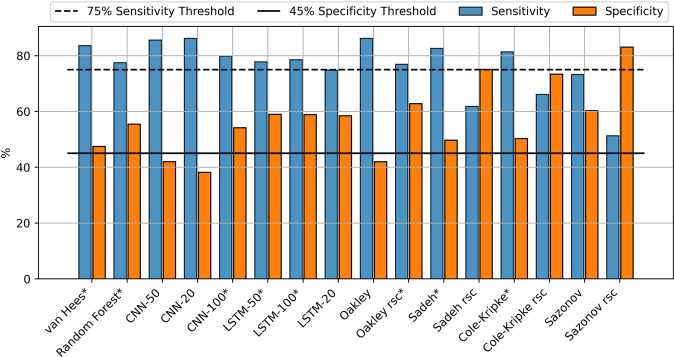
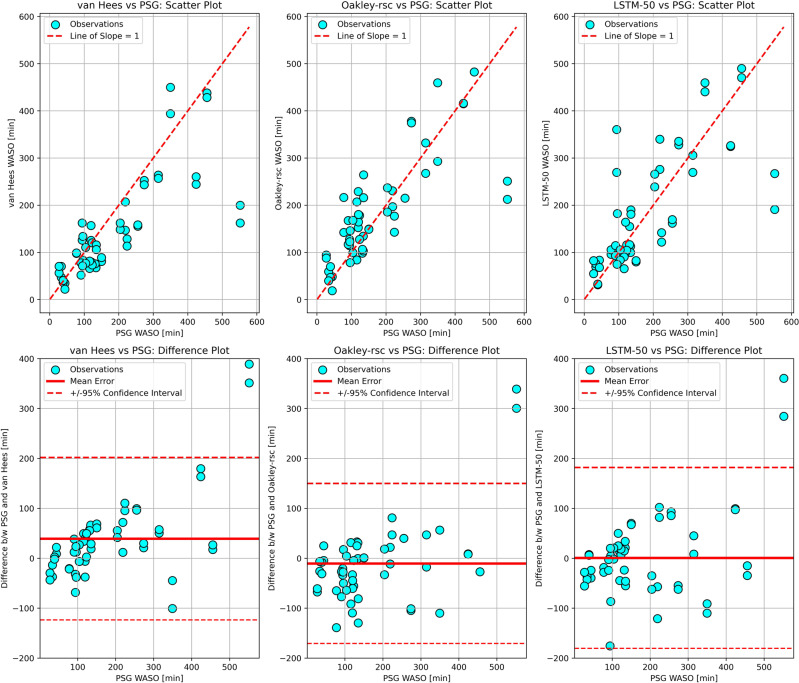
For the last 40 years, actigraphy or wearable accelerometry has provided an objective, low-burden and ecologically valid approach to assess real-world sleep and circadian patterns, contributing valuable data to epidemiological and clinical insights on sleep and sleep disorders. The proper use of wearable technology in sleep research requires validated algorithms that can derive sleep outcomes from the sensor data. Since the publication of the first automated scoring algorithm by Webster in 1982, a variety of sleep algorithms have been developed and contributed to sleep research, including many recent ones that leverage machine learning and / or deep learning approaches. However, it remains unclear how these algorithms compare to each other on the same data set and if these modern data science approaches improve the analytical validity of sleep outcomes based on wrist-worn acceleration data. This work provides a systematic evaluation across 8 state-of-the-art sleep algorithms on a common sleep data set with polysomnography (PSG) as ground truth. Despite the inclusion of recently published complex algorithms, simple regression-based and heuristic algorithms demonstrated slightly superior performance in sleep-wake classification and sleep outcome estimation. The performance of complex machine learning and deep learning models seem to suffer from poor generalization. This independent and systematic analytical validation of sleep algorithms provides key evidence on the use of wearable digital health technologies for sleep research and care.
Overview
The claims and statistics of this paper haven’t been checked yet.
Free: it reads the open-access text and checks the first 5 claims that cite a source we can check. Create a free account to check every claim.
Integrity signals
Registry
Cites
Statistics
Figures
Verification
Claims the paper makes
The claims and statistics of this paper haven’t been checked yet.
Free: it reads the open-access text and checks the first 5 claims that cite a source we can check. Create a free account to check every claim.
Claims other papers make about this one
Each is checked against this paper’s own text: does it say what the citing paper says it does?
The cited source says what the claim attributes to it.
In the citing paper
“Even for sleep/wake classification, SleepNet achieved comparable results to a systematic evaluation of eight state-of-the-art sleep algorithms8 in the Newcastle dataset.”
From Self-supervised learning of accelerometer data provides new insights for sleep and its association with mortality (2024) · cites this paper as [8]
In the citing paper
“sleep assessment algorithms are frequently proprietary and validated in small populations, making their measurement validity unclear5–8”
From Self-supervised learning of accelerometer data provides new insights for sleep and its association with mortality (2024) · cites this paper as [8]
Self-check
Percentages, sums and reported differences re-computed from the paper’s own numbers.
The self-check needs the paper’s full text.
Citations
Cites
STATISTICAL METHODS FOR ASSESSING AGREEMENT BETWEEN TWO METHODS OF CLINICAL MEASUREMENT
Martin Bland, J., & Altman, D. (1986) · The Lancet · doi:10.1016/s0140-6736(86)90837-8 · Cited by 47,965
Automatic Sleep/Wake Identification From Wrist Activity
Cole, R. J., Kripke, D. F., Gruen, W., Mullaney, D. J., & Gillin, J. C. (1992) · Sleep · doi:10.1093/sleep/15.5.461 · Cited by 1,941
Activity-Based Sleep-Wake Identification: An Empirical Test of Methodological Issues
Sadeh, A., Sharkey, M., & Carskadon, M. A. (1994) · Sleep · doi:10.1093/sleep/17.3.201 · Cited by 1,487
Tsuno, N., Besset, A., & Ritchie, K. (2005) · The Journal of Clinical Psychiatry · doi:10.4088/jcp.v66n1008 · Cited by 1,084
Migueles, J. H., Rowlands, A. V., Huber, F., Sabia, S., & van Hees, V. T. (2019) · Journal for the Measurement of Physical Behaviour · doi:10.1123/jmpb.2018-0063 · Cited by 955
Association of usual sleep duration with hypertension: the Sleep Heart Health Study
Gottlieb, D. J., Redline, S., Nieto, F. J., Baldwin, C. M., Newman, A. B., Resnick, H. E., & Punjabi, N. M. (2006) · Sleep · doi:10.1093/sleep/29.8.1009 · Cited by 947
Luyster, F. S., Strollo, P. J., Zee, P. C., & Walsh, J. K. (2012) · Sleep · doi:10.5665/sleep.1846 · Cited by 853
A novel, open access method to assess sleep duration using a wrist-worn accelerometer
van Hees, V. T., Sabia, S., Anderson, K. N., Denton, S. J., Oliver, J., Catt, M., Abell, J. G., Kivimäki, M., Trenell, M. I., & Singh-Manoux, A. (2015) · PLOS ONE · doi:10.1371/journal.pone.0142533 · Cited by 744 · cited 2×
“For the van Hees et al. 2015 algorithm, a python implementation of the algorithm described in the paper was used14.”
MethodAn Activity-Based Sleep Monitor System for Ambulatory Use
Webster, J. B., Kripke, D. F., Messin, S., Mullaney, D. J., & Wyborney, G. (1982) · Sleep · doi:10.1093/sleep/5.4.389 · Cited by 278 · cited 1×
“A rescoring was implemented on the legacy count-based algorithms that was originally proposed in Webster et al. 1982 and was implemented more recently in Palotti et al.7,13.”
MethodWalch, O., Huang, Y., Forger, D., & Goldstein, C. (2019) · Sleep · doi:10.1093/sleep/zsz180 · Cited by 240
Cited by
de Zambotti, M., Goldstein, C., Cook, J., Menghini, L., Altini, M., Cheng, P., & Robillard, R. (2024) · SLEEP · doi:10.1093/sleep/zsad325 · Cited by 250
“Some identify the main distinction between traditional and contemporary accelerometer devices as the ability to access raw acceleration data prior to a reduction in activity counts [26].”
InfluentialChee, M. W. L., Baumert, M., Scott, H., Cellini, N., Goldstein, C. A., Baron, K. G., Imtiaz, S. A., Penzel, T., & Kushida, C. A. (2025) · Sleep Medicine · doi:10.1016/j.sleep.2025.106506 · Cited by 89
Wearables in Chronomedicine and Interpretation of Circadian Health
Gubin, D. G., Weinert, D., Stefani, O., Otsuka, K., Borisenkov, M. F., & Cornélissen, G. (2025) · Diagnostics · doi:10.3390/diagnostics15030327 · Cited by 83
“Moving Linear Regression Models used for sleep/wake scoring over short (e.g., 1-min) intervals are widely applied to characterize basic sleep parameters [33,132,133], thereby capturing important features of the circadian rhythm other than the amplitude and phase.”
Yuan, H., Plekhanova, T., Walmsley, R., Reynolds, A. C., Maddison, K. J., Bucan, M., Gehrman, P., Rowlands, A., Ray, D. W., Bennett, D., et al. (2024) · npj Digital Medicine · doi:10.1038/s41746-024-01065-0 · Cited by 40
“Despite the popularity of sleep monitoring in consumer and research-grade wrist-worn devices, sleep assessment algorithms are frequently proprietary and validated in small populations, making their measurement validity unclear 5 – 8 .”
BackgroundInfluentialLyall, L. M., Sangha, N., Zhu, X., Lyall, D. M., Ward, J., Strawbridge, R. J., Cullen, B., & Smıth, D. J. (2023) · Journal of Affective Disorders · doi:10.1016/j.jad.2023.04.138 · Cited by 47
Vitazkova, D., Kosnacova, H., Turonova, D., Foltan, E., Jagelka, M., Berki, M., Micjan, M., Kokavec, O., Gerhat, F., & Vavrinský, E. (2025) · Biosensors · doi:10.3390/bios15020117 · Cited by 53
Willoughby, A. R., Golkashani, H. A., Ghorbani, S., Wong, K. F., Chee, N. I. Y. N., Ong, J. L., & Chee, M. W. L. (2024) · Sleep Health · doi:10.1016/j.sleh.2024.02.007 · Cited by 44
Challenges and opportunities of deep learning for wearable-based objective sleep assessment
Zhai, B., Elder, G. J., & Godfrey, A. (2024) · npj Digital Medicine · doi:10.1038/s41746-024-01086-9 · Cited by 34
Unfolding the role of exercise in the management of sleep disorders
Giannaki, C. D., Sakkas, G. K., Hadjigeorgiou, G. M., Manconi, M., & Bargiotas, P. (2024) · European Journal of Applied Physiology · doi:10.1007/s00421-024-05556-6 · Cited by 25
“Actigraphy offers an easy and unobtrusive method of data collection, eliminating the need for cumbersome wires or intrusive sensors and excels in long-term data collection, allowing for continuous monitoring over extended periods (Patterson et al. 2023; Vlahoyiannis et al. 2020).”
MethodAkre, S., Cohen, Z. D., Welborn, A., Zbozinek, T. D., Balliu, B., Craske, M. G., & Bui, A. A. T. (2025) · npj Digital Medicine · doi:10.1038/s41746-025-01493-6 · Cited by 22
AI and Wearables for Early Detection of Cognitive Impairment and Dementia: Systematic Review
Cejudo, A., Arrojo, M., Martín, C., & Almeida, A. (2026) · Journal of Medical Internet Research · doi:10.2196/86262 · Cited by 22
“Research-grade actigraphy and accelerometry devices were used in most of the included studies (43/49, 87.8%), reflecting both a strong methodological emphasis on validated access to raw accelerometry data and the relative maturity of actigraphy-based approaches in this field [73,74].”
InfluentialThe Relationship between Sleep and Physical Activity by Age, Race, and Gender
McCoy, T., Sochan, A. J., & Spaeth, A. M. (2024) · Reviews in Cardiovascular Medicine · doi:10.31083/j.rcm2510378 · Cited by 16
“Sleep/wake behavior (duration, timing, and continuity) is typically measured using a wrist-worn actigraph [7].”
MethodCepni, A. B., Burkart, S. A., Zhu, X., White, J., Finnegan, O., Nelakuditi, S., Beets, M. W., Brown, D. E., Pate, R. R., Welk, G. J., et al. (2024) · SLEEP · doi:10.1093/sleep/zsae267 · Cited by 13
A Bayesian analysis of heart rate variability changes over acute episodes of bipolar disorder
Corponi, F., Li, B. M., Anmella, G., Valenzuela‐Pascual, C., Pacchiarotti, I., Valentí, M., Grande, I., Benabarre, A., Garriga, M., Vieta, E., et al. (2024) · npj Mental Health Research · doi:10.1038/s44184-024-00090-x · Cited by 15
“37 which emerged as the best performing in a recent benchmark study on sleep-wake detection 38 .”
Revisiting customized algorithms for research grade devices
Walch, O., & Chee, M. W. L. (2025) · SLEEP · doi:10.1093/sleep/zsaf011 · Cited by 12
“However, more complex algorithms may not perform significantly better than the classic ones when the inputs are activity counts [3].”
Cesari, M., & Rechichi, I. (2024) · Springer optimization and its applications · doi:10.1007/978-3-031-68263-6_7 · Cited by 8
Clevenger, K. A., & Montoye, A. H. K. (2023) · Journal for the Measurement of Physical Behaviour · doi:10.1123/jmpb.2023-0025 · Cited by 9
Sakal, C., Chen, T., Xu, W., Zhang, W., Yu, Y., & Li, X. (2025) · SLEEP · doi:10.1093/sleep/zsaf113 · Cited by 11
Bedrooms and the Vulnerability of Sleepers to Extreme Heat Events
Emmitt, S. (2023) · Atmosphere · doi:10.3390/atmos14121782 · Cited by 8
“Similarly, the data collected through actigraphy is prone to inaccurate data measurements [31].”
InfluentialAronica, R., Ostinelli, E. G., Austin, C., Oliver, D., McGuire, P. K., Brambilla, P., Torous, J. B., & Cipriani, A. (2025) · BMJ Mental Health · doi:10.1136/bmjment-2024-301337 · Cited by 8
“46 Future studies should address how intrinsic variability in sleep continuity parameters might affect the generalisation of results, 49 enhancing the precision of outcome analyses and enabling accurate stratification of patient subgroups.”
The role of actigraphy in detecting and characterizing the early phases of Alzheimer’s disease
Winer, J. R. (2024) · SLEEP · doi:10.1093/sleep/zsae076 · Cited by 7
“Accelerometers have been used to track sleep and physical activity for the past 40 years [15, 16].”
MethodWhite, K. M., Ward, L. A., Saelee, R., Buxton, O. M., Hale, L. E., Chang, A., & Johnson, D. A. (2025) · Sleep Health · doi:10.1016/j.sleh.2025.10.003 · Cited by 6
Sleep disturbances in probable multiple system atrophy
Rukmani, M. R., Yadav, R., Bhaskarapillai, B., Pal, P. K., & Sathyaprabha, T. N. (2024) · Sleep Medicine · doi:10.1016/j.sleep.2024.10.013 · Cited by 5
Breneman, C. B., Howell, M. K., Allen, N. J., Klingaman, E. A., & Reinhard, M. J. (2024) · Sleep Epidemiology · doi:10.1016/j.sleepe.2024.100084 · Cited by 5
The rise of large language models in wearable health sensing
Farrahi, V. (2025) · Intelligent Medicine · doi:10.1016/j.imed.2025.12.003 · Cited by 5
Hacohen, M., Levy, A., Kaiser, H., Snyder, L. G., Amatya, A., Gundersen, B. B., Spiro, J. E., & Dinstein, I. (2025) · Nature Neuroscience · doi:10.1038/s41593-025-02146-3 · Cited by 7
Sleep–wake variations of electrodermal activity in bipolar disorder
Valenzuela‐Pascual, C., Mas, A., Borràs, R., Anmella, G., Sanabra, M., González‐Campos, M., Valentí, M., Pacchiarotti, I., Benabarre, A., Grande, I., et al. (2024) · Acta Psychiatrica Scandinavica · doi:10.1111/acps.13718 · Cited by 6
“47 This algorithm utilises triaxial acceleration (ACL) and relies on a straightforward heuristic that defines sleep as the absence of a change in arm angle greater than 5 for 5 min or more.”
Faust, L. J., Fortune, E., Jahanian, O., Oloyede, S. V., Trouard, C., Dixon, S., Torres, E., Sletten, C., & Scholten, P. (2025) · PLoS ONE · doi:10.1371/journal.pone.0319348 · Cited by 3
“Although ActiLife also allows users to implement their own custom algorithm for this stage, Cole-Kripke’s comparable performance to state-of-the-art algorithms and built-in availability, makes it the pragmatic choice for clinical use [34].”
Penzel, T., Salanitro, M., & Fietze, I. (2025) · Journal of Sleep Research · doi:10.1111/jsr.70092 · Cited by 4
“…rings (Herberger et al. 2025), smart earbuds, lob-patch systems, headbands, on-scalp printed EEG e-tattoos (Vasconcelos et al. 2025) and even sensors embedded directly into everyday clothing such as T-shirts (Patterson et al. 2023; de Scalco Vasconcelos et al. 2024; Kim et al. 2023).”
Sicbaldi, M., di Florio, P., Palmerini, L., Ferri, R., Chiari, L., & Silvani, A. (2025) · Scientific Reports · doi:10.1038/s41598-025-29723-7 · Cited by 3
“The algorithm has been validated against PSG with good accuracy and its performance compares favorably with more recent machine-learning and deep-learning approaches 26 .”
Morningness–Eveningness Preference and Motor Wake–Sleep Inertia in Adolescents
Natale, V., Andreose, A., Bacaro, V., Giovagnoli, S., Giudetti, F., Grimaldi, M., Tonetti, L., & Crocetti, E. (2024) · Sensors · doi:10.3390/s24237668 · Cited by 3
“The data collection process is usually performed over at least several days and often several weeks; this both enables and facilitates the identification of patterns of daytime and nighttime activity and non-activity in order to investigate sleep and circadian activity patterns [2].”
Internet of Things in SPA Medicine: A General Framework to Improve User Treatments
Casillo, M., Cecere, L., Colace, F., Lorusso, A., Marongiu, F., & Santaniello, D. (2023) · IEEE International Conference on Smart Computing · doi:10.1109/smartcomp58114.2023.00077 · Cited by 3
Miller, A. E., Lang, C. E., Bland, M. D., & Lohse, K. R. (2024) · Journal of NeuroEngineering and Rehabilitation · doi:10.1186/s12984-024-01384-z · Cited by 2
“For this study, the Sadeh sleep algorithm was selected due to its high agreement with polysomnography and widespread use in the literature [42, 66].”
BackgroundMethodInfluentialA Walkthrough of ActiGraph Counts
Neishabouri, A., Nguyen, J., Patterson, M., Pilkar, R. B., & Guo, C. C. (2024) · Journal for the Measurement of Physical Behaviour · doi:10.1123/jmpb.2023-0048 · Cited by 3
Self-citationPPG-Based Sleep Staging Using SleepPPGNet: Extension to Wearables, Improvements, Limitations
Constantin, L., Aguet, C., Zaen, J. V., Lemkaddem, A., Jeanningros, L., Jaegere, K. D., Ott, S. R., Brill, A., Horváth, C., Thiran, J., et al. (2024) · Annual International Conference of the IEEE Engineering in Medicine and Biology Society (EMBC) · doi:10.1109/embc53108.2024.10781611 · Cited by 3
Yuan, H., Plekhanova, T., Walmsley, R., Reynolds, A. C., Maddison, K. J., Bucan, M., Gehrman, P., Rowlands, A., Ray, D. W., Bennett, D., et al. (2023) · doi:10.1101/2023.07.07.23292251 · Cited by 3
Naturalistic sleep tracking in a longitudinal cohort: how long is long enough?Preprint
Goparaju, B., de Palma, G., & Bianchi, M. T. (2024) · medRxiv · doi:10.1101/2024.10.19.24315818 · Cited by 3
“Actigraphy has well known limitations in sleep-wake classification, with typically high sensitivity for sleep but low specificity 23 , such that TST is over-estimated in proportion to the amount of true wake, that is, as sleep efficiency decreases.”
BackgroundFrequency-Aware Masked Autoencoders for Human Activity Recognition using Accelerometers
Lorenzen, N. R., Jennum, P. J., Mignot, E., & Brink-Kjaer, A. (2025) · 2025 47th Annual International Conference of the IEEE Engineering in Medicine and Biology Society (EMBC) · doi:10.1109/embc58623.2025.11252605 · Cited by 2
“Wearable accelerometry is a cost-effective tool for out-of-clinic health monitoring, with applications in human activity recognition (HAR) [1], [2], [3], [4], gait estimation [5], [6], and sleep monitoring [7].”
Actigraphy validation in behavioral variant frontotemporal dementia
Tamburrino, L., Tafuri, B., Gnoni, V., Nigro, S. L., Giugno, A., Urso, D., Zoccolella, S., Filardi, M., & Logroscino, G. (2024) · Sleep Medicine · doi:10.1016/j.sleep.2024.12.009 · Cited by 3
Mournet, A. M., Ruork, A. K., Kleiman, E. M., & Rizvi, S. L. (2025) · Psychiatry Research Case Reports · doi:10.1016/j.psycr.2025.100244 · Cited by 4
Considerations for the Use of Commercial Wearables to Assess Sleep and Rest-Activity Rhythms
Morrison, M., Adisa, J., Trimiar, O., Norfleet, J., Basner, M., & Cordoza, M. L. (2025) · Biological Research For Nursing · doi:10.1177/10998004251337065 · Cited by 3
“Actigraphs can be employed in numerous research settings including in the laboratory, hospital, fi eld (e.g., home and community settings), and even in space (Basner et al., 2023; Flynn-Evans et al., 2016; Jaiswal et al., 2023; Meltzer et al., 2012; Patterson et al., 2023).”
InfluentialDefinitions and Basic Methods for Assessing Sleep
Carskadon, M. A. (2025) · Oxford University Press eBooks · doi:10.1093/med/9780197756782.003.0001 · Cited by 2
Murray, G., Ray, S., Porter, R., Hadaeghi, F., Meyer, D., Choi, M., Lapsley, S., Tennant, M., Thwaites, B., Nguyen, L., et al. (2025) · Wellcome Open Research · doi:10.12688/wellcomeopenres.24189.1 · Cited by 2
Comparing polysomnography auto scoring with the standard of care in sleep medicine
Alhejaili, F. F. (2025) · Annals of Thoracic Medicine · doi:10.4103/atm.atm_283_24 · Cited by 2
“[37,38] Signal complexities, parameter definitions, and sensor limitations are some of the reasons as to why differences exist in accuracy of various parameters detection.”
Corponi, F., Li, B. M., Anmella, G., Valenzuela‐Pascual, C., Mas, A., Pacchiarotti, I., Valentí, M., Grande, I., Benabarre, A., Garriga, M., et al. (2024) · JMIR mhealth and uhealth · doi:10.2196/55094 · Cited by 6
“We opted for the algorithm developed by Van Hees et al ( Van Hees ) [52], which was reported as the best-performing algorithm in a recent benchmark study on sleep/wake detection (average F 1 -score=79.1) [53].”
InfluentialNunes, A. S., Patterson, M., Gerstel, D., Khan, S., Guo, C. C., & Neishabouri, A. (2024) · Sensors · doi:10.3390/s24247982 · Cited by 5
Self-citationvan Baal, T. L., Köhler, S., Koster, A., Meertens, R. M., Bosma, H., Schram, M. T., Jansen, J. F. A., Simons, S. O., de Galan, B. E., Eussen, S. J. P. M., et al. (2025) · SLEEP · doi:10.1093/sleep/zsaf218 · Cited by 2
“Thigh-worn accelerometry is less commonly used in sleep research compared to wrist-worn devices [86,87].”
Zhai, B., Duan, H., Guan, Y., Phan, H., & Woo, W. L. (2025) · IEEE Journal of Biomedical and Health Informatics · doi:10.1109/jbhi.2025.3541851 · Cited by 6
Tham, E. K. H., Tang, B., Padmapriya, N., Rema, A. S. S., Bernard, J. Y., Gluckman, P. D., Chong, Y. S., Yap, F. K. P., Eriksson, J. G., Müller‐Riemenschneider, F., et al. (2025) · Behavioral Sleep Medicine · doi:10.1080/15402002.2025.2481439 · Cited by 1
“Despite the increasing popularity of accelerometer devices to measure sleep, due to the demands of analyzing actigraphy data (Patterson et al., 2023), pediatric studies with a larger number of participant samples typically continue to derive sleep data from parental-reported questionnaires.”
A Bibliometric Review of Actigraphy-Based Sleep Research in Diabetes
Juhi, A., & Mondal, H. (2025) · Cureus · doi:10.7759/cureus.82058 · Cited by 2
“The rising interest in this field aligns with broader movements toward personalized medicine and digital health monitoring, where wearable technologies such as actigraphy can enable early detection, intervention, and individualized patient management [19].”
Focused Review of Sleep Wearable Technology and Its Application in Sports Performance
Kaufman, M. W., Shetty, M., Nguyen, C., Abas, J., Fredericson, M., & Zeitzer, J. M. (2025) · Current Sports Medicine Reports · doi:10.1249/jsr.0000000000001258 · Cited by 1
Goparaju, B., de Palma, G., & Bianchi, M. T. (2025) · PLoS ONE · doi:10.1371/journal.pone.0334950 · Cited by 6
“Actigraphy has well known limitations in sleep-wake classification, with typically high sensitivity for sleep but low specificity [33], such that TST is over-estimated in proportion to the amount of true wake, that is, as sleep efficiency decreases.”
Challenges of Assessing Fluctuations in Actigraphic Acceleration Data Under Sleep and Wakefulness
Maczák, B., Horváth, C. G., Rozner, B., Kim, S., Bódizs, R., & Vadai, G. (2025) · Fluctuation and Noise Letters · doi:10.1142/s0219477525400231 · Cited by 2
Marchesano, M., Silva, A. C., & Tassino, B. (2026) · Journal of Biological Rhythms · doi:10.1177/07487304261428332 · Cited by 2
“Wearable devices provide a non-invasive way to objectively assess circadian and physical activity patterns, increasingly proving valuable in clinical and research settings (Patterson et al., 2023).”
Dai, J., Dai, W., Zong, X., Kou, M., Heianza, Y., Manson, J. E., & Qi, L. (2026) · European Journal of Preventive Cardiology · doi:10.1093/eurjpc/zwag303 · Cited by 2
Generalizing and Mapping Actigraphy Based Sleep Detection Algorithms
Felton, C. L., Berndt, K. J., Grady, M., Holmes, D. R., & Haider, C. R. (2023) · Asilomar Conference on Signals, Systems and Computers (ACSSC) · doi:10.1109/ieeeconf59524.2023.10476889 · Cited by 1
Nunes, A. S., Patterson, M., Gerstel, D., Khan, S., Guo, C. C., & Neishabouri, A. (2022) · Research Square · doi:10.21203/rs.3.rs-2354368/v1 · Cited by 1
Self-citationDoes heart rate variability change over acute episodes of bipolar disorder? A Bayesian analysisPreprint
Corponi, F., Li, B. M., Anmella, G., Valenzuela‐Pascual, C., Pacchiarotti, I., Valentí, M., Grande, I., Benabarre, A., Garriga, M., Vieta, E., et al. (2024) · Research Square · doi:10.31234/osf.io/6nzb9 · Cited by 1
Doherty, A., Yuan, H., Plekhanova, T., Walmsley, R., Reynolds, A., Maddison, K., Bucan, M., Gehrman, P., Rowlands, A., Ray, D., et al. (2023) · doi:10.21203/rs.3.rs-3275989/v1
Miller, A. E., Lang, C. E., Bland, M. D., & Lohse, K. R. (2024) · Research Square · doi:10.21203/rs.3.rs-3838376/v1
Takeshita, Y., Odachi, R., Nakashima, K., Nishiyama, N., Nozawa, K., Matoba, K., Nakano, N., Mashita, M., Mamiya, Y., Yamakawa, M., et al. (2024) · Research Square · doi:10.21203/rs.3.rs-4552133/v1
The association of zero walking cadence minutes with sleep quality in adults 18–65
Hargens, T. A., Scott, M. C., Peterson, M., Bennett, K. C., Thome, T., & Edwards, E. S. (2024) · Sleep And Breathing · doi:10.1007/s11325-024-03175-1 · Cited by 1
Sleep Behaviour in Sickle Cell Disease: A Systematic Review and Meta-Analysis
Kölbel, M., & Kirkham, F. J. (2024) · Children · doi:10.3390/children12010021 · Cited by 2
Using actigraphy to assess sleep characteristics
Трусов, Г. А., Korobeinikova, A. V., Getmantseva, L., Bakoev, S., Lomov, A. N., Keskinov, A. A., & Yudin, V. S. (2024) · Бюллетень Восточно-Сибирского научного центра Сибирского отделения Российской академии медицинских наук · doi:10.29413/abs.2024-9.6.10 · Cited by 1
A novel feature extractor based on constrained cross network for detecting sleep state
Tian, C., & Song, F. (2025) · Scientific Reports · doi:10.1038/s41598-025-08627-6
Assessment of children’s sleep using thigh-worn Axivity AX3 accelerometers
Johansen, M. S., Lykke, E. H., Grøntved, A., Kristensen, P. L., Schmidt‐Persson, J., Sørensen, S. O., Mortensen, S. R., Meredith-Jones, K., Taylor, R., & Brønd, J. C. (2026) · Sleep Science and Practice · doi:10.1186/s41606-026-00183-w · Cited by 2
Cheng, S., Zhan, J., Gan, H., Shang, Z., Jia, Y., Yan, W., Liu, W., & Chen, G. (2025) · BMC Psychology · doi:10.1186/s40359-025-03553-8
“Currently, sleep measurement relies not only on subjective scales but can also be enhanced through objective recordings, such as actigraphy or polysomnography, to improve the accuracy of the assessment [29].”
Migueles, J. H., van Hees, V. T., Stein, M. J., Leitzmann, M. F., Baurecht, H., & Lendt, C. (2025) · Research Square · doi:10.1101/2025.11.25.25340956 · Cited by 1
Ren, H., Dang, J., Liu, J., & Zou, H. (2025) · BMC Psychology · doi:10.1186/s40359-025-03795-6 · Cited by 1
“Future research would benefit from incorporating objective tools—such as accelerometers for sleep assessment [42] or digital trace data to capture internet use behaviors—to enhance measurement precision and strengthen the validity of the findings.”
Multimorbidity measurement strategies for predicting hospital visits
Neves, B. D., Moreira, J. M., Gonçalves, S., Cerejo, J., Mota, I., Silva, N. A., Leite, F., & Silva, M. J. (2025) · BMC Health Services Research · doi:10.1186/s12913-025-13817-z
Miller, A. E., Lang, C. E., Bland, M. D., & Lohse, K. R. (2024) · Figshare · doi:10.6084/m9.figshare.26726492
Coherent Optical Sensor for Contactless Eye Movement Measurement in REM-Sleep Analysis
Schmidt, M., Ernst, S., Berking, M., & Carlowitz, C. (2025) · IEEE Photonics Conference · doi:10.1109/ipc65510.2025.11281995
“Despite providing high resolution data, however, this approach is contact-based and cost-intensive, which can limit its large-scale deployment [5].”
Device-Based Sleep Among Free-Living Adults: Comparing Performance of Sleep Algorithms
Donzella, S. M., Ishihara, A., Rabel, A., Muniyappa, R., Chen, K. Y., & LaMunion, S. R. (2025) · Journal for the Measurement of Physical Behaviour · doi:10.1123/jmpb.2024-0050
Sun, R., Safundzic, M., Bailey, J. F., Lotz, J. C., Smuck, M. W., & _, _. (2025) · Journal for the Measurement of Physical Behaviour · doi:10.1123/jmpb.2025-0014
Soehner, A. M., Kissel, N. J., Hasler, B. P., Franzen, P. L., Levenson, J. C., Clark, D. B., Buysse, D. J., & Wallace, M. L. (2026) · medRxiv · doi:10.64898/2026.03.05.26347744
Interaksjoner mellom søvn, ernæring og prestasjon
Norum, M. (2026) · Norsk tidsskrift for ernæring · doi:10.18261/ntfe.24.1.7
Fang, X., Yang, C., Zhou, R., Hu, L., Li, Q., Wang, C., Su, K., Dai, X., Zhang, R., Zhou, Y., et al. (2026) · Regenesis repair rehabilitation. · doi:10.1016/j.rerere.2026.04.001
Mélone, M.-A. (2024) · theses.fr (ABES) · doi:10.70675/443e8c4fz712bz4232za67czb9fe970a0eeb
A Grid-Search Framework for Dataset-Specific Calibration of Actigraphy Sleep Detection AlgorithmsPreprint
Rahjouei, A. (2026) · bioRxiv (Cold Spring Harbor Laboratory) · doi:10.64898/2026.04.07.706161
Biegański, P., Duszyk-Bogorodzka, A., Wołyńczyk-Gmaj, D., Gmaj, B., & Durka, P. J. (2026) · Scientific Reports · doi:10.1038/s41598-026-45568-0 · Cited by 1
“In spite of that, in some studies they were used on data collapsed into epochs of different lengths 24–28 , 38–”
Morpheus: An End-To-End Sleep Monitoring Framework for Wearable Devices
Yang, Y., Zhang, G., Jia, K., & Wu, H. (2026) · IEEE International Conference on Acoustics Speech and Signal Processing · doi:10.1109/icassp55912.2026.11462305
Automated assessment of nocturnal affect using infrared recordings of facial expressionsPreprint
Ernst, S., Krauss, D., Moß, M., Vossiek, M., Eskofier, B. M., & Berking, M. (2026) · Research Square · doi:10.21203/rs.3.rs-9418466/v1
Chen, P.-W., Cielo︎, C. M., Walch, O., Mcdonald, M., Song, P. X. ‐., Goldstein, C. A., Moreno, J. P., Jansen, E., & Mitchell, J. A. (2026) · medRxiv · doi:10.64898/2026.05.28.26354364
Benchmarking of Classical and Modern Tabular Machine Learning Models for Sleep Efficiency Prediction
Mohebi, M., Tuleukhanov, S., Turmakhan, S., Nietbaeva, G., Amangeldi, I., & Kazkenov, A. (2026) · IEEE International Conference on Smart Information Systems and Technologies (SIST) · doi:10.1109/sist61674.2026.11596436
“Unfortunately, the cost-prohibitive, intricate and physically demanding nature of PSG limits it to clinical towards tabular data from real-world sources, such as actigraphy and consumer wearables, to estimate sleep variables [9][10].”
Racial Differences in Sleep Outcomes in the First Two Years of College
Yip, T., Lorenzo, K., Woolverton, G. A., Wu, J., Cham, H., Chae, D. H., & El‐Sheikh, M. (2026) · Journal of Racial and Ethnic Health Disparities · doi:10.1007/s40615-026-03091-y
“By continuously recording sleep–wake patterns in students’ natural environments, actigraphy enhances the ecological validity of sleep assessment and allows for the detection of subtle differences across multiple sleep domains [12].”
An actigraphy-based algorithm to assess daytime napping in people with narcolepsy type 1
Torres, R., Ghosal, R., Naylor, M., Gill, S. K., Pyatkevich, Y., Bermingham, S. L., Buhl, D. L., Tracey, B., Karas, M., Onorati, F., et al. (2026) · SLEEP · doi:10.1093/sleep/zsag219 · Cited by 1
Luo, J., Liu, R., Yin, J., Cao, W., Sun, S., & Chen, R. (2026) · PLoS Medicine · doi:10.1371/journal.pmed.1005213
“Although consumer-grade wrist-worn devices have popularized sleep monitoring, their sleep staging algorithms are typically proprietary and validated only in small samples, leaving their measurement validity uncertain [8–11].”
Amadei, M., Reichenberger, D., Tung, D., Gannon, H., Gorovoy, S. B., Diaz-Pacheco, A., & Grandner, M. A. (2026) · Arteriosclerosis Thrombosis and Vascular Biology · doi:10.1161/atvbaha.126.322875
Actigraphy and wearable EEG yield discordant objective sleep estimates in chronic pain
Kim, S., Zeitzer, J. M., Manber, R., You, D. S., Darnall, B. D., & Mackey, S. (2026) · Journal of Pain · doi:10.1016/j.jpain.2026.106446
Olsen, M., Adam, T., Tracey, B., Barateau, L., Volfson, D., & Dauvilliers, Y. A. (2026) · Sleep Medicine Clinics · doi:10.1016/j.jsmc.2026.08.010
Cross-Dataset Wearable Sleep Staging under Source-Only and Target-Normalized Conditions
Fei, Y., Shen, C., & Xiao, F. (2026) · International Conference on Computer Network, Electronic and Automation (ICCNEA) · doi:10.1109/iccnea70678.2026.11722303
Metadata
- Authors
- Patterson, M. R., Nunes, A. A. S., Gerstel, D., Pilkar, R., Guthrie, T., Neishabouri, A., & Guo, C. C.
- Affiliations
- Pensacola Historical Society (US)
- Corresponding author
- Patterson, Matthew R.
- Venue
- npj Digital Medicine
- Published
- 2023-03-24
- Volume
- 6
- Issue
- 1
- Pages
- 51-51
- ISSN
- 2398-6352 (ISSN-L)
- PMC
- PMC10039037
- OpenAlex
- W4360826160
- Semantic Scholar
- ff832cd261769e7b88ea428c06218831fc7a666b
- Cited by
- 91
- References
- 20
- Citations by year
- 2026: 20 · 2025: 34 · 2024: 28 · 2023: 8
- FWCI
- 23.22
- Type
- journal article
- Language
- en
- Open access
- gold
- doi.org
- Licence
- cc-by
- creativecommons.org/licenses/by/4.0 (tdm)
- creativecommons.org/licenses/by/4.0 (vor)
- Locations
- npj Digital Medicine (publishedVersion, cc-by)
- Research Square (acceptedVersion, cc-by)
- PubMed Central (publishedVersion, cc-by)
- PubMed (publishedVersion)
- DOAJ (DOAJ: Directory of Open Access Journals) (submittedVersion, cc-by-sa)
- Topics
- Social Sciences › Psychology › Experimental and Cognitive Psychology › Sleep and related disorders
- Physical Sciences › Computer Science › Computer Vision and Pattern Recognition › Context-Aware Activity Recognition Systems
- Life Sciences › Neuroscience › Endocrine and Autonomic Systems › Circadian rhythm and melatonin
- Keywords
- actigraphy, wearable accelerometry, sleep-wake classification, circadian rhythm, algorithm validation, machine learning, deep learning, digital health technologies, sleep disorders
About these checks
Registry, retraction, Cites and statistics results are computed, not judged, with one exception: a printed reference that no index lists is read once by a model before it counts as a citation error. Claims are extracted by a model and kept only when their quote appears verbatim in the text; each cited source is then checked, with a model’s help, for whether it says what the claim relies on. Those verdicts can be wrong — read the claim’s quote and the cited source before relying on one.
Statistics and arithmetic are recomputed, not judged.
Confidence bands are shown only for fields calibrated on our annotated test set. None is calibrated yet, so no band is shown.
What counts as a claim ›How we measure confidence ›How we check this ›
Are you an author, or do you see a problem with this page? Request a review
Data sources
Bibliographic data: Semantic Scholar, OpenAlex, Crossref.
Contains information from the Semantic Scholar Academic Graph Datasets, made available under the ODC Attribution License (ODC-BY 1.0).
Semantic Scholar’s data is described in: Kinney, R., et al. (2023). The Semantic Scholar Open Data Platform. arXiv:2301.10140.
