

From virtual patients to digital twins in immuno-oncology: lessons learned from mechanistic quantitative systems pharmacology modeling
Open accessThe DOI matches its Crossref record; 67 of the 67 references it cites were found in a registry or an index.
Abstract
Virtual patients and digital patients/twins are two similar concepts gaining increasing attention in health care with goals to accelerate drug development and improve patients’ survival, but with their own limitations. Although methods have been proposed to generate virtual patient populations using mechanistic models, there are limited number of applications in immuno-oncology research. Furthermore, due to the stricter requirements of digital twins, they are often generated in a study-specific manner with models customized to particular clinical settings (e.g., treatment, cancer, and data types). Here, we discuss the challenges for virtual patient generation in immuno-oncology with our most recent experiences, initiatives to develop digital twins, and how research on these two concepts can inform each other.
Overview
The claims and statistics of this paper haven’t been checked yet.
Free: it reads the open-access text and checks the first 5 claims that cite a source we can check. Create a free account to check every claim.
Integrity signals
Registry
Cites
Statistics
Figures
Verification
Claims the paper makes
The claims and statistics of this paper haven’t been checked yet.
Free: it reads the open-access text and checks the first 5 claims that cite a source we can check. Create a free account to check every claim.
Claims other papers make about this one
Each is checked against this paper’s own text: does it say what the citing paper says it does?
The cited source says what the claim attributes to it.
In the citing paper
“calibration requires data from diverse sources including targeted experimental studies and clinical endpoints2,3.”
From Structured Schemas for Provenance-Rich, LLM-Assisted QSP Model Calibration (2026) · cites this paper as [3]
The cited source says what the claim attributes to it.
In the citing paper
“calibration requires data from diverse sources including targeted experimental studies and clinical endpoints [2, 3].”
From Structured Schemas for Provenance‐Rich, LLM ‐Assisted QSP Model Calibration (2026) · cites this paper as [3]
Self-check
Percentages, sums and reported differences re-computed from the paper’s own numbers.
The self-check needs the paper’s full text.
Citations
Cites
Oncology meets immunology: the cancer-immunity cycle.
Chen, D. S., & Mellman, I. (2013) · Immunity · doi:10.1016/j.immuni.2013.07.012 · Cited by 6,929 · cited 1×
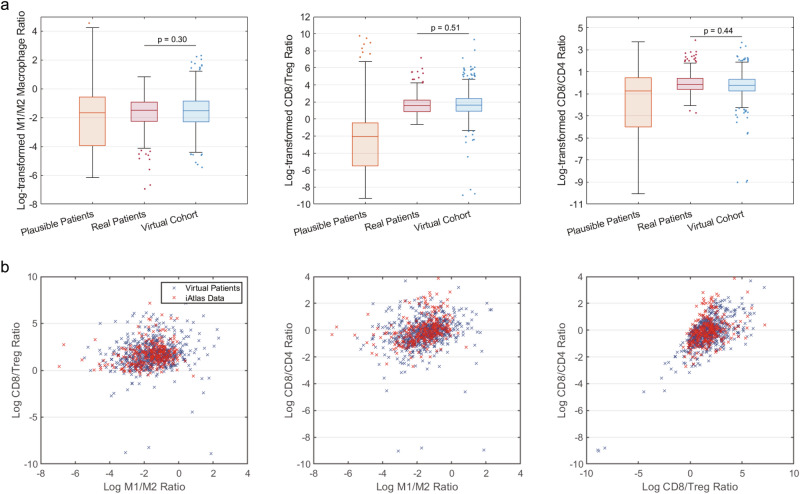
“In immuno-oncology, this is particularly challenging because: (1) the mechanisms involved in the cancer-immunity cycle 17,18 , including mechanism of action (MoA) of newly discovered therapeutics, are sometimes not fully understood (thus their effects are approximated by Hill functions rather than…”
BackgroundThe Immune Landscape of Cancer
Thorsson, V., Gibbs, D. L., Brown, S. D., Wolf, D., Bortone, D. S., Ou Yang, T.-H., Porta-Pardo, E., Gao, G. F., Plaisier, C. L., Eddy, J. A., et al. (2018) · Immunity · doi:10.1016/j.immuni.2018.03.023 · Cited by 5,870 · cited 1×
“Withtheunprecedentedincreaseinomicsdataonspeci fi ccancertypes from collaborative studies, such as the TCGA 45 , AURORA 46 , Human Tumor Atlas Network (HTAN) 47 , and iAtlas 48 , it is possible to use the immune cell proportions derived from omics data for virtual patient generation.”
BackgroundLog-normal distributions across the sciences: keys and clues
LIMPERT, E., STAHEL, W. A., & ABBT, M. (2001) · BioScience · doi:10.1641/0006-3568(2001)051[0341:lndats]2.0.co;2 · Cited by 2,621
Estimation of clinical trial success rates and related parameters
Wong, C. H., Siah, K. W., & Lo, A. W. (2019) · Biostatistics · doi:10.1093/biostatistics/kxx069 · Cited by 1,585
Finotello, F., Mayer, C., Plattner, C., Laschober, G., Rieder, D., Hackl, H., Krogsdam, A., Loncova, Z., Posch, W., Wilflingseder, D., et al. (2019) · Genome Medicine · doi:10.1186/s13073-019-0638-6 · Cited by 1,542 · cited 1×
“Usingimmunecelldeconvolution methods EPIC 50 and quanTIseq 51 , we were able to estimate the immune cell proportions and calculate the ratios of immune cell subset proportions betweenprimary breasttumorsand speci fi cmetastatic sites(e.g., lung, liver, and bone).”
MethodSimultaneous enumeration of cancer and immune cell types from bulk tumor gene expression data
Racle, J., de Jonge, K., Baumgaertner, P., Speiser, D. E., & Gfeller, D. (2017) · eLife · doi:10.7554/elife.26476 · Cited by 1,384
The cancer-immunity cycle: Indication, genotype, and immunotype
Mellman, I., Chen, D. S., Powles, T., & Turley, S. J. (2023) · Immunity · doi:10.1016/j.immuni.2023.09.011 · Cited by 953 · cited 1×
“In immuno-oncology, this is particularly challenging because: (1) the mechanisms involved in the cancer-immunity cycle 17,18 , including mechanism of action (MoA) of newly discovered therapeutics, are sometimes not fully understood (thus their effects are approximated by Hill functions rather than…”
BackgroundDigital twins for health: a scoping review
Katsoulakis, E., Wang, Q., Wu, H., Shahriyari, L., Fletcher, R., Liu, J., Achenie, L., Liu, H., Jackson, P., Xiao, Y., et al. (2024) · npj Digital Medicine · doi:10.1038/s41746-024-01073-0 · Cited by 760 · cited 1×
“On the other hand, health or medical digital twins are often developed for personalized medicine,which emphasize the correspondence with their physical counterparts in the real world 52 – 54 .”
BackgroundAlber, M., Buganza Tepole, A., Cannon, W. R., De, S., Dura-Bernal, S., Garikipati, K., Karniadakis, G., Lytton, W. W., Perdikaris, P., Petzold, L., et al. (2019) · npj Digital Medicine · doi:10.1038/s41746-019-0193-y · Cited by 639
How to tell the difference between a model and a digital twin
Wright, L., & Davidson, S. (2020) · Advanced Modeling and Simulation in Engineering Sciences · doi:10.1186/s40323-020-00147-4 · Cited by 601 · cited 2×
“Wrightand Davidson 57 discussed optimal properties of a model and data required tobuild digital twins.”
BackgroundMethod
Research works printed but not linked: 1
- Sorger, P. K. et al. Quantitative and systems pharmacology in the post‐genomic era: new approaches to discovering drugs and understanding therapeutic mechanisms. An NIH White Paper by the QSP Workshop Group (2011).
Cited by
From virtual to reality: innovative practices of digital twins in tumor therapy
Shen, S., Qi, W., Liu, X., Zeng, J., Li, S., Zhu, X., Dong, C., Wang, B., Shi, Y., Yao, J., et al. (2025) · Journal of Translational Medicine · doi:10.1186/s12967-025-06371-z · Cited by 135
“Specifically, physiological data were widely applied in 16 studies, primarily used to dynamically adjust personalized treatment strategies [47, 61, 84].”
InfluentialExploring the Potential of Digital Twins in Cancer Treatment: A Narrative Review of Reviews
Giansanti, D., & Morelli, S. (2025) · Journal of Clinical Medicine · doi:10.3390/jcm14103574 · Cited by 103
“[28] identified issues in generating spatially resolved generative digital twins, and [30] explored the difficulties in customizing immuno-oncology-specific models for patient treatment.”
InfluentialVallée, A. (2025) · Journal of Medical Internet Research · doi:10.2196/72411 · Cited by 95
“By aggregating anonymized DT data from populations, health care providers and researchers can identify emerging disease patterns, optimize resource allocation, and develop targeted intervention strategies [7,8].”
Digital Twins Generated by Artificial Intelligence in Personalized Healthcare
Łukaniszyn, M., Majka, Ł., Grochowicz, B., Mikołajewski, D., & Kawala‐Sterniuk, A. (2024) · Applied Sciences · doi:10.3390/app14209404 · Cited by 87
Chaparro-Cárdenas, S. L., Ramirez-Bautista, J. A., Terven, J. R., Esparza, D. M. C., Romero-González, J.-A., Ramírez-Pedraza, A., & Chávez‐Urbiola, E. A. (2025) · Healthcare · doi:10.3390/healthcare13141763 · Cited by 105
Mikołajewska, E., Masiak, J., & Mikołajewski, D. (2024) · Electronics · doi:10.3390/electronics13244994 · Cited by 64
Advancing Precision Oncology with Digital and Virtual Twins: A Scoping Review
Ştefănigă, S.-A., Cordoș, A., Ivaşcu, T., Feier, C. V. I., Muntean, C., Stupinean, C. V., Călinici, T., Aluaș, M., & Bolboaca, S. D. (2024) · Cancers · doi:10.3390/cancers16223817 · Cited by 64
Digital twins in oncology: From predictive modelling to personalised treatment strategies
Olawade, D. B., Oisakede, E. O., Bello, O. J., Analikwu, C. C., Egbon, E., & Ojo, A. (2026) · Critical Reviews in Oncology/Hematology · doi:10.1016/j.critrevonc.2026.105171 · Cited by 59
Ma, C., Zhang, H., Rao, Y., Jiang, X., Liu, B., Sun, Z., Song, Z., Gao, Y., Cui, Y., Liu, X., et al. (2025) · npj Digital Medicine · doi:10.1038/s41746-025-02198-6 · Cited by 76
“For instance, in cancer treat-ment,ifthevirtualmodelpredictschangesrelatedtodrugresistancesignals, it can provide an early warning and suggest treatment adjustments 184 – 188 .”
Lu, Y., Huang, W., Li, Y., Xu, Y., Wei, Q., Sha, C., & Guo, P. (2025) · npj Precision Oncology · doi:10.1038/s41698-025-01159-2 · Cited by 56
“AI-baseddigitaltwinsystemsarebeingexploredtosimulateindividual patient responses to ADCs by integrating in silico PK/PD models with imaging and molecular data 112,113 .”
The Potential Use of Digital Twin Technology for Advancing CAR-T Cell Therapy
Aghamiri, S. S., & Amin, R. (2025) · Current Issues in Molecular Biology · doi:10.3390/cimb47050321 · Cited by 36
“This approach would allow for better-informed clinical decisions and the ability to evaluate treatment strategies at the population level while still maintaining the specificity required for individual patients [34].”
Beyond single biomarkers: multi-omics strategies to predict immunotherapy outcomes in blood cancers
Pirouzbakht, M., Hamzeh, S., & Samarkhazan, H. S. (2025) · Clinical and Experimental Medicine · doi:10.1007/s10238-025-01902-w · Cited by 38
Șerban, M., Toader, C., & Covache-Busuioc, R.-A. (2025) · International Journal of Molecular Sciences · doi:10.3390/ijms26199409 · Cited by 41
Smart CAR-T Nanosymbionts: archetypes and proto-models
Baena, J. C., Victoria, J. S., Toro-Pedroza, A., Aragón, C. C., Ortiz‐Guzman, J., García-Robledo, J. E., Torres, D., Ríos-Serna, L. J., Albornóz, L. L., Rosales, J. D., et al. (2025) · Frontiers in Immunology · doi:10.3389/fimmu.2025.1635159 · Cited by 29
Kashkooli, F. M., Bhandari, A., Gu, B., Kolios, M. C., Kohandel, M., & Zhan, W. (2025) · Journal of Controlled Release · doi:10.1016/j.jconrel.2025.114138 · Cited by 35
A systematic review of AI as a digital twin for prostate cancer care
John, A., Alhajj, R., & Rokne, J. G. (2025) · Computer Methods and Programs in Biomedicine · doi:10.1016/j.cmpb.2025.108804 · Cited by 35
The dawn of a new era: can machine learning and large language models reshape QSP modeling?
Androulakis, I. P., Cucurull-Sanchez, L., Kondic, A., Mehta, K., Pichardo, C., Pryor, M., & Renardy, M. (2025) · Journal of Pharmacokinetics and Pharmacodynamics · doi:10.1007/s10928-025-09984-5 · Cited by 22
Goryanin, I., Goryanin, I., & Demin, O. (2025) · Drug Discovery Today · doi:10.1016/j.drudis.2025.104448 · Cited by 21
Embracing the future of medicine with virtual patients
Wang, K., Parrott, N. J., & Lavé, T. (2025) · Drug Discovery Today · doi:10.1016/j.drudis.2025.104322 · Cited by 21
Advances and critical aspects in cancer treatment development using digital twins
Bouriga, R., Bailleux, C., Gal, J., Chamorey, E., Mograbi, B., Hannoun‐Lévi, J., & Milano, G. A. (2025) · Briefings in Bioinformatics · doi:10.1093/bib/bbaf237 · Cited by 29
“Integrating data from both high-and low-income regions with varying levels of healthcare digitalization can help mitigate these risks,fostering more equitable and effective healthcare solutions [50, 51, 63].”
From data-driven cities to data-driven tumors: dynamic digital twins for adaptive oncology
Karaman, İ., & Sebin, B. (2025) · Frontiers in Artificial Intelligence · doi:10.3389/frai.2025.1624877 · Cited by 20
Arulraj, T., Wang, H., Deshpande, A. M., Varadhan, R., Emens, L. A., Jaffee, E. M., Fertig, E. J., Santa-Maria, C. A., & Popel, A. S. (2024) · Proceedings of the National Academy of Sciences · doi:10.1073/pnas.2410911121 · Cited by 20
Self-citationMikołajewska, E., & Masiak, J. (2025) · Electronics · doi:10.3390/electronics14102024 · Cited by 18
Organoids: A new frontier in precision medicine and engineering
Gao, Q., Wu, Y., Mao, Y., Chen, X., Geng, Z., & Su, J. (2025) · Precision medicine and engineering. · doi:10.1016/j.preme.2025.100049 · Cited by 20
Kulesza, A. J., Couty, C., Lemarre, P., Thalhauser, C. J., & Cao, Y. (2024) · Journal of Pharmacokinetics and Pharmacodynamics · doi:10.1007/s10928-024-09930-x · Cited by 19
Challenges and opportunities for the next generation of computational tumor models
Munn, L. L., & Jain, R. K. (2025) · PLoS Biology · doi:10.1371/journal.pbio.3003269 · Cited by 14
Builes-Montaño, C. E., Lema-Pérez, L., Rincón, A. R., Tobón, J. J. Z., Restrepo-Gutiérrez, J. C., Álvarez, H., & Garcia‐Tirado, J. (2025) · Scientific Reports · doi:10.1038/s41598-025-23165-x · Cited by 20
Biomaterial-mediated Cell Atlas: an insight from single-cell and spatial transcriptomics
Yang, X., Huang, M., Chen, H., Dai, J., Chen, J., Chen, K., Zhou, J., Li, A., & Li, P. (2025) · Bioactive Materials · doi:10.1016/j.bioactmat.2025.07.047 · Cited by 18
Mathematical Oncology: How Modeling Is Transforming Clinical Decision-Making
Scibilia, K., Gallagher, K., Masud, M. A., Robertson‐Tessi, M., Gatenbee, C., West, J., Llamas, P., Prabhakaran, S., Gallaher, J. A., & Anderson, A. R. A. (2025) · Cancer Research · doi:10.1158/0008-5472.can-25-0750 · Cited by 20
Gonçalves, M., Barata, P. A., & Vale, N. (2026) · Journal of Clinical Medicine · doi:10.3390/jcm15031210 · Cited by 13
“Building upon this principle, the notion of virtual patients https://doi.org/10.3390/jcm15031210 allows the representation of PBPK through simulated individuals derived from population distributions [65,66].”
InfluentialKim, Y., Oh, S., & Kim, G. (2025) · Signals · doi:10.3390/signals6040051 · Cited by 17
“A study [30] perspective details efforts to create immune-oncology twins that generate virtual patients for therapy optimization.”
Cui, M.-X., He, K., Wang, F., & Paik, J. K. (2025) · Systems · doi:10.3390/systems13050335 · Cited by 17
Inside the Battle Against Acute Myeloid Leukemia: Biology, Breakthroughs, and Hope
Bao, J., Freund, O., Sund, L., & Du, W. (2026) · Cells · doi:10.3390/cells15040338 · Cited by 15
“Unlike traditional static models, digital twins are continuously updated with new data, supporting adaptive treatment optimization and true precision medicine [277,278].”
Hendriks, H. R. (2025) · Biochimica et Biophysica Acta (BBA) - Reviews on Cancer · doi:10.1016/j.bbcan.2025.189467 · Cited by 11
Digital technologies supporting predictive healthcare: Review of research trends
Lăzăroiu, G., Szpilko, D., Gedeon, T., Halicka, K., & Rzepka, A. (2025) · Human Technology · doi:10.14254/1795-6889.2025.21-3.10 · Cited by 9
“The observed link between artificial intelligence algorithms and the digital twin concept confirms the growing role of simulation-based and immersive environments in predictive healthcare research (Li et al., 2024a; Wang et al., 2024).”
A mathematical model of CAR-T cell therapy in combination with chemotherapy for malignant gliomas
Sinelshchikov, D., Belmonte-Beitia, J., & Italia, M. (2025) · Chaos An Interdisciplinary Journal of Nonlinear Science · doi:10.1063/5.0260252 · Cited by 11
History and Evolution of Innovations in Clinical Pharmacology
Lesko, L. J., & van der Graaf, P. H. (2025) · Clinical Pharmacology & Therapeutics · doi:10.1002/cpt.70048 · Cited by 9
“68,69 Both VPs and DTs are fundamentally of core interest in clinical pharmacology because they enable in silico optimization of dose regimens of combination therapies, for example, in cases of drug– drug interactions, dose adjustments in different stages of renal impairment, and prioritization of…”
A Step‐by‐Step Workflow for Performing In Silico Clinical Trials With Nonlinear Mixed Effects Models
Cortes-Rios, J. A., Magee, M. H., Sher, A., Jusko, W. J., & Desikan, R. (2025) · CPT Pharmacometrics & Systems Pharmacology · doi:10.1002/psp4.70122 · Cited by 9
Gazi, A. H., Gao, D., Ghosh, S., Xu, Z., Trella, A. L., Klasnja, P., & Murphy, S. A. (2026) · Journal of Medical Internet Research · doi:10.2196/72830 · Cited by 12
León-Domínguez, U. (2025) · Ergonomics · doi:10.1080/00140139.2025.2560581 · Cited by 6
Kermansaravi, M., Monami, M., & COHEN, R. V. (2025) · Diabetology & Metabolic Syndrome · doi:10.1186/s13098-025-02012-z · Cited by 5
“It can speed up the development of new medications, devices, or treatment modalities, and help build trust in digital evidence for regulatory approval [14, 15].”
Spatial computing in digital twins
Wang, J., Mo, F., Qiao, S., Feng, H., & Lv, Z. (2025) · Digital Twin · doi:10.1080/27525783.2025.2508268 · Cited by 8
Cortes-Rios, J. A., Ren, T., Hanan, N., Sher, A., Nader, A., Magee, M. H., Jusko, W. J., & Desikan, R. (2025) · Clinical Pharmacology & Therapeutics · doi:10.1002/cpt.3718 · Cited by 5
Lee, C. H., Zhang, Y., McClure, B. J., Yong, A., Scott, H. S., & Kok, C. H. (2026) · Frontiers in Digital Health · doi:10.3389/fdgth.2026.1771531 · Cited by 3
Decoding immunotherapy response through computational modeling
Li, B., Luo, R., Huang, K., Liu, J., Zhao, W., & Zhou, X. (2026) · Nature Communications · doi:10.1038/s41467-026-71364-5 · Cited by 7
Fontana, C., & Ajabshir, S. Z. (2026) · Computation · doi:10.3390/computation14070143 · Cited by 4
Quantitative calibration of a spatial QSP model identifies fibroblast impact on HCC immunotherapy
Zhang, S., Wang, H., Cho, Y., da Rocha, H. L., Wong, W., Yarchoan, M. M., Jaffee, E. M., Ho, W. J., Kagohara, L. T., Fertig, E. J., et al. (2026) · Proceedings of the National Academy of Sciences · doi:10.1073/pnas.2525799123 · Cited by 3
Self-citationDigital twins and digital models of the human circulatory system
Wu, R., Ferreira, G., Khan, N. S., Mahmud, S. T., Stoop, J., Sohn, L. L., Leopold, J. A., & Randles, A. P. (2026) · Nature Reviews Bioengineering · doi:10.1038/s44222-026-00427-5 · Cited by 5
Zhou, Z., & Zhou, J. (2026) · Frontiers in Immunology · doi:10.3389/fimmu.2026.1746927 · Cited by 2
“Early implementations of in silico trial arms — virtual cohorts that simulate patient outcomes under different treatment strategies — have demonstrated feasibility for re fi ning study design, identifying responder subgroups, and optimizing combination therapy strategies in immuno-oncology (17, 42).”
Pharmaco-microdynamics (PMD): Redefining dose, exposure, and control for living drug carriers
Abdullah, M., Jayadevan, K., Therayil, A., Kumaraguruparan, N., Kavyasree, P. K. V., Dilna, P., & Faiza, A. (2026) · Annales Pharmaceutiques Françaises · doi:10.1016/j.pharma.2026.06.002 · Cited by 2
Predicting survival in prospective clinical trials using weakly-supervised QSP
West, M., Yoshida, K. K., Yu, J., & Lemaire, V. (2025) · npj Precision Oncology · doi:10.1038/s41698-025-00898-6 · Cited by 1
Far, S. B., & Bamakan, S. M. H. (2025) · Advanced Engineering Informatics · doi:10.1016/j.aei.2025.103616 · Cited by 1
Digital twin in cancer: Pancreatic cancer, lung cancer, and melanoma metastases
Sheth, V., & Shah, M. (2025) · Elsevier eBooks · doi:10.1016/b978-0-443-33984-4.00005-5 · Cited by 1
García‐Illarramendi, J. M., Matos‐Filipe, P., Mas, J. M., Farrés, J., & Daura, X. (2025) · Frontiers in Systems Biology · doi:10.3389/fsysb.2025.1648559 · Cited by 2
Analysing the Structural Identifiability and Observability of Mechanistic Models of Tumour Growth
Vázquez, A. G., & Villaverde, A. F. (2025) · Bioengineering · doi:10.3390/bioengineering12101048 · Cited by 1
“It is foreseeable that their use will only become more widespread in the near future as the key component of two emerging concepts: virtual patients and digital twins [52].”
Adefolaju, A., Kram, D. E., Mann, B., Hingtgen, S., & Satterlee, A. (2025) · Advanced Drug Delivery Reviews · doi:10.1016/j.addr.2025.115736 · Cited by 2
Iterative calibration of medical digital twins via adaptive estimators
Sereno, J. E., Neujahr, H., Hernández-González, M., & Hernandez-Vargas, E. A. (2026) · Frontiers in Applied Mathematics and Statistics · doi:10.3389/fams.2025.1699390 · Cited by 3
“As expected, there is a large interdisciplinary and international research community focused on developing an IDT [16, 48, 49].”
Siddiqui, R., & Khan, N. A. (2026) · Journal of Diabetes & Metabolic Disorders · doi:10.1007/s40200-026-01906-7 · Cited by 2
“Future research must prioritise multimodal data integration, development of explainable predictive algorithms, and rigorous prospective validation to ensure that this technology is translated safely, equitably, and effectively into routine clinical care [ 2, 13, 14 , 19].”
Cheng, Y., Kong, J., Liu, X., & Li, S. (2026) · Breast Cancer Targets and Therapy · doi:10.2147/bctt.s586786 · Cited by 4
“143 This concept is already being used in oncology, where ML-driven simulations of drug pharmacokinetics and tumor evolution support adaptive therapy design.”
Personalized medicine and preventive health: Digital twins and predictive analytics
Padubidri, S. R., Das, S., Sreelakshmi, K., V, Shetty, K. S., & Dehury, B. (2026) · Elsevier eBooks · doi:10.1016/b978-0-443-33263-0.00004-8 · Cited by 1
Siddiqui, R., Maciver, S. K., Lloyd, D., & Khan, N. A. (2026) · Parasitology Research · doi:10.1007/s00436-026-08674-6 · Cited by 3
“The host component will model cytokine production, immune cell recruitment, and tissue inflammation using time-dependent feedback terms that can reflect amplifica - tion and resolution phases of the immune response (Niarakis et al. 2024; Wang et al. 2024).”
Digital twins in IBD—bridging data, biology and trial innovation
Colwill, M., Honap, S., Young, A.-M., Magro, F., Jairath, V., Danese, S., & Peyrin‐Biroulet, L. (2026) · Gut · doi:10.1136/gutjnl-2026-338447 · Cited by 4
He, L., Zhao, M., Hu, Y.-M., Chen, L., & Zheng, B. (2026) · International Immunopharmacology · doi:10.1016/j.intimp.2026.116797 · Cited by 1
From Classical PKPD to Model‐Informed Drug Development: Are “Digital Twins” a New Paradigm?
Houk, B. E. (2026) · Clinical Pharmacology & Therapeutics · doi:10.1002/cpt.70340 · Cited by 1
“8 In practice, these attributes map directly onto existing MIDD capabilities such as individual parameter estimation, Bayesian updating, and simulation of virtual patients and trials.”
Taumar, D., Singh, A. P., Sharma, H., Shamim, Gohri, S., & Chaudhary, V. (2026) · Pharmacological Research - Modern Chinese Medicine · doi:10.1016/j.prmcm.2026.100827 · Cited by 1
From virtual experiments to biomedical insight with synthetic data
Victoriano, M., Pavlović, M., Sandve, G. K., Oliveira, H. P., Rocha, A., & Greiff, V. (2026) · Nature Machine Intelligence · doi:10.1038/s42256-026-01244-6 · Cited by 7
“In clinical trials, they enable the construction of virtual patient cohorts to estimate response variability and reduce costs 18,63,151 .”
Li, Y., Wang, Y., Prabhakaran, P., Ouyang, F., Zhou, W., Guan, H., Chen, Y., Li, D., Sun‐Waterhouse, D., & Li, F. (2026) · Food Research International · doi:10.1016/j.foodres.2026.120000 · Cited by 2
Agbo, C. E., Nwankwo, C. K., Onyehalu, J. C., Agu, M. C., Opah, C., & Nworu, C. S. (2026) · Journal of Pharmacology and Experimental Therapeutics · doi:10.1016/j.jpet.2026.104986 · Cited by 2
Hu, C., Zhang, C., Lu, X., Zhang, X., Pan, S., Xu, H., Lok, L. S. C., Zhang, M., & Wong, I. N. (2026) · Chinese Medical Journal BioMed · doi:10.65457/cmjbm-2026-0006 · Cited by 1
AI-based augmentation of oncology clinical trials
Villa, A., Eadie, A. L., Synnott, D., Romanò, R., Piffoux, M., Wong, E. Y. T., Scheinerman, N., Tan, D. S. W., de Braud, F., Koopman, M., et al. (2026) · Nature Reviews Clinical Oncology · doi:10.1038/s41571-026-01189-0 · Cited by 3
“Quantitative systems pharmacology-based approaches are particularly well suited to immuno-oncology given that the complex biological interactions influencing response to immunotherapy require mechanistic modelling capable of capturing resistance mechanisms and combination therapy effects 134 .”
PREFER-IT: A transdisciplinary co-created framework to realise inclusive medical AIPreprint
Ferreira, P. P., Longarón, S. S., Bouisaghouane, W., Goris, J., Hoekman, A. H., Markos, B., Maus, B., Pozzi, G., Hasan, H., Kalinauskaitė, I., et al. (2025) · medRxiv · doi:10.1101/2025.11.03.25339443 · Cited by 1
Structured Schemas for Provenance-Rich, LLM-Assisted QSP Model Calibration
Eliason, J., & Popel, A. S. (2026) · bioRxiv (Cold Spring Harbor Laboratory) · doi:10.64898/2026.03.05.709623
Self-citationStructured Schemas for Provenance‐Rich, LLM ‐Assisted QSP Model Calibration
Eliason, J., & Popel, A. S. (2026) · CPT: Pharmacometrics & Systems Pharmacology · doi:10.1002/psp4.70306
Self-citationThe New Frontier of Digital Twins in Next-Gen Wearables for Personalized Health Tracking
Ashwini, A., Santhiya, G., & Balasubramaniam, S. (2025) · Advances in computational intelligence and robotics book series · doi:10.4018/979-8-3373-0538-7.ch004
Barrett, J. S., Piccoli, B., Denaro, C. A., Schmidt, S., Vozmediano, V., Guzy, S., Barrett, K., Kwok, K., Russell, S., & Sibbald, D. (2025) · The Journal of Clinical Pharmacology · doi:10.1002/jcph.70028
Computational medicine and patient avatars in cardio-oncology
Evbayekha, E. O., Moore, S., Cullinane, R. R., Duffy, Q., Rickards, J., Sun, L. Y., & Brown, S.-A. N. (2025) · Elsevier eBooks · doi:10.1016/b978-0-443-29829-5.00011-6 · Cited by 1
Digital Twins in Older Adults’ Mental Healthcare: A Literature Review
Kokkas, S., Segkouli, S., & Votis, K. (2025) · IFIP advances in information and communication technology · doi:10.1007/978-3-031-97313-0_15 · Cited by 1
Beigmohammadi, F., Weaver, J. J. A., Hegarty-Cremer, S. G. D., Jeynes‐Smith, C., Smith, A. M., & Craig, M. (2025) · bioRxiv (Cold Spring Harbor Laboratory) · doi:10.1101/2025.09.26.678800 · Cited by 3
Silfvergren, O., Rigal, S., Schimek, K. M. S., Simonsson, C., Kanebratt, K. P., Forschler, F., Yesildag, B., Marx, U., Vilén, L., Gennemark, P., et al. (2026) · European Journal of Pharmaceutical Sciences · doi:10.1016/j.ejps.2026.107648 · Cited by 2
Volume Rendering Simulation System for Real-Time Interaction in the Medical Metaverse
Kim, D., Oh, S., Oh, S., Kim, K., Hahn, M., & Kim, J. (2025) · Journal of Digital Contents Society · doi:10.9728/dcs.2025.26.10.2883
Digital Twin Meets the Bench: Natural Compounds Reshape the Ovarian Cancer Microenvironment
Kleczka, A., Dzik, R., & Kabała‐Dzik, A. (2025) · Biomedicines · doi:10.3390/biomedicines13123119 · Cited by 2
“Researchers use computational models that link cell proliferation to immune cell entry, stromal tissue changes and hypoxia signalling to develop theoretical models, predict treatment effects and study untestable microenvironmental processes [18–20].”
Siddiqui, R., & Khan, N. A. (2026) · Neurological Sciences · doi:10.1007/s10072-025-08777-5 · Cited by 1
Huang, W., Tu, G., Li, D., Wang, C., Zhou, J., Jiao, Z., & Yang, L. (2026) · Frontiers in Immunology · doi:10.3389/fimmu.2026.1617227 · Cited by 1
“Quantitative systems pharmacology (QSP), leveraging demographic data, disease mechanisms, and drug properties, has emerged as a preferred approach for conducting virtual clinical trials (14).”
Use of synthetic data, a novel paradigm for immunopathology
Tonutti, A., D’Amico, S., Timilsina, S., Gershwin, M. E., Ceribelli, A., & Selmi, C. F. (2026) · Current Opinion in Immunology · doi:10.1016/j.coi.2026.102753
Far, S. B., Qazani, M. R. C., & Rad, A. I. (2026) · Engineering Reports · doi:10.1002/eng2.70708
Data fusion and context-aware intelligence in digital twin-enabled healthcare systems
Rajpurohit, S. S., Goradiya, U. B., Patil, P. R., Patil, T. H., Agrawal, L., & Patil, A. A. (2026) · Advances in computers · doi:10.1016/bs.adcom.2026.02.002
Plying potency assays for immunotherapy of solid tumors
Burns, J. S., Gjeta, R., Lesný, P., & Vives, J. (2026) · Frontiers in Immunology · doi:10.3389/fimmu.2026.1770222
“Substantial barriers include incomplete mechanistic understanding of tumor – immune dynamics, the need for extensive longitudinal datasets for calibration and validation, and the absence of regulatory pathways for simulation − based product release or treatment adaptation (255).”
Hu, K., Lin, Y., Ji, H., Yuan, T., Xia, Y., & Yang, J. (2026) · Pharmaceutics · doi:10.3390/pharmaceutics18040408
“First, as in many other modeling studies [28,29,31–34, 82, 83 ], the present framework was developed primarily on the basis of preclinical”
Tong, J., Chen, D., Chen, H., & Yu, T. (2026) · Frontiers in Pharmacology · doi:10.3389/fphar.2026.1789971 · Cited by 1
Atomic Precision in Personalized Oncology: AI-Designed Nanomedicines Enabling N-of-1 Cancer Therapy
Pourbaghi, M., & Bradbury, M. S. (2026) · ACS Nano Medicine · doi:10.1021/acsnanomed.5c00178
Mechanistic learning to predict and understand minimal residual diseasePreprint
Marzban, S., Robertson‐Tessi, M., & West, J. (2026) · bioRxiv (Cold Spring Harbor Laboratory) · doi:10.64898/2026.04.16.718968
Digital twin frameworks for Hepatitis C: Toward predictive and personalised management
Siddiqui, R., & Khan, N. A. (2026) · Annals of Hepatology · doi:10.1016/j.aohep.2026.102216 · Cited by 1
AI nanomedicine: a new paradigm for precision cancer diagnosis and therapy
Fu, Y., Wu, C., Feng, W., & Chen, Y. (2026) · Chinese Science Bulletin (Chinese Version) · doi:10.1360/csb-2026-0391
Li, C., & Lei, J. (2026) · Discrete and Continuous Dynamical Systems - I Intelligence · doi:10.3934/dcdsi.p260201
Christenson, C., Siva Viknesh, S., Judson‐Torres, R. L., & Arzani, A. (2026) · Computer Methods and Programs in Biomedicine · doi:10.1016/j.cmpb.2026.109511
Zhu, Y., Bi, Z., Zhang, Z., Zhang, M., Du, Q., Hu, M., Zhou, T., Fan, Y., Zhang, S., Wang, G., et al. (2026) · Journal of Nanobiotechnology · doi:10.1186/s12951-026-04703-9
Petrova, E., Georgiev, I., & Stoyanov, N. (2026) · International Journal of Pharmaceutical and Phytopharmacological Research · doi:10.51847/wot5wad4me
Wang, H., You, L., Dang, H., Matta, E. J., Painter, M. D., Johnston, F. M., Zhang, Y., & Zhou, X. (2026) · Hepatobiliary Communications · doi:10.1016/j.hbc.2026.100007
Self-citationKarampelesis, P., Denazis, S., Koufopavlou, O., & Zacharaki, E. I. (2026) · Frontiers in Artificial Intelligence · doi:10.3389/frai.2026.1760912
Healthcare Digital Twins Across Scales: A Narrative Review and Five-Level Conceptual Framework
Azamfirei, L., Bica, D., Dragomir, A. C., & Almásy, E. (2026) · Healthcare · doi:10.3390/healthcare14162445
Metadata
- Authors
- Wang, H., Arulraj, T., Ippolito, A., & Popel, A. S.
- Affiliations
- Johns Hopkins University (US)
- Corresponding author
- Wang, Hanwen
- Venue
- npj Digital Medicine
- Published
- 2024-07-16
- Volume
- 7
- Issue
- 1
- Pages
- 189-189
- ISSN
- 2398-6352 (ISSN-L)
- PMC
- PMC11252162
- OpenAlex
- W4392575396
- Cited by
- 122
- References
- 67
- Citations by year
- 2026: 67 · 2025: 50 · 2024: 5
- FWCI
- 8.07
- Type
- journal article
- Language
- en
- Open access
- gold
- doi.org
- Licence
- cc-by
- creativecommons.org/licenses/by/4.0 (tdm)
- creativecommons.org/licenses/by/4.0 (vor)
- Locations
- npj Digital Medicine (publishedVersion, cc-by)
- PubMed Central (publishedVersion, cc-by)
- PubMed (publishedVersion)
- arXiv (Cornell University) (submittedVersion)
- PubMed Central (submittedVersion)
- DOAJ (DOAJ: Directory of Open Access Journals) (submittedVersion)
- arXiv (Cornell University)
- Funders
- U.S. Department of Health & Human Services | NIH | National Cancer Institute (R01CA138264)
- Topics
- Physical Sciences › Mathematics › Statistics and Probability › Statistical Methods in Clinical Trials
- Physical Sciences › Mathematics › Modeling and Simulation › Mathematical Biology Tumor Growth
- Health Sciences › Medicine › Health Informatics › Artificial Intelligence in Healthcare and Education
- Keywords
- virtual patients, digital twin, cancer immunotherapy, quantitative systems pharmacology, mechanistic modeling, drug development
About these checks
Registry, retraction, Cites and statistics results are computed, not judged, with one exception: a printed reference that no index lists is read once by a model before it counts as a citation error. Claims are extracted by a model and kept only when their quote appears verbatim in the text; each cited source is then checked, with a model’s help, for whether it says what the claim relies on. Those verdicts can be wrong — read the claim’s quote and the cited source before relying on one.
Statistics and arithmetic are recomputed, not judged.
Confidence bands are shown only for fields calibrated on our annotated test set. None is calibrated yet, so no band is shown.
What counts as a claim ›How we measure confidence ›How we check this ›
Are you an author, or do you see a problem with this page? Request a review
Data sources
Bibliographic data: Semantic Scholar, OpenAlex, Crossref.
Contains information from the Semantic Scholar Academic Graph Datasets, made available under the ODC Attribution License (ODC-BY 1.0).
Semantic Scholar’s data is described in: Kinney, R., et al. (2023). The Semantic Scholar Open Data Platform. arXiv:2301.10140.
