

Clathrin-nanoparticles deliver BDNF to hippocampus and enhance neurogenesis, synaptogenesis and cognition in HIV/neuroAIDS mouse model
Open accessThe DOI matches its Crossref record; 135 of the 135 references it cites were found in a registry or an index.
Abstract
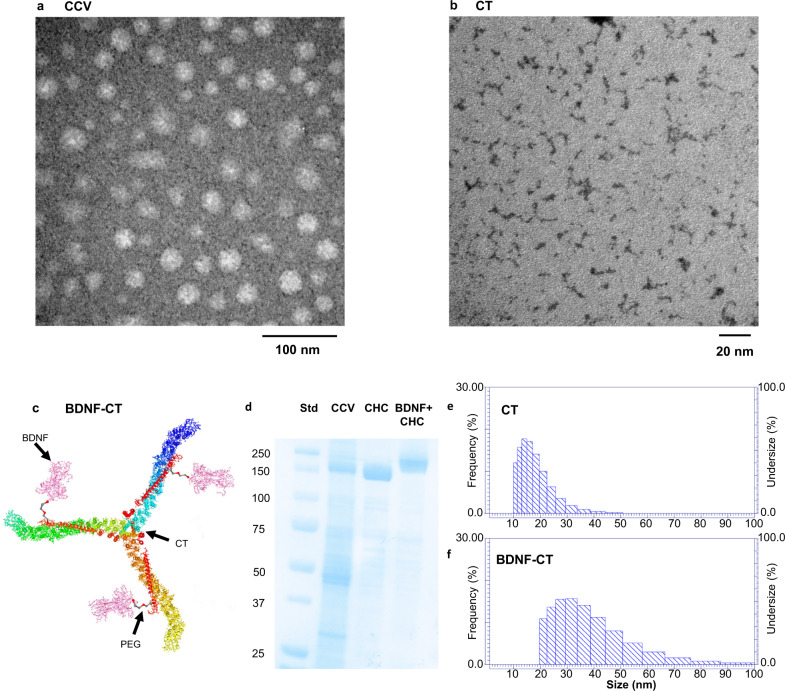
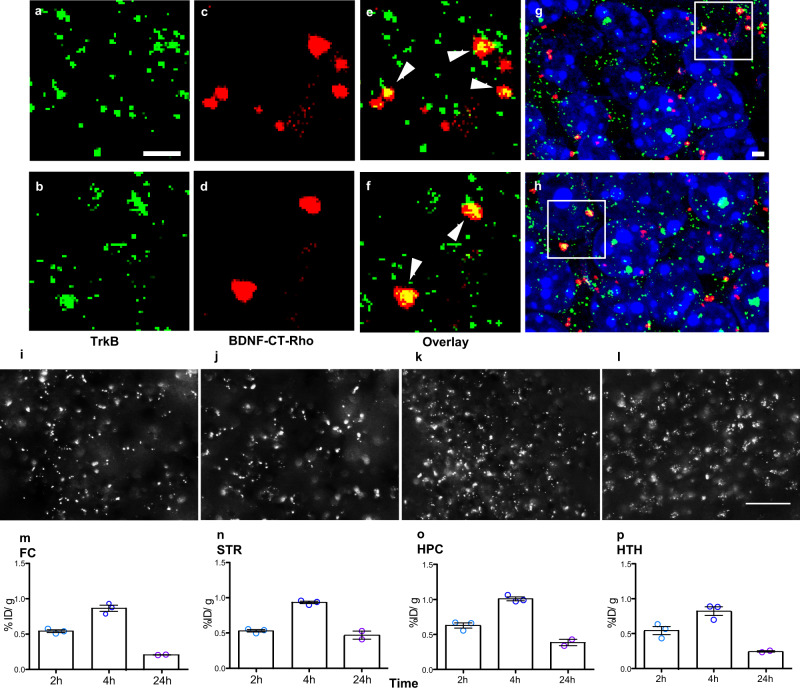
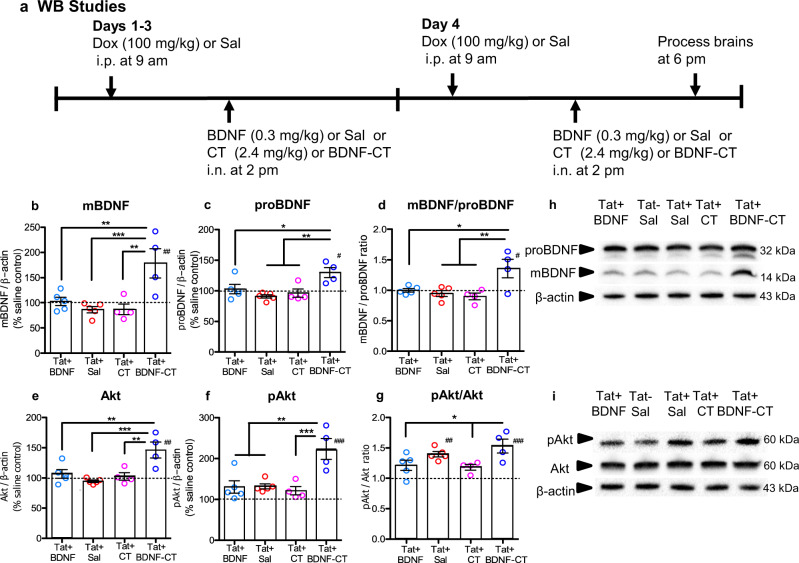
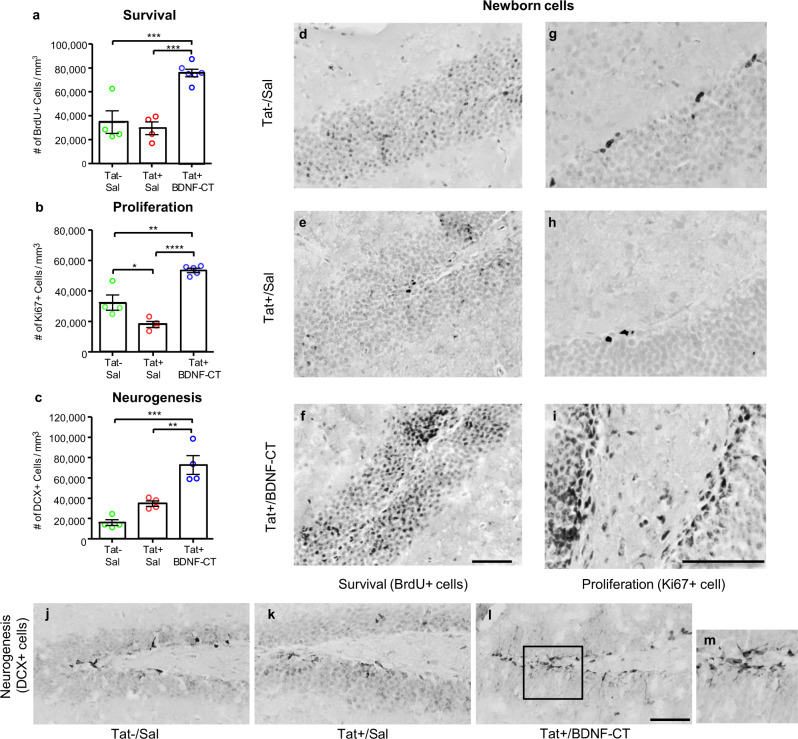
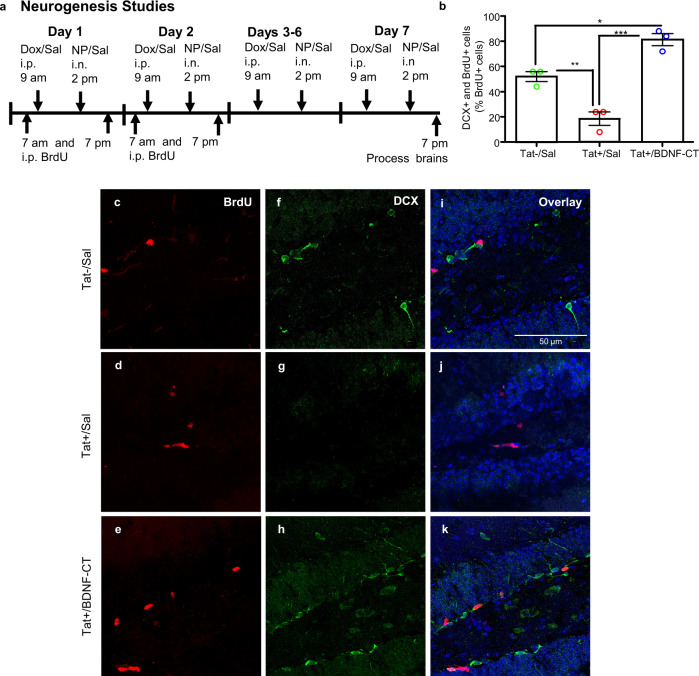
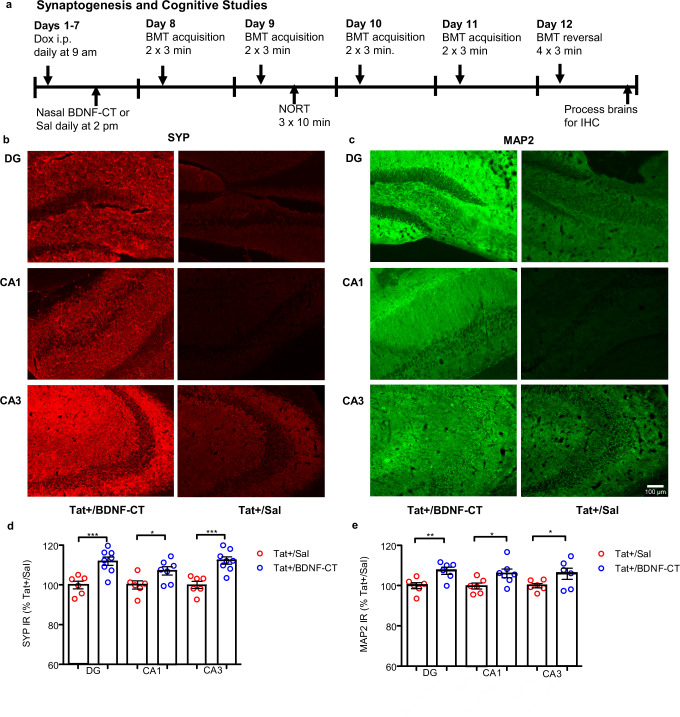
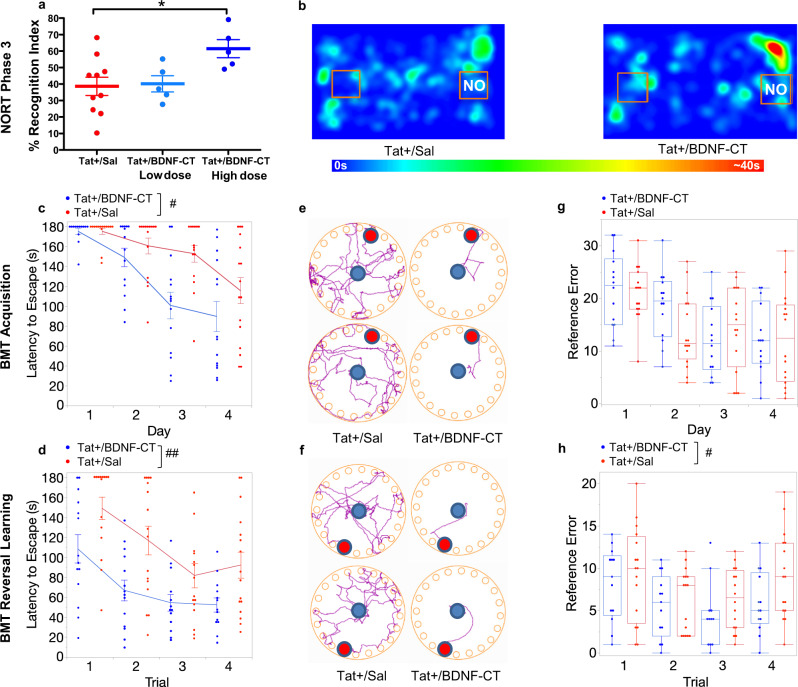
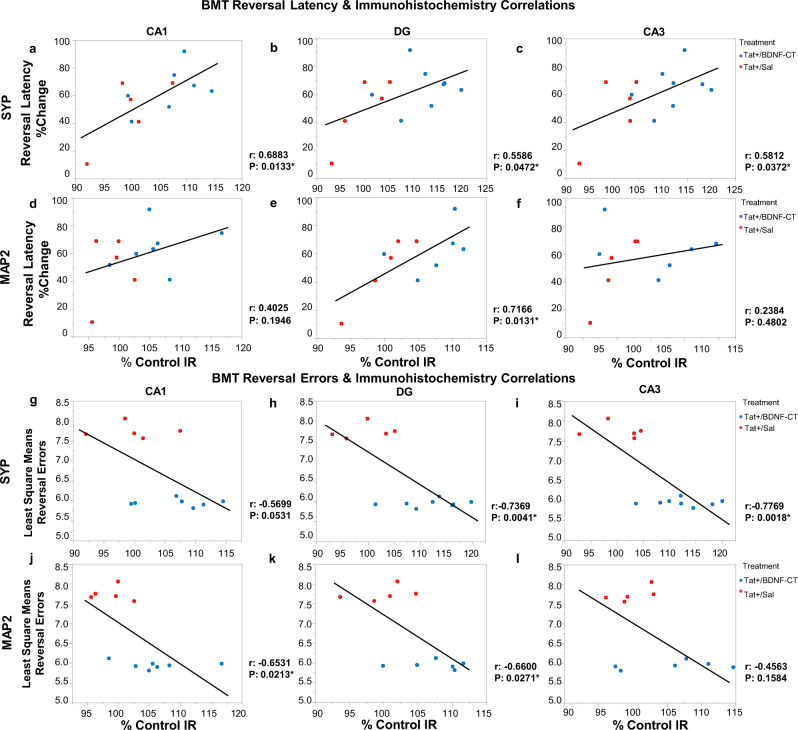
Brain derived neurotrophic factor (BDNF) promotes the growth, differentiation, maintenance and survival of neurons. These attributes make BDNF a potentially powerful therapeutic agent. However, its charge, instability in blood, and poor blood brain barrier (BBB) penetrability have impeded its development. Here, we show that engineered clathrin triskelia (CT) conjugated to BDNF (BDNF-CT) and delivered intranasally increased hippocampal BDNF concentrations 400-fold above that achieved previously with intranasal BDNF alone. We also show that BDNF-CT targeted Tropomyosin receptor kinase B (TrkB) and increased TrkB expression and downstream signaling in iTat mouse brains. Mice were induced to conditionally express neurotoxic HIV Transactivator-of-Transcription (Tat) protein that decreases BDNF. Down-regulation of BDNF is correlated with increased severity of HIV/neuroAIDS. BDNF-CT enhanced neurorestorative effects in the hippocampus including newborn cell proliferation and survival, granule cell neurogenesis, synaptogenesis and increased dendritic integrity. BDNF-CT exerted cognitive-enhancing effects by reducing Tat-induced learning and memory deficits. These results show that CT bionanoparticles efficiently deliver BDNF to the brain, making them potentially powerful tools in regenerative medicine.
Overview
The claims and statistics of this paper haven’t been checked yet.
Free: it reads the open-access text and checks the first 5 claims that cite a source we can check. Create a free account to check every claim.
Integrity signals
Registry
Cites
Statistics
Figures
Verification
Claims the paper makes
The claims and statistics of this paper haven’t been checked yet.
Free: it reads the open-access text and checks the first 5 claims that cite a source we can check. Create a free account to check every claim.
Claims other papers make about this one
Each is checked against this paper’s own text: does it say what the citing paper says it does?
The source backs part of the claim, not all of it — or backs it for a different population, condition or comparison.
In the citing paper
“Recombinant BDNF performs poorly in humans due to rapid degradation, limited brain penetration, and unstable exposure profiles [122,123,125].”
From Synaptic Plasticity—Intrinsic Excitability and Antidepressant Discovery (2026) · cites this paper as [125]
Experimental — accuracy not yet measured
Self-check
Percentages, sums and reported differences re-computed from the paper’s own numbers.
The self-check needs the paper’s full text.
Citations
Cites
The Ki-67 protein: From the known and the unknown
Scholzen, T., & Gerdes, J. (2000) · Journal of Cellular Physiology · doi:10.1002/(sici)1097-4652(200003)182:3<311::aid-jcp1>3.0.co;2-9 · Cited by 4,646
Domingos da Silveira da Luz, A. C., Pereira Dias, G., do Nascimento Bevilaqua, M. C., Cocks, G., Gardino, P. F., Thuret, S., & Nardi, A. E. (2013) · Neuropsychobiology · doi:10.1159/000353269 · Cited by 3,995
The novel object recognition memory: neurobiology, test procedure, and its modifications
Antunes, M., & Biala, G. (2012) · Cognitive Processing · doi:10.1007/s10339-011-0430-z · Cited by 2,390
Purification of a new neurotrophic factor from mammalian brain.
Barde, Y. A., Edgar, D., & Thoenen, H. (1982) · The EMBO Journal · doi:10.1002/j.1460-2075.1982.tb01207.x · Cited by 1,822
Regulation of Cell Survival by Secreted Proneurotrophins
Lee, R., Kermani, P., Teng, K. K., & Hempstead, B. L. (2001) · Science · doi:10.1126/science.1065057 · Cited by 1,670
Long-Lasting Neurotrophin-Induced Enhancement of Synaptic Transmission in the Adult Hippocampus
Kang, H., & Schuman, E. M. (1995) · Science · doi:10.1126/science.7886457 · Cited by 1,354
Patterson, S. L., Abel, T., Deuel, T. A. S., Martin, K. C., Rose, J. C., & Kandel, E. R. (1996) · Neuron · doi:10.1016/s0896-6273(00)80140-3 · Cited by 1,233
Brunet, A., Datta, S. R., & Greenberg, M. E. (2001) · Current Opinion in Neurobiology · doi:10.1016/s0959-4388(00)00211-7 · Cited by 1,188
The emerging spectrum of COVID-19 neurology: clinical, radiological and laboratory findings
Paterson, R. W., Brown, R. L., Benjamin, L., Nortley, R., Wiethoff, S., Bharucha, T., Jayaseelan, D. L., Kumar, G., Raftopoulos, R. E., Zambreanu, L., et al. (2020) · Brain · doi:10.1093/brain/awaa240 · Cited by 1,124
Nagahara, A. H., Merrill, D. A., Coppola, G., Tsukada, S., Schroeder, B. E., Shaked, G. M., Wang, L., Blesch, A., Kim, A., Conner, J. M., et al. (2009) · Nature Medicine · doi:10.1038/nm.1912 · Cited by 1,034
Cited by
From Synaptic Plasticity to Neurodegeneration: BDNF as a Transformative Target in Medicine
Toader, C., Șerban, M., Munteanu, O., Covache-Busuioc, R.-A., Enyedi, M., Ciurea, A. V., & Tătaru, C. P. (2025) · International Journal of Molecular Sciences · doi:10.3390/ijms26094271 · Cited by 185
The Role of BDNF as a Biomarker in Cognitive and Sensory Neurodegeneration
Pisani, A., Paciello, F., VECCHIO, V. D., Malesci, R., Corso, E. D., Cantone, E., & Fetoni, A. R. (2023) · Journal of Personalized Medicine · doi:10.3390/jpm13040652 · Cited by 139
The Nasal–Brain Drug Delivery Route: Mechanisms and Applications to Central Nervous System Diseases
Qiu, Y., Huang, S., Peng, L., Yang, L., Zhang, G., Liu, T., Yan, F., & Peng, X. (2025) · MedComm · doi:10.1002/mco2.70213 · Cited by 115
Yang, Y., Wang, X., Xiao, A., Han, J., Wang, Z., & Wen, M. (2022) · Frontiers in Aging Neuroscience · doi:10.3389/fnagi.2022.998292 · Cited by 79
“Studies have shown that BDNF can induce DCX expression, and promote neurogenesis and reparation of neurons (Vitaliano et al., 2022; Xue et al., 2022).”
BackgroundAlberto, M., Paiva‐Santos, A. C., Veiga, F., & Pires, P. C. (2022) · Pharmaceutics · doi:10.3390/pharmaceutics14122742 · Cited by 75
Neurotrophin Signaling Impairment by Viral Infections in the Central Nervous System
Böhmwald, K., Andrade, C. A., Mora, V. P., Muñóz, J. T., Ramírez, R. A., Rojas, M. F., & Kalergis, A. M. (2022) · International Journal of Molecular Sciences · doi:10.3390/ijms23105817 · Cited by 30
“These results show a positive correlation between BDNF and the increase in synaptogenesis in the hippocampal region and, as a result, learning and memory improvement [156].”
BackgroundInfluentialExercise and the organ-brain axis: Regulation of neurological disorders by emerging exerkines
Dai, Y., Dou, X., Nie, B., Sun, Y., Chen, P., Fu, C., Zhang, X., Chu, Y., Gao, Q., Ge, Y., et al. (2025) · Pharmacological Research · doi:10.1016/j.phrs.2025.107913 · Cited by 29
Blood–Brain Barrier: Structure, Function, Diseases, and Drug Delivery Systems
He, Y., Qu, M., Yu, L., He, L., Lu, Y., Hong, J., Sun, M., Yang, H., Mi, W., Guo, H., et al. (2026) · MedComm · doi:10.1002/mco2.70712 · Cited by 33
Zhang, Y., Wei, R., Zhang, J., Liu, S., Zhang, K., Kong, X., Ge, Y., Li, X., & Chen, G. (2024) · Journal of Biochemical and Molecular Toxicology · doi:10.1002/jbt.23698 · Cited by 22
Yılmaz, E., Acar, G., Onal, U., Erdoğan, E., Baltacı, A. K., & Moğulkoç, R. (2024) · NeuroMolecular Medicine · doi:10.1007/s12017-023-08771-0 · Cited by 25
“Delivery of BDNF to the hippocampus by bionanoparticles increased proliferation and survival of newly born granule cells, synap-togenesis, and dendritic morphogenesis in the hippocampus in an iTat mouse model of the HIV/neuroAIDS (Vitaliano et al., 2022).”
BackgroundTimalsina, B., Haque, M. N., Choi, H. J., Dash, R., & Moon, I. S. (2023) · Phytotherapy Research · doi:10.1002/ptr.7777 · Cited by 25
“BDNF is crucial in promoting neuronal growth, differentiation, maintenance, and survival of neurons (Colucci-D'Amato et al., 2020; Vitaliano et al., 2022).”
BackgroundLi, J., Liu, T., Xian, M., Zhou, K., & Wei, J. (2025) · Journal of Advanced Research · doi:10.1016/j.jare.2025.03.001 · Cited by 20
“Mature BDNF binds to the tropo-myosin receptor kinase B (TrkB), facilitating neuronal plasticity processes such as neurogenesis, neurite branching, and synaptoge-nesis [95,96].”
The several ways to authentically cure Alzheimer’s dementia
Fessel, J. (2023) · Ageing Research Reviews · doi:10.1016/j.arr.2023.102093 · Cited by 18
“When the clathrin-BDNF conjugate was administered intranasally, it increased hippocampal BDNF concentrations by 400-fold more than was achieved by unconjugated intranasal BDNF alone (Vitaliano et al., 2022).”
Hauser, K. F., Ohene‐Nyako, M., & Knapp, P. E. (2022) · Current Opinion in Neurobiology · doi:10.1016/j.conb.2022.102653 · Cited by 15
Cerebral abnormalities in HIV-infected individuals with neurocognitive impairment revealed by fMRI
Chen, P., Wei, X., Tao, L., Xin, X., Xiao, S., & He, N. (2023) · Scientific Reports · doi:10.1038/s41598-023-37493-3 · Cited by 15
Rosa, J. S., Hamel, K. A., Soles, A., Sheeler, C. A., Borgenheimer, E., Gilliat, S., Sbrocco, K., Ghannoum, F. J., Handler, H. P., Forster, C. L., et al. (2023) · Neurobiology of Disease · doi:10.1016/j.nbd.2023.106023 · Cited by 14
“The first human clinical trials for BDNF in Alzheimer’s disease (AD) and mild cognitive impairment (MCI) started in 2021 and novel nanoparticle approaches were developed to non-invasively deliver BDNF to the brain (Vitaliano et al., 2022).”
BackgroundIntracellular HIV-1 Tat regulator induces epigenetic changes in the DNA methylation landscape
Rodríguez-Agustín, A., Ayala-Suárez, R., Díez‐Fuertes, F., Maleno, M. J., Villasante, I., Merkel, A., Coiras, M., Casanova, V., Alcamí, J., & Climent, N. (2025) · Frontiers in Immunology · doi:10.3389/fimmu.2025.1532692 · Cited by 15
Alzheimer’s therapeutic development: shifting neurodegeneration to neuroregeneration
Sun, M., & Alkon, D. L. (2024) · Trends in Pharmacological Sciences · doi:10.1016/j.tips.2024.01.012 · Cited by 15
Plasma BDNF/Irisin Ratio Associates with Cognitive Function in Older People
Huang, X., Wang, J., Zhang, S., Zhao, X., An, R., Lan, Y., Yi, M., & Wan, Q. (2024) · Journal of Alzheimer s Disease · doi:10.3233/jad-231347 · Cited by 13
Takahashi, K., Nakagawasai, O., Kurokawa, K., Miyagawa, K., Mochida-Saito, A., Takeda, H., & Tsuji, M. (2025) · Journal of Neuroimmune Pharmacology · doi:10.1007/s11481-025-10232-3 · Cited by 9
Ovomemolins: Egg‐derived peptides that improved cognitive decline after oral administration in mice
Nakajima, T., Shobako, M., Kaneko, K., Kurabayashi, A., Satô, M., & Ohinata, K. (2024) · FASEB BioAdvances · doi:10.1096/fba.2023-00149 · Cited by 9
“23 Therefore, these results suggest that OMA increases the hippocampal expression of BDNF , which subsequently affects neurogenesis and cognitive function.”
BackgroundHuang, Y., Xie, H., Liu, L., Zhao, H., Li, B., & Zhang, F. (2025) · Neurochemistry International · doi:10.1016/j.neuint.2025.105997 · Cited by 11
Elia, A., Parodi‐Rullán, R. M., Vázquez‐Torres, R., Carey, A. M., Zhao, H., Javadov, S. A., & Fossati, S. (2026) · Advanced Science · doi:10.1002/advs.202511924 · Cited by 11
“These two neurotrophins are mainly involved in the maturation and differentiation of neurons, regulating neurogenesis and synaptogenesis [ 45, 46 ].”
Yılmaz, E., Baltacı, S. B., Moğulkoç, R., & Baltacı, A. K. (2023) · Nutritional Neuroscience · doi:10.1080/1028415x.2023.2296165 · Cited by 7
“Delivery of BDNF to the hippocampus by bio-nanoparticles increased proliferation and survival of newly-generated GCs, synaptogenesis, and dendritic morphogenesis in the hippocampus in an iTat mouse model of HIV/ neuroAIDS [78].”
Lomas, C., Dubey, R. C., Perez-Alvarez, G., Hernandez, Y. L., Atmar, A., Arias, A. Y., Vashist, A., Aggarwal, S., Manickam, P., Lakshmana, M. K., et al. (2025) · Nanomedicine · doi:10.1080/17435889.2025.2461984 · Cited by 7
“Furthermore, the success of this delivery route provides insight into noninvasive strategies that could be further implemented in clinical settings, highlighting the importance of preclinical studies with animal models before their translation [145,146].”
Wen, C., Xu, Z., Cao, F., Yuan, Q., Su, W., & Huang, Z. (2025) · Brain Research Bulletin · doi:10.1016/j.brainresbull.2025.111431 · Cited by 6
Personalized, Precision Medicine to Cure Alzheimer’s Dementia: Approach #1
Fessel, J. (2024) · International Journal of Molecular Sciences · doi:10.3390/ijms25073909 · Cited by 9
“Its poor BBB penetration is overcome by its conjugation with clathrin [11], with a 400-fold increase in hippocampal BDNF [12]; however, that conjugate is commercially unavailable.”
BackgroundColín-Martínez, E., & Arias, C. (2024) · Reviews in the Neurosciences · doi:10.1515/revneuro-2024-0110 · Cited by 7
Thomas, K. N., Caldwell, H. G., MacLeod, D. B., Abraham, W. C., Carr, J. M. J. R., Gasho, C., Brewster, L. M., Bruce, C. D., Monteleone, J. A., Duffy, J. S., et al. (2025) · The Journal of Physiology · doi:10.1113/jp289261 · Cited by 6
“…pool of unbound BDNF can cross the blood–brain barrier (Pan et al., 1998; Poduslo & Curran, 1996), and there is some evidence that this may require specific conditions, vectors or transporters (Nagahara et al., 2009; Pardridge et al., 1994; Pilakka-Kanthikeel et al., 2013; Vitaliano et al., 2022).”
Fan, J., Chen, D., Wang, N., Su, R., Li, H., Ma, H., & Gao, F. (2023) · Frontiers in Neurology · doi:10.3389/fneur.2023.1144959 · Cited by 6
“BDNF can enhance neurorestorative effects in the prefrontal cortex and hippocampus, including newborn cell proliferation and survival, granule cell neurogenesis, synaptogenesis, and increased dendritic integrity (3, 4).”
BackgroundKaufman, M. J., & Meloni, E. G. (2025) · Medical Gas Research · doi:10.4103/mgr.medgasres-d-24-00063 · Cited by 4
Self-citationDrug delivery and functional nanoparticles
Roy, D., Modi, A., Ghosh, R., & Benito‐León, J. (2023) · Elsevier eBooks · doi:10.1016/b978-0-323-91783-4.00018-8 · Cited by 4
Vafaei, S., Mirzaie, V., Baghalishahi, M., Mousanejad, E., & Nematollahi‐Mahani, S. N. (2023) · Research Square · doi:10.21203/rs.3.rs-3563853/v1 · Cited by 6
HIV-Tat protein-accelerated aging
Kaufman, M. J., Qrareya, A. N., & Paris, J. J. (2022) · Aging · doi:10.18632/aging.204105 · Cited by 3
Self-citationNie, R., Zhang, Q., Tan, X., Hu, S., Zhou, X., Jiang, W., Guo, B., Cao, X., Yuan, D., Long, Y., et al. (2025) · British Journal of Pharmacology · doi:10.1111/bph.70185 · Cited by 3
“BDNF, a key neurotrophic factor widely distributed in the brain, regulates neurogenesis and neuronal differentiation (Vitaliano et al., 2022).”
Quan, L., Manabe, I., Muramatsu, R., & Zhu, J. (2025) · Cellular and Molecular Neurobiology · doi:10.1007/s10571-025-01640-3 · Cited by 2
“Tat protein promotes endothelial dysfunction of the BBB (Chandran et al. 2025), which interferes with BDNF gene expression and leads to reduce BDNF production in patients with HIV infection (Michael et al. 2024; Belloir et al. 2025; Vitaliano et al. 2022).”
The future neurotrophic factor therapy in Parkinson's disease
Chu, Y., Boehringer, A. V., & Kordower, J. H. (2024) · International review of movement disorders · doi:10.1016/bs.irmvd.2024.08.005 · Cited by 2
Li, Q., Yu, Q., Liu, Z., Zhang, Q., Li, M., & Hu, Y. (2024) · Journal of Neuropathology & Experimental Neurology · doi:10.1093/jnen/nlae096 · Cited by 2
Sex Affects Cognitive Outcomes in HIV-1 Tat Transgenic Mice: Role of CCR5
Simons, C. A., Kim, S., Hahn, Y. K., Boake-Agyei, A., Nass, S. R., Vo, P., Hauser, K. F., & Knapp, P. E. (2025) · ASN NEURO · doi:10.1080/17590914.2024.2447338 · Cited by 2
“This agrees with the results of a different study in an HIV-1 Tat model in which clathrin-nanoparticle facilitated delivery of BDNF to TrkB receptors in the brain improving spatial and recognition memory in Tat þ male mice (Vitaliano et al., 2022).”
Jia, D., Zhu, X., Li, Z., Sun, Q., Sun, M., Guan, H., & Xu, J. (2025) · Frontiers in Nutrition · doi:10.3389/fnut.2025.1601338 · Cited by 2
“Participants were excluded if they: (a) did not have diabetes; (b) lacked DN-related information; (c) had missing data on magnesium intake or key covariates; (d) reported implausible total energy intake (<500 or >5,000 kcal/day), as defined in previous studies (11).”
Makar, T. K., Joseph, B., Bosung, S., Keledjian, K. M., Davis, H., Ghosh, M., Koirala, A., Ishani, G., Shreya, M., Heredia, A., et al. (2024) · Journal of Neuroscience and Neurological Disorders · doi:10.29328/journal.jnnd.1001101 · Cited by 1
Synaptic Plasticity—Intrinsic Excitability and Antidepressant Discovery
Tanaka, M. (2026) · Biomedicines · doi:10.3390/biomedicines14061265
Construction and Functionalization of a Clathrin Assembly for a Targeted Protein Delivery
Kim, H., Bae, J., Kim, G., Song, J., & Kim, H. (2022) · Small · doi:10.1002/smll.202204620
Saleh, A. Y., Valentina, R., Susanto, T. D., & Saputra, D. A. Y. (2024) · F1000Research · doi:10.12688/f1000research.152581.1 · Cited by 1
Bergamasco, M., Scarborough, H. A., Ponta, A., Clark, T., Cohen, S. B., Loo, L., Fujikake, K., Carr, R., Holsinger, R. M. D., & Neely, G. G. (2026) · Advanced Science · doi:10.64898/2026.04.19.719519
Neutrophil-mediated BDNF delivery for the treatment of moderate to severe Alzheimer’s disease
Qin, F., Zhang, N., Jiang, Y., Xu, K., Xiong, Y., Liu, Y., Ouyang, Q., Liu, H., Dai, Y., Jiang, L., et al. (2026) · Acta Pharmaceutica Sinica B · doi:10.1016/j.apsb.2026.07.009
“Conventional delivery strategies, including intracerebral infusion, viral vectors, and biomaterial scaffolds, are further limited by invasiveness, immunogenicity, or poor spatiotemporal control 17-19 .”
Metadata
- Authors
- Vitaliano, G. D., Kim, J. K., Kaufman, M. J., Adam, C. W., Zeballos, G., Shanmugavadivu, A., Subburaju, S., McLaughlin, J. P., Lukas, S. E., & Vitaliano, F.
- Affiliations
- Harvard University (US)
- McLean Hospital (US)
- University of Florida (US)
- Boston Consulting Group (United States) (US)
- Corresponding author
- Vitaliano, Gordana D.
- ORCID
- Venue
- Communications Biology
- Published
- 2022-03-17
- Volume
- 5
- Issue
- 1
- Pages
- 236-236
- ISSN
- 2399-3642 (ISSN-L)
- PMC
- PMC8931075
- OpenAlex
- W4221027885
- Cited by
- 48
- References
- 133
- Citations by year
- 2026: 5 · 2025: 16 · 2024: 11 · 2023: 9 · 2022: 7
- FWCI
- 2.68
- Type
- journal article
- Language
- en
- Open access
- gold
- doi.org
- Licence
- cc-by
- creativecommons.org/licenses/by/4.0 (tdm)
- creativecommons.org/licenses/by/4.0 (vor)
- Locations
- Communications Biology (publishedVersion, cc-by)
- PubMed Central (publishedVersion, cc-by)
- PubMed (publishedVersion)
- DOAJ (DOAJ: Directory of Open Access Journals) (submittedVersion, cc-by-sa)
- Funders
- U.S. Department of Health & Human Services | NIH | National Institute of Mental Health (R44MH10848)
- U.S. Department of Health & Human Services | NIH | National Institute on Drug Abuse (R44DA044050, K08DA037465, T32DA015036, R01DA039044)
- Topics
- Physical Sciences › Materials Science › Biomaterials › Nanoparticle-Based Drug Delivery
- Life Sciences › Neuroscience › Neurology › Barrier Structure and Function Studies
- Life Sciences › Neuroscience › Cellular and Molecular Neuroscience › Nerve injury and regeneration
- Keywords
- brain-derived neurotrophic factor, intranasal drug delivery, HIV-associated neurocognitive disorders, HIV-1 Tat protein, hippocampus, neurogenesis, synaptogenesis, TrkB signaling, cognitive enhancement, blood-brain barrier, bionanoparticles
- MeSH terms
- Animals, Clathrin, Cognition, Drugs, Chinese Herbal, Hippocampus, HIV Infections, Brain-Derived Neurotrophic Factor, Mice, Nanoparticles, Neurogenesis
About these checks
Registry, retraction, Cites and statistics results are computed, not judged, with one exception: a printed reference that no index lists is read once by a model before it counts as a citation error. Claims are extracted by a model and kept only when their quote appears verbatim in the text; each cited source is then checked, with a model’s help, for whether it says what the claim relies on. Those verdicts can be wrong — read the claim’s quote and the cited source before relying on one.
Statistics and arithmetic are recomputed, not judged.
Confidence bands are shown only for fields calibrated on our annotated test set. None is calibrated yet, so no band is shown.
What counts as a claim ›How we measure confidence ›How we check this ›
Are you an author, or do you see a problem with this page? Request a review
Data sources
Bibliographic data: Semantic Scholar, OpenAlex, Crossref.
Contains information from the Semantic Scholar Academic Graph Datasets, made available under the ODC Attribution License (ODC-BY 1.0).
Semantic Scholar’s data is described in: Kinney, R., et al. (2023). The Semantic Scholar Open Data Platform. arXiv:2301.10140.
