

Detection of ribonucleotides embedded in DNA by Nanopore sequencing
Open accessThe DOI matches its Crossref record; 82 of the 82 references it cites were found in a registry or an index.
Abstract
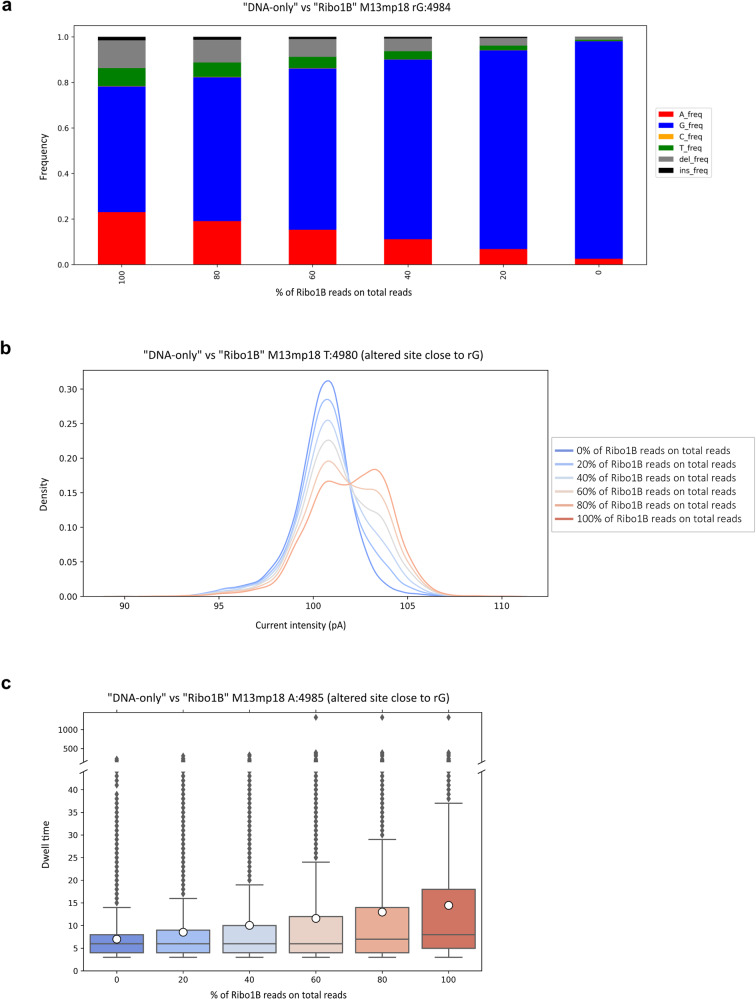
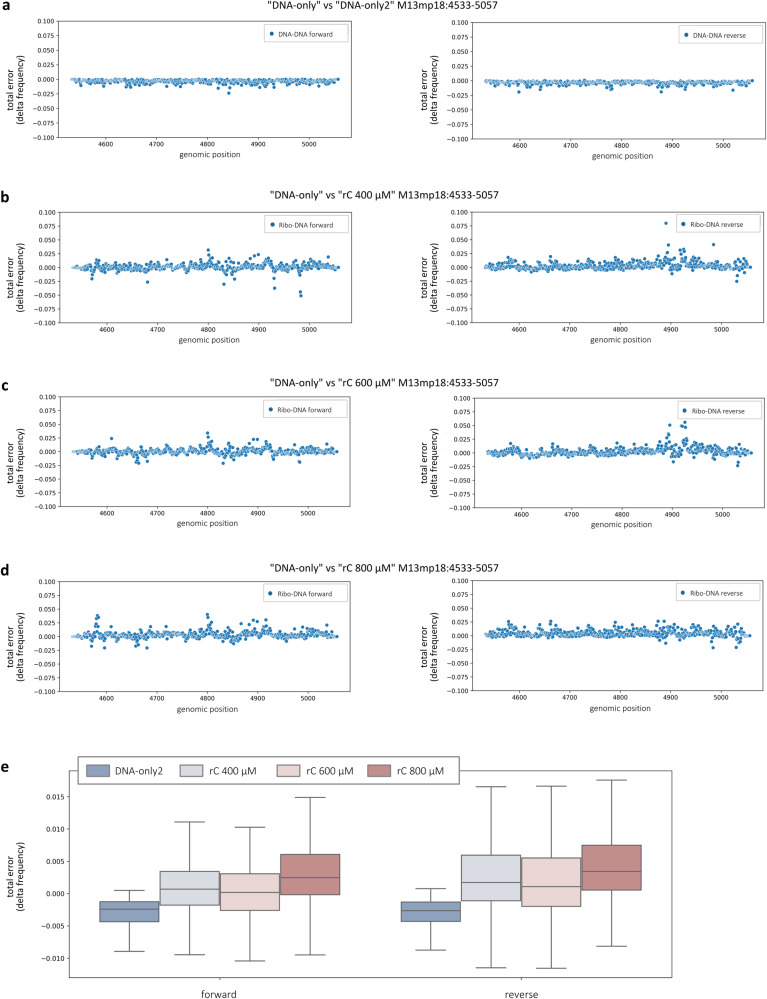
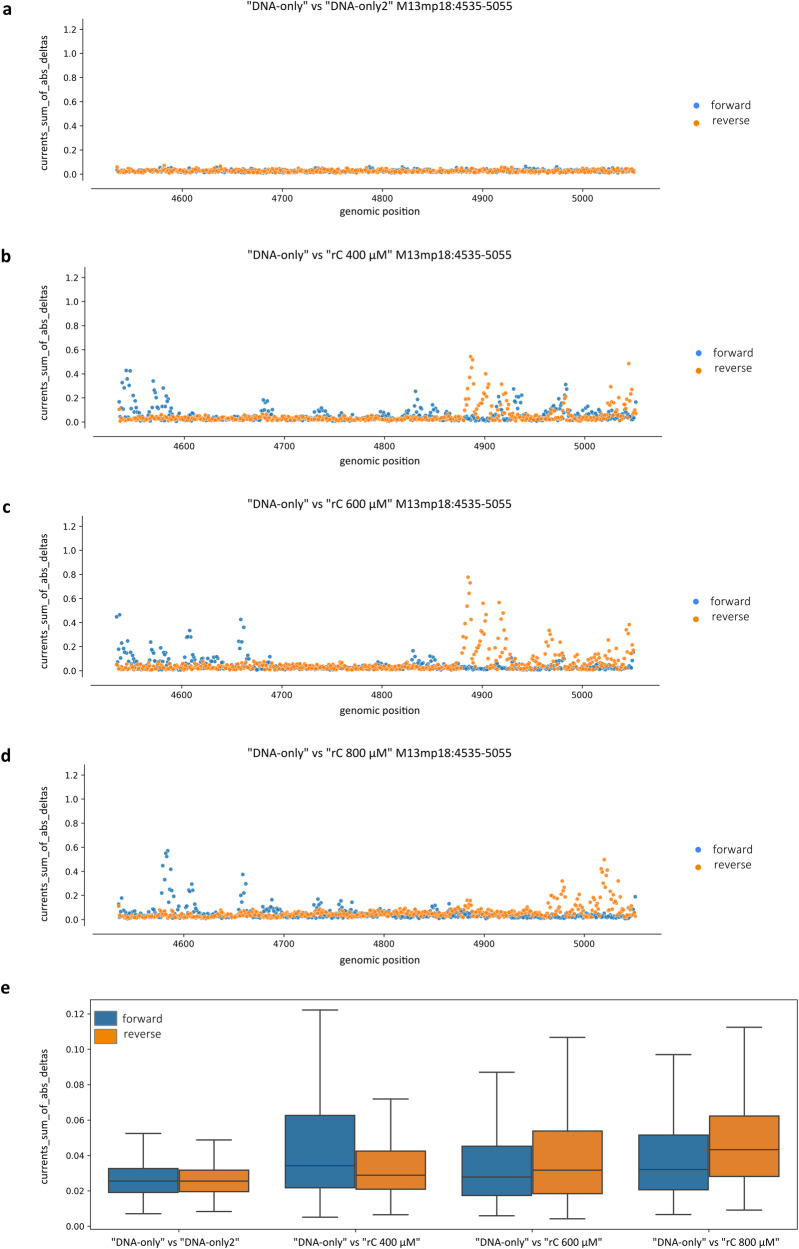
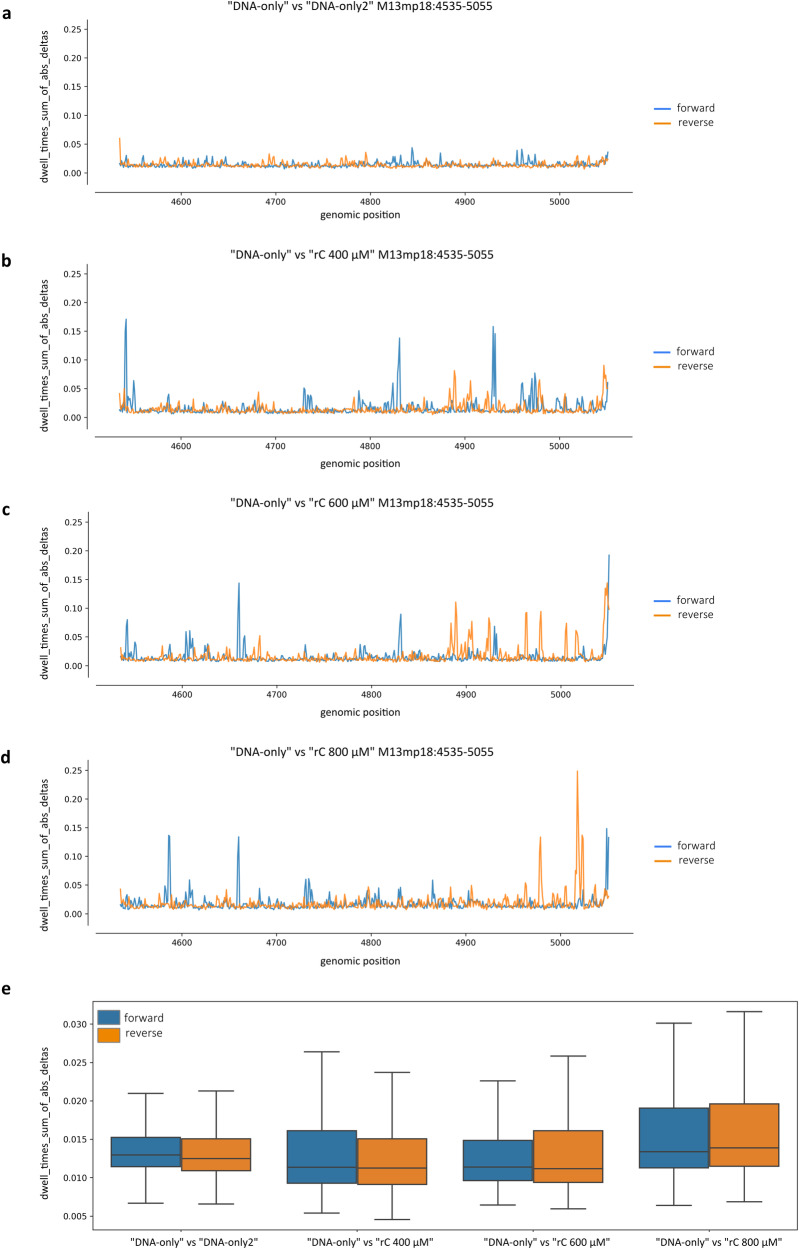
Ribonucleotides represent the most common non-canonical nucleotides found in eukaryotic genomes. The sources of chromosome-embedded ribonucleotides and the mechanisms by which unrepaired rNMPs trigger genome instability and human pathologies are not fully understood. The available sequencing technologies only allow to indirectly deduce the genomic location of rNMPs. Oxford Nanopore Technologies (ONT) may overcome such limitation, revealing the sites of rNMPs incorporation in genomic DNA directly from raw sequencing signals. We synthesized two types of DNA molecules containing rNMPs at known or random positions and we developed data analysis pipelines for DNA-embedded ribonucleotides detection by ONT. We report that ONT can identify all four ribonucleotides incorporated in DNA by capturing rNMPs-specific alterations in nucleotide alignment features, current intensity, and dwell time. We propose that ONT may be successfully employed to directly map rNMPs in genomic DNA and we suggest a strategy to build an ad hoc basecaller to analyse native genomes.
Overview
The claims and statistics of this paper haven’t been checked yet.
Free: it reads the open-access text and checks the first 5 claims that cite a source we can check. Create a free account to check every claim.
Integrity signals
Registry
Cites
Statistics
Figures
Verification
Claims the paper makes
The claims and statistics of this paper haven’t been checked yet.
Free: it reads the open-access text and checks the first 5 claims that cite a source we can check. Create a free account to check every claim.
Claims other papers make about this one
Each is checked against this paper’s own text: does it say what the citing paper says it does?
The source backs part of the claim, not all of it — or backs it for a different population, condition or comparison.
In the citing paper
“Oxford Nanopore Technologies (ONT) nanopore sequencing has been adapted for detecting single ribonucleotides in the genome using their MinIon device”
From Ribonucleotide errors, RNase HII, and ribonucleotide excision repair (2026) · cites this paper as Grasso et al. 2024
Experimental — accuracy not yet measured
Self-check
Percentages, sums and reported differences re-computed from the paper’s own numbers.
The self-check needs the paper’s full text.
Citations
Cites
The Sequence Alignment/Map format and SAMtools
Li, H., Handsaker, B., Wysoker, A., Fennell, T., Ruan, J., Homer, N., Marth, G., Abecasis, G., Durbin, R., & 1000 Genome Project Data Processing Subgroup (2009) · Bioinformatics · doi:10.1093/bioinformatics/btp352 · Cited by 62,041
Twelve years of SAMtools and BCFtools
Danecek, P., Bonfield, J. K., Liddle, J., Marshall, J., Ohan, V., Pollard, M. O., Whitwham, A., Keane, T., McCarthy, S. A., Davies, R. M., et al. (2021) · GigaScience · doi:10.1093/gigascience/giab008 · Cited by 15,343
Minimap2: Pairwise alignment for nucleotide sequences
Li, H. (2018) · Bioinformatics · doi:10.1093/bioinformatics/bty191 · Cited by 14,807
Liu, F. T., Ting, K. M., & Zhou, Z.-H. (2008) · 2008 Eighth IEEE International Conference on Data Mining · doi:10.1109/icdm.2008.17 · Cited by 6,601
Genome maintenance mechanisms for preventing cancer
Hoeijmakers, J. H. J. (2001) · Nature · doi:10.1038/35077232 · Cited by 3,939 · cited 1×
“Never-theless, DNA integrity isconstantly challenged by a variety of exogenous and endogenous sources of damage and replication stress 4 – 6 .”
Isolation-Based Anomaly Detection
Liu, F. T., Ting, K. M., & Zhou, Z.-H. (2012) · ACM Transactions on Knowledge Discovery from Data · doi:10.1145/2133360.2133363 · Cited by 2,063
Nanopore sequencing technology, bioinformatics and applications
Wang, Y., Zhao, Y., Bollas, A., Wang, Y., & Au, K. F. (2021) · Nature Biotechnology · doi:10.1038/s41587-021-01108-x · Cited by 1,753
Three decades of nanopore sequencing
Deamer, D., Akeson, M., & Branton, D. (2016) · Nature Biotechnology · doi:10.1038/nbt.3423 · Cited by 1,292 · cited 1×
“Nanoporesequencing(exten-sivelyreviewedin 48 – 50 ) is based on the use of engineered nanopores serving as biosensors embedded in a membrane of electrically resistant synthetic polymers.”
Detecting DNA cytosine methylation using nanopore sequencing
Simpson, J. T., Workman, R. E., Zuzarte, P. C., David, M., Dursi, L. J., & Timp, W. (2017) · Nature Methods · doi:10.1038/nmeth.4184 · Cited by 1,136
Mutational evolution in a lobular breast tumour profiled at single nucleotide resolution
Shah, S. P., Morin, R. D., Khattra, J., Prentice, L., Pugh, T., Burleigh, A., Delaney, A., Gelmon, K., Guliany, R., Senz, J., et al. (2009) · Nature · doi:10.1038/nature08489 · Cited by 1,069
Ribonuclease H: the enzymes in eukaryotes
Cerritelli, S. M., & Crouch, R. J. (2009) · The FEBS Journal · doi:10.1111/j.1742-4658.2009.06908.x · Cited by 814 · cited 2×
“Encoded basecalling features vectors were standardised and used to fi t an iForest model via the scikit-learn package and the use of the sklearn.ensemble.IsolationForest class, setting the maximum number of available threads (32 for our machine setup).”
Genome instability: a mechanistic view of its causes and consequences
Aguilera, A., & Gómez-González, B. (2008) · Nature Reviews Genetics · doi:10.1038/nrg2268 · Cited by 804
Crow, Y. J., Leitch, A., Hayward, B. E., Garner, A., Parmar, R., Griffith, E., Ali, M., Semple, C., Aicardi, J., Babul-Hirji, R., et al. (2006) · Nature Genetics · doi:10.1038/ng1842 · Cited by 675
From squiggle to basepair: computational approaches for improving nanopore sequencing read accuracy
Rang, F. J., Kloosterman, W. P., & de Ridder, J. (2018) · Genome Biology · doi:10.1186/s13059-018-1462-9 · Cited by 672 · cited 2×
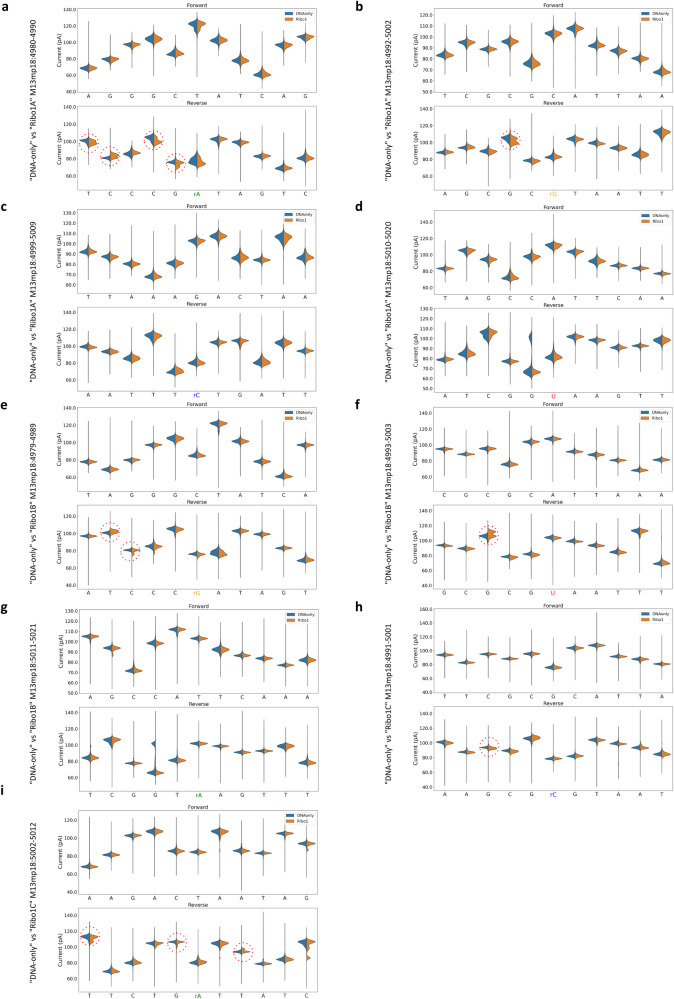
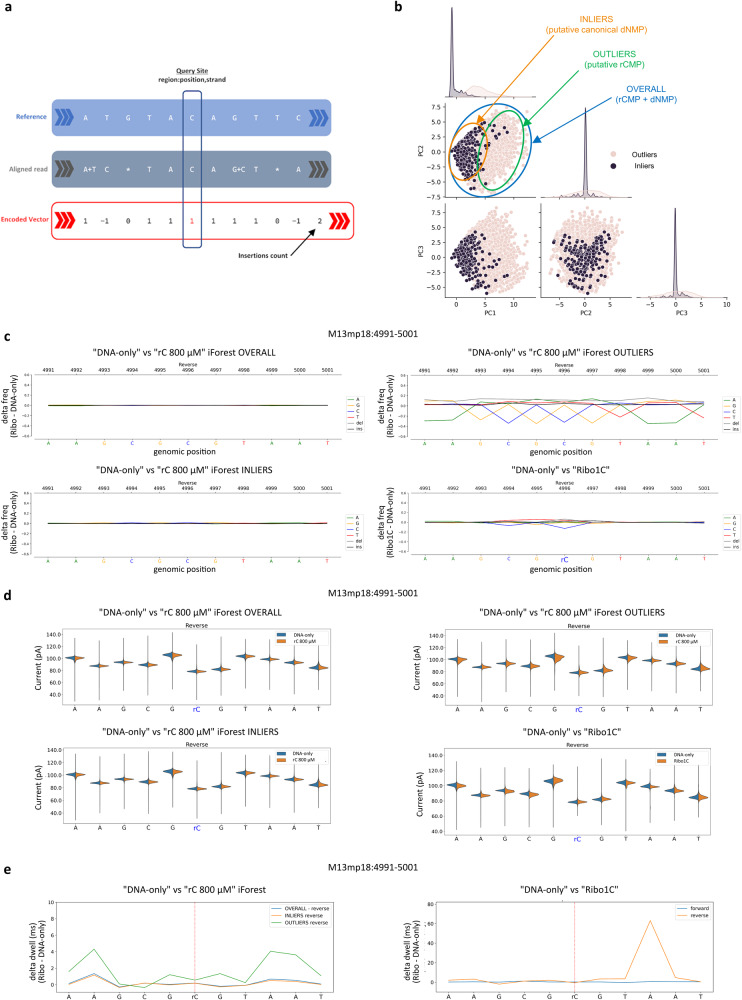
“…by basecalling errors and by alterations in current intensity and dwell time pro fi les CurrentintensitysignalsgeneratedbyNanoporesequencingarerecordedinreal-timewithasamplingfrequencyof4kHzandprovideinformation aboutthe5-to6-mersequencecontextinsidethepocketoftheporeata giventime t 58,61,63 – 65 .”
Li, Y., & Breaker, R. R. (1999) · Journal of the American Chemical Society · doi:10.1021/ja990592p · Cited by 587
Accurate detection of m6A RNA modifications in native RNA sequences
Liu, H., Begik, O., Lucas, M. C., Ramirez, J. M., Mason, C. E., Wiener, D., Schwartz, S., Mattick, J. S., Smith, M. A., & Novoa, E. M. (2019) · Nature Communications · doi:10.1038/s41467-019-11713-9 · Cited by 518
Reijns, M. A. M., Rabe, B., Rigby, R. E., Mill, P., Astell, K. R., Lettice, L. A., Boyle, S., Leitch, A., Keighren, M., Kilanowski, F., et al. (2012) · Cell · doi:10.1016/j.cell.2012.04.011 · Cited by 466
HTSlib: C library for reading/writing high-throughput sequencing data
(2021) · doi:10.1093/gigascience/giab007 · Cited by 413
RNA modifications detection by comparative Nanopore direct RNA sequencing
Leger, A., Amaral, P. P., Pandolfini, L., Capitanchik, C., Capraro, F., Miano, V., Migliori, V., Toolan-Kerr, P., Sideri, T., Enright, A. J., et al. (2021) · Nature Communications · doi:10.1038/s41467-021-27393-3 · Cited by 411
Self-citationAbundant ribonucleotide incorporation into DNA by yeast replicative polymerases
Nick McElhinny, S. A., Watts, B. E., Kumar, D., Watt, D. L., Lundström, E.-B., Burgers, P. M. J., Johansson, E., Chabes, A., & Kunkel, T. A. (2010) · Proceedings of the National Academy of Sciences · doi:10.1073/pnas.0914857107 · Cited by 409
RNase H2-Initiated Ribonucleotide Excision Repair
Sparks, J. L., Chon, H., Cerritelli, S. M., Kunkel, T. A., Johansson, E., Crouch, R. J., & Burgers, P. M. (2012) · Molecular Cell · doi:10.1016/j.molcel.2012.06.035 · Cited by 339 · cited 2×
“Single rNMPs insertions in the genome primarily result from the ability of replicative DNA polymerases to duplicate chromosomal DNA, despite their high-fi delity rates 7,8,10,12 .”
Quantitative profiling of pseudouridylation dynamics in native RNAs with nanopore sequencing
Begik, O., Lucas, M. C., Pryszcz, L. P., Ramirez, J. M., Medina, R., Milenkovic, I., Cruciani, S., Liu, H., Vieira, H. G. S., Sas-Chen, A., et al. (2021) · Nature Biotechnology · doi:10.1038/s41587-021-00915-6 · Cited by 312
Identification of differential RNA modifications from nanopore direct RNA sequencing with xPore
Pratanwanich, P. N., Yao, F., Chen, Y., Koh, C. W. Q., Wan, Y. K., Hendra, C., Poon, P., Goh, Y. T., Yap, P. M. L., Chooi, J. Y., et al. (2021) · Nature Biotechnology · doi:10.1038/s41587-021-00949-w · Cited by 307
Mutagenic Processing of Ribonucleotides in DNA by Yeast Topoisomerase I
Kim, N., Huang, S.-Y. N., Williams, J. S., Li, Y. C., Clark, A. B., Cho, J.-E., Kunkel, T. A., Pommier, Y., & Jinks-Robertson, S. (2011) · Science · doi:10.1126/science.1205016 · Cited by 291 · cited 1×
“…especially in stretches of multiple insertions, can affect the structure of the DNAdouble helix 22 – 25 and the assembly of nucleosomes 26,27 , they can hamper the progression of the replicative DNA polymerases 10,12,28 and they can favour mutagenesis and genomic instabilities 29 – 31 .”
De novo Identification of DNA Modifications Enabled by Genome-Guided Nanopore Signal Processing
Stoiber, M., Quick, J., Egan, R., Eun Lee, J., Celniker, S., Neely, R. K., Loman, N., Pennacchio, L. A., & Brown, J. (2016) · bioRxiv (Cold Spring Harbor Laboratory) · doi:10.1101/094672 · Cited by 274 · cited 1×
“Manycomputationaltoolsavailableforthedetectionofbasemod-i fi cations by ONT use current intensity-based methods 59,60,62,66,67 .”
Lagging-strand replication shapes the mutational landscape of the genome
Reijns, M. A. M., Kemp, H., Ding, J., Marion de Procé, S., Jackson, A. P., & Taylor, M. S. (2015) · Nature · doi:10.1038/nature14183 · Cited by 241
Nanopore Technology and Its Applications in Gene Sequencing
Lin, B., Hui, J., & Mao, H. (2021) · Biosensors · doi:10.3390/bios11070214 · Cited by 228 · cited 1×
“Nanoporesequencing(exten-sivelyreviewedin 48 – 50 ) is based on the use of engineered nanopores serving as biosensors embedded in a membrane of electrically resistant synthetic polymers.”
Genomic Instability and Cancer
Wei Dai, Y. Y. (2014) · Journal of Carcinogenesis & Mutagenesis · doi:10.4172/2157-2518.1000165 · Cited by 225 · cited 1×
“To guarantee the proper transmission of genetic information, cells must duplicate their DNA extremelyfaithfully,avoidingmutationsthatcanpromotegenomeinstability, leadingtopathologieslikecancerandneurodegenerativediseases 2,3 .”
Defective removal of ribonucleotides from DNA promotes systemic autoimmunity
Günther, C., Kind, B., Reijns, M. A. M., Berndt, N., Martinez-Bueno, M., Wolf, C., Tüngler, V., Chara, O., Lee, Y. A., Hübner, N., et al. (2015) · Journal of Clinical Investigation · doi:10.1172/jci78001 · Cited by 222 · cited 1×
“RNase H2 dysfunctions have also been linked to some cancers 37 – 41 and to systemic lupus erythematosus (SLE) 42 .”
Chiron: translating nanopore raw signal directly into nucleotide sequence using deep learning
Teng, H., Cao, M. D., Hall, M. B., Duarte, T., Wang, S., & Coin, L. J. M. (2018) · GigaScience · doi:10.1093/gigascience/giy037 · Cited by 189
Processing ribonucleotides incorporated during eukaryotic DNA replication
Williams, J. S., Lujan, S. A., & Kunkel, T. A. (2016) · Nature Reviews Molecular Cell Biology · doi:10.1038/nrm.2016.37 · Cited by 188 · cited 1×
“Ribonucleotides represent the most common non-canonical nucleotides found in the eukaryotic genome 7 – 11 .”
Tracking replication enzymology in vivo by genome-wide mapping of ribonucleotide incorporation
Clausen, A. R., Lujan, S. A., Burkholder, A. B., Orebaugh, C. D., Williams, J. S., Clausen, M. F., Malc, E. P., Mieczkowski, P. A., Fargo, D. C., Smith, D. J., et al. (2015) · Nature Structural & Molecular Biology · doi:10.1038/nsmb.2957 · Cited by 188 · cited 1×
“Differenthigh-throughputsequencingtechniqueshavebeen developedtomapribonucleotidesatthegenomiclevelwithsingle-nucleotideresolution 14,16,43 – 47 .”
Ribonucleotides Are Signals for Mismatch Repair of Leading-Strand Replication Errors
Lujan, S. A., Williams, J. S., Clausen, A. R., Clark, A. B., & Kunkel, T. A. (2013) · Molecular Cell · doi:10.1016/j.molcel.2013.03.017 · Cited by 183 · cited 2×
“For example, it was demonstratedthatchromosome-embeddedrNMPsprovidesitesofincision toinitiatethemismatchrepair(MMR)pathwayintheleadingstrandof DNA 17,18 .”
RNase H and Postreplication Repair Protect Cells from Ribonucleotides Incorporated in DNA
Lazzaro, F., Novarina, D., Amara, F., Watt, D. L., Stone, J. E., Costanzo, V., Burgers, P. M., Kunkel, T. A., Plevani, P., & Muzi-Falconi, M. (2012) · Molecular Cell · doi:10.1016/j.molcel.2011.12.019 · Cited by 177
Self-citationA global profile of replicative polymerase usage
Daigaku, Y., Keszthelyi, A., Müller, C. A., Miyabe, I., Brooks, T., Retkute, R., Hubank, M., Nieduszynski, C. A., & Carr, A. M. (2015) · Nature Structural & Molecular Biology · doi:10.1038/nsmb.2962 · Cited by 169
Ribonucleotides in DNA: Origins, repair and consequences
Williams, J. S., & Kunkel, T. A. (2014) · DNA Repair · doi:10.1016/j.dnarep.2014.03.029 · Cited by 169 · cited 1×
“Despite their physiological functions in speci fi c circumstances 16,17 , the presence of chromosome-embedded ribonucleotides erroneously left in DNA is generally detrimental, as they affect DNA replication 10,12,28 and other processes, leading to genome instability 18 – 20 , 28 – 30 .”
Direct detection of RNA modifications and structure using single-molecule nanopore sequencing
Stephenson, W., Razaghi, R., Busan, S., Weeks, K. M., Timp, W., & Smibert, P. (2022) · Cell Genomics · doi:10.1016/j.xgen.2022.100097 · Cited by 156
Ghodgaonkar, M. M., Lazzaro, F., Olivera-Pimentel, M., Artola-Borán, M., Cejka, P., Reijns, M. A., Jackson, A. P., Plevani, P., Muzi-Falconi, M., & Jiricny, J. (2013) · Molecular Cell · doi:10.1016/j.molcel.2013.03.019 · Cited by 154
Self-citationRecent advances in the detection of base modifications using the Nanopore sequencer
Xu, L., & Seki, M. (2020) · Journal of Human Genetics · doi:10.1038/s10038-019-0679-0 · Cited by 150
GPU accelerated adaptive banded event alignment for rapid comparative nanopore signal analysis
Gamaarachchi, H., Lam, C. W., Jayatilaka, G., Samarakoon, H., Simpson, J. T., Smith, M. A., & Parameswaran, S. (2020) · BMC Bioinformatics · doi:10.1186/s12859-020-03697-x · Cited by 150 · cited 1×
“Manycomputationaltoolsavailableforthedetectionofbasemod-i fi cations by ONT use current intensity-based methods 59,60,62,66,67 .”
Egli, M., Usman, N., & Rich, A. (1993) · Biochemistry · doi:10.1021/bi00064a004 · Cited by 145
Capturing the dynamics of genome replication on individual ultra-long nanopore sequence reads
Müller, C. A., Boemo, M. A., Spingardi, P., Kessler, B. M., Kriaucionis, S., Simpson, J. T., & Nieduszynski, C. A. (2019) · Nature Methods · doi:10.1038/s41592-019-0394-y · Cited by 142 · cited 1×
“…not only allow for the detection of the four canonical bases in a nucleic acid fi lament, but it also permitstheidenti fi cationof baseanalogues 51 – 53 , nucleotidemodi fi cationsas tiny as methylation 52 , and other structures like DNA adducts 54,55 or non-B DNA structures (as G-quadruplexes) 56 .”
Ribonucleotide incorporation, proofreading and bypass by human DNA polymerase δ
Clausen, A. R., Zhang, S., Burgers, P. M., Lee, M. Y., & Kunkel, T. A. (2013) · DNA Repair · doi:10.1016/j.dnarep.2012.11.006 · Cited by 130
Increasing the accuracy of nanopore DNA sequencing using a time-varying cross membrane voltage
Noakes, M. T., Brinkerhoff, H., Laszlo, A. H., Derrington, I. M., Langford, K. W., Mount, J. W., Bowman, J. L., Baker, K. S., Doering, K. M., Tickman, B. I., et al. (2019) · Nature Biotechnology · doi:10.1038/s41587-019-0096-0 · Cited by 122 · cited 1×
“…by basecalling errors and by alterations in current intensity and dwell time pro fi les CurrentintensitysignalsgeneratedbyNanoporesequencingarerecordedinreal-timewithasamplingfrequencyof4kHzandprovideinformation aboutthe5-to6-mersequencecontextinsidethepocketoftheporeata giventime t 58,61,63 – 65 .”
Ribose-seq: global mapping of ribonucleotides embedded in genomic DNA
Koh, K. D., Balachander, S., Hesselberth, J. R., & Storici, F. (2015) · Nature Methods · doi:10.1038/nmeth.3259 · Cited by 122 · cited 2×
“Differenthigh-throughputsequencingtechniqueshavebeen developedtomapribonucleotidesatthegenomiclevelwithsingle-nucleotideresolution 14,16,43 – 47 .”
Fast nanopore sequencing data analysis with SLOW5
Gamaarachchi, H., Samarakoon, H., Jenner, S. P., Ferguson, J. M., Amos, T. G., Hammond, J. W., Saadat, H., Smith, M. A., Parameswaran, S., & Deveson, I. W. (2022) · Nature Biotechnology · doi:10.1038/s41587-021-01147-4 · Cited by 117 · cited 1×
“Manycomputationaltoolsavailableforthedetectionofbasemod-i fi cations by ONT use current intensity-based methods 59,60,62,66,67 .”
Sriramachandran, A. M., Petrosino, G., Méndez-Lago, M., Schäfer, A. J., Batista-Nascimento, L. S., Zilio, N., & Ulrich, H. D. (2020) · Molecular Cell · doi:10.1016/j.molcel.2020.03.027 · Cited by 115 · cited 1×
“Differenthigh-throughputsequencingtechniqueshavebeen developedtomapribonucleotidesatthegenomiclevelwithsingle-nucleotideresolution 14,16,43 – 47 .”
Multiple Amino Acid Substitutions Allow DNA Polymerases to Synthesize RNA
Patel, P. H., & Loeb, L. A. (2000) · Journal of Biological Chemistry · doi:10.1074/jbc.m005757200 · Cited by 112 · cited 2×
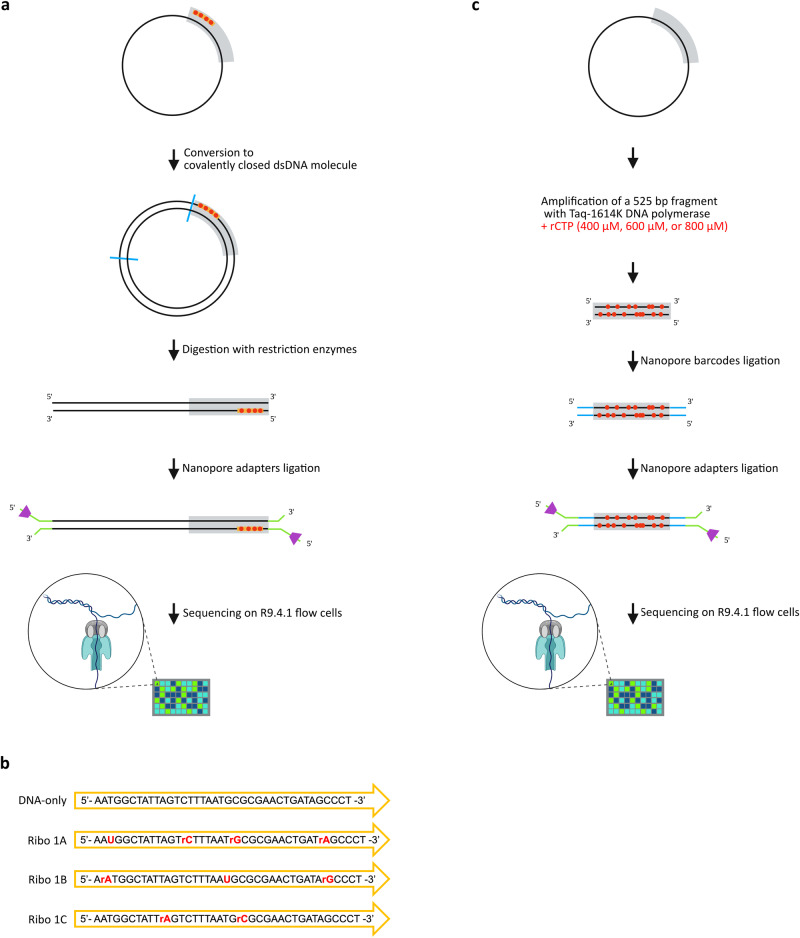
“We took advantage of a Taq -I614K DNA Polymerase mutant 25,57 that was produced in our laboratory and was extensively characterised for its ability to synthesise hundreds-of-bp-long, rCMP-containing DNA molecules in the presence of all four dNTPs and rCTP 25 .”
Williams, K. A., Lee, M., Hu, Y., Andreas, J., Patel, S. J., Zhang, S., Chines, P. S., ELKAHLOUN, A. G., Chandrasekharappa, S. C., Gutkind, J. S., et al. (2014) · PLoS Genetics · doi:10.1371/journal.pgen.1004809 · Cited by 94
Fleming, A. M., Mathewson, N. J., Manage, S. A. H., & Burrows, C. J. (2021) · ACS Central Science · doi:10.1021/acscentsci.1c00788 · Cited by 83 · cited 1×
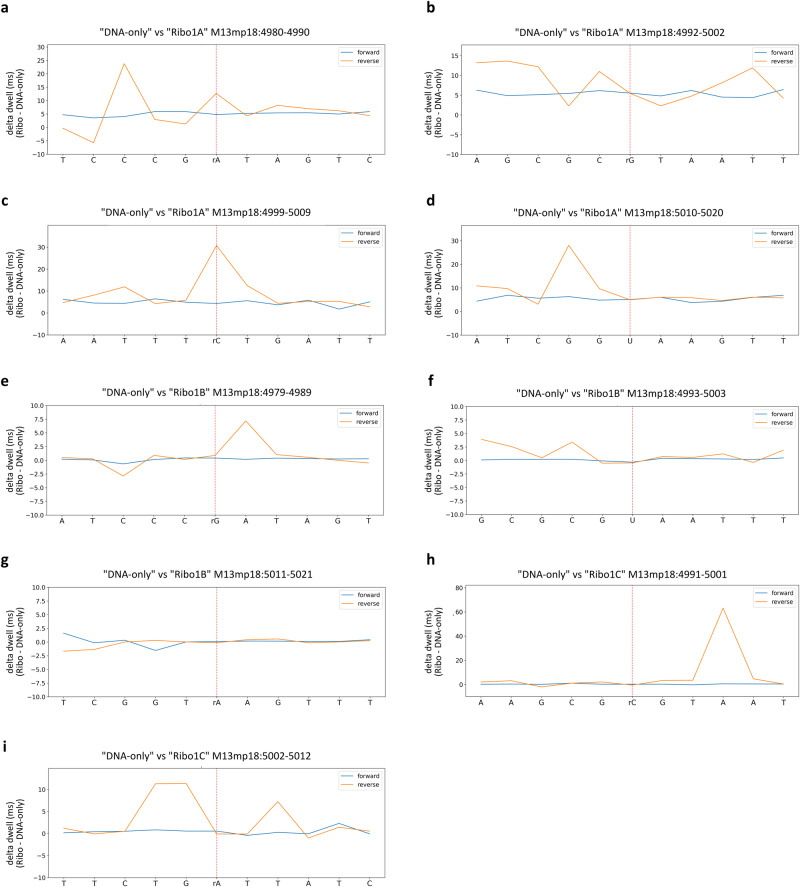
“Another strategy used for direct detection of nucleotide modi fi cations byNanoporesequencingisbasedontheanalysisofthedwelltime 68,69 ,which is the time a nucleotide spends inside the nanopore channel during sequencing.”
Pizzi, S., Sertic, S., Orcesi, S., Cereda, C., Bianchi, M., Jackson, A. P., Lazzaro, F., Plevani, P., & Muzi-Falconi, M. (2015) · Human Molecular Genetics · doi:10.1093/hmg/ddu485 · Cited by 81 · cited 1×
“RNase H2 mutations are associated with Aicardi – Goutières syndrome(AGS) 33 ,arareautoin fl ammatorydisorderthatmainlyaffectsthe brain, and patient-derived cells show an accumulation of rNMPs in their genome 34 – 36 .”
Self-citationPotenski, C. J., & Klein, H. L. (2014) · Nucleic Acids Research · doi:10.1093/nar/gku773 · Cited by 79 · cited 1×
“Althoughhavingphysiologicalfunctions,ribonucleotidesmustbe only transiently present in the genome and their prompt removal from DNA is fundamental to prevent negative consequences 19 – 21 .”
DNA damage contributes to neurotoxic inflammation in Aicardi-Goutières syndrome astrocytes
Giordano, A. M. S., Luciani, M., Gatto, F., Abou Alezz, M., Beghè, C., Della Volpe, L., Migliara, A., Valsoni, S., Genua, M., Dzieciatkowska, M., et al. (2022) · Journal of Experimental Medicine · doi:10.1084/jem.20211121 · Cited by 76
Molecular and physiological consequences of faulty eukaryotic ribonucleotide excision repair
Kellner, V., & Luke, B. (2020) · The EMBO Journal · doi:10.15252/embj.2019102309 · Cited by 68 · cited 1×
“Althoughhavingphysiologicalfunctions,ribonucleotidesmustbe only transiently present in the genome and their prompt removal from DNA is fundamental to prevent negative consequences 19 – 21 .”
Detection of base analogs incorporated during DNA replication by nanopore sequencing
Georgieva, D., Liu, Q., Wang, K., & Egli, D. M. (2020) · Nucleic Acids Research · doi:10.1093/nar/gkaa517 · Cited by 67 · cited 1×
“…not only allow for the detection of the four canonical bases in a nucleic acid fi lament, but it also permitstheidenti fi cationof baseanalogues 51 – 53 , nucleotidemodi fi cationsas tiny as methylation 52 , and other structures like DNA adducts 54,55 or non-B DNA structures (as G-quadruplexes)…”
Solution Structure of the Dickerson DNA Dodecamer Containing a Single Ribonucleotide
DeRose, E. F., Perera, L., Murray, M. S., Kunkel, T. A., & London, R. E. (2012) · Biochemistry · doi:10.1021/bi201710q · Cited by 65
Ribose—An Internal Threat to DNA
Caldecott, K. W. (2014) · Science · doi:10.1126/science.1248234 · Cited by 62 · cited 1×
“More than 10,000 and more than 1,000,000 rNMPs have been estimated to be inserted into yeast and mouse genomes, respectively, in each cell cycle, making ribonucleotides the most probable source of DNA alteration in eukaryotic cells 73 .”
Genome instabilities arising from ribonucleotides in DNA
Klein, H. L. (2017) · DNA Repair · doi:10.1016/j.dnarep.2017.06.004 · Cited by 54 · cited 1×
“…especially in stretches of multiple insertions, can affect the structure of the DNAdouble helix 22 – 25 and the assembly of nucleosomes 26,27 , they can hamper the progression of the replicative DNA polymerases 10,12,28 and they can favour mutagenesis and genomic instabilities 29 – 31 .”
Structure–function analysis of ribonucleotide bypass by B family DNA replicases
Clausen, A. R., Murray, M. S., Passer, A. R., Pedersen, L. C., & Kunkel, T. A. (2013) · Proceedings of the National Academy of Sciences · doi:10.1073/pnas.1309119110 · Cited by 51 · cited 5×
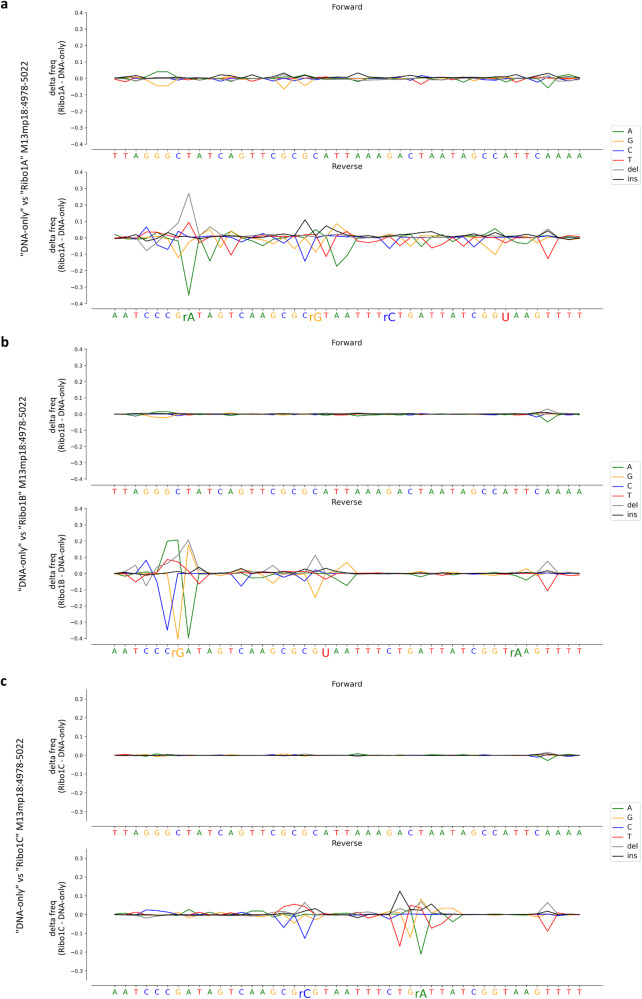
“Ribonucleotides embedded in DNA at known positions can be ef fi ciently recognised from a mixture of dNMPs-and rNMPs-containing reads in silico As mentioned in the introduction, single rNMPs incorporations are mostly caused by replicative DNA polymerase misinsertions 7,8,10,12 .”
InfluentialMechanism of Ribonucleotide Incorporation by Human DNA Polymerase η
Su, Y. R., Egli, M., & Guengerich, F. P. (2016) · Journal of Biological Chemistry · doi:10.1074/jbc.m115.706226 · Cited by 50 · cited 1×
“…of the two RNase H enzymes to the recognition and processing of the different RNA substrates found in DNA, as well as the unconventional ability to synthesise multiple rNMPs insertions that certain DNApolymerases,liketheY-familypolymerase η ,seemtopossessatleastin somepeculiarconditions 74 – 77 .”
Stimulation of Chromosomal Rearrangements by Ribonucleotides
Conover, H. N., Lujan, S. A., Chapman, M. J., Cornelio, D. A., Sharif, R., Williams, J. S., Clark, A. B., Camilo, F., Kunkel, T. A., & Argueso, J. L. (2015) · Genetics · doi:10.1534/genetics.115.181149 · Cited by 47 · cited 1×
“Despite their physiological functions in speci fi c circumstances 16,17 , the presence of chromosome-embedded ribonucleotides erroneously left in DNA is generally detrimental, as they affect DNA replication 10,12,28 and other processes, leading to genome instability 18 – 20 , 28 – 30 .”
Chromosome Instability in the Neurodegenerating Brain
Yurov, Y. B., Vorsanova, S. G., & Iourov, I. Y. (2019) · Frontiers in Genetics · doi:10.3389/fgene.2019.00892 · Cited by 45
Mentegari, E., Crespan, E., Bavagnoli, L., Kiššová, M., Bertoletti, F., Sabbioneda, S., Imhof, R., Sturla, S. J., Nilforoushan, A., Hübscher, U., et al. (2016) · Nucleic Acids Research · doi:10.1093/nar/gkw1275 · Cited by 44
Jaishree, T. N., van der Marel, G. A., van Boom, J. H., & Wang, A. H. J. (1993) · Biochemistry · doi:10.1021/bi00069a027 · Cited by 44
Ribonucleotide-induced helical alteration in DNA prevents nucleosome formation.
Hovatter, K. R., & Martinson, H. G. (1987) · Proceedings of the National Academy of Sciences · doi:10.1073/pnas.84.5.1162 · Cited by 39 · cited 1×
“…especially in stretches of multiple insertions, can affect the structure of the DNAdouble helix 22 – 25 and the assembly of nucleosomes 26,27 , they can hamper the progression of the replicative DNA polymerases 10,12,28 and they can favour mutagenesis and genomic instabilities 29 – 31…”
Kind, B., Muster, B., Staroske, W., Herce, H. D., Sachse, R., Rapp, A., Schmidt, F., Koss, S., Cardoso, M. C., & Lee-Kirsch, M. A. (2014) · Human Molecular Genetics · doi:10.1093/hmg/ddu319 · Cited by 38
Nookaew, I., Jenjaroenpun, P., Du, H., Wang, P., Wu, J., Wongsurawat, T., Moon, S. H., Huang, E., Wang, Y., & Boysen, G. (2020) · Chemical Research in Toxicology · doi:10.1021/acs.chemrestox.0c00202 · Cited by 37 · cited 1×
“…not only allow for the detection of the four canonical bases in a nucleic acid fi lament, but it also permitstheidenti fi cationof baseanalogues 51 – 53 , nucleotidemodi fi cationsas tiny as methylation 52 , and other structures like DNA adducts 54,55 or non-B DNA structures (as G-quadruplexes) 56 .”
Gali, V. K., Bálint, É., Serbyn, N., Frittmann, O., Stutz, F., & Unk, I. (2017) · Scientific Reports · doi:10.1038/s41598-017-12915-1 · Cited by 37
Meroni, A., Nava, G. M., Bianco, E., Grasso, L., Galati, E., Bosio, M. C., Delmastro, D., Muzi-Falconi, M., & Lazzaro, F. G. (2019) · Nucleic Acids Research · doi:10.1093/nar/gkz165 · Cited by 32 · cited 1×
“…of the two RNase H enzymes to the recognition and processing of the different RNA substrates found in DNA, as well as the unconventional ability to synthesise multiple rNMPs insertions that certain DNApolymerases,liketheY-familypolymerase η ,seemtopossessatleastin somepeculiarconditions 74 – 77 .”
Self-citationZatopek, K. M., Potapov, V., Maduzia, L. L., Alpaslan, E., Chen, L., Evans, T. C., Ong, J. L., Ettwiller, L. M., & Gardner, A. F. (2019) · DNA Repair · doi:10.1016/j.dnarep.2019.06.007 · Cited by 31
Balachander, S., Gombolay, A. L., Yang, T., Xu, P., Newnam, G., Keskin, H., El-Sayed, W. M. M., Bryksin, A. V., Tao, S., Bowen, N. E., et al. (2020) · Nature Communications · doi:10.1038/s41467-020-16152-5 · Cited by 29
Mottaghi-Dastjerdi, N., Soltany‐Rezaee‐Rad, M., Sepehrizadeh, Z., Roshandel, G., Ebrahimifard, F., & Setayesh, N. (2014) · Human & Experimental Toxicology · doi:10.1177/0960327114532386 · Cited by 26
Beyer, U., Brand, F. J., Martens, H. K., Weder, J., Christians, A., Elyan, N., Hentschel, B., Westphal, M., Schackert, G., Pietsch, T., et al. (2017) · Acta Neuropathologica · doi:10.1007/s00401-017-1774-y · Cited by 26 · cited 1×
“RNase H2 dysfunctions have also been linked to some cancers 37 – 41 and to systemic lupus erythematosus (SLE) 42 .”
One, No One, and One Hundred Thousand: The Many Forms of Ribonucleotides in DNA
Nava, G. M., Grasso, L., Sertic, S., Pellicioli, A., Muzi-Falconi, M., & Lazzaro, F. G. (2020) · International Journal of Molecular Sciences · doi:10.3390/ijms21051706 · Cited by 23 · cited 4×
“Hence, they sharesomelimitations:theyonlyallowto indirectlydeducethelocationofribonucleotidesinthegenome,andtheyfail toeventuallydiscriminatebetweenasinglerNMPorapotentiallymore harmfulstretchofconsecutiverNMPsatacertainposition 13 .”
InfluentialSelf-citationDAI, B., Zhang, P., Yisong, Z., Pan, C., Meng, G., Xiao, X., WU, Z., Jia, W., Zhang, J., & Zhang, L. (2016) · Oncology Reports · doi:10.3892/or.2016.4802 · Cited by 20
The Incorporation of Ribonucleotides Induces Structural and Conformational Changes in DNA
Meroni, A., Mentegari, E., Crespan, E., Muzi-Falconi, M., Lazzaro, F. G., & Podestà, A. (2017) · Biophysical Journal · doi:10.1016/j.bpj.2017.07.013 · Cited by 20 · cited 6×
“Second, takingadvantageofa Taq -I614KDNApolymerasemutantproducedinour laboratory 25,57 ,weobtained,fromthesametemplate,dsDNAmoleculeswith randomly incorporated rNMPs. Nanopore libraries were constructed without prior chemical processing of the ribonucleotides so that rNMPs were in their unmodi fi ed…”
InfluentialSelf-citationFu, I., Smith, D. J., & Broyde, S. B. (2018) · DNA repair · doi:10.1016/j.dnarep.2018.11.012 · Cited by 19 · cited 1×
“…especially in stretches of multiple insertions, can affect the structure of the DNAdouble helix 22 – 25 and the assembly of nucleosomes 26,27 , they can hamper the progression of the replicative DNA polymerases 10,12,28 and they can favour mutagenesis and genomic instabilities 29 – 31 .”
Sertic, S., Evolvi, C., Tumini, E., Plevani, P., Muzi-Falconi, M., & Rotondo, G. (2013) · PLoS ONE · doi:10.1371/journal.pone.0060000 · Cited by 14 · cited 1×
“Never-theless, DNA integrity isconstantly challenged by a variety of exogenous and endogenous sources of damage and replication stress 4 – 6 .”
Self-citationUnraveling C-to-U RNA editing events from direct RNA sequencing
Fonzino, A., Manzari, C., Spadavecchia, P., Munagala, U., Torrini, S., Conticello, S. G., Pesole, G., & Picardi, E. (2023) · RNA Biology · doi:10.1080/15476286.2023.2290843 · Cited by 13 · cited 1×
“…rCMPs, which can be considered a relatively rare event occurring during the synthetic activity of Taq -I614K, is exactly the type of task that could easily be tackledbyusingmodelssuitedforthedetectionofanomaliesliketheiForest, whichhasbeenrecentlyexploitedtosuccessfullyaddresssimilarproblems 72 .”
Self-citationHosseini, M., Palmer, A., Manka, W., Grady, P. G. S., Patchigolla, V. S. P., Bi, J., O'Neill, R. J. W., Chi, Z., & Aguiar, D. (2023) · Bioinformatics · doi:10.1093/bioinformatics/btad220 · Cited by 11 · cited 2×
“Nanopore sequencing sensitivity and versatility not only allow for the detection of the four canonical bases in a nucleic acid fi lament, but it also permitstheidenti fi cationof baseanalogues 51 – 53 , nucleotidemodi fi cationsas tiny as methylation 52 , and other structures like DNA adducts 54,55 or non-B DNA structure…”
Detection and Characterization of Single Cisplatin Adducts on DNA by Nanopore Sequencing
Zhao, X., Liu, Y., Chen, X., Mi, Z., Li, W., Wang, P., Shan, X., & Lu, X. (2021) · ACS Omega · doi:10.1021/acsomega.1c02106 · Cited by 8 · cited 1×
“…not only allow for the detection of the four canonical bases in a nucleic acid fi lament, but it also permitstheidenti fi cationof baseanalogues 51 – 53 , nucleotidemodi fi cationsas tiny as methylation 52 , and other structures like DNA adducts 54,55 or non-B DNA structures (as G-quadruplexes) 56 .”
Evaluation of repair activity by quantification of ribonucleotides in the genome
Iida, T., Iida, N., Sese, J., & Kobayashi, T. (2021) · Genes to Cells · doi:10.1111/gtc.12871 · Cited by 8
Cited by
Investigating the origins of the mutational signatures in cancer
Boysen, G., Alexandrov, L. B., Rahbari, R., Nookaew, I., Ussery, D. W., Chao, M., Hu, C., & Cooke, M. S. (2025) · Nucleic Acids Research · doi:10.1093/nar/gkae1303 · Cited by 36
A tale of two strands: Decoding chromatin replication through strand-specific sequencing
Li, Z., & Zhang, Z. (2025) · Molecular Cell · doi:10.1016/j.molcel.2024.10.035 · Cited by 14
Recent Advances and Emerging Trends in Nanopore‐Based Single‐Molecule Sensing of Proteins
Zhang, Z., Sha, J., Qin, G., Chen, D., Si, W., Wang, Q., & Liu, L. (2025) · Small Methods · doi:10.1002/smtd.202501603 · Cited by 8
Understanding DNA replication and replication stress as avenues to combat cancer
Naim, V. (2024) · Communications Biology · doi:10.1038/s42003-024-07250-x · Cited by 5
Genome-wide ribonucleotide detection in Archaea
Moalic, Y., Reveil, M., Kundnani, D. L., Balachander, S., Yang, T., Gombolay, A., Ranjbarian, F., Brizard, R., Durand, P., Myllykallio, H., et al. (2025) · Nucleic Acids Research · doi:10.1093/nar/gkaf1231 · Cited by 2
“In recent years, several sequencing-based technologies have been devoted to mapping ribonucleotides in DNA [ 49– 55 ].”
Metadata
- Authors
- Grasso, L., Fonzino, A., Manzari, C., Leonardi, T., Picardi, E., Gissi, C., Lazzaro, F., Pesole, G., & Muzi-Falconi, M.
- Affiliations
- University of Milan (IT)
- University of Bari Aldo Moro (IT)
- Italian Institute of Technology (IT)
- Institute of Biomembranes, Bioenergetics and Molecular Biotechnologies (IT)
- Corresponding author
- Lazzaro, Federico
- Pesole, Graziano
- Muzi-Falconi, Marco
- ORCID
- Venue
- Communications Biology
- Published
- 2024-04-23
- Volume
- 7
- Issue
- 1
- Pages
- 491-491
- ISSN
- 2399-3642 (ISSN-L)
- PMC
- PMC11039623
- OpenAlex
- W4395029816
- Semantic Scholar
- 5455696b6835f2bfb2abbe653299e059b6091cb7
- Cited by
- 10
- References
- 82
- Citations by year
- 2026: 2 · 2025: 5 · 2024: 3
- FWCI
- 1.36
- Type
- journal article
- Language
- en
- Open access
- gold
- doi.org
- Licence
- cc-by
- creativecommons.org/licenses/by/4.0 (tdm)
- creativecommons.org/licenses/by/4.0 (vor)
- Locations
- Communications Biology (publishedVersion, cc-by)
- PubMed Central (publishedVersion, cc-by)
- PubMed (publishedVersion)
- Archivio Istituzionale della Ricerca (Universita Degli Studi Di Milano) (submittedVersion, cc-by)
- CINECA IRIS Institutional Research Information System (University of Bari Aldo Moro) (submittedVersion, cc-by)
- DOAJ (DOAJ: Directory of Open Access Journals) (submittedVersion, cc-by-sa)
- Funders
- Ministero dell’Istruzione, dell’Università e della Ricerca (CN_00000041, PRIN2017_2022KJHC7S, PRIN_2022JA8JY5)
- Associazione Italiana per la Ricerca sul Cancro (IG 21806, 21806)
- Ministero dell'Università e della Ricerca (IR0000010, PRIN_2022JA8JY5, CN00000013, CN00000041)
- Topics
- Life Sciences › Biochemistry, Genetics and Molecular Biology › Molecular Biology › Genomics and Phylogenetic Studies
- Physical Sciences › Engineering › Biomedical Engineering › Nanopore and Nanochannel Transport Studies
- Life Sciences › Biochemistry, Genetics and Molecular Biology › Molecular Biology › DNA and Nucleic Acid Chemistry
- Keywords
- nanopore sequencing, Oxford Nanopore, genomic instability, dwell time, current intensity
- MeSH terms
- Nanopore Sequencing, DNA, Humans, Ribonucleotides, Sequence Analysis, DNA, Nanopores
About these checks
Registry, retraction, Cites and statistics results are computed, not judged, with one exception: a printed reference that no index lists is read once by a model before it counts as a citation error. Claims are extracted by a model and kept only when their quote appears verbatim in the text; each cited source is then checked, with a model’s help, for whether it says what the claim relies on. Those verdicts can be wrong — read the claim’s quote and the cited source before relying on one.
Statistics and arithmetic are recomputed, not judged.
Confidence bands are shown only for fields calibrated on our annotated test set. None is calibrated yet, so no band is shown.
What counts as a claim ›How we measure confidence ›How we check this ›
Are you an author, or do you see a problem with this page? Request a review
Data sources
Bibliographic data: Semantic Scholar, OpenAlex, Crossref.
Contains information from the Semantic Scholar Academic Graph Datasets, made available under the ODC Attribution License (ODC-BY 1.0).
Semantic Scholar’s data is described in: Kinney, R., et al. (2023). The Semantic Scholar Open Data Platform. arXiv:2301.10140.
