

The DOI matches its Crossref record; 84 of the 84 references it cites were found in a registry or an index.
MACHETE identifies interferon-encompassing chromosome 9p21.3 deletions as mediators of immune evasion and metastasis
Open accessAbstract
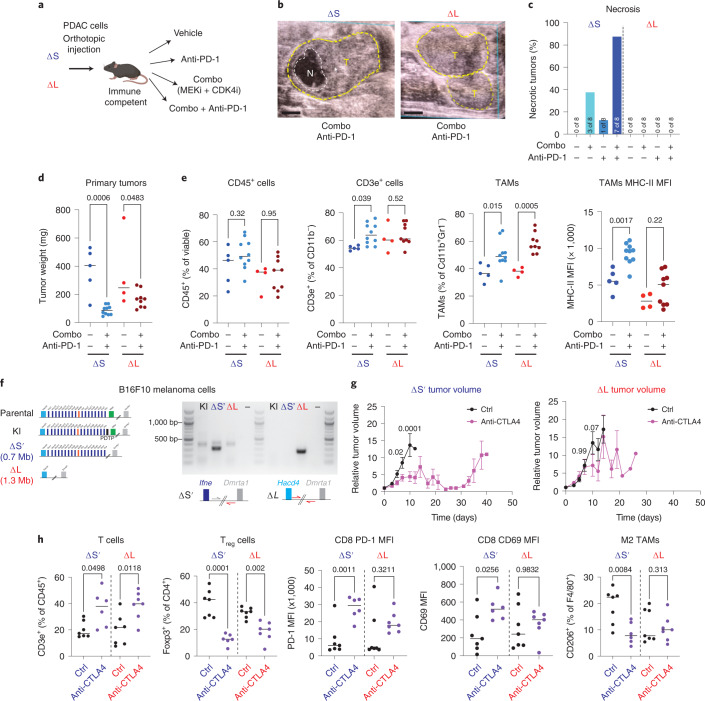
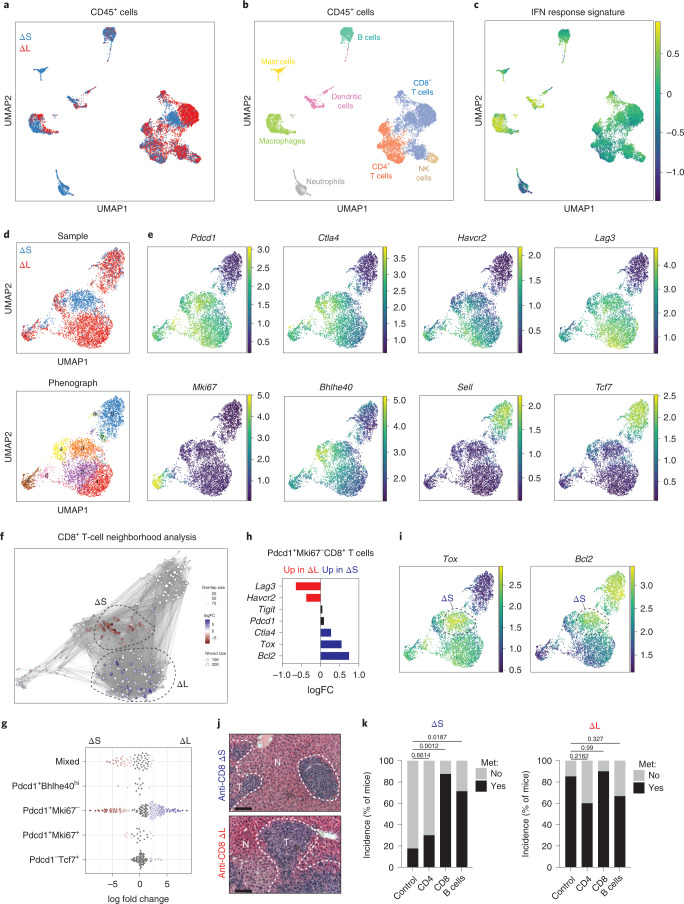
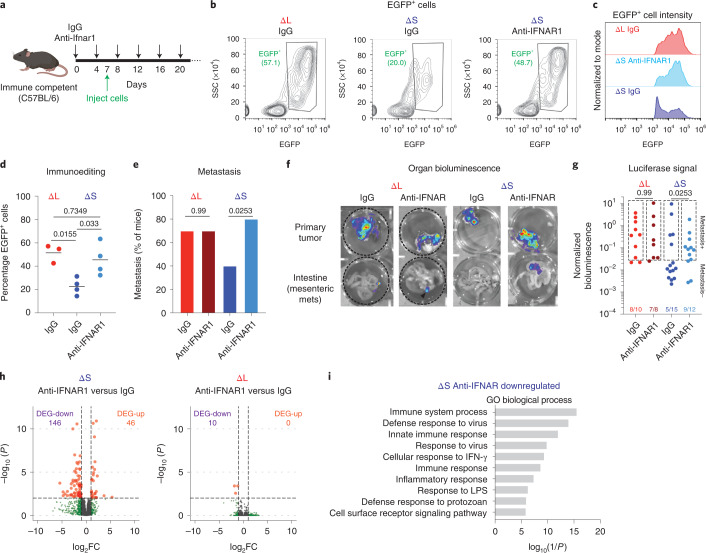
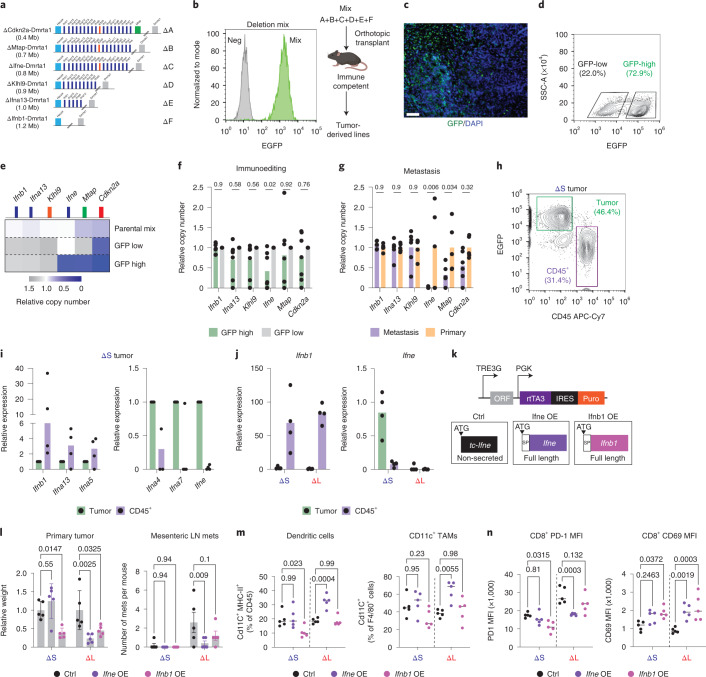
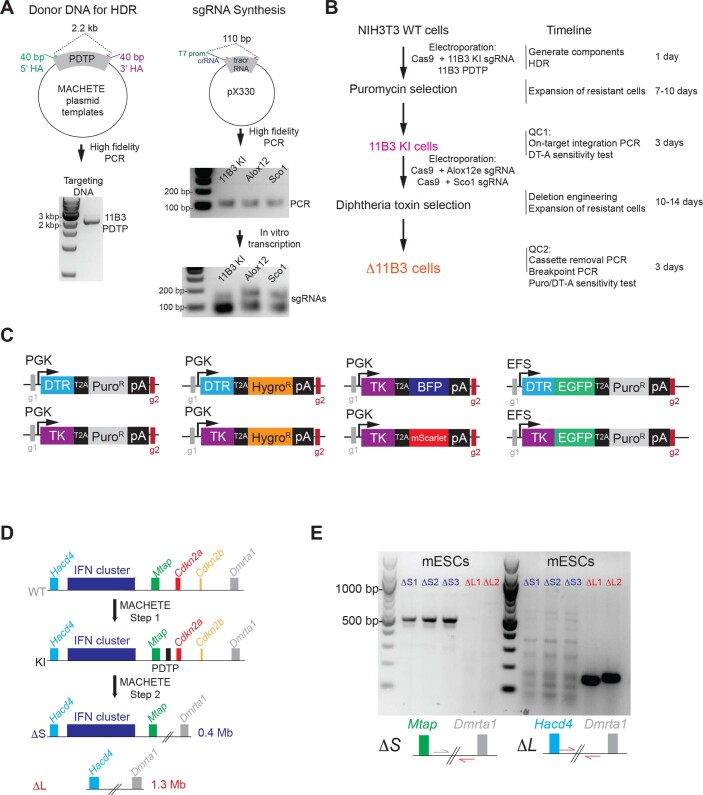
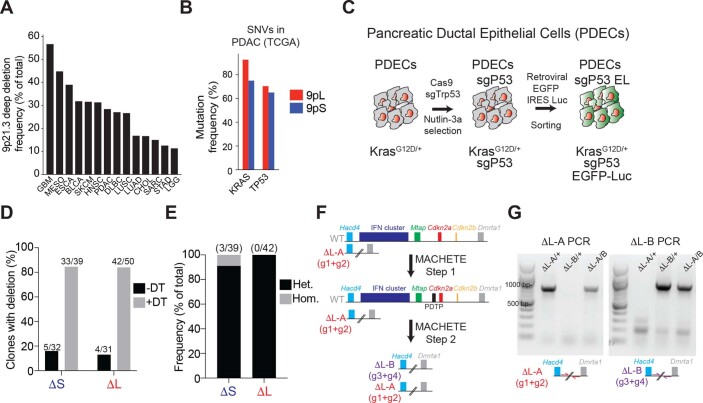
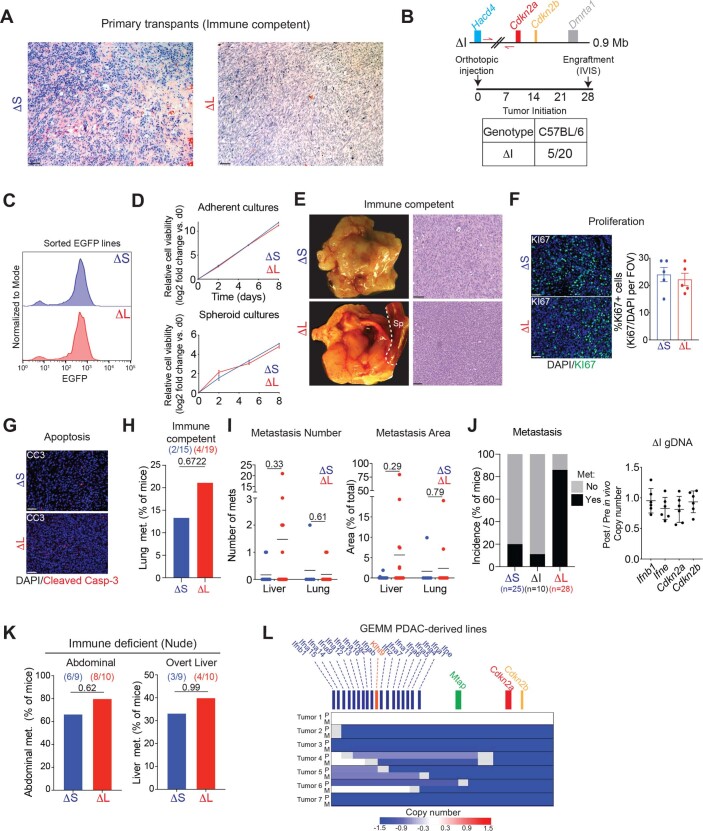
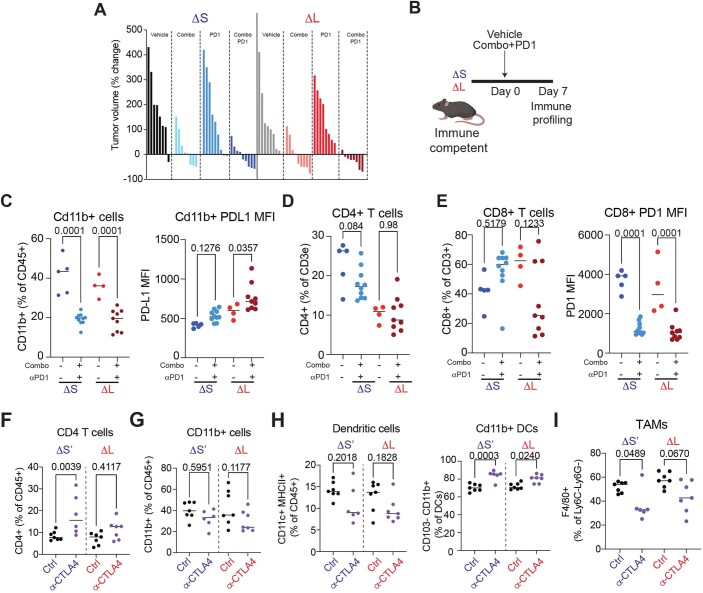
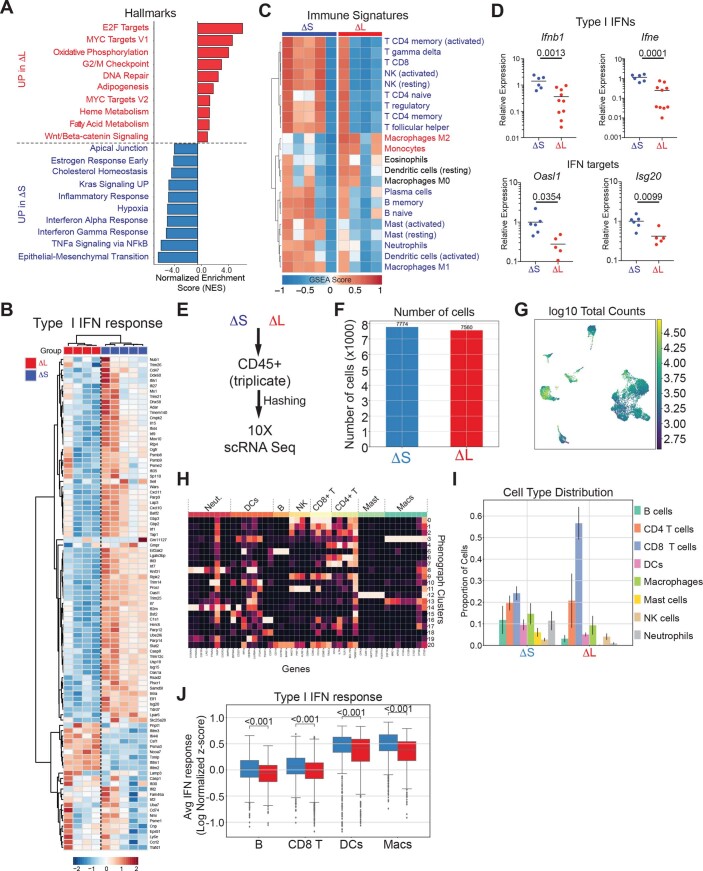
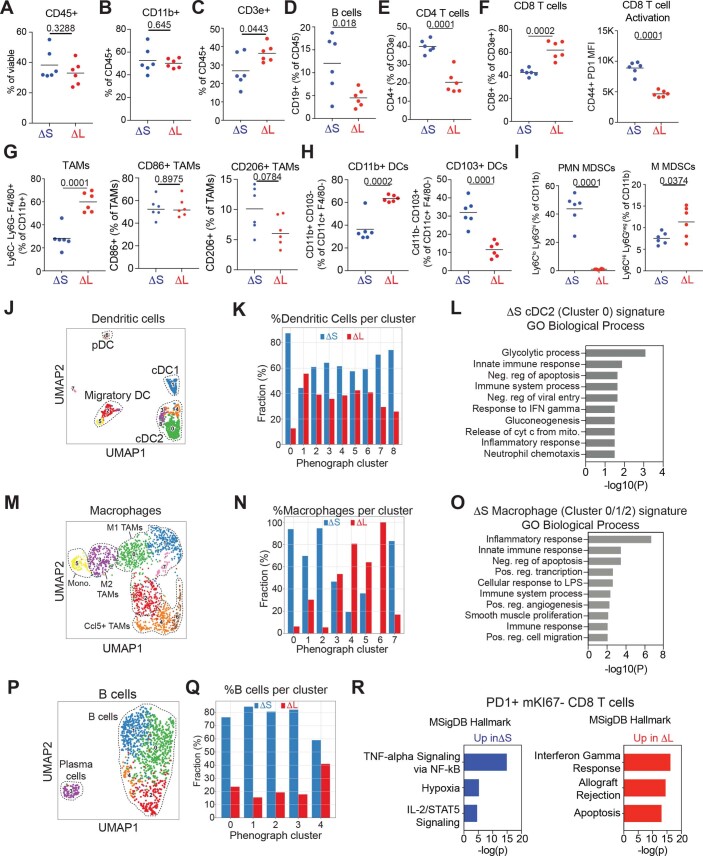
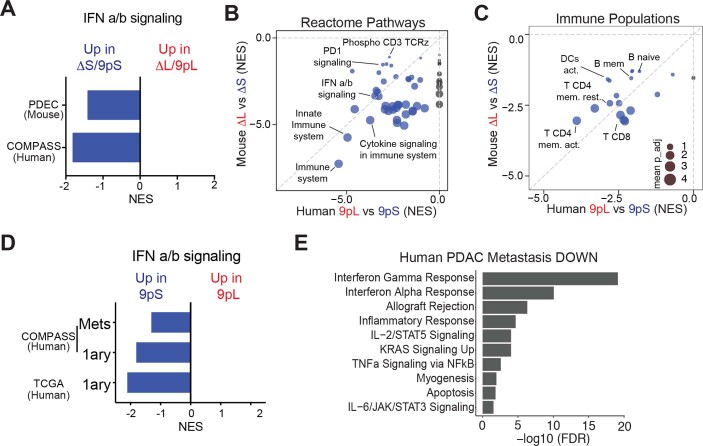
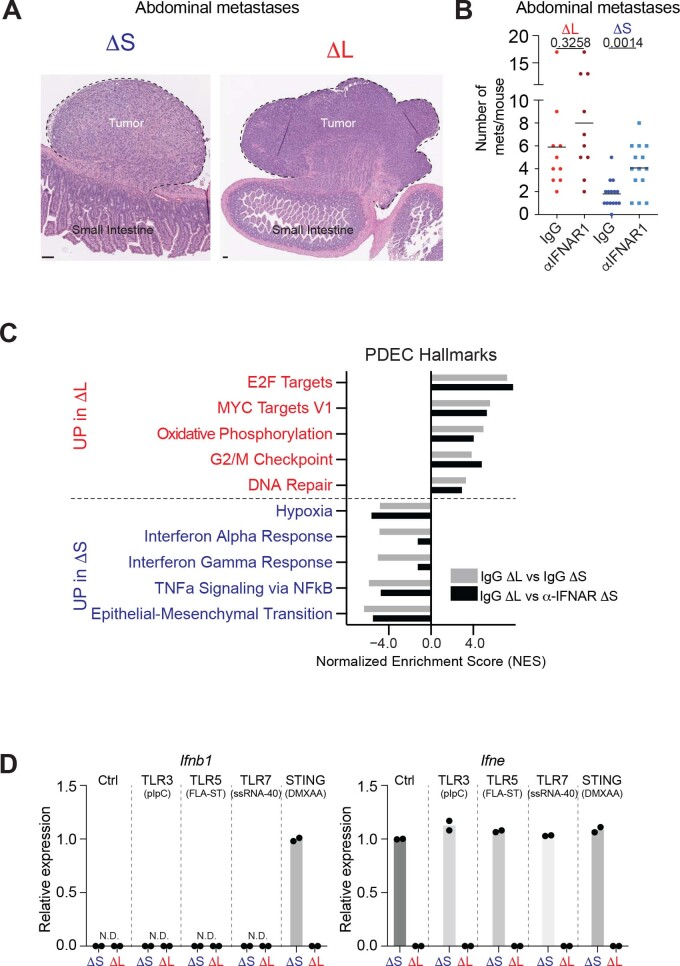
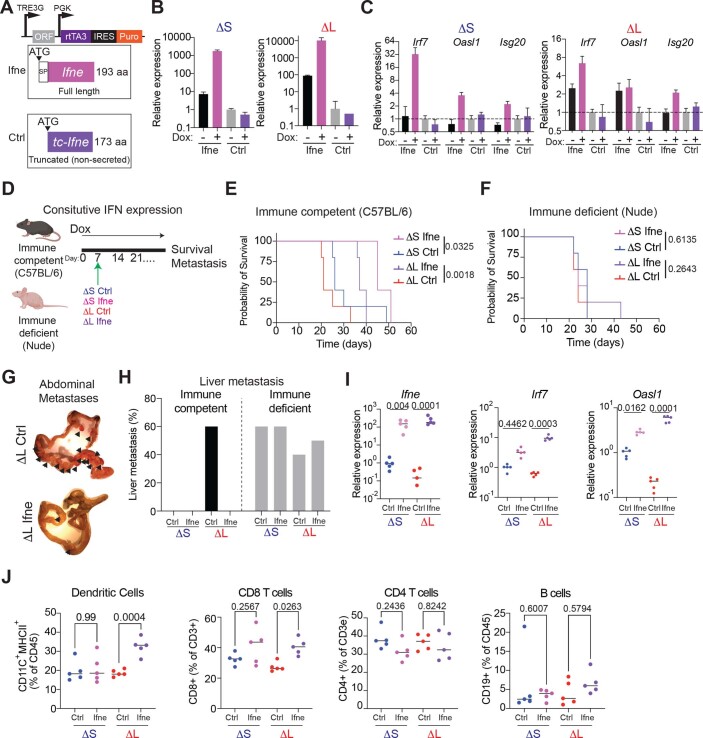
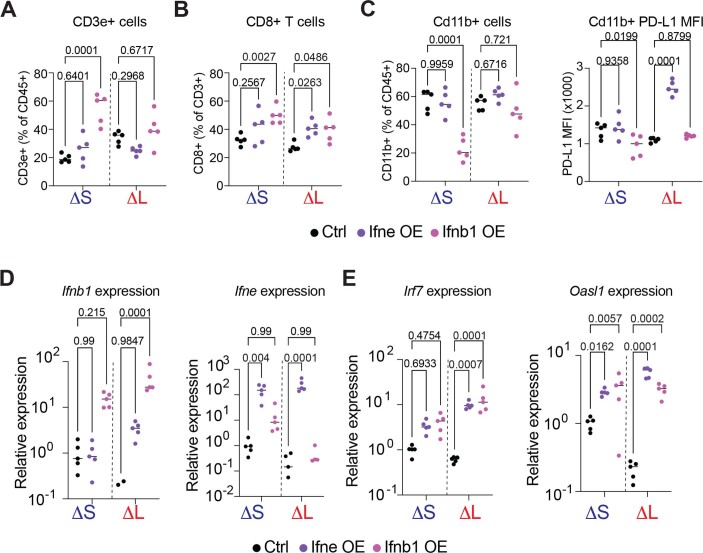
The most prominent homozygous deletions in cancer affect chromosome 9p21.3 and eliminate CDKN2A/B tumor suppressors, disabling a cell-intrinsic barrier to tumorigenesis. Half of 9p21.3 deletions, however, also encompass a type I interferon (IFN) gene cluster; the consequences of this co-deletion remain unexplored. To functionally dissect 9p21.3 and other large genomic deletions, we developed a flexible deletion engineering strategy, MACHETE (molecular alteration of chromosomes with engineered tandem elements). Applying MACHETE to a syngeneic mouse model of pancreatic cancer, we found that co-deletion of the IFN cluster promoted immune evasion, metastasis and immunotherapy resistance. Mechanistically, IFN co-deletion disrupted type I IFN signaling in the tumor microenvironment, leading to marked changes in infiltrating immune cells and escape from CD8+ T-cell surveillance, effects largely driven by the poorly understood interferon epsilon. These results reveal a chromosomal deletion that disables both cell-intrinsic and cell-extrinsic tumor suppression and provide a framework for interrogating large deletions in cancer and beyond.
Overview
The claims and statistics of this paper haven’t been checked yet.
Run the check — free, no account needed. It reads the open-access text and checks the sources it cites.
Integrity signals
Registry
Cites
Statistics
Figures
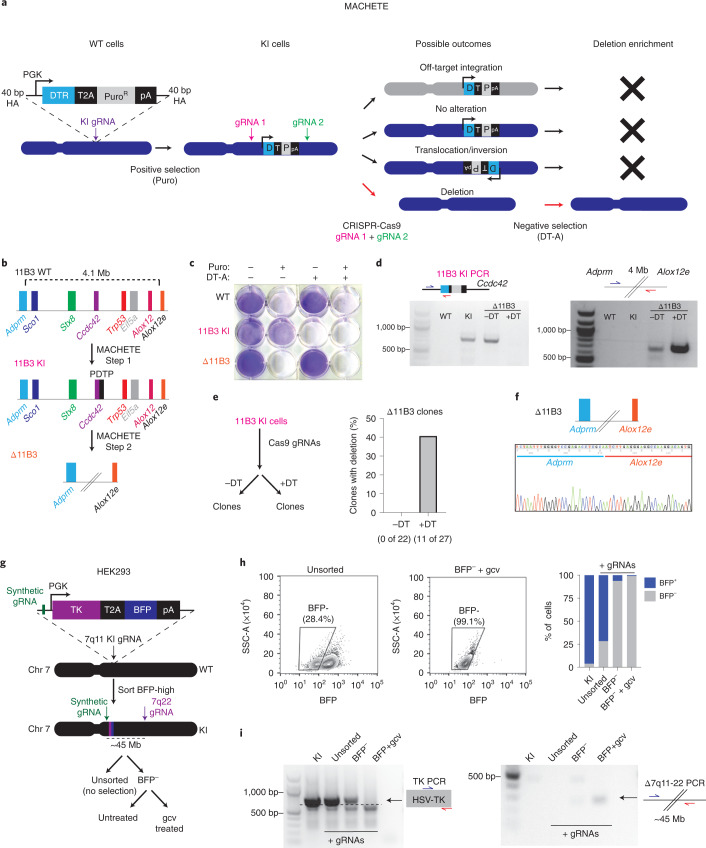
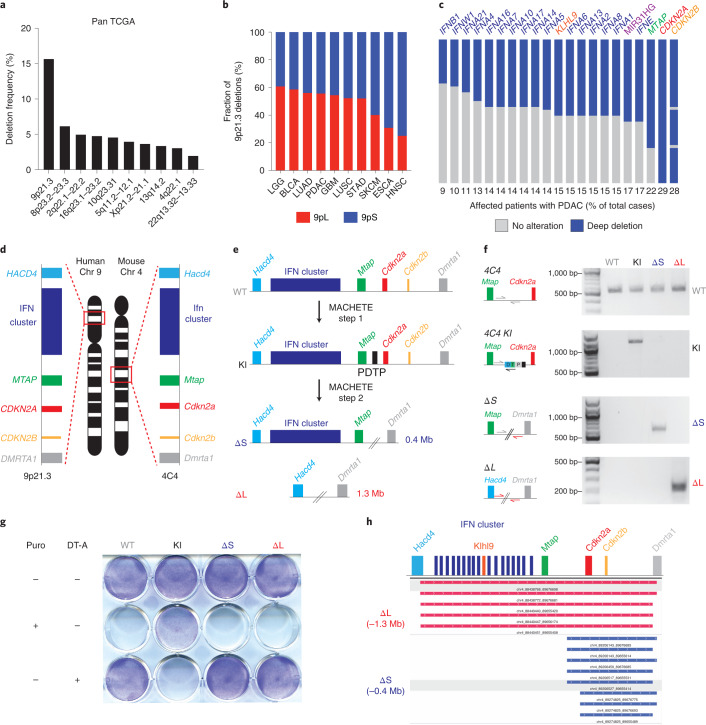
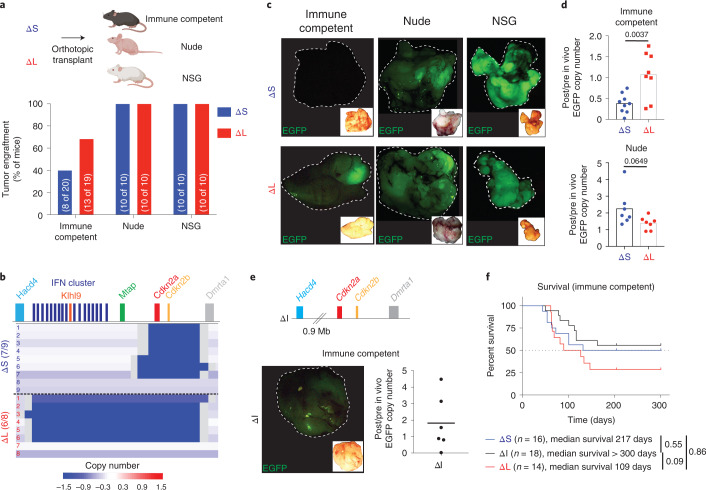
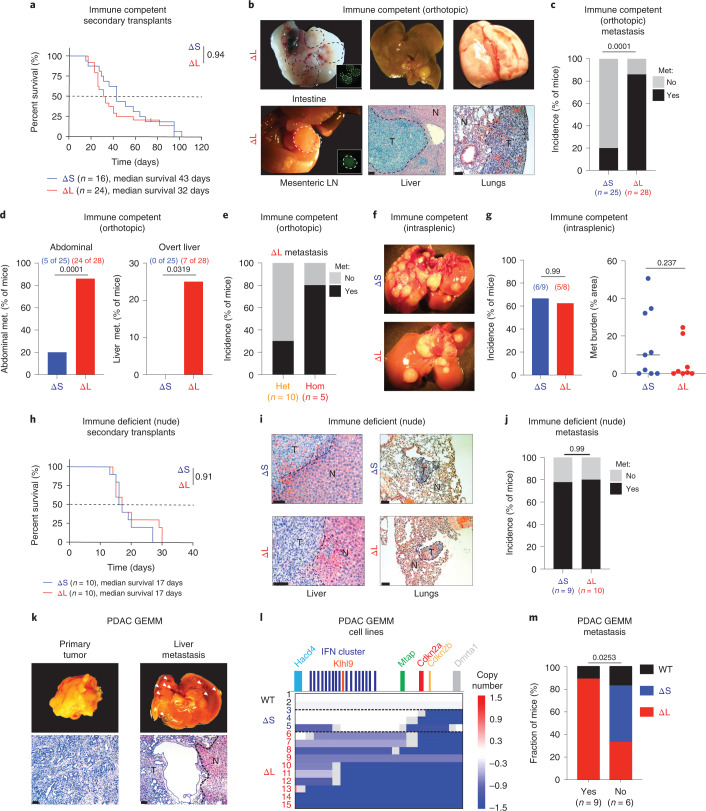
Verification
Claims the paper makes
The claims and statistics of this paper haven’t been checked yet.
Run the check — free, no account needed. It reads the open-access text and checks the sources it cites.
Claims other papers make about this one
Each is checked against this paper’s own text: does it say what the citing paper says it does?
In the citing paper
“Interferon cluster loss creates a “cold” tumor immune milieu and resistance to immunotherapy52”
From Pancreatic cancer: Advances and challenges (2023) · cites this paper as [52]
Self-check
Percentages, sums and reported differences re-computed from the paper’s own numbers.
The self-check needs the paper’s full text.
Citations
Cites
Moderated estimation of fold change and dispersion for RNA-seq data with DESeq2
Love, M. I., Huber, W., & Anders, S. (2014) · Genome Biology · doi:10.1186/s13059-014-0550-8 · Cited by 95,106
Subramanian, A., Tamayo, P., Mootha, V. K., Mukherjee, S., Ebert, B. L., Gillette, M. A., Paulovich, A., Pomeroy, S. L., Golub, T. R., Lander, E. S., et al. (2005) · Proceedings of the National Academy of Sciences · doi:10.1073/pnas.0506580102 · Cited by 53,625
Cerami, E., Gao, J., Dogrusoz, U., Gross, B. E., Sumer, S. O., Aksoy, B. A., Jacobsen, A., Byrne, C. J., Heuer, M. L., Larsson, E., et al. (2012) · Cancer Discovery · doi:10.1158/2159-8290.cd-12-0095 · Cited by 17,455
Integrative Analysis of Complex Cancer Genomics and Clinical Profiles Using the cBioPortal
Gao, J., Aksoy, B. A., Dogrusoz, U., Dresdner, G., Gross, B., Sumer, S. O., Sun, Y., Jacobsen, A., Sinha, R., Larsson, E., et al. (2013) · Science Signaling · doi:10.1126/scisignal.2004088 · Cited by 15,160
Robust enumeration of cell subsets from tissue expression profiles
Newman, A. M., Liu, C. L., Green, M. R., Gentles, A. J., Feng, W., Xu, Y., Hoang, C. D., Diehn, M., & Alizadeh, A. A. (2015) · Nature Methods · doi:10.1038/nmeth.3337 · Cited by 13,224
Mootha, V. K., Lindgren, C. M., Eriksson, K.-F., Subramanian, A., Sihag, S., Lehar, J., Puigserver, P., Carlsson, E., Ridderstråle, M., Laurila, E., et al. (2003) · Nature Genetics · doi:10.1038/ng1180 · Cited by 10,197
UMAP: Uniform Manifold Approximation and Projection
McInnes, L., Healy, J., Saul, N., & Großberger, L. (2018) · Journal of Open Source Software · doi:10.21105/joss.00861 · Cited by 9,826
SCANPY: large-scale single-cell gene expression data analysis
Wolf, F. A., Angerer, P., & Theis, F. J. (2018) · Genome Biology · doi:10.1186/s13059-017-1382-0 · Cited by 8,881
Enrichr: interactive and collaborative HTML5 gene list enrichment analysis tool
Chen, E. Y., Tan, C. M., Kou, Y., Duan, Q., Wang, Z., Meirelles, G. V., Clark, N. R., & Ma’ayan, A. (2013) · BMC Bioinformatics · doi:10.1186/1471-2105-14-128 · Cited by 7,814
The Reactome pathway Knowledgebase
Fabregat, A., Sidiropoulos, K., Garapati, P., Gillespie, M., Hausmann, K., Haw, R., Jassal, B., Jupe, S., Korninger, F., McKay, S., et al. (2016) · Nucleic Acids Research · doi:10.1093/nar/gkv1351 · Cited by 5,605
Cited by
Sorted by citations
Pancreatic cancer: Advances and challenges
Halbrook, C. J., Lyssiotis, C. A., Pasca di Magliano, M., & Maitra, A. (2023) · Cell · doi:10.1016/j.cell.2023.02.014 · Cited by 1,321
Nanoparticles in tumor microenvironment remodeling and cancer immunotherapy
Lu, Q., Kou, D., Lou, S., Ashrafizadeh, M., Aref, A. R., Canadas, I., Tian, Y., Niu, X., Wang, Y., Torabian, P., et al. (2024) · Journal of Hematology & Oncology · doi:10.1186/s13045-024-01535-8 · Cited by 373
“3, increasing the escape of tumor cells from CD 8 + T cell surveillance [235].”
BackgroundChromosomal instability as a driver of cancer progression
Chen, X., Agustinus, A. S., Li, J., Bona, M. D., & Bakhoum, S. F. W. (2024) · Nature Reviews Genetics · doi:10.1038/s41576-024-00761-7 · Cited by 146
“This result has been replicated using in vivo tumour models 162 , where depletion of the IFN gene cluster was shown to promote immunotherapy resistance to anti-CTLA4 treatment in B16 melanoma 163 .”
Gan, S., Macalinao, D. G., Shahoei, S. H., Tian, L. H., Jin, X., Basnet, H., Bibby, C., Muller, J., Atri, P., Seffar, E., et al. (2024) · Cancer Cell · doi:10.1016/j.ccell.2024.08.015 · Cited by 96
Self-citationEscape from T-cell–targeting immunotherapies in acute myeloid leukemia
Vadakekolathu, J. N., & Rutella, S. (2023) · Blood · doi:10.1182/blood.2023019961 · Cited by 77
Interferon-ε is a tumour suppressor and restricts ovarian cancer
Marks, Z. R. C., Campbell, N. K., Mangan, N. E., Vandenberg, C. J., Gearing, L. J., Matthews, A. Y., Gould, J. A., Tate, M. D., Wray‐McCann, G., Ying, L., et al. (2023) · Nature · doi:10.1038/s41586-023-06421-w · Cited by 70
Konen, J. M., Wu, H., & Gibbons, D. L. (2024) · Trends in Pharmacological Sciences · doi:10.1016/j.tips.2024.04.006 · Cited by 73
Nivolumab for Patients With High-Risk Oral Leukoplakia
Hanna, G. J., Villa, A., Nandi, S. P., Shi, R., O’Neill, A., Liu, M., Quinn, C. T., Treister, N. S., Sroussi, H., Vacharotayangul, P., et al. (2023) · JAMA Oncology · doi:10.1001/jamaoncol.2023.4853 · Cited by 66
Late-Stage Metastatic Melanoma Emerges through a Diversity of Evolutionary Pathways
Spain, L. A., Coulton, A., Lobón, I., Rowan, A., Schnidrig, D., Shepherd, S. T. C., Shum, B., Byrne, F., Goicoechea, M., Piperni, E., et al. (2023) · Cancer Discovery · doi:10.1158/2159-8290.cd-22-1427 · Cited by 57
“Also of interest was the 9p21 locus (44, 45), which contains the prominent tumor suppressor CDKN2A, MTAP, as well as a cluster of IFN genes and has been linked to ICI resistance in pan-tumor studies (46).”
Oncogenic Drivers and Therapeutic Vulnerabilities in KRAS Wild-Type Pancreatic Cancer
Singh, H., Keller, R. B., Kapner, K. S., Dilly, J., Raghavan, S., Yuan, C., Cohen, E. F., Tolstorukov, M. Y., Andrews, E., Brais, L. K., et al. (2023) · Clinical Cancer Research · doi:10.1158/1078-0432.ccr-22-3930 · Cited by 53
Aneuploidy as a driver of human cancer
Sdeor, E., Okada, H., Saad, R., Ben-Yishay, T., & Ben‐David, U. (2024) · Nature Genetics · doi:10.1038/s41588-024-01916-2 · Cited by 55
“Finally, recent approaches such as MACHETE allow for in vivo chromosome engineering, making it possible to investigate the role of recurrent large chromosomal aberrations in the GEMM setting 74 .”
MethodEvolutionary fingerprints of epithelial-to-mesenchymal transition
Perelli, L., Zhang, L., Mangiameli, S. M., Giannese, F., Mahadevan, K. K., Peng, F., Citron, F., Khan, H., Le, C. N., Gurreri, E., et al. (2025) · Nature · doi:10.1038/s41586-025-08671-2 · Cited by 50
Metabolic adaptations direct cell fate during tissue regeneration
Perez, A. C., Millman, S. E., Janaki‐Raman, S., Ho, Y.-J., Hinterleitner, C., Barthet, V. J. A., Morris, J. P., Barriga, F. M., Reyes, J. S., Kyaw, A., et al. (2025) · Nature · doi:10.1038/s41586-025-09097-6 · Cited by 49
Self-citationNivolumab and ipilimumab in recurrent or refractory cancer of unknown primary: a phase II trial
Pouyiourou, M., Kraft, B. N., Wohlfromm, T., Ståhl, M., Kubuschok, B., Löffler, H., Hacker, U. T., Hübner, G., Weiss, L., Bitzer, M., et al. (2023) · Nature Communications · doi:10.1038/s41467-023-42400-5 · Cited by 42
Genomic instability as a driver and suppressor of anti-tumor immunity
Requesens, M., Foijer, F., Nijman, H. W., & de Bruyn, M. (2024) · Frontiers in Immunology · doi:10.3389/fimmu.2024.1462496 · Cited by 45
Evolving cell states and oncogenic drivers during the progression of IDH-mutant gliomas
Wu, J., Castro, L. N. G., Battaglia, S., Farran, C. A. E., D’Antonio, J. P., Miller, T. E., Suvà, M. L., & Bernstein, B. (2024) · Nature Cancer · doi:10.1038/s43018-024-00865-3 · Cited by 48
“33).”
Defining precancer: a grand challenge for the cancer community
Faupel‐Badger, J. M., Kohaar, I., Bahl, M., Chan, A. T., Campbell, J. D., Li, J., Marzo, A. M. D., Maitra, A., Merrick, D. T., Hawk, E. T., et al. (2024) · Nature reviews. Cancer · doi:10.1038/s41568-024-00744-0 · Cited by 46
Methylthioadenosine Phosphorylase Genomic Loss in Advanced Gastrointestinal Cancers
Ngoi, N. Y. L., Tang, T., Gaspar, C. F., Pavlick, D. C., Buchold, G. M., Scholefield, E. L., Parimi, V., Huang, R. S. P., Janovitz, T., Danziger, N. A., et al. (2024) · The Oncologist · doi:10.1093/oncolo/oyae011 · Cited by 45
“10,20,34 In GEAC and PDAC, however, there is a proportion of MTAP -intact tumors with CDKN2A and CDKN2B alterations, making confirmation of MTAP -loss in these tumor types important.”
BackgroundTargeting STING to generate therapeutic anti-tumor immunity
Fahey, C. G., Cordova, A. F., Gedeon, P. C., & Barbie, D. A. (2025) · Cancer Cell · doi:10.1016/j.ccell.2025.12.002 · Cited by 36
Targeting chromosomal instability and aneuploidy in cancer
Bhatia, S., Khanna, K. K., & Duijf, P. H. G. (2024) · Trends in Pharmacological Sciences · doi:10.1016/j.tips.2024.01.009 · Cited by 30
Copy number alterations: a catastrophic orchestration of the breast cancer genome
Shahrouzi, P., Forouz, F., Mathelier, A., Kristensen, V. N., & Duijf, P. H. G. (2024) · Trends in Molecular Medicine · doi:10.1016/j.molmed.2024.04.017 · Cited by 29
MTA-cooperative PRMT5 inhibitors enhance T cell-mediated antitumor activity in MTAP-loss tumors
Chen, S., Hou, J., Jaffery, R., Guerrero, A. M., Fu, R., Shi, L., Zheng, N., Bohat, R., Egan, N. A., Yu, C., et al. (2024) · Journal for ImmunoTherapy of Cancer · doi:10.1136/jitc-2024-009600 · Cited by 28
Huth, T., Dreher, E. C., Lemke, S., Fritzsche, S., Sugiyanto, R. N., Castven, D., Ibberson, D., Sticht, C., Eiteneuer, E. M., Jauch, A. S., et al. (2023) · Science Advances · doi:10.1126/sciadv.adh1442 · Cited by 26
MLL3 regulates the CDKN2A tumor suppressor locus in liver cancer
Soto‐Feliciano, Y. M., Zhu, C., Morris, J. P., Huang, C., Koche, R. P., Ho, Y.-J., Banito, A., Chen, C.-W. D., Shroff, A., Tian, S., et al. (2023) · eLife · doi:10.7554/elife.80854 · Cited by 26
Self-citationSKI complex loss renders 9p21.3-deleted or MSI-H cancers dependent on PELO
Borck, P. C., Boyle, I., Janković, K., Bick, N. R., Foster, K. J., Lau, A. C., Parker-Burns, L., Lubicki, D. A., Li, T., Borah, A. A., et al. (2025) · Nature · doi:10.1038/s41586-024-08509-3 · Cited by 25
“3 to immune evasion and primary resistance to immune checkpoint inhibitors 5,14 .”
Moghaddam, S. J., Savai, R., Salehi‐Rad, R., Sengupta, S., Kammer, M. N., Massion, P. P., Beane, J., Ostrin, E. J., Priolo, C., Tennis, M. A., et al. (2024) · American Journal of Respiratory and Critical Care Medicine · doi:10.1164/rccm.202406-1168st · Cited by 26
“In addition, LKB1 -inactivating mutations, which lead to the downregulation of stimulator of IFN genes ( STING ) and CXCR2-mediated recruitment of suppressive neutrophils in the TME, have been identi fi ed as primary drivers of resistance to ICB in KRAS -mutant NSCLC (196 – 198).”
BackgroundInfluentialAneuploidy in human cancer: new tools and perspectives
Lakhani, A. A., Thompson, S. L., & Sheltzer, J. M. (2023) · Trends in Genetics · doi:10.1016/j.tig.2023.09.002 · Cited by 24
Type I interferon signaling pathway enhances immune-checkpoint inhibition in KRAS mutant lung tumors
Fernández-García, F., Fernández-Rodríguez, A., Torre, C. F., Piñeiro-Yáñez, E., Wang, H., Lechuga, C. G., Callejas, S., Álvarez, R., López-García, A., Esteban-Burgos, L., et al. (2024) · Proceedings of the National Academy of Sciences · doi:10.1073/pnas.2402913121 · Cited by 21
“3 locus, which contains the type I IFN cluster, promotes immune evasion ( 45 ).”
Ganguli, P., Basanta, C. D. L. A. C., Acha‐Sagredo, A., Mišetić, H., Armero, M., Mendez, A., Zahra, A., Devonshire, G., Kelly, G. P., Freeman, A., et al. (2025) · Nature Cancer · doi:10.1038/s43018-024-00876-0 · Cited by 26
“Also MTAP can regulate CD8 + and CD4 + T cell infiltration in melanoma mouse models by controlling methylthioadenosine accumulation in their TME 11 .”
InfluentialTumor-initiating and metastasis-initiating cells of clear-cell renal cell carcinoma
Pham, D.-X., & Hsu, T. (2025) · Journal of Biomedical Science · doi:10.1186/s12929-024-01111-9 · Cited by 25
Refining the Treatment of Pancreatic Cancer From Big Data to Improved Individual Survival
Bailey, P. J., Zhou, X., An, J., Peccerella, T., Hu, K., Springfeld, C., Büchler, M. W., & Neoptolemos, J. P. (2023) · Function · doi:10.1093/function/zqad011 · Cited by 18
Zhao, X., Liu, B., William, W. N., Tsanov, K. M., Ho, Y.-J., Barriga, F. M., Lim, R. J., Trifas, M., Khandekar, A., Du, Y., et al. (2024) · Journal of Thoracic Oncology · doi:10.1016/j.jtho.2024.12.020 · Cited by 19
Self-citationSenescence in cancer: Hallmarks, paradoxes, and therapeutic promise
Hinterleitner, C., Goldberg, H. V., McHugh, D., Barthet, V. J. A., Filliol, A. A., & Lowe, S. W. (2026) · Cell · doi:10.1016/j.cell.2026.03.005 · Cited by 20
“Notably, genes encoding type I IFNs are adjacent to CDKN2A on chromosome 9p21 and are frequently co-deleted in human cancers, and their combined inactivation accelerates KRAS-driven tumorigenesis by promoting immune evasion 185 .”
Self-citationGoto, N., Agudo, J., & Yilmaz, Ö. H. (2025) · Trends in cancer · doi:10.1016/j.trecan.2025.04.016 · Cited by 18
Emerging Prognostic and Predictive Factors in Pancreatic Cancer
Karamitopoulou, E. (2023) · Modern Pathology · doi:10.1016/j.modpat.2023.100328 · Cited by 16
Immune evasion: An imperative and consequence of MYC deregulation
Krenz, B., Lee, J., Kannan, T., & Eilers, M. (2024) · Molecular Oncology · doi:10.1002/1878-0261.13695 · Cited by 15
Serafini, M. S., Cavalieri, S., Licitra, L. F., Pistore, F., Lenoci, D., Canevari, S., Airoldi, M., Rocca, M. C., Strojan, P., Kuhar, C. G., et al. (2024) · Journal for ImmunoTherapy of Cancer · doi:10.1136/jitc-2023-007823 · Cited by 14
Insights into the Clinical, Biological and Therapeutic Impact of Copy Number Alteration in Cancer
Carey-Smith, S. L., Kotecha, R. S., Cheung, L. C., & Malinge, S. (2024) · International Journal of Molecular Sciences · doi:10.3390/ijms25136815 · Cited by 18
“Recently, CRISPR technology has allowed for the development of elegant approaches such as molecular alteration of chromosomes with engineered tandem elements (MACHETE) and restoring disomy in aneuploid cells using CRISPR targeting (ReDACT) to model CNAs in cancer [62,185].”
BackgroundZhang, J., Li, X., Lu, Y., Wang, G., & Ma, Y. (2023) · Cancers · doi:10.3390/cancers15123146 · Cited by 14
Deciphering permissivity of human tumor ecosystems to oncolytic viruses
Schoeps, B., Lauer, U. M., & Elbers, K. (2025) · Oncogene · doi:10.1038/s41388-025-03357-5 · Cited by 12
Gu, M., Liu, Y., Xin, P., Guo, W., Zhao, Z., Xu, Y., Ma, R., Jiao, T., & Zheng, W. (2024) · Cancer Letters · doi:10.1016/j.canlet.2024.216738 · Cited by 13
Tracking Nongenetic Evolution from Primary to Metastatic ccRCC: TRACERx Renal
Fernández-Sanromán, Á., Fendler, A., Tan, B. J. Y., Cattin, A.-L., Spencer, C. E., Thompson, R. H., Au, L., Lobón, I., Pallikonda, H. A., Martin, A., et al. (2025) · Cancer Discovery · doi:10.1158/2159-8290.cd-24-0499 · Cited by 16
Genome instability and crosstalk with the immune response
Chabanon, R. M., Danlos, F. X., Ouali, K., & Postel-Vinay, S. C. (2025) · Genome Medicine · doi:10.1186/s13073-025-01509-6 · Cited by 16
“…both cell cycle regulators and actors of the tumour cell-autonomous innate immune response are altered, impairing effective immune surveillance [172, 247–249]: this specific genomic alteration has been linked to a “cold” TME, characterized by reduced immune cell infiltration and impaired…”
Yu, V. Z., So, S. S., Lung, B. C.-C., Hou, G. Z., Wong, C. W.-Y., Chow, L. K.-Y., Chung, M. K. Y., Wong, Y., Wong, C. L.-Y., Chan, D. K., et al. (2024) · Cancer Letters · doi:10.1016/j.canlet.2024.216999 · Cited by 12
Selection forces underlying aneuploidy patterns in cancer
Klockner, T. C., & Campbell, C. S. (2024) · Molecular & Cellular Oncology · doi:10.1080/23723556.2024.2369388 · Cited by 12
“81 These and other studies in model organisms demonstrate that the expression changes of specific genes contribute to the selection of aneuploid chromosomes.”
BackgroundMTAP deficiency confers resistance to cytosolic nucleic acid sensing and STING agonists
Hsu, J.-M., Liu, C., Xia, W., Chen, C., Cheng, W., Hou, J., & Hung, M. (2025) · Science · doi:10.1126/science.adl4089 · Cited by 15
Jiang, Y., Wu, Y., Zhang, L., Wang, Y., Xu, G., Deng, Y., Han, L., Li, E., Ma, Q., Xu, M., et al. (2023) · Precision Clinical Medicine · doi:10.1093/pcmedi/pbad030 · Cited by 11
“16 The re-sults of our study also illustrated for the first time the important pr ognostic v alue of 9p21 loss in ASCP, whic h was consistent with pr e vious studies in other types of tumours.”
ResultChatelain, C., Berland, L., G�rard, M., Jouand, N., Fresquet, J., Nader, J. S., Hirigoyen, U., Petithomme, T., Combredet, C., Tostivint, E. P., et al. (2024) · OncoImmunology · doi:10.1080/2162402x.2024.2377830 · Cited by 10
Hashimoto, A., & Hashimoto, S. (2024) · Cancers · doi:10.3390/cancers16234094 · Cited by 11
“The deletion of interferon clusters has been reported to induce an immunologically “cold” TME, and resistance to immunotherapy [96].”
Mutational Landmarks in Anaplastic Thyroid Cancer: A Perspective of a New Treatment Strategy
Pakkianathan, J., Yamauchi, C. R., Barseghyan, L., Cruz, J., Simental, A., & Khan, S. (2025) · Journal of Clinical Medicine · doi:10.3390/jcm14092898 · Cited by 13
“3 cytogenetic locus, along with CDKN2B , another tumor suppressor gene [73].”
Tsanov, K. M., Barriga, F. M., Ho, Y.-J., Alonso‐Curbelo, D., Livshits, G., Tian, S., Koche, R. P., Baslan, T., Simon, J. M., Wuest, A. N., et al. (2025) · Nature Cancer · doi:10.1038/s43018-025-01047-5 · Cited by 10
“No statistical methods were used to predeter-mine sample sizes but our sample sizes are similar to those reported in previous publications 21,35,36 .”
Self-citationYonesaka, K., Kurosaki, T., Tanizaki, J., Kawakami, H., Tanaka, K., Maenishi, O., Takamura, S., Sakai, K., Chiba, Y., Teramura, T., et al. (2025) · Cells · doi:10.3390/cells14060447 · Cited by 9
“To evade cell-intrinsic type I interferon production, the interferon gene cluster on chromosome 9p may be lost in these tumors [44].”
Tian, Y., Zhou, J., Qiao, J., Liu, Z., Gu, L., Zhang, B., Lu, Y., Xing, R., & Deng, D. (2022) · Frontiers in Oncology · doi:10.3389/fonc.2022.1038380 · Cited by 9
“Codeletion of the interferon cluster promoted immune evasion, metastasis and immunotherapy resistance of pancreatic cancer in mice (12).”
BackgroundIFNε, IFNω and IFNλ: interferons defending the mucosa
Chuah, J. J. M., & Campbell, N. K. (2024) · Current Opinion in Immunology · doi:10.1016/j.coi.2024.102456 · Cited by 9
Striking the right balance with type I interferon signalling in cancer
Chadwick, T. B., So, J., Hertzog, P. J., Haynes, N. M., & Parker, B. S. (2026) · Nature reviews. Cancer · doi:10.1038/s41568-026-00915-1 · Cited by 14
Shboul, S. A., Boyle, S., Singh, A., Saleh, T., Alrjoub, M., Karsaneh, O. A. A., Mryyian, A., Dawoud, R., Gul, S., Baker, S. A., et al. (2023) · Brain Tumor Pathology · doi:10.1007/s10014-023-00473-6 · Cited by 8
Chen, D., Cao, Y., Tang, H., Zang, L., Yao, N., Zhu, Y., Jiang, Y., Zhai, S., Liu, Y., Shi, M., et al. (2023) · Theranostics · doi:10.7150/thno.84978 · Cited by 7
“3 could promote metastasis by evading adaptive immunity in PC [63].”
BackgroundCDKN2A deletion is associated with immune desertification in diffuse pleural mesothelioma
Torricelli, F., Donati, B., Manicardi, V., Gugnoni, M., Reggiani, F., Manzotti, G., Chiaro, P. D., Ascione, C., Piana, S., Valli, R., et al. (2025) · Journal of Experimental & Clinical Cancer Research · doi:10.1186/s13046-025-03522-4 · Cited by 7
“In this model, the destruction of IFN-signaling caused marked changes in infiltrating immune cells and the insurgence of escape mechanisms from CD8 + T-cell surveillance [48].”
Umbaugh, C. S., Groth, M., Erkut, C., Lee, K.-S., Marinho, J., Linder, S., Iser, F., Kapp, J. N., Schroeter, P., Dolaner, S., et al. (2025) · Science Advances · doi:10.1126/sciadv.adu2796 · Cited by 6
A disease model resource reveals core principles of tissue-specific cancer evolution
Mueller, S., Krätzig, N. D. A., Tschurtschenthaler, M., Silva, M. G., Thordsen, C., Trozzo, R., Simon, P., Saab, F., Kaltenbacher, T., Żukowska, M., et al. (2026) · Nature · doi:10.1038/s41586-026-10187-2 · Cited by 9
Abubakar, S. D., Bello, Z. M., Gusau, S. S., & Kabir, I. M. (2024) · African Journal of Urology · doi:10.1186/s12301-024-00430-5 · Cited by 6
Du, Y., Salehi‐Rad, R., Zhang, T.-H., Crosson, W. P., Abascal, J. W., Chen, D., Shi, Y., Jiang, H. F., Tseng, Y.-W., Ma, X., et al. (2024) · Cancer Immunology Research · doi:10.1158/2326-6066.cir-23-1075 · Cited by 9
Single-cell analysis of signalling and transcriptional responses to type I interferons
Rigby, R. E., Rue-Albrecht, K., Fedorov, A., Sims, D., & Rehwinkel, J. (2026) · EMBO Reports · doi:10.1038/s44319-026-00750-3 · Cited by 7
“Indeed, IFN-ε is expressed in the female reproductive tract and may play a role in cancer immunosurveillance (Barriga et al, 2022; Fung et al, 2013).”
Noninvasive Lung Cancer Subtype Classification Using Tumor-Derived Signatures and cfDNA Methylome
Li, S., Li, W., Liu, B., Krysan, K., & Dubinett, S. M. (2024) · Cancer Research Communications · doi:10.1158/2767-9764.crc-23-0564 · Cited by 7
“3 loss is associated with a type I IFN –mediated immune-cold tumor phenotype and resistance to immune checkpoint inhibitors (32, 33, 37, 38).”
InfluentialLoss of chromosome cytoband 13q14.2 orchestrates breast cancer pathogenesis and drug response
Shahrouzi, P., Azimzade, Y., Brankiewicz, W., Bhatia, S., Kunke, D., Richard, D. J., Tekpli, X., Kristensen, V. N., & Duijf, P. H. G. (2024) · Breast Cancer Research · doi:10.1186/s13058-024-01924-4 · Cited by 6
“The recent adoption of CRISPR-CAS9 technology to facilitate the development of stable cell lines with specific CNAs [77, 78] can enable more precise investigations into the biological consequences of 13q14.”
The Hallmarks of Aneuploidy in Cancer and Congenital Syndromes
Cheng, P., Singh, K., Reeves, R. H., & Davoli, T. (2025) · Annual Review of Genomics and Human Genetics · doi:10.1146/annurev-genom-111723-103557 · Cited by 6
“These immune-associated advantages may be attributed to copy number losses in the interferon (IFN) gene cluster (17).”
InfluentialRossi, T., Valgiusti, M., Puccetti, M., Miserocchi, G., Zanoni, M., Angeli, D., Arienti, C., Pace, I., Bassi, C., Vannini, I., et al. (2025) · Cell Death and Disease · doi:10.1038/s41419-025-07530-2 · Cited by 5
VHL synthetic lethality screens uncover CBF-β as a negative regulator of STING
Bertlin, J. A. C., Pauzaite, T., Liang, Q., Wit, N., Williamson, J. C., Sia, J. J., Matheson, N. J., Ortmann, B. M., Mitchell, T. J., Speak, A. O., et al. (2026) · Nature Communications · doi:10.1038/s41467-026-70517-w · Cited by 4
“3 has separately been linked to impaired immune surveillance and increased metastasis 103,104 .”
Li, H., Luo, N., Fan, C., Han, T., Wei, X., Zhang, X., Dai, L., Ye, L., Chen, D., Cai, L., et al. (2025) · BMC Cancer · doi:10.1186/s12885-025-14266-x · Cited by 4
Barriga, F. M., & Lowe, S. W. (2024) · Nature Protocols · doi:10.1038/s41596-024-00953-9 · Cited by 4
“To circumvent the inherent inefficiency of retrieving cells with large deletions, we devised an approach termed MACHETE (molecular alteration of chromosomes with engineered tandem elements) 14 .”
InfluentialSelf-citationTriboulet, R., Sadykov, K., Harvey, D. M., Wilson, D. M., Steinbaugh, M. J., Mayo, C. B., Hawley, D., Madanjian, A., Fyfe, C., Bracken, C., et al. (2024) · Molecular Cancer Therapeutics · doi:10.1158/1535-7163.mct-24-0176 · Cited by 4
Shah, P. A., Wiman, K. G., Cichowski, K. M., & Rodon, J. A. (2025) · American Society of Clinical Oncology Educational Book · doi:10.1200/edbk-25-473616 · Cited by 4
Evolutionary fingerprints of EMT in pancreatic cancersPreprint
Perelli, L., Zhang, L., Mangiameli, S. M., Russell, A. J. C., Giannese, F., Peng, F., Carbone, F., Le, C. N., Khan, H., Citron, F., et al. (2023) · bioRxiv (Cold Spring Harbor Laboratory) · doi:10.1101/2023.09.18.558231 · Cited by 4
Peura, J., Johnson, C., & Pitarresi, J. R. (2025) · Cancer Research · doi:10.1158/0008-5472.can-25-1443 · Cited by 3
Sun, Y., Li, Y., Zhang, A., Hu, T., & Li, M. (2025) · Discover Oncology · doi:10.1007/s12672-025-02733-7 · Cited by 4
Self-citationParassiadis, C., & Johnsen, S. A. (2026) · Gastroenterology report · doi:10.1093/gastro/goag028 · Cited by 3
How CRISPR Is Revolutionizing the Generation of New Models for Cancer ResearchPreprint
Rivera, F. J. S., & Dow, L. E. (2023) · Cold Spring Harbor Perspectives in Medicine · doi:10.1101/cshperspect.a041384 · Cited by 4
Metastatic site influences driver gene function in pancreatic cancerPreprint
Tsanov, K. M., Barriga, F. M., Ho, Y.-J., Alonso‐Curbelo, D., Livshits, G., Koche, R. P., Baslan, T., Simon, J. M., Tian, S., Wuest, A. N., et al. (2024) · bioRxiv (Cold Spring Harbor Laboratory) · doi:10.1101/2024.03.17.585402 · Cited by 3
Self-citationPark, R. J.-H., Parikh, M., Pappas, L., Sade-Feldman, M., Kulkarni, A. S., Bi, L., LaSalle, T. J., Galway, A., Kuhlman, C., Blaszkowsky, L. S., et al. (2024) · medRxiv · doi:10.1101/2024.10.08.24315092 · Cited by 3
Buj, R., Cole, A. R., Danielson, J., Xu, J. P., Hurd, D. E., Kishore, A., Kedziora, K. M., Chen, J., Yang, B., Barras, D., et al. (2025) · bioRxiv (Cold Spring Harbor Laboratory) · doi:10.1101/2025.02.08.637227 · Cited by 4
Genomic Landscape and Clinical Implications of MTAP Loss in Advanced Gastrointestinal Malignancies
Min-Ho, L., & Jin-Woo, C. (2024) · Archive of International Journal of Cancer and Allied Science · doi:10.51847/1wge2vwbfg · Cited by 2
Comprehensive Genomic and Transcriptomic Characterization of MTAP Loss across Advanced Solid Tumors
Seguchi, K., Fujisawa, T., Ikeda, S., Oyama, Y., Nonomura, N., Morizane, C., Iwata, H., Okano, S., Watari, H., Namikawa, K., et al. (2026) · Clinical Cancer Research · doi:10.1158/1078-0432.ccr-25-4936 · Cited by 2
“Moreover, published reports indicate that tumor-derived MTA is cell membrane permeable through nonspecific nucleoside transport mechanisms; thus, it can act in a paracrine manner on neighboring stromal or immune cells, contributing to an immune-depleted TME (26–28).”
InfluentialLncRNA ZFHX4-AS1 as a novel biomarker in adrenocortical carcinoma
Chen, G., Li, S., Lü, J., Liang, A., Gao, P., Ou, F., Wang, Y., Li, Y., & Pan, B. (2024) · Translational Andrology and Urology · doi:10.21037/tau-23-649 · Cited by 2
“3-Del is one of the most common homozygous deletions in human cancers, promoting tumor immune evasion, metastasis, and drug resistance (67,68), and is a contributing factor to the failure of immunotherapy in malignancies such as renal cell carcinoma, esophageal cancer, bladder cancer, and glioma…”
BackgroundGanguli, P., Basanta, C. D. L. A. C., Acha‐Sagredo, A., Mišetić, H., Armero, M., Mendez, A., Zahra, A., Devonshire, G., Kelly, G. P., Freeman, A., et al. (2024) · bioRxiv (Cold Spring Harbor Laboratory) · doi:10.1101/2024.01.24.576991 · Cited by 2
Bergsma, P., Porazinski, S. R., Istadi, A., Fajardo, D. C., Mahmood, Y., Lombardi, S., Schuhmacher, D., Barraclough-Franks, H., Strbenac, D., Dennis, C. V., et al. (2025) · Molecular Cancer Therapeutics · doi:10.1158/1535-7163.mct-24-0704 · Cited by 1
“This deletion cluster has been reported to promote disrupted tumoral type-I IFN signaling and increased immune evasion, metastasis, and immunotherapy resistance in a mouse model of pancreatic cancer (53).”
Yuan, S., Hu, T., Yan, L., & Li, M. (2025) · Cancers · doi:10.3390/cancers17182983 · Cited by 1
“Meanwhile, the significant depletion of CD8+ T cells in the high-risk group may correspond to the prevalent “immune desert” phenotype in PAAD, where desmoplastic extracellular matrix (ECM) and immunosuppressive cells physically block the infiltration of cytotoxic T cells [32].”
Vanstraelen, S., Reiner, A., Tan, K. L., Mastrogiacomo, B., Dunne, E. G., Fick, C. N., Dycoco, J., Abass, A., Bott, M. J., Sánchez-Vega, F., et al. (2026) · International Journal of Cancer · doi:10.1002/ijc.70373 · Cited by 2
Lisitsa, D. A., Shindyapin, V. V., Nurislamov, A. R., Demidov, O. N., & Bogdanova, D. A. (2026) · Frontiers in Cell and Developmental Biology · doi:10.3389/fcell.2026.1741704 · Cited by 1
Advancing precision medicine in pancreatic cancer using novel biomarkers and clinical targets
Murthy, D., Seyhan, A. A., den Hollander, P., Lu, S., Kuburich, N. A., Gould, C., Karam, A., Sun, K., Schupp, P. G., Safran, H., et al. (2026) · Molecular Aspects of Medicine · doi:10.1016/j.mam.2026.101476 · Cited by 2
Jafari, Z., Nazhdi, Z. A., EmamAlizadeh, M., & Athari, S. S. (2026) · The International Journal of Biochemistry & Cell Biology · doi:10.1016/j.biocel.2026.106960 · Cited by 1
Pavlick, D. C., Rengarajan, S., Lee, J., Jin, D. X., Frampton, G. M., Fendler, B. J., Savol, A., Gjoerup, O. V., Tukachinsky, H., Huang, R. S. P., et al. (2026) · JCO Precision Oncology · doi:10.1200/po-26-00037 · Cited by 4
Investigating the Consequences of Aneuploidy in Cancer and Normal Tissue
Modi, J. N., & Taylor, A. M. (2026) · Advances in experimental medicine and biology · doi:10.1007/978-3-032-22637-2_15 · Cited by 1
Suwala, A. K., Friedel, D., Hinz, F. E., Mahlknecht, P., Schinkewitsch, S., Rieder, M., Fernandez, N. R., Stengs, L. K., Chang, Y., Ringel, A., et al. (2026) · Neuro-Oncology · doi:10.1093/neuonc/noag132 · Cited by 1
MTAP loss in non–small-cell lung Cancer and beyond: Therapeutic targeting of the MAT2A–PRMT5 axis
Arter, Z., Shim, J. S. G., Park, C., Waliany, S., Lim, S. M., & Soo, R. A. (2026) · Cancer Treatment Reviews · doi:10.1016/j.ctrv.2026.103204 · Cited by 1
Cortázar, M. A., & Jagannathan, S. (2024) · Methods in molecular biology · doi:10.1007/978-1-0716-4176-7_23 · Cited by 1
Pepe, D., Janssens, X., Timcheva, K., Marrón-Liñares, G. M., Verbelen, B., Konstantakos, V., Groote, D. D., Bie, J. D., Verhasselt, A., Dewaele, B., et al. (2025) · The American Journal of Human Genetics · doi:10.1016/j.ajhg.2025.04.005 · Cited by 2
Sun, Y., Zhang, A., Li, Y., Hu, T., & Li, M. (2024) · Research Square · doi:10.21203/rs.3.rs-5655084/v1 · Cited by 1
Self-citationType I interferon signaling instills divergent metastatic phenotypes and immunotherapy responsesPreprint
Breuer, C. B., Labrado, M., Rodriguez, G. E., García, K. C., & Reticker-Flynn, N. E. (2025) · bioRxiv (Cold Spring Harbor Laboratory) · doi:10.1101/2025.09.18.677123 · Cited by 2
Barinov, A., Vera-Peralta, H., Nader, J. S., Najburg, V., Combredet, C., Arbabian, A., Gracias, S., Frantz, P. N., Vibert, R., Simard, E., et al. (2025) · bioRxiv (Cold Spring Harbor Laboratory) · doi:10.1101/2025.10.03.680227 · Cited by 1
Studying large genomic deletions with MACHETE
Barriga, F. M. (2023) · Nature reviews. Cancer · doi:10.1038/s41568-023-00561-x
Self-citation
Metadata
- Authors
- Barriga, F. M., Tsanov, K. M., Ho, Y.-J., Sohail, N., Zhang, A., Baslan, T., Wuest, A. N., Del Priore, I., Meškauskaitė, B., Livshits, G., Alonso-Curbelo, D., Simon, J., Chaves-Perez, A., Bar-Sagi, D., Iacobuzio-Donahue, C. A., Notta, F., Chaligne, R., Sharma, R., Pe’er, D., & Lowe, S. W.
- Affiliations
- Memorial Sloan Kettering Cancer Center (US)
- Ontario Institute for Cancer Research (CA)
- Corresponding author
- Lowe, Scott W.
- ORCID
- Venue
- Nature Cancer
- Published
- 2022-11-07
- Volume
- 3
- Issue
- 11
- Pages
- 1367-1385
- ISSN
- 2662-1347 (ISSN-L)
- PMC
- PMC9701143
- OpenAlex
- W4308458365
- Cited by
- 125
- References
- 82
- Citations by year
- 2026: 28 · 2025: 35 · 2024: 40 · 2023: 21 · 2022: 1
- FWCI
- 9.24
- Type
- journal article
- Language
- en
- Open access
- hybrid
- doi.org
- Locations
- Nature Cancer (publishedVersion, cc-by)
- PubMed Central (publishedVersion, cc-by)
- PubMed (publishedVersion)
- Cold Spring Harbor Laboratory Institutional Repository (Cold Spring Harbor Laboratory) (acceptedVersion)
- Funders
- Howard Hughes Medical Institute (P30 CA08748)
- Jane Coffin Childs Memorial Fund for Medical Research
- Memorial Sloan-Kettering Cancer Center (P30-CA08748)
- Edward P. Evans Foundation
- Cycle for Survival
- Marie-Josée and Henry R. Kravis Center for Molecular Oncology
- National Cancer Institute (T32CA160001, CA08748, P01CA013106, P30CA008748)
- Topics
- Life Sciences › Immunology and Microbiology › Immunology › interferon and immune responses
- Health Sciences › Medicine › Oncology › Cancer Immunotherapy and Biomarkers
- Life Sciences › Biochemistry, Genetics and Molecular Biology › Molecular Biology › Chromatin Remodeling and Cancer
- Keywords
- chromosome 9p21.3, CDKN2A/B, homozygous deletion, interferon epsilon, immune evasion, metastasis, immunotherapy resistance, tumor microenvironment, type I interferon signaling, pancreatic cancer, machete, syngeneic mouse model, tumor suppressor inactivation
- MeSH terms
- Animals, Chromosome Deletion, Chromosomes, Interferons, Neoplasms, Tandem Repeat Sequences, Mice, Immune Evasion, Tumor Microenvironment
About these checks
Registry, retraction, Cites and statistics results are computed, not judged, with one exception: a printed reference that no index lists is read once by a model before it counts as a citation error. Claims are extracted by a model and kept only when their quote appears verbatim in the text; each cited source is then checked, with a model’s help, for whether it says what the claim relies on. Those verdicts can be wrong — read the claim’s quote and the cited source before relying on one.
Statistics and arithmetic are recomputed, not judged.
Confidence bands are shown only for fields calibrated on our annotated test set. None is calibrated yet, so no band is shown.
What counts as a claim ›How we measure confidence ›How we check this ›
Are you an author, or do you see a problem with this page? Request a review
