

The efficacy of chemotherapy is limited by intratumoral senescent cells expressing PD-L2
Open accessThe DOI matches its Crossref record; 60 of the 60 references it cites were found in a registry or an index.
Abstract
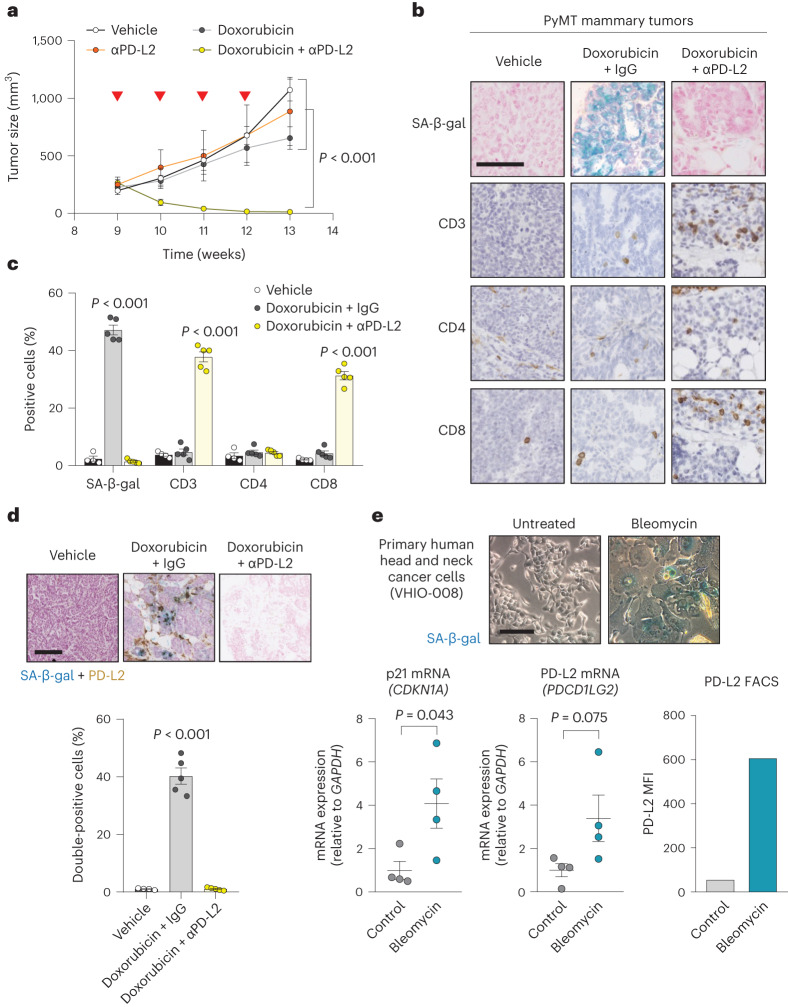
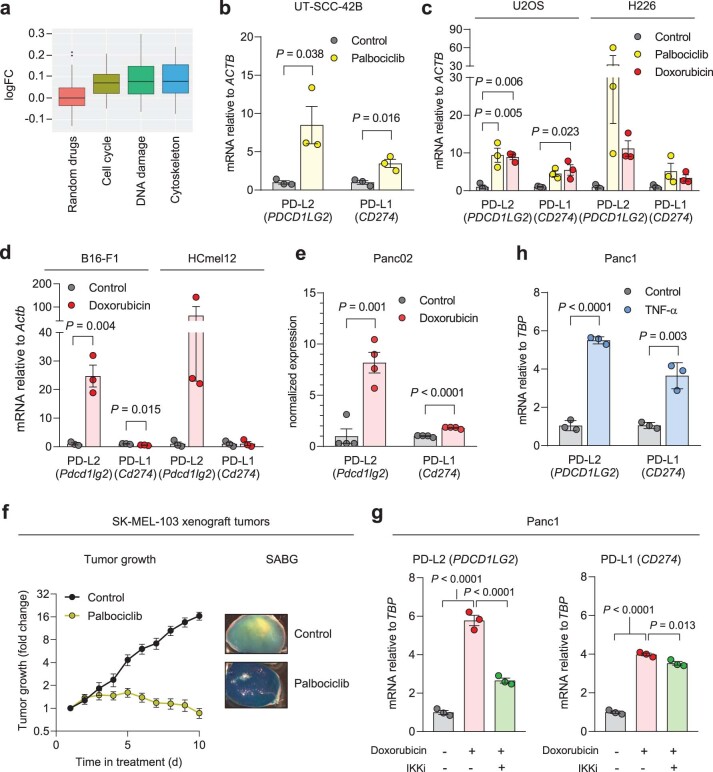
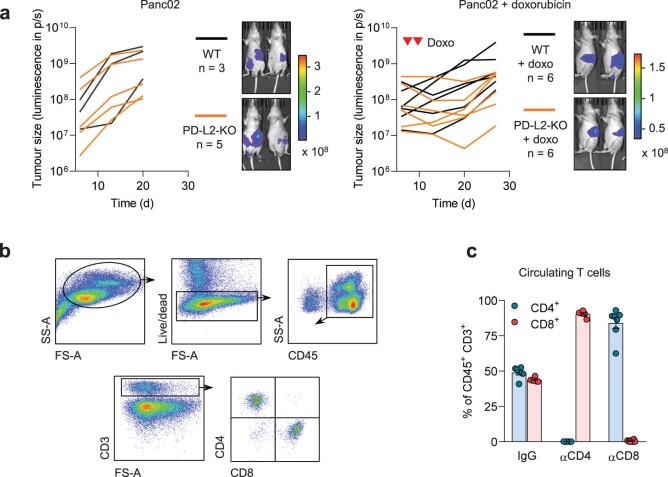
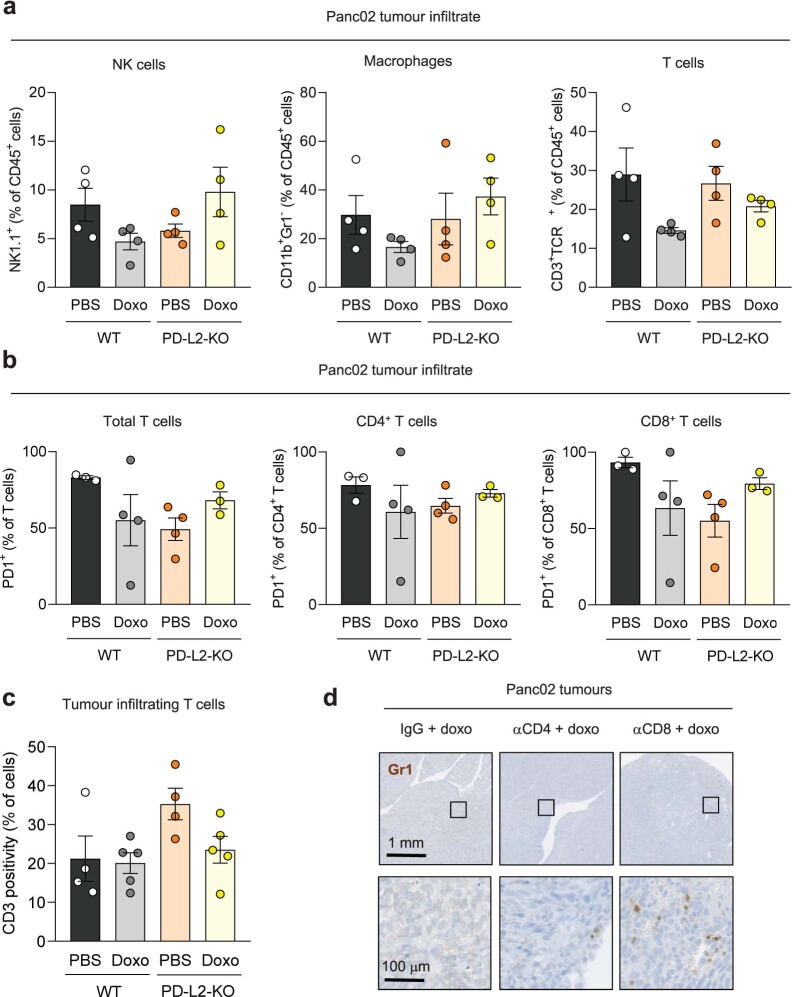
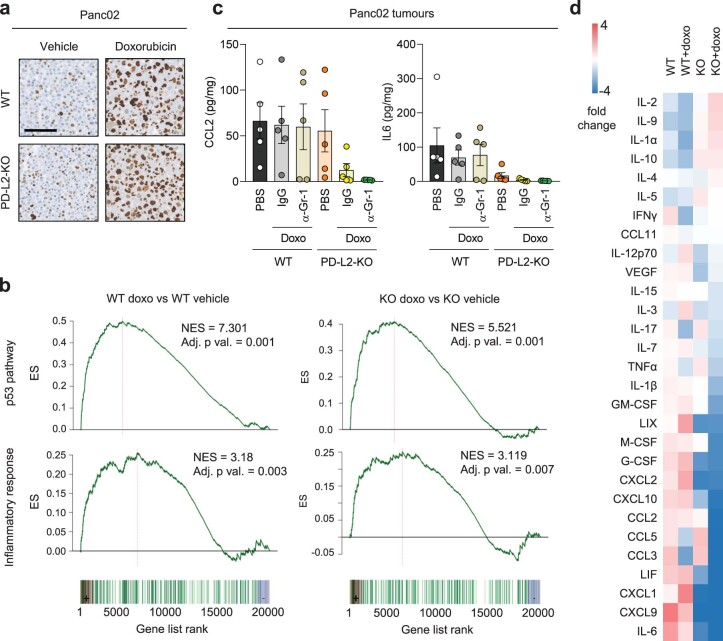
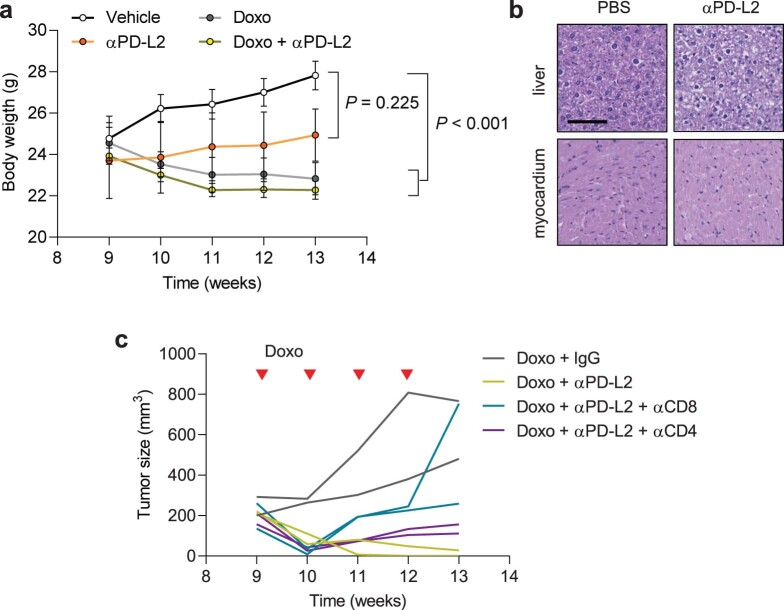
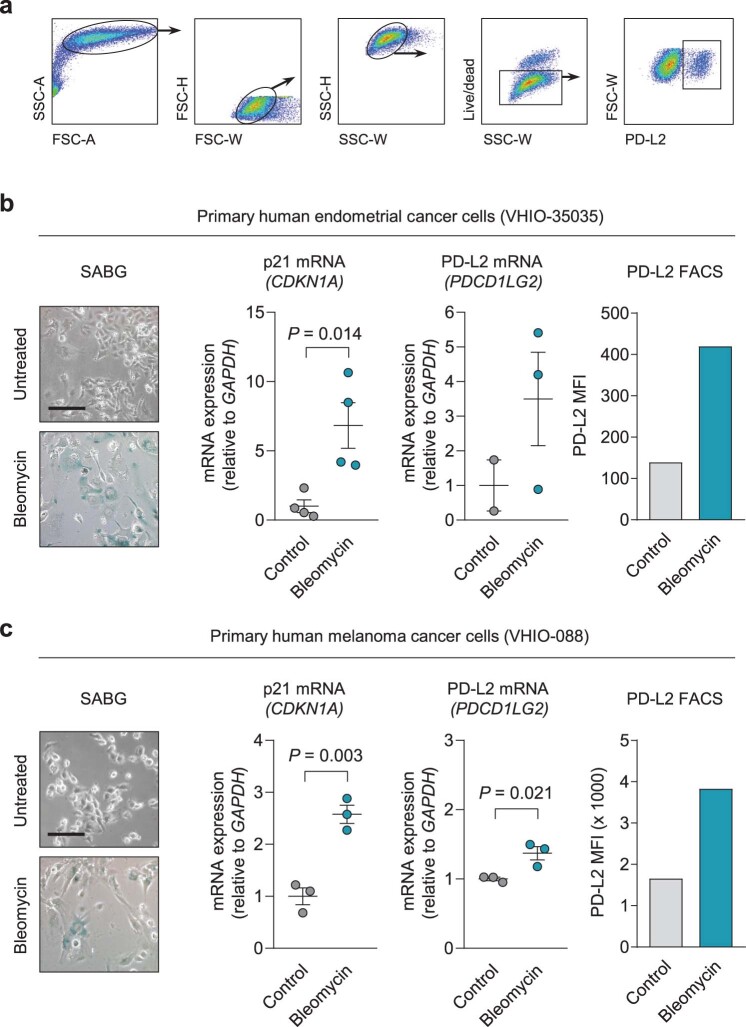
Chemotherapy often generates intratumoral senescent cancer cells that strongly modify the tumor microenvironment, favoring immunosuppression and tumor growth. We discovered, through an unbiased proteomics screen, that the immune checkpoint inhibitor programmed cell death 1 ligand 2 (PD-L2) is highly upregulated upon induction of senescence in different types of cancer cells. PD-L2 is not required for cells to undergo senescence, but it is critical for senescent cells to evade the immune system and persist intratumorally. Indeed, after chemotherapy, PD-L2-deficient senescent cancer cells are rapidly eliminated and tumors do not produce the senescence-associated chemokines CXCL1 and CXCL2. Accordingly, PD-L2-deficient pancreatic tumors fail to recruit myeloid-derived suppressor cells and undergo regression driven by CD8 T cells after chemotherapy. Finally, antibody-mediated blockade of PD-L2 strongly synergizes with chemotherapy causing remission of mammary tumors in mice. The combination of chemotherapy with anti-PD-L2 provides a therapeutic strategy that exploits vulnerabilities arising from therapy-induced senescence.
Overview
The claims and statistics of this paper haven’t been checked yet.
Free: it reads the open-access text and checks the first 5 claims that cite a source we can check. Create a free account to check every claim.
Integrity signals
Registry
Cites
Statistics
Figures
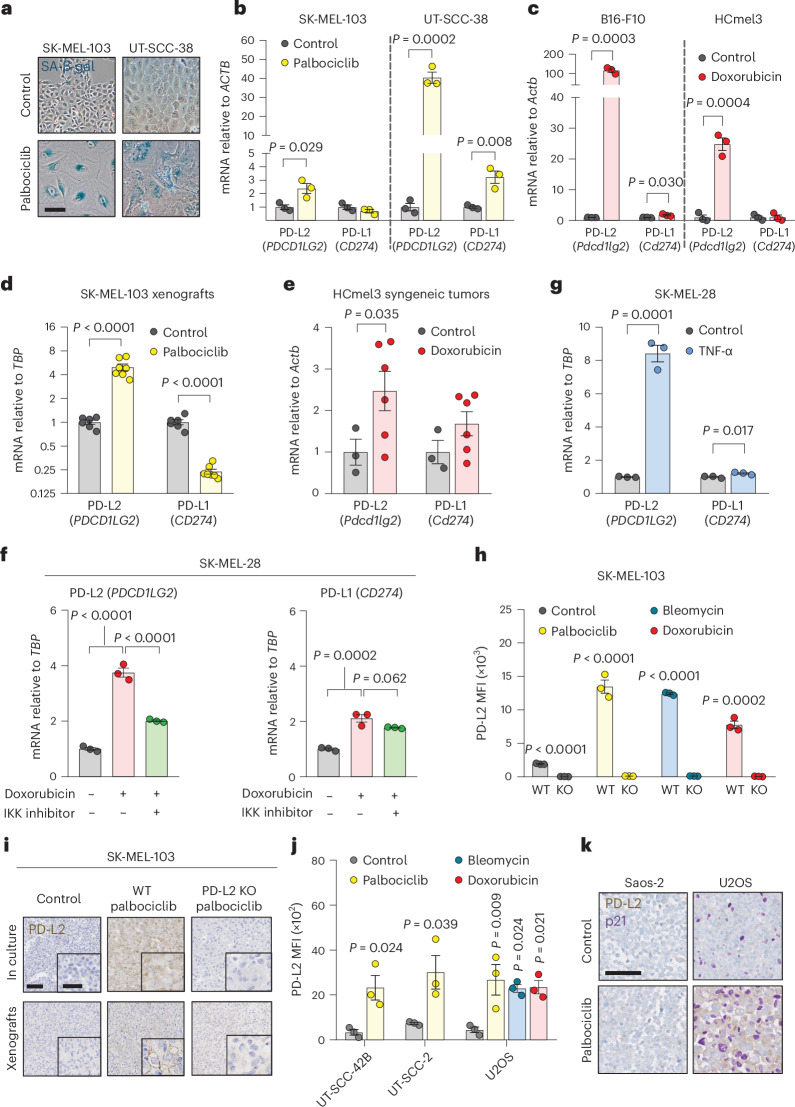
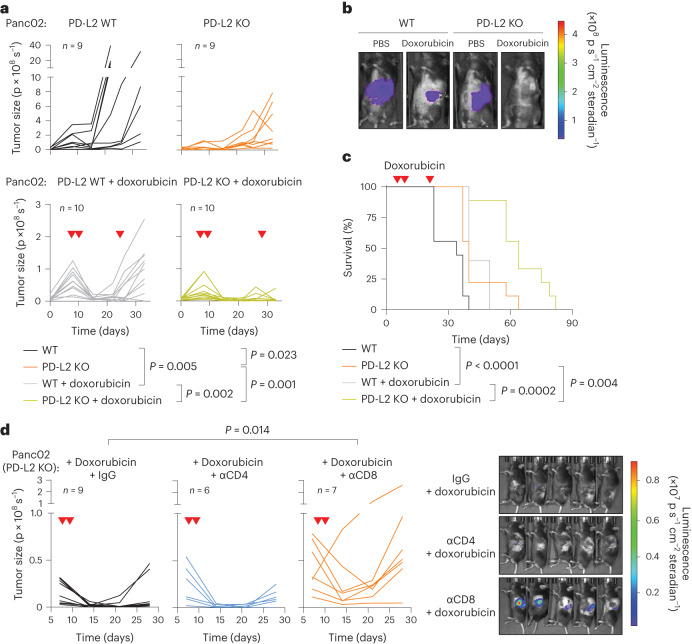
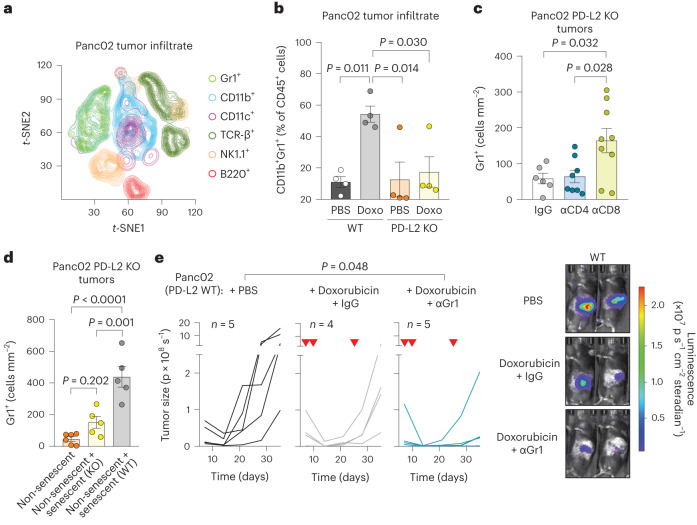
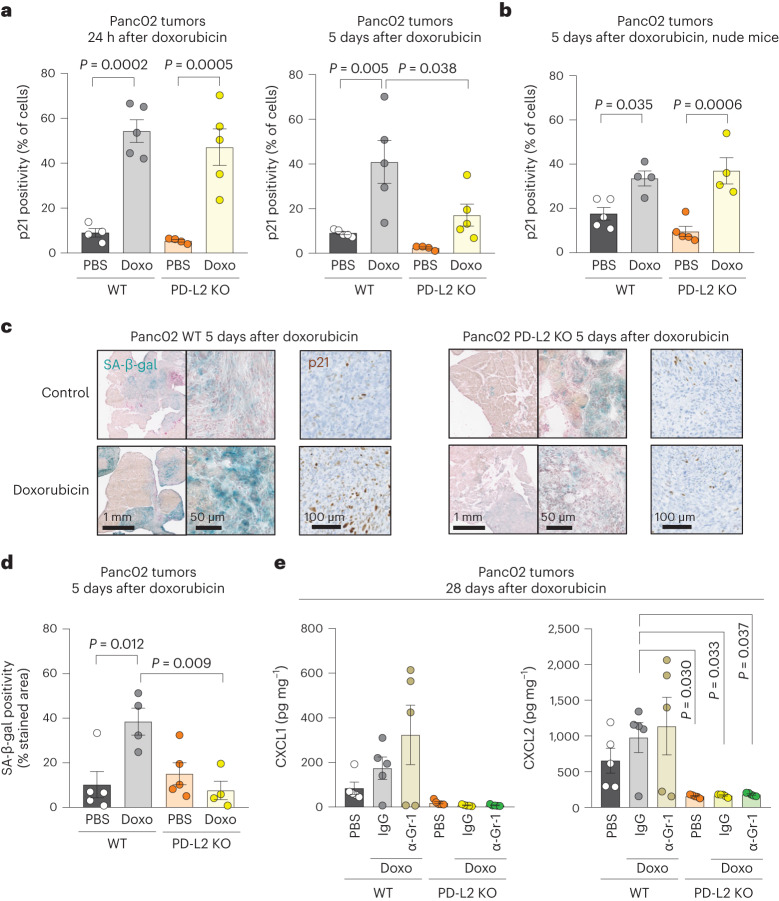
Verification
Claims the paper makes
The claims and statistics of this paper haven’t been checked yet.
Free: it reads the open-access text and checks the first 5 claims that cite a source we can check. Create a free account to check every claim.
Claims other papers make about this one
Each is checked against this paper’s own text: does it say what the citing paper says it does?
The source backs part of the claim, not all of it — or backs it for a different population, condition or comparison.
In the citing paper
“changes in MoCA scores were negatively correlated with changes in TNF-α and PDL-2 (a recently proposed serum marker of senescence47), such that larger reductions in these biomarkers were strongly and significantly correlated with larger improvements in MoCA scores.”
From A pilot study of senolytics to improve cognition and mobility in older adults at risk for Alzheimer's disease (2025) · cites this paper as [47]
Experimental — accuracy not yet measured
Self-check
Percentages, sums and reported differences re-computed from the paper’s own numbers.
The self-check needs the paper’s full text.
Citations
Cites
Moderated estimation of fold change and dispersion for RNA-seq data with DESeq2
Love, M. I., Huber, W., & Anders, S. (2014) · Genome Biology · doi:10.1186/s13059-014-0550-8 · Cited by 95,106 · cited 1×
“51) was used for differential expression analysis with fold change shrinkage as implemented in the lfcShrink function.”
PD-1 and PD-L1 Immune Checkpoint Blockade to Treat Breast Cancer
Hartkopf, A. D., Taran, F.-A., Wallwiener, M., Walter, C. B., Krämer, B., Grischke, E.-M., & Brucker, S. Y. (2016) · Breast Care · doi:10.1159/000453569 · Cited by 30,845
Safety, activity, and immune correlates of anti–PD-1 antibody in cancer
Topalian, S. L., Hodi, F. S., Brahmer, J. R., Gettinger, S. N., Smith, D. C., McDermott, D. F., Powderly, J. D., Carvajal, R. D., Sosman, J. A., Atkins, M. B., et al. (2012) · New England Journal of Medicine · doi:10.1056/nejmoa1200690 · Cited by 12,628
QuPath: Open source software for digital pathology image analysis
Bankhead, P., Loughrey, M. B., Fernández, J. A., Dombrowski, Y., McArt, D. G., Dunne, P. D., McQuaid, S., Gray, R. T., Murray, L. J., Coleman, H. G., et al. (2017) · Scientific Reports · doi:10.1038/s41598-017-17204-5 · Cited by 8,908
A biomarker that identifies senescent human cells in culture and in aging skin in vivo.
Dimri, G. P., Lee, X., Basile, G., Acosta, M., Scott, G., Roskelley, C., Medrano, E. E., Linskens, M., Rubelj, I., & Pereira-Smith, O. (1995) · Proceedings of the National Academy of Sciences · doi:10.1073/pnas.92.20.9363 · Cited by 7,477 · cited 1×
“A total of 10 6 SK-MEL-103 cells, either PD-L2 WT or PD-L2 KO, were collected, resuspended in a volume of 100 μl PBS/Matrigel and injected in both flanks of 8–16-week-old female athymic nude mice.”
Cancer immunotherapy using checkpoint blockade
Ribas, A., & Wolchok, J. D. (2018) · Science · doi:10.1126/science.aar4060 · Cited by 6,791 · cited 1×
“Interestingly, chemotherapy controlled the growth of PD-L2 KO tumors significantly better than their WT counterparts spectrum of tumors 3–5 , including melanoma and non-small cell lung cancer 6 .”
The senescence-associated secretory phenotype: the dark side of tumor suppression
Coppé, J.-P., Desprez, P.-Y., Krtolica, A., & Campisi, J. (2010) · Annual Review of Pathology: Mechanisms of Disease · doi:10.1146/annurev-pathol-121808-102144 · Cited by 5,206 · cited 6×
“The SASP is complex and heterogeneous, including pro-inflammatory cytokines, chemokines, matrix remodeling enzymes and growth factors, which result in cell-extrinsic effects known to facilitate tumor growth 22–25 .”
InfluentialThe future of immune checkpoint therapy
Sharma, P., & Allison, J. P. (2015) · Science · doi:10.1126/science.aaa8172 · Cited by 4,878 · cited 1×
“Interestingly, chemotherapy controlled the growth of PD-L2 KO tumors significantly better than their WT counterparts spectrum of tumors 3–5 , including melanoma and non-small cell lung cancer 6 .”
A Next Generation Connectivity Map: L1000 Platform and the First 1,000,000 Profiles
Subramanian, A., Narayan, R., Corsello, S. M., Peck, D. D., Natoli, T. E., Lu, X., Gould, J., Davis, J. F., Tubelli, A. A., Asiedu, J. K., et al. (2017) · Cell · doi:10.1016/j.cell.2017.10.049 · Cited by 3,515
PD-L2 is a second ligand for PD-1 and inhibits T cell activation
Latchman, Y., Wood, C. R., Chernova, T., Chaudhary, D., Borde, M., Chernova, I., Iwai, Y., Long, A. J., Brown, J. A., Nunes, R., et al. (2001) · Nature Immunology · doi:10.1038/85330 · Cited by 2,955 · cited 1×
“14,15).”
Cited by
Current and future immunotherapeutic approaches in pancreatic cancer treatment
Farhangnia, P., Khorramdelazad, H., Nickho, H., & Delbandi, A.-A. (2024) · Journal of Hematology & Oncology · doi:10.1186/s13045-024-01561-6 · Cited by 229
Senescence as a therapeutic target in cancer and age-related diseases
McHugh, D., Durán, I., & Gil, J. (2025) · Nature Reviews Drug Discovery · doi:10.1038/s41573-024-01074-4 · Cited by 197
“53) — can impair its clearance.”
Montégut, L., López-Otín, C., & Kroemer, G. (2024) · Molecular Cancer · doi:10.1186/s12943-024-02020-z · Cited by 190
“Moreover, senescence can result in local immunosuppression due to upregulation of the two PD-1 ligands PD-L1 and/or PD-L2 on malignant cells [70, 71], as well as in the secretion of pro-inflammatory and immunosuppressive factors exemplified by interleukins 6 and 8 [72].”
BackgroundColucci, M., Sarill, M., Maddalena, M., Valdata, A., Troiani, M., Massarotti, M., Bolis, M., Bressan, S., Kohl, A., Robesti, D., et al. (2025) · Cancer Cell · doi:10.1016/j.ccell.2025.05.015 · Cited by 164
Convergent inducers and effectors of T cell paralysis in the tumour microenvironment
Hanahan, D., Michielin, O. A., & Pittet, M. J. (2024) · Nature reviews. Cancer · doi:10.1038/s41568-024-00761-z · Cited by 121
“For example, senescent cancer cells can upregulate the immune checkpoint ligand PDL2, which protects both senescent and viable cancer cells from T cell killing 68 .”
Millar, C. L., Iloputaife, I., Baldyga, K., Norling, A. M., Boulougoura, A., Vichos, T., Tchkonia, T., Deisinger, A., Pirtskhalava, T., Kirkland, J. L., et al. (2025) · EBioMedicine · doi:10.1016/j.ebiom.2025.105612 · Cited by 88
“…study is the observation that changes in MoCA scores were negatively correlated with changes in TNF-α and PDL-2 (a recently proposed serum marker of senescence 47 ), such that larger reductions in these biomarkers were strongly and signi fi cantly correlated with larger improvements in MoCA scores.”
Self-citationEmerging insights in senescence: pathways from preclinical models to therapeutic innovations
Mansfield, L., Ramponi, V., Gupta, K., Stevenson, T., Mathew, A. B., Barinda, A. J., Herbstein, F., & Morsli, S. (2024) · npj Aging · doi:10.1038/s41514-024-00181-1 · Cited by 88
Liu, Y., Lomeli, I., & Kron, S. J. (2024) · Cells · doi:10.3390/cells13151281 · Cited by 77
“SnCs induced by doxorubicin or the CDK4/6 inhibitor palbociclib also upregulate PD-L2, another immune checkpoint receptor ligand that disrupts T cell function through PD-1 engagement and facilitates MDSC recruitment [37].”
BackgroundInfluentialInflammageing, a targetable pathway for preventing cardiovascular diseases
Aranda, J. F., Ramírez, C. M., & Mittelbrunn, M. (2024) · Cardiovascular Research · doi:10.1093/cvr/cvae240 · Cited by 73
“26 Senolytics are a class of drugs and natural products that deplete senescence cells through apoptosis.”
Xiong, J., Dong, L., Lv, Q., Yin, Y., Zhao, J., Ke, Y., Wang, S., Zhang, W., & Wu, M. (2024) · Clinical and Translational Medicine · doi:10.1002/ctm2.1772 · Cited by 66
“28 The study also demonstrated that the therapeutic blockade of PD-L2 with antibodies potently enhances the efficacy of chemotherapy, leading to the remission of mammary tumours in a murine model.”
BackgroundThe danger theory of immunity revisited
Kroemer, G., Montégut, L., Kepp, O., & Zitvogel, L. (2024) · Nature reviews. Immunology · doi:10.1038/s41577-024-01102-9 · Cited by 58
“As a result, blocking the interaction between PD1 and its ligands PDL1 or PDL2 stimulates T cell-dependent elimination of ageing and transformed cells 38–40 .”
Are immunosenescent T cells really senescent?
Slaets, H., Veeningen, N., de Keizer, P. L. J., Hellings, N., & Hendrix, S. (2024) · Aging Cell · doi:10.1111/acel.14300 · Cited by 62
The complex interplay between aging and cancer
Trastus, L. A., & di Fagagna, F. D. (2025) · Nature Aging · doi:10.1038/s43587-025-00827-z · Cited by 65
“Additionally, p16-driven expression of PD-L1 and PD-L2 promotes an immunosuppressive environment and accumulation of senescent cells 116–118 .”
The paradox of senescent-marker positive cancer cells: challenges and opportunities
O’Sullivan, E. A., Wallis, R., Mossa, F., & Bishop, C. L. (2024) · npj Aging · doi:10.1038/s41514-024-00168-y · Cited by 62
“Indeed,persistingchemotherapy-inducedsenescenttumourcellshavebeen showntoevadeimmunosurveillancethoughtheupregulationofimmu-nosuppressivecheckpointproteinsincludingPD-L1,CD80andPD-L2 61,62 .”
Immune surveillance of senescence: potential application to age-related diseases
Wang, T., & Nakanishi, M. (2024) · Trends in Cell Biology · doi:10.1016/j.tcb.2024.06.007 · Cited by 54
Immune surveillance of senescent cells in aging and disease
Majewska, J., & Krizhanovsky, V. (2025) · Nature Aging · doi:10.1038/s43587-025-00910-5 · Cited by 60
“Another immune checkpoint molecule, PD-L2, is upregulated in senescent cancer cells following chemotherapy 65 .”
IL-1β+ macrophages and the control of pathogenic inflammation in cancer
Caronni, N., Terza, F. L., Frosio, L., & Ostuni, R. (2025) · Trends in Immunology · doi:10.1016/j.it.2025.03.001 · Cited by 45
Cellular senescence offers distinct immunological vulnerabilities in cancer
Zhou, L., Ma, B., & Ruscetti, M. A. (2024) · Trends in cancer · doi:10.1016/j.trecan.2024.11.010 · Cited by 45
Immunotherapy and senolytics in head and neck squamous cell carcinoma: phase 2 trial results
Liu, N., Wu, J., Deng, E., Zhong, J., Wei, B., Cai, T., Xie, Z., Duan, X., Fu, S., Osei-Hwedieh, D. O., et al. (2025) · Nature Medicine · doi:10.1038/s41591-025-03873-7 · Cited by 48
“Recent studies have also revealed that combining chemotherapy with PDL2 blockade may represent a therapeutic strategy to augment antitumor immunity by inhibiting chemotherapyinduced cellular senescence 50 .”
Targeting senescent cells for the treatment of age-associated diseases
Suda, M., Tchkonia, T., Kirkland, J. L., & Minamino, T. (2024) · The Journal of Biochemistry · doi:10.1093/jb/mvae091 · Cited by 40
Self-citationWang, S., Yuan, X., Yang, Z., Zhang, X., Xu, Z., Yang, L., Yang, X. Z., Zhou, W., & Liu, W. (2024) · Journal of Advanced Research · doi:10.1016/j.jare.2024.08.021 · Cited by 40
You, L., Wang, Q., Zhang, T., Xiao, H., Lv, M., Lv, H., Deng, L., Zhang, X., & Zhang, Y. (2025) · Oncogene · doi:10.1038/s41388-025-03425-w · Cited by 37
“I , J Pseudotime analysis with Monocle, indicating that USP14 + TAMs were preferentially located at the terminal end of the TAM differentiation trajectory and had a notable alignment with the TAM1 subcluster, indicating a terminally differentiated state and properties related to immune suppression.”
Liu, S., Meng, Y., Zhang, Y., Qiu, L., Wan, X., Yang, X., Zhang, Y., Liu, X., Wen, L., Lei, X., et al. (2024) · Journal of Advanced Research · doi:10.1016/j.jare.2024.04.007 · Cited by 33
“Moreover, PD-L2 is highly upregulated upon induction of senescence in various cancer cells, empowering them evade the immune system and resistant to chemotherapy [60].”
Ramponi, V., Richart, L., Kovatcheva, M., Attolini, C. S., Capellades, J., Lord, A. E., Yanes, Ó., Ficz, G., & Serrano, M. (2024) · Cancer Research · doi:10.1158/0008-5472.can-24-0529 · Cited by 31
“The SASP produced by intratumoral senescent cancer cells is partly responsible for the chemo-attraction of myeloid-derived suppressor cells and, thereby, for the exacerbation of immunosuppression postchemotherapy (2, 17, 18).”
Self-citationHu, H., Wang, Q., Yu, D., Tao, X., Guo, M., Tian, S., Zhang, Q., Xu, M., Geng, X., Zhang, H., et al. (2024) · Advanced Science · doi:10.1002/advs.202413122 · Cited by 40
A Critical Appraisal of the Utility of Targeting Therapy-Induced Senescence for Cancer Treatment
Saleh, T., Greenberg, E. F., Faber, A. C., Harada, H., & Gewirtz, D. A. (2025) · Cancer Research · doi:10.1158/0008-5472.can-24-2219 · Cited by 32
Admasu, T. D., & Yu, J. S. (2025) · Aging Cell · doi:10.1111/acel.70055 · Cited by 32
Genetic origins, regulators, and biomarkers of cellular senescence
Torres, G., Salladay-Perez, I. A., Dhingra, A., & Covarrubias, A. J. (2024) · Trends in Genetics · doi:10.1016/j.tig.2024.08.007 · Cited by 25
SMARCA4 regulates the NK-mediated killing of senescent cells
Reen, V., D’Ambrosio, M., Søgaard, P. P., Tyson, K., Leeke, B. J., Clément, I., Dye, I. C., Pombo, J., Kuba, A., Lan, Y., et al. (2025) · Science Advances · doi:10.1126/sciadv.adn2811 · Cited by 33
Dhokia, V., Albati, A., Smith, H., Thomas, G., & Macip, S. (2024) · Biochemical Society Transactions · doi:10.1042/bst20231066 · Cited by 26
Senescent neutrophils: a hidden role in cancer progression
Rys, R. N., & Calcinotto, A. (2024) · Trends in Cell Biology · doi:10.1016/j.tcb.2024.09.001 · Cited by 28
Cardiovascular ageing: hallmarks, signaling pathways, diseases and therapeutic targets
Zheng, P., Yan, W., Ding, Y.-N., Zhang, Y., Chen, Z., Qian, J., & Ge, J. (2026) · Signal Transduction and Targeted Therapy · doi:10.1038/s41392-026-02630-7 · Cited by 40
Qamsari, E. S., & Stewart, D. J. (2024) · Frontiers in Immunology · doi:10.3389/fimmu.2024.1403669 · Cited by 24
Immune Checkpoint Inhibitor-Associated Cutaneous Adverse Events: Mechanisms of Occurrence
Eshaq, A. M., Flanagan, T. W., Abbad, A. A. B., Makarem, Z. A. A., Bokir, M. S., Alasheq, A. K., Asheikh, S. A. A., Almashhor, A. M., Binyamani, F., Al-Amoudi, W. A., et al. (2024) · International Journal of Molecular Sciences · doi:10.3390/ijms26010088 · Cited by 23
Immune biomarkers and predictive signatures in gastric cancer: Optimizing immunotherapy responses
Sundaram, V. A., Infant, S. S., Manikandan, S., Rani, D. J., Muthu, C. M. M., & Chopra, H. (2024) · Pathology - Research and Practice · doi:10.1016/j.prp.2024.155743 · Cited by 23
Senescence in cancer: Hallmarks, paradoxes, and therapeutic promise
Hinterleitner, C., Goldberg, H. V., McHugh, D., Barthet, V. J. A., Filliol, A. A., & Lowe, S. W. (2026) · Cell · doi:10.1016/j.cell.2026.03.005 · Cited by 24
“These programs can synergize with immune checkpoint blockade, in part owing to upregulation of PD-L1/2 and SASP-mediated immune recruitment 78,276,277 .”
Translating cellular senescence research into clinical practice for metabolic disease
Chaib, S., Palmer, A. K., Wyles, S. P., Musi, N., Kirkland, J. L., & Tchkonia, T. (2025) · Nature Reviews Endocrinology · doi:10.1038/s41574-025-01187-9 · Cited by 19
“Senescent cells seem to be enriched in some proteins located at the cellular membrane, which can be used to target senescent cells 21,23,153–157 .”
Self-citationWalsh, R. M., Ambrose, J., Jack, J. L., Eades, A. E., Bye, B. A., Ruckert, M. T., Olou, A. A., Messaggio, F., Chalise, P., Pei, D., et al. (2025) · Journal for ImmunoTherapy of Cancer · doi:10.1136/jitc-2024-010057 · Cited by 18
“MNV is the guarantor of the manuscript and correspondence can be made to mvansaun@ kumc. edu.”
Stromal senescence contributes to age-related increases in cancer
Ye, J., Melam, A., & Stewart, S. A. (2025) · Nature reviews. Cancer · doi:10.1038/s41568-025-00840-9 · Cited by 18
Zhou, L., DeMarco, K. D., Murphy, K. C., Wu, Z., Li, J., Johnson, C., Liu, B., Giwa, H. K., Ma, B., Bhalerao, N., et al. (2025) · Cancer Discovery · doi:10.1158/2159-8290.cd-25-1212 · Cited by 22
Milan, A., Mioc, M., Mioc, A., Gogulescu, A., Mardale, G., Avram, Ș., Maksimović, T., Mara, B., & Şoica, C. (2024) · Molecules · doi:10.3390/molecules29143399 · Cited by 14
“Due to the fact that cancer cells are able to metas-tasize and become resistant to radiotherapy and chemotherapy, traditional treatments have become less and less efficient against many malignancies [4].”
BackgroundEguren‐Santamaría, I., Melero, I., Rodríguez, I., Ortego, I., Armero, M., Gálvez‐Cancino, F., López‐Janeiro, Á., de Andrea, C. E., & Sanmamed, M. F. (2025) · Journal for ImmunoTherapy of Cancer · doi:10.1136/jitc-2024-011279 · Cited by 18
“58 59 This notion is challenging our understanding of the utility of the distinct fully murine and humanized models to an unprecedented level of sophistication.”
Sigaud, R., Brummer, T., Kocher, D., Milde, T., & Selt, F. (2024) · Child s Nervous System · doi:10.1007/s00381-024-06463-z · Cited by 13
“Senescent cells in pLGG, as well as other entities (melanoma, pancreatic carcinoma), can express PD-L1 [53, 98] or PD-L2 [53, 102].”
BackgroundImmunosenescence: Molecular Mechanisms, Diseases, and Therapeutic Innovations
Gong, N., Pan, X., Deng, Y., Che, J., Bao, J., Wang, M., Xu, C., Liu, X., & Shi, Y. (2025) · MedComm · doi:10.1002/mco2.70515 · Cited by 19
“In breast cancer models, PD-L2 antibody significantly reduces STCs burden and reverses senescent phenotypes in T cells [547].”
Tripathi, U., Suda, M., Kulshreshtha, V., Piatkowski, B. T., Palmer, A. K., Giorgadze, N., Inman, C. L., Gasek, N. S., Xu, M., Johnson, K. O., et al. (2025) · Aging Cell · doi:10.1111/acel.70358 · Cited by 13
Self-citationCellular senescence in cancer: Friend or fraud?
Chen, Q., Liu, J., Wu, J., Xiang, X., Zhou, X., Mi, J., Wei, J., Zou, X., & Wu, A. (2026) · Drug Resistance Updates · doi:10.1016/j.drup.2026.101363 · Cited by 20
PD-L2 act as an independent immune checkpoint in colorectal cancer beyond PD-L1
Zhu, L., Qu, Y., Yang, J., Shao, T., Kuang, J., Liu, C., Qi, Y., Li, M., Li, Y., Zhang, S., et al. (2024) · Frontiers in Immunology · doi:10.3389/fimmu.2024.1486888 · Cited by 12
Wu, J., Zhang, L., Zhao, Z., Liu, Y., Li, Z., Feng, X., Zhang, L., Yao, X., Du, J., Chen, L., et al. (2025) · Ageing Research Reviews · doi:10.1016/j.arr.2025.102783 · Cited by 10
Wakita, M., Ito, K., Fujii, K., Sakamoto, D., Mikawa, T., Sugawara, S., Zhou, X., Park, J. H., Miyagawa, H., Motooka, D., et al. (2026) · Nature Aging · doi:10.1038/s43587-025-01057-z · Cited by 9
Rejuvenation Strategy for Inducing and Enhancing Autoimmune Response to Eliminate Senescent Cells
Wang, X., Zhang, C., Su, J., Ren, S., Wang, X., Zhang, Y., Yuan, Z., He, X., Wu, X., Li, M., et al. (2025) · Aging and disease · doi:10.14336/ad.2024.0579 · Cited by 8
“However, the absence of PD-L2 in the tumor microenvironment leads to CD8 + T cell-mediated attack on senescent cells while preventing the recruitment of myeloid-derived suppressor cancer cells, thereby enhancing the susceptibility of tumors to immune surveillance [99].”
Construction of a hydrogen-bonded organic framework-based therapeutic platform by one-pot method
Wang, Y., Qiao, J., Wei, W., Liu, M., Wei, X., Zhang, L., Ou, J. Z., Jiang, T., & Pang, M. (2025) · Chemical Communications · doi:10.1039/d4cc06409g · Cited by 8
Targeting Senescence in Oncology: An Emerging Therapeutic Avenue for Cancer
Meguro, S., Makabe, S., Yaginuma, K., Onagi, A., Tanji, R., Matsuoka, K., Hoshi, S., Koguchi, T., Kayama, E., Hata, J., et al. (2025) · Current Oncology · doi:10.3390/curroncol32080467 · Cited by 10
“Senes-Curr cent cells also can evade immune monitoring with upregulated programmed death-ligand 2 (PD-L2) and recruit immunosuppressive cells, leading to chemotherapy resistance and tumor progression [65].”
Cellular senescence in the cancer microenvironment
Meguro, S., & Nakanishi, M. (2025) · The Journal of Biochemistry · doi:10.1093/jb/mvaf001 · Cited by 8
Reduction of solid tumors by senescent cell immunization
Ichim, T. E., Lopes, G. D. L., Jr., Reznik, R. S., Bykoriz, V., Fortunati, C. A., Pascual, K. A., Minev, B., Ramos, R. A., Bajnath, A., Lin, E. S., et al. (2025) · Journal of Translational Medicine · doi:10.1186/s12967-025-07393-3 · Cited by 9
“Consequently, blocking PD-L2 with antibodies synergizes with chemotherapy to drive CD8 T cell-mediated tumor regression in pancreatic and mammary cancer models, offering a novel therapeutic strategy targeting therapy-induced senescence vulnerabilities [65].”
Senotherapeutics for metabolic disease and diabetic complications
Palmer, A. K., Spinelli, R., Prata, L. G. P. L., Chaib, S., Suda, M., Tchkonia, T., Smith, U., & Kirkland, J. L. (2025) · Journal of Internal Medicine · doi:10.1111/joim.70039 · Cited by 9
Self-citationOntiveros, C. O., Garcia, M. G., Murray, C. E., Deng, Y., Bai, H., Tanner, C., Leung, B., Li, X., Padron, A. S., Reyes, R. M., et al. (2025) · Nature Communications · doi:10.1038/s41467-025-65025-2 · Cited by 6
Cellular senescence as a source of chronic microinflammation that promotes the aging process
Nakanishi, M. (2025) · Proceedings of the Japan Academy Series B · doi:10.2183/pjab.101.014 · Cited by 5
Da, J., Hu, H., Wang, L., Wang, Z., Chen, H., Xie, Y., Li, T., Wang, J., Zhong, M., Dang, W., et al. (2025) · Nano Letters · doi:10.1021/acs.nanolett.5c01741 · Cited by 5
Brandariz, J., de Llobet, L., Esquefa, V., Aguilar, D., Salca, A., Arce-Gallego, S., Cresta Morgado, P., Sole, A., Agundez, L., Mir, G., et al. (2025) · Molecular Cancer Therapeutics · doi:10.1158/1535-7163.mct-24-0903 · Cited by 5
γδ T Cells Target and Ablate Senescent Cells in Aging and Alleviate Pulmonary FibrosisPreprint
Meca-Laguna, G., Admasu, T. D., Shankar, A., Barkovskaya, A., Collibee, I., Krakauer, A. A., Tran, T., Rae, M. J., & Sharma, A. (2025) · bioRxiv (Cold Spring Harbor Laboratory) · doi:10.1101/2025.05.05.652251 · Cited by 8
Sobeai, H. M. A., Alanazi, A. M., Alotaibi, F., Alhoshani, A., Alhazzani, K., Almutairi, M. M., Almudimeegh, S., al-Ramadi, B. K., Chakraborty, E., Saleh, T. M., et al. (2026) · Frontiers in Cell and Developmental Biology · doi:10.3389/fcell.2026.1661424 · Cited by 6
“Other independent studies, including our own work in MDA-MB-231 xenografts, similarly report increased SA-β -gal staining in doxorubicin-treated tumors (Saleh et al., 2020b; Chaib et al., 2024; Xiang et al., 2024).”
Cancer Vaccination and Immune-Based Approaches in Pancreatic Cancer
Bloom, M. D., Shaikh, A. R., Sun, Z., Bashir, B., & Snook, A. E. (2025) · Cancers · doi:10.3390/cancers17142356 · Cited by 7
“Moreover, the blockade of PDL2 in senescent cancer cells in combination with chemotherapy induces tumor regression in mouse models [267].”
Mara, B.-I., Mioc, A., Deveseleanu-Corîci, L., Şoica, C., & Cseh, L. (2025) · International Journal of Molecular Sciences · doi:10.3390/ijms26146823 · Cited by 6
“Cancer remains a major health burden globally, largely due to its high metastatic potential and the development of resistance to conventional therapies such as radiotherapy and chemotherapy [4,5].”
Senescent cancer cells in immune surveillance and evasion: mechanisms and therapeutic implications
De-chang, L., Wang, J., Wei, Y., Wu, H. Y., Yuan, S., Yang, M. J., & Sun, L. (2025) · Journal of Leukocyte Biology · doi:10.1093/jleuko/qiaf125 · Cited by 5
Menéndez, J. A., Lupu, R., Martín-Castillo, B., Sardanyés, J., Alarcón, T., Verdura, S., & Cuyàs, E. (2025) · Frontiers in Immunology · doi:10.3389/fimmu.2025.1695244 · Cited by 7
Antonangeli, F., Arcuri, E., & Santoni, A. (2025) · Frontiers in Immunology · doi:10.3389/fimmu.2025.1694567 · Cited by 4
“…fi c marker urokinase-type plasminogen activator receptor (uPAR) or NKG2D-CAR-T cells (195, 196); v) anti-PD-L1 or anti-PD-L2 immune checkpoint inhibitory therapies that enhance the killing capacity of cytotoxic lymphocytes against PD-L1-and PD-L2-expressing senescent cells (197, 198).”
Immunosuppressive macrophages determine the effect of cellular senescence on tumor progression
Lalinde-Gutiérrez, M., Pérez‐Ramos, S., Rodilla, V., Garcia-Baucells, P., Julia, P.-B., Berenguer‐Molins, P., Nonell, L., Agustí-Barea, I., Mueller, C. G., & Arribas, J. (2026) · Science Advances · doi:10.1126/sciadv.adx2988 · Cited by 4
Self-citationThe Immunogenicity of Human Senescent Cells Is Dependent on the Senescence Inducer and Cell Type
Goyer, M., Sonn, A., Benabdallah, B., Lê, O., Dulong, J., Oschwald, J., Sirois, I., Apavaloaei, A., Hesnard, L., Guimond, J. V., et al. (2026) · Aging Cell · doi:10.1111/acel.70410 · Cited by 5
Senescent cell heterogeneity: origins, detection, and therapeutic implications
Wu, R., Zhu, J., Kim, H., & Xu, M. (2026) · Trends in Cell Biology · doi:10.1016/j.tcb.2026.03.015 · Cited by 7
Immunological consequences of senescence in physiology and pathology
Zubova, A., Pietrocola, F., & Morsli, S. (2026) · Journal of Translational Medicine · doi:10.1186/s12967-026-08335-3 · Cited by 7
“…clearance of TIS tumour cells, reduces SASP-associated chemokines such as CXCL1 and CXCL2, limits MDSC recruitment and enables CD8 ⁺ T-cell-mediated tumour regression; combining chemotherapy with anti-PD-L2 antibodies promotes durable tumour remission in a murine mammary cancer model [80].”
Xie, J., Shu, X., Xie, Z., Tang, J., & Guo, W. (2025) · European Journal of Pharmacology · doi:10.1016/j.ejphar.2025.177475 · Cited by 6
Zhang, D., Zhu, J., Zou, R., Zhang, H., Yu, B.-P., Li, P., Luo, Y., Jiang, Z., Hou, Y., & Zhang, J.-W. (2025) · Biochemical Pharmacology · doi:10.1016/j.bcp.2025.117659 · Cited by 3
Pan, J., Zhang, S., Xu, Y., Li, Z., Luo, M., Peng, Z., Jin, A., Hou, B., Qin, X., Cui, X., et al. (2026) · Cell Reports Medicine · doi:10.1016/j.xcrm.2026.102709 · Cited by 4
Choi, M., Lee, D., Yang, W.-H., & Cha, J. (2026) · Cell Death and Disease · doi:10.1038/s41419-026-08688-z · Cited by 4
“This illustration was created using BioRender.com. debulk the residual senescent burden with senolysis and deploy layered blockade of suppressive circuits [PD-1/PD-L1, PD-L2 – RGMb, CD47 – SIRP α , CD73 – A2A] [20, 21, 133, 154].”
InfluentialSalameh, A., Bolli, E., Iezzi, M., Gagliardi, C., Conti, L., Cossu, C., Blezinger, P., Lamolinara, A., Lewis, A., Curran, M. A., et al. (2026) · Journal of Experimental & Clinical Cancer Research · doi:10.1186/s13046-026-03711-9 · Cited by 3
Yang, S. S., Chen, Y., Liu, S. R., Zuo, A., Ba, Y., Zhang, Y., Liu, B., Zhang, C., Xu, H., Luo, P., et al. (2026) · Cancer Research · doi:10.1158/0008-5472.can-25-4870 · Cited by 5
Cellular senescence and nanoparticle-based therapies: Current developments and perspectives
Henschke, A., Mielcarek, A., Grześkowiak, B. F., Perrigue, P. M., Jaskot, K., Coy, E. L., & Moya, S. E. (2024) · Nanotechnology Reviews · doi:10.1515/ntrev-2023-0211 · Cited by 6
Koh, Y. W., Han, J.-H., Haam, S., & Lee, H. W. (2024) · Mechanisms of Ageing and Development · doi:10.1016/j.mad.2024.111999 · Cited by 4
Conquering aging-related immunosenescence and tumor immune escape
Zhang, S., Yang, B., Xu, M., 邴英, Zhang, J., Wang, Y. L., Zheng, C., Zhang, G., & Zhang, L. (2026) · Frontiers in Immunology · doi:10.3389/fimmu.2026.1785351 · Cited by 4
Wang, Q., Guo, M., Song, Y., Cui, K., Hu, H., Xue, X., Yu, D., Xu, H., Zhang, Q., Xu, M., et al. (2026) · Journal of Medicinal Chemistry · doi:10.1021/acs.jmedchem.5c03636 · Cited by 2
Cellular senescence in cancer immunology and potential therapeutic strategy
Qian, X., Tao, L., Zhang, L., Ji, A., Wang, L., Iqbal, M. M., & Luo, Y. (2026) · Frontiers in Oncology · doi:10.3389/fonc.2026.1737652 · Cited by 3
Lv, C., Du, J., Feng, W., Rang, Z., & Chen, J. (2026) · Oncogene · doi:10.1038/s41388-026-03701-3 · Cited by 2
Immune surveillance and immune evasion of senescent cells
Garcia-Baucells, P., Serrano, M., & Amor, C. (2026) · Nature reviews. Immunology · doi:10.1038/s41577-026-01335-w · Cited by 6
Self-citationResistance to spindle inhibitors in glioblastoma depends on STAT3 and therapy induced senescence
Zarco, N., Dovas, A., Farias, V., Nagaiah, N. K. H., Haddock, A. N., Sims, P. A., Hambardzumyan, D., Meyer, C. T., Canoll, P., Rosenfeld, S. S., et al. (2024) · iScience · doi:10.1016/j.isci.2024.111311 · Cited by 3
Early Neutrophil Sensing Shapes the Innate Response to Preneoplastic Mammary CellsPreprint
Debiesse, A., Pereira-Abrantes, M., Moudombi, L., Voissière, A., Lefèvre, L., Lecot, P., Rodriguez, C., Malfroy, M., Moskalevska, I., Vanacker, H., et al. (2025) · bioRxiv (Cold Spring Harbor Laboratory) · doi:10.1101/2025.01.17.633444 · Cited by 4
The Three Barriers Senescent Tumor Cells Must Overcome to Relapse
Jackson, J. G. (2025) · Cancer Heterogeneity and Plasticity · doi:10.47248/chp2502030013 · Cited by 1
4-Hydroxychalcone Exert the Anti-cancer Potential in Colorectal Cancer Through Targeting CDK6
Yang, C., Huangfu, M., Dai, X., Liu, L., Zhao, H., Yuan, Y., Zhang, C., He, T., Shan, C., Wang, X., et al. (2026) · Biological Procedures Online · doi:10.1186/s12575-026-00342-4 · Cited by 1
“The induction of senescence in cancer cells has been recognized as a common outcome of conventional anti-cancer treatments, such as chemotherapy and radiotherapy [27, 28].”
Yang, R., Zhang, Y., Dong, Y., Chen, S. Y., Li, M., Fu, J., Lin, Y., Liu, X. R., Hou, J., & Zhou, S. (2026) · Biomaterials · doi:10.1016/j.biomaterials.2026.124474 · Cited by 1
Xu, Z., Guo, J., Liu, Z., Yu, J., Yuan, R., Min, Y., Wei, Z., & Peng, X. (2026) · Ageing Research Reviews · doi:10.1016/j.arr.2026.103270 · Cited by 1
Tsouri, E., Athanasopoulou, N., Akkari, L., & Vegna, S. (2026) · Seminars in Immunology · doi:10.1016/j.smim.2026.102053 · Cited by 1
Furuta, A., Murakami, M., Teramatsu, K., Kinjo, S., Matsumoto, K., Ueda, K., Yamamoto, T., Oda, Y., Fujimori, N., & Ogawa, Y. (2026) · Clinical Journal of Gastroenterology · doi:10.1007/s12328-026-02458-2 · Cited by 1
Koning, M., Kovynev, A., Fondevila, M. F., Ruhé, E. J. M., Mommersteeg, M. C., Ramakers, C. R. B., Hutten, B. A., Verwer, B. J., Vlug, M. S., Kuiper, T., et al. (2026) · Nature Metabolism · doi:10.1038/s42255-026-01643-4 · Cited by 1
Self-citationYao, Y., Ren, Y., Hou, X., Wang, P., Zhu, J., Liu, S., Ma, X., Liu, T., Yang, Z., Zhu, H., et al. (2024) · European Journal of Nuclear Medicine and Molecular Imaging · doi:10.1007/s00259-024-06886-5 · Cited by 4
Ahmad, S., Rehman, A., Afzal, A., & Khawar, M. B. (2024) · Medical Hypotheses · doi:10.1016/j.mehy.2024.111491 · Cited by 1
Could senescent cells be the prescription for therapeutic cancer vaccines?
Liu, Y., & Kron, S. J. (2024) · Immunotherapy · doi:10.1080/1750743x.2024.2422813 · Cited by 1
Dysregulation of the Hippo pathway enhances PD-L2 transcription to promote cancer immune evasionPreprint
Ando, T., Okamoto, K., Sato, K., Goto, Y., Izumi, H., Kataoka, N., Ueda, Y., Iglesias‐Bartolomé, R., Yoshimoto, T., Shintani, T., et al. (2024) · Research Square · doi:10.21203/rs.3.rs-4330731/v1
Yağbasan, F. Ö., Demir, Y. D. Ş., & Ark, M. (2025) · Turkish Journal of Clinics and Laboratory · doi:10.18663/tjcl.1745156
Yao, J., Wang, W., Zhang, J., Shi, J., Han, M., & Zhang, Y. (2025) · International Journal of Biological Macromolecules · doi:10.1016/j.ijbiomac.2025.149046
Casso-Chapa, B., Paniagua-Bojorges, A., Palaskas, N. L., Nead, K. T., Samanthapudi, V. S. K., Lee, J., Mejia, G. F., Hoang, O. N., Kim, J. H., Lin, S. H., et al. (2026) · Antioxidants and Redox Signaling · doi:10.1177/15230864251410546
Self-citationCD300ld blockade overcomes PMN-MDSC-mediated vaccine resistance in advanced tumors
Wang, X., Xue, S., Li, Y., Yang, M., Yu, H., Wang, M., Li, S., Lu, Z., & Luo, M. (2026) · Journal for ImmunoTherapy of Cancer · doi:10.1136/jitc-2025-013336 · Cited by 1
Metadata
- Authors
- Chaib, S., López-Domínguez, J. A., Lalinde-Gutiérrez, M., Prats, N., Marin, I., Boix, O., García-Garijo, A., Meyer, K., Muñoz, M. I., Aguilera, M., Mateo, L., Stephan-Otto Attolini, C., Llanos, S., Pérez-Ramos, S., Escorihuela, M., Al-Shahrour, F., Cash, T. P., Tchkonia, T., Kirkland, J. L., Abad, M., Gros, A., Arribas, J., & Serrano, M.
- Affiliations
- Mayo Clinic (US)
- Vall d'Hebron Institute of Oncology (ES)
- Institute for Research in Biomedicine (ES)
- Spanish National Cancer Research Centre (ES)
- Altos Labs (US)
- Institució Catalana de Recerca i Estudis Avançats (ES)
- Corresponding author
- Serrano, Manuel
- ORCID
- Chaib, Selim
- López-Domínguez, José Alberto
- Lalinde-Gutiérrez, Marta
- Prats, Neus
- Boix, Olga
- García-Garijo, Andrea
- Meyer, Kathleen
- Aguilera, Mònica
- Mateo, Lidia
- Stephan-Otto Attolini, Camille
- Llanos, Susana
- Pérez-Ramos, Sandra
- Escorihuela, Marta
- Al-Shahrour, Fatima
- Tchkonia, Tamara
- Kirkland, James L.
- Abad, María
- Gros, Alena
- Arribas, Joaquín
- Serrano, Manuel
- Venue
- Nature Cancer
- Published
- 2024-01-24
- Volume
- 5
- Issue
- 3
- Pages
- 448-462
- ISSN
- 2662-1347 (ISSN-L)
- PMC
- PMC10965441
- OpenAlex
- W4391175022
- Semantic Scholar
- fabb21b0934ff911f2f4eda58af75df2162320aa
- Cited by
- 114
- References
- 56
- Citations by year
- 2026: 40 · 2025: 39 · 2024: 35
- FWCI
- 32.44
- Type
- journal article
- Language
- en
- Update notices
- correction (2026-05-29)
- Open access
- hybrid
- doi.org
- Licence
- cc-by
- creativecommons.org/licenses/by/4.0 (tdm)
- creativecommons.org/licenses/by/4.0 (vor)
- Locations
- Nature Cancer (publishedVersion, cc-by)
- PubMed Central (publishedVersion, cc-by)
- PubMed (publishedVersion)
- Gredos (University of Salamanca) (publishedVersion, cc-by-nc-nd)
- Hispana (publishedVersion, cc-by-nc-nd)
- Repositori digital de la UPF (Universitat Pompeu Fabra) (acceptedVersion, cc-by)
- Dipòsit Digital de la Universitat de Barcelona (Universitat de Barcelona) (submittedVersion, cc-by)
- Funders
- Breast Cancer Research Foundation (BCRF-21-008, BCRF-21)
- Fundación BBVA (53/2021, MS15/00058)
- Noaber Foundation
- European Commission (ERC-2014-AdG)
- Generalitat de Catalunya (2017-SGR)
- Ministerio de Ciencia e Innovación (SAF2017-82613-R, 2017 SGR 282)
- Banco Bilbao Vizcaya Argentaria
- Universitat de Barcelona
- National Institutes of Health
- Instituto de Salud Carlos III (CB16/12/00449, PI19/01181, AC15/00062, MS15/00058)
- European Regional Development Fund (SAF2017, 2017 SGR 282, SAF2017-82613-R, RTI2018, ERC-2014- AdG/669622)
- National Institute on Aging (UH3AG056933, R01AG072301, UH2AG056933, R01AG013925, R56AG061414, R33AG061456, R37AG013925, P01AG062413)
- Topics
- Life Sciences › Biochemistry, Genetics and Molecular Biology › Cell Biology › Telomeres, Telomerase, and Senescence
- Health Sciences › Medicine › Oncology › Cancer Immunotherapy and Biomarkers
- Life Sciences › Immunology and Microbiology › Immunology › Immunotherapy and Immune Responses
- Keywords
- PD-L2, chemotherapy-induced senescence, tumor microenvironment, myeloid-derived suppressor cells, CXCL1, CXCL2, CD8+ T cells, combination therapy, pancreatic tumors, mammary tumors, immune checkpoint inhibitors
- MeSH terms
- Animals, Immune Tolerance, Immunosuppression Therapy, Pancreatic Neoplasms, Cellular Senescence, CD8-Positive T-Lymphocytes, Mice, Tumor Microenvironment
About these checks
Registry, retraction, Cites and statistics results are computed, not judged, with one exception: a printed reference that no index lists is read once by a model before it counts as a citation error. Claims are extracted by a model and kept only when their quote appears verbatim in the text; each cited source is then checked, with a model’s help, for whether it says what the claim relies on. Those verdicts can be wrong — read the claim’s quote and the cited source before relying on one.
Statistics and arithmetic are recomputed, not judged.
Confidence bands are shown only for fields calibrated on our annotated test set. None is calibrated yet, so no band is shown.
What counts as a claim ›How we measure confidence ›How we check this ›
Are you an author, or do you see a problem with this page? Request a review
Data sources
Bibliographic data: Semantic Scholar, OpenAlex, Crossref.
Contains information from the Semantic Scholar Academic Graph Datasets, made available under the ODC Attribution License (ODC-BY 1.0).
Semantic Scholar’s data is described in: Kinney, R., et al. (2023). The Semantic Scholar Open Data Platform. arXiv:2301.10140.
