

Leveraging electronic health records and knowledge networks for Alzheimer's disease prediction and sex-specific biological insights
Open accessThe DOI matches its Crossref record; 107 of the 107 references it cites were found in a registry or an index.
Abstract
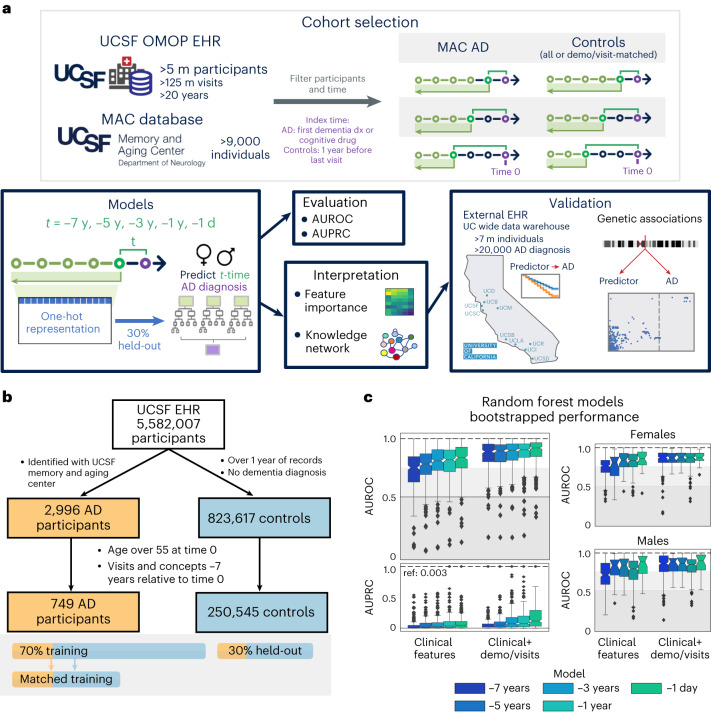
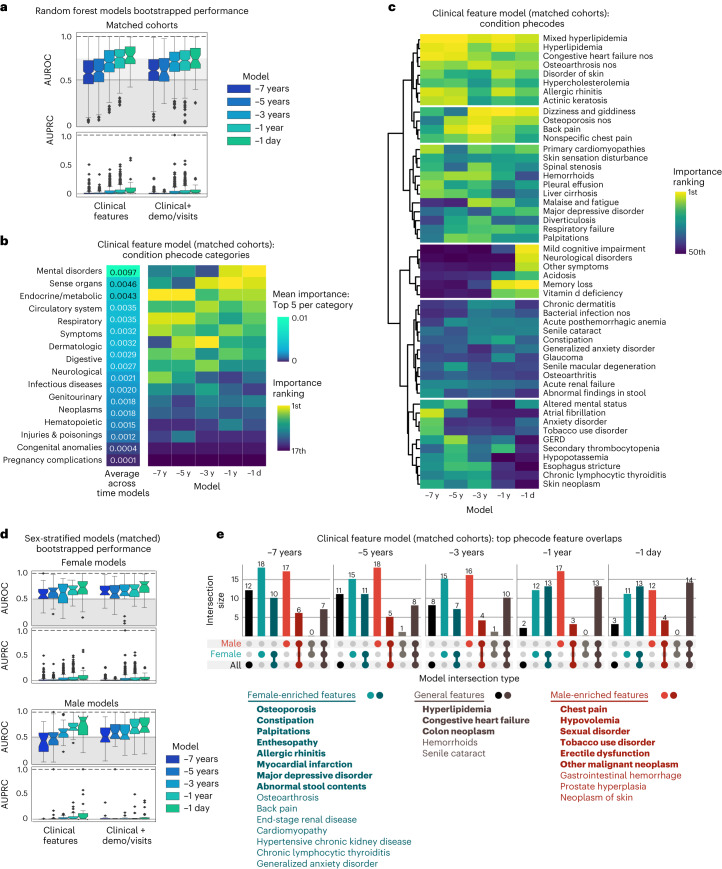
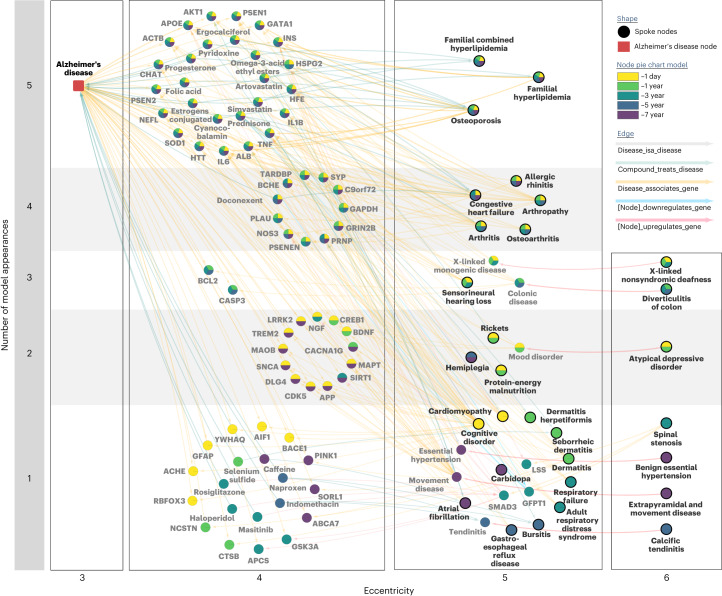
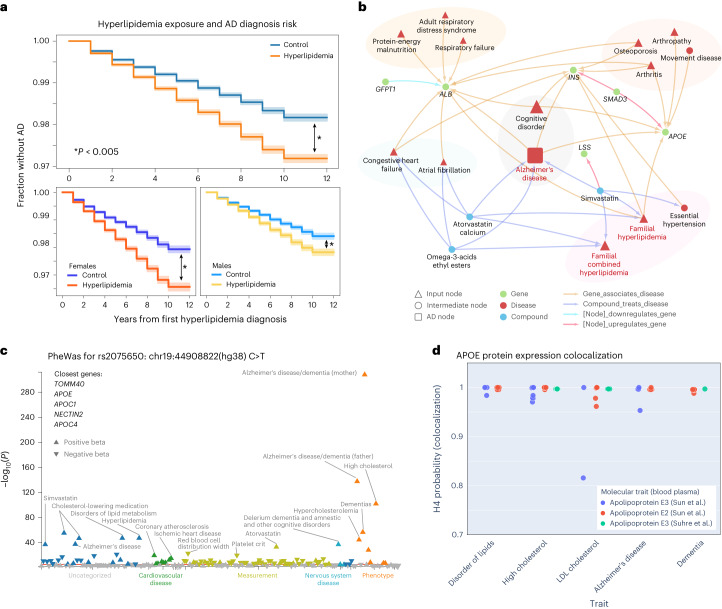
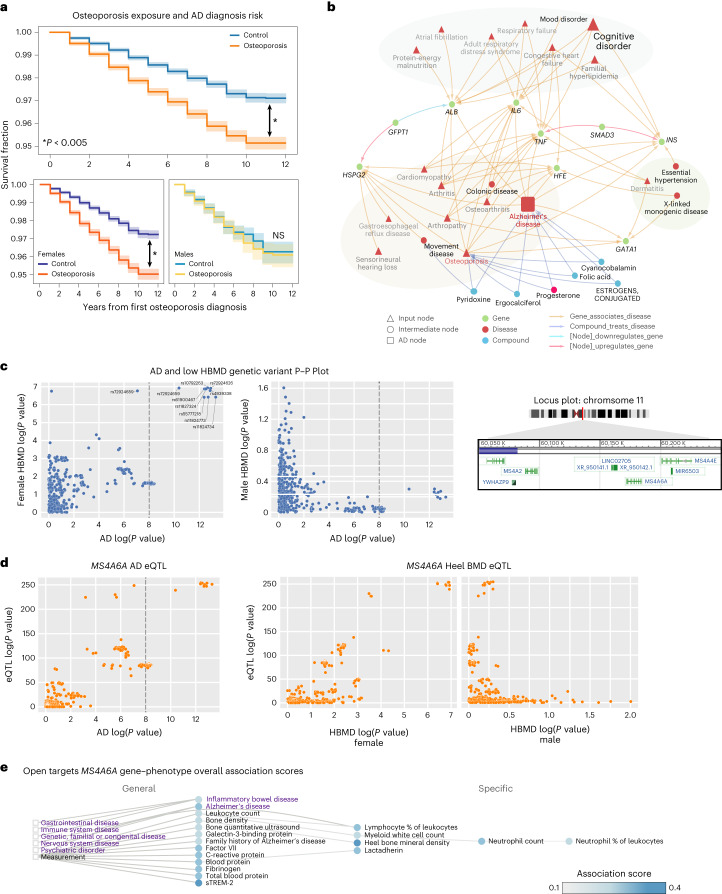
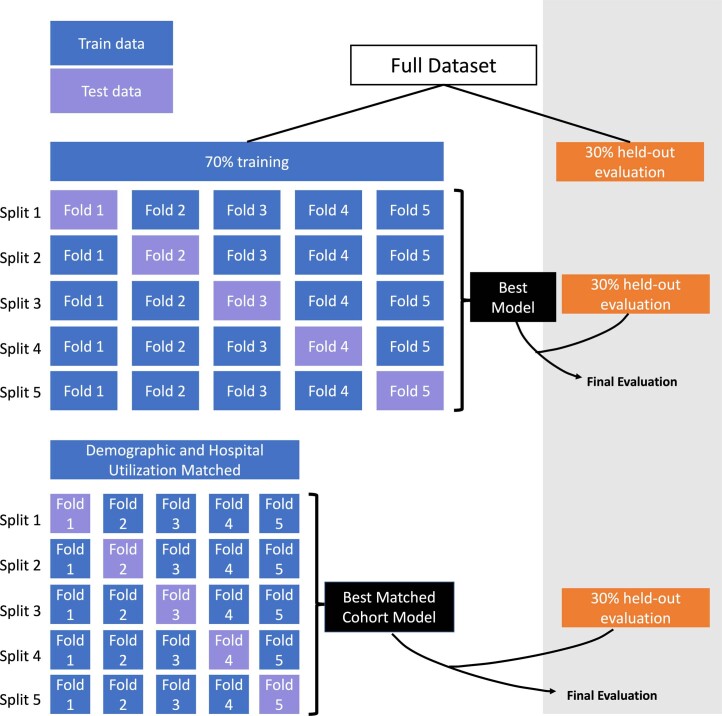
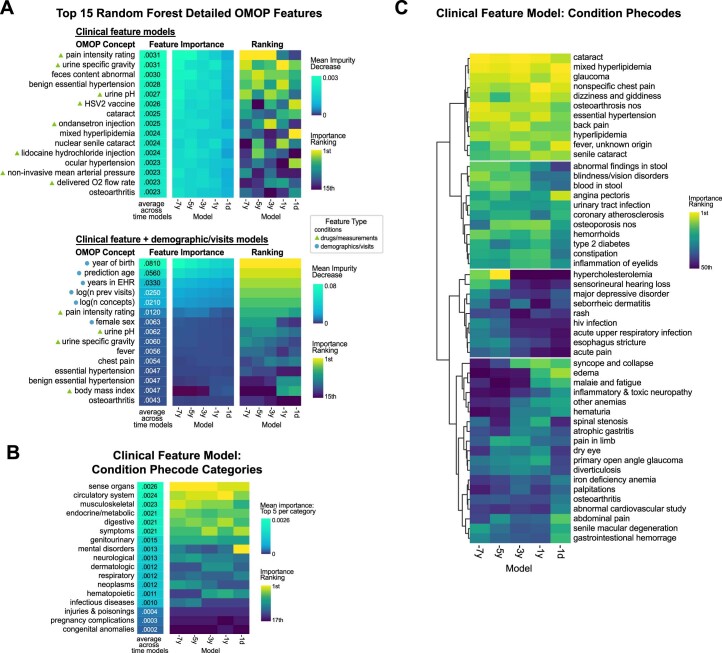
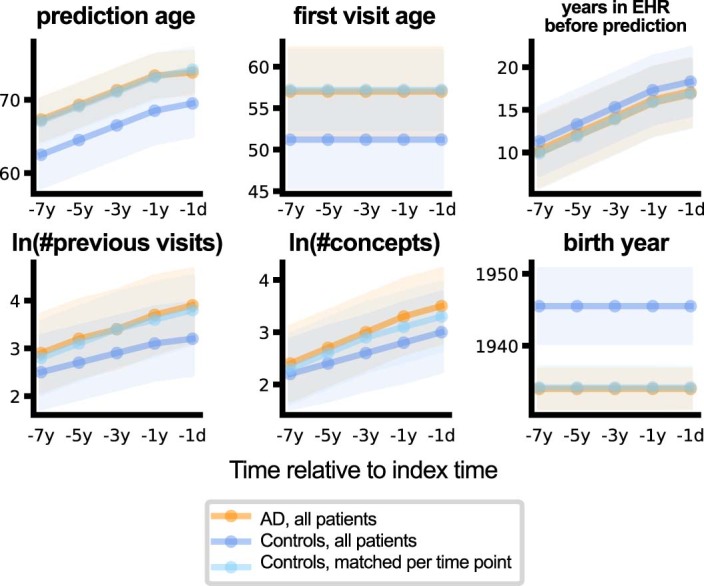
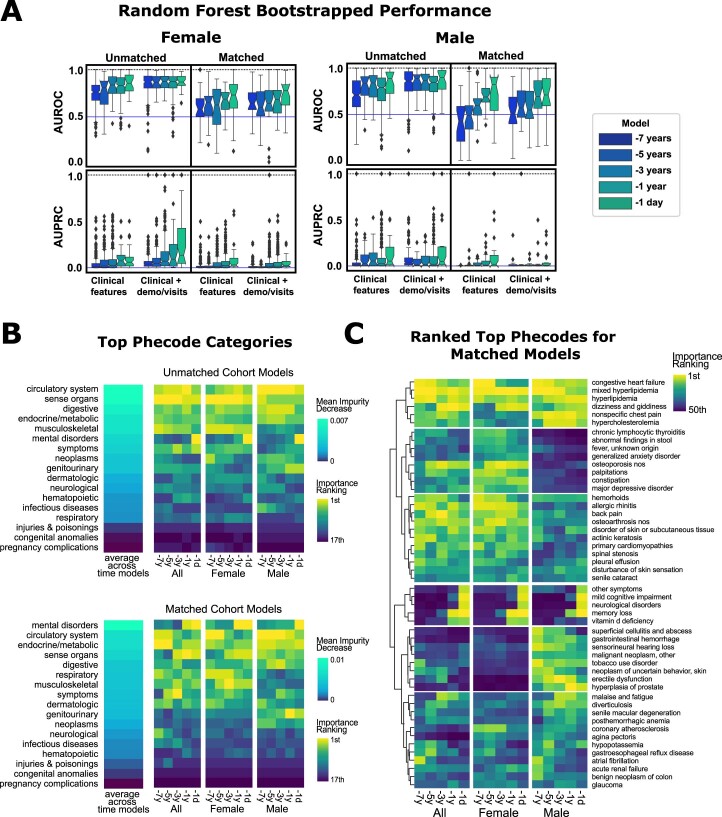
Identification of Alzheimer’s disease (AD) onset risk can facilitate interventions before irreversible disease progression. We demonstrate that electronic health records from the University of California, San Francisco, followed by knowledge networks (for example, SPOKE) allow for (1) prediction of AD onset and (2) prioritization of biological hypotheses, and (3) contextualization of sex dimorphism. We trained random forest models and predicted AD onset on a cohort of 749 individuals with AD and 250,545 controls with a mean area under the receiver operating characteristic of 0.72 (7 years prior) to 0.81 (1 day prior). We further harnessed matched cohort models to identify conditions with predictive power before AD onset. Knowledge networks highlight shared genes between multiple top predictors and AD (for example, APOE , ACTB , IL6 and INS ). Genetic colocalization analysis supports AD association with hyperlipidemia at the APOE locus, as well as a stronger female AD association with osteoporosis at a locus near MS4A6A . We therefore show how clinical data can be utilized for early AD prediction and identification of personalized biological hypotheses.
Overview
The claims and statistics of this paper haven’t been checked yet.
Free: it reads the open-access text and checks the first 5 claims that cite a source we can check. Create a free account to check every claim.
Integrity signals
Registry
Cites
Statistics
Figures
Verification
Claims the paper makes
The claims and statistics of this paper haven’t been checked yet.
Free: it reads the open-access text and checks the first 5 claims that cite a source we can check. Create a free account to check every claim.
Claims other papers make about this one
Each is checked against this paper’s own text: does it say what the citing paper says it does?
The source backs part of the claim, not all of it — or backs it for a different population, condition or comparison.
In the citing paper
“These technologies can capture multi-domain clinical data reflecting cognitive, behavioral, social, and physical function without any added patient burden, allowing for the development of digital biomarkers of ADRD.110”
From Review of Artificial Intelligence for Clinical Use in Alzheimer's Disease and Related Dementias (2026) · cites this paper as [110]
Experimental — accuracy not yet measuredThe source backs part of the claim, not all of it — or backs it for a different population, condition or comparison.
In the citing paper
“At the population level, ML and AI can identify high-risk subgroups and distinct disease trajectories associated with specific combinations of early life exposures, socioeconomic factors, and health behaviors [4, 9, 16, 30, 31].”
From Integrating machine learning and artificial intelligence in life-course epidemiology: pathways to innovative public health solutions (2024) · cites this paper as [16]
Experimental — accuracy not yet measuredIn the citing paper
“By integrating neuroimaging, genetic, and clinical data, researchers have developed models that can identify individuals at high risk of developing Alzheimer’s disease [15–18].”
From Integrating machine learning and artificial intelligence in life-course epidemiology: pathways to innovative public health solutions (2024) · cites this paper as [16]
Self-check
Percentages, sums and reported differences re-computed from the paper’s own numbers.
The self-check needs the paper’s full text.
Citations
Cites
Breiman, L. (2001) · Machine Learning · doi:10.1023/a:1010933404324 · Cited by 133,538
Scikit-learn: Machine Learning in Python
Pedregosa, F., Varoquaux, G., Gramfort, A., Michel, V., Thirion, B., Grisel, O., Blondel, M., Müller, A., Nothman, J., Louppe, G., et al. (2012) · arXiv · doi:10.48550/arxiv.1201.0490 · Cited by 71,016
Austin, P. C. (2011) · Multivariate Behavioral Research · doi:10.1080/00273171.2011.568786 · Cited by 12,242 · cited 1×
“…features (age, first visit age, years in EHR, log(number of prior visits), log(number of prior concepts), log(days since first clinical event)) utilizing propensity score matching 87 (propensity score estimated based upon a logistic regression model, nearest-neighbor matching without replacement).”
NIA‐AA Research Framework: Toward a biological definition of Alzheimer's disease
Jack, C. R., Bennett, D. A., Blennow, K., Carrillo, M. C., Dunn, B., Haeberlein, S. B., Holtzman, D. M., Jagust, W., Jessen, F., Karlawish, J., et al. (2018) · Alzheimer's & Dementia · doi:10.1016/j.jalz.2018.02.018 · Cited by 10,537
Self-citationCorder, E. H., Saunders, A. M., Strittmatter, W. J., Schmechel, D. E., Gaskell, P. C., Small, G. W., Roses, A. D., Haines, J. L., & Pericak-Vance, M. A. (1993) · Science · doi:10.1126/science.8346443 · Cited by 9,429 · cited 1×
“In particular, APOE is a well-established associated genetic locus 70 , and APOE polymorphism is known to modify AD risk, particularly in individuals carrying the ε4 allele 71 .”
Scikit-learn: Machine Learning in Python
(2011) · Journal of Machine Learning Research · doi:10.5555/1953048.2078195 · Cited by 8,539
Giambartolomei, C., Vukcevic, D., Schadt, E. E., Franke, L., Hingorani, A. D., Wallace, C., & Plagnol, V. (2014) · PLoS Genetics · doi:10.1371/journal.pgen.1004383 · Cited by 4,261
Hearing loss and cognitive decline in older adults
Lin, F. R., Yaffe, K., Xia, J., Xue, Q.-L., Harris, T. B., Purchase-Helzner, E., Satterfield, S., Ayonayon, H. N., Ferrucci, L., Simonsick, E. M., et al. (2013) · JAMA Internal Medicine · doi:10.1001/jamainternmed.2013.1868 · Cited by 4,017
Willer (2013) · doi:10.1038/ng.2797 · Cited by 2,983
Võsa, U., Claringbould, A., Westra, H.-J., Bonder, M. J., Deelen, P., Zeng, B., Kirsten, H., Saha, A., Kreuzhuber, R., Yazar, S., et al. (2021) · Nature Genetics · doi:10.1038/s41588-021-00913-z · Cited by 2,607
Self-citation
Cited by
Biomedical knowledge graph-optimized prompt generation for large language models
Soman, K., Rose, P. W., Morris, J. H., Akbas, R. E., Smith, B., Peetoom, B., Villouta-Reyes, C., Cerono, G., Shi, Y., Rizk-Jackson, A., et al. (2024) · Bioinformatics · doi:10.1093/bioinformatics/btae560 · Cited by 135
Self-citationLi, R., Wang, X., Berlowitz, D. R., Mez, J., Lin, H., & Yu, H. Z. (2025) · npj Digital Medicine · doi:10.1038/s41746-025-01940-4 · Cited by 92
Harnessing EHR data for health research
Tang, A. S., Woldemariam, S. R., Miramontes, S., Norgeot, B., Oskotsky, T. T., & Sirota, M. (2024) · Nature Medicine · doi:10.1038/s41591-024-03074-8 · Cited by 87
“Excitingly, augmentation of clinical phenotypes with known disease—molecular associations from heterogeneous knowledge databases is emerging as a promising opportunity for generating and prioritizing biological hypotheses—as evidenced by recent efforts in multiple sclerosis and AD 45,46 .”
InfluentialSelf-citationChen, S., Yu, J., Chamouni, S., Wang, Y., & Li, Y. (2024) · BMC Medicine · doi:10.1186/s12916-024-03566-x · Cited by 73
“At the population level, ML and AI can identify high-risk sub-groups and distinct disease trajectories associated with specific combinations of early life exposures, socioeconomic factors, and health behaviors [4, 9, 16, 30, 31].”
BackgroundSelf-citationUtilization of precision medicine digital twins for drug discovery in Alzheimer's disease
Ren, Y., Pieper, A. A., & Cheng, F. (2025) · Neurotherapeutics · doi:10.1016/j.neurot.2025.e00553 · Cited by 62
Advances in AI-assisted biochip technology for biomedicine
Rodoplu, D. (2024) · Biomedicine & Pharmacotherapy · doi:10.1016/j.biopha.2024.116997 · Cited by 40
Șerban, M., Toader, C., & Covache-Busuioc, R.-A. (2025) · International Journal of Molecular Sciences · doi:10.3390/ijms26157364 · Cited by 31
Kang, Y., Yang, M., Peng, Y., Cai, J., Zhao, L., Gao, Z., Li, N., & Pu, B. (2025) · Information Fusion · doi:10.1016/j.inffus.2025.103145 · Cited by 26
Ungvari, A., Gulej, R., Patai, R., Papp, Z., Tóth, A., Szabó, A. Á., Podesser, B. K., Sótonyi, P., Benyó, Z., Yabluchanskiy, A., et al. (2025) · GeroScience · doi:10.1007/s11357-024-01489-2 · Cited by 25
The impact of real-world evidence in implementing and optimizing Alzheimer’s disease care
Hampel, H. J., Li, G., Mielke, M. M., Galvin, J. E., Kivipelto, M., Santarnecchi, E., Babiloni, C., Devanarayan, V., Tkatch, R., Hu, Y. P., et al. (2025) · Med · doi:10.1016/j.medj.2025.100695 · Cited by 22
Use of Artificial Intelligence in Imaging Dementia
Aljuhani, M., Ashraf, A., & Edison, P. (2024) · Cells · doi:10.3390/cells13231965 · Cited by 22
Miramontes, S., Serras, C. P., Woldemariam, S. R., Khan, U., Li, Y., Tang, A., Tsoy, E., Oskotsky, T., & Sirota, M. (2024) · npj Women s Health · doi:10.1038/s44294-024-00021-3 · Cited by 21
Self-citation“Advances in biomarker discovery and diagnostics for alzheimer’s disease”
Bhatia, V., Chandel, A., Minhas, Y., & Kushawaha, S. K. (2025) · Neurological Sciences · doi:10.1007/s10072-025-08023-y · Cited by 21
Bazrgar, M., Mirmotalebisohi, S. A., Ahmadi, M., Azimi, P., Dargahi, L., Zali, H., & Ahmadiani, A. (2024) · Journal of Cellular and Molecular Medicine · doi:10.1111/jcmm.18392 · Cited by 18
Fu, W., Chen, M., Wang, K., Chen, Y., Cui, Y., Xie, Y., Lei, Z., Hu, W., Sun, G., Huang, G., et al. (2025) · Cell Research · doi:10.1038/s41422-024-01016-0 · Cited by 17
Embeddings of clinical codes enable knowledge-grounded AI in medicine
Johnson, R., Gottlieb, U., Shaham, G., Eisen, L., Waxman, J. G., Devons-Sberro, S., Ginder, C. R., Hong, P. J., Sayeed, R., Su, X., et al. (2026) · npj Digital Medicine · doi:10.1038/s41746-026-02664-9 · Cited by 17
Richter-Laskowska, M., Sobotnicka, E., & Bednorz, A. (2025) · Scientific Reports · doi:10.1038/s41598-025-90460-y · Cited by 16
“In future research, data preprocessing will remain a challenge 8 , particularly in studies using EMRs 20 , and initial feature selection will be crucial to develop more precise ML models, as indicated by other studies 9,19,33 .”
InfluentialSmeland, O. B., Busch, C., Andreassen, O. A., & Manchia, M. (2025) · Biological Psychiatry · doi:10.1016/j.biopsych.2025.03.010 · Cited by 16
Wang, J., Ahn, S., Dalal, T., Zhang, X., Pan, W., Zhang, Q., Chen, B., Dodge, H. H., Fei, W., & Zhou, J. (2024) · arXiv (Cornell University) · doi:10.48550/arxiv.2405.16413 · Cited by 16
Fostering Trust in AI-Driven Healthcare: A Brief Review of Ethical and Practical Considerations
Sîrbu, C. L., & Mercioni, M. A. (2024) · International Symposium on Electronics and Telecommunications (ISETC) · doi:10.1109/isetc63109.2024.10797264 · Cited by 15
Dhinagar, N. J., Thomopoulos, S. I., & Thompson, P. M. (2025) · Annual International Conference of the IEEE Engineering in Medicine and Biology Society (EMBC) · doi:10.1109/embc58623.2025.11251809 · Cited by 15
Harnessing artificial intelligence to transform Alzheimer’s disease research
Andrieu, S., Bateman, R. J., Bereczki, E., Bose, N., Brookes, A. J., Doraiswamy, P. M., Kivipelto, M., Kohlhaas, S. L., Kourtis, L. C., Middleton, L. T., et al. (2025) · Nature Medicine · doi:10.1038/s41591-025-03632-8 · Cited by 13
The emerging role of disulfidptosis in Alzheimer's disease
Zhou, Q., Zheng, N., Chen, Z., Xie, L., Yang, X., Sun, Q., Lin, J., Li, B., & Li, L. (2025) · European Journal of Pharmacology · doi:10.1016/j.ejphar.2025.178085 · Cited by 11
Artificial intelligence–enabled precision medicine for inflammatory skin diseases
Tang, A. S., Wei, M. L., Haemel, A., La, C., Sirota, M., & Lee, E. Y. (2026) · Journal of Investigative Dermatology · doi:10.1016/j.jid.2025.10.596 · Cited by 10
Self-citationTran, T., Fu, M., Fung, J., Sankararaman, S., Elashoff, D. A., Vossel, K. A., & Chang, T. S. (2025) · npj Digital Medicine · doi:10.1038/s41746-025-02111-1 · Cited by 9
West, M., Cheng, Y., He, Y., Leng, Y., Magdamo, C., Hyman, B. T., Dickson, J. R., Serrano-Pozo, A., Blacker, D., & Das, S. (2025) · JMIR Aging · doi:10.2196/65178 · Cited by 8
“In another study, Tang et al [26] used EHRs with knowledge networks to predict AD onset and identify sex-specific genetic markers.”
AI agents in Alzheimer’s disease management: challenges and future directions
Grammenos, G., Vrahatis, A. G., Lazaros, K., Exarchos, T. P., Vlamos, P., & Krokidis, M. G. (2026) · Frontiers in Aging Neuroscience · doi:10.3389/fnagi.2025.1735892 · Cited by 8
Zhou, Z., Liu, Y., Xie, Y., Wang, B., Yang, X., & Feng, Z. (2026) · CHI Conference on Human Factors in Computing Systems · doi:10.1145/3772318.3791724 · Cited by 7
Artificial intelligence-enabled precision medicine for inflammatory skin diseasesPreprint
Tang, A., Wei, M. L., Haemel, A. K., La, C., Sirota, M., & Lee, E. Y. (2025) · arXiv (Cornell University) · doi:10.48550/arxiv.2505.09527 · Cited by 7
Self-citationReview of Artificial Intelligence for Clinical Use in Alzheimer's Disease and Related Dementias
Breithaupt, A. G., Tang, A., Paolillo, E. W., Bibars, M., Johnson, E. C. B., Saloner, R., Possin, K. L., Windon, C. C., Hill-Jarrett, T. G., Giorgio, J., et al. (2026) · Seminars in Neurology · doi:10.1055/a-2744-9871 · Cited by 6
Self-citationOsteoporosis and risk of dementia among older adults: a population‑based cohort study
Wang, J., Wang, S., Jin, C. J., Li, X., Mo, C., Zheng, J., Lu, X., Liang, F., & Gu, D. (2025) · Bone Research · doi:10.1038/s41413-025-00480-7 · Cited by 6
Singh, K., Usman, S., Zeeshan, S., Yanamala, N. V. K., Nichols, M., Bhise, V. V., Bokhari, S., Sengupta, P. P., & Ahmed, Z. (2025) · Methods in cell biology · doi:10.1016/bs.mcb.2025.03.018 · Cited by 6
Geroscience, longevity trends, and anti-aging strategies in dogs and cats
Oh, W., & Armstrong, P. (2025) · Journal of Veterinary Science · doi:10.4142/jvs.25221 · Cited by 5
Woods, C., Xing, X., Khanal, S., & Lin, A. (2024) · Bioengineering · doi:10.3390/bioengineering11090943 · Cited by 5
How machine learning on real world clinical data improves adverse event recording for endoscopy
Wittlinger, S., Wiest, I. C., Ladani, M. J., Kather, J. N., Ebert, M. P., Siegel, F. P., & Belle, S. (2025) · npj Digital Medicine · doi:10.1038/s41746-025-01826-5 · Cited by 5
Lee, B. H., Cevizci, M., Lieblich, S. E., & Galea, L. A. M. (2025) · Biology of Sex Differences · doi:10.1186/s13293-025-00694-8 · Cited by 5
Takefuji, Y. (2025) · Cities · doi:10.1016/j.cities.2025.106207 · Cited by 5
Lu, A., Srikanth, V. K., Westworth, S. E., Baey, Y.-G., Moran, C., Beare, R. J., Siostrom, K., Andrew, N. E., & Collyer, T. A. (2026) · Journal of the American Medical Informatics Association · doi:10.1093/jamia/ocag048 · Cited by 4
Chandru, M., Abinesh, M., Ananth, M. S., Vashist, A., & Manickam, P. (2025) · Current Opinion in Biomedical Engineering · doi:10.1016/j.cobme.2025.100638 · Cited by 4
Genetics of Response to ECT , TMS , Ketamine and Esketamine
Franklin, C. E., Altinay, M. I., Bailey, K. J., Bhati, M. T., Carr, B. R., Conroy, S. K., Khurshid, K., McDonald, W. M., Mickey, B. J., Murrough, J. W., et al. (2025) · American Journal of Medical Genetics Part B Neuropsychiatric Genetics · doi:10.1002/ajmg.b.33038 · Cited by 4
Xiao, X., Chen, L., Deng, M., Liu, J., Cai, J., & Su, C. (2025) · Geriatrics · doi:10.3390/geriatrics10030066 · Cited by 4
TEX10: A Novel Drug Target and Potential Therapeutic Direction for Sleep Apnea Syndrome
Fan, Z., Su, H., Qiao, T., Shi, S., Shi, P., & Zhang, A. (2025) · Nature and Science of Sleep · doi:10.2147/nss.s499895 · Cited by 4
Decoding the plasma proteome: Advancing precision medicine in cardiovascular health
Cabrera-Fuentes, H. A., Liehn, E. A., & Al-Suhaimi, E. A. (2025) · Drug Discovery Today · doi:10.1016/j.drudis.2025.104584 · Cited by 4
Dementia risk prediction using decision-focused content selection from medical notes
Li, S., Dexter, P. R., Miled, Z. B., & Boustani, M. A. (2024) · Computers in Biology and Medicine · doi:10.1016/j.compbiomed.2024.109144 · Cited by 3
The Barancik award lecture: Multi-disciplinary research will be the key to stop, restore, and end MS
Baranzini, S. E. (2025) · Multiple Sclerosis Journal · doi:10.1177/13524585251314756 · Cited by 3
Self-citationYubero, R., Cobos, R. G., García-Arcelay, E., Algaba, A., Rebollo, P., Mauriño, J., & Arroyo, R. (2025) · Frontiers in Neurology · doi:10.3389/fneur.2025.1522340 · Cited by 3
Meng, W., Yang, Q., Xu, J., Huang, Y., Wang, C., Song, Q., Song, L., Bian, J., Ma, Q., Ma, A., et al. (2026) · EBioMedicine · doi:10.1016/j.ebiom.2026.106391 · Cited by 4
Alzheimer's Disease Risk Factor APOE4 Exerts Dimorphic Effects on Female Bone
Schurman, C. A., Kaur, G., Kaya, S., Bons, J., Aguirre, C. G., Liu, Q., King, C. D., Wilson, K. A., Baker, H., Hady, M., et al. (2026) · Advanced Science · doi:10.1002/advs.202523511 · Cited by 3
System changes to empower primary care in Alzheimer's disease detection and care
Phares, S. E., Kremer, I. N., Wall, J. K., Wood, J., Baumgart, M., Dickson, S., Fickie, M. R., Hubbard, T., Jannati, A., Monane, M., et al. (2026) · Alzheimer s & Dementia · doi:10.1002/alz.71276 · Cited by 3
Biswas, J., Hasan, M. N., Islam, M. M. U., Rahman, M. M., Torabi, A., Gaihre, S., Faruk, M. O., & Majeed, Y. (2026) · Discover Artificial Intelligence · doi:10.1007/s44163-025-00758-z · Cited by 3
Shao, M., Xie, Y., Yang, C., & Lu, J. (2026) · arXiv (Cornell University) · doi:10.48550/arxiv.2603.13673 · Cited by 3
Bi-Axial Transformers: Addressing the Increasing Complexity of EHR ClassificationPreprint
DeVries, R., Christensen, C. L., Mendoza, M. L. Z., & Winther, O. (2025) · arXiv (Cornell University) · doi:10.48550/arxiv.2508.12418 · Cited by 3
AI Used to Predict Alzheimer’s Disease
Raghukumar, R., Nair, A. V., Raju, A., Dcruz, A. S., & Joseph, S. G. (2024) · International Research Journal on Advanced Engineering and Management (IRJAEM) · doi:10.47392/irjaem.2024.0541 · Cited by 3
Recent Advances in the Application of Artificial Intelligence in Alzheimer's Disease
Yao, L., Ni, J., Wei, M., Li, T., Li, F., Wang, T., Xiao, W., Shi, J., & Tian, J. (2025) · Current Alzheimer Research · doi:10.2174/0115672050410489250930175402 · Cited by 2
Li, R., Berlowitz, D. R., Mez, J., Silver, B., Wang, X., Hu, W., Goodwin, R., Keating, H., Liu, W., Lin, H., et al. (2026) · Communications Medicine · doi:10.1038/s43856-025-01206-w · Cited by 2
Tang, A., Zeng, B., Rankin, K. P., Miller, B. L., Gorno‐Tempini, M. L., Seeley, W. W., Rosen, H. J., Rabinovici, G. D., Oskotsky, T., Sirota, M., et al. (2025) · medRxiv · doi:10.1101/2025.10.01.25336815 · Cited by 2
Self-citationSaleh, H., McCann, M., Breslin, J. G., & El–Sappagh, S. (2025) · Journal of Advances in Information Technology · doi:10.12720/jait.16.6.854-868 · Cited by 2
ExIR enables prioritizing driver and biomarker genes from omics data in a reference free manner
Salavaty, A., Douek, A. M., Kaslin, J., Ramialison, M., & Currie, P. D. (2026) · iScience · doi:10.1016/j.isci.2026.116303 · Cited by 2
Venkatesh, S., Wang, L., Morris, M. M., Moro, M. B., Srivastava, R., Han, Y., Patira, R., Berman, S., López, O. L., Visweswaran, S., et al. (2026) · Communications Medicine · doi:10.1038/s43856-026-01443-7 · Cited by 2
Nédelec, T., Zaidi, K., Montaud, C., Guinebretiere, O., Sipilä, P. N., Wei, D., Yang, F., Freydenzon, A., Belloir, A., Fournier, N., et al. (2025) · SSRN Electronic Journal · doi:10.2139/ssrn.5108444 · Cited by 2
A Common Pipeline for Harmonizing Electronic Health Record Data for Translational ResearchPreprint
Gronsbell, J. L., Panickan, V. A., Zhou, D., Lin, C. J., Charlon, T., Hong, C., Xiong, X., Wang, L., Gao, J., Zhou, S., et al. (2025) · arXiv (Cornell University) · doi:10.48550/arxiv.2509.08553 · Cited by 2
Afonso, A. S., Schroeder, K. M., Mitchell, L., Carragher, N., Casey, C. S., & Patel, N. (2026) · BMJ Open · doi:10.1136/bmjopen-2025-115438 · Cited by 1
Serban, A., Re, M. D., Lima, M. R. D., Amador, J., Arroyo, P. F., Harrison, M., True, J., Nilforooshan, R., Calvo, R. A., & Vaidyanathan, R. (2026) · JMIR Research Protocols · doi:10.2196/99729 · Cited by 1
Matthews, M., Cooper, R., Dallas, S. L., Khosla, S., Lengyel, K., Nizar, N., South, S. M., van der Meulen, M. C. H., Alliston, T. N., Bouxsein, M., et al. (2026) · Journal of Bone and Mineral Research · doi:10.1093/jbmr/zjag092 · Cited by 1
Meng, H., Yang, J., Yang, S., Yiming, A., Yu, W., Zhao, Y., Ding, C., Meng, K., Gao, S., Li, Y., et al. (2026) · View · doi:10.1002/viw.20240135 · Cited by 1
Self-citationYang, Z., Su, Y., Rouhi, R., Farazi, M., Zhu, W., Chen, Y., Reiman, E. M., Caselli, R. J., Chen, K., Wang, Y., et al. (2024) · IEEE International Symposium on Biomedical Imaging (ISBI) · doi:10.1109/isbi56570.2024.10635797 · Cited by 1
Mining the prodrome of neurodegeneration
Nédelec, T., & Corvol, J. (2026) · Nature Aging · doi:10.1038/s43587-026-01092-4 · Cited by 1
Farzana, S., Arian, A., Rundek, T., Desvarieux, M., & Ahsan, H. (2026) · medRxiv · doi:10.64898/2026.09.01.26361933 · Cited by 1
Sex differences in cognitive decline and impairment: a scoping review in informatics literature
Garg, M., Liu, X., Lin, J., Vassilaki, M. E., Petersen, R. C., Sauver, J. L. S., Kapoor, E., & Sohn, S. (2025) · Biology of Sex Differences · doi:10.1186/s13293-025-00804-6 · Cited by 1
Hybrid Model for Alzheimer Disease Prediction from Electronic Health Records of patients
Christybai, P. J., & PriyaAnand, R. (2025) · International Conference on New Frontiers in Communication, Automation, Management and Security (ICCAMS) · doi:10.1109/iccams65118.2025.11233922 · Cited by 1
Five-year dementia prediction and decision support system based on real-world data
Exarchos, T. P., Dimakopoulos, G. A., Lazaros, K., Krokidis, M. G., Vrahatis, A. G., Grammenos, G., Avramouli, A., Skolariki, K., Adams, R., Mahairaki, V., et al. (2025) · Frontiers in Aging Neuroscience · doi:10.3389/fnagi.2025.1670609 · Cited by 1
Taneja, S. B., Boyce, R. D., Malec, S. A., Albert, S. M., Shaaban, C. E., Levine, A. S., Munro, P., Bian, J., Xu, J., Maraganore, D. M., et al. (2025) · medRxiv · doi:10.1101/2025.11.04.25338396 · Cited by 1
Beyond the hype of AI as a panacea for women’s health
Kleinherenbrink, A., Radhakrishnan, R., Boulicault, M., Delano, M. K., Lockhart, J. W., Pape, M., & Ratajec, U. N. (2026) · npj Women s Health · doi:10.1038/s44294-026-00154-7 · Cited by 1
Using machine learning in pediatric cardio-oncology: we have the questions, we need the answers
Ryan, T. D., & Lizardi, J. C. V. (2024) · Cardio-Oncology · doi:10.1186/s40959-024-00279-1 · Cited by 1
The global research of artificial intelligence on Alzheimer disease: A 25-year bibliometric analysis
Wu, H., Wang, X.-S., Yang, M., & Cai, J. (2026) · Medicine · doi:10.1097/md.0000000000050370
Hu, J., Lu, S., Zhang, Q., Qian, K., Rehman, H., Zhu, C., Farrell, J. J., Castrillón-Candás, J. E., Au, R., Farrer, L. A., et al. (2026) · BMJ Health & Care Informatics · doi:10.1136/bmjhci-2025-101803
Li, J., Li, S., Shea, Y. F., Yue, M., Zhu, P., Zou, Q., Yuan, S., Chu, L., & Song, Y. (2025) · Current Bioinformatics · doi:10.2174/0115748936367942250706092947
Zhang, S., Wang, Z., & Kharrazi, H. H. K. (2025) · IEEE International Conference on Bioinformatics and Biomedicine (BIBM) · doi:10.1109/bibm66473.2025.11356803
Oishi, K., Adams, R., Nowrangi, M. A., Zandi, P. P., & Lyketsos, C. G. (2026) · International Review of Psychiatry · doi:10.1080/09540261.2026.2714142
Selectively Augmented Decision Tree for Explainable Dementia DetectionPreprint
Kamalov, F., Thabtah, F., Peebles, D., & Ibrahim, A. K. (2026) · medRxiv · doi:10.64898/2026.02.03.26345441
Powell, W. J. B., Hofmann, A., Oh, I. Y., Schindler, S. E., Snider, B. J., Paczynski, M., Ghoshal, N., Payne, P. R. O., Lai, A. M., Hofford, M. R., et al. (2026) · npj Dementia · doi:10.1038/s44400-026-00098-4
Tan, M., Zeng, J., Zhou, H., Yang, S., Wang, T., Zhong, M., 王彤宇, Liu, Z., Dai, Y., & Song, S. (2026) · Frontiers in Bioinformatics · doi:10.3389/fbinf.2026.1829278
Predicting health and disease: a conceptual framework for AI in preventive and precision medicine
Barmada, A. (2026) · BMJ Health & Care Informatics · doi:10.1136/bmjhci-2025-101798
Gut Microbiome in Chronic Disorder Management
Patnaik, S. K., Kandy, A. T., Mariappan, E., Negi, P., Nilewar, S. S., Bandaru, N., & Swaroop, A. K. (2026) · Springer eBooks · doi:10.1007/978-981-95-7494-0_15
Weakly Supervised MRI-Based Classification of Alzheimer’s Disease Using Clinical Pseudo-Labels
Xiao, R., Quan, T., Wu, X., Xu, G., & Chen, S. (2026) · NeuroSci · doi:10.3390/neurosci7050094
Ramey, G. D., Takasuka, H., & Capra, J. A. (2025) · Annual Review of Biomedical Data Science · doi:10.1146/annurev-biodatasci-020722-114525
EEG recordings during visuo‐attentive task reduce sex bias in Alzheimer's disease diagnosis
Amato, L. G., Lassi, M., Grippo, A., Moschini, V., Giacomucci, G., Padiglioni, S., Morinelli, C., Nacmias, B., Mazzoni, A., Bessi, V., et al. (2026) · Alzheimer s & Dementia Translational Research & Clinical Interventions · doi:10.1002/trc2.70245
Woldemariam, S. R., Xie, F., Roldan, A., Roger, J. M., Tang, A., Oskotsky, T., Stevenson, D. K., Lathi, R. B., Rajkovic, A., Allen, I. E., et al. (2025) · Communications Medicine · doi:10.1038/s43856-025-01071-7
Self-citationZhang, Q., Xu, Z., Pan, W., Dodge, H. H., Zhou, J., Su, C., & Wang, F. (2025) · medRxiv · doi:10.64898/2025.11.30.25341312
Neurodiagnostic: Advances in diagnostic tools
Dave, S., Banerjee, J., Banerjee, S., & Tiwari, A. K. (2025) · International review of cytology · doi:10.1016/bs.ircmb.2025.12.001
Tjandra, D., Irwin, C., Migrino, R. Q., Giordani, B., & Wiens, J. (2025) · Sage Open Aging · doi:10.1177/30495334251347053
Personalized Recommendations of Drugs to Patients
Zhang, J., Du, C., Jiang, J., Ji, Z., & Ганчев, И. (2024) · International Conference on Mathematics and Computers in Sciences and Industry (MCSI) · doi:10.1109/mcsi63438.2024.00030
Novel GRU-based Drug Recommendation Model
Ji, Z., & Ганчев, И. (2025) · WSEAS Transactions on Information Science and Applications archive · doi:10.37394/23209.2025.22.48
A strategic pathway for the ethical development of AI tools in dementia care
Deaner, N., Daven, M., Naik, A. D., Sabbagh, M., Breithaupt, A., Possin, K. L., Alford, S., Alexander, A., Daniels, A., Dezzutti, L., et al. (2026) · Alzheimer s & Dementia · doi:10.1002/alz.71805
Varshney, K., Singh, G., Pal, A., Saini, A., & Goswami, S. (2026) · International Conference on Innovations in Computational Intelligence (ICICI) · doi:10.1109/icici68867.2026.11564911
Wang, W.-T., Zhou, M., Tong, J., Lin, M., Ke, A., Wei, M., Xu, Z., Tai, H., Parvathaneni, A., Hill, K. T., et al. (2026) · medRxiv · doi:10.64898/2026.05.13.26353128
Rettenberger, M., & Etzler, S. (2026) · Edition Forschung und Entwicklung in der Strafrechtspflege · doi:10.1007/978-3-658-50412-0_17
Chronological Mapping of Comorbidities in Alzheimer's Disease and Vascular DementiaPreprint
Walsh, C., Fogel, A., Schalkamp, A., Mabiala, V., Shariati, B., Sandor, C., Ryten, M., Nilforooshan, R., & Barnaghi, P. M. (2025) · medRxiv · doi:10.1101/2025.04.28.25326575
Nédelec, T., Zaidi, K., Montaud, C., Guinebretiere, O., Sipilä, P. N., Wei, D., Yang, F., Hswen, Y., Fang, F., Kivimäki, M., et al. (2026) · Communications Medicine · doi:10.1038/s43856-026-01850-w
DLGDFNet: a lung tumor image segmentation model based on local and global dual dynamic fusion
Xu, N., Yang, G., Zhu, K., Ming, L., & Dai, J. (2026) · Scientific Reports · doi:10.1038/s41598-026-61575-7
Metadata
- Authors
- Tang, A. S., Rankin, K. P., Cerono, G., Miramontes, S., Mills, H., Roger, J., Zeng, B., Nelson, C., Soman, K., Woldemariam, S., Li, Y., Lee, A., Bove, R., Glymour, M., Aghaeepour, N., Oskotsky, T. T., Miller, Z., Allen, I. E., Sanders, S. J., Baranzini, S., & Sirota, M.
- Affiliations
- University of California, San Francisco (US)
- Stanford Medicine (US)
- Corresponding author
- Tang, Alice S.
- Sirota, Marina
- ORCID
- Tang, Alice S.
- Rankin, Katherine P.
- Cerono, Gabriel
- Miramontes, Silvia
- Mills, Hunter
- Roger, Jacquelyn
- Zeng, Billy
- Nelson, Charlotte
- Soman, Karthik
- Woldemariam, Sarah
- Li, Yaqiao
- Bove, Riley
- Glymour, Maria
- Aghaeepour, Nima
- Oskotsky, Tomiko T.
- Miller, Zachary
- Allen, Isabel E.
- Sanders, Stephan J.
- Baranzini, Sergio
- Sirota, Marina
- Venue
- Nature Aging
- Published
- 2024-02-21
- Volume
- 4
- Issue
- 3
- Pages
- 379-395
- ISSN
- 2662-8465 (ISSN-L)
- PMC
- PMC10950787
- OpenAlex
- W4392003803
- Cited by
- 86
- References
- 106
- Citations by year
- 2026: 31 · 2025: 42 · 2024: 13
- FWCI
- 25.17
- Type
- journal article
- Language
- en
- Open access
- hybrid
- doi.org
- Licence
- cc-by
- creativecommons.org/licenses/by/4.0 (tdm)
- creativecommons.org/licenses/by/4.0 (vor)
- Locations
- Nature Aging (publishedVersion, cc-by)
- PubMed Central (publishedVersion, cc-by)
- PubMed (publishedVersion)
- eScholarship (California Digital Library) (submittedVersion, cc-by)
- Funders
- U.S. Department of Health & Human Services | National Institutes of Health (R01AG060393, T32GM007618, P30-AG062422, R35GM138353 and RF1AG077443.)
- National Multiple Sclerosis Society
- National Science Foundation
- Heidrich Family and Friends Endownment
- Topics
- Health Sciences › Medicine › Psychiatry and Mental health › Dementia and Cognitive Impairment Research
- Physical Sciences › Computer Science › Artificial Intelligence › Machine Learning in Healthcare
- Life Sciences › Neuroscience › Cellular and Molecular Neuroscience › Alzheimer's disease research and treatments
- Keywords
- Alzheimer's disease, electronic health records, knowledge networks, sex differences, sexual dimorphism, apolipoprotein E, hyperlipidemia, osteoporosis, MS4A6A, genetic colocalization, shared genetic risk
- MeSH terms
- Alzheimer Disease, Apolipoproteins E, Female, Humans, Male, San Francisco, Electronic Health Records
About these checks
Registry, retraction, Cites and statistics results are computed, not judged, with one exception: a printed reference that no index lists is read once by a model before it counts as a citation error. Claims are extracted by a model and kept only when their quote appears verbatim in the text; each cited source is then checked, with a model’s help, for whether it says what the claim relies on. Those verdicts can be wrong — read the claim’s quote and the cited source before relying on one.
Statistics and arithmetic are recomputed, not judged.
Confidence bands are shown only for fields calibrated on our annotated test set. None is calibrated yet, so no band is shown.
What counts as a claim ›How we measure confidence ›How we check this ›
Are you an author, or do you see a problem with this page? Request a review
Data sources
Bibliographic data: Semantic Scholar, OpenAlex, Crossref.
Contains information from the Semantic Scholar Academic Graph Datasets, made available under the ODC Attribution License (ODC-BY 1.0).
Semantic Scholar’s data is described in: Kinney, R., et al. (2023). The Semantic Scholar Open Data Platform. arXiv:2301.10140.
