

The DOI matches its Crossref record; 41 of the 41 references it cites were found in a registry or an index.
Hyaluronidase induces a transcapillary pressure gradient and improves the distribution and uptake of liposomal doxorubicin (Caelyx™) in human osteosarcoma xenografts
Open accessAbstract
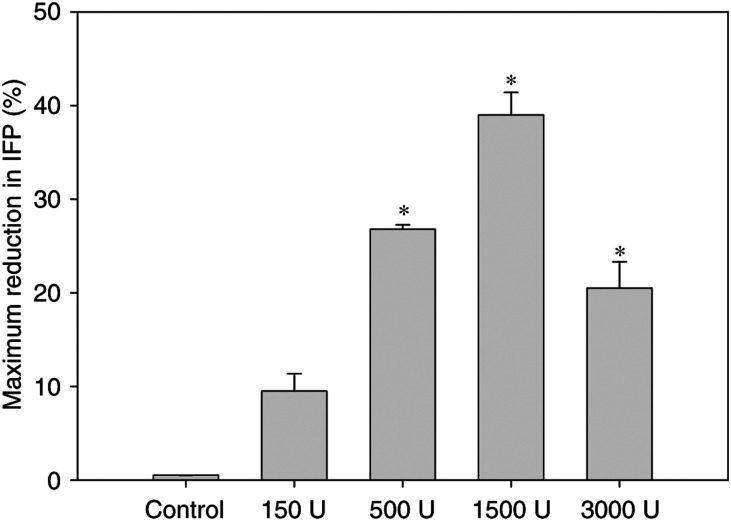
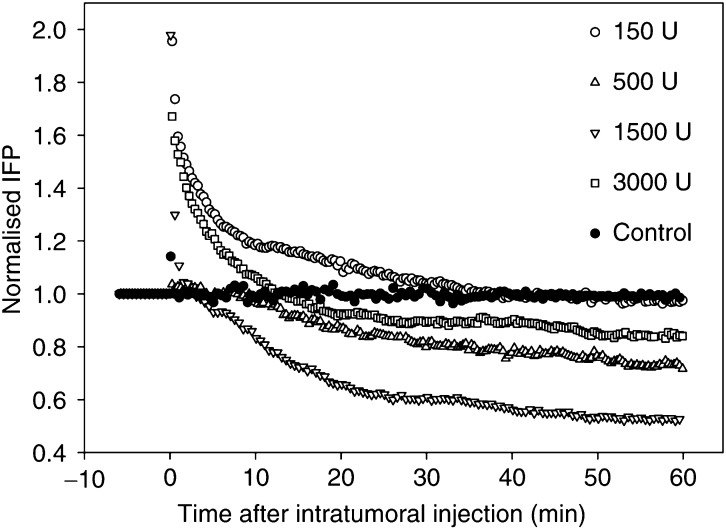
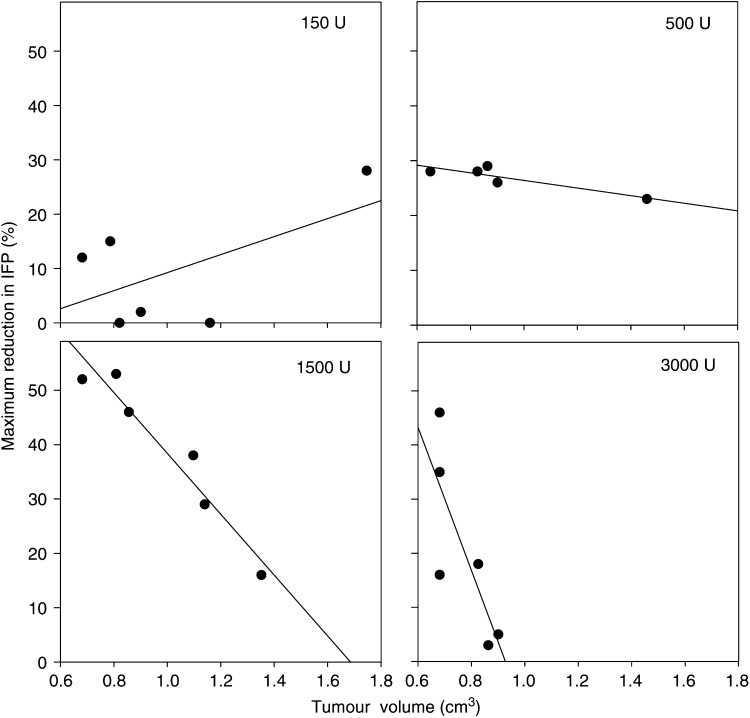
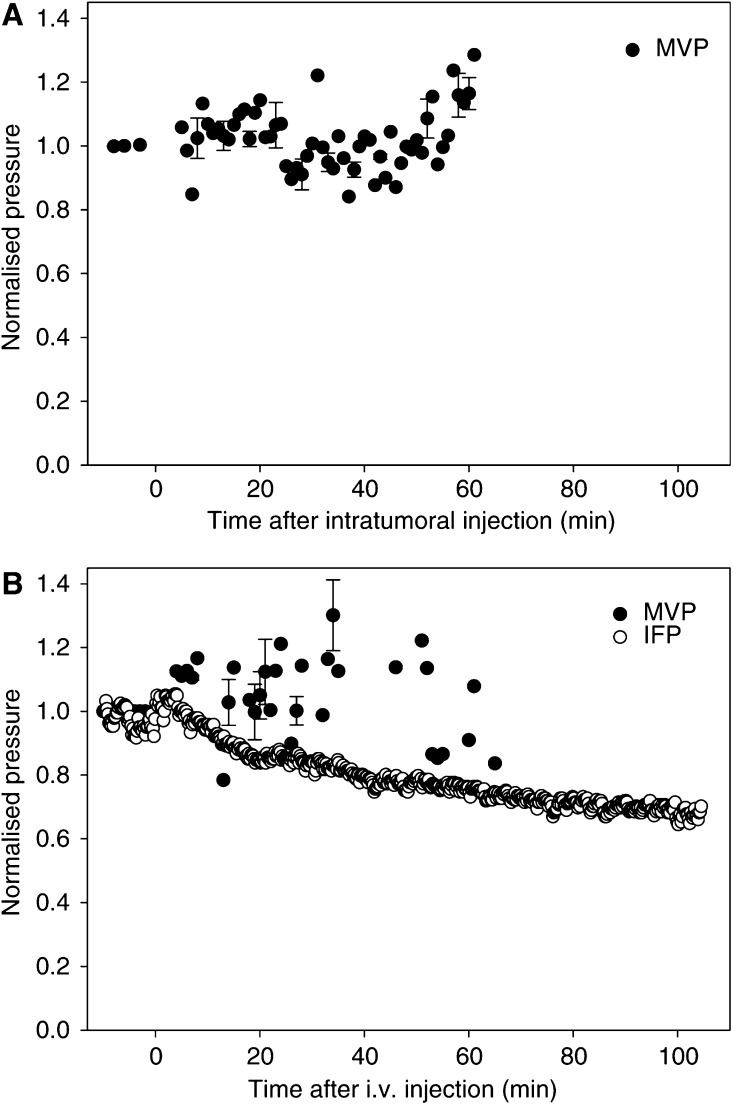
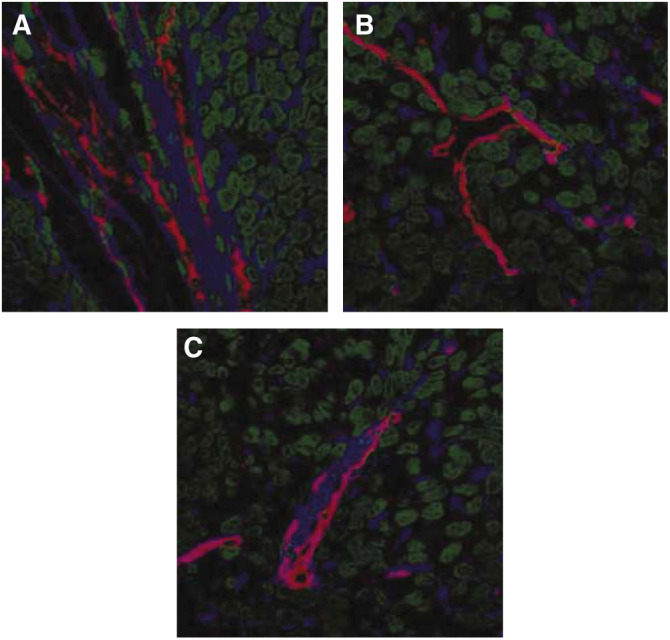
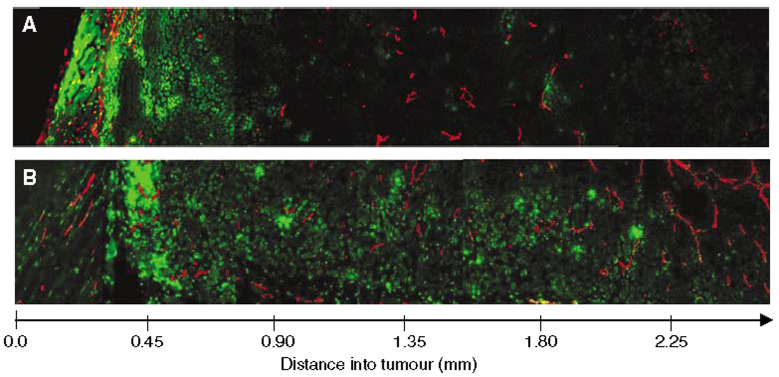
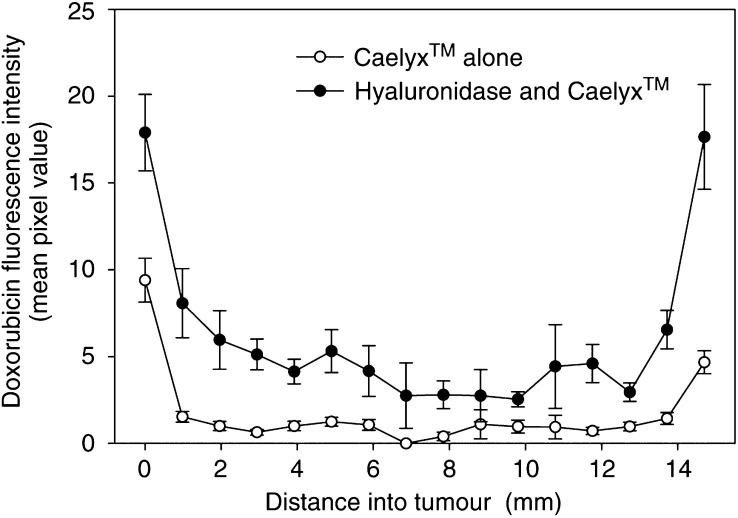
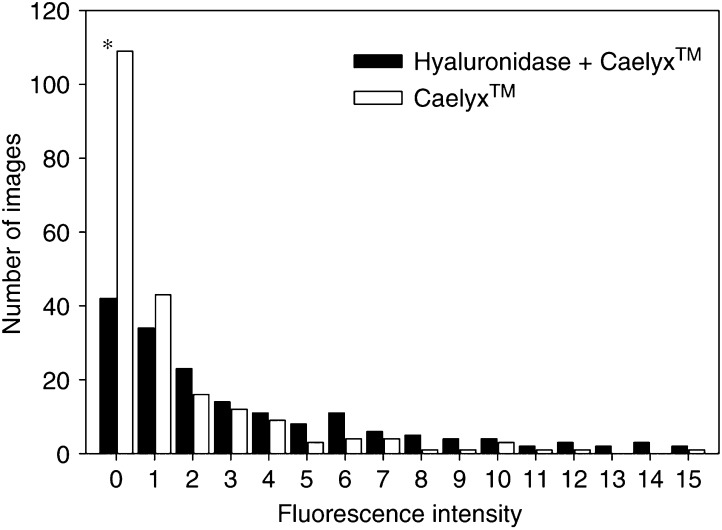
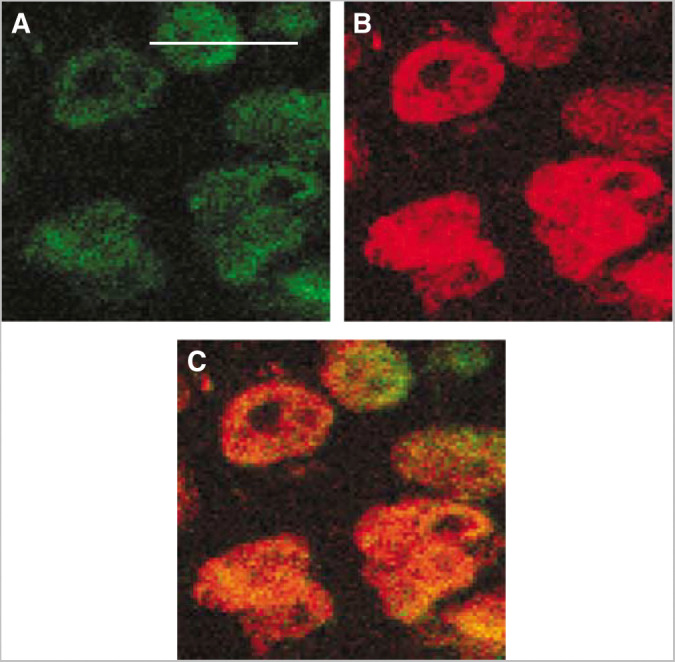
Liposomal drug delivery enhances the tumour selective localisation and may improve the uptake compared to free drug. However, the drug distribution within the tumour tissue may still be heterogeneous. Degradation of the extracellular matrix is assumed to improve the uptake and penetration of drugs. The effect of the ECM-degrading enzyme hyaluronidase on interstitial fluid pressure and microvascular pressure were measured in human osteosarcoma xenografts by the wick-in-needle and micropipette technique, respectively. The tumour uptake and distribution of liposomal doxorubicin were studied on tumour sections by confocal laser scanning microscopy. The drugs were injected i.v. 1 h after the hyaluronidase pretreatment. Intratumoral injection of hyaluronidase reduced interstitial fluid pressure in a nonlinear dose-dependent manner. Maximum interstitial fluid pressure reduction of approximately 50% was found after injection of 1500 U hyaluronidase. Neither intratumoral nor i.v. injection of hyaluronidase induced any changes in the microvascular pressure. Thus, hyaluronidase induced a transcapillary pressure gradient, resulting in a four-fold increase in the tumour uptake and improving the distribution of the liposomal doxorubicin. Hyaluronidase reduces a major barrier for drug delivery by inducing a transcapillary pressure gradient, and administration of hyaluronidase adjuvant with liposomal doxorubicin may thus improve the therapeutic outcome.
Overview
The claims and statistics of this paper haven’t been checked yet.
Run the check — free, no account needed. It reads the open-access text and checks the sources it cites.
Integrity signals
Registry
Cites
Statistics
Figures
Verification
Claims the paper makes
The claims and statistics of this paper haven’t been checked yet.
Run the check — free, no account needed. It reads the open-access text and checks the sources it cites.
Claims other papers make about this one
Each is checked against this paper’s own text: does it say what the citing paper says it does?
In the citing paper
“Besides, for the fibrotic lesion, degradation of the extracellular matrix using collagenase or hyaluronidase can be effective strategies to enhance accumulation [161, 162].”
From Non-viral delivery systems for CRISPR/Cas9-based genome editing: challenges and opportunities (2018) · cites this paper as [162]
Self-check
Percentages, sums and reported differences re-computed from the paper’s own numbers.
The self-check needs the paper’s full text.
Citations
Cites
Gabizón, A., Catane, R., Uziely, B., Kaufman, B., Safra, T., Cohen, R., Martin, F., Huang, A., & Barenholz, Y. (1994) · PubMed · Cited by 1,382
Yuan, F., Leunig, M., Huang, S. K., Berk, D. A., Papahadjopoulos, D., & Jain, R. K. (1994) · PubMed · Cited by 908
Dynamic imaging of collagen and its modulation in tumors in vivo using second-harmonic generation
Brown, E. B., McKee, T. D., DiTomaso, E., Pluen, A., Seed, B., Boucher, Y., & Jain, R. K. (2003) · Nature Medicine · doi:10.1038/nm879 · Cited by 844
(1990) · PubMed · Cited by 757
Jain, R. K., & Baxter, L. T. (1988) · PubMed · Cited by 710
Pluen, A., Boucher, Y., Ramanujan, S., McKee, T. D., Gohongi, T., di Tomaso, E., Brown, E. B., Izumi, Y., Campbell, R. B., Berk, D. A., et al. (2001) · Proceedings of the National Academy of Sciences · doi:10.1073/pnas.081626898 · Cited by 613
Harris, L. N., Batist, G., Belt, R. J., Rovira, D., Navari, R. M., Azarnia, N., Welles, L., Winer, E. P., & TLC D‐99 Study Group (2001) · Cancer · doi:10.1002/cncr.10201 · Cited by 517
Boucher, Y., & Jain, R. K. (1992) · PubMed · Cited by 510
Polyethylenglykol-umhülltes (pegyliertes) liposomales Doxorubicin
Gabizón, A., & Martin, F. (1997) · Drugs · doi:10.2165/00003495-199700544-00005 · Cited by 478
Pulsatile pressures in the microcirculation of frog's mesentery
Wiederhielm, C. A., Woodbury, J. W., Kirk, S., & Rushmer, R. F. (1964) · American Journal of Physiology-Legacy Content · doi:10.1152/ajplegacy.1964.207.1.173 · Cited by 439
Cited by
Sorted by citations
Provenzano, P. P., Cuevas, C., Chang, A. E., Goel, V. K., Von Hoff, D. D., & Hingorani, S. R. (2012) · Cancer Cell · doi:10.1016/j.ccr.2012.01.007 · Cited by 2,195
“Local injection of hyaluronidase into osteosarcoma xenografts has been shown to decrease IFP (Brekken et al., 2000; Eikenes et al., 2005), although enforced overexpression of HA in thyroid and colon carcinoma xenografts did not increase it (Jacobson et al., 2003).”
BackgroundDanhier, F. (2016) · Journal of Controlled Release · doi:10.1016/j.jconrel.2016.11.015 · Cited by 1,288
Barua, S., & Mitragotri, S. (2014) · Nano Today · doi:10.1016/j.nantod.2014.04.008 · Cited by 1,288
Challenges and strategies in anti-cancer nanomedicine development: An industry perspective
Hare, J. I., Lammers, T., Ashford, M. B., Puri, S., Storm, G., & Barry, S. T. (2016) · Advanced Drug Delivery Reviews · doi:10.1016/j.addr.2016.04.025 · Cited by 1,279
Extracellular Matrix in the Tumor Microenvironment and Its Impact on Cancer Therapy
Henke, E., Nandigama, R., & Ergün, S. (2020) · Frontiers in Molecular Biosciences · doi:10.3389/fmolb.2019.00160 · Cited by 1,142
“, 2013) and of liposomal DOX in osteosarcoma xenografts (Eikenes et al., 2005).”
BackgroundInfluentialKobayashi, H., Watanabe, R., & Choyke, P. L. (2014) · Theranostics · doi:10.7150/thno.7193 · Cited by 996
“(74) Most of these mediators are low molecular weight and thus, when injected systemically, will affect normal blood vessels in the vicinity of tumor, thus, facilitating extravasation not only within but also around tumors.”
BackgroundNanomedicine(s) under the Microscope
Duncan, R., & Gaspar, R. S. (2011) · Molecular Pharmaceutics · doi:10.1021/mp200394t · Cited by 1,009
Nichols, J. W., & Bae, Y. H. (2014) · Journal of Controlled Release · doi:10.1016/j.jconrel.2014.03.057 · Cited by 834
Delivery of Molecular and Nanoscale Medicine to Tumors: Transport Barriers and Strategies
Chauhan, V. P., Stylianopoulos, T., Boucher, Y., & Jain, R. K. (2011) · Annual Review of Chemical and Biomolecular Engineering · doi:10.1146/annurev-chembioeng-061010-114300 · Cited by 597
Improving drug delivery to solid tumors: Priming the tumor microenvironment
Khawar, I. A., Kim, J. H., & Kuh, H.-J. (2015) · Journal of Controlled Release · doi:10.1016/j.jconrel.2014.12.018 · Cited by 533
A framework for designing delivery systems
Poon, W., Kingston, B. R., Ouyang, B., Ngo, W., & Chan, W. C. W. (2020) · Nature Nanotechnology · doi:10.1038/s41565-020-0759-5 · Cited by 537
Cell membrane-derived nanomaterials for biomedical applications
Fang, R. H., Jiang, Y., Fang, J. C., & Zhang, L. (2017) · Biomaterials · doi:10.1016/j.biomaterials.2017.02.041 · Cited by 471
Platt, V. M., & Szoka, F. C. (2008) · Molecular Pharmaceutics · doi:10.1021/mp800024g · Cited by 455
El‐Sawy, H. S., Al-Abd, A. M., Ahmed, T. A., El‐Say, K. M., & Torchilin, V. P. (2018) · ACS Nano · doi:10.1021/acsnano.8b06104 · Cited by 436
Non-viral delivery systems for CRISPR/Cas9-based genome editing: challenges and opportunities
Li, L., Hu, S., & Chen, X. (2018) · Biomaterials · doi:10.1016/j.biomaterials.2018.04.031 · Cited by 415
Overchuk, M., & Zheng, G. (2017) · Biomaterials · doi:10.1016/j.biomaterials.2017.10.024 · Cited by 385
The Interplay between Extracellular Matrix Remodeling and Cancer Therapeutics
Prakash, J., & Shaked, Y. (2024) · Cancer Discovery · doi:10.1158/2159-8290.cd-24-0002 · Cited by 416
Cairns, R. A., Papandreou, I., & Denko, N. C. (2006) · Molecular Cancer Research · doi:10.1158/1541-7786.mcr-06-0002 · Cited by 375
Strategies to improve the EPR effect: A mechanistic perspective and clinical translation
Ikeda-Imafuku, M., Wang, L. L.-W., Rodrigues, D., Shaha, S., Zhao, Z., & Mitragotri, S. (2022) · Journal of Controlled Release · doi:10.1016/j.jconrel.2022.03.043 · Cited by 330
Hyaluronidase To Enhance Nanoparticle-Based Photodynamic Tumor Therapy
Gong, H., Chao, Y., Xiang, J., Han, X., Song, G., Feng, L., Liu, J., Yang, G., Chen, Q., & Liu, Z. (2016) · Nano Letters · doi:10.1021/acs.nanolett.6b00068 · Cited by 323
Increased nanoparticle penetration in collagenase-treated multicellular spheroids.
Goodman, T. T., Olive, P. L., & Pun, S. H. (2007) · PubMed Central · Cited by 298
Enzymatic Depletion of Tumor Hyaluronan Induces Antitumor Responses in Preclinical Animal Models
Thompson, C. B., Shepard, H. M., O'Connor, P. M., Kadhim, S., Jiang, P., Osgood, R. J., Bookbinder, L. H., Li, X., Sugarman, B. J., Connor, R. J., et al. (2010) · Molecular Cancer Therapeutics · doi:10.1158/1535-7163.mct-10-0470 · Cited by 298
Stromal barriers and strategies for the delivery of nanomedicine to desmoplastic tumors
Miao, L., Lin, C. M., & Huang, L. (2015) · Journal of Controlled Release · doi:10.1016/j.jconrel.2015.08.017 · Cited by 270
Exploiting nanotechnology to overcome tumor drug resistance: Challenges and opportunities
Kirtane, A. R., Kalscheuer, S., & Panyam, J. (2013) · Advanced Drug Delivery Reviews · doi:10.1016/j.addr.2013.09.001 · Cited by 264
Penetration and Uptake of Nanoparticles in 3D Tumor Spheroids
Tchoryk, A., Taresco, V., Argent, R. H., Ashford, M. B., Gellert, P. R., Stolnik, S., Grabowska, A. M., & Garnett, M. C. (2019) · Bioconjugate Chemistry · doi:10.1021/acs.bioconjchem.9b00136 · Cited by 252
Kanapathipillai, M., Brock, A., & Ingber, D. E. (2014) · Advanced Drug Delivery Reviews · doi:10.1016/j.addr.2014.05.005 · Cited by 234
Liu, X., Lin, P. K., Perrett, I., Lin, J., Liao, Y., Chang, C. H., Jiang, J., Wu, N., Donahue, T. R., Wainberg, Z. A., et al. (2017) · Journal of Clinical Investigation · doi:10.1172/jci92284 · Cited by 229
Delivery of nanomedicines to extracellular and intracellular compartments of a solid tumor
Li, Y., Wang, J., Wientjes, M. G., & Au, J. L. ‐. (2011) · Advanced Drug Delivery Reviews · doi:10.1016/j.addr.2011.04.006 · Cited by 225
“, liposomes) [80,81]; with a greater effect for collagenase [82].”
You, J., Zhang, R., Xiong, C., Zhong, M., Melancon, M. P., Gupta, S. K., Nick, A. M., Sood, A. K., & Li, C. (2012) · Cancer Research · doi:10.1158/0008-5472.can-12-1003 · Cited by 215
“In addition to active targeting mediated by receptor ligands exemplified in this study, physiological and physical methods such as tumor priming, vascular disruption, degradation of the extracellular matrix, and vessel normalization may be used to improve tumor distribution of nanoparticles (25-29).”
MethodCurrent Approaches for Improving Intratumoral Accumulation and Distribution of Nanomedicines
Durymanov, M. O., Rosenkranz, A. A., & Sobolev, A. S. (2015) · Theranostics · doi:10.7150/thno.11742 · Cited by 191
Intratumoral Drug Delivery with Nanoparticulate Carriers
Holback, H., & Yeo, Y. (2011) · Pharmaceutical Research · doi:10.1007/s11095-010-0360-y · Cited by 189
“Collagenase (123, 124) and hyaluronidase (123, 125) have been used in conjunction with drug delivery”
BackgroundMethodInfluentialParodi, A., Haddix, S. G., Taghipour, N., Scaria, S., Taraballi, F., Cevenini, A., Yazdi, I. K., Corbo, C., Palomba, R., Khaled, S. Z., et al. (2014) · ACS Nano · doi:10.1021/nn502807n · Cited by 182
Nanoformulations for combination or cascade anticancer therapy
Miao, L., Guo, S., Lin, C. M., Liu, Q., & Huang, L. (2017) · Advanced Drug Delivery Reviews · doi:10.1016/j.addr.2017.06.003 · Cited by 178
Overcoming Challenges for CD3-Bispecific Antibody Therapy in Solid Tumors
Middelburg, J., Kemper, K., Engelberts, P. J., Labrijn, A. F., Schuurman, J., & van Hall, T. (2021) · Cancers · doi:10.3390/cancers13020287 · Cited by 178
Sun, Y., & Davis, E. W. (2021) · Nanomaterials · doi:10.3390/nano11030746 · Cited by 183
Leveraging Physiology for Precision Drug Delivery
Sun, W., Hu, Q., Ji, W., Wright, G., & Gu, Z. (2017) · Physiological Reviews · doi:10.1152/physrev.00015.2016 · Cited by 169
Chemical Components for the Design of Temperature-Responsive Vesicles as Cancer Therapeutics
Al-Ahmady, Z. S., & Kostarelos, K. (2016) · Chemical Reviews · doi:10.1021/acs.chemrev.5b00578 · Cited by 163
Davies, C. D. L., Lundstrøm, L. M., Frengen, J., Eikenes, L., Bruland, Ø. S., Kaalhus, O., Hjelstuen, M. H. B., & Brekken, C. (2004) · Cancer Research · doi:10.1158/0008-5472.can-03-0576 · Cited by 163
Au, J. L. ‐., Yeung, B. Z., Wientjes, M. G., Lu, Z., & Wientjes, M. G. (2015) · Advanced Drug Delivery Reviews · doi:10.1016/j.addr.2015.12.002 · Cited by 163
Design of nanocarriers based on complex biological barriers in vivo for tumor therapy
Liu, J., Li, M., Luo, Z. Y., Dai, L., Guo, X., & Cai, K. (2017) · Nano Today · doi:10.1016/j.nantod.2017.06.010 · Cited by 158
Shim, M. K., Yang, S., Sun, I., & Kim, K. (2022) · Advanced Drug Delivery Reviews · doi:10.1016/j.addr.2022.114177 · Cited by 158
Modulating the Tumor Microenvironment to Enhance Tumor Nanomedicine Delivery
Zhang, B., Hu, Y., & Pang, Z. (2017) · Frontiers in Pharmacology · doi:10.3389/fphar.2017.00952 · Cited by 152
“Hyaluronidase was shown to induce a 4fold increase in the distribution of liposomal doxorubicin in a human osteosarcoma xenograft model (Eikenes et al., 2005).”
BackgroundKratz, F., & Warnecke, A. (2012) · Journal of Controlled Release · doi:10.1016/j.jconrel.2012.05.045 · Cited by 134
In Vivo Distribution of Polymeric Nanoparticles at the Whole-Body, Tumor, and Cellular Levels
Lee, H., Hoang, B., Fonge, H., Reilly, R. M., & Allen, C. J. (2010) · Pharmaceutical Research · doi:10.1007/s11095-010-0068-z · Cited by 132
Tumor Priming Enhances Delivery and Efficacy of Nanomedicines
Lü, D., Wientjes, M. G., Lu, Z., & Au, J. L. ‐. (2007) · Journal of Pharmacology and Experimental Therapeutics · doi:10.1124/jpet.107.121632 · Cited by 127
“Although increasing the gradient between MVP and IFP can promote the extravasation of albumin, antibodies, and liposomes (Eikenes et al., 2004, 2005; Tong et al., 2004), this is not a likely mechanism because paclitaxel simultaneously reduces MVP and IFP and does not alter the pressure gradient…”
BackgroundInfluentialEl‐Dakdouki, M. H., Zhu, D. C., El‐Boubbou, K., Kamat, M. N., Chen, J., Li, W., & Huang, X. (2012) · Biomacromolecules · doi:10.1021/bm300046h · Cited by 126
Ultrasound and microbubbles to beat barriers in tumors: Improving delivery of nanomedicine
Snipstad, S., Vikedal, K., Maardalen, M., Kurbatskaya, A., Sulheim, E., & Davies, C. D. L. (2021) · Advanced Drug Delivery Reviews · doi:10.1016/j.addr.2021.113847 · Cited by 122
Snipstad, S., Sulheim, E., Davies, C. D. L., MOONEN, C. T. W., Storm, G., Kiessling, F. M., Schmid, R., & Lammers, T. (2018) · Expert Opinion on Drug Delivery · doi:10.1080/17425247.2018.1547279 · Cited by 119
Targeting the tumor biophysical microenvironment to reduce resistance to immunotherapy
Zhang, T., Jia, Y., Yu, Y., Zhang, B., Xu, F., & Guo, H. (2022) · Advanced Drug Delivery Reviews · doi:10.1016/j.addr.2022.114319 · Cited by 119
Antifibrotic therapy to normalize the tumor microenvironment
Hauge, A., & Rofstad, E. K. (2020) · Journal of Translational Medicine · doi:10.1186/s12967-020-02376-y · Cited by 119
Therapeutic applications of collagenase (metalloproteases): A review
Alipour, H., Raz, A., Zakeri, S., & Djadid, N. D. (2016) · Asian Pacific Journal of Tropical Biomedicine · doi:10.1016/j.apjtb.2016.07.017 · Cited by 113
Radionuclide carriers for targeting of cancer
Sofou, S. (2008) · International Journal of Nanomedicine · doi:10.2147/ijn.s2736 · Cited by 106
“Towards this goal, collagenase (Eikenes et al 2004) and hyaluronidase (Eikenes et al 2005) were evaluated in vivo on human osteosarcoma xenografts.”
Sato, Y., Note, Y., Maeki, M., Kaji, N., Baba, Y., Tokeshi, M., & Harashima, H. (2016) · Journal of Controlled Release · doi:10.1016/j.jconrel.2016.03.019 · Cited by 108
Therapeutic Targeting of Hyaluronan in the Tumor Stroma
Kultti, A. H., Li, X., Jiang, P., Thompson, C. B., Frost, G. I., & Shepard, H. M. (2012) · Cancers · doi:10.3390/cancers4030873 · Cited by 107
“In addition, previous preclinical studies [106–108] have attributed chemopotentiation by hyaluronidase to a reduction in tIFP, which facilitates enhanced drug penetration into HA-depleted tumors.”
BackgroundTumor extracellular matrix modulating strategies for enhanced antitumor therapy of nanomedicines
Li, M., Zhang, Y., Zhang, Q., & Li, J. (2022) · Materials Today Bio · doi:10.1016/j.mtbio.2022.100364 · Cited by 111
Targeting endothelial permeability in the EPR effect
Lahooti, B., Akwii, R. G., Zahra, F. T., Sajib, M. S., Λάμπρου, Μ., Alobaida, A., Lionakis, M. S., Mattheolabakis, G., & Mikelis, C. M. (2023) · Journal of Controlled Release · doi:10.1016/j.jconrel.2023.07.039 · Cited by 114
Dhaliwal, A. K., & Zheng, G. (2019) · Theranostics · doi:10.7150/thno.37204 · Cited by 107
“Treatment with enzymes that digest the physical structure of the ECM, such as collagenase [29] and hyaluronidase [30,31,32,33], lower interstitial fluid pressure in tumors, while direct induction of apoptosis in cancer and stromal cells can reduce pressure on microvasculature to improve depth of penetration of agents…”
BackgroundJurj, A. M., Ionescu, C., Berindan‐Neagoe, I., & Braicu, C. (2022) · Journal of Experimental & Clinical Cancer Research · doi:10.1186/s13046-022-02484-1 · Cited by 113
Cancer Cell Death Enhances the Penetration and Efficacy of Oncolytic Herpes Simplex Virus in Tumors
Nagano, S., Perentes, J. Y., Jain, R. K., & Boucher, Y. (2008) · Cancer Research · doi:10.1158/0008-5472.can-07-6193 · Cited by 104
“Although hyaluronan is thought to hinder the movement of large molecules (19, 20, 25), paclitaxel-TRAIL pretreatment still improved the viral dispersion, suggesting that hyaluronan was not Figure 5.”
BackgroundBaronzio, G., Parmar, G., & Baronzio, M. (2015) · Frontiers in Oncology · doi:10.3389/fonc.2015.00165 · Cited by 103
Immunoliposomes in clinical oncology: State of the art and future perspectives
Merino, M., Zalba, S., & Garrido, M. J. (2018) · Journal of Controlled Release · doi:10.1016/j.jconrel.2018.02.015 · Cited by 100
Pulsed Ultrasound Enhances Nanoparticle Penetration into Breast Cancer Spheroids
Grainger, S. J., Serna, J. V., Sunny, S., Zhou, Y., Deng, C. X., & ElSayed, M. E. H. (2010) · Molecular Pharmaceutics · doi:10.1021/mp100280b · Cited by 99
Physical and chemical modifications of collagen gels: Impact on diffusion
Erikson, A., Andersen, H. N., Næss, S. N., Sikorski, P., & Davies, C. D. L. (2007) · Biopolymers · doi:10.1002/bip.20874 · Cited by 91
Liu, J. F., Lan, Z., Ferrari, C., Stein, J. M., Higbee-Dempsey, E. M., Yan, L., Amirshaghaghi, A., Cheng, Z., Issadore, D., & Tsourkas, A. (2019) · ACS Nano · doi:10.1021/acsnano.9b05660 · Cited by 91
Harnessing nanomedicine to overcome the immunosuppressive tumor microenvironment
Sun, B., Hyun, H., Li, L., & Wang, A. Z. (2020) · Acta Pharmacologica Sinica · doi:10.1038/s41401-020-0424-4 · Cited by 91
“The DOX-encapsulated and IND-conjugated liposomes (DOX/IND liposomes) induce ICD and increase phosphorylation of S6 kinase in the mTOR pathway, reversing the immunosuppressive activity of IDO; furthermore, the pharmacokinetics of DOX or IND were improved in the 4T1 tumor model, demonstrating the use of nanoliposomes t…”
BackgroundLocoregional drug delivery for cancer therapy: Preclinical progress and clinical translation
Shaha, S., Rodrigues, D., & Mitragotri, S. (2024) · Journal of Controlled Release · doi:10.1016/j.jconrel.2024.01.072 · Cited by 92
Improving the distribution of Doxil® in the tumor matrix by depletion of tumor hyaluronan
Kohli, A. G., Kivimäe, S., Tiffany, M. R., & Szoka, F. C. (2014) · Journal of Controlled Release · doi:10.1016/j.jconrel.2014.05.019 · Cited by 88
“In contrast to PEGPHG20 treatment, treatment with L-MU-P does not alter the EPR effect and enhance tumor uptake of nanoparticles [56].”
Al-Ahmady, Z. S., Chaloin, O., & Kostarelos, K. (2014) · Journal of Controlled Release · doi:10.1016/j.jconrel.2014.10.013 · Cited by 86
Marcucci, F., & Corti, A. (2011) · Advanced Drug Delivery Reviews · doi:10.1016/j.addr.2011.09.007 · Cited by 90
Improving Delivery and Efficacy of Nanomedicines in Solid Tumors: Role of Tumor Priming
Wang, J., Lu, Z., Gao, Y., Wientjes, M. G., & Au, J. L. ‐. (2011) · Nanomedicine · doi:10.2217/nnm.11.141 · Cited by 87
Collagenase-1 injection improved tumor distribution and gene expression of cationic lipoplex
Kato, M., Hattori, Y., Kubo, M., & Maitani, Y. (2011) · International Journal of Pharmaceutics · doi:10.1016/j.ijpharm.2011.12.015 · Cited by 85
Drug distribution in tumors: Mechanisms, role in drug resistance, and methods for modification
Paolo, A. D., & Bocci, G. (2007) · Current Oncology Reports · doi:10.1007/s11912-007-0006-3 · Cited by 86
Cancer Drug Delivery: Considerations in the Rational Design of Nanosized Bioconjugates
Kobayashi, H., Türkbey, B., Watanabe, R., & Choyke, P. L. (2014) · Bioconjugate Chemistry · doi:10.1021/bc500481x · Cited by 82
Mechanisms of the ultrasound-mediated intracellular delivery of liposomes and dextrans
Afadzi, M., Strand, S. P., Nilssen, E. A., Måsøy, S., Johansen, T. F., Hansen, R., Angelsen, B., & Davies, C. D. L. (2012) · IEEE Transactions on Ultrasonics Ferroelectrics and Frequency Control · doi:10.1109/tuffc.2013.2534 · Cited by 82
“These improvements may be achieved by treating the tumor chemically using enzymes [8], [9] or physically by radiation [6] or ultrasound [10]–[12].”
BackgroundNanomedicine and tumor heterogeneity: Concept and complex reality
Ekdawi, S. N., Jaffray, D. A., & Allen, C. J. (2016) · Nano Today · doi:10.1016/j.nantod.2016.06.006 · Cited by 82
Challenges to effective cancer nanotheranostics
Melancon, M. P., Stafford, R. J., & Li, C. (2012) · Journal of Controlled Release · doi:10.1016/j.jconrel.2012.07.045 · Cited by 79
“Also, degradation of the extracellular matrix by collagenase or hyaluronidase increased the distribution of a monoclonal antibody and liposomal doxorubicin in tumor twofold to fourfold [17, 18].”
BackgroundCAR T Cell Therapy of Non-hematopoietic Malignancies: Detours on the Road to Clinical Success
Long, K. B., Young, R. M., Boesteanu, A. C., Suhoski, M. M., Melenhorst, J. J., Lacey, S. F., Degaramo, D. A., Levine, B. L., & Fraietta, J. A. (2018) · Frontiers in Immunology · doi:10.3389/fimmu.2018.02740 · Cited by 80
Liu, J., Tian, L., Zhang, R., Dong, Z., Wang, H., & Liu, Z. (2018) · ACS Applied Materials & Interfaces · doi:10.1021/acsami.8b17684 · Cited by 74
Boeckelmann, L., & Schumacher, U. (2019) · Expert Opinion on Therapeutic Targets · doi:10.1080/14728222.2019.1702974 · Cited by 82
Stapleton, S., Milosevic, M., Tannock, I. F., Allen, C. J., & Jaffray, D. A. (2015) · Journal of Controlled Release · doi:10.1016/j.jconrel.2015.06.008 · Cited by 73
Luo, J., Gong, T., & Ma, L. (2020) · Carbohydrate Polymers · doi:10.1016/j.carbpol.2020.116887 · Cited by 72
Emerging nanomedicines for anti-stromal therapy against desmoplastic tumors
Han, X., Xu, Y., Geranpayehvaghei, M., Anderson, G. J., Li, Y., & Nie, G. (2019) · Biomaterials · doi:10.1016/j.biomaterials.2019.119745 · Cited by 74
Controlled Extracellular Matrix Degradation in Breast Cancer Tumors Improves Therapy by Trastuzumab
Beyer, I., Li, Z., Persson, J., Liu, Y., van Rensburg, R., Yumul, R., Zhang, X., Hung, M., & Lieber, A. (2010) · Molecular Therapy · doi:10.1038/mt.2010.256 · Cited by 71
Pharmacokinetics and pharmacodynamics of liposomal chemophototherapy with short drug-light intervals
Luo, D., Carter, K. A., Molins, E. A. G., Straubinger, N. L., Geng, J., Shao, S., Jusko, W. J., Straubinger, R. M., & Lovell, J. F. (2019) · Journal of Controlled Release · doi:10.1016/j.jconrel.2019.01.030 · Cited by 70
Hyaluronan degrading silica nanoparticles for skin cancer therapy
Scodeller, P., Catalano, P. N., Salguero, N., Durán, H., Wolosiuk, A., & Soler‐Illia, G. J. A. A. (2013) · Nanoscale · doi:10.1039/c3nr02787b · Cited by 69
Pharmacokinetic strategies to improve drug penetration and entrapment within solid tumors
Al-Abd, A. M., Aljehani, Z. K., Gazzaz, R. W., Fakhri, S. H., Jabbad, A. H., Alahdal, A. M., & Torchilin, V. P. (2015) · Journal of Controlled Release · doi:10.1016/j.jconrel.2015.08.055 · Cited by 67
Surface-Active Liposomes for Targeted Cancer Therapy
Sofou, S. (2007) · Nanomedicine · doi:10.2217/17435889.2.5.711 · Cited by 67
Morosi, L., Meroni, M., Ubezio, P., Nerini, I. F., Minoli, L., Porcu, L., Panini, N., Colombo, M., Blouw, B., Kang, D. W., et al. (2021) · Journal of Experimental & Clinical Cancer Research · doi:10.1186/s13046-021-02070-x · Cited by 65
Malhotra, S., Dumoga, S., & Singh, N. (2022) · Wiley Interdisciplinary Reviews Nanomedicine and Nanobiotechnology · doi:10.1002/wnan.1776 · Cited by 67
Gazzano, E., Buondonno, I., Marengo, A., Rolando, B., Chegaev, K. Y., Kopecka, J., Saponara, S., Sorge, M., Hattinger, C. M., Gasco, A., et al. (2019) · Cancer Letters · doi:10.1016/j.canlet.2019.04.029 · Cited by 64
Hak, S., Reitan, N. K., Haraldseth, O., & Davies, C. D. L. (2010) · Angiogenesis · doi:10.1007/s10456-010-9176-y · Cited by 62
“Enzymatic degradation of tumor ECM components induces a transcapillary pressure gradient and has been found to increase the diffusion of macromolecules through the tumor interstitium [24, 26, 94–98].”
BackgroundEikenes, L., Tufto, I., Schnell, E. A., Bjørkøy, A., & Davies, C. D. L. (2010) · PubMed · Cited by 62
Geretti, E., Leonard, S. C., Dumont, N., Lee, H., Zheng, J., Souza, R. D., Gaddy, D. F., Espelin, C. W., Jaffray, D. A., Moyo, V. M., et al. (2015) · Molecular Cancer Therapeutics · doi:10.1158/1535-7163.mct-15-0314 · Cited by 62
Ikeda-Imafuku, M., Gao, Y., Shaha, S., Wang, L., Park, K. S., Nakajima, M., Adebowale, O., & Mitragotri, S. (2022) · Journal of Controlled Release · doi:10.1016/j.jconrel.2022.11.007 · Cited by 61
Challenges and Opportunities Associated With Drug Delivery for the Treatment of Solid Tumors
Paresishvili, T., & Kakabadze, Z. (2023) · Oncology Reviews · doi:10.3389/or.2023.10577 · Cited by 62
Čemažar, M., Golzio, M., Serša, G., Escoffre, J., Coer, A., Vidic, S., & Teissié, J. (2011) · Human Gene Therapy · doi:10.1089/hum.2011.073 · Cited by 58
“Hyaluronidase led to improved distribution and therapeutic efficacy of chemotherapeutic drugs (Eikenes et al. , 2005).”
Extracellular matrix in cancer progression and therapy
He, X., Lee, B., & Jiang, Y. (2022) · Medical Review · doi:10.1515/mr-2021-0028 · Cited by 67
Nanomedicines in the future of pediatric therapy.
Sosnik, A., & Carcaboso, A. (2014) · Advanced Drug Delivery Reviews · doi:10.1016/j.addr.2014.05.004 · Cited by 54
Effective targeting of the tumor microenvironment for cancer therapy.
Jiang, P., Li, X., Thompson, C. B., Huang, Z., Araiza, F., Osgood, R. J., Wei, G., Feldmann, M., Frost, G. I., & Shepard, H. M. (2012) · PubMed · Cited by 56
Chen, E., Han, S., Song, B., Xu, L. X., Yuan, H., Liang, M., & Sun, Y. Y. (2020) · International Journal of Nanomedicine · doi:10.2147/ijn.s257164 · Cited by 56
Metadata
- Authors
- Eikenes, L., Tari, M., Tufto, I., Bruland, Ø. S., & de Lange Davies, C.
- Affiliations
- Norwegian University of Science and Technology (NO)
- University of Oslo (NO)
- Corresponding author
- Eikenes, L
- Venue
- British Journal of Cancer
- Published
- 2005-06-07
- Volume
- 93
- Issue
- 1
- Pages
- 81-88
- ISSN
- 0007-0920 (ISSN-L)
- 1532-1827
- PMC
- PMC2361478
- OpenAlex
- W1985957186
- Cited by
- 221
- References
- 41
- Citations by year
- 2026: 7 · 2025: 8 · 2024: 10 · 2023: 9 · 2022: 19 · 2021: 13 · 2020: 17 · 2019: 13 · 2018: 15 · 2017: 11 · 2016: 14 · 2015: 11 · 2014: 16 · 2013: 10 · 2012: 12
- FWCI
- 2.04
- Type
- journal article
- Language
- en
- Open access
- hybrid
- doi.org
- Licence
- cc-by-nc-sa
- www.springer.com/tdm (unspecified)
- Locations
- British Journal of Cancer (publishedVersion, cc-by-nc-sa)
- PubMed Central (publishedVersion, cc-by)
- PubMed (publishedVersion)
- Funders
- Kreftforeningen
- Topics
- Life Sciences › Biochemistry, Genetics and Molecular Biology › Cell Biology › Proteoglycans and glycosaminoglycans research
- Physical Sciences › Materials Science › Biomaterials › Nanoparticle-Based Drug Delivery
- Physical Sciences › Engineering › Biomedical Engineering › Ultrasound and Hyperthermia Applications
- Keywords
- hyaluronidase, liposomal doxorubicin, pegylated liposomal doxorubicin, osteosarcoma, interstitial fluid pressure, extracellular matrix degradation, microvascular pressure, tumor xenografts, drug delivery enhancement
- MeSH terms
- Animals, Antibiotics, Antineoplastic, Doxorubicin, Female, Humans, Hyaluronoglucosaminidase, Liposomes, Mice, Inbred BALB C, Osteosarcoma, Transplantation, Heterologous, Microscopy, Confocal, Mice
About these checks
Registry, retraction, Cites and statistics results are computed, not judged, with one exception: a printed reference that no index lists is read once by a model before it counts as a citation error. Claims are extracted by a model and kept only when their quote appears verbatim in the text; each cited source is then checked, with a model’s help, for whether it says what the claim relies on. Those verdicts can be wrong — read the claim’s quote and the cited source before relying on one.
Statistics and arithmetic are recomputed, not judged.
Confidence bands are shown only for fields calibrated on our annotated test set. None is calibrated yet, so no band is shown.
What counts as a claim ›How we measure confidence ›How we check this ›
Are you an author, or do you see a problem with this page? Request a review
