

The DOI matches its Crossref record; 163 of the 163 references it cites were found in a registry or an index.
Basolateral amygdala and stress-induced hyperexcitability affect motivated behaviors and addiction
Open accessAbstract
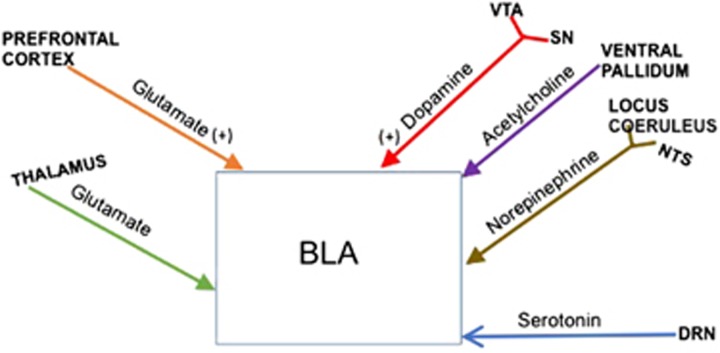
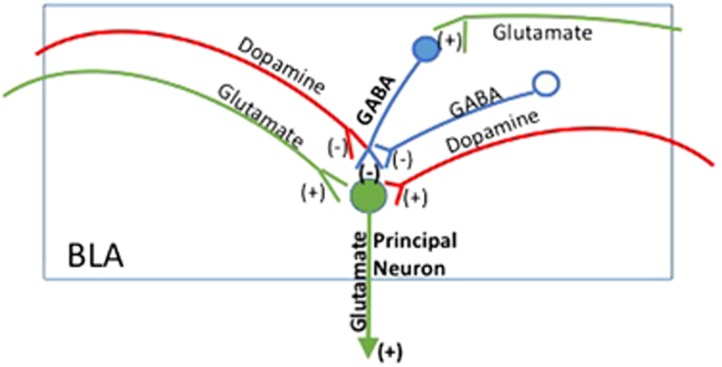
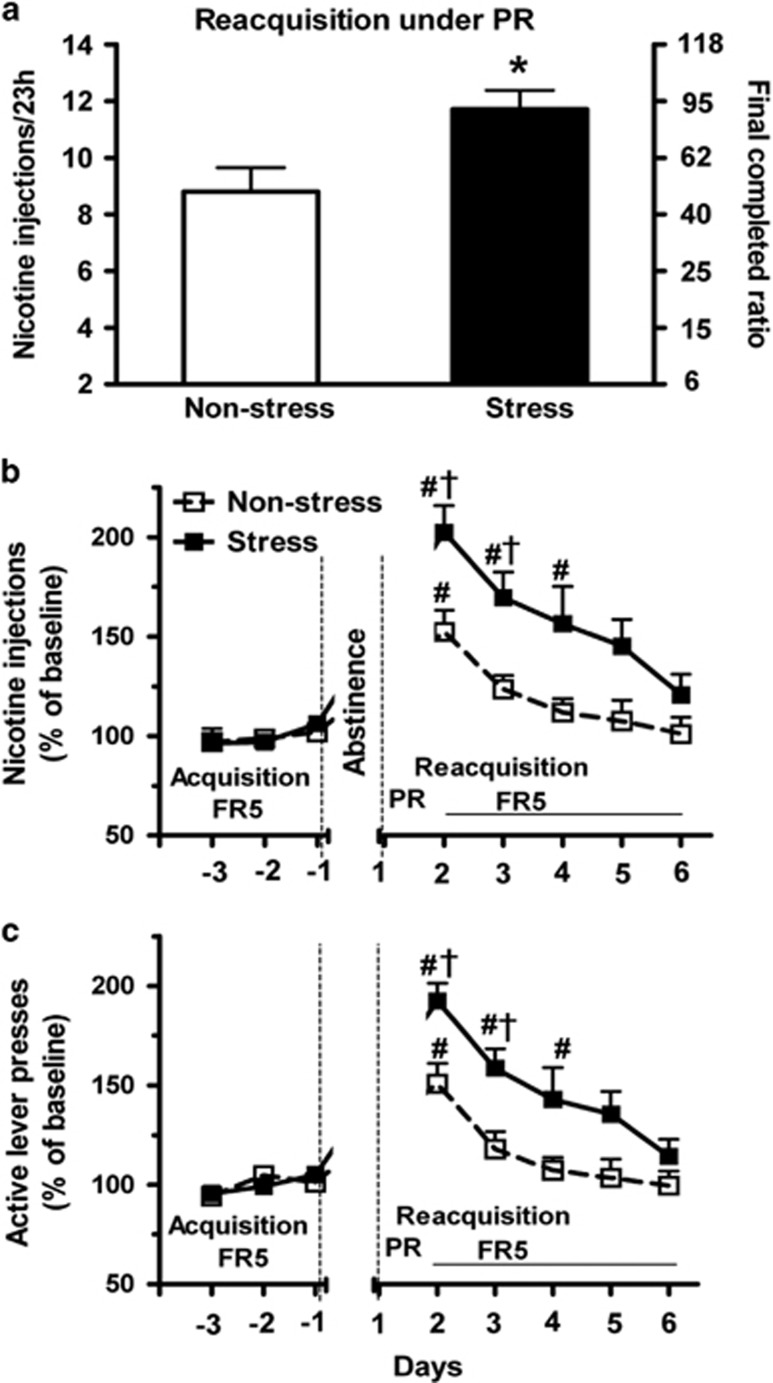
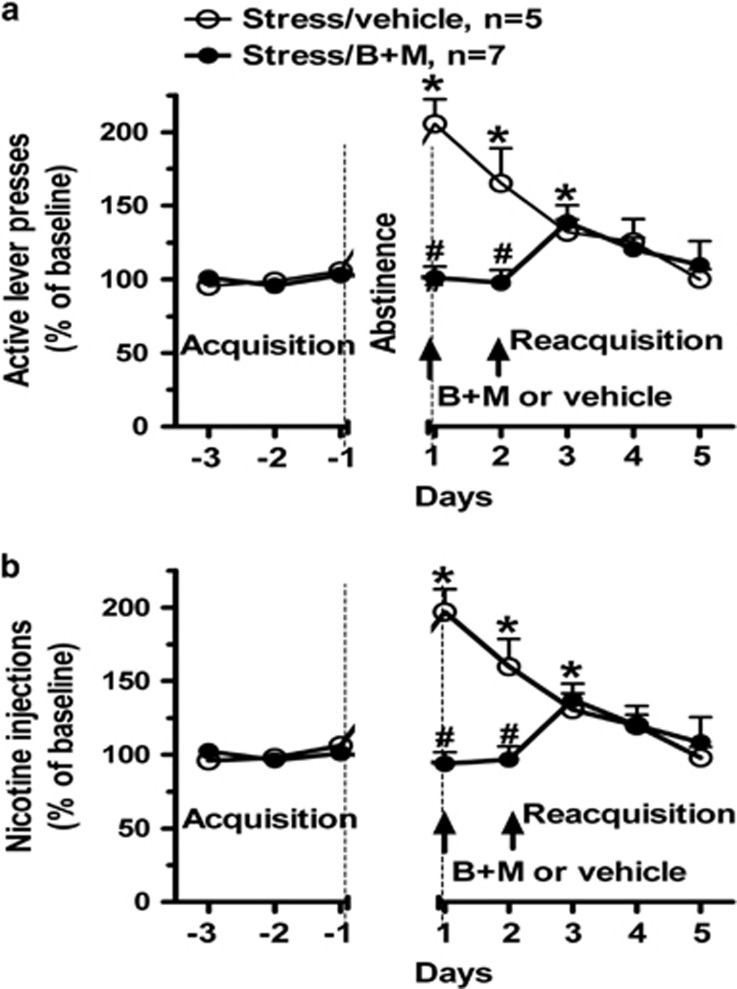
The amygdala integrates and processes incoming information pertinent to reward and to emotions such as fear and anxiety that promote survival by warning of potential danger. Basolateral amygdala (BLA) communicates bi-directionally with brain regions affecting cognition, motivation and stress responses including prefrontal cortex, hippocampus, nucleus accumbens and hindbrain regions that trigger norepinephrine-mediated stress responses. Disruption of intrinsic amygdala and BLA regulatory neurocircuits is often caused by dysfunctional neuroplasticity frequently due to molecular alterations in local GABAergic circuits and principal glutamatergic output neurons. Changes in local regulation of BLA excitability underlie behavioral disturbances characteristic of disorders including post-traumatic stress syndrome (PTSD), autism, attention-deficit hyperactivity disorder (ADHD) and stress-induced relapse to drug use. In this Review, we discuss molecular mechanisms and neural circuits that regulate physiological and stress-induced dysfunction of BLA/amygdala and its principal output neurons. We consider effects of stress on motivated behaviors that depend on BLA; these include drug taking and drug seeking, with emphasis on nicotine-dependent behaviors. Throughout, we take a translational approach by integrating decades of addiction research on animal models and human trials. We show that changes in BLA function identified in animal addiction models illuminate human brain imaging and behavioral studies by more precisely delineating BLA mechanisms. In summary, BLA is required to promote responding for natural reward and respond to second-order drug-conditioned cues; reinstate cue-dependent drug seeking; express stress-enhanced reacquisition of nicotine intake; and drive anxiety and fear. Converging evidence indicates that chronic stress causes BLA principal output neurons to become hyperexcitable.
Overview
The claims and statistics of this paper haven’t been checked yet.
Run the check — free, no account needed. It reads the open-access text and checks the sources it cites.
Integrity signals
Registry
Cites
Statistics
Figures
Verification
Claims the paper makes
The claims and statistics of this paper haven’t been checked yet.
Run the check — free, no account needed. It reads the open-access text and checks the sources it cites.
Claims other papers make about this one
Each is checked against this paper’s own text: does it say what the citing paper says it does?
In the citing paper
“The stress-induced attenuation of BLA→DMS activity was surprising because the BLA is, generally, hyperactive following chronic stress54–61 (c.f.62).”
From A dual-pathway architecture for stress to disrupt agency and promote habit (2025) · cites this paper as [59]
Self-check
Percentages, sums and reported differences re-computed from the paper’s own numbers.
The self-check needs the paper’s full text.
Citations
Cites
da Luz, A. C. D. D. S., Dias, G. P., Bevilaqua, M. C. D. N., Cocks, G. D., Gardino, P. F., Thuret, S., & Nardi, A. E. (2013) · Neuropsychobiology · doi:10.1159/000353269 · Cited by 4,015
Egan, M. F., Kojima, M., Callicott, J. H., Goldberg, T. E., Kolachana, B. S., Bertolino, A., Zaitsev, E., Gold, B., Goldman, D., Dean, M., et al. (2003) · Cell · doi:10.1016/s0092-8674(03)00035-7 · Cited by 3,888
Bardo, M. T., & Hammer, R. P. (1991) · Neuroscience · doi:10.1016/0306-4522(91)90226-e · Cited by 3,229
Krishnan, V., Han, M.-H., Graham, D. L., Berton, O., Renthal, W., Russo, S. J., LaPlant, Q., Graham, A., Lutter, M., Lagace, D. C., et al. (2007) · Cell · doi:10.1016/j.cell.2007.09.018 · Cited by 2,307
Whalen, P. J., Rauch, S. L., Etcoff, N. L., McInerney, S. C., Lee, M. B., & Jenike, M. A. (1998) · The Journal of Neuroscience · doi:10.1523/jneurosci.18-01-00411.1998 · Cited by 2,205
The Amygdaloid Complex: Anatomy and Physiology
SAH, P., FABER, E. S. L., LOPEZ DE ARMENTIA, M., & POWER, J. (2003) · Physiological Reviews · doi:10.1152/physrev.00002.2003 · Cited by 1,745
The reinstatement model of drug relapse: history, methodology and major findings
Shaham, Y., Shalev, U., Lu, L., de Wit, H., & Stewart, J. (2003) · Psychopharmacology · doi:10.1007/s00213-002-1224-x · Cited by 1,615
Goal-directed instrumental action: contingency and incentive learning and their cortical substrates
Balleine, B. W., & Dickinson, A. (1998) · Neuropharmacology · doi:10.1016/s0028-3908(98)00033-1 · Cited by 1,541
Joëls, M., & Baram, T. Z. (2009) · Nature Reviews Neuroscience · doi:10.1038/nrn2632 · Cited by 1,521
Rauch, S. L., Shin, L. M., & Phelps, E. A. (2006) · Biological Psychiatry · doi:10.1016/j.biopsych.2006.06.004 · Cited by 1,397
Research works printed but not linked: 2
- Martin BS, Corbin JG, Huntsman MM . Deficient tonic GABAergic conductance and synaptic balance in the fragile X syndrome amygdala. J Neurophysiol 2014; 112: 891–902. · DOI
- Fallon J, Ciofi P . Distribution of Monoamines within the Amygdala. IA J (ed). Academic Press: New York, 1992.
Cited by
Sorted by citations
Zheng, Z.-H., Tu, J., Li, X., Hua, Q., Liu, W.-Z., Liu, Y., Pan, B., Hu, P., & Zhang, W. (2020) · Brain Behavior and Immunity · doi:10.1016/j.bbi.2020.11.007 · Cited by 319
Amygdala Circuit Substrates for Stress Adaptation and Adversity
Zhang, W.-H., Zhang, J.-Y., Holmes, A., & Pan, B.-X. (2021) · Biological Psychiatry · doi:10.1016/j.biopsych.2020.12.026 · Cited by 196
“This information is sent on to the basal amygdala, where it converges with topdown inputs from the medial prefrontal cortex (mPFC), contextual information from the ventral hippocampus (vHPC), and neuromodulatory signals from regions such as the ventral tegmental area, dorsal raphe nucleus, locus coeruleus, and basal f…”
BackgroundWhite, M. P., Hartig, T., Martin, L., Pahl, S., den Berg, A. E. V., Wells, N. M., Costongs, C., Dzhambov, A. M., Elliott, L. R., Godfrey, A., et al. (2023) · Environment International · doi:10.1016/j.envint.2023.108234 · Cited by 203
“…stress have also been linked to neurobehavioral outcomes with implications for emotional, cognitive, and social functioning (Herman and Tasker, 2016; McEwen, 2007; Sharp, 2017), including attentional control and emotion regulation as well as social emotions and behaviours (Sandi and Haller, 2015).”
BackgroundStress-Induced Functional Alterations in Amygdala: Implications for Neuropsychiatric Diseases
Zhang, X., Ge, T., Yin, G., Cui, R., Zhao, G., & Yang, W. (2018) · Frontiers in Neuroscience · doi:10.3389/fnins.2018.00367 · Cited by 150
“The LTP in GABA interneurons contributes to a feed-forward inhibition of principal neurons in BLA (Sharp, 2017).”
BackgroundConnectivity characterization of the mouse basolateral amygdalar complex
Hintiryan, H., Bowman, I., Johnson, D. L., Korobkova, L., Zhu, M., Khanjani, N., Gou, L., Gao, L., Yamashita, S., Bienkowski, M. S., et al. (2021) · Nature Communications · doi:10.1038/s41467-021-22915-5 · Cited by 127
“correspondence to match each section to its corresponding ARA atlas template, (2) to warp data sections to atlas templates, (3) to threshold labeling, (4)”
BackgroundThe role of social isolation in opioid addiction
Christie, N. C. (2021) · Social Cognitive and Affective Neuroscience · doi:10.1093/scan/nsab029 · Cited by 117
“Second, the amygdala is associated with stress-induced drug-seeking behavior and is critical for responding to natural rewards, including social connection (Sharp, 2017).”
BackgroundDie COVID-19-Pandemie als Herausforderung für die psychische Gesundheit
Brakemeier, E., Wirkner, J., Knaevelsrud, C., Wurm, S., Christiansen, H., Lueken, U., & Schneider, S. (2020) · Zeitschrift für Klinische Psychologie und Psychotherapie · doi:10.1026/1616-3443/a000574 · Cited by 109
Bittar, T. P., & Labonté, B. (2021) · Frontiers in Behavioral Neuroscience · doi:10.3389/fnbeh.2021.699592 · Cited by 87
“…the number of parvalbumin (PV) positive cells and PV mRNA in the PLC and ILC was reported in female mice after chronic unpredictable mild stress while in males, the number of PV positive cells was significantly increased only in the PLC with no change in PV mRNA expression (Shepard et al., 2016).”
BackgroundDopaminergic Mechanisms Underlying Normal Variation in Trait Anxiety
Berry, A. S., White, R. L., Furman, D. J., Naskolnakorn, J. R., Shah, V. D., D’Esposito, M., & Jagust, W. J. (2019) · Journal of Neuroscience · doi:10.1523/jneurosci.2382-18.2019 · Cited by 83
“These findings should be interpreted with caution as they were not consistent for other striatal subregions, particularly for VST, which includes nucleus accumbens and whose association with limbic processes has been most clearly established (Sharp, 2017).”
BackgroundSampedro‐Piquero, P., de Guevara‐Miranda, D. L., Pavón, F. J., Serrano, A., Suárez, J., de Fonseca, F. R., Santín, L. J., & Castilla‐Ortega, E. (2018) · Neuroscience & Biobehavioral Reviews · doi:10.1016/j.neubiorev.2018.11.015 · Cited by 85
Brain-Based Biotypes of Psychiatric Vulnerability in the Acute Aftermath of Trauma
Stevens, J. S., Harnett, N. G., Lebois, L. A. M., van Rooij, S. J. H., Ely, T. D., Roeckner, A. R., Vincent, N., Beaudoin, F. L., An, X., Zeng, D., et al. (2021) · American Journal of Psychiatry · doi:10.1176/appi.ajp.2021.20101526 · Cited by 70
Lee, M. T., Peng, W., Kan, H., Wu, C., Wang, D., & Ho, Y. (2022) · Biomedicines · doi:10.3390/biomedicines10051005 · Cited by 67
“The amygdala is a brain region important for the integration of emotional processes and emotion-related memories, which receives input from divergent brain regions involved in emotion, such as the PFC, thalamus, hippocampus, raphe, and VTA [47].”
BackgroundStress-induced plasticity of a CRH/GABA projection disrupts reward behaviors in mice
Birnie, M. T., Short, A. K., de Carvalho, G., Taniguchi, L., Gunn, B. G., Pham, A. L., Itoga, C. A., Xu, X., Chen, L. Y., Mahler, S. V., et al. (2023) · Nature Communications · doi:10.1038/s41467-023-36780-x · Cited by 70
Colvin, K. J., Killen, H. S., Kanter, M. J., Halperin, M. C., Engel, L., & Currie, P. J. (2020) · International Journal of Molecular Sciences · doi:10.3390/ijms21249710 · Cited by 62
“Furthermore, long-term ethanol consumption alters several mRNAs in the BLA of rats [58], and previous research suggests that the BLA is necessary for stress-induced drug-seeking and drug-taking behavior [59].”
BackgroundTotal Number and Ratio of GABAergic Neuron Types in the Mouse Lateral and Basal Amygdala
Vereczki, V., Müller, K., Krizsán, É., Máté, Z., Fekete, Z., Rovira-Esteban, L., Veres, J. M., Erdélyi, F., & Hájos, N. (2021) · Journal of Neuroscience · doi:10.1523/jneurosci.2700-20.2021 · Cited by 65
Ehrlich, A. T., Maroteaux, G., Robé, A., Ventéo, L., Nasseef, M. T., van Kempen, L. C. L. T., Mechawar, N., Turecki, G., Darcq, E., & Kieffer, B. L. (2018) · Communications Biology · doi:10.1038/s42003-018-0106-7 · Cited by 61
Anxiolytic effects of Formononetin in an inflammatory pain mouse model
Wang, X., Guan, S., Liu, A., Yue, J., Hu, L., Zhang, K., Yang, L.-K., Lu, L., Tian, Z., Zhao, M., et al. (2019) · Molecular Brain · doi:10.1186/s13041-019-0453-4 · Cited by 61
Noronha, S. I. S. R., Lima, P. M. A., Campos, G. S. V., Chírico, M. T. T., de Abreu, A. R. R., Figueiredo, A. B., Silva, F. C. S., Chianca, D. A., Lowry, C. A., & de Menezes, R. C. A. (2019) · Brain Behavior and Immunity · doi:10.1016/j.bbi.2019.04.030 · Cited by 64
Guadagno, A., Kang, M. S., Devenyi, G. A., Mathieu, A. P., Rosa‐Neto, P., Chakravarty, M. M., & Walker, C. (2018) · Brain Structure and Function · doi:10.1007/s00429-018-1720-3 · Cited by 61
“Connectivity to the NAcc was significantly reduced from the left pBLA seed in LB pups (Fig.”
InfluentialCardiovascular impact of electronic-cigarette use
Middlekauff, H. R. (2019) · Trends in Cardiovascular Medicine · doi:10.1016/j.tcm.2019.04.006 · Cited by 59
“Nicotinic receptors are present throughout the autonomic nervous system, including the amygdala, a brain area that integrates responses to emotion and stress (25-27).”
BackgroundKuniishi, H., Yamada, D., Wada, K., Yamada, M., & Sekiguchi, M. (2020) · Translational Psychiatry · doi:10.1038/s41398-020-0837-3 · Cited by 47
Albertella, L., Rotaru, K., Christensen, E., Lowe, A., Brierley, M., Richardson, K. E., Chamberlain, S. R., Lee, R. S. C., Kayayan, E., Grant, J. E., et al. (2021) · Frontiers in Psychiatry · doi:10.3389/fpsyt.2021.634583 · Cited by 50
GABAA(δ) receptor hypofunction in the amygdala-hippocampal circuit underlies stress-induced anxiety
Qin, X., Pan, H., Huang, S.-H., Zou, J., Zheng, Z.-H., Liu, X., You, W.-J., Liu, Z.-P., Cao, J., Zhang, W.-H., et al. (2021) · 中国科学通报:英文版 · doi:10.1016/j.scib.2021.09.007 · Cited by 48
Zoicas, I., Huber, S. E., Kalinichenko, L. S., Gulbins, E., Müller, C. P., & Kornhuber, J. (2019) · Addiction Biology · doi:10.1111/adb.12847 · Cited by 48
Recent advances in anxiety disorders: Focus on animal models and pathological mechanisms
Zhao, H., Zhou, M., Liu, Y., Jiang, J., & Wang, Y. (2023) · Animal Models and Experimental Medicine · doi:10.1002/ame2.12360 · Cited by 50
Organizational principles of amygdalar input-output neuronal circuits
Huang, L., Chen, Y., Jin, S., Lin, L., Duan, S., Si, K., Gong, W., & Zhu, J. (2021) · Molecular Psychiatry · doi:10.1038/s41380-021-01262-3 · Cited by 49
Mini-review: The neurobiology of treating substance use disorders with classical psychedelics
Urban, M. M., Stingl, M., & Meinhardt, M. W. (2023) · Frontiers in Neuroscience · doi:10.3389/fnins.2023.1156319 · Cited by 45
“This seems to arise from excessive excitatory input from the extended amygdala, which in turn is attributable to a disruption of inhibitory control mechanisms within this structure (Kallupi et al., 2013; Stamatakis et al., 2014; Sharp, 2017).”
BackgroundThe mouse brain after foot shock in four dimensions: Temporal dynamics at a single-cell resolution
Bonapersona, V., Schuler, H., Damsteegt, R., Adolfs, Y., Pasterkamp, R. J., van den Heuvel, M. P., Joëls, M., & Sarabdjitsingh, R. A. (2022) · Proceedings of the National Academy of Sciences · doi:10.1073/pnas.2114002119 · Cited by 45
“…we here illustrate the findings for the BLA, an area key for the cognitive processing of a foot shock (27) and stressful conditions in general (28); for the remaining areas, we refer to an open-source dynamic database (https://osf.io/8muvw/) (29), with which one can browse through all other…”
Qin, X., Liu, X.-X., Wang, Y., Wang, D., Song, Y., Zou, J., Pan, H., Zhai, X.-Z., Zhang, Y.-M., Zhang, Y.-B., et al. (2021) · Life Sciences · doi:10.1016/j.lfs.2021.119959 · Cited by 46
Dopamine Dysregulation in Reward and Autism Spectrum Disorder
Blum, K., Bowirrat, A., Sunder, K. R., Thanos, P. K., Hanna, C., Gold, M. S., Dennen, C. A., Elman, I., Murphy, K. T., & Makale, M. T. (2024) · Brain Sciences · doi:10.3390/brainsci14070733 · Cited by 47
“The basolateral amygdala (BLA) is widely thought to play a role in ASD; it communicates bi-directionally with the nucleus accumbens (NAc), a key reward locus, and principal BLA neurons receive glu-taminergic, DAergic, and GABAergic inputs [138,139].”
BackgroundLee, E. H., & Han, P. (2019) · Neuroscience & Biobehavioral Reviews · doi:10.1016/j.neubiorev.2019.03.014 · Cited by 41
Oxytocin neurons mediate stress-induced social memory impairment
Zhan, S., Qi, Z., Cai, F., Gao, Z., Xie, J., & Hu, J. (2023) · Current Biology · doi:10.1016/j.cub.2023.11.037 · Cited by 44
Scott, H., Phillips, T. J., Sze, Y., Alfieri, A., Rogers, M. F., Volpato, V., Case, C. P., & Brunton, P. J. (2020) · Neurobiology of Stress · doi:10.1016/j.ynstr.2020.100281 · Cited by 43
“The hippocampus and amygdala are well established to be involved in regulating anxiety behavior and stress responses (McEwen, 2016; Sharp, 2017; Zhang et al., 2018) and structural and neurochemical changes within these structures have been reported following prenatal stress (Hayashi et al., 1998;…”
BackgroundEnglund, J., Haikonen, J., Shteinikov, V., Amarilla, S. P., Atanasova, T., Shintyapina, A. B., Ryazantseva, M., Partanen, J. M., Võikar, V., & Lauri, S. E. (2021) · Translational Psychiatry · doi:10.1038/s41398-021-01654-7 · Cited by 41
Deji, C., Yan, P., Ji, Y., Yan, X., Feng, Y., Liu, J., Liu, Y., Wei, S., Zhu, Y., & Lai, J. (2022) · Frontiers in Cellular Neuroscience · doi:10.3389/fncel.2022.894886 · Cited by 40
“The BLA is necessary to promote responses to natural rewards, respond to second-order drug-conditioned cues, express stress-enhanced reacquisition of drug intake, and reinstate cue-dependent drug seeking (Sharp, 2017).”
BackgroundInfluentialRab, S. L., & Admon, R. (2020) · Neuroscience & Biobehavioral Reviews · doi:10.1016/j.neubiorev.2020.09.007 · Cited by 36
Mineur, Y. S., Mose, T. N., Maibom, K. L., Pittenger, S. T., Soares, A. R., Wu, H., Taylor, S. R., Huang, Y., & Picciotto, M. R. (2022) · Molecular Psychiatry · doi:10.1038/s41380-022-01749-7 · Cited by 36
“While this was at first somewhat surprising, since excitability of BLA principal neurons is generally thought to be critical for stress sensitivity [46], it is also consistent with the finding that principal neurons show relatively modest nAChR responses and are predominantly regulated by muscarinic receptors [45].”
ResultDessel, J. V., Sonuga-Barke, E. J. S., Moerkerke, M., der Oord, S. V., Lemiere, J., Morsink, S., & Danckaerts, M. (2019) · The World Journal of Biological Psychiatry · doi:10.1080/15622975.2019.1585946 · Cited by 37
NLRP3 deficiency-induced hippocampal dysfunction and anxiety-like behavior in mice
Komleva, Y. K., Lopatina, O. L., Валерьевна, Г. Я., Shuvaev, А. N., Chernykh, A., Potapenko, I., & Salmina, A. B. (2020) · Brain Research · doi:10.1016/j.brainres.2020.147220 · Cited by 36
Limoges, A., Yarur, H. E., & Tejeda, H. A. (2022) · Frontiers in Systems Neuroscience · doi:10.3389/fnsys.2022.963691 · Cited by 35
“Alterations in amygdala activity have been linked to posttraumatic stress disorder (PTSD) as well as substance use disorders in humans (Grillon et al., 1996; Sharp, 2017; Morey et al., 2020; Zhang W.H. et al., 2021; Alexandra Kredlow et al., 2022).”
BackgroundKnow thy SEFL: Fear sensitization and its relevance to stressor-related disorders
Nishimura, K., Poulos, A. M., Drew, M. R., & Rajbhandari, A. K. (2022) · Neuroscience & Biobehavioral Reviews · doi:10.1016/j.neubiorev.2022.104884 · Cited by 38
Moradi-Kor, N., Ghanbari, A., Rashidipour, H., Bandegi, A. R., Yousefi, B., Barati, M., Kokhaei, P., & Rashidy-Pour, A. (2020) · Journal of Experimental Pharmacology · doi:10.2147/jep.s237378 · Cited by 32
A dual-pathway architecture for stress to disrupt agency and promote habit
Giovanniello, J. R., Paredes, N., Wiener, A., Ramírez-Armenta, K., Oragwam, C., Uwadia, H. O., Yu, A. L., Lim, K., Pimenta, J. S., Vilchez, G. E., et al. (2025) · Nature · doi:10.1038/s41586-024-08580-w · Cited by 30
Emotion in action: When emotions meet motor circuits
Braine, A., & Georges, F. E. (2023) · Neuroscience & Biobehavioral Reviews · doi:10.1016/j.neubiorev.2023.105475 · Cited by 37
Bystrowska, B., Frankowska, M., Smaga, I., Pomierny-Chamioło, L., & Filip, M. (2018) · Neurotoxicity Research · doi:10.1007/s12640-018-9910-6 · Cited by 31
“…showing that basolateral amygdala integrates and processes emotions such as fear and anxiety that promote survival by warning of potential danger (Sharp 2017) and that basolateral eCB system may be involved in regulating the stress responses, fear, and anxiety (Gorzalka et al. 2008; Hill and…”
BackgroundAsim, M., Wang, H., Chen, X., & He, J. (2023) · CNS Neuroscience & Therapeutics · doi:10.1111/cns.14422 · Cited by 29
“19,59,60 Chemogenetic stimulation of BLA GABA neurons may enhance the inhibition by high-frequency long-term activation of BLA GABAergic neurons.”
BackgroundDrug-Induced Glucocorticoids and Memory for Substance Use
Goldfarb, E. V., & Sinha, R. (2018) · Trends in Neurosciences · doi:10.1016/j.tins.2018.08.005 · Cited by 30
Wang, L., Gunduz, M. A., Semeano, A. T., Yılmaz, E. C., Alanazi, F. A. H., Imir, O. B., Yener, U., Arbelaez, C. A., Usuga, E., & Teng, Y. D. (2022) · Journal of Neuroinflammation · doi:10.1186/s12974-022-02628-2 · Cited by 28
“Furthermore, the spinoparabrachial pathway projects to BLA via PBN for sensory functions [106], and most BLA neurons innervate the hippocampus and neocortex to form bidirectional communications involved in emotion-related memory concerning depression [107, 108].”
BackgroundPrice, M. E., & McCool, B. A. (2021) · Alcohol · doi:10.1016/j.alcohol.2021.08.001 · Cited by 30
“Dopamine has an important role in regulating BLA-mediated behaviors like fear conditioning (Greba et al., 2001; Heath et al., 2015; Prager et al., 2016; Sharp, 2017).”
BackgroundChronic stress increases pain sensitivity via activation of the rACC–BLA pathway in rats
Liu, L., Zhang, R., Chen, L., Zhao, H., Cai, J., Wang, J., Guo, D., Cui, Y., & Xing, G. (2018) · Experimental Neurology · doi:10.1016/j.expneurol.2018.12.009 · Cited by 27
“Also, the BLA is highly associated with a variety of brain functions and diseases, such as cognitive and emotional functions (Sharp, 2017), and the hyperexcitability of BLA neurons is involved in the pathogenesis of SIH.”
BackgroundKeefer, S. E., Gyawali, U., & Calu, D. J. (2021) · Behavioural Brain Research · doi:10.1016/j.bbr.2021.113306 · Cited by 27
“In humans, neuroimaging studies indicate amygdala activation when presented with drug- associated cues (reviewed in Jasinska et al., 2014; Sharp, 2017).”
Zhang, Z., Wang, S., Du, X., Qi, Y., Wang, L., & Dong, G. (2023) · Journal of Behavioral Addictions · doi:10.1556/2006.2023.00039 · Cited by 25
“…negative events, considering that the amygdala was known to be the important role in negative emotions (Koob & Volkow, 2016; Schaefer et al., 2002; Sharp, 2017) and abnormal FC between the amygdala and prefrontal cortex (e.g., DLPFC and orbital front lobe) in IGD have been found in previous…”
He, X., Li, Y., Zhang, N., Huang, J., Ming, X., Guo, R., Hu, Y., Ji, P., & Guo, F. (2022) · Frontiers in Pharmacology · doi:10.3389/fphar.2022.906057 · Cited by 25
“The amygdala, located in the medial temporal lobe of most mammals (Sah et al., 2003), plays an important role in processing information about anxiety-inducing stimuli, and modulates emotional and behavioral responses (Delgado et al., 2006; Sharp, 2017).”
BackgroundSharp, B. M. (2018) · European Journal of Neuroscience · doi:10.1111/ejn.13970 · Cited by 25
Self-citationVitor-Vieira, F., Vilela, F. C., & Giusti‐Paiva, A. (2021) · Behavioural Brain Research · doi:10.1016/j.bbr.2021.113503 · Cited by 26
Functional coupling of Tmem74 and HCN1 channels regulates anxiety-like behavior in BLA neurons
Shao, L.-X., Jiang, Q., Liu, X., Gong, D.-M., Yin, Y., Wu, G., Sun, N.-H., Wang, C.-K., Chen, Q., Yu, C., et al. (2019) · Molecular Psychiatry · doi:10.1038/s41380-019-0402-8 · Cited by 23
Neurogenetics and Epigenetics of Loneliness
Bowirrat, A., Elman, I., Dennen, C. A., Gondré-Lewis, M. C., Cadet, J. L., Khalsa, J., Baron, D., Soni, D., Gold, M. S., McLaughlin, T., et al. (2023) · Psychology Research and Behavior Management · doi:10.2147/prbm.s423802 · Cited by 23
Aroniadou‐Anderjaska, V., Figueiredo, T. H., Furtado, M. D. A., Pidoplichko, V. I., Lumley, L. A., & Braga, M. F. M. (2024) · Neurobiology of Disease · doi:10.1016/j.nbd.2024.106633 · Cited by 23
“It is well-known that repeated stress (or one intense stressful experience that can cause PTSD) can result in a hy-perexcitable amygdala and the development of anxiety (Sharp, 2017; Zhang et al., 2018).”
Komleva, Y. K., Potapenko, I., Lopatina, O. L., Gorina, Y. V., Chernykh, A., Хилажева, Е. Д., Salmina, A. B., & Shuvaev, А. N. (2021) · International Journal of Molecular Sciences · doi:10.3390/ijms222111588 · Cited by 23
“Previously it was shown, that hyperexcitability of the basolateral nucleus of the amygdala is associated with increased anxiety and often occurs in parallel with various neurodevelopmental, neurodegenerative, and neuropsychiatric disorders [52,53].”
BackgroundAyaz, B. D., & Caudle, R. M. (2023) · Neurobiology of Pain · doi:10.1016/j.ynpai.2023.100124 · Cited by 25
“Stress may reflect a part of the mechanism underlying these clinical comorbidities as BLA is a key brain region involved in stress and activity of BLA neurons is modulated by NA-mediated stress responses (Sharp, 2017).”
BackgroundDickerson, M. R., Bailey, Z. S., Murphy, S. F., Urban, M. J., & VandeVord, P. J. (2020) · Frontiers in Neurology · doi:10.3389/fneur.2020.00618 · Cited by 23
Data-driven parcellation and graph theory analyses to study adolescent mood and anxiety symptoms
Ely, B., Liu, Q., DeWitt, S. J., Mehra, L. M., Alonso, C., & Gabbay, V. (2021) · Translational Psychiatry · doi:10.1038/s41398-021-01321-x · Cited by 19
Smiley, C. E., & Wood, S. K. (2022) · Pharmacology & Therapeutics · doi:10.1016/j.pharmthera.2022.108212 · Cited by 24
Elevated Level of PKMζ Underlies the Excessive Anxiety in an Autism Model
Gao, X., Zheng, R., Ma, X., Gong, Z., Xia, D., & Zhou, Q. (2019) · Frontiers in Molecular Neuroscience · doi:10.3389/fnmol.2019.00291 · Cited by 22
“Reduced inhibitory function/transmission likely leads to hyperactivity in BLA, which has been reported in various psychiatric disease and stress models (Sharp, 2017).”
BackgroundMakhijani, V. H., Franklin, J. P., Voorhies, K. J. V., Fortino, B., & Besheer, J. (2020) · Psychopharmacology · doi:10.1007/s00213-020-05659-w · Cited by 22
Correlation of gut microbiota and neurotransmitters in a rat model of post-traumatic stress disorder
Zhou, Q., Sun, T., Wu, F., Li, F., Liu, Y., Li, W., Dai, N., Tan, L., Li, T., & Song, Y. (2020) · Journal of Traditional Chinese Medical Sciences · doi:10.1016/j.jtcms.2020.10.005 · Cited by 22
Biagioni, A. F., Cellot, G., Pati, E., Lozano, N., Ballesteros, B., Casani, R., Coimbra, N. C., Kostarelos, K., & Ballerini, L. (2021) · Biomaterials · doi:10.1016/j.biomaterials.2021.120749 · Cited by 20
Ferland, J. N., Ellis, R. J., Rompala, G. R., Landry, J. A., Callens, J. E., Ly, A., Frier, M. D., Uzamere, T. O., & Hurd, Y. L. (2022) · Molecular Psychiatry · doi:10.1038/s41380-022-01467-0 · Cited by 21
“Dopamine receptors in the BLA mediate incentive learning, stress reactivity, and social recognition [73, 74] and the interaction between dopamine and CRF regulates amygdala function [75].”
BackgroundZeicu, C., Legouhy, A., Scott, C. A., Oliveira, J. F. A., Winston, G. P., Duncan, J. S., Vos, S. B., Thom, M., Lhatoo, S. D., Zhang, H. G., et al. (2023) · Epilepsia · doi:10.1111/epi.17804 · Cited by 20
“31,32 The neural processes accompanying the altered volumes may directly influence the amygdala's control on both respiratory action and cardiovascular instability as shown here and elsewhere.”
BackgroundNeves, G. A., & Grace, A. A. (2019) · European Neuropsychopharmacology · doi:10.1016/j.euroneuro.2019.09.009 · Cited by 22
Hennessy, A., Séguin, D., Correa, S., Wang, J., Martínez-Trujillo, J., Nicolson, R., & Duerden, E. G. (2022) · Autism · doi:10.1177/13623613221127512 · Cited by 20
“It has been postulated that chronic stress causes BLA neurons to become hyperexcitable (Sharp, 2017).”
BackgroundDisrupting astrocyte-neuron lactate transport prevents cocaine seeking after prolonged withdrawal
Chen, W., Zhang, Y., Liang, J., Zhang, Z., Zhang, L., Huang, E., Zhang, G., Lü, L., Han, Y., & Shi, J. (2023) · Science Advances · doi:10.1126/sciadv.adi4462 · Cited by 19
“Specifically, BLA is critical for cue-induced drug seeking and drug taking behaviors ( 25 , 34 , 35 ), while CeA mediates long-lasting negative affective states during withdrawal and incubation of drug craving ( 27 , 36 ).”
BackgroundMunshi, S., Rosenkranz, J. A., Caccamise, A. J., Wolf, M. E., Corbett, C. M., & Loweth, J. A. (2019) · Addiction Biology · doi:10.1111/adb.12848 · Cited by 19
Corley, C. L., McElroy, T., Sridharan, B., Trujillo, M., Simmons, P., Kandel, S., Sykes, D. J., Robeson, M. S., & Allen, A. R. (2023) · Frontiers in Neuroscience · doi:10.3389/fnins.2023.1212791 · Cited by 17
“…the basolateral amygdala resulted in interrupted excitatory synaptic transmission causing behavior deficiencies and upregulated immune response seen in these studies (Felix-Ortiz and Tye, 2014; Sharp, 2017; Hu et al., 2022) as well as the hippocampus (Carvajal et al., 2016; Gabrieli et al., 2021).”
BackgroundPotentially addictive behaviours increase during the first six months of the Covid-19 pandemic
Maráz, A., Katzinger, E., & Yi, S. (2021) · Journal of Behavioral Addictions · doi:10.1556/2006.2021.00079 · Cited by 17
Breakdown of utilitarian moral judgement after basolateral amygdala damage
van Honk, J., Terburg, D., Montoya, E. R., Grafman, J. H., Stein, D. J., & Morgan, B. E. (2022) · Proceedings of the National Academy of Sciences · doi:10.1073/pnas.2119072119 · Cited by 18
“Human lesion, neuroimaging, and intracranial electroencephalography studies have implicated the amygdala, the nucleus accumbens (NAc), and most prominently the ventral medial prefrontal cortex (vmPFC) as key structures in the neural network of moral decision-making (18, 19, 23–26).”
BackgroundInfluentialYin, F., Guo, H., Cui, J., Shi, Y., Su, R., Xie, Q., Chang, J.-R., Wang, Y., & Lai, J. (2019) · Psychopharmacology · doi:10.1007/s00213-019-05260-w · Cited by 16
The stressed orbitofrontal cortex.
Sequeira, M. K., & Gourley, S. L. (2021) · Behavioral Neuroscience · doi:10.1037/bne0000456 · Cited by 16
“For example, the basolateral amygdala projects to multiple layers of the prefrontal cortex, including the OFC (Kita and Kitai, 1990) and is itself subject to structural modification and hyper-excitability due to stressor exposure (Sharp, 2017; Vyas et al., 2002).”
BackgroundWang, S., Liu, X., Shi, W., Qian, Q., Zhang, G., Li, Y., Cong, B., & Zuo, M. (2021) · Analytical Cellular Pathology · doi:10.1155/2021/8388527 · Cited by 16
“As a key component of the limbic system, the amygdala plays a crucial role in the onset and progression of stressinduced phobic anxiety and affective disorders [9, 10].”
BackgroundA prolonged stress rat model recapitulates some PTSD-like changes in sleep and neuronal connectivity
Lo, Y., Yi, P.-L., Hsiao, Y., Lee, T.-Y., & Chang, F. (2023) · Communications Biology · doi:10.1038/s42003-023-05090-9 · Cited by 16
Dysregulation of Serum Exosomal Lipid Metabolism in Schizophrenia: A Biomarker Perspective
Xu, C.-X., Huang, W., Shi, X., Du, Y., Liang, J., Fang, X., Chen, H.-Y., & Cheng, Y. (2024) · Molecular Neurobiology · doi:10.1007/s12035-024-04477-x · Cited by 16
Peng, L., Liu, X., Yang, Y., Guo, Q., & Zhong, T. (2021) · Neurochemical Research · doi:10.1007/s11064-021-03368-0 · Cited by 15
Regional gray matter volume associated with exercise dependence: A voxel‐based morphometry study
Zhang, F., Wang, S., Feng, Y., Qin, K., Li, H., Wu, B., Jia, Z., & Gong, Q. (2021) · Human Brain Mapping · doi:10.1002/hbm.25585 · Cited by 15
“This process may in some way support the idea that stress plays a role in developing addictions (Ruisoto & Contador, 2019) and in addiction relapse (Sharp, 2017; Sinha & Jastreboff, 2013).”
BackgroundAdler, S. M., Girotti, M., & Morilak, D. A. (2020) · Neurobiology of Stress · doi:10.1016/j.ynstr.2020.100258 · Cited by 15
Lass, G., Li, X. F., Voliotis, M., Wall, E., de Burgh, R., Ivanova, D., McIntyre, C., Lin, X., Colledge, W. H., Lightman, S. L., et al. (2022) · Journal of Neuroendocrinology · doi:10.1111/jne.13207 · Cited by 15
Zühlsdorff, K., López‐Cruz, L., Dutcher, E. G., Jones, J. A., Pama, C., Sawiak, S. J., Khan, S. A., Milton, A. L., Robbins, T. W., Bullmore, E. T., et al. (2022) · Neurobiology of Stress · doi:10.1016/j.ynstr.2022.100507 · Cited by 15
“In rodents, fronto-striatal reorganization results from chronic stress, which leads to a shift from goal-directed actions to habitual behaviours (Dias-Ferreira et al., 2009; Sharp, 2017).”
Wang, Y., Hu, W., Han, J., Zheng, J., Jiang, N., Feng, Y., & Tian, Z. (2023) · Frontiers in Molecular Neuroscience · doi:10.3389/fnmol.2023.1115569 · Cited by 15
“In addition to the PVN, the central nucleus of the amygdala (CEA) acts as the physiological response center and also plays a major role in stress mainly through changes in GABAergic neurons (Sharp, 2017).”
BackgroundNeuroprotective actions of norepinephrine in neurological diseases
Ghasemi, M., & Mehranfard, N. (2024) · Pflügers Archiv - European Journal of Physiology · doi:10.1007/s00424-024-02999-w · Cited by 16
“…nerve injury and epilepsy, possibly via facilitating GABAergic neurotransmission and/or suppressing glutamatergic signaling in a variety of circuits and synapses [18, 21, 29, 62, 68, 69, 104, 112, 150, 163, 175, 188, 203]. α1-ARs have been shown to modulate GABA neurotransmission in the brain.”
Carlson, H. N., & Weiner, J. L. (2020) · International review of neurobiology · doi:10.1016/bs.irn.2020.09.006 · Cited by 16
Yang, J., Ju, L.-S., Yang, C., Xue, J., Setlow, B., Morey, T. E., Gravenstein, N. L., Seubert, C. N., Vasilopoulos, T., & Martynyuk, A. E. (2018) · Neuroscience Letters · doi:10.1016/j.neulet.2018.08.019 · Cited by 14
Ballester, J., Baker, A. K., Martikainen, I. K., Koppelmans, V., Zubieta, J.-K., & Love, T. (2022) · Translational Psychiatry · doi:10.1038/s41398-021-01775-z · Cited by 13
“We focused on the NAc and amygdala due to their corresponding functionality in pain, negative affect and, more broadly, their prominent roles in addiction [7, 25, 30, 48, 49].”
BackgroundSvalina, M. N., Rio, C. A. C.-D., Kushner, J. K., Levy, A., Baca, S. M., Guthman, E. M., Opendak, M. M., Sullivan, R. M., Restrepo, D., & Huntsman, M. M. (2022) · Journal of Neuroscience · doi:10.1523/jneurosci.1776-21.2022 · Cited by 13
Barrett, C. E., Jiang, M., O'Flaherty, B. G., Dias, B. G., Rainnie, D. G., Young, L. J., & Menigoz, A. (2021) · The Journal of Nutritional Biochemistry · doi:10.1016/j.jnutbio.2022.109220 · Cited by 13
Corbett, C. M., Miller, E. N., Wannen, E. E., Rood, B. D., Chandler, D. J., & Loweth, J. A. (2023) · Neuroendocrinology · doi:10.1159/000531351 · Cited by 13
“Importantly, dopaminergic activity in the VTA can in fl uence glutamatergic projections between the BLA and the medial prefrontal cortex [38], which is one of the major sources of glutamatergic input to the BLA [10].”
BackgroundInfluentialSampedro‐Piquero, P., Ávila‐Gámiz, F., Moreno‐Fernández, R. D., Castilla‐Ortega, E., & Santín, L. J. (2019) · Journal of Psychopharmacology · doi:10.1177/0269881119874414 · Cited by 15
“…in the hippocampus and the amygdala not only take part in the cocaine CPP acquisition, but also in the retrieval of drugrelated memories (Castilla-Ortega et al., 2017; Gremel and Cunningham, 2008), the reconsolidation (Wells et al., 2011) and the reinstatement (Bossert et al., 2013; Sharp, 2017).”
BackgroundMolecular taxonomy of the primate amygdala via single-nucleus RNA sequencing analysis
Zhang, L., Cheng, Y., Wu, S., Lu, Y., Xue, Z., Chen, X., Chen, D., Zhang, B., Qiu, Z., & Jiang, H. (2021) · 中国科学通报:英文版 · doi:10.1016/j.scib.2021.01.017 · Cited by 13
Sendi, M. S. E., Inman, C. S., Bijanki, K. R., Blanpain, L. T., Park, J. K., Hamann, S. B., Gross, R. E., Willie, J. T., & Mahmoudi, B. (2021) · Brain stimulation · doi:10.1016/j.brs.2021.09.009 · Cited by 13
O’Flaherty, B., Neigh, G. N., & Rainnie, D. (2019) · Behavioural Brain Research · doi:10.1016/j.bbr.2019.02.042 · Cited by 12
“Furthermore the BLA is hyperactive during MDD, which then normalizes with successful pharmacotherapy [18].”
InfluentialFranco‐García, A., Fernández-Gómez, F.-J., Gómez‐Murcia, V., Hidalgo, J. M., Núñez, C., & Milanés, M. V. (2022) · Biomedicines · doi:10.3390/biomedicines10030588 · Cited by 12
“The BLA is involved in the codification of conditioned stimuli’s emotional value, therefore playing a critical role in goal directed behaviours [16,37,54].”
BackgroundStielper, Z. F., Fucich, E. A., Middleton, J. W., Hillard, C. J., Edwards, S., Molina, P. E., & Gilpin, N. W. (2020) · Journal of Neurotrauma · doi:10.1089/neu.2020.7175 · Cited by 12
Metadata
- Authors
- Sharp, B. M.
- Affiliations
- University of Tennessee Health Science Center (US)
- Corresponding author
- Sharp, B M
- ORCID
- Sharp, B M
- Venue
- Translational Psychiatry
- Published
- 2017-08-08
- Volume
- 7
- Issue
- 8
- Pages
- e1194-e1194
- ISSN
- 2158-3188 (ISSN-L)
- PMC
- PMC5611728
- OpenAlex
- W2743494055
- Cited by
- 244
- References
- 160
- Citations by year
- 2026: 19 · 2025: 26 · 2024: 31 · 2023: 34 · 2022: 33 · 2021: 41 · 2020: 30 · 2019: 19 · 2018: 10 · 2017: 1
- FWCI
- 2.02
- Type
- journal article
- Language
- en
- Open access
- gold
- doi.org
- Licence
- Locations
- Translational Psychiatry (publishedVersion, cc-by-nc-nd)
- Europe PMC (PubMed Central) (publishedVersion, cc-by-nc-nd)
- PubMed Central (publishedVersion, cc-by-nc-nd)
- PubMed (publishedVersion)
- Topics
- Life Sciences › Neuroscience › Cellular and Molecular Neuroscience › Neurotransmitter Receptor Influence on Behavior
- Life Sciences › Neuroscience › Cognitive Neuroscience › Memory and Neural Mechanisms
- Life Sciences › Neuroscience › Cellular and Molecular Neuroscience › Neuroscience and Neuropharmacology Research
- Keywords
- basolateral amygdala, motivated behavior, addiction, nicotine dependence, drug-seeking behavior, drug relapse, chronic stress, principal neurons, GABAergic circuits, anxiety, fear, post-traumatic stress disorder, autism spectrum disorder, attention deficit hyperactivity disorder, cue reactivity
- MeSH terms
- Animals, Humans, Motivation, Neurons, Stress, Psychological, Behavior, Addictive, Drug-Seeking Behavior, Basolateral Nuclear Complex
About these checks
Registry, retraction, Cites and statistics results are computed, not judged, with one exception: a printed reference that no index lists is read once by a model before it counts as a citation error. Claims are extracted by a model and kept only when their quote appears verbatim in the text; each cited source is then checked, with a model’s help, for whether it says what the claim relies on. Those verdicts can be wrong — read the claim’s quote and the cited source before relying on one.
Statistics and arithmetic are recomputed, not judged.
Confidence bands are shown only for fields calibrated on our annotated test set. None is calibrated yet, so no band is shown.
What counts as a claim ›How we measure confidence ›How we check this ›
Are you an author, or do you see a problem with this page? Request a review
