

Biodegradable chito-beads replacing non-biodegradable microplastics for cosmetics
Open accessThe DOI matches its Crossref record; 69 of the 69 references it cites were found in a registry or an index.
Abstract
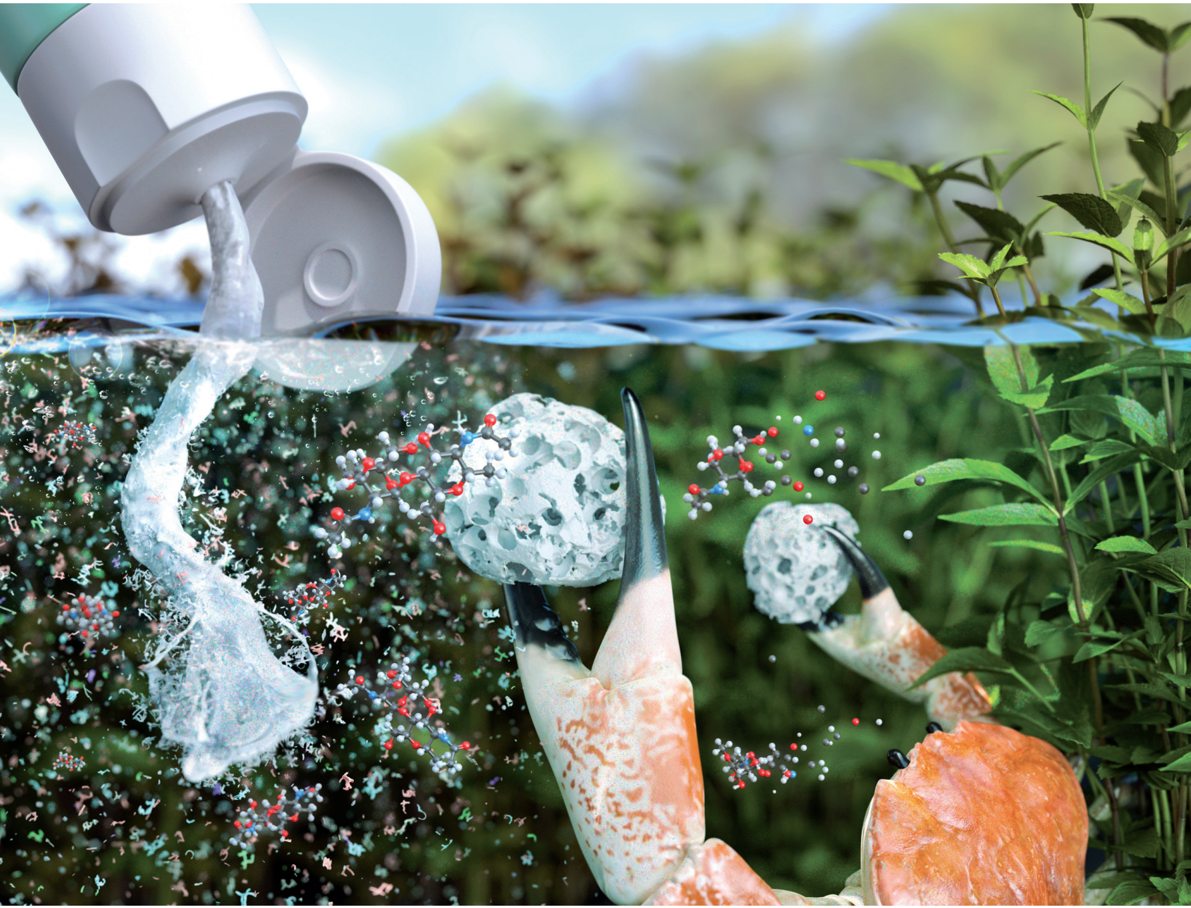
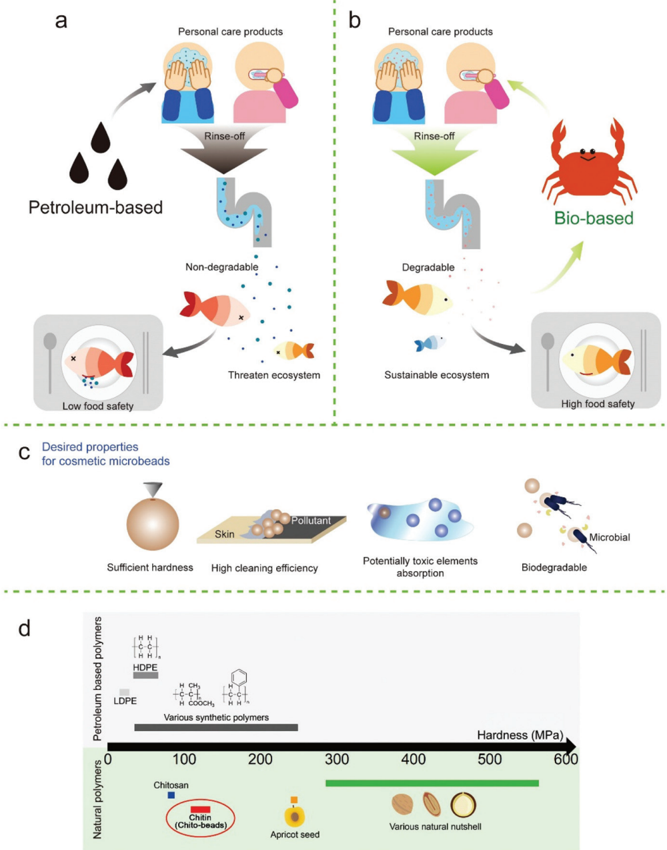
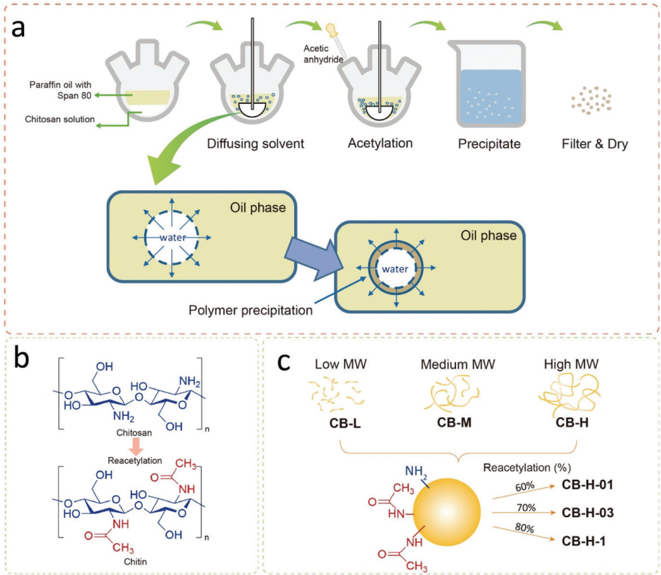
Biodegradable microbeads prepared by reacetylation of chitosan are readily applicable to skin exfoliators as substitutes to synthetic polymers with their suitable mechanical properties and high cleansing efficiencies.
Overview
The claims and statistics of this paper haven’t been checked yet.
Free: it reads the open-access text and checks the first 5 claims that cite a source we can check. Create a free account to check every claim.
Integrity signals
Registry
Cites
Statistics
Figures
Verification
Claims the paper makes
The claims and statistics of this paper haven’t been checked yet.
Free: it reads the open-access text and checks the first 5 claims that cite a source we can check. Create a free account to check every claim.
Claims other papers make about this one
Each is checked against this paper’s own text: does it say what the citing paper says it does?
The source backs part of the claim, not all of it — or backs it for a different population, condition or comparison.
In the citing paper
“Therefore, there is a growing demand for biobased materials derived from renewable and environmentally sustainable sources [62].”
From Microplastics (MPs) in Cosmetics: A Review on Their Presence in Personal-Care, Cosmetic, and Cleaning Products (PCCPs) and Sustainable Alternatives from Biobased and Biodegradable Polymers (2024) · cites this paper as [62]
Experimental — accuracy not yet measured
Self-check
Percentages, sums and reported differences re-computed from the paper’s own numbers.
The self-check needs the paper’s full text.
Citations
Cites
Production, use, and fate of all plastics ever made
Geyer, R., Jambeck, J. R., & Law, K. L. (2017) · Science Advances · doi:10.1126/sciadv.1700782 · Cited by 18,606
Chitin and chitosan: Properties and applications
Rinaudo, M. (2006) · Progress in Polymer Science · doi:10.1016/j.progpolymsci.2006.06.001 · Cited by 8,259
Accumulation of microplastic on shorelines woldwide: Sources and sinks
Browne, M. A., Crump, P., Niven, S. J., Teuten, E., Tonkin, A., Galloway, T., & Thompson, R. (2011) · Environmental Science & Technology · doi:10.1021/es201811s · Cited by 4,548
Predicted growth in plastic waste exceeds efforts to mitigate plastic pollution
Borrelle, S. B., Ringma, J., Law, K. L., Monnahan, C. C., Lebreton, L., McGivern, A., Murphy, E., Jambeck, J., Leonard, G. H., Hilleary, M. A., et al. (2020) · Science · doi:10.1126/science.aba3656 · Cited by 3,219
Microplastic ingestion by zooplankton
Cole, M., Lindeque, P., Fileman, E., Halsband, C., Goodhead, R., Moger, J., & Galloway, T. S. (2013) · Environmental Science & Technology · doi:10.1021/es400663f · Cited by 2,763
Crini, G., & Badot, P.-M. (2008) · Progress in Polymer Science · doi:10.1016/j.progpolymsci.2007.11.001 · Cited by 2,350
Microplastics Can Change Soil Properties and Affect Plant Performance
de Souza Machado, A. A., Lau, C. W., Kloas, W., Bergmann, J., Bachelier, J. B., Faltin, E., Becker, R., Görlich, A. S., & Rillig, M. C. (2019) · Environmental Science & Technology · doi:10.1021/acs.est.9b01339 · Cited by 2,142
Duis, K., & Coors, A. (2016) · Environmental Sciences Europe · doi:10.1186/s12302-015-0069-y · Cited by 1,782
Marine microplastic debris: An emerging issue for food security, food safety and human health
Barboza, L. G. A., Dick Vethaak, A., Lavorante, B. R. B. O., Lundebye, A.-K., & Guilhermino, L. (2018) · Marine Pollution Bulletin · doi:10.1016/j.marpolbul.2018.05.047 · Cited by 1,591
Effective uptake of submicrometre plastics by crop plants via a crack-entry mode
Li, L., Luo, Y., Li, R., Zhou, Q., Peijnenburg, W. J. G. M., Yin, N., Yang, J., Tu, C., & Zhang, Y. (2020) · Nature Sustainability · doi:10.1038/s41893-020-0567-9 · Cited by 1,479
Cited by
Mori, R. (2023) · RSC Sustainability · doi:10.1039/d2su00014h · Cited by 335
Jiao, H., Ali, S. S., Alsharbaty, M. H. M., Elsamahy, T., Abdelkarim, E., Schagerl, M., Al-Tohamy, R., & Sun, J. (2024) · Ecotoxicology and Environmental Safety · doi:10.1016/j.ecoenv.2024.115942 · Cited by 191
Lee, S., Hao, L. T., Park, J., Oh, D. X., & Hwang, D. S. (2023) · Advanced Materials · doi:10.1002/adma.202203325 · Cited by 197
Self-citationMicroplastics in Wastewater by Washing Polyester Fabrics
Šaravanja, A., Pušić, T., & Dekanić, T. (2022) · Materials · doi:10.3390/ma15072683 · Cited by 166
“Biodegradable products have been replaced by: natural hard material (human walnut), synthesized bio-based polymers (polylactic acid), and natural polymers (starch, lignin) [27].”
BackgroundMicroplastics in ecosystems: their implications and mitigation pathways
Roy, P., Mohanty, A. K., & Misra, M. (2022) · Environmental Science: Advances · doi:10.1039/d1va00012h · Cited by 164
Rashid, S., Majeed, L. R., Mehta, N., Radu, T., Martín-Fabiani, I., & Bhat, M. A. (2025) · Euro-Mediterranean Journal for Environmental Integration · doi:10.1007/s41207-025-00766-6 · Cited by 124
“Studies have shown that MPs like PE and PS can increase mortality rates and reduce growth in earthworms, suggesting that MPs may directly harm species that live in the soil (Ju et al. 2021).”
InfluentialArat, S. A. (2023) · The Science of The Total Environment · doi:10.1016/j.scitotenv.2023.163866 · Cited by 106
Microplastics: Occurrences, treatment methods, regulations and foreseen environmental impacts
Khan, N. A., Khan, A. H., López‐Maldonado, E. A., Alam, S. S., López, J. R., Méndez, P. F., Mohamed, B. A., Mahmoud, A. E. D., Abutaleb, A., & Singh, L. (2022) · Environmental Research · doi:10.1016/j.envres.2022.114224 · Cited by 95
Chah, C. N., Banerjee, A., Gadi, V. K., Sreedeep, S., & Katiyar, V. (2022) · The Science of The Total Environment · doi:10.1016/j.scitotenv.2022.158311 · Cited by 76
From Nature‐Sourced Polysaccharide Particles to Advanced Functional Materials
Ma, Y., Morozova, S. M., & Kumacheva, E. (2024) · Advanced Materials · doi:10.1002/adma.202312707 · Cited by 93
Bikiaris, N., Nikolaidis, N. F., & Barmpalexis, P. (2024) · Cosmetics · doi:10.3390/cosmetics11050145 · Cited by 69
“Therefore, there is a growing demand for biobased materials derived from renewable and environmentally sustainable sources [62].”
Jang, M., Yang, H., Park, S., Sung, H. K., Koo, J. M., Hwang, S. Y., Jeon, H., Oh, D. X., & Park, J. (2022) · Chemosphere · doi:10.1016/j.chemosphere.2022.134946 · Cited by 66
Self-citationOptimizing bioplastics translation
Hào, L. T., Ju, S., Hwang, D. K., Hwang, D. S., Ok, Y. S., Hwang, S. Y., Kim, H. J., Jeon, H., Park, J., Oh, D. X., et al. (2024) · Nature Reviews Bioengineering · doi:10.1038/s44222-023-00142-5 · Cited by 55
“After BOD measurements, the toxicity of the degraded products is analysed, and further characterization of the non-decomposed polymers is performed 46 .”
Self-citationChoudhury, N., Kim, A., Kim, M., & Kim, B. (2023) · Advanced Materials · doi:10.1002/adma.202304113 · Cited by 48
Ikram, R., Jan, B. M., Nagy, P. B., & Szabó, T. (2023) · Nanotechnology Reviews · doi:10.1515/ntrev-2022-0512 · Cited by 52
“Lately, the increase in global concerns towards the sustainability of the Earth has increased public and industrial awareness on the detrimental e ff ects of che - mical toxic and non - biodegradable materials [ 80 ] .”
BackgroundHu, Q., Ok, Y. S., & Wang, C. (2022) · Environmental Science & Technology · doi:10.1021/acs.est.2c01645 · Cited by 47
Self-citationNano-microplastic and agro-ecosystems: a mini-review
VERMA, K. K., Song, X., Xu, L., Huang, H.-R., Liang, Q., Seth, C. S., & Li, Y.-R. (2023) · Frontiers in Plant Science · doi:10.3389/fpls.2023.1283852 · Cited by 45
“…of biodegradable plastics and engineered microorganisms which can easily convert plastic particles either from conventional plastics or biodegradable plastics and mineralize them would be the key to MP/NP remediation; thus, they could be environmentally benign (Ju et al., 2021; Roy et al., 2022).”
BackgroundLee, J., Kim, S., Park, S. B., Shin, M., Kim, S., Kim, M., Shin, G., Kang, T., Kim, H. J., Oh, D. X., et al. (2024) · Polymer Testing · doi:10.1016/j.polymertesting.2024.108338 · Cited by 48
Self-citationMicroplastics in Cosmetics: Open Questions and Sustainable Opportunities
Giustra, M., Sinesi, G., Spena, F., Santes, B. D., Morelli, L., Barbieri, L., Garbujo, S., Galli, P., Prosperi, D., & Colombo, M. (2024) · ChemSusChem · doi:10.1002/cssc.202401065 · Cited by 66
Aranda, F. L., & Rivas, B. L. (2022) · Journal of the Chilean Chemical Society · doi:10.4067/s0717-97072022000305643 · Cited by 39
Reddy, C. N., Kallem, P., Mounika, K. V. S. S. N., Muqeet, A., Raj, J. J. J., Aishwarya, C. V. S., Gupta, R. K., Polisetti, V., Mishra, B., Yadavalli, R., et al. (2023) · Polymer Testing · doi:10.1016/j.polymertesting.2023.108223 · Cited by 43
Jung, H., Shin, G., Park, S. B., Jegal, J., Park, S., Park, J., Oh, D. X., & Kim, H. J. (2023) · Waste Management · doi:10.1016/j.wasman.2023.09.027 · Cited by 37
Self-citationBao, Q., Wong, W., Liu, S., & Tao, X. (2022) · Polymers · doi:10.3390/polym14061216 · Cited by 34
“Increasingly, microplastics pollution has emerged as a looming catastrophe because of their persistent hazards for marine ecosystems [16,17].”
BackgroundThanh, T. V., Hào, L. T., Cho, H.-Y., Kim, H., Park, S., Lee, M., Kim, H. J., Jeon, H., Hwang, S. Y., Park, J., et al. (2022) · ACS Sustainable Chemistry & Engineering · doi:10.1021/acssuschemeng.2c01395 · Cited by 30
Self-citationWei, X., Hedenqvist, M. S., Zhao, L., Barth, A., & Yin, H. (2022) · Green Chemistry · doi:10.1039/d2gc02388a · Cited by 28
Kim, J., Choi, W., Park, H. J., Jo, S., Park, K., Cho, H., Oh, Y., Choi, M., Choi, B., Ryu, D. Y., et al. (2025) · ACS Nano · doi:10.1021/acsnano.4c16563 · Cited by 29
Microplastics contamination associated with low-value domestic source organic solid waste: A review
Shi, Y., Chai, J., Xu, T., Ding, L., Huang, M., Gan, F., Pi, K., Gerson, A. R., & Yang, J. (2022) · The Science of The Total Environment · doi:10.1016/j.scitotenv.2022.159679 · Cited by 28
Biodegradable microbeads for personal care products and cosmetics
You, X., Zhou, Y., Sun, R., Pei, X., Zhou, H., Deng, D., Wang, Z., Hu, W., & Tan, Y. (2025) · Green Chemistry · doi:10.1039/d4gc05852f · Cited by 25
Zhang, L., Sheng, H., Liu, R., Mao, Y., Guo, Y., Xu, Q., Hu, L., Liang, S., & Xie, H. (2023) · International Journal of Biological Macromolecules · doi:10.1016/j.ijbiomac.2023.123182 · Cited by 24
Toward Sustaining Bioplastics: Add a Pinch of Seasoning
Kim, H., Shin, G., Jang, M., Nilsson, F., Hakkarainen, M., Kim, H. J., Hwang, S. Y., Lee, J., Park, S. B., Park, J., et al. (2023) · ACS Sustainable Chemistry & Engineering · doi:10.1021/acssuschemeng.2c06247 · Cited by 24
Self-citationDegradable poly(β-amino ester) microparticles for cleansing products and food fortification
Zhang, L., Xiao, R., Jin, T., Pan, X., Fransen, K. A., Alsaiari, S. K., Lau, A., He, R., Han, J., Pedretti, B. J., et al. (2024) · Nature Chemical Engineering · doi:10.1038/s44286-024-00151-0 · Cited by 24
“…multiple countries, including the USA and the UK, have implemented strict regulations on products that heavily and intentionally use microplastic materials, including a ban on the use of microplastics in personal care rinse-off products and micronutrient encapsulation for food fortification 11,12 .”
InfluentialRecent Advances in Carbon-Based Iron Catalysts for Organic Synthesis
Wang, F., Zhu, F., Ren, E., Zhu, G., Lu, G., & Lin, Y. (2022) · Nanomaterials · doi:10.3390/nano12193462 · Cited by 20
“Organic synthesis has made great contributions to the progress of human society, but has also caused serious environmental pollution [1,2], so there is an urgent demand to introduce green chemistry into this area.”
BackgroundMethodPark, S. B., Kwak, H., Lee, D., Shin, G., Jang, M., Jung, H., Jeon, H., Kim, H. J., Park, J., & Oh, D. X. (2024) · Advanced Materials · doi:10.1002/adma.202417266 · Cited by 27
Self-citationJeon, H., Son, J. H., Lee, J., Park, S. B., Ju, S., Oh, D. X., Koo, J. M., & Park, J. (2023) · International Journal of Biological Macromolecules · doi:10.1016/j.ijbiomac.2023.127790 · Cited by 20
Self-citationPhothong, N., Aht‐Ong, D., & Napathorn, S. C. (2024) · International Journal of Biological Macromolecules · doi:10.1016/j.ijbiomac.2024.129535 · Cited by 18
Ecofriendly poly(3-hydroxybutyrate-co-4-hydroxybutyrate) microbeads for sanitary products
Choi, Y. H., Park, J. J., Sim, E. J., Lee, E., Yoon, K. C., & Park, W. H. (2023) · International Journal of Biological Macromolecules · doi:10.1016/j.ijbiomac.2022.10.237 · Cited by 16
Self-citationPromotion of DNA Adsorption onto Microplastics by Transition Metal Ions
Wu, L., Patel, K., Zandieh, M., & Liu, J. (2023) · Microplastics · doi:10.3390/microplastics2010012 · Cited by 15
“It was estimated that each individual on average consumes an equivalent of a credit card worth (~5 g) of microplastics per week through ingestion and inhalation [6].”
BackgroundRazali, M. H., Ismail, N. A., & Yusoff, M. B. (2021) · Wiley eBooks · doi:10.1002/9783527832095.ch27 · Cited by 15
Xu, F., & Cho, B. (2024) · Carbohydrate Polymers · doi:10.1016/j.carbpol.2024.122301 · Cited by 12
Gillece, T. W., Gerardi, H. K., McMullen, R. L., Thompson, W. T., & Brown, D. H. (2024) · Cosmetics · doi:10.3390/cosmetics11030099 · Cited by 12
Green fabrication of PHBV microbeads using a dimethyl isosorbide solvent for skin exfoliators
You, X., Zhou, Y., Jin, X., Xiang, S., Pei, X., Zhou, H., Liao, Z., & Tan, Y. (2023) · Green Chemistry · doi:10.1039/d3gc03214k · Cited by 11
Abd-Elsabour, M., Abou–Krisha, M. M., Abdel‐Haleem, F. M., Goda, M. N., & Eldin, M. S. M. (2024) · Journal of The Electrochemical Society · doi:10.1149/1945-7111/ad7171 · Cited by 9
Controlled biodegradability of polyhydroxybutyrate via surface coating with cellulose triacetate
Chae, Y. J., & Lee, T. G. (2025) · Scientific Reports · doi:10.1038/s41598-025-10782-9 · Cited by 11
“BOD analysis is widely used to evaluate the biodegradability of materials by measuring the amount of oxygen consumed by microorganisms during the degradation of organic matter 46 .”
Microplastic in the environment: identification, occurrence, and mitigation measures
Alazaiza, M. Y. D., Albahnasawi, A. M., Al-Maskari, O., Ali, G. A. M., Eyvaz, M., Abujazar, M. S. S., Amr, S. S. A., & Nassani, D. E. (2022) · Desalination and Water Treatment · doi:10.5004/dwt.2022.28849 · Cited by 11
Adsorptive chito-beads for control of membrane fouling
Choi, S.-J., Osman, A., Kim, S., Kang, S., & Hwang, D. S. (2023) · Carbohydrate Polymers · doi:10.1016/j.carbpol.2023.121642 · Cited by 9
Self-citationPhothong, N., Pattarakankul, T., Morikane, S., Palaga, T., Aht‐Ong, D., Honda, K., & Napathorn, S. C. (2024) · International Journal of Biological Macromolecules · doi:10.1016/j.ijbiomac.2024.132680 · Cited by 11
Nana, A., Bawack, R. E., Bris, G. Y.-L., & Daniellou, R. (2025) · Journal of Cleaner Production · doi:10.1016/j.jclepro.2025.146162 · Cited by 8
Microplastics: Emerging Issues in Emerging Urbanization
Olatunji, O. (2022) · Springer eBooks · doi:10.1007/978-981-19-5231-9_11 · Cited by 8
Biosourced spherical microbeads from brewer's spent grain for sustainable personal hygiene products
McMackin, A., Banville, V., & Cardinal, S. (2024) · Journal of Polymer Science · doi:10.1002/pol.20230613 · Cited by 8
Shin, M., Kim, M., Shin, G., Park, S. B., Jeon, H., Oh, D. X., Koo, J. M., Won, W., & Park, J. (2025) · SusMat · doi:10.1002/sus2.70046 · Cited by 7
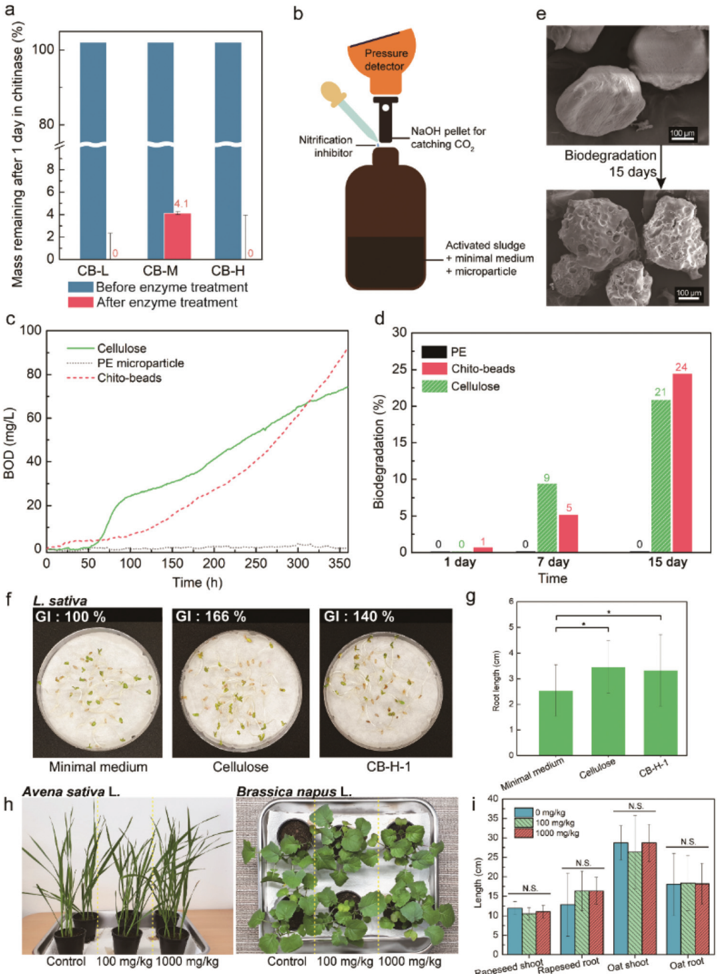
“BOD indicates the amount of oxygen consumed by microorganisms under aerobic conditions while consuming organic matter and oxygen and producing CO 2 , H 2 O, and biomass in a closed respirometer [62] (Figure 4E).”
Self-citationHerrera-Vázquez, S. E., Elizalde-Velázquez, G. A., Gómez‐Oliván, L. M., Chanona‐Pérez, J. J., Hernández‐Varela, J. D., Hernández-Díaz, M., García-Medina, S., Orozco-Hernández, J. M., & Colín-García, K. (2024) · The Science of The Total Environment · doi:10.1016/j.scitotenv.2024.172757 · Cited by 11
Chien, W., Agrawal, D. C., Hamdiani, S., Adhikari, S., & Saputri, D. S. (2024) · Beni-Suef University Journal of Basic and Applied Sciences · doi:10.1186/s43088-024-00555-0 · Cited by 6
Sung, H. K., Kwak, H., Park, S., Kim, H., Ju, S., Park, S. B., Park, J., Oh, D. X., Jeon, H., & Koo, J. M. (2025) · ACS Sustainable Chemistry & Engineering · doi:10.1021/acssuschemeng.5c00025 · Cited by 5
Self-citationCarbohydrate-based alternatives to traditional synthetic plastic microbeads: a critical review
McMackin, A., & Cardinal, S. (2025) · RSC Sustainability · doi:10.1039/d4su00364k · Cited by 8
Bella, C. E. D., D'Agostino, C., Peregrina, D. V., & Gigliobianco, M. R. (2025) · Sustainable Chemistry and Pharmacy · doi:10.1016/j.scp.2025.101953 · Cited by 9
Impact of Microplastics and Nanoplastics on Plant Health and Development
Dawood, M. F. A., Hamed, H., & El-Mahdy, M. T. (2025) · Springer eBooks · doi:10.1007/978-3-031-99774-7_5 · Cited by 3
Lee, D.-G., Koo, J. M., Cho, Y., Kim, J., Kim, S., Oh, D. X., Jeon, H., & Park, J. (2024) · Bulletin of the Korean Chemical Society · doi:10.1002/bkcs.12906 · Cited by 4
Self-citationRobertson, B. P., Hoover, L., Rott, G., Quan, M. C., & Calabrese, M. A. (2023) · Cellulose · doi:10.1007/s10570-023-05393-4 · Cited by 5
“Other systems are not characterized with respect to mechanical stability (King et al. 2017; Ju et al. 2021; Xia et al. 2022) or require highly specific conditions for cellulose dissolution that limit the window for industrial processing (Luo and Zhang 2010; Luo et al.”
BackgroundKim, Y., Jang, Y., Min, J., & Kim, S. (2024) · Macromolecular Research · doi:10.1007/s13233-024-00320-3 · Cited by 5
Matković, V. M. P., Čubrić, I. S., & Krstović, K. (2024) · Polymers · doi:10.3390/polym16213050 · Cited by 5
“More specifically, the problem of the presence of plastics in the oceans, from the surface to sea floor sediment, has been investigated in recent studies [16–26].”
BackgroundLee, M., Hwang, S. Y., Koo, J. M., Jeon, H., Kim, H. J., Oh, D. X., & Park, J. (2023) · Journal of Natural Fibers · doi:10.1080/15440478.2023.2187507 · Cited by 4
“…it has significant potential for various applications due to its bio-regeneration capability, biodegradability, biocompatibility, and antibacterial and hemostatic properties (Tran et al. 2019; Hao et al. 2020; Ju et al. 2021; Saleh et al. 2022; Yan and Chen 2015; Yu et al. 2019; Zhang et al. 2021).”
BackgroundSelf-citationMicro/Nano-Plastic Pollution in Aquarium Systems: Sources, Fate, Hazards, and Ecological Imbalances
Nzeyimana, B. S., Chakraborty, S., Priyadharshini, R., Mary, M. S., & Govindaraju, M. (2024) · Advances in environmental engineering and green technologies book series · doi:10.4018/979-8-3693-3447-8.ch010 · Cited by 3
Strategy for the development of a new stick formula without microplastics
Frigerio, L., Padovano, L., Conti, S., Malacarne, M., & Caruso, E. (2024) · Sustainable Chemistry and Pharmacy · doi:10.1016/j.scp.2023.101423 · Cited by 5
Chung, S., Park, S. B., Hào, L. T., Kim, H., Park, S., Jeon, H., Hwang, D. S., Oh, D. X., Koo, J. M., & Park, J. (2025) · Polymer Degradation and Stability · doi:10.1016/j.polymdegradstab.2025.111185 · Cited by 3
Self-citationLife Cycle Assessment and Environmental Impact of Graphene and Carbon Nanotube Production
Lokeshwari, B., Saranraj, P., Manigandan, M., Gayathri, K. V., & Kesavardhini, K. (2026) · Lecture notes in nanoscale science and technology · doi:10.1007/978-3-032-05719-8_10 · Cited by 2
Microplastics and Cosmetics: A Historical Overview
Habib, R. Z., & Thiemann, T. (2026) · Journal of Environmental Protection · doi:10.4236/jep.2026.172006 · Cited by 2
Zheng, X., Tang, Y., & Liang, S. (2026) · Sustainable Development · doi:10.1002/sd.71137 · Cited by 1
Di, J., Li, X., Guan, S., Ma, W., Li, W., Gao, J., Xu, Y., Yu, B., & Cong, H. (2026) · Journal of environmental chemical engineering · doi:10.1016/j.jece.2026.123915 · Cited by 1
Silviana, S., & Jannah, T. R. (2023) · Materials science forum · doi:10.4028/p-1n7dy6 · Cited by 1
Ionotropic cross-linked polymeric beads for drug delivery and in vitro applications
Maya, I. C., Renkler, N. Z., Ambrosio, L., & Guarino, V. (2024) · Elsevier eBooks · doi:10.1016/b978-0-323-96116-5.00020-x · Cited by 1
Strategy for the Development of a New Stick Formula Without MicroplasticsPreprint
Frigerio, L., Conti, S., & Caruso, E. (2023) · SSRN Electronic Journal · doi:10.2139/ssrn.4623558
Microplastics Contamination in Urban Water System: A Risk Assessment and Mitigation
Prabagar, J. S., & Shivaraju, H. P. (2024) · Water resources development and management · doi:10.1007/978-981-99-8639-2_6
Microplásticos, amenaza invisible en el océano: una revisión desde la química y la biología
Gutiérrez, M. C. C., Gómez-Méndez, L. D., & Mejía, S. M. (2024) · Revista Facultad de Ciencias Básicas · doi:10.18359/rfcb.7046 · Cited by 2
“Sin embar-go, los polímeros biodegradables son considerable-mente más caros, de tres a diez veces más, además de que su tiempo de degradación es incontrolable Revista Facultad de Ciencias Básicas ■ Vol. 18 (2) en diferentes ambientes [84], específicamente en el agua de mar es de 5 % por año [83].”
InfluentialMehmood, T., Hassan, M. A., Ashraf, A., Schierz, A., Sardar, M. F., Peng, L., Haider, F. U., Rehman, S., & Ahmad, S. (2024) · ACS symposium series · doi:10.1021/bk-2024-1482.ch003 · Cited by 1
Yu, G., Kim, D.-H., Kim, H., & Lim, D. (2025) · Plants · doi:10.3390/plants14101535 · Cited by 4
“These newly introduced natural exfoliants must satisfy multiple criteria, including low production costs, solvent resistance, mechanical durability, smooth surface morphology, particle size uniformity, and strong efficacy and safety profiles [35].”
Role of Polymers in Waterproof Cosmetics
Kanikanti, S. D., Amaravadi, K. P., Bollineni, S., Uma, K., & Radha, G. V. (2025) · Current Cosmetic Science · doi:10.2174/0126667797399979250930174101 · Cited by 1
Bikiaris, N. D., Kapourani, A., Vrignaud, E., Gore, E., & Barmpalexis, P. (2026) · ACS Applied Polymer Materials · doi:10.1021/acsapm.5c03078
Gamage, S. G., Prasadika, H. K. A. E., & Mahagamage, M. G. Y. L. (2026) · Springer eBooks · doi:10.1007/978-3-032-17004-0_4
Rajput, M., deepika, D., Kumari, R., & Mathur, N. (2026) · Water Science & Technology · doi:10.2166/wst.2026.322 · Cited by 1
Mi, D., Nie, C., Zeng, Y., Ren, X., Yang, Q., Xie, L., Zeng, J., Wei, Y., Wang, R., Shi, S., et al. (2026) · Industrial Crops and Products · doi:10.1016/j.indcrop.2026.124172
Jiang, W., Li, J., Cai, X., Li, W., Jiang, H., Zhao, B., & Li, Y. (2026) · Colloids and Surfaces A Physicochemical and Engineering Aspects · doi:10.1016/j.colsurfa.2026.141743
Sinesi, G., Stefano, G. D., Morelli, L., Salvioni, L., Valsesia, P., Prosperi, D., Giustra, M., & Colombo, M. (2026) · Carbohydrate Polymer Technologies and Applications · doi:10.1016/j.carpta.2026.101237
Metadata
- Authors
- Ju, S., Shin, G., Lee, M., Koo, J. M., Jeon, H., Ok, Y. S., Hwang, D. S., Hwang, S. Y., Oh, D. X., & Park, J.
- Affiliations
- Pohang University of Science and Technology (KR)
- Korea Research Institute of Chemical Technology (KR)
- Korea University (KR)
- Corresponding author
- Hwang, Dong Soo
- Hwang, Sung Yeon
- Oh, Dongyeop X.
- Park, Jeyoung
- ORCID
- Venue
- Green Chemistry
- Publisher
- Royal Society of Chemistry (RSC)
- Published
- 2021
- Volume
- 23
- Issue
- 18
- Pages
- 6953-6965
- ISSN
- 1463-9262 (ISSN-L)
- 1463-9270
- OpenAlex
- W3184579016
- Cited by
- 82
- References
- 69
- Citations by year
- 2026: 10 · 2025: 13 · 2024: 25 · 2023: 17 · 2022: 16 · 2021: 1
- FWCI
- 3.66
- Type
- journal article
- Language
- en
- Open access
- hybrid
- doi.org
- Licence
- Locations
- Green Chemistry (publishedVersion, cc-by-nc)
- Open Access System for Information Sharing (Pohang University of Science and Technology) (submittedVersion)
- Funders
- Korea Research Institute of Chemical Technology (Core Project (SS2142-10))
- Ministry of Trade, Industry and Energy (Bio-Industrial Technology Development Program (20008628))
- Topics
- Physical Sciences › Environmental Science › Pollution › Microplastics and Plastic Pollution
- Physical Sciences › Materials Science › Biomaterials › Nanocomposite Films for Food Packaging
- Life Sciences › Pharmacology, Toxicology and Pharmaceutics › Pharmaceutical Science › Advanced Drug Delivery Systems
- Keywords
- chitosan, biodegradable microplastics, cosmetics, mechanical properties
About these checks
Registry, retraction, Cites and statistics results are computed, not judged, with one exception: a printed reference that no index lists is read once by a model before it counts as a citation error. Claims are extracted by a model and kept only when their quote appears verbatim in the text; each cited source is then checked, with a model’s help, for whether it says what the claim relies on. Those verdicts can be wrong — read the claim’s quote and the cited source before relying on one.
Statistics and arithmetic are recomputed, not judged.
Confidence bands are shown only for fields calibrated on our annotated test set. None is calibrated yet, so no band is shown.
What counts as a claim ›How we measure confidence ›How we check this ›
Are you an author, or do you see a problem with this page? Request a review
Data sources
Bibliographic data: Semantic Scholar, OpenAlex, Crossref.
Contains information from the Semantic Scholar Academic Graph Datasets, made available under the ODC Attribution License (ODC-BY 1.0).
Semantic Scholar’s data is described in: Kinney, R., et al. (2023). The Semantic Scholar Open Data Platform. arXiv:2301.10140.
