

The DOI matches its Crossref record; 75 of the 75 references it cites were found in a registry or an index; none of the 45 sources its claims cite is checked for support yet.
Amyloid clearance defect in ApoE4 astrocytes is reversed by epigenetic correction of endosomal pH
Open accessPublished version of a preprint
Abstract
Significance: Alzheimer’s disease is the most common cause of dementia in the elderly. Most cases occur sporadically, with 40–65% of patients carrying at least one copy of the E4 allele of Apolipoprotein E. Because no drug exists that can halt disease progress, there is strong interest in understanding the presymptomatic role of endosomes. We show that excessive endosomal acidification in ApoE4 astrocytes is caused by downregulation of the Na + /H + exchanger NHE6 and results in defective clearance of amyloid beta (Aβ) peptide by intracellular sequestration of the LRP1 receptor. Epigenetic modifiers restore NHE6 expression to alkalinize endosomal pH, increase surface expression of LRP1, and correct Aβ clearance in astrocytes. Thus, endosomal pH emerges as a target for the correction of amyloid disorders.
Overview
AI snapshot
Written from the paper’s full text.
TL;DR
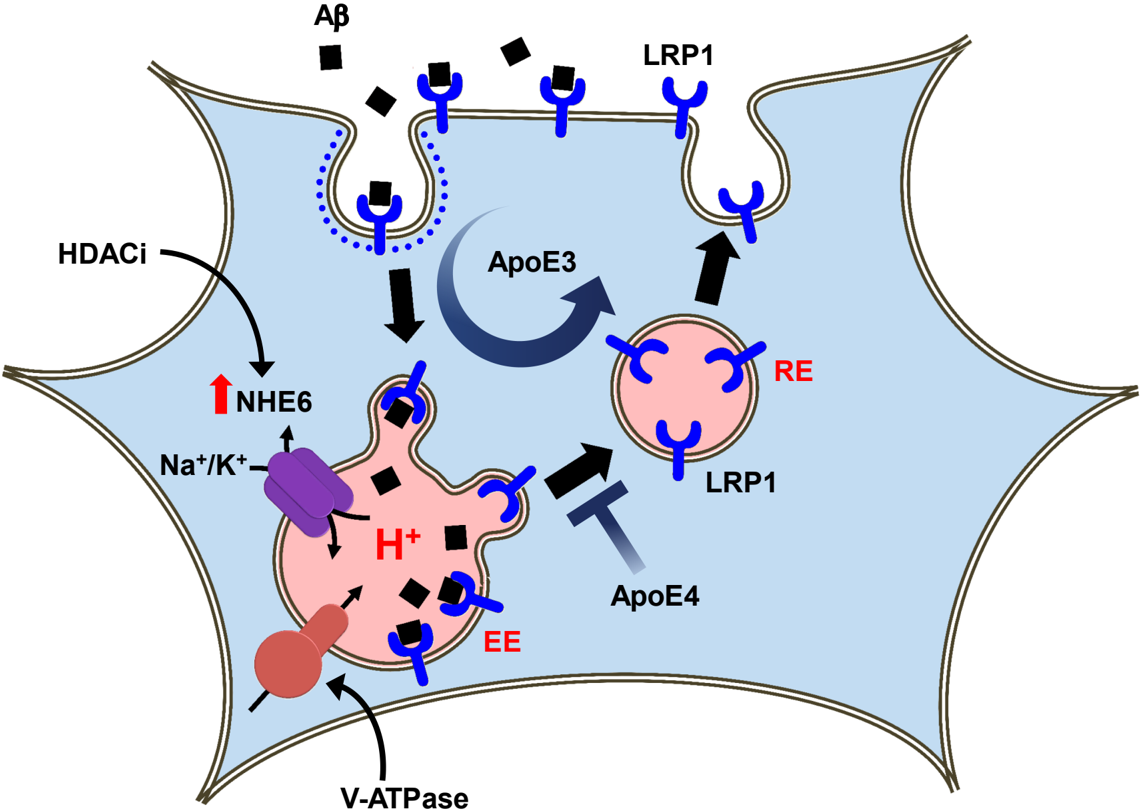
In ApoE4 astrocytes, selective downregulation of the endosomal Na+/H+ exchanger NHE6 causes endosomal hyperacidification, trapping LRP1 intracellularly and impairing Aβ clearance. Restoring NHE6—by ectopic expression or broad-spectrum HDAC inhibitors—normalizes endosomal pH, increases surface LRP1, and rescues Aβ clearance to ApoE3-like levels.
Key findings
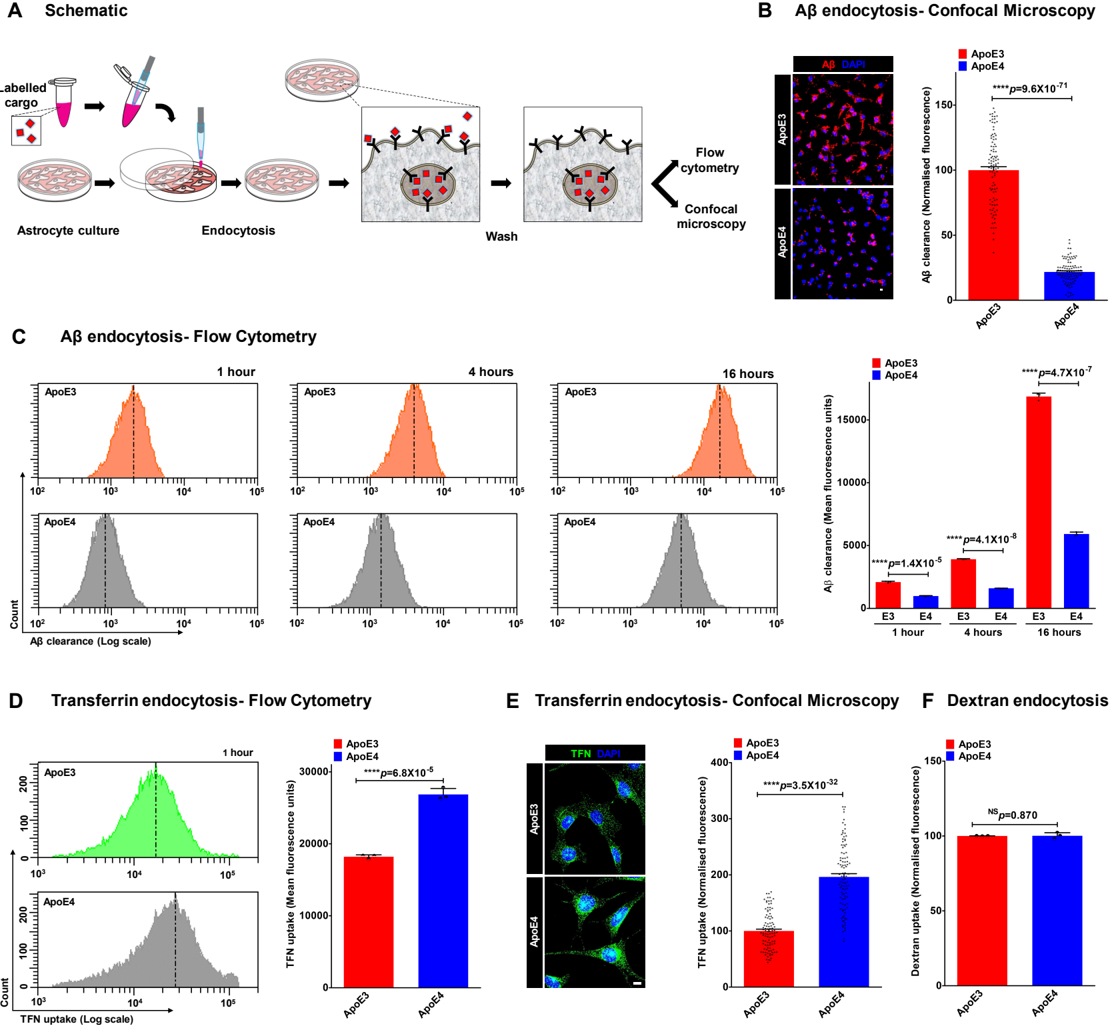
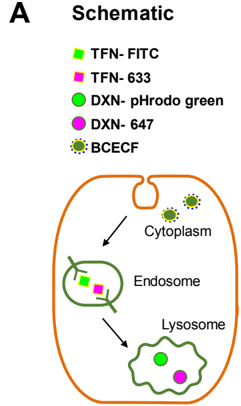
- ApoE4 astrocytes showed 78% lower cell-associated Aβ than ApoE3 astrocytes, with lower Aβ at all time points (53% at 1 h, 59% at 4 h, 65% at 16 h), while transferrin uptake was 1.5–2-fold higher and dextran uptake did not differ.
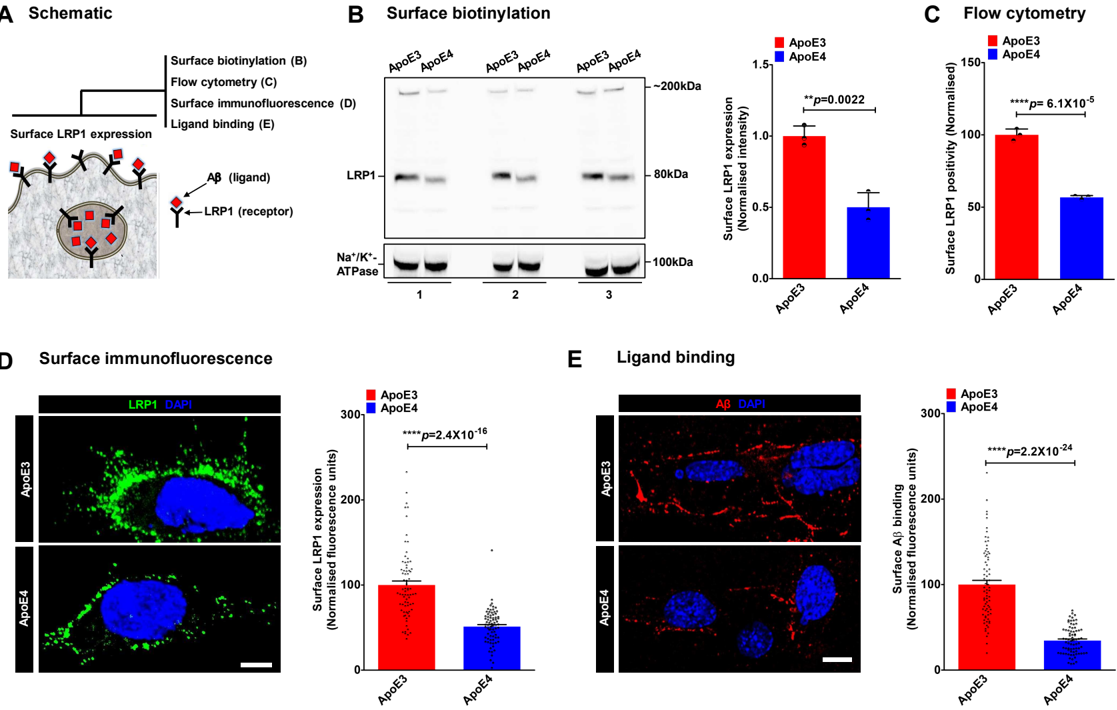
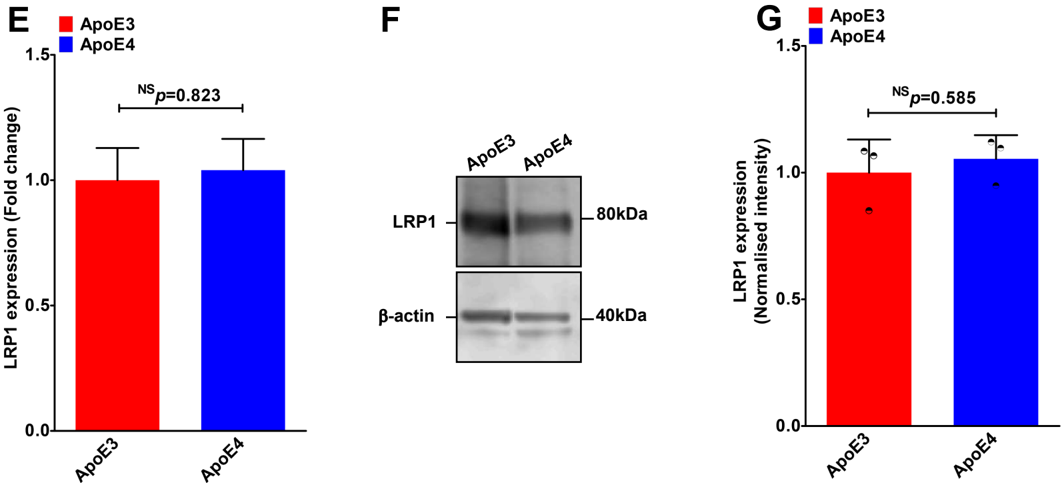
- Surface LRP1 was reduced in ApoE4 astrocytes by ~50% (biotinylation), ~43% (flow cytometry), and ~49% (confocal), and surface Aβ binding was 66% lower, despite no differences in LRP1 transcript or total protein.
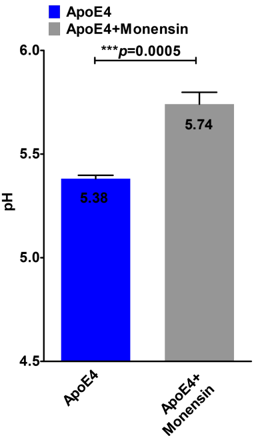
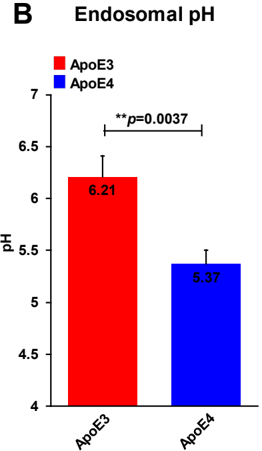
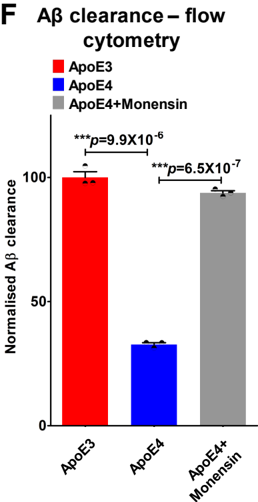
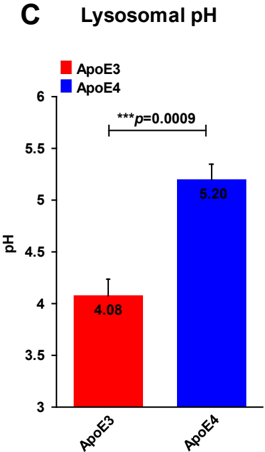
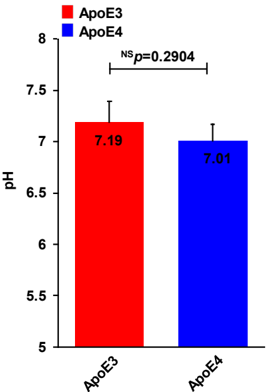
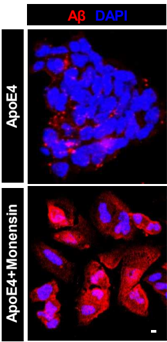
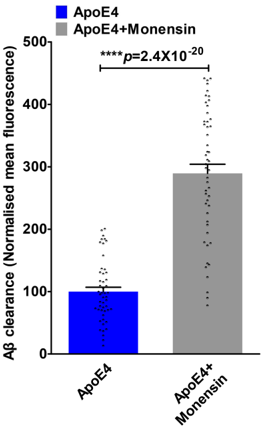
- Endosomal pH in ApoE4 astrocytes was reduced by ~0.84 pH unit, lysosomal pH was elevated by >1 pH unit, and monensin raised endosomal pH from 5.38±0.01 to 5.74±0.03 and restored Aβ clearance.
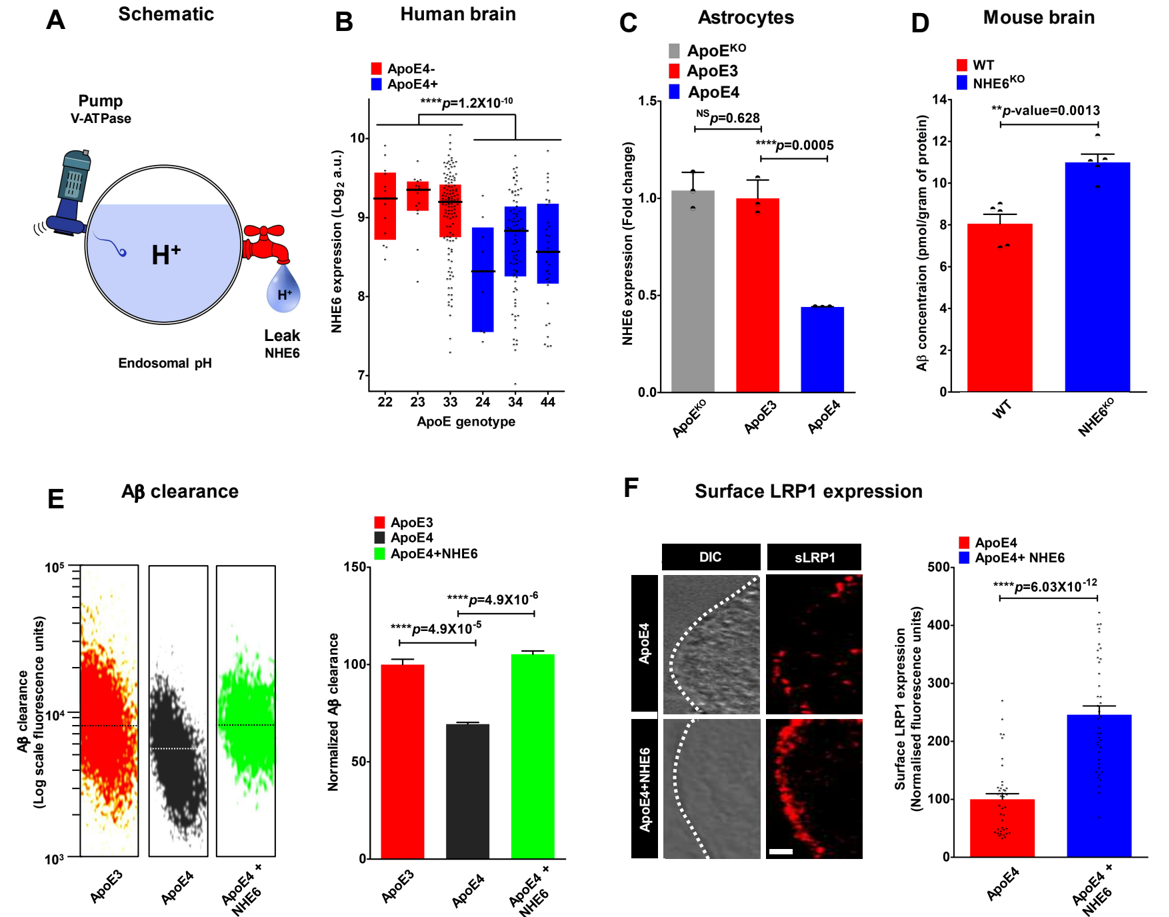
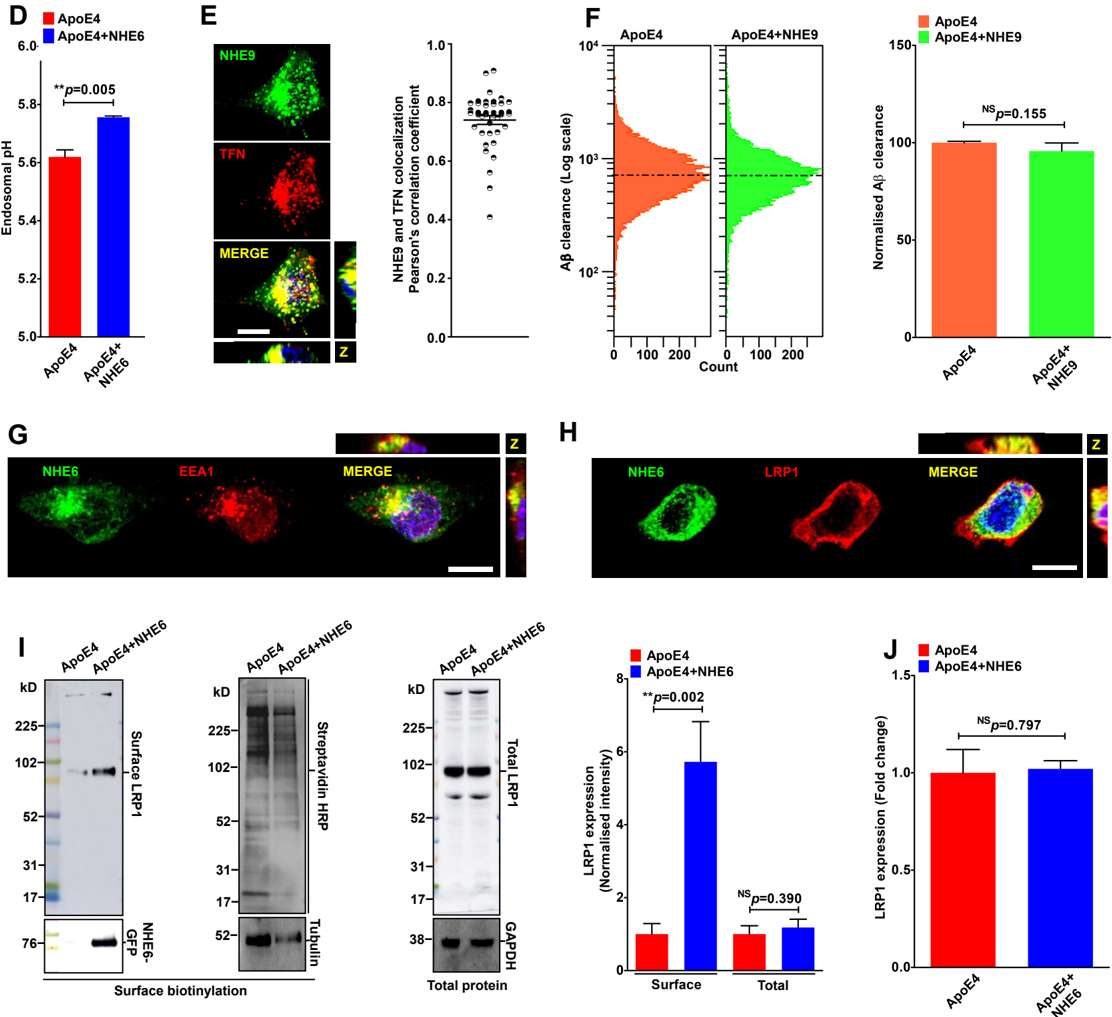
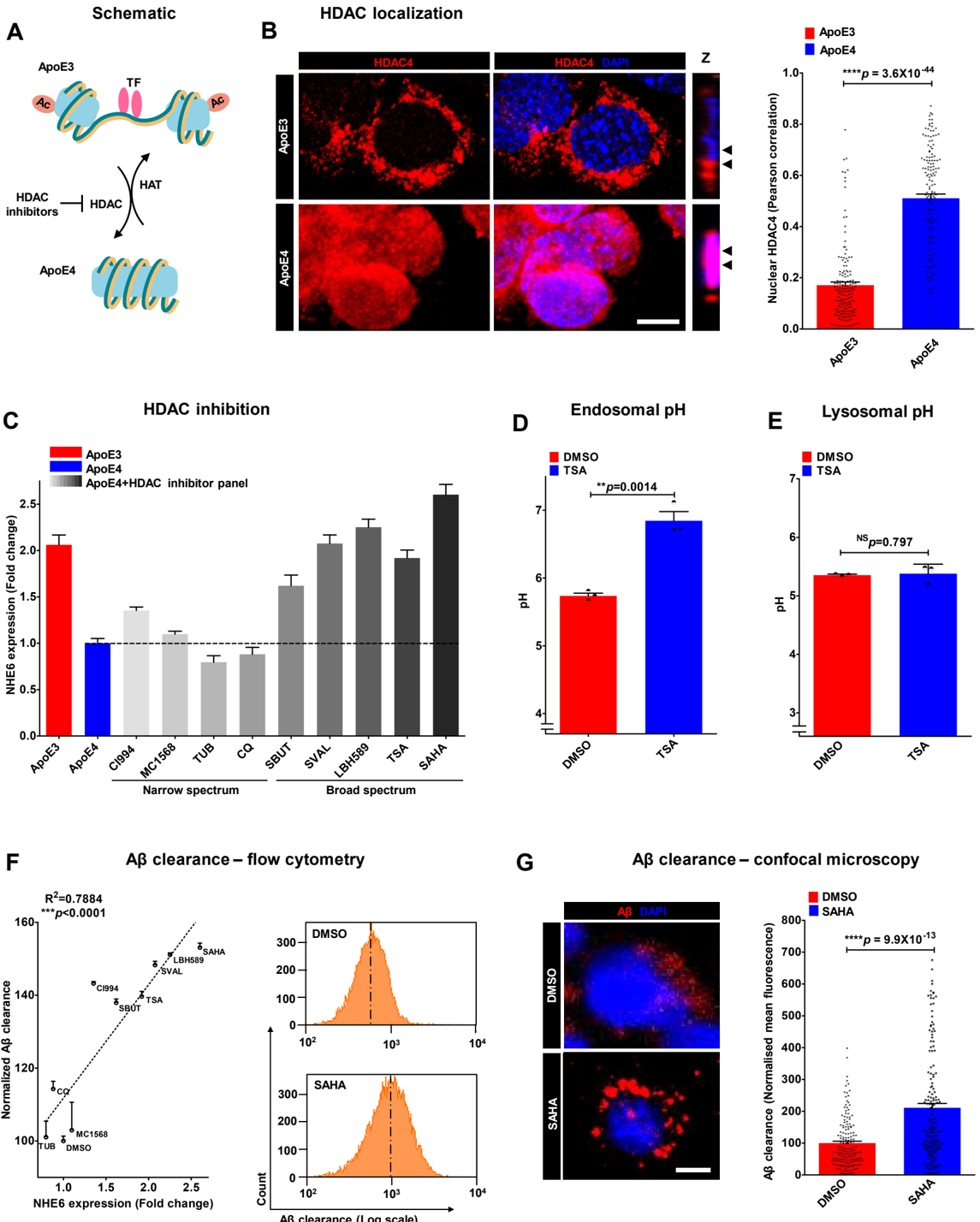
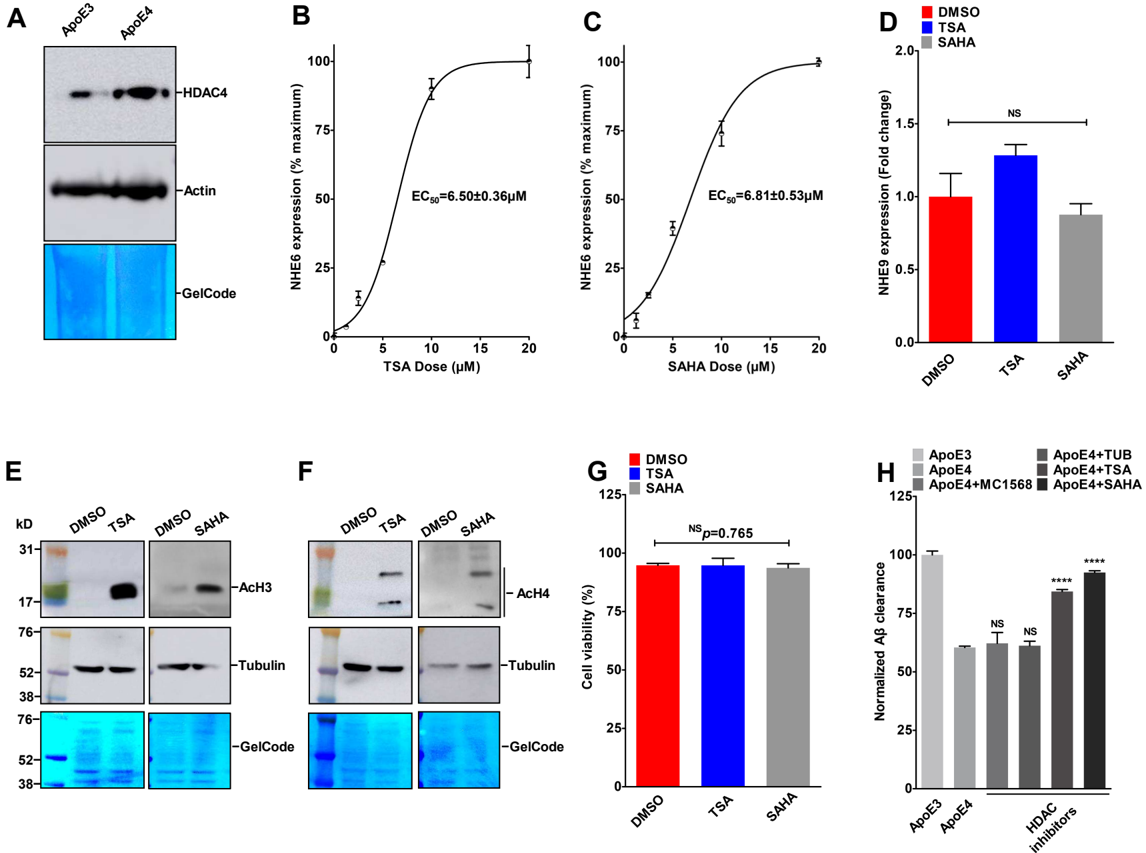
- NHE6 transcript was ~56% lower in ApoE4 knock-in astrocytes; NHE6 KO mouse brains had elevated Aβ; ectopic NHE6 restored Aβ clearance and increased surface LRP1 (~2.5-fold by imaging, ~5.7-fold by biotinylation). Broad-spectrum HDAC inhibitors restored NHE6, with TSA and SAHA EC50 values of 6.50±0.36 µM and 6.81±0.53 µM, and corrected Aβ clearance up to 92.4% of ApoE3 levels (R²=0.7884 between Aβ clearance and NHE6 fold-change).
Methods
- Isogenic ApoE3/ApoE4 knock-in immortalized astrocytes and ApoE KO astrocytes were used with fluorescent Aβ40 uptake/clearance assays, flow cytometry, confocal microscopy, surface biotinylation, pH-sensitive reporters, qPCR, Western blotting, lentiviral NHE6/NHE9 expression, and a nine-drug HDAC inhibitor panel.
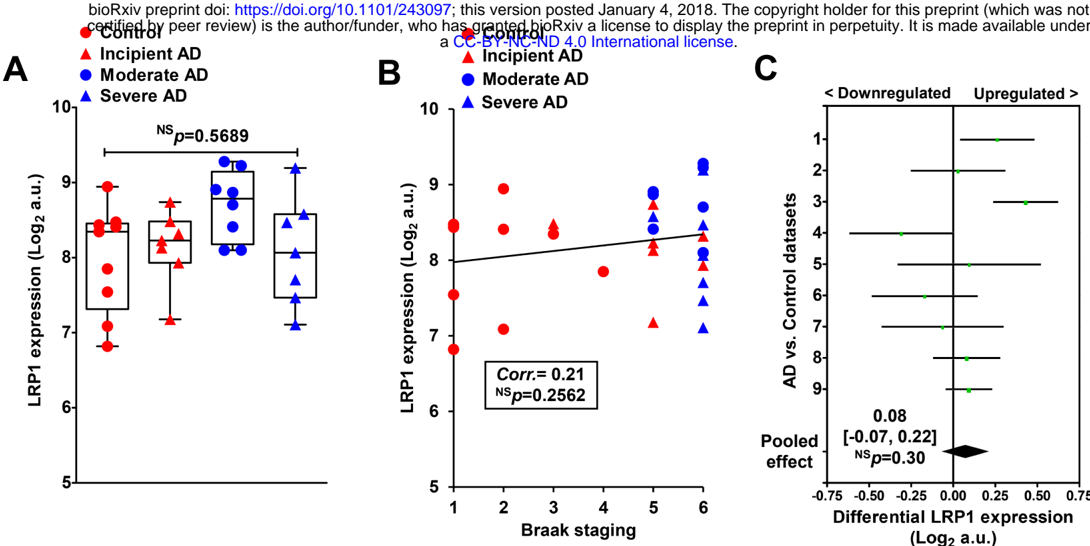
- Human bioinformatics included GSE5281 (15 LOAD, 12 controls), GSE15222 (n=363), and a meta-analysis of nine studies comprising 103 AD and 87 control post-mortem brains; NHE6 KO male mice (Slc9a6−/Y) versus wild-type male controls were used for brain Aβ40 ELISA, with on average five mice per genotype.
- Statistical analysis used Student’s t test, ANOVA, and linear regression in GraphPad Prism; data are presented as mean ± SD.
Limitations
- The paper states that the precise pH-mediated perturbation in trafficking remains to be determined, and that future work could test HDAC inhibitor efficacy on amyloid pathology in well-defined animal models.
- Evident from the text: the mechanistic rescue experiments are primarily in immortalized astrocyte cell culture, while in vivo evidence is limited to elevated Aβ in NHE6 KO mouse brain rather than ApoE4-specific HDAC inhibitor treatment.
- Evident from the text: human evidence for NHE6 downregulation in ApoE4 is based on transcriptomic datasets and post-mortem brain analyses, which are associative rather than direct causal tests in human tissue.
Model-written summary. Check it against the paper before relying on it.
Integrity signals
Registry
Cites
Statistics
Figures
Verification
Claims the paper makes
52 Own result · 26 Sources not found · 21 Own interpretation · 4 Own method · 2 No basis given
A result the paper reports from its own data — it cites no other source for it, so there is none to check. The quote shows it is in the paper.
In the paper
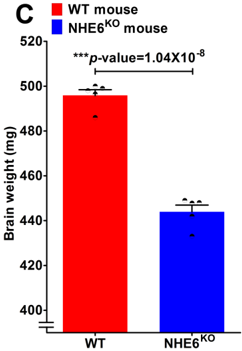
“In vivo, the NHE6 KO mouse model shows elevated Aβ in the brain.”
§ The Amyloid Clearance Defect in ApoE4 Astrocytes is Corrected by Epigenetic Restoration of NHE6 > Abstract
plaincorrelational- Asserted: passes — The authors put it forward as true.
- Checkable: passes — It can be checked against evidence.
- Load-bearing: passes — The paper’s conclusions depend on it.
- Based: passes — The paper gives a reason why it holds.
- Rests on an assumption: Elevated brain Aβ in NHE6 KO mice reflects a role for NHE6 in amyloid pathology relevant to AD.
A result the paper reports from its own data — it cites no other source for it, so there is none to check. The quote shows it is in the paper.
In the paper
“Epigenetic restoration of NHE6 expression with histone deacetylase inhibitors normalized ApoE4-specific defects in endosomal pH, LRP1 trafficking and amyloid clearance.”
§ The Amyloid Clearance Defect in ApoE4 Astrocytes is Corrected by Epigenetic Restoration of NHE6 > Abstract
plaindirect- Asserted: passes — The authors put it forward as true.
- Checkable: passes — It can be checked against evidence.
- Load-bearing: passes — The paper’s conclusions depend on it.
- Based: passes — The paper gives a reason why it holds.
- Rests on an assumption: ApoE-isoform-expressing isogenic astrocytes produce, lipidate, package, and secrete ApoE in a brain-relevant physiological fashion, making them a valid model of human ApoE4 brain astrocytes.
A result the paper reports from its own data — it cites no other source for it, so there is none to check. The quote shows it is in the paper.
In the paper
“Consistent with defective uptake, there was significantly lower cell-associated Aβ in ApoE4 cells relative to ApoE3 at all time points (Fig. 1C, Fig. S1F).”
§ The Amyloid Clearance Defect in ApoE4 Astrocytes is Corrected by Epigenetic Restoration of NHE6 > ApoE4 astrocytes have cargo specific defects in endocytosis
plaincorrelational- Asserted: passes — The authors put it forward as true.
- Checkable: passes — It can be checked against evidence.
- Load-bearing: passes — The paper’s conclusions depend on it.
- Based: passes — The paper gives a reason why it holds.
- Rests on an assumption: ApoE-isoform-expressing isogenic astrocytes produce, lipidate, package, and secrete ApoE in a brain-relevant physiological fashion, making them a valid model of human ApoE4 brain astrocytes.
A result the paper reports from its own data — it cites no other source for it, so there is none to check. The quote shows it is in the paper.
In the paper
“broad-spectrum drugs inhibiting both classes, including sodium butyrate, sodium valproate, LBH589, 5 TSA, and SAHA (vorinostat), resulted in significant restoration of NHE6 expression levels in ApoE4 astrocytes to levels comparable to ApoE3 astrocytes (Fig. 5C).”
§ The Amyloid Clearance Defect in ApoE4 Astrocytes is Corrected by Epigenetic Restoration of NHE6 > HDAC inhibitors rescue NHE6-mediated Aβ clearance deficits
plaindirect- Asserted: passes — The authors put it forward as true.
- Checkable: passes — It can be checked against evidence.
- Load-bearing: passes — The paper’s conclusions depend on it.
- Based: passes — The paper gives a reason why it holds.
- Rests on an assumption: ApoE-isoform-expressing isogenic astrocytes produce, lipidate, package, and secrete ApoE in a brain-relevant physiological fashion, making them a valid model of human ApoE4 brain astrocytes.
A result the paper reports from its own data — it cites no other source for it, so there is none to check. The quote shows it is in the paper.
In the paper
“Compared to the weak surface LRP1 staining in vector-transfected ApoE4 astrocytes, we observed prominent, ∼2.5-fold higher LRP1 staining in ApoE4 cells expressing ectopic NHE6 (Fig. 4F).”
§ The Amyloid Clearance Defect in ApoE4 Astrocytes is Corrected by Epigenetic Restoration of NHE6 > NHE6 restores defective Aβ clearance in ApoE4 astrocytes
plaincorrelational- Asserted: passes — The authors put it forward as true.
- Checkable: passes — It can be checked against evidence.
- Load-bearing: passes — The paper’s conclusions depend on it.
- Based: passes — The paper gives a reason why it holds.
- Rests on an assumption: ApoE-isoform-expressing isogenic astrocytes produce, lipidate, package, and secrete ApoE in a brain-relevant physiological fashion, making them a valid model of human ApoE4 brain astrocytes.
A result the paper reports from its own data — it cites no other source for it, so there is none to check. The quote shows it is in the paper.
In the paper
“In a fourth approach, surface-bound ligand (fluorescent Aβ) measured by confocal microscopy was 66% lower in ApoE4 astrocytes (Fig. 1E).”
§ The Amyloid Clearance Defect in ApoE4 Astrocytes is Corrected by Epigenetic Restoration of NHE6 > Surface expression of LRP1 receptor is severely reduced in ApoE4 astrocytes
plaincorrelational- Asserted: passes — The authors put it forward as true.
- Checkable: passes — It can be checked against evidence.
- Load-bearing: passes — The paper’s conclusions depend on it.
- Based: passes — The paper gives a reason why it holds.
- Rests on an assumption: ApoE-isoform-expressing isogenic astrocytes produce, lipidate, package, and secrete ApoE in a brain-relevant physiological fashion, making them a valid model of human ApoE4 brain astrocytes.
A result the paper reports from its own data — it cites no other source for it, so there is none to check. The quote shows it is in the paper.
In the paper
“Remarkably, Aβ clearance was restored to ApoE3 levels in ApoE4 astrocytes transfected with NHE6 (Fig. 4E), but not with NHE9 (Fig. S3E-F), pointing to 5 an isoform-specific role for NHE6 in Aβ clearance.”
§ The Amyloid Clearance Defect in ApoE4 Astrocytes is Corrected by Epigenetic Restoration of NHE6 > NHE6 restores defective Aβ clearance in ApoE4 astrocytes
plain- Asserted: passes — The authors put it forward as true.
- Checkable: passes — It can be checked against evidence.
- Load-bearing: passes — The paper’s conclusions depend on it.
- Based: passes — The paper gives a reason why it holds.
- Rests on an assumption: ApoE-isoform-expressing isogenic astrocytes produce, lipidate, package, and secrete ApoE in a brain-relevant physiological fashion, making them a valid model of human ApoE4 brain astrocytes.
A result the paper reports from its own data — it cites no other source for it, so there is none to check. The quote shows it is in the paper.
In the paper
“Uptake of dextran by fluid-phase endocytosis was not different between ApoE genotypes (Fig. 1F).”
§ The Amyloid Clearance Defect in ApoE4 Astrocytes is Corrected by Epigenetic Restoration of NHE6 > ApoE4 astrocytes have cargo specific defects in endocytosis
plain- Asserted: passes — The authors put it forward as true.
- Checkable: passes — It can be checked against evidence.
- Load-bearing: passes — The paper’s conclusions depend on it.
- Based: passes — The paper gives a reason why it holds.
- Rests on an assumption: ApoE-isoform-expressing isogenic astrocytes produce, lipidate, package, and secrete ApoE in a brain-relevant physiological fashion, making them a valid model of human ApoE4 brain astrocytes.
A result the paper reports from its own data — it cites no other source for it, so there is none to check. The quote shows it is in the paper.
In the paper
“First, surface biotinylation revealed that plasma membrane expression of LRP1 receptor in ApoE4 astrocytes was lower by ∼50% (Fig. 1B).”
§ The Amyloid Clearance Defect in ApoE4 Astrocytes is Corrected by Epigenetic Restoration of NHE6 > Surface expression of LRP1 receptor is severely reduced in ApoE4 astrocytes
plaincorrelational- Asserted: passes — The authors put it forward as true.
- Checkable: passes — It can be checked against evidence.
- Load-bearing: passes — The paper’s conclusions depend on it.
- Based: passes — The paper gives a reason why it holds.
- Rests on an assumption: ApoE-isoform-expressing isogenic astrocytes produce, lipidate, package, and secrete ApoE in a brain-relevant physiological fashion, making them a valid model of human ApoE4 brain astrocytes.
A result the paper reports from its own data — it cites no other source for it, so there is none to check. The quote shows it is in the paper.
In the paper
“Concomitantly, monensin treatment restored Aβ clearance in ApoE4 astrocytes to ApoE3 levels, as shown by flow cytometry analysis (Fig. 3F).”
§ The Amyloid Clearance Defect in ApoE4 Astrocytes is Corrected by Epigenetic Restoration of NHE6 > 20
plaindirect- Asserted: passes — The authors put it forward as true.
- Checkable: passes — It can be checked against evidence.
- Load-bearing: passes — The paper’s conclusions depend on it.
- Based: passes — The paper gives a reason why it holds.
- Rests on an assumption: ApoE-isoform-expressing isogenic astrocytes produce, lipidate, package, and secrete ApoE in a brain-relevant physiological fashion, making them a valid model of human ApoE4 brain astrocytes.
- It may state two separate claims as one. 14
- Probably not a substantial claim. 16
A result the paper reports from its own data — it cites no other source for it, so there is none to check. The quote shows it is in the paper.
In the paper
“HDAC inhibitors that restore NHE6 expression also restore surface expression of LRP1 and effectively correct defective amyloid clearance in ApoE4 astrocytes to non-pathological ApoE3 levels.”
§ The Amyloid Clearance Defect in ApoE4 Astrocytes is Corrected by Epigenetic Restoration of NHE6 > Introduction
plaindirect- Asserted: passes — The authors put it forward as true.
- Checkable: passes — It can be checked against evidence.
- Load-bearing: passes — The paper’s conclusions depend on it.
- Based: passes — The paper gives a reason why it holds.
It may state two separate claims as one.
- Rests on an assumption: ApoE-isoform-expressing isogenic astrocytes produce, lipidate, package, and secrete ApoE in a brain-relevant physiological fashion, making them a valid model of human ApoE4 brain astrocytes.
A result the paper reports from its own data — it cites no other source for it, so there is none to check. The quote shows it is in the paper.
In the paper
“TSA treatment (5µM for 12h) exhibited a compartment-specific effect of significantly elevating endosomal pH (Fig. 5D) without effect on lysosomal pH (Fig. 5E).”
§ The Amyloid Clearance Defect in ApoE4 Astrocytes is Corrected by Epigenetic Restoration of NHE6 > HDAC inhibitors rescue NHE6-mediated Aβ clearance deficits
plaindirect- Asserted: passes — The authors put it forward as true.
- Checkable: passes — It can be checked against evidence.
- Load-bearing: passes — The paper’s conclusions depend on it.
- Based: passes — The paper gives a reason why it holds.
It may state two separate claims as one.
- Rests on an assumption: ApoE-isoform-expressing isogenic astrocytes produce, lipidate, package, and secrete ApoE in a brain-relevant physiological fashion, making them a valid model of human ApoE4 brain astrocytes.
A result the paper reports from its own data — it cites no other source for it, so there is none to check. The quote shows it is in the paper.
In the paper
“We show that broad-spectrum HDAC inhibitors restore NHE6 expression, normalize endosomal pH and correct Aβ clearance defects in ApoE4 astrocytes.”
§ The Amyloid Clearance Defect in ApoE4 Astrocytes is Corrected by Epigenetic Restoration of NHE6 > Discussion
plaindirect- Asserted: passes — The authors put it forward as true.
- Checkable: passes — It can be checked against evidence.
- Load-bearing: passes — The paper’s conclusions depend on it.
- Based: passes — The paper gives a reason why it holds.
It may state two separate claims as one.
- Rests on an assumption: ApoE-isoform-expressing isogenic astrocytes produce, lipidate, package, and secrete ApoE in a brain-relevant physiological fashion, making them a valid model of human ApoE4 brain astrocytes.
None of the sources cited for this claim could be matched to a paper in Crossref, so there is nothing to check it against.
In the paper
“The strongest genetic risk factor in sporadic AD is the ε4 allele of Apolipoprotein E (ApoE4), 5 which potentiates pre-symptomatic endosomal dysfunction and defective clearance of Aβ, although how these two pathways are linked has been unclear.”
§ The Amyloid Clearance Defect in ApoE4 Astrocytes is Corrected by Epigenetic Restoration of NHE6 > Abstract
What the sources say
- Not matchedcites [9]
Couldn’t be matched to a paper in Crossref, so it can’t be checked.
- Not matchedcites [10]
Couldn’t be matched to a paper in Crossref, so it can’t be checked.
- Not matchedcites [11]
Couldn’t be matched to a paper in Crossref, so it can’t be checked.
- Not matchedcites [14]
Couldn’t be matched to a paper in Crossref, so it can’t be checked.
- Not matchedcites [15]
Couldn’t be matched to a paper in Crossref, so it can’t be checked.
- Not matchedcites [16]
Couldn’t be matched to a paper in Crossref, so it can’t be checked.
plaindirect- Asserted: passes — The authors put it forward as true.
- Checkable: passes — It can be checked against evidence.
- Load-bearing: passes — The paper’s conclusions depend on it.
- Based: passes — The paper gives a reason why it holds.
It may state two separate claims as one.
- Not matched
In the paper
“Consistent with this finding, genes associated with endosomal trafficking have been implicated as major risk factors in AD 8 .”
§ The Amyloid Clearance Defect in ApoE4 Astrocytes is Corrected by Epigenetic Restoration of NHE6 > Introduction
What the sources say
- Not matchedcites [8]
Couldn’t be matched to a paper in Crossref, so it can’t be checked.
plaincorrelational- Asserted: passes — The authors put it forward as true.
- Checkable: passes — It can be checked against evidence.
- Load-bearing: fails — The paper’s conclusions may not depend on it.
- Based: passes — The paper gives a reason why it holds.
Probably not a substantial claim. The paper’s conclusions may not depend on it.
- Not matched
None of the sources cited for this claim could be matched to a paper in Crossref, so there is nothing to check it against.
In the paper
“Importantly, prominent pre-symptomatic endosomopathy of the brain, evidenced by enlarged and more numerous endosomes, has been observed in the ApoE4 genotype 9,10,11 , the strongest known genetic risk factor influencing susceptibility to sporadic, late-onset AD (LOAD) 12,13 .”
§ The Amyloid Clearance Defect in ApoE4 Astrocytes is Corrected by Epigenetic Restoration of NHE6 > Introduction
What the sources say
- Not matchedcites [12]
Couldn’t be matched to a paper in Crossref, so it can’t be checked.
- Not matchedcites [13]
Couldn’t be matched to a paper in Crossref, so it can’t be checked.
boostedcorrelational- Asserted: passes — The authors put it forward as true.
- Checkable: passes — It can be checked against evidence.
- Load-bearing: fails — The paper’s conclusions may not depend on it.
- Based: passes — The paper gives a reason why it holds.
Probably not a substantial claim. The paper’s conclusions may not depend on it.
- Not matched
A conclusion the paper draws from its own results — it cites no other source for it, so there is none to check. The quote shows it is in the paper.
In the paper
“Thus, NHE6 is a prominent effector of ApoE4 and 15 emerges as a promising therapeutic target in Alzheimer disease.”
§ The Amyloid Clearance Defect in ApoE4 Astrocytes is Corrected by Epigenetic Restoration of NHE6 > Abstract
plaindirect- Asserted: passes — The authors put it forward as true.
- Checkable: passes — It can be checked against evidence.
- Load-bearing: passes — The paper’s conclusions depend on it.
- Based: passes — The paper gives a reason why it holds.
It may state two separate claims as one.
- Rests on an assumption: ApoE-isoform-expressing isogenic astrocytes produce, lipidate, package, and secrete ApoE in a brain-relevant physiological fashion, making them a valid model of human ApoE4 brain astrocytes.
In the paper
“The pathological 20 E4 variant of Apolipoprotein E is present in ~50% of patients with AD, and the presence of two copies of the E4 allele increases risk of LOAD by ∼12-times as compared to E3 isoform 14 .”
§ The Amyloid Clearance Defect in ApoE4 Astrocytes is Corrected by Epigenetic Restoration of NHE6 > Introduction
What the sources say
- Not matchedcites [14]
Couldn’t be matched to a paper in Crossref, so it can’t be checked.
plaindirect- Asserted: passes — The authors put it forward as true.
- Checkable: passes — It can be checked against evidence.
- Load-bearing: fails — The paper’s conclusions may not depend on it.
- Based: passes — The paper gives a reason why it holds.
Probably not a substantial claim. The paper’s conclusions may not depend on it. It may state two separate claims as one.
- Not matched
In the paper
“Recent studies suggest that accumulation of Aβ in the brain begins at least 20 years before symptoms appear 2 .”
§ The Amyloid Clearance Defect in ApoE4 Astrocytes is Corrected by Epigenetic Restoration of NHE6 > Introduction
What the sources say
- Not matchedcites [2]
Couldn’t be matched to a paper in Crossref, so it can’t be checked.
hedged- Asserted: passes — The authors put it forward as true.
- Checkable: passes — It can be checked against evidence.
- Load-bearing: passes — The paper’s conclusions depend on it.
- Based: passes — The paper gives a reason why it holds.
Probably not a substantial claim.
- Not matched
In the paper
“Although several promising drugs targeting the amyloid cascade have been developed, their astoundingly high failure rates (99.6%) in the clinic suggest that by the time amyloid plaques, neurofibrillary tangles and neuronal death are detected, it is unlikely that disease progression can be 10 halted and reversed 3 .”
§ The Amyloid Clearance Defect in ApoE4 Astrocytes is Corrected by Epigenetic Restoration of NHE6 > Introduction
What the sources say
- Not matchedcites [3]
Couldn’t be matched to a paper in Crossref, so it can’t be checked.
plain- Asserted: passes — The authors put it forward as true.
- Checkable: passes — It can be checked against evidence.
- Load-bearing: passes — The paper’s conclusions depend on it.
- Based: passes — The paper gives a reason why it holds.
Probably not a substantial claim.
- Not matched
A conclusion the paper draws from its own results — it cites no other source for it, so there is none to check. The quote shows it is in the paper.
In the paper
“In conclusion, this work presents, (i) a novel ApoE4 regulated cellular mechanism and druggable target in AD, namely, regulation of amyloid pathology by intra-endosomal pH;”
§ The Amyloid Clearance Defect in ApoE4 Astrocytes is Corrected by Epigenetic Restoration of NHE6 > HDAC nuclear translocation
plaindirectn = 3- Asserted: passes — The authors put it forward as true.
- Checkable: passes — It can be checked against evidence.
- Load-bearing: passes — The paper’s conclusions depend on it.
- Based: passes — The paper gives a reason why it holds.
It may state two separate claims as one.
In the paper
“Na + /H + exchangers are estimated to have exceptionally high transport rates of ∼1,500 ions/s 39 , so that even small perturbations in expression result in dramatic changes in ionic milieu within the limited confines of the endosomal lumen.”
§ The Amyloid Clearance Defect in ApoE4 Astrocytes is Corrected by Epigenetic Restoration of NHE6 > Discussion
What the sources say
- Not matchedcites [39]
Couldn’t be matched to a paper in Crossref, so it can’t be checked.
hedged- Asserted: passes — The authors put it forward as true.
- Checkable: passes — It can be checked against evidence.
- Load-bearing: fails — The paper’s conclusions may not depend on it.
- Based: passes — The paper gives a reason why it holds.
Probably not a substantial claim. The paper’s conclusions may not depend on it.
- Not matched
In the paper
“Previously, we showed that NHE6 regulates trafficking and BACE1-mediated processing of amyloid precursor protein APP to limit production of amyloidogenic peptides 43 .”
§ The Amyloid Clearance Defect in ApoE4 Astrocytes is Corrected by Epigenetic Restoration of NHE6 > Discussion
What the sources say
- Not matchedcites [43]
Couldn’t be matched to a paper in Crossref, so it can’t be checked.
plaindirect- Asserted: passes — The authors put it forward as true.
- Checkable: passes — It can be checked against evidence.
- Load-bearing: passes — The paper’s conclusions depend on it.
- Based: passes — The paper gives a reason why it holds.
Probably not a substantial claim.
- Not matched
In the paper
“Interestingly, NHE6 was among the most highly down regulated genes (up to 6-fold) in elderly (70 years) brain, compared to adult (40 years) 42 .”
§ The Amyloid Clearance Defect in ApoE4 Astrocytes is Corrected by Epigenetic Restoration of NHE6 > Discussion
What the sources say
- Not matchedcites [42]
Couldn’t be matched to a paper in Crossref, so it can’t be checked.
plaincorrelational- Asserted: passes — The authors put it forward as true.
- Checkable: passes — It can be checked against evidence.
- Load-bearing: fails — The paper’s conclusions may not depend on it.
- Based: passes — The paper gives a reason why it holds.
Probably not a substantial claim. The paper’s conclusions may not depend on it.
- Not matched
A conclusion the paper draws from its own results — it cites no other source for it, so there is none to check. The quote shows it is in the paper.
In the paper
“Taken together, we propose that loss of NHE6 function contributes to the endosomal 15 pathology observed in pre-symptomatic AD brains both by accelerating Aβ production and by inhibiting Aβ clearance, promoting the development of amyloid plaques and culminating in neurodegeneration and dementia.”
§ The Amyloid Clearance Defect in ApoE4 Astrocytes is Corrected by Epigenetic Restoration of NHE6 > Discussion
hedgeddirect- Asserted: passes — The authors put it forward as true.
- Checkable: passes — It can be checked against evidence.
- Load-bearing: passes — The paper’s conclusions depend on it.
- Based: passes — The paper gives a reason why it holds.
It may state two separate claims as one.
- Rests on an assumption: ApoE-isoform-expressing isogenic astrocytes produce, lipidate, package, and secrete ApoE in a brain-relevant physiological fashion, making them a valid model of human ApoE4 brain astrocytes.
In the paper
“Amphipathic drugs such as bepridil and amiodarone partition into acidic compartments, alkalinize endosomes, and correct Aβ pathology in cell culture and animal models 47 .”
§ The Amyloid Clearance Defect in ApoE4 Astrocytes is Corrected by Epigenetic Restoration of NHE6 > Discussion
What the sources say
- Not matchedcites [47]
Couldn’t be matched to a paper in Crossref, so it can’t be checked.
plaindirect- Asserted: passes — The authors put it forward as true.
- Checkable: passes — It can be checked against evidence.
- Load-bearing: unclear — It is unclear whether the paper’s conclusions depend on it.
- Based: passes — The paper gives a reason why it holds.
It may state two separate claims as one.
- Not matched
A conclusion the paper draws from its own results — it cites no other source for it, so there is none to check. The quote shows it is in the paper.
In the paper
“Importantly, our 30 data demonstrate a hitherto unrecognized ability of HDAC inhibitors to specifically enhance endosomal pH that could potentially correct human pathologies resulting from aberrant endosomal hyperacidification.”
§ The Amyloid Clearance Defect in ApoE4 Astrocytes is Corrected by Epigenetic Restoration of NHE6 > Discussion
boosteddirect- Asserted: passes — The authors put it forward as true.
- Checkable: passes — It can be checked against evidence.
- Load-bearing: passes — The paper’s conclusions depend on it.
- Based: passes — The paper gives a reason why it holds.
It may state two separate claims as one.
- Rests on an assumption: ApoE-isoform-expressing isogenic astrocytes produce, lipidate, package, and secrete ApoE in a brain-relevant physiological fashion, making them a valid model of human ApoE4 brain astrocytes.
In the paper
“Genetic studies have linked eNHE to a host of neurodevelopmental and neurodegenerative disorders, including Christianson 15 syndrome (CS) with symptoms of autism, intellectual disability and epilepsy, Parkinsons disease, multiple sclerosis and AD, although underlying mechanisms remain to be determined 27 .”
§ The Amyloid Clearance Defect in ApoE4 Astrocytes is Corrected by Epigenetic Restoration of NHE6 > Discussion
What the sources say
- Not matchedcites [27]
Couldn’t be matched to a paper in Crossref, so it can’t be checked.
plaincorrelational- Asserted: passes — The authors put it forward as true.
- Checkable: passes — It can be checked against evidence.
- Load-bearing: fails — The paper’s conclusions may not depend on it.
- Based: passes — The paper gives a reason why it holds.
Probably not a substantial claim. The paper’s conclusions may not depend on it. It may state two separate claims as one.
- Not matched
A conclusion the paper draws from its own results — it cites no other source for it, so there is none to check. The quote shows it is in the paper.
In the paper
“Using ApoE-isoform-expressing isogenic astrocytes that produce, lipidate, package, and secrete ApoE in a brainrelevant physiological fashion, we showed that the well-documented pathogenic deficiency of ApoE4 astrocytes to clear Aβ is mediated by decreased expression of NHE6, which results in endosomal over-acidification and reduced surface levels of the 10 Aβ receptor LRP1.”
§ The Amyloid Clearance Defect in ApoE4 Astrocytes is Corrected by Epigenetic Restoration of NHE6 > Discussion
boosteddirect- Asserted: passes — The authors put it forward as true.
- Checkable: passes — It can be checked against evidence.
- Load-bearing: passes — The paper’s conclusions depend on it.
- Based: passes — The paper gives a reason why it holds.
It may state two separate claims as one.
- Rests on an assumption: ApoE-isoform-expressing isogenic astrocytes produce, lipidate, package, and secrete ApoE in a brain-relevant physiological fashion, making them a valid model of human ApoE4 brain astrocytes.
None of the sources cited for this claim could be matched to a paper in Crossref, so there is nothing to check it against.
In the paper
“Furthermore, since LRP1 is a receptor for multiple ligands, loss of NHE6 may contribute to other ApoE4 defects, including defective synaptosome uptake and synapse pruning 12,23 .”
§ The Amyloid Clearance Defect in ApoE4 Astrocytes is Corrected by Epigenetic Restoration of NHE6 > 10
What the sources say
- Not matchedcites [12]
Couldn’t be matched to a paper in Crossref, so it can’t be checked.
- Not matchedcites [23]
Couldn’t be matched to a paper in Crossref, so it can’t be checked.
hedgedconditional- Asserted: passes — The authors put it forward as true.
- Checkable: passes — It can be checked against evidence.
- Load-bearing: fails — The paper’s conclusions may not depend on it.
- Based: passes — The paper gives a reason why it holds.
Probably not a substantial claim. The paper’s conclusions may not depend on it.
- Rests on an assumption: ApoE-isoform-expressing isogenic astrocytes produce, lipidate, package, and secrete ApoE in a brain-relevant physiological fashion, making them a valid model of human ApoE4 brain astrocytes.
- Not matched
In the paper
“Similar to our observations in AD, down regulation of NHE6 gene expression has been reported in autism brains 48 .”
§ The Amyloid Clearance Defect in ApoE4 Astrocytes is Corrected by Epigenetic Restoration of NHE6 > Discussion
What the sources say
- Not matchedcites [48]
Couldn’t be matched to a paper in Crossref, so it can’t be checked.
plain- Asserted: passes — The authors put it forward as true.
- Checkable: passes — It can be checked against evidence.
- Load-bearing: fails — The paper’s conclusions may not depend on it.
- Based: passes — The paper gives a reason why it holds.
Probably not a substantial claim. The paper’s conclusions may not depend on it.
- Not matched
In the paper
“More recent network analysis of the metastable subproteome associated with AD also converged on NHE6 as a major hub gene regulating protein trafficking and clearance mechanisms 40 .”
§ The Amyloid Clearance Defect in ApoE4 Astrocytes is Corrected by Epigenetic Restoration of NHE6 > Discussion
What the sources say
- Not matchedcites [40]
Couldn’t be matched to a paper in Crossref, so it can’t be checked.
plaindirect- Asserted: passes — The authors put it forward as true.
- Checkable: passes — It can be checked against evidence.
- Load-bearing: fails — The paper’s conclusions may not depend on it.
- Based: passes — The paper gives a reason why it holds.
Probably not a substantial claim. The paper’s conclusions may not depend on it.
- Not matched
None of the sources cited for this claim could be matched to a paper in Crossref, so there is nothing to check it against.
In the paper
“The discovery of endosomal Na + /H + exchangers (eNHE) first in yeast, and soon after in plants, metazoans, and mammalian systems, established their evolutionarily conserved role as a leak pathway for protons in compartmental pH homeostasis, critical 10 for cargo trafficking and vesicular transport 27,37,38 .”
§ The Amyloid Clearance Defect in ApoE4 Astrocytes is Corrected by Epigenetic Restoration of NHE6 > Discussion
What the sources say
- Not matchedcites [27]
Couldn’t be matched to a paper in Crossref, so it can’t be checked.
- Not matchedcites [37]
Couldn’t be matched to a paper in Crossref, so it can’t be checked.
- Not matchedcites [38]
Couldn’t be matched to a paper in Crossref, so it can’t be checked.
boosteddirect- Asserted: passes — The authors put it forward as true.
- Checkable: passes — It can be checked against evidence.
- Load-bearing: fails — The paper’s conclusions may not depend on it.
- Based: passes — The paper gives a reason why it holds.
Probably not a substantial claim. The paper’s conclusions may not depend on it.
- Not matched
What the paper did — it cites no source for this, so there is none to check. The quote shows it is in the paper.
In the paper
“Each experiment was repeated three times independently.”
§ The Amyloid Clearance Defect in ApoE4 Astrocytes is Corrected by Epigenetic Restoration of NHE6 > 5
plain- Asserted: passes — The authors put it forward as true.
- Checkable: passes — It can be checked against evidence.
- Load-bearing: fails — The paper’s conclusions may not depend on it.
- Based: passes — The paper gives a reason why it holds.
Probably not a substantial claim. The paper’s conclusions may not depend on it.
None of the sources cited for this claim could be matched to a paper in Crossref, so there is nothing to check it against.
In the paper
“Abnormalities in histone acetylation have been linked to several neurodegenerative diseases including AD, and HDAC inhibitors appear to show a 20 neuroprotective effect, improving memory and cognition in mouse models 44,45 .”
§ The Amyloid Clearance Defect in ApoE4 Astrocytes is Corrected by Epigenetic Restoration of NHE6 > Discussion
What the sources say
- Not matchedcites [44]
Couldn’t be matched to a paper in Crossref, so it can’t be checked.
- Not matchedcites [45]
Couldn’t be matched to a paper in Crossref, so it can’t be checked.
hedgedcorrelational- Asserted: passes — The authors put it forward as true.
- Checkable: passes — It can be checked against evidence.
- Load-bearing: fails — The paper’s conclusions may not depend on it.
- Based: passes — The paper gives a reason why it holds.
Probably not a substantial claim. The paper’s conclusions may not depend on it. It may state two separate claims as one.
- Not matched
What the paper did — it cites no source for this, so there is none to check. The quote shows it is in the paper.
In the paper
“All procedures were carried out in accordance with The Institutional Animal Care and Use Committee of the University of California, San Francisco and the Johns Hopkins University School of Medicine, Baltimore.”
§ The Amyloid Clearance Defect in ApoE4 Astrocytes is Corrected by Epigenetic Restoration of NHE6 > Discussion
plain- Asserted: passes — The authors put it forward as true.
- Checkable: passes — It can be checked against evidence.
- Load-bearing: fails — The paper’s conclusions may not depend on it.
- Based: passes — The paper gives a reason why it holds.
Probably not a substantial claim. The paper’s conclusions may not depend on it.
What the paper did — it cites no source for this, so there is none to check. The quote shows it is in the paper.
In the paper
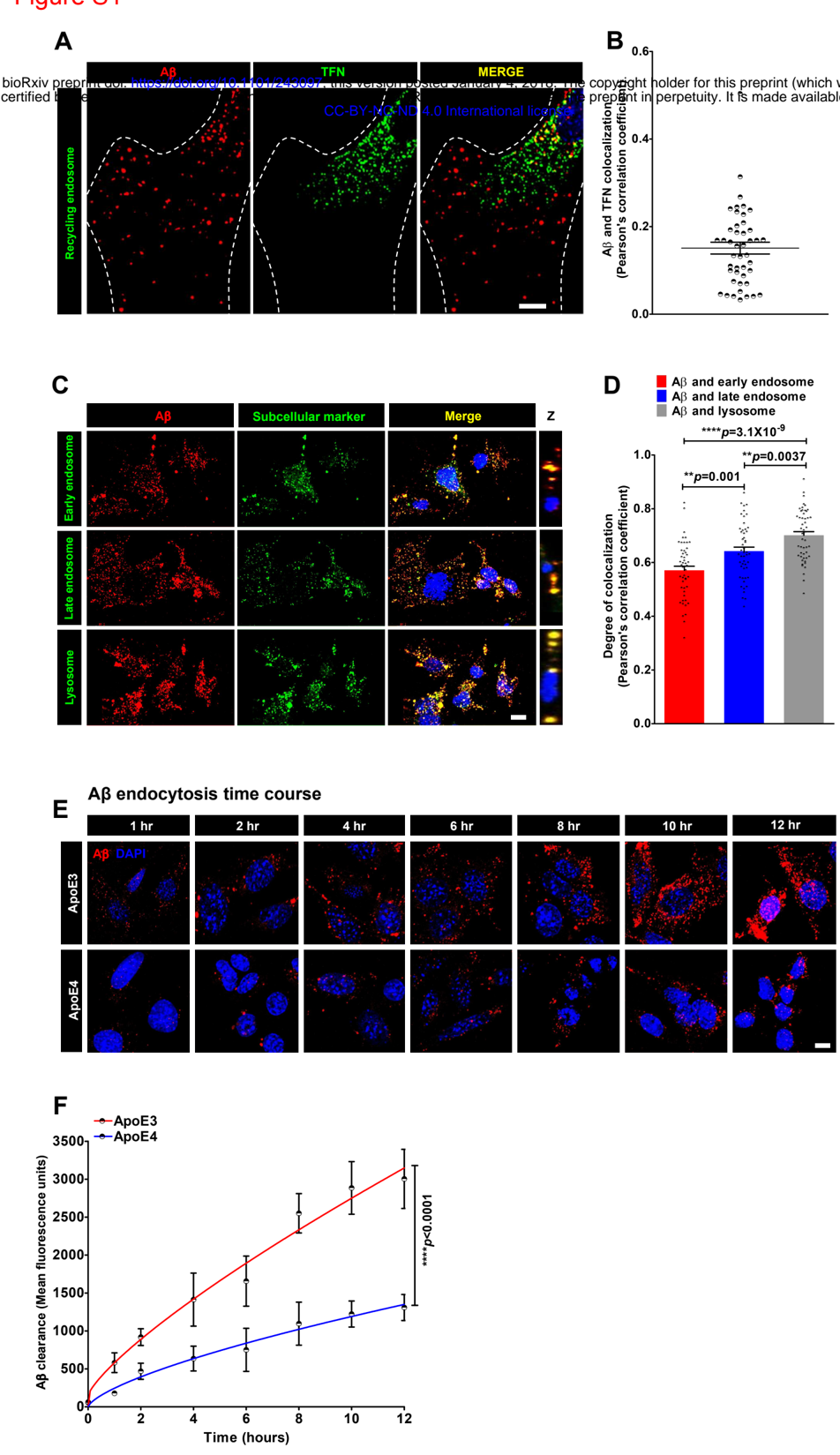
“Internalized Aβ is sorted to 20 the lysosomal degradation pathway as evidenced by high colocalization with late endosomal-lysosomal markers and low colocalization with the recycling compartment marker transferrin (TFN) (Fig. S1A-D).”
§ The Amyloid Clearance Defect in ApoE4 Astrocytes is Corrected by Epigenetic Restoration of NHE6 > ApoE4 astrocytes have cargo specific defects in endocytosis
boostedcorrelational- Asserted: passes — The authors put it forward as true.
- Checkable: passes — It can be checked against evidence.
- Load-bearing: passes — The paper’s conclusions depend on it.
- Based: passes — The paper gives a reason why it holds.
It may state two separate claims as one.
- Rests on an assumption: ApoE-isoform-expressing isogenic astrocytes produce, lipidate, package, and secrete ApoE in a brain-relevant physiological fashion, making them a valid model of human ApoE4 brain astrocytes.
The paper relies on this without support.
ApoE-isoform-expressing isogenic astrocytes produce, lipidate, package, and secrete ApoE in a brain-relevant physiological fashion, making them a valid model of human ApoE4 brain astrocytes.
“Using ApoE-isoform-expressing isogenic astrocytes that produce, lipidate, package, and secrete ApoE in a brainrelevant physiological fashion”
The paper relies on this without support.
Elevated brain Aβ in NHE6 KO mice reflects a role for NHE6 in amyloid pathology relevant to AD.
“Consistent with a role in amyloid pathology, in vivo Aβ levels were found to be significantly higher in the brains of NHE6 KO mice.”
Claims other papers make about this one
Each is checked against this paper’s own text: does it say what the citing paper says it does?
The source backs part of the claim, not all of it — or backs it for a different population, condition or comparison.
In the citing paper
“and with LRP-1 affecting A degradation (Prasad and Rao, 2018).”
From ApoE4 Alters ABCA1 Membrane Trafficking in Astrocytes (2019) · cites this paper as Prasad and Rao, 2018
Experimental — accuracy not yet measuredThe source backs part of the claim, not all of it — or backs it for a different population, condition or comparison.
In the citing paper
“Data showed that ApoE4 astrocytes contain significantly lower levels of all three receptors (Figure 5), although conflicting data regarding some of them have been obtained in primary and hiPSC-derived ApoE4 astrocytes [15,24,73].”
From ApoE3 vs. ApoE4 Astrocytes: A Detailed Analysis Provides New Insights into Differences in Cholesterol Homeostasis (2022) · cites this paper as [73]
Experimental — accuracy not yet measuredThe source backs part of the claim, not all of it — or backs it for a different population, condition or comparison.
In the citing paper
“several studies showed that ApoE4 is able to reduce their recycling to the cell membrane, likely because of the aberrant endosomal acidification that traps receptors within the intracellular compartments and leads to their degradation [73,74,75].”
From ApoE3 vs. ApoE4 Astrocytes: A Detailed Analysis Provides New Insights into Differences in Cholesterol Homeostasis (2022) · cites this paper as [73]
Experimental — accuracy not yet measuredThe cited source says what the claim attributes to it.
In the citing paper
“studies suggest that lower levels of ApoE receptors in the astrocytic membrane may lead to the reduced ability of ApoE4 astrocytes to clear Aβ [16,73].”
From ApoE3 vs. ApoE4 Astrocytes: A Detailed Analysis Provides New Insights into Differences in Cholesterol Homeostasis (2022) · cites this paper as [73]
In the citing paper
“In ApoE4-expressing astrocytes, others have shown that overexpression of NHE6 increases LRP1 on the surface, which correlated with an increase in Aβ uptake (Prasad and Rao, 2018).”
From NHE6 depletion corrects ApoE4-mediated synaptic impairments and reduces amyloid plaque load (2021) · cites this paper as Prasad and Rao, 2018
Self-check
Percentages, sums and reported differences re-computed from the paper’s own numbers.
Each contradiction between two passages listed here was confirmed by an independent check.
Rated minor: it would not touch a result — a value no result rests on, a p-value that stays on the same side of the significance level, or a conflict that is clerical, resolved elsewhere in the paper, or outside its own findings.
In the paper
§ The Amyloid Clearance Defect in ApoE4 Astrocytes is Corrected by Epigenetic Restoration of NHE6 > Statistical Analysis 5
“All data are presented as mean ± SD.”
§ The Amyloid Clearance Defect in ApoE4 Astrocytes is Corrected by Epigenetic Restoration of NHE6 > Discussion
“Representative images are shown (left) and mean fluorescence ± s.e. was plotted (right).”
Rated minor: it would not touch a result — a value no result rests on, a p-value that stays on the same side of the significance level, or a conflict that is clerical, resolved elsewhere in the paper, or outside its own findings.
In the paper
§ The Amyloid Clearance Defect in ApoE4 Astrocytes is Corrected by Epigenetic Restoration of NHE6 > NHE6 restores defective Aβ clearance in ApoE4 astrocytes
“Although NHE6 transcript was similar in ApoE KO mouse astrocytes and ApoE KO astrocytes with knock-in of human ApoE3, it was ∼56% reduced in ApoE4 knock-in cells (Fig. 4C).”
§ The Amyloid Clearance Defect in ApoE4 Astrocytes is Corrected by Epigenetic Restoration of NHE6 > NHE6 restores defective Aβ clearance in ApoE4 astrocytes
“Consistent with this hypothesis, amyloid Aβ levels were found to be elevated in mouse brains from NHE6 KO (Fig. 4C)”
Rated minor: it would not touch a result — a value no result rests on, a p-value that stays on the same side of the significance level, or a conflict that is clerical, resolved elsewhere in the paper, or outside its own findings.
In the paper
§ The Amyloid Clearance Defect in ApoE4 Astrocytes is Corrected by Epigenetic Restoration of NHE6 > Surface expression of LRP1 receptor is severely reduced in ApoE4 astrocytes
“First, surface biotinylation revealed that plasma membrane expression of LRP1 receptor in ApoE4 astrocytes was lower by ∼50% (Fig. 1B).”
§ The Amyloid Clearance Defect in ApoE4 Astrocytes is Corrected by Epigenetic Restoration of NHE6 > Discussion
“B. Representative micrographs (left) and quantification (right) of ApoE3 and ApoE4 5 astrocytes subjected to 24h of Aβ uptake.”
Citations
Cites
Apolipoprotein E and Alzheimer disease: risk, mechanisms and therapy
Liu, C.-C., Kanekiyo, T., Xu, H., & Bu, G. (2013) · Nature Reviews Neurology · doi:10.1038/nrneurol.2012.263 · Cited by 3,459
Villemagne, V. L., Burnham, S., Bourgeat, P., Brown, B., Ellis, K. A., Salvado, O., Szoeke, C., Macaulay, S. L., Martins, R., Maruff, P., et al. (2013) · The Lancet Neurology · doi:10.1016/s1474-4422(13)70044-9 · Cited by 2,279
(2015) · HAL · Cited by 2,238
Sensors and regulators of intracellular pH
Casey, J. R., Grinstein, S., & Orlowski, J. (2010) · Nature Reviews Molecular Cell Biology · doi:10.1038/nrm2820 · Cited by 2,218
Decreased Clearance of CNS β-Amyloid in Alzheimer’s Disease
Mawuenyega, K. G., Sigurdson, W., Ovod, V., Munsell, L., Kasten, T., Morris, J. C., Yarasheski, K. E., & Bateman, R. J. (2010) · Science · doi:10.1126/science.1197623 · Cited by 2,078
Alzheimer’s disease drug-development pipeline: Few candidates, frequent failures
Cummings, J. L., Morstorf, T., & Zhong, K. (2014) · Alzheimer's Research & Therapy · doi:10.1186/alzrt269 · Cited by 1,744
Alzheimer’s Disease Risk Genes and Mechanisms of Disease Pathogenesis
Karch, C. M., & Goate, A. M. (2015) · Biological Psychiatry · doi:10.1016/j.biopsych.2014.05.006 · Cited by 1,357
Human ApoE isoforms differentially regulate brain amyloid-β peptide clearance
Castellano, J. M., Kim, J., Stewart, F. R., Jiang, H., DeMattos, R. B., Patterson, B. W., Fagan, A. M., Morris, J. C., Mawuenyega, K. G., Cruchaga, C., et al. (2011) · Science Translational Medicine · doi:10.1126/scitranslmed.3002156 · Cited by 1,242 · cited 1×
“Studies in humans, mouse models, and cell cultures have revealed the importance of ApoE isotype-specific differences in Aβ uptake and clearance in AD pathogenesis, although the underlying mechanism remains to be determined (22, 23, 27, 28).”
BackgroundLee, J.-H., Yu, W. H., Kumar, A., Lee, S., Mohan, P. S., Peterhoff, C. M., Wolfe, D. M., Martinez-Vicente, M., Massey, A. C., Sovak, G., et al. (2010) · Cell · doi:10.1016/j.cell.2010.05.008 · Cited by 1,212
Blalock, E. M., Geddes, J. W., Chen, K. C., Porter, N. M., Markesbery, W. R., & Landfield, P. W. (2004) · Proceedings of the National Academy of Sciences · doi:10.1073/pnas.0308512100 · Cited by 1,025
Cited by
Sorted by citations
Items 101–200 of 208
Serum lipoprotein–derived fatty acids regulate hypoxia-inducible factor
Shao, W., Hwang, J., Liu, C., Mukhopadhyay, D., Zhao, S., Shen, M., Alpergin, E. S. S., Wolfgang, M. J., Farber, S. A., & Espenshade, P. J. (2020) · Journal of Biological Chemistry · doi:10.1074/jbc.ra120.015238 · Cited by 17
Protons to Patients: targeting endosomal Na+/H+ exchangers against COVID‐19 and other viral diseases
Prasad, H. (2021) · FEBS Journal · doi:10.1111/febs.16163 · Cited by 15
Self-citationA Review of APOE Genotype-Dependent Autophagic Flux Regulation in Alzheimer’s Disease
Chen, H., Chen, F., Zhang, M., Chen, Y., Cui, L., & Liang, C. (2021) · Journal of Alzheimer s Disease · doi:10.3233/jad-210602 · Cited by 15
Barthelson, K., Newman, M., & Lardelli, M. T. (2021) · Disease Models & Mechanisms · doi:10.1242/dmm.049187 · Cited by 14
Pandey, A. K., Buchholz, C. R., Kochen, N. N., Pomerantz, W. C. K., Braun, A. R., & Sachs, J. N. (2023) · ACS Chemical Neuroscience · doi:10.1021/acschemneuro.2c00782 · Cited by 14
Isoform- and cell-state-specific APOE homeostasis and function
Lindner, K., & Gavin, A.-C. (2024) · Neural Regeneration Research · doi:10.4103/nrr.nrr-d-23-01470 · Cited by 13
Pinheiro, P. D. S. M., Diniz, L. P., Franco, L. S., Siqueira, M., & Gomes, F. C. A. (2025) · Pharmaceuticals · doi:10.3390/ph18101471 · Cited by 13
Research progress of PPARγ regulation of cholesterol and inflammation in Alzheimer's disease
Gu, L., Ju, Y., Hu, M. S., Miao, Z., Li, Q., & Zhang, X. (2023) · Metabolic Brain Disease · doi:10.1007/s11011-022-01139-6 · Cited by 12
Wirth, S., Schlößer, A., Beiersdorfer, A., Schweizer, M., Woo, M. S., Friese, M. A., Lohr, C., & Grochowska, K. M. (2024) · Glia · doi:10.1002/glia.24539 · Cited by 12
LeVine, S. M. (2023) · Cells · doi:10.3390/cells12222641 · Cited by 10
Slc9a6 mutation causes Purkinje cell loss and ataxia in the shaker rat
Figueroa, K. P., Anderson, C. J., Paul, S., Dansithong, W., Gandelman, M., Scoles, D. R., & Pulst, S. M. (2023) · Human Molecular Genetics · doi:10.1093/hmg/ddad004 · Cited by 9
Aβ40 Aggregation under Changeable Conditions
Curto, J. S., Fernández, M. R., Cladera, J., Benseny‐Cases, N., & de Groot, N. S. (2023) · International Journal of Molecular Sciences · doi:10.3390/ijms24098408 · Cited by 9
Lardelli, M. T., Baer, L., Hin, N., Allen, A. G., Pederson, S., & Barthelson, K. (2023) · Journal of Alzheimer s Disease · doi:10.3233/jad-230522 · Cited by 9
Wang, B., Liu, S., Hao, K.-M., Wang, Y., Li, Z., Lou, Y., Chang, Y., & Qi, W. (2024) · Experimental Brain Research · doi:10.1007/s00221-024-06858-z · Cited by 9
Santi, M. D., Hune, T. L. K., Rodriguez, G. G., Fries, L. M., Mei, R., Sternkopf, S., Elsaßer, J., & Glöggler, S. (2024) · The Analyst · doi:10.1039/d4an00832d · Cited by 9
The endosomal pH regulator NHE9 is a driver of stemness in glioblastoma
Ko, M., Makena, M. R., Schiapparelli, P. V., Suárez-Meade, P., Mekile, A. X., Lal, B., López-Bertoni, H., Kozielski, K., Green, J. J., Laterra, J., et al. (2022) · PNAS Nexus · doi:10.1093/pnasnexus/pgac013 · Cited by 9
Self-citationImaging probes for the detection of brain microenvironment
Zhang, S., Wang, T., Gao, T., Liao, J., Wang, Y., Xu, M., Lu, C., Liang, J., Xu, Z., Sun, J., et al. (2025) · Colloids and Surfaces B Biointerfaces · doi:10.1016/j.colsurfb.2025.114677 · Cited by 8
Gaspar, L., Bartman, S., Tobias-Wallingford, H., Coppotelli, G., & Ross, J. M. (2025) · Environmental Research Communications · doi:10.1088/2515-7620/adf8ae · Cited by 8
Safieh, M., Liraz, O., Ovadia, M., & Michaelson, D. M. (2024) · Journal of Alzheimer s Disease · doi:10.3233/jad-230514 · Cited by 8
Asiamah, E. A., Feng, B., Guo, R., Yaxing, X., Du, X., Liu, X., Zhang, J., Cui, H., & Ma, J. (2024) · Journal of Alzheimer s Disease · doi:10.3233/jad-230658 · Cited by 8
Monitoring Acidification Preceding Aβ Deposition in Alzheimer's Disease
Zhu, G., Zhang, H., Xie, R., Younis, M. R., Fu, S., Wang, X., Liu, B., Li, K., Lui, S., & Wu, M. C. (2025) · Advanced Healthcare Materials · doi:10.1002/adhm.202404907 · Cited by 8
Ketamine promotes the amyloidogenic pathway by regulating endosomal pH
Ren, W., Lou, H., Ren, X., Wen, G., Wu, X., Xia, X., Wang, S., Yu, X., Yan, L., Zhang, G., et al. (2022) · Toxicology · doi:10.1016/j.tox.2022.153163 · Cited by 8
The Azalea Hypothesis of Alzheimer Disease: A Functional Iron Deficiency Promotes Neurodegeneration
LeVine, S. M. (2023) · The Neuroscientist · doi:10.1177/10738584231191743 · Cited by 8
Prasad, H. (2024) · Gene · doi:10.1016/j.gene.2024.148737 · Cited by 8
Self-citationMachine learning based approach to pH imaging and classification of single cancer cells
Belotti, Y., Jokhun, D. S., Ponnambalam, J. S., Valerio, V. L. M., & Lim, C. T. (2021) · APL Bioengineering · doi:10.1063/5.0031615 · Cited by 8
Bell, L., Clerkin, S., Rizalar, F. S., Rizkallah, A., Stokar‐Regenscheit, N., Spijkers, X. M., Wevers, N. R., Simonneau, C., Augustin, A., Höllbacher, B., et al. (2025) · Stem Cell Reports · doi:10.1016/j.stemcr.2025.102607 · Cited by 7
Xu, H., Fu, J., Nazar, R. B. M., Yang, J., Chen, S., Huang, Y., Bao, T., & Chen, X. (2023) · Brain Sciences · doi:10.3390/brainsci13111554 · Cited by 7
Endosomal pH is an evolutionarily conserved driver of phenotypic plasticity in colorectal cancer
Prasad, H., Harshavardhan, B. V., Subbalakshmi, A. R., Mandal, S., Jolly, M. K., & Visweswariah, S. S. (2024) · npj Systems Biology and Applications · doi:10.1038/s41540-024-00463-0 · Cited by 7
Self-citationPlasma Levels of Amyloid-β Peptides and Tau Protein in Mexican Patients with Alzheimer’s Disease
Castillo-Mendieta, T., Arana-Lechuga, Y., Campos‐Peña, V., Sosa, A. L., Orozco-Suárez, S. A., Pinto‐Almazán, R., Segura-Uribe, J. J., de Tagle, A. J. R.-S., Ruiz-Sánchez, E., & Guerra‐Araiza, C. (2021) · Journal of Alzheimer s Disease · doi:10.3233/jad-200912 · Cited by 7
Prasad, H., Mandal, S., Mathew, J. K. K., Cherukunnath, A., Duddu, A. S., Banerjee, M., Ramani, H., Bhat, R., Jolly, M. K., & Visweswariah, S. S. (2024) · Molecular Cancer Research · doi:10.1158/1541-7786.mcr-23-0606 · Cited by 7
Self-citationTargeting apolipoprotein E for treating Alzheimer’s disease
Bales, K. R., & Paul, S. M. (2019) · Neuroscience Letters · doi:10.1016/j.neulet.2019.134366 · Cited by 7
Aquaporin-4 Mediated Aggregation of Alzheimer’s Amyloid β-Peptide
Maroli, N. (2023) · ACS Chemical Neuroscience · doi:10.1021/acschemneuro.3c00233 · Cited by 7
Mo, Y., Liu, H., Keszei, A. F. A., Dai, D. L., Makky, A., Ding, L., Pan, A., Bu, J., Mazhab‐Jafari, M. T., Chen, J., et al. (2026) · Journal of the American Chemical Society · doi:10.1021/jacs.5c16025 · Cited by 6
Ramachandran, A. K., Das, S., Shenoy, G. G., Mudgal, J., & Joseph, A. (2022) · CNS & Neurological Disorders - Drug Targets · doi:10.2174/1871527322666221226145141 · Cited by 7
Barthelson, K., Protzman, R. A., Snel, M. F., Hemsley, K. M., & Lardelli, M. T. (2025) · Biochimica et Biophysica Acta (BBA) - Molecular Basis of Disease · doi:10.1016/j.bbadis.2024.167651 · Cited by 6
Linking endo-lysosomal pH, sterol, and trafficking to neurodegenerative disease
Prasad, H., & Rao, R. (2025) · FEMS Yeast Research · doi:10.1093/femsyr/foaf034 · Cited by 5
Self-citationHuang, N., Hong, R., Cui, X., Cao, L., Shi, L., Chen, B., Su, Y., Xu, X., Hua, C., & Ying, T. (2026) · Journal of Nanobiotechnology · doi:10.1186/s12951-026-04297-2 · Cited by 5
Arndt, H., Bachurski, M., Yuanxiang, P., Franke, K., Wessjohann, L. A., Kreutz, M. R., & Grochowska, K. M. (2024) · Molecular Neurobiology · doi:10.1007/s12035-024-04509-6 · Cited by 5
Apolipoprotein E4 inhibits γ‐secretase activity via binding to the γ‐secretase complex
Sun, Y., Islam, S., Gao, Y., Nakamura, T., Zou, K., & Michikawa, M. (2022) · Journal of Neurochemistry · doi:10.1111/jnc.15750 · Cited by 5
Mishra, A., Satapathy, B. S., Sahu, P. K., Ghose, A., & Paidesetty, S. K. (2026) · ACS Omega · doi:10.1021/acsomega.6c00142 · Cited by 4
Feilen, L. P., Sach, L. K., Tranchant, E. E., Lalic, M. R., Havelund, J. F., Cerda, C. M. J., Ginsthofer, M., Ostendorf, J., Ma, L., Morrow, E. M., et al. (2026) · Nature Communications · doi:10.1038/s41467-026-76368-9 · Cited by 4
Can Wim Hof Method breathing induce conscious metabolic waste clearance of the brain?
Chavez, J. A., & Zappaterra, M. (2023) · Medical Hypotheses · doi:10.1016/j.mehy.2023.111118 · Cited by 4
Chakraborty, S., & Sinha, A. (2023) · Asian Journal of Pharmaceutical Research and Development · doi:10.22270/ajprd.v11i4.1302 · Cited by 4
Yamamoto, Y., Takahata, K., Seki, M., Okusa, S., Tatebe, H., Ueda, R., Endo, H., Tagai, K., Moriguchi, S., Kurose, S., et al. (2025) · Neurology Genetics · doi:10.1212/nxg.0000000000200235 · Cited by 4
Epigenetic treatment of neurodegenerative disorders
Martínez-Iglesias, O. A., & Cacabelos, R. (2020) · Elsevier eBooks · doi:10.1016/b978-0-12-816422-8.00013-1 · Cited by 4
Cavieres-Lepe, J., & Stuardo, N. (2021) · Journal of Neuroscience · doi:10.1523/jneurosci.2352-20.2021 · Cited by 4
Identification of immunogenic cell death-related genes involved in Alzheimer’s disease
Wang, R., Du, Y., Shao, W., Wang, J., Liu, X., Xu, X., Chen, G., & Sun, Y. (2024) · Scientific Reports · doi:10.1038/s41598-024-54357-6 · Cited by 5
NHE6-Depletion Corrects ApoE4-Mediated Synaptic Impairments and Reduces Amyloid Plaque LoadPreprint
Pohlkamp, T., Xian, X., Wong, C. H. Y., Durakoglugil, M. S., Werthmann, G. C., Saido, T., Evers, B. M., White, C. L., Connor, J., Hammer, R. E., et al. (2021) · bioRxiv (Cold Spring Harbor Laboratory) · doi:10.1101/2021.03.22.436385 · Cited by 4
Neuronal endolysosomal alterations induced by Apolipoprotein E4 emerge over time in primary neurons
Nyberg, E., Konings, S. C., Lindblom, N., Israelsson, B., Klementieva, O. L., Martinsson, I., & Gouras, G. K. (2025) · Journal of Biological Chemistry · doi:10.1016/j.jbc.2025.110479 · Cited by 3
Amyloid-β clearance: an astrocytic perspective
Li, J., Lv, Z., Chen, X. P., Fu, F., Yang, K., Lai, G., Wu, H., & Xie, G. (2026) · Frontiers in Neuroscience · doi:10.3389/fnins.2026.1812081 · Cited by 3
Aldaghi, F. S., Siahpoosh, Z., Salehi, Z., Mashayekhi, F., & Sohrabnezhad, S. (2026) · Brain and Behavior · doi:10.1002/brb3.71615 · Cited by 3
Deivasigamani, S., Thekkan, S., Vergara, H. M., Connolly, O. M., Cosden, M. L., Phan, T., Smith, S., Marcus, J., Uslaner, J. M., Venkat, D., et al. (2024) · ACS Chemical Biology · doi:10.1021/acschembio.4c00602 · Cited by 3
Liang, J., Xue, Z., Zhou, W., Guo, X., & Wen, Y. (2025) · Frontiers in Genetics · doi:10.3389/fgene.2025.1538544 · Cited by 2
Alzheimer’s Disease: A Thermodynamic Perspective
Lucia, U., Grisolia, G., & Deisboeck, T. S. (2020) · Applied Sciences · doi:10.3390/app10217562 · Cited by 2
Huang, C.-J., Ho, S.-Y., Wu, S., Wang, Y., & Dong, G. (2024) · Journal of the Taiwan Institute of Chemical Engineers · doi:10.1016/j.jtice.2024.105570 · Cited by 2
Chang, J., Li, Q., Zhang, T., Sun, H., Jia, Z., Li, Y., Zhang, S., Sun, T., Ma, S., & Cao, J.-M. (2025) · International Journal of Biological Macromolecules · doi:10.1016/j.ijbiomac.2025.141000 · Cited by 2
A novel hybrid protein promotes Aβ clearance and reduces inflammatory response through MerTKPreprint
Samentar, L., Salazar, A., Pan, P., Etebar, K., Choy, K., Uddin, D., Eliseeff, P., Bugayong, A. M., Garrido, J. A. M. G., Emini, A., et al. (2021) · bioRxiv (Cold Spring Harbor Laboratory) · doi:10.1101/2021.11.03.467048 · Cited by 2
Gupta, R., Mekile, A. X., Patnayak, R. L., Makena, M. R., Bowman, R. W., White, C. J., Lorenzo, D. N., & Rao, R. (2025) · The Journal of Physiology · doi:10.1113/jp289613 · Cited by 1
Self-citationYe, J., Deng, Y., Zhang, B., Li, C., Guo, X., Yue, R., Wan, H., Hao, Y., & Xiao, S. (2026) · Alzheimer s Research & Therapy · doi:10.1186/s13195-026-02121-5 · Cited by 1
Lysosomal dysfunction in neurodegenerative disease
Brooker, S. M., Coukos, R., & Krainc, D. (2026) · Nature Reviews Neurology · doi:10.1038/s41582-026-01262-3 · Cited by 1
Alzheimer-Demenz: Neurobiologie, Diagnostik und experimentelle Ansätze
Wiltfang, J., Bouter, C., & Schmidt, U. (2019) · PSYCH up2date · doi:10.1055/a-0748-9087 · Cited by 1
Epigenomics of neurological disorders
Khorkova, O., Hsiao, J. H., & Wahlestedt, C. (2020) · Elsevier eBooks · doi:10.1016/b978-0-12-813955-4.00003-9 · Cited by 1
Zou, G.-Y., Bi, F., Chen, S., Liu, M.-X., & Yu, Y. (2024) · Chemical Communications · doi:10.1039/d4cc02800g · Cited by 1
Risen, S. J., Wahl, D., LaRocca, T. J., & Moreno, J. A. (2025) · Neuroglia · doi:10.3390/neuroglia6020022 · Cited by 1
A conserved mechanism regulates reversible amyloids via pH-sensing regionsPreprint
Cereghetti, G., Kissling, V. M., Koch, L. M., Arm, A., Afanasyev, P., Linsenmeier, M., Eichmann, C., Zhou, J., Cao, Y., Pfizenmaier, D. M., et al. (2022) · bioRxiv (Cold Spring Harbor Laboratory) · doi:10.1101/2022.03.21.484600 · Cited by 1
Alzheimer-Demenz: Neurobiologie, Diagnostik und experimentelle Ansätze
Wiltfang, J., Bouter, C., & Schmidt, U. (2020) · Geriatrie up2date · doi:10.1055/a-1226-4174
Refining the Class IIa HDAC/MEF2 Paradigm in Muscle Biology: More than Meets the Eye
Dequiedt, F., & Cherrier, T. (2020) · Journal of Cellular Signaling · doi:10.33696/signaling.1.022
A Conserved Mechanism Regulates Reversible Amyloids via pH-Sensing RegionsPreprint
Cereghetti, G., Kissling, V. M., Koch, L. M., Arm, A., Afanasyev, P., Linsenmeier, M., Eichmann, C., Zhou, J., Cao, Y., Pfizenmaier, D. M., et al. (2022) · SSRN Electronic Journal · doi:10.2139/ssrn.4162086
The Endosomal pH Regulator NHE6 is Required for Insulin-Stimulated Glucose Uptake in AdipocytesPreprint
Mekile, A. X., Makena, M. R., Gupta, R., White, C. J., Bowman, R. W., Patnayak, R. L., Lorenzo, D. N., & Rao, R. (2023) · bioRxiv (Cold Spring Harbor Laboratory) · doi:10.1101/2023.07.30.551163
Self-citationSeoane, P. L., Muñoz-Negro, J. E., Torres-Parejo, Ú., & Jiménez, F. J. G. (2024) · Medicina de Familia SEMERGEN · doi:10.1016/j.semerg.2024.102283
Epigenomics of neurological disorders
Khorkova, O., & Wahlestedt, C. (2024) · Elsevier eBooks · doi:10.1016/b978-0-443-19041-4.00012-1
Chan, D., Spires‐Jones, T. L., Provenzano, F. A., Glennon, E. B. C., & Duff, K. (2025) · Oxford University Press eBooks · doi:10.1093/med/9780190065324.003.0020
ApoE Receptors, Molecular Processes, and Cellular Signaling Pathways
Jaeschke, A., & Hui, D. Y. (2025) · Springer eBooks · doi:10.1007/978-3-031-52641-1_6-1
Giha, H. A., Sater, M. S., & Qarni, A. A. A. (2025) · Minerva Endocrinology · doi:10.23736/s2724-6507.25.04230-7
Apolipoprotein E in Embryogenesis and Development
Getz, G. S., & Reardon, C. A. (2025) · Springer eBooks · doi:10.1007/978-3-031-52641-1_8-1
Cognitive Ability and Impairment Related to Formaldehyde
He, R. (2025) · Springer eBooks · doi:10.1007/978-981-96-7281-3_9
Karaahmet, B., Le, L., Mendes, M. S., Majewska, A. K., & O’Banion, M. K. (2022) · Figshare · doi:10.6084/m9.figshare.20224738
Karaahmet, B., Le, L., Mendes, M. S., Majewska, A. K., & O’Banion, M. K. (2022) · Figshare · doi:10.6084/m9.figshare.20224744
Karaahmet, B., Le, L., Mendes, M. S., Majewska, A. K., & O’Banion, M. K. (2022) · Figshare · doi:10.6084/m9.figshare.20224735
Karaahmet, B., Le, L., Mendes, M. S., Majewska, A. K., & O’Banion, M. K. (2022) · Figshare · doi:10.6084/m9.figshare.20224756
Karaahmet, B., Le, L., Mendes, M. S., Majewska, A. K., & O’Banion, M. K. (2022) · Figshare · doi:10.6084/m9.figshare.20224747
Karaahmet, B., Le, L., Mendes, M. S., Majewska, A. K., & O’Banion, M. K. (2022) · Figshare · doi:10.6084/m9.figshare.20224750
Su, Q., Li, T., He, P.-F., Lu, X.-C., Yu, Q., Gao, Q.-C., Wang, Z., Wu, M.-N., Yang, D., & 祁金顺 (2021) · Figshare · doi:10.6084/m9.figshare.13520737
Karaahmet, B., Le, L., Mendes, M. S., Majewska, A. K., & O’Banion, M. K. (2022) · Figshare · doi:10.6084/m9.figshare.20224753
Karaahmet, B., Le, L., Mendes, M. S., Majewska, A. K., & O’Banion, M. K. (2022) · Figshare · doi:10.6084/m9.figshare.20224729
Karaahmet, B., Le, L., Mendes, M. S., Majewska, A. K., & O’Banion, M. K. (2022) · Figshare · doi:10.6084/m9.figshare.20224741
Karaahmet, B., Le, L., Mendes, M. S., Majewska, A. K., & O’Banion, M. K. (2022) · Figshare · doi:10.6084/m9.figshare.20224759
ApoE4 pathology in Alzheimer's disease from the perspective of organelle dysfunction in astrocytes
Larramona‐Arcas, R., & Molecular, U. A. D. B. D. D. B. I. D. B. (2018) · LA Referencia (Red Federada de Repositorios Institucionales de Publicaciones Científicas)
Ontrafelen van de rol van APOE in astrocyten en microglia bij de ziekte van Alzheimer
Preman, P. (2023) · Lirias (KU Leuven)
Shi, R. (2024) · eScholarship@McGill (McGill) · doi:10.82308/17659
Tool-Building and Mechanistic Insights for Cytosolic and Nuclear Delivery of Therapeutic Proteins
Zoltek, M. (2024) · eScholarship (California Digital Library)
LIPID DROPLET TARGETING AND FUNCTION OF APOLIPOPROTEIN E
Windham, I. A. (2026) · Carolina Digital Repository (University of North Carolina at Chapel Hill) · doi:10.17615/yant-mg96
Apolipoprotein E, malnutrition, and neurodegenerative risk
Ciurleo, G. C. V., Carvalho, C. G. M., Freitas, R. S., & Oriá, R. B. (2026) · Elsevier eBooks · doi:10.1016/b978-0-443-33841-0.00032-4
Maladaptive aging trajectory in late-onset Alzheimer's disease
Lv, T., Sun, H., Xia, T., Zhu, M. L., & Li, Y. (2026) · The Innovation Life · doi:10.59717/j.xinn-life.2026.100206
Valverde, A. (2020) · theses.fr (ABES) · doi:10.70675/f1b70734zf4e3z4870z8fbdz950d831642a7
NHE6-driven endosome-autophagy axis confers proteasome inhibitor resistance in multiple myeloma
Chen, L., Cheng, F., Huang, Y.-H., Wang, Y., He, J., Liu, J., Wang, Z., Lin, P., Fan, Y., Bao, L., et al. (2026) · Drug Resistance Updates · doi:10.1016/j.drup.2026.101436
ALBAYRAK, İ. G. (2026) · Akademisyen Kitabevi eBooks · doi:10.37609/akya.4278
Gonzalez, L. M. (2021) · Knowledge UdeS (Institutional Deposit of the University of Sherbrooke)
Metadata
- Authors
- Prasad, H., & Rao, R.
- Affiliations
- Johns Hopkins University (US)
- Venue
- Proceedings of the National Academy of Sciences
- Publisher
- National Academy of Sciences
- Published
- 2018-06-26
- Volume
- 115
- Issue
- 28
- Pages
- E6640-E6649
- ISSN
- 0027-8424 (ISSN-L)
- 1091-6490
- PMC
- PMC6048470
- OpenAlex
- W2810838937
- Semantic Scholar
- 6df1477984f5b1d0b945833f66e04a624dbbb0a5
- Cited by
- 207
- References
- 73
- Citations by year
- 2026: 19 · 2025: 26 · 2024: 30 · 2023: 25 · 2022: 34 · 2021: 32 · 2020: 23 · 2019: 14 · 2018: 4
- FWCI
- 7.14
- Type
- journal article
- Language
- en
- Open access
- green
- doi.org
- Licence
- Locations
- Proceedings of the National Academy of Sciences (publishedVersion)
- bioRxiv (Cold Spring Harbor Laboratory) (acceptedVersion, cc-by-nc-nd)
- Europe PMC (PubMed Central) (publishedVersion)
- PubMed Central (publishedVersion)
- PubMed (publishedVersion)
- Funders
- HHS | National Institutes of Health (DK054214)
- Johns Hopkins Medicine Discovery Fund (N/A)
- Topics
- Life Sciences › Neuroscience › Cellular and Molecular Neuroscience › Alzheimer's disease research and treatments
- Health Sciences › Medicine › Clinical Neurology › Cerebrospinal fluid and hydrocephalus
- Life Sciences › Neuroscience › Neurology › Neuroinflammation and Neurodegeneration Mechanisms
- Keywords
- Alzheimer's disease, APOE ε4, amyloid-beta clearance, astrocytes, endosomal acidification, endosomal pH, NHE6, Na+/H+ exchanger, epigenetic regulators, amyloidosis
- MeSH terms
- Alzheimer Disease, Animals, Astrocytes, Ataxia, Epilepsy, Histone Deacetylases, Humans, Hydrogen-Ion Concentration, Intellectual Disability, Microcephaly, Receptors, LDL, Endosomes, Ocular Motility Disorders, Amyloid beta-Peptides, Sodium-Hydrogen Exchangers, Mice, Knockout, Tumor Suppressor Proteins, Low Density Lipoprotein Receptor-Related Protein-1, Genetic Diseases, X-Linked, Epigenesis, Genetic, Mice, Apolipoprotein E4, Histone Deacetylase Inhibitors
About these checks
Registry, retraction, Cites and statistics results are computed, not judged, with one exception: a printed reference that no index lists is read once by a model before it counts as a citation error. Claims are extracted by a model and kept only when their quote appears verbatim in the text; each cited source is then checked, with a model’s help, for whether it says what the claim relies on. Those verdicts can be wrong — read the claim’s quote and the cited source before relying on one.
A language model drew the claims from the paper on 2026-11-09, under version 3 of the claim definition (model deepseek-v4.1-flash, prompt extract-v3).
A second model labelled each claim on 2026-11-09 (model jev-1.13-20260917, definition revision gold-guideline-v0.2).
Statistics and arithmetic are recomputed, not judged.
Confidence bands are shown only for fields calibrated on our annotated test set. None is calibrated yet, so no band is shown.
What counts as a claim ›How we measure confidence ›How we check this ›
Are you an author, or do you see a problem with this page? Request a review
