

Disruption of IRE1α through its kinase domain attenuates multiple myeloma
Open accessThe DOI matches its Crossref record; 52 of the 52 references it cites were found in a registry or an index.
Abstract
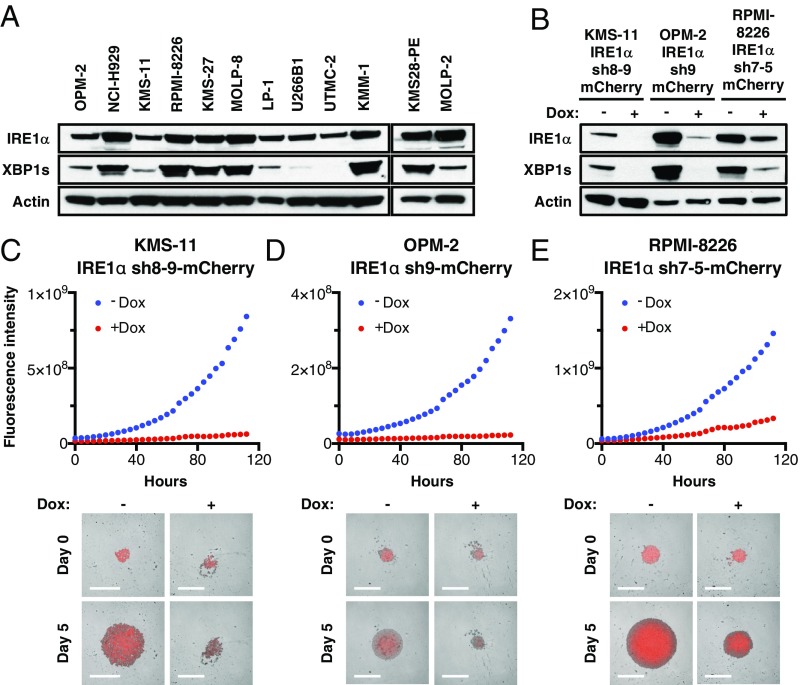
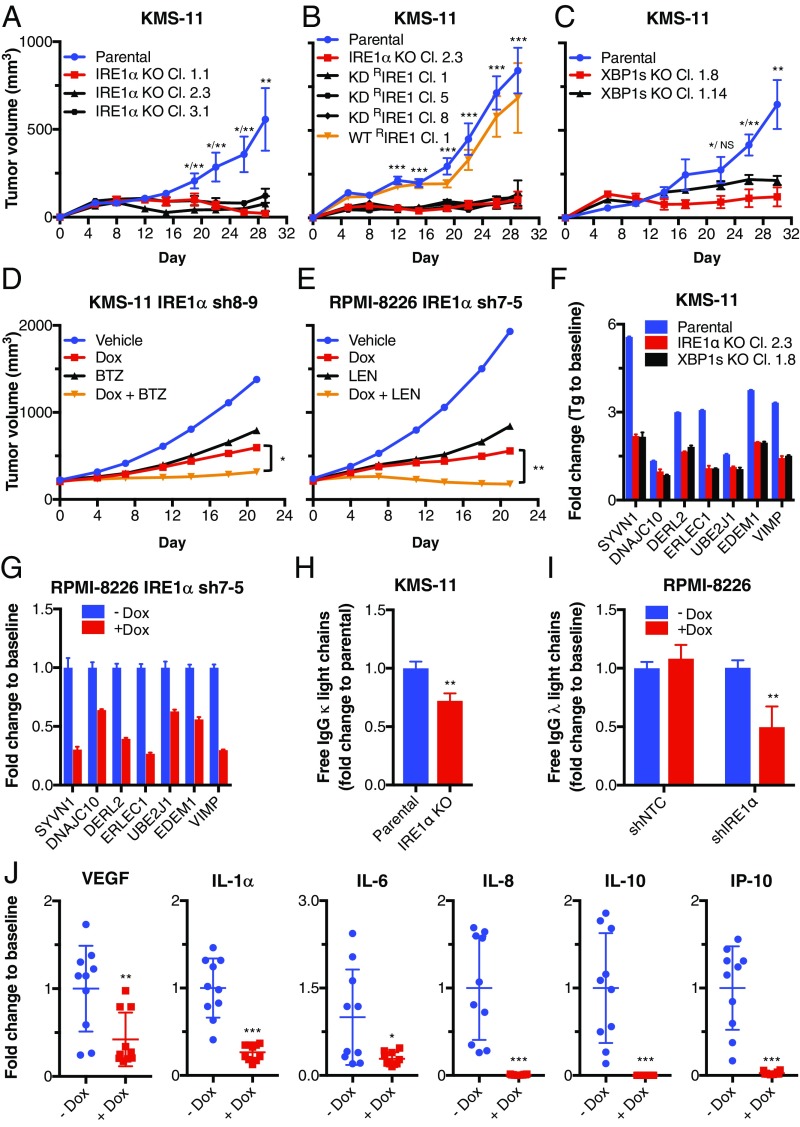
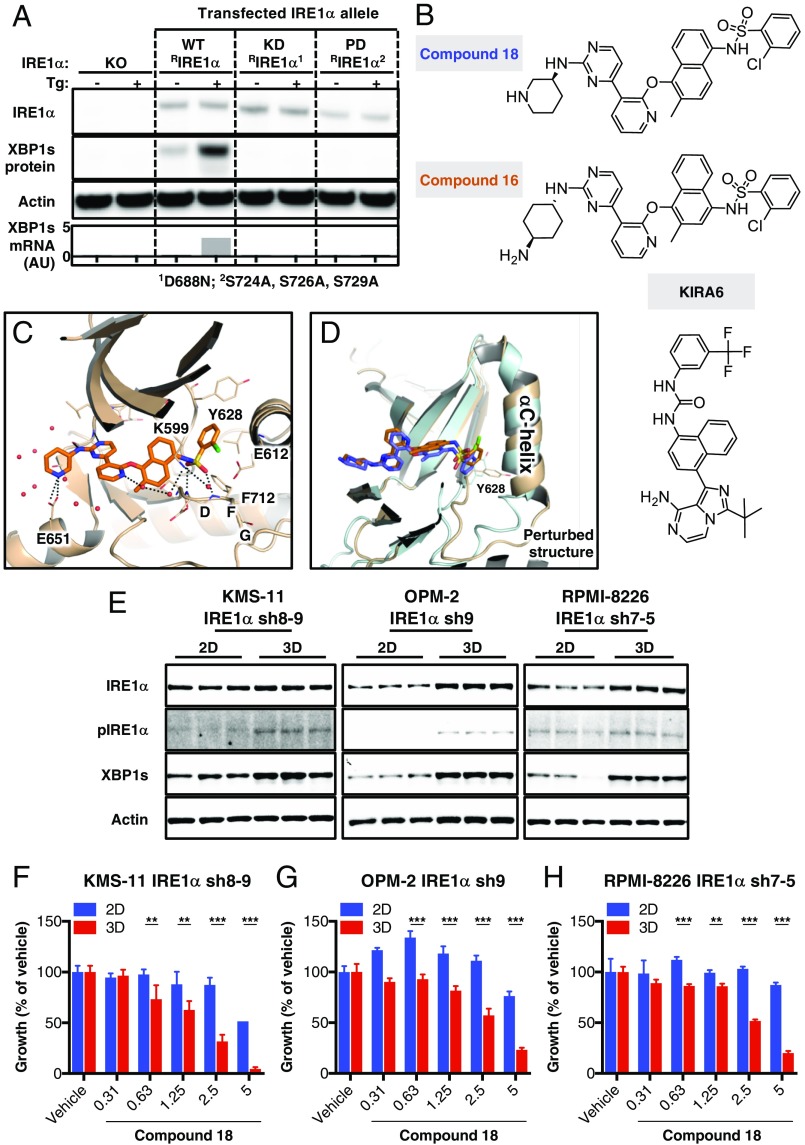
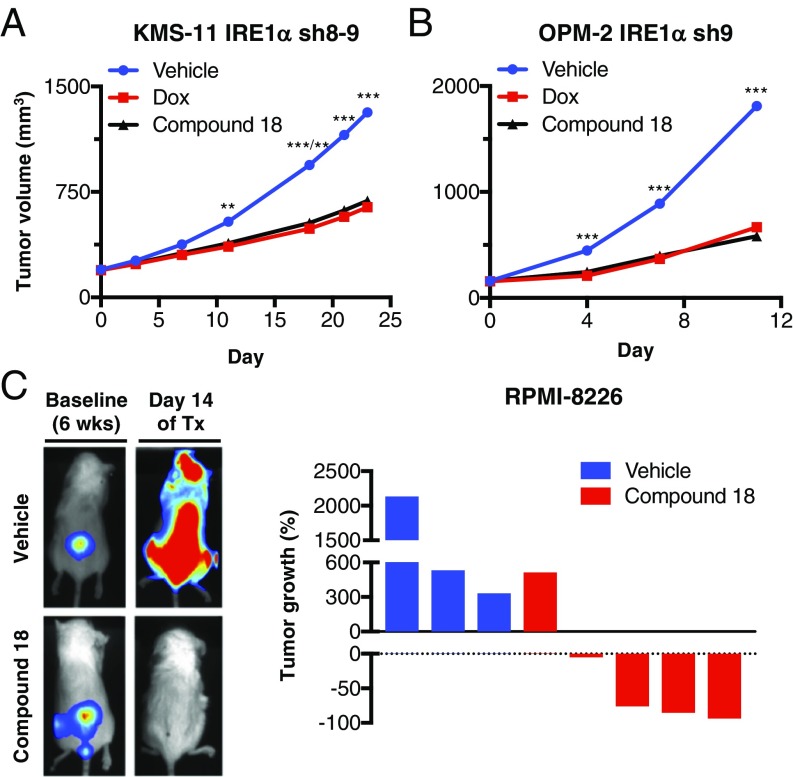
Significance: Multiple myeloma (MM) is a lethal malignancy arising from plasma cells. MM cells experience endoplasmic reticulum (ER) stress due to immunoglobulin hyperproduction. The ER-resident sensor IRE1α mitigates ER stress by expanding protein-folding and secretion capacity, while supporting proteasomal degradation of ER misfolded proteins. IRE1α elaborates these functions by deploying a cytoplasmic kinase–RNase module to activate the transcription factor XBP1s. Although IRE1α has been implicated in MM, its validity as a potential therapeutic target—particularly as a kinase—has been unclear. Using genetic and pharmacologic disruption, we demonstrate that the IRE1α–XBP1s pathway is critical for MM tumor growth. We further show that the kinase domain of IRE1α is an effective and safe potential small-molecule target for MM therapy.
Overview
The claims and statistics of this paper haven’t been checked yet.
Free: it reads the open-access text and checks the first 5 claims that cite a source we can check. Create a free account to check every claim.
Integrity signals
Registry
Cites
Statistics
Figures
Verification
Claims the paper makes
The claims and statistics of this paper haven’t been checked yet.
Free: it reads the open-access text and checks the first 5 claims that cite a source we can check. Create a free account to check every claim.
Claims other papers make about this one
Each is checked against this paper’s own text: does it say what the citing paper says it does?
The cited source says what the claim attributes to it.
In the citing paper
“IRE1α inhibitors KIRA8 or AMG‐18, STF083010, MKC8866 and MKC3946 reduced tumor growth in various cancers, including multiple myeloma [185, 186, 187], melanoma [188], breast cancer and prostate cancer [189].”
From Tumor microenvironment signaling and therapeutics in cancer progression (2023) · cites this paper as [185]
Self-check
Percentages, sums and reported differences re-computed from the paper’s own numbers.
The self-check needs the paper’s full text.
Citations
Cites
Hallmarks of Cancer: The Next Generation
Hanahan, D., & Weinberg, R. A. (2011) · Cell · doi:10.1016/j.cell.2011.02.013 · Cited by 66,590
Siegel, R. L., Miller, K. D., & Jemal, A. (2015) · CA: A Cancer Journal for Clinicians · doi:10.3322/caac.21254 · Cited by 11,853
The Unfolded Protein Response: From Stress Pathway to Homeostatic Regulation
Walter, P., & Ron, D. (2011) · Science · doi:10.1126/science.1209038 · Cited by 5,924
Self-citationThe unfolded protein response: controlling cell fate decisions under ER stress and beyond
Hetz, C. (2012) · Nature Reviews Molecular Cell Biology · doi:10.1038/nrm3270 · Cited by 4,093
Urano, F., Wang, X., Bertolotti, A., Zhang, Y., Chung, P., Harding, H. P., & Ron, D. (2000) · Science · doi:10.1126/science.287.5453.664 · Cited by 2,988
Integrating the mechanisms of apoptosis induced by endoplasmic reticulum stress
Tabas, I., & Ron, D. (2011) · Nature Cell Biology · doi:10.1038/ncb0311-184 · Cited by 2,598
Raje, N., & Anderson, K. C. (2000) · Current Treatment Options in Oncology · doi:10.1007/s11864-000-0017-x · Cited by 2,163
Travers, K. J., Patil, C. K., Wodicka, L., Lockhart, D. J., Weissman, J. S., & Walter, P. (2000) · Cell · doi:10.1016/s0092-8674(00)80835-1 · Cited by 1,992
Self-citationProtein misfolding in the endoplasmic reticulum as a conduit to human disease
Wang, M., & Kaufman, R. J. (2016) · Nature · doi:10.1038/nature17041 · Cited by 1,630
The Myeloma Drug Lenalidomide Promotes the Cereblon-Dependent Destruction of Ikaros Proteins
Lu, G., Middleton, R. E., Sun, H., Naniong, M., Ott, C. J., Mitsiades, C. S., Wong, K.-K., Bradner, J. E., & Kaelin, W. G. (2014) · Science · doi:10.1126/science.1244917 · Cited by 1,583 · cited 1×
“Together, these results suggest that IRE1α inhibition has potential to provide significant clinical benefit, either alone or in combination with other MM therapies known to disrupt protein homeostasis (33, 50).”
Background
Cited by
Endoplasmic reticulum stress signals in the tumour and its microenvironment
Chen, X., & Cubillos-Ruiz, J. R. (2021) · Nature Reviews Cancer · doi:10.1038/s41568-020-00312-2 · Cited by 1,356
Pharmacological targeting of endoplasmic reticulum stress in disease
Marciniak, S. J., Chambers, J. E., & Ron, D. (2022) · Nature Reviews Drug Discovery · doi:10.1038/s41573-021-00320-3 · Cited by 520
Endoplasmic Reticulum Stress Signaling in Cancer Cells
Oakes, S. A. (2020) · The American Journal of Pathology · doi:10.1016/j.ajpath.2020.01.010 · Cited by 397
Tumor microenvironment signaling and therapeutics in cancer progression
Goenka, A., Khan, F., Verma, B., Sinha, P., Dmello, C. C., Jogalekar, M. P., Gangadaran, P., & Ahn, B. (2023) · Cancer Communications · doi:10.1002/cac2.12416 · Cited by 323
The Structure, Activation and Signaling of IRE1 and Its Role in Determining Cell Fate
Siwecka, N., Rozpędek-Kamińska, W., Wawrzynkiewicz, A., Pytel, D., Diehl, J. A., & Majsterek, I. (2021) · Biomedicines · doi:10.3390/biomedicines9020156 · Cited by 172
Homeostasis control in health and disease by the unfolded protein response
Acosta‐Alvear, D., Harnoss, J. M., Walter, P., & Ashkenazi, A. (2024) · Nature Reviews Molecular Cell Biology · doi:10.1038/s41580-024-00794-0 · Cited by 173
Self-citationYang, Z., Huo, Y., Zhou, S., Guo, J., Ma, X., Li, T., Fan, C., & Wang, L. (2022) · Cell Metabolism · doi:10.1016/j.cmet.2022.10.010 · Cited by 169
Pharmacological Targeting of IRE1 in Cancer
Pelizzari‐Raymundo, D., Doultsinos, D., Guillory, X., Carlesso, A., Eriksson, L. A., & Chevet, É. (2020) · Trends in cancer · doi:10.1016/j.trecan.2020.07.006 · Cited by 154
Small molecule strategies to harness the unfolded protein response: where do we go from here?
Grandjean, J. M. D., & Wiseman, R. L. (2020) · Journal of Biological Chemistry · doi:10.1074/jbc.rev120.010218 · Cited by 146
Proteolysis targeting chimeras (PROTACs) are emerging therapeutics for hematologic malignancies
He, Y., Khan, S., Huo, Z., Lv, D., Zhang, X., Liu, X., Yuan, Y., Hromas, R., Xu, M., Zheng, G., et al. (2020) · Journal of Hematology & Oncology · doi:10.1186/s13045-020-00924-z · Cited by 126
Control of immune cell function by the unfolded protein response
Conza, G. D., Ho, P., Cubillos‐Ruiz, J. R., & Huang, S. C. (2023) · Nature reviews. Immunology · doi:10.1038/s41577-023-00838-0 · Cited by 119
Harnoss, J. M., Thomas, A. L., Reichelt, M., Guttman, O., Wu, T. D., Marsters, S. A., Shemorry, A., Lawrence, D. A., Kan, D., Segal, E., et al. (2020) · Cancer Research · doi:10.1158/0008-5472.can-19-3108 · Cited by 107
Self-citationDecoding non-canonical mRNA decay by the endoplasmic-reticulum stress sensor IRE1α
Thomas, A. L., Ferri, E., Marsters, S. A., Harnoss, J. M., Lawrence, D. A., Zuazo-Gaztelu, I., Modrusan, Z. D., Chan, S. M., Solon, M., Chalouni, C. M., et al. (2021) · Nature Communications · doi:10.1038/s41467-021-27597-7 · Cited by 99
Self-citationAtf-6 Regulates Lifespan through ER-Mitochondrial Calcium Homeostasis
Burkewitz, K., Feng, G., Dutta, S., Kelley, C. A., Steinbaugh, M. J., Cram, E. J., & Mair, W. B. (2020) · Cell Reports · doi:10.1016/j.celrep.2020.108125 · Cited by 94
Unspliced XBP1 Counteracts β-Catenin to Inhibit Vascular Calcification
Yang, L., Dai, R., Wu, H., Cai, Z., Xie, N., Zhang, X., Shen, Y., Gong, Z., Jia, Y., Yu, F., et al. (2021) · Circulation Research · doi:10.1161/circresaha.121.319745 · Cited by 95
Belyy, V., Zuazo-Gaztelu, I., Alamban, A., Ashkenazi, A., & Walter, P. (2022) · eLife · doi:10.7554/elife.74342 · Cited by 87
Self-citationInflammation promotes adipocyte lipolysis via IRE1 kinase
Foley, K. P., Chen, Y., Barra, N. G., Heal, M., Kwok, K., Tamrakar, A. K., Chi, W., Duggan, B. M., Henriksbo, B. D., Liu, Y., et al. (2021) · Journal of Biological Chemistry · doi:10.1016/j.jbc.2021.100440 · Cited by 83
Self-citationEndoplasmic reticulum stress responses in anticancer immunity
Hwang, S., Chang, S., Rodríguez, P. C., & Cubillos‐Ruiz, J. R. (2025) · Nature reviews. Cancer · doi:10.1038/s41568-025-00836-5 · Cited by 80
Emerging Therapeutic Strategies to Overcome Drug Resistance in Multiple Myeloma
Davis, L. N., & Sherbenou, D. W. (2021) · Cancers · doi:10.3390/cancers13071686 · Cited by 67
Self-citationCheng, R. Y.-H., de Rutte, J. M., Ito, C. E., Ott, A. R., Bosler, L., Kuo, W.-Y., Liang, J., Hall, B. E., Rawlings, D. J., Carlo, D. D., et al. (2023) · Nature Communications · doi:10.1038/s41467-023-39367-8 · Cited by 62
Antigen-derived peptides engage the ER stress sensor IRE1α to curb dendritic cell cross-presentation
Guttman, O., Thomas, A. L., Marsters, S. A., Lawrence, D. A., Gutgesell, L. M., Zuazo-Gaztelu, I., Harnoss, J. M., Haag, S. M., Murthy, A., Strasser, G. A., et al. (2022) · The Journal of Cell Biology · doi:10.1083/jcb.202111068 · Cited by 61
Self-citationShemorry, A., Harnoss, J. M., Guttman, O., Marsters, S. A., Kömüves, L. G., Lawrence, D. A., & Ashkenazi, A. (2019) · eLife · doi:10.7554/elife.47084 · Cited by 60
Self-citationTargeting the Unfolded Protein Response in Hormone-Regulated Cancers
Jin, Y., & Saatcioglu, F. (2020) · Trends in Cancer · doi:10.1016/j.trecan.2019.12.001 · Cited by 55
HEPN RNases – an emerging class of functionally distinct RNA processing and degradation enzymes
Pillon, M. C., Gordon, J., Frazier, M. N., & Stanley, R. E. (2021) · Critical Reviews in Biochemistry and Molecular Biology · doi:10.1080/10409238.2020.1856769 · Cited by 46
Ferri, E., Thomas, A. L., Wallweber, H. A., Day, E. S., Walters, B. T., Kaufman, S. E., Braun, M., Clark, K., Beresini, M. H., Mortara, K. D., et al. (2020) · Nature Communications · doi:10.1038/s41467-020-19974-5 · Cited by 52
Self-citationEndoplasmic Reticulum Stress in Cancer
Zhou, R., Wang, W., Li, B., Zhu, L., Huang, J., & Li, X. (2025) · MedComm · doi:10.1002/mco2.70263 · Cited by 45
Self-citationUnfolded Protein Response in Leukemia: From Basic Understanding to Therapeutic Opportunities
Khateb, A., & Ronai, Z. A. (2020) · Trends in cancer · doi:10.1016/j.trecan.2020.05.012 · Cited by 45
Rufo, N., Korovesis, D., Eygen, S. V., Derua, R., Garg, A. D., Finotello, F., Vara‐Pérez, M., Rožanc, J., Dewaele, M., de Witte, P. A. M., et al. (2021) · Cell Death and Differentiation · doi:10.1038/s41418-021-00853-5 · Cited by 45
Endoplasmic Reticulum Stress and Tumor Microenvironment in Bladder Cancer: The Missing Link
Nie, Z., Chen, M., Wen, X., Gao, Y., Huang, D., Cao, H., Peng, Y., Guo, N., Ni, J., & Zhang, S. (2021) · Frontiers in Cell and Developmental Biology · doi:10.3389/fcell.2021.683940 · Cited by 43
Intercepting IRE1 kinase‐FMRP signaling prevents atherosclerosis progression
Yıldırım, Z., Baboo, S., Hamid, S. M., Atici, A. E., Tufanlı, Ö., Robichaud, S., Emerton, C., Diedrich, J. K., Vatandaslar, H., Nikolos, F., et al. (2022) · EMBO Molecular Medicine · doi:10.15252/emmm.202115344 · Cited by 44
Self-citationBustoros, M., Anand, S., Sklavenitis-Pistofidis, R., Redd, R., Boyle, E. M., Zhitomirsky, B., Dunford, A. J., Tai, Y.-T., Chavda, S. J., Boehner, C., et al. (2022) · Nature Communications · doi:10.1038/s41467-022-30694-w · Cited by 35
Characterization of a PERK Kinase Inhibitor with Anti-Myeloma Activity
Bagratuni, T., Patseas, D., Mavrianou‐Koutsoukou, N., Liacos, C., Sklirou, A. D., Rousakis, P., Gavriatopoulou, M., Terpos, E., Tsitsilonis, O., Trougakos, I. P., et al. (2020) · Cancers · doi:10.3390/cancers12102864 · Cited by 34
SEL1L-HRD1 ER-associated degradation suppresses hepatocyte hyperproliferation and liver cancer
Bhattacharya, A., Wei, J., Song, W., Gao, B., Tian, C., Wu, S. A., Wang, J., Chen, L., Fang, D., & Qi, L. (2022) · iScience · doi:10.1016/j.isci.2022.105183 · Cited by 34
Quiescent cell re-entry is limited by macroautophagy-induced lysosomal damage
Murley, A., Popovici, A. C., Hu, X., Lund, A., Wickham, K., Durieux, J., Joe, L. K., Koronyo, E., Zhang, H., Genuth, N. R., et al. (2025) · Cell · doi:10.1016/j.cell.2025.03.009 · Cited by 32
Inositol‐requiring enzyme‐1 regulates phosphoinositide signaling lipids and macrophage growth
Hamid, S. M., Citir, M., Terzi, E. M., Çimen, İ., Yıldırım, Z., Atici, A. E., Kocatürk, B., Onat, U. İ., Arditi, M., Weber, C., et al. (2020) · EMBO Reports · doi:10.15252/embr.202051462 · Cited by 31
Salimi, A., Schroeder, K. M., Schemionek, M., Vieri, M., Maletzke, S., Gezer, D., Masouleh, B. K., & Appelmann, I. (2022) · BMC Cancer · doi:10.1186/s12885-022-09775-y · Cited by 31
Endoplasmic reticulum stress in disease pathogenesis: its implications for therapy
Wei, S., Zhang, N., Zhang, H., Chen, Z., Li, S., Wu, W., Liu, Z., Xia, Z., Luo, P., & Cheng, Q. (2026) · Signal Transduction and Targeted Therapy · doi:10.1038/s41392-026-02600-z · Cited by 30
Endoplasmic reticulum stress and unfolded protein response in immune cell function
Matsushima, G., Yanase, Y., Nakagawa, T., Goda, M., Ozawa, K., & Hosoi, T. (2025) · Frontiers in Immunology · doi:10.3389/fimmu.2025.1694102 · Cited by 29
Recent advances in signal integration mechanisms in the unfolded protein response
Karagöz, G. E., Aragón, T., & Acosta‐Alvear, D. (2019) · F1000Research · doi:10.12688/f1000research.19848.1 · Cited by 29
Self-citationIRE1α Inhibitors as a Promising Therapeutic Strategy in Blood Malignancies
Wiese, W., Siwecka, N., Wawrzynkiewicz, A., Rozpędek‐Kamińska, W., Kucharska, E., & Majsterek, I. (2022) · Cancers · doi:10.3390/cancers14102526 · Cited by 29
Protein disulfide isomerase family mediated redox regulation in cancer
Ye, Z., Zhang, J., Aslam, M., Blumental‐Perry, A., Tew, K. D., & Townsend, D. M. (2023) · Advances in cancer research · doi:10.1016/bs.acr.2023.06.001 · Cited by 28
Structural and molecular bases to IRE1 activity modulation
Langlais, T., Pelizzari‐Raymundo, D., Mahdizadeh, S. J., Gouault, N., Carreaux, F., Chevet, É., Eriksson, L. A., & Guillory, X. (2021) · Biochemical Journal · doi:10.1042/bcj20200919 · Cited by 28
Qiu, L., Zheng, X., Jaishankar, D., Green, R. R., Fang, D., Nadig, S. N., & Zhang, Z. J. (2023) · Kidney International · doi:10.1016/j.kint.2023.06.016 · Cited by 24
Targeting UPR branches, a potential strategy for enhancing efficacy of cancer chemotherapy
Yu, M., Lun, J., Zhang, H., Wang, L., Zhang, G., Zhang, H., & Fang, J. S. (2021) · Acta Biochimica et Biophysica Sinica · doi:10.1093/abbs/gmab131 · Cited by 24
The Unfolded-Protein Response Triggers the Arthropod Immune Deficiency Pathway
Sidak‐Loftis, L. C., Rosche, K. L., Pence, N. K., Ujczo, J. K., Hurtado, J., Fisk, E. A., Goodman, A. G., Noh, S. M., Peters, J. W., & Shaw, D. K. (2022) · mBio · doi:10.1128/mbio.00703-22 · Cited by 24
Dual RNase activity of IRE1 as a target for anticancer therapies
Bartoszewska, S., Sławski, J., Collawn, J. F., & Bartoszewski, R. (2023) · Journal of Cell Communication and Signaling · doi:10.1007/s12079-023-00784-5 · Cited by 24
Hazari, Y., Habbouche, L., Garcia-Lopez, V. A., Urra, H., Diaz, J., Tamburini, G., Milani, M., Durand, S., Aprahamian, F., Baxter, R., et al. (2025) · Hepatology · doi:10.1097/hep.0000000000001335 · Cited by 23
Looking into Endoplasmic Reticulum Stress: The Key to Drug-Resistance of Multiple Myeloma?
Wang, G., Fan, F., Sun, C., & Hu, Y. (2022) · Cancers · doi:10.3390/cancers14215340 · Cited by 23
Clarisse, D., Preković, S., Vlummens, P., Staessens, E., Wesemael, K. V., Thommis, J., Fijałkowska, D., Acke, G., Zwart, W. T., Beck, I. M. E., et al. (2023) · Cellular and Molecular Life Sciences · doi:10.1007/s00018-023-04900-x · Cited by 22
Korovesis, D., Rufo, N., Derua, R., Agostinis, P., & Verhelst, S. H. L. (2020) · ACS Chemical Biology · doi:10.1021/acschembio.0c00802 · Cited by 22
Herlea‐Pana, O., Eeda, V., Undi, R. B., Rus, I., Lim, H.-Y., & Wang, W. (2021) · Frontiers in Endocrinology · doi:10.3389/fendo.2021.749879 · Cited by 23
Self-citationZhang, T., Zhao, F., Zhang, Y., Shi, J., Cui, F., Ma, W., Wang, K., Xu, C., Zeng, Q., Zhong, R., et al. (2024) · Oncogene · doi:10.1038/s41388-024-02988-4 · Cited by 20
Zheng, Q., Wang, Z., Zhang, M., Yu, Y., Chen, R., Lu, T., Liu, L., Ma, J., Liu, T., Zheng, H., et al. (2021) · BMC Cancer · doi:10.1186/s12885-021-08957-4 · Cited by 19
Disordered regions in the IRE1α ER lumenal domain mediate its stress-induced clustering
Kettel, P., Marosits, L., Spinetti, E., Rechberger, M., Giannini, C., Radler, P., Niedermoser, I., Fischer, I., Versteeg, G. A., Loose, M., et al. (2024) · The EMBO Journal · doi:10.1038/s44318-024-00207-0 · Cited by 18
Yamashita, Y., Morita, S., Hosoi, H., Kobata, H., Kishimoto, S., Ishibashi, T., Mishima, H., Kinoshita, A., Backes, B. J., Yoshiura, K.-I., et al. (2020) · International Journal of Molecular Sciences · doi:10.3390/ijms21176314 · Cited by 18
Perini, T., Materozzi, M., & Milan, E. (2021) · FEBS Journal · doi:10.1111/febs.16068 · Cited by 18
Zhang, X.-T., Hu, X., Wang, H., Kan, W., Xu, L., Wang, Z., Xiang, Y., Wu, W., Feng, B., Li, J., et al. (2020) · Acta Pharmacologica Sinica · doi:10.1038/s41401-020-00505-3 · Cited by 17
Yildirim, A. D., Citir, M., Atici, A. E., Veli, Z., Yıldırım, Z., Tufanlı, Ö., Traynor‐Kaplan, A., Schultz, C., & Erbay, E. (2022) · Journal of Lipid Research · doi:10.1016/j.jlr.2022.100279 · Cited by 17
Levi‐Ferber, M., Shalash, R., Thomas, A. L., Salzberg, Y., Shurgi, M., Benichou, J. I. C., Ashkenazi, A., & Henis‐Korenblit, S. (2021) · eLife · doi:10.7554/elife.65644 · Cited by 17
Self-citationZuazo-Gaztelu, I., Lawrence, D. A., Oikonomidi, I., Marsters, S. A., Pechuan-Jorge, X., Gaspar, C. J., Kan, D., Segal, E., Clark, K., Beresini, M. H., et al. (2025) · PLoS Biology · doi:10.1371/journal.pbio.3003086 · Cited by 16
Self-citationImpact of proteostasis workload on sensitivity to proteasome inhibitors in multiple myeloma
Sedláček, J. (2025) · Clinical and Experimental Medicine · doi:10.1007/s10238-025-01713-z · Cited by 16
Modulation of Endoplasmic Reticulum Stress in Experimental Anti-Cancer Therapy
Agalakova, N. I. (2025) · International Journal of Molecular Sciences · doi:10.3390/ijms26136407 · Cited by 16
ATF6 Promotes Colorectal Cancer Growth and Stemness by Regulating the Wnt Pathway
Rodvold, J. J., Grimmer, M., Ruiz, K., Marsters, S. A., Oikonomidi, I., Tan-Aristy, E., Pham, V. C., Sarkar, T., Harnoss, J. M., Shatz-Binder, W., et al. (2024) · Cancer Research Communications · doi:10.1158/2767-9764.crc-24-0268 · Cited by 15
Self-citationDevelopment of Tumor-Targeting IRE-1 Inhibitors for B-cell Cancer Therapy
Shao, A., Xu, Q. S., Spalek, W. T., Cain, C. F., Kang, C. W., Tang, C.-H. A., Valle, J. R. D., & Hu, C. A. (2020) · Molecular Cancer Therapeutics · doi:10.1158/1535-7163.mct-20-0127 · Cited by 15
Autophagy-related mechanisms for treatment of multiple myeloma
Kozalak, G., & Koşar, A. (2023) · Cancer Drug Resistance · doi:10.20517/cdr.2023.108 · Cited by 14
Braun, M., Ashkenazi, A., Beveridge, R. E., Castanedo, G. M., Wallweber, H. A., Beresini, M. H., Clark, K., Bruyn, T. D., Fu, L., Gibbons, P., et al. (2024) · Journal of Medicinal Chemistry · doi:10.1021/acs.jmedchem.3c02425 · Cited by 13
Self-citationEndoplasmic reticulum stress and proteasome inhibitors in multiple myeloma – a room for improvement
Kubicki, T., Gil, L., & Dytfeld, D. (2021) · Polskie Archiwum Medycyny Wewnętrznej · doi:10.20452/pamw.15896 · Cited by 13
Nonalcoholic Steatohepatitis Promoting Kinases
Ibrahim, S. H., Hirsova, P., Malhi, H., & Gores, G. J. (2020) · Seminars in Liver Disease · doi:10.1055/s-0040-1713115 · Cited by 13
Sun, K., Fan, C., Zhang, J., Ni, H., Wang, M., Zhang, J., Li, Q., Kuang, B., Wang, Z., Hou, S., et al. (2022) · The Journal of Heart and Lung Transplantation · doi:10.1016/j.healun.2022.08.010 · Cited by 13
Identification of BRaf-Sparing Amino-Thienopyrimidines with Potent IRE1α Inhibitory Activity
Beveridge, R. E., Wallweber, H. A., Ashkenazi, A., Beresini, M. H., Clark, K., Gibbons, P., Ghiro, É., Kaufman, S., Larivée, A., Leblanc, M., et al. (2020) · ACS Medicinal Chemistry Letters · doi:10.1021/acsmedchemlett.0c00344 · Cited by 12
Self-citationJin, S., Jin, B., Ishikawa, T., Ninagawa, S., Okada, T., Koyasu, S., Harada, H., & Mori, K. (2023) · Molecular Biology of the Cell · doi:10.1091/mbc.e22-07-0292 · Cited by 12
Zhong, L., Yang, X. H., Zhou, Y., Xiao, J., Li, H., Jiang, T., Xi, Q., Chu, C., Li, C., Yang, X., et al. (2022) · Science China Life Sciences · doi:10.1007/s11427-021-2097-1 · Cited by 11
Emerging perspectives in proteostasis: bridging mechanisms and therapeutics for human diseases
Borlepawar, A., Neu, M., Ma, Z., Deshpande, A., Bühringer, H., Hajieva, P., Frey, N., & Rangrez, A. Y. (2026) · Signal Transduction and Targeted Therapy · doi:10.1038/s41392-026-02714-4 · Cited by 11
Extrinsic and Cell-Intrinsic Stress in the Immune Tumor Micro-Environment
Ummarino, A., Calà, N., & Allavena, P. (2024) · International Journal of Molecular Sciences · doi:10.3390/ijms252212403 · Cited by 9
Bešše, L., Bešše, A., Kraus, M., Maurits, E., Overkleeft, H. S., Bornhauser, B. C., Bourquin, J., & Driessen, C. (2021) · Cells · doi:10.3390/cells10112853 · Cited by 8
The Role of XBP1 in bone metabolism
Lv, W., Zheng, Y., Jiao, J., Fu, Y. W., Xu, T., Zhang, L., Zhang, Z., & Ma, N. (2023) · Frontiers in Endocrinology · doi:10.3389/fendo.2023.1217579 · Cited by 7
IRE1 is a promising therapeutic target in pancreatic cancer
Lucas, D., Sarkar, T., Niemeyer, C. Y., Harnoss, J. C., Schneider, M., Strowitzki, M. J., & Harnoss, J. M. (2025) · American Journal of Physiology-Cell Physiology · doi:10.1152/ajpcell.00551.2024 · Cited by 7
Self-citationInterferon regulatory factor 4 mediates nonenzymatic IRE1 dependency in multiple myeloma cells
Oikonomidi, I., Kameswaran, V., Pham, V. C., Zuazo-Gaztelu, I., Gutgesell, L. M., Marsters, S. A., Dániel, B., Lill, J. R., Modrusan, Z. D., & Ashkenazi, A. (2025) · PLoS Biology · doi:10.1371/journal.pbio.3003096 · Cited by 7
Self-citationXu, J., Dong, X., Peng, Y., Yan, J., Xu, P., Li, F., Zhang, S., Chen, L., Meng, X., Wang, K., et al. (2025) · Advanced Science · doi:10.1002/advs.202409219 · Cited by 6
Tanaka, M., Yasui, M., & Hara‐Chikuma, M. (2023) · Biochemical and Biophysical Research Communications · doi:10.1016/j.bbrc.2023.07.053 · Cited by 6
Da Ros, F., Kowal, K., Vicinanza, C., Lombardi, E., Agostini, F., Ciancia, R., Rupolo, M., Durante, C., Michieli, M., & Mazzucato, M. (2023) · Cells · doi:10.3390/cells12151935 · Cited by 5
“Previous publications showed that the inhibition or disruption of the IRE1a‐XBP1s axis in MM cells can reduce tumor progression [17–19] and can synergize with MM‐specific drugs such as bortezomib and lenalidomide [17,20].”
BackgroundLiu, Y., Veettil, A. K. A., Gasper, R., Jiang, M., Wagner, L., Hastürk, O., & Wu, P. (2025) · Nature Communications · doi:10.1038/s41467-025-64291-4 · Cited by 5
Lezama, R. A., García, A. G., Ramírez, K. L., Vela‐Ojeda, J., Maldonado, E. R., & Victoria-Avila, Z.-L. (2025) · Expert Review of Hematology · doi:10.1080/17474086.2025.2574713 · Cited by 5
In vitro RNA Cleavage Assays to Characterize IRE1-dependent RNA Decay
Karagöz, G. E., Peschek, J., Walter, P., & Acosta‐Alvear, D. (2019) · BIO-PROTOCOL · doi:10.21769/bioprotoc.3307 · Cited by 4
Self-citationDüzgün, Z., & Eroğlu, Z. (2020) · Journal of Biomolecular Structure and Dynamics · doi:10.1080/07391102.2020.1851299 · Cited by 4
Walker, Z. J., Vaeth, K. F., Baldwin, A., Ohlstrom, D. J., Reiman, L. T., Dennis, K. A., Matlin, K., Idler, B. M., Stevens, B. M., Mukherjee, N., et al. (2025) · Molecular Cancer Research · doi:10.1158/1541-7786.mcr-24-0444 · Cited by 3
Self-citationVuong, T. A., Joshi, A. S., Ho, P. T. B., da Silva, M. T., Guo, B., Trivedi, M. V., & Kumar, A. (2026) · Communications Biology · doi:10.1038/s42003-026-10184-1 · Cited by 3
Manganese suppresses tumor growth through hyper-activating IRE1α
Shi, R., Wang, M., Chen, S., Hu, X., Zhao, X., Zhou, S., Fan, C., Zhou, Z., & Wang, L. (2025) · iScience · doi:10.1016/j.isci.2025.113121 · Cited by 2
Du, J., Villemure, E., Johnson, M., Azumaya, C. M., Gaspar, C. J., Marsters, S. A., Lawrence, D. A., Foster, S. A., Rohou, A. L., Cheung, T. K., et al. (2025) · Nature Communications · doi:10.1038/s41467-025-66382-8 · Cited by 2
Self-citationInhibition of IRE1α kinase increases ferroptosis resistance in triple‑negative breast cancer cells
Xu, S., & Yang, S. (2026) · Oncology Letters · doi:10.3892/ol.2026.15483 · Cited by 2
Zheng, Y., Cheng, C., Cao, Y., Cruz, G., Zhang, Y., Paturu, R., Mahapatra, S., Hu, J., Mannan, R., Karabürk, H., et al. (2026) · Cancer Cell · doi:10.1016/j.ccell.2026.07.003 · Cited by 2
Korovesis, D., Mérillat, C., Derua, R., & Verhelst, S. H. L. (2025) · Communications Chemistry · doi:10.1038/s42004-025-01436-y · Cited by 2
Small molecules for impairing endoplasmic reticulum in cancer
Mishra, T., Dubey, N., & Basu, S. (2024) · Organic & Biomolecular Chemistry · doi:10.1039/d4ob01238k · Cited by 2
Maintenance of Endoplasmic Reticulum Protein Homeostasis in Cancer: Friend or Foe
McMahon, M., Samali, A., & Chevet, É. (2021) · Progress in molecular and subcellular biology · doi:10.1007/978-3-030-67696-4_10 · Cited by 2
Kischuck, L. T., & Brown, A. I. (2023) · Soft Matter · doi:10.1039/d3sm00694h · Cited by 2
Lin, M., & Li, Z. (2026) · Frontiers in Immunology · doi:10.3389/fimmu.2026.1878552 · Cited by 1
A Structural Perspective on Non-covalent Targeting of Conserved Polar Residues in Protein Kinases
Nasief, N. N., Patel, K. B., Ogboo, B. C., & Heppner, D. E. (2026) · Journal of Medicinal Chemistry · doi:10.1021/acs.jmedchem.6c00330 · Cited by 1
Dostálová, A., Vlachová, M., Růžičková, T., Vaňhara, P., Štork, M., & Ševčíková, S. (2025) · Klinicka onkologie · doi:10.48095/ccko202545
Erzurumlu, Y., & Doğanlar, Y. (2025) · Ankara Universitesi Eczacilik Fakultesi Dergisi · doi:10.33483/jfpau.1662695
Sokolov, I. M., & Carlton, C. E. (2010) · INFM-OAR (INFN Catania) · doi:10.5281/zenodo.195866
Metadata
- Authors
- Harnoss, J. M., Le Thomas, A., Shemorry, A., Marsters, S. A., Lawrence, D. A., Lu, M., Chen, Y.-C. A., Qing, J., Totpal, K., Kan, D., Segal, E., Merchant, M., Reichelt, M., Ackerly Wallweber, H., Wang, W., Clark, K., Kaufman, S., Beresini, M. H., Laing, S. T., Sandoval, W., Lorenzo, M., Wu, J., Ly, J., De Bruyn, T., Heidersbach, A., Haley, B., Gogineni, A., Weimer, R. M., Lee, D., Braun, M.-G., Rudolph, J., VanWyngarden, M. J., Sherbenou, D. W., Gomez-Bougie, P., Amiot, M., Acosta-Alvear, D., Walter, P., & Ashkenazi, A.
- Affiliations
- Genentech (US)
- Cancer Immunology, Genentech, Inc., South San Francisco, CA 94080;
- Translational Oncology, Genentech, Inc., South San Francisco, CA 94080;
- Structural Biology, Genentech, Inc., South San Francisco, CA 94080;
- Drug Metabolism and Pharmacokinetics, Genentech, Inc., South San Francisco, CA 94080;
- University of Colorado Cancer Center (US)
- Centre de Recherche en Cancérologie et Immunologie Nantes-Angers, INSERM, CNRS, Université d’Angers, Université de Nantes, BP 70721 Nantes, France;
- Centre National de la Recherche Scientifique (FR)
- Department of Biochemistry and Biophysics, University of California, San Francisco, CA 94143;
- Howard Hughes Medical Institute (US)
- Corresponding author
- Ashkenazi, Avi
- ORCID
- Harnoss, Jonathan M.
- Shemorry, Anna
- Marsters, Scot A.
- Lawrence, David A.
- Lu, Min
- Kan, David
- Merchant, Mark
- Reichelt, Mike
- Wang, Weiru
- Clark, Kevin
- Laing, Steven T.
- Sandoval, Wendy
- Heidersbach, Amy
- Haley, Benjamin
- Gogineni, Alvin
- Weimer, Robby M.
- Lee, Dong
- Braun, Marie-Gabrielle
- Rudolph, Joachim
- VanWyngarden, Michael J.
- Sherbenou, Daniel W.
- Amiot, Martine
- Acosta-Alvear, Diego
- Walter, Peter
- Ashkenazi, Avi
- Venue
- Proceedings of the National Academy of Sciences
- Publisher
- National Academy of Sciences
- Published
- 2019-08
- Volume
- 116
- Issue
- 33
- Pages
- 16420-16429
- ISSN
- 0027-8424 (ISSN-L)
- 1091-6490
- PMC
- PMC6697881
- OpenAlex
- W2964798481
- Cited by
- 109
- References
- 52
- Citations by year
- 2026: 8 · 2025: 18 · 2024: 8 · 2023: 15 · 2022: 13 · 2021: 22 · 2020: 21 · 2019: 3
- FWCI
- 7.95
- Type
- journal article
- Language
- en
- Open access
- hybrid
- doi.org
- Licence
- Locations
- Proceedings of the National Academy of Sciences (publishedVersion, cc-by-nc-nd)
- Europe PMC (PubMed Central) (publishedVersion, cc-by-nc-nd)
- PubMed Central (publishedVersion, cc-by-nc-nd)
- PubMed (publishedVersion)
- HAL (submittedVersion, other-oa)
- eScholarship (California Digital Library) (submittedVersion)
- eScholarship (California Digital Library) (submittedVersion, cc-by-nc-nd)
- Funders
- Howard Hughes Medical Institute (HHMI Collaborative Innovation Award, HHMI Investigator Award)
- Cancer Research Institute (Irvington Postdoctoral Fellowship)
- Topics
- Life Sciences › Biochemistry, Genetics and Molecular Biology › Cell Biology › Endoplasmic Reticulum Stress and Disease
- Health Sciences › Medicine › Hematology › Multiple Myeloma Research and Treatments
- Life Sciences › Neuroscience › Sensory Systems › Ion Channels and Receptors
- Keywords
- multiple myeloma, IRE1α, endoplasmic reticulum stress, XBP1, unfolded protein response, plasma cells, small-molecule kinase inhibitors, therapeutic target
- MeSH terms
- Bortezomib, X-Box Binding Protein 1, Lenalidomide, Aged, Animals, Endoribonucleases, Female, Humans, Male, Middle Aged, Multiple Myeloma, Signal Transduction, Gene Expression Regulation, Neoplastic, Protein Serine-Threonine Kinases, Xenograft Model Antitumor Assays, Protein Kinase Inhibitors, Mice, Unfolded Protein Response, Endoplasmic Reticulum Stress
About these checks
Registry, retraction, Cites and statistics results are computed, not judged, with one exception: a printed reference that no index lists is read once by a model before it counts as a citation error. Claims are extracted by a model and kept only when their quote appears verbatim in the text; each cited source is then checked, with a model’s help, for whether it says what the claim relies on. Those verdicts can be wrong — read the claim’s quote and the cited source before relying on one.
Statistics and arithmetic are recomputed, not judged.
Confidence bands are shown only for fields calibrated on our annotated test set. None is calibrated yet, so no band is shown.
What counts as a claim ›How we measure confidence ›How we check this ›
Are you an author, or do you see a problem with this page? Request a review
Data sources
Bibliographic data: Semantic Scholar, OpenAlex, Crossref.
Contains information from the Semantic Scholar Academic Graph Datasets, made available under the ODC Attribution License (ODC-BY 1.0).
Semantic Scholar’s data is described in: Kinney, R., et al. (2023). The Semantic Scholar Open Data Platform. arXiv:2301.10140.
