

Homeostatic mechanisms regulate distinct aspects of cortical circuit dynamics
Open accessPublished version of a preprint
The DOI matches its Crossref record; 63 of the 63 references it cites were found in a registry or an index.
Abstract
Significance: Despite decades of intense studies on homeostasis, network properties undergoing homeostatic regulation remain elusive. Furthermore, whether diverse forms of homeostatic plasticity are simply redundant or serve distinct functions is unclear. Here, our data show that functional correlations are subject to homeostatic regulation, both in terms of average amplitude and their structure. A computational model demonstrates that synaptic scaling is essential for the restoration of correlations and network structure, whereas intrinsic plasticity is crucial for the recovery of firing rates after perturbations, suggesting that synaptic scaling and intrinsic plasticity distinctly contribute to homeostatic regulation.
Overview
The claims and statistics of this paper haven’t been checked yet.
Free: it reads the open-access text and checks the first 5 claims that cite a source we can check. Create a free account to check every claim.
Integrity signals
Registry
Cites
Statistics
Figures
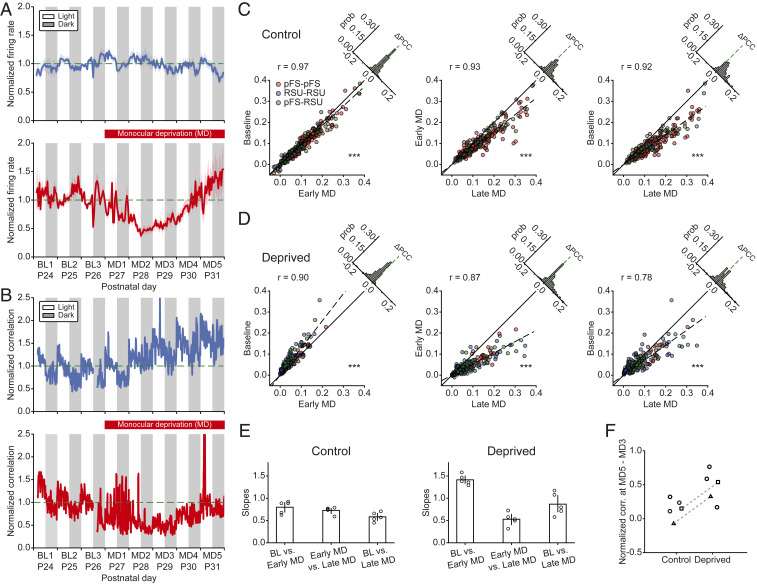
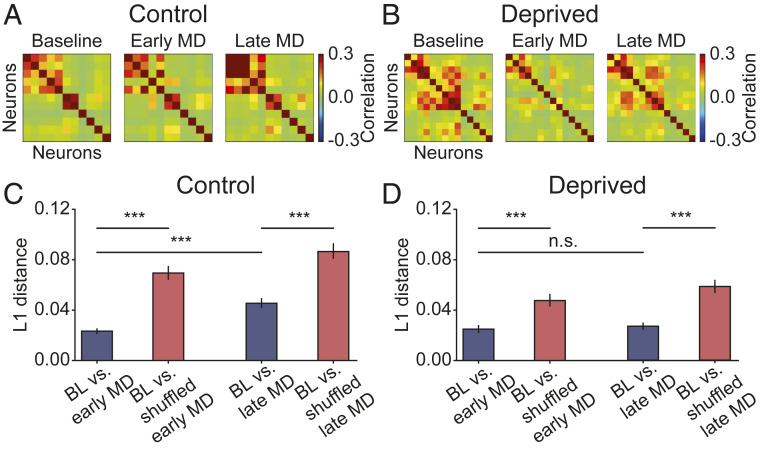
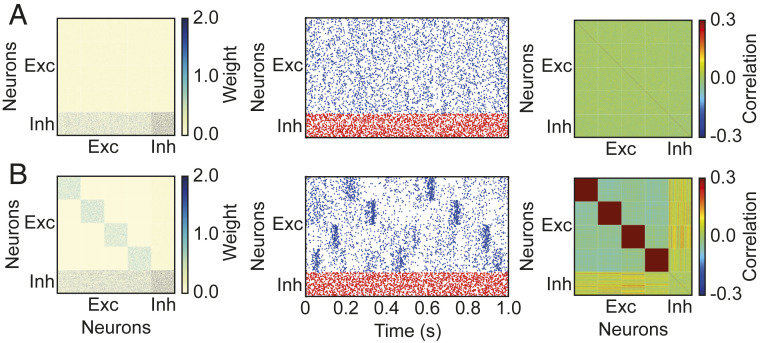
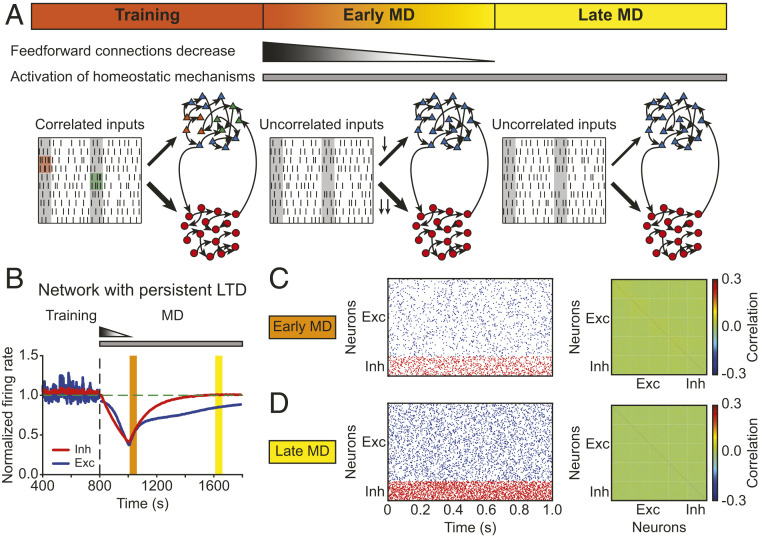
Verification
Claims the paper makes
The claims and statistics of this paper haven’t been checked yet.
Free: it reads the open-access text and checks the first 5 claims that cite a source we can check. Create a free account to check every claim.
Self-check
Percentages, sums and reported differences re-computed from the paper’s own numbers.
The self-check needs the paper’s full text.
Citations
Cites
Homeostatic plasticity in the developing nervous system
Turrigiano, G. G., & Nelson, S. B. (2004) · Nature Reviews Neuroscience · doi:10.1038/nrn1327 · Cited by 2,485 · cited 2×
“How does the recurrent network respond to these changes in input correlation structure and depression of feedforward connectivity strength that occur following MD? Although there are potentially multiple ways to achieve network stability and regulate network function, there are two fundamentally different mechanisms t…”
Self-citationActivity-dependent scaling of quantal amplitude in neocortical neurons
Turrigiano, G. G., Leslie, K. R., Desai, N. S., Rutherford, L. C., & Nelson, S. B. (1998) · Nature · doi:10.1038/36103 · Cited by 2,480 · cited 9×
“Excluding other mechanisms such as coregulation with firing rates and age dependence, we propose that the recovery of correlations in deprived hemispheres during prolonged MD is due to homeostatic mechanisms, which are well known to operate in response to such perturbations (4, 5).”
BackgroundMethodSelf-citationSynaptic plasticity: taming the beast
Abbott, L. F., & Nelson, S. B. (2000) · Nature Neuroscience · doi:10.1038/81453 · Cited by 2,263 · cited 1×
“Associative Hebbian plasticity, however, drives positive feedback processes that lead to unstable network dynamics, and some form of homeostasis is needed to compensate for this inherent instability (2, 3).”
Synaptic scaling mediated by glial TNF-α
Stellwagen, D., & Malenka, R. C. (2006) · Nature · doi:10.1038/nature04671 · Cited by 1,715 · cited 1×
“The regulating process involves an enhanced accumulation of α-amino-3-hydroxy-5-methyl-4-isoxazolepropionic acid (AMPA) receptor (AMPAR) in the postsynaptic membrane, which can be mediated by the proinflammatory cytokine tumor-necrosis factor-α (TNF-α) produced by glia (10), the immediate-early gene Arc (11), β3 integ…”
Rate, Timing, and Cooperativity Jointly Determine Cortical Synaptic Plasticity
Sjöström, P. J., Turrigiano, G. G., & Nelson, S. B. (2001) · Neuron · doi:10.1016/s0896-6273(01)00542-6 · Cited by 1,174 · cited 1×
“The triplet STDP rule describes synaptic plasticity based on triplets of spikes and captures experiments where the rate of pre-and postsynaptic neurons varies (58).”
Self-citationFunctional specificity of local synaptic connections in neocortical networks
Ko, H., Hofer, S. B., Pichler, B., Buchanan, K. A., Sjöström, P. J., & Mrsic-Flogel, T. D. (2011) · Nature · doi:10.1038/nature09880 · Cited by 857 · cited 3×
“In that sense, the identified clusters with strong correlations come from strongly connected assemblies consistent with previous experimental work (18, 19, 40).”
Plasticity in the intrinsic excitability of cortical pyramidal neurons
Desai, N. S., Rutherford, L. C., & Turrigiano, G. G. (1999) · Nature Neuroscience · doi:10.1038/9165 · Cited by 806 · cited 4×
“In addition to synaptic scaling, neurons can alter the number of different ion channels to adjust intrinsic excitability, and consequently modify their firing thresholds, in response to perturbations (5, 13, 29).”
InfluentialSelf-citationArc/Arg3.1 Mediates Homeostatic Synaptic Scaling of AMPA Receptors
Shepherd, J. D., Rumbaugh, G., Wu, J., Chowdhury, S., Plath, N., Kuhl, D., Huganir, R. L., & Worley, P. F. (2006) · Neuron · doi:10.1016/j.neuron.2006.08.034 · Cited by 779 · cited 2×
“The regulating process involves an enhanced accumulation of α-amino-3-hydroxy-5-methyl-4-isoxazolepropionic acid (AMPA) receptor (AMPAR) in the postsynaptic membrane, which can be mediated by the proinflammatory cytokine tumor-necrosis factor-α (TNF-α) produced by glia (10), the immediate-early gene Arc (11), β3 integ…”
Inhibitory Plasticity Balances Excitation and Inhibition in Sensory Pathways and Memory Networks
Vogels, T. P., Sprekeler, H., Zenke, F., Clopath, C., & Gerstner, W. (2011) · Science · doi:10.1126/science.1211095 · Cited by 775 · cited 1×
“To form the clustered correlation structure observed experimentally, we followed previous modeling studies (25) and modeled the plasticity of excitatory-to-excitatory synapses using triplet STDP (32) of inhibitory-toexcitatory synapses using iSTDP (56, 57) and also included heterosynaptic plasticity operating on excit…”
MethodA synaptic organizing principle for cortical neuronal groups
Perin, R., Berger, T. K., & Markram, H. (2011) · Proceedings of the National Academy of Sciences · doi:10.1073/pnas.1016051108 · Cited by 718 · cited 1×
“2A, B) – reminiscent of clustered network structure reported in previous studies (Ko et al., 2011; Cossell et al., 2015; Perin et al., 2011; Yoshimura et al., 2005).”
Cited by
Keeping your brain in balance: homeostatic regulation of network function
Wen, W., & Turrigiano, G. G. (2024) · Annual Review of Neuroscience · doi:10.1146/annurev-neuro-092523-110001 · Cited by 137
Self-citationNeocortex saves energy by reducing coding precision during food scarcity
Padamsey, Z., Katsanevaki, D., Dupuy, N., & Rochefort, N. L. (2021) · Neuron · doi:10.1016/j.neuron.2021.10.024 · Cited by 109
“Regardless themechanism, our findings indicate that there is a strong drive to maintain spike rate homeostasis in vivo (Barnes et al., 2015; Hengen et al., 2013; Keck et al., 2013, 2017; Torrado Pacheco et al., 2021; Wu et al., 2020), even when energy intake is reduced.”
Paternò, R., Marafiga, J. R., Ramsay, H. J., Li, T., Salvati, K. A., & Baraban, S. C. (2021) · Cell Reports · doi:10.1016/j.celrep.2021.109970 · Cited by 76
“An additional caveat is that alterations in interneuronmediated inhibition for Cntnap2 KO mice were evaluated at a single adult epoch in development, and it is possible that these deficits could lead to additional homeostatic alterations in circuit function (Turrigiano, 2011; Howard et al., 2014; Wu et al., 2020).”
Rule, M. E., & O’Leary, T. (2022) · Proceedings of the National Academy of Sciences · doi:10.1073/pnas.2106692119 · Cited by 79
The generation of cortical novelty responses through inhibitory plasticity
Schulz, A., Miehl, C., Berry, M. J., & Gjorgjieva, J. (2021) · eLife · doi:10.7554/elife.65309 · Cited by 74
Self-citationCriticality, Connectivity, and Neural Disorder: A Multifaceted Approach to Neural Computation
Heiney, K., Ramstad, O. H., Fiskum, V., Christiansen, N., Sandvig, A., Nichele, S., & Sandvig, I. (2021) · Frontiers in Computational Neuroscience · doi:10.3389/fncom.2021.611183 · Cited by 62
Long-term stability of single neuron activity in the motor system
Jensen, K. T., Harpaz, N. K., Dhawale, A. K., Wolff, S. B. E., & Ölveczky, B. P. (2022) · Nature Neuroscience · doi:10.1038/s41593-022-01194-3 · Cited by 58
“, 2007), with V1 also recovering higher-order network statistics after the perturbation (Wu et al., 2020).”
BackgroundDevelopmental Regulation of Homeostatic Plasticity in Mouse Primary Visual Cortex
Wen, W., & Turrigiano, G. G. (2021) · The Journal of Neuroscience · doi:10.1523/jneurosci.1200-21.2021 · Cited by 55
Self-citationSleep and vigilance states: Embracing spatiotemporal dynamics
Nir, Y., & de Lecea, L. (2023) · Neuron · doi:10.1016/j.neuron.2023.04.012 · Cited by 58
Stability and learning in excitatory synapses by nonlinear inhibitory plasticity
Miehl, C., & Gjorgjieva, J. (2022) · PLoS Computational Biology · doi:10.1371/journal.pcbi.1010682 · Cited by 54
“…upper bounds on synaptic strengths, applying normalization schemes which adjust synaptic strengths by preserving the total sum of incoming weights into a neuron [3, 12] and assuming that the plasticity mechanism modifying synaptic strengths is itself plastic— called ‘metaplasticity’ [13–16].”
InfluentialSelf-citationFormation and computational implications of assemblies in neural circuits
Miehl, C., Onasch, S., Festa, D., & Gjorgjieva, J. (2022) · The Journal of Physiology · doi:10.1113/jp282750 · Cited by 49
“At the same time, weight normalisation also enables more reliable assembly formation even in cases where it is not explicitly needed to generate assemblies (Litwin-Kumar & Doiron, 2014; Schulz et al., 2021; Wu et al., 2020; Zenke et al., 2015).”
BackgroundSelf-citationNew insights from small rhythmic circuits
Marder, E. E., Kedia, S., & Morozova, E. (2022) · Current Opinion in Neurobiology · doi:10.1016/j.conb.2022.102610 · Cited by 43
Adaptive control of synaptic plasticity integrates micro- and macroscopic network function
Scott, D. N., & Frank, M. J. (2022) · Neuropsychopharmacology · doi:10.1038/s41386-022-01374-6 · Cited by 44
“Synaptic scaling appears to be crucial for maintaining correlative relations between neurons, whereas network firing rate homeostasis is more strongly impacted by excitability changes, for example [206].”
BackgroundAdaptation of spontaneous activity in the developing visual cortex
Wosniack, M. E., Kirchner, J. H., Chao, L.-Y., Zabouri, N., Löhmann, C., & Gjorgjieva, J. (2021) · eLife · doi:10.7554/elife.61619 · Cited by 43
Self-citationTrojanowski, N. F., Bottorff, J., & Turrigiano, G. G. (2021) · Neuron · doi:10.1016/j.neuron.2020.11.027 · Cited by 38
“In addition to firing rates, higher order features of V1 activity such as the coefficient of variation of inter-spike intervals, pairwise spike correlation structure, and criticality are also stable over many days and under homeostatic control (Hengen et al., 2016; Ma et al., 2019; Wu et al., 2020).”
BackgroundSelf-citationCircuit-level theories for sensory dysfunction in autism: convergence across mouse models
Monday, H. R., Wang, H. C., & Feldman, D. E. (2023) · Frontiers in Neurology · doi:10.3389/fneur.2023.1254297 · Cited by 33
“This restoration, termed “firing rate homeostasis,” is due to homeostatic synaptic scaling, homeostatic intrinsic plasticity, and downregulation of PV circuit activity (198– 200).”
BackgroundNonlinear transient amplification in recurrent neural networks with short-term plasticity
Wu, Y. K., & Zenke, F. (2021) · eLife · doi:10.7554/elife.71263 · Cited by 32
Self-citationRichter, L. M. A., & Gjorgjieva, J. (2022) · Proceedings of the National Academy of Sciences · doi:10.1073/pnas.2116895119 · Cited by 28
Self-citationMcGregor, J. N., Farris, C. A., Ensley, S., Schneider, A. M., Fosque, L. J., Wang, C., Tilden, E. I., Liu, Y., Tu, J., Elmore, H., et al. (2024) · Neuron · doi:10.1016/j.neuron.2024.08.006 · Cited by 28
“29 To evaluate this, we binned neuronal activity at 100 ms and calculated the Pearson correlation coefficient between all pairs of single units in 30-min windows, as described in Wu et al. 29 We performed hierarchical clustering in the first 30-min window and maintained the row/column assignments of…”
BackgroundMethodInfluentialSelf-citationScholl, C., Rule, M. E., & Hennig, M. H. (2021) · PLoS Computational Biology · doi:10.1371/journal.pcbi.1009458 · Cited by 27
“In biology, numerous types of homeostatic plasticity could compensate for the loss of cells and synapses without error-driven retraining [57].”
Homeostasis of a representational map in the neocortex
Noda, T., Kienle, E., Eppler, J.-B., Aschauer, D. F., Kaschube, M., Loewenstein, Y., & Rumpel, S. (2025) · Nature Neuroscience · doi:10.1038/s41593-025-01982-7 · Cited by 23
Stroh, A., Schweiger, S., Ramirez, J., & Tüscher, O. (2024) · Trends in Neurosciences · doi:10.1016/j.tins.2024.02.005 · Cited by 16
“In the proposed framework, the progression of a neurological disease can be defined as the breakdown of compensatory mechanisms as neuronal networks transition from one transitory state to the next; each of which represents a temporary solution that may vary among subjects and brain regions [58].”
Bissen, D., Cary, B. A., Zhang, A., Wen, W., Sailor, K. A., Hooser, S. D. V., & Turrigiano, G. G. (2026) · Neuron · doi:10.1016/j.neuron.2026.06.016 · Cited by 15
Self-citationRostami, V., Rost, T., Schmitt, F. J., van Albada, S. J., Riehle, A., & Nawrot, M. P. (2020) · bioRxiv (Cold Spring Harbor Laboratory) · doi:10.1101/2020.02.27.968339 · Cited by 15
“Future work may investigate how the clustered connectivity is learned during training, for instance through spike-timing-dependent plasticity (STDP) combined with selective stimulation (Ocker et al., 2015; Zenke et al., 2015; Litwin-Kumar & Doiron, 2014; Wu et al., 2019).”
BackgroundHomeostatic regulation through strengthening of neuronal network-correlated synaptic inputs
Barnes, S. J., Keller, G. B., & Keck, T. (2022) · eLife · doi:10.7554/elife.81958 · Cited by 14
“…impairment of homeostatic regulation is thought to result in prolonged periods of excessive neuronal hyper-or hypoactivity, which may impair network function (Frere and Slutsky, 2018; Litwin-Kumar and Doiron, 2014; Marder and Prinz, 2002; Tetzlaff et al., 2011; Wu et al., 2020; Zenke et al., 2013).”
BackgroundBottorff, J., Padgett, S., & Turrigiano, G. G. (2023) · Proceedings of the National Academy of Sciences · doi:10.1073/pnas.2317987121 · Cited by 13
Self-citationRostami, V., Rost, T., Schmitt, F. J., van Albada, S. J., Riehle, A., & Nawrot, M. P. (2024) · Nature Communications · doi:10.1038/s41467-024-49889-4 · Cited by 14
“Future work may investigate how the E/I-clustered network could be learned during training of a task while retaining the local balance of excitation and inhibition 35 , for instance through spike-timing-dependent functional plasticity combined with selective stimulation 85 – 90 .”
Arshi, T., Ambrin, A., Rao, T. V., Morandé, S., & Gul, K. (2022) · The Journal of Entrepreneurship · doi:10.1177/09713557221136273 · Cited by 16
“Entrepreneurs feel excited about the potential rewards and control arising from opportunity persuasion, leading to higher arousal levels (Wu et al., 2020).”
BackgroundInfluentialInput-Independent Homeostasis of Developing Thalamocortical Activity
Riyahi, P., Phillips, M. A., & Colonnese, M. T. (2021) · eNeuro · doi:10.1523/eneuro.0184-21.2021 · Cited by 14
“Neuronal firing-rates (as well as higher-order structure such as firing-rate correlations and proximity to criticality) are under homeostatic control in more mature juvenile visual cortex, returning to baseline levels within days following eye-lid suture (Hengen et al. 2016; Wu et al. 2020).”
BackgroundZhang, Q., Zeng, Y., Zhang, T., & Yang, T. (2021) · Frontiers in Systems Neuroscience · doi:10.3389/fnsys.2021.628839 · Cited by 13
“The network is composed of numerous neurons, so changing the parameters of neurons will break the original homeostasis of the network (Wu et al., 2020).”
BackgroundModular arrangement of synaptic and intrinsic homeostatic plasticity within visual cortical circuits
Wen, W., Prada, A. M., & Turrigiano, G. G. (2025) · Proceedings of the National Academy of Sciences · doi:10.1073/pnas.2504775122 · Cited by 12
Self-citationA complex network perspective on brain disease
Papo, D., & Buldú, J. M. (2025) · Biological reviews/Biological reviews of the Cambridge Philosophical Society · doi:10.1111/brv.70086 · Cited by 14
The Tripod neuron: a minimal structural reduction of the dendritic tree
Quaresima, A., Fitz, H., Duarte, R., den Broek, D. V., Hagoort, P., & Petersson, K. M. (2022) · The Journal of Physiology · doi:10.1113/jp283399 · Cited by 15
“The interaction between synapses is determined by their relative distance and their spatial organization governs homeostatic mechanisms and heterosynaptic plasticity (Wu et al., 2020; Oh et al., 2015; Triesch et al., 2018; Kirchner & Gjorgjieva, 2021).”
BackgroundKaleb, K., Pedrosa, V., & Clopath, C. (2020) · Cell Reports · doi:10.1016/j.celrep.2021.109577 · Cited by 16
Keppler, J. (2025) · Frontiers in Human Neuroscience · doi:10.3389/fnhum.2025.1676585 · Cited by 13
dos Santos, F. P., & Verschure, P. F. M. J. (2025) · PLoS Computational Biology · doi:10.1371/journal.pcbi.1012723 · Cited by 10
“Conversely, the plasticity of firing thresholds was found to contribute more strongly to the maintenance of mean firing rates [90].”
Neuroplasticity in autism spectrum disorder: a systematic review
Laguna, G. G. D. C., Gusmão, A. B. F., Marques, B. O., Bragas, N. B. D. S., Rodrigues, I. B., Melo, R. S., & de Azevedo, K. R. M. (2025) · Dementia & Neuropsychologia · doi:10.1590/1980-5764-dn-2024-0182 · Cited by 16
“This interplay between Hebbian and homeostatic mechanisms ensures both learning and the preservation of network stability, a balance that is particularly relevant in the context of ASD, where atypical neural connectivity and adaptation are core features 17,18 .”
Sharma, B., Koren, D. T., & Ghosh, S. (2023) · Biophysical Chemistry · doi:10.1016/j.bpc.2023.107114 · Cited by 9
Jordan, J. T., Tong, Y., & Pytte, C. L. (2021) · Learning & Memory · doi:10.1101/lm.053483.121 · Cited by 11
“…necessarily interacts with stability, and the balance be-tween these states invokes complex feedback and adjustment mechanisms within neurons and neural systems over local and global scales (Davis and Bezprozvanny 2001; Turrigiano 2008; Zenke and Gerstner 2017; Auth et al. 2020; Wu et al. 2020).”
Pham, T. D., & Hansel, C. (2022) · The Journal of Physiology · doi:10.1113/jp283473 · Cited by 9
“Computationally, the role of IP (including homeostatic IP) may be to adjust the membrane threshold and excitability to an optimal target rate (Del Papa et al., 2019; Lazar et al., 2007; Li et al., 2018; Loidolt et al., 2020; Naude et al., 2013; Wu et al., 2020; Zheng & Triesch, 2014), or it may be to alter the excitab…”
InfluentialBrain-wide microstrokes affect the stability of memory circuits in the hippocampus
Heiser, H., Kiessler, F., Roggenbach, A., Ibañez, V., Wieckhorst, M., Helmchen, F., Gjorgjieva, J., & Wahl, A.-S. (2025) · Nature Communications · doi:10.1038/s41467-025-58688-4 · Cited by 8
“Cross-phase changes of pairwise fi ring activity between neurons 59 were investigated by computing the pairwise Pearson ’ s correlation coef fi cient of Δ F/F traces for each session and averaging the coef fi - cients of each cell pair across the sessions within each experimental phase.”
Self-citationChelini, G., Fortunato-Asquini, T., Cerilli, E., Monsorno, K., Catena, B., Dall‘O’, G. M., Paolicelli, R. C., & Bozzi, Y. (2025) · Neurobiology of Stress · doi:10.1016/j.ynstr.2025.100726 · Cited by 6
“A highly dynamic synaptic turnover is an ideal feature that allows the maintenance of this homeostasis in local brain circuits (Caroni et al., 2012; El-Boustani et al., 2018; Jenks et al., 2021; Ma et al., 2019; Wen and Turrigiano, 2021; Wu et al., 2020, 2021).”
Shirani, F., & Choi, H. (2023) · Journal of Computational Neuroscience · doi:10.1007/s10827-023-00863-x · Cited by 6
“…been proposed as possible regulatory processes involved in maintaining the balance in cortical networks (Chen et al., 2022; Vogels et al., 2011; Wu et al., 2020; Ma et al., 2019; Le Roux et al., 2006; Hennequin et al., 2017; Sprekeler, 2017; Nelson & Valakh, 2015; Froemke, 2015; Turrigiano et…”
Homeostatic synaptic normalization optimizes learning in network models of neural population codes
Mayzel, J., & Schneidman, E. (2024) · eLife · doi:10.7554/elife.96566.3 · Cited by 7
Tikidji-Hamburyan, R. A., Govindaiah, G., Guido, W., & Colonnese, M. T. (2023) · eLife · doi:10.7554/elife.84333 · Cited by 5
“In these simulations, homeostatic regulation is heterosynaptic (Fiete et al., 2010; Wu et al., 2020) and regulates both rGC and CT synaptic strengths simultaneously.”
BackgroundRapid compensatory plasticity revealed by dynamic correlated activity in monkeys in vivo
Andrei, A. R., Akil, A. E., Kharas, N., Rosenbaum, R., Josić́, K., & Dragoi, V. (2023) · Nature Neuroscience · doi:10.1038/s41593-023-01446-w · Cited by 8
“Notably, spike-count correlations themselves have been shown to be altered during classic homeostatic plasticity that occurs on very long timescales (days) following sensory deprivation 15 .”
BackgroundBehavioral gain following isolation of attention
Edwards, G., Berestova, A., & Battelli, L. (2021) · Scientific Reports · doi:10.1038/s41598-021-98670-w · Cited by 5
“, 2020 [3]) and”
BackgroundInfluentialRapid prey capture learning slowly resets activity set points in rat binocular visual cortex
Leman, D. P., Cary, B. A., Wen, W., Lane, B. J., Bissen, D., Wong, N. F., Shanley, M. R., Bhut, K. B., & Turrigiano, G. G. (2026) · Current Biology · doi:10.1101/2025.04.11.648036 · Cited by 5
“Both intrinsic and synaptic plasticity can contribute to firing rate homeostasis within V1 5,6,8,32,35,35,39 , and expression of these cellular forms of plasticity 26,27,31,49,51,59 , as well as the restoration of network activity 26–28 depend on TNFα signaling.”
Self-citationAssembly-based computations through contextual dendritic gating of plasticity
Onasch, S., Miehl, C., Miękus, M. M., & Gjorgjieva, J. (2026) · Neuron · doi:10.1016/j.neuron.2026.07.028 · Cited by 4
Self-citationLearning what matters: Synaptic plasticity with invariance to second-order input correlations
de Brito, C. S. N., & Gerstner, W. (2024) · PLoS Computational Biology · doi:10.1371/journal.pcbi.1011844 · Cited by 47
“In particular, the selective roles of homosy-naptic LTD, on one side, and neuron-wide (heterosynaptic) depression mechanisms or homeostasis, on the other side, remain unclear [20–22].”
BackgroundExperience dependence of alpha rhythms and neural dynamics in mouse visual cortex
Riyahi, P., Phillips, M. A., Boley, N., & Colonnese, M. T. (2024) · Journal of Neuroscience · doi:10.1523/jneurosci.2011-22.2024 · Cited by 3
Sapir, H., Bisharat, G., Golan, H. M., & Resnik, J. (2025) · Neurobiology of Disease · doi:10.1016/j.nbd.2025.106863 · Cited by 3
“For example, in visual cortical circuits, homeostatic synaptic scaling and altered excitatory/inhibitory drive can help preserve functional stability following sensory deprivation or injury (Hengen et al., 2013; Miska et al., 2018; Wu et al., 2020; Keck et al., 2011).”
Local versus global sleep organization and the quest to determine sleep function
Dongen, H. P. A. V. (2025) · Neurobiology of Sleep and Circadian Rhythms · doi:10.1016/j.nbscr.2025.100117 · Cited by 3
Fritz, I., Wang, F., Chirif, R., Malakasis, N., Gjorgjieva, J., & Castro, A. F. (2025) · bioRxiv (Cold Spring Harbor Laboratory) · doi:10.1101/2025.07.26.666968 · Cited by 3
“Even so, homeo-477 static mechanisms are needed to regulate the positive feedback instability generated by Hebbian synaptic plasticity ( Van Rossum et al., 2000 ; Wu et al., 2020 ; Zenke et al., 2017 ).”
Self-citationSpontaneous emergence and evolution of neuronal sequences in recurrent networksPreprint
Shao, S., Riquelme, J. L., & Gjorgjieva, J. (2026) · eLife · doi:10.7554/elife.110718 · Cited by 3
Self-citationOpening the black box of neural variability: From noise to mechanisms
Rentzeperis, I., Li, J., Bauer, R., & van Leeuwen, C. (2026) · Neuroscience & Biobehavioral Reviews · doi:10.1016/j.neubiorev.2026.106661 · Cited by 2
Rule, M. E., & O’Leary, T. (2021) · German Neuroinformatics Node · doi:10.12751/nncn.bc2021.p170 · Cited by 2
Behavioral gain following isolation of attentionPreprint
Edwards, G., Berestova, A., & Battelli, L. (2020) · bioRxiv (Cold Spring Harbor Laboratory) · doi:10.1101/2020.12.17.423241 · Cited by 2
Input-Specific Inhibitory Plasticity Improves Decision Accuracy Under NoisePreprint
Song, S. C., Shen, B., Machold, R. P., Rudy, B., Glimcher, P. W., Louie, K., & Froemke, R. C. (2022) · bioRxiv (Cold Spring Harbor Laboratory) · doi:10.1101/2022.05.24.493332 · Cited by 2
“There is also considerable evidence that if eLTP is the sole unchecked mechanism for changing network weights, the overall increase in net excitability can dominate network performance and impair overall function (Davis, 2006; Wu et al., 2020; Zenke et al., 2016).”
BackgroundSpontaneous emergence and evolution of neuronal sequences in recurrent networksPreprint
Shao, S., Riquelme, J. L., & Gjorgjieva, J. (2026) · eLife · doi:10.7554/elife.110718.1 · Cited by 2
Self-citationSharma, A., Anand, S., Kooper, C. C., van Putten, M. J. A. M., Avrămiea, A.-E., Diachenko, M., Bouman, A., Mercken, W., Ramautar, J. R., Mansvelder, H. D., et al. (2026) · Frontiers in Neuroscience · doi:10.3389/fnins.2025.1725623 · Cited by 1
“…and experimental work shows that homeostatic plasticity can overshoot or become maladaptive such that attempts to stabilize firing rates or network activity lead to excessively persistent, rigid dynamics and secondary functional impairment (Fröhlich et al., 2008; Wu et al., 2020; Chen et al., 2022).”
Jia, X., Zheng, C., Gong, Q., Hu, Y., Ali, T., Wei, S., Huang, J., Wang, Z., Xiao, P., Li, S., et al. (2026) · Cell Communication and Signaling · doi:10.1186/s12964-026-03049-x · Cited by 1
“While intrinsic synaptic and cellular mechanisms have been extensively studied, emerging evidence indicates that systemic metabolic signals can dynamically modulate neuronal excitability setpoints, thereby linking whole-body energy status to brain function [3, 6–8].”
Kaushik, S., Fatima, J. E., Raheem, A., Barbhuiya, M. A., Thirupathi, A. T., Singh, L. P., Khan, P. A., Aparna, T. N., Pramanik, S., & Shahid, M. A. A. (2026) · Inflammopharmacology · doi:10.1007/s10787-026-02329-9 · Cited by 1
“…changes in higher-order network properties of freely behaving rodents during prolonged visual deprivation, revealing that the interplay of different plasticity and homeostatic mechanisms can capture the initial drop and delayed recovery of firing rates and cor - relations (Wu et al. 2019).”
Raffin, E., Salamanca-Giron, R., Huxlin, K. R., Reynaud, O., Mattera, L., Martuzzi, R., & Hummel, F. C. (2025) · The Journal of Physiology · doi:10.1113/jp289699 · Cited by 1
Koesters, A. G., Rich, M. M., & Engisch, K. L. (2024) · eLife · doi:10.7554/elife.90261.2 · Cited by 1
Homeostatic synaptic normalization optimizes learning in network models of neural population codesPreprint
Mayzel, J., & Schneidman, E. (2024) · eLife · doi:10.7554/elife.96566.2 · Cited by 4
Fritz, I., Wang, F., Chirif, R., Malakasis, N., Gjorgjieva, J., & Castro, A. F. (2025) · eLife · doi:10.7554/elife.108643.1 · Cited by 1
Self-citationSynaptic Plasticity—Intrinsic Excitability and Antidepressant Discovery
Tanaka, M. (2026) · Biomedicines · doi:10.3390/biomedicines14061265
Groth, L. (2021) · Lund University Publications Student Papers (Lund University)
Koesters, A. G., Rich, M. M., & Engisch, K. L. (2025) · eLife · doi:10.7554/elife.90261.5
Homeostatic synaptic normalization optimizes learning in network models of neural population codesPreprint
Mayzel, J., & Schneidman, E. (2024) · eLife · doi:10.7554/elife.96566.1 · Cited by 4
Mayzel, J., & Schneidman, E. (2024) · eLife · doi:10.7554/elife.96566.3.sa2
Wang, J., Shou, F., Yu, Q., Lu, X., Wan, Y., Huang, W., Hu, N., Jin, Z., Shan, X., Laureys, S., et al. (2025) · Frontiers in Neurology · doi:10.3389/fneur.2025.1503946
Vlachos, P. E., & Triesch, J. (2025) · bioRxiv (Cold Spring Harbor Laboratory) · doi:10.1101/2025.04.10.648137
Cell-Type-Specific Synaptic Scaling Mechanisms Differentially Contribute to Associative Learning
Veneto, F., Kepçe, A., Wu, Y. K., & Gjorgjieva, J. (2026) · Journal of Neuroscience · doi:10.1523/jneurosci.0987-25.2026
“…synaptic plasticity mechanism that adjusts the strength of all incoming synapses to a neuron to stabilize network dynamics in response to sensory perturbations (Turrigiano et al., 1998; Turrigiano, 2008; Pozo and Goda, 2010; Tetzla ff et al., 2011; Wu et al., 2020; Wen and Turrigiano, 2024).”
Self-citationFritz, I., Wang, F., Chirif, R., Malakasis, N., Gjorgjieva, J., & Castro, A. F. (2025) · eLife · doi:10.7554/elife.108643
Self-citationHand use affects somatotopy, but does somatotopy affect hand performance?
Li, Z. (2024) · White Rose eTheses Online (University of Leeds, The University of Sheffield, University of York)
The Role of Homeostatic Plasticity in Post-Traumatic Epilepsy
Moore, A. C. (2024) · IUScholarWorks (Indiana University) · doi:10.7912/r4ye-s711 · Cited by 1
Fang, C., Dharmarajan, S., Germer, C. J., Hyer, J. D., & Ou, Y. (2026) · Journal of Visualized Experiments · doi:10.3791/68420 · Cited by 1
Jeong, H., Shim, Y., Joo, Y., Kim, Y., Suh, C., Jin, Y., Song, H., Lyoo, I. K., & Yoon, S. J. (2026) · BMC Neurology · doi:10.1186/s12883-026-04943-0
“A temporal lag between the suppression of hyperactivation and complete stabilization can produce transient under-shoot, a recognized feature of biological homeostatic systems [41, 42].”
Jain, E., Linh, H. K., Belkacemi, Y. Y., Flouty, O., Bharmauria, V., & Molotchnikoff, S. (2026) · Neuroscience · doi:10.1016/j.neuroscience.2026.07.064
Rabe, F., Schone, H. R., Howell, P., Pfyffer, D., Freund, P., Wenderoth, N., & Kikkert, S. (2026) · bioRxiv (Cold Spring Harbor Laboratory) · doi:10.64898/2026.09.03.748249
“More generally, homeostatic mechanisms could increase cortical responsiveness following the loss of peripheral input without requiring a change in the underlying somatotopic architecture 50,55 .”
Sommer, P., Jedlicka, P., Bird, A. D., & Triesch, J. (2026) · bioRxiv (Cold Spring Harbor Laboratory) · doi:10.64898/2026.10.28.757140
Roy, A., & Prescott, S. A. (2026) · Frontiers in Cellular Neuroscience · doi:10.3389/fncel.2026.1980825
Metadata
- Authors
- Wu, Y. K., Hengen, K. B., Turrigiano, G. G., & Gjorgjieva, J.
- Affiliations
- Max Planck Institute for Brain Research (DE)
- Washington University in St. Louis (US)
- Brandeis University (US)
- Corresponding author
- Turrigiano, Gina G.
- Gjorgjieva, Julijana
- Venue
- Proceedings of the National Academy of Sciences
- Publisher
- National Academy of Sciences
- Published
- 2020-09-11
- Volume
- 117
- Issue
- 39
- Pages
- 24514-24525
- ISSN
- 0027-8424 (ISSN-L)
- 1091-6490
- PMC
- PMC7533694
- OpenAlex
- W3085931761
- Cited by
- 86
- References
- 63
- Citations by year
- 2026: 13 · 2025: 18 · 2024: 14 · 2023: 8 · 2022: 13 · 2021: 16 · 2020: 4
- FWCI
- 5.51
- Type
- journal article
- Language
- en
- Open access
- hybrid
- doi.org
- Licence
- Locations
- Proceedings of the National Academy of Sciences (publishedVersion, cc-by-nc-nd)
- bioRxiv (Cold Spring Harbor Laboratory) (acceptedVersion, cc-by-nc-nd)
- PubMed Central (publishedVersion, cc-by-nc-nd)
- PubMed (publishedVersion)
- mediaTUM – the media and publications repository of the Technical University Munich (Technical University Munich) (submittedVersion, other-oa)
- MPG.PuRe (Max Planck Society) (submittedVersion)
- Funders
- Max-Planck-Gesellschaft
- National Eye Institute (R01EY025613)
- National Institute of Neurological Disorders and Stroke (R00NS089800, R35NS111562)
- Topics
- Life Sciences › Neuroscience › Cognitive Neuroscience › Neural dynamics and brain function
- Life Sciences › Neuroscience › Cellular and Molecular Neuroscience › Neuroscience and Neuropharmacology Research
- Life Sciences › Neuroscience › Cognitive Neuroscience › Memory and Neural Mechanisms
- Keywords
- neuronal homeostasis, visual deprivation, two-particle correlations, synaptic scaling, intrinsic plasticity, Hebbian plasticity, network structure, computational model
- MeSH terms
- Animals, Homeostasis, Neuronal Plasticity, Neurons, Rodentia, Synapses, Visual Cortex
About these checks
Registry, retraction, Cites and statistics results are computed, not judged, with one exception: a printed reference that no index lists is read once by a model before it counts as a citation error. Claims are extracted by a model and kept only when their quote appears verbatim in the text; each cited source is then checked, with a model’s help, for whether it says what the claim relies on. Those verdicts can be wrong — read the claim’s quote and the cited source before relying on one.
Statistics and arithmetic are recomputed, not judged.
Confidence bands are shown only for fields calibrated on our annotated test set. None is calibrated yet, so no band is shown.
What counts as a claim ›How we measure confidence ›How we check this ›
Are you an author, or do you see a problem with this page? Request a review
Data sources
Bibliographic data: Semantic Scholar, OpenAlex, Crossref.
Contains information from the Semantic Scholar Academic Graph Datasets, made available under the ODC Attribution License (ODC-BY 1.0).
Semantic Scholar’s data is described in: Kinney, R., et al. (2023). The Semantic Scholar Open Data Platform. arXiv:2301.10140.
