

Lysergic acid diethylamide (LSD) promotes social behavior through mTORC1 in the excitatory neurotransmission
Open accessThe DOI matches its Crossref record; 45 of the 45 references it cites were found in a registry or an index.
Abstract
Clinical studies have reported that the psychedelic lysergic acid diethylamide (LSD) enhances empathy and social behavior (SB) in humans, but its mechanism of action remains elusive. Using a multidisciplinary approach including in vivo electrophysiology, optogenetics, behavioral paradigms, and molecular biology, the effects of LSD on SB and glutamatergic neurotransmission in the medial prefrontal cortex (mPFC) were studied in male mice. Acute LSD (30 μg/kg) injection failed to increase SB. However, repeated LSD (30 μg/kg, once a day, for 7 days) administration promotes SB, without eliciting antidepressant/anxiolytic-like effects. Optogenetic inhibition of mPFC excitatory neurons dramatically inhibits social interaction and nullifies the prosocial effect of LSD. LSD potentiates the α-amino-3-hydroxy-5-methyl-4-isoxazole propionate (AMPA) and 5-HT 2A , but not N -methyl-D-aspartate (NMDA) and 5-HT 1A , synaptic responses in the mPFC and increases the phosphorylation of the serine-threonine protein kinases Akt and mTOR. In conditional knockout mice lacking Raptor (one of the structural components of the mTORC1 complex) in excitatory glutamatergic neurons ( Raptor f/f :Camk2alpha-Cre ), the prosocial effects of LSD and the potentiation of 5-HT 2A /AMPA synaptic responses were nullified, demonstrating that LSD requires the integrity of mTORC1 in excitatory neurons to promote SB. Conversely, in knockout mice lacking Raptor in GABAergic neurons of the mPFC ( Raptor f/f :Gad2-Cre ), LSD promotes SB. These results indicate that LSD selectively enhances SB by potentiating mPFC excitatory transmission through 5-HT 2A /AMPA receptors and mTOR signaling. The activation of 5-HT 2A /AMPA/mTORC1 in the mPFC by psychedelic drugs should be explored for the treatment of mental diseases with SB impairments such as autism spectrum disorder and social anxiety disorder.
Overview
The claims and statistics of this paper haven’t been checked yet.
Free: it reads the open-access text and checks the first 5 claims that cite a source we can check. Create a free account to check every claim.
Integrity signals
Registry
Cites
Statistics
Figures
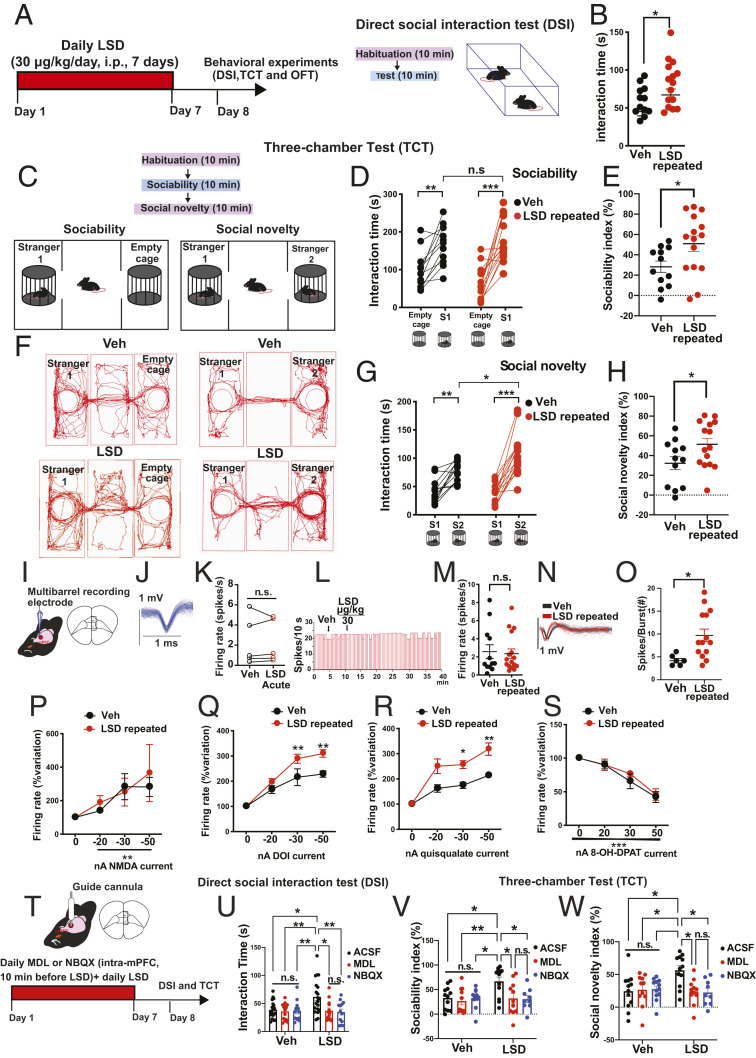
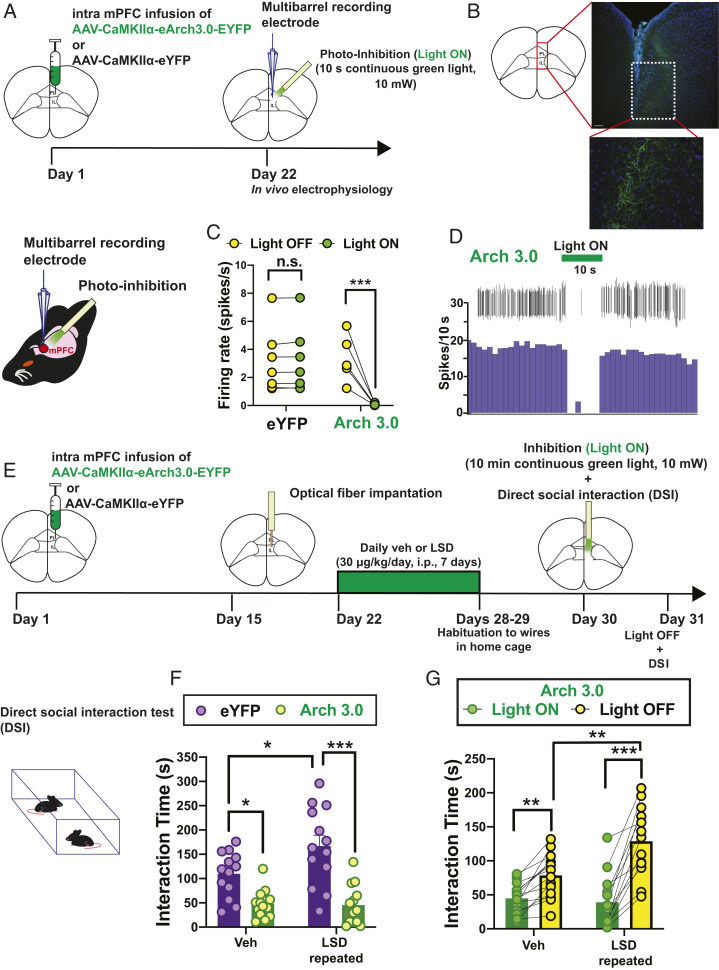
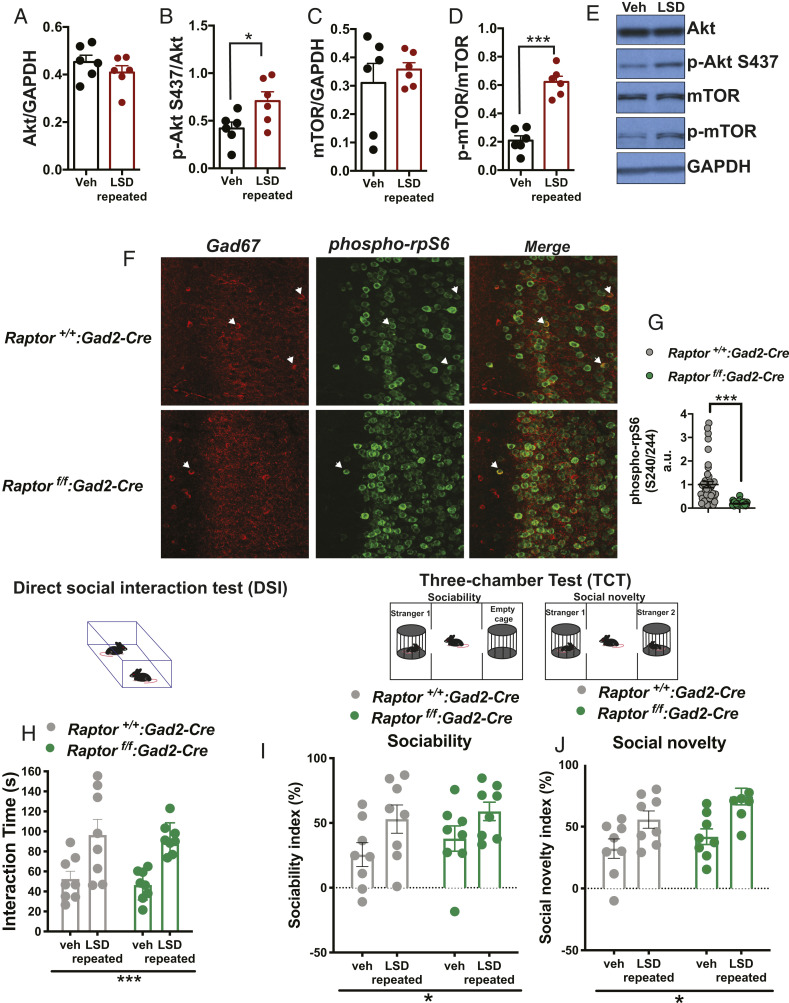
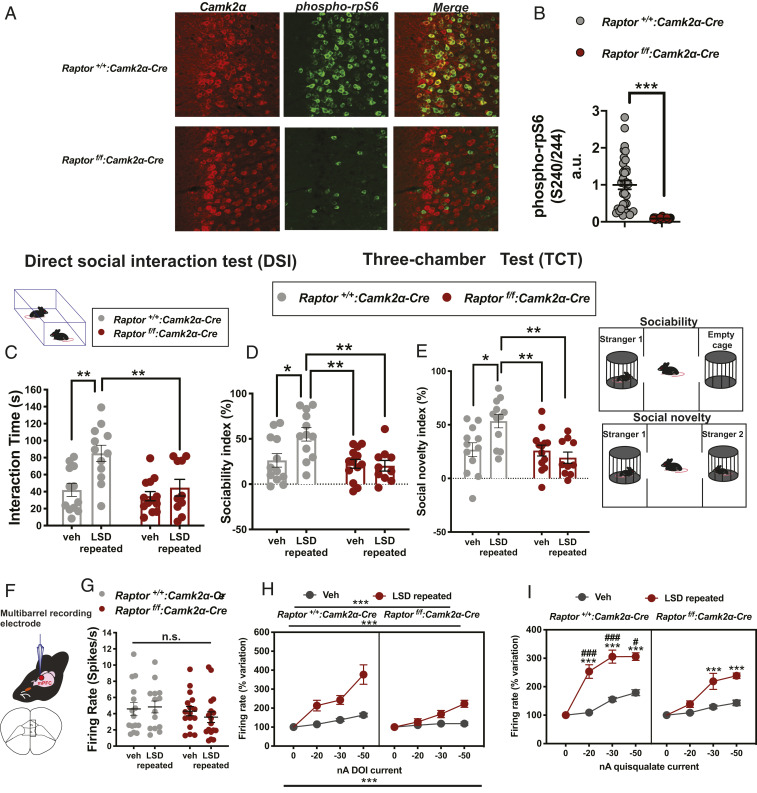
Verification
Claims the paper makes
The claims and statistics of this paper haven’t been checked yet.
Free: it reads the open-access text and checks the first 5 claims that cite a source we can check. Create a free account to check every claim.
Claims other papers make about this one
Each is checked against this paper’s own text: does it say what the citing paper says it does?
The source backs part of the claim, not all of it — or backs it for a different population, condition or comparison.
In the citing paper
“Though the primary molecular targets of ketamine and serotonergic psychedelics are distinct, their downstream pharmacology overlaps, requiring AMPA receptor, TrkB, and mTOR activation to elicit changes in neuronal structure and function (135–137, 148, 153, 154).”
From Psychedelics and Other Psychoplastogens for Treating Mental Illness. (2021) · cites this paper as [154]
Experimental — accuracy not yet measured
Self-check
Percentages, sums and reported differences re-computed from the paper’s own numbers.
The self-check needs the paper’s full text.
Citations
Cites
Molecular Mechanisms of Depression: Perspectives on New Treatment Strategies
Lang, U. E., & Borgwardt, S. (2013) · Cellular Physiology and Biochemistry · doi:10.1159/000350094 · Cited by 8,475
Upstream and downstream of mTOR
Hay, N., & Sonenberg, N. (2004) · Genes & Development · doi:10.1101/gad.1212704 · Cited by 4,181 · cited 1×
“Raptor is an adaptor protein that recruits mTOR substrates, including the ribosomal protein S6 (rpS6) kinase which phos-phorylates rpS6 (phospho-rpS6; ser240/244) (29, 30).”
Self-citationmTOR-Dependent Synapse Formation Underlies the Rapid Antidepressant Effects of NMDA Antagonists
Li, N., Lee, B., Liu, R.-J., Banasr, M., Dwyer, J. M., Iwata, M., Li, X.-Y., Aghajanian, G., & Duman, R. S. (2010) · Science · doi:10.1126/science.1190287 · Cited by 2,881 · cited 3×
“Indeed,, these effects are prevented by the intracranial administration of rapamycin (24).”
Impairment of social and moral behavior related to early damage in human prefrontal cortex
Anderson, S. W., Bechara, A., Damasio, H., Tranel, D., & Damasio, A. R. (1999) · Nature Neuroscience · doi:10.1038/14833 · Cited by 1,539 · cited 3×
“The prefrontal cortex (PFC) exerts a pivotal role in the modulation of SB in mammals (1).”
Psychedelics promote structural and functional neural plasticity
Ly, C., Greb, A. C., Cameron, L. P., Wong, J. M., Barragan, E. V., Wilson, P. C., Burbach, K. F., Soltanzadeh Zarandi, S., Sood, A., Paddy, M. R., et al. (2018) · Cell Reports · doi:10.1016/j.celrep.2018.05.022 · Cited by 1,207 · cited 1×
“In addition, an in vitro study showed that LSD and other psychedelics increase spine density in cortical neurons, an effect reverted by the mTORC1 inhibitor rapamycin (14).”
Mechanisms of ketamine action as an antidepressant
Zanos, P., & Gould, T. D. (2018) · Molecular Psychiatry · doi:10.1038/mp.2017.255 · Cited by 1,127 · cited 1×
“The mTOR pathway is activated by several psychoactive drugs, including the hallucinogen ketamine (23, 24) and selective serotonin reuptake inhibitor (SSRI) antidepressants (25).”
González-Maeso, J., Weisstaub, N. V., Zhou, M., Chan, P., Ivic, L., Ang, R., Lira, A., Bradley-Moore, M., Ge, Y., Zhou, Q., et al. (2007) · Neuron · doi:10.1016/j.neuron.2007.01.008 · Cited by 925 · cited 1×
“Layer V pyramidal glutamatergic neurons are the main output of the mPFC, and it is through these neurons that LSD exerts its behavioral effects, as observed in previous pharmacological and brain imaging studies (33, 34).”
The neurobiology of psychedelic drugs: implications for the treatment of mood disorders
Vollenweider, F. X., & Kometer, M. (2010) · Nature Reviews Neuroscience · doi:10.1038/nrn2884 · Cited by 723
mTORC1 controls fasting-induced ketogenesis and its modulation by ageing
Sengupta, S., Peterson, T. R., Laplante, M., Oh, S., & Sabatini, D. M. (2010) · Nature · doi:10.1038/nature09584 · Cited by 646
The complex relation between morality and empathy
Decety, J., & Cowell, J. M. (2014) · Trends in Cognitive Sciences · doi:10.1016/j.tics.2014.04.008 · Cited by 602 · cited 1×
“PFC pathology engenders impaired SB (2) Disrupted SB is prevalent in various mental illnesses, including autism spectrum disorder (ASD) and social anxiety disorders (SAD) (3), for which few definitive therapies are available.”
Cited by
Towards an understanding of psychedelic-induced neuroplasticity
Calder, A. E., & Hasler, G. (2023) · Neuropsychopharmacology · doi:10.1038/s41386-022-01389-z · Cited by 313
“However, one leading hypothesis suggests that the aforementioned AMPA receptor stimulation triggers a positive feedback loop: Stimulation of AMPA receptors may enhance BDNF secretion, which would stimulate TrkB receptors and mTOR, which in turn would stimulate further BDNF production and sustained AMPA activation [36,…”
BackgroundNeuroplasticity as a convergent mechanism of ketamine and classical psychedelics
Aleksandrova, L. R., & Phillips, A. G. (2021) · Trends in Pharmacological Sciences · doi:10.1016/j.tips.2021.08.003 · Cited by 276
Pharmacological, neural, and psychological mechanisms underlying psychedelics: A critical review
van Elk, M., & Yaden, D. B. (2022) · Neuroscience & Biobehavioral Reviews · doi:10.1016/j.neubiorev.2022.104793 · Cited by 221
Psychedelics and Other Psychoplastogens for Treating Mental Illness.
Vargas, M. V., Meyer, R., Avanes, A. A., Rus, M., & Olson, D. E. (2021) · Frontiers in Psychiatry · doi:10.3389/fpsyt.2021.727117 · Cited by 166
Biochemical Mechanisms Underlying Psychedelic-Induced Neuroplasticity
Olson, D. E. (2022) · Biochemistry · doi:10.1021/acs.biochem.1c00812 · Cited by 129
Davoudian, P. A., Shao, L.-X., & Kwan, A. C. (2023) · ACS Chemical Neuroscience · doi:10.1021/acschemneuro.2c00637 · Cited by 129
Neural basis of prosocial behavior
Wu, Y. E., & Hong, W. (2022) · Trends in Neurosciences · doi:10.1016/j.tins.2022.06.008 · Cited by 144
5-HT2ARs Mediate Therapeutic Behavioral Effects of Psychedelic Tryptamines
Cameron, L. P., Patel, S. D., Vargas, M. V., Barragan, E. V., Saeger, H. N., Warren, H. T., Chow, W. L., Gray, J. A., & Olson, D. E. (2023) · ACS Chemical Neuroscience · doi:10.1021/acschemneuro.2c00718 · Cited by 118
Classic Psychedelic Drugs: Update on Biological Mechanisms
Vollenweider, F. X., & Smallridge, J. W. (2022) · Pharmacopsychiatry · doi:10.1055/a-1721-2914 · Cited by 128
“Despite this partially inhibitory mechanisms, this LSD- or DOI-induced increased glutamate release produces a striking net-excitatory effect on L5p neurons [139–141] and promotes synaptic plasticity via AMPA and NMDA receptor-dependent mechanisms [98, 105, 106, 133, 142].”
InfluentialmTOR Signaling Disruption and Its Association with the Development of Autism Spectrum Disorder
Thomas, S. D., Jha, N. K., Ojha, S. K., & Sadek, B. S. (2023) · Molecules · doi:10.3390/molecules28041889 · Cited by 115
dos Santos, R. G., Osório, F. D. L., Rocha, J. M., Rossi, G. N., Bouso, J. C., Rodrigues, L. S., de Oliveira Silveira, G., Yonamine, M., & Hallak, J. E. C. (2021) · Journal of Clinical Psychopharmacology · doi:10.1097/jcp.0000000000001428 · Cited by 90
“A recent study showed that repeated administration of low doses of LSD enhanced social behavior in mice.(48) This effect was caused by potentiation of serotonergic 5-HT2A and glutamatergic AMPA (alfa-amino-3-hydroxy-5methyl-4-isoxazole propionate) receptor neurotransmission in the medial prefrontal cortex through an m…”
BackgroundThe Psychedelic Future of Post-Traumatic Stress Disorder Treatment
Zaretsky, T. G., Jagodnik, K. M., Barsic, R., Antonio, J. H., Bonanno, P. A., MacLeod, C., Pierce, C., Carney, H., Morrison, M. T., Saylor, C. F., et al. (2024) · Current Neuropharmacology · doi:10.2174/1570159x22666231027111147 · Cited by 104
Gregorio, D. D., Inserra, A., Enns, J. P., Markopoulos, A., Pileggi, M., Rahimy, Y. E., López-Canul, M., Comai, S., & Gobbi, G. (2022) · Neuropsychopharmacology · doi:10.1038/s41386-022-01301-9 · Cited by 103
Self-citationKrystal, J. H., Kaye, A. P., Jefferson, S., Girgenti, M. J., Wilkinson, S. T., Sanacora, G., & Esterlis, I. (2023) · Proceedings of the National Academy of Sciences · doi:10.1073/pnas.2305772120 · Cited by 91
Psychedelics, Sociality, and Human Evolution
Rodríguez Arce, J. M., & Winkelman, M. J. (2021) · Frontiers in Psychology · doi:10.3389/fpsyg.2021.729425 · Cited by 86
Therapeutic mechanisms of psychedelics and entactogens
Heifets, B. D., & Olson, D. E. (2023) · Neuropsychopharmacology · doi:10.1038/s41386-023-01666-5 · Cited by 80
“Interestingly, the prosocial effects of repeated LSD administration are blocked if excitatory neurons in the PFC are photoinhibited [112].”
BackgroundPsychedelic‐inspired approaches for treating neurodegenerative disorders
Saeger, H. N., & Olson, D. E. (2021) · Journal of Neurochemistry · doi:10.1111/jnc.15544 · Cited by 74
“However, psychedelicinduced mTOR activation is dependent on 5- HT2 receptors (De Gregorio et al., 2021; De La Fuente Revenga et al., 2021; Ly et al., 2018), which are expressed in multiple brain regions involved in sensory processing and cognition with particularly high expression in layer V…”
BackgroundPsychedelic therapy's transdiagnostic effects: A research domain criteria (RDoC) perspective
Kelly, J. R., Gillan, C. M., Prenderville, J., Kelly, C., Harkin, A., Clarke, G., & O'Keane, V. (2021) · Frontiers in Psychiatry · doi:10.3389/fpsyt.2021.800072 · Cited by 69
“A study in male mice showed that repeated doses of LSD (30 μg/kg, daily for 7 days), but not a single dose, resulted in more time interacting with a stranger mouse in the direct social interaction test, associated with potentiation of mPFC excitatory transmission via 5-HT2A and AMPA receptors and via an increasing pho…”
BackgroundPotential Differences in Psychedelic Actions Based on Biological Sex
Shadani, S., Conn, K., Andrews, Z. B., & Foldi, C. J. (2024) · Endocrinology · doi:10.1210/endocr/bqae083 · Cited by 66
“For example, LSD binding to the 5-HT2AR disrupts prepulse inhibition (an index of sensorimotor gating) in male rats and affects prosocial behavior in male mice (86, 93).”
BackgroundMicrodosing Psychedelics: Current Evidence From Controlled Studies
Murphy, R. J., Muthukumaraswamy, S. D., & de Wit, H. (2024) · Biological Psychiatry Cognitive Neuroscience and Neuroimaging · doi:10.1016/j.bpsc.2024.01.002 · Cited by 58
The Bright Side of Psychedelics: Latest Advances and Challenges in Neuropharmacology
Mastinu, A., Anyanwu, M., Carone, M., Abate, G., Bonini, S. A., Peron, G., Tirelli, E., Pucci, M., Ribaudo, G., Oselladore, E., et al. (2023) · International Journal of Molecular Sciences · doi:10.3390/ijms24021329 · Cited by 57
The role of neurotrophic factors in novel, rapid psychiatric treatments
Kim, J., He, M. J., Widmann, A. K., & Lee, F. S. (2023) · Neuropsychopharmacology · doi:10.1038/s41386-023-01717-x · Cited by 51
“This quickly leads to the neuroplastic changes [172, 180 – 182].”
BackgroundCastelhano, J., Lima, G., Teixeira, M., Soares, C., Pais, M. L., & Castelo-Branco, M. S. (2021) · Frontiers in Pharmacology · doi:10.3389/fphar.2021.739053 · Cited by 48
Psychedelics for acquired brain injury: a review of molecular mechanisms and therapeutic potential
Allen, J., Dames, S., Foldi, C. J., & Shultz, S. R. (2024) · Molecular Psychiatry · doi:10.1038/s41380-023-02360-0 · Cited by 47
Inserra, A., Campanale, A., Cheishvili, D., Dymov, S., Wong, A. H. Y., Marçal, N., Syme, R. A., Taylor, L., Gregorio, D. D., Kennedy, T. E., et al. (2022) · Progress in Neuro-Psychopharmacology and Biological Psychiatry · doi:10.1016/j.pnpbp.2022.110594 · Cited by 47
Self-citationEvaluating the Potential Use of Serotonergic Psychedelics in Autism Spectrum Disorder
Markopoulos, A., Inserra, A., De Gregorio, D., & Gobbi, G. (2022) · Frontiers in Pharmacology · doi:10.3389/fphar.2021.749068 · Cited by 46
Self-citationInserra, A., De Gregorio, D., Rezai, T., Lopez-Canul, M. G., Comai, S., & Gobbi, G. (2021) · Journal of Psychopharmacology · doi:10.1177/0269881121991569 · Cited by 40
“Accordingly, LSD potentiates AMPA and 5-HT2A- mediated neurotransmission in the mPFC via an increased phosphorylation of the mammlian target of rapamycin 1 (mTORC1) (De Gregorio et al., 2021).”
BackgroundSelf-citationInserra, A., Giorgini, G., Lacroix, S., Bertazzo, A., Choo, J. M., Markopolous, A., Grant, E., Abolghasemi, A., Gregorio, D. D., Flamand, N., et al. (2022) · British Journal of Pharmacology · doi:10.1111/bph.15977 · Cited by 44
Self-citationThe Effects of Psychedelics on Neuronal Physiology
Hatzipantelis, C. J., & Olson, D. E. (2023) · Annual Review of Physiology · doi:10.1146/annurev-physiol-042022-020923 · Cited by 44
“Proteomics experiments demonstrated that LSD treatment upregulated the mTOR pathway in human brain organoids (80), and mTOR activation in excitatory pyramidal cells of the cortex is essential for repeated (7-day) LSD administration to produce prosocial effects (96).”
Aarrestad, I. K., Cameron, L. P., Fenton, E. M., Casey, A. B., Rijsketic, D. R., Patel, S. D., Sambyal, R., Johnson, S. B., Ly, C., Viswanathan, J., et al. (2025) · Nature Neuroscience · doi:10.1038/s41593-025-02021-1 · Cited by 43
Takaba, R., Ibi, D., Yoshida, K., Hosomi, E., Kawase, R., Kitagawa, H., Goto, H., Achiwa, M., Mizutani, K., Maeda, K., et al. (2023) · Naunyn-Schmiedeberg s Archives of Pharmacology · doi:10.1007/s00210-023-02778-x · Cited by 39
Nootropic effects of LSD: Behavioral, molecular and computational evidence
Ornelas, I. M., da Silva, F. A. C., Wießner, I., Marcos, E., de Araújo, D. B., Goto‐Silva, L., Nascimento, J. M., Silva, S. R. B., Costa, M., Falchi-Carvalho, M., et al. (2022) · Experimental Neurology · doi:10.1016/j.expneurol.2022.114148 · Cited by 38
“We hypothesized that a pre-treatment with LSD in human brain organoids would affect protein pathways related to neural plasticity, as reported for rodents (De Gregorio et al., 2021; Ly et al., 2018).”
BackgroundA Comprehensive Review of the Current Status of the Cellular Neurobiology of Psychedelics
Banushi, B., & Polito, V. (2023) · Biology · doi:10.3390/biology12111380 · Cited by 37
Molecular targets of psychedelic‐induced plasticity
Jaster, A. M., Revenga, M. D. L. F., & González‐Maeso, J. (2021) · Journal of Neurochemistry · doi:10.1111/jnc.15536 · Cited by 36
The potential of psychedelics for the treatment of Alzheimer's disease and related dementias
Winkelman, M., Szabó, A., & Frecska, E. (2023) · European Neuropsychopharmacology · doi:10.1016/j.euroneuro.2023.07.003 · Cited by 36
“…anti-inflammatory effects may derive from psychedelic-mediated biased signaling cascades and 5-HT2A receptor stabilization that recruit anti-inflammatory signal transducers which inhibit TNF-α receptor and NF-kB transcription factor-mediated proinflammatory signaling ( De Gregorio et al., 2021 ).”
BackgroundInfluentialA multi-institutional investigation of psilocybin’s effects on mouse behavior
Lu, O., White, K., Raymond, K. B., Liu, C. J., Klein, A. S., Green, N., Vaillancourt, S., Gallagher, A. J., Shindy, L., Li, A., et al. (2026) · Nature Neuroscience · doi:10.1101/2025.04.08.647810 · Cited by 34
Animal Behavior in Psychedelic Research
Odland, A. U., Kristensen, J. L., & Andreasen, J. T. (2022) · Pharmacological Reviews · doi:10.1124/pharmrev.122.000590 · Cited by 32
Serotonergic neuromodulation of synaptic plasticity
Higa, G. S. V., Viana, F. J. C., Francis-Oliveira, J., Cruvinel, E., Franchin, T. S., Marcourakis, T., Ulrich, H., & De Pasquale, R. (2024) · Neuropharmacology · doi:10.1016/j.neuropharm.2024.110036 · Cited by 29
Disrupted Human–Dog Interbrain Neural Coupling in Autism‐Associated Shank3 Mutant Dogs
Ren, W., Yu, S. P., Guo, K., Lu, C., & Zhang, Y. (2024) · Advanced Science · doi:10.1002/advs.202402493 · Cited by 31
Bedside to bench: the outlook for psychedelic research
Acero, V. P., Cribas, E. S., Browne, K. D., Rivellini, O. M., Burrell, J. C., O’Donnell, J. C., Das, S., & Cullen, D. K. (2023) · Frontiers in Pharmacology · doi:10.3389/fphar.2023.1240295 · Cited by 28
Epigenetic Mechanisms of Rapid-Acting Antidepressants
Inserra, A., Campanale, A., Rezai, T., Romualdi, P., & Rubino, T. (2024) · Translational Psychiatry · doi:10.1038/s41398-024-03055-y · Cited by 27
Self-citationElectroconvulsive seizure inhibits the mTOR signaling pathway via AMPK in the rat frontal cortex
Kim, S. H., Yu, H. S., Huh, S., Kang, U. G., & Kim, Y. S. (2021) · Psychopharmacology · doi:10.1007/s00213-021-06015-2 · Cited by 27
Psychedelic Experience: Revealing the Mind
Lyon, A. (2023) · doi:10.1093/oso/9780198843757.001.0001 · Cited by 29
Preclinical models of treatment-resistant depression: challenges and perspectives
Kolasa, M., & Faron‐Górecka, A. (2023) · Pharmacological Reports · doi:10.1007/s43440-023-00542-9 · Cited by 27
“However, the literature addressing the consequences of psychedelic substances on rodent behavior in the context of psychiatric and cognitive functions is limited, and the outcomes of diverse investigations may appear harmonious or conflicting without true comparability [73].”
BackgroundWerle, I., & Bertoglio, L. J. (2024) · Neuroscience & Biobehavioral Reviews · doi:10.1016/j.neubiorev.2024.105899 · Cited by 26
Psychedelics: Science sabotaged by Social Media
Sellers, E. M., & Romach, M. K. (2023) · Neuropharmacology · doi:10.1016/j.neuropharm.2023.109426 · Cited by 25
Inserra, A., Piot, A., Gregorio, D. D., & Gobbi, G. (2023) · CNS Drugs · doi:10.1007/s40263-023-01008-5 · Cited by 25
Self-citationMind over matter: the microbial mindscapes of psychedelics and the gut-brain axis
Caspani, G., Ruffell, S., Tsang, W., Netzband, N., Rohani-Shukla, C., Swann, J. R., & Jefferies, W. A. (2024) · Pharmacological Research · doi:10.1016/j.phrs.2024.107338 · Cited by 21
“…• Enrichment-related cortical plasticity was abolished in antibiotic-treated mice, but could be normalised via a microbiota transfer from healthy donor mice [112] • Many psychedelic drugs promote LTP and stimulate the formation and growth of new synapses and dendrites [113,114,156,164,24, 48,49] 3.”
Campanale, A., Inserra, A., & Comai, S. (2024) · Progress in Neuro-Psychopharmacology and Biological Psychiatry · doi:10.1016/j.pnpbp.2024.111058 · Cited by 20
Self-citationPsychedelics and schizophrenia: a double-edged sword
Sapienza, J., Martini, F., Comai, S., Cavallaro, R., Spangaro, M., Gregorio, D. D., & Bosia, M. (2024) · Molecular Psychiatry · doi:10.1038/s41380-024-02743-x · Cited by 20
Self-citationConcurrent stress modulates the acute and post-acute effects of psilocybin in a sex-dependent manner
Farinha‐Ferreira, M., Miranda‐Lourenço, C., Galipeau, C., Lenkei, Z., & Sebastião, A. M. (2024) · Neuropharmacology · doi:10.1016/j.neuropharm.2024.110280 · Cited by 20
Rossi, G. N., Hallak, J. E. C., Baker, G. B., Dursun, S. M., & SANTOS, R. G. D. (2022) · European Archives of Psychiatry and Clinical Neuroscience · doi:10.1007/s00406-022-01460-2 · Cited by 16
“Corroborating these findings, a recent preclinical study with chronic LSD administration (30 μg/kg for 7 days) has demonstrated augmented social behavior in rats via 5-HT2A/AMPAR/mTOR in the PFC, linking the results to augmented neuroplasticity [69].”
BackgroundGhaw, A., Chunduri, A., Chang, A., Ortiz, R. J., Kozlowska, M., Kulkarni, P. P., & Ferris, C. F. (2024) · Brain Communications · doi:10.1093/braincomms/fcae194 · Cited by 15
“33”
Knockout of tanc2 causes autism‐like behavior and sleep disturbance in zebrafish
Long, F., Zheng, J., Zhou, J., Hu, P., & Xiong, B. (2022) · Autism Research · doi:10.1002/aur.2880 · Cited by 14
“Oxytocin signaling (Peñagarikano et al., 2015), NMDA receptors (Guo et al., 2021) GABAergic signaling (Kanellopoulos et al., 2020) and glutamatergic transmission (De Gregorio et al., 2021) have all been considered as important causes for ASD-like sociability deficit.”
BackgroundLSD's rapid antidepressant effects are modulated by 5-HT2B receptors
Bouloufa, A., Delcourte, S., Rovera, R., Delannay, T., Duquet, A., Moulédous, L., Dkhissi‐Benyahya, O., Guiard, B. P., & Haddjeri, N. (2025) · Biomedicine & Pharmacotherapy · doi:10.1016/j.biopha.2025.118348 · Cited by 14
Koning, E., Solmi, M., & Brietzke, E. M. (2025) · Trends in Psychiatry and Psychotherapy · doi:10.47626/2237-6089-2024-0866 · Cited by 14
Preclinical models for evaluating psychedelics in the treatment of major depressive disorder
Alexander, L., Anderson, D., Baxter, L., Claydon, M. D. B., Rucker, J., & Robinson, E. S. J. (2024) · British Journal of Pharmacology · doi:10.1111/bph.17370 · Cited by 16
Therapeutic potential of psychedelics: History, advancements, and unexplored frontiers
Maia, J. M., de Oliveira, B. S. A., Branco, L. G. S., & Soriano, R. N. (2024) · Progress in Neuro-Psychopharmacology and Biological Psychiatry · doi:10.1016/j.pnpbp.2024.110951 · Cited by 12
Cell Type‐Specific mTORC1 Signaling and Translational Control in Synaptic Plasticity and Memory
Huang, Z., Mahmood, N., Wiebe, S. A., Khoutorsky, A., Lacaille, J., & Sonenberg, N. (2025) · Journal of Neurochemistry · doi:10.1111/jnc.70281 · Cited by 12
Self-citationCCNP Innovations in Neuropsychopharmacology Award
Gobbi, G. (2024) · Journal of Psychiatry and Neuroscience · doi:10.1503/jpn.240037 · Cited by 11
“16 The first scientific exploration of the spiritual effects of psych edelics was conducted by the chemist who first synthesized LSD, Dr. Albert Hofmann.”
BackgroundMethodInfluentialSelf-citationBillard, É., Torbey, A. G., Inserra, A., Grant, E., Bertazzo, A., Gregorio, D. D., Comai, S., Chatenet, D., Gobbi, G., & Hébert, T. E. (2025) · Cellular Signalling · doi:10.1016/j.cellsig.2025.111588 · Cited by 11
Self-citationKim, S., Yang, S., Jung, J., Choi, J., Kang, M., & Joo, J. (2025) · Advanced Science · doi:10.1002/advs.202413786 · Cited by 10
Cortical structural differences following repeated ayahuasca use hold molecular signatures
Mallaroni, P., Mason, N. L., Kloft, L., Reckweg, J. T., van Oorsouw, K. I. M., & Ramaekers, J. G. (2023) · Frontiers in Neuroscience · doi:10.3389/fnins.2023.1217079 · Cited by 9
Neural Circuits Underlying Social Fear in Rodents: An Integrative Computational Model
Alfieri, V., Mattera, A., & Baldassarre, G. (2022) · Frontiers in Systems Neuroscience · doi:10.3389/fnsys.2022.841085 · Cited by 9
A perspective on psychedelic teratogenicity: the utility of zebrafish models
Syed, O. A., Tsang, B., Petranker, R., & Gerlai, R. T. (2023) · Trends in Pharmacological Sciences · doi:10.1016/j.tips.2023.08.001 · Cited by 9
Exploring the therapeutic potential of psychedelics in treating substance use disorders
Li, Y., Li, H., Wang, H., & Wang, X. (2025) · Molecular Psychiatry · doi:10.1038/s41380-025-03168-w · Cited by 8
Harris-Blum, L., Smith, Z., Ortiz, R. J., Athreya, D., Chang, A., Kulkarni, P. P., & Ferris, C. F. (2024) · Scientific Reports · doi:10.1038/s41598-024-69597-9 · Cited by 8
Electrophysiological mechanisms of psychedelic drugs: A systematic review
Jiménez, J. H., Kaup, K., & Aru, J. (2026) · Neuroscience & Biobehavioral Reviews · doi:10.1016/j.neubiorev.2026.106649 · Cited by 8
Psychedelic-Assisted Therapy for Social Adaptability in Autistic Adults
Danforth, A. L. (2021) · Current topics in behavioral neurosciences · doi:10.1007/7854_2021_269 · Cited by 8
The zebrafish for preclinical psilocybin research
Syed, O. A., Tsang, B., & Gerlai, R. T. (2023) · Neuroscience & Biobehavioral Reviews · doi:10.1016/j.neubiorev.2023.105381 · Cited by 10
Psychedelics and Pro-Social Behaviors: A Perspective on Autism Spectrum Disorders
Wang, X., Lin, C., & Wang, X. (2025) · ACS Pharmacology & Translational Science · doi:10.1021/acsptsci.5c00034 · Cited by 8
Microdosing Psychedelics to Restore Synaptic Density in Schizophrenia
Sapienza, J., Spangaro, M., Comai, S., Sabé, M., Torre, J. T. L., Buonarroti, M., Cavallaro, R., & Bosia, M. (2025) · International Journal of Molecular Sciences · doi:10.3390/ijms26188949 · Cited by 8
Self-citationHuman pluripotent stem cells as a translational toolkit in psychedelic research in vitro
Salerno, J. A., & Rehen, S. K. (2024) · iScience · doi:10.1016/j.isci.2024.109631 · Cited by 7
Huang, Z., Wiebe, S. A., Nagpal, A., Choi, J., Walters, C., Mahmood, N., Khoutorsky, A., Lacaille, J., & Sonenberg, N. (2024) · Learning & Memory · doi:10.1101/lm.054018.124 · Cited by 7
Self-citationClinical Research on Lysergic Acid Diethylamide (LSD) in Psychiatry and Neuroscience
Omidian, H., & Omidian, A. (2025) · Pharmaceuticals · doi:10.3390/ph18040499 · Cited by 8
Syed, O. A., Petranker, R., & Tsang, B. (2025) · Neuroscience & Biobehavioral Reviews · doi:10.1016/j.neubiorev.2025.106204 · Cited by 7
“The authors, in multiple publications from their group on low-dose LSD (De Gregorio et al., 2016; De Gregorio et al., 2021), explained the dose choices based on previous studies using acute LSD macrodoses of 0.10 – 0.20 mg/kg (Halberstadt et al., 2013; Hibicke et al., 2020).”
InfluentialBorland, J. M., Dempsey, D. A., Peyla, A. C., Hall, M. A. L., Kohut-Jackson, A. L., Mermelstein, P. G., & Meisel, R. L. (2023) · International Journal of Molecular Sciences · doi:10.3390/ijms24021379 · Cited by 7
“, LSD) promotes social behavior via an increase in the phosphorylation of mTOR in the medial prefrontal cortex [37].”
BackgroundPasculli, G., Busan, P., Jackson, E. S., Alm, P. A., Gregorio, D. D., Maguire, G. A., Goodwin, G. M., Gobbi, G., Erritzøe, D., & Carhart-Harris, R. L. (2024) · Frontiers in Human Neuroscience · doi:10.3389/fnhum.2024.1402549 · Cited by 7
Self-citationAggression Unleashed: Neural Circuits from Scent to Brain
Singh, R., & Gobrogge, K. L. (2024) · Brain Sciences · doi:10.3390/brainsci14080794 · Cited by 6
Kupferberg, A., & Hasler, G. (2024) · Frontiers in Psychiatry · doi:10.3389/fpsyt.2024.1372650 · Cited by 7
Wang, X., Chen, M., Mei, D., Shi, S., Guo, J., Gao, C., Wang, Q., Zhao, S., Yan, X., Zhang, H., et al. (2025) · Molecular Autism · doi:10.1186/s13229-025-00653-5 · Cited by 6
Lasting effect of psilocybin on sociability can be blocked by DNA methyltransferase inhibitionPreprint
Song, C., Chang, T., Buchborn, T., & Knöpfel, T. (2025) · bioRxiv (Cold Spring Harbor Laboratory) · doi:10.1101/2025.03.10.642385 · Cited by 6
LSD: Mechanisms and relevance to the treatment of depression
Bouloufa, A., Delcourte, S., Delannay, T., Rovera, R., Lau, T., Moulédous, L., Dkhissi‐Benyahya, O., Guiard, B. P., & Haddjeri, N. (2025) · Neuroscience & Biobehavioral Reviews · doi:10.1016/j.neubiorev.2025.106407 · Cited by 5
Psychedelic Modulation of Excitation/Inhibition Balance: A Dual-Phase Neurodevelopmental Model
Kandilakis, C. L., & Papatheodoropoulos, C. (2026) · ACS Chemical Neuroscience · doi:10.1021/acschemneuro.5c00892 · Cited by 5
Cell-type-specific translational control of spatial working memory by the cap-binding protein 4EHP
Wiebe, S. A., Huang, Z., Ladak, R. J., Skalecka, A., Cagnetta, R., Lacaille, J., Aguilar‐Valles, A., & Sonenberg, N. (2023) · Molecular Brain · doi:10.1186/s13041-023-00995-2 · Cited by 5
Self-citationPsychedelics and the future evolution of humanity
Winkelman, M. (2025) · Journal of Psychedelic Studies · doi:10.1556/2054.2025.00464 · Cited by 4
Richardson, B., Inserra, A., Pileggi, M., Prud’Homme, T., Bruno, V., Wan-Yan-Chan, D., Shareghi-Ghahreman, I., Nasini, S., Strand, T., Leyton, M., et al. (2025) · Progress in Neuro-Psychopharmacology and Biological Psychiatry · doi:10.1016/j.pnpbp.2025.111522 · Cited by 4
Self-citationZhang, J., Lin, C., Lv, X., Zhao, H., & Wang, X. (2026) · Biological Psychiatry · doi:10.1016/j.biopsych.2026.02.011 · Cited by 5
Zahid, Z., Sultan, Z. W., Krause, B. M., Wenthur, C. J., Pearce, R. A., & Banks, M. I. (2024) · Psychedelic Medicine · doi:10.1089/psymed.2023.0061 · Cited by 4
Lysergic acid diethylamide induces behavioral changes in Caenorhabditis elegans
Ornelas, I. M., Carrilho, B. D. S., Ventura, M. A. V. D. C., Domith, I., Silveira, C. M. D. V., dos Santos, V. F., Delou, J. M. D. A., Moll, F., Pereira, H. M. G., Junqueira, M., et al. (2024) · Neuroscience Letters · doi:10.1016/j.neulet.2024.137903 · Cited by 4
The protective effect of DMT against neurodegeneration
Frecska, E., Kovacs, A. I., & Szabó, A. (2025) · International review of neurobiology · doi:10.1016/bs.irn.2025.04.010 · Cited by 4
Low, Z. X. B., Yong, S. J., AlRasheed, H. A., Al‐Subaie, M. F., Kaabi, N. A., Alfaresi, M. S., Albayat, H., Alotaibi, J., bshabshe, A. A. A. A., Alwashmi, A. S. S., et al. (2025) · Progress in Neuro-Psychopharmacology and Biological Psychiatry · doi:10.1016/j.pnpbp.2025.111279 · Cited by 4
Is there a place for psychedelics in sports practice?
Portes, M. A. M., Werle, I., & Bertoglio, L. J. (2025) · Acta Neuropsychiatrica · doi:10.1017/neu.2025.13 · Cited by 4
Making Sense of Psychedelics in the CNS
Fordyce, B. A., & Roth, B. L. (2024) · The International Journal of Neuropsychopharmacology · doi:10.1093/ijnp/pyae007 · Cited by 4
Cellular mechanisms of serotonergic psychedelics - apical hypercontextualisation
Kaup, K., Jiménez, J. H., & Aru, J. (2026) · Neuroscience & Biobehavioral Reviews · doi:10.1016/j.neubiorev.2026.106876 · Cited by 3
A bibliometric analysis of research on psychedelics for depression treatment
Hua, H., Fu, X., Wang, W., Wang, S., Wang, D., Wu, Z., Zhang, Q., He, T., & Yang, C. (2024) · Heliyon · doi:10.1016/j.heliyon.2024.e36886 · Cited by 3
Journey To The Centre Of The Mind: Psychedelic Treatment of Mental Health in Aotearoa
Lutyens, D. (2023) · Open Access Victoria University of Wellington | Te Herenga Waka (Figshare) · doi:10.26686/wgtn.21904854 · Cited by 3
Salinsky, L. M., Diaz, K. C., Fox, J. L., Panh, S. M., & Ferguson, S. M. (2026) · Addiction Biology · doi:10.1111/adb.70132 · Cited by 2
Low, Z. X. B. (2026) · Progress in Neuro-Psychopharmacology and Biological Psychiatry · doi:10.1016/j.pnpbp.2026.111717 · Cited by 2
Metadata
- Authors
- De Gregorio, D., Popic, J., Enns, J. P., Inserra, A., Skalecka, A., Markopoulos, A., Posa, L., Lopez-Canul, M., He, Q., Lafferty, C. K., Britt, J. P., Comai, S., Aguilar-Valles, A., Sonenberg, N., & Gobbi, G.
- Affiliations
- McGill University
- McGill University (CA)
- Vita-Salute San Raffaele University (IT)
- Carleton University
- Corresponding author
- Sonenberg, Nahum
- Gobbi, Gabriella
- ORCID
- Venue
- Proceedings of the National Academy of Sciences
- Publisher
- National Academy of Sciences
- Published
- 2021-01-25
- Volume
- 118
- Issue
- 5
- ISSN
- 0027-8424 (ISSN-L)
- 1091-6490
- PMC
- PMC7865169
- OpenAlex
- W3121381676
- Cited by
- 139
- References
- 45
- Citations by year
- 2026: 19 · 2025: 25 · 2024: 29 · 2023: 40 · 2022: 15 · 2021: 11
- FWCI
- 16.19
- Type
- journal article
- Language
- en
- Open access
- hybrid
- doi.org
- Licence
- Locations
- Proceedings of the National Academy of Sciences (publishedVersion, cc-by)
- PubMed Central (publishedVersion, cc-by)
- PubMed (publishedVersion)
- Archivio Istituzionale della Ricerca - Università Vita-Salute San Raffaele (submittedVersion, cc-by)
- eScholarship@McGill (McGill) (submittedVersion, cc-by)
- Padua Research Archive (University of Padova) (submittedVersion, cc-by)
- Funders
- Gouvernement du Canada | CIHR | Institute of Neurosciences, Mental Health and Addiction (436986)
- The Quebec Network for Suicide, Mood Disorders and Related Disorders (268065)
- Topics
- Social Sciences › Psychology › Clinical Psychology › Psychedelics and Drug Studies
- Life Sciences › Neuroscience › Cellular and Molecular Neuroscience › Neurotransmitter Receptor Influence on Behavior
- Life Sciences › Neuroscience › Cellular and Molecular Neuroscience › Neuroscience and Neuropharmacology Research
- Keywords
- lysergic acid diethylamide, LSD, social behavior, mTORC1, medial prefrontal cortex, 5-HT2A receptor, AMPA receptors, raptors, Akt/mTOR signaling, prosocial effects, psychedelics, autism spectrum disorder, social anxiety disorder
- MeSH terms
- Mechanistic Target of Rapamycin Complex 1, Animals, Avoidance Learning, Behavior, Animal, Lysergic Acid Diethylamide, Male, Mice, Inbred C57BL, Synaptic Transmission, Neurons, Phosphorylation, Receptors, Serotonin, Social Behavior, Synapses, Receptors, N-Methyl-D-Aspartate, Prefrontal Cortex, Pyramidal Cells, Receptors, AMPA, Proto-Oncogene Proteins c-akt, Mice, TOR Serine-Threonine Kinases, Optogenetics
About these checks
Registry, retraction, Cites and statistics results are computed, not judged, with one exception: a printed reference that no index lists is read once by a model before it counts as a citation error. Claims are extracted by a model and kept only when their quote appears verbatim in the text; each cited source is then checked, with a model’s help, for whether it says what the claim relies on. Those verdicts can be wrong — read the claim’s quote and the cited source before relying on one.
Statistics and arithmetic are recomputed, not judged.
Confidence bands are shown only for fields calibrated on our annotated test set. None is calibrated yet, so no band is shown.
What counts as a claim ›How we measure confidence ›How we check this ›
Are you an author, or do you see a problem with this page? Request a review
Data sources
Bibliographic data: Semantic Scholar, OpenAlex, Crossref.
Contains information from the Semantic Scholar Academic Graph Datasets, made available under the ODC Attribution License (ODC-BY 1.0).
Semantic Scholar’s data is described in: Kinney, R., et al. (2023). The Semantic Scholar Open Data Platform. arXiv:2301.10140.
