

In vivo imaging of the GnRH pulse generator reveals a temporal order of neuronal activation and synchronization during each pulse
Open accessPublished version of a preprint
The DOI matches its Crossref record; 59 of the 60 references it cites were found in a registry or an index.
Abstract
Significance: Hypothalamic oscillators that generate pulsatile patterns of hormone secretion represent a fundamental physiological feature regulating homeostatic systems. How individual cells within these neural ensembles generate and coordinate episodic activity and resultant pulse secretion is unknown. Recently, arcuate KNDy (kisspeptin/neurokinin B/dynorphin) cells were identified as a critical component of the gonadotrophin-releasing hormone (GnRH) pulse generator required for reproduction. Using in vivo calcium imaging of KNDy neurons in freely moving mice, we reveal that, prior to each GnRH pulse, individual KNDy cells demonstrate synchronized activity with striking temporal order, with subsets of cells behaving as “leaders” or “followers.” Future work to distinguish these novel subpopulations and define mechanisms underlying the temporal ordering of cellular synchronization may provide avenues to regulate pulse secretion.
Overview
The claims and statistics of this paper haven’t been checked yet.
Free: it reads the open-access text and checks the first 5 claims that cite a source we can check. Create a free account to check every claim.
Integrity signals
Registry
Cites
Statistics
Figures
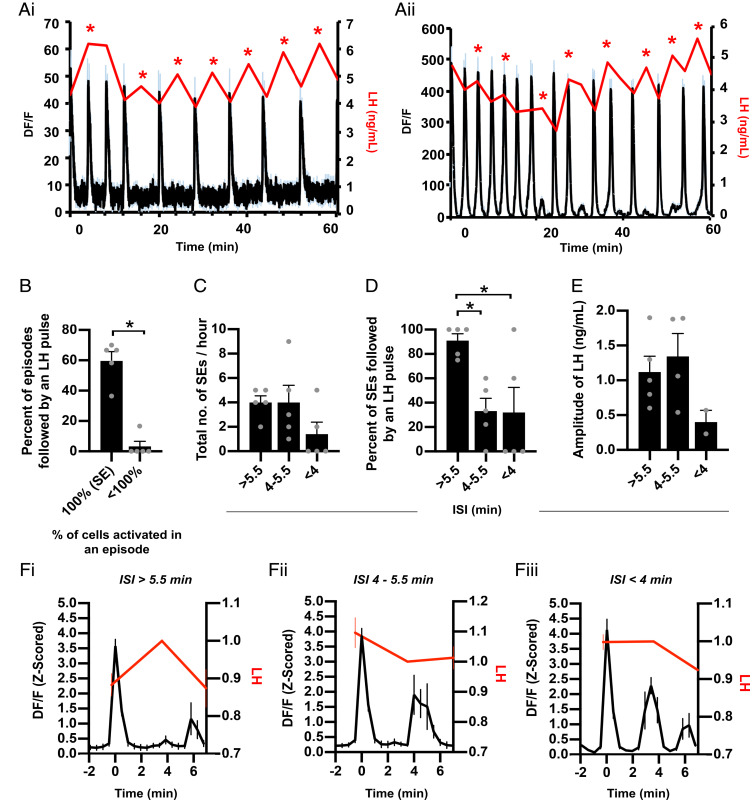
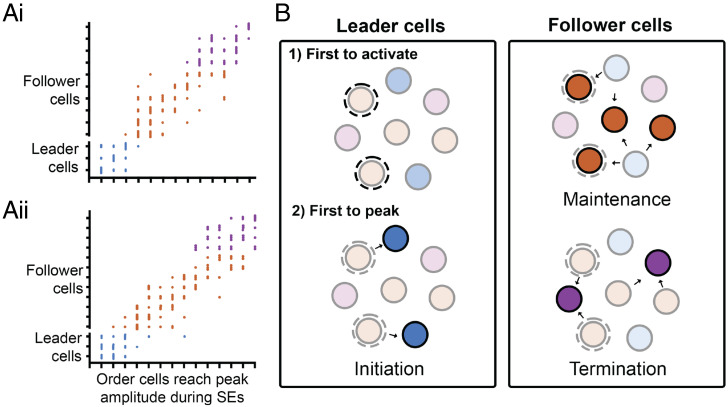
Verification
Claims the paper makes
The claims and statistics of this paper haven’t been checked yet.
Free: it reads the open-access text and checks the first 5 claims that cite a source we can check. Create a free account to check every claim.
Claims other papers make about this one
Each is checked against this paper’s own text: does it say what the citing paper says it does?
The cited source doesn’t support the claim as written.
In the citing paper
“In vivo GCaMP GRIN lens imaging has demonstrated that ~85% of ARNKISS neurons are involved in each SE in gonadectomized mice29,38.”
From Brainstem noradrenergic modulation of the kisspeptin neuron GnRH pulse generator in mice (2025) · cites this paper as [38]
Checked by a reasoning model — may be wrong.
Experimental — accuracy not yet measured
Self-check
Percentages, sums and reported differences re-computed from the paper’s own numbers.
The self-check needs the paper’s full text.
Citations
Cites
The GPR54 Gene as a Regulator of Puberty
Seminara, S. B., Messager, S., Chatzidaki, E. E., Thresher, R. R., Acierno, J. S., Shagoury, J. K., Bo-Abbas, Y., Kuohung, W., Schwinof, K. M., Hendrick, A. G., et al. (2003) · New England Journal of Medicine · doi:10.1056/nejmoa035322 · Cited by 2,557
Hypogonadotropic hypogonadism due to loss of function of the KiSS1-derived peptide receptor GPR54
de Roux, N., Genin, E., Carel, J.-C., Matsuda, F., Chaussain, J.-L., & Milgrom, E. (2003) · Proceedings of the National Academy of Sciences · doi:10.1073/pnas.1834399100 · Cited by 2,431 · cited 1×
“The 2003 discovery that mutations in the gene encoding the kisspeptin receptor (G protein-coupled protein 54 [GPR54]) result in hypogonadotropic hypogonadism delivered compelling evidence that kisspeptin-positive cells in the brain are required for maintaining GnRH release (3, 4).”
BackgroundBelchetz, P. E., Plant, T. M., Nakai, Y., Keogh, E. J., & Knobil, E. (1978) · Science · doi:10.1126/science.100883 · Cited by 1,385
Dynamics of gonadotropin-releasing hormone release during a pulse.
Moenter, S. M., Brand, R. M., Midgley, A. R., & Karsch, F. J. (1992) · Endocrinology · doi:10.1210/endo.130.1.1727719 · Cited by 1,244
Messager, S., Chatzidaki, E. E., Ma, D., Hendrick, A. G., Zahn, D., Dixon, J., Thresher, R. R., Malinge, I., Lomet, D., Carlton, M. B. L., et al. (2005) · Proceedings of the National Academy of Sciences · doi:10.1073/pnas.0409330102 · Cited by 1,227 · cited 1×
“Subsequent studies testing the role of kisspeptin in animal models confirmed activation of GnRH neurons via GPR54 to potently stimulate GnRH and LH release (5, 6).”
BackgroundIrwig, M. S., Fraley, G. S., Smith, J. T., Acohido, B. V., Popa, S. M., Cunningham, M. J., Gottsch, M. L., Clifton, D. K., & Steiner, R. A. (2004) · Neuroendocrinology · doi:10.1159/000083140 · Cited by 919 · cited 1×
“Subsequent studies testing the role of kisspeptin in animal models confirmed activation of GnRH neurons via GPR54 to potently stimulate GnRH and LH release (5, 6).”
BackgroundNavarro, V. M., Gottsch, M. L., Chavkin, C., Okamura, H., Clifton, D. K., & Steiner, R. A. (2009) · The Journal of Neuroscience · doi:10.1523/jneurosci.1569-09.2009 · Cited by 779 · cited 1×
“It is possible that these episodes represent failed attempts to release the necessary signal, such as NKB, believed to be a start signal for each pulse (9, 12, 21, 31), that drives a full SE and LH release.”
BackgroundLehman, M. N., Coolen, L. M., & Goodman, R. L. (2010) · Endocrinology · doi:10.1210/en.2010-0022 · Cited by 768
Self-citationAutomated Analysis of Cellular Signals from Large-Scale Calcium Imaging Data
Mukamel, E. A., Nimmerjahn, A., & Schnitzer, M. J. (2009) · Neuron · doi:10.1016/j.neuron.2009.08.009 · Cited by 707 · cited 1×
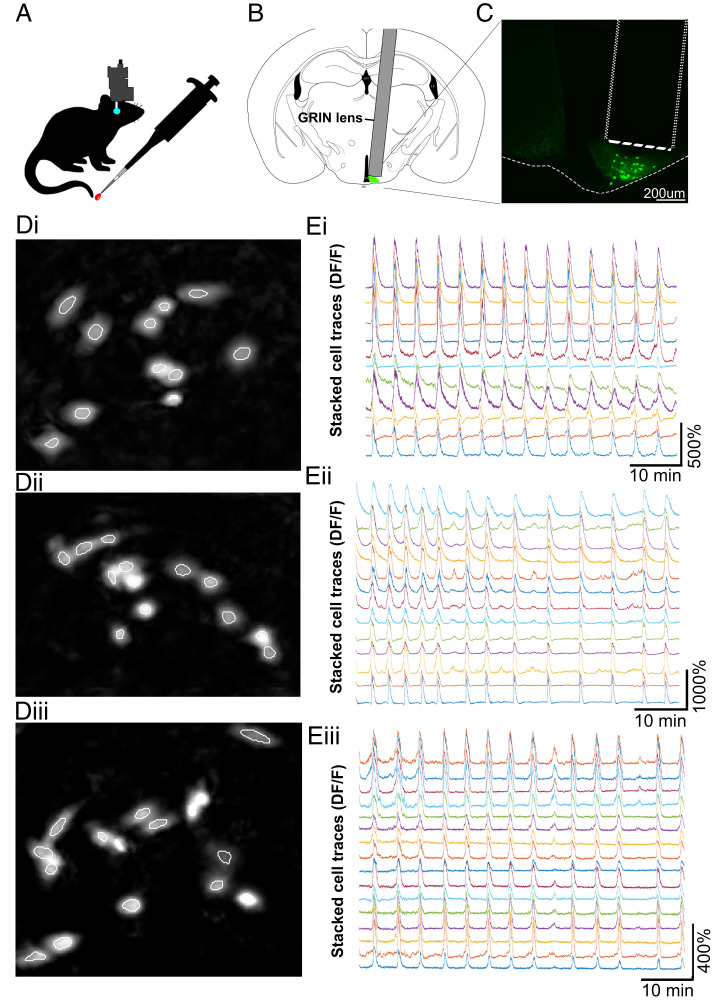
“Within DF/F videos PCA-ICA was used to extract GCaMP6s fluorescent responses associated with individual neurons (54).”
MethodKisspeptin neurons in the arcuate nucleus of the ewe express both dynorphin A and neurokinin B
Goodman, R. L., Lehman, M. N., Smith, J. T., Coolen, L. M., de Oliveira, C. V. R., Jafarzadehshirazi, M. R., Pereira, A., Iqbal, J., Caraty, A., Ciofi, P., et al. (2007) · Endocrinology · doi:10.1210/en.2007-0961 · Cited by 692 · cited 1×
“Multilabeling experiments in sheep later revealed that kisspeptin cells in the arcuate nucleus of the hypothalamus (ARC) also coexpressed two other important mediators of GnRH release, the tachykinin neurokinin B (NKB) and the endogenous opioid peptide dynorphin (7); as an abbreviation, these cells were termed KNDy (k…”
BackgroundSelf-citationWILDT, L., HÄUSLER, A., MARSHALL, G., HUTCHISON, J. S., PLANT, T. M., BELCHETZ, P. E., & KNOBIL, E. (1981) · Endocrinology · doi:10.1210/endo-109-2-376 · Cited by 684 · cited 1×
“This is supported by historical pulse generation studies in OVX rhesus monkeys which demonstrated that using exogenous delivery of GnRH to increase the physiological frequency of GnRH stimulation of the pituitary gland from one pulse an hour to two, three and five pulses an hour resulted in a gradual decline in LH out…”
BackgroundWakabayashi, Y., Nakada, T., Murata, K., Ohkura, S., Mogi, K., Navarro, V. M., Clifton, D. K., Mori, Y., Tsukamura, H., Maeda, K.-I., et al. (2010) · The Journal of Neuroscience · doi:10.1523/jneurosci.5848-09.2010 · Cited by 597 · cited 2×
“It is possible that these episodes represent failed attempts to release the necessary signal, such as NKB, believed to be a start signal for each pulse (9, 12, 21, 31), that drives a full SE and LH release.”
BackgroundDefinition of the hypothalamic GnRH pulse generator in mice
Clarkson, J., Han, S. Y., Piet, R., McLennan, T., Kane, G. M., Ng, J., Porteous, R. W., Kim, J. S., Colledge, W. H., Iremonger, K. J., et al. (2017) · Proceedings of the National Academy of Sciences · doi:10.1073/pnas.1713897114 · Cited by 392 · cited 10×
“Further, the conditional inhibition and brief activation of kisspeptinexpressing cells in the ARC using optogenetic tools in mice suppresses and elicits LH pulses, respectively (22, 23).”
BackgroundMethodResultInfluentialCharacterization of Kiss1 neurons using transgenic mouse models
Cravo, R. M., Margatho, L. O., Osborne-Lawrence, S., Donato, J., Atkin, S., Bookout, A. L., Rovinsky, S., Frazão, R., Lee, C. E., Gautron, L., et al. (2011) · Neuroscience · doi:10.1016/j.neuroscience.2010.11.022 · Cited by 353 · cited 1×
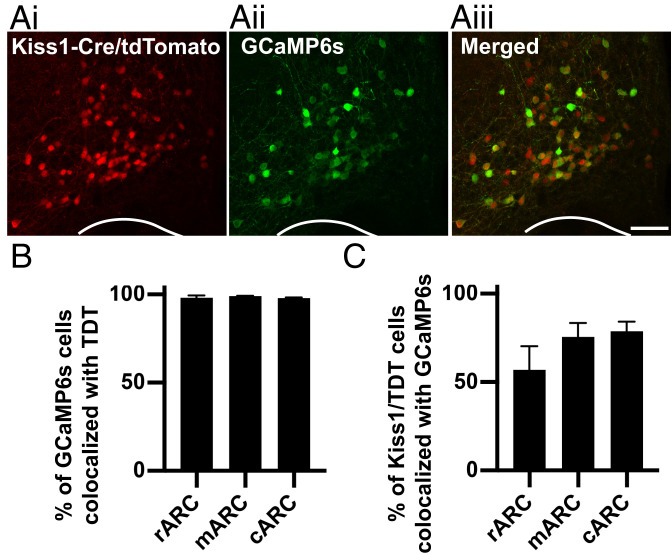
“Heterozygous Kiss1-Cre mice, in which Cre-recombinase expression is driven by Kiss1 regulatory elements (52) (breeding pairs kindly donated by Carol Elias, University of Michigan, Ann Arbor, MI, JAX mice, stock 023426), were crossed with either C57BL/6J mice (JAX mice, stock 000664) to generate hemizygote and wild-typ…”
MethodSteyn, F. J., Wan, Y., Clarkson, J., Veldhuis, J. D., Herbison, A. E., & Chen, C. (2013) · Endocrinology · doi:10.1210/en.2013-1502 · Cited by 307
Burke, M. C., Letts, P. A., Krajewski, S. J., & Rance, N. E. (2006) · Journal of Comparative Neurology · doi:10.1002/cne.21086 · Cited by 280 · cited 1×
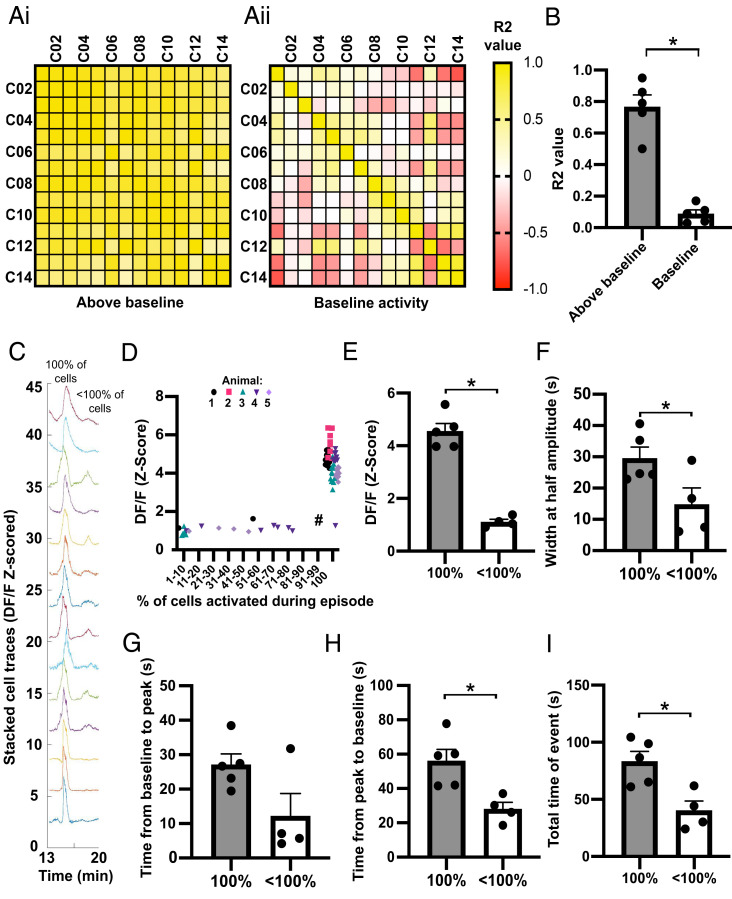
“These in vivo data validate anatomical (14, 16, 26) and in vitro electrophysiological data (25) which suggest KNDy cells form an interconnected network capable of synchronization.”
ResultNAKAI, Y., PLANT, T. M., HESS, D. L., KEOGH, E. J., & KNOBIL, E. (1978) · Endocrinology · doi:10.1210/endo-102-4-1008 · Cited by 279
Ramaswamy, S., Seminara, S. B., Ali, B., Ciofi, P., Amin, N. A., & Plant, T. M. (2010) · Endocrinology · doi:10.1210/en.2010-0223 · Cited by 267
The Gonadotropin-Releasing Hormone Pulse Generator
Herbison, A. E. (2018) · Endocrinology · doi:10.1210/en.2018-00653 · Cited by 261
Goodman, R. L., Hileman, S. M., Nestor, C. C., Porter, K. L., Connors, J. M., Hardy, S. L., Millar, R. P., Cernea, M., Coolen, L. M., & Lehman, M. N. (2013) · Endocrinology · doi:10.1210/en.2013-1331 · Cited by 233 · cited 2×
“It is possible that these episodes represent failed attempts to release the necessary signal, such as NKB, believed to be a start signal for each pulse (9, 12, 21, 31), that drives a full SE and LH release.”
BackgroundSelf-citationPrague, J. K., Roberts, R. E., Comninos, A. N., Clarke, S., Jayasena, C. N., Nash, Z., Doyle, C., Papadopoulou, D. A., Bloom, S. R., Mohideen, P., et al. (2017) · The Lancet · doi:10.1016/s0140-6736(17)30823-1 · Cited by 204
Jayasena, C. N., Nijher, G. M. K., Chaudhri, O. B., Murphy, K. G., Ranger, A., Lim, A., Patel, D., Mehta, A., Todd, C., Ramachandran, R., et al. (2009) · The Journal of Clinical Endocrinology & Metabolism · doi:10.1210/jc.2009-0406 · Cited by 203
Qiu, J., Nestor, C. C., Zhang, C., Padilla, S. L., Palmiter, R. D., Kelly, M. J., & Rønnekleiv, O. K. (2016) · eLife · doi:10.7554/elife.16246 · Cited by 199 · cited 4×
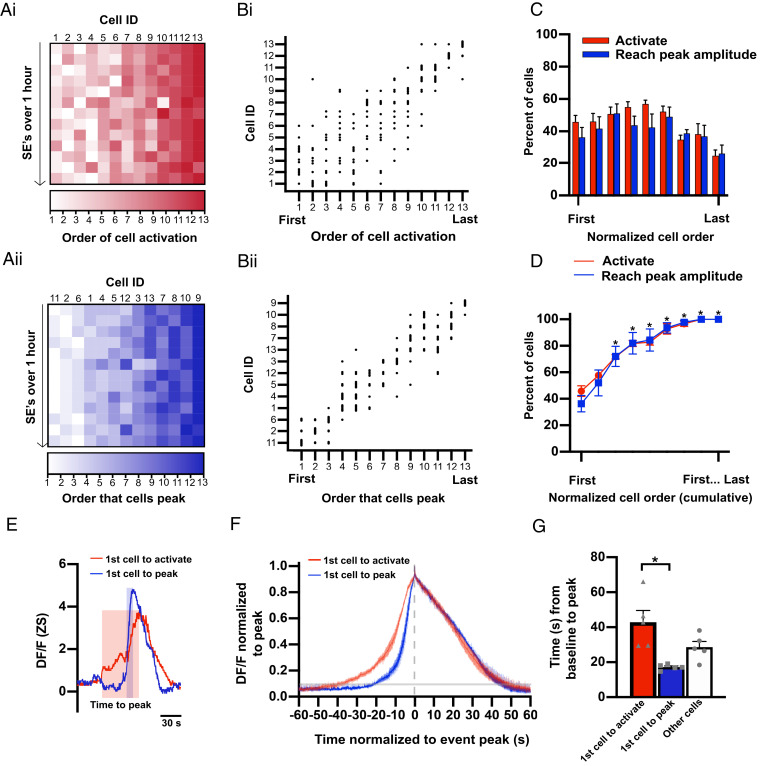
“As the interval between the activation of KNDy cells during an SE was on the order of seconds, this supports in vitro observations that slow, peptidergic synaptic signaling by a neuropeptide such as NKB underlies synchronization of the population (25), as opposed to fast amino acid synaptic transmission which would ha…”
BackgroundResultInfluentialMittelman-Smith, M. A., Williams, H., Krajewski-Hall, S. J., Lai, J., Ciofi, P., McMullen, N. T., & Rance, N. E. (2012) · Endocrinology · doi:10.1210/en.2012-1045 · Cited by 192
Han, S. Y., McLennan, T., Czieselsky, K., & Herbison, A. E. (2015) · Proceedings of the National Academy of Sciences · doi:10.1073/pnas.1512243112 · Cited by 189 · cited 1×
“Further, the conditional inhibition and brief activation of kisspeptinexpressing cells in the ARC using optogenetic tools in mice suppresses and elicits LH pulses, respectively (22, 23).”
BackgroundMoore, A. M., Coolen, L. M., Porter, D. T., Goodman, R. L., & Lehman, M. N. (2018) · Endocrinology · doi:10.1210/en.2018-00389 · Cited by 188
Self-citationKrajewski, S. J., Burke, M. C., Anderson, M. J., McMullen, N. T., & Rance, N. E. (2010) · Neuroscience · doi:10.1016/j.neuroscience.2009.12.053 · Cited by 178 · cited 1×
“These in vivo data validate anatomical (14, 16, 26) and in vitro electrophysiological data (25) which suggest KNDy cells form an interconnected network capable of synchronization.”
ResultComprehensive Review on Kisspeptin and Its Role in Reproductive Disorders
Clarke, H., Dhillo, W. S., & Jayasena, C. N. (2015) · Endocrinology and Metabolism · doi:10.3803/enm.2015.30.2.124 · Cited by 173
Yeo, S.-H., & Herbison, A. E. (2011) · Endocrinology · doi:10.1210/en.2011-0164 · Cited by 171 · cited 1×
“Further, projections from the rostral half of the arcuate differ to projections from more caudal neurons (32).”
BackgroundLeader β-cells coordinate Ca2+ dynamics across pancreatic islets in vivo
Salem, V., Silva, L. D., Suba, K., Georgiadou, E., Neda Mousavy Gharavy, S., Akhtar, N., Martin-Alonso, A., Gaboriau, D. C. A., Rothery, S. M., Stylianides, T., et al. (2019) · Nature Metabolism · doi:10.1038/s42255-019-0075-2 · Cited by 171
Belin, V, & Moos, F. (1986) · The Journal of Physiology · doi:10.1113/jphysiol.1986.sp016192 · Cited by 163
True, C., Kirigiti, M., Ciofi, P., Grove, K. L., & Smith, M. S. (2011) · Journal of Neuroendocrinology · doi:10.1111/j.1365-2826.2010.02076.x · Cited by 158
Connecting metabolism and reproduction: roles of central energy sensors and key molecular mediators
Roa, J., & Tena-Sempere, M. (2014) · Molecular and Cellular Endocrinology · doi:10.1016/j.mce.2014.09.027 · Cited by 136
George, J. T., Kakkar, R., Marshall, J., Scott, M. L., Finkelman, R. D., Ho, T. W., Veldhuis, J., Skorupskaite, K., Anderson, R. A., McIntosh, S., et al. (2016) · The Journal of Clinical Endocrinology & Metabolism · doi:10.1210/jc.2016-1202 · Cited by 131
GnRH Pulse Generator Activity Across the Estrous Cycle of Female Mice
McQuillan, H. J., Han, S. Y., Cheong, I., & Herbison, A. E. (2019) · Endocrinology · doi:10.1210/en.2019-00193 · Cited by 127
Foradori, C. D., Amstalden, M., Goodman, R. L., & Lehman, M. N. (2006) · Journal of Neuroendocrinology · doi:10.1111/j.1365-2826.2006.01445.x · Cited by 126 · cited 1×
“These in vivo data validate anatomical (14, 16, 26) and in vitro electrophysiological data (25) which suggest KNDy cells form an interconnected network capable of synchronization.”
ResultSelf-citationBelin, V. D., Moos, F., & Richard, P. (1984) · Experimental Brain Research · doi:10.1007/bf00231147 · Cited by 113 · cited 1×
“Attempts using techniques such as paired electrophysiological recordings have been unable to determine leader and follower subpopulations (39, 40).”
MethodKisspeptin and GnRH Pulse Generation
Okamura, H., Tsukamura, H., Ohkura, S., Uenoyama, Y., Wakabayashi, Y., & Maeda, K. (2013) · Advances in experimental medicine and biology · doi:10.1007/978-1-4614-6199-9_14 · Cited by 113 · cited 1×
“These characteristics 51 provided the basis for the “KNDy hypothesis” of GnRH pulse generation, in which NKB acts as the 52 signal responsible for pulse onset by triggering activation of reciprocally connected KNDy neurons 53 and driving the kisspeptin-mediated secretion of GnRH (13, 17-20).”
BackgroundThe Role of the Brain in the Pathogenesis and Physiology of Polycystic Ovary Syndrome (PCOS)
Coutinho, E. A., & Kauffman, A. S. (2019) · Medical Sciences · doi:10.3390/medsci7080084 · Cited by 111
κ-Opioid Receptor Is Colocalized in GnRH and KNDy Cells in the Female Ovine and Rat Brain
Weems, P. W., Witty, C. F., Amstalden, M., Coolen, L. M., Goodman, R. L., & Lehman, M. N. (2016) · Endocrinology · doi:10.1210/en.2015-1763 · Cited by 96
Self-citationAcute Psychosocial Stress Inhibits LH Pulsatility and Kiss1 Neuronal Activation in Female Mice
Yang, J. A., Song, C. I., Hughes, J. K., Kreisman, M. J., Parra, R. A., Haisenleder, D. J., Kauffman, A. S., & Breen, K. M. (2017) · Endocrinology · doi:10.1210/en.2017-00301 · Cited by 92
Coyle, C., & Campbell, R. E. (2019) · Molecular and Cellular Endocrinology · doi:10.1016/j.mce.2019.110561 · Cited by 89 · cited 2×
“In both of these disorders, changes in LH pulse frequency disrupt follicular maturation and appropriate steroid hormone secretion, leading to infertility (46).”
BackgroundHu, M. H., Li, X. F., McCausland, B., Li, S. Y., Gresham, R., Kinsey-Jones, J. S., Gardiner, J. V., Sam, A. H., Bloom, S. R., Poston, L., et al. (2015) · Endocrinology · doi:10.1210/en.2014-1655 · Cited by 82 · cited 1×
“Similarly, the knockdown of ∼30% of the KNDy cell population does not have an appreciable effect on LH pulse generation besides a slight reduction in LH pulse frequency (30).”
BackgroundMoore, A. M., Lohr, D. B., Coolen, L. M., & Lehman, M. N. (2021) · Endocrinology · doi:10.1210/endocr/bqab158 · Cited by 76 · cited 1×
“Impairments to kisspeptin and KNDy cells have been investigated as an underlying cause for altered LH pulse secretion in preclinical models (47, 48), and KNDy peptide antagonists have already been intensely studied as therapeutic tools in the treatment of these disorders (49–51).”
BackgroundSelf-citationMittelman-Smith, M. A., Krajewski-Hall, S. J., McMullen, N. T., & Rance, N. E. (2016) · Endocrinology · doi:10.1210/en.2015-1740 · Cited by 73
Perkins, R. B., Hall, J. E., & Martin, K. A. (2001) · Human Reproduction · doi:10.1093/humrep/16.10.2198 · Cited by 70 · cited 1×
“In the clinic, LH pulse frequency outside the physiological norm leads to significant deficits in reproductive capacity in both male and female patients, manifesting in disorders such as hypothalamic amenorrhea, in which LH pulses are less frequent or absent (45), and polycystic ovary syndrome (PCOS), in which LH puls…”
BackgroundHassaneen, A. S. A., Naniwa, Y., Suetomi, Y., Matsuyama, S., Kimura, K., Ieda, N., Inoue, N., Uenoyama, Y., Tsukamura, H., Maeda, K.-I., et al. (2016) · Journal of Reproduction and Development · doi:10.1262/jrd.2016-075 · Cited by 68
Beale, K., Kinsey‐Jones, J. S., Gardiner, J., Harrison, E., Thompson, E. L., Hu, M., Sleeth, M., Sam, A. H., Greenwood, H. C., McGavigan, A. K., et al. (2013) · Endocrinology · doi:10.1210/en.2013-1544 · Cited by 61
McIntosh, R. P., & McIntosh, J. E. A. (1983) · Journal of Endocrinology · doi:10.1677/joe.0.0980411 · Cited by 55 · cited 1×
“Similar results have been observed in perifused sheep pituitary cells, in which exogenous delivery of GnRH pulses more rapidly than every 16 min also reduced LH release (44).”
ResultNestor, C. C., Kelly, M. J., & Rønnekleiv, O. K. (2014) · Hormone Molecular Biology and Clinical Investigation · doi:10.1515/hmbci-2013-0050 · Cited by 44
Miniature microscopes for manipulating and recording in vivo brain activity
Stamatakis, A. M., Resendez, S. L., Chen, K.-S., Favero, M., Liang-Guallpa, J., Nassi, J. J., Neufeld, S. Q., Visscher, K. M., & Ghosh, K. K. (2021) · Microscopy · doi:10.1093/jmicro/dfab028 · Cited by 44
YAMAMURA, T., WAKABAYASHI, Y., OHKURA, S., NAVARRO, V. M., & OKAMURA, H. (2015) · Journal of Reproduction and Development · doi:10.1262/jrd.2014-109 · Cited by 41
Serial Plasma Oxytocin Levels During Pregnancy and Labor
Otsuki, Y., Yamaji, K., Fujita, M., Takagi, T., & Tanizawa, O. (1983) · Acta Obstetricia et Gynecologica Scandinavica · doi:10.3109/00016348309155750 · Cited by 39
Neurokinin B Signaling in the Female Rat: a Novel Link Between Stress and Reproduction
Grachev, P., Li, X. F., Hu, M., Li, S. Y., Millar, R. P., Lightman, S. L., & O’Byrne, K. T. (2014) · Endocrinology · doi:10.1210/en.2013-2038 · Cited by 34
Neural Determinants of Pulsatile Luteinizing Hormone Secretion in Male Mice
Han, S. Y., Cheong, I., McLennan, T., & Herbison, A. E. (2020) · Endocrinology · doi:10.1210/endocr/bqz045 · Cited by 34 · cited 1×
“Surprisingly, and unlike reports using fiber photometry in male mice and intact female mice (22, 41, 42), we also detected SEs that were not followed by an LH pulse.”
BackgroundMcCosh, R. B., Kreisman, M. J., & Breen, K. M. (2018) · Journal of Visualized Experiments · doi:10.3791/57894 · Cited by 32 · cited 1×
“One week following surgery, mice were habituated daily for 3 to 5 wk to serial blood sampling protocols as reported previously (53).”
MethodPerkinson, M. R., Kim, J. S., Iremonger, K. J., & Brown, C. H. (2021) · Journal of Neuroendocrinology · doi:10.1111/jne.13012 · Cited by 28
McCosh, R. B., Kreisman, M. J., & Breen, K. M. (2018) · Journal of Visualized Experiments · doi:10.3791/57894-v · Cited by 19
Drug-taking in a socio-sexual context enhances vulnerability for addiction in male rats
Kuiper, L. B., Beloate, L. N., Dupuy, B. M., & Coolen, L. M. (2018) · Neuropsychopharmacology · doi:10.1038/s41386-018-0235-1 · Cited by 8 · cited 1×
“1 M PB for 3 h and were mounted onto superfrost charged slides, air-dried, and coverslipped using an aqueous mounting medium in order to image endogenous fluorescence [Gelvotol (57), containing the anti-fade agent 1,4-diazabicylo(2,2)octane (Sigma-Aldrich; 50 mg/mL)].”
MethodSelf-citation
Research works printed but not linked: 1
- A. M. Moore, L. M. Coolen, M. N. Lehman, In vivo imaging of the GnRH pulse generator reveals a temporal order of neuronal activation and synchronization during each pulse. Open Science Framework. https://osf.io/m5dxc/. Deposited 11 January 2022. PMC8833213 35110409 · doi:10.1101/2021.10.13.464231
Cited by
A brief insight into the etiology, genetics, and immunology of polycystic ovarian syndrome (PCOS)
Siddiqui, S., Mateen, S., Ahmad, R., & Moin, S. (2022) · Journal of Assisted Reproduction and Genetics · doi:10.1007/s10815-022-02625-7 · Cited by 347
The Role of Kisspeptin in the Control of the Hypothalamic-Pituitary-Gonadal Axis and Reproduction
Xie, Q., Kang, Y., Zhang, C., Xie, Y., Wang, C., Liu, J., Yu, C., Zhao, H., & Huang, D. (2022) · Frontiers in Endocrinology · doi:10.3389/fendo.2022.925206 · Cited by 232
“observed KNDy neurons activity at a single cell level through in vivo calcium imaging and found the activation of KNDy neurons was in a temporal order (81).”
BackgroundMechanism of kisspeptin neuron synchronization for pulsatile hormone secretion in male mice
Han, S. Y., Morris, P. G., Kim, J.-C., Guru, S., Pardo-Navarro, M., Yeo, S.-H., McQuillan, H. J., & Herbison, A. E. (2023) · Cell Reports · doi:10.1016/j.celrep.2022.111914 · Cited by 91
“30 This may be due to the interesting phenomenon of “pacing” whereby external stimuli related to the 5-min tail-tip bleeding drives the pulse generator to operate at an abnormally fast 5-min interval in OVX mice.”
KNDy Neurons of the Hypothalamus and Their Role in GnRH Pulse Generation: an Update
Moore, A. M., Novak, A. G., & Lehman, M. N. (2023) · Endocrinology · doi:10.1210/endocr/bqad194 · Cited by 70
Self-citationA Modified Ultra-Sensitive ELISA for Measurement of LH in Mice
Kreisman, M. J., McCosh, R. B., & Breen, K. M. (2022) · Endocrinology · doi:10.1210/endocr/bqac109 · Cited by 41
Metadata
- Authors
- Moore, A. M., Coolen, L. M., & Lehman, M. N.
- Affiliations
- Kent State University (US)
- Corresponding author
- Moore, Aleisha M.
- Venue
- Proceedings of the National Academy of Sciences
- Publisher
- National Academy of Sciences
- Published
- 2022-02-02
- Volume
- 119
- Issue
- 6
- ISSN
- 0027-8424 (ISSN-L)
- 1091-6490
- PMC
- PMC8833213
- OpenAlex
- W4220705209
- Cited by
- 68
- References
- 60
- Citations by year
- 2026: 12 · 2025: 18 · 2024: 9 · 2023: 14 · 2022: 14
- FWCI
- 11.58
- Type
- journal article
- Language
- en
- Open access
- hybrid
- doi.org
- Licence
- Locations
- Proceedings of the National Academy of Sciences (publishedVersion, cc-by-nc-nd)
- bioRxiv (Cold Spring Harbor Laboratory) (acceptedVersion)
- PubMed Central (publishedVersion, cc-by-nc-nd)
- PubMed (publishedVersion)
- OSF Preprints (OSF Preprints) (submittedVersion)
- Funders
- HHS | NIH | Eunice Kennedy Shriver National Institute of Child Health and Human Development (K99HD096120, R01HD039916)
- Topics
- Health Sciences › Medicine › Reproductive Medicine › Hypothalamic control of reproductive hormones
- Life Sciences › Neuroscience › Endocrine and Autonomic Systems › Neuroendocrine regulation and behavior
- Life Sciences › Neuroscience › Endocrine and Autonomic Systems › Regulation of Appetite and Obesity
- Keywords
- GnRH pulse generator, KNDy neurons, kisspeptin, neurokinin B, dynorphin, arcuate nucleus, hypothalamus, pulsatile GnRH secretion, luteinizing hormone, neuronal synchronization, calcium imaging, female mice, reproduction
- MeSH terms
- Animals, Arcuate Nucleus of Hypothalamus, Dynorphins, Female, Luteinizing Hormone, Gonadotropin-Releasing Hormone, Mice, Inbred C57BL, Neurons, Reproduction, Neurokinin B, Mice, Kisspeptins
About these checks
Registry, retraction, Cites and statistics results are computed, not judged, with one exception: a printed reference that no index lists is read once by a model before it counts as a citation error. Claims are extracted by a model and kept only when their quote appears verbatim in the text; each cited source is then checked, with a model’s help, for whether it says what the claim relies on. Those verdicts can be wrong — read the claim’s quote and the cited source before relying on one.
Statistics and arithmetic are recomputed, not judged.
Confidence bands are shown only for fields calibrated on our annotated test set. None is calibrated yet, so no band is shown.
What counts as a claim ›How we measure confidence ›How we check this ›
Are you an author, or do you see a problem with this page? Request a review
Data sources
Bibliographic data: Semantic Scholar, OpenAlex, Crossref.
Contains information from the Semantic Scholar Academic Graph Datasets, made available under the ODC Attribution License (ODC-BY 1.0).
Semantic Scholar’s data is described in: Kinney, R., et al. (2023). The Semantic Scholar Open Data Platform. arXiv:2301.10140.
