

Delayed Correlation of mRNA and Protein Expression in Rapamycin-treated Cells and a Role for Ggc1 in Cellular Sensitivity to Rapamycin
Open accessThe DOI matches its Crossref record; 48 of the 48 references it cites were found in a registry or an index.
Abstract
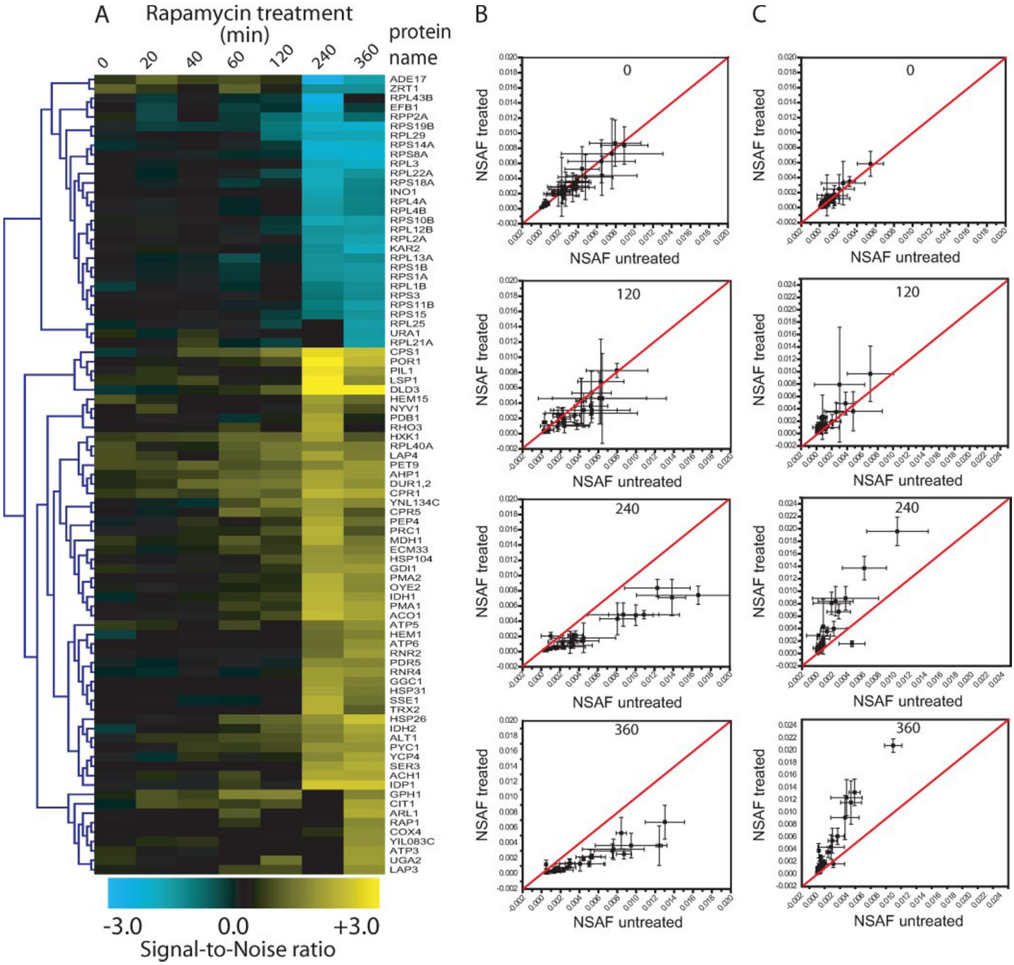
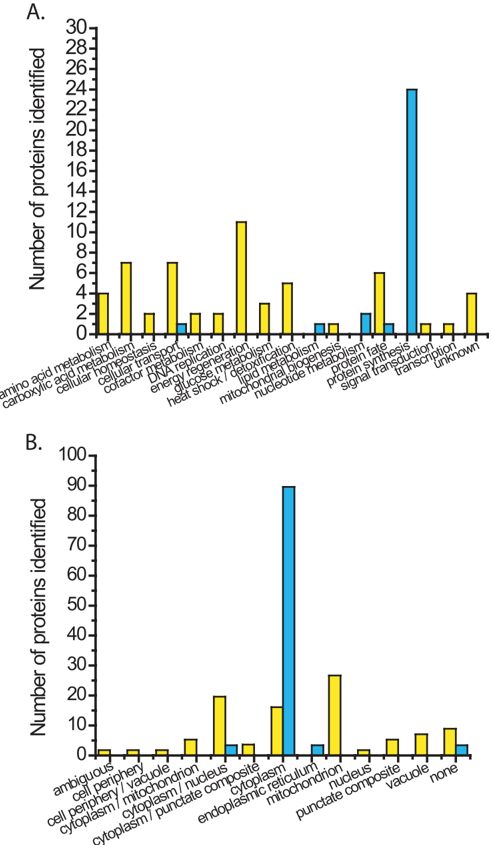
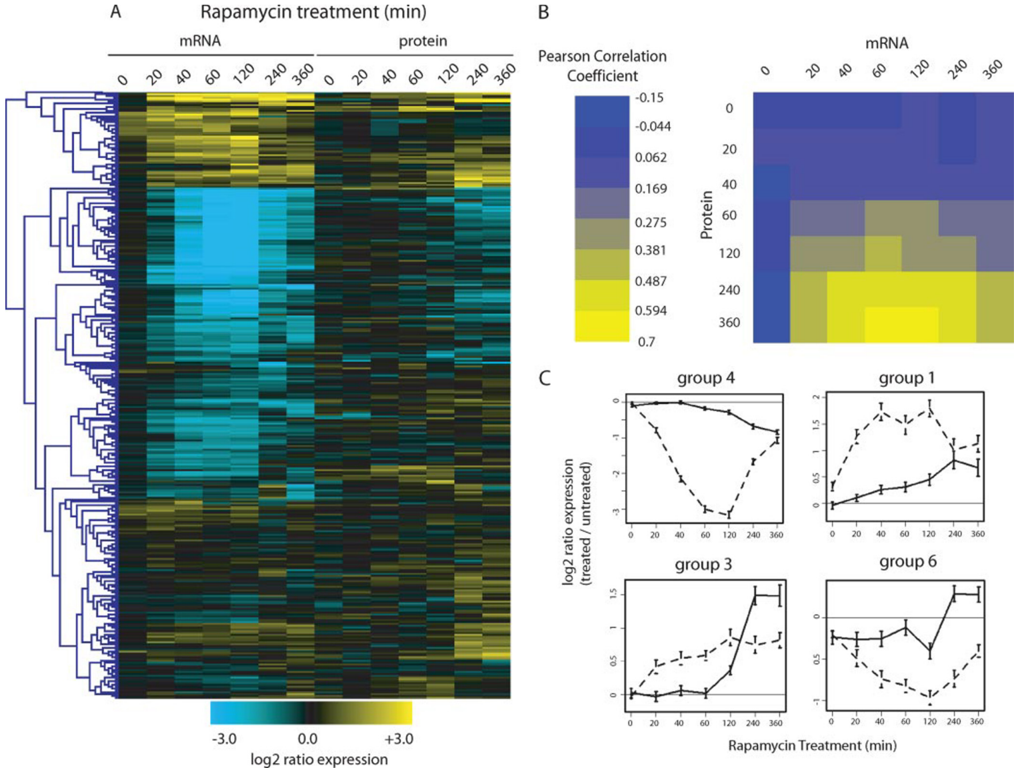
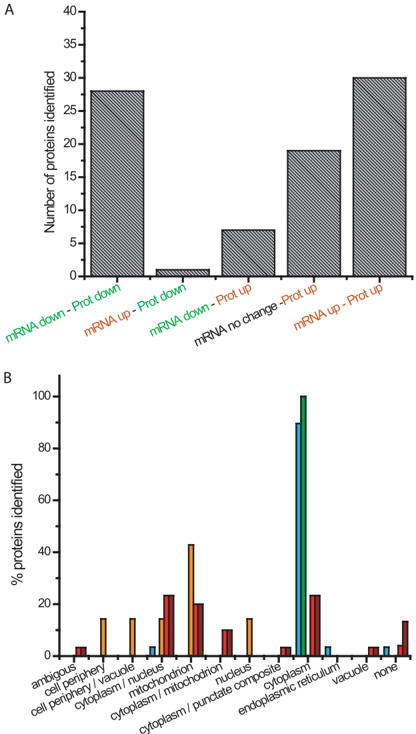
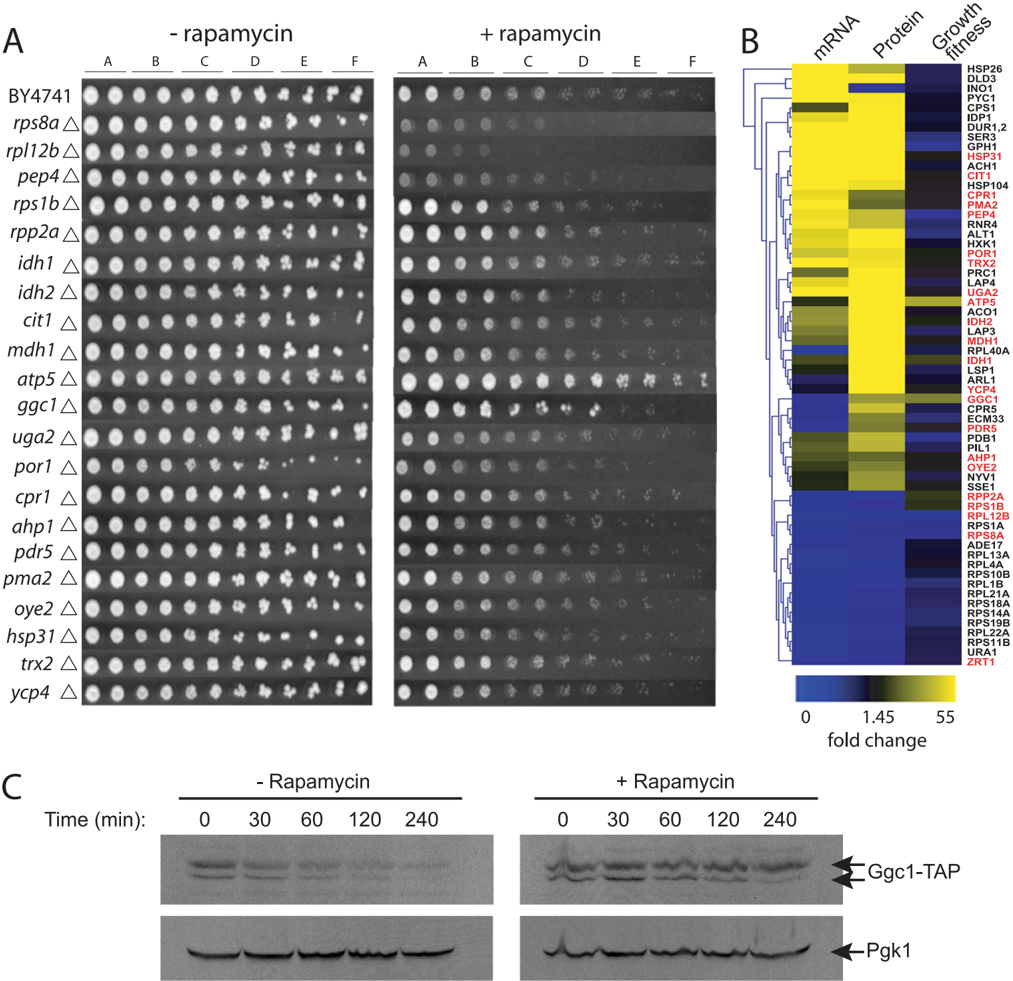
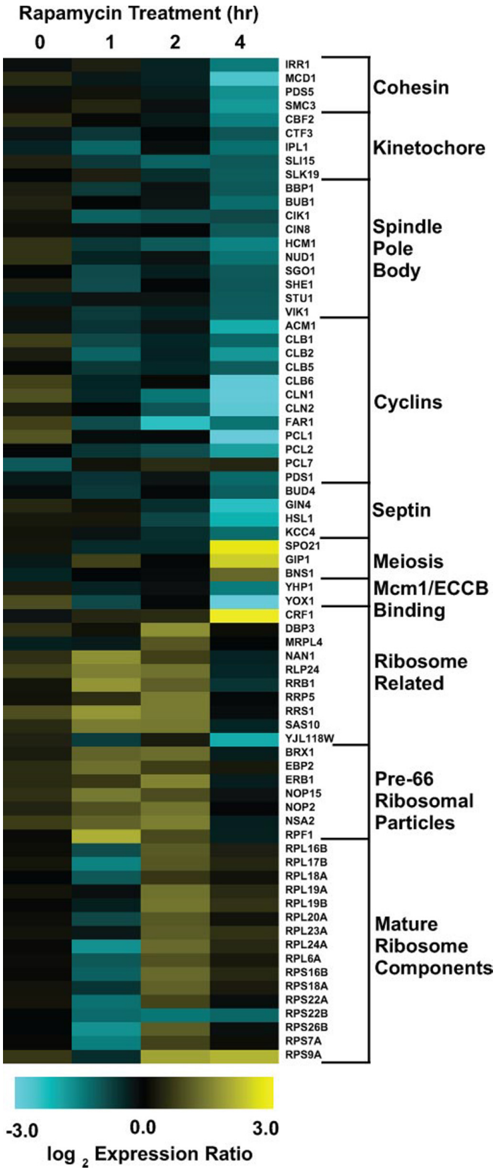
To identify new molecular targets of rapamycin, an anticancer and immunosuppressive drug, we analyzed temporal changes in yeast over 6 h in response to rapamycin at the transcriptome and proteome levels and integrated the expression patterns with functional profiling. We show that the integration of transcriptomics, proteomics, and functional data sets provides novel insights into the molecular mechanisms of rapamycin action. We first observed a temporal delay in the correlation of mRNA and protein expression where mRNA expression at 1 and 2 h correlated best with protein expression changes after 6 h of rapamycin treatment. This was especially the case for the inhibition of ribosome biogenesis and induction of heat shock and autophagy essential to promote the cellular sensitivity to rapamycin. However, increased levels of vacuolar protease could enhance resistance to rapamycin. Of the 85 proteins identified as statistically significantly changing in abundance, most of the proteins that decreased in abundance were correlated with a decrease in mRNA expression. However, of the 56 proteins increasing in abundance, 26 were not correlated with an increase in mRNA expression. These protein changes were correlated with unchanged or down-regulated mRNA expression. These proteins, involved in mitochondrial genome maintenance, endocytosis, or drug export, represent new candidates effecting rapamycin action whose expression might be post-transcriptionally or post-translationally regulated. We identified GGC1, a mitochondrial GTP/GDP carrier, as a new component of the rapamycin/target of rapamycin (TOR) signaling pathway. We determined that the protein product of GGC1 was stabilized in the presence of rapamycin, and the deletion of the GGC1 enhanced growth fitness in the presence of rapamycin. A dynamic mRNA expression analysis of Deltaggc1 and wild-type cells treated with rapamycin revealed a key role for Ggc1p in the regulation of ribosome biogenesis and cell cycle progression under TOR control.
Overview
The claims and statistics of this paper haven’t been checked yet.
Free: it reads the open-access text and checks the first 5 claims that cite a source we can check. Create a free account to check every claim.
Integrity signals
Registry
Cites
Statistics
Figures
Verification
Claims the paper makes
The claims and statistics of this paper haven’t been checked yet.
Free: it reads the open-access text and checks the first 5 claims that cite a source we can check. Create a free account to check every claim.
Claims other papers make about this one
Each is checked against this paper’s own text: does it say what the citing paper says it does?
The source backs part of the claim, not all of it — or backs it for a different population, condition or comparison.
In the citing paper
“In comparison, in yeast responding to various treatments, protein and mRNA expression often disagree substantially (Berry & Gasch, 2008; Fournier et al, 2010; Lee et al, 2011; Vogel et al, 2011; Lackner et al, 2012).”
From Differential dynamics of the mammalian mRNA and protein expression response to misfolding stress (2016) · cites this paper as Fournier et al, 2010
Experimental — accuracy not yet measured
Self-check
Percentages, sums and reported differences re-computed from the paper’s own numbers.
The self-check needs the paper’s full text.
Citations
Cites
Smyth, G. K. (2004) · Statistical Applications in Genetics and Molecular Biology · doi:10.2202/1544-6115.1027 · Cited by 11,829
R: A Language for Data Analysis and Graphics
Ihaka, R., & Gentleman, R. (1996) · Journal of Computational and Graphical Statistics · doi:10.1080/10618600.1996.10474713 · Cited by 11,220
Exploration, normalization, and summaries of high density oligonucleotide array probe level data
Irizarry, R. A. (2003) · Biostatistics · doi:10.1093/biostatistics/4.2.249 · Cited by 10,603
Eng, J. K., McCormack, A. L., & Yates, J. R. (1994) · Journal of the American Society for Mass Spectrometry · doi:10.1016/1044-0305(94)80016-2 · Cited by 6,484 · cited 1×
“Proteins were identified by database searching using SEQUEST software (25).”
MethodTM4: a free, open-source system for microarray data management and analysis
Saeed, A. I., Sharov, V., White, J., Li, J., Liang, W., Bhagabati, N., Braisted, J., Klapa, M., Currier, T., Thiagarajan, M., et al. (2003) · BioTechniques · doi:10.2144/03342mt01 · Cited by 4,837 · cited 1×
“0 (32), and gene ontology (GO) enrichment term analyses were performed using the FATIGO function in babelomics (33).”
MethodLarge-scale analysis of the yeast proteome by multidimensional protein identification technology
Washburn, M. P., Wolters, D., & Yates, J. R. (2001) · Nature Biotechnology · doi:10.1038/85686 · Cited by 4,752
Self-citationControlling the false discovery rate in behavior genetics research
Benjamini, Y., Drai, D., Elmer, G., Kafkafi, N., & Golani, I. (2001) · Behavioural Brain Research · doi:10.1016/s0166-4328(01)00297-2 · Cited by 4,146 · cited 1×
“The Benjamini-Yuketiele multitest correction method (31) was applied to control the false discovery rate.”
MethodElias, J. E., & Gygi, S. P. (2007) · Nature Methods · doi:10.1038/nmeth1019 · Cited by 3,925 · cited 1×
“The false discovery rate was calculated as the number of spectra matching randomized peptides multiplied by 2 and divided by the total number of spectra as described before (28, 29); it ranged between 0.”
MethodBaker Brachmann, C., Davies, A., Cost, G. J., Caputo, E., Li, J., Hieter, P., & Boeke, J. D. (1998) · Yeast · doi:10.1002/(sici)1097-0061(19980130)14:2<115::aid-yea204>3.0.co;2-2 · Cited by 3,401 · cited 1×
“cerevisiae strain BY4741 (MATa his3 1 leu2 0 met15 0 ura3 0) (16) was grown to middle log-phase (optical density at 600 nm, 0.”
Quantification of mRNA using real-time RT-PCR
Nolan, T., Hands, R. E., & Bustin, S. A. (2006) · Nature Protocols · doi:10.1038/nprot.2006.236 · Cited by 2,247 · cited 1×
“GGC1 mRNA was then analyzed by real time RT-PCR after 6 h of treatment according to previously published protocols (35).”
Method
Cited by
Items 101–161 of 161
Meo, C. D., Tortolani, D., Standoli, S., Ciaramellano, F., Angelucci, C. B., Tisi, A., Kadhim, S., Hsu, E., Rapino, C., & Maccarrone, M. (2024) · BioFactors · doi:10.1002/biof.2122 · Cited by 14
“57,58 At the functional level, CBN upregulates AEA metabolism, by stimulating the activity of NAPE-PLD and FAAH, and promotes the activity of the degradative enzyme of 2-AG, MAGL, but not that of its biosynthetic enzymes DAGL α / β .”
HIF1α/PLD2 axis linked to glycolysis induces T-cell immunity in oral lichen planus
Wang, F., Zhang, J., & Zhou, G. (2020) · Biochimica et Biophysica Acta (BBA) - General Subjects · doi:10.1016/j.bbagen.2020.129602 · Cited by 11
Georgoulis, I., Papadopoulos, D. K., Lattos, A., Michaelidis, B., Feidantsis, K. G., & Giantsis, I. Α. (2024) · Comparative Biochemistry and Physiology Part B Biochemistry and Molecular Biology · doi:10.1016/j.cbpb.2024.110943 · Cited by 13
Du, X., Elberger, A. J., Matthews, D. B., & Hamre, K. M. (2011) · Neurotoxicology and Teratology · doi:10.1016/j.ntt.2011.09.001 · Cited by 11
“Furthermore, discordance between protein and mRNA expression levels has been found in a number of systems including yeast (Fournier et al., 2010; Washburn et al., 2003), mouse liver (Tian et al.”
BackgroundWaltman, P., Guo, J. P., Reistetter, E. N., Purvine, S. O., Ansong, C. K., van Baren, M. J., Wong, C., Wei, C., Smith, R. D., Callister, S., et al. (2016) · PLoS ONE · doi:10.1371/journal.pone.0155839 · Cited by 11
Bush, J. T., Chan, M. C., Mohammed, S., & Schofield, C. J. (2020) · ChemBioChem · doi:10.1002/cbic.201900719 · Cited by 8
Fadul, M. M., Heath, P. R., Cooper‐Knock, J., Kurz, J. M., Al-Azzawi, H. A., Ali, Z., Smith, T., Matthews, F. E., Brayne, C., Wharton, S. B., et al. (2020) · International Journal of Molecular Sciences · doi:10.3390/ijms21217924 · Cited by 10
“It should, however, be noted that mRNA and protein expression can be decoupled in time [22,23], and that transcriptomic profiling of post-mortem tissue indicates the gene expression profile at one timepoint.”
BackgroundTheerawatanasirikul, S., Sailasuta, A., Thanawongnuwech, R., Nakbed, T., Charngkaew, K., & Suriyaphol, G. (2012) · The Thai Journal of Veterinary Medicine · doi:10.56808/2985-1130.2399 · Cited by 8
“In addition, the lack of correlation between mRNA and protein levels may be the indicative of processing acting at the levels of translation or post-translational modification and it may be due to the number of isoforms for each gene (Chen et al., 2002; Fournier et al., 2010).”
BackgroundDong, C., Hu, A., Ni, Y. B., Zuo, Y., & Li, G. H. (2013) · BMC Anesthesiology · doi:10.1186/1471-2253-13-32 · Cited by 8
“For example, the mRNA abundance changes in yeasts occur in a time window of 20 to 240 min after rapamycin treatment, while the protein abundance changes mostly occur at 4 and 6 h of the treatment [44].”
BackgroundTan, G., Wolski, W., Kummer, S., Hofstetter, M., Theocharides, A. P. A., Manz, M. G., Aebersold, R. H., & Meier‐Abt, F. (2022) · Blood Advances · doi:10.1182/bloodadvances.2021005344 · Cited by 7
Kusano, T., Sotani, Y., Takeda, R., Hatano, A., Kawata, K., Kano, R., Matsumoto, M., Kano, Y., & Hoshino, D. (2024) · The FASEB Journal · doi:10.1096/fj.202401420rr · Cited by 10
“57 Several studies have failed to find a relationship between transient post-exercise mRNA changes after exercise and long-term protein adaptation.”
Song, X., Tian, L., Wang, S., Zhou, J., Zhang, J., Chen, Z., Wu, L., Ku, L., & Chen, Y. (2019) · Journal of Integrative Agriculture · doi:10.1016/s2095-3119(18)62040-4 · Cited by 8
Inferring the effective TOR-dependent network: a computational study in yeast
Mohammadi, S., Subramaniam, S., & Grama, A. Y. (2013) · BMC Systems Biology · doi:10.1186/1752-0509-7-84 · Cited by 6
Alharbi, B. M., Bugshan, A., Almozel, A., Alenzi, R., Bouchama, A., Khatlani, T., Mohammad, S., & Malik, S. S. (2022) · Current Issues in Molecular Biology · doi:10.3390/cimb44100324 · Cited by 6
“This initial spiking in the mRNA is observed in other stress proteins such as Trafd1 in LPS-stimulated mouse dendritic cells [56], in heat shock proteins in the case of rapamycin challenge to yeast [57], and in HSPA5/GRP78 in the ER stress model in HeLa cells [54].”
BackgroundLipaeva, P., Karkossa, I., Bedulina, D., Schubert, K. A., & Luckenbach, T. (2022) · Comparative Biochemistry and Physiology Part D Genomics and Proteomics · doi:10.1016/j.cbd.2022.101048 · Cited by 9
Efstratiou, E., Feidantsis, K. G., Makri, V., Staikou, A. E., & Giantsis, I. Α. (2024) · Animals · doi:10.3390/ani14060857 · Cited by 6
“The latter may assist farmers to further improve the efficiency of snail farming.”
BackgroundFan, Q., Jiang, Y., Chen, J., Chen, Y., Xu, Q., Wu, J., Wang, H., Yang, Y., Pan, J., & Fang, Q. (2025) · Analytical Chemistry · doi:10.1021/acs.analchem.5c00809 · Cited by 6
Wu, Y., Ma, J., Shi, J., Cao, S., Luo, J., Zheng, T., & Wang, M. (2023) · Journal of Agricultural and Food Chemistry · doi:10.1021/acs.jafc.3c00417 · Cited by 5
Platelets and Smooth Muscle Cells Affecting the Differentiation of Monocytes
Williams, M. W. Y., Guiffre, A. K., & Fletcher, J. (2014) · PLoS ONE · doi:10.1371/journal.pone.0088172 · Cited by 5
“Reports in the literature have noted that low/ undetectable levels of mRNA with protein expression can occur [17] and that mRNA can be stored in the nucleus and only released once protein levels have reached a threshold limit [34].”
BackgroundRNA polymerase II degradation in response to rapamycin is not mediated through ubiquitylation
Jouvet, N., Poschmann, J., Douville, J., Marrakchi, R., & Ramotar, D. (2011) · Biochemical and Biophysical Research Communications · doi:10.1016/j.bbrc.2011.08.079 · Cited by 6
Chang, L., Wun, W.-S. A., & Wang, P. S. (2016) · Environmental Toxicology and Pharmacology · doi:10.1016/j.etap.2016.03.019 · Cited by 5
Alves, P., Amaral, C., Fonseca, B. M., Sousa, L. G., Teixeira, N. A. A., & Correia‐da‐Silva, G. (2025) · Reproductive Toxicology · doi:10.1016/j.reprotox.2025.109006 · Cited by 5
Seccia, R., Santis, S. D., Noia, M. A. D., Palmieri, F., Miniero, D. V., Marmo, R., Paradies, E., Santoro, A., Pierri, C. L., Palmieri, L., et al. (2022) · Journal of Fungi · doi:10.3390/jof8080795 · Cited by 4
“Additional physiological roles of Ggc1p were discovered later: (i) transcriptome and proteome analysis of yeast cells treated for 6 h with rapamycin, the well-known TOR pathway inhibitor, identified Ggc1p as a new component of the rapamycin signaling pathway because, in the presence of rapamycin, the Ggc1p was stabili…”
BackgroundToxic effects of sirolimus and everolimus on the development and behavior of zebrafish embryos
Zhang, Z., Qiu, T., Zhou, J., Gong, X., Yang, K., Zhang, X., Lan, Y., Yang, C., Zhou, Z., & Ji, Y. (2023) · Biomedicine & Pharmacotherapy · doi:10.1016/j.biopha.2023.115397 · Cited by 4
Detection of Multiple Perturbations in Multi-Omics Biological Networks
Griffin, P. J., Zhang, Y., Johnson, W. E., & Kolaczyk, E. D. (2018) · Biometrics · doi:10.1111/biom.12893 · Cited by 5
“…studies, each data type is analyzed separately and then subjected to some joint post-processing, such as a check for correlation, or annotation for proximity between sets of results (for example, Varambally et al., 2005; Fournier et al., 2010; Tsavachidou-Fenner et al., 2010; Lee et al., 2011).”
MethodProteomics Analysis of Proteotoxic Stress Response in In-Vitro Human Neuronal Models
Alaiya, A. A., Alharbi, B. M., Shinwari, Z., Rashid, M., Albinhassan, T. H., Bouchama, A., Alwesmi, M. B., Mohammad, S., & Malik, S. S. (2024) · International Journal of Molecular Sciences · doi:10.3390/ijms25126787 · Cited by 5
“The cellular stress response is a conservative process aimed at cell survival; hence, the inhibition of mRNA splicing is such an adaptation observed during heat shock [47].”
BackgroundMulti-omics analysis of aggregative multicellularity
Edelbroek, B., Westholm, J. O., Bergquist, J., & Söderbom, F. (2024) · iScience · doi:10.1016/j.isci.2024.110659 · Cited by 4
Inhibitory Effect of Styrylpyrone Extract of Phellinus linteus on Hepatic Steatosis in HepG2 Cells
Chiu, C., Chen, M., Lieu, J.-J., Chen, C., Chang, C., Chyau, C.-C., & Peng, R. Y. (2023) · International Journal of Molecular Sciences · doi:10.3390/ijms24043672 · Cited by 3
“The differences might be caused by the time difference between drug absorption and reaction [36].”
BackgroundSuárez, B. H., Gillespie, D. A., Dejnaka, E., Kupczyk, P., Obmińska‐Mrukowicz, B., & Pawlak, A. (2023) · Frontiers in Veterinary Science · doi:10.3389/fvets.2023.1227683 · Cited by 4
“It is well known however that protein and mRNA levels do not always correlate; several studies demonstrated that the correlation can vary in adenocarcinoma samples (62), can be modulated after treatments with drugs such as rapamycin (63), and may vary during the cell cycle in synchronized cultures (64).”
BackgroundRegulation of dermal circadian pathways by a novel topical formulation
DeHaven, C., Wheeler, S., Langerveld, A. J., & Johns, C. B. (2024) · International Journal of Cosmetic Science · doi:10.1111/ics.13017 · Cited by 2
Morimoto, S., & Yahara, K. (2018) · Heliyon · doi:10.1016/j.heliyon.2018.e00558 · Cited by 4
“In addition, the rapamycin treatment study [6] reported a temporal delay in the correlation of mRNA and protein expression among 328 genes, where mRNA expression levels at 1 and 2 h were the most highly correlated with protein expression changes after 6 h of the treatment.”
BackgroundInfluentialMoradpour, S., Aliaghaei, A., & Bigdeli, M. (2021) · Experimental and Clinical Transplantation · doi:10.6002/ect.2021.0198 · Cited by 3
Wang, X., Teng, L., Zhang, H., Zhou, Q., Su, X., Cui, X., Bu, D., Gong, X., Poetsch, A., & Ning, K. (2018) · bioRxiv (Cold Spring Harbor Laboratory) · doi:10.1101/270397 · Cited by 3
The Role of CD80 and CD86 In Macrophage Activation and its Regulation Following LPS Stimulation
Woldai, S. (2014) · uO Research (University of Ottawa) · doi:10.20381/ruor-6487 · Cited by 3
“For example, TLR-4 and TLR-3 are partially analogous as both receptors trigger TRIFmediated signaling, resulting in Type I IFN production (154).”
BackgroundAutism: Comparative Genomics and Interactomics
Barth, C., & Bishop, N. E. (2013) · Springer eBooks · doi:10.1007/978-1-4614-4788-7_173 · Cited by 3
Pankaew, C., Chayjarung, P., Tothong, C., Pinit, S., Khanthit, W., Temwong, S., Maliprom, A., Roytrakul, S., & Limmongkon, A. (2024) · Plant Stress · doi:10.1016/j.stress.2024.100497 · Cited by 3
High Confidence Network Predictions from Big Biological Data
Magnusson, R. (2020) · Linköping studies in science and technology. Dissertations · doi:10.3384/diss.diva-165084 · Cited by 2
Circadian Clock and CYP Metabolism
Zhang, T., Yu, F., Guo, L., & Dong, D. (2020) · Springer eBooks · doi:10.1007/978-981-15-8807-5_4 · Cited by 4
Sandhu, P. K., Kumar, R., Nandula, V. K., & Tharayil, N. (2025) · bioRxiv (Cold Spring Harbor Laboratory) · doi:10.1101/2025.07.20.665775 · Cited by 3
Meta‐analysis fails to show any correlation between protein abundance and ubiquitination changes
Osinalde, N., Alduntzin, U., Prieto, G., & Mayor, U. (2026) · FEBS Open Bio · doi:10.1002/2211-5463.70197 · Cited by 1
“Having ruled out a direct correlation between protein abundance and ubiquitination levels, we next hypothesized that temporal delays might underlay their apparent lack of association, similar to the well-documented time lag between mRNA and protein expression changes [43].”
Lippman, S. I., & Broach, J. R. (2010) · The Enzymes · doi:10.1016/s1874-6047(10)28016-2 · Cited by 1
Genomewide Profiling of Rapamycin Sensitivity in Saccharomyces cerevisiae on Synthetic Medium
Chang, Y., Shin, C.-S., Han, D.-H., Kim, J.-Y., Kim, K.-I., Kwon, Y., & Huh, W. (2010) · Genomics & Informatics · doi:10.5808/gi.2010.8.4.177 · Cited by 1
“Among the remaining 50 genes in our data, 14 genes have been shown to be related to rapamycin sensitivity by other previous studies (Dudley et al., 2005; Fournier et al., 2010; Huber et al., 2009; Leidel et al., 2009; Parsons et al., 2004; Snowdon et al., 2008; Wu et al., 2000).”
ResultMolecular insights into the niche of harmful brown tides
Wurch, L. L. (2011) · Woods Hole Open Access Server (WHOAS) · doi:10.1575/1912/4889 · Cited by 1
“In yeast it has recently been shown that transcriptional patterns 1-2 hours after treatment were best correlated with protein abundances 4-6 hours after treatment with the antibiotic rapamycin, supporting the idea of a lag between induction of transcripts and translation of proteins (Fournier et al. 2010).”
BackgroundWu, T., Bai, Y., & Chen, F. (2025) · Journal of Stomatology Oral and Maxillofacial Surgery · doi:10.1016/j.jormas.2025.102511 · Cited by 1
Suriyaphol, G., Theerawatanasirikul, S., & Suriyaphol, P. (2014) · Springer eBooks · doi:10.1007/978-3-642-54379-1_20 · Cited by 1
Alharbi, B. M., Bugshan, A., Almozel, A., Alenzi, R., Bouchama, A., Khatlani, T., Mohammad, S., & Malik, S. S. (2022) · Preprints.org · doi:10.20944/preprints202205.0089.v1 · Cited by 1
Data from Anastrozole Regulates Fatty Acid Synthase in Breast Cancer
Cairns, J., Ingle, J. N., Kalari, K. R., Goetz, M. P., Weinshilboum, R. M., Gao, H., Li, H., Bari, M. G., & Wang, L. (2023) · doi:10.1158/1535-7163.c.6543547 · Cited by 1
Self-citationBiochemical and functional analysis of TBP-containing complexes
Spedale, G. (2011) · Utrecht University Repository (Utrecht University)
Quantitative Proteomics Characterization of Chromatin-Remodeling Complexes in Health and Disease
Lakshminarasimhan, M., & Washburn, M. P. (2013) · Springer eBooks · doi:10.1007/978-1-4614-7931-4_9
Self-citationPhenotypical and Functional Characterization of Polarized Human Macrophages
Iqbal, S. (2015) · uO Research (University of Ottawa) · doi:10.20381/ruor-2744 · Cited by 1
COMBINED PROFILING IN ASPEN A SYSTEMS BIOLOGY APPROACH
Obudulu, O. (2015)
Network Medicine in the age of biomedical big dataPreprint
Sonawane, A. R., Weiss, S. T., Glass, K., & Sharma, A. (2019) · arXiv (Cornell University) · doi:10.48550/arxiv.1903.05449
“High resolution mass spectrometry has also allowed for the collection of longitudinal proteome data, for example to test the effect of drugs (Fournier et al., 2010) or oxidative stress (Vogel et al.”
BackgroundTranslational control of fungal gene expression during the wheat- Fusarium graminearum interactionPreprint
Kage, U., Gardiner, D. M., Stiller, J., & Kazan, K. (2021) · bioRxiv (Cold Spring Harbor Laboratory) · doi:10.1101/2021.05.25.445713
Data from Anastrozole Regulates Fatty Acid Synthase in Breast Cancer
Cairns, J., Ingle, J. N., Kalari, K. R., Goetz, M. P., Weinshilboum, R. M., Gao, H., Li, H., Bari, M. G., & Wang, L. (2023) · doi:10.1158/1535-7163.c.6543547.v1
Self-citationRegulation of the expression of ferrochelatase in a murine model of diabetes mellitus type I
Oliveri, L. M., Buzaleh, A. M., & Gerez, E. N. (2025) · Biochemistry and Biophysics Reports · doi:10.1016/j.bbrep.2025.101989
“This effect has also been observed for other proteins [28 – 30].”
The Potential Role of SP-G and PLUNC in Tumor Pathogenesis and Wound Healing in the Human Larynx
Scheer, A., Bräuer, L., Eckstein, M., Iro, H., Paulsen, F. P., Garreis, F., Schicht, M., & Gostian, A. (2025) · Biomedicines · doi:10.3390/biomedicines13051240
“One possible explanation for that might be a delayed protein synthesis after an increase in mRNA, which is an issue that has already been discussed both for prokaryotic [50] and eukaryotic cells [51].”
Petrenko, V. S., Vrublevskaya, V. V., Morenkov, O. S., Skarga, Y. Y., & Zhmurina, M. A. (2025) · BIOPHYSICS · doi:10.1134/s0006350925700691
Nef, C. (2019) · theses.fr (ABES) · doi:10.70675/d40782efz1f57z484ezba18z8038e6e2c0db · Cited by 8
Species-wide survey of transcript and protein abundance variation in yeast
Teyssonnière, É. (2023) · theses.fr (ABES) · doi:10.70675/9c5f617cz3bcfz4064z9e8eza0b9f5bca082
Jiang, L., Wang, L., Zhou, L., Wu, F., Ma, J. K. K., Yu, W. S., Koh, J. H. Z., Chia, A., Saw, S., Ghosh, S., et al. (2026) · Life Science Alliance · doi:10.26508/lsa.202503595
“…regulatory processes beyond transcription alone, including post-transcriptional buffering (Perl et al, 2017) or delayed protein accumulation (Fournier et al, 2010; Gedeon & Bokes, 2012), whereas concordant regulation across both layers is more consistent with coordinated execution of…”
CHAC1-linked NRF2 protein expression participates in pancreatic islet protection by dextrorphan
Weippert, C., Kirschner, P., Bartosinska, B., Köster, A., Eberhard, D., & Lammert, E. (2026) · iScience · doi:10.1016/j.isci.2026.117474
Metadata
- Authors
- Fournier, M. L., Paulson, A., Pavelka, N., Mosley, A. L., Gaudenz, K., Bradford, W. D., Glynn, E., Li, H., Sardiu, M. E., Fleharty, B., Seidel, C., Florens, L., & Washburn, M. P.
- Affiliations
- Stowers Institute for Medical Research (US)
- Corresponding author
- Washburn, Michael P.
- ORCID
- Venue
- Molecular & Cellular Proteomics
- Publisher
- Elsevier BV
- Published
- 2010-02
- Volume
- 9
- Issue
- 2
- Pages
- 271-284
- ISSN
- 1535-9476 (ISSN-L)
- PMC
- PMC2830839
- OpenAlex
- W2132945458
- Cited by
- 161
- References
- 48
- Citations by year
- 2026: 3 · 2025: 8 · 2024: 9 · 2023: 9 · 2022: 9 · 2021: 5 · 2020: 10 · 2019: 7 · 2018: 9 · 2017: 9 · 2016: 11 · 2015: 12 · 2014: 11 · 2013: 16 · 2012: 16
- FWCI
- 4.42
- Type
- journal article
- Language
- en
- Open access
- hybrid
- doi.org
- Licence
- cc-by
- www.elsevier.com/tdm/userlicense/1.0/ (tdm)
- www.elsevier.com/legal/tdmrep-license (tdm)
- creativecommons.org/licenses/by/4.0/ (vor, 3880 d)
- Locations
- Molecular & Cellular Proteomics (publishedVersion, cc-by)
- PubMed Central (publishedVersion)
- PubMed (publishedVersion)
- Funders
- Stowers Institute for Medical Research
- Topics
- Life Sciences › Biochemistry, Genetics and Molecular Biology › Molecular Biology › PI3K/AKT/mTOR signaling in cancer
- Life Sciences › Biochemistry, Genetics and Molecular Biology › Molecular Biology › Fungal and yeast genetics research
- Life Sciences › Biochemistry, Genetics and Molecular Biology › Cell Biology › Autophagy in Disease and Therapy
- Keywords
- rapamycin, TOR signaling, mRNA-protein expression correlation, ribosome biogenesis, heat shock, autophagy, vacuolar proteases, drug resistance, post-transcriptional regulation, post-translational regulation, cell cycle progression, yeast
- MeSH terms
- Membrane Proteins, Repressor Proteins, RNA, Messenger, Saccharomyces cerevisiae, Time Factors, Gene Expression Regulation, Fungal, Gene Deletion, Sirolimus, Gene Expression Profiling, Saccharomyces cerevisiae Proteins, Proteomics, Protein Stability
About these checks
Registry, retraction, Cites and statistics results are computed, not judged, with one exception: a printed reference that no index lists is read once by a model before it counts as a citation error. Claims are extracted by a model and kept only when their quote appears verbatim in the text; each cited source is then checked, with a model’s help, for whether it says what the claim relies on. Those verdicts can be wrong — read the claim’s quote and the cited source before relying on one.
Statistics and arithmetic are recomputed, not judged.
Confidence bands are shown only for fields calibrated on our annotated test set. None is calibrated yet, so no band is shown.
What counts as a claim ›How we measure confidence ›How we check this ›
Are you an author, or do you see a problem with this page? Request a review
Data sources
Bibliographic data: Semantic Scholar, OpenAlex, Crossref.
Contains information from the Semantic Scholar Academic Graph Datasets, made available under the ODC Attribution License (ODC-BY 1.0).
Semantic Scholar’s data is described in: Kinney, R., et al. (2023). The Semantic Scholar Open Data Platform. arXiv:2301.10140.
