

Paracetamol (acetaminophen) overdose and hepatotoxicity: mechanism, treatment, prevention measures, and estimates of burden of disease
Open accessThe DOI matches its Crossref record; 220 of the 220 references it cites were found in a registry or an index; 34 of the 249 sources its claims cite were checked for support.
Abstract
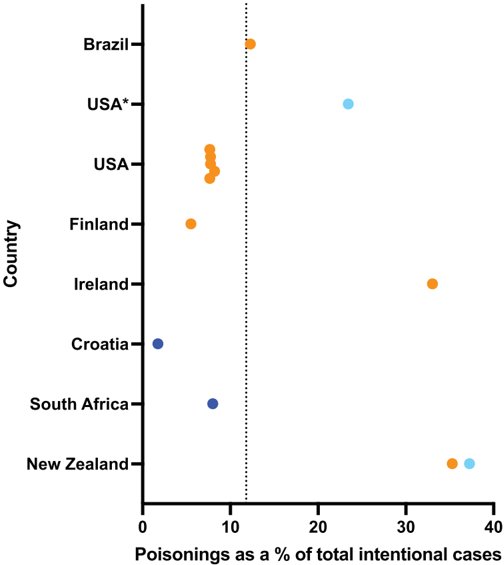
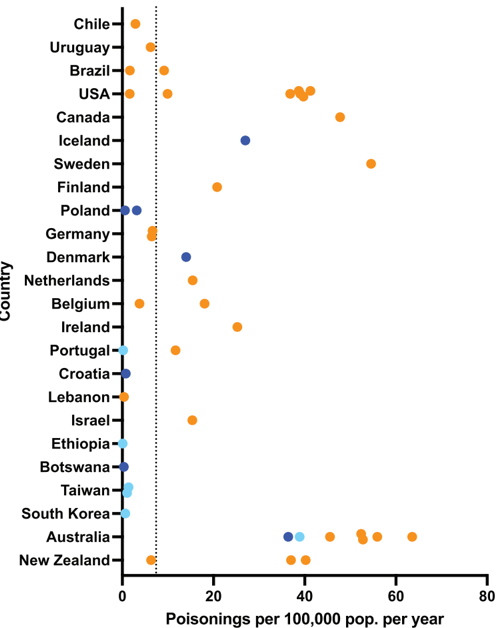
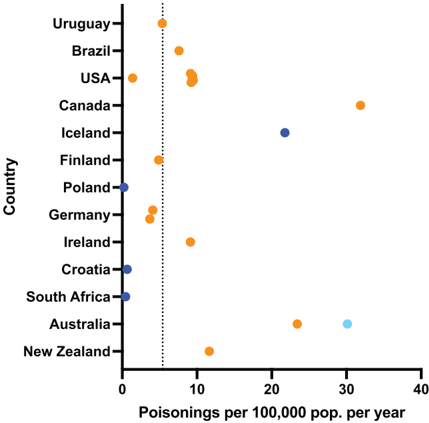
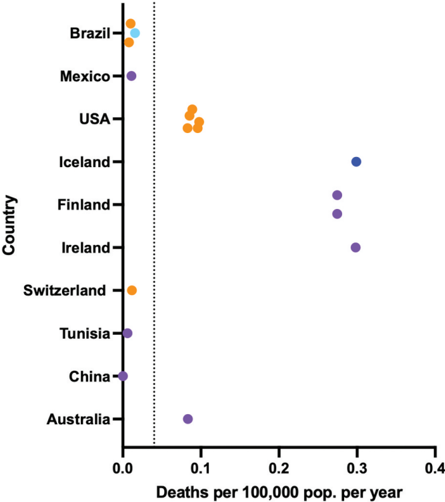
INTRODUCTION: Paracetamol is one of the most used medicines worldwide and is the most common important poisoning in high-income countries. In overdose, paracetamol causes dose-dependent hepatotoxicity. Acetylcysteine is an effective antidote, however despite its use hepatotoxicity and many deaths still occur. AREAS COVERED: This review summarizes paracetamol overdose and toxicity (including mechanisms, risk factors, risk assessment, and treatment). In addition, we summarize the epidemiology of paracetamol overdose worldwide. A literature search on PubMed for poisoning epidemiology and mortality from 1 January 2017 to 26 October 2022 was performed to estimate rates of paracetamol overdose, liver injury, and deaths worldwide. EXPERT OPINION: Paracetamol is widely available and yet is substantially more toxic than other analgesics available without prescription. Where data were available, we estimate that paracetamol is involved in 6% of poisonings, 56% of severe acute liver injury and acute liver failure, and 7% of drug-induced liver injury. These estimates are limited by lack of available data from many countries, particularly in Asia, South America, and Africa. Harm reduction from paracetamol is possible through better identification of high-risk overdoses, and better treatment regimens. Large overdoses and those involving modified-release paracetamol are high-risk and can be targeted through legislative change.
Overview
CoChat Summary
TL;DR
This review summarizes paracetamol overdose mechanisms, risk factors, risk assessment, treatment, prevention measures, and global epidemiology. It estimates that paracetamol is involved in 6% of poisonings, 56% of severe acute liver injury/acute liver failure, and 7% of drug-induced liver injury, with about 0.4% of paracetamol poisoning cases fatal.
Key findings
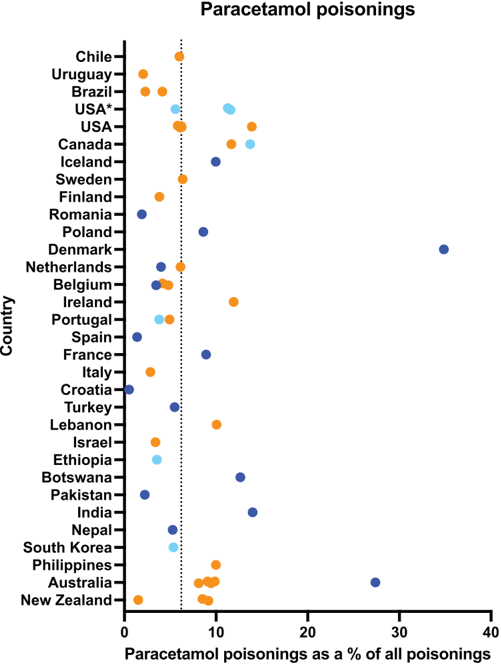
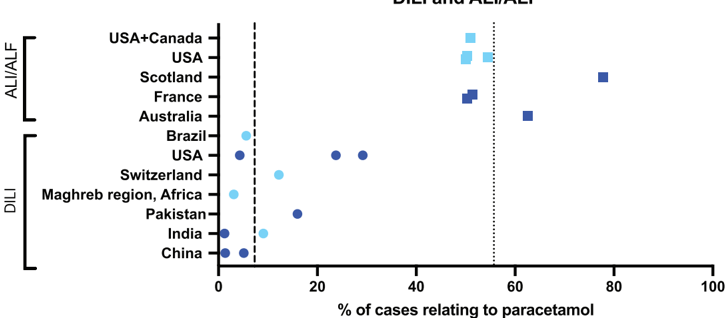
- Where data were available, paracetamol accounted for a weighted mean of 6.2% of poisonings (range 0.5–34.9%), 55.7% of severe acute liver injury and/or acute liver failure (range 50.0–77.8%), and 7.3% of drug-induced liver injury (range 1.2–29.2%); the case fatality rate for paracetamol poisonings was 0.4% (range 0.1–2.3%).
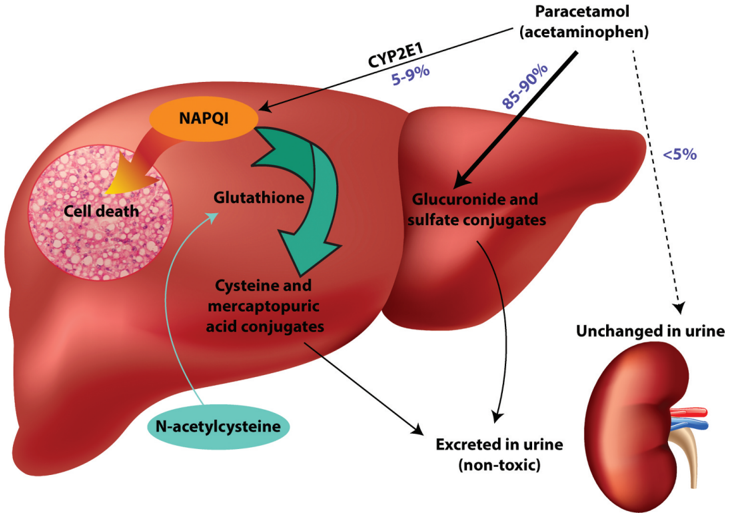
- Toxicity occurs via NAPQI, formed primarily by CYP2E1 and CYP3A4; when glutathione is depleted, NAPQI binds cellular proteins, causes mitochondrial dysfunction, and leads to hepatocyte necrosis. Acetylcysteine replenishes glutathione and is most effective when given within 8 h of ingestion.
- Major risk factors include massive overdoses (>30 g), modified-release/extended-release paracetamol, delayed presentation, enzyme inducers, malnutrition/fasting, and chronic alcohol use; repeated supratherapeutic ingestion carried higher hepatotoxicity in one US study (52% accidental vs 14% deliberate overdose).
- Prevention evidence includes UK 1998 pack-size restrictions, associated with a 22% reduction in suicidal deaths in the first year sustained for two years, ~30% reductions in liver unit admissions and liver transplants, and a 20% reduction in large overdoses; Denmark’s age and pack-size restrictions reduced poisonings and severity, while early evaluation of Australia’s modified-release up-scheduling found no reduction in MR paracetamol poisonings.
Methods
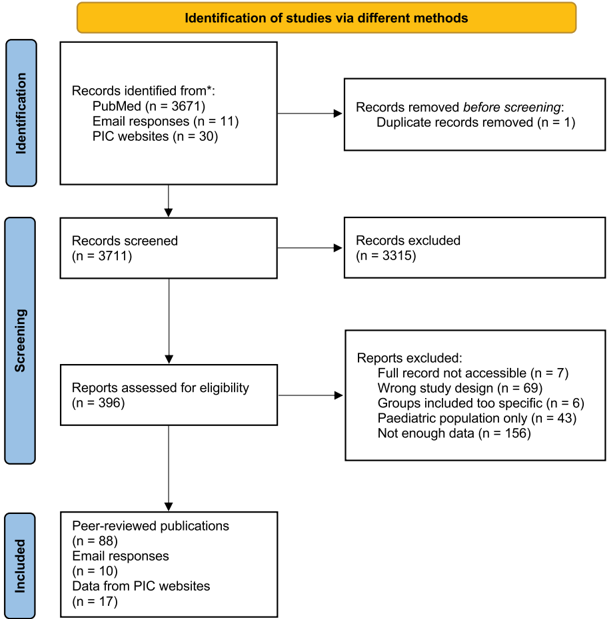
- Narrative review with two literature searches: a PubMed search for poisoning epidemiology and mortality from 1 January 2017 to 26 October 2022, plus poisons information centre annual reports and email responses; and PubMed/Embase searches from inception to December 2022 for clinical toxicology topics including risk assessment, risk factors, management, and legislative change.
- Epidemiology analysis included 115 data sources: 88 relevant publications, 17 annual reports or statistical information from websites, and data from 10 email responses; weighted averages were calculated using meta-analysis in R 4.0.4, with rates expressed per 100,000 population and/or as a percentage of poisoning exposures where catchment populations were available.
- Case fatality rates were calculated where possible by dividing cause-specific poisoning fatalities by exposures; for clinical sections, the authors used keyword searches, systematic reviews, and citation chaining.
Limitations
- Stated: the PubMed-only search may have missed relevant studies; data were lacking from many countries, particularly in Asia, South America, and Africa; only 11 direct PIC email responses were received, 66 emails were undeliverable, and over 50 websites were inaccessible; definitions for analgesics, DILI, and ALF/ALI were inconsistent; PIC operational models varied; catchment populations were often unavailable; some data covered only certain regions; death data sources have limitations, including missed out-of-hospital deaths and possible over-counting by coronial/forensic data in multi-drug overdoses; pediatric-only data sources were excluded.
- Evident from the text: this is a narrative review rather than a systematic review, and the global estimates rely on heterogeneous observational data and weighted means that may not be internationally representative; no formal risk-of-bias assessment is reported, and several intervention evaluations are observational or lack published outcome data, such as the impact of the EMA suspending modified-release paracetamol.
Model-written summary. Check it against the paper before relying on it.
Integrity signals
Registry
Cites
Statistics
Figures


Verification
Claims the paper makes
17 Valid · 2 Not valid · 114 Not checked · 49 Own results and interpretations
Some cited sources support this claim and some don’t — read each source’s verdict below.
In the paper
“Overall, paracetamol accounted for a weighted mean of 55.7% (range 50.0-77.8%) of severe acute liver injury (ALI) and/or ALF [201-208] and 7.3% (range 1.2-29.2%) of drug-induced liver injury (DILI) [209-219] (see Figure 7).”
- Also stated in: § 7. Conclusions · hedged
“Where data were available, we estimate it is used in 6% of poisonings, implicated in 56% of cases of severe acute liver injury and acute liver failure and 7% of drug-induced liver injury.”
§ Paracetamol (acetaminophen) overdose and hepatotoxicity: mechanism > 5.4. Rates of hepatotoxicity and liver failure
What the sources say
- Partly supportedcites [209] matched to “Evaluation of drug-induced liver injury as etiology for acute liver failure in Brazil” (2021) sourceExperimental — accuracy not yet measured
The Results report three confirmed acetaminophen (paracetamol) cases in a Brazilian cohort of patients with acute liver failure, and Table 1 describes 42 confirmed drug-related DILI cases leading to acute liver failure. These data support a small paracetamol contribution in this study, but the paper does not report the cited weighted mean or range across DILI studies; its cohort is limited to liver-transplant patients with acute liver failure. (LLM, conf=0.84)
- Partly supportedcites [210] matched to “Drug-Induced Liver Injury: Clinical and Etiologic Features at a Large Tertiary Teaching Hospital in China” (2020) sourceExperimental — accuracy not yet measured
The Results (Etiology of DILI; page unavailable) report five acetaminophen-caused cases among the 1,096 DILI patients analyzed. This supports including the study as evidence that paracetamol caused some DILI cases, but the paper does not report the cited weighted mean of 7.3% or its 1.2–29.2% range. (LLM, conf=0.87)
- Not checked yetcites [211] matched to “Characteristics of Drug-Induced Liver Injury in Northeast China: Disease Spectrum and Drug Types” (2020) source
- Not checked yetcites [212] Das S, Behera SK, Xavier AS, et al. Agreement Among Different Scales for Causality Assessment in Drug-Induced Liver Injury. Clin Drug Investig. 2018;38(3):211-218. doi: 10.1007/s40261-017-0601-5 213. source
- Partly supportedcites [213] Rathi C, Pipaliya N, Patel R, et al. Drug Induced Liver Injury at a Tertiary Hospital in India: etiology, Clinical Features and Predictors of Mortality. Ann Hepatol. 2017;16(3):442-450. doi: 10. 5604/01.3001.0009.8600 214. sourceExperimental — accuracy not yet measured
The Causative agents section identifies paracetamol among drugs implicated in DILI in this 82-patient study. It places paracetamol in a group of five drugs accounting for 6% of cases, but does not give a separate paracetamol percentage or report the cited weighted mean and range across studies. (LLM, conf=0.84)
- Not checked yetcites [214] matched to “Evidence of drug-induced hepatotoxicity in the Maghrebian population” (2022) source
- Disputedcites [215] matched to “Drug induced liver injury is associated with high mortality—A study from a tertiary care hospital in Pakistan” (2020) sourceExperimental — accuracy not yet measured
The Patients and methods > Exclusion criteria section says patients with known or suspected acetaminophen toxicity were excluded. Thus this study cannot supply a positive paracetamol share of its DILI cases; it also does not report the cited weighted mean or range. (LLM, conf=0.85)
Checked by a reasoning model — may be wrong.
- Partly supportedcites [216] matched to “Drug-induced liver injury in Switzerland: an analysis of drug-related hepatic disorders in the WHO pharmacovigilance database VigiBase™ from 2010 to 2020” (2021) sourceExperimental — accuracy not yet measured
The ‘Frequently reported suspected and concomitant drugs’ section identifies paracetamol as the most commonly suspected drug in Swiss reports of severe drug-related hepatic disorders. It does not report a weighted mean of 7.3%, a range of 1.2–29.2%, or paracetamol’s share of DILI cases overall. (LLM, conf=0.83)
- Could not verifycites [217] Yeboah-Korang A, Louissaint J, Tsung I, et al. Utility of a Computerized ICD-10 Algorithm to Identify Idiosyncratic Drug-Induced Liver Injury Cases in the Electronic Medical Record. Drug Saf. 2020;43(4):371-377. doi: 10.1007/s40264-019-00903-5 218. sourceExperimental — accuracy not yet measured
The Results (page unavailable) report 75 acetaminophen hepatotoxicity cases among 257 patients meeting liver-injury criteria, then exclude those cases from the idiosyncratic DILI study sample. Neither the Results nor passages retrieved by searching for the weighted mean and acetaminophen’s proportion of DILI report a 7.3% weighted mean or a 1.2–29.2% range. (LLM, conf=0.76)
- Not checked yetcites [218] Yeboah-Korang A, Memon A, Patel N, et al. Impact of Prior Drug Allergies on the Risk, Clinical Features, and Outcomes of Idiosyncratic Drug-Induced Liver Injury in Adults. Dig Dis Sci. 2022;67(11):5262-5271. doi: 10.1007/s10620-022-07403-0 219. source
plainstates an association- Asserted: passes — The authors put it forward as true.
- Checkable: passes — It can be checked against evidence.
- Load-bearing: unclear — It is unclear whether the paper’s conclusions depend on it.
- Based: passes — The paper gives a reason why it holds.
- Also stated in: § 7. Conclusions · hedged
Every source the paper cites for this claim was checked and supports it.
In the paper
“Repeated supratherapeutic ingestion can cause toxicity in doses only slightly above the maximum daily therapeutic dose [4].”
§ Paracetamol (acetaminophen) overdose and hepatotoxicity: mechanism > 1. Introduction
What the sources say
- Supportedcites [4] Acheampong P, Thomas SH. Determinants of hepatotoxicity after repeated supratherapeutic paracetamol ingestion: systematic review of reported cases. Br J Clin Pharmacol. 2016;82(4):923-931. doi: 10.1111/bcp.13028 source
The Discussion (page unavailable) reports liver damage after repeated supratherapeutic ingestion at modest reported daily doses, including some below the recommended daily dose. This supports the claim that toxicity can occur at doses only slightly above the therapeutic maximum. The paper cautions that some reported doses may have been underestimated. (LLM, conf=0.86)
plainstates a cause- Asserted: passes — The authors put it forward as true.
- Checkable: passes — It can be checked against evidence.
- Load-bearing: unclear — It is unclear whether the paper’s conclusions depend on it.
- Based: passes — The paper gives a reason why it holds.
- Supported
The cited sources support only part of this claim — read each source’s verdict below.
In the paper
“Individuals who are fasting, malnourished, or anorexic are at increased risk for toxicity due to lower glutathione levels [44].”
§ Paracetamol (acetaminophen) overdose and hepatotoxicity: mechanism > 3.2.4. Glutathione depletion
What the sources say
- Partly supportedcites [44] Nguyen GC, Sam J, Thuluvath PJ. Hepatitis C is a predictor of acute liver injury among hospitalizations for acetaminophen overdose in the United States: a nationwide analysis. Hepatology. 2008;48 (4):1336-1341. doi: 10.1002/hep.22536 sourceExperimental — accuracy not yet measured
The Abstract (page unavailable) identifies fasting and malnutrition as risk factors for acetaminophen-related liver injury and reports increased acute liver injury risk with malnutrition. The Discussion (page unavailable) explains that glutathione helps detoxify an acetaminophen metabolite, but discusses reduced glutathione in relation to HCV or long-term alcohol use—not fasting or malnutrition. The paper does not address anorexia or establish lower glutathione as the reason for the nutritional risk. (LLM, conf=0.87)
plainstates a cause- Asserted: passes — The authors put it forward as true.
- Checkable: passes — It can be checked against evidence.
- Load-bearing: unclear — It is unclear whether the paper’s conclusions depend on it.
- Based: passes — The paper gives a reason why it holds.
- Partly supported
The cited sources support only part of this claim — read each source’s verdict below.
In the paper
“NAC restores glutathione by replenishing cysteine, the ratelimiting factor for glutathione synthesis [96,97].”
§ Paracetamol (acetaminophen) overdose and hepatotoxicity: mechanism > 4.2. N-acetylcysteine (NAC)
What the sources say
- Partly supportedcites [96] Lauterburg BH, Corcoran GB, Mitchell JR. Mechanism of Action of N-Acetylcysteine in the Protection Against the Hepatotoxicity of Acetaminophen in Rats in vivo. J Clin Invest. 1983;71(4):980-991. doi: 10.1172/JCI110853 sourceExperimental — accuracy not yet measured
Our copy supports the first half: the Results ("Specific Activity Of Glutathione Adduct In Bile") report that hepatic glutathione synthesis rose to 2.69 µmol/h per g liver after N-acetylcysteine (vs 0.54 with acetaminophen alone) and that hepatic glutathione concentration "markedly increased," with the Discussion (OCR section "L Aceteminophen In Urine") attributing this to N-acetylcysteine supplying cysteine precursors that do not reenter the pathway after adduct loss. However, the source hedges the rate-limiting claim — cysteine availability "may become the rate-limiting step in glutathione synthesis" (citing ref. 36) only when synthesis is stimulated — so stating it as THE rate-limiting factor overstates it. The same Discussion also declines to credit glutathione restoration alone, arguing N-acetylcysteine additionally reduces the reactive acetaminophen metabolite and raises biliary disulfide excretion, and the Introduction ("N-Acetylcysteine could conceivably protect...") explicitly questions the quantitative importance of the precursor mechanism in vivo. (LLM, conf=0.75)
- Supportedcites [97] Tenório MCdS, Graciliano NG, Moura FA, et al. N-Acetylcysteine (NAC): impacts on human health. Antioxidants. 2021;10(6):967. doi: 10.3390/antiox10060967 source
Section 3 'Mechanism of Molecular Action' (p. ~3) states that intracellular cysteine concentration is lower and 'acts as a limiting factor in the rate of GSH biosynthesis', which 'explains the role of NAC as a prodrug of cysteine and intracellular GSH', and that NAC's antioxidant importance is 'directly linked to its ability to increase levels of intracellular cysteine with subsequent increase in GSH'. Section 4.5 (Liver Diseases) adds that NAC's function is 'to replenish the stocks of GSH', and the Conclusions restate NAC as a precursor to intracellular cysteine increasing the GSH pool. The paraphrase matches on both elements (cysteine replenishment and cysteine as the rate-limiting factor). (LLM, conf=0.90)
plainstates a cause- Asserted: passes — The authors put it forward as true.
- Checkable: passes — It can be checked against evidence.
- Load-bearing: passes — The paper’s conclusions depend on it.
- Based: passes — The paper gives a reason why it holds.
- Partly supported
Every source the paper cites for this claim was checked and supports it.
In the paper
“NAFLD has also been identified as a risk factor for hepatic injury following paracetamol overdose [44].”
§ Paracetamol (acetaminophen) overdose and hepatotoxicity: mechanism > 3.2.8. Other risk factors
What the sources say
- Supportedcites [44] Nguyen GC, Sam J, Thuluvath PJ. Hepatitis C is a predictor of acute liver injury among hospitalizations for acetaminophen overdose in the United States: a nationwide analysis. Hepatology. 2008;48 (4):1336-1341. doi: 10.1002/hep.22536 source
The Results section (page not available in our copy) reports that diagnosed NAFLD was associated with higher adjusted odds of acute liver injury among patients hospitalized for acetaminophen toxicity (aOR 7.50; 95% CI 3.57–15.7). This supports the cited claim about hepatic injury following paracetamol overdose. (LLM, conf=0.94)
plainstates an association- Asserted: passes — The authors put it forward as true.
- Checkable: passes — It can be checked against evidence.
- Load-bearing: unclear — It is unclear whether the paper’s conclusions depend on it.
- Based: passes — The paper gives a reason why it holds.
- Supported
82 more claims · 7 with their cited sources checked
Create a free account to see all 182 claims and to verify the 215 references still open.
- It may state two separate claims as one. 58
- Probably not a substantial claim. 50
Claims other papers make about this one
Each is checked against this paper’s own text: does it say what the citing paper says it does?
The source backs part of the claim, not all of it — or backs it for a different population, condition or comparison.
In the citing paper
“Global consumption is measured in tens of billions of doses annually, making it one of the most frequently used medications worldwide [ 3 ].”
From Paracetamol: A History of Assumptions, Errors, and Evidence Reversals in Pain Management (2026) · cites this paper as [3]
Experimental — accuracy not yet measured
Self-check
Percentages, sums and reported differences re-computed from the paper’s own numbers.
Each contradiction between two passages listed here was confirmed by an independent check.
Rated minor: it would not touch a result — a value no result rests on, a p-value that stays on the same side of the significance level, or a conflict that is clerical, resolved elsewhere in the paper, or outside its own findings.
In the paper
§ Paracetamol (acetaminophen) overdose and hepatotoxicity: mechanism > 8. Expert opinion
“Figure 7. Proportion of patients who develop ALI/ALF or DILI after paracetamol use.”
§ Paracetamol (acetaminophen) overdose and hepatotoxicity: mechanism > 5.4. Rates of hepatotoxicity and liver failure
“Overall, paracetamol accounted for a weighted mean of 55.7% (range 50.0-77.8%) of severe acute liver injury (ALI) and/or ALF [201-208] and 7.3% (range 1.2-29.2%) of drug-induced liver injury (DILI) [209-219] (see Figure 7).”
Citations
Cites
Ostapowicz, G., Fontana, R. J., Schiødt, F. V., Larson, A., Davern, T. J., Han, S. H. B., McCashland, T. M., Shakil, A. O., Hay, J. E., Hynan, L., et al. (2002) · Annals of Internal Medicine · doi:10.7326/0003-4819-137-12-200212170-00007 · Cited by 2,227 · cited 1×
“liver transplantation or result in death [9,11].”
Early indicators of prognosis in fulminant hepatic failure
O'Grady, J. G., Alexander, G. J. M., Hayllar, K. M., & Williams, R. (1989) · Gastroenterology · doi:10.1016/0016-5085(89)90081-4 · Cited by 2,085
Larson, A. M., Polson, J., Fontana, R. J., Davern, T. J., Lalani, E., Hynan, L. S., Reisch, J. S., Schiødt, F. V., Ostapowicz, G., Shakil, A. O., et al. (2005) · Hepatology · doi:10.1002/hep.20948 · Cited by 1,926
Mechanisms of Acetaminophen-Induced Liver Necrosis
Hinson, J. A., Roberts, D. W., & James, L. P. (2010) · Handbook of Experimental Pharmacology · doi:10.1007/978-3-642-00663-0_12 · Cited by 1,006 · cited 4×
“Formation of reactive oxygen species causes oxidative stress and leads to activation of c-jun N-terminal kinase (JNK) [23].”
BackgroundInfluentialGraham, G. G., Davies, M. J., Day, R. O., Mohamudally, A., & Scott, K. F. (2013) · Inflammopharmacology · doi:10.1007/s10787-013-0172-x · Cited by 671
Intravenous N-acetylcystine: the treatment of choice for paracetamol poisoning.
Prescott, L. F., Illingworth, R. N., Critchley, J. A., Stewart, M. J., Adam, R. D., & Proudfoot, A. T. (1979) · BMJ · doi:10.1136/bmj.2.6198.1097 · Cited by 667 · cited 4×
“Before the availability of NAC treatment, morbidity and mortality following paracetamol overdose was considerable; many developed acute liver injury and 3–5% died [99,100].”
BackgroundMethodInfluentialWatkins, P. B., Kaplowitz, N., Slattery, J. T., Colonese, C. R., Colucci, S. V., Stewart, P. W., & Harris, S. C. (2006) · JAMA · doi:10.1001/jama.296.1.87 · Cited by 632
Gummin, D. D., Mowry, J. B., Spyker, D. A., Brooks, D. E., Fraser, M. O., & Banner, W. (2017) · Clinical Toxicology · doi:10.1080/15563650.2017.1388087 · Cited by 553
N-Acetylcysteine (NAC): Impacts on Human Health
Tenório, M. C. D. S., Graciliano, N. G., Moura, F. A., Oliveira, A. C. M. D., & Goulart, M. O. F. (2021) · Antioxidants · doi:10.3390/antiox10060967 · Cited by 526
Paracetamol (Acetaminophen): mechanisms of action
ANDERSON, B. J. (2008) · Pediatric Anesthesia · doi:10.1111/j.1460-9592.2008.02764.x · Cited by 497 · cited 4×
“non-steroidal anti-inflammatory drugs (NSAIDs)), suggesting that it only acts centrally rather than peripherally [17].”
BackgroundInfluential
Research works printed but not linked: 13
- WHO model list of essential medicines -22nd list, 2021. Geneva (Switzerland): World Health Organization; 2021.
- Cahn A, Hepp P. Das Antifebrin, ein neues Fiebermittel. Centralbl Klin Med. 1886;7:561-564. German.
- von Mering J. Beiträge zur Kenntnis der Antipyretica. Ther Monatsch. 1893;7:577-587. German.
- Brodie BB, Axelrod J. The fate of acetophenetidin (phenacetin) in man and methods for the estimation of acetophenetidin and its metabolites in biological material. J Pharmacol Exp Ther. 1949;97 (1):58-67.
- Afandiyev I, 2019, Georgian Med News, 287, 105
- Bentur Y, 2019, Isr Med Assoc J, 21, 175
- Babić Ž, 2022, Arh Hig Rada Toksikol, 73, 88
- Boletim CIAV, Centro de Informação Antivenenos Dados Estatísticos 2021 [CIAV Bulletin – Antivenom Information Center Statistical Data 2021]
- Kumpula EK, 2021, N Z Med J, 134, 26
- Khan M, 2019, J Pak Med Assoc, 69, 1025
- Supervía Caparrós A, Pallàs Villaronga O, Clemente Rodríguez C, et al. Características diferenciales de las intoxicaciones en los pacientes ancianos atendidos en un servicio de urgencias [Characteristics of emergency poisoning cases in elderly versus younger patients]. Emergencias. 2017;29(5):335-338. Spanish. 176.
- Nugteren-van Lonkhuyzen JJ, 2022, [Acute poisonings in humans and animals - NVIC Annual Review 2021]
- Poisons Standard October 2022, 2022, Canberra
Cited by
Items 101–200 of 253
Alshehri, F. S. (2026) · Drug Design Development and Therapy · doi:10.2147/dddt.s609555 · Cited by 1
“4 In fact, it has been reported that APAP has participated in about 56% of the total cases of severe acute liver injury and failure in the United States 5 with over 80,000 reported cases caused by APAP, representing half of all acute liver failure cases.”
Marseglia, G. L., Marchisio, P., Milani, G. P., del Giudice, M. M., Schiavetti, I., & Ciprandi, G. (2026) · British Journal of Clinical Pharmacology · doi:10.1002/bcp.70693 · Cited by 1
Nagendran, S., Kumar, M., Natarajan, P., & Chang, J.-H. (2026) · Journal of the Taiwan Institute of Chemical Engineers · doi:10.1016/j.jtice.2026.106928 · Cited by 1
Omale, F. O., Onyeto, C. A., Onwuka, A. M., & Nworu, C. S. (2020) · Tropical Journal of Natural Product Research · doi:10.26538/tjnpr/v10i1.66 · Cited by 1
Kocabey, H., Bekdaş, M., Çetinkaya, A., Düzcü, S. E., Alışık, M., Dinçel, G. K., & Türel, İ. (2023) · Indian Journal of Experimental Biology · doi:10.56042/ijeb.v61i11.1326 · Cited by 1
The Consequence of Antioxidant Signaling Pathways on Acetaminophen Nephrotoxicity
Attiyah, S. M. N. (2024) · Journal of Pioneering Medical Science · doi:10.61091/jpms202413506 · Cited by 2
“• G2: administered single oral toxic dose of acetaminophen 1000 mg/kg [10].”
BackgroundP., Y., Pájaro-Castro, N., Coronado‐Posada, N., Ahumedo, M., & Olivero‐Verbel, J. (2024) · Scientia Pharmaceutica · doi:10.3390/scipharm92040055 · Cited by 1
(2024) · Biolohichni systemy · doi:10.31861/biosystems2024.01.003 · Cited by 1
Suicidal Iron and Paracetamol Overdose: A Case Report
Vandoorne, C. Z. (2024) · American Journal of Forensic Medicine & Pathology · doi:10.1097/paf.0000000000000997 · Cited by 1
Zhang, X., Huang, Y., Li, J., Chen, Y., & Lian, J. (2025) · Crystals · doi:10.3390/cryst15010070 · Cited by 1
MÔ HÌNH CHUỘT MUS MUSCULUS VIÊM GAN BỞI ETHANOL VÀ PARECETAMOL TRONG THỬ NGHIỆM THUỐC
Nguyễn, T. Đ., Phùng, T. H., Trần, C. B., Trần, H. N., Trương, T. T., & Nguyễn, T. H. P. (2025) · Tạp chí Y Dược học Cần Thơ · doi:10.58490/ctump.2025i83.3491 · Cited by 1
“Rượu và thuốc giảm đau như paracetamol (PAP) là những sản phẩm phổ biến, dễ dàng được mua bán và sử dụng ở Việt Nam [4,5].”
Acetaminophen pharmacobezoar following a massive suicidal ingestion
Steckler, T., Blanchot, A., Gheddar, L., Raul, J., & Kintz, P. (2025) · Journal of Forensic Sciences · doi:10.1111/1556-4029.70155 · Cited by 1
“For adult patients, the usual prescribed dosage is 500–1000 mg every 6 h, not exceeding a daily intake of 4000 mg [ 2].”
N-Acetylcysteine: The Next Best Thing for Cardiovascular Interventions and Surgery?
Simeone, B., Rocco, E., Biondi‐Zoccai, G., & Versaci, F. (2024) · Journal of Cardiovascular Pharmacology · doi:10.1097/fjc.0000000000001558 · Cited by 1
Odin, J. A. (2024) · Elsevier eBooks · doi:10.1016/b978-0-443-26711-6.00027-5 · Cited by 1
Paracetamol: A History of Assumptions, Errors, and Evidence Reversals in Pain Management
Nicolas, J., Leoni, M. L. G., Van Tran, Y., Van Phong, P., Farì, G., Puttini, P. S., Kaye, A. D., & Varrassi, G. (2026) · Current Pain and Headache Reports · doi:10.1007/s11916-026-01553-w
A Review of the Role of Caveolin-1 in Acetaminophen-Induced Liver Injury
Jiang, W., Wang, J., Wang, J., Chen, X., Fang, Z., & Hu, C. (2024) · Pharmacology · doi:10.1159/000538017
“The mechanism of ALI has been extensively studied [4].”
BackgroundUrsatyi, М. S. (2024) · Biotechnologia Acta · doi:10.15407/biotech17.02.084
Poisoning: Overview and Statistics
Sund, L. J., & Dargan, P. I. (2024) · Elsevier eBooks · doi:10.1016/b978-0-443-21441-7.00224-7
Küçükbezirci, H. F. (2024) · doi:10.5152/9902
Akut Karaciğer Yetmezliği ve Hepatik Ensefalopati
Aman, G. (2024) · doi:10.5152/9912
Çirkin, Y., & Özkan, S. (2024) · doi:10.5152/9919
Gün, M. (2024) · doi:10.5152/9923
KIYAK, S. K. (2024) · doi:10.5152/9917
Küçükbezirci, H. F., & ÇAKMAK, F. (2024) · doi:10.5152/9918
ÖZKAN, S. (2024) · doi:10.5152/9901
Kanbakan, A. (2024) · doi:10.5152/9905
Özkan, S. (2024) · doi:10.5152/9922
Akut Böbrek Yetmezliği (Akut Böbrek Hasarı)
KIYAK, S. K. (2024) · doi:10.5152/9913
Crush Yaralanma (Ezilme Sendromu) ve Rabdomiyoliz
İPEKCI, A. (2024) · doi:10.5152/9909
KIYAK, S. K. (2024) · doi:10.5152/9908
DEMIRTAKAN, T. (2024) · doi:10.5152/9915
Aman, G. (2024) · doi:10.5152/9906
Akut İskemik İnme ve Geçici İskemik Atak
KIYAK, S. K. (2024) · doi:10.5152/9916
Alom, M. M., Zamir, M. R., Islam, N., Khalekuzzaman, M., Zaman, R., & Islam, M. A. (2026) · In Silico Pharmacology · doi:10.1007/s40203-026-00658-9
Dimalaya, D. (2024) · Pakistan Journal of Life and Social Sciences (PJLSS) · doi:10.57239/pjlss-2024-22.2.00487
“Elevated levels of SGOT and SGPT enzymes are considered a clear indicator of the liver (6,7).”
BackgroundJanczewska, E., & Janota, B. (2024) · Clinical and Experimental Hepatology · doi:10.5114/ceh.2024.143063
Improvements in the treatment of paracetamol poisoning
Putze, G. B. (2025) · Emergencias · doi:10.55633/s3me/002.2025
How people respond to their analgesic adverse drug event: A secondary data analysis
McDonald, D. D., Zhang, Y., & Al-Masri, B. (2024) · Journal of the American Association of Nurse Practitioners · doi:10.1097/jxx.0000000000001073
Attaullah, M., Haq, H. U., Khan, A., Ahmad, B., Alhegaili, A. S., Hamayun, M., & Ali, S. (2025) · Current Pharmaceutical Design · doi:10.2174/0113816128365599241226113546
Vandeputte, L., Cock, P. D., & Baerdemaeker, L. D. (2024) · Acta Anaesthesiologica Belgica · doi:10.56126/76.s1.04
Ngetich, D. K., & Korir, S. C. (2025) · International Journal of Basic & Clinical Pharmacology · doi:10.18203/2319-2003.ijbcp20250474
Self-treatment of acute cough in adults and adolescents older than 12 years
Ťupová, L., Hendrychova, T., & Malý, J. (2025) · Česká a slovenská farmacie · doi:10.36290/csf.2025.005
Research Progress on the Etiology of Cholestatic Liver Disease in School-Age Children
李, 小. (2025) · Advances in Clinical Medicine · doi:10.12677/acm.2025.1541133
Akinboboye, T. E. (2025) · International Journal of Biochemistry and Molecular Biology · doi:10.62347/clhf2294
Asija, R., & Swami, A. (2025) · International Journal of Pharmacology and Clinical Research · doi:10.33545/26647613.2025.v7.i1c.74
Calampa, J. A. B. C., Valle, C. A. F., Rios, Ó. G. P., Silva, G. Y. C., & Gutiérrez, Ó. G. H. (2025) · Nutrición clínica y dietética hospitalaria/Nutrición clínica, dietética hospitalaria · doi:10.12873/452caballero
Intérêt du dosage du paracétamol
Boussetta-Charfi, O., & Launay, M. (2025) · EMC - Biologie Médicale · doi:10.1016/s2211-9698(25)46620-5
Carassiti, M., Massè, A., Miceli, L., Puntillo, F., Solarino, G., Teori, G., Romualdi, P., & MOST PAIN Group (2025) · Expert Opinion on Pharmacotherapy · doi:10.1080/14656566.2025.2523976 · Cited by 1
“For this reason, NAC could be used as prophylactic for malnourished or anorexic individuals, those with chronic alcohol use or mild hepatopathy, who are at higher risk of acetaminophen-toxicity due to lower glutathione levels [93,96].”
Gizatullina, A. A., Karimov, D. O., Якупова, Т. Г., Ryabova, Y. V., Valova, Y. V., Kudoyarov, E. R., Smolyankin, D. A., & Khusnutdinova, N. Y. (2025) · Hygiene and Sanitation · doi:10.47470/0016-9900-2025-104-5-655-662
Pengaruh Suhu Penyimpanan terhadap Kadar Sediaan Sirup Paracetamol
Tjahjani, N. P., & Nuriyah, S. (2025) · Jurnal sosial dan sains · doi:10.59188/jurnalsosains.v5i7.32317
“Paracetamol sebagai obat golongan analgetik-antipiretik yang saat ini banyak digunakan oleh masyarakat (Ambari, 2020; Ayoub, 2021; Chidiac et al., 2023; Freo et al., 2021; Merdana et al., 2019; Przybyła et al., 2021).”
FERNANDES, D. D. S., MARIUSSO, R. C. D. S., CASTRO, M. R. G., SERSON, H. D., BOVE, G. D. O., Lazarini, L. P., GREGORIO, I. M., ESCANHOELA, M. S. D. A., SIMÕES, I. D., PEREIRA, R. E., et al. (2025) · Editora Pasteur eBooks · doi:10.59290/978-65-6029-260-4.14
Alyahya, B., Alalshaikh, A., Almohawes, M., Alnowiser, M., Alsuliman, O. A., Alrefaei, R., Alaidarous, S., Alnahdi, M., Tamur, S., Alfaifi, M. S., et al. (2025) · Frontiers in Pharmacology · doi:10.3389/fphar.2025.1633548
Devleesschauwer, L., Sabbe, M. B., & Govindan, T. (2025) · Case Reports in Clinical Medicine · doi:10.4236/crcm.2025.147049
Ngetich, D. K., & Okoth, M. (2025) · International Journal of Basic & Clinical Pharmacology · doi:10.18203/2319-2003.ijbcp20252560
KOPYLCHUK, Н. P., Nykolaichuk, I., & MISIURA, S. V. (2024) · Biolohichni systemy · doi:10.31861/biosystems2024.02.231
Chuykova, P., Shtrygol, S. Y., Gorbach, T. V., & Лебединець, І. О. (2025) · Фармацевтичний часопис · doi:10.11603/2312-0967.2025.2.15393
Gicquel, T., Pelletier, R., Gorrochategui, E., Heurté, M., Bouëdec, D. L., Chaker, J., Morel, I., Daré, B. L., & David, A. (2025) · Toxicology Letters · doi:10.1016/j.toxlet.2025.111727
Ilyas, Z., Rehman, A., Nadeem, H., Noman, M., Noor, R., & Irshad, N. (2025) · Scientific Reports · doi:10.1038/s41598-025-09882-3
Amante, A. M., Bagadiong, H. E., Sahagun, R. G., & Ching, J. A. (2025) · Journal of Experimental Biology and Agricultural Sciences · doi:10.18006/2025.13(4).605.610
Butt, M. S., & Shah, S. (2025) · PLOS Global Public Health · doi:10.1371/journal.pgph.0005358 · Cited by 1
High-volume plasma exchange for acute liver failure: A retrospective study of 45 patients in Vietnam
Duc, N. D., Anh, L. N. H., Khanh, L. N. H., & Bach, N. D. (2025) · Transfusion and Apheresis Science · doi:10.1016/j.transci.2025.104281
Intoxication par le paracétamol : toxicité et prise en charge de l’exposition
Nisse, P., Garat, A., Muys, F., & Azzouz, R. (2025) · Perfectionnement en Pédiatrie · doi:10.1016/j.perped.2025.10.002
Trauma, Cirurgia e Medicina Intensiva Ed. IX
de Souza, A. J. L., de Souza, . O., Sousa, T. D. M., Junior, . S. S., Morais, J. M. A., Valverde, B. B., Santos, . H. F. P., Moreira, . P., Vascão, E., de Freitas, G. B. L., et al. (2025) · Editora Pasteur eBooks · doi:10.59290/978-65-6029-299-4
Manejo E Epidemiologia De Overdose
Ramos, S. W. M. I., Aimi, G. E. T., Dallago, A. L., Bellinaso, F. R. A., Contini, N., & Torres, R. B. (2025) · Editora Pasteur eBooks · doi:10.59290/2081754422
Management of Influenza‐Like Syndromes: Expert Consensus on the Use of Paracetamol
Grattagliano, I., Andreoni, M., Cattelan, A. M., Aprile, P. L., Rossi, A., & Parrella, R. (2025) · International Journal of Clinical Practice · doi:10.1155/ijcp/4880395
“When taken at the recommended doses (up to 3 g per day for adults, with a maximum of 4 g), however, the risk of glutathione consumption is clinically insignifcant [5, 28, 29].”
InfluentialCost-Effectiveness of Antibiotics for Geriatric Pneumonia in an Indonesian Regional Hospital
Wulandari, C., Zunnita, O., Setiani, L. A., & Apriandi, R. (2025) · Journal Syifa Sciences and Clinical Research · doi:10.37311/jsscr.v7i3.34531
Anju, A. N., Billah, A., Kazi, G. A. S., Hirose, F., & Ahmmad, B. (2025) · Analysis & Sensing · doi:10.1002/anse.202500208
de Sousa, A. S. V. (2024) · Portuguese National Funding Agency for Science, Research and Technology (RCAAP Project by FCT)
Effect of Paracetamol on Blood Pressure: A Systematic Review
Miladi, S., Rouached, L., Bouden, S., Boussaa, H., Makhlouf, Y., Tekaya, A. B., Dhia, S. B., Mahmoud, I., Tekaya, R., Saidane, O., et al. (2025) · La Tunisie Médicale · doi:10.62438/tunismed.v103i9.6243
“Despite its prevalence, the exact mechanism of paracetamol’s analgesic action remains unclear, though some evidence suggests it may involve central inhibition of prostaglandin synthesis without significant peripheral anti-inflammatory effects [3].”
Formulation development and in-vitro comparative study of extended-release paracetamol tablets
Ghonaim, H. M., Alkhunaizi, F. H., & Alhuwaiti, N. M. (2025) · International Journal of Innovative Research and Scientific Studies · doi:10.53894/ijirss.v8i12.11092
“…and pharmaceutically equivalent or superior to existing brands, in order to broaden access for patients with chronic pain conditions such as osteoarthritis and RA, and to support rational analgesic use that minimizes the risk of hepatotoxicity and other dose‑related adverse effects [10-12].”
Mehrpour, O., Soltani, M., Karami‐Mohajeri, S., & Falahatipour, S. K. (2025) · Expert Opinion on Pharmacotherapy · doi:10.1080/14656566.2025.2610370
“Potential solutions include increasing access to oral NAC and expanding point-of-care biomarker testing to guide therapy [9,32,52].”
InfluentialIntoxicações E Envenenamentos: Como Reconhecê-Los E Tratá-Los
Cunningham, B. C., TONANNI, N. N. T. S., SANTOS, P. T. C., & COSTA, V. D. F. B. G. (2025) · Editora Pasteur eBooks · doi:10.59290/0520311241
Piao, Z.-S., Wang, Y.-F., & Cheng, K. (2026) · BMC Neurology · doi:10.1186/s12883-025-04553-2
Trauma, Cirurgia e Medicina Intensiva - Ed. X
Floss, L. O. W., Silveira, G. B. C., DIAS, G. M., BARCELLOS, A. R. D., GRESSLER, L. D. A., Calumby, T. A., Vascão, E., Freitas, G. B. L. D., Dalenogare, P. Z., & WASTOWSKI, T. M. (2025) · Editora Pasteur eBooks · doi:10.59290/978-65-6029-311-3
Exploring Self-medication Practices among University Students: A Public Health Perspective
Abilova, A., & Bolatova, Z. (2025) · Journal of Health Development · doi:10.32921/2663-1776-2025-60-7-jhd045
Pharmacological silence: Revisiting the clinical and molecular impact of inactive metabolites
Abd-Eldayem, A. M. (2026) · Current Opinion in Pharmacology · doi:10.1016/j.coph.2026.102609
Chen, T., Yang, Y.-R., He, M.-H., Zhang, X., Liao, S., Zeng, Z., Long, Y.-G., Lin, Y. J., & Tu, B. (2026) · Fitoterapia · doi:10.1016/j.fitote.2026.107096
Bian, Y., & Li, H. (2026) · Journal of Visualized Experiments · doi:10.3791/69887
Sofyantoro, F., Dafa, M. H., Primahesa, A., Oktaviana, S., Mayani, O., Simanungkalit, E. E., Prissandi, A. A. F., Nuriliani, A., Retnoaji, B., Saragih, H. T. S. S. G., et al. (2025) · Jurnal Biota · doi:10.19109/biota.v12i1.27845
Bagchi, A., Dash, P., Raha, A., Das, C., Rai, V. K., Halder, J., Chattaraj, B., Kar, B., Das, D., Ghosh, G., et al. (2026) · Nutrire · doi:10.1186/s41110-025-00406-7
Acute fatty liver of pregnancy in the context of normal-dose acetaminophen exposure: a case report
Xing, A., Qu, Z., Zeng, Y., & Jia, J. (2026) · BMC Pregnancy and Childbirth · doi:10.1186/s12884-026-08844-5
Tinjauan Literatur: Etnofarmasi Tumbuhan Obat Sebagai Antipiretik pada Berbagai Etnis di Indonesia
Margitha, A. V., Oktoba, Z., Triyandi, R., & Sukohar, A. (2026) · Jurnal Riset Sains dan Kesehatan Indonesia · doi:10.69930/jrski.v3i1.684
“Namun, pemakaian parasetamol dalam jangka panjang berpotensi menimbulkan efek toksik, terutama kerusakan hati atau hepatotoksisitas (Chidiac et al. , 2023).”
Paracetamolio sukeltas ūminis kepenų nepakankamumas
Nordblad, N. A. (2024) · Lithuanian University of Health Sciences
Rinaldi, P., & Garo, M. L. (2026) · Journal of Clinical Anesthesia · doi:10.1016/j.jclinane.2026.112181
Rétention des déchets pharmaceutiques par biosorption
Ferdji, K. (2024) · Dépôt Institutionnel de lUniversité de Tlemcen
de Oliveira, A. P., Pacheco, G., Lopes, A. L. F., Araújo, A. K. D. S., Chaves, L. D. S., de Araújo, S., Lima, É. B. D. S., Alves, E. H. P., Queiroz‐Junior, C. M., Teixeira, M. M., et al. (2026) · Journal of Biochemical and Molecular Toxicology · doi:10.1002/jbt.70782
Paracetamol Poisoning and Liver Transplantation: An Updated Review
Tolou–Ghamari, Z. (2026) · Current Chemical Biology · doi:10.2174/0122127968416598260129051452
Ayurveda management of Paracetamol-induced liver injury in an elderly female
Angmo, S., Yadava, R. K., Raj, A. S., Kaushik, A., & Jyothi, P. A. (2026) · International Journal of Ayurveda Research · doi:10.4103/ijar.ijar_29_25
Spatiotemporal trends in the global burden of drug-induced chronic liver diseases in thirty years
Qian, K., Yu, L., Zhu, J., Liu, J., & Yu, Z. (2026) · Precision medication. · doi:10.1016/j.prmedi.2026.100075
PARACETAMOLIO PERDOZAVIMAS: DIAGNOSTIKA IR ŠIUOLAIKINĖS GYDYMO GAIRĖS
Dikšaitytė, I., & Petkevičiūtė, G. (2026) · Sveikatos mokslai · doi:10.35988/sm-hs.2026.054
Ajileye, A., & Cole, T. (2026) · Turkish Journal of Science and Technology · doi:10.55525/tjst.1729061
Sherif, F. E., Aldayel, M. F., Younis, N. S., Althumairy, D., Alyousif, N. A., Alrajeh, H. S., Mohamed, M. E., Meligy, A. M. A., & Khattab, S. (2026) · ACS Omega · doi:10.1021/acsomega.5c11044
Mammadov, F. Y., Polukhova, S. M. P., Abaszade, Z. A., Alkishiev, K., Khidirova, H. F., Abbasova, M., & Kazimli, A. V. (2025) · Journal of Nephropharmacology · doi:10.34172/npj.2025.12805
“Studies have consistently shown that paracetamol administration results in a significant elevation of liver enzymes, including ALT, AST, and ALP, indicating substantial hepatocellular damage (22,23).”
Alqaraawi, S. S., & Almujaydil, M. S. (2026) · Frontiers in Nutrition · doi:10.3389/fnut.2026.1807243
“According to Chidiac et al. (67), overdose of APAP exhausted glutathione storage, accumulated NAPQI, leading to mitochondrial dysfunction and oxidative damage.”
Drugs and hepatotoxicity: a comprehensive review
Patil, S. B., Baig, M. S., & Pal, A. D. (2026) · International Journal of Research in Medical Sciences · doi:10.18203/2320-6012.ijrms20261373
Putri, N. K. T. W., Putri, A. R., & Ihsan, B. R. P. (2026) · Malaysian Journal of Science · doi:10.22452/mjs.vol45no1.5
de Vicente, M. C., Barros, A. C. M., de Souza, G. S., Prado, L. J. D. A., Barbosa, J. M. G., da Silva, R. H. S., Gomes, L. D. S., Martins, D. B., Filho, N. Q. U. B. N. R. A., & Botelho, A. F. M. (2026) · Veterinary Research Communications · doi:10.1007/s11259-026-11280-7
“Early treatment is critical, with N-acetylcysteine (NAC) being the antidote of choice due to its role in restoring hepatic glutathione reserves (Thomer et al. 2019).”
InfluentialWang, M., Gan, Y., Zhang, C., Liu, K., & Xing, Z. (2026) · Journal of Visualized Experiments · doi:10.3791/70173
Cao, H., Ge, X., Cui, M., Li, B., Ma, L., Gu, J., Xin, R., Li, G., Li, B., & Bi, F. (2026) · Frontiers in Pharmacology · doi:10.3389/fphar.2026.1773471
“Although adult studies indicate that acute injury markers (e.g., transaminase peaks) typically appear within 24–72 h post-exposure for drugs with pronounced hepatotoxicity such as paracetamol (Chidiac et al., 2023), newborns present a distinct physiological state.”
Metadata
- Authors
- Chidiac, A. S., Buckley, N. A., Noghrehchi, F., & Cairns, R.
- Affiliations
- The University of Sydney (AU)
- Corresponding author
- Cairns, Rose
- Venue
- Expert Opinion on Drug Metabolism & Toxicology
- Publisher
- Informa UK Limited
- Published
- 2023-05-04
- Volume
- 19
- Issue
- 5
- Pages
- 297-317
- ISSN
- 1742-5255 (ISSN-L)
- 1744-7607
- OpenAlex
- W4384074050
- Semantic Scholar
- e42cef4ba7921aff9d9c05202d20484fea60daa2
- Cited by
- 215
- References
- 220
- Citations by year
- 2026: 85 · 2025: 76 · 2024: 48 · 2023: 5
- FWCI
- 9.89
- Type
- journal article
- Language
- en
- Open access
- hybrid
- doi.org
- Licence
- cc-by-nc-nd
- creativecommons.org/licenses/by/4.0/ (vor)
- Locations
- Expert Opinion on Drug Metabolism & Toxicology (publishedVersion, cc-by-nc-nd)
- PubMed (publishedVersion)
- Figshare (submittedVersion, cc-by)
- Figshare (cc-by)
- Topics
- Life Sciences › Pharmacology, Toxicology and Pharmaceutics › Pharmacology › Drug-Induced Hepatotoxicity and Protection
- Health Sciences › Medicine › Emergency Medicine › Poisoning and overdose treatments
- Health Sciences › Medicine › Public Health, Environmental and Occupational Health › Opioid Use Disorder Treatment
- Keywords
- acetaminophen overdose, paracetamol, hepatotoxicity, acute liver failure, drug-induced liver injury, N-acetylcysteine, antidote therapy, poisoning epidemiology, drug overdose deaths, harm reduction, over-the-counter analgesics, drug regulation
- MeSH terms
- Acetaminophen, Acetylcysteine, Humans, Cost of Illness, Chemical and Drug Induced Liver Injury, Drug Overdose
About these checks
Registry, retraction, Cites and statistics results are computed, not judged, with one exception: a printed reference that no index lists is read once by a model before it counts as a citation error. Claims are extracted by a model and kept only when their quote appears verbatim in the text; each cited source is then checked, with a model’s help, for whether it says what the claim relies on. Those verdicts can be wrong — read the claim’s quote and the cited source before relying on one.
The claim verdicts this report counts are experimental: their accuracy is not yet measured.
A language model drew the claims from the paper on 2026-10-04, under version 3 of the claim definition (model deepseek-v4.1-flash, prompt extract-v3).
A second model labelled each claim on 2026-10-04 (model jev-1.13-20260917, definition revision gold-guideline-v0.2).
Cited sources are checked with a language model’s help (gpt-6-sol and qwen3.8-omni-flash).
Statistics and arithmetic are recomputed, not judged.
Confidence bands are shown only for fields calibrated on our annotated test set. None is calibrated yet, so no band is shown.
What counts as a claim ›How we measure confidence ›How we check this ›
Are you an author, or do you see a problem with this page? Request a review
Data sources
Bibliographic data: Semantic Scholar, OpenAlex, Crossref.
Contains information from the Semantic Scholar Academic Graph Datasets, made available under the ODC Attribution License (ODC-BY 1.0).
Semantic Scholar’s data is described in: Kinney, R., et al. (2023). The Semantic Scholar Open Data Platform. arXiv:2301.10140.
