

Breaking the barriers: the role of gut homeostasis in Metabolic-Associated Steatotic Liver Disease (MASLD)
Open accessThe DOI matches its Crossref record; 185 of the 185 references it cites were found in a registry or an index.
Abstract
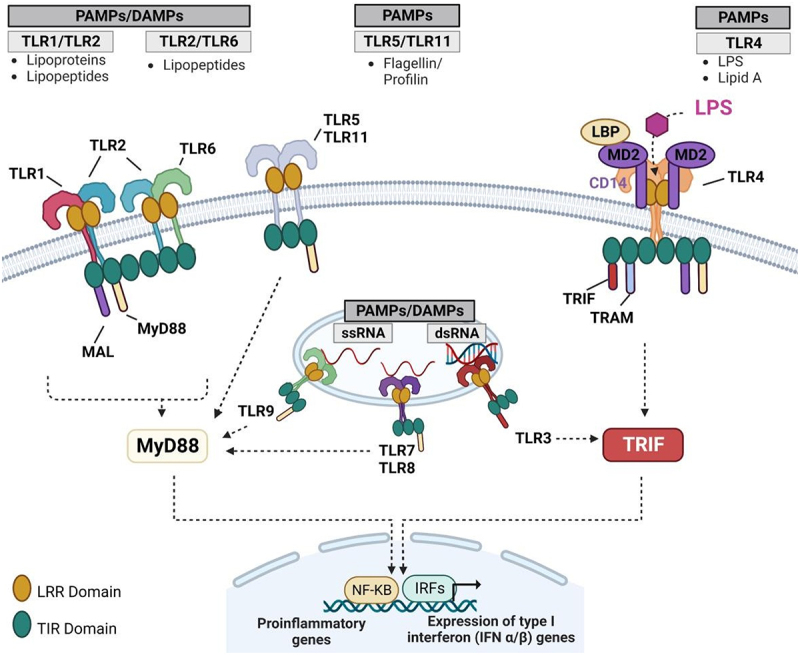
Obesity, insulin resistance (IR), and the gut microbiome intricately interplay in Metabolic-associated Steatotic Liver Disease (MASLD), previously known as Non-Alcoholic Fatty Liver Disease (NAFLD), a growing health concern. The complex progression of MASLD extends beyond the liver, driven by "gut-liver axis," where diet, genetics, and gut-liver interactions influence disease development. The pathophysiology of MASLD involves excessive liver fat accumulation, hepatocyte dysfunction, inflammation, and fibrosis, with subsequent risk of hepatocellular carcinoma (HCC). The gut, a tripartite barrier, with mechanical, immune, and microbial components, engages in a constant communication with the liver. Recent evidence links dysbiosis and disrupted barriers to systemic inflammation and disease progression. Toll-like receptors (TLRs) mediate immunological crosstalk between the gut and liver, recognizing microbial structures and triggering immune responses. The "multiple hit model" of MASLD development involves factors like fat accumulation, insulin resistance, gut dysbiosis, and genetics/environmental elements disrupting the gut-liver axis, leading to impaired intestinal barrier function and increased gut permeability. Clinical management strategies encompass dietary interventions, physical exercise, pharmacotherapy targeting bile acid (BA) metabolism, and microbiome modulation approaches through prebiotics, probiotics, symbiotics, and fecal microbiota transplantation (FMT). This review underscores the complex interactions between diet, metabolism, microbiome, and their impact on MASLD pathophysiology and therapeutic prospects.
Overview
The claims and statistics of this paper haven’t been checked yet.
Free: it reads the open-access text and checks the first 5 claims that cite a source we can check. Create a free account to check every claim.
Integrity signals
Registry
Cites
Statistics
Figures
Verification
Claims the paper makes
The claims and statistics of this paper haven’t been checked yet.
Free: it reads the open-access text and checks the first 5 claims that cite a source we can check. Create a free account to check every claim.
Claims other papers make about this one
Each is checked against this paper’s own text: does it say what the citing paper says it does?
In the citing paper
“MASLD is a progressively worsening liver condition characterized by pathological processes including fat accumulation, cell death, inflammation, and fibrosis within liver cells [68–70].”
From Constructing biomimetic microenvironments for liver regeneration (2025) · doi:10.1186/s12951-025-03729-9 · cites this paper as [68]
Self-check
Percentages, sums and reported differences re-computed from the paper’s own numbers.
The self-check needs the paper’s full text.
Citations
Cites
1 retracted
RETRACTED ARTICLE: Role of the gut microbiome in chronic diseases: a narrative review
Vijay, A., & Valdes, A. M. (2022) · European Journal of Clinical Nutrition · doi:10.1038/s41430-021-00991-6 · Cited by 361 · cited 1×
“66,67”
RetractedHuman gut microbes associated with obesity
Ley, R. E., Turnbaugh, P. J., Klein, S., & Gordon, J. I. (2006) · Nature · doi:10.1038/4441022a · Cited by 8,785 · cited 1×
“119,120 Other studies show that obese profiles might also exhibit low levels of SCFAs.”
BackgroundHuman gut microbiome viewed across age and geography
Yatsunenko, T., Rey, F. E., Manary, M. J., Trehan, I., Dominguez-Bello, M. G., Contreras, M., Magris, M., Hidalgo, G., Baldassano, R. N., Anokhin, A. P., et al. (2012) · Nature · doi:10.1038/nature11053 · Cited by 7,815 · cited 2×
“53 Human adult microbiota is composed of 100 trillion microorganisms that include commensal bacteria, pro-and anti-inflammatory, pathogenic, and nonpathogenic bacteria, fungi, and viruses that maintain gut homeostasis.”
BackgroundChanges of Intestinal Functions in Liver Cirrhosis
Fukui, H., & Wiest, R. (2016) · Inflammatory Intestinal Diseases · doi:10.1159/000444436 · Cited by 6,808
Metabolic Endotoxemia Initiates Obesity and Insulin Resistance
Cani, P. D., Amar, J., Iglesias, M. A., Poggi, M., Knauf, C., Bastelica, D., Neyrinck, A. M., Fava, F., Tuohy, K. M., Chabo, C., et al. (2007) · Diabetes · doi:10.2337/db06-1491 · Cited by 6,638 · cited 1×
“113,137 Dietary fiber plays a crucial role in creating an optimal gut environment that supports the flour-ishing of beneficial bacteria (eubiosis), resulting in beneficial physiological effects such as reduced plasma cholesterol and glucose levels.”
BackgroundLinking long-term dietary patterns with gut microbial enterotypes
Wu, G. D., Chen, J., Hoffmann, C., Bittinger, K., Chen, Y.-Y., Keilbaugh, S. A., Bewtra, M., Knights, D., Walters, W. A., Knight, R., et al. (2011) · Science · doi:10.1126/science.1208344 · Cited by 6,513 · cited 1×
“136 Balanced and healthy diet enhances the integrity of the gut barrier, increases mucus production, lowers luminal pH, and reduces the leakage of microbes into the bloodstream.”
BackgroundThe gut microbiota as an environmental factor that regulates fat storage
Bäckhed, F., Ding, H., Wang, T., Hooper, L. V., Koh, G. Y., Nagy, A., Semenkovich, C. F., & Gordon, J. I. (2004) · Proceedings of the National Academy of Sciences · doi:10.1073/pnas.0407076101 · Cited by 6,245 · cited 2×
“120 Therefore, the gut microbiota environment together with a specific diet can have an impact on host metabolism.”
BackgroundRevised Estimates for the Number of Human and Bacteria Cells in the Body
Sender, R., Fuchs, S., & Milo, R. (2016) · PLOS Biology · doi:10.1371/journal.pbio.1002533 · Cited by 5,425 · cited 1×
“54,55 The intestinal microbiota increases in density from the small intestine to the colon, where it reaches approximately 10 trillion cells per gram of colonic content.”
BackgroundGlobal burden of NAFLD and NASH: trends, predictions, risk factors and prevention
Younossi, Z., Anstee, Q. M., Marietti, M., Hardy, T., Henry, L., Eslam, M., George, J., & Bugianesi, E. (2018) · Nature Reviews Gastroenterology & Hepatology · doi:10.1038/nrgastro.2017.109 · Cited by 5,249
Obesity: global epidemiology and pathogenesis
Blüher, M. (2019) · Nature Reviews Endocrinology · doi:10.1038/s41574-019-0176-8 · Cited by 5,126
Cited by
Immune microenvironment in hepatocellular carcinoma: from pathogenesis to immunotherapy
Seyhan, D., Allaire, M., Fu, Y., Conti, F., Wang, X. W., Gao, B., & Lafdil, F. (2025) · Cellular and Molecular Immunology · doi:10.1038/s41423-025-01308-4 · Cited by 165
“The interplay between microbial signals and hepatic immune responses represents a critical component in the pathogenesis of HCC, particularly in the context of chronic liver injury and metabolic liver diseases [9, 64 – 66].”
NAFLD/MASLD and the Gut–Liver Axis: From Pathogenesis to Treatment Options
Vallianou, N. G., Kounatidis, D. C., Psallida, S., Vythoulkas-Biotis, N., Adamou, A., Zachariadou, T., Kargioti, S., Karampela, Ι., & Dalamaga, Μ. (2024) · Metabolites · doi:10.3390/metabo14070366 · Cited by 112
Immunopathogenic mechanisms and immunoregulatory therapies in MASLD
He, Y., Chen, Y., Qian, S., van Der Merwe, S., Dhar, D., Brenner, D. A., & Tacke, F. (2025) · Cellular & Molecular Immunology · doi:10.1038/s41423-025-01307-5 · Cited by 81
“The complicated progression of MASLD extends beyond the liver, driven by the “ gut ‒ liver axis ” , where diet and genetic and gut ‒ liver interactions affect disease outcomes [164].”
Cui, C., Gao, S., Shi, J., & Wang, K. (2025) · Gut and Liver · doi:10.5009/gnl240539 · Cited by 83
“48 Notably, the activation of NLRP3 inflam-masomes in MASLD triggers the production of inflammatory cytokines IL-1 β and IL-18, further exacerbating the inflammatory response.”
Hawley, J. A., Forster, S. C., & Giles, E. M. (2025) · Gastroenterology · doi:10.1053/j.gastro.2025.01.224 · Cited by 82
MASLD in children: integrating epidemiological trends with mechanistic and translational advances
Schwimmer, J. B., Biddinger, S. B., & Ibrahim, S. H. (2025) · Journal of Clinical Investigation · doi:10.1172/jci186422 · Cited by 57
“The development of the microbiome and the nascent immune system in early life plays a critical role in the pathogenesis of MASLD in children through mechanisms involving gut dysbiosis, immune dysregulation, and metabolic alterations (46, 47).”
Lipid metabolism in homeostasis and disease
Li, Z., Deng, W., Yang, L., Tang, C., Yue, J.-M., Monteiro, O., Baptista‐Hon, D. T., & Li, T. (2026) · Signal Transduction and Targeted Therapy · doi:10.1038/s41392-025-02357-x · Cited by 74
“407,408 Therefore, developing effective therapies for metabolic disorders has become a focal point of research.”
Nie, H., Ge, J., Huang, G.-X., Liu, K., Yuan, Y., Li, H., Lin, H., Zhang, T., Yan, H., Xu, B., et al. (2024) · Frontiers in Physiology · doi:10.3389/fphys.2024.1465649 · Cited by 54
Probiotics for the treatment of hyperlipidemia: Focus on gut-liver axis and lipid metabolism
You, M. S., Zhou, L., Wu, F., Zhang, L., Zhu, S.-X., & Zhang, H. (2025) · Pharmacological Research · doi:10.1016/j.phrs.2025.107694 · Cited by 57
Xenobiotic-induced liver injury: Molecular mechanisms and disease progression
Wang, L., Shao, Z., Wang, X., Lu, W., & Sun, H. (2025) · Ecotoxicology and Environmental Safety · doi:10.1016/j.ecoenv.2025.118854 · Cited by 60
Metabolic and alcohol-associated liver disease (MetALD): a representation of duality
Leal-Lassalle, H., Estévez‐Vázquez, O., Cubero, F. J., & Nevzorova, Y. A. (2025) · npj gut and liver. · doi:10.1038/s44355-024-00014-8 · Cited by 62
“Though many studies investigate intestinal dysbiosis in ALD and MASLD separately 123,124 only few ones speci fi cally focus on the effects of modest alcohol intake on the microbiomes of MetALD patients.”
Self-citationWu, H., Chen, J., Guo, S., Deng, J., Zhou, Z., Zhang, X., Qi, T., Yu, F., & Yang, Q. L. (2025) · Gut Microbes · doi:10.1080/19490976.2025.2500099 · Cited by 45
Gut Microbiota and Metabolic Dysfunction-Associated Steatotic Liver Disease
Scarpellini, E., Scarcella, M., Tack, J. F., Scarlata, G. G. M., Zanetti, M., & Abenavoli, L. (2024) · Antioxidants · doi:10.3390/antiox13111386 · Cited by 55
Suresh, M. G., Mohamed, S., Geetha, H. S., Prabhu, S., Trivedi, N., Mehta, P. D., Damodaran, U. K., Brar, A., Sohal, A., Hatwal, J., et al. (2026) · Korean Circulation Journal · doi:10.4070/kcj.2025.0212 · Cited by 55
Hai, S., Li, X., Xie, E., Wu, W., Gao, Q., Yu, B., Hu, J., Xu, F., Zheng, X., Zhang, B., et al. (2024) · Hepatology · doi:10.1097/hep.0000000000000985 · Cited by 51
“[5] The gut-liver axis refers to the communication between the gut and the liver, and gut dysbiosis can exacerbate liver diseases through this axis.”
Immunological mechanisms in steatotic liver diseases: An overview and clinical perspectives
Yan, M., Man, S., Ma, L., Guo, L., Huang, L., & Gao, W. (2024) · Clinical and Molecular Hepatology · doi:10.3350/cmh.2024.0315 · Cited by 44
Selenium Attenuates Radiation Colitis by Regulating cGAS‐STING Signaling
Xue, Q., Lai, H., Zhang, H., Li, G., Pi, F., Wu, Q., Liu, S., Yang, F., & Chen, T. (2024) · Advanced Science · doi:10.1002/advs.202403918 · Cited by 51
Yuan, H., Jung, E.-S., Chae, S., Jung, S., Daily, J. W., & Park, S. (2024) · Nutrients · doi:10.3390/nu16183061 · Cited by 42
“Gut microbiota dysbiosis plays a crucial role in MASLD progression [43].”
BackgroundInterindividual variability in gut microbiome mediates the efficacy of resistant starch on MASLD
Long, X., Wang, H., Lu, Y., Gao, X., Xiao, Y., Zhang, M., Guo, J., Yang, H. J., Zhang, R., Li, Q., et al. (2025) · Cell Metabolism · doi:10.1016/j.cmet.2025.10.017 · Cited by 40
Yu, T., Luo, L., Xue, J., Tang, W., Wu, X., & Fan, Y. (2024) · Clinics and Research in Hepatology and Gastroenterology · doi:10.1016/j.clinre.2024.102458 · Cited by 50
Crucial functions of gut microbiota on gut–liver repair
Wang, Y., Yan, H., Zheng, Q., & Sun, X. (2025) · hLife · doi:10.1016/j.hlife.2025.01.001 · Cited by 42
Mignini, I., Galasso, L., Piccirilli, G., Calvez, V., Termite, F., Esposto, G., Borriello, R., Miele, L., Ainora, M. E., Gasbarrini, A., et al. (2024) · Antioxidants · doi:10.3390/antiox13121532 · Cited by 42
Buchynskyi, M., Kamyshna, I., Halabitska, I., Petakh, P., Kunduzova, O., Oksenych, V., & Kamyshnyi, O. (2025) · Frontiers in Microbiology · doi:10.3389/fmicb.2025.1577724 · Cited by 30
Berdowska, I., Matusiewicz, M., & Fecka, I. (2025) · International Journal of Molecular Sciences · doi:10.3390/ijms26062394 · Cited by 35
Suresh, M. G., Mohamed, S., Geetha, H. S., Prabhu, S., Trivedi, N., Ng, Z. C., Mehta, P. D., Brar, A. S., Sohal, A., Goyal, M. K., et al. (2026) · World Journal of Diabetes · doi:10.4239/wjd.v17.i2.113149 · Cited by 36
“Altered bile acid composition, reduced short-chain fatty acid production, and disturbances in choline metabolism further affect hepatic lipid regulation and immune activation, linking intestinal dysregulation to liver injury[38,39].”
Wang, T., Zhao, J., Li, Q.-Y., Yang, H., Li, M., Duan, R., Zhang, M., Yan, Q., Yu, J., & Yang, X. (2025) · International Journal of Molecular Sciences · doi:10.3390/ijms26052253 · Cited by 35
“The pathophysiology of MAFLD involves excessive liver fat accumulation, hepatocyte dysfunction, inflammation, and fibrosis, with subsequent risk of hepatocellular carcinoma [31].”
Zhang, S., Wang, R., Zhao, R., Lu, Y., Xu, M., Lin, X., Lan, R., Zhang, S., Tang, H., Fan, Q., et al. (2025) · Nutrients · doi:10.3390/nu17122013 · Cited by 32
Monti, E., Vianello, C., Leoni, I., Galvani, G., Lippolis, A., D’Amico, F., Roggiani, S., Stefanelli, C., Turroni, S., & Fornari, F. (2025) · Cells · doi:10.3390/cells14020084 · Cited by 36
“Indeed, intestinal epithelial barrier disruption is a crucial element in the pathophysiology of MASLD, contributing to the promotion of intra and extrahepatic damage, changes in tight junctions (TJs), increased intestinal permeability, and dysbiosis [21].”
Chen, R., Qian, J., Wang, Q., Li, Y., Xu, Z., Zhang, M., Wang, M., Nie, H., Yang, W. R., Tong, X., et al. (2025) · EBioMedicine · doi:10.1016/j.ebiom.2025.106037 · Cited by 29
“7 Periodontitis, an infectious disease driven by oral dysbiosis, facilitates the translocation of oral microorganisms to the gut, thereby perturbing intestinal homoeostasis.”
Multiorgan crosstalk in MASLD/MASH: from hepatic pathogenesis to systemic complications
Bai, W., & Zhu, Z. (2025) · Frontiers in Endocrinology · doi:10.3389/fendo.2025.1720780 · Cited by 36
“The gut-liver axis plays a pivotal role, where dysbiosis and increased intestinal permeability allow translocation of pathogen-associated molecular patterns, promoting hepatic in fl ammation (5, 6).”
Elshaer, A., Chascsa, D. M. H., & Lizaola‐Mayo, B. (2024) · Life · doi:10.3390/life14070844 · Cited by 34
“…targets, such as FGF21 analogs, lipogenesis inhibitors, and microbiome modulation; this aims to address the multifactorial pathogenesis of MASLD [19]. factors, including regulating insulin resistance, lowering lipid levels, and promoting FGF21 analogs, lipogenesis inhibitors, and microbiome…”
BackgroundJarmakiewicz-Czaja, S., Sokal-Dembowska, A., & Filip, R. (2025) · Medicina · doi:10.3390/medicina61020192 · Cited by 32
Advancing precision medicine in metabolic dysfunction-associated steatotic liver disease
Priego-Parra, B. A., Gallego‐Durán, R., Román-Calleja, B. M., Velasco, J. A. V.-R., Romero‐Gómez, M., & Gracia‐Sancho, J. (2025) · Trends in Endocrinology and Metabolism · doi:10.1016/j.tem.2025.03.006 · Cited by 28
Dissecting the mechanisms of MASLD fibrosis in the era of single-cell and spatial omics
Colella, F., Henderson, N. C., & Ramachandran, P. (2025) · Journal of Clinical Investigation · doi:10.1172/jci186421 · Cited by 31
“GDF-15 can attenuate the proinflammatory features of macrophages (144, 145) and may therefore represent a mechanism by which (214) metabolites in the portal circulation, which trigger hepatic inflammation (150, 152).”
Bharaj, I. S., Brar, A. S., Kahlon, J., Singh, A., Hotwani, P., Kumar, V., Sohal, A., & Batta, A. (2025) · World Journal of Cardiology · doi:10.4330/wjc.v17.i6.106147 · Cited by 19
Lean MASLD and IBD: Exploring the Intersection of Metabolic Dysfunction and the Gut–Liver Axis
Rotaru, A., Stafie, R., Stratina, E., Zenovia, S., Năstasă, R., Minea, H. O., Huiban, L., Cuciureanu, T., Muzica, C. M., Chiriac, S. A., et al. (2025) · Life · doi:10.3390/life15020288 · Cited by 21
“Future studies should focus on the longitudinal progression of MASLD in this population and explore targeted therapeutic strategies to mitigate both hepatic and systemic complications.”
Guo, Y., Zhang, N., & Pei, D. (2025) · Frontiers in Microbiology · doi:10.3389/fmicb.2025.1645298 · Cited by 18
Liu, D., Li, R., Li, M., Liang, Y., Wang, Z., Sun, Y., & Ge, P. (2025) · Journal of Experimental & Clinical Cancer Research · doi:10.1186/s13046-025-03608-z · Cited by 17
“Given that HCC is closely linked to gut barrier dysfunction and microbial translocation through the gut–liver axis [57–59], we further investigated the effects of APs-CS/PT-NPs on intestinal barrier function in HCC mice.”
Cisternas, C., Farías, C., Valenzuela, R., Bravo, H., Paz, A. V. C., Alejandra, E., & Muñoz, L. A. (2024) · Journal of Functional Foods · doi:10.1016/j.jff.2024.106329 · Cited by 14
Zheng, C., Qi, Z., Chen, R., Liao, Z., Xie, L., & Zhang, F. (2025) · BMC Gastroenterology · doi:10.1186/s12876-025-03756-8 · Cited by 19
“Growing evidence indicates that metabolites produced by the gut microbiota, including trimethylamine, secondary bile acids, short-chain fatty acids (SCFAs), and ethanol, play a significant role in the pathogenesis of NAFLD [7, 12, 13].”
Ye, L., Yan, K., Tian, Z., Xiao, Z.-H., Xie, R.-Y., Xie, Z., & Tao, L. (2025) · World Journal of Gastroenterology · doi:10.3748/wjg.v31.i13.102563 · Cited by 18
“Recent investigations have underscored the involvement of H. pylori infection in the onset and advancement of MASLD, potentially through pathways like heightened oxidative stress, widespread inflammation, and changes in lipid metabolism[14,15].”
Targeting Metabolism: Innovative Therapies for MASLD Unveiled
Wang, W., Gao, X., Niu, W., Yin, J., & He, K. (2025) · International Journal of Molecular Sciences · doi:10.3390/ijms26094077 · Cited by 15
Association between arterial stiffness and MASLD in US young adults: base on NHANES 2005-2018
Li, Q., Tan, J.-X., Qin, Q.-Z., Ruan, G., Deng, T., & Gong, Y.-Z. (2025) · American Journal of Preventive Cardiology · doi:10.1016/j.ajpc.2025.101003 · Cited by 15
Lyu, S., Yang, J., Xin, X., Sun, Q., Cai, B., Wang, X., An, Z., Sun, J. G., Hu, Y., Shi, L., et al. (2025) · BMC Gastroenterology · doi:10.1186/s12876-025-03903-1 · Cited by 14
“Alterations in serum BA profiles among individuals with MASLD are conspicuous and may be linked to changes in hepatic BA-related synthesis, transport genes, and intestinal microorganisms [21].”
Gu, S., Chen, C., Wang, J., Wang, Y., Zhao, L., Xiong, Z., Zhang, H., Deng, T., Pan, Q., Zheng, Y., et al. (2025) · Phytomedicine · doi:10.1016/j.phymed.2025.156806 · Cited by 16
Gut microbiome-specific nanoparticle-based therapeutics for liver diseases
Khurana, A., & Hartmann, P. (2025) · World Journal of Gastroenterology · doi:10.3748/wjg.v31.i27.109105 · Cited by 16
“The gut-liver axis plays a central role in the pathogenesis of ALD, MASLD, and PSC[72].”
Janota, B., Janion, K., Buzek, A., & Janczewska, E. (2025) · Metabolites · doi:10.3390/metabo15080528 · Cited by 21
Lan, T., & Tacke, F. (2024) · Metabolism · doi:10.1016/j.metabol.2024.156015 · Cited by 17
Rungratanawanich, W., LeFort, K. R., Cho, Y., Li, X., & Song, B. (2024) · Journal of Pineal Research · doi:10.1111/jpi.13007 · Cited by 14
Zhang, X., & Nguyen, M. H. (2025) · Metabolism · doi:10.1016/j.metabol.2025.156190 · Cited by 14
Constructing biomimetic microenvironments for liver regeneration
(2025) · doi:10.1186/s12951-025-03729-9 · Cited by 11
“MASLD is a progressively worsening liver condition characterized by pathological processes including fat accumulation, cell death, inflammation, and fibrosis within liver cells [68–70].”
The Human Microbiome as a Therapeutic Target for Metabolic Diseases
Bui, T. P. N. (2024) · Nutrients · doi:10.3390/nu16142322 · Cited by 12
Wang, G., Xie, B., Yang, X., Wang, R., Zhong, G., Gao, L., Chen, X., Lin, M., Huang, Q., Zhang, C., et al. (2024) · International Journal of Biological Macromolecules · doi:10.1016/j.ijbiomac.2024.134607 · Cited by 12
Mantovani, A., Morandin, R., Fiorio, V., Lando, M. G., Gaviraghi, A., Motta, L., Gobbi, F. G., Tilg, H., Byrne, C. D., & Targher, G. (2024) · Liver International · doi:10.1111/liv.16101 · Cited by 13
“Concordant with the overall results on serious infection, all subtypes of serious infection showed a higher risk in patients with MASLD 28 However, the precise mechanisms and the interplay of the mentioned factors remain not fully understood.”
Zhang, L., Zhang, S., Zou, W., Hu, Y., Gao, Y., Zhang, J., & Zheng, J. (2024) · Clinical Science · doi:10.1042/cs20240997 · Cited by 12
Al‐Busafi, S. A., Alwassief, A., Madian, A., Atalla, H., Alboraie, M. A. A., Elbahrawy, A., & Eslam, M. (2025) · World Journal of Hepatology · doi:10.4254/wjh.v17.i8.108730 · Cited by 11
Tan, Y., Hu, Y., Yang, Y., & Chu, H. (2025) · MedComm · doi:10.1002/mco2.70532 · Cited by 15
“Analogous to ALD, gut dysbiosis plays a significant role in the “second hit” of MASLD, exacerbating hepatic inflammation and fibrosis via the gut–liver axis [13].”
Targeting THR-β for MASLD Treatment: Current Progression and Emerging Prospects
Li, J., Chen, R., Zhang, J., He, J., Wang, Y., & Li, Y. (2026) · Journal of Medicinal Chemistry · doi:10.1021/acs.jmedchem.5c03114 · Cited by 11
Small intestinal bacterial overgrowth and metabolic dysfunction-associated steatotic liver disease
Wang, Z., Tan, W., Huang, J., Li, Q., Wang, J., Su, H., Guo, C., & Liu, H. (2024) · Frontiers in Nutrition · doi:10.3389/fnut.2024.1502151 · Cited by 11
Wu, Y., Zheng, G., Zhang, F., & Li, W. (2025) · Frontiers in Immunology · doi:10.3389/fimmu.2025.1544917 · Cited by 13
Gut cannabinoid receptor 1 regulates alcohol binge-induced intestinal permeability
Maccioni, L., Dvorácskó, S., Godlewski, G., Çınar, R., Iyer, M. R., Gao, B., & Kunos, G. (2025) · eGastroenterology · doi:10.1136/egastro-2024-100173 · Cited by 12
Steatotic Liver Disease in Older Adults: Clinical Implications and Unmet Needs
Clayton‐Chubb, D., Kemp, W. W., Majeed, A., Lange, P. W., Fitzpatrick, J. A., Vaz, K., Lubel, J. S., Hodge, A. D., Ryan, J. L., McNeil, J. J., et al. (2025) · Nutrients · doi:10.3390/nu17132189 · Cited by 14
Leitman, M., Zhang, D., Pawar, S., Shera, S., Hernandez, L., Jacobs, J. P., & Dong, T. S. (2025) · Nutrients · doi:10.3390/nu17132145 · Cited by 11
Bile salt hydrolase activity as a rational target for MASLD therapy
Jones, E. V., Wang, Y., Wei, W., Reed, J. C., Chaudhari, S. N., Li, D. K., Boursier, J., Lang, S., Demir, M., Diehl, A. M., et al. (2026) · Gut Microbes · doi:10.1080/19490976.2025.2608437 · Cited by 14
“13 Bile acid (BAs) have been implicated as potential causal agents in the development of pathological intestinal permeability 14,15 and MASLD/MASH.”
Kuang, H.-F., Jiang, X.-Y., Tie, S., Lian, K., Hao, M.-Y., Xu, H., Huang, X., Yang, Y., Guo, Q., Li, J., et al. (2026) · Frontiers in Microbiology · doi:10.3389/fmicb.2025.1738456 · Cited by 12
Capuano, N., Lombardi, M., Cafà, N., Marino, M., Salzano, F., Scalia, F., Marfella, R., Villone, G., Cappello, F., Szychlinska, M., et al. (2026) · International Journal of Molecular Sciences · doi:10.3390/ijms27073272 · Cited by 9
“Within the framework of the gut–liver axis, these particles may act as exogenous stimuli that perturb intestinal immune homeostasis and promote inflammatory signaling that propagates to the liver through the portal circulation [139].”
Pontikoglou, C. G., Filippatos, T. D., Matheakakis, A., & Papadaki, H. Α. (2024) · Metabolism · doi:10.1016/j.metabol.2024.156000 · Cited by 9
Comi, L., Giglione, C., Klinaku, F. T., Pialorsi, F., Tollemeto, V., Zurlo, M., Seneci, A., & Magni, P. (2024) · Food Frontiers · doi:10.1002/fft2.535 · Cited by 8
Pathogenesis and Clinical Management of Metabolic Dysfunction-Associated Steatotic Liver Disease
Lucaciu, R. L., Coste, S. C., Hangan, A. C., Iancu, M., Orasan, O. H., Cozma, A., Bogdan, S. G., & Procopciuc, L. M. (2025) · International Journal of Molecular Sciences · doi:10.3390/ijms26125717 · Cited by 14
“Preclinical and clinical studies suggest that the microbiome could be a novel target for alleviating the pathophysiology of MASLD [63].”
InfluentialGenomic medicine in hepatology: mechanisms and liver treatment strategies
Kozlov, D., Rodimova, S. A., Filatov, P. V., Mozherov, A. M., Timashev, P. S., Zyuzin, M. V., & Kuznetsova, D. S. (2025) · Molecular Medicine · doi:10.1186/s10020-025-01358-4 · Cited by 11
“Recently the role of gut–liver axis in progression of NAFLD/NASH garnered significant attention [318–323].”
Tachi, K., Agyei-Nkansah, A. A., Atiase, Y., Forkuo, B., & Agyen-Frimpong, V. A. (2026) · BMJ Open Gastroenterology · doi:10.1136/bmjgast-2026-002294 · Cited by 10
“71 72 73 Dysbiosis also modifies bile acid composition and signalling.”
Effects of vitamin D deficiency on chronic alcoholic liver injury
Wang, H., Gong, W., Gao, J., Cheng, W., Hu, Y.-D., & Hu, C. (2024) · Free Radical Biology and Medicine · doi:10.1016/j.freeradbiomed.2024.08.037 · Cited by 8
Wang, X., Sun, J., Wang, P., Zhang, Y., Chang, J., & Duan, J. (2025) · Biomedicines · doi:10.3390/biomedicines13040802 · Cited by 8
“Specifically, disrupted intestinal barrier integrity facilitates aberrant translocation of gut-derived products (e.g., endotoxin) and pro-inflammatory cytokines via the portal circulation, triggering endotoxemia, systemic inflammation, and liver attacks, further exacerbating MAFLD progression [3–5].”
Composition, function, and detection methods of the intestinal barrier
Sun, N., Liu, W., Li, J., Zhang, D., Liu, X., Liu, J., & Hu, H. (2025) · The Journal of Nutritional Biochemistry · doi:10.1016/j.jnutbio.2025.110179 · Cited by 12
Emerging therapy targets to modulate microbiome-mediated effects evident in cardiovascular disease
Hoffelner, D. K., & Hendrikx, T. (2025) · Frontiers in Cardiovascular Medicine · doi:10.3389/fcvm.2025.1631841 · Cited by 7
“While faecal microbiota transplantation (FMT) is widely used to investigate the role of the gut microbiome in health and disease, it also has been tested as an intervention approach in several studies ( 13, 21).”
InfluentialBoonkaew, B., Charoenthanakitkul, D., Suntornnont, N., Ariyachet, C., & Tangkijvanich, P. (2025) · World Journal of Hepatology · doi:10.4254/wjh.v17.i9.108259 · Cited by 12
Zhang, Z., Li, S., Zhang, Y., Xu, R., Zhou, J., Wang, Y., & Yan, Y. (2025) · Journal of Nanobiotechnology · doi:10.1186/s12951-025-03900-2 · Cited by 7
“…(MASH); oxidative stress and mitochondrial damage constitute the ‘second strike’; fibrosis progression involves the activation of hepatic stellate cells (HSC) and extracellular matrix (ECM) deposition; and the gut-hepatic axis plays a regulatory role through bacterial metabolites [35]– [36].”
Benedé‐Ubieto, R., Estévez‐Vázquez, O., Acar, R., Leal-Lassalle, H., Gutierrez, A. H., Redondo‐Urzainqui, A., Iborra, S., Odintsova, V. E., Tyakht, A., Herranz, J. M., et al. (2026) · Gut Microbes · doi:10.1080/19490976.2026.2631834 · Cited by 8
“The mouse phenotype was effectively replicated in zebrafish larvae at 9 days post fertilization (dpf), where the exposure to EtOH and a high-fat, high-cholesterol ( EtOH/ HFHC) diet of egg yolk led to increased hepatic lipid accumulation (Supplementary Figure 17A, B).”
InfluentialSelf-citationInflammation in Steatotic Liver Diseases: Pathogenesis and Therapeutic Targets
Qian, S., Wang, X., Chen, Y., Zai, Q., & He, Y. (2024) · Seminars in Liver Disease · doi:10.1055/a-2338-9261 · Cited by 7
“96 FXR, a key regulator of bile acid metabolism, plays a critical role in postprandial signaling, and in limiting lipogenesis and gluconeogenesis.”
Sessa, A. D., Zarrilli, S., Forcina, G., Frattolillo, V., Camponesco, O., Migliaccio, C., Ferrara, S., Umano, G. R., Cirillo, G., del Giudice, E. M., et al. (2024) · International Journal of Obesity · doi:10.1038/s41366-024-01674-5 · Cited by 8
“As a matter of fact, it provides a more speci fi c description of the multifactorial and metabolic-related pathophysiological basis of this disease [6, 15, 39].”
Liu, B., Sun, X., Li, X., Lu, F., Xing, G., Ma, G.-P., Ran, Y., & Hu, S. (2024) · BMC Gastroenterology · doi:10.1186/s12876-024-03458-7 · Cited by 7
Luo, Z., Huang, C., Chen, J., Chen, Y., Yang, H., Wu, Q., Lu, F., & Zhang, T. E. (2024) · Frontiers in Medicine · doi:10.3389/fmed.2024.1323859 · Cited by 6
“Chronic intestinal inflammation may cause bacterial products (such as endotoxins) to enter the liver through the portal vein by disrupting the intestinal barrier function, thereby triggering an inflammatory response in the liver and promoting the occurrence and development of NAFLD (11, 12).”
Lok, J., Chen, C., Iannone, V., Babu, A. F., Lo, E. K. K., Vazquez-Uribe, R., Vaaben, T. H., Kettunen, M. I., Savolainen, O. I., Schwab, U., et al. (2025) · Journal of Agricultural and Food Chemistry · doi:10.1021/acs.jafc.5c01674 · Cited by 5
Miguel, J. J. G., López, P. J. T., Jansana, M. D. M., López‐González, Á. A., Sbert, P. R., Busquets-Cortés, C., & Ramírez‐Manent, J. I. (2025) · Medical Sciences · doi:10.3390/medsci13030160 · Cited by 7
“The prevailing “multiple-hit” hypothesis suggests that hepatic lipid accumulation results from a combination of genetic predisposition, dietary excess, sedentary behavior, and insulin resistance, which in turn promotes oxidative stress, lipotoxicity, and inflammation [10].”
Dallio, M., Romeo, M., Nardo, F. D., Senese, G., Silvestrin, A., Coppola, A., Napolitano, C., Vaia, P., Basile, C., Martinelli, G., et al. (2025) · Nutrients · doi:10.3390/nu17213452 · Cited by 6
“…scenario, recent evidence has underlined the crucial role of intestinal barrier dysfunction and microbial dysbiosis in the pathogenesis of MASLD [40], suggesting that interventions capable of restoring intestinal permeability integrity may mitigate SI, oxidative stress, and metabolic…”
Vargas-Beltran, A. M., Mialma-Omana, S. J., & Vivanco-Tellez, D. O. (2025) · World Journal of Gastrointestinal Pharmacology and Therapeutics · doi:10.4292/wjgpt.v16.i4.110271 · Cited by 6
Fermented Foods and the Gut–Liver Axis: Modulation of MASLD Through Gut Microbiota
Wesołek, A., Rosiejka, D., Bogdanska, K., & Bogdański, P. (2026) · Nutrients · doi:10.3390/nu18030542 · Cited by 9
“In modern research, the intestinal epithelial barrier is recognized for facilitating efficient nutrient absorption and for limiting the passage of potentially harmful microorganisms and their products from the gut lumen into the circulation [22,32].”
InfluentialNémeth, K., Tóth, I., Lányi, K., Schilling-Tóth, B. M., Csorba, S., Žaja, I. Ž., & Sterczer, Á. (2026) · Veterinary Sciences · doi:10.3390/vetsci13020182 · Cited by 7
Ciurea, N.-A., Pantea, C. M., Grama, P., Kosovski, I.-B., & Bataga, S. M. (2025) · Medicina · doi:10.3390/medicina61091527 · Cited by 7
“This dissociation highlights that gut barrier dysfunction may reflect a distinct axis of MASLD pathophysiology—one not captured by conventional metabolic risk scores [15,26].”
Analyzing MASLD interventional clinical trial registration based on the ClinicalTrials.gov database
Du, H., Huang, J., Wang, Y., Wang, C., Wang, Y., Hou, L., Li, Y., Li, Y., & Su, Q. (2025) · BMC Gastroenterology · doi:10.1186/s12876-025-03732-2 · Cited by 7
“When intestinal barrier function is impaired, intestinal permeability increases, which significantly promotes the initiation and progression of intrahepatic and extrahepatic injury in MASLD [5].”
Wang, H., Jiajing, Y., Haolin, J., Li, X., Li, B., Xuefang, Z., Wang, S. Q., Li, Z., Liu, Y., & Bian, Y. (2026) · Carbohydrate Polymers · doi:10.1016/j.carbpol.2026.125510 · Cited by 5
IgA-enriched phenotype predicts liver-related events in MASLD
Kimura, T., Wakabayashi, S., Iwadare, T., Kondo, S., Okumura, T., Kobayashi, H., Yamashita, Y., Kamijo, Y., Fujita, K., Nakajima, T., et al. (2026) · Journal of Hepatology · doi:10.1016/j.jhep.2026.06.044 · Cited by 6
Chantarangkul, C., Phuengmaung, P., Leelahavanichkul, A., Piewngam, P., Otto, M. J., & Taweechotipatr, M. (2024) · Beneficial Microbes · doi:10.1163/18762891-bja00043 · Cited by 6
Chen, Y., Zhao, N., Han, S., Zhao, G., Jiang, Y., Li, C., He, Y., Ou, Y., Gao, J., Wang, T., et al. (2025) · Biomaterials Science · doi:10.1039/d5bm00712g · Cited by 4
Gut-liver axis: An emerging target for exercise in obesity management
Ramos-da-Silva, L. A., Souza-Tavares, H., Medeiros, G. R., Dantas-Miranda, N. S., Lima-de-Figueiredo, G., Santana-Oliveira, D. A., Silva-Veiga, F. M., Martins, F. F., & Souza‐Mello, V. (2025) · Clinics and Research in Hepatology and Gastroenterology · doi:10.1016/j.clinre.2025.102687 · Cited by 4
Chen, H., Wang, Z., Wang, Y., Li, S., Su, W., Shao, Y., Zhang, G., Liu, Y., Ye, Q., & Zhou, X. (2025) · Gut Microbes · doi:10.1080/19490976.2025.2599543 · Cited by 4
Ren, J., Jiang, T., Wei, X., Bian, T., Xu, M., Zhao, Y., Zheng, Y., & Li, X. (2025) · Diabetes/Metabolism Research and Reviews · doi:10.1002/dmrr.70118 · Cited by 5
“Upon reaching the liver, LPS activates the TLR4/MyD88/NF‐κB signalling pathway in Kupffer cells, triggering a robust pro‐ inflammatory response that fuels hepatic inflammation and injury [30].”
Ma, C., Liu, Y., Zeng, T., Li, X., Tan, X., Ma, X., Lu, X., Wang, Y., & Wu, X. (2025) · Bioorganic Chemistry · doi:10.1016/j.bioorg.2025.109451 · Cited by 6
Liu, M., Wang, Y., & Huang, H. (2026) · International Journal of Molecular Sciences · doi:10.3390/ijms27010468 · Cited by 5
“Considering the well-documented involvement of the gut microbiota in MASLD pathogenesis [22,23], we investigated whether the protective effects of apoA-I on MASLD rely on these microbial communities.”
Yin, H.-Y., You, Q.-H., Zhang, W.-J., Ji, G., & Dang, Y.-Q. (2026) · World Journal of Gastroenterology · doi:10.3748/wjg.v32.i6.113804 · Cited by 10
“Adherence to healthier dietary patterns has been associated with a reduced risk of MASLD with vegetables and whole grains being the primary contributors to this association, and promoting healthy eating patterns may therefore be beneficial in preventing MASLD[14].”
Influential
Metadata
- Authors
- Benedé-Ubieto, R., Cubero, F. J., & Nevzorova, Y. A.
- Affiliations
- Department of Immunology, Ophthalmology and ENT, Complutense University School of Medicine, Madrid, Spain
- Universidad Complutense de Madrid (ES)
- Corresponding author
- Nevzorova, Yulia A.
- Venue
- Gut Microbes
- Publisher
- Informa UK Limited
- Published
- 2024-03-21
- Volume
- 16
- Issue
- 1
- Pages
- 2331460-2331460
- ISSN
- 1949-0976 (ISSN-L)
- 1949-0984
- PMC
- PMC10962615
- OpenAlex
- W4393033456
- Cited by
- 242
- References
- 185
- Citations by year
- 2026: 106 · 2025: 106 · 2024: 30
- FWCI
- 15.90
- Type
- journal article
- Language
- en
- Open access
- gold
- doi.org
- Licence
- Locations
- Gut Microbes (publishedVersion, cc-by)
- PubMed Central (publishedVersion, cc-by)
- PubMed (publishedVersion)
- DOAJ (DOAJ: Directory of Open Access Journals) (submittedVersion, cc-by-sa)
- Funders
- MICINN (PID2020-117827RB-IOO/AEI/10.13039/501100011033)
- Comunidad de Madrid
- Universidad Complutense de Madrid (CT63/19)
- Topics
- Health Sciences › Medicine › Hepatology › Liver Disease Diagnosis and Treatment
- Life Sciences › Biochemistry, Genetics and Molecular Biology › Molecular Biology › Gut microbiota and health
- Health Sciences › Medicine › Gastroenterology › Gastrointestinal motility and disorders
- Keywords
- non-alcoholic fatty liver disease, gut-liver axis, gut dysbiosis, intestinal barrier function, intestinal permeability, insulin resistance, obesity, Toll-like receptors, liver inflammation, liver fibrosis, hepatocellular carcinoma, bile acid metabolism, prebiotics, probiotics, fecal microbiota transplantation, microbiota modulation, dietary intervention, physical activity
- MeSH terms
- Gastrointestinal Microbiome, Carcinoma, Hepatocellular, Homeostasis, Humans, Inflammation, Insulin Resistance, Liver Neoplasms, Dysbiosis
About these checks
Registry, retraction, Cites and statistics results are computed, not judged, with one exception: a printed reference that no index lists is read once by a model before it counts as a citation error. Claims are extracted by a model and kept only when their quote appears verbatim in the text; each cited source is then checked, with a model’s help, for whether it says what the claim relies on. Those verdicts can be wrong — read the claim’s quote and the cited source before relying on one.
Statistics and arithmetic are recomputed, not judged.
Confidence bands are shown only for fields calibrated on our annotated test set. None is calibrated yet, so no band is shown.
What counts as a claim ›How we measure confidence ›How we check this ›
Are you an author, or do you see a problem with this page? Request a review
Data sources
Bibliographic data: Semantic Scholar, OpenAlex, Crossref.
Contains information from the Semantic Scholar Academic Graph Datasets, made available under the ODC Attribution License (ODC-BY 1.0).
Semantic Scholar’s data is described in: Kinney, R., et al. (2023). The Semantic Scholar Open Data Platform. arXiv:2301.10140.
