

Breaking the barriers: the role of gut homeostasis in Metabolic-Associated Steatotic Liver Disease (MASLD)
Open accessThe DOI matches its Crossref record; 185 of the 185 references it cites were found in a registry or an index.
Abstract
Obesity, insulin resistance (IR), and the gut microbiome intricately interplay in Metabolic-associated Steatotic Liver Disease (MASLD), previously known as Non-Alcoholic Fatty Liver Disease (NAFLD), a growing health concern. The complex progression of MASLD extends beyond the liver, driven by "gut-liver axis," where diet, genetics, and gut-liver interactions influence disease development. The pathophysiology of MASLD involves excessive liver fat accumulation, hepatocyte dysfunction, inflammation, and fibrosis, with subsequent risk of hepatocellular carcinoma (HCC). The gut, a tripartite barrier, with mechanical, immune, and microbial components, engages in a constant communication with the liver. Recent evidence links dysbiosis and disrupted barriers to systemic inflammation and disease progression. Toll-like receptors (TLRs) mediate immunological crosstalk between the gut and liver, recognizing microbial structures and triggering immune responses. The "multiple hit model" of MASLD development involves factors like fat accumulation, insulin resistance, gut dysbiosis, and genetics/environmental elements disrupting the gut-liver axis, leading to impaired intestinal barrier function and increased gut permeability. Clinical management strategies encompass dietary interventions, physical exercise, pharmacotherapy targeting bile acid (BA) metabolism, and microbiome modulation approaches through prebiotics, probiotics, symbiotics, and fecal microbiota transplantation (FMT). This review underscores the complex interactions between diet, metabolism, microbiome, and their impact on MASLD pathophysiology and therapeutic prospects.
Overview
The claims and statistics of this paper haven’t been checked yet.
Free: it reads the open-access text and checks the first 5 claims that cite a source we can check. Create a free account to check every claim.
Integrity signals
Registry
Cites
Statistics
Figures
Verification
Claims the paper makes
The claims and statistics of this paper haven’t been checked yet.
Free: it reads the open-access text and checks the first 5 claims that cite a source we can check. Create a free account to check every claim.
Claims other papers make about this one
Each is checked against this paper’s own text: does it say what the citing paper says it does?
In the citing paper
“MASLD is a progressively worsening liver condition characterized by pathological processes including fat accumulation, cell death, inflammation, and fibrosis within liver cells [68–70].”
From Constructing biomimetic microenvironments for liver regeneration (2025) · doi:10.1186/s12951-025-03729-9 · cites this paper as [68]
Self-check
Percentages, sums and reported differences re-computed from the paper’s own numbers.
The self-check needs the paper’s full text.
Citations
Cites
1 retracted
RETRACTED ARTICLE: Role of the gut microbiome in chronic diseases: a narrative review
Vijay, A., & Valdes, A. M. (2022) · European Journal of Clinical Nutrition · doi:10.1038/s41430-021-00991-6 · Cited by 361 · cited 1×
“66,67”
RetractedHuman gut microbes associated with obesity
Ley, R. E., Turnbaugh, P. J., Klein, S., & Gordon, J. I. (2006) · Nature · doi:10.1038/4441022a · Cited by 8,785 · cited 1×
“119,120 Other studies show that obese profiles might also exhibit low levels of SCFAs.”
BackgroundHuman gut microbiome viewed across age and geography
Yatsunenko, T., Rey, F. E., Manary, M. J., Trehan, I., Dominguez-Bello, M. G., Contreras, M., Magris, M., Hidalgo, G., Baldassano, R. N., Anokhin, A. P., et al. (2012) · Nature · doi:10.1038/nature11053 · Cited by 7,815 · cited 2×
“53 Human adult microbiota is composed of 100 trillion microorganisms that include commensal bacteria, pro-and anti-inflammatory, pathogenic, and nonpathogenic bacteria, fungi, and viruses that maintain gut homeostasis.”
BackgroundChanges of Intestinal Functions in Liver Cirrhosis
Fukui, H., & Wiest, R. (2016) · Inflammatory Intestinal Diseases · doi:10.1159/000444436 · Cited by 6,808
Metabolic Endotoxemia Initiates Obesity and Insulin Resistance
Cani, P. D., Amar, J., Iglesias, M. A., Poggi, M., Knauf, C., Bastelica, D., Neyrinck, A. M., Fava, F., Tuohy, K. M., Chabo, C., et al. (2007) · Diabetes · doi:10.2337/db06-1491 · Cited by 6,638 · cited 1×
“113,137 Dietary fiber plays a crucial role in creating an optimal gut environment that supports the flour-ishing of beneficial bacteria (eubiosis), resulting in beneficial physiological effects such as reduced plasma cholesterol and glucose levels.”
BackgroundLinking long-term dietary patterns with gut microbial enterotypes
Wu, G. D., Chen, J., Hoffmann, C., Bittinger, K., Chen, Y.-Y., Keilbaugh, S. A., Bewtra, M., Knights, D., Walters, W. A., Knight, R., et al. (2011) · Science · doi:10.1126/science.1208344 · Cited by 6,513 · cited 1×
“136 Balanced and healthy diet enhances the integrity of the gut barrier, increases mucus production, lowers luminal pH, and reduces the leakage of microbes into the bloodstream.”
BackgroundThe gut microbiota as an environmental factor that regulates fat storage
Bäckhed, F., Ding, H., Wang, T., Hooper, L. V., Koh, G. Y., Nagy, A., Semenkovich, C. F., & Gordon, J. I. (2004) · Proceedings of the National Academy of Sciences · doi:10.1073/pnas.0407076101 · Cited by 6,245 · cited 2×
“120 Therefore, the gut microbiota environment together with a specific diet can have an impact on host metabolism.”
BackgroundRevised Estimates for the Number of Human and Bacteria Cells in the Body
Sender, R., Fuchs, S., & Milo, R. (2016) · PLOS Biology · doi:10.1371/journal.pbio.1002533 · Cited by 5,425 · cited 1×
“54,55 The intestinal microbiota increases in density from the small intestine to the colon, where it reaches approximately 10 trillion cells per gram of colonic content.”
BackgroundGlobal burden of NAFLD and NASH: trends, predictions, risk factors and prevention
Younossi, Z., Anstee, Q. M., Marietti, M., Hardy, T., Henry, L., Eslam, M., George, J., & Bugianesi, E. (2018) · Nature Reviews Gastroenterology & Hepatology · doi:10.1038/nrgastro.2017.109 · Cited by 5,249
Obesity: global epidemiology and pathogenesis
Blüher, M. (2019) · Nature Reviews Endocrinology · doi:10.1038/s41574-019-0176-8 · Cited by 5,126
Interaction between microbiota and immunity in health and disease
Zheng, D., Liwinski, T., & Elinav, E. (2020) · Cell Research · doi:10.1038/s41422-020-0332-7 · Cited by 3,947 · cited 2×
“56–58 Some phyla are usually present in the gut microbiome: Firmicutes, Bacteroidetes, Proteobacteria, Verrucomicrobia, Actinobacteria and Fusobacteria .”
BackgroundThe impact of the gut microbiota on human health: an integrative view
Clemente, J. C., Ursell, L. K., Parfrey, L. W., & Knight, R. (2012) · Cell · doi:10.1016/j.cell.2012.01.035 · Cited by 3,710
Introduction to the human gut microbiota
Thursby, E., & Juge, N. (2017) · Biochemical Journal · doi:10.1042/bcj20160510 · Cited by 3,600 · cited 2×
“56–58 Some phyla are usually present in the gut microbiome: Firmicutes, Bacteroidetes, Proteobacteria, Verrucomicrobia, Actinobacteria and Fusobacteria .”
BackgroundRinninella, E., Raoul, P., Cintoni, M., Franceschi, F., Miggiano, G. A. D., Gasbarrini, A., & Mele, M. C. (2019) · Microorganisms · doi:10.3390/microorganisms7010014 · Cited by 3,462 · cited 1×
“59 It provides efficient protection from infection by enteric pathogens (“colonization resistance”), stimulates maturation of the immune system and facilitates the conversion of non-digestible complex carbohydrates.”
BackgroundMAFLD: a consensus-driven proposed nomenclature for metabolic associated fatty liver disease
Eslam, M., Sanyal, A. J., George, J., Sanyal, A., Neuschwander-Tetri, B., Tiribelli, C., Kleiner, D. E., Brunt, E., Bugianesi, E., Yki-Järvinen, H., et al. (2020) · Gastroenterology · doi:10.1053/j.gastro.2019.11.312 · Cited by 3,286
Microbiota in health and diseases
Hou, K., Wu, Z.-X., Chen, X.-Y., Wang, J.-Q., Zhang, D., Xiao, C., Zhu, D., Koya, J. B., Wei, L., Li, J., et al. (2022) · Signal Transduction and Targeted Therapy · doi:10.1038/s41392-022-00974-4 · Cited by 3,171 · cited 1×
“66,67”
The Role of Short-Chain Fatty Acids From Gut Microbiota in Gut-Brain Communication
Silva, Y. P., Bernardi, A., & Frozza, R. L. (2020) · Frontiers in Endocrinology · doi:10.3389/fendo.2020.00025 · Cited by 3,043 · cited 1×
“139 Clinical trials of dietary interventions mentioned above have been summarized in Suppl.”
BackgroundGut microbiota functions: metabolism of nutrients and other food components
Rowland, I., Gibson, G., Heinken, A., Scott, K., Swann, J., Thiele, I., & Tuohy, K. (2018) · European Journal of Nutrition · doi:10.1007/s00394-017-1445-8 · Cited by 2,878 · cited 1×
“62–64 However, changes in the diet, drug toxicity, a proinflammatory environment and the presence of other microbiota members have been defined as the main microbiome modifiers and dysbiosis inductors.”
BackgroundOccludin: a novel integral membrane protein localizing at tight junctions.
Furuse, M., Hirase, T., Itoh, M., Nagafuchi, A., Yonemura, S., Tsukita, S., & Tsukita, S. (1993) · The Journal of cell biology · doi:10.1083/jcb.123.6.1777 · Cited by 2,580 · cited 1×
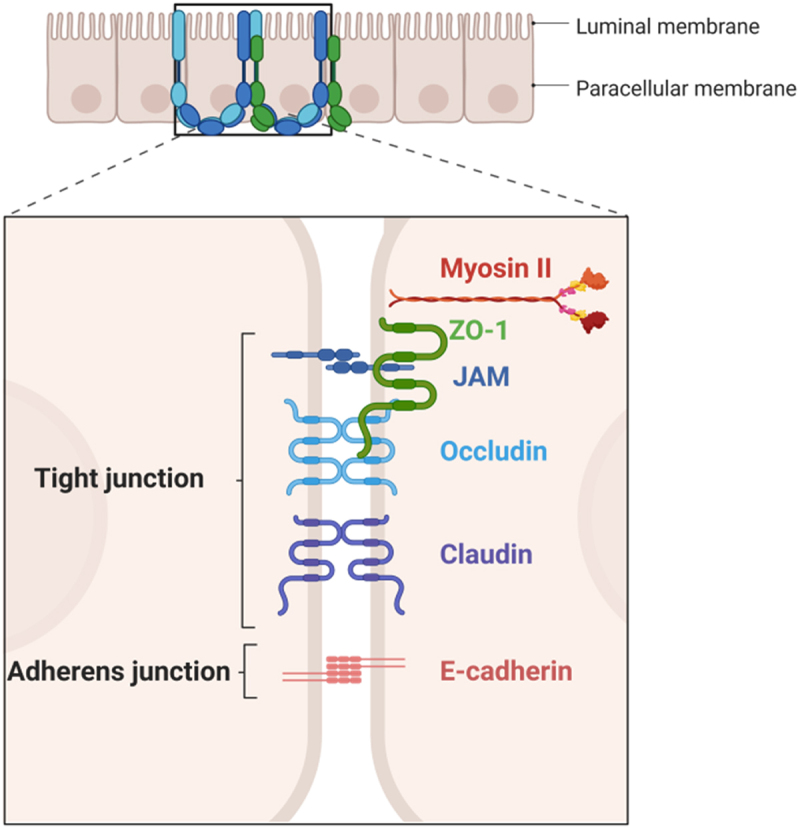
“They are composed by transmembrane proteins, occludins, claudins, junctional adhesion molecules and tricellulins, 31,32 the Marvel domain-containing proteins and immunoglobulin superfamily, which interact with the cytoskeletal actomyosin ring.”
BackgroundThe impact of dietary fiber on gut microbiota in host health and disease
Makki, K., Deehan, E. C., Walter, J., & Bäckhed, F. (2018) · Cell Host & Microbe · doi:10.1016/j.chom.2018.05.012 · Cited by 2,517 · cited 1×
“71 Additionally, immune cells play a role in regulating mucus metabolism through the secretion of cytokines.”
BackgroundSignaling to NF-κB by Toll-like receptors
Kawai, T., & Akira, S. (2007) · Trends in Molecular Medicine · doi:10.1016/j.molmed.2007.09.002 · Cited by 2,388 · cited 1×
“78,79”
The Firmicutes/Bacteroidetes Ratio: A Relevant Marker of Gut Dysbiosis in Obese Patients?
Magne, F., Gotteland, M., Gauthier, L., Zazueta, A., Pesoa, S., Navarrete, P., & Balamurugan, R. (2020) · Nutrients · doi:10.3390/nu12051474 · Cited by 2,335 · cited 1×
“116,117 Clinical data from the past two decades has convinced scientists that MASLD patients exhibit a reduced gut microbiome signature, as indicated by increased percentage of Proteobacteria , Enterobacteria , Escherichia , and Bacteroides species and decreased the percentage of Firmicutes species…”
BackgroundSayin, S. I., Wahlström, A., Felin, J., Jäntti, S., Marschall, H.-U., Bamberg, K., Angelin, B., Hyötyläinen, T., Orešič, M., & Bäckhed, F. (2013) · Cell Metabolism · doi:10.1016/j.cmet.2013.01.003 · Cited by 2,331 · cited 1×
“91,92 It has been described that conventionally raised microbiome mice under a HFD feeding increase lipid accumulation in the liver due to higher expression in Cd36, ApoC2 and Vldlr genes when compared to germ-free (GF) mice.”
BackgroundDiet–microbiota interactions as moderators of human metabolism
Sonnenburg, J. L., & Bäckhed, F. (2016) · Nature · doi:10.1038/nature18846 · Cited by 2,257 · cited 1×
“Moreover, it enhances the presence of SCFAs-producing species as Akkermansia, Bifidobacterium, Lactobacillus, Ruminococcus, etc .. 138 Furthermore, these substances serve as an energy source for enterocytes, increase mucus production, contribute to maintain immune homeostasis, and act as important…”
BackgroundThe inner of the two Muc2 mucin-dependent mucus layers in colon is devoid of bacteria
Johansson, M. E. V., Phillipson, M., Petersson, J., Velcich, A., Holm, L., & Hansson, G. C. (2008) · Proceedings of the National Academy of Sciences · doi:10.1073/pnas.0803124105 · Cited by 2,200
The gut-liver axis in liver disease: Pathophysiological basis for therapy
Albillos, A., de Gottardi, A., & Rescigno, M. (2020) · Journal of Hepatology · doi:10.1016/j.jhep.2019.10.003 · Cited by 2,166 · cited 1×
“106 Mast cells (MCs) which are immune cells located in the intestinal barrier, play a role in regulating both innate and adaptive immunity.”
BackgroundMechanisms Regulating Intestinal Barrier Integrity and Its Pathological Implications
Chelakkot, C., Ghim, J., & Ryu, S. H. (2018) · Experimental & Molecular Medicine · doi:10.1038/s12276-018-0126-x · Cited by 2,017 · cited 1×
“33 The cytosolic scaffold proteins, such as zona occlu-dens (ZO) and claudin proteins interact among them and anchor the transmembrane proteins to the actin cytoskeleton.”
BackgroundDietary-fat-induced taurocholic acid promotes pathobiont expansion and colitis in Il10-/- mice
Devkota, S., Wang, Y., Musch, M. W., Leone, V., Fehlner-Peach, H., Nadimpalli, A., Antonopoulos, D. A., Jabri, B., & Chang, E. B. (2012) · Nature · doi:10.1038/nature11225 · Cited by 1,904 · cited 1×
“121 Several recent studies have demonstrated that the specific combination of metabolic cofactors composed of L-carnitine (an enhancer of FFA uptake across the mitochondrial membrane), nicotinamide riboside (NAD+ precursor), n-acetyl cysteine, and betaine (glutathione precursors and betaine a…”
BackgroundRegional specialization within the intestinal immune system
Mowat, A. M., & Agace, W. W. (2014) · Nature Reviews Immunology · doi:10.1038/nri3738 · Cited by 1,756 · cited 1×
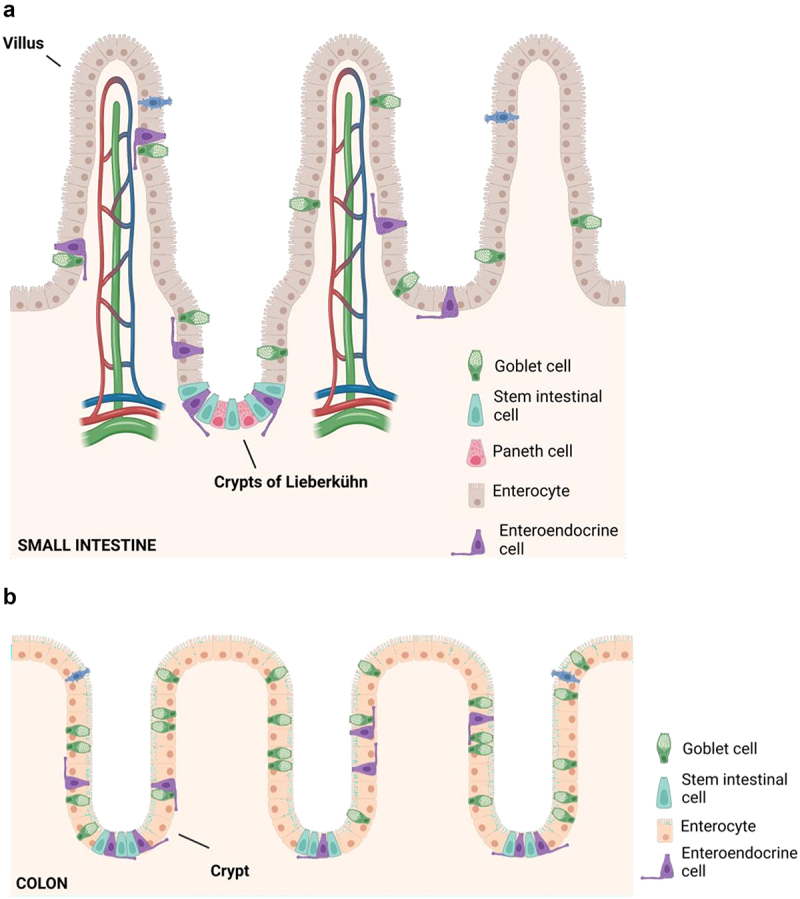
“…renewed from invaginations known as the crypts of Lieberkühn, where multipotent stem cells give rise to the different cell types of intestinal epithelium: columnar absorptive cells or enterocytes, mucous secreting goblet cells, enteroendocrine cells and Paneth cells 6,19,20 (Figure 1b).”
BackgroundZhu, L., Baker, S. S., Gill, C., Liu, W., Alkhouri, R., Baker, R. D., & Gill, S. R. (2013) · Hepatology · doi:10.1002/hep.26093 · Cited by 1,708
The roles of TLRs, RLRs and NLRs in pathogen recognition
Kawai, T., & Akira, S. (2009) · International Immunology · doi:10.1093/intimm/dxp017 · Cited by 1,670 · cited 1×
“78,79”
Hepatic stellate cells as key target in liver fibrosis
Higashi, T., Friedman, S. L., & Hoshida, Y. (2017) · Advanced Drug Delivery Reviews · doi:10.1016/j.addr.2017.05.007 · Cited by 1,485 · cited 1×
“13 These events trigger the production of extracellular matrix (ECM) inducing collagen deposition and leading in 1–2% of the cases to advanced stages of fibrosis and cirrhosis.”
BackgroundAn insight into gut microbiota and its functionalities
Adak, A., & Khan, M. R. (2019) · Cellular and Molecular Life Sciences · doi:10.1007/s00018-018-2943-4 · Cited by 1,485 · cited 2×
“61 Specifically, by anaerobically fer-menting complex carbohydrates that have not been digested, the gut microbiota can create short-chain fatty acids (SCFAs) like butyric, propionic and acetic acid.”
BackgroundThe gut-liver axis and the intersection with the microbiome
Tripathi, A., Debelius, J., Brenner, D. A., Karin, M., Loomba, R., Schnabl, B., & Knight, R. (2018) · Nature Reviews Gastroenterology & Hepatology · doi:10.1038/s41575-018-0011-z · Cited by 1,480 · cited 1×
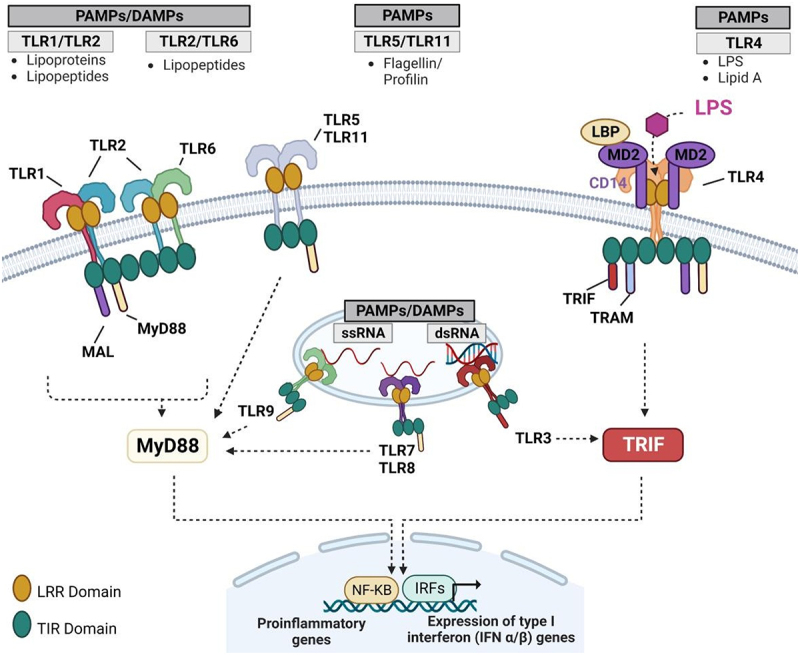
“94 Microbiome serves as the primary mechanism of interaction with the liver via TLRs. Rodents express 13 TLRs, whereas humans do have only 10.”
BackgroundPelaseyed, T., Bergström, J. H., Gustafsson, J. K., Ermund, A., Birchenough, G. M. H., Schütte, A., van der Post, S., Svensson, F., Rodríguez‐Piñeiro, A. M., Nyström, E. E. L., et al. (2014) · Immunological Reviews · doi:10.1111/imr.12182 · Cited by 1,363 · cited 1×
“27 Another type of specialized IECs is concentrated in the follicle-associated epithelium which overlays the luminal surface of lymphoid structures.”
BackgroundOliphant, K., & Allen-Vercoe, E. (2019) · Microbiome · doi:10.1186/s40168-019-0704-8 · Cited by 1,327 · cited 1×
“62–64 However, changes in the diet, drug toxicity, a proinflammatory environment and the presence of other microbiota members have been defined as the main microbiome modifiers and dysbiosis inductors.”
BackgroundThe intestinal barrier: a fundamental role in health and disease
Vancamelbeke, M., & Vermeire, S. (2017) · Expert Review of Gastroenterology & Hepatology · doi:10.1080/17474124.2017.1343143 · Cited by 1,287 · cited 2×
“23”
BackgroundLiver Fibrosis: Mechanistic Concepts and Therapeutic Perspectives
Roehlen, N., Crouchet, E., & Baumert, T. F. (2020) · Cells · doi:10.3390/cells9040875 · Cited by 1,237 · cited 1×
“Advanced liver fibrosis and cirrhosis are the major risk factors for HCC. 14,15”
BackgroundEuropean consensus conference on faecal microbiota transplantation in clinical practice
Cammarota, G., Ianiro, G., Tilg, H., Rajilić-Stojanović, M., Kump, P., Satokari, R., Sokol, H., Arkkila, P., Pintus, C., Hart, A., et al. (2017) · Gut · doi:10.1136/gutjnl-2016-313017 · Cited by 1,207 · cited 1×
“170,171 174 Currently, these studies have some limitations as the reduced sample size and the heterogeneity of donors and recipients.”
BackgroundGonzález-Mariscal, L., Betanzos, A., Nava, P., & Jaramillo, B. E. (2003) · Progress in Biophysics and Molecular Biology · doi:10.1016/s0079-6107(02)00037-8 · Cited by 1,160 · cited 1×
“This interaction is vital to maintain TJ barrier integrity and minimize the gut permeability 34 Figure 4.”
BackgroundThe adherent gastrointestinal mucus gel layer: thickness and physical state in vivo
Atuma, C., Strugala, V., Allen, A., & Holm, L. (2001) · American Journal of Physiology-Gastrointestinal and Liver Physiology · doi:10.1152/ajpgi.2001.280.5.g922 · Cited by 1,078
Intestinal barrier and gut microbiota: Shaping our immune responses throughout life
Takiishi, T., Fenero, C. I. M., & Câmara, N. O. S. (2017) · Tissue Barriers · doi:10.1080/21688370.2017.1373208 · Cited by 1,009 · cited 5×
“43 A network of intestinal innate and adaptive immune agents (dendritic cells (DCs), macrophages and lymphocytes, among others) reside within the epithelium and gut lamina propria.”
BackgroundInfluentialInteractions Between the Intestinal Microbiome and Liver Diseases
Schnabl, B., & Brenner, D. A. (2014) · Gastroenterology · doi:10.1053/j.gastro.2014.01.020 · Cited by 971 · cited 1×
“81,82 Yet, the clinical relevance of the gut-liver axis is not limited to aspects concerning microbiota and bacterial dissemination.”
BackgroundMechanisms of hepatic triglyceride accumulation in non-alcoholic fatty liver disease
Kawano, Y., & Cohen, D. E. (2013) · Journal of Gastroenterology · doi:10.1007/s00535-013-0758-5 · Cited by 969 · cited 1×
“9,10 The increased uptake of free fatty acids (FFA) and lipogenesis, defects in FFA oxidation, and decreased lipids export all contribute to the impaired hepatic lipid metabolism.”
BackgroundTight Junction Pore and Leak Pathways: A Dynamic Duo
Shen, L., Weber, C. R., Raleigh, D. R., Yu, D., & Turner, J. R. (2011) · Annual Review of Physiology · doi:10.1146/annurev-physiol-012110-142150 · Cited by 872 · cited 1×
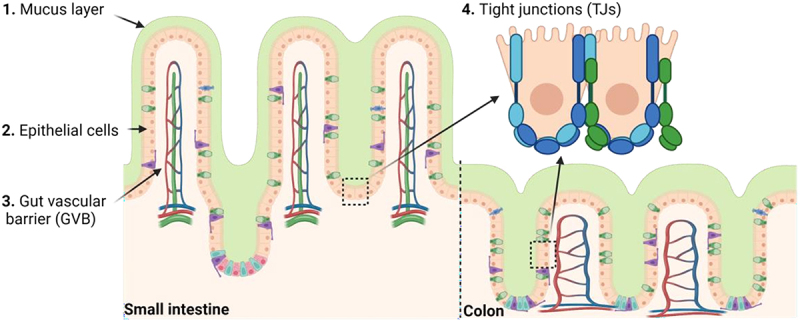
“35 As a result, TJs provide a mechanical boundary between the luminal space and other components of the intestinal barrier.”
BackgroundRegulation of Intestinal Barrier Function by Microbial Metabolites
Ghosh, S., Whitley, C. S., Haribabu, B., & Jala, V. R. (2021) · Cellular and Molecular Gastroenterology and Hepatology · doi:10.1016/j.jcmgh.2021.02.007 · Cited by 835 · cited 2×
“54,65 Consistently, some studies have identified that obesity, high-kcal, fat, and carbohydrate diet can lead to gut dysbiosis, gut damage and metabolic disarrangements.”
BackgroundPathological bacterial translocation in liver cirrhosis
Wiest, R., Lawson, M., & Geuking, M. (2014) · Journal of Hepatology · doi:10.1016/j.jhep.2013.07.044 · Cited by 805 · cited 1×
“76 LPS, which is present in gram-negative bacteria cell wall, is one example of a MAMP recognized by receptors on cells from the innate immune system, including TLRs.”
BackgroundPhysiology of Intestinal Absorption and Secretion
Kiela, P. R., & Ghishan, F. K. (2016) · Best Practice & Research Clinical Gastroenterology · doi:10.1016/j.bpg.2016.02.007 · Cited by 752 · cited 1×
“Its internal structure is complex, and substances can be absorbed by active or passive transport 18 (Figure 1a).”
BackgroundSystemic gut microbial modulation of bile acid metabolism in host tissue compartments
Swann, J. R., Want, E. J., Geier, F. M., Spagou, K., Wilson, I. D., Sidaway, J. E., Nicholson, J. K., & Holmes, E. (2011) · Proceedings of the National Academy of Sciences · doi:10.1073/pnas.1006734107 · Cited by 726 · cited 1×
“17,89,90 It has been recently reported that FXR deficient mice are protected against diet-induced obesity.”
BackgroundCell Biology of Tight Junction Barrier Regulation and Mucosal Disease
Buckley, A., & Turner, J. R. (2018) · Cold Spring Harbor Perspectives in Biology · doi:10.1101/cshperspect.a029314 · Cited by 720 · cited 1×
“47 These cells mainly recognize bacteria-derived molecules, through TLRs and NOD-like receptors (NLRs), which activate defense mechanisms through the secretion of cytokines and chemokines that signal to the underlying immune cells and induction of IgA-secreting plasma.”
BackgroundVinolo, M. A. R., Rodrigues, H. G., Hatanaka, E., Sato, F. T., Sampaio, S. C., & Curi, R. (2011) · The Journal of Nutritional Biochemistry · doi:10.1016/j.jnutbio.2010.07.009 · Cited by 708 · cited 1×
“72 Moreover, SCFAs can enhance the production of the mucus layer by modifying the transcription of mucin genes in goblet cells and can also encourage the reassembly of TJs, thereby strengthening the intestinal epithelial barrier.”
BackgroundA gut-vascular barrier controls the systemic dissemination of bacteria
Spadoni, I., Zagato, E., Bertocchi, A., Paolinelli, R., Hot, E., Di Sabatino, A., Caprioli, F., Bottiglieri, L., Oldani, A., Viale, G., et al. (2015) · Science · doi:10.1126/science.aad0135 · Cited by 695 · cited 2×
“37,38”
BackgroundBile acids as regulatory molecules
Hylemon, P. B., Zhou, H., Pandak, W. M., Ren, S., Gil, G., & Dent, P. (2009) · Journal of Lipid Research · doi:10.1194/jlr.r900007-jlr200 · Cited by 694 · cited 4×
“84”
BackgroundInfluentialMouries, J., Brescia, P., Silvestri, A., Spadoni, I., Sorribas, M., Wiest, R., Mileti, E., Galbiati, M., Invernizzi, P., Adorini, L., et al. (2019) · Journal of Hepatology · doi:10.1016/j.jhep.2019.08.005 · Cited by 688 · cited 3×
“37,38”
BackgroundThe biology of mucus: Composition, synthesis and organization
Bansil, R., & Turner, B. S. (2018) · Advanced Drug Delivery Reviews · doi:10.1016/j.addr.2017.09.023 · Cited by 683 · cited 1×
“22,24,25 All layers offer protection against mechanical, chemical, and biological agents.”
BackgroundLipid droplets and liver disease: from basic biology to clinical implications
Gluchowski, N. L., Becuwe, M., Walther, T. C., & Farese, R. V. (2017) · Nature Reviews Gastroenterology & Hepatology · doi:10.1038/nrgastro.2017.32 · Cited by 677
Diet-Induced Dysbiosis of the Intestinal Microbiota and the Effects on Immunity and Disease
Brown, K., DeCoffe, D., Molcan, E., & Gibson, D. L. (2012) · Nutrients · doi:10.3390/nu4081095 · Cited by 676 · cited 1×
“65 Hence, the excessive proliferation of some bacterial species, or the loss of some commensal bacteria, as well as variations in the total number of bacteria, is named dysbiosis, that is frequently associated to the pathogenesis of several inflammatory diseases and potential infections.”
BackgroundFood Components and Dietary Habits: Keys for a Healthy Gut Microbiota Composition
Rinninella, E., Cintoni, M., Raoul, P., Lopetuso, L. R., Scaldaferri, F., Pulcini, G., Miggiano, G. A. D., Gasbarrini, A., & Mele, M. C. (2019) · Nutrients · doi:10.3390/nu11102393 · Cited by 673
Sterile inflammation in the liver
Kubes, P., & Mehal, W. Z. (2012) · Gastroenterology · doi:10.1053/j.gastro.2012.09.008 · Cited by 666 · cited 1×
“102 Recent research has revealed elevated levels of serum IgA in MASLD patients, which is produced by plasma cells in secondary lymphoid organs.”
BackgroundTight Junction Structure and Function Revisited
Otani, T., & Furuse, M. (2020) · Trends in Cell Biology · doi:10.1016/j.tcb.2020.08.004 · Cited by 665 · cited 1×
“36”
Inflammation-induced IgA+ cells dismantle anti-liver cancer immunity
Shalapour, S., Lin, X.-J., Bastian, I. N., Brain, J., Burt, A. D., Aksenov, A. A., Vrbanac, A. F., Li, W., Perkins, A., Matsutani, T., et al. (2017) · Nature · doi:10.1038/nature24302 · Cited by 589 · cited 1×
“103,104 In a mouse model of MASH, B cells within the liver stimulated by microbial factors from the hut, contributed to liver inflammation and fibrosis.”
BackgroundEvans, C. C., LePard, K. J., Kwak, J. W., Stancukas, M. C., Laskowski, S., Dougherty, J., Moulton, L., Glawe, A., Wang, Y., Leone, V., et al. (2014) · PLoS ONE · doi:10.1371/journal.pone.0092193 · Cited by 587 · cited 1×
“141,146,147 Specifically, some reports indicated that both short-and long-term exercise programs, spanning a range of intensities, can enhance the body’s ability to counter oxidative stress, stimulate the turnover of lymphocytes, and boost the expression of anti-inflammatory cytokines within the…”
BackgroundRoles and regulation of the mucus barrier in the gut
Cornick, S., Tawiah, A., & Chadee, K. (2015) · Tissue Barriers · doi:10.4161/21688370.2014.982426 · Cited by 526 · cited 2×
“26 One of the primary roles of gut microbiota is to obtain nutrients for the intestinal cells and break down undigested dietary products, such as fiber and protein.”
BackgroundGut microbiome and liver diseases
Tilg, H., Cani, P. D., & Mayer, E. A. (2016) · Gut · doi:10.1136/gutjnl-2016-312729 · Cited by 525 · cited 1×
“81,82 Yet, the clinical relevance of the gut-liver axis is not limited to aspects concerning microbiota and bacterial dissemination.”
BackgroundHost–microbiota interactions in immune-mediated diseases
Ruff, W. E., Greiling, T. M., & Kriegel, M. A. (2020) · Nature Reviews Microbiology · doi:10.1038/s41579-020-0367-2 · Cited by 487 · cited 1×
“75 Bacterial translocation refers to the process by which pathogens or their products move from the intestinal lumen to mesenteric lymph nodes (MNL).”
BackgroundFXR activation protects against NAFLD via bile-acid-dependent reductions in lipid absorption
Clifford, B. L., Sedgeman, L. R., Williams, K. J., Morand, P., Cheng, A., Jarrett, K. E., Chan, A. P., Brearley-Sholto, M. C., Wahlström, A., Ashby, J. W., et al. (2021) · Cell Metabolism · doi:10.1016/j.cmet.2021.06.012 · Cited by 487 · cited 1×
“151 Moreover, other FXR agonists have been used in randomized control trials as ciclo-flexor (GS-9674) in patients with MASH, decreasing hepatic steatosis, the transaminases in serum and the circulating BAs.”
MethodMicrobiota-induced obesity requires farnesoid X receptor
Parséus, A., Sommer, N., Sommer, F., Caesar, R., Molinaro, A., Ståhlman, M., Greiner, T. U., Perkins, R., & Bäckhed, F. (2017) · Gut · doi:10.1136/gutjnl-2015-310283 · Cited by 474 · cited 2×
“91 These data would suggest that, in part, gut microbiota can interact to FXR and partially induce hepatic steatosis.”
BackgroundMicrobiota-mediated colonization resistance: mechanisms and regulation
Caballero-Flores, G., Pickard, J. M., & Núñez, G. (2023) · Nature Reviews Microbiology · doi:10.1038/s41579-022-00833-7 · Cited by 474 · cited 1×
“60,61 Most often the microbiome takes part in metabolic processes including the fermentation of poly-saccharides and the regulation of bile acid (BA) production.”
BackgroundPPARγ as a new therapeutic target in inflammatory bowel diseases
Dubuquoy, L., Rousseaux, C., Thuru, X., Peyrin-Biroulet, L., Romano, O., Chavatte, P., Chamaillard, M., & Desreumaux, P. (2006) · Gut · doi:10.1136/gut.2006.093484 · Cited by 450 · cited 1×
“162,163 Besides, probiotics contribute to the improvement of intestinal barrier function by not only suppressing the host’s inflammatory response but also by altering the characteristics and secretion of intestinal mucus.”
BackgroundMechanisms of liver fibrosis and its role in liver cancer
Dhar, D., Baglieri, J., Kisseleva, T., & Brenner, D. A. (2020) · Experimental Biology and Medicine · doi:10.1177/1535370219898141 · Cited by 429 · cited 1×
“Advanced liver fibrosis and cirrhosis are the major risk factors for HCC. 14,15”
BackgroundZhou, D., Pan, Q., Shen, F., Cao, H.-X., Ding, W.-J., Chen, Y.-W., & Fan, J.-G. (2017) · Scientific Reports · doi:10.1038/s41598-017-01751-y · Cited by 421 · cited 1×
“169 In the clinical practice, FMT is only approved to treat recurrent Clostridium difficile infection.”
BackgroundGuo, X., Yin, X., Liu, Z., & Wang, J. (2022) · International Journal of Molecular Sciences · doi:10.3390/ijms232415489 · Cited by 412 · cited 2×
“133 Some studies proposing dietary interventions advocate a regimen in which carbohydrates primarily come from cereals, fruits, and vegetables, protein accounts for approximately 12% of the total daily energy intake, and fat is minimized and derived from vegetables.”
BackgroundHansson, G. C. (2020) · Annual Review of Biochemistry · doi:10.1146/annurev-biochem-011520-105053 · Cited by 409 · cited 1×
“22,24,25 All layers offer protection against mechanical, chemical, and biological agents.”
BackgroundOxidative Stress as a Critical Factor in Nonalcoholic Fatty Liver Disease Pathogenesis
Spahis, S., Delvin, E., Borys, J.-M., & Levy, E. (2017) · Antioxidants & Redox Signaling · doi:10.1089/ars.2016.6776 · Cited by 386 · cited 1×
“12 Extensive hepatocyte cell death and liver damage induce the recruitment of immune cells and the activation of proinflammatory pathways that further increase liver damage and induce the over presence of proinflammatory cytokines (TNFα, TGFβ, IL6, IL1β) that consequently activate the hepatic…”
BackgroundImportance and regulation of the colonic mucus barrier in a mouse model of colitis
Petersson, J., Schreiber, O., Hansson, G. C., Gendler, S. J., Velcich, A., Lundberg, J. O., Roos, S., Holm, L., & Phillipson, M. (2011) · American Journal of Physiology-Gastrointestinal and Liver Physiology · doi:10.1152/ajpgi.00422.2010 · Cited by 385 · cited 1×
“69,70 This process is more active when the diet is low in fiber, as fiber serves as energy source for the microbiota.”
BackgroundGut microbiota markers associated with obesity and overweight in Italian adults
Palmas, V., Pisanu, S., Madau, V., Casula, E., Deledda, A., Cusano, R., Uva, P., Vascellari, S., Loviselli, A., Manzin, A., et al. (2021) · Scientific Reports · doi:10.1038/s41598-021-84928-w · Cited by 369
Patel, K., Harrison, S. A., Elkhashab, M., Trotter, J. F., Herring, R., Rojter, S. E., Kayali, Z., Wong, V. W., Greenbloom, S., Jayakumar, S., et al. (2020) · Hepatology · doi:10.1002/hep.31205 · Cited by 347 · cited 1×
“152 The use of MET-409, a structurally novel molecule that agonists FXR has also reported beneficial effects in lipid accumulation in the liver and lower levels of hepatic transaminases, however, the use of high doses reports high expression of FGF-19, a potential indicator of drug accumulation…”
BackgroundMyosin light chain kinase: pulling the strings of epithelial tight junction function
Cunningham, K. E., & Turner, J. R. (2012) · Annals of the New York Academy of Sciences · doi:10.1111/j.1749-6632.2012.06526.x · Cited by 345 · cited 1×
“73,74”
Rahman, K., Desai, C., Iyer, S. S., Thorn, N. E., Kumar, P., Liu, Y., Smith, T., Neish, A. S., Li, H., Tan, S., et al. (2016) · Gastroenterology · doi:10.1053/j.gastro.2016.06.022 · Cited by 334 · cited 1×
“98,99 Under conditions of hypoxia and inflammatory stimulation, TJ proteins exhibit contractions and shift to the cyto-plasm.”
BackgroundYu, E. W., Gao, L., Stastka, P., Cheney, M. C., Mahabamunuge, J., Torres Soto, M., Ford, C. B., Bryant, J. A., Henn, M. R., & Hohmann, E. L. (2020) · PLOS Medicine · doi:10.1371/journal.pmed.1003051 · Cited by 329
Sáez-Lara, M., Robles-Sanchez, C., Ruiz-Ojeda, F., Plaza-Diaz, J., & Gil, A. (2016) · International Journal of Molecular Sciences · doi:10.3390/ijms17060928 · Cited by 328
Pathophysiological Aspects of Alcohol Metabolism in the Liver
Hyun, J., Han, J., Lee, C., Yoon, M., & Jung, Y. (2021) · International Journal of Molecular Sciences · doi:10.3390/ijms22115717 · Cited by 324
Microbiome therapeutics — Advances and challenges
Mimee, M., Citorik, R. J., & Lu, T. K. (2016) · Advanced Drug Delivery Reviews · doi:10.1016/j.addr.2016.04.032 · Cited by 317 · cited 1×
“179,180 These particular strategies also seek to provide individualized treatments, considering the significant variations in the micro-biome among individuals.”
BackgroundA taxonomic signature of obesity in a large study of American adults
Peters, B. A., Shapiro, J. A., Church, T. R., Miller, G., Trinh-Shevrin, C., Yuen, E., Friedlander, C., Hayes, R. B., & Ahn, J. (2018) · Scientific Reports · doi:10.1038/s41598-018-28126-1 · Cited by 315
Alcohol consumption and metabolic syndrome: clinical and epidemiological impact on liver disease
Åberg, F., Byrne, C. D., Pirola, C. J., Männistö, V., & Sookoian, S. (2023) · Journal of Hepatology · doi:10.1016/j.jhep.2022.08.030 · Cited by 307 · cited 1×
“4,182,183”
How do intestinal probiotics restore the intestinal barrier?
Gou, H.-Z., Zhang, Y.-L., Ren, L.-F., Li, Z.-J., & Zhang, L. (2022) · Frontiers in Microbiology · doi:10.3389/fmicb.2022.929346 · Cited by 305 · cited 4×
“162 All the studies cited above have been summarized in Suppl.”
BackgroundInfluentialRole of Gut Microbiota in the Aetiology of Obesity: Proposed Mechanisms and Review of the Literature
Khan, M. J., Gerasimidis, K., Edwards, C. A., & Shaikh, M. G. (2016) · Journal of Obesity · doi:10.1155/2016/7353642 · Cited by 295 · cited 1×
“112,113 114–116 Moreover, lower Firmicutes/ Bacteroidetes ratio has been correlated with lean humans when they were compared to obese individuals.”
BackgroundIntestinal Permeability, Inflammation and the Role of Nutrients
Farré, R., Fiorani, M., Abdu Rahiman, S., & Matteoli, G. (2020) · Nutrients · doi:10.3390/nu12041185 · Cited by 290 · cited 1×
“21 Hence, GI tract is not only responsible for digestion and absorption of nutrients and other substances essential for life, but it also constitutes the primary defense against pathogens and hazardous substances preventing them to reach the blood, liver, spleen, and other organs.”
BackgroundChakaroun, R., Massier, L., & Kovacs, P. (2020) · Nutrients · doi:10.3390/nu12041082 · Cited by 289 · cited 2×
“112,113 114–116 Moreover, lower Firmicutes/ Bacteroidetes ratio has been correlated with lean humans when they were compared to obese individuals.”
BackgroundInterplay Between Exercise and Gut Microbiome in the Context of Human Health and Performance
Clauss, M., Gérard, P., Mosca, A., & Leclerc, M. (2021) · Frontiers in Nutrition · doi:10.3389/fnut.2021.637010 · Cited by 280 · cited 1×
“144 In line with these data, cardiorespiratory fitness has been reported to improve gut barrier integrity in patients undergoing coronary artery disease.”
BackgroundSecretory IgA in Intestinal Mucosal Secretions as an Adaptive Barrier against Microbial Cells
Pietrzak, B., Tomela, K., Olejnik-Schmidt, A., Mackiewicz, A., & Schmidt, M. (2020) · International Journal of Molecular Sciences · doi:10.3390/ijms21239254 · Cited by 276 · cited 1×
“52 This combination of physical and biochemical defenses acts as a barrier against both commensal and pathogenic microorganisms (Figure 7).”
BackgroundThe effect of diet and exercise on intestinal integrity and microbial diversity in mice
Campbell, S. C., Wisniewski, P. J., Noji, M., McGuinness, L. R., Häggblom, M. M., Lightfoot, S. A., Joseph, L. B., & Kerkhof, L. J. (2016) · PLOS ONE · doi:10.1371/journal.pone.0150502 · Cited by 268 · cited 1×
“147,150 The studies and interventions citated above have been summarized in Suppl.”
BackgroundTreatment options for alcoholic and non-alcoholic fatty liver disease: A review
Singh, S., Osna, N. A., & Kharbanda, K. K. (2017) · World Journal of Gastroenterology · doi:10.3748/wjg.v23.i36.6549 · Cited by 257 · cited 2×
“132 MASLD management is a complex condition associated with factors like obesity, arterial hypertension, IR, and abnormal lipid profiles, that typically requires an intricate intervention once diagnosed.”
BackgroundXue, L., Deng, Z., Luo, W., He, X., & Chen, Y. (2022) · Frontiers in Cellular and Infection Microbiology · doi:10.3389/fcimb.2022.759306 · Cited by 238 · cited 2×
“170,171 174 Currently, these studies have some limitations as the reduced sample size and the heterogeneity of donors and recipients.”
BackgroundAlterations of Bile Acids and Gut Microbiota in Obesity Induced by High Fat Diet in Rat Model
Lin, H., An, Y., Tang, H., & Wang, Y. (2019) · Journal of Agricultural and Food Chemistry · doi:10.1021/acs.jafc.9b00249 · Cited by 234 · cited 1×
“84 88 Moreover, BA have other metabolic actions and have been recognized as signaling molecules in the body through Farnesoid X Receptor (FXR) and TGR5, playing a key role in the control of hepatic de novo lipogenesis, very low density lipoprotein (VLDL) and plasma TG turnover.”
BackgroundMicrobiota and Fatty Liver Disease—the Known, the Unknown, and the Future
Lang, S., & Schnabl, B. (2020) · Cell Host & Microbe · doi:10.1016/j.chom.2020.07.007 · Cited by 231 · cited 1×
“179,180 These particular strategies also seek to provide individualized treatments, considering the significant variations in the micro-biome among individuals.”
BackgroundDiet, inflammation and the gut microbiome: mechanisms for obesity-associated cognitive impairment
Leigh, S.-J., & Morris, M. J. (2020) · Biochimica et Biophysica Acta (BBA) - Molecular Basis of Disease · doi:10.1016/j.bbadis.2020.165767 · Cited by 221 · cited 3×
“16,17 The gut is divided into two parts, the small intestine that is also segmented into the duodenum, jejunum and ileum and the large intestine that is formed mainly by the colon and the rectum.”
BackgroundCui, Y., Wang, Q., Chang, R., Zhou, X., & Xu, C. (2019) · Journal of Agricultural and Food Chemistry · doi:10.1021/acs.jafc.9b00080 · Cited by 217 · cited 1×
“100,101 The gut-liver axis plays a pivotal role in the development of MASLD.”
BackgroundThe Role of Intestinal Permeability in Gastrointestinal Disorders and Current Methods of Evaluation
Vanuytsel, T., Tack, J., & Farre, R. (2021) · Frontiers in Nutrition · doi:10.3389/fnut.2021.717925 · Cited by 217 · cited 1×
“30”
Herath, M., Hosie, S., Bornstein, J. C., Franks, A. E., & Hill-Yardin, E. L. (2020) · Frontiers in Cellular and Infection Microbiology · doi:10.3389/fcimb.2020.00248 · Cited by 213 · cited 1×
“69,70 This process is more active when the diet is low in fiber, as fiber serves as energy source for the microbiota.”
BackgroundBile acid levels are increased in the liver of patients with steatohepatitis
Aranha, M. M., Cortez-Pinto, H., Costa, A., da Silva, I. B. M., Camilo, M. E., de Moura, M. C., & Rodrigues, C. M. P. (2008) · European Journal of Gastroenterology & Hepatology · doi:10.1097/meg.0b013e3282f4710a · Cited by 211
Vancells Lujan, P., Viñas Esmel, E., & Sacanella Meseguer, E. (2021) · Nutrients · doi:10.3390/nu13051442 · Cited by 209
Fang, J., Yu, C.-H., Li, X.-J., Yao, J.-M., Fang, Z.-Y., Yoon, S.-H., & Yu, W.-Y. (2022) · Frontiers in Cellular and Infection Microbiology · doi:10.3389/fcimb.2022.997018 · Cited by 209 · cited 1×
“8,110,111 Hence, these facts could induce an increase in gut permeability, triggering the activation of TLRs family and its consequent inflammation by LPS and endotoxin among other bacterial subproducts.”
BackgroundFarnesoid X receptor: a master regulator of hepatic triglyceride and glucose homeostasis
Jiao, Y., Lu, Y., & Li, X.-Y. (2015) · Acta Pharmacologica Sinica · doi:10.1038/aps.2014.116 · Cited by 198 · cited 1×
“93”
Lai, Z.-L., Tseng, C.-H., Ho, H. J., Cheung, C. K. Y., Lin, J.-Y., Chen, Y.-J., Cheng, F.-C., Hsu, Y.-C., Lin, J.-T., El-Omar, E. M., et al. (2018) · Scientific Reports · doi:10.1038/s41598-018-33893-y · Cited by 192
Ahl, D., Liu, H., Schreiber, O., Roos, S., Phillipson, M., & Holm, L. (2016) · Acta Physiologica · doi:10.1111/apha.12695 · Cited by 180 · cited 1×
“164 Additionally, probiotics promote the expression and localization of TJ proteins and genes related to mucin production.”
BackgroundCarbajo-Pescador, S., Porras, D., García-Mediavilla, M. V., Martínez-Flórez, S., Juarez-Fernández, M., Cuevas, M. J., Mauriz, J. L., González-Gallego, J., Nistal, E., & Sánchez-Campos, S. (2019) · Disease Models & Mechanisms · doi:10.1242/dmm.039206 · Cited by 178 · cited 2×
“147,150 The studies and interventions citated above have been summarized in Suppl.”
BackgroundToll-like receptors in pathophysiology of liver diseases
Kiziltas, S. (2016) · World Journal of Hepatology · doi:10.4254/wjh.v8.i32.1354 · Cited by 175 · cited 1×
“LPS, which is a constituent of the cell wall in gram-negative bacteria and interacts with TLR4, is one of the extensively studied mediators of host-microbe interactions 95 (Figure 9).”
BackgroundThe gut vascular barrier: a new player in the gut–liver–brain axis
Brescia, P., & Rescigno, M. (2021) · Trends in Molecular Medicine · doi:10.1016/j.molmed.2021.06.007 · Cited by 175 · cited 2×
“42 PV-1 expression, which serves as a marker of GVB permeability, is elevated during pathogenic events like the systemic dissemination of bacteria, including MASH among others.”
BackgroundMohamad Nor, M. H., Ayob, N., Mokhtar, N. M., Raja Ali, R. A., Tan, G. C., Wong, Z., Shafiee, N. H., Wong, Y. P., Mustangin, M., & Nawawi, K. N. M. (2021) · Nutrients · doi:10.3390/nu13093192 · Cited by 173
Gut microbiota and metabolic health among overweight and obese individuals
Kim, M.-H., Yun, K. E., Kim, J., Park, E., Chang, Y., Ryu, S., Kim, H.-L., & Kim, H.-N. (2020) · Scientific Reports · doi:10.1038/s41598-020-76474-8 · Cited by 171 · cited 2×
“116,117 Clinical data from the past two decades has convinced scientists that MASLD patients exhibit a reduced gut microbiome signature, as indicated by increased percentage of Proteobacteria , Enterobacteria , Escherichia , and Bacteroides species and decreased the percentage of Firmicutes species…”
BackgroundLeong, K. S. W., Jayasinghe, T. N., Wilson, B. C., Derraik, J. G. B., Albert, B. B., Chiavaroli, V., Svirskis, D. M., Beck, K. L., Conlon, C. A., Jiang, Y., et al. (2020) · JAMA Network Open · doi:10.1001/jamanetworkopen.2020.30415 · Cited by 171
Miao, W., Wu, X., Wang, K., Wang, W., Wang, Y., Li, Z., Liu, J., Li, L., & Peng, L. (2016) · International Journal of Molecular Sciences · doi:10.3390/ijms17101696 · Cited by 164 · cited 1×
“73,74”
Cheng, S., Ma, X., Geng, S., Jiang, X., Li, Y., Hu, L., Lǐ, J., Wang, Y., & Han, X. (2018) · mSystems · doi:10.1128/msystems.00137-18 · Cited by 164 · cited 1×
“…FMT applied to E. coli K88 infection, would increase Lactobacillus populations that exerts properties of maintenance of the intestinal integrity barrier upregulating mucosal MUC expression levels, butyrate production and ZO-1 expression 175 as well as in other studies with affected gut barrier.”
BackgroundNicoletti, A., Ponziani, F. R., Biolato, M., Valenza, V., Marrone, G., Sganga, G., Gasbarrini, A., Miele, L., & Grieco, A. (2019) · World Journal of Gastroenterology · doi:10.3748/wjg.v25.i33.4814 · Cited by 164 · cited 1×
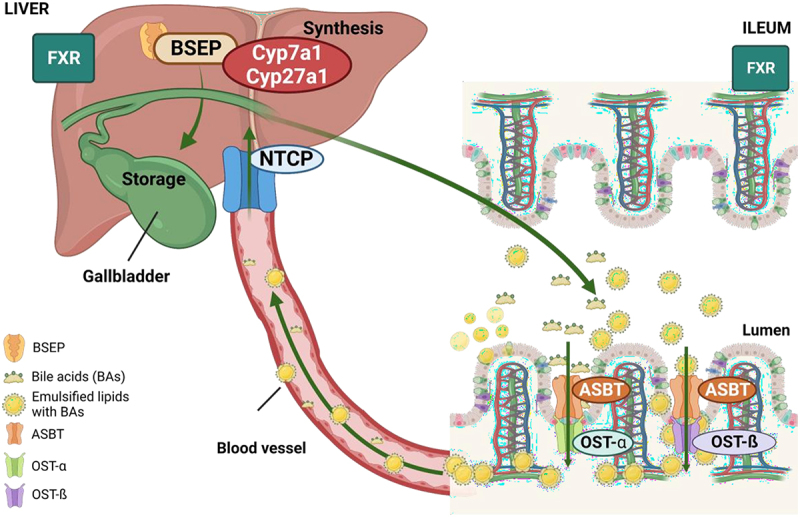
“83 Metabolic crosstalk between the gut and the liver BA are amphipathic molecules that are synthetized in the hepatocytes as primary BA, cholic acid (CA) and chenodeoxycholic acid (CDCA), that are transported from the canalicular side of the hepatocyte by the bile salt export pump (BSEP) along with…”
BackgroundRat intestinal mucosal responses to a microbial flora and different diets.
Sharma, R., Schumacher, U., Ronaasen, V, & Coates, M. (1995) · Gut · doi:10.1136/gut.36.2.209 · Cited by 151 · cited 1×
“68 Meanwhile, some bacterial subproducts such as lipopolysaccharide (LPS) a cell wall component from gram-negative bacteria and peptidoglycan, cell wall component from gram-positive bacteria can stimulate mucus secretion.”
BackgroundHistidine and arginine are associated with inflammation and oxidative stress in obese women
Niu, Y., Feng, R., Hou, Y., Li, K., Kang, Z., Wang, J., Sun, C., & Li, Y. (2011) · British Journal Of Nutrition · doi:10.1017/s0007114511005289 · Cited by 137 · cited 1×
“125,126 Importantly, plasma histidine levels are negatively associated with several bacterial families that are also increased in MASLD, in particular from the phylum Proteobacteria.”
BackgroundWang, W., Xu, A.-L., Li, Z.-C., Li, Y., Xu, S.-F., Sang, H.-C., & Zhi, F. C. (2019) · Diabetes & Metabolism Journal · doi:10.4093/dmj.2019.0042 · Cited by 136 · cited 1×
“159 Other studies suggest the use of probiotics in combination with metronidazole, boosting the effect on lipid profile, liver function, oxidative stress, and inflammatory markers in rats with MASLD.”
BackgroundWilcz-Villega, E. M., McClean, S., & O’Sullivan, M. A. (2013) · American Journal of Gastroenterology · doi:10.1038/ajg.2013.92 · Cited by 133 · cited 1×
“107 Recent research suggests that histamine can elevate the permeability of the intestinal epithelium and the translocation of gut bacteria in murine models.”
BackgroundMetabolic causes and consequences of nonalcoholic fatty liver disease (NAFLD)
Zarghamravanbakhsh, P., Frenkel, M., & Poretsky, L. (2021) · Metabolism Open · doi:10.1016/j.metop.2021.100149 · Cited by 131 · cited 1×
“5 The concept of gut liver axis constitutes other unexplored via of treatment, suggesting that a healthier gut would enhance the hepatic function and vice versa.”
BackgroundEnhancing intestinal barrier efficiency: A novel metabolic diseases therapy
Zhang, Y., Xiao, Z., Yu, X., Novák, P., Gui, Q., & Yin, K. (2023) · Frontiers in Nutrition · doi:10.3389/fnut.2023.1120168 · Cited by 131 · cited 1×
“141,146,147 Specifically, some reports indicated that both short-and long-term exercise programs, spanning a range of intensities, can enhance the body’s ability to counter oxidative stress, stimulate the turnover of lymphocytes, and boost the expression of anti-inflammatory cytokines within the…”
BackgroundHarrison, S. A., Bashir, M. R., Lee, K.-J., Shim-Lopez, J., Lee, J., Wagner, B., Smith, N. D., Chen, H. C., & Lawitz, E. J. (2021) · Journal of Hepatology · doi:10.1016/j.jhep.2021.01.047 · Cited by 130 · cited 1×
“153 Nevertheless, it is not clear whether FXR should be agonized or antagonized.”
BackgroundDing, L., Yang, Q., Zhang, E., Wang, Y., Sun, S., Yang, Y., Tong, T., Ju, Z., Jiang, L., Wang, X., et al. (2021) · Acta Pharmaceutica Sinica B · doi:10.1016/j.apsb.2021.03.038 · Cited by 129 · cited 1×
“155 All in all, FXR agonists can be effective in the reduction of the accused MASH-associated lipo-toxicity, however more translational studies are needed due to the differences between animal models and humans, side effects should be reduced, and more translational markers included.”
BackgroundSohail, M. U., Yassine, H. M., Sohail, A., & Thani, A. A. A. (2019) · Review of Diabetic Studies · doi:10.1900/rds.2019.15.35 · Cited by 128 · cited 1×
“149 Furthermore, animal research indicates that engaging in aerobic exercise improved intestinal mucosal morphology and resulted in the upregulation of claudin 1 and occludin.”
BackgroundSerum Immunoglobulin Levels Predict Fibrosis in Patients With Non-Alcoholic Fatty Liver Disease
McPherson, S., Henderson, E., Burt, A. D., Day, C. P., & Anstee, Q. M. (2014) · Journal of Hepatology · doi:10.1016/j.jhep.2014.01.010 · Cited by 124 · cited 2×
“103,104 In a mouse model of MASH, B cells within the liver stimulated by microbial factors from the hut, contributed to liver inflammation and fibrosis.”
BackgroundThe Role and Mechanism of Oxidative Stress and Nuclear Receptors in the Development of NAFLD
Hong, T., Chen, Y., Li, X., & Lü, Y. (2021) · Oxidative Medicine and Cellular Longevity · doi:10.1155/2021/6889533 · Cited by 124 · cited 1×
“11 Extensive fat accumulation in the hepatic parenchyma led to excessive mitochondrial reactive oxygen species (ROS) production.”
BackgroundDiet, Gut Microbiota and Non-Alcoholic Fatty Liver Disease: Three Parts of the Same Axis
Quesada‐Vázquez, S., Aragonès, G., Bas-Prior, J. M. D., & Escoté, X. (2020) · Cells · doi:10.3390/cells9010176 · Cited by 122 · cited 3×
“16,17 The gut is divided into two parts, the small intestine that is also segmented into the duodenum, jejunum and ileum and the large intestine that is formed mainly by the colon and the rectum.”
BackgroundTokuhara, D. (2021) · Frontiers in Nutrition · doi:10.3389/fnut.2021.700058 · Cited by 113 · cited 1×
“8,110,111 Hence, these facts could induce an increase in gut permeability, triggering the activation of TLRs family and its consequent inflammation by LPS and endotoxin among other bacterial subproducts.”
BackgroundRay, A. A., Cot, M., Puzo, G., Gilleron, M., & Nigou, J. (2012) · Biochimie · doi:10.1016/j.biochi.2012.06.007 · Cited by 110 · cited 1×
“77 When activated by pathogens or commensal bacteria, TLRs can trigger an immune response through the induction of the nuclear factor-κB (NF-κB), a group of transcription factors involved in the production of inflammatory cytokines.”
BackgroundFuchs, M. (2012) · Journal of Lipids · doi:10.1155/2012/934396 · Cited by 109 · cited 2×
“17,89 Several studies with FXR agonists have been published.”
BackgroundBosma, E. K., van Noorden, C. J. F., Schlingemann, R. O., & Klaassen, I. (2018) · Fluids and Barriers of the CNS · doi:10.1186/s12987-018-0109-2 · Cited by 108 · cited 1×
“38,40,41 In addition to their role in regulating vascular permeability, endothelial cells also play a role in mucosal immunology, expressing Toll-like receptors (TLRs) and adhesion molecules such as E-selectin, vascular cell adhesion molecule-2 (VCAM-1), and intercellular adhesion molecule-1…”
BackgroundAn Insight Into the Intestinal Web of Mucosal Immunity, Microbiota, and Diet in Inflammation
Yap, Y. A., & Mariño, E. (2018) · Frontiers in Immunology · doi:10.3389/fimmu.2018.02617 · Cited by 108 · cited 4×
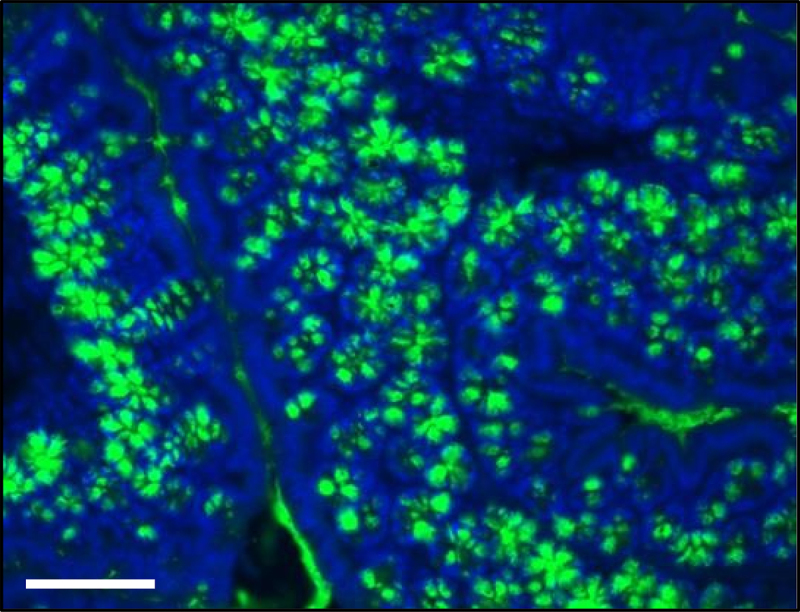
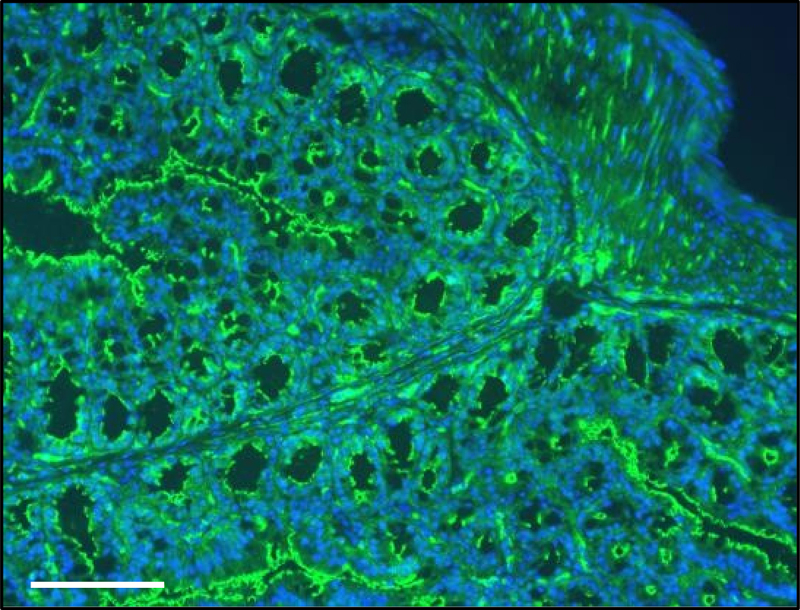
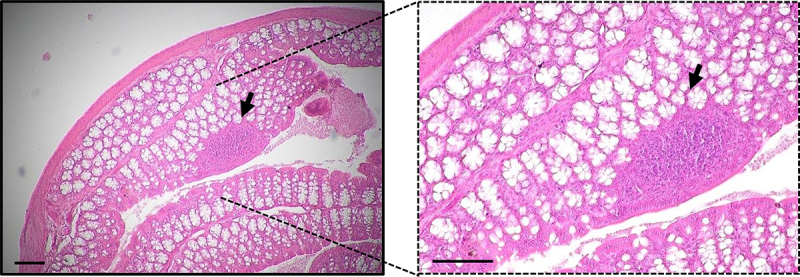
“46 Photomicrograph of GALT structures in colon is represented in Figure 6.”
BackgroundInfluentialIntestinal stem cells and epithelial–mesenchymal interactions in the crypt and stem cell niche
Shaker, A., & Rubin, D. C. (2010) · Translational Research · doi:10.1016/j.trsl.2010.06.003 · Cited by 104 · cited 1×
“…renewed from invaginations known as the crypts of Lieberkühn, where multipotent stem cells give rise to the different cell types of intestinal epithelium: columnar absorptive cells or enterocytes, mucous secreting goblet cells, enteroendocrine cells and Paneth cells 6,19,20 (Figure 1b).”
BackgroundRao, J., Xie, R., Lin, L., Jiang, J., Du, L., Zeng, X., Li, G., Wang, C., & Qiao, Y. (2021) · European Journal of Neuroscience · doi:10.1111/ejn.15192 · Cited by 101 · cited 1×
“176 All the studies mentioned above have been summarized in Suppl.”
BackgroundChen, X., Zhang, Z., Li, H., Zhao, J., Wei, X., Lin, W., Zhao, X., Jiang, A., & Yuan, J. (2020) · Journal of Gastroenterology and Hepatology · doi:10.1111/jgh.15027 · Cited by 95 · cited 1×
“131”
Microbiota and nonalcoholic fatty liver disease/nonalcoholic steatohepatitis (NAFLD/NASH)
Duarte, S. M. B., Stefano, J. T., & de Oliveira, C. P. M. S. (2019) · Annals of Hepatology · doi:10.1016/j.aohep.2019.04.006 · Cited by 92 · cited 1×
“118 As a result, gut permeability could be directly affected by high fat contents but also by dysbiosis.”
BackgroundRiedel, S., Pheiffer, C., Johnson, R., Louw, J., & Muller, C. J. F. (2022) · Frontiers in Endocrinology · doi:10.3389/fendo.2021.833544 · Cited by 91 · cited 1×
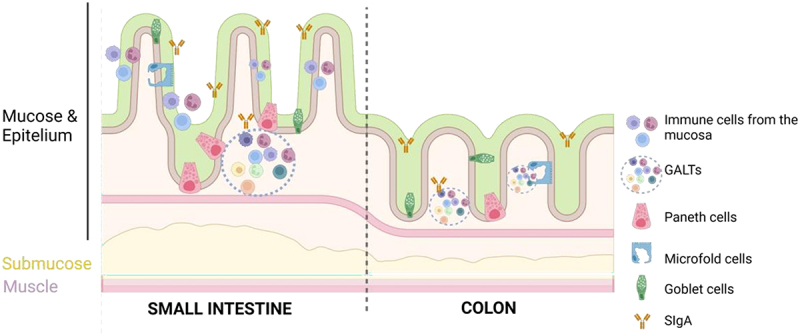
“43,46,48,49 PPs are structured and highly organized lymphoid structures that are mainly located in the small intestine, whereas ILFs are more diffuse structures found in the small and large intestine.”
BackgroundThe role of lifestyle changes in the management of chronic liver disease
Nobili, V., Carter-Kent, C. A., & Feldstein, A. E. (2011) · BMC Medicine · doi:10.1186/1741-7015-9-70 · Cited by 86 · cited 1×
“140 143 Advantages of physical activity, including structured exercises extend beyond and serves as a fundamental treatment for patients with MASLD.”
BackgroundHyun, J., Romero, L., Riveron, R., Flores, C., Kanagavelu, S. K., Chung, K. D., Alonso, A., Sotolongo, J. P., Ruiz, J. R., Manukyan, A., et al. (2014) · Journal of Innate Immunity · doi:10.1159/000365417 · Cited by 85 · cited 1×
“45 IECs recognize pathogenic molecule patterns where MyD88 is a central adaptor molecule involved.”
BackgroundThe Gut–Vascular Barrier as a New Protagonist in Intestinal and Extraintestinal Diseases
Tommaso, N. D., Santopaolo, F., Gasbarrini, A., & Ponziani, F. R. (2023) · International Journal of Molecular Sciences · doi:10.3390/ijms24021470 · Cited by 83 · cited 2×
“39 Moreover, the defective GVB has been associated to an increased expression of PV-1.”
BackgroundThe effect of fiber and prebiotics on children’s gastrointestinal disorders and microbiome
Wegh, C. A. M., Schoterman, M. H. C., Vaughan, E. E., Belzer, C., & Benninga, M. A. (2017) · Expert Review of Gastroenterology & Hepatology · doi:10.1080/17474124.2017.1359539 · Cited by 80 · cited 1×
“135 Diet plays a role in shaping the composition, diversity, and richness of the gut microbiota over time.”
BackgroundIntestinal Barrier Function in the Pathogenesis of Nonalcoholic Fatty Liver Disease
Liu, L., Yin, M., Gao, J., Yu, C., Lin, J., Wu, A., Zhu, J., Xu, C., & Liu, X. (2022) · Journal of Clinical and Translational Hepatology · doi:10.14218/jcth.2022.00089 · Cited by 80 · cited 4×
“96 Recent studies have demonstrated that heightened inflammation in the intestinal mucosa and damage to the intestinal epithelial barrier increase the possibility of microbial translocation contributing to MASLD.”
BackgroundInfluentialAbnormal Barrier Function in Gastrointestinal Disorders
Farré, R., & Vicario, M. (2016) · Handbook of experimental pharmacology · doi:10.1007/164_2016_107 · Cited by 77 · cited 1×
“96,97 MASLD is linked to gut barrier disruption, changes in TJs, rise in intestinal permeability and dysbiosis.”
BackgroundTreadmill exercise in mice increases intestinal lymphocyte loss via apoptosis
Hoffman‐Goetz, L., & Quadrilatero, J. (2003) · Acta Physiologica Scandinavica · doi:10.1046/j.1365-201x.2003.01176.x · Cited by 75 · cited 1×
“148 It is proposed that exercise promotes intestinal motility, potentially leading to the shedding of loosely attached microbes from the GI epithelium.”
BackgroundRoth, J. D., Feigh, M., Veidal, S. S., Fensholdt, L. K., Rigbolt, K. T., Hansen, H. H., Chen, L. C., Petitjean, M., Friley, W., Vrang, N., et al. (2018) · World Journal of Gastroenterology · doi:10.3748/wjg.v24.i2.195 · Cited by 75 · cited 1×
“154 Moreover, they have been reported to alleviate obesity and MS in mouse models.”
BackgroundAlcohol and Obesity: A Dangerous Association for Fatty Liver Disease
Mahli, A., & Hellerbrand, C. (2016) · Digestive Diseases · doi:10.1159/000447279 · Cited by 74 · cited 1×
“4,182,183”
Isolated Lymphoid Follicles are Dynamic Reservoirs for the Induction of Intestinal IgA
Knoop, K. A., & Newberry, R. D. (2012) · Frontiers in Immunology · doi:10.3389/fimmu.2012.00084 · Cited by 71
Ianiro, G., Bibbò, S., Porcari, S., Settanni, C. R., Giambò, F., Curta, A. R., Quaranta, G., Scaldaferri, F., Masucci, L., Sanguinetti, M., et al. (2021) · Gut Microbes · doi:10.1080/19490976.2021.1994834 · Cited by 71 · cited 1×
“170,171 174 Currently, these studies have some limitations as the reduced sample size and the heterogeneity of donors and recipients.”
BackgroundBurz, S. D., Monnoye, M., Philippe, C., Farin, W., Ratziu, V., Strozzi, F., Paillarse, J.-M., Chêne, L., Blottière, H. M., & Gérard, P. (2021) · Microorganisms · doi:10.3390/microorganisms9010199 · Cited by 69 · cited 1×
“165,166 In this line, FMT has been proposed as a treatment for MASLD.”
Quesada‐Vázquez, S., Castells‐Nobau, A., Latorre, J., Oliveras‐Cañellas, N., Puig-Parnau, I., Tejera, N., Tobajas, Y., Baudin, J., Hildebrand, F., Beraza, N., et al. (2023) · Cell Reports Medicine · doi:10.1016/j.xcrm.2023.101341 · Cited by 65 · cited 1×
“127 Not only subproducts of microbes but also the gut microbes by themselves have an impact in host metabolism.”
BackgroundHerrnberger, L., Ebner, K., Junglas, B., & Tamm, E. R. (2012) · Experimental Eye Research · doi:10.1016/j.exer.2012.09.011 · Cited by 60 · cited 1×
“38,40,41 In addition to their role in regulating vascular permeability, endothelial cells also play a role in mucosal immunology, expressing Toll-like receptors (TLRs) and adhesion molecules such as E-selectin, vascular cell adhesion molecule-2 (VCAM-1), and intercellular adhesion molecule-1…”
BackgroundKoopman, N., Molinaro, A., Nieuwdorp, M., & Holleboom, A. G. (2019) · Alimentary Pharmacology & Therapeutics · doi:10.1111/apt.15416 · Cited by 60 · cited 1×
“178 Additional approaches involve the use of drugs targeting the microbiome, such as specific antibiotics of phages.”
BackgroundNAFLD and Physical Exercise: Ready, Steady, Go!
Berković, M. C., Bilić-Čurčić, I., Mrzljak, A., & Cigrovski, V. (2021) · Frontiers in Nutrition · doi:10.3389/fnut.2021.734859 · Cited by 60 · cited 1×
“142,143 Recent studies demonstrated that athletes had a higher diversity of gut microorganisms; however, the mechanisms remain unclear.”
BackgroundVaz, K., Clayton‐Chubb, D., Majeed, A., Lubel, J. S., Simmons, D. S., Kemp, W. W., & Roberts, S. K. (2023) · Hepatology International · doi:10.1007/s12072-023-10568-z · Cited by 60
Bilal, M., Ashraf, S., & Zhao, X. (2022) · Frontiers in Nutrition · doi:10.3389/fnut.2022.931458 · Cited by 58 · cited 1×
“157 On the other hand, prebiotics are indigestible food ingredients that can effectively improve host health by selectively stimulating the growth and activity of specific bacterial colonies.”
BackgroundMast cells and histamine alter intestinal permeability during malaria parasite infection
Potts, R. A., Tiffany, C. M., Pakpour, N., Lokken, K. L., Tiffany, C. R., Cheung, K. W., Tsolis, R. M., & Luckhart, S. (2015) · Immunobiology · doi:10.1016/j.imbio.2015.11.003 · Cited by 57 · cited 1×
“108 SIgA produced by lymphocytes and plasma cells plays a crucial role in immune function at the gut barrier.”
BackgroundHu, M. D., Ethridge, A. D., Lipstein, R., Kumar, S., Wang, Y., Jabri, B., Turner, J. R., & Edelblum, K. L. (2018) · The Journal of Immunology · doi:10.4049/jimmunol.1701603 · Cited by 54 · cited 1×
“44 Furthermore, IECs exhibit the expression of anti-inflammatory cytokines like IL10, which likely contributes to fostering tolerance toward commensal bacteria maintaining the integrity of the epithelium.”
BackgroundQuesada‐Vázquez, S., Bone, C., Saha, S., Triguero, I., Colom‐Pellicer, M., Aragonès, G., Hildebrand, F., Bas-Prior, J. M. D., Caimari, A., Beraza, N., et al. (2022) · International Journal of Molecular Sciences · doi:10.3390/ijms232213675 · Cited by 53
The microbiome and immunodeficiencies: Lessons from rare diseases
Pellicciotta, M., Rigoni, R., Falcone, E. L., Holland, S. M., Villa, A., & Cassani, B. (2019) · Journal of Autoimmunity · doi:10.1016/j.jaut.2019.01.008 · Cited by 51 · cited 1×
“100,101 The gut-liver axis plays a pivotal role in the development of MASLD.”
BackgroundInnate Lymphoid Cells: Regulators of Gut Barrier Function and Immune Homeostasis
Fan, H., Wang, A., Wang, Y., Sun, Y., Han, J., Chen, W., Wang, S., Wu, Y., & Lu, Y. (2019) · Journal of Immunology Research · doi:10.1155/2019/2525984 · Cited by 49 · cited 1×
“43,46,48,49 PPs are structured and highly organized lymphoid structures that are mainly located in the small intestine, whereas ILFs are more diffuse structures found in the small and large intestine.”
BackgroundHayashi, T., Yamashita, T., Takahashi, T., Tabata, T., Watanabe, H., Gotoh, Y., Shinohara, M., Kami, K., Tanaka, H., Matsumoto, K., et al. (2021) · Frontiers in Cardiovascular Medicine · doi:10.3389/fcvm.2021.789325 · Cited by 48 · cited 1×
“125,126 Importantly, plasma histidine levels are negatively associated with several bacterial families that are also increased in MASLD, in particular from the phylum Proteobacteria.”
BackgroundNovel role of TLR4 in NAFLD development: Modulation of metabolic enzymes expression
Ferreira, D. F., Fiamoncini, J., Prist, I. H., Ariga, S. K., de Souza, H. P., & de Lima, T. M. (2015) · Biochimica et Biophysica Acta (BBA) - Molecular and Cell Biology of Lipids · doi:10.1016/j.bbalip.2015.07.002 · Cited by 47 · cited 1×
“Moreover, it has been revealed that TLR4 activation is sensitive to saturated fatty acid metabolism and hepatic and serum lipid profile induced by HFD. 128 Moreover, it has been previously described that ethanol endogenous production boosted by dysbiosis directly contributes to MASLD.”
BackgroundIgA antibodies to dietary antigens in liver cirrhosis
Volta, U., Bonazzi, C., Bianchi, F. B., Baldoni, A. M., Zoli, M., & Pisi, E. (1987) · La Ricerca in Clinica e in Laboratorio · doi:10.1007/bf02912537 · Cited by 44 · cited 1×
“The concept of “gut-liver axis” had initially been proposed to describe the presence of antibodies directed against intestinal microorganisms and food antigens in the circulation of patients with liver cirrhosis, 80 the common end stage of chronic liver disease (CLD).”
BackgroundZhang, C., Bjornson, E., Arif, M., Tebani, A., Lovric, A., Benfeitas, R., Ozcan, M., Juszczak, K., Kim, W., Kim, J. T., et al. (2020) · Molecular Systems Biology · doi:10.15252/msb.209495 · Cited by 44 · cited 1×
“123,124 Moreover, multi-ingredient supplementation administrated to diet-induced MASLD mice is able to ameliorate gut morphological changes, increase epithelial cell proliferation and the number of goblet cells, restore TJ barrier integrity, and reduce intestinal inflammation by improving…”
BackgroundDual roles of B lymphocytes in mouse models of diet-induced nonalcoholic fatty liver disease
Karl, M., Hasselwander, S., Zhou, Y., Reifenberg, G., Kim, Y. O., Park, K., Ridder, D. A., Wang, X., Seidel, E., Hövelmeyer, N., et al. (2022) · Hepatology · doi:10.1002/hep.32428 · Cited by 44 · cited 1×
“105 Moreover, individuals with MASLD exhibit a decrease in FOXP3-expressing regulatory T cells (Tregs), alongside an increase in Th1 and CD8+T cells within the lamina propria of the gut.”
BackgroundPérez-Matute, P., Íñiguez, M., de Toro, M., Recio-Fernández, E., & Oteo, J. A. (2020) · Scientific Reports · doi:10.1038/s41598-020-64961-x · Cited by 42 · cited 2×
“…report that autologous or orthologous FMT from lean healthy donors potentiate loss of body weight and adiposity, and beneficial effects on MS. 167,168 Regarding the application of FMT as a treatment, single or combined, for MAFLD, few animal studies show that the total FMT from healthy…”
BackgroundThe Potential Use of Metabolic Cofactors in Treatment of NAFLD
Mardinoglu, A., Ural, D., Zeybel, M., Yuksel, H. H., Uhlén, M., & Borén, J. (2019) · Nutrients · doi:10.3390/nu11071578 · Cited by 36 · cited 1×
“123,124 Moreover, multi-ingredient supplementation administrated to diet-induced MASLD mice is able to ameliorate gut morphological changes, increase epithelial cell proliferation and the number of goblet cells, restore TJ barrier integrity, and reduce intestinal inflammation by improving…”
BackgroundExpression of intestinal tight junction proteins in patients with non-alcoholic fatty liver disease.
Xin, D., Lv, Z.-S., Wang, B., & Zhou, L. (2014) · PubMed · Cited by 35
Zoll, J., Read, M. N., Heywood, S. E., Estevez, E., Marshall, J. P. S., Kammoun, H. L., Allen, T. L., Holmes, A. J., Febbraio, M. A., & Henstridge, D. C. (2020) · American Journal of Physiology-Endocrinology and Metabolism · doi:10.1152/ajpendo.00037.2020 · Cited by 35 · cited 1×
“165,166 In this line, FMT has been proposed as a treatment for MASLD.”
Xing, W., Gao, W., Lv, X., Zhao, Z., Mao, G., Dong, X., & Zhang, Z. (2022) · Frontiers in Nutrition · doi:10.3389/fnut.2022.1024678 · Cited by 32 · cited 2×
“158 When probiotics and prebiotics are combined, the are named symbiotics and their collective effects are mutually beneficial.”
Backgroundel-Din, S. H. S., Salem, M., El-Lakkany, N. M., Hammam, O. A., Nasr, S. M., Okasha, H., Ahmed, L. N., Saleh, S., & Botros, S. S. (2021) · Human & Experimental Toxicology · doi:10.1177/0960327121999445 · Cited by 30 · cited 1×
“160 The administration of Lactobacillus and Bifidobacterium as a probiotic in pilot patients despite no significant effect was demonstrated on MASLD, the mucosal immune function was stabilized.”
BackgroundGastrointestinal anatomy and physiology
Proszkowiec‐Weglarz, M. (2021) · Elsevier eBooks · doi:10.1016/b978-0-12-819770-7.00010-4 · Cited by 30
Kumar, A., Al-Hassi, H. O., Steed, H., Phipps, O., & Brookes, M. (2022) · Canadian Journal of Gastroenterology and Hepatology · doi:10.1155/2022/8416578 · Cited by 24 · cited 1×
“156 Moreover, bacteria also influence in BA metabolism transforming the primary BA into secondary BA in the colon, modulating FXR and TGR5 expression, having a direct effect on glucose tolerance and homeostasis, insulin sensitivity, lipid metabolism, triglycerides (TG) and cholesterol levels and…”
BackgroundTomita, K., Teratani, T., Yokoyama, H., Suzuki, T., Irie, R., Ebinuma, H., Saito, H., Hokari, R., Miura, S., & Hibi∥, T. (2011) · Digestive Diseases and Sciences · doi:10.1007/s10620-011-1771-2 · Cited by 22 · cited 1×
“103,109”
Nakade, Y., Kitano, R., Sakamoto, K., Kimoto, S., Yamauchi, T., Inoue, T., Kobayashi, Y., Ohashi, T., Sumida, Y., Ito, K., et al. (2021) · PLoS ONE · doi:10.1371/journal.pone.0247303 · Cited by 21
Ma, Q., Ye, J., Shao, C., Lin, Y., Wu, T., & Zhong, B. (2022) · Therapeutic Advances in Endocrinology and Metabolism · doi:10.1177/20420188221122426 · Cited by 20 · cited 2×
“142,143 Recent studies demonstrated that athletes had a higher diversity of gut microorganisms; however, the mechanisms remain unclear.”
BackgroundThe concept revolution of gut barrier: from epithelium to endothelium
Liu, S., Song, P. K., Sun, F., Ai, S., Hu, Q., Guan, W., & Wang, M. (2020) · International Reviews of Immunology · doi:10.1080/08830185.2020.1841185 · Cited by 18 · cited 2×
“22 However, some environmental factors, changes in the gut microbiome, toxins and substances like the alcohol or drugs, excess of fat and intestinal inflammation itself can induce changes in the enter-ocytes and in the mucosa, and consequently increase the intestinal permeability also called –…”
BackgroundPersonalized medicine in nonalcoholic fatty liver disease
Pirola, C. J., & Sookoian, S. C. (2022) · Clinical and Molecular Hepatology · doi:10.3350/cmh.2022.0175 · Cited by 18
Quesada‐Vázquez, S., Colom‐Pellicer, M., Navarro‐Masip, È., Aragonès, G., Bas-Prior, J. M. D., Caimari, A., & Escoté, X. (2021) · Nutrients · doi:10.3390/nu13103532 · Cited by 16 · cited 1×
“122 Such multi-ingredient supplementation improves pathological MASLD features in the liver, reducing inflammation, steatosis, and IR.”
BackgroundFeng, V., Bawa, K. K., Marzolini, S., Kiss, A., OH, P. I., Herrmann, N., Lanctôt, K. L., & Gallagher, D. (2021) · PLoS ONE · doi:10.1371/journal.pone.0260165 · Cited by 15 · cited 1×
“145 Some animal studies in rats and mice demonstrated that exercise effectively counteracted HFD-induced microbial imbalance, leading to intestinal barrier preservation, which in turn prevented deregulation of gut liver axis and improved BA homeostasis.”
BackgroundUncovering the immunological properties of isolated lymphoid follicles
Layhadi, J. A., & Shamji, M. H. (2020) · Allergy · doi:10.1111/all.14598 · Cited by 12
Kodama, M., Kanno, K., Kishikawa, N., Takei, H., Nittono, H., & Tazuma, S. (2019) · Journal of Hepato-Biliary-Pancreatic Sciences · doi:10.1002/jhbp.678 · Cited by 10
The Role of Diet Therapy in the Treatment of Liver Disease
disease, L., therapy, D., treatment, T., & outcome, O. (2020) · Materia Socio Medica · doi:10.5455/msm.2020.32.200-206 · Cited by 8 · cited 1×
“133,134 The interplay between the gut microbiota and dietary habits is a dynamic process where the gut microbiota influences the host’s response to diet, and, in turn, the host can impact the gut microbiota through change in dietary patterns.”
BackgroundNasralla, K., Kheiri, S. A., Kunna, A., Saadia, Z., Ali, A. O., & Alsammani, M. (2020) · Materia Socio Medica · doi:10.5455/msm.2020.32.196-199 · Cited by 2
Sticking it out with tight junctions
Powell, K. (2005) · The Journal of Cell Biology · doi:10.1083/jcb1716fta1 · Cited by 1 · cited 1×
“They are composed by transmembrane proteins, occludins, claudins, junctional adhesion molecules and tricellulins, 31,32 the Marvel domain-containing proteins and immunoglobulin superfamily, which interact with the cytoskeletal actomyosin ring.”
Background
Cited by
Immune microenvironment in hepatocellular carcinoma: from pathogenesis to immunotherapy
Seyhan, D., Allaire, M., Fu, Y., Conti, F., Wang, X. W., Gao, B., & Lafdil, F. (2025) · Cellular and Molecular Immunology · doi:10.1038/s41423-025-01308-4 · Cited by 165
“The interplay between microbial signals and hepatic immune responses represents a critical component in the pathogenesis of HCC, particularly in the context of chronic liver injury and metabolic liver diseases [9, 64 – 66].”
NAFLD/MASLD and the Gut–Liver Axis: From Pathogenesis to Treatment Options
Vallianou, N. G., Kounatidis, D. C., Psallida, S., Vythoulkas-Biotis, N., Adamou, A., Zachariadou, T., Kargioti, S., Karampela, Ι., & Dalamaga, Μ. (2024) · Metabolites · doi:10.3390/metabo14070366 · Cited by 112
Immunopathogenic mechanisms and immunoregulatory therapies in MASLD
He, Y., Chen, Y., Qian, S., van Der Merwe, S., Dhar, D., Brenner, D. A., & Tacke, F. (2025) · Cellular & Molecular Immunology · doi:10.1038/s41423-025-01307-5 · Cited by 81
“The complicated progression of MASLD extends beyond the liver, driven by the “ gut ‒ liver axis ” , where diet and genetic and gut ‒ liver interactions affect disease outcomes [164].”
Cui, C., Gao, S., Shi, J., & Wang, K. (2025) · Gut and Liver · doi:10.5009/gnl240539 · Cited by 83
“48 Notably, the activation of NLRP3 inflam-masomes in MASLD triggers the production of inflammatory cytokines IL-1 β and IL-18, further exacerbating the inflammatory response.”
Hawley, J. A., Forster, S. C., & Giles, E. M. (2025) · Gastroenterology · doi:10.1053/j.gastro.2025.01.224 · Cited by 82
Metadata
- Authors
- Benedé-Ubieto, R., Cubero, F. J., & Nevzorova, Y. A.
- Affiliations
- Department of Immunology, Ophthalmology and ENT, Complutense University School of Medicine, Madrid, Spain
- Universidad Complutense de Madrid (ES)
- Corresponding author
- Nevzorova, Yulia A.
- Venue
- Gut Microbes
- Publisher
- Informa UK Limited
- Published
- 2024-03-21
- Volume
- 16
- Issue
- 1
- Pages
- 2331460-2331460
- ISSN
- 1949-0976 (ISSN-L)
- 1949-0984
- PMC
- PMC10962615
- OpenAlex
- W4393033456
- Cited by
- 242
- References
- 185
- Citations by year
- 2026: 106 · 2025: 106 · 2024: 30
- FWCI
- 15.90
- Type
- journal article
- Language
- en
- Open access
- gold
- doi.org
- Licence
- Locations
- Gut Microbes (publishedVersion, cc-by)
- PubMed Central (publishedVersion, cc-by)
- PubMed (publishedVersion)
- DOAJ (DOAJ: Directory of Open Access Journals) (submittedVersion, cc-by-sa)
- Funders
- MICINN (PID2020-117827RB-IOO/AEI/10.13039/501100011033)
- Comunidad de Madrid
- Universidad Complutense de Madrid (CT63/19)
- Topics
- Health Sciences › Medicine › Hepatology › Liver Disease Diagnosis and Treatment
- Life Sciences › Biochemistry, Genetics and Molecular Biology › Molecular Biology › Gut microbiota and health
- Health Sciences › Medicine › Gastroenterology › Gastrointestinal motility and disorders
- Keywords
- non-alcoholic fatty liver disease, gut-liver axis, gut dysbiosis, intestinal barrier function, intestinal permeability, insulin resistance, obesity, Toll-like receptors, liver inflammation, liver fibrosis, hepatocellular carcinoma, bile acid metabolism, prebiotics, probiotics, fecal microbiota transplantation, microbiota modulation, dietary intervention, physical activity
- MeSH terms
- Gastrointestinal Microbiome, Carcinoma, Hepatocellular, Homeostasis, Humans, Inflammation, Insulin Resistance, Liver Neoplasms, Dysbiosis
About these checks
Registry, retraction, Cites and statistics results are computed, not judged, with one exception: a printed reference that no index lists is read once by a model before it counts as a citation error. Claims are extracted by a model and kept only when their quote appears verbatim in the text; each cited source is then checked, with a model’s help, for whether it says what the claim relies on. Those verdicts can be wrong — read the claim’s quote and the cited source before relying on one.
Statistics and arithmetic are recomputed, not judged.
Confidence bands are shown only for fields calibrated on our annotated test set. None is calibrated yet, so no band is shown.
What counts as a claim ›How we measure confidence ›How we check this ›
Are you an author, or do you see a problem with this page? Request a review
Data sources
Bibliographic data: Semantic Scholar, OpenAlex, Crossref.
Contains information from the Semantic Scholar Academic Graph Datasets, made available under the ODC Attribution License (ODC-BY 1.0).
Semantic Scholar’s data is described in: Kinney, R., et al. (2023). The Semantic Scholar Open Data Platform. arXiv:2301.10140.
