

Pharmacological therapy for post-traumatic stress disorder: a systematic review and meta-analysis of monotherapy, augmentation and head-to-head approaches
Open accessThe DOI matches its Crossref record; 114 of the 115 references it cites were found in a registry or an index.
Abstract
: Some medications have a small positive effect on reducing PTSD symptom severity and can be considered as potential monotherapy treatments; these include fluoxetine, paroxetine, sertraline, venlafaxine and quetiapine. Two medications, prazosin and risperidone, also have a small positive effect when used to augment pharmacological monotherapy. There was no evidence of superiority for one intervention over another in the small number of head-to-head comparison studies.
Overview
The claims and statistics of this paper haven’t been checked yet.
Free: it reads the open-access text and checks the first 5 claims that cite a source we can check. Create a free account to check every claim.
Integrity signals
Registry
Cites
Statistics
Figures
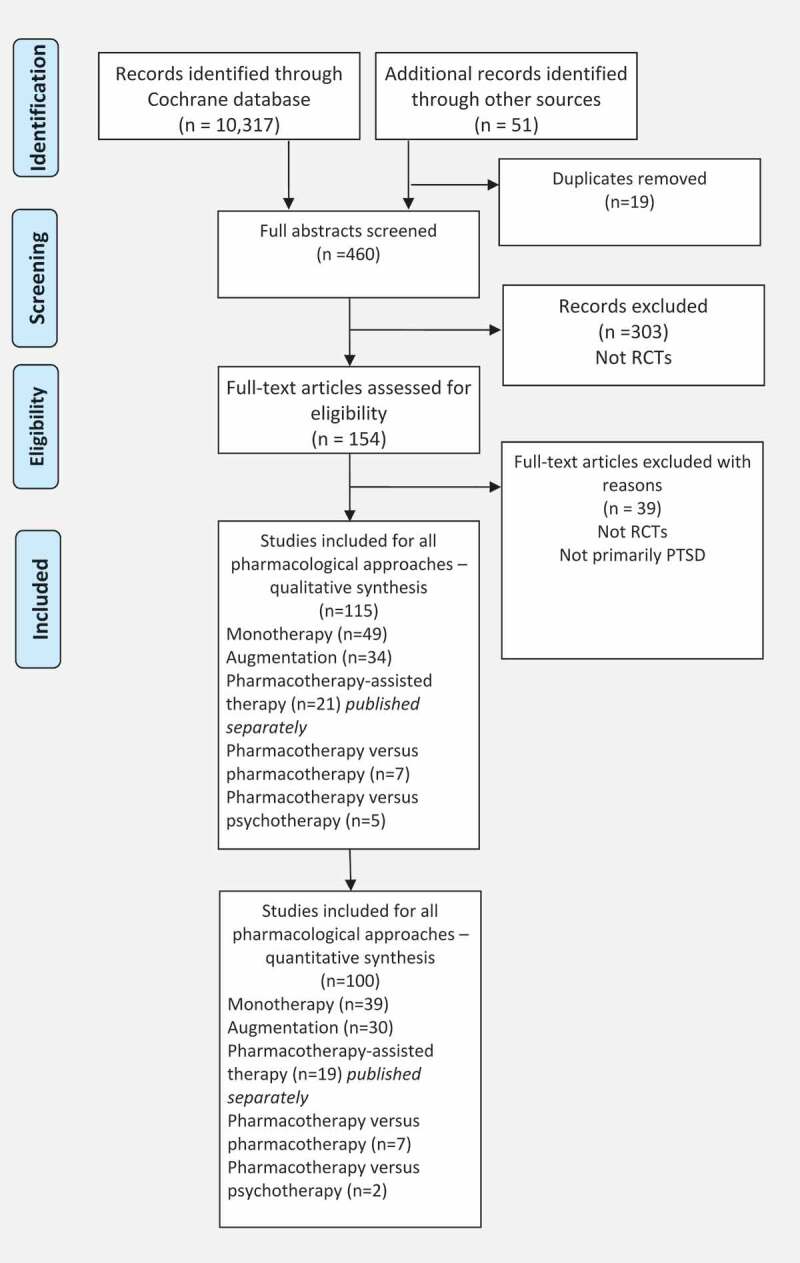
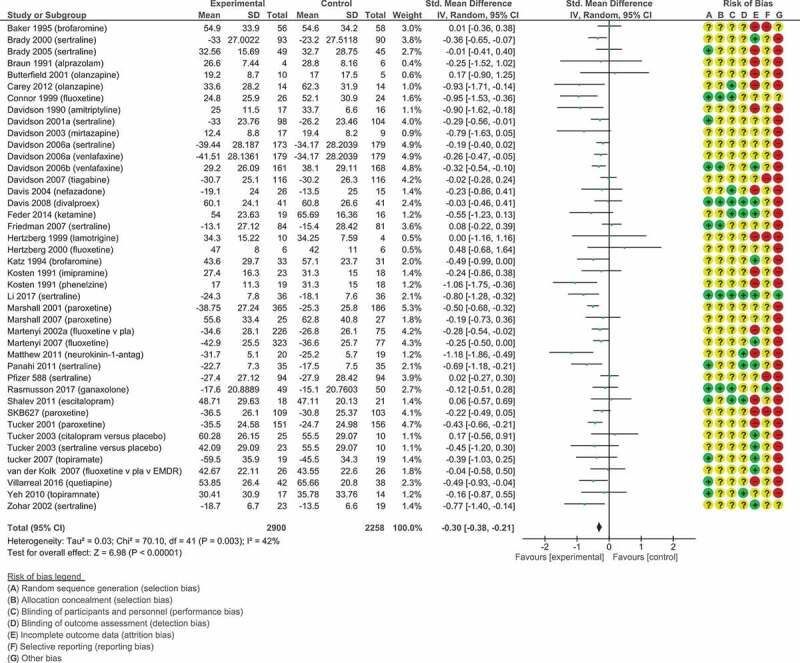
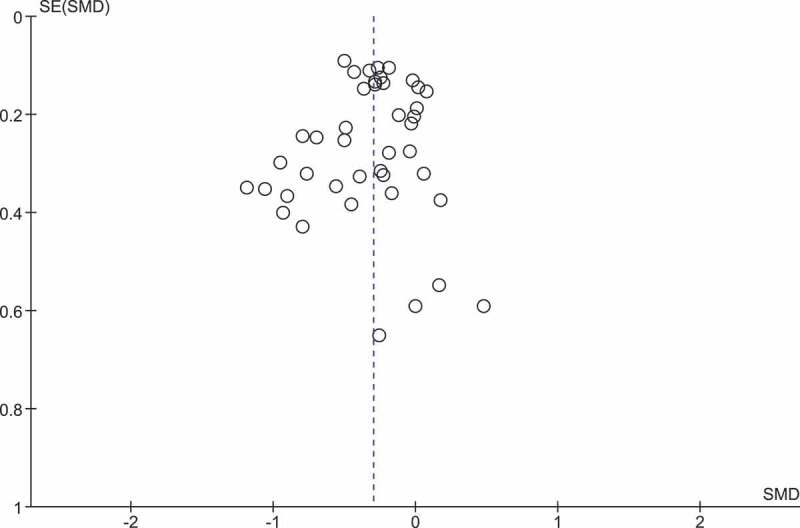
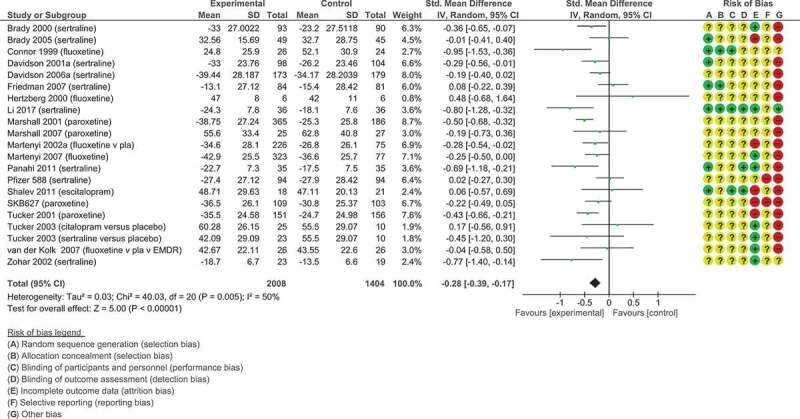
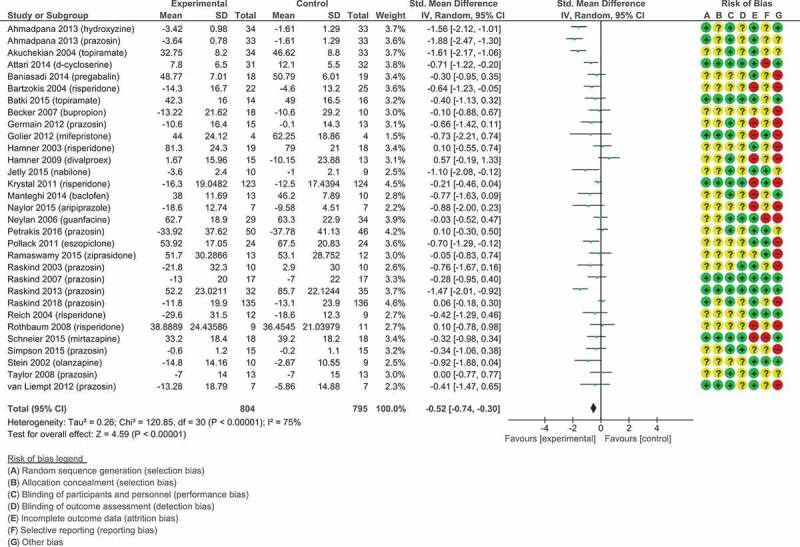
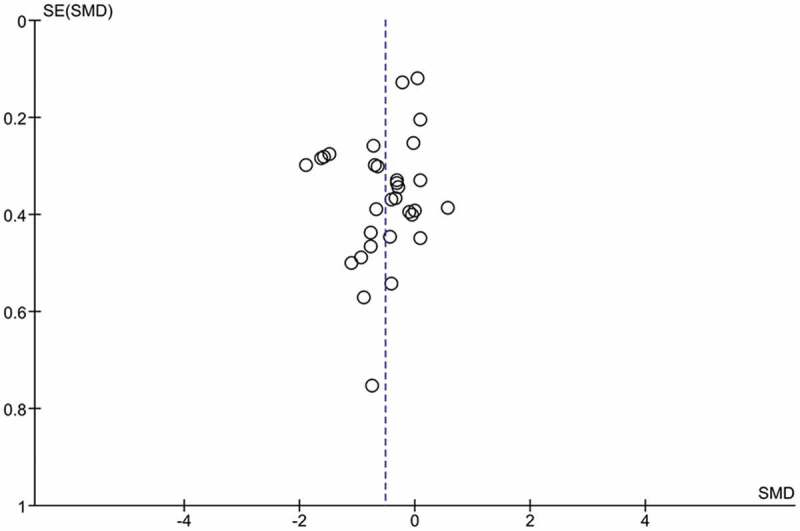
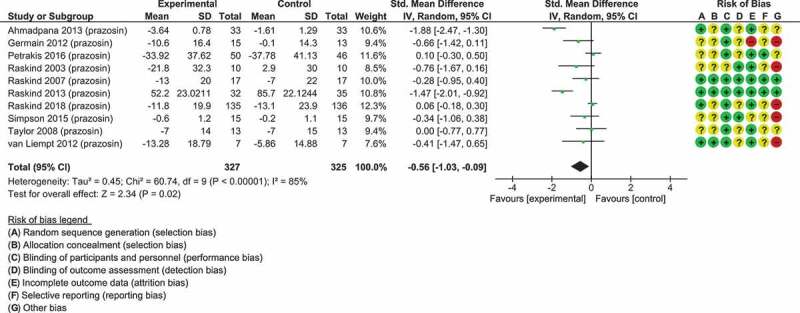
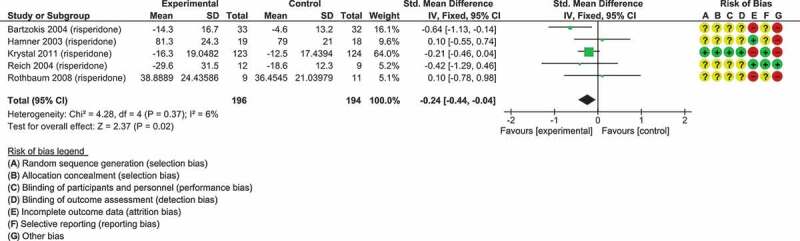
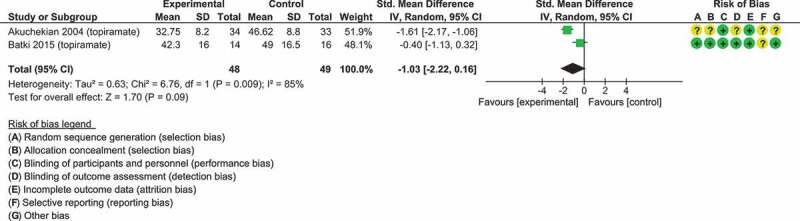
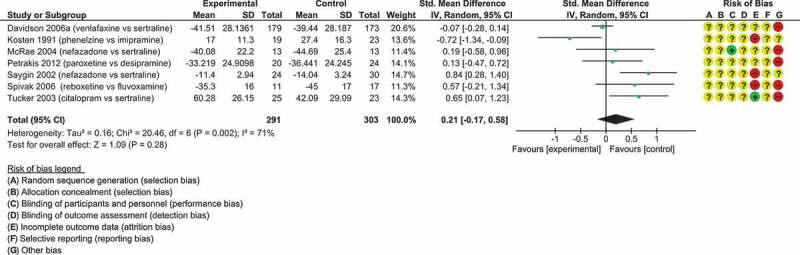
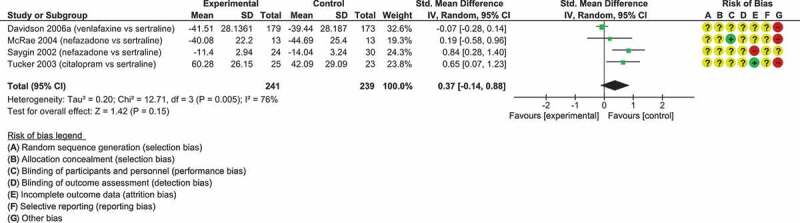
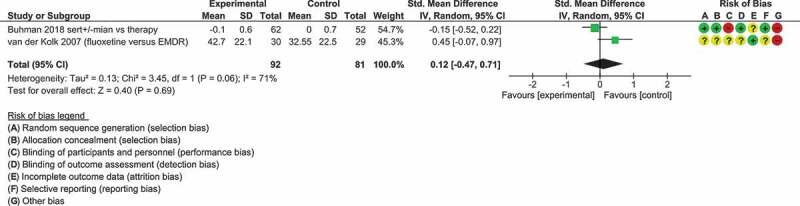
Verification
Claims the paper makes
The claims and statistics of this paper haven’t been checked yet.
Free: it reads the open-access text and checks the first 5 claims that cite a source we can check. Create a free account to check every claim.
Claims other papers make about this one
Each is checked against this paper’s own text: does it say what the citing paper says it does?
The source backs part of the claim, not all of it — or backs it for a different population, condition or comparison.
In the citing paper
“Psychopharmacological interventions are also effective evidence-based treatments for non-comorbid EDs, PTSD and related comorbid disorders, e.g., mood and anxiety disorders, but they should always be adjunctive to psychotherapeutic interventions for patients with ED + PTSD and related comorbidities (174–179) (see #9 in Figure 1).”
From The integrated treatment of eating disorders, posttraumatic stress disorder, and psychiatric comorbidity: a commentary on the evolution of principles and guidelines (2023) · cites this paper as [178]
Experimental — accuracy not yet measured
Self-check
Percentages, sums and reported differences re-computed from the paper’s own numbers.
The self-check needs the paper’s full text.
Citations
Cites
Diagnostic and Statistical Manual of Mental Disorders, 5th ed.
Carter, M. J. (2014) · Therapeutic Recreation Journal · Cited by 15,169
CONSORT 2010 Statement: updated guidelines for reporting parallel group randomised trials
the CONSORT Group, Schulz, K. F., Altman, D. G., & Moher, D. (2010) · BMC Medicine · doi:10.1186/1741-7015-8-18 · Cited by 13,371
Kessler, R. C., Chiu, W. T., Demler, O., & Walters, E. E. (2005) · Archives of General Psychiatry · doi:10.1001/archpsyc.62.6.617 · Cited by 12,052 · cited 1×
“It causes considerable distress and runs a chronic course in around a third of individuals (Kessler, Chiu, Demler, Merikangas, & Walters, 2005); keeping them off work, in receipt of long-term incapacity benefits and requiring support from medical services for many years (Ferry et al., 2008).”
BackgroundPosttraumatic Stress Disorder in the National Comorbidity Survey
Kessler, R. C. (1995) · Archives of General Psychiatry · doi:10.1001/archpsyc.1995.03950240066012 · Cited by 10,379 · cited 2×
“In conflict-afflicted areas, the prevalence is much higher, between 13% and 25% (Steel et al., 2009), and reaches more than 50% in survivors of sexual assault (Kessler, Sonnega, Bromet, Hughes, & Nelson, 1996).”
BackgroundCONSORT 2010 Statement: updated guidelines for reporting parallel group randomised trials
Schulz, K. F., Altman, D. G., Moher, D., & for the CONSORT Group (2010) · BMJ · doi:10.1136/bmj.c332 · Cited by 9,329
Steel, Z., Chey, T., Silove, D., Marnane, C., Bryant, R. A., & van Ommeren, M. (2009) · JAMA · doi:10.1001/jama.2009.1132 · Cited by 2,246 · cited 1×
“In conflict-afflicted areas, the prevalence is much higher, between 13% and 25% (Steel et al., 2009), and reaches more than 50% in survivors of sexual assault (Kessler, Sonnega, Bromet, Hughes, & Nelson, 1996).”
BackgroundCONSORT 2010 statement: Updated guidelines for reporting parallel group randomised trials
Schulz, K. F., Altman, D. G., & Moher, D. (2010) · Journal of Pharmacology and Pharmacotherapeutics · doi:10.4103/0976-500x.72352 · Cited by 2,165
Wang, P. S., Aguilar-Gaxiola, S., Alonso, J., Angermeyer, M. C., Borges, G., Bromet, E. J., Bruffaerts, R., de Girolamo, G., de Graaf, R., Gureje, O., et al. (2007) · The Lancet · doi:10.1016/s0140-6736(07)61414-7 · Cited by 1,655 · cited 2×
“In addition to concerns about the tolerability and efficacy of TFPT, people with PTSD may live in areas of the world without access to it or, where they can access it, face long waiting lists for therapy, keeping them off work, in receipt of long-term incapacity benefits and requiring medical support (Wang et al., 200…”
BackgroundThe Maudsley Prescribing Guidelines in Psychiatry
Taylor, D. M., Barnes, T. R. E., & Young, A. H. (2021) · Wiley eBooks · doi:10.1002/9781119870203 · Cited by 988
Pietrzak, R. H., Goldstein, R. B., Southwick, S. M., & Grant, B. F. (2011) · Journal of Anxiety Disorders · doi:10.1016/j.janxdis.2010.11.010 · Cited by 963 · cited 1×
“PTSD is also associated with high rates of debilitating comorbidities, with up to 50% suffering from depression (Pietrzak, Goldstein, Southwick, & Grant, 2011) and drug and alcohol abuse (Roberts, Kitchiner, Kenardy, & Bisson, 2010), and 19% will attempt suicide (Kessler et al., 1996).”
Background
Research works printed but not linked: 8
- 32. Ferry, F., Bolton, D., Bunting, B., Devine, B., McCann, S., & Murphy, S. (2008). Trauma, health and conflict in Northern Ireland: A study of the epidemiology of trauma related disorders and qualitative investigation of the impact of trauma on the individual. Ireland: Psychology Research Institute, University of Ulster.
- 35. Forman-Hoffman, V., Middleton, J. C., Feltner, C., Gaynes, B. N., Weber, R. P., Bann, C., … Green, J. (2018b). Psychological and pharmacological treatments for adults with posttraumatic stress disorder: A systematic review update, agency for healthcare research and quality. PMID: 30204376.
- 45. Higgins, J. P. T., & Green, S. (2011). Cochrane handbook for systematic reviews of interventions version 5.1.0. UK: The Cochrane Collaboration and John Wiley and Sons Ltd.
- 68. National Institute for Health and Care Excellence Guideline: Post-traumatic stress disorder. (2018, June). Draft for consultation. UK: NICE.
- 87. Review Manager (RevMan) (2014) [Computer program]. Version 5.3. Copenhagen: The Nordic Cochrane Centre, The Cochrane Collaboration.
- 97. SKB627, Bryson, H., Lawrinson, S., GJ, E., & KM, G. (unpublished). A 12 week, double-blind, placebo-controlled, parallel group study to assess the efficacy and tolerability of paroxetine in patients suffering from posttraumatic stress disorder.
- 98. SKB650, Bryson, H., KE, D., & Jeffery, P. J. (unpublished). A study of the maintained efficacy and safety of paroxetine versus placebo in the long-term treatment of posttraumatic stress disorder.
- 99. Sonne, S. C., Waldrop, A., Back, S., Killeen, T., McRae, A., & Brady, K. (2006) Paxil CR versus placebo in the treatment of outpatients with comorbid PTSD and substance dependence, Proceedings of the 68th Annual Scientific Meeting of the College on Problems of Drug Dependence, June 17-22; Scottsdale, Arizona.
Cited by
Treatment of Posttraumatic Stress Disorder: A State-of-the-art Review
Burback, L., Brémault-Phillips, S., Nijdam, M. J., McFarlane, A., & Vermetten, E. (2024) · Current Neuropharmacology · doi:10.2174/1570159x21666230428091433 · Cited by 208
Prevention and treatment of PTSD: the current evidence base
Bisson, J. I., & Olff, M. (2021) · European Journal of Psychotraumatology · doi:10.1080/20008198.2020.1824381 · Cited by 150
“Pharmacological treatment of adults with PTSD (Hoskins et al., 2020).”
Self-citationBrewin, C. R., Atwoli, L., Bisson, J. I., Galea, S., Koenen, K. C., & Lewis‐Fernández, R. (2025) · World Psychiatry · doi:10.1002/wps.21269 · Cited by 142
“Most guidelines do not consider augmentation, although systematic reviews and meta-analyses provide some evidence to support augmentation of either SSRIs or venlafaxine with the alpha1-adrenoceptor antagonist prazosin 364 .”
Self-citationAstill Wright, L., Horstmann, L., Holmes, E. A., & Bisson, J. I. (2021) · Translational Psychiatry · doi:10.1038/s41398-021-01570-w · Cited by 97
Self-citationPost-traumatic Stress Disorder
Merians, A. N., Spiller, T. R., Harpaz‐Rotem, I., Krystal, J. H., & Pietrzak, R. H. (2022) · Medical Clinics of North America · doi:10.1016/j.mcna.2022.04.003 · Cited by 132
Preventing the onset of post traumatic stress disorder
Bisson, J. I., Wright, L. A., Jones, K. A., Lewis, C., Phelps, A. J., Sijbrandij, M., Varker, T., & Roberts, N. P. (2021) · Clinical Psychology Review · doi:10.1016/j.cpr.2021.102004 · Cited by 85
Self-citationSchnurr, P. P., Hamblen, J. L., Wolf, J., Coller, R., Collie, C. F., Fuller, M. A., Holtzheimer, P. E., Kelly, U. A., Lang, A. J., McGraw, K., et al. (2024) · Annals of Internal Medicine · doi:10.7326/m23-2757 · Cited by 112
“Similarly, with the exception of atypical antipsychotic medications, evidence (40, 42) was insuf fi cient to support augmenting recommended or suggested psychotherapy or medication treatment with other non – PTSD-indicated medication (recommendation 21).”
BackgroundSingewald, N., Sartori, S. B., Reif, A., & Holmes, A. (2023) · Neuropharmacology · doi:10.1016/j.neuropharm.2023.109418 · Cited by 69
Neurobiology and Treatment of Posttraumatic Stress Disorder
Shalev, A. Y., Cho, D., & Marmar, C. R. (2024) · American Journal of Psychiatry · doi:10.1176/appi.ajp.20240536 · Cited by 82
Hoskins, M. D., Sinnerton, R., Nakamura, A., Underwood, J. F. G., Slater, A., Lewis, C., Roberts, N. P., Bisson, J. I., Lee, M., & Clarke, L. (2021) · European Journal of Psychotraumatology · doi:10.1080/20008198.2020.1853379 · Cited by 51
Self-citationBisson, J. I., van Gelderen, M. J., Roberts, N. P., & Lewis, C. (2020) · European Journal of Psychotraumatology · doi:10.1080/20008198.2020.1795361 · Cited by 58
Self-citationOlff, M., Hein, I. M., Amstadter, A. B., Armour, C., Birkeland, M. S., Bui, É., Cloître, M., Ehlers, A., Ford, J. D., Greene, T., et al. (2025) · European Journal of Psychotraumatology · doi:10.1080/20008066.2025.2458406 · Cited by 76
Self-citationBrewerton, T. D. (2023) · Frontiers in Psychiatry · doi:10.3389/fpsyt.2023.1149433 · Cited by 46
Bolsoni, L. M., Crippa, J. A. S., Hallak, J. E. C., Guimarães, F. S., & Zuardi, A. W. (2022) · Brazilian Journal of Psychiatry · doi:10.1590/1516-4446-2021-2317 · Cited by 35
Sottile, R., & Vida, T. (2022) · Frontiers in Psychiatry · doi:10.3389/fpsyt.2022.991753 · Cited by 48
Campos, B., Vinder, V., Passos, R. B. F., Coutinho, E. S. F., Vieira, N. C. P., Leal, K. B., Mendlowicz, M. V., Figueira, I., Luz, M. P., Marques-Portela, C., et al. (2022) · Journal of Psychopharmacology · doi:10.1177/02698811221080464 · Cited by 31
“The clinical relevance of these small effects is uncertain, indicating the need for more investigation in this area (Hoskins et al., 2015, 2021).”
BackgroundGasparyan, A., Navarro, D., Navarrete, F., & Manzanares, J. (2022) · Neuropharmacology · doi:10.1016/j.neuropharm.2022.109211 · Cited by 38
McIntyre, R. S. (2023) · Expert Opinion on Drug Safety · doi:10.1080/14740338.2023.2248883 · Cited by 32
Steenen, S. A., Steenen, C. C., van Westrhenen, R., Klausch, T. L. T., & de Jongh, A. (2023) · SSRN Electronic Journal · doi:10.2139/ssrn.4597991 · Cited by 30
Posttraumatic Stress Disorder in Elite Athletes
Lynch, J. H. (2021) · Current Sports Medicine Reports · doi:10.1249/jsr.0000000000000918 · Cited by 33
Qu, Y., Eguchi, A., Wan, X., Ma, L., Chang, L., Shan, J., Yang, Y. H., Mori, C., & Hashimoto, K. (2022) · Psychiatry Research · doi:10.1016/j.psychres.2022.115020 · Cited by 28
Mansour, M., Joseph, G. R., Joy, G. K., Khanal, S., Dasireddy, R. R., Menon, A., Mason, I. B., Kataria, J., Patel, T., & Modi, S. (2023) · Cureus · doi:10.7759/cureus.44905 · Cited by 39
“Effective treatments for PTSD include pharmacological interventions and various psychotherapeutic approaches, but achieving evidence-based prescribing remains challenging due to inconsistent findings and recommendations from previous reviews [3].”
Rahimi-Danesh, M., Samizadeh, M., Sajadi, A.-E., Rezvankhah, T., & Vaseghi, S. (2023) · Pharmacology Biochemistry and Behavior · doi:10.1016/j.pbb.2023.173675 · Cited by 32
Averill, L. A., & Abdallah, C. G. (2022) · Expert Opinion on Investigational Drugs · doi:10.1080/13543784.2022.2035358 · Cited by 23
“The rates of non-response or partial response to these medications among combat-exposed individuals, particularly those with chronic PTSD, are comparable or worse to those of civilian patient populations [7,8].”
BackgroundWang, J., Zhang, B., Yahaya, R., & Abdullah, A. B. (2025) · BMC Psychology · doi:10.1186/s40359-025-02361-4 · Cited by 54
Sherman, A. D. F., Balthazar, M. S., Zhang, W., Febres‐Cordero, S., Clark, K. D., Klepper, M., Coleman, M., & Kelly, U. A. (2023) · Brain and Behavior · doi:10.1002/brb3.2999 · Cited by 28
Management of post-traumatic stress disorder symptoms by yoga: an overview
Laplaud, N., Perrochon, A., Gallou‐Guyot, M., Moens, M., Goudman, L., David, R., Rigoard, P., & Billot, M. (2023) · BMC Complementary Medicine and Therapies · doi:10.1186/s12906-023-04074-w · Cited by 31
“2 distinction as there is only RCT in this overview b Data available in previous publications [7, 35, 36] °AMSTAR 2 critical domains, Y Yes, P Partially yes, N No, n.”
BackgroundLappas, A. S., Glarou, E., Polyzopoulou, Z. A., Goss, G., Huhn, M., Samara, M. T., & Christodoulou, G. N. (2024) · Sleep Medicine · doi:10.1016/j.sleep.2024.05.032 · Cited by 21
Fluoxetine Rescues Excessive Myelin Formation and Psychological Behaviors in a Murine PTSD Model
Yin, C., Luo, K., Zhu, X., Zheng, R., Wang, Y., Yu, G., Wang, X., She, F., Chen, X., Li, T., et al. (2024) · Neuroscience Bulletin · doi:10.1007/s12264-024-01249-4 · Cited by 19
Vagus nerve stimulation therapy for treatment-resistant PTSD
Powers, M. B., Hays, S. A., Rosenfield, D., Al, P., Gallaway, H. L., Chauvette, G. V., Smits, J. A. J., Warren, A. M., Douglas, M., Naftalis, R. C., et al. (2025) · Brain stimulation · doi:10.1016/j.brs.2025.03.007 · Cited by 28
“Some individuals with PTSD respond well to cognitive behavioral therapies or pharmacological interventions, but many others fail to adequately respond, are unable to comply with therapy, experience intolerable side effects, or relapse [3 – 5].”
PTSD and complex PTSD, current treatments and debates: a review of reviews
Billings, J., & Nicholls, H. (2025) · British Medical Bulletin · doi:10.1093/bmb/ldaf015 · Cited by 20
“…was associated with improved PTSD symptoms, sleep quality, and nightmares in some studies; however, the largest trial included in the meta-analysis found a large placebo effect, particularly for nightmares, leading the review authors to conclude there was no evident treatment difference [75].”
InfluentialPhilipp-Muller, A. E., Stephenson, C., Moghimi, E., Shirazi, A. H., Milev, R. V., Vázquez, G. H., Reshetukha, T., & Alavi, N. (2023) · The Journal of Clinical Psychiatry · doi:10.4088/jcp.22br14564 · Cited by 25
Li, Q., Theodorsen, M. C., Konvalinka, I., Eskelund, K., Karstoft, K., Andersen, S. B., & Andersen, T. (2022) · Journal of Neural Engineering · doi:10.1088/1741-2552/ac9aaf · Cited by 19
“The same is true for pharmacological treatments of PTSD: while selective serotonin reuptake inhibitors have proven superior to placebo in reduction of PTSD-symptoms, effect sizes are generally small and limited to symptom relief in certain patients (DePierro et al 2019, Hoskins et al 2021).”
BackgroundGruenbaum, B. F., Zlotnik, A. A., Oleshko, A., Matalon, F., Shiyntum, H. N., Frenkel, A., & Boyko, M. (2024) · Nutrients · doi:10.3390/nu16060901 · Cited by 15
“Despite some understanding about the reasons for post-TBI PTSD, PTSD in general is poorly amenable to pharmacologic treatment [28].”
BackgroundSiddaway, A. P., Meiser‐Stedman, R., Chester, V., Finn, J., Leary, C. O., Peck, D. F., & Loveridge, C. (2022) · Depression and Anxiety · doi:10.1002/da.23272 · Cited by 16
“…indicate that some medications (fluoxetine, paroxetine, sertraline, venlafaxine and quetiapine) lead to a small reduction in PTSD symptom severity, (Hoskins et al., 2015, 2021) whereas a number of different trauma‐ focused psychological therapies have demonstrated large effect sizes in reducing…”
BackgroundHardcastle, T. C., Gaarder, C., Balogh, Z. J., D’Amours, S. K., Davis, K. A., Gupta, A., Mohseni, S., Næss, P. A., Naidoo, S., Razek, T. S., et al. (2025) · World Journal of Surgery · doi:10.1002/wjs.70003 · Cited by 12
Hühne, V., Chacur, C., de Oliveira, M. V. S., Fortes, P. P., de Menezes, G. M. B., & Fontenelle, L. F. (2023) · Expert Review of Neurotherapeutics · doi:10.1080/14737175.2023.2265066 · Cited by 11
“…particularly relevant for repetitive behaviors in OCD (such as cingulotomy or anterior capsulotomy) [148], electro-convulsive therapy for severe MDD [149], prazosin for PTSD [150], and benzodiazepines for panic disorder [151], social anxiety disorder [152], and generalized anxiety disorder [153].”
BackgroundMendes, T. P., Pereira, B. G., Coutinho, E. S. F., Melani, M., Neylan, T. C., & Berger, W. L. (2025) · Progress in Neuro-Psychopharmacology and Biological Psychiatry · doi:10.1016/j.pnpbp.2025.111253 · Cited by 17
Цейликман, В. Э., Fedotova, J., Tseilikman, O. B., Novak, J., Karpenko, M. N., Maistrenko, V. A., Lazuko, S. S., Belyeva, L. E., Kamel, M., Buhler, A. V., et al. (2023) · International Journal of Molecular Sciences · doi:10.3390/ijms24119333 · Cited by 12
“In particular, up to 40% of PTSD patients are resistant to drug therapy [3,4].”
BackgroundПОСТТРАВМАТИЧНИЙ СТРЕСОВИЙ РОЗЛАД ПІД ЧАС ПОВНОМАСШТАБНОЇ ВІЙНИ У ВІЙСЬКОВОСЛУЖБОВЦІВ
Чорна, В. В., Serebrennikova, О. А., Kolomiets, V. V., Гозак, С., Єлізарова, О., Rybinskyi, M. V., Anhelska, V. Y., & Павленко, Н. (2023) · Молодий вчений · doi:10.32839/2304-5809/2023-12-124-28 · Cited by 45
Effects of Maternal Separation and Subsequent Stress on Behaviors and Brain Monoamines in Rats
Mavrenkova, P., Khlebnikova, N. N., Alchinova, I. B., Demorzhi, M. S., Shoibonov, B. B., & Karganov, M. Y. (2023) · Brain Sciences · doi:10.3390/brainsci13060956 · Cited by 10
Lotfinia, S., Afshar, A., Yaseri, A., Olff, M., & Quidé, Y. (2023) · Brain and Behavior · doi:10.1002/brb3.3292 · Cited by 7
“Evidence for the efficacy of current antidepressant approaches is limited, with about one third of PTSD patients still meeting criteria for PTSD after treatment (Hoskins et al., 2021; Sijbrandij et al., 2015).”
BackgroundNeurotransmitters in Neural Circuits and Neurological Diseases
Gholami, A., & Mortezaee, K. (2025) · ACS Chemical Neuroscience · doi:10.1021/acschemneuro.5c00426 · Cited by 12
Jones, A., Warner‐Schmidt, J. L., Kwak, H., Stogniew, M., Mandell, B., Ching, T. H. W., Stein, M. B., & Kelmendi, B. (2026) · JAMA Psychiatry · doi:10.1001/jamapsychiatry.2025.4625 · Cited by 9
Liu, J. J. W., Nazarov, A., Easterbrook, B., Plouffe, R. A., Le, T., Forchuk, C. A., Brandwood, A., Cyr, K. S., Auger, É., Balderson, K., et al. (2021) · JMIR Research Protocols · doi:10.2196/33151 · Cited by 10
“Many reviews included evidence exclusively from randomized controlled trials that often used monotherapies or exclusion criteria [35].”
Sexual assault as a public health problem and other developments in psychotraumatology
Olff, M. (2022) · European Journal of Psychotraumatology · doi:10.1080/20008198.2022.2045130 · Cited by 9
Rohde, J., Hickmann, E., Buchmann, M., Kronenberg, G., Vetter, S., Seifritz, E., Kleim, B., & Olbrich, S. (2024) · Behavioral Sciences · doi:10.3390/bs14080717 · Cited by 9
“Trauma-focused psychotherapy is recommended as a first-line treatment [2–5], while pharmacological options are rare and less efficient [6,7].”
BackgroundKang, S., Kim, J., Yang, J. S., Jeon, Y. J., Lee, H., Suglia, S. F., Tsai, A. C., Kang, J. I., & Jung, S. J. (2024) · BMC Medicine · doi:10.1186/s12916-024-03704-5 · Cited by 8
“Although various pharmacological and non-pharmacological interventions for PTSD have been developed, there remains a need to further prevent and manage PTSD to mitigate its burden on affected individuals’ lives [7, 8].”
BackgroundParaniak-Gieszczyk, B., & Ogłodek, E. A. (2025) · International Journal of Molecular Sciences · doi:10.3390/ijms26199636 · Cited by 12
“According to neuroimaging and experimental studies, decreased serotonergic activity is correlated with increased depressive symptoms, heightened amygdala reactivity, and deficits in emotional control [59,60].”
Dominiak, M., Gędek, A., Modrzejewski, S., Permoda-Pachuta, A., & Antosik-Wójcińska, A. Z. (2025) · Journal of Clinical Medicine · doi:10.3390/jcm15010253 · Cited by 10
Depression and Anxiety Disorders
Karamustafalıoğlu, O., & Yumrukçal, H. (2025) · Wiley eBooks · doi:10.1002/9781119870203.mpg003.pub2 · Cited by 8
Post-traumatic stress disorder
Ressler, K. J., Rothbaum, B. O., Schnurr, P. P., Binder, E., Moreland-Capuia, A. R., Nievergelt, C. M., Koenen, K. C., Seedat, S., Shalev, A. Y., Marmar, C. R., et al. (2026) · Nature Reviews Disease Primers · doi:10.1038/s41572-026-00701-1 · Cited by 9
“approaches can be used when first-line treatment is ineffective or does not lead to remission (reviewed elsewhere 169 ); however, none of these approaches is consistently supported by large-scale randomized clinical trials or is recommended in PTSD treatment guidelines 173 .”
The top-100 cited articles on post-traumatic stress disorder: a historical bibliometric analysis
Mendlowicz, M. V., Gekker, M., de Araújo, A. X. G., Oliveira, L., Pereira, M. G., Berger, W., Luz, M. P., Vilete, L. M. P., Marques‐Portella, C., Figueira, I. L. D. V., et al. (2022) · Psychology Health & Medicine · doi:10.1080/13548506.2022.2147555 · Cited by 9
Muñoz, M. D. L. F. R., Chrzan‐Dętkoś, M., Uka, A., García-López, H. S., Bina, R., & Le, H. (2024) · Archives of Women s Mental Health · doi:10.1007/s00737-024-01537-y · Cited by 8
Jagtiani, A., Gandhi, R., Banga, A., Blacker, C. J., Joshi, R., Bollu, B., & Kashyap, R. (2024) · Cureus · doi:10.7759/cureus.53009 · Cited by 13
Strekalova, T. V., Вячеславовна, Г. А., Costa-Nunes, J. P., Litavrin, A., de Munter, J., Lyundup, A., Umriukhin, A., Proshin, A. T., Kalueff, A. V., Grünblatt, E., et al. (2025) · International Journal of Molecular Sciences · doi:10.3390/ijms26146627 · Cited by 7
“Antidepressants, such as selective serotonin reuptake inhibitors (SSRI), sertraline, paroxetine, and venlafaxine, have limited efficacy and serious side effects, such as insomnia, dizziness, headaches, and weight fluctuations [6,7].”
Guillen-Burgos, H. F., Galvez-Florez, J. F., Moreno, S., Kwan, A. T. H., & McIntyre, R. S. (2024) · International Clinical Psychopharmacology · doi:10.1097/yic.0000000000000543 · Cited by 6
“However, few studies have reported positive results on the use of mood stabilizers (MS) or atypical antipsychotics in individuals with PTSD (de Moraes Costa et al ., 2020; Hoskins et al ., 2021; Zhang et al ., 2023).”
PTSD biomarkers: Neuroendocrine signaling to epigenetic variants
Sbisa, A. M., Graham, K., Lawrence‐Wood, E., McFARLANE, A. C., & Toben, C. G. (2024) · Advances in clinical chemistry · doi:10.1016/bs.acc.2024.06.004 · Cited by 4
Radzimirski, A., Croft, M., Ireland, N., Miller, L., Newell-Caito, J. L., & Caito, S. W. (2024) · Toxics · doi:10.3390/toxics12100754 · Cited by 5
“Increasing 5-HT levels in the brain through SSRIs is first-line treatment for depression, anxiety, and PTSD [75,76].”
BackgroundDoucette, M. L., Hemraj, D., Macfarlan, D. L., Chin, J., & Fisher, E. (2025) · Clinical Drug Investigation · doi:10.1007/s40261-025-01424-z · Cited by 3
Lewis, C., & Bisson, J. I. (2022) · Acta Psychiatrica Scandinavica · doi:10.1111/acps.13392 · Cited by 5
Self-citationDodds, C., Dawson, R. L., Lim, A., Tye, S. J., & Nasrallah, F. A. (2025) · Therapeutic Advances in Psychopharmacology · doi:10.1177/20451253251396255 · Cited by 4
MDMA for PTSD and beyond: a new paradigm brings hope
Shannon, S., & Geller, J. A. (2024) · Frontiers in Human Neuroscience · doi:10.3389/fnhum.2024.1475013 · Cited by 3
Mulvaney, S. W., Mahadevan, S., Dineen, K. J., Desronvilles, R. J., & Olmsted, K. R. (2025) · Clinical and Translational Neuroscience · doi:10.3390/ctn9010007 · Cited by 4
Social Determinants of Mental Health for Posttraumatic Stress Disorder
Braford, M. B., Fisher, D. R., & Matta, S. E. (2024) · Psychiatric Annals · doi:10.3928/00485713-20240618-03 · Cited by 4
Management of post-traumatic stress disorder symptoms by yoga: an overviewPreprint
Laplaud, N., Perrochon, A., Gallou‐Guyot, M., Moens, M., Goudman, L., David, R., Rigoard, P., & Billot, M. (2022) · Research Square · doi:10.21203/rs.3.rs-1834126/v1 · Cited by 3
Wright, S. L., Kessler, A. S., Sijbrandij, M., Karyotaki, E., Cuijpers, P. J., Bisson, J. I., Brady, K. T., Dowd, S. M., Dunlop, B. W., Pollack, M. H., et al. (2025) · European Journal of Psychotraumatology · doi:10.1080/20008066.2025.2504839 · Cited by 3
“Previous conventional meta-analyses on pharmacotherapy efficacy for adult PTSD have reported similar patterns (Hoskins et al., 2021; Stein et al., 2006).”
Self-citationPost-traumatic stress disorder in psychedelic research
Bostoen, T., Tap, S. C., Breeksema, J. J., & Schoevers, R. A. (2025) · International review of neurobiology · doi:10.1016/bs.irn.2025.02.004 · Cited by 2
Dell’Oste, V., Palego, L., Bordacchini, A., Rimoldi, B., Parrini, L., Pedrinelli, V., Giannaccini, G., Betti, L., & Carmassi, C. (2026) · Frontiers in Psychiatry · doi:10.3389/fpsyt.2025.1680907 · Cited by 3
State of the Science: MDMA‐assisted psychotherapy for the treatment of posttraumatic stress disorder
Morland, L. A., Rothbaum, B. O., Sippel, L. M., Maples‐Keller, J. L., & Schnurr, P. P. (2026) · Journal of Traumatic Stress · doi:10.1002/jts.70060 · Cited by 2
Vermetten, E. H. G. J. M., & Wit, J. (2023) · Medical Research Archives · doi:10.18103/mra.v11i11.4503 · Cited by 7
Evidenzbasierte Psychotherapie posttraumatischer Belastungsstörungen – ein Update
Steil, R., Maercker, A., Jaworski, L., Bachem, R., & Eberle, D. J. (2024) · Der Nervenarzt · doi:10.1007/s00115-024-01694-6 · Cited by 4
Seedat, S., & Kastrup, M. C. (2024) · Springer eBooks · doi:10.1007/978-3-030-51366-5_123 · Cited by 2
Fediak, I., & Volosheniuk, T. (2024) · ScienceRise Pharmaceutical Science · doi:10.15587/2519-4852.2024.308684 · Cited by 2
Prevention and Treatment of Post-Traumatic Stress Disorder (PTSD)
Gasyuk, M., Tverdokhlib, N., Широбоков, Ю., Mahanova, T. V., & Щербакова, О. (2023) · Revista de Cercetare si Interventie Sociala · doi:10.33788/rcis.81.5 · Cited by 2
MODERN APPROACHES TO THE THERAPY OF POST-TRAUMATIC STRESS DISORDER (LITERATURE REVIEW)
Klimova, I. Y., & Volnaya, Y. S. (2023) · Sibirskij medicinskij vestnik · doi:10.31549/2541-8289-2023-7-2-35-40 · Cited by 4
Barhoma, M., Carlsson, J., & Sonne, C. (2024) · Nordic Journal of Psychiatry · doi:10.1080/08039488.2024.2324357 · Cited by 1
“…guidelines for instance, do not recommend psychotherapy over pharmacological treatment, as they state that there is a limited amount of comparative effectiveness trials on psychotherapies versus medications to make evidence-based recommendations on selecting one treat-ment over the other [14,19].”
BackgroundResultEvolving Psychotherapeutic Approaches for PTSD: Beyond the Fear-Based Model
Burback, L., Winkler, O., Jetly, R., Swainson, J., Zhang, Y., Bhat, V., & Vermetten, E. (2025) · Psychiatry and Clinical Psychopharmacology · doi:10.5152/pcp.2025.241019 · Cited by 1
Pharmacological Treatment for Trauma-Related Psychological Disorders
Bisson, J. I. (2022) · Springer eBooks · doi:10.1007/978-3-030-97802-0_27 · Cited by 1
Self-citationProblems With Noninferiority Designs in PTSD Treatment Research: Losing Signal to Noise
Rauch, S. A. M., Kim, H. M., Acierno, R. E., Tuerk, P. W., & Rothbaum, B. O. (2025) · American Journal of Psychiatry · doi:10.1176/appi.ajp.20240567 · Cited by 2
Music Therapy and Music-Based Intervention in Psychiatry
Fusar‐Poli, L., & Politi, P. (2025) · Neurocultural health and wellbeing · doi:10.1007/978-3-031-88578-5_13 · Cited by 2
Toward a definition of treatment-resistant posttraumatic stress disorder: A systematic review
Al-Shamali, H. F., Meshkat, S., Janssen‐Aguilar, R., Uthayakumar, H., Burback, L., Winkler, O., Zhang, Y., Greenshaw, A. J., Enns, M. W., Nicholson, A. A., et al. (2025) · Journal of Military Veteran and Family Health · doi:10.3138/jmvfh-2025-0015 · Cited by 4
Alorfi, N. M. (2025) · Drug Design Development and Therapy · doi:10.2147/dddt.s550371 · Cited by 2
“27,41 A notable finding was the variability in outcome measures.”
Qi, P., Huang, M., & Zhu, H. (2025) · Scientific Reports · doi:10.1038/s41598-025-31663-1 · Cited by 1
“Drug therapy has been proven to lessen the severity of PTSD symptoms 11 , with a low success rate.”
PTSD assistance dogs: concerns for animal well-being, rights, and justice
Kiiroja, L., Gadbois, S., & Fenton, A. (2025) · Frontiers in Veterinary Science · doi:10.3389/fvets.2025.1658857 · Cited by 1
Farfan, C. H. V., Váscones-Román, F. F., Rivera, V., Karpenko, O., Bochkina, E., Parshakova, E., Sinev, A., Tafet, G. E., & Pacheco-Barrios, N. V. (2026) · Frontiers in Psychiatry · doi:10.3389/fpsyt.2026.1756576 · Cited by 1
“These factors, together with differences in trauma type, exposure intensity, and baseline neural network dysfunction, may partially account for variability in treatment response observed across PTSD populations (17 – 19).”
Robinson, J., Wallace, N., Cassidy, E. K., Lake, S., & Lucas, P. (2026) · Contemporary Drug Problems · doi:10.1177/00914509261444382 · Cited by 1
Demori, I., & Burlando, B. (2026) · International Journal of Molecular Sciences · doi:10.3390/ijms27146384 · Cited by 2
“However, although effective in reducing symptom severity, clinical tests have shown that they are not able to achieve PTSD remission [76].”
Post-traumatic stress disorder and related disorders in elite athletes: a narrative review
Aron, C. M., Kroshus, E., Hitchcock, M., & Reardon, C. L. (2026) · British Journal of Sports Medicine · doi:10.1136/bjsports-2025-111493 · Cited by 2
Effects of acute topiramate administration on post-traumatic stress disorder in rats
Demirkapu, M. J., DOĞAN, F. C., Karabağ, S., Yılmaz, A., Çelikkol, A., & Yananlı, H. R. (2022) · Çukurova medical journal (Online)/Çukurova medical journal · doi:10.17826/cumj.1035129 · Cited by 2
Seedat, S., & Kastrup, M. C. (2023) · Springer eBooks · doi:10.1007/978-3-030-42825-9_123-1 · Cited by 1
van Minnen, A., Vos, L., Bet, P. M., de Jongh, A., Linsen, F., van Marle, H. J. F., Meijer, O. C., Otte, W. M., Russcher, M., & Vinkers, C. H. (2024) · Case Reports in Psychiatry · doi:10.1155/2024/4768647 · Cited by 5
Pharmakologische Behandlung der Posttraumatischen Belastungsstörung
Roepke, S., Schellong, J., Bergemann, N., Frommberger, U., & Schmidt, U. (2024) · Der Nervenarzt · doi:10.1007/s00115-024-01684-8 · Cited by 3
Fi, B., Veltishchev, D. Y., Volel, B. A., Garganeeva, N. P., Kopylov, F. Y., Lareva, N. V., Medvedev, V. E., Mosolov, S. N., Petrova, M. M., Петрунько, О. В., et al. (2025) · Kardiologiia · doi:10.18087/cardio.2025.6.n2921 · Cited by 3
Xiong, Y., Yang, X., & Jie, J. (2025) · Journal of Affective Disorders · doi:10.1016/j.jad.2025.120047 · Cited by 1
Walker, D. D., Walton, T. O., Jaffe, A. E., Graupensperger, S. A., Rhew, I. C., & Kaysen, D. L. (2022) · SSRN Electronic Journal · doi:10.2139/ssrn.4136965 · Cited by 1
PTSD in midlife women: when deconstructing improves screening and influences care
Soares, C. N. (2024) · Menopause The Journal of The North American Menopause Society · doi:10.1097/gme.0000000000002446 · Cited by 1
Which medication is most effective for treatment of PTSD?
Kolek, C. R., Yang, C. J., Everett, C. J., Raymond, T. J., & Clark, G. (2023) · Evidence-Based Practice · doi:10.1097/ebp.0000000000001865
Visuospatial game in PTSD symptoms alleviation: intervention overview and clinical studies results
Czernecka, K. (2023) · Kwartalnik Naukowy Fides et Ratio · doi:10.34766/fetr.v55i3.1213 · Cited by 2
Yang, J., & Li, G. (2023) · Journal of Evidence-Based Medicine · doi:10.1111/jebm.12574
Metadata
- Authors
- Hoskins, M. D., Bridges, J., Sinnerton, R., Nakamura, A., Underwood, J. F. G., Slater, A., Lee, M. R. D., Clarke, L., Lewis, C., Roberts, N. P., & Bisson, J. I.
- Affiliations
- Cardiff University (GB)
- Corresponding author
- Hoskins, Mathew D.
- Venue
- European Journal of Psychotraumatology
- Publisher
- Informa UK Limited
- Published
- 2021-01
- Volume
- 12
- Issue
- 1
- Pages
- 1802920-1802920
- ISSN
- 2000-8066 (ISSN-L)
- PMC
- PMC8725683
- OpenAlex
- W3123716570
- Cited by
- 127
- References
- 115
- Citations by year
- 2026: 23 · 2025: 32 · 2024: 27 · 2023: 22 · 2022: 16 · 2021: 6
- FWCI
- 2.36
- Type
- journal article
- Language
- en
- Open access
- gold
- doi.org
- Licence
- Locations
- European Journal of Psychotraumatology (publishedVersion, cc-by-nc)
- PubMed Central (publishedVersion, cc-by-nc)
- PubMed (publishedVersion)
- ORCA Online Research @Cardiff (Cardiff University) (acceptedVersion)
- DOAJ (DOAJ: Directory of Open Access Journals) (submittedVersion, cc-by-sa)
- Funders
- The International Society for Traumatic Stress Studies
- Topics
- Social Sciences › Psychology › Clinical Psychology › Posttraumatic Stress Disorder Research
- Social Sciences › Psychology › Experimental and Cognitive Psychology › Sleep and related disorders
- Social Sciences › Psychology › Clinical Psychology › Migration, Health and Trauma
- Keywords
- post-traumatic stress disorder, pharmacotherapy, monotherapy, augmentation therapy, fluoxetine, paroxetine, sertraline, venlafaxine, quetiapine, prazosin, risperidone, symptom severity, head-to-head comparison
- MeSH terms
- Drug Synergism, Drug Therapy, Combination, Humans, Stress Disorders, Post-Traumatic, Antipsychotic Agents, Selective Serotonin Reuptake Inhibitors, Adrenergic alpha-1 Receptor Antagonists
About these checks
Registry, retraction, Cites and statistics results are computed, not judged, with one exception: a printed reference that no index lists is read once by a model before it counts as a citation error. Claims are extracted by a model and kept only when their quote appears verbatim in the text; each cited source is then checked, with a model’s help, for whether it says what the claim relies on. Those verdicts can be wrong — read the claim’s quote and the cited source before relying on one.
Statistics and arithmetic are recomputed, not judged.
Confidence bands are shown only for fields calibrated on our annotated test set. None is calibrated yet, so no band is shown.
What counts as a claim ›How we measure confidence ›How we check this ›
Are you an author, or do you see a problem with this page? Request a review
Data sources
Bibliographic data: Semantic Scholar, OpenAlex, Crossref.
Contains information from the Semantic Scholar Academic Graph Datasets, made available under the ODC Attribution License (ODC-BY 1.0).
Semantic Scholar’s data is described in: Kinney, R., et al. (2023). The Semantic Scholar Open Data Platform. arXiv:2301.10140.
